Problem Solving and Cognitive Skills

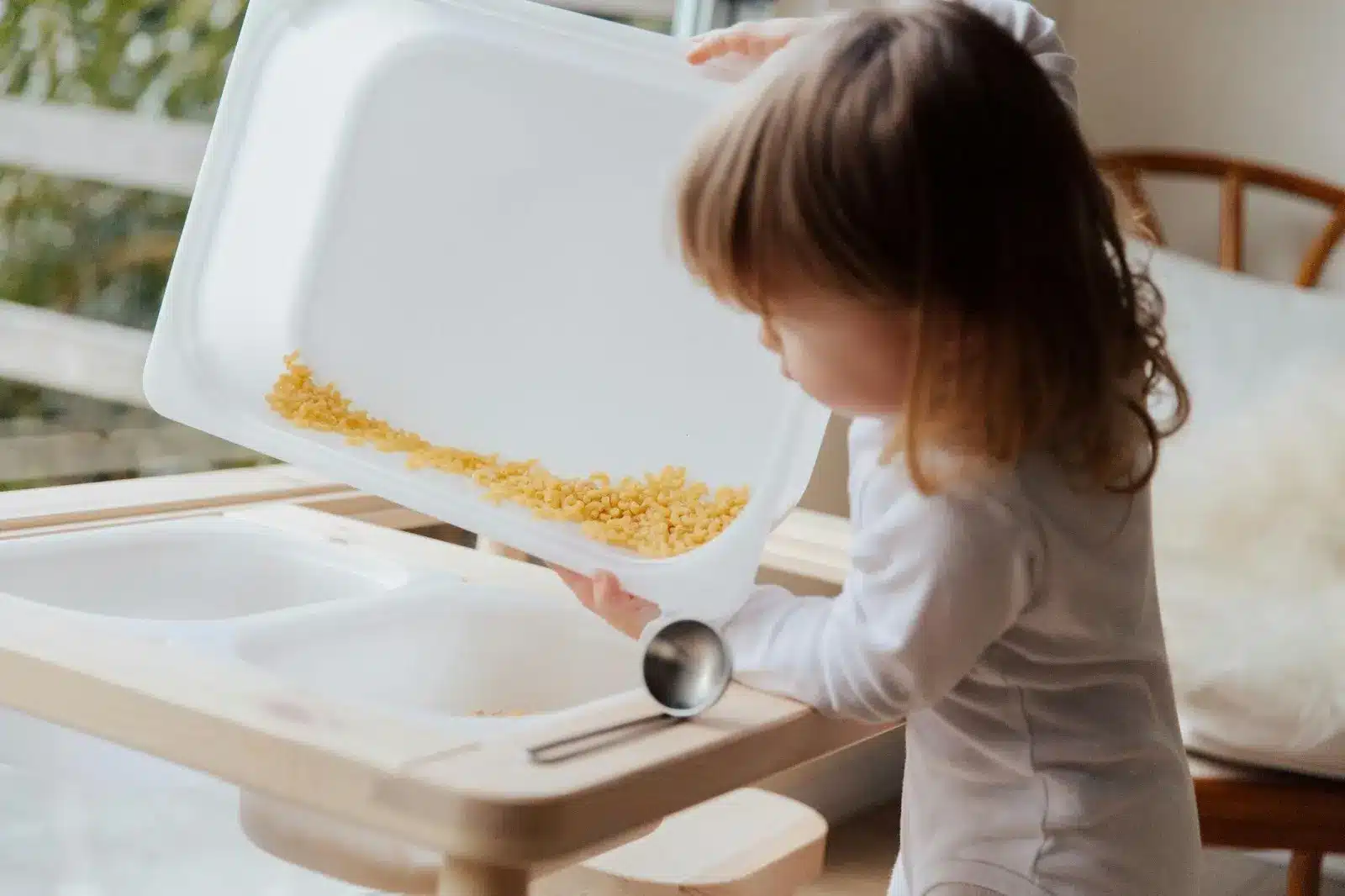
Sensory play for babies. A young child in a white shirt stands at a wooden sensory table, tipping a large white tray to pour dry, yellow pasta into one of the table's white basins.

Sensory Play for Babies, Infants & Toddlers: A Parent’s Guide

Sensory play is a fantastic way for your little one to explore the world, engage their senses, and stimulate healthy development. These rich, hands-on experiences are essential for early childhood growth and future learning. Discover why adding simple sensory play for babies to their daily routine is one of the best gifts you can give them. 
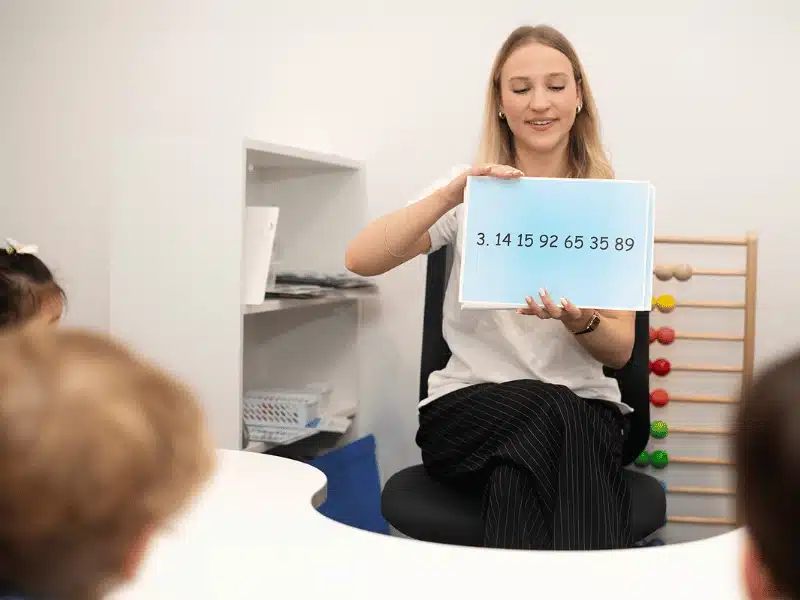
Pi Memory Training at Shichida

Pi Memory Training at Shichida

Pi memory training at Shichida builds working memory, focus and recall skills. Learn why children memorise pi and how it supports long-term learning.
brain training for early learning

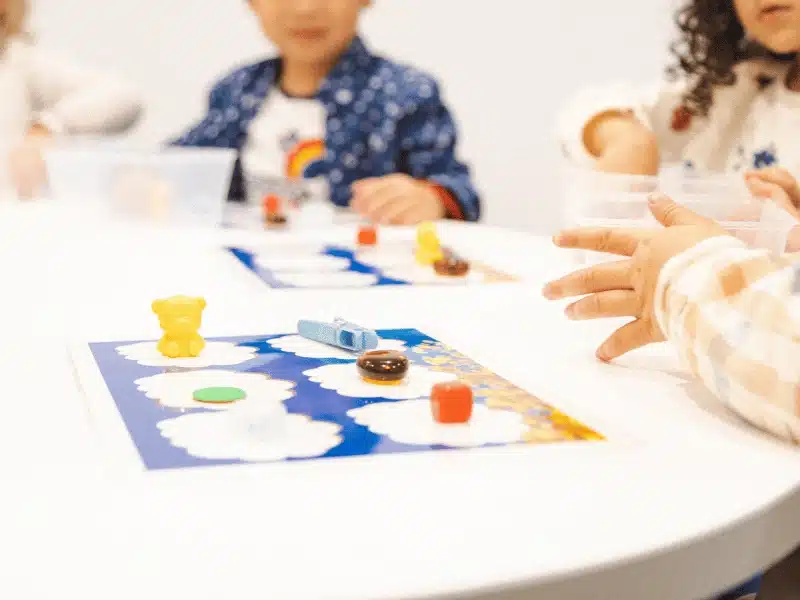
Brain Training for Early Learning: Fun Activities

Brain development does not begin with pressure or performance. It grows through back-and-forth conversation, imaginative play, physical movement and touch, problem-solving, and shared discovery. Each repeated experience helps strengthen connections between brain cells, supporting attention, memory, language, and emotional regulation over time.
Creative problem solving for kids begins in everyday moments

Creative Problem Solving for Kids: Fun & Imaginative Activities

Discover fun and imaginative creative problem-solving activities for children aged 0-9. Learn how play, creativity and imagination build lifelong thinking skills.
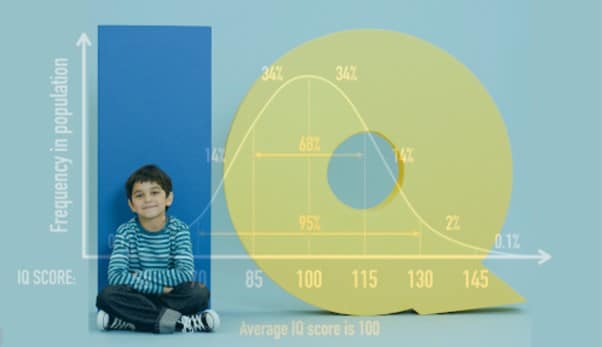
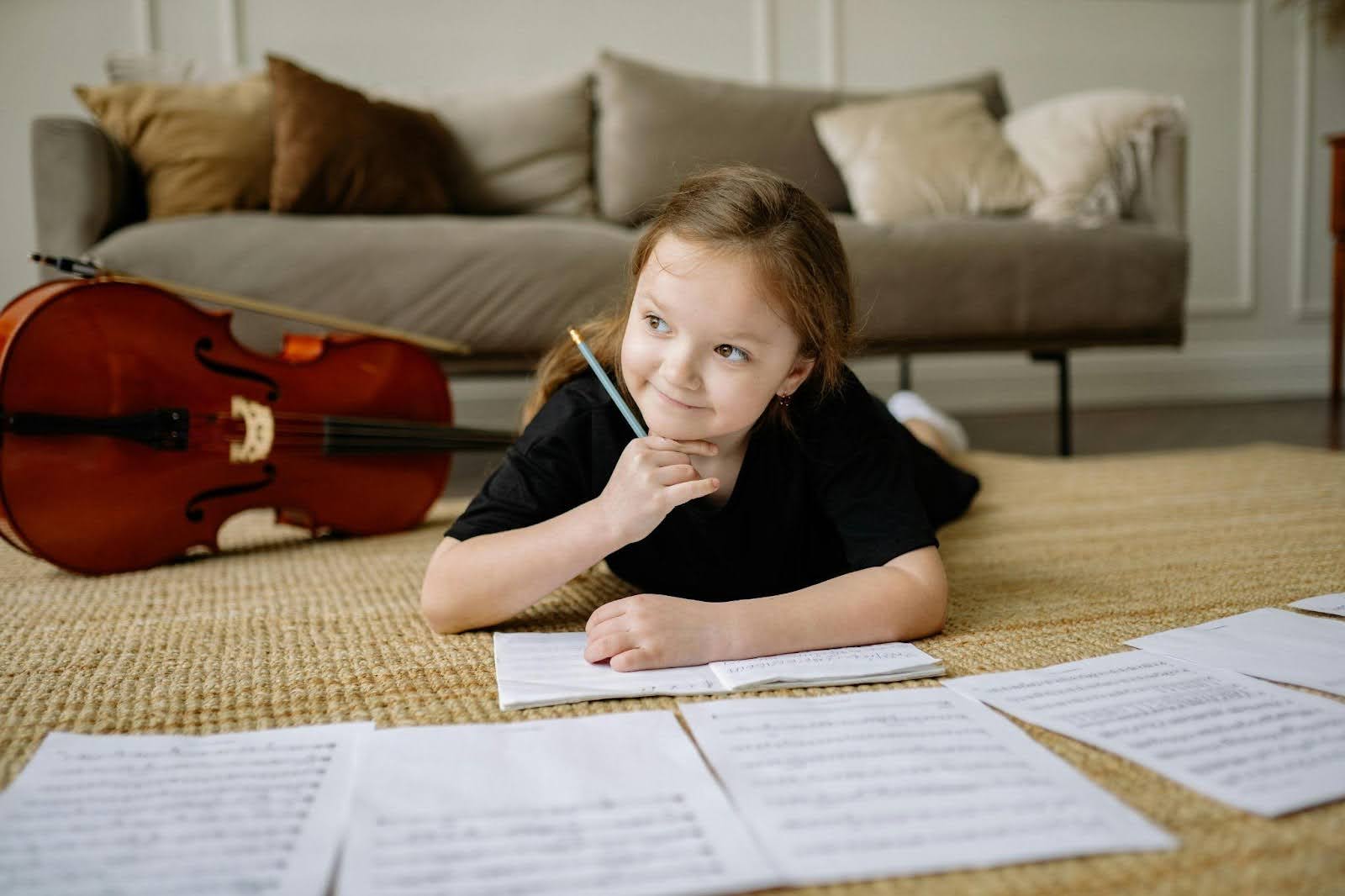
Average IQ for kids - A young girl lying on a rug, thoughtfully holding a pencil with music sheets spread around her and a cello resting on the floor nearby.

Average IQ for Kids: A Helpful Guide for Parents

It’s important to remember that IQ scores can fluctuate, especially in younger children. A toddler’s score may shift by a few points within a year. This is completely normal and can reflect changes in their environment and learning opportunities.
How to teach problem solving to children

How to Teach Problem Solving to Children

Problem solving for children is the ability to identify a challenge and use logic, creativity, and persistence to find a way through it. It is however not just about finding the one right answer... read more now!
Problem Solving Skills for Kids

Problem Solving Skills for Kids: A Developmental Approach

Problem solving in early childhood is the foundation for both school success and emotional health. It involves a mix of logic, creativity, and resilience.
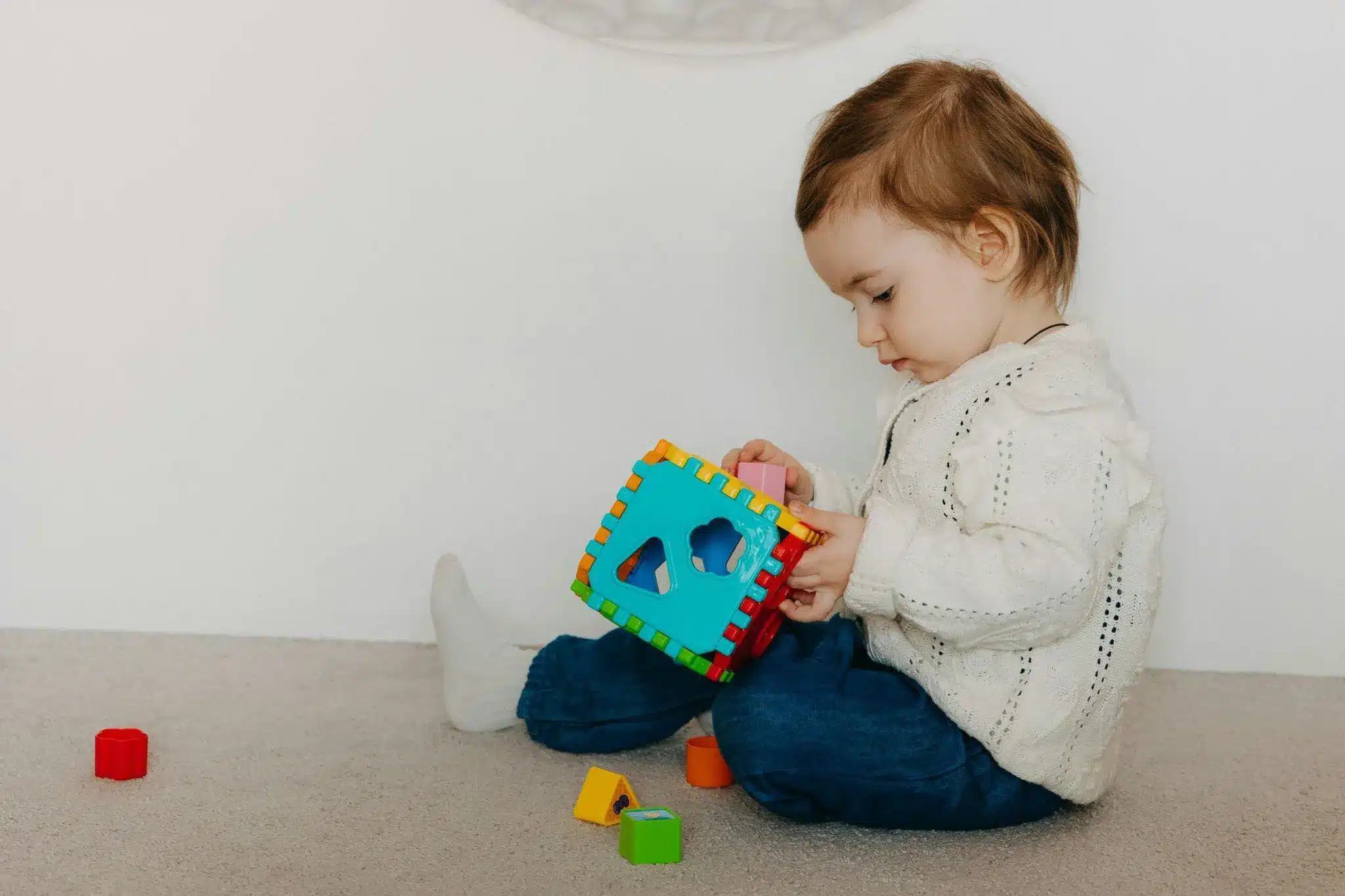
Problem Solving for preschoolers, a child playing with Rubik's cubes

Problem Solving For Preschoolers

Problem-solving skills help children navigate daily challenges, from academic to personal relationships.
Critical thinking in the classroom - Children learn critical thinking by exploring, testing ideas, and discovering how things work.

Why Critical Thinking Matters for Kids in the Classroom

Discover why critical thinking in the classroom is essential for kids. Learn how to teach critical thinking with examples and techniques for young kids.
How to Teach Problem Solving to Kids

How to Teach Problem Solving to Kids

Learn how to teach problem-solving to kids with simple, proven strategies. Develop logic, confidence, and critical thinking through real-world activities.