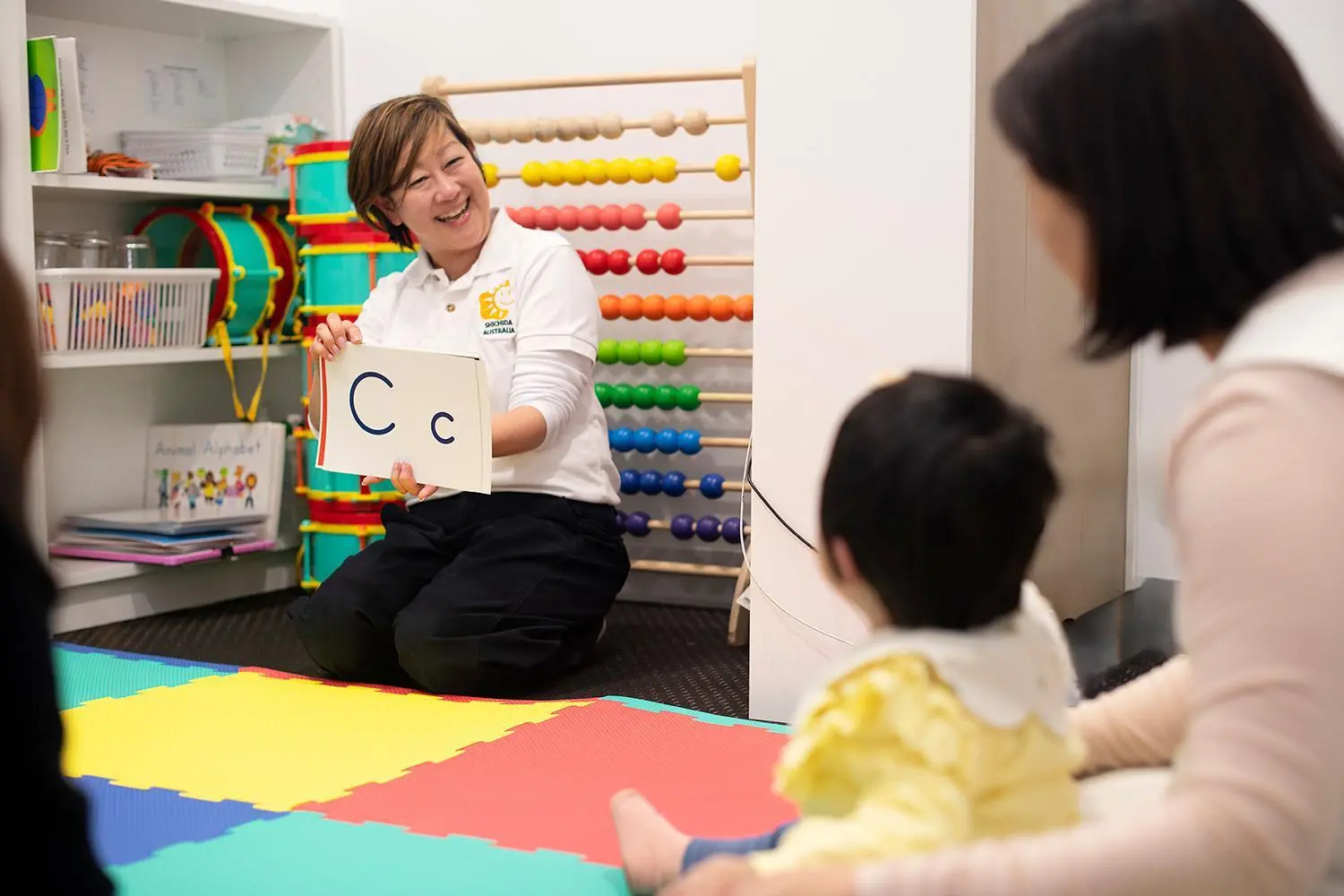
What Is Concentration and Focus in Children
Concentration is the ability to focus on a task and maintain attention over time.
For young children, concentration is not about sitting still for long periods. It is about learning to stay engaged, listen, respond, complete small tasks and gradually build longer attention span.
Improving kids concentration involves developing:
- Focus and attention
- Sustained attention
- Task completion
- Mental effort and persistence
- Self-control and emotional regulation
- The ability to manage distractions
Concentration is not something children are born with. It is a skill that can be developed through practice and the right learning environment.
Why Improving Concentration Is Important for Children
Strong concentration skills are essential for learning and development.
Improving concentration helps children:
- Stay focused on tasks
- Improve memory, comprehension and information retention
- Complete activities with confidence
- Strengthen problem-solving ability
- Build self-control and emotional regulation
- Develop executive functioning skills such as planning, listening and task completion
- Manage distractions with more confidence
- Build learning habits that support school readiness and everyday life
Strong focus and attention support learning across literacy, numeracy, memory, critical thinking and problem-solving. Improved concentration can also support self-esteem by helping children complete tasks more independently and recognise their own ability.

What Concentration Skills Will Your Child Develop
Improving concentration involves developing a range of cognitive and behavioural skills.
Focus and Attention Control
Children develop the ability to focus on a task, listen carefully and maintain attention without becoming easily distracted.
Sustained Attention and Task Completion
Children learn to stay engaged for longer periods, follow instructions and complete activities with growing confidence.
Self-Control and Emotional Regulation
Improved concentration helps children manage impulses, regulate emotions, wait patiently and stay calm while learning.
These skills work together to support concentration, learning ability and overall cognitive development.
Why Many Children Improve Concentration with the Shichida Method
We focus on how children engage, stay focused and process information, not just what they learn.
The Shichida Method uses structured activities that:
- match your child’s attention span
- combine visual, auditory and tactile learning
- use short, engaging tasks to maintain focus
- gradually build longer attention and concentration
We help children develop concentration naturally through consistent, fun and engaging learning experiences.
| Traditional Learning | Shichida Method |
|---|---|
| Long, passive activities | Short, engaging activities matched to a child’s attention span |
| Easily distracted learning | Structured approach that builds focus and concentration |
| One-size-fits-all pace | Age-appropriate progression aligned with development |
| Limited engagement | Multi-sensory, interactive learning experiences |
The Shichida Method uses short, structured and multi-sensory activities to help children build focus, attention span, self-control and confidence in learning.
See What Parents Are Saying About Shichida
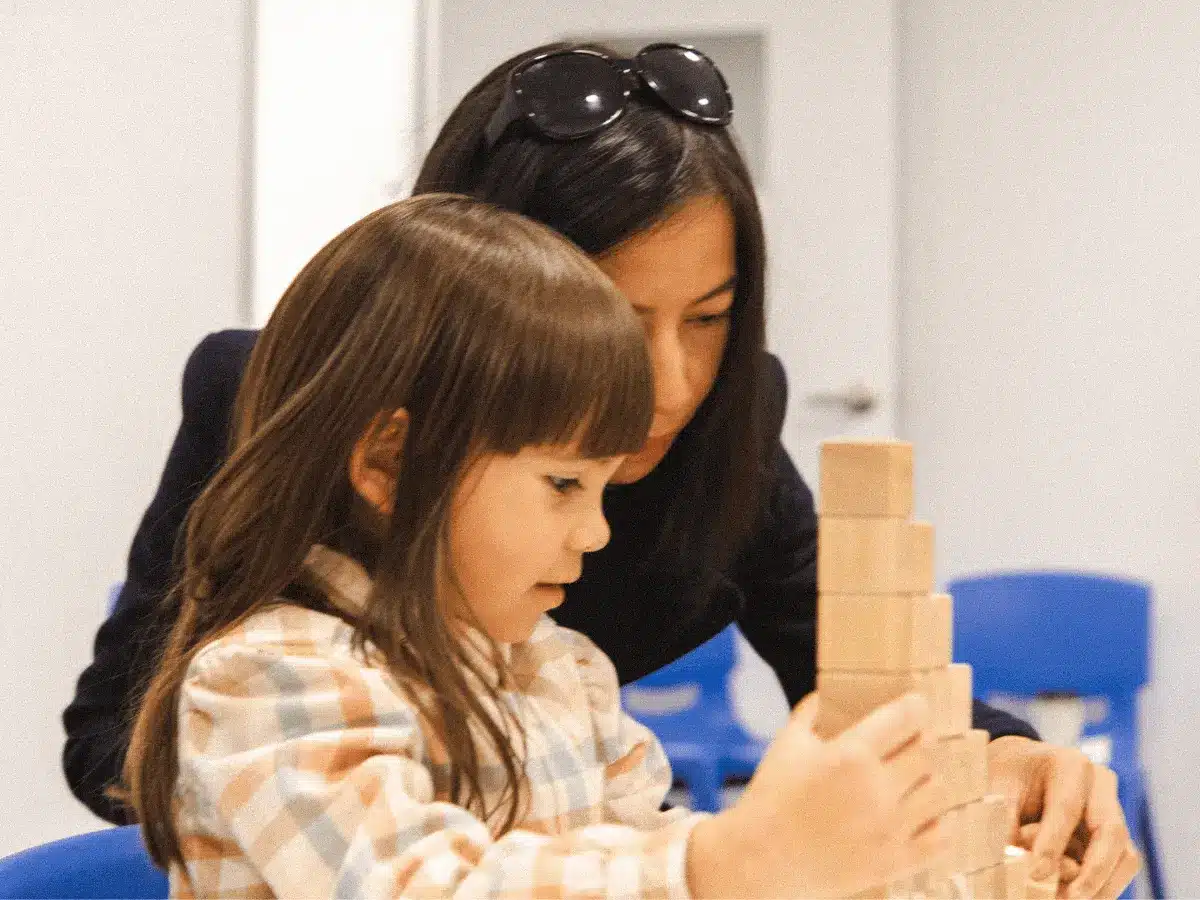
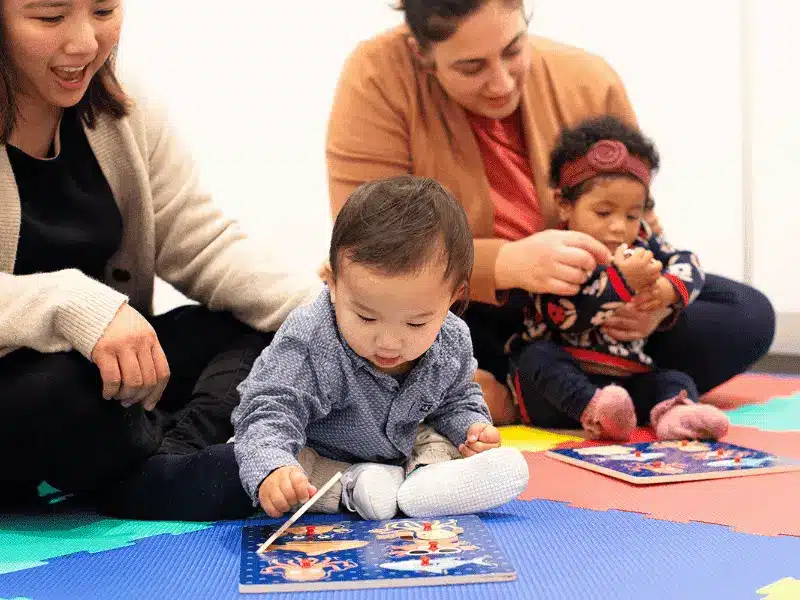
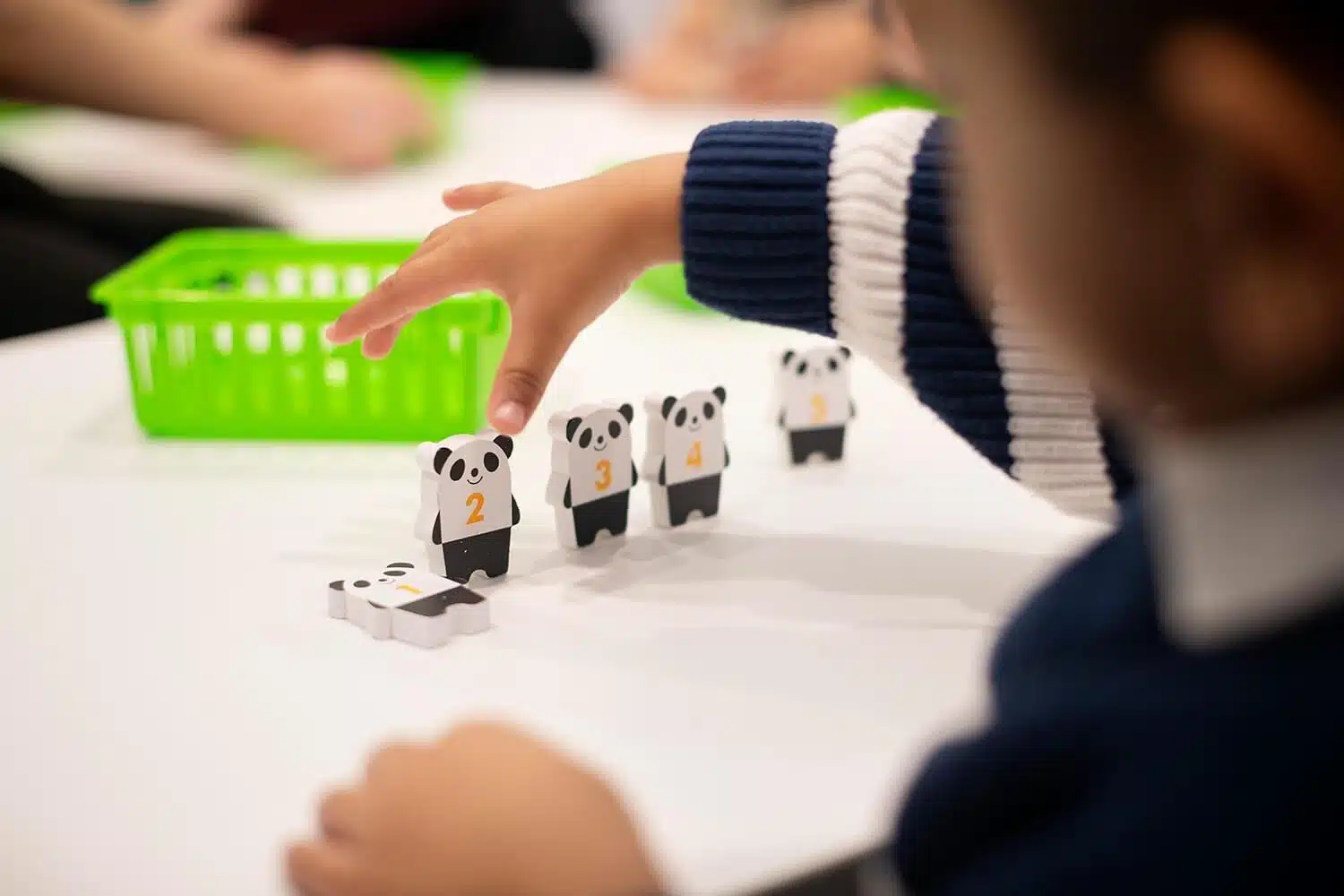
What Your Child Will Do and Learn in a Shichida Concentration Class
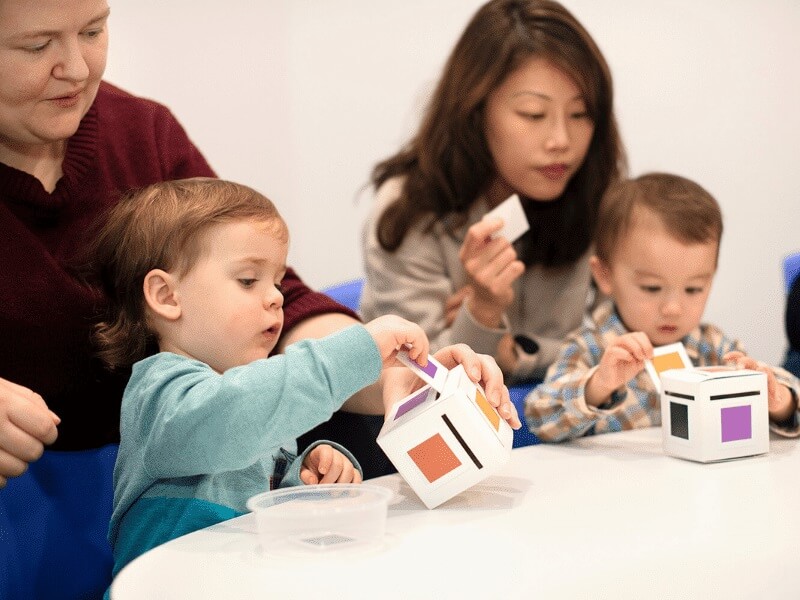
Each 50-minute Shichida class is designed to help children stay engaged, focused and motivated through fun, short, fast-paced activities.
Depending on your child’s age and class level, concentration activities may include:
- Fast-flashed flashcards and rapid visual input
- Memory games and recall activities
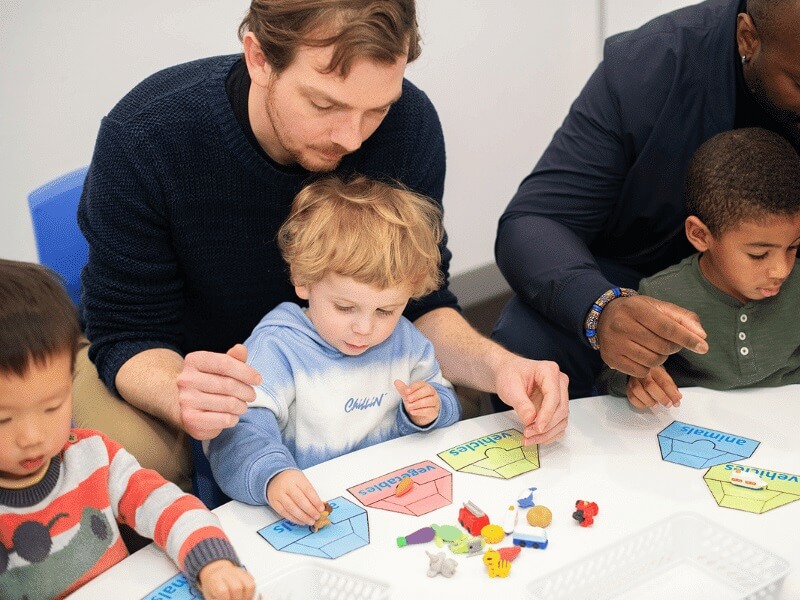
- Puzzles, mazes and problem-solving tasks
- Listening and auditory exercises
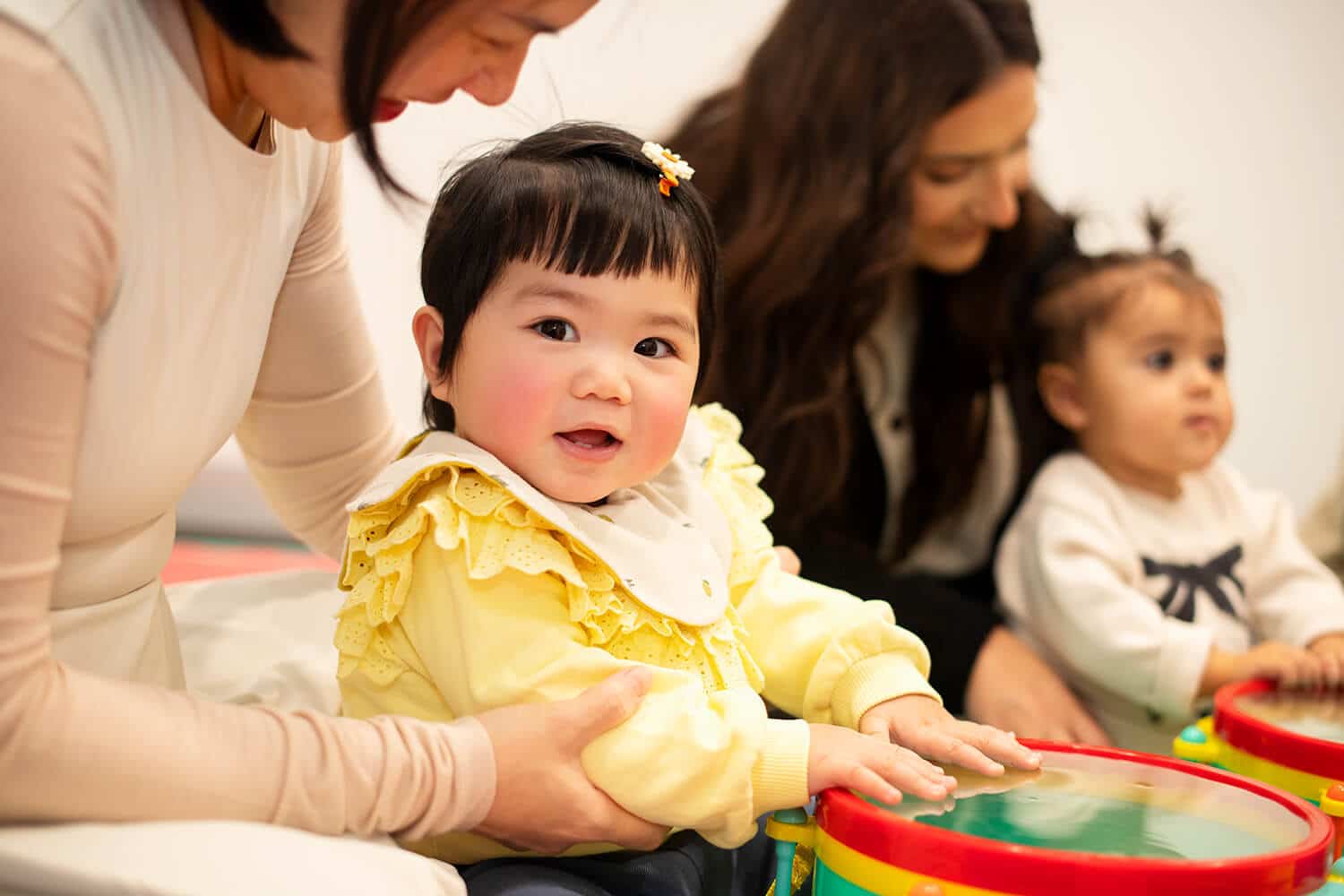
- Rhythm activities, songs and movement-based learning
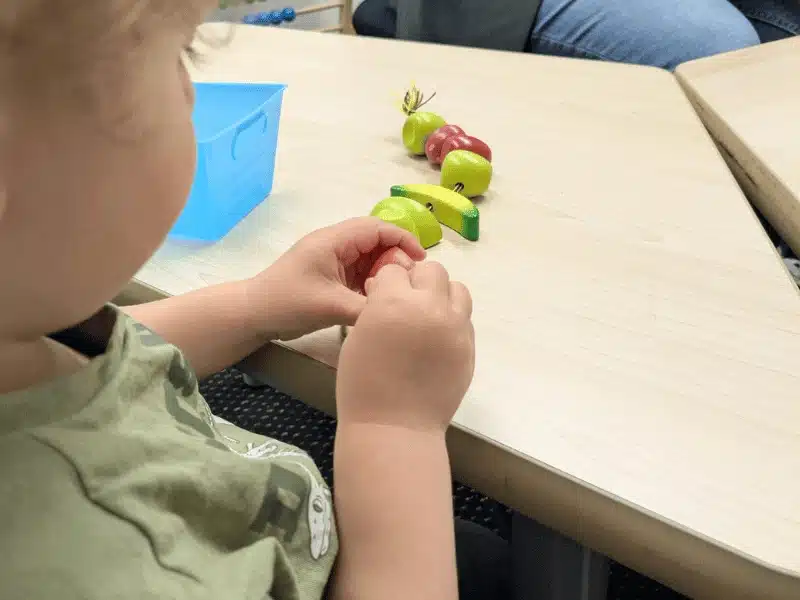
- Hands-on fine motor activities that require attention and precision
- Visual, auditory and tactile tasks to keep learning multi-sensory
- Short activities matched to your child’s attention span
- Tasks that help children practise waiting, listening and self-control
- Activities that gradually extend sustained attention and task completion
These activities help children strengthen focus, attention span, memory, self-control and confidence. Over time, improved concentration can support learning across reading, writing, numeracy, problem-solving, music, sport, dance and everyday routines.
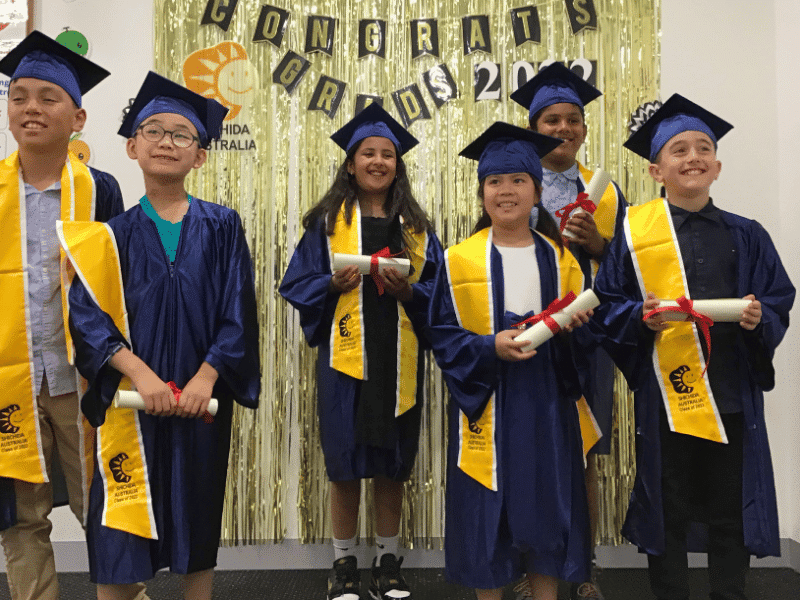
See how our students turn their Shichida skills into real-life confidence, achievements, and inspiring outcomes. Read their stories here.
See How Your Child Responds in Their First Class
See how your child responds in their very first class
Your trial class includes:
- A full 50-minute session
- A real classroom environment
- Guidance from a trained instructor
- Opportunity to observe your child’s response
✔ No experience needed
✔ Parent attends with child
✔ No pressure to enrol
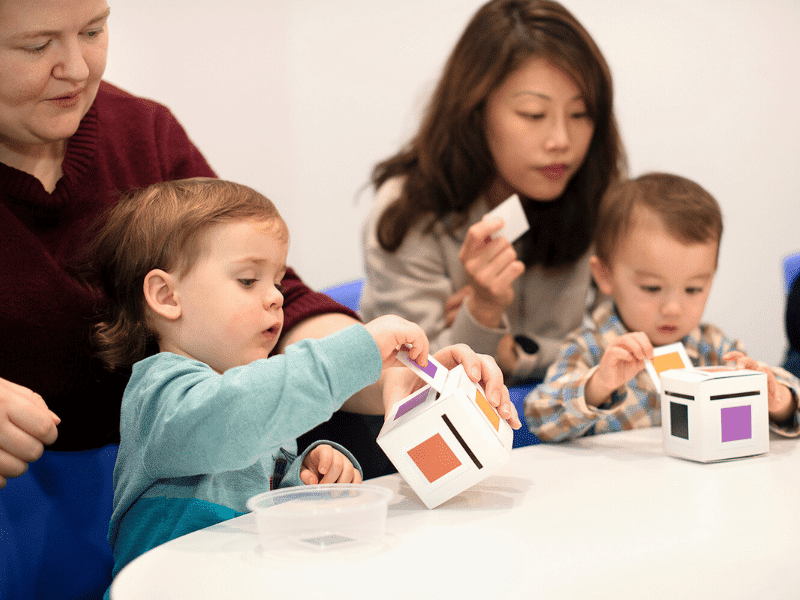
How to Improve Concentration in Children
Short, Engaging Activities
Young children concentrate best when activities are short, clear and interesting. Matching activities to your child’s attention span helps build focus without frustration.
Structured Learning and Routine
Consistent routines help children know what to expect, making it easier to listen, participate and stay engaged.
Focus and Attention Training
Puzzles, memory games, songs, flashcards, reading, listening activities and fun hands-on tasks help children practise attention, persistence and task completion.
When Should Children Start Improving Concentration
Children can begin developing concentration from infancy.
The early years are the most effective time to build focus, attention and good learning habits.
Frequently Asked Questions About Improving Kids Concentration
Shichida helps with improving kids concentration through fast-paced, structured lessons that keep children actively engaged. Each class includes a variety of short and fun activities that train children to listen, observe, think, respond and stay focused.
Shichida classes are designed with rhythm, repetition and variety. Children move through different tasks quickly, which helps them practise switching attention, staying alert and concentrating for short bursts that gradually build over time.
Shichida classes include concentration activities for kids such as flashcards, songs, memory games, visual training, listening activities, puzzles, number work, writing, matching tasks and hands-on learning. These activities help children practise focus in different ways.
Yes. Toddlers build focus and attention through short, engaging activities that match their stage of development. In Shichida classes, toddlers practise listening, looking, responding and completing simple tasks with the support of their parent and teacher.
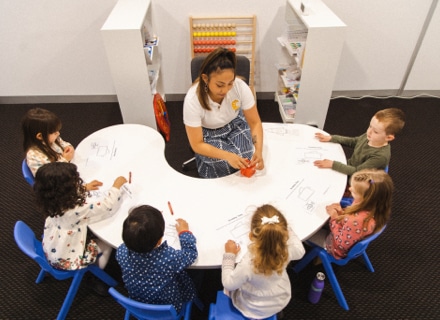
Preschoolers can build better concentration by practising listening, following instructions, completing activities and staying engaged in small group learning. Shichida helps children strengthen these skills before school through fun and structured weekly lessons.
Every Shichida lesson develops focus and concentration because children are guided through many activities in one class. They learn to pay attention, shift between tasks, remember information and stay involved from beginning to end.
Every child develops at their own pace. Some parents notice changes in listening and participation within a few weeks, while stronger focus and concentration usually build gradually through consistent weekly practice.
Yes. Improving concentration can help children listen more carefully, follow instructions, complete tasks and stay engaged during learning. These skills can support children in class, at home and later at school.
Parents can support focus and concentration at home with short, consistent activities such as reading, puzzles, memory games, drawing, matching cards and listening games. Keeping activities brief and positive helps children stay engaged and willing to try again.
Book a Trial Class
Give Your Child a Strong Foundation for Learning
Help your child improve concentration, focus and attention from an early age.