
Cognitive Development in Early Childhood
Key Takeaways
- Cognitive development meaning refers to how children think, learn, and process information
- Early childhood cognitive development is the most important stage for brain growth
- Play is essential to help children develop cognitively
- Simple routines support long-term cognitive growth and development
Every individual isn’t born with fully developed thinking skills. Instead, these abilities grow over time through experience, interaction, and learning. This process is known as cognitive development in early childhood, and it plays a critical role in how children understand the world.
If you’re a parent or caregiver, understanding what is cognitive development in early childhood helps you support how your child thinks, learns, and solves problems from day one.
Take a FREE Shichida Quiz
Designed for families with children up to 5 years old.

What Is Cognitive Development in Early Years?
So, what is cognitive development? It is the process through which children learn to think, explore, and understand their environment.
The definition of cognitive development includes memory, attention, language, reasoning, and problem-solving skills. It is also commonly described as cognitive mental development, as it shapes how children process and respond to information.
In early research, infants were once thought to lack meaningful intellectual abilities. However, Jean Piaget, through the Theory of Cognitive Development, demonstrated that even babies and toddlers actively think, learn, and interpret their surroundings.
If we were to define cognitive development more simply, it is the ongoing process of building thinking skills. This is often referred to as cognitive growth definition or the broader description of cognitive development in early learning.
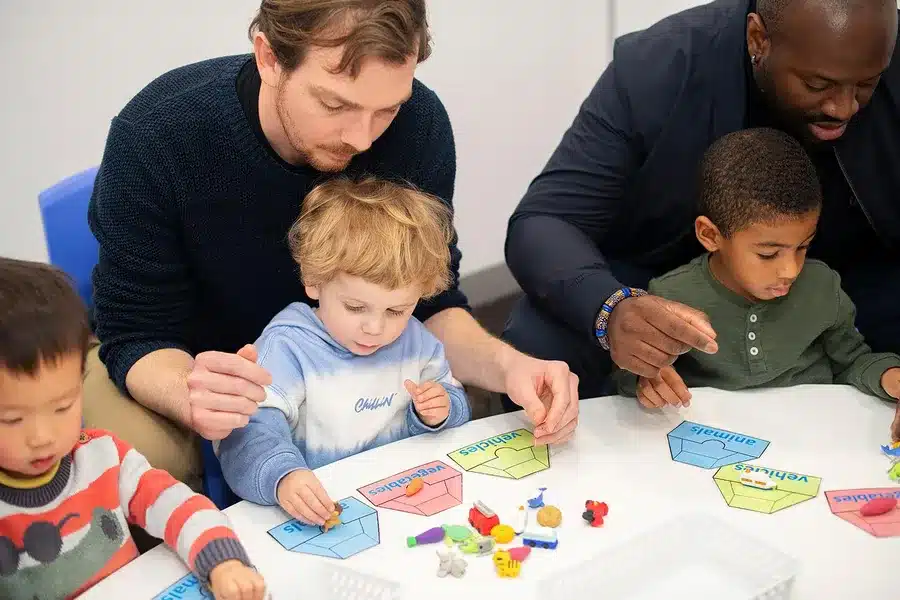
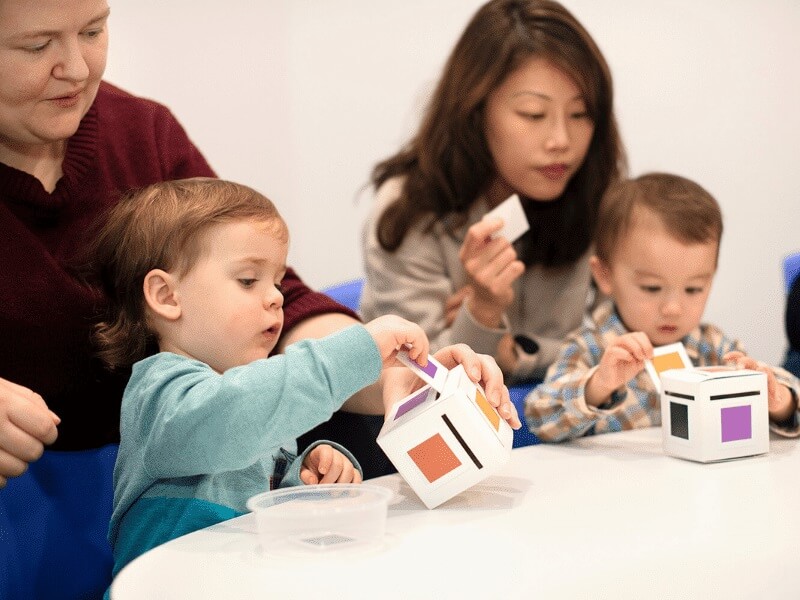
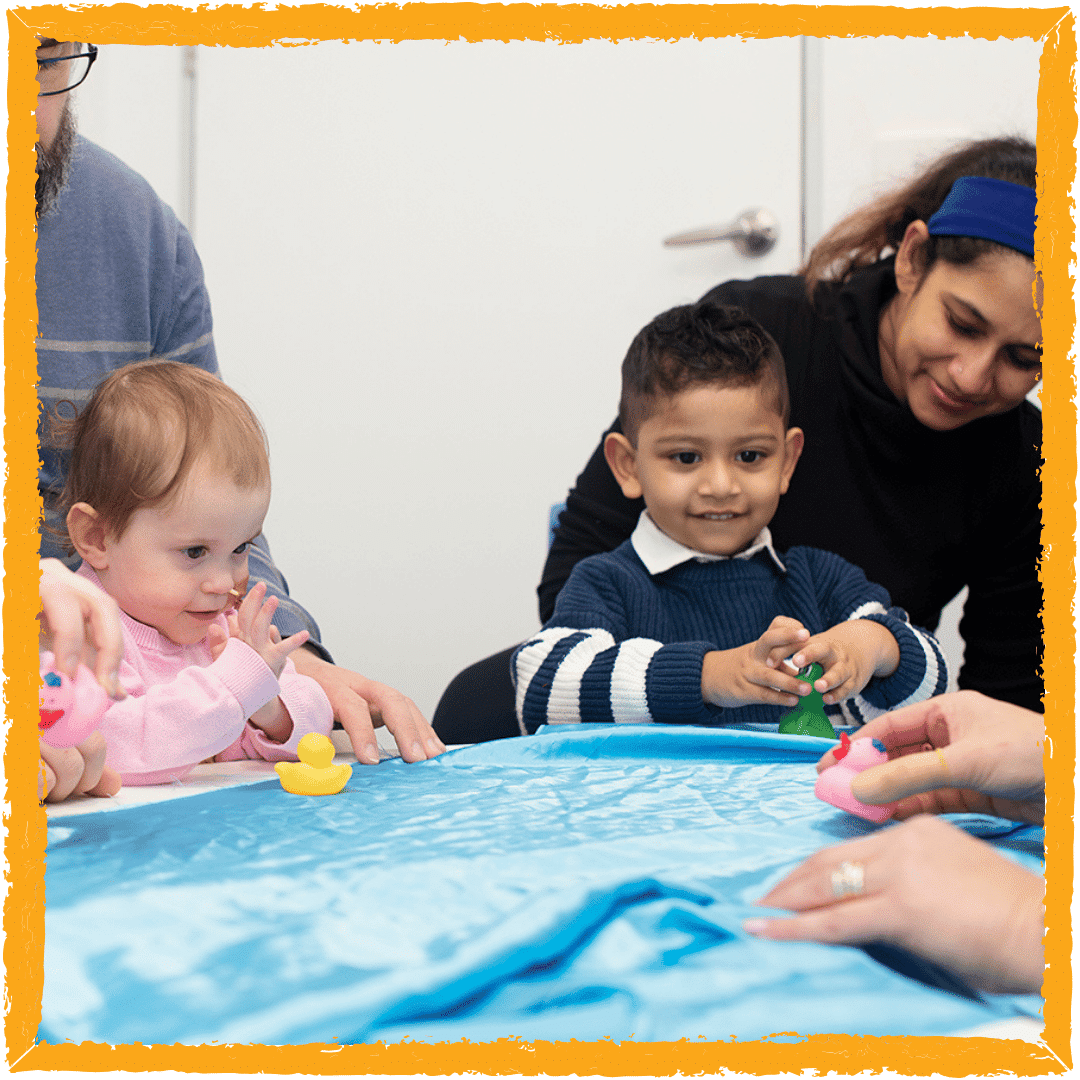
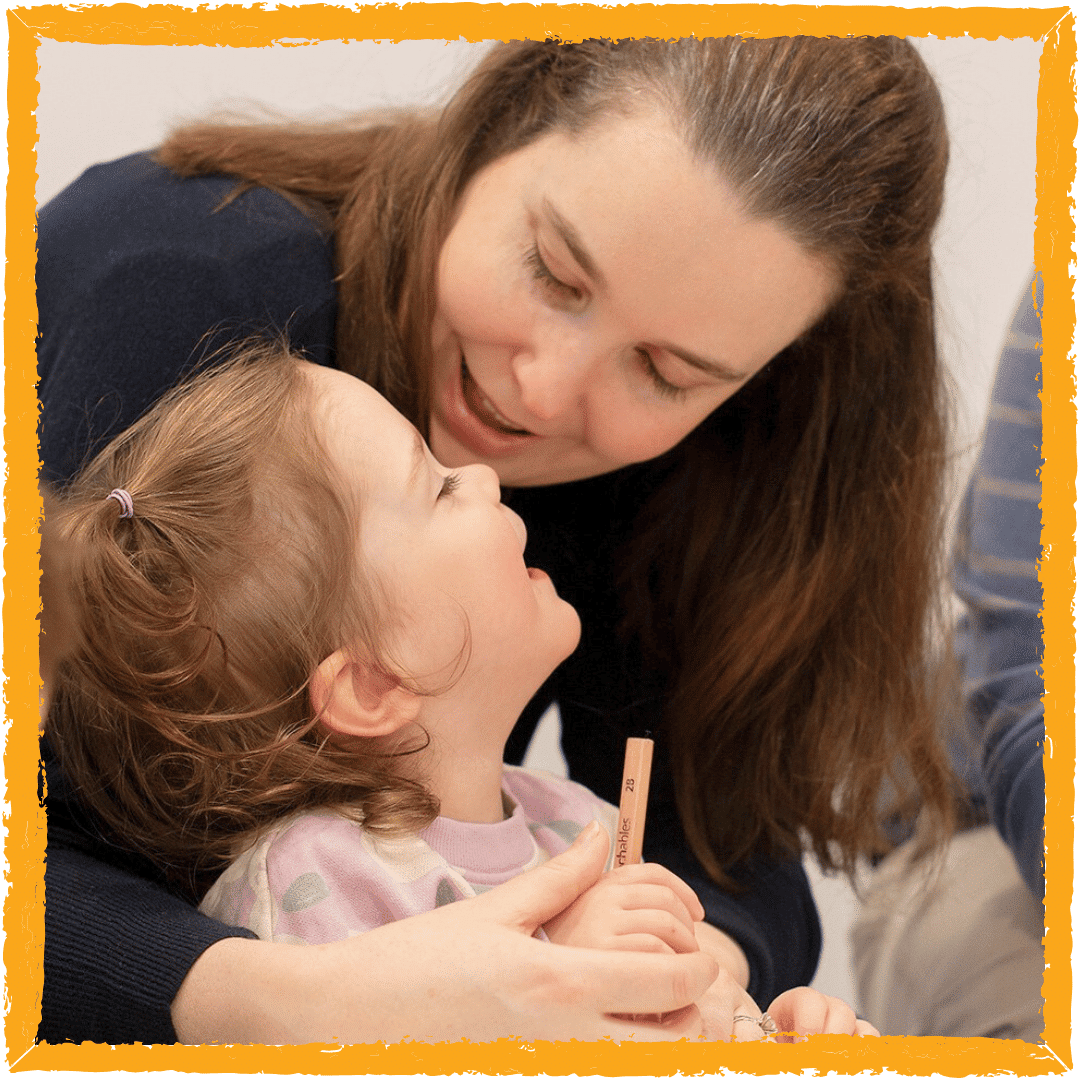
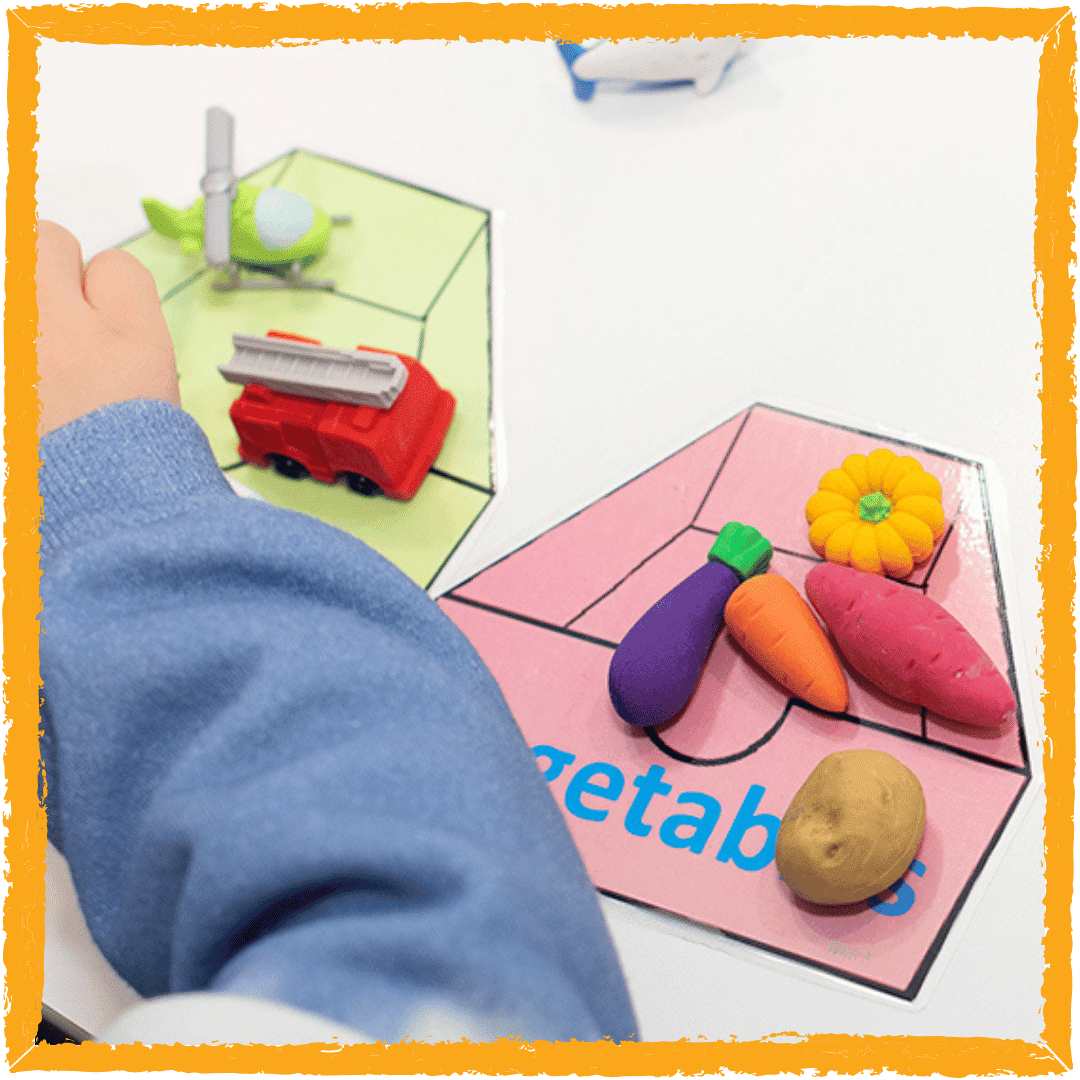
Photo by Shichida Australia: Toddlers and parents working together on early category matching games – supporting cognitive development in early childhood through hands-on problem-solving and guided play.
Key Components of Cognitive Development in Early Childhood
To better understand the development of cognitive skills, it helps to break them into core areas:
- Attention: The ability to focus on relevant information
- Memory: Storing and recalling information
- Perception: Interpreting sensory input
- Reasoning: Analysing and understanding new information
These components work together to shape cognitive development in childhood and influence how children learn and interact.

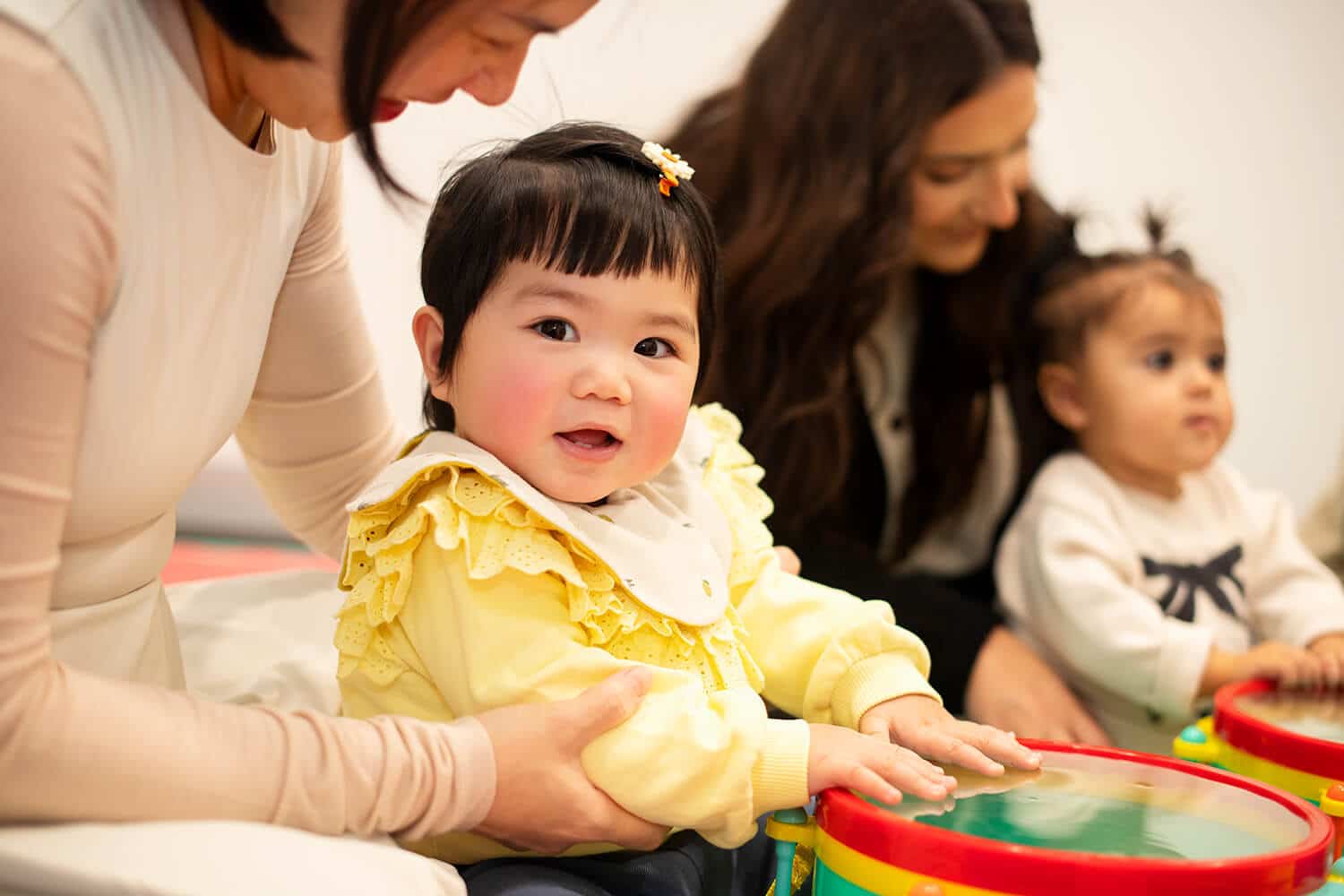
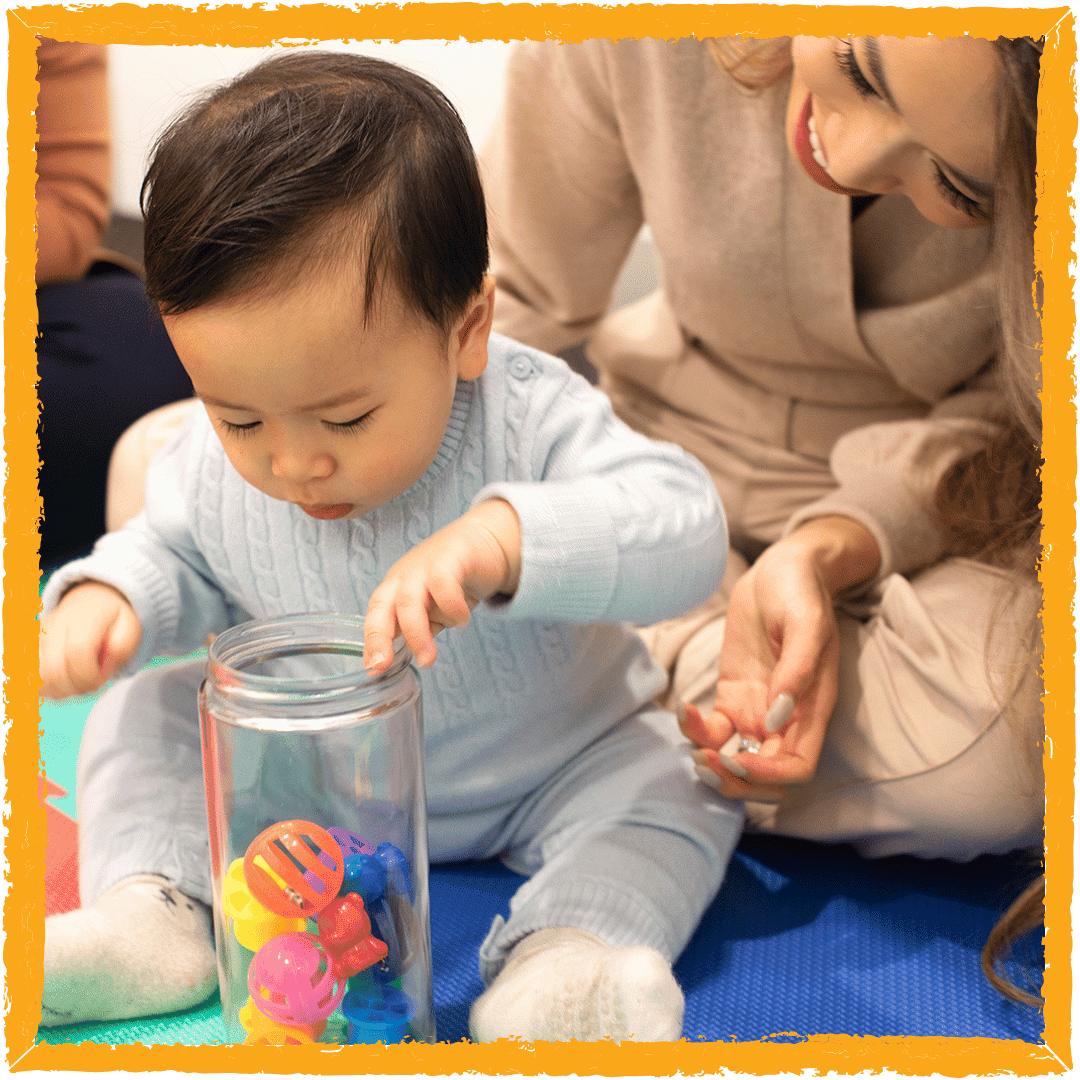
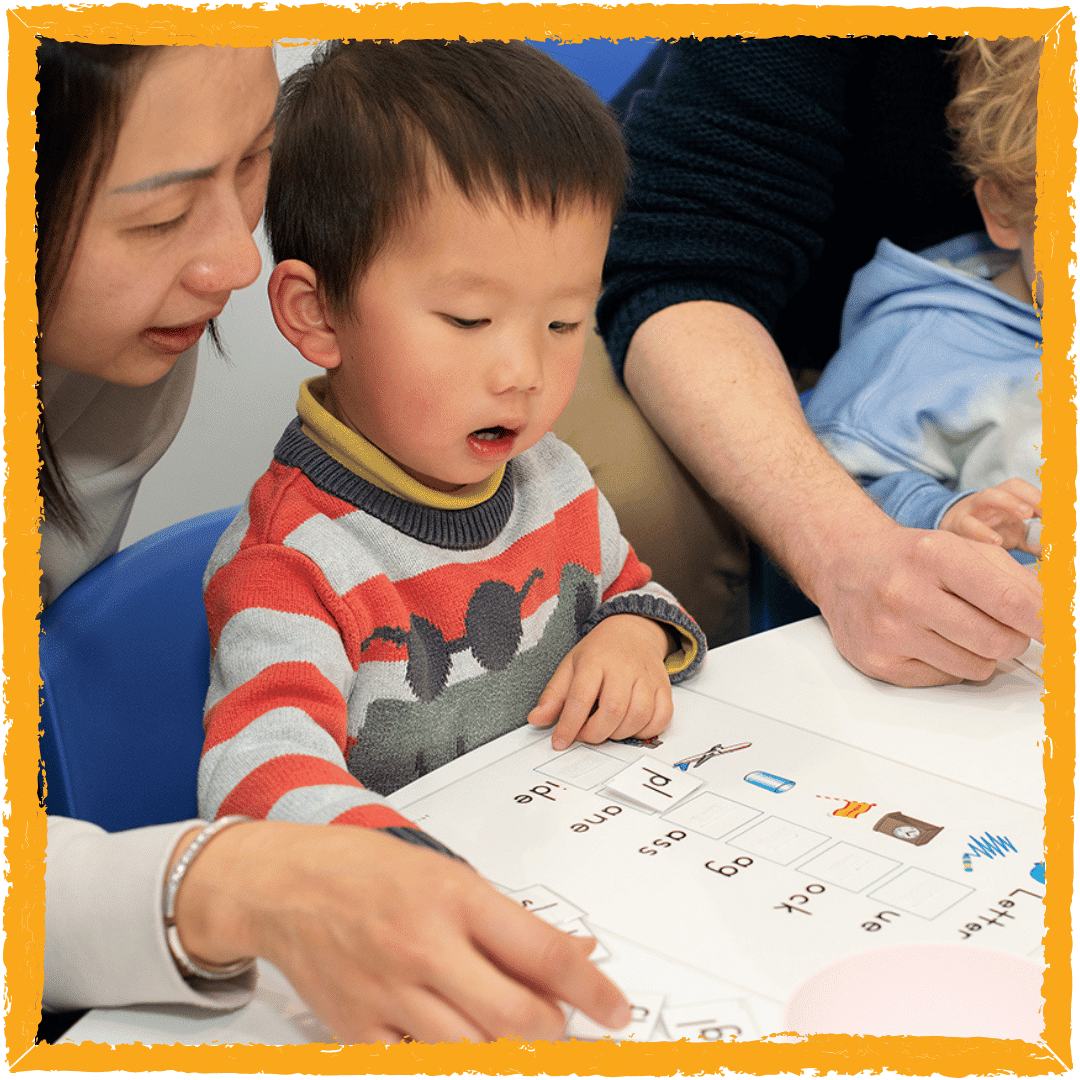
Photo by Shichida Australia: Babies and parents working together on pincher grip and sorting games – supporting cognitive development in early childhood through fun, guided play.
Why Early Years Matter Most
Early childhood is a critical period for cognitive development early childhood due to rapid brain growth.
At birth, a child has around 2,500 synapses per neuron. Thanks to neuroplasticity, this number increases dramatically during early childhood cognitive development. By age three, it can reach up to 15,000 synapses per neuron.
This stage is often called the “Golden Period” because the brain is highly adaptable. These early experiences directly shape cognitive growth and development, influencing future learning, behaviour, and emotional regulation.
This is why supporting cognitive development during early childhood is so important.

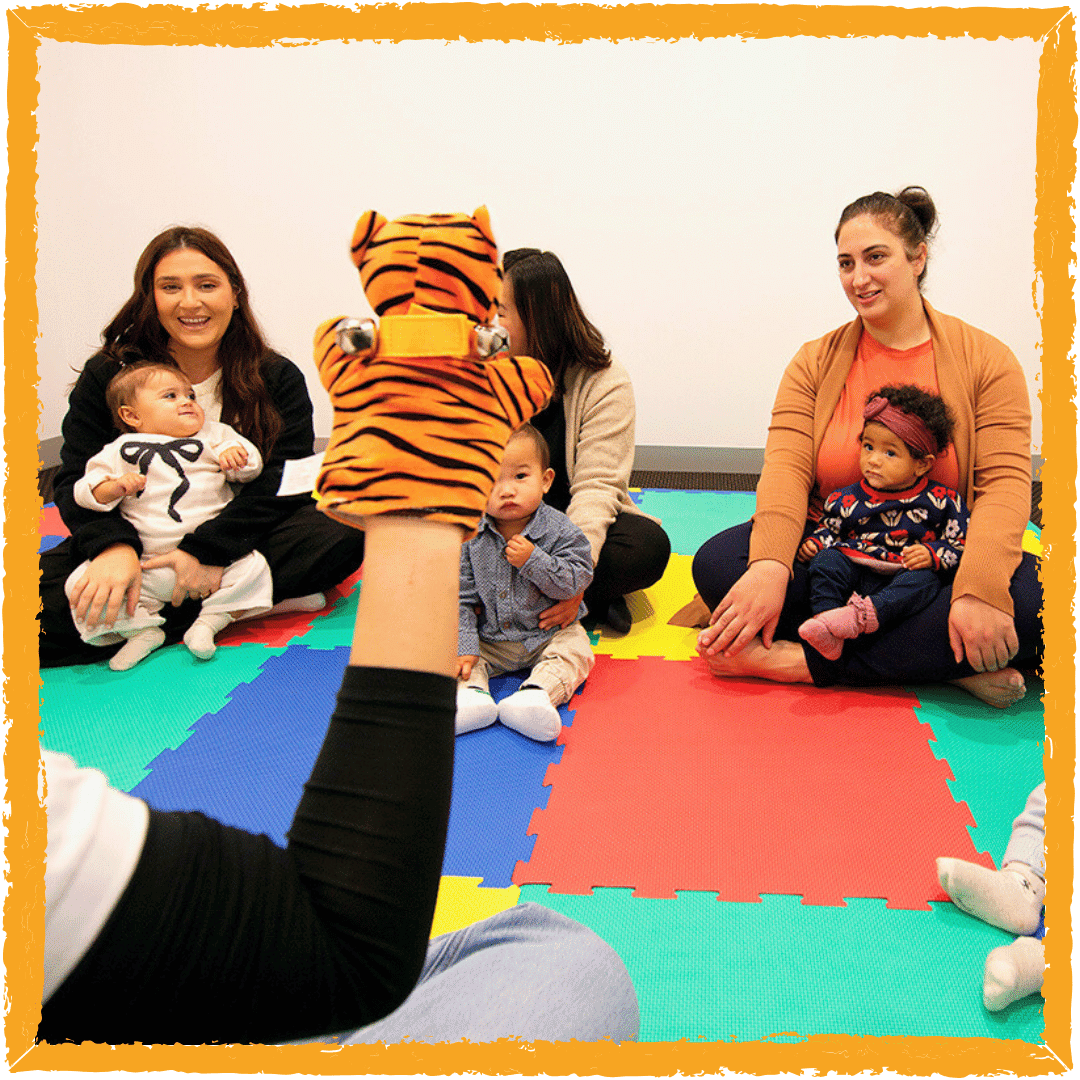
Photo by Shichida Australia: A visual tracking exercise during a Shichida baby class. Activities like this help babies practise following movement with their eyes, supporting visual attention and eye coordination — early skills that later play a role in reading.
Stages of Cognitive Development in Early Childhood
Understanding these stages helps you see how your child becomes more cognitively developed over time.
Cognitive Development Milestones (0–12 Months)
During the first year, of your baby’s life, early cognitive changes in early childhood begin to emerge:
- Visual tracking and recognising faces
- Object permanence (understanding things exist when out of sight)
- Cause and effect learning
These are early cognitive development examples that show how babies begin to process the world.
Cognitive Development Milestones (1–3 Years)
Between ages 1 and 3, toddlers show rapid cognitive development in early childhood:
- Symbolic play (using objects to represent something else)
- Basic reasoning and problem-solving
- Imitation of familiar actions
This stage reflects strong mental development in early childhood, where curiosity and exploration drive learning.
Cognitive Development Milestones (3–5 Years)
From ages 3 to 5, preschool children demonstrate more advanced early childhood cognitive development:
- Multi-step problem-solving
- Storytelling and imagination
- Early maths and language skills
These are clear cognitive development examples of growing independence and critical thinking.
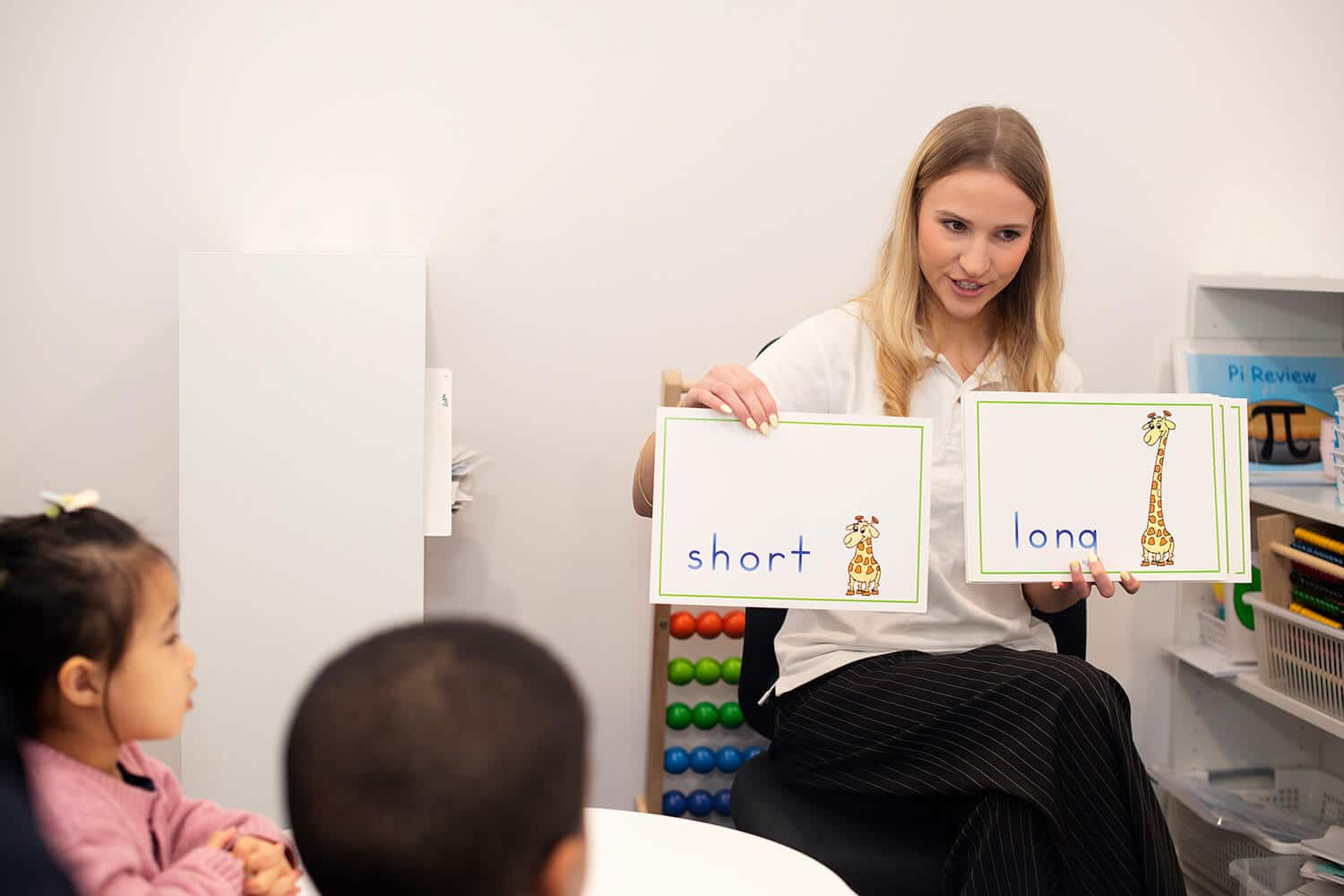
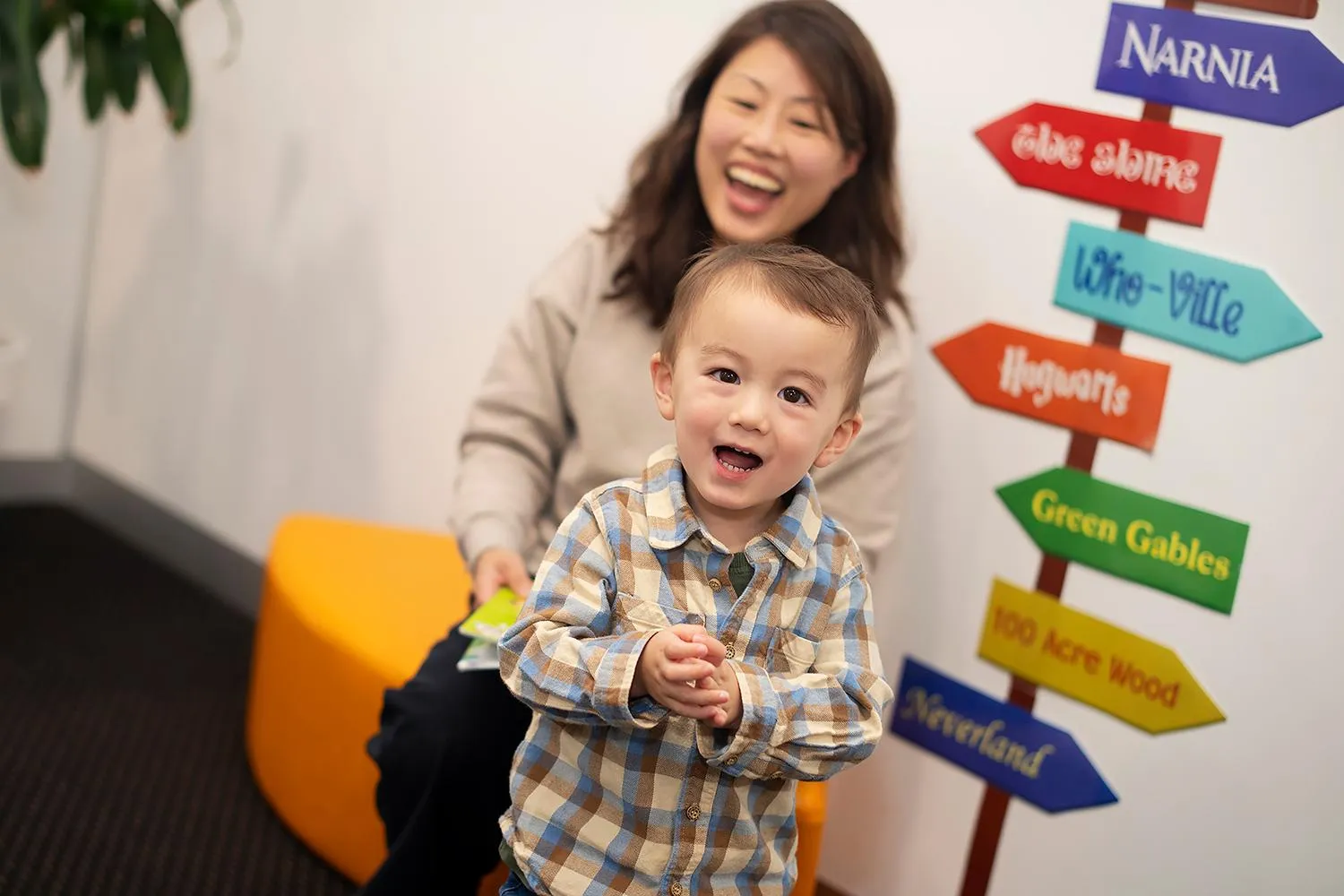
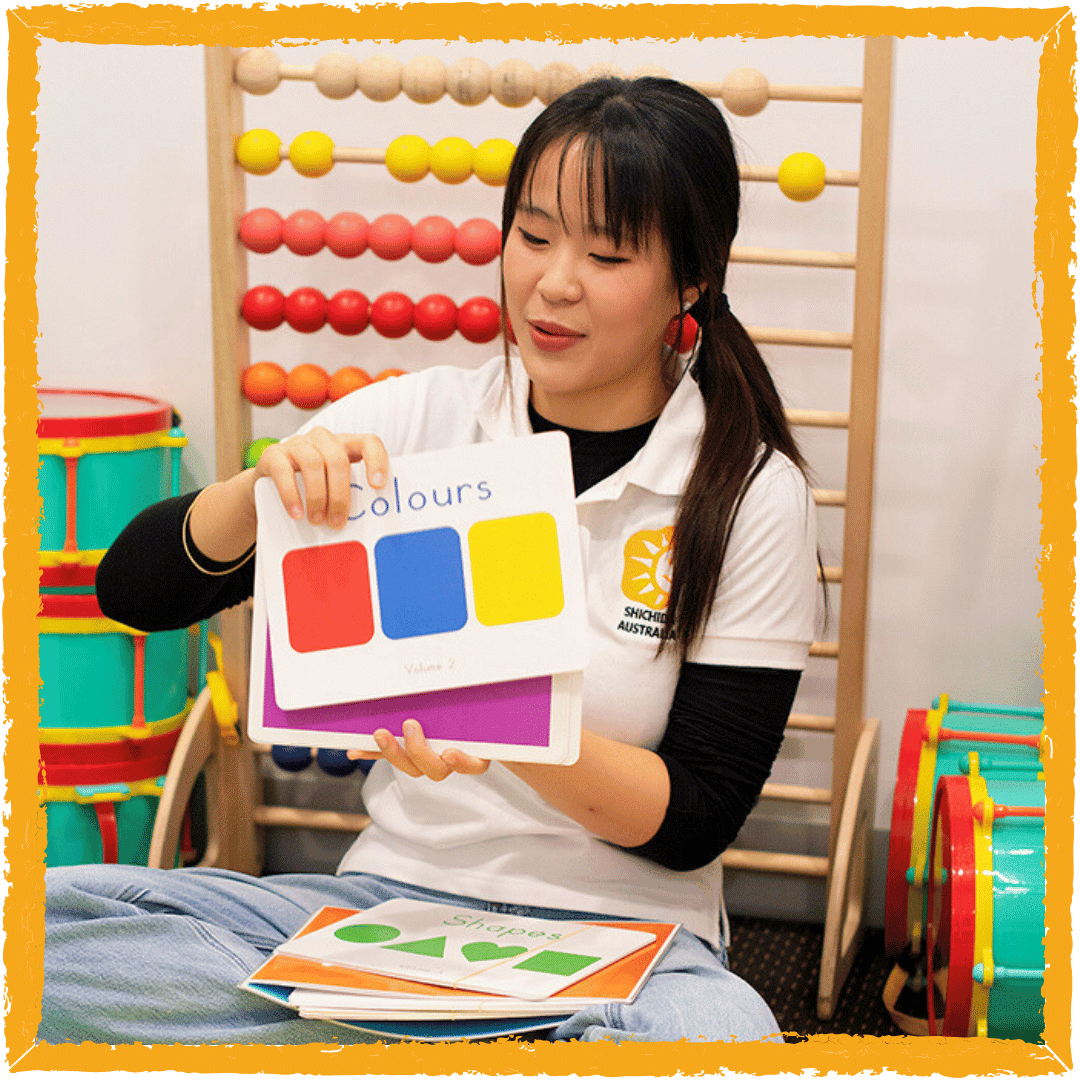
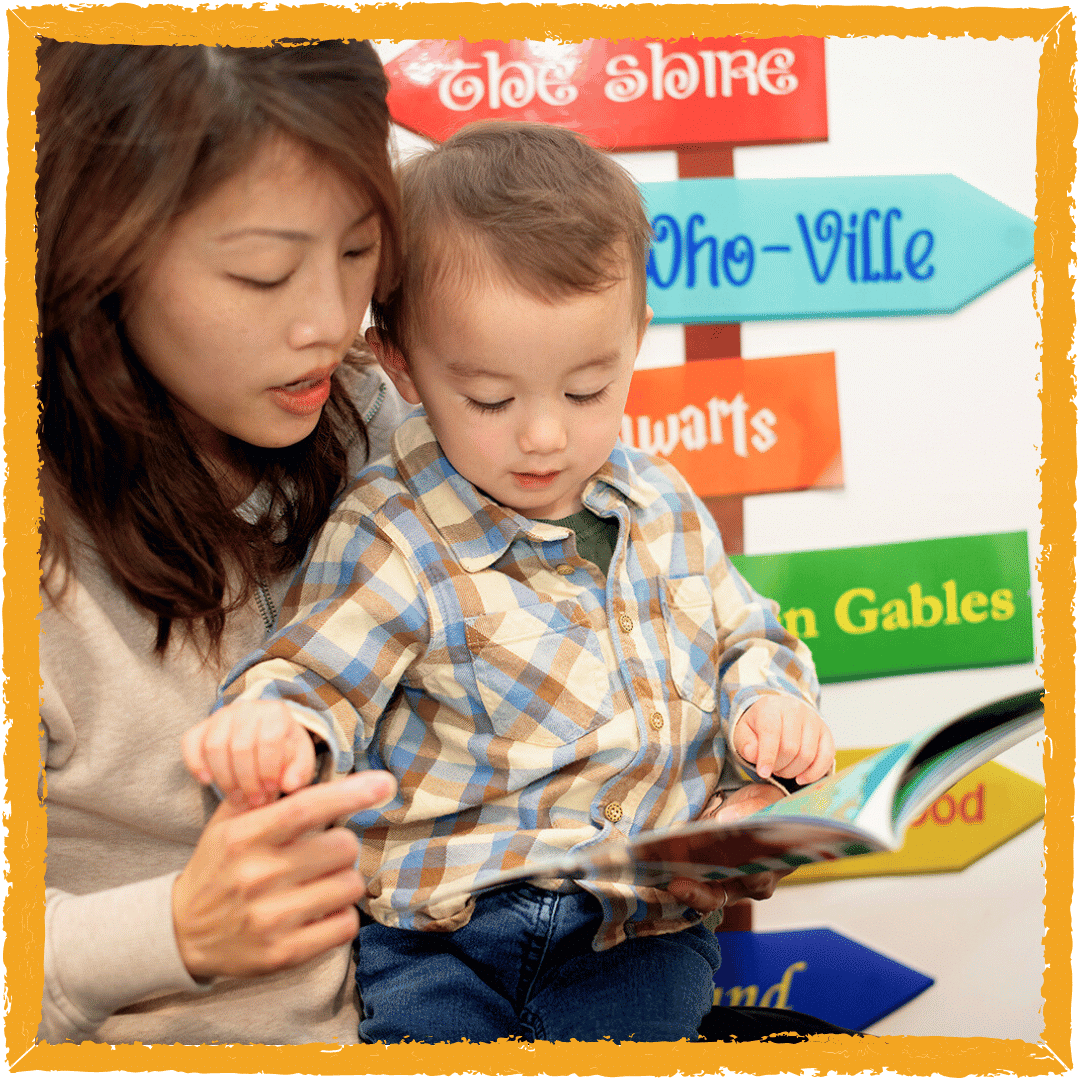
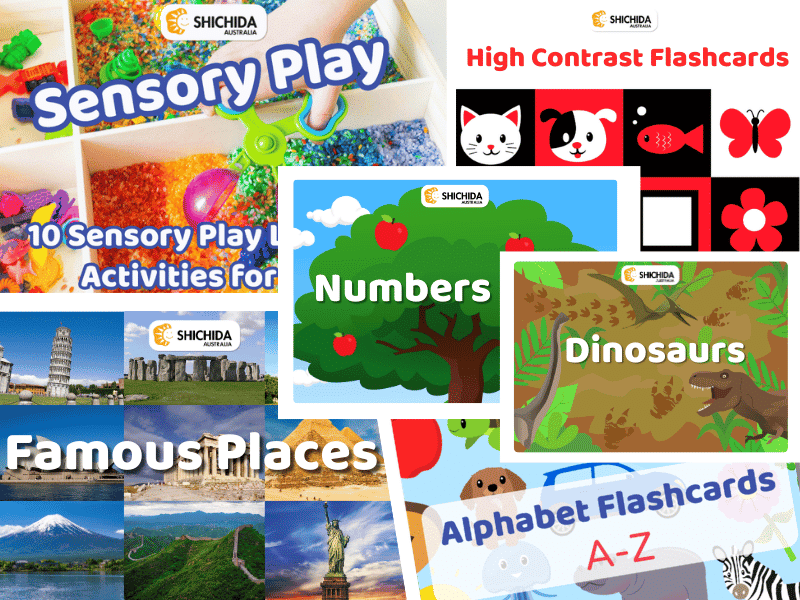
Photo by Shichida Australia: Flashcards in Shichida classes give young children rich, fast-paced input that supports whole-brain development, memory, attention, vocabulary, and cognitive development.
The Role of Play in Cognitive Development
Learning through play is one of the most effective ways to support cognitive development in childhood. It allows children to explore ideas, test outcomes, and develop intellectually through experience.
Types of Play That Stimulate Thinking
Research by Karen Stagnitti and Kylie McAloney (2009) found that children with strong pretend play skills are more socially competent and engaged in learning environments.
Other types of play that support cognitive growth and development include:
- Sensory play for exploration
- Logic-based games and building blocks (supported by Mehadi Rahman, 2019)
- Guided play that encourages specific learning outcomes
- Outdoor exploration for development of curiosity
These activities help children develop cognitively through hands-on learning.
How Play Enhances Executive Function
A 2021 study by Gib R et al. showed that play significantly improves executive function – a core part of cognitive mental development.
This includes:
- Working memory
- Inhibitory control
- Cognitive flexibility
Strengthening these skills helps children become more cognitively developed and better prepared for school.

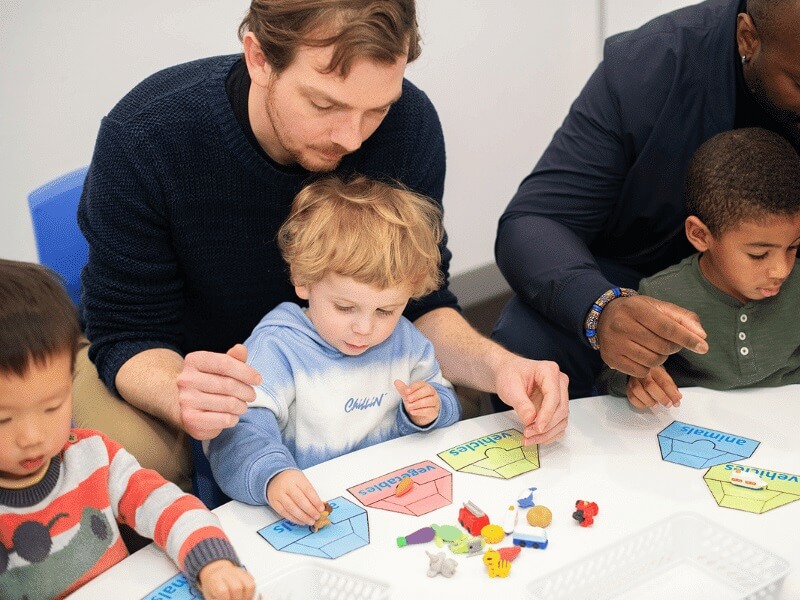
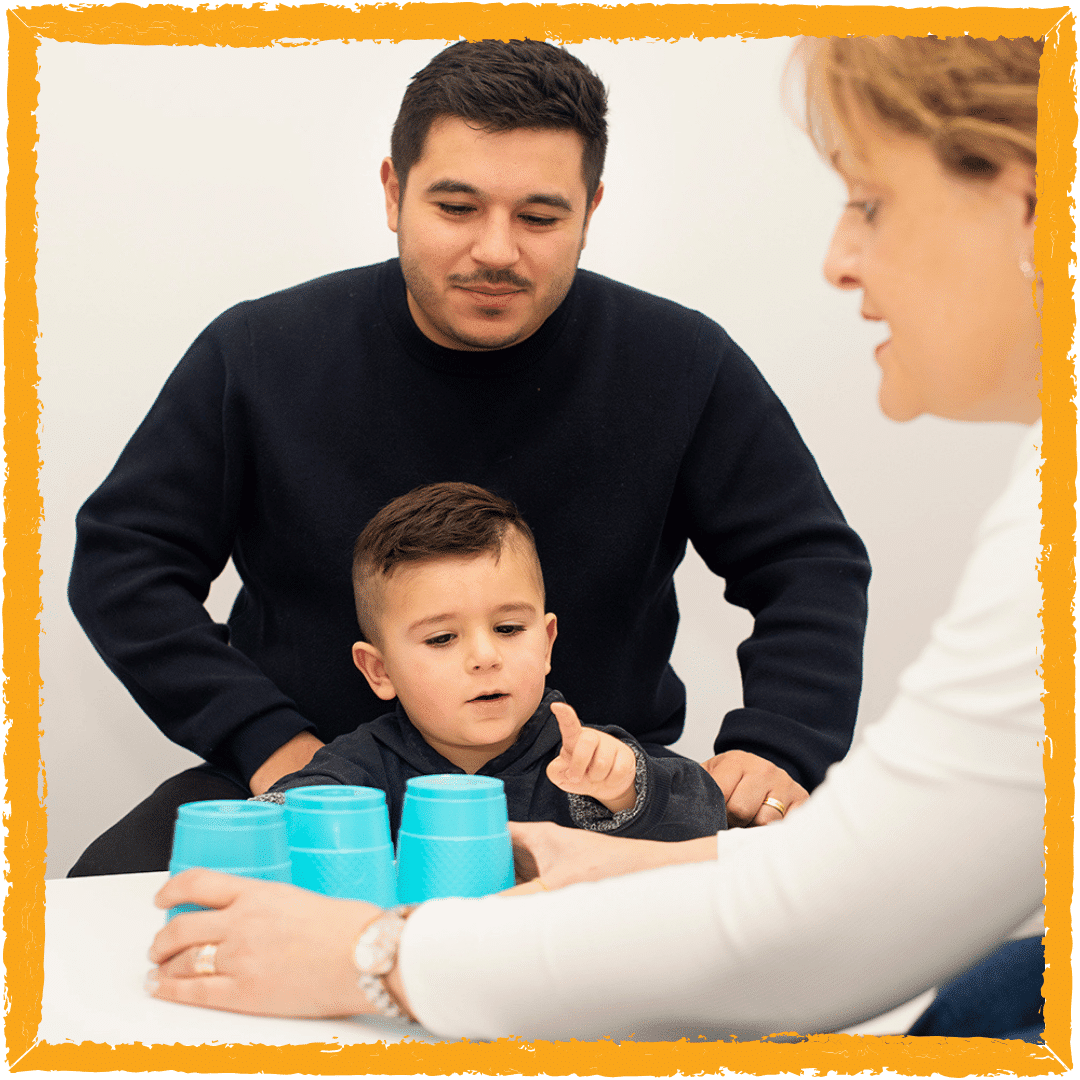
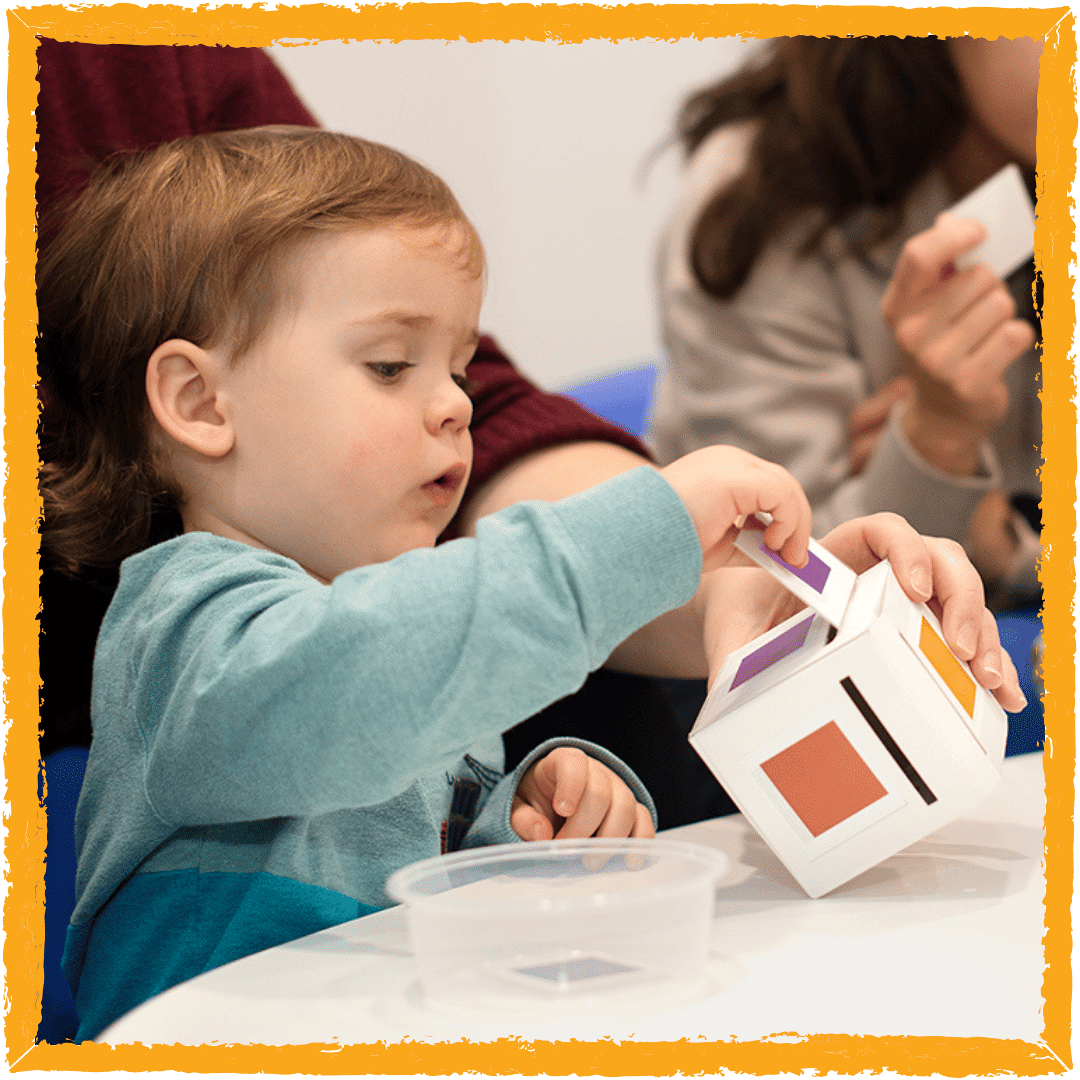
Photo by Shichida Australia: Fun and focused – memory games like these are designed to strengthen cognitive development in early childhood through playful, hands-on learning.
Factors Influencing Cognitive Development in Early Childhood
Every child’s cognitive development early childhood journey is shaped by internal and external factors.
Brain Health and Nutrition
Nutrition plays a key role in cognitive growth definition. Nutrients like DHA support memory and brain function, which are essential for cognitive development in early childhood.
Social and Emotional Environment
A supportive environment strengthens mental development in early childhood. Secure relationships and responsive parenting help children build confidence and thinking skills.
Screen Time and Cognitive Impact
According to the American Academy of Peadiatrics, screen time should be limited for very young children.
While excessive screen use can impact cognitive development during early childhood, high-quality, interactive content used in moderation can support learning when paired with real-world interaction.
Supporting Cognitive Development at Home
Supporting cognitive development in early childhood can be simple – everyday interactions have a powerful impact.
Daily Routines That Support Learning
Simple routines help reinforce sequencing, memory, and independence – all key parts of cognitive growth and development.
Encouraging Curiosity and Independent Thinking
Encourage your child to explore and ask questions. This helps them develop cognitively and build confidence in their thinking.
Best Toys and Materials for Cognitive Growth
The best tools and toys for cognitive development in childhood include:
- Puzzles, memory match and problem-solving toys
- Building blocks and stacking cups
- Sorting and matching games
- Storybooks
- Flashcards
These support memory, reasoning, and intellectual development definition in action.
Want more ideas? Shichida has plenty!
Recognising and Addressing Delays
Not all children develop at the same pace. Early awareness helps support cognitive development in early childhood effectively.
Common Signs of Cognitive Delays
According to the Centers for Disease Control and Prevention, cognitive delays can affect around 12 in every 1,000 children.
Signs may include:
- Delayed language development
- Difficulty solving simple problems
- Trouble focusing or following instructions
Seeking Professional Support
If concerns arise, a pediatrician or psychologist can assess your child’s cognitive mental development and provide guidance.
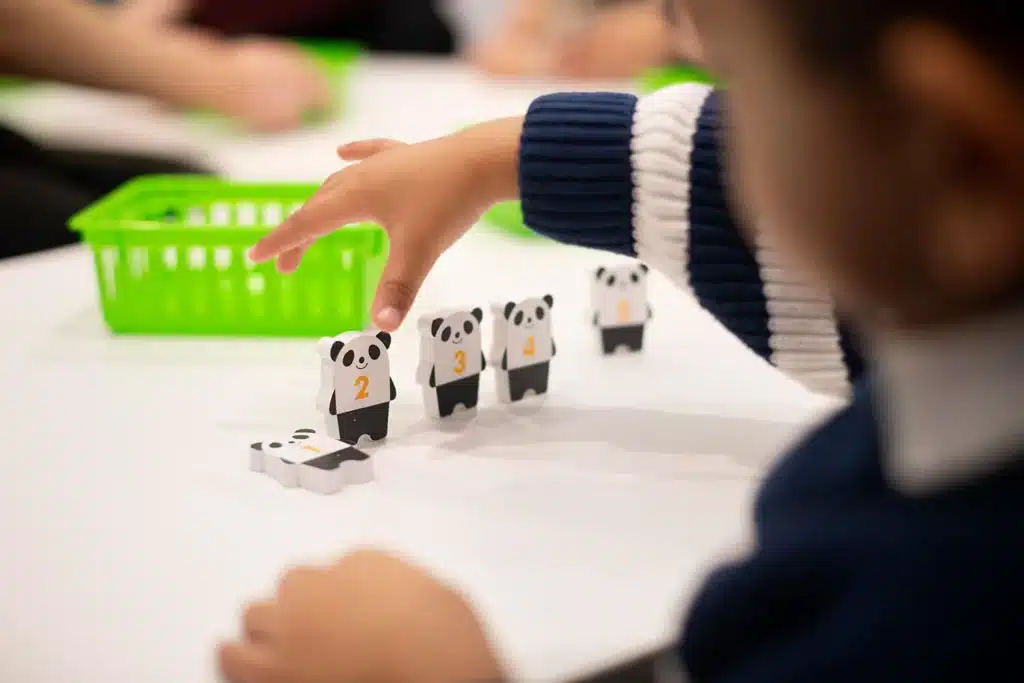
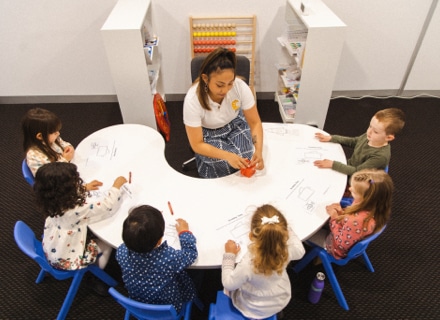
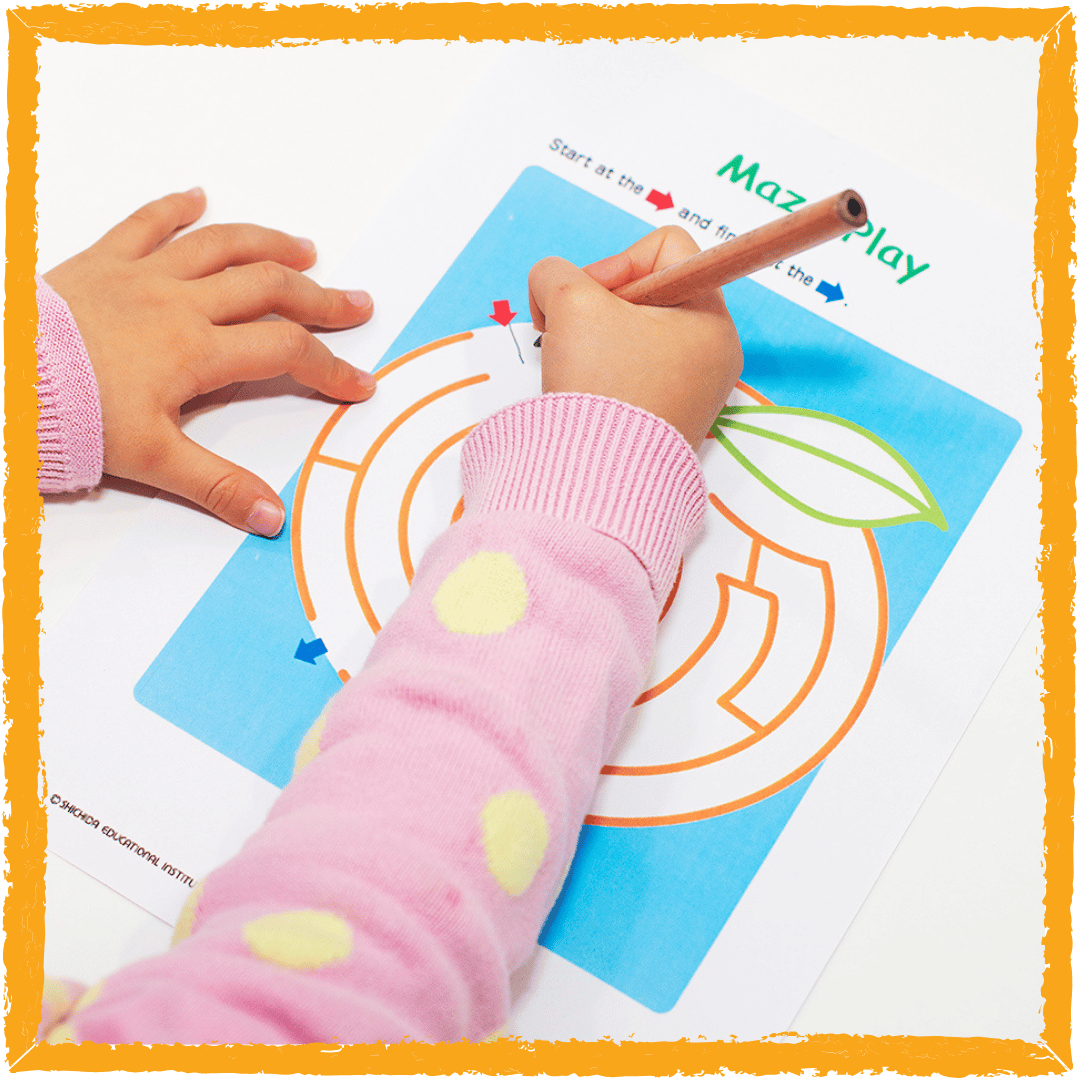
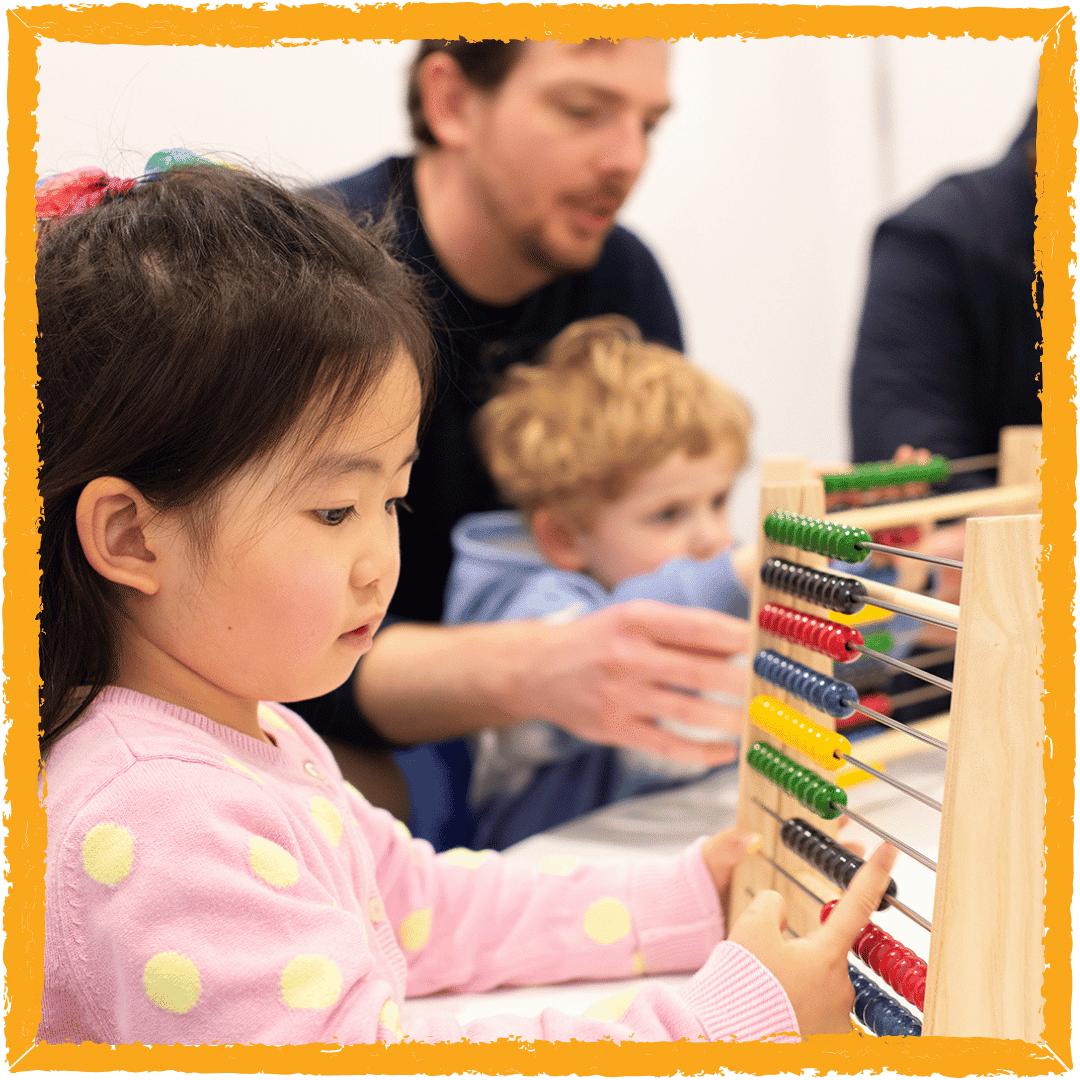
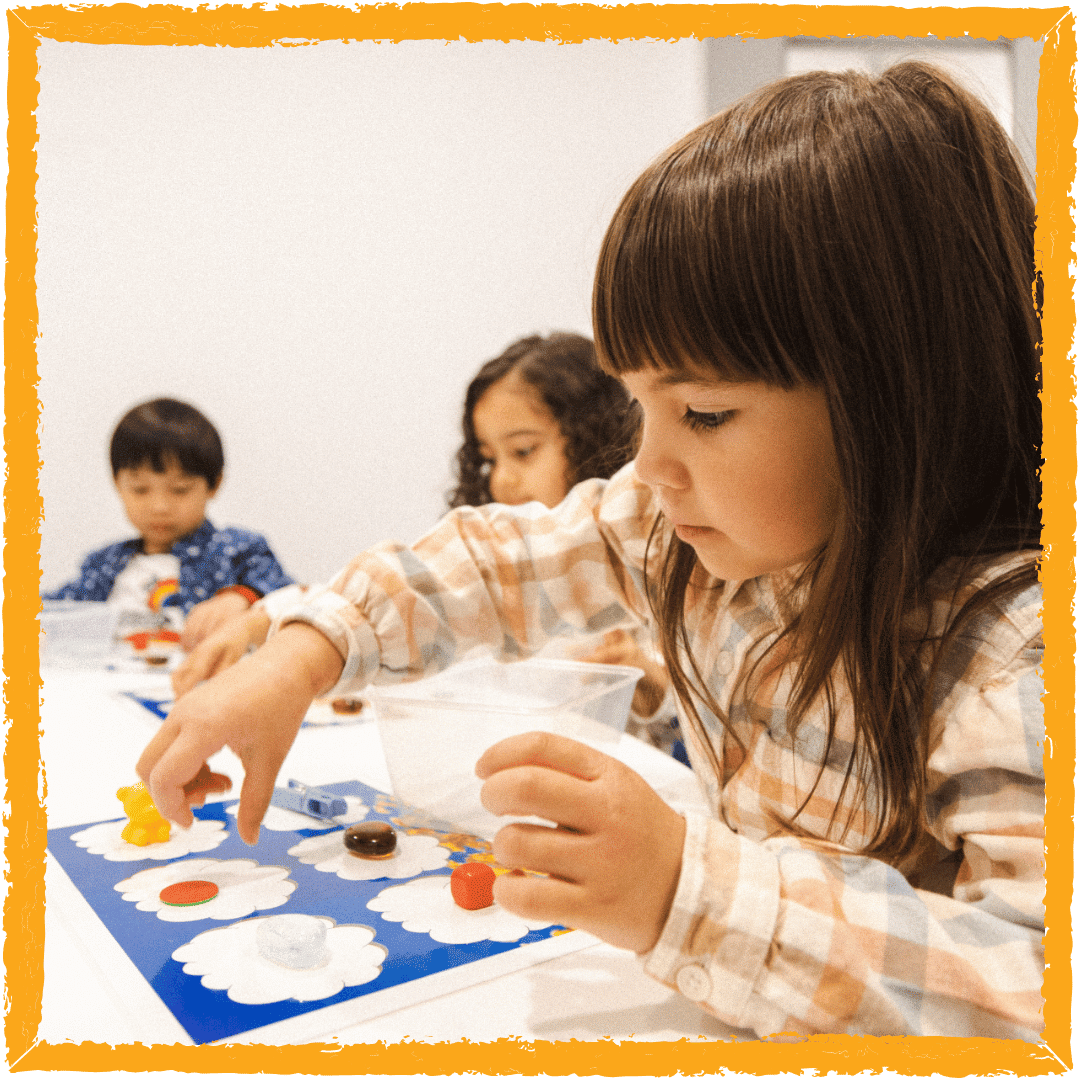
Photo by Shichida Australia: One simple Shichida activity can build so many skills at once – early maths sense, number recognition, sequencing, fine motor control and spatial awareness, all while having fun.
Nurture Your Child’s Thinking with Shichida
Watching your child learn to think, question, and solve problems is one of the most rewarding parts of parenting. Those small moments are all part of cognitive development in early childhood.
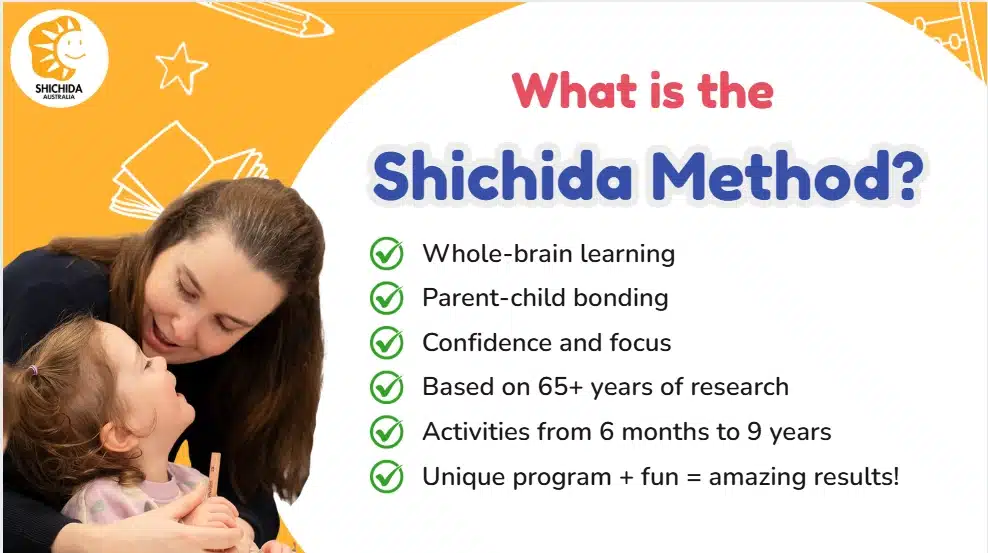
At Shichida, we offer a structured program designed to support early childhood cognitive development through play, and engagement, with a high focus on parental involvement. If you want to help your child develop intellectually and build strong thinking skills, join us for a session and experience it firsthand.
Experience Shichida Today
Help your child build strong fine motor skills with Shichida Australia’s hands-on, fun brain-boosting activities! Our gentle approach supports coordination, confidence, early maths, reading, writing and more!
Book a trial class and see how these strategies come to life!
FAQs: Cognitive Development in Early Childhood
Cognitive development in early childhood means the way young children learn to think, remember, focus, solve problems, use language, and understand the world around them.
Jean Piaget’s theory of cognitive development includes four main stages:
- Sensorimotor stage: Birth to 2 years
- Preoperational stage: Ages 2 to 7
- Concrete operational stage: Ages 7 to 11
- Formal operational stage: Ages 12 and up
A cognitive delay may show up as ongoing difficulty with learning, attention, memory, language, problem-solving, or following simple instructions. If you are concerned about your child’s cognitive development, speak with a paediatrician, child health nurse, psychologist, or early childhood specialist.
The best toys for early brain development are hands-on toys that build memory, attention, language, reasoning, and problem-solving skills. Puzzles, building blocks, stacking cups, sorting games, memory games, storybooks, flashcards, and pretend play toys are all great options.
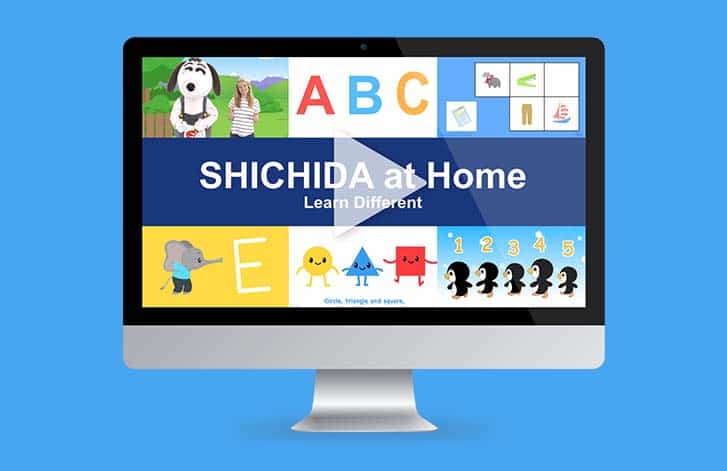
Too much screen time can affect toddlers when it replaces sleep, active play, reading, conversation, outdoor time, and hands-on learning. Toddlers learn best through real-world interaction and play. However, high-quality screen content can be used in moderation. SHICHIDA at Home offers educational content suitable for ages 1 to 5.
Cognitive development is about how children think, learn, remember, solve problems, and understand the world. Emotional development is about how children recognise feelings, manage emotions, build confidence, and connect with others.
You can support cognitive development in early childhood through talking, reading, singing, puzzles, memory games, flashcards, pretend play, sorting games, sensory play, and outdoor exploration. Simple daily routines also help children build memory, sequencing, independence, and problem-solving skills.
Cognitive development is important in early childhood because it shapes how children learn, think, communicate, remember, and solve problems. These early skills support later reading, maths, language, attention, confidence, and school readiness.
Activities that help cognitive development include reading, singing, puzzles, memory games, sorting games, building blocks, flashcards, pretend play, sensory play, and simple problem-solving games.
Flashcards can support cognitive development by giving children quick, repeated exposure to words, images, numbers, and ideas. When used in a fun and pressure-free way, they can help build memory, attention, vocabulary, and visual processing skills.