Why Early Numeracy Skills Matter
Early numeracy skills are the foundation of maths learning and problem solving.
Numeracy development is not just about counting. It includes understanding numbers, recognising patterns, comparing quantities and developing logical thinking skills.
From birth to age 6, children naturally develop early numeracy skills through structured exposure, repetition and interaction. This is why simple, age-appropriate numeracy activities for kids can play an important role in helping children build confidence with numbers from an early age.
Strong numeracy skills support:
- Number recognition and counting skills
- Problem-solving and logical thinking
- Understanding patterns, shapes and quantities
- Confidence in early maths learning
The earlier these skills are developed, the easier maths becomes later in life.
What Numeracy Skills Will Your Child Develop?
At Shichida, children build early numeracy skills through hands-on, age-appropriate activities that make numbers meaningful and enjoyable.
Number Recognition and Counting Skills
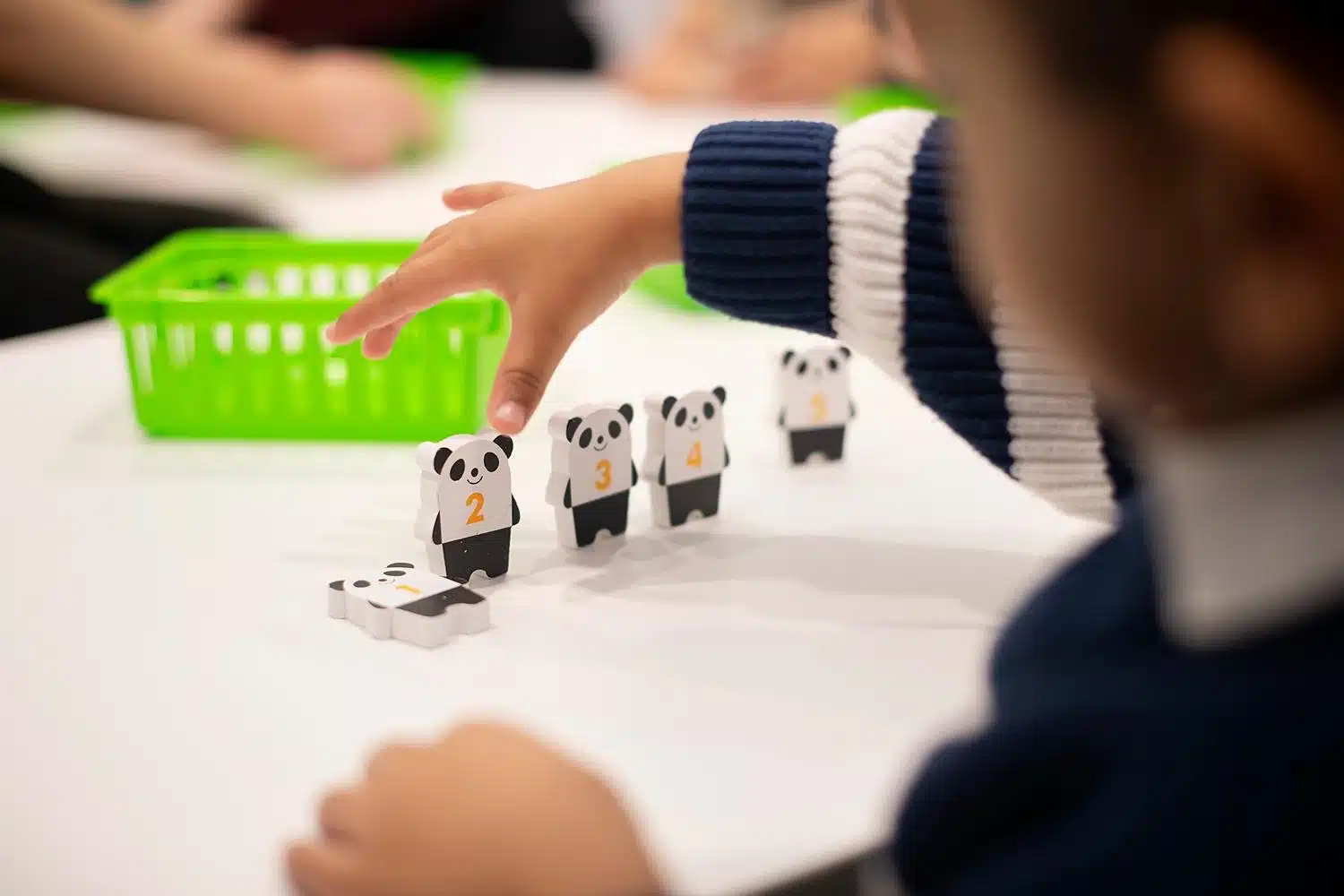
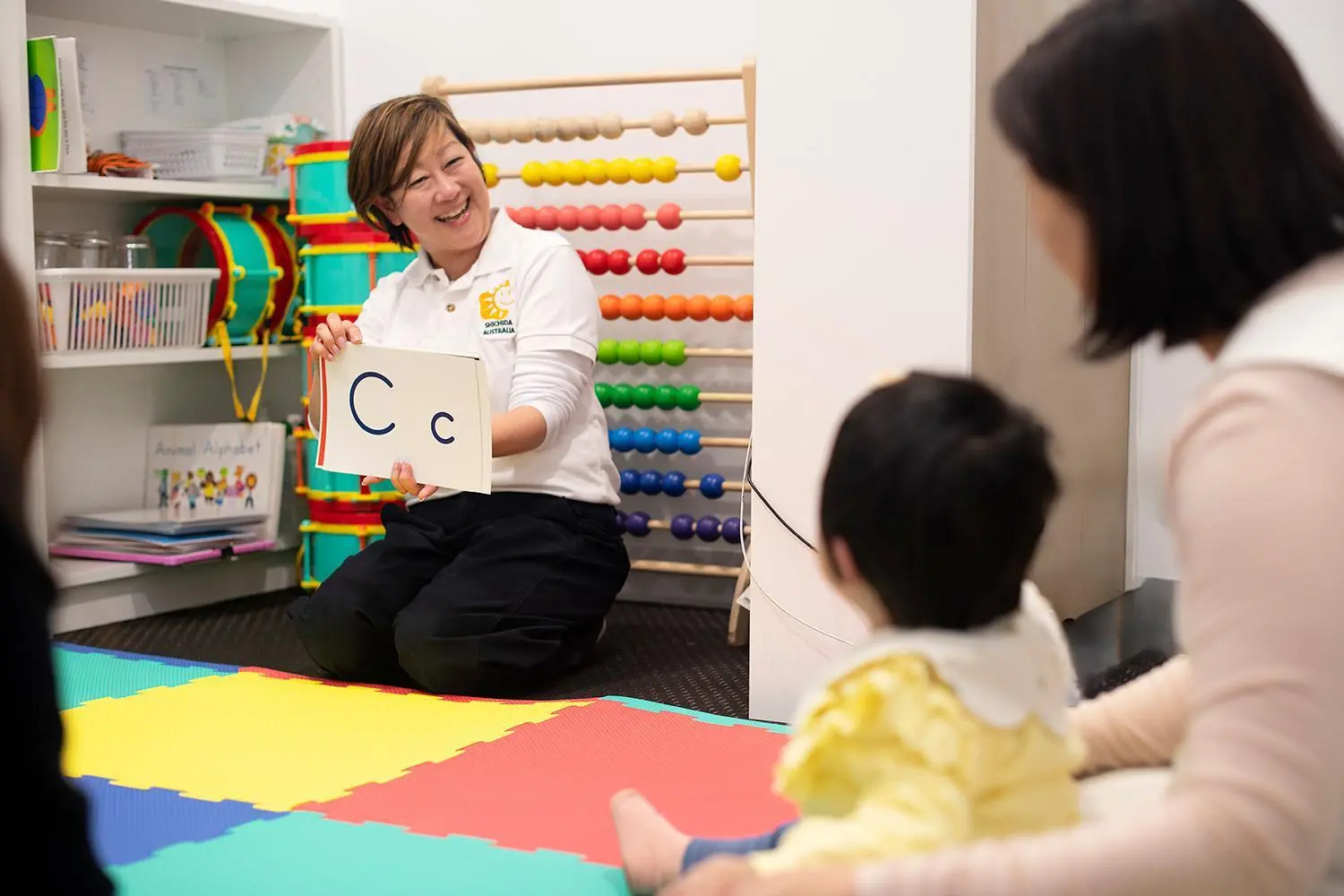
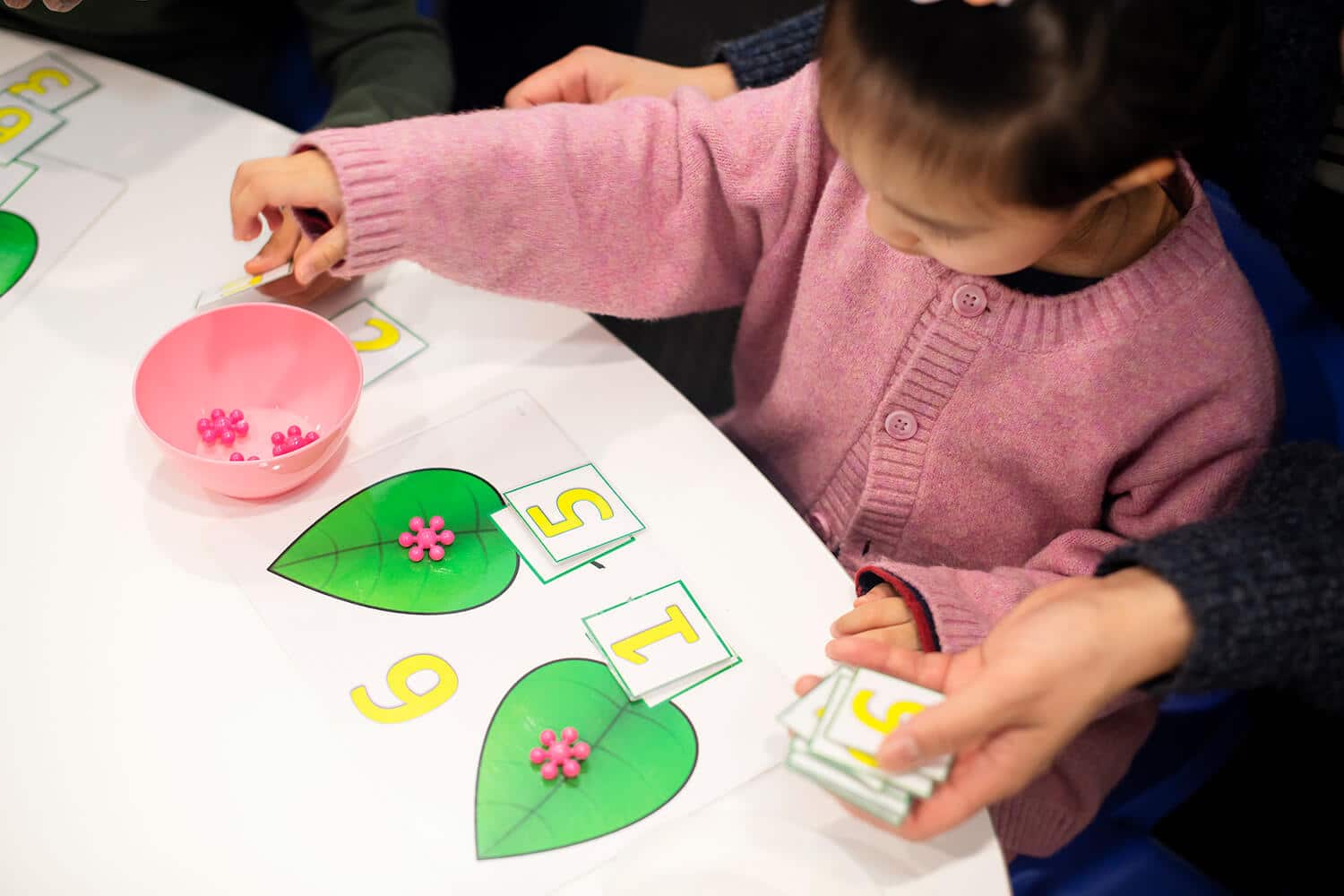
Children are introduced to numbers, quantities and counting through flashcards, songs, visual prompts and hands-on classroom activities. These early experiences help children develop number awareness, counting confidence and one-to-one correspondence.
Pattern Building and Early Thinking Skills
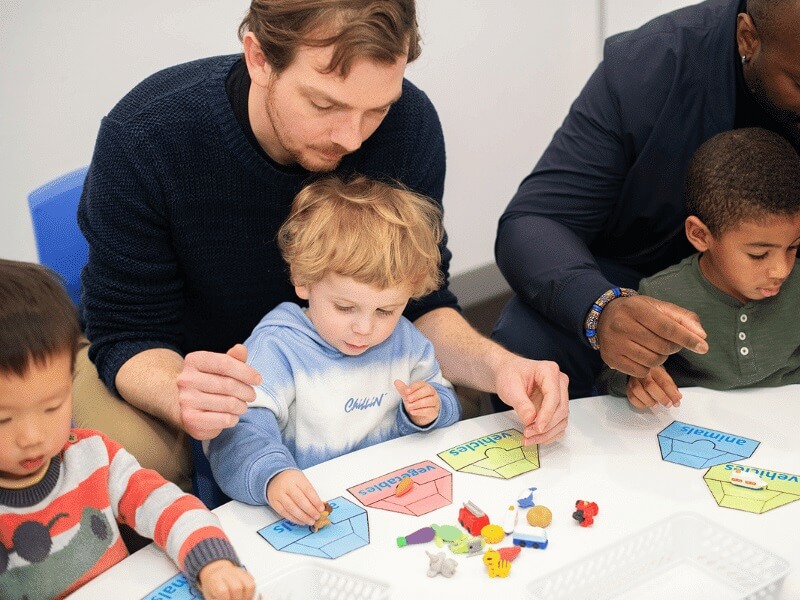
Through matching, sorting, sequencing, shape recognition and pattern-building activities, children begin to notice relationships, make predictions and think logically. These skills support both early maths learning and broader cognitive development.
Understanding Patterns, Shapes and Quantities
Children learn to compare amounts, recognise shapes, identify patterns and connect number words with real quantities. As they progress, they are gradually introduced to early addition, subtraction, number bonds, skip-counting and problem-solving activities.
Why many children progress faster
How the Shichida Method Develops Numeracy Skills
The Shichida Method is an early learning program that supports numeracy skills development by focusing on how children learn, not just what they learn.
The Shichida Method supports numeracy development through structured exposure to numbers, patterns, shapes and problem-solving activities, helping children build strong early maths skills.
See What Parents Are Saying About Shichida
What Your Child Will Do and Learn in a Shichida Numeracy Class
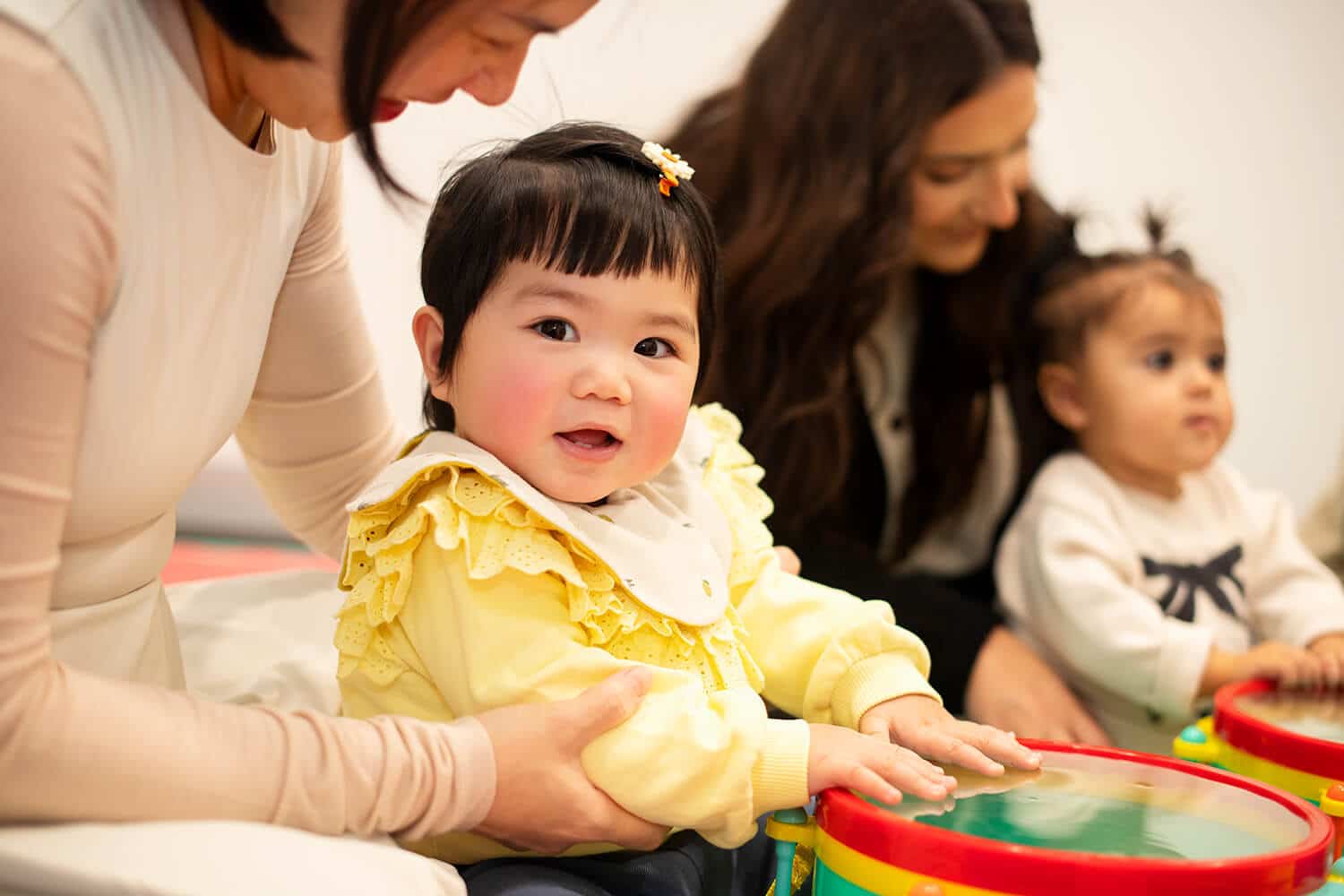
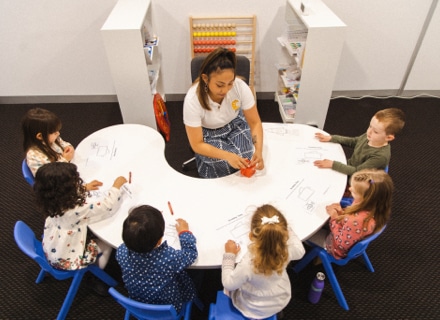
In a Shichida class, numeracy is taught through short, engaging and age-appropriate activities that help children build confidence with numbers in a fun and meaningful way.
Depending on your child’s age and class level, activities may include:
- Counting and number recognition
- Quantity recognition and number sense
- Number songs and rhythm-based counting
- Shape recognition and pattern building
- Sorting, matching and comparing amounts
- Number sequencing and ordering
- Early addition and subtraction
- Number bonds and basic arithmetic
- Math-based flashcards and visual number activities
- Simple maths puzzles and problem-solving exercises
- Abacus-style visual maths activities
- Skip-counting, multiplication tables and mental maths for older children
These activities help children develop early maths confidence, logical thinking, a love for numbers and learning, and a strong foundation for formal schooling.
See How Your Child Responds in Their First Class
See how your child responds in their very first class
Your trial class includes:
- A full 50-minute session
- A real classroom environment
- Guidance from a trained instructor
- Opportunity to observe your child’s response
✔ No experience needed
✔ Parent attends with child
✔ No pressure to enrol
Shichida Numeracy Activities for Kids by Age
Our numeracy activities for kids are designed to support early numeracy skills at every stage of development, helping children build counting skills, number recognition and problem-solving ability.
Numeracy Activities for 6- to 12-month-olds (Babies)
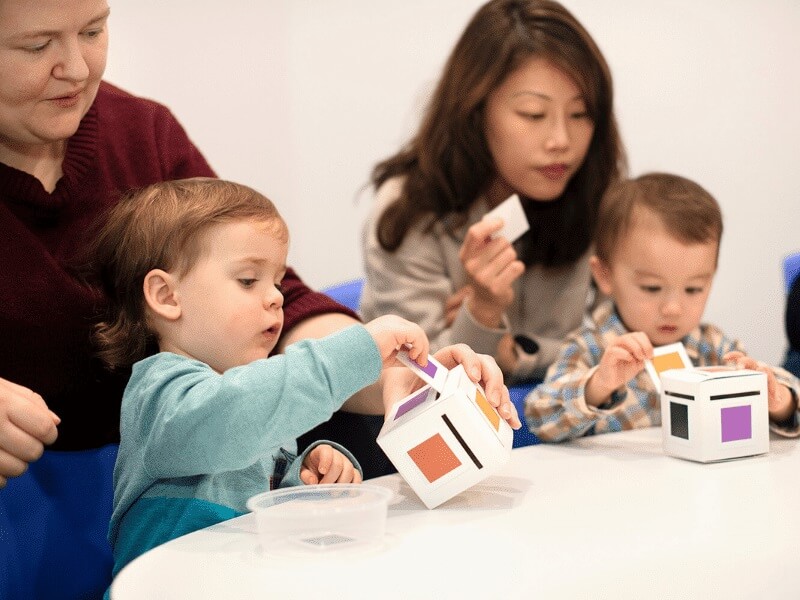
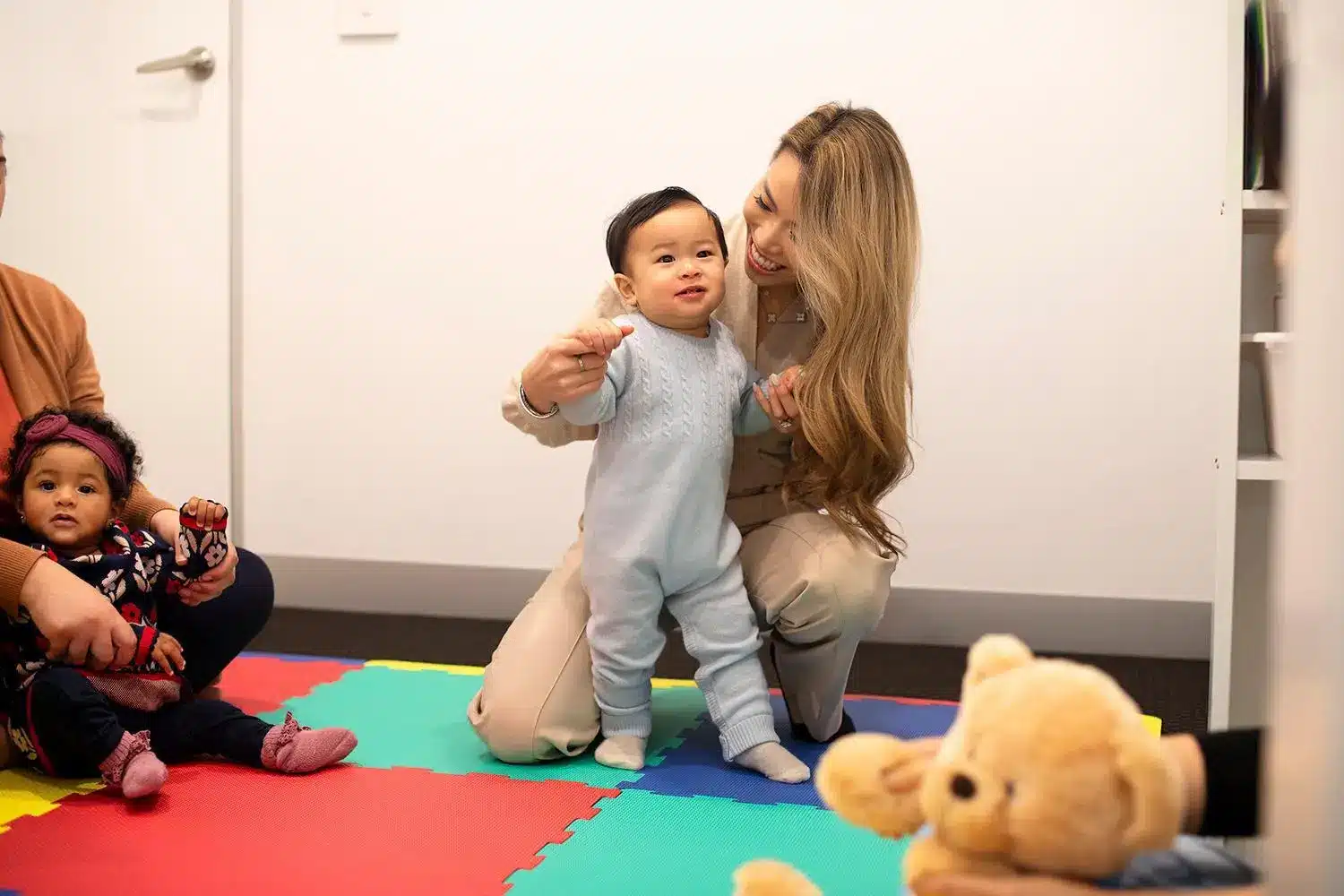
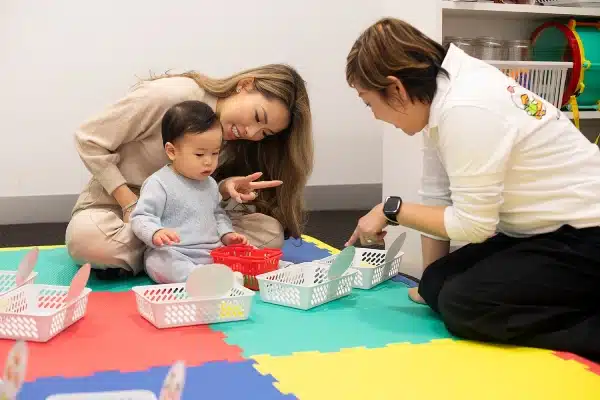
For babies aged 6 to 12 months, Shichida’s numeracy activities focus on developing early number awareness through engaging, sensory-led play that nurtures natural curiosity and foundational counting skills. At this stage, suitable numeracy activities are playful, hands-on experiences that introduce simple quantities, counting, and comparisons in a way that is fun and accessible for babies.
Numeracy activity examples include:
- Matching quantities: Pair small groups of objects (1–3) with simple number cards.
- Counting with support: Place objects into a basket after hearing the corresponding number and seeing it represented.
- Comparing amounts: Explore picture cards showing “a few” versus “many,” then compare containers with different numbers of objects.
- Counting through play: Sing counting songs with clapping, movement, or instruments to link sounds, actions, and numbers.
- Number-themed sensory play: Use objects like “two bells” or “three blocks” to connect number words with tangible items.
Numeracy Activities for 1- to 3-year-olds (Toddlers)
For toddlers aged 1 to 3 years, Shichida’s numeracy activities focus on developing early number awareness through playful, sensory-led experiences that encourage curiosity and hands-on learning. At this stage, suitable activities introduce counting, quantity recognition, and simple comparisons in ways that are fun and engaging.
Numeracy activity examples include:
-
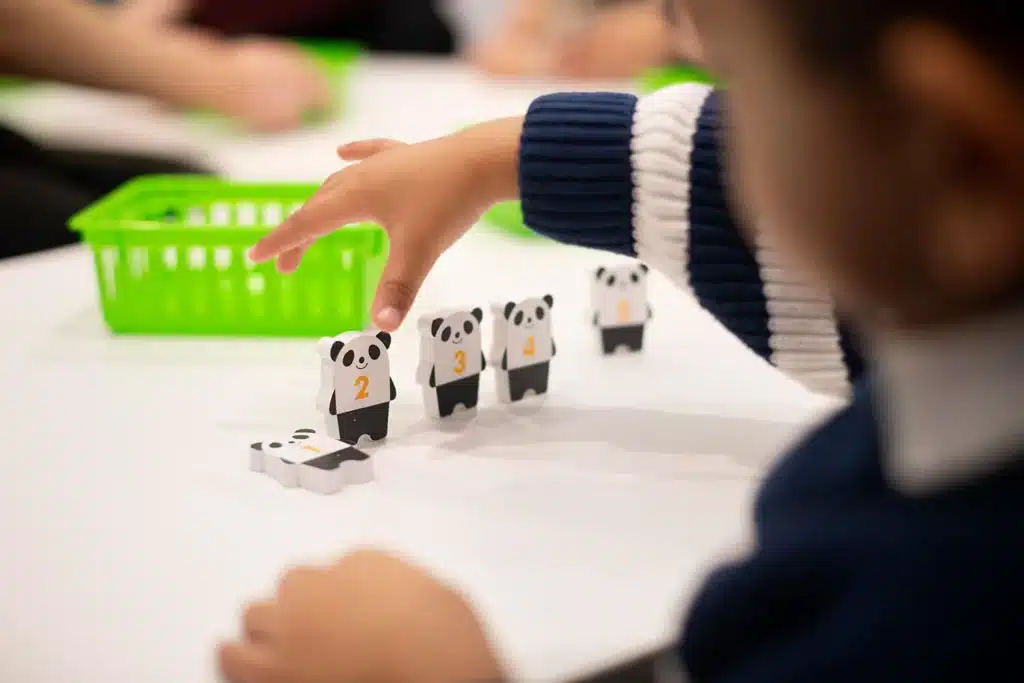
Placing number dominoes: Arrange number dominoes in counting order to strengthen early number sequencing skills.
-
Early number writing practice: Use crayons to write one numeral at a time, with gentle guidance on basic stroke order to support correct number formation.
-
Number-picture matching: Pair number cards with picture cards showing corresponding sets of objects (e.g., matching “7” with a picture of seven butterflies) to develop counting accuracy and number recognition.
-
Quantity matching with toy food: Use numbered plates and place toy food pieces to match the quantity shown, reinforcing one-to-one correspondence and understanding of number quantities.
-
“Picnic packing” counting game: Collect specific items based on verbal instructions (e.g., 1 strawberry, 2 apples, 3 slices of watermelon) to build listening skills, counting confidence, and the ability to follow simple multi-step directions.
Numeracy Activities for 3- to 5-year-olds (Kinder/Preschoolers)
For preschool children aged 3 to 5, Shichida’s numeracy activities focus on deepening understanding of number relationships, patterns, and early concepts of time and money through hands-on, visual learning. Suitable activities at this stage strengthen problem-solving, reasoning, and practical application of numbers.
Numeracy activity examples include:
- Number bonds: Use counters and number cards to match pairs of quantities that combine to a given total.
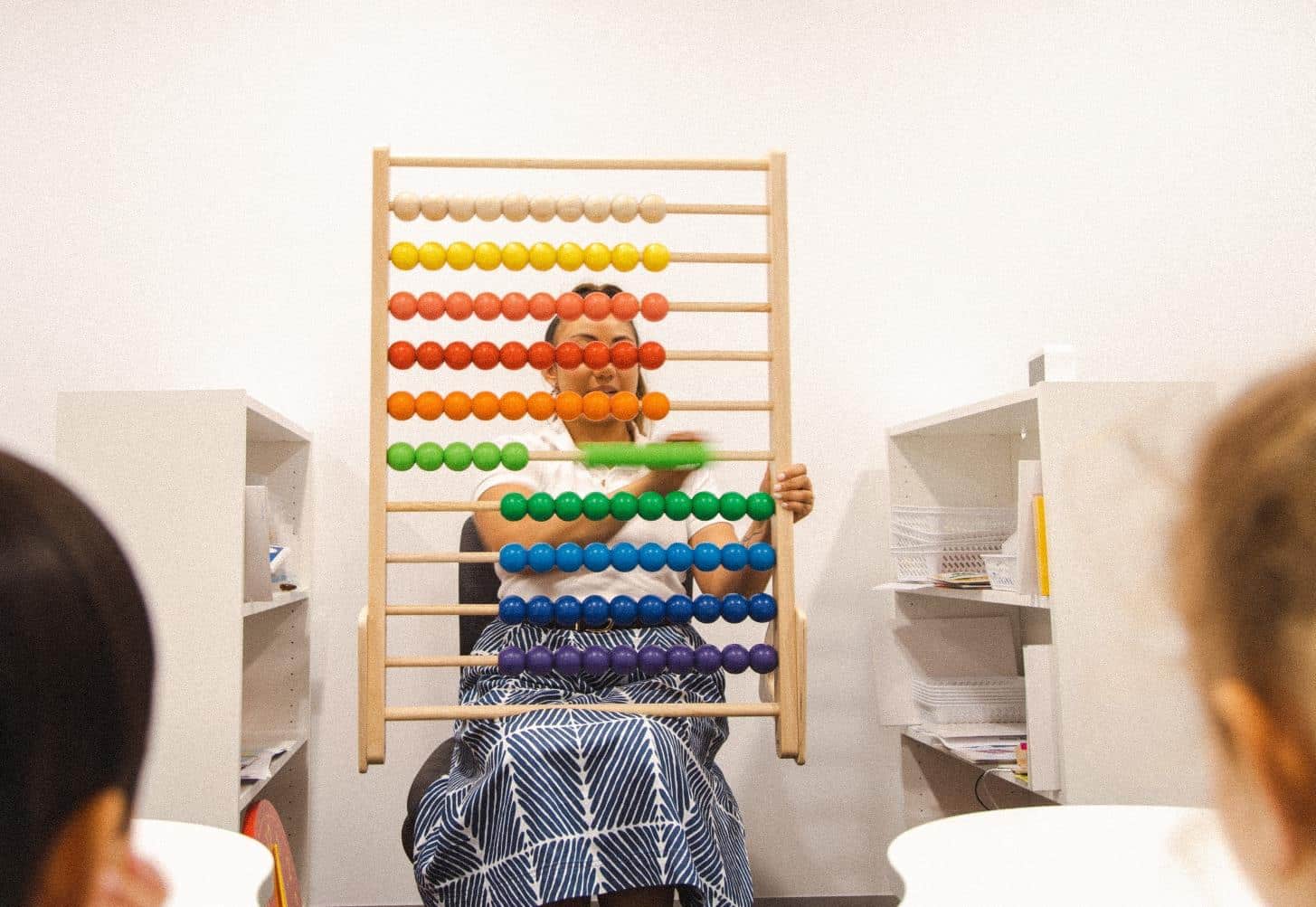
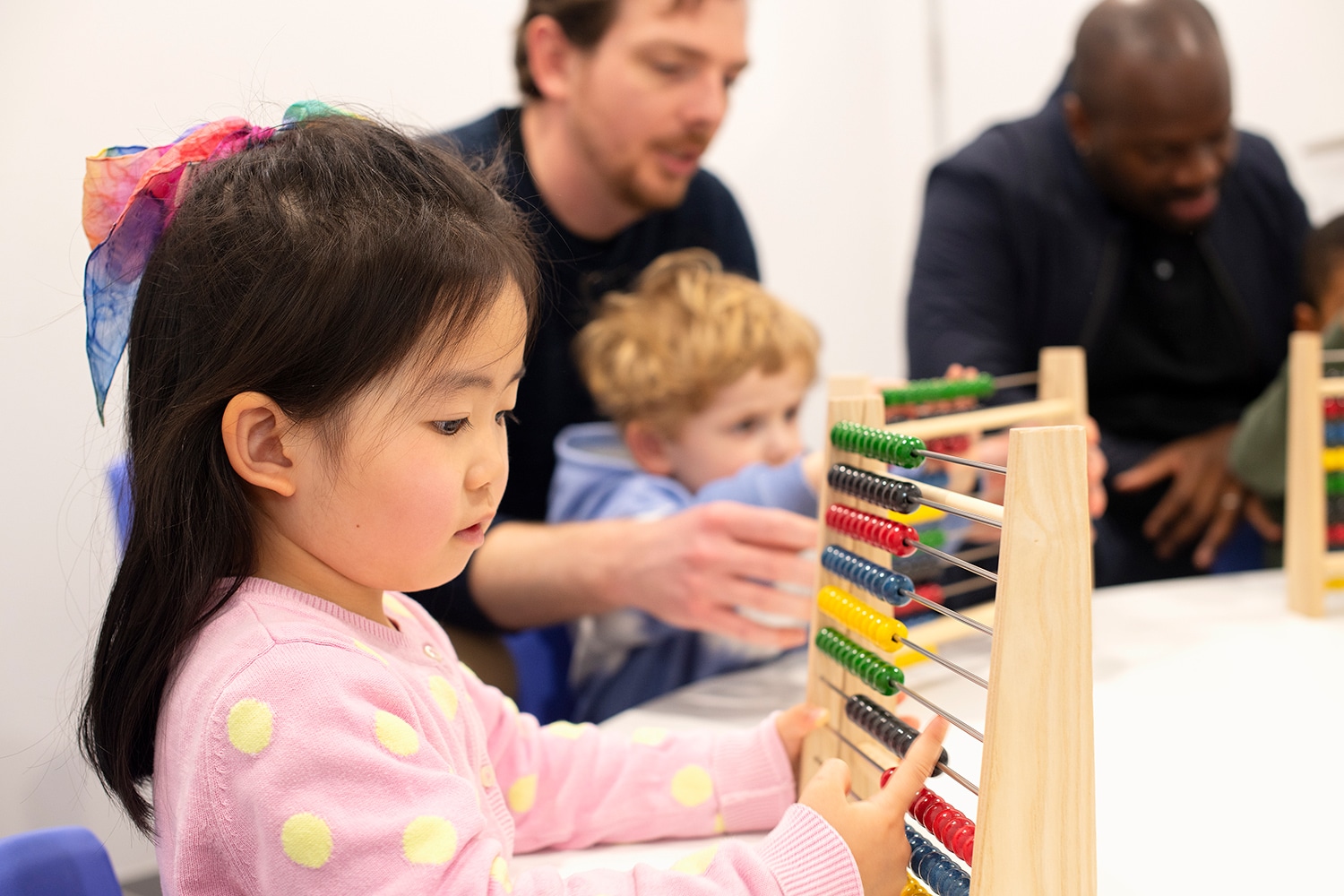
- Counting patterns and skip-counting: Practise consistent counting and early skip-counting with teacher modelling on a large abacus, reinforced with number songs, and then try on individual abacuses.
- Time concepts: Match clock hands to the correct o’clock and half-hour times.
- Building number bonds: Explore different combinations that make the same total (e.g., 7 = 4 + 3 or 7 = 2 + 5).
- Early money awareness: Match and identify Australian coins and notes, recognising their values.
Numeracy Activities for 5- to 7-year-olds (Pre-Primary Children)
For children aged 5 to 7 years, Shichida’s numeracy activities focus on building number fluency, accuracy, and problem-solving skills through structured, hands-on practice. Suitable activities at this stage use concrete materials, worksheets, and guided exercises to strengthen confidence and understanding.
Numeracy activity examples include:
- Addition practice: Complete worksheets to strengthen early addition skills.
- Story problems: Read short scenarios, visualise the problem, and write matching equations.
- Money activities: Use play worksheets to recognise coins, match values, and make small amounts with different combinations.
- Addition grids: Fill in grids to build mental addition skills, recognise patterns, and understand number relationships.
- Subtraction practice: Work with worksheets showing dots or blocks to understand take-away concepts and write subtraction equations.
What Are Early Numeracy Skills
Early numeracy skills include a child’s ability to understand numbers, patterns, shapes and mathematical relationships.
These include:
- Number recognition and counting
- Comparing quantities (more or less)
- Recognising patterns and shapes
- Sorting, grouping and classifying objects
- Understanding order and measurement
Developing early numeracy skills supports future maths learning, concentration and problem-solving ability.
How to Improve Your Child’s Early Numeracy Skills
Supporting your child’s number sense and numeracy development does not have to be complicated. What matters most is consistency, exposure and the right approach during the early years.
At Shichida, these elements are structured into a proven system. At home, small daily habits can also make a meaningful difference – support your child with simple activities like flashcards, number songs and numeracy games.
Everyday Counting and Number Exposure
Counting everyday objects helps children develop number recognition and early numeracy skills naturally.
Games and Problem Solving Activities
Puzzles, sorting games and matching activities help develop logical thinking and problem-solving skills.
Repetition and Consistency
Repeated exposure to numbers, patterns and shapes strengthens memory and supports numeracy development.
When Should a Child Start Learning Numeracy Skills
Children can begin developing early numeracy skills from infancy through exposure to numbers, patterns and structured interaction.
The most effective learning period is from birth to age 6, when the brain is most receptive to learning.
FAQs About Numeracy Activities for Kids and Early Maths Skills
The best numeracy activities for kids are simple, hands-on activities that help children understand numbers, counting, patterns, shapes and quantities. These may include counting objects, sorting colours, recognising numbers, comparing more and less, matching shapes and playing early maths games. At Shichida, these activities are structured to build confidence and strong early numeracy skills.
Numeracy activities for kids help children build number sense, counting skills, logical thinking and problem-solving ability. Early numeracy is not only about learning to count. It also helps children recognise patterns, compare quantities, understand shapes and develop confidence with early maths learning before they begin formal schooling.
Before school, children benefit from developing early numeracy skills such as number recognition, counting, sorting, matching, comparing quantities, recognising patterns, identifying shapes and understanding simple measurement. These skills give children a stronger foundation for maths learning, problem solving and classroom confidence.
You can support your child’s numeracy development at home through everyday activities such as counting toys, singing number songs, sorting objects, reading number books, using flashcards, playing board games and talking about shapes, sizes and quantities. Short, regular practice helps children build early maths confidence naturally.
Good numeracy activities for toddlers include counting blocks, stacking cups, matching shapes, sorting colours, singing counting songs and pointing out numbers in everyday life. These playful activities help toddlers develop number recognition, early counting skills, fine motor skills and confidence with simple maths concepts.
Children can begin developing numeracy skills from infancy through songs, rhythm, repetition, visual exposure and parent-child interaction. From birth to age 6, the brain is highly receptive to learning, making this an ideal time to introduce age-appropriate numeracy activities for kids through play and structured learning.
Good numeracy activities for preschoolers include pattern games, number matching, counting objects, simple addition with toys, shape puzzles, sequencing activities and comparing quantities. These activities help preschoolers build number sense, problem-solving skills and early maths understanding in a fun, age-appropriate way.
No. Early numeracy is much more than counting. It includes number recognition, comparing quantities, recognising patterns, sorting objects, understanding shapes, sequencing, measurement and logical thinking. These skills work together to help children understand maths concepts and solve problems with greater confidence.
Shichida teaches numeracy skills for children through fast-paced, engaging and structured activities that include number recognition, counting, patterns, shapes, quantity comparison and problem-solving. The program uses repetition, visual learning, memory activities and parent-child interaction to help children build strong early maths foundations.
Book a Trial Class
Give Your Child a Strong Start in Maths and Learning
Build strong numeracy skills, counting skills, number sense, problem-solving ability and confidence from an early age.
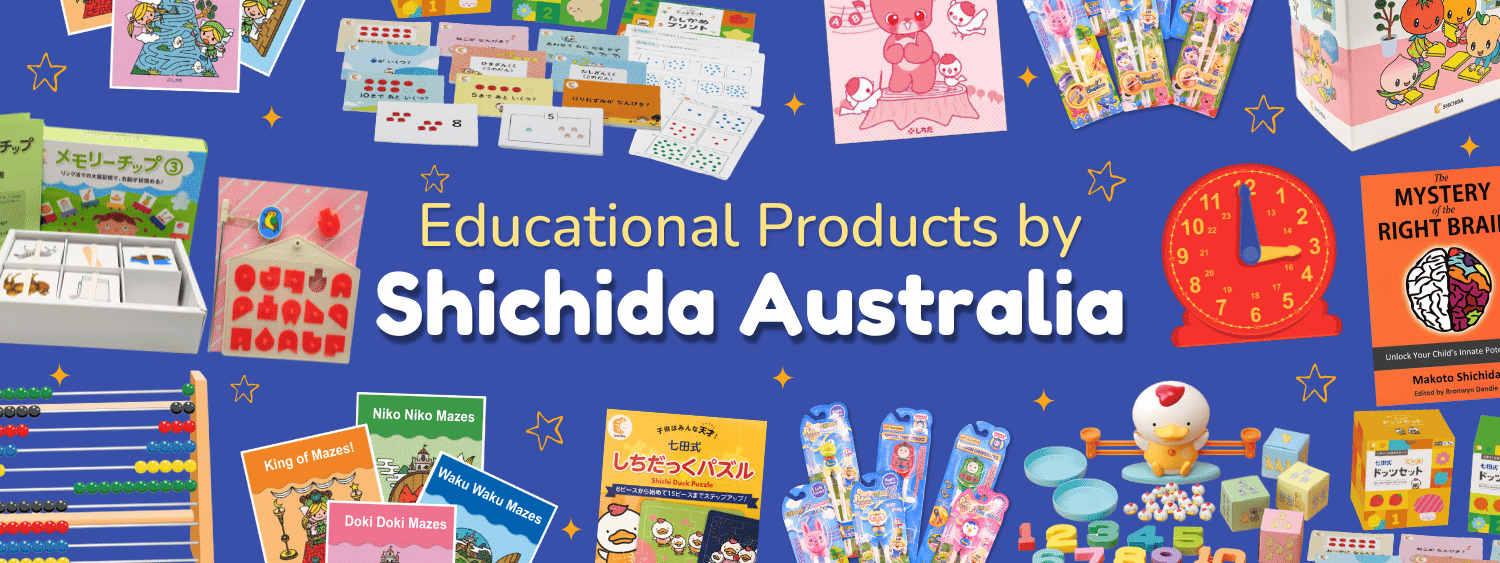
Numeracy Educational Products by Shichida Australia
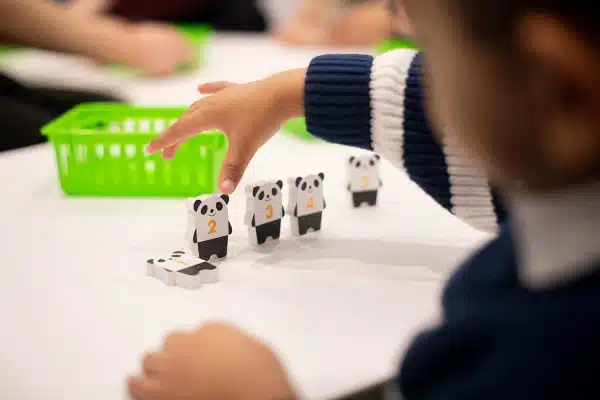
Looking for effective and engaging ways to build your child’s early numeracy skills? At Shichida Australia, we offer a thoughtfully curated range of educational products designed to make learning numbers, counting, and problem-solving both fun and meaningful. Rooted in the Shichida Method, our resources help children develop a strong mathematical foundation from an early age.