Brain Training for Early Learning: Fun Activities
Key Points
- Brain training for early learning is built on real-life experiences, not drills or pressure.
- Play, interaction, and sensory exploration shape early brain development.
- The early years are a period of rapid brain growth and connection-building.
- Digital tools should support brain training for early learning, not replace real-world interaction.
- Strong early brain development supports attention, emotional regulation, and later learning.
Last week, your toddler insisted on stacking blocks all by themselves – and watched them topple. This morning, your preschooler asked why the moon seems to follow the car. These little moments often make parents pause and wonder what brain training for early learning actually involves.
With so much discussion about flashcards, enrichment classes, and early academics, it is easy to wonder whether you should be doing more.
The reassuring truth is that meaningful brain development does not begin with pressure or performance. It grows through back-and-forth conversation, imaginative play, physical movement, problem-solving, and shared discovery. Each repeated experience helps strengthen connections between brain cells, supporting attention, memory, language, and emotional regulation over time.
Understanding this shifts the focus from “getting ahead” to nurturing curiosity, resilience, and confident learning – right in the middle of everyday life.
Free Brain Training Resources
Looking for free resources to support early brain development? Shichida offers practical resources and activities for babies through to school-aged children, designed to encourage learning through play.
The Difference Between Number Play and Formal Maths
Formal maths often focuses on symbols, written numbers, and correct answers. Number play focuses on meaning first. Your child learns what the concept of “three” represents – three apples, three steps, three toys – before learning how to write the number 3.
This playful foundation makes later academic learning feel familiar rather than overwhelming.
How Early Minds Naturally Engage With Numbers
Children naturally notice quantity and patterns long before anyone calls it “maths.” They compare who has more snacks, group toys into piles, count steps without being asked, and experiment with size and balance while building towers.
These instincts are not taught – they are part of how young minds make sense of the world.
You are not forcing early maths learning. You are simply nurturing something your child is already curious about and naturally drawn to explore.
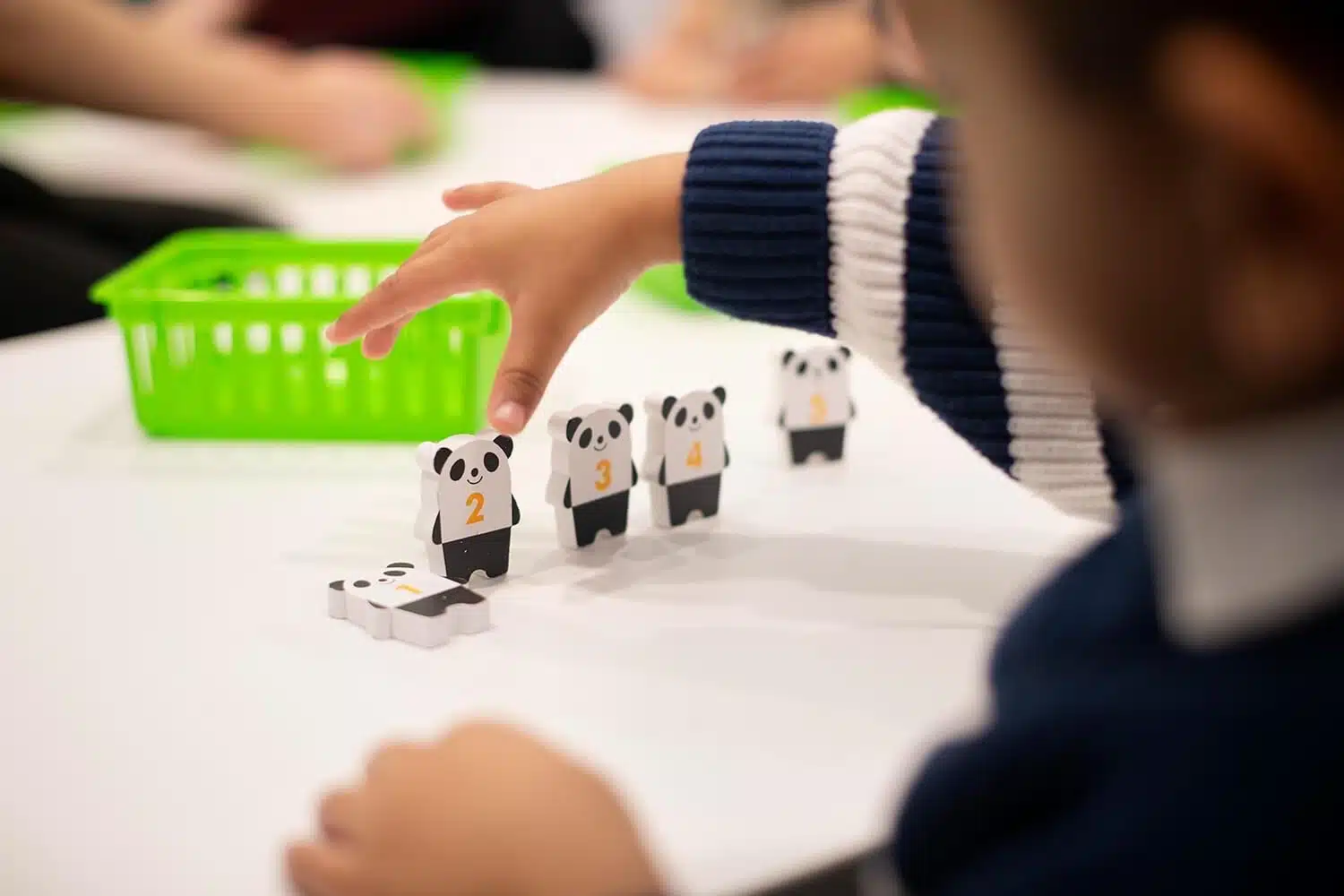
Image by Shichida: A preschooler lining up panda dominoes from 1 to 5 during a Shichida class. Activities like this are introduced after children understand what numbers represent, helping strengthen sequencing skills and fine motor control.
What Does Brain Training Mean in Early Learning?
When you hear the term brain training, you might imagine structured exercises or academic drills. But for babies, toddlers, and preschoolers, brain training looks very different.
It means creating a responsive, engaging environment where your child feels safe to explore. It means strengthening early childhood brain development through real interaction, not performance.
Your child learns when you:
- Respond to their sounds and questions
- Repeat favourite songs
- Read stories together
- Let them build, sort, and explore
- Talk about what they see and feel
These are powerful cognitive development activities.
Brain training in early childhood is built on:
- Warm, secure relationships
- Repetition in playful routines
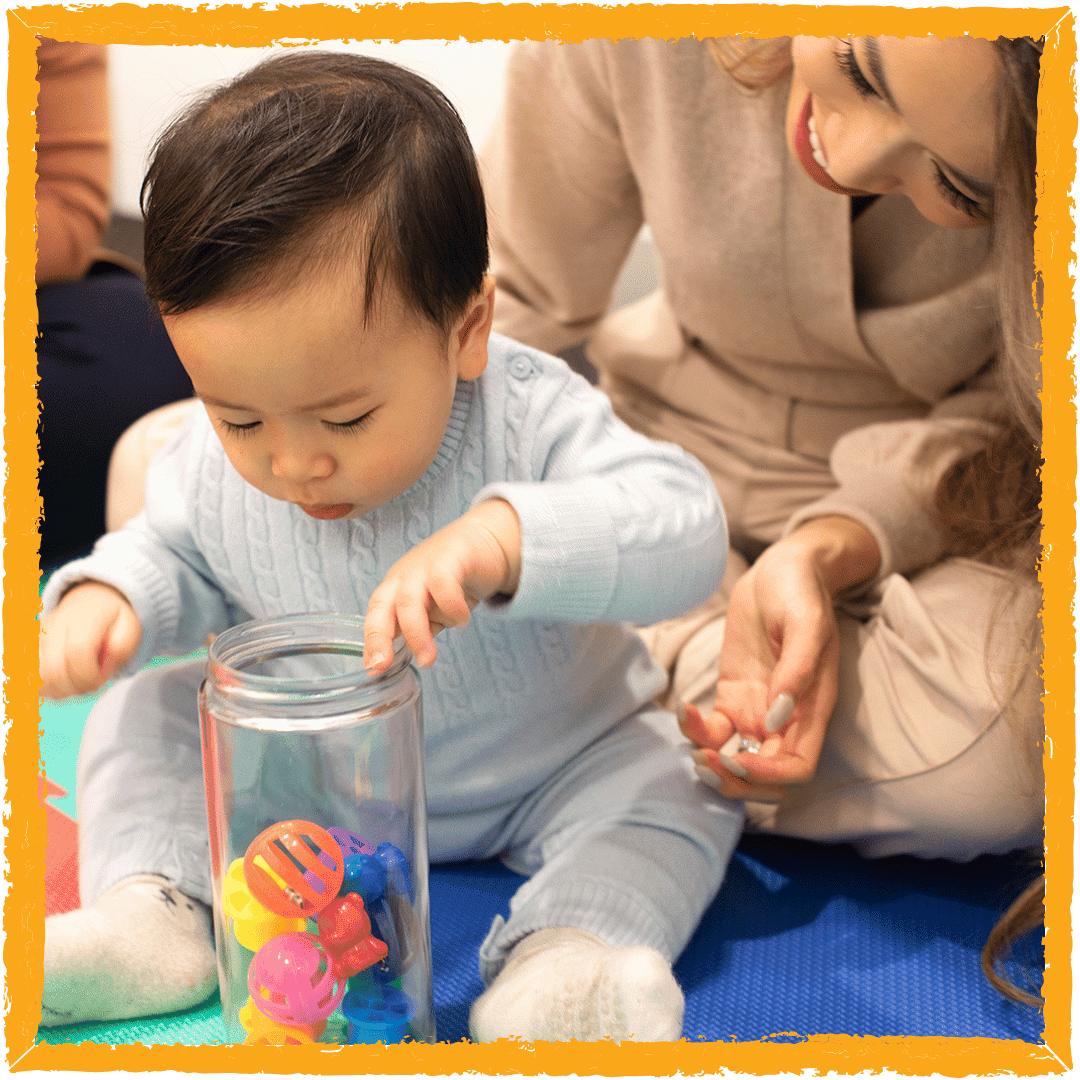
- Sensory exploration
- Movement
- Conversation
Repetition strengthens neural pathways. Emotional security supports attention. Responsive interaction builds confidence. This is why play-based learning works so well.
Brain Training vs Adult Brain Games
You may have seen brain training apps designed for adults that focus on speed and accuracy. Those tools measure performance and quick responses.
But young children do not benefit from speed-based challenges. Their brains are still building foundational networks.
Preschool brain development thrives through imagination, physical movement, emotional connection, and exploration. Your child’s brain grows best in joyful, pressure-free environments.
How Young Brains Develop
Your child’s brain is incredibly adaptable. This adaptability is called neuroplasticity in children.
Every repeated experience strengthens connections. Every story you read. Every problem your child solves. Every pretend game. These experiences shape how their brain wires itself.
The early years are especially important because the brain forms connections rapidly. This does not mean rushing academics. It means embracing rich, meaningful experiences.
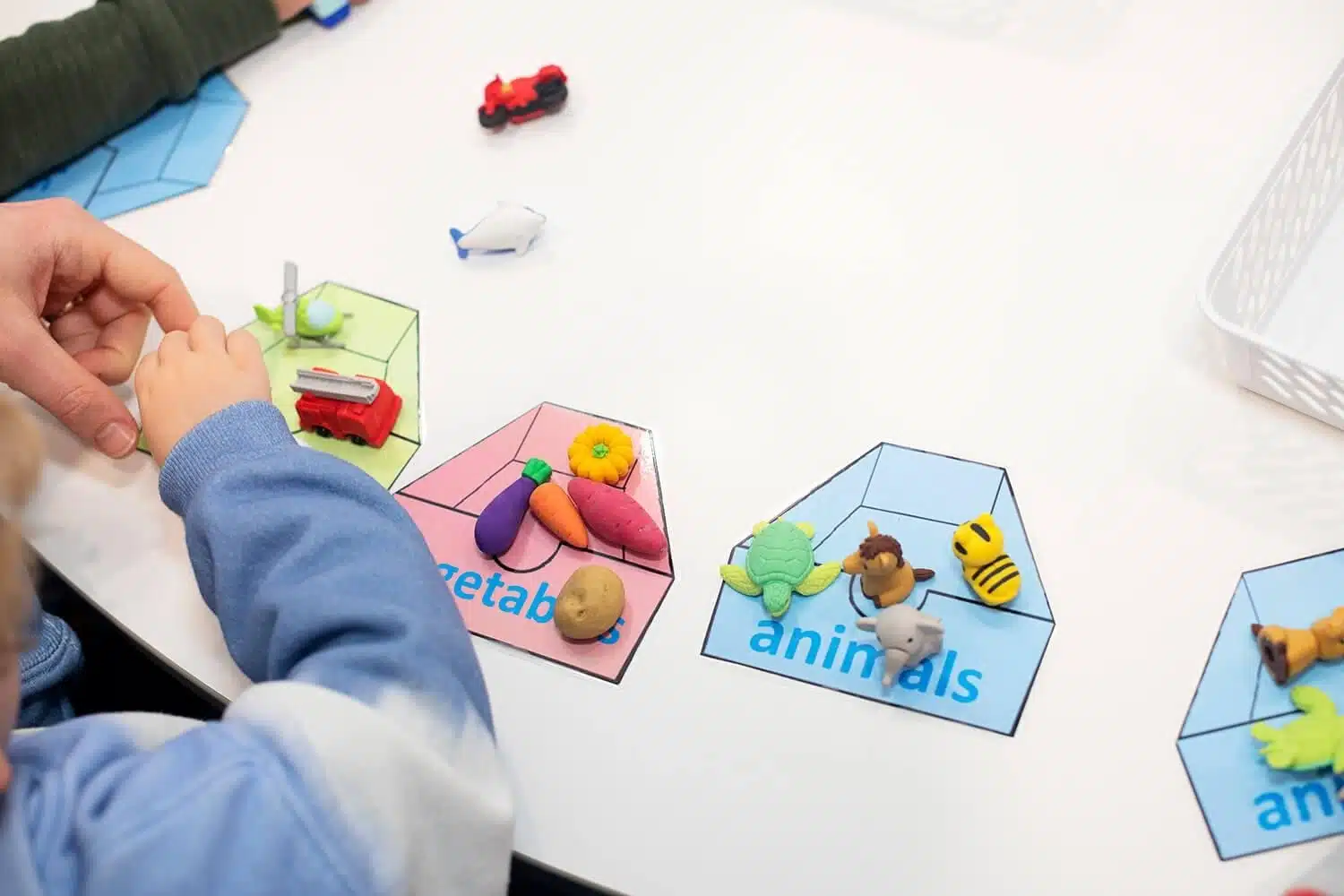
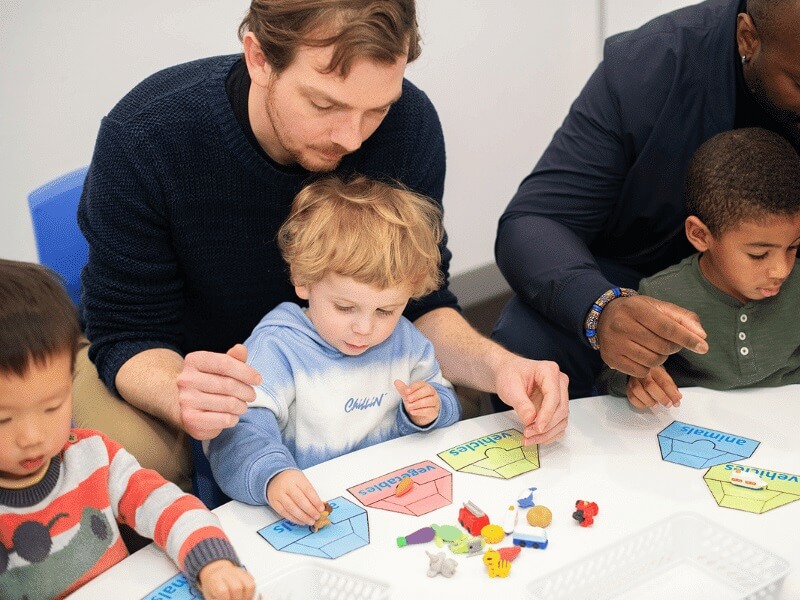
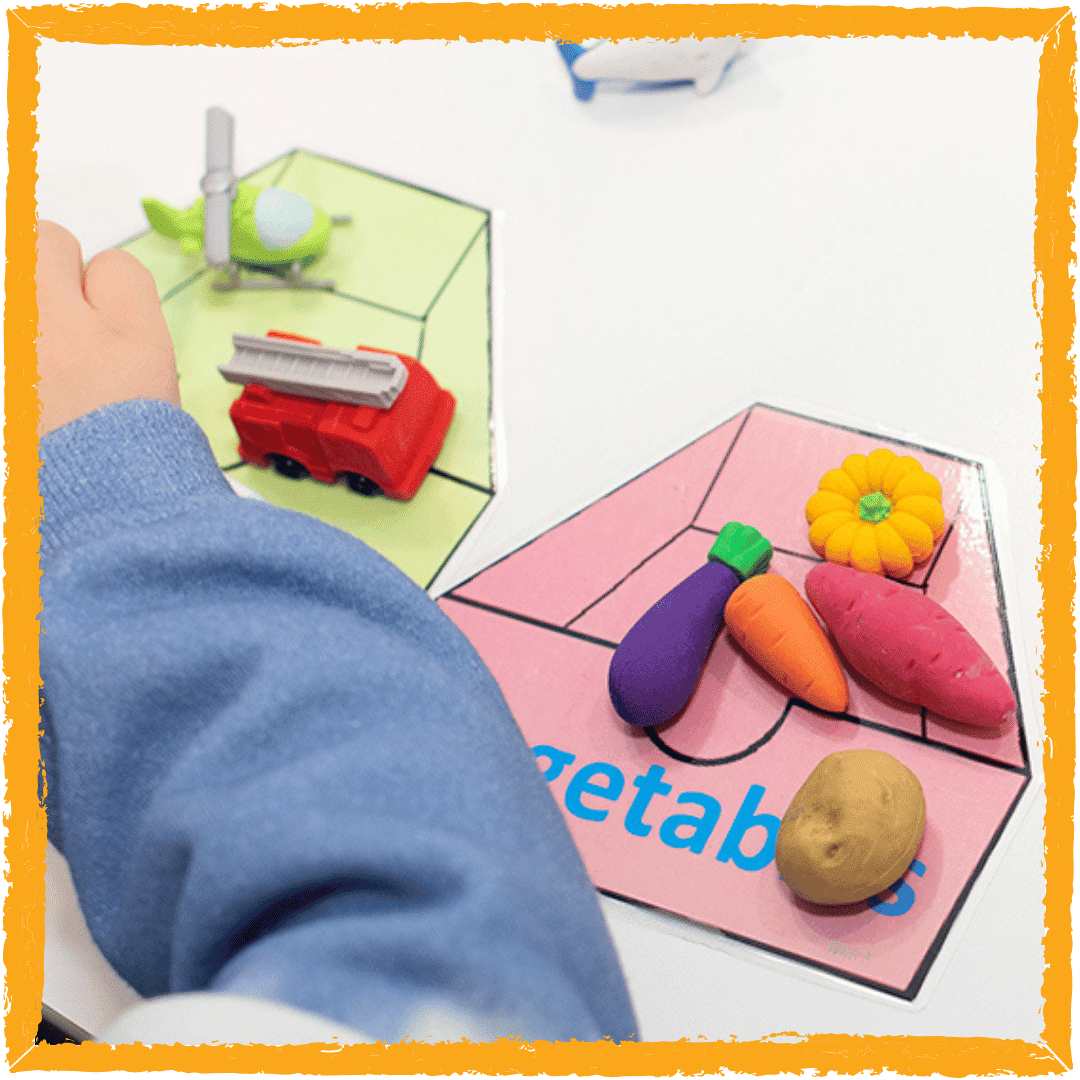
Image by Shichida Australia: In Shichida toddler classes, children sort and categorise objects such as animals, vehicles, and vegetables. Activities like this strengthen early reasoning, language, and thinking skills through hands-on learning.
Why Brain Training Is Important in the Early Years
The early years lay the foundation for lifelong learning.
Strong early childhood brain development supports:
- Emotional regulation
- Attention skills
- Memory
- Problem-solving
- Social understanding
When your child engages in varied early learning activities, they build resilience and confidence.
You are not just helping your child prepare for school. You are helping them develop flexible thinking, emotional strength, and the ability to persist when things feel challenging.
The Window of Rapid Brain Growth
The first five years are a remarkable period of development. This is called the Golden Period of Development. During this time, the brain is highly responsive to experience.
Language, emotional regulation, and reasoning abilities grow quickly. Positive experiences during this stage create strong neural foundations.
Long-Term Benefits for Learning
Early brain foundations support:
- Literacy and numeracy readiness
- Executive function in children
- Self-control
- Emotional intelligence
Executive function includes working memory, flexible thinking, and self-regulation. These skills are powerful predictors of long-term learning success.
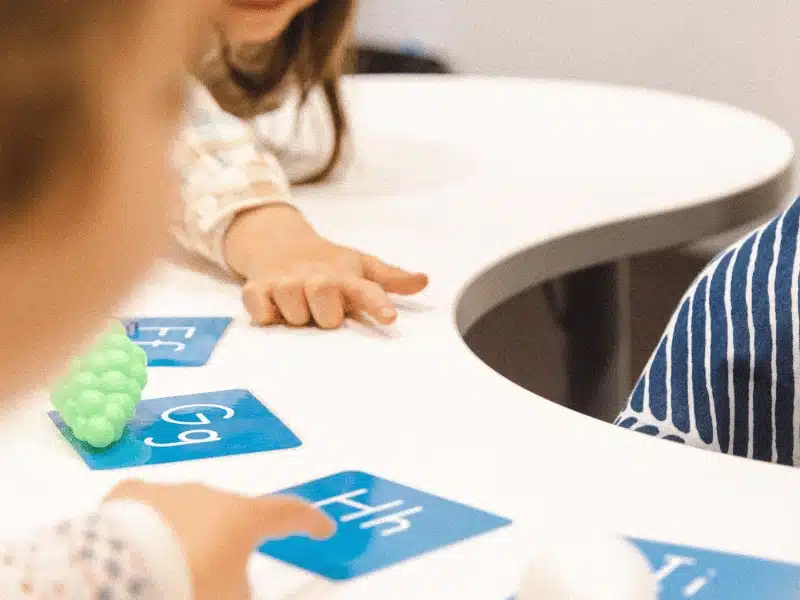
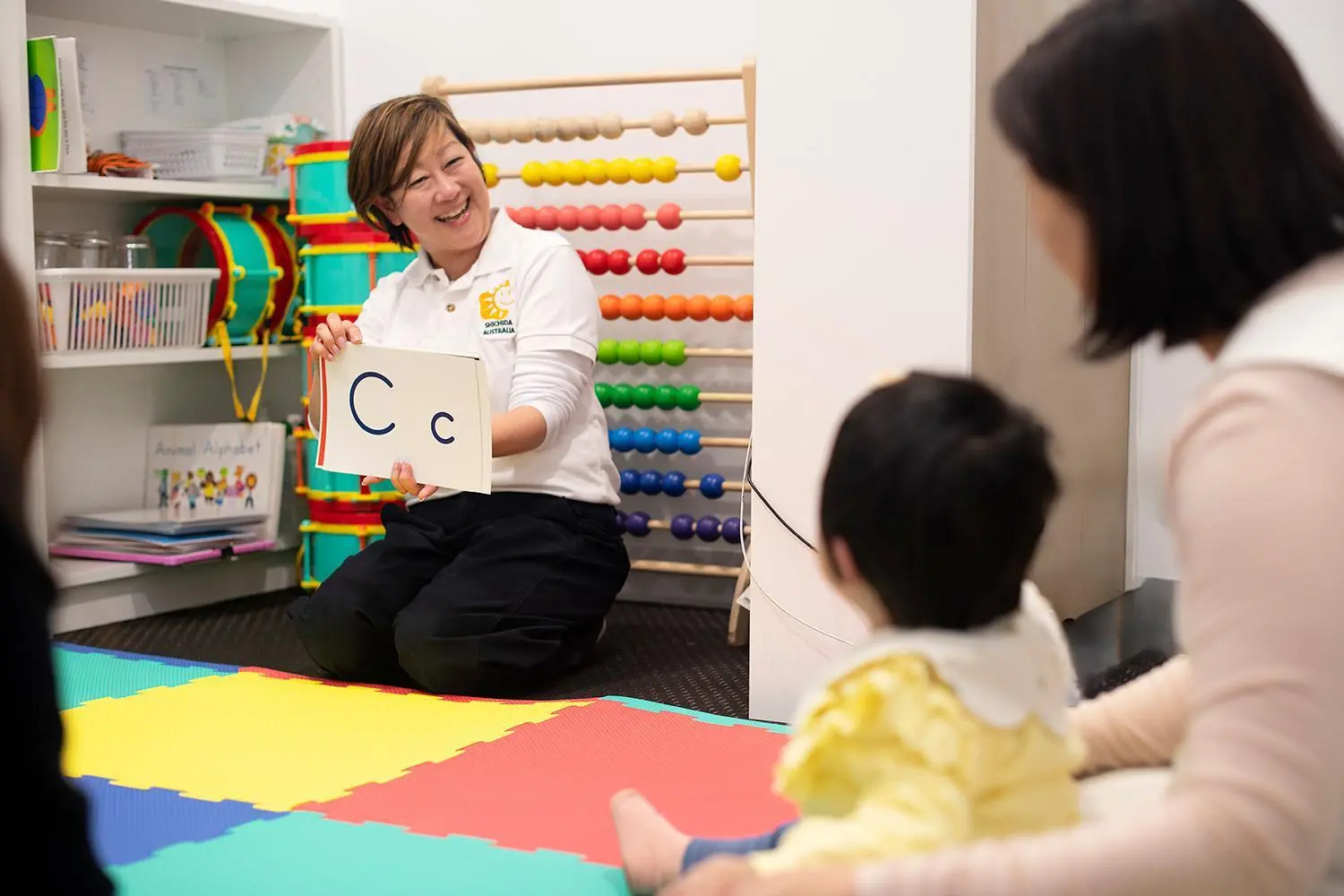
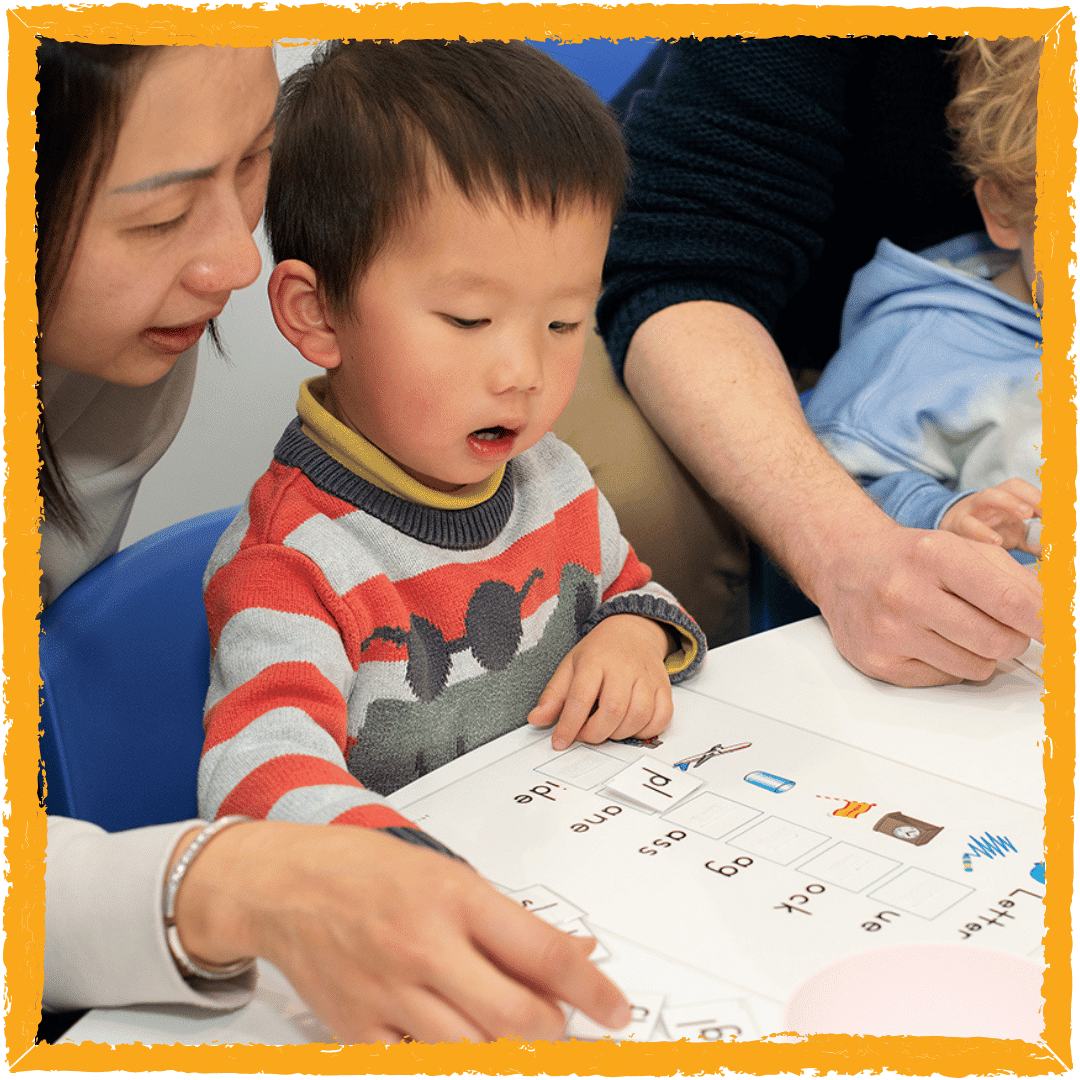
Image by Shichida Australia: Children in a Shichida preschool class engaging with phonics in a hands-on activity that supports early literacy, attention, and visual recognition skills.
Core Brain Skills Developed Through Early Learning
Brain systems develop together. When your child plays, multiple areas activate at once.
Here are the core skills you are strengthening through intentional cognitive development activities.
Memory
Memory grows through repetition and storytelling. You can support it by:
- Playing simple memory games for kids
- Singing repetitive songs
- Talking about what happened during the day
- Acting out familiar routines
These strengthen recall and working memory.
Attention & Focus
Attention skills take time to mature. Support them through:
- Turn-taking games
- Listening challenges
- Simple building tasks
- Short puzzles
These build sustained attention and impulse control.
Language & Communication
Language fuels thinking. You strengthen it when you:
- Have real conversations
- Introduce new words naturally
- Play with rhymes
- Read every day
Rich language exposure strengthens reasoning and comprehension.
Problem-Solving & Reasoning
Problem-solving develops through exploration:
- Building with blocks
- Sorting objects
- Completing puzzles
- Engaging in imaginative play
These experiences strengthen flexible thinking and logical reasoning.
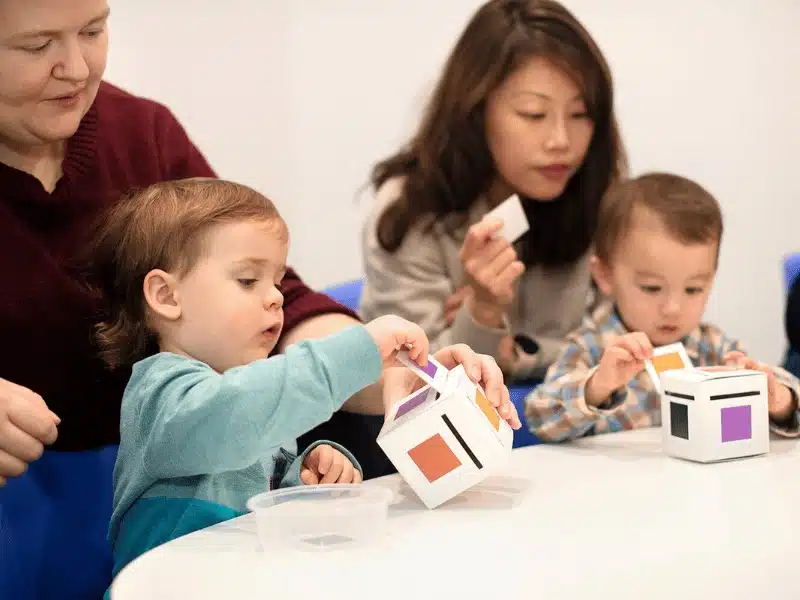
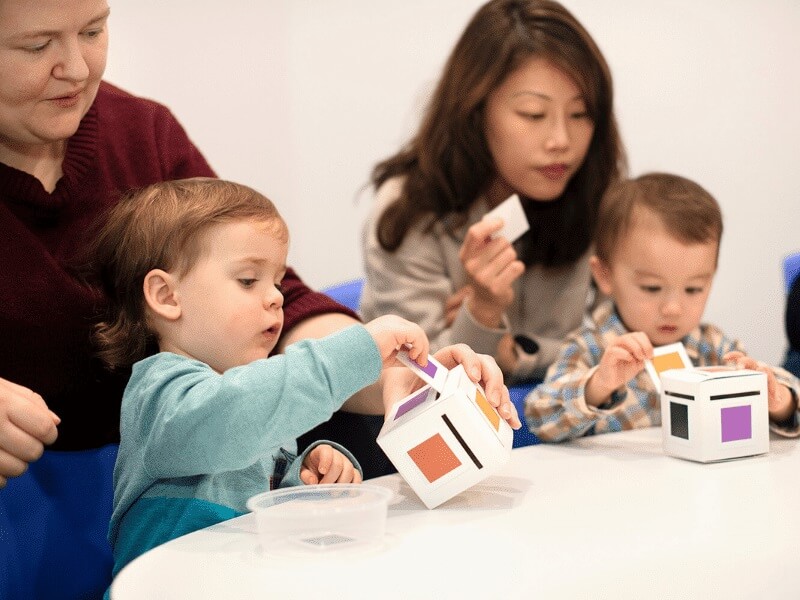
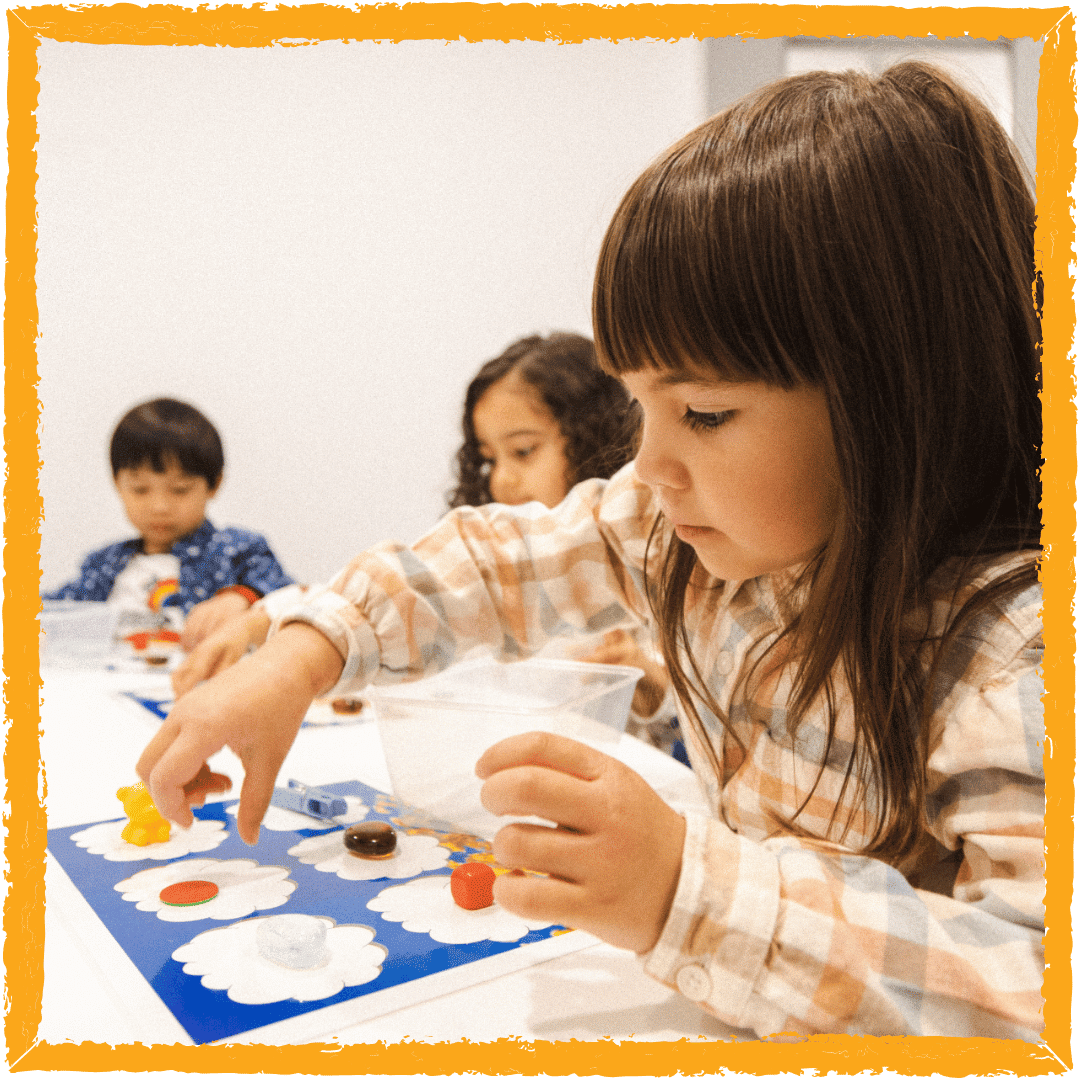
Image by Shichida Australia: Toddlers playing a colour matching game during a Shichida class, strengthening visual discrimination, attention, and early categorisation skills.
Best Brain Training Activities for Early Learning
The most effective early learning activities are playful and interactive.
Play-Based Cognitive Games
- Matching card games
- Simple board games
- Sorting and classification activities
- Picture recall challenges
These strengthen memory and attention.
Sensory & Motor Activities
Sensory learning supports neural integration:
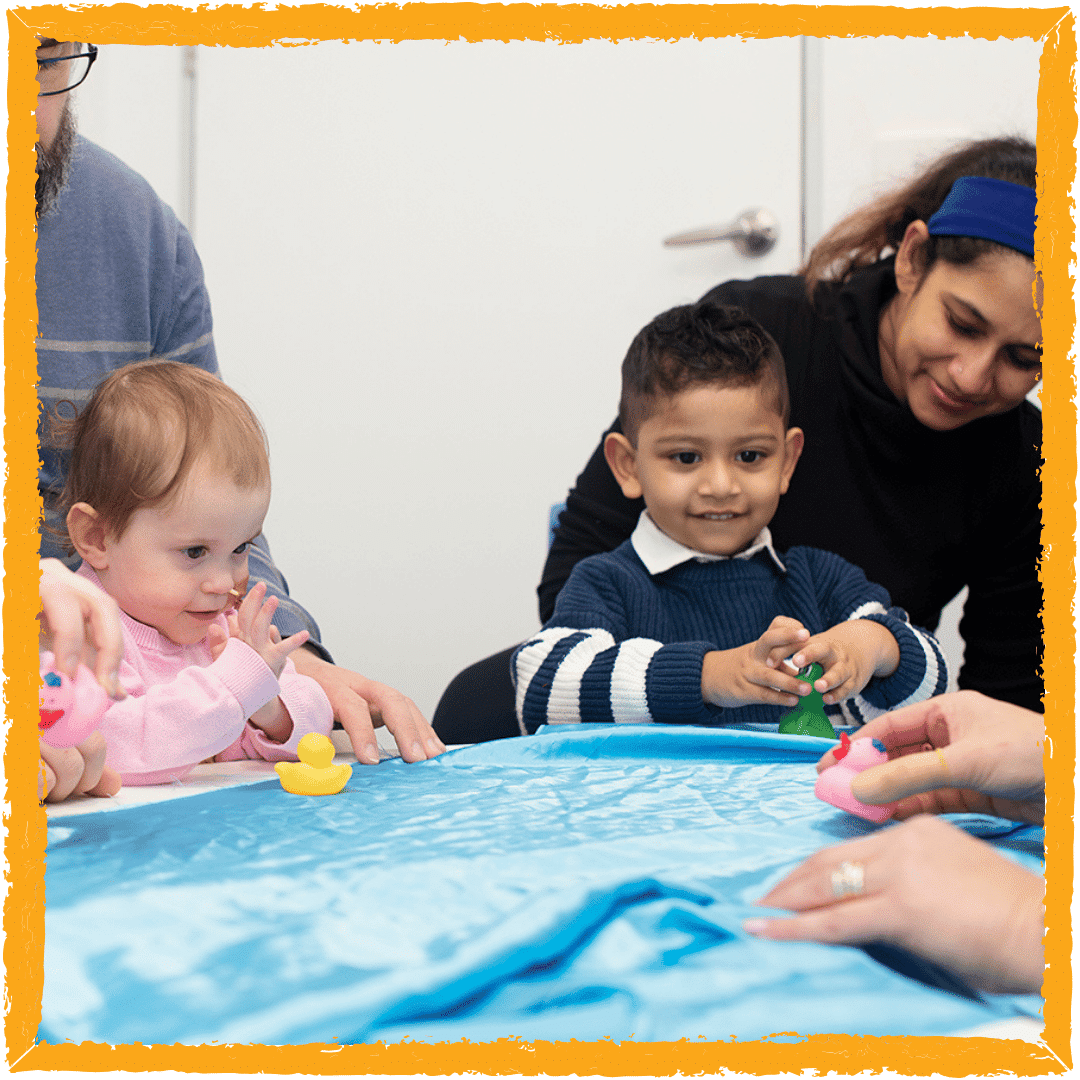
- Water and sand play
- Climbing and balancing
- Dancing
- Outdoor exploration
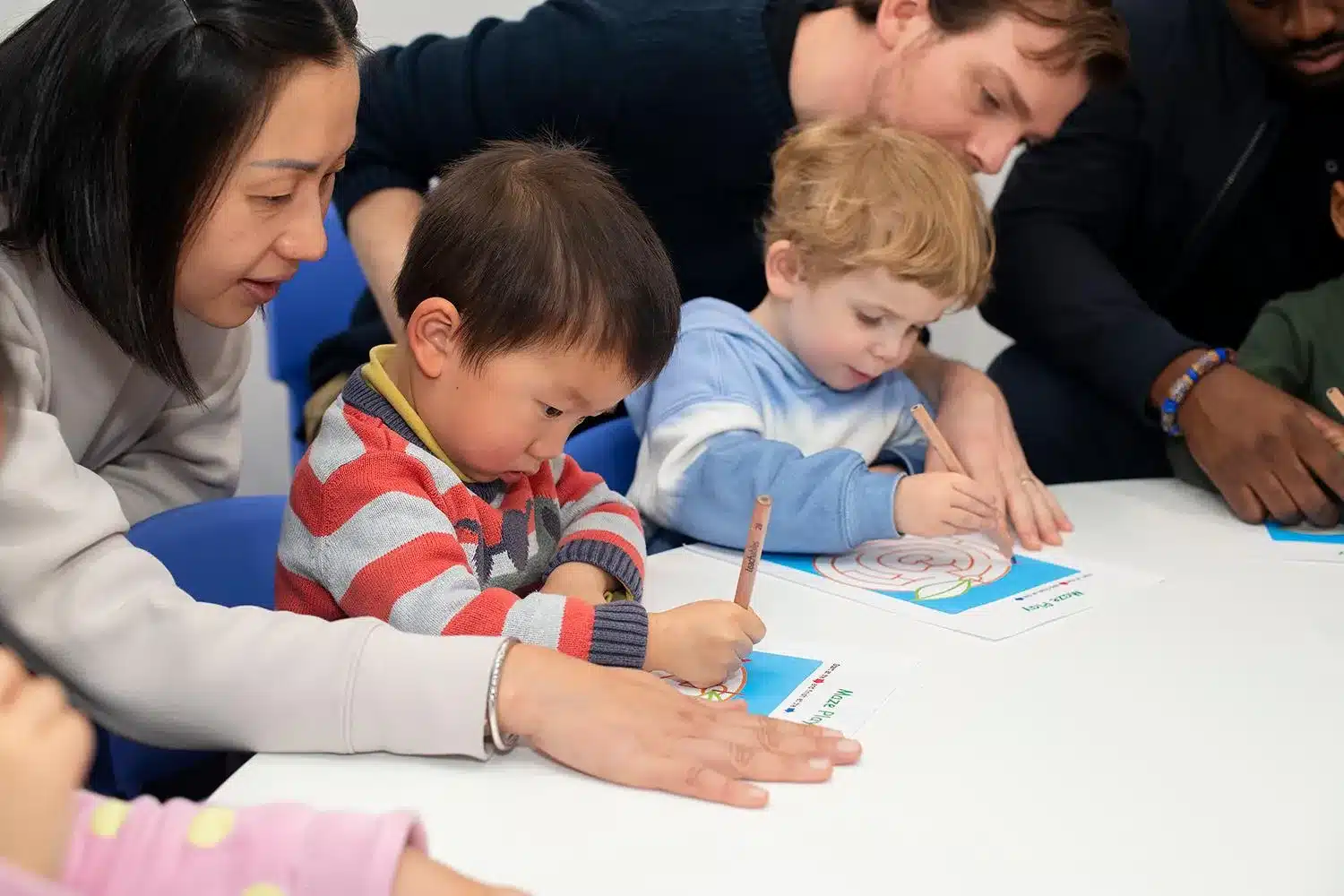
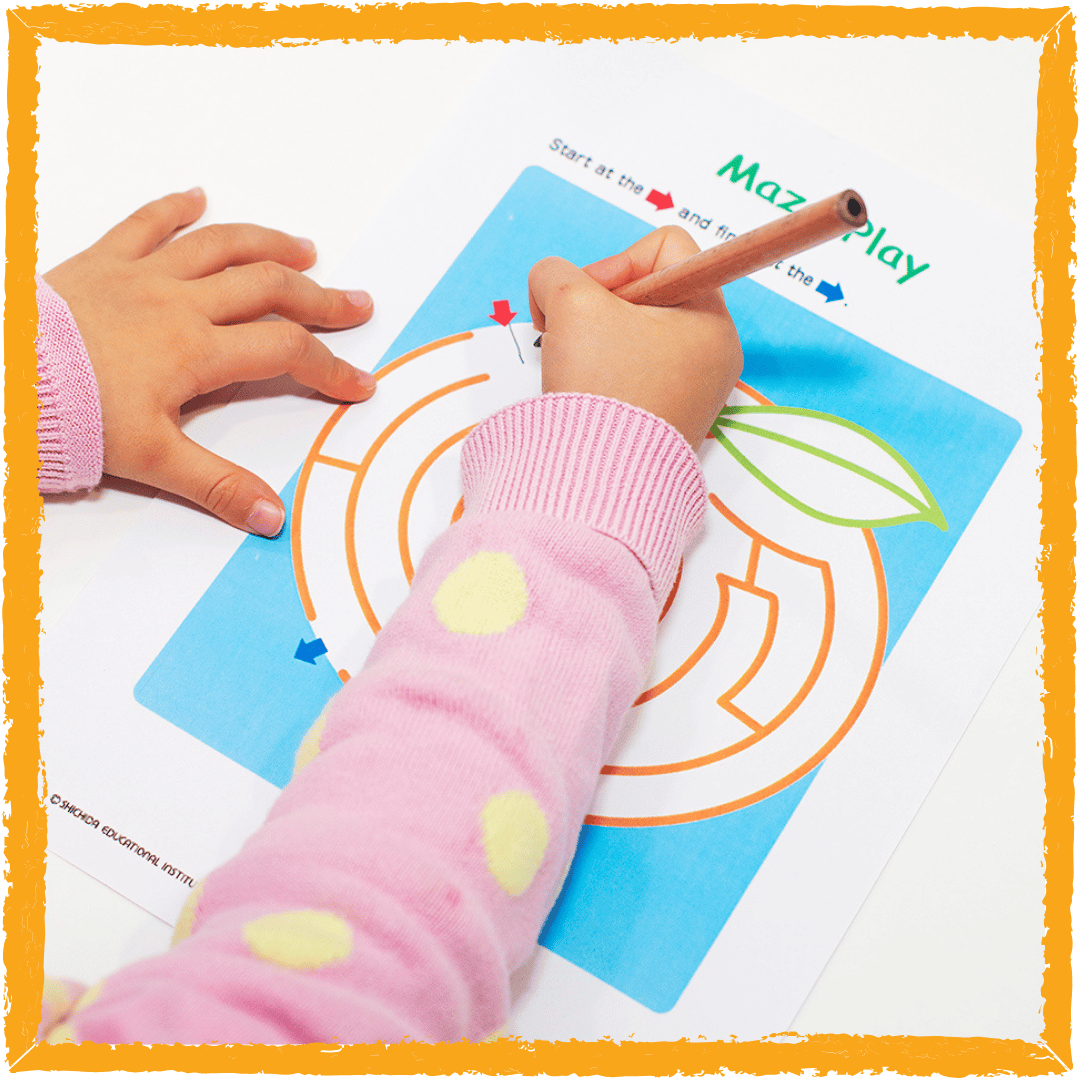
- Drawing and sticker play (peel and stick)
Movement strengthens coordination and supports executive function in children.
Language-Rich Activities
- Daily read-aloud sessions
- Singing nursery rhymes
- Storytelling
- Conversations
These build vocabulary and imagination.
Creative & Imaginative Play
Pretend play is powerful brain training:
- Playing shop or doctor
- Drawing and painting
- Building imaginative worlds
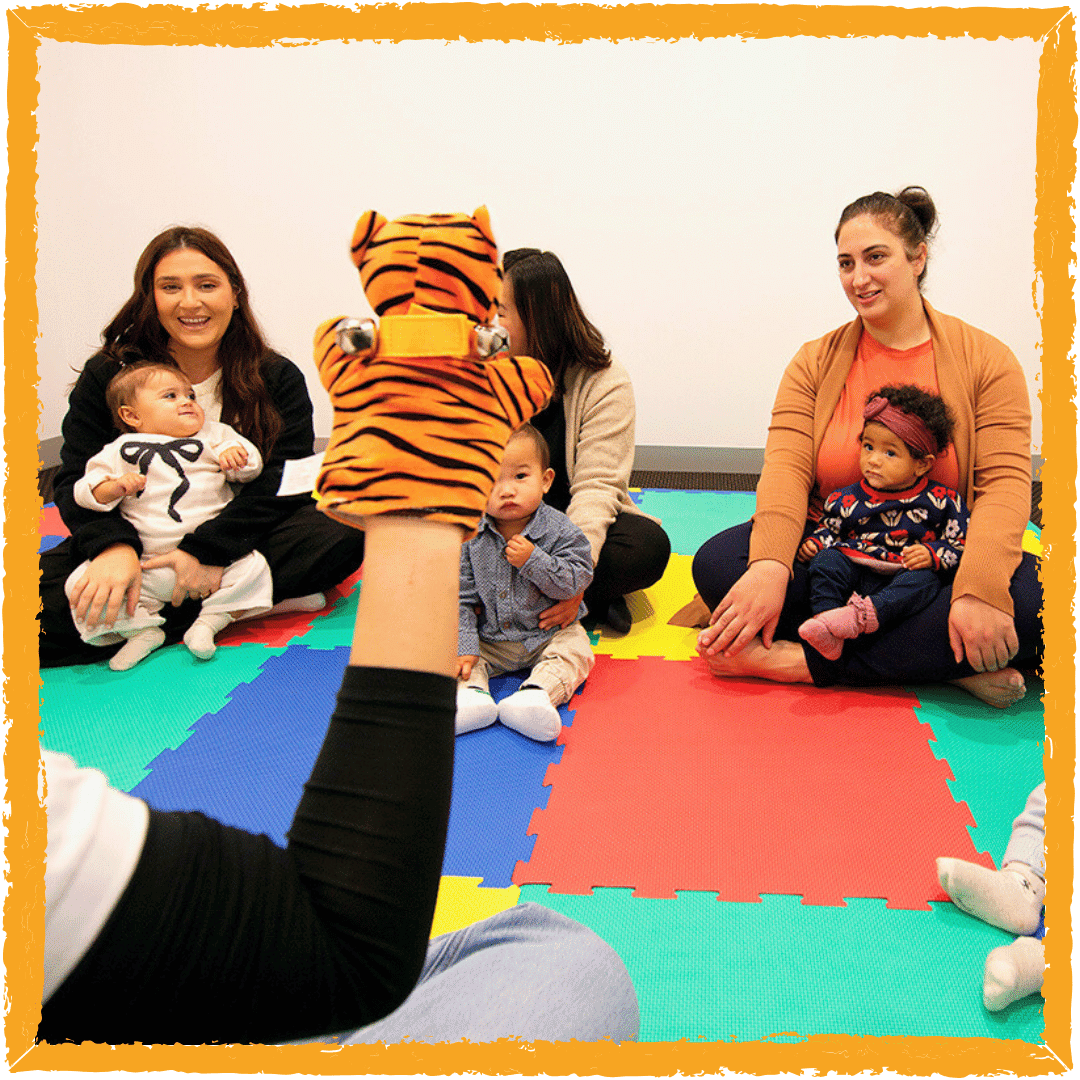
- Creating puppet shows
Imaginative play strengthens emotional regulation and cognitive flexibility.
How to Create a Brain-Boosting Home Environment
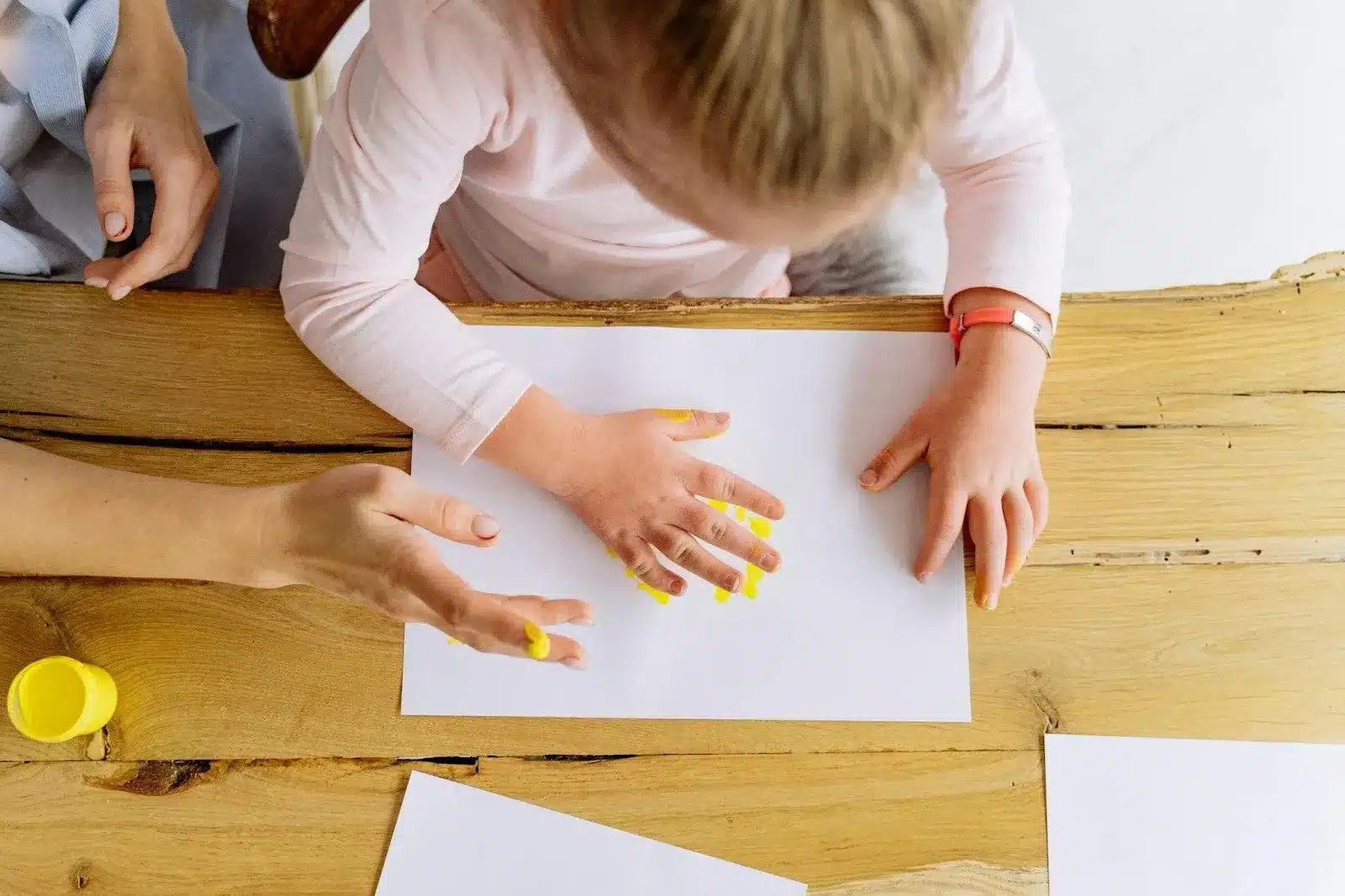
Photo from Pexels: Hands-on creativity strengthens problem-solving and memory through playful brain training for early learning.
A brain-supportive home is:
- Playful
- Conversation-rich
- Calm but stimulating
- Free from constant comparison
Children thrive when learning feels safe and joyful.
Daily Routines That Support Learning
Everyday routines offer powerful opportunities:
- Count items while cooking
- Talk about colours during dress time
- Pour water into different sized containers during bath time
- Compare sizes at the supermarket
- Play word games during travel
These simple moments are genuine learning through play.
Reducing Screen Dependence
If you choose to use screens:
- Watch together
- Choose educational content
- Limit passive viewing
- Avoid overstimulating content
- Prioritise real-world interaction
Physical and social play remain essential for preschool brain development.
Encouraging Curiosity
Curiosity drives learning. Support it by:
- Asking open-ended questions
- Allowing safe exploration
- Following your child’s interests
- Avoiding constant correction
Child-led discovery strengthens intrinsic motivation.
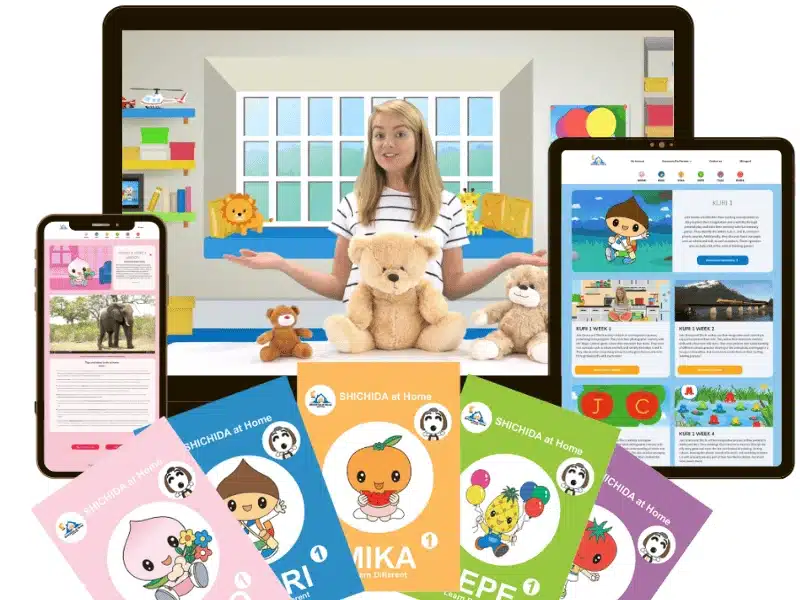
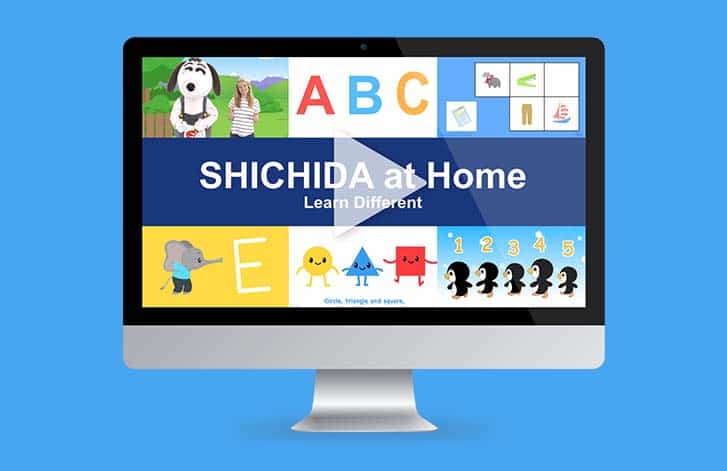
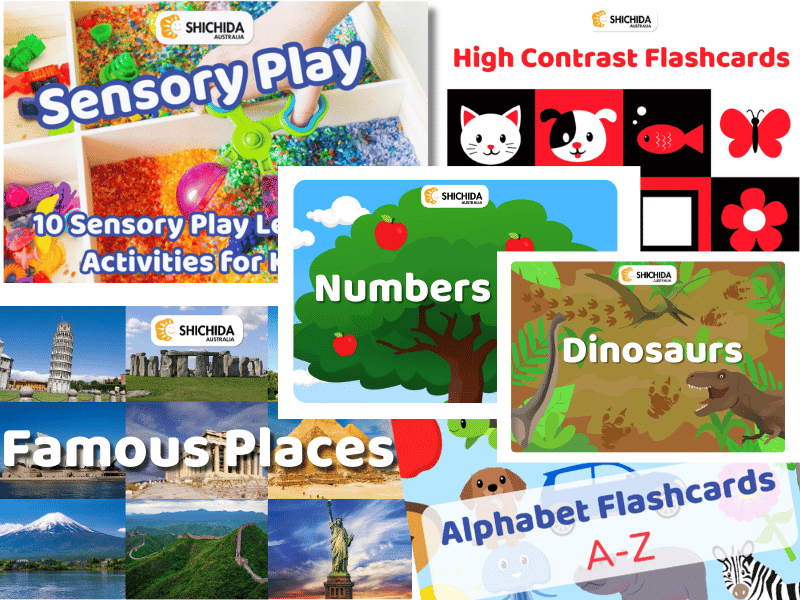
SHICHIDA at Home offers a variety of resources for children aged 1 to 5 years old, including interactive videos, a music library, a digital flashcard library, fun workbooks and more.
Digital Brain Training Tools for Young Children
Digital tools can support learning when used intentionally. They should complement, not replace, real-world experiences.
What to Look for in Educational Apps
Choose apps that:
- Are age-appropriate
- Encourage thinking rather than passive tapping
- Avoid overstimulation
- Support creativity
Use them together with your child when possible.
Limits of Digital Brain Training
No app can replace conversation, movement, or sensory exploration. Young brains need physical play and social interaction to develop fully.
Digital tools should remain a small part of your child’s learning world.
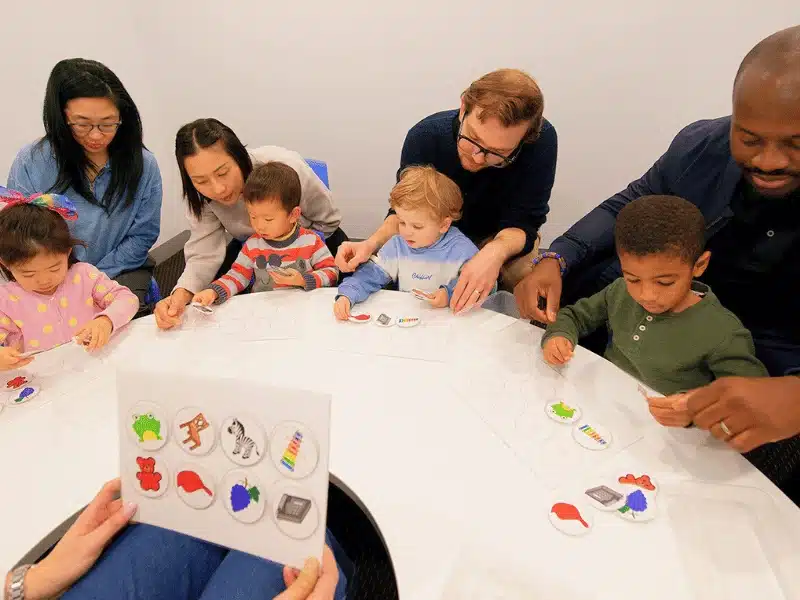
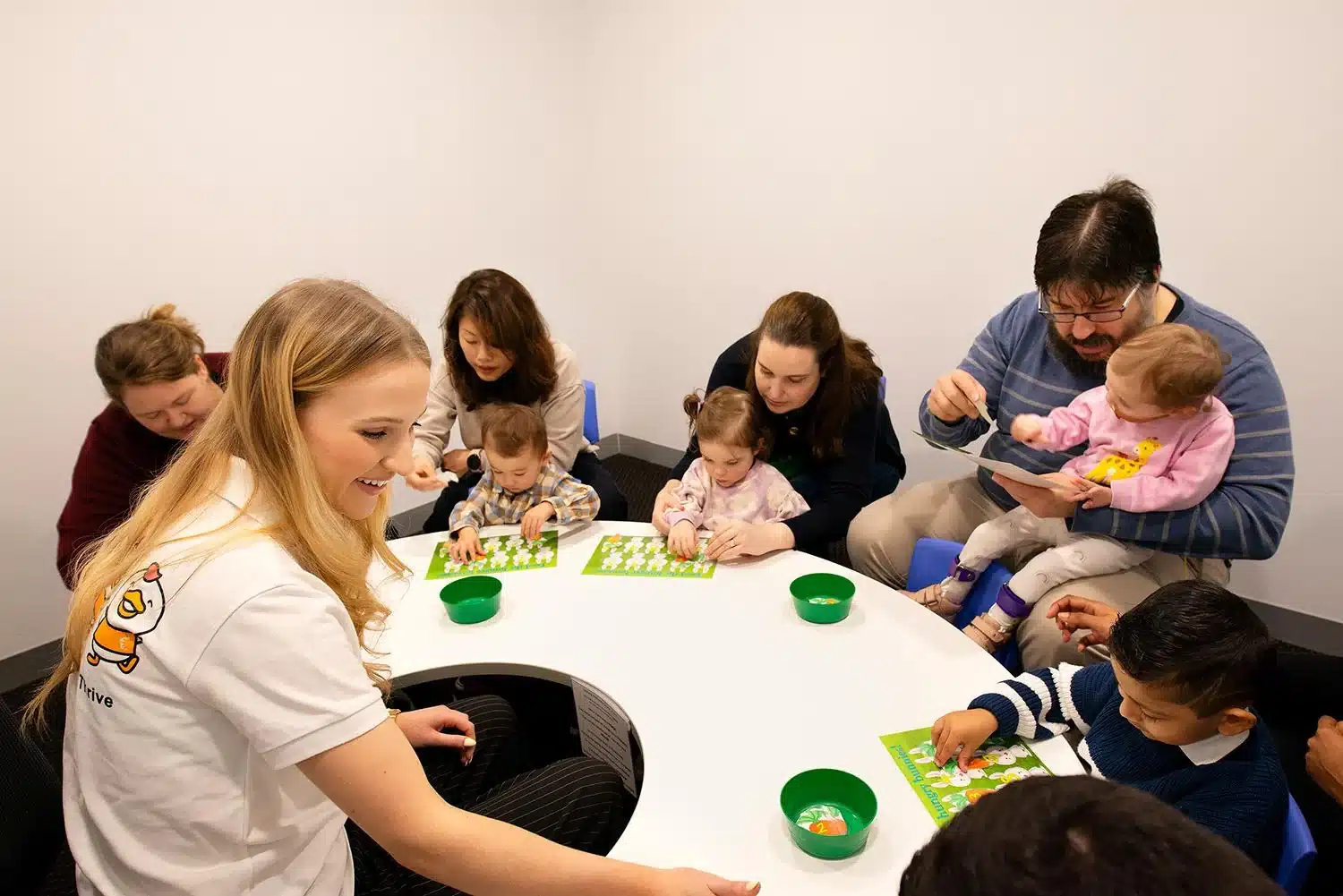
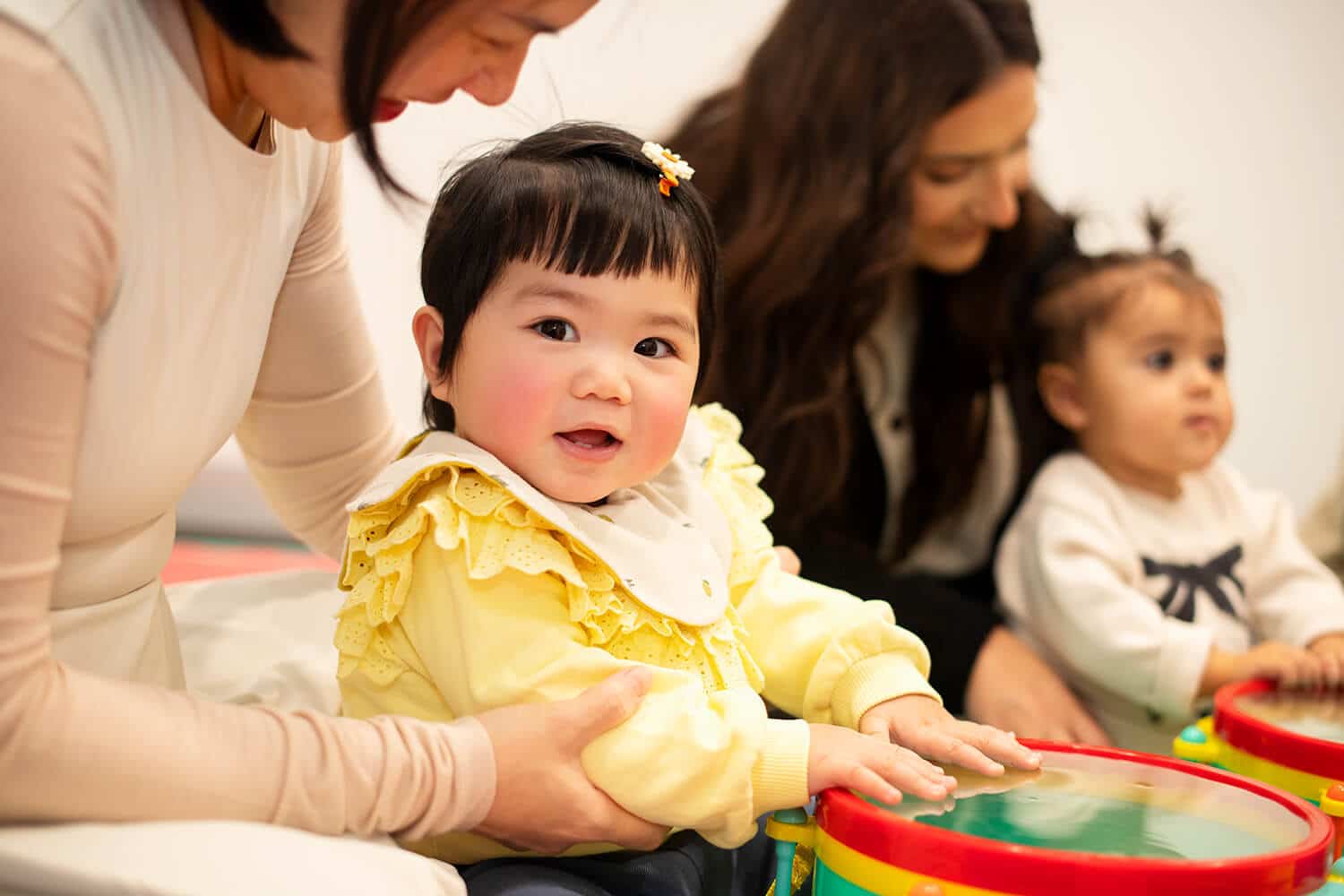
Image by Shichida Australia: Children and their parents playing a memory game during a Shichida class, strengthening recall, attention, and working memory through guided interaction.
Brain Training Classes for Children
If you would like structured support alongside the learning already happening at home, guided classes can provide consistency and depth.
At Shichida Australia, brain training for early learning focuses on play-based, multisensory activities that strengthen memory, attention, language, and early reasoning skills. Rather than emphasising speed or performance, our approach supports secure relationships, active engagement, and meaningful repetition – the elements that research shows help young brains grow.
Shichida families appreciate having a supportive environment where children can explore, practise, and build confidence in a calm, encouraging setting where brain training is the core focus, but all through games, songs and activities.
Book a trial class to experience how guided play can support your child’s growing mind!
FAQs About Brain Training for Early Learning
Brain training for early learning refers to the everyday experiences that support cognitive and emotional development. For young children, this includes play, conversation, sensory exploration, movement, and responsive interaction.
From birth. Simple activities such as talking, singing, reading, and responsive caregiving help strengthen connections in the developing brain. Learning begins through interaction long before formal education starts.
They can be helpful in moderation when used intentionally and alongside adult interaction. However, real-world play, conversation, and movement remain far more important for preschool brain development.
There is no set number of minutes required. In early childhood, development happens naturally through daily routines, play, and interaction. Consistency is important.
Storytelling, role-play, recall games, singing repetitive songs, and talking about daily events all support memory development. Repetition and meaningful interaction help strengthen working memory over time.
Yes. Play-based activities that strengthen attention, language, emotional regulation, and executive function support school readiness. These foundational skills help children adapt to classroom routines and learning expectations.
Yes. In early childhood, play is one of the most effective and developmentally appropriate ways to support brain development. Through play, children strengthen memory, attention, problem-solving, language, and social skills simultaneously.
Yes. Some early learning programs are designed to support brain development through guided, play-based activities rather than drills or speed-based tasks.
Shichida Australia’s early learning classes use multisensory activities, memory work, language development, and problem-solving exercises to strengthen attention, reasoning, and confidence in a structured but nurturing environment. The focus remains on meaningful interaction and building strong foundations in the early years.