Why EQ and IQ Development Matters
Raising EQ and IQ is about developing the whole child, not just academic ability.
Emotional development in early childhood and cognitive development both play important roles in how children grow, learn and interact with the world.
EQ, or emotional intelligence, helps children understand emotions, build empathy, communicate with confidence and develop healthy relationships.
IQ, or cognitive ability, supports thinking skills, memory, problem-solving, attention and learning ability.
Together, EQ and IQ development can help children:
- Build emotional intelligence and self-awareness
- Develop communication and social skills
- Strengthen confidence and resilience
- Improve memory, attention and problem-solving
- Manage challenges and stressful situations more calmly
- Become more adaptable, curious and active learners
The early years are an important time to support both emotional and cognitive growth, helping children build a strong foundation for school, relationships and life.

What EQ and IQ Skills Will Your Child Develop
Emotional Intelligence and Empathy
Children learn to recognise emotions, understand feelings, build empathy and interact positively with others.
Communication and Social Confidence
Children develop communication skills through parent-child interaction, turn-taking, group activities and collaborative learning.
Thinking Skills and Learning Ability
Children strengthen IQ-related skills such as memory, concentration, reasoning, problem-solving and information processing.
Together, these skills support emotional balance, confident communication, flexible thinking and lifelong learning.
Why Many Children Develop Stronger EQ and IQ with the Shichida Method
At Shichida, we focus on developing the whole child, not just academic ability.
Our approach engages the heart to engage the mind, helping children build emotional intelligence, social confidence and cognitive skills together.
| Traditional Learning | Shichida Method |
|---|---|
| Focuses mainly on academic results | Develops both thinking ability and emotional intelligence (EQ and IQ) |
| Limited focus on emotional development | Builds empathy, confidence, and emotional resilience |
| Passive learning | Active whole-brain learning approach |
| One-dimensional development | Supports thinking, emotion, behaviour, and communication |
| Learning without parent involvement | Encourages parent-child bonding and shared learning |
The Shichida Method integrates emotional intelligence, social skills and cognitive development to support balanced growth in children.
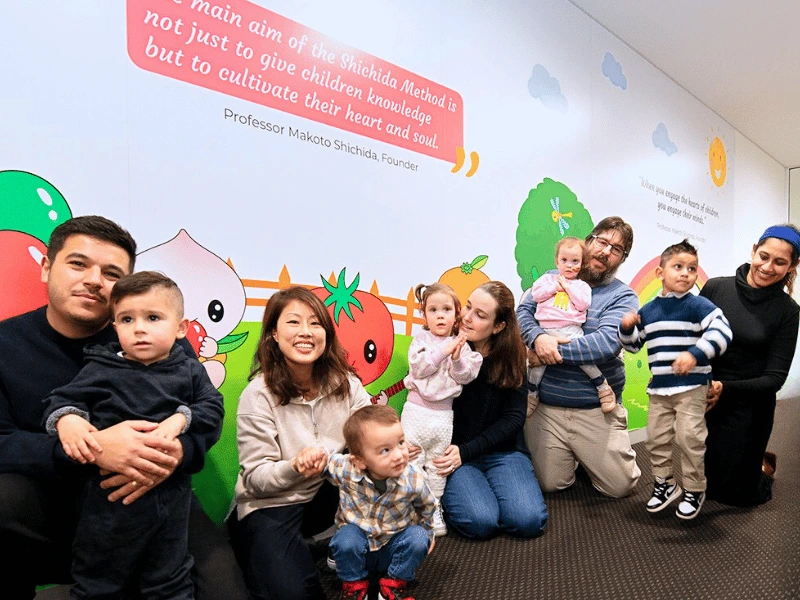
See What Parents Are Saying About Shichida

What Your Child Will Do and Learn in a Shichida EQ and IQ Class
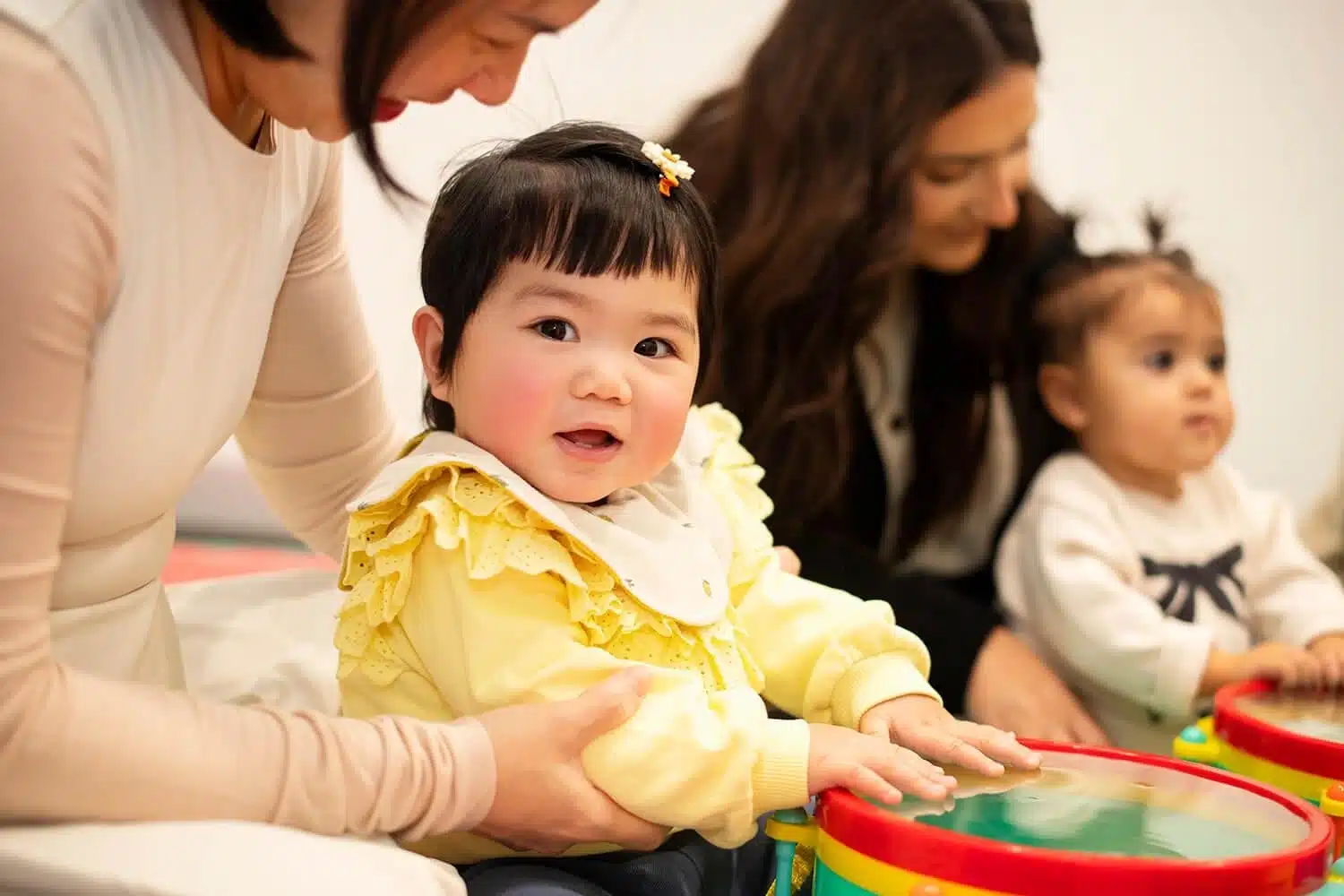
Each 50-minute Shichida class is designed to develop the whole child, supporting emotional development in early childhood alongside thinking ability, memory, focus and problem-solving.
Depending on your child’s age and class level, activities may include:
- Confidence-building affirmations
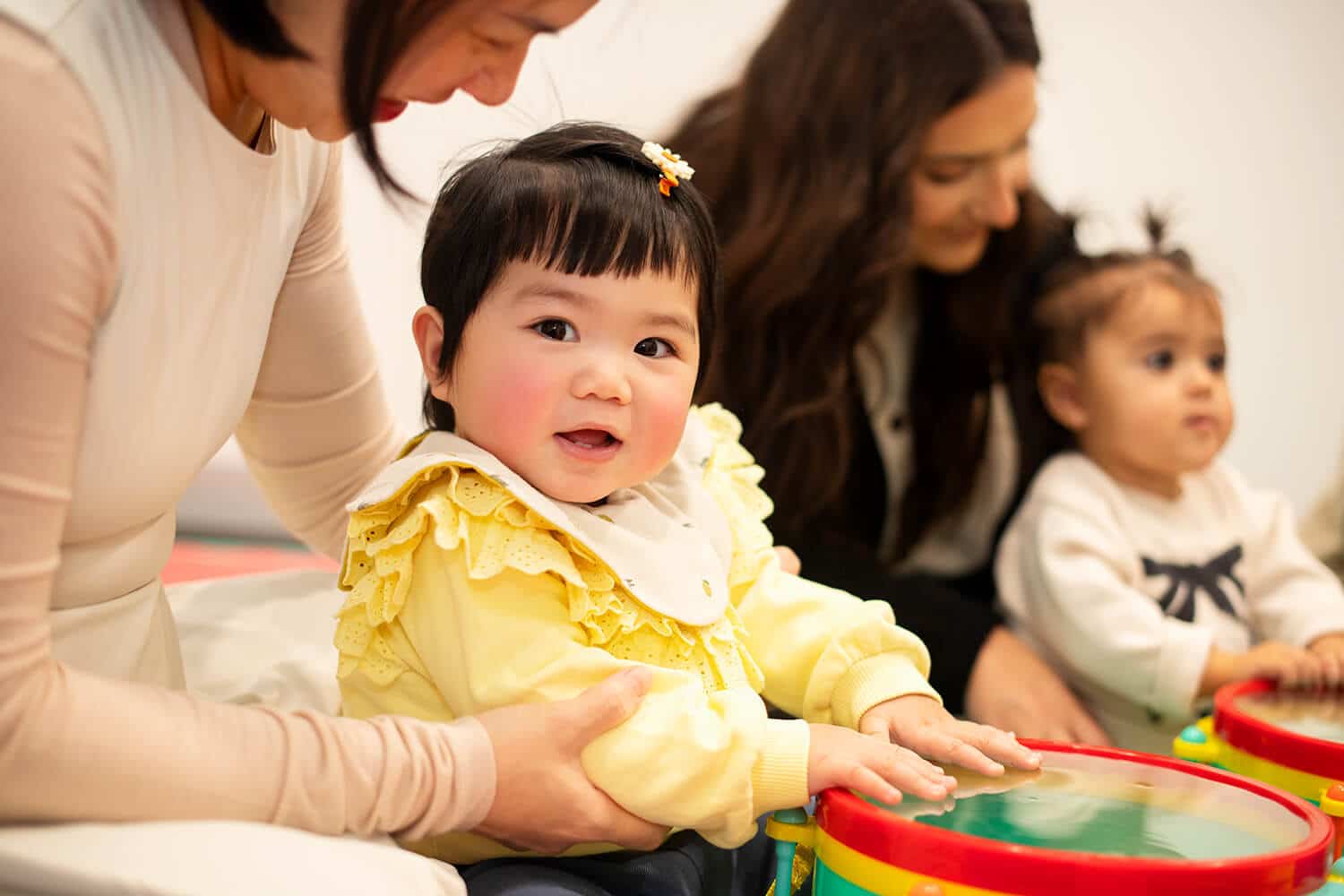
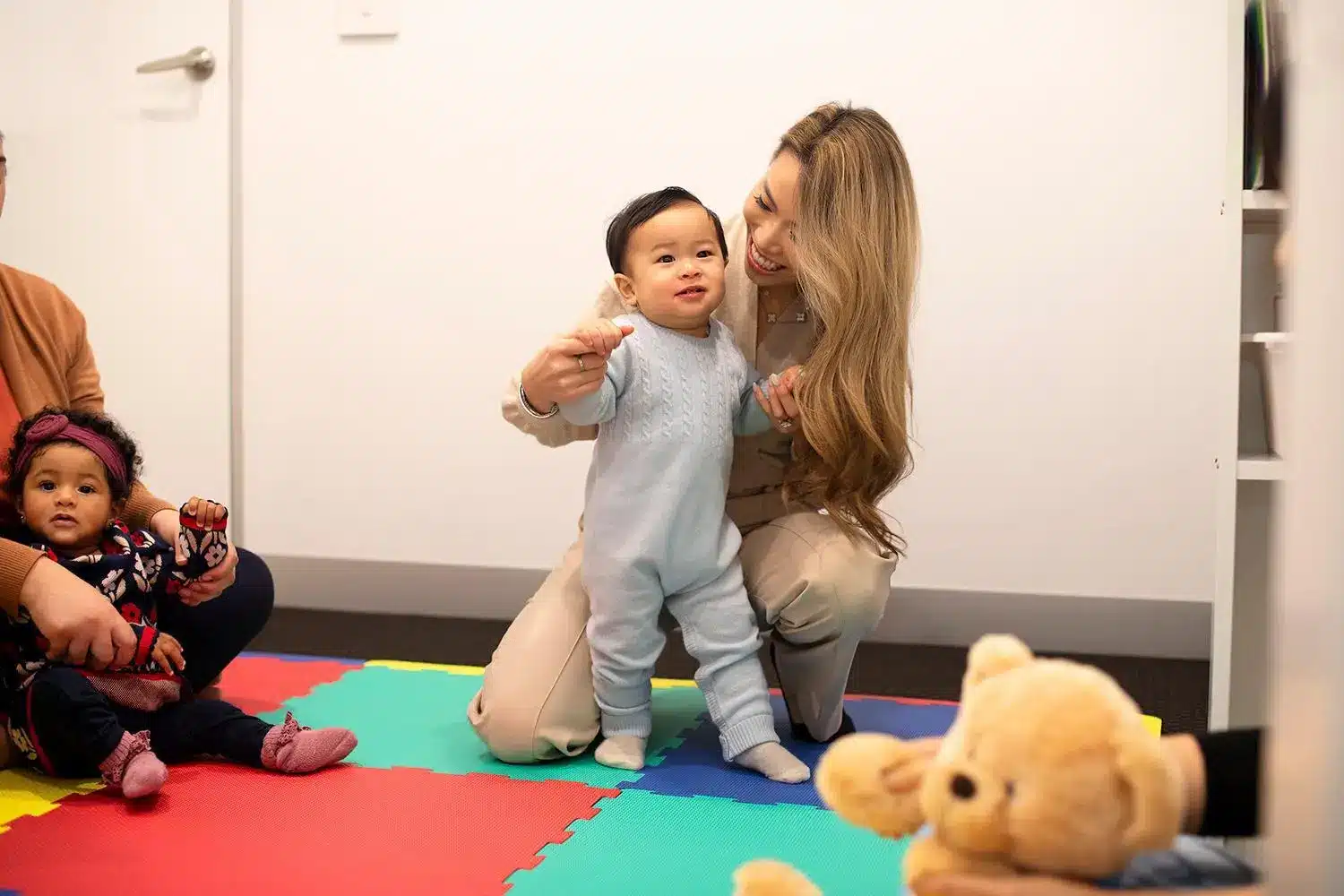
- Parent-child bonding activities
- Communication and turn-taking games
- Empathy-based storytelling and social interaction
- Mindfulness, breathing and calming activities
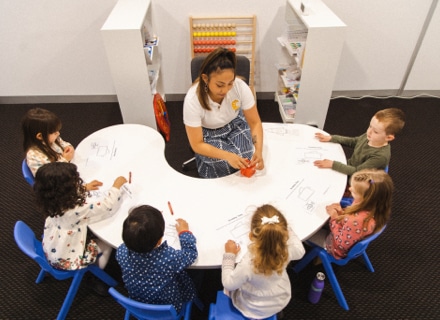
- Collaborative tasks that help children work with others
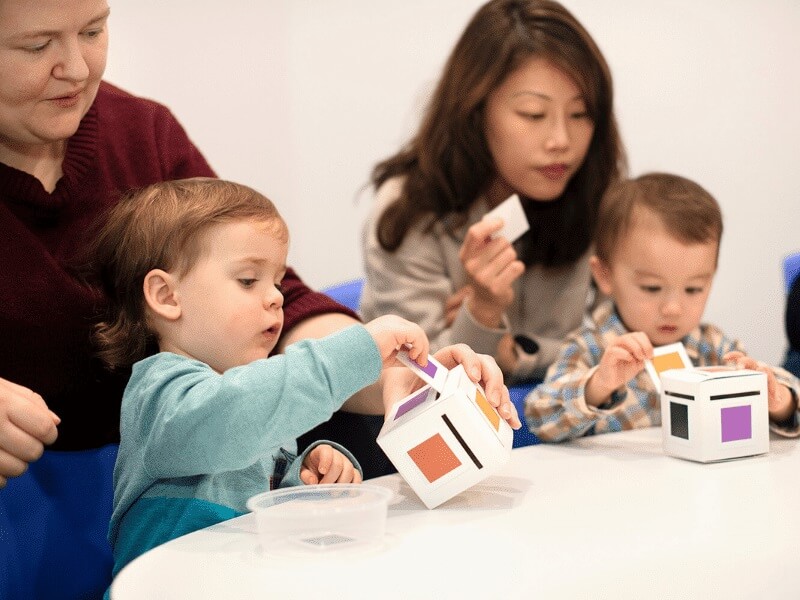
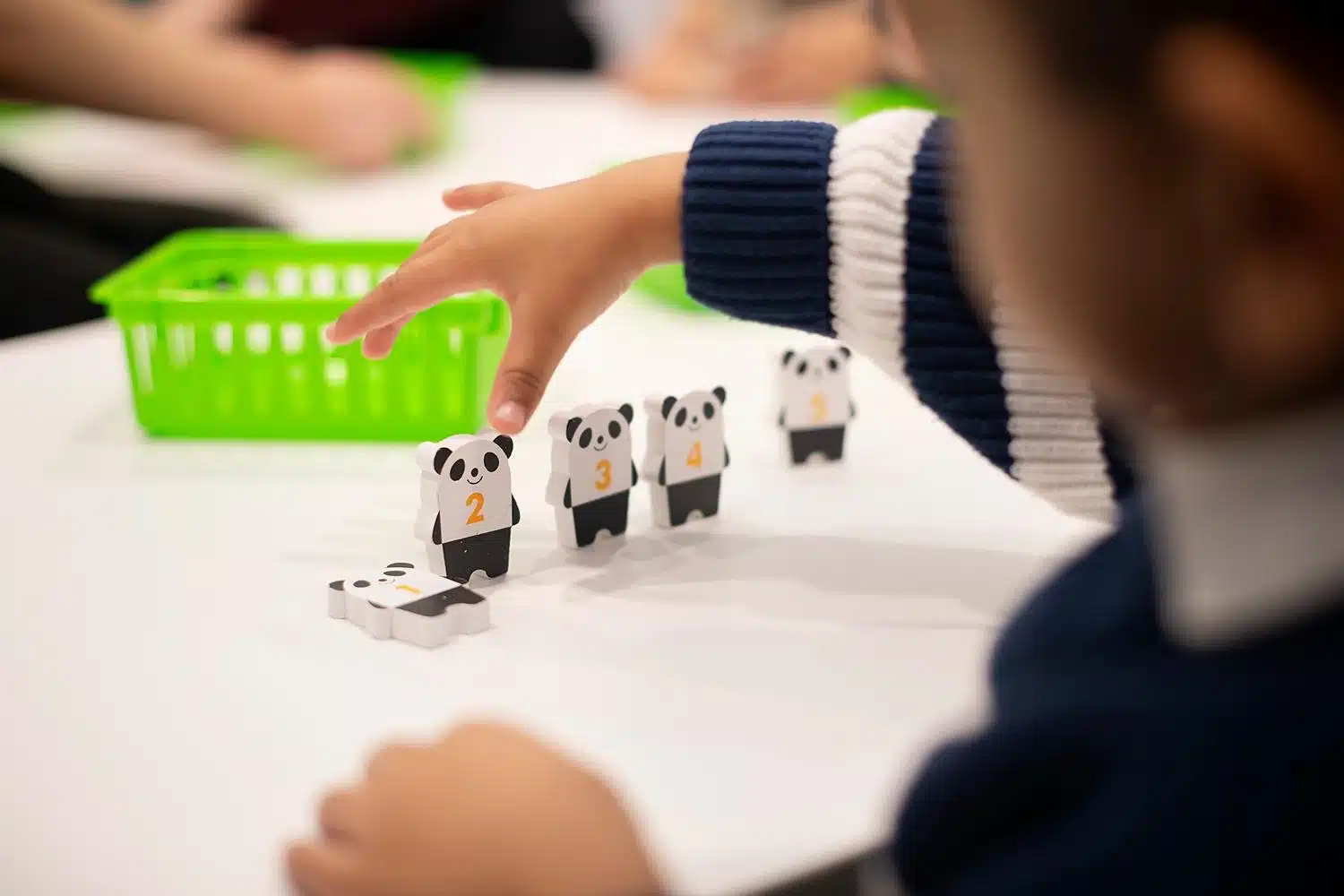
- Memory, logic and problem-solving activities
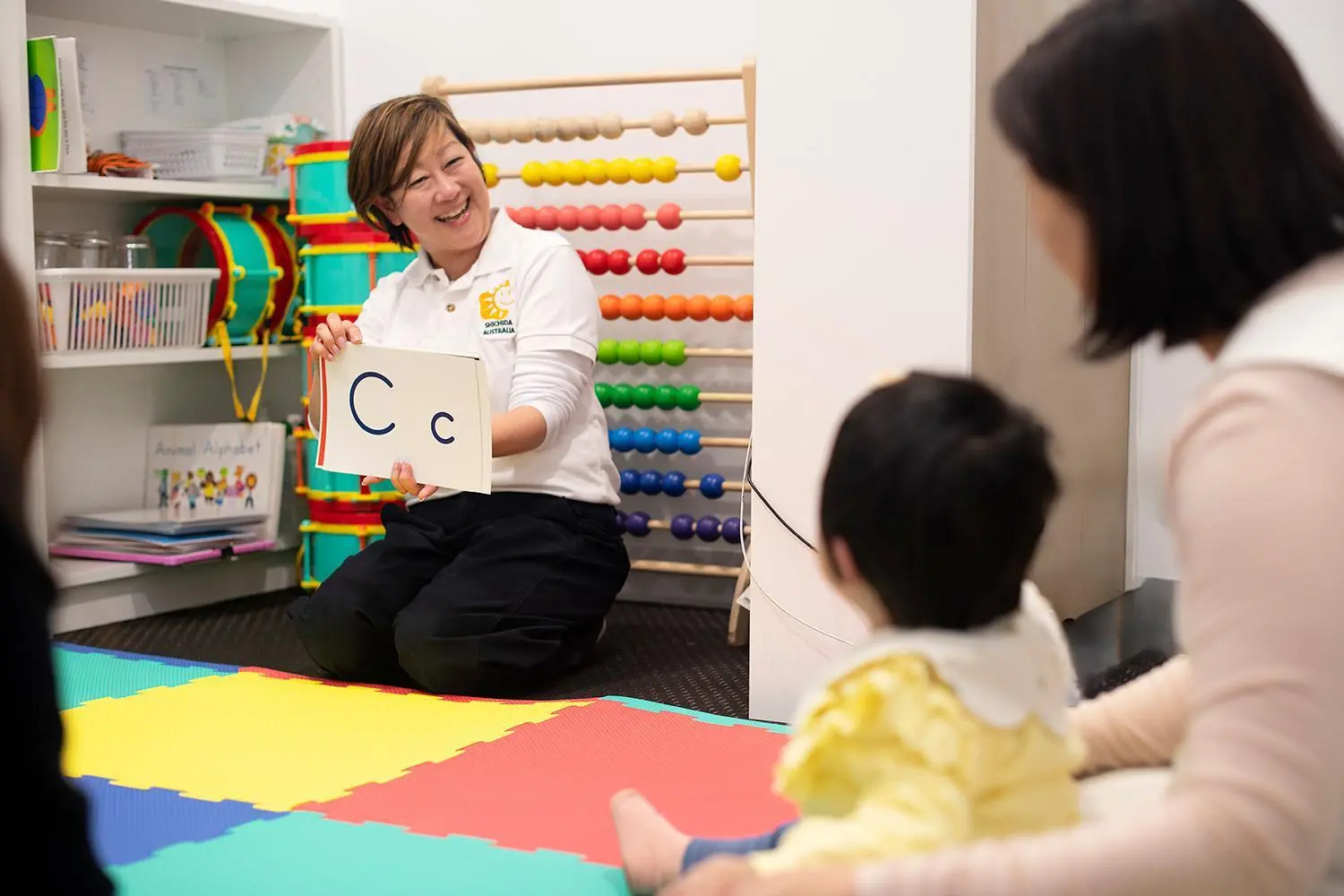
- Flashcards, songs and rhythm-based learning
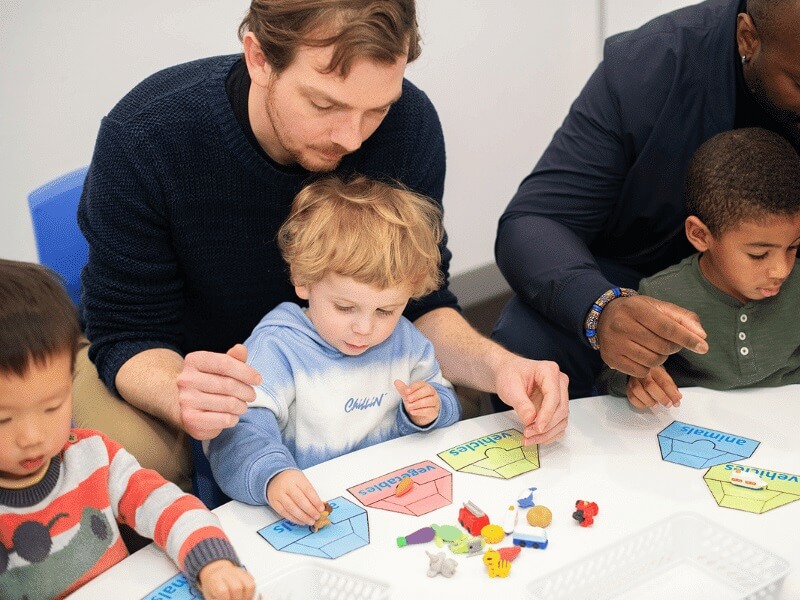
- Sensory play and hands-on learning
- Activities that build emotional control, resilience and self-awareness
These activities help children engage the heart and mind together, building emotional intelligence, cognitive ability, confidence and social skills in a balanced way.
See How Your Child Responds in Their First Class
See how your child responds in their very first class
Your trial class includes:
- A full 50-minute session
- A real classroom environment
- Guidance from a trained instructor
- Opportunity to observe your child’s response
✔ No experience needed
✔ Parent attends with child
✔ No pressure to enrol
What Is EQ and IQ Development
EQ and IQ development refers to supporting both emotional development in early childhood and cognitive ability in children.
EQ includes:
- Understanding emotions
- Empathy and relationships
- Communication and social confidence
- Emotional control and resilience
IQ includes:
- Thinking and reasoning
- Memory and attention
- Problem-solving
- Learning ability and information processing
Developing both helps children grow into well-rounded individuals who can think clearly, relate to others and approach learning with confidence.
How to Support Your Child’s EQ and IQ Development
Encourage Emotional Awareness
Helping children recognise emotions builds emotional intelligence and empathy.
Support Communication and Social Interaction
Talking and interacting regularly supports communication skills and confidence.
Provide Problem-Solving Opportunities
Activities that challenge thinking help develop IQ and critical thinking skills.
When Should EQ and IQ Development Begin
Children begin developing emotional and cognitive skills from infancy.
The early years are the most effective time to support EQ and IQ development through structured learning and interaction.
FAQs About Cognitive & Emotional Development in Early Childhood (EQ and IQ)
Brain training for kids refers to fun, age-appropriate activities that help children build important thinking skills, such as memory, focus, problem-solving, listening, visual recall and concentration. In early childhood, brain training works best when it feels like play, not pressure.
At Shichida, brain training happens through fast-paced, engaging activities such as flashcards, memory games, songs, visualisation, puzzles, number activities and parent-child interaction. These activities are designed to support whole-brain development while helping children build confidence, curiosity and a love of learning from an early age.
Brain training for children can support key learning skills such as memory, focus, concentration, problem-solving, creativity, visual recall and early literacy and numeracy. These skills help children become more confident learners, both in class and in everyday life.
For young children, the goal is not to create pressure or force academic results. The real benefit is giving the brain rich, consistent and age-appropriate stimulation during the early years. At Shichida, children build these skills through playful activities that also support emotional confidence, parent-child bonding and a positive attitude towards learning.
Children can begin brain training from babyhood, as long as the activities are gentle, playful and suited to their age and stage. Even babies benefit from rich learning experiences such as songs, rhythm, movement, sensory play, picture cards, language exposure and loving interaction with their parent or caregiver.
Shichida Australia offers classes from 6 months old, with activities designed for babies, toddlers, preschoolers and primary-aged children. The earlier children receive positive, consistent stimulation, the more opportunities they have to build strong foundations for memory, focus, communication, emotional confidence and learning.
Examples of brain training activities for kids include flashcards, memory games, puzzles, matching games, storytelling, visualisation, number games, rhythm activities, speed reading exercises, problem-solving tasks and activities that require children to listen, recall and respond.
At Shichida, these activities are delivered in a fun, fast-paced and age-appropriate way. For example, children may practise recalling images, identifying patterns, solving puzzles, following instructions, singing educational songs or using visual memory during class. These activities help build cognitive skills while keeping children engaged, happy and confident.
IQ generally refers to a child’s reasoning, memory, problem-solving and thinking skills. For young children, it is more helpful to think of IQ as part of their broader cognitive development, rather than as a fixed score or label.
In early childhood, children are still developing rapidly. Their thinking skills grow through language, play, movement, problem-solving, memory activities, social interaction and hands-on learning. At Shichida, the focus is not on testing children, but on supporting the skills that contribute to strong learning foundations, including focus, memory, reasoning, creativity and confidence.
Yes, children can build cognitive skills such as memory, focus and problem-solving through consistent, age-appropriate practice. These skills develop over time when children are given rich learning experiences, positive support and opportunities to think, recall, observe, compare, reason and try again.
Activities such as puzzles, flashcards, matching games, visual memory tasks, storytelling, number games and problem-solving challenges can all help strengthen cognitive development. At Shichida, children practise these skills in a structured but playful environment, helping them become more focused, confident and capable learners.
Shichida supports cognitive development by using whole-brain learning activities that help children build memory, focus, concentration, problem-solving, visualisation, language, numeracy and critical thinking skills. Each class includes a wide variety of fast-paced activities designed to stimulate the brain in different ways.
Children may work with flashcards, puzzles, songs, memory games, number activities, image training and hands-on tasks. These activities help children practise listening, recalling information, recognising patterns, solving problems and staying engaged. The aim is to build strong learning foundations while keeping the experience fun, positive and age-appropriate.
Children in Shichida classes build a wide range of cognitive skills, including memory, focus, concentration, visual recall, problem-solving, critical thinking, early numeracy, literacy, listening skills, spatial awareness and creativity.
For example, children may practise remembering images, solving puzzles, recognising numbers, listening to instructions, identifying patterns, completing worksheets, using flashcards or taking part in speed-based activities. These tasks help children strengthen the skills they need for learning, school readiness and everyday problem-solving. Because the activities are playful and varied, children also build confidence and a positive attitude towards learning.
Emotional intelligence, or EQ, in children refers to their ability to understand feelings, express emotions, manage frustration, build confidence, show empathy and relate well to others. In early childhood, EQ is still developing, so children need guidance, reassurance and positive examples from the adults around them.
A child with growing emotional intelligence may begin to name their feelings, take turns, cope with small challenges, listen to others, show kindness and recover from disappointment. EQ is important because it supports confidence, friendships, behaviour, communication and resilience — all of which help children thrive in learning and life.
Emotional development is important in early childhood because it helps children understand their feelings, build confidence, manage challenges and form healthy relationships. These skills affect how children behave, learn, communicate and respond to new situations.
When children feel emotionally secure, they are more willing to try new things, make mistakes, ask questions and keep going when something feels difficult. Emotional development also supports self-control, empathy, resilience and social confidence. At Shichida, emotional growth is supported through positive teacher guidance, parent-child bonding, group learning and activities that help children feel capable and valued.
Shichida supports emotional intelligence by creating a positive, structured and caring learning environment where children can build confidence, persistence, social awareness and self-belief. Children learn through guided activities, parent-child interaction, teacher support and opportunities to practise listening, turn-taking, responding and trying again.
Because classes are designed to be fun and encouraging, children can experience success while also learning how to manage small challenges. Over time, this helps build emotional confidence, patience, resilience and a stronger love of learning. Shichida’s approach supports not only cognitive skills, but also the emotional foundations children need to thrive.
EQ and IQ are both important because children need strong thinking skills and strong emotional skills to thrive. IQ-related skills, such as memory, focus, reasoning and problem-solving, help children learn and process information. EQ-related skills, such as confidence, empathy, resilience and self-control, help children manage emotions, connect with others and keep trying when learning feels hard.
A child may be bright, but still need emotional confidence to speak up, attempt challenges or work with others. That is why early learning should support the whole child — not just academic ability, but confidence, communication, curiosity and emotional wellbeing too.
Shichida balances cognitive and emotional development by combining brain training activities with a warm, positive and parent-supported learning environment. Children practise memory, focus, problem-solving, numeracy, literacy and visualisation, while also building confidence, persistence, communication and emotional security.
In class, children are not simply completing tasks. They are learning to listen, respond, try again, celebrate progress, interact with others and enjoy learning with their parent or caregiver. This balance helps support both IQ-related skills and EQ-related skills, giving children strong foundations for school, relationships and lifelong learning.
Book a Trial Class
Give Your Child a Strong Foundation for Learning and Life
Develop emotional intelligence, confidence and thinking ability from an early age.