
Tummy Time for Newborns: 12 Simple Activity Ideas to Try
Key Takeaways
- Tummy time for newborns can begin from day one, as long as your baby is awake and supervised.
- Short, frequent sessions are usually more effective than long, stressful ones.
- Tummy time supports neck, shoulder, back, and core strength for later milestones like rolling, sitting, and crawling.
- Simple activity ideas, such as mirror play, singing, texture play, and high-contrast cards, can make tummy time more engaging.
- By around 3 months, many babies work towards 15–30 minutes of total tummy time per day across several short sessions.
- If your baby dislikes tummy time, gentler options like chest-to-chest cuddles, lap tummy time, or side-lying play can help.
- Tummy time is one of the earliest forms of infant play and can support bonding, sensory learning, and early development.
Becoming a parent often comes with one big question: “When can I start tummy time, and am I doing it right?” If you’re feeling unsure, you’re not alone. Many new parents worry about whether their baby is getting enough tummy time for newborns, especially in those sleepy early weeks.
The good news is that tummy time can begin from day one, and it does not need to look complicated. Even a few minutes of gentle, supervised floor play can support your baby’s early development in powerful ways.
This guide will walk you through the benefits of tummy time, how to start safely, age-by-age expectations, sensory-rich activity ideas, and what to do if your baby dislikes it. You’ll also discover how tummy time connects to broader infant play and early learning through approaches like The Shichida Method.
Have a newborn? Download free high contrast visual stimulation cards for your baby. These are great for early eye development and visual stimulation and tracking.

What Is Tummy Time and Why It Matters
Tummy time is simply placing your baby on their tummy while they are awake and closely supervised. It is one of the earliest forms of infant play and one of the most important newborn development activities for building strength and body awareness.
During tummy time, your baby works gently against gravity. This helps strengthen the neck, shoulders, back, and core muscles that babies later use for rolling, sitting, crawling, and walking. Australian parenting and child health organisations, including Raising Children Network and Tresillian, recommend tummy time from birth as part of healthy early development.
Tummy time also supports visual tracking, sensory integration, and spatial awareness. Your baby experiences the world from a completely different perspective while learning how their body moves and responds to space.
Tummy Time vs Tummy Sleeping
Tummy time is always awake and supervised.
Sleeping on the tummy is not considered safe for babies. Always place your baby on their back for sleep and follow Australian safe sleep guidance.
When Tummy Time Should Start
Tummy time can start from birth. It does not mean placing your newborn flat on the floor for long periods straight away. Chest-to-chest cuddles while your baby lifts their head briefly absolutely count.
In fact, many hospital midwives introduce tummy time in the first days after birth.
Benefits of Tummy Time for Newborns
The benefits of tummy time go far beyond strengthening muscles. Regular tummy time for newborns supports:
- Gross motor development
- Healthy head shape
- Visual tracking and sensory skills
- Early brain development
- Parent-baby bonding
Builds Gross Motor Strength
When your baby is on their tummy, they practise lifting and turning their head. This strengthens the neck, shoulders, upper back, and core muscles needed for future milestones like rolling, sitting, crawling, and walking.
These early gross motor activities for babies create the foundation for later movement confidence.
Supports Healthy Head Shape
Because babies spend a lot of time sleeping on their backs, supervised tummy time helps reduce long periods of pressure on the back of the head. This supports balanced head shape development.
Develops Visual and Sensory Skills
Tummy time changes your baby’s viewpoint completely. They begin practising focus, tracking, and depth perception while exploring new textures, sounds, and movements.
Activities like mirrors, black-and-white cards, and textured mats can make tummy time sensory activities even more engaging.
Encourages Brain and Cognitive Development
Movement and sensory experiences work together to build neural pathways in the developing brain. Every reach, lift, and visual scan gives your baby new information to process.
This connection between movement and learning is central to approaches like Shichida Australia’s infant programs, which focus on sensory-rich early experiences that support whole-brain development.
Strengthens Parent-Baby Bonding
Tummy time does not need to feel like exercise. It can become a calming connection ritual filled with eye contact, talking, singing, and cuddles.
Your voice and face are some of the most powerful forms of stimulation for infants.
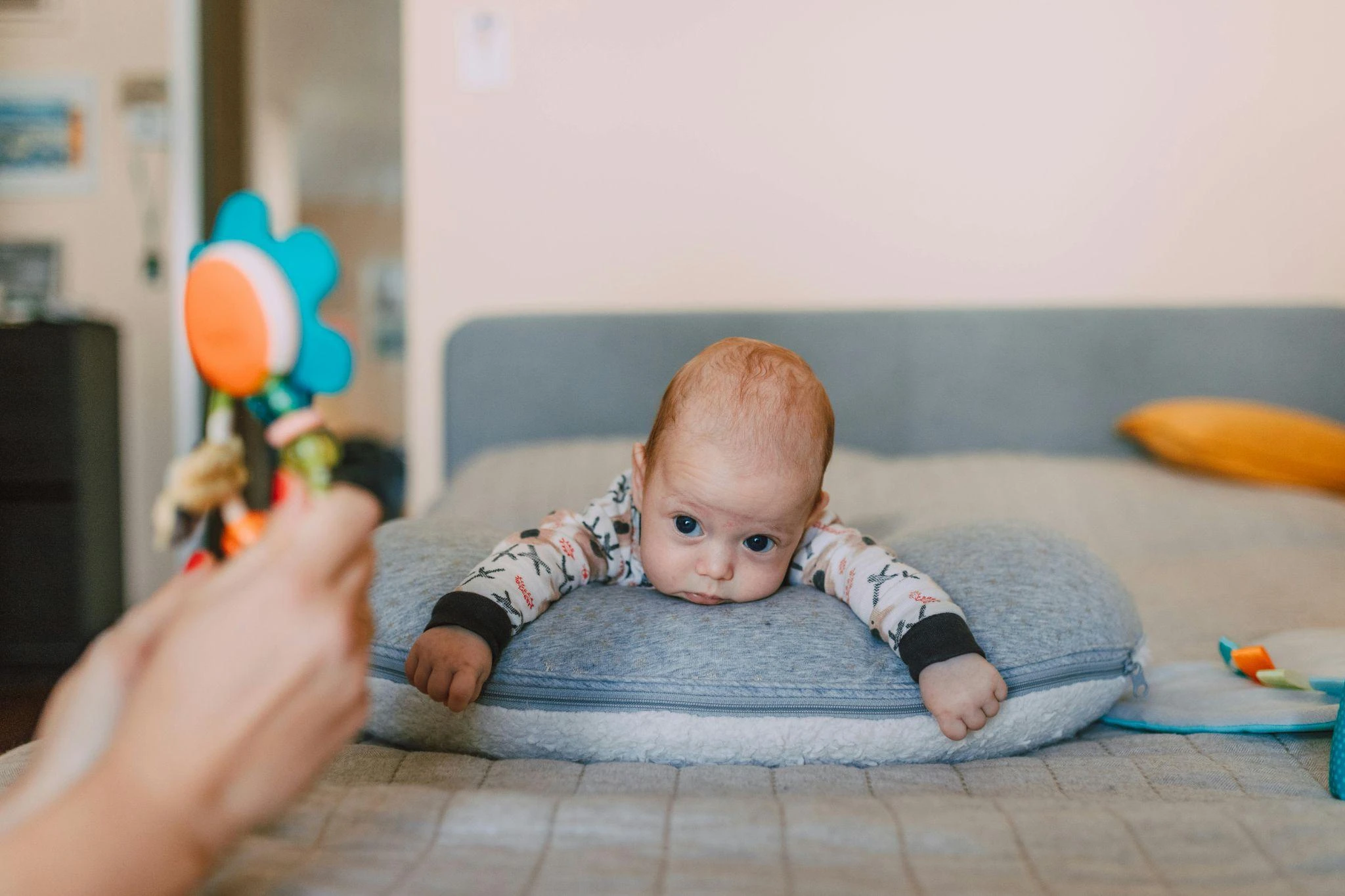
Image from Pexels: Simple sensory activities during tummy time for newborns, like mirrors and high-contrast cards, help support visual tracking, focus, and early gross motor development.
When and How to Start Tummy Time
If you feel nervous about starting, keep it simple. Tummy time does not need special equipment or long sessions.
How Soon After Birth Can You Start
From day one. Chest-to-chest tummy time is often the gentlest way to begin.
Recline slightly and place your baby on your chest so they can practise lifting their head while looking at you.
How Long and How Often
For newborns, start with:
- 1-3 minutes at a time
- 2-3 sessions per day
Gradually build from there. By around 3 months, many babies work toward 15-30 minutes total daily across several short sessions.
Best Times of Day
Choose times when your baby is calm and alert.
Good opportunities include:
- After a nappy change
- After waking from a nap
- During morning alert periods
Avoid tummy time immediately after feeds to reduce spit-up and discomfort.
Where to Do Tummy Time
A firm, flat play mat on the floor is ideal.
Avoid couches, pillows, beds, or soft surfaces. Always stay close and supervise.
Short and frequent beats long and forced. Two minutes, five times a day is often more effective than one stressful ten-minute session.
Tummy Time by Age: A Progressive Guide
0-4 Weeks (Newborn)
In the early weeks, tummy time is about exposure and comfort, not performance.
Try:
- Chest-to-chest tummy time
- Baby across your lap
- Very short floor sessions
Your baby may only lift their head briefly. That is completely normal.
1-2 Months
Around this stage, many babies begin lifting their head to about 45 degrees for short periods.
You can introduce:
- Play mat tummy time
- High-contrast cards
- Mirrors placed in front of baby
Sessions may extend to 3-5 minutes.
For more newborn sensory ideas, see Newborn Sensory Activities: Boost Early Development Through Play.
2-3 Months
Babies often begin pushing up on their forearms and lifting their head higher.
Add more stimulation for infants through:
- Textured mats
- Gentle rattles
- Mirrors
- Soft music
Total daily tummy time may reach 15-20 minutes across sessions.
3-4 Months and Beyond
At this stage, tummy time becomes more active and playful.
Your baby may:
- Push up on hands
- Reach for toys
- Attempt rolling
Tummy time now supports reaching, coordination, and movement exploration.
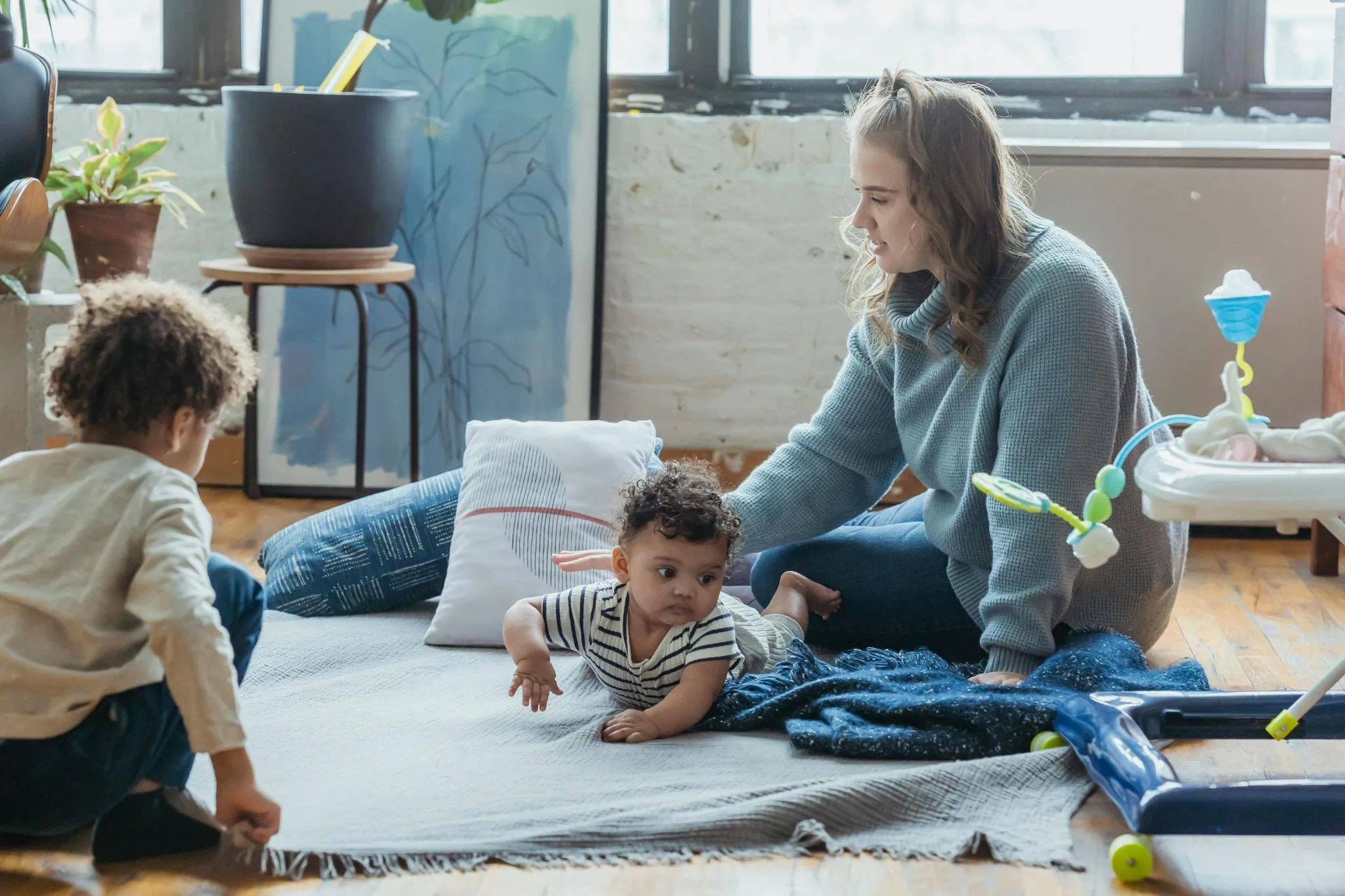
Image from Pexels: Consistent tummy time for newborns helps lay the foundation for movement, confidence, sensory learning, and meaningful bonding moments in the early months.
12 Tummy Time Ideas and Activities for Newborns
1. Chest-to-Chest Tummy Time
Recline comfortably and place your baby on your chest. Your heartbeat, voice, and face create calming sensory input.
Try this today: Use this during post-feed cuddles when your baby is calm and awake.
2. Lap Tummy Time
Lay your baby across your lap with gentle support. This often feels less overwhelming for fussy newborns.
3. Mirror Play on the Floor
Place a baby-safe mirror in front of your baby. Babies are naturally drawn to faces.
4. High-Contrast Card Tracking
Hold black-and-white cards around 20-30 cm from your baby’s face and slowly move them side to side.
5. Rolled Towel Under the Chest
A small rolled towel under the chest can make early lifting easier.
6. Singing and Talking Time
Get down at eye level. Sing, smile, and narrate what you are doing.
7. Texture Exploration
Try different textures like muslin, ribbed cotton, or soft play mats to build tactile awareness.
8. Side-Lying Transition Play
If your baby strongly resists tummy time, side-lying play can help strengthen similar muscles more gently.
9. Visual Stimulation During Tummy Time
Newborn vision is still developing. High-contrast cards, mirrors, and your face help support focus and tracking.
10. Auditory Stimulation
Soft rattles, gentle music, singing, and talking encourage your baby to lift and turn their head toward sound.
11. Tactile and Texture Play
Different fabrics and textures help build body awareness and sensory exploration.
12. Movement-Based Play
Gentle rocking or swaying during chest-to-chest tummy time stimulates the vestibular system, which supports balance and spatial awareness.
These early sensory experiences form the foundation for the multi-sensory learning explored in programs like Shichida Australia’s Baby and Infant Classes.
You may also enjoy reading Sensory Play for Babies, Infants & Toddlers: A Parent’s Guide and Benefits of Sensory Play for Babies and Infants.
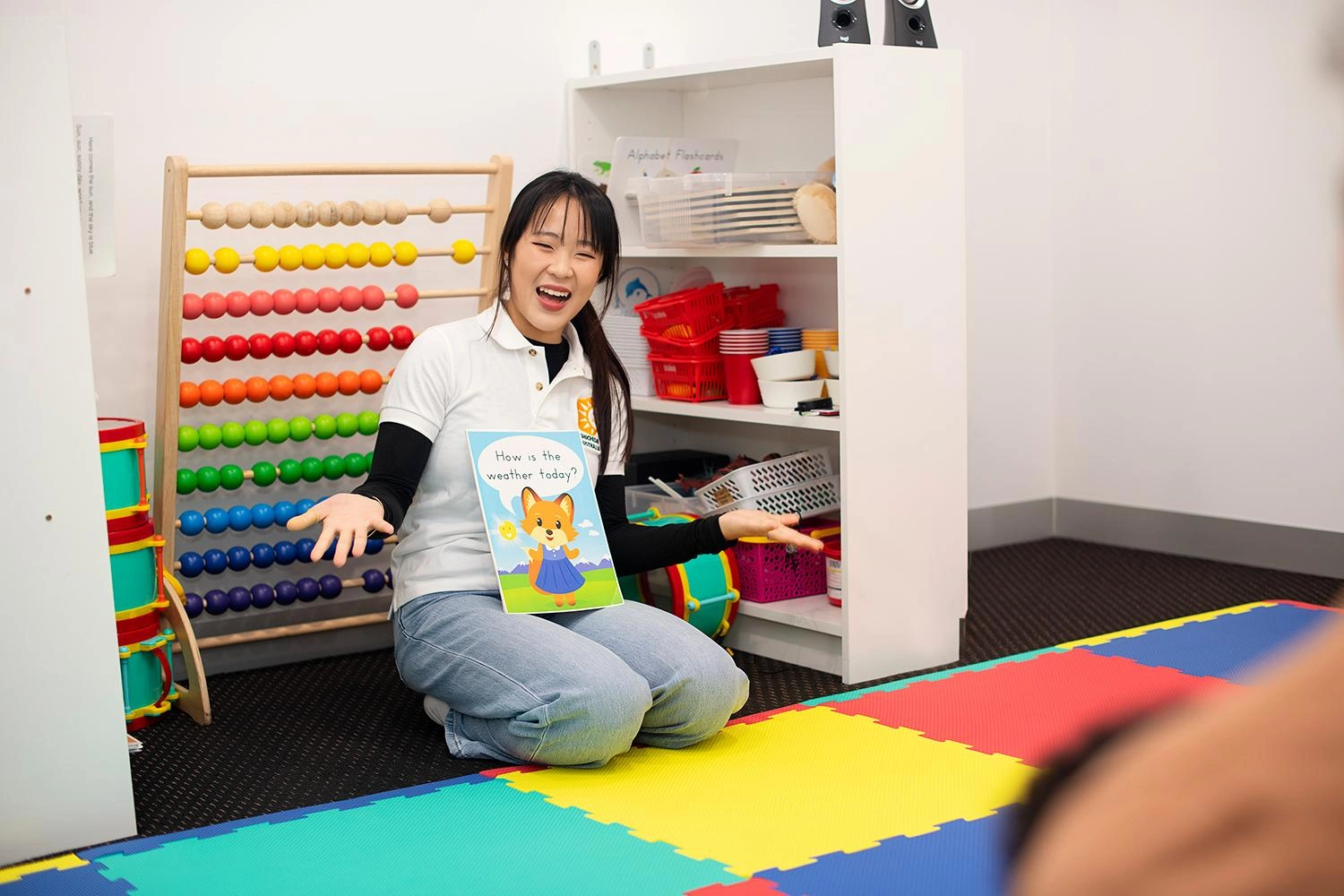
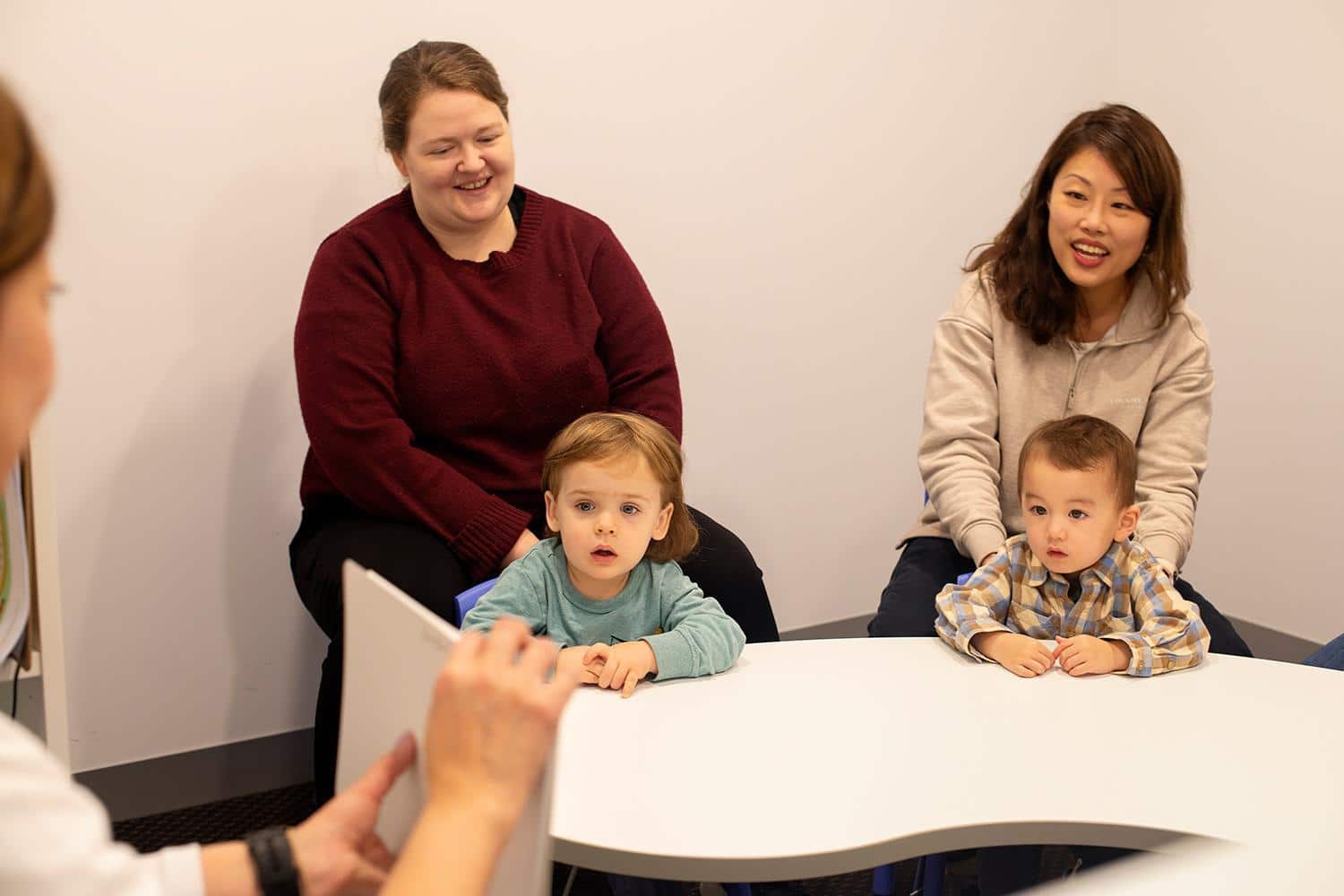
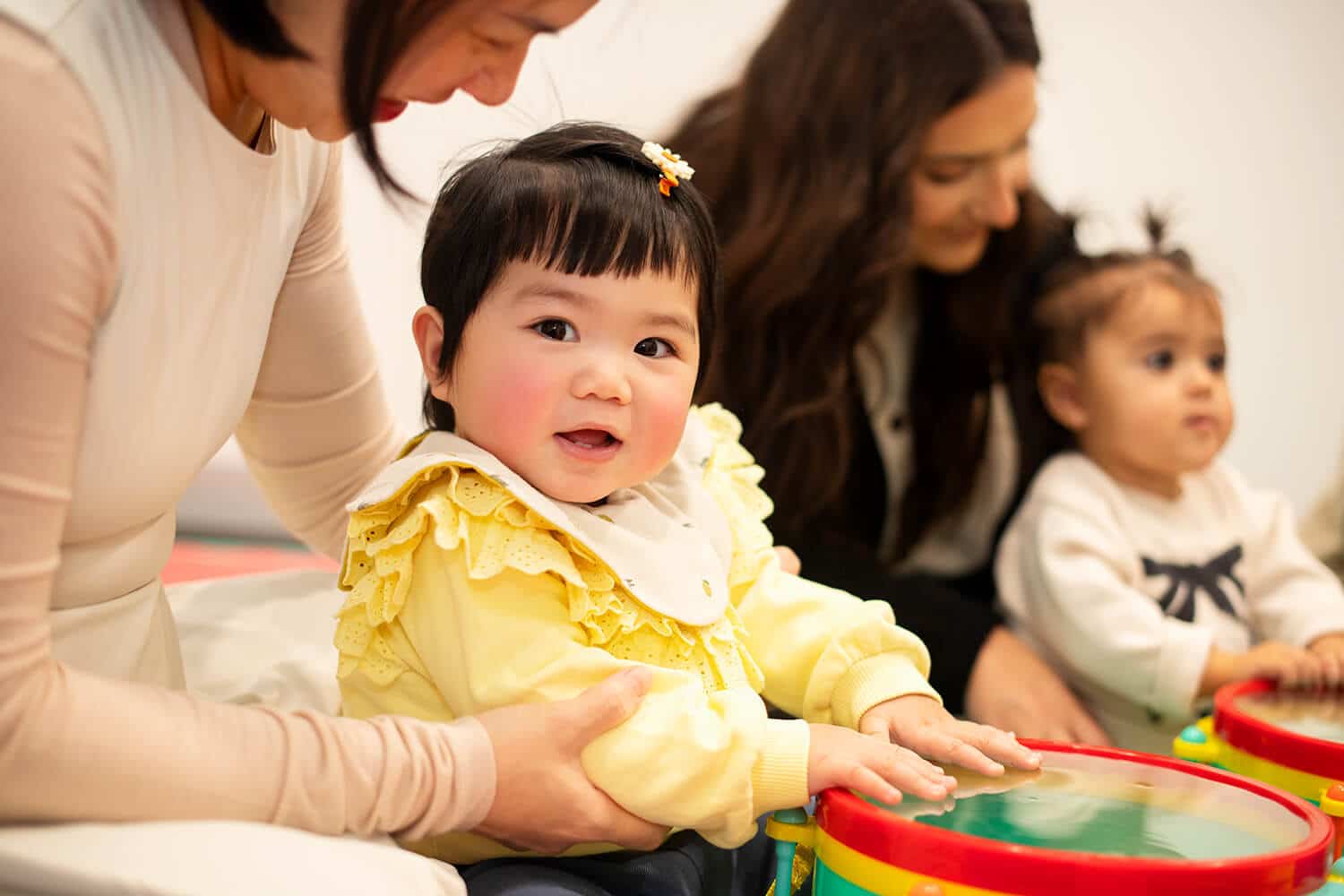
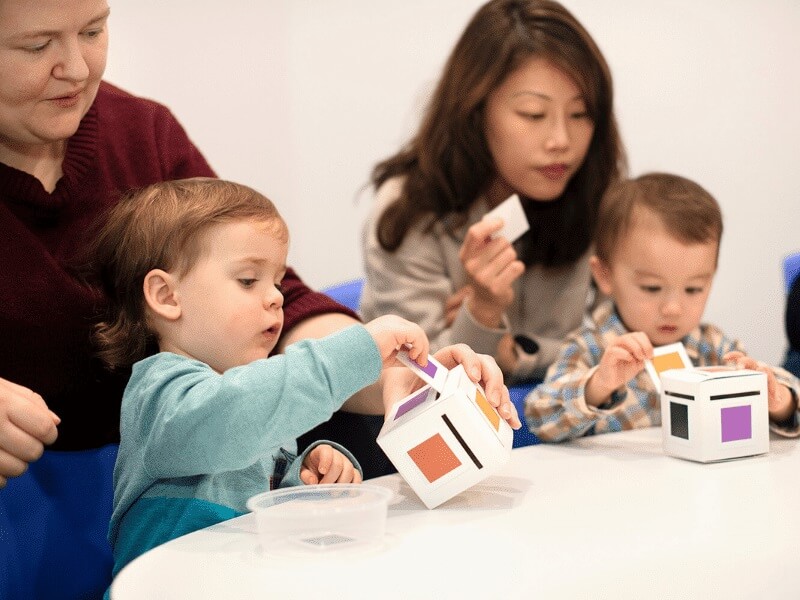
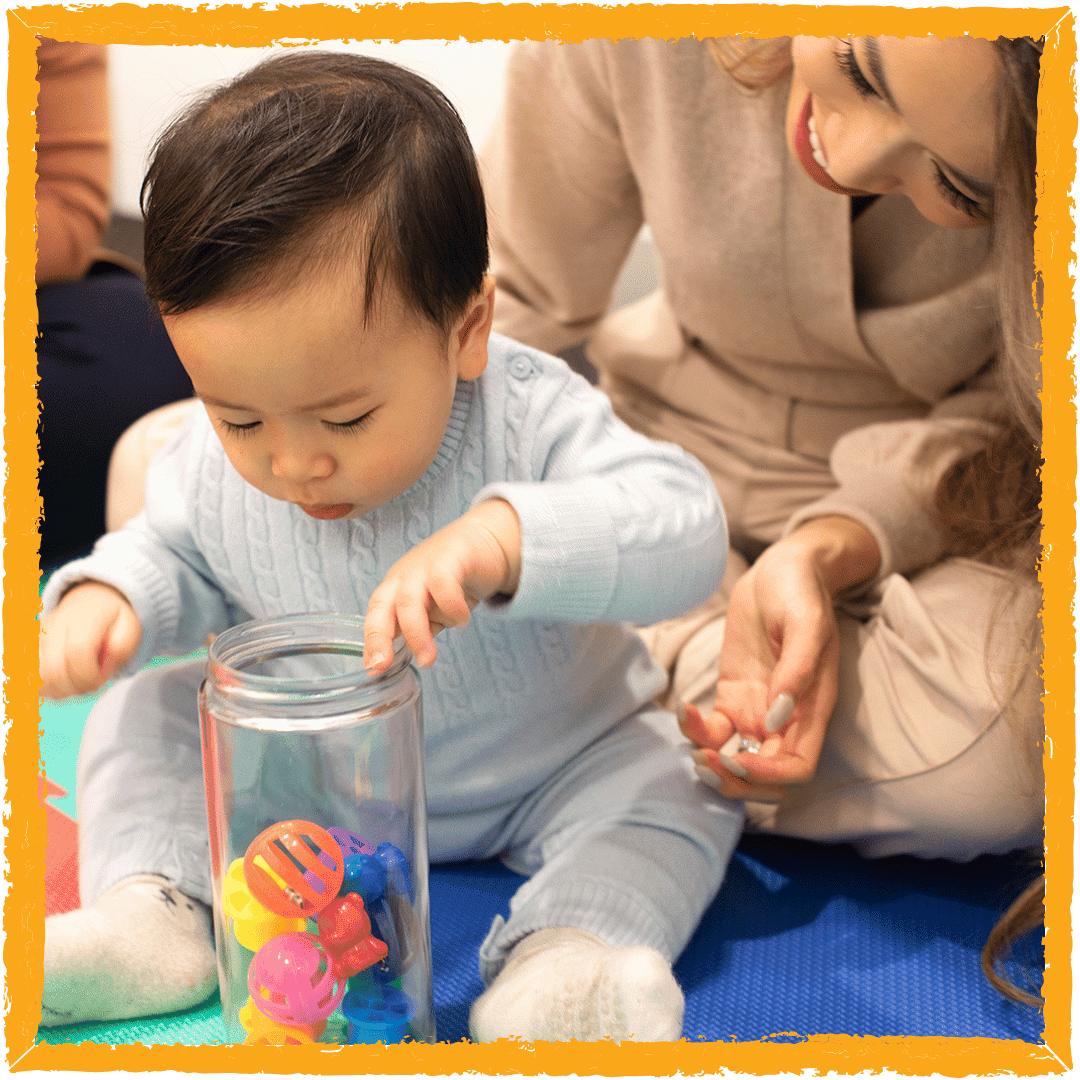
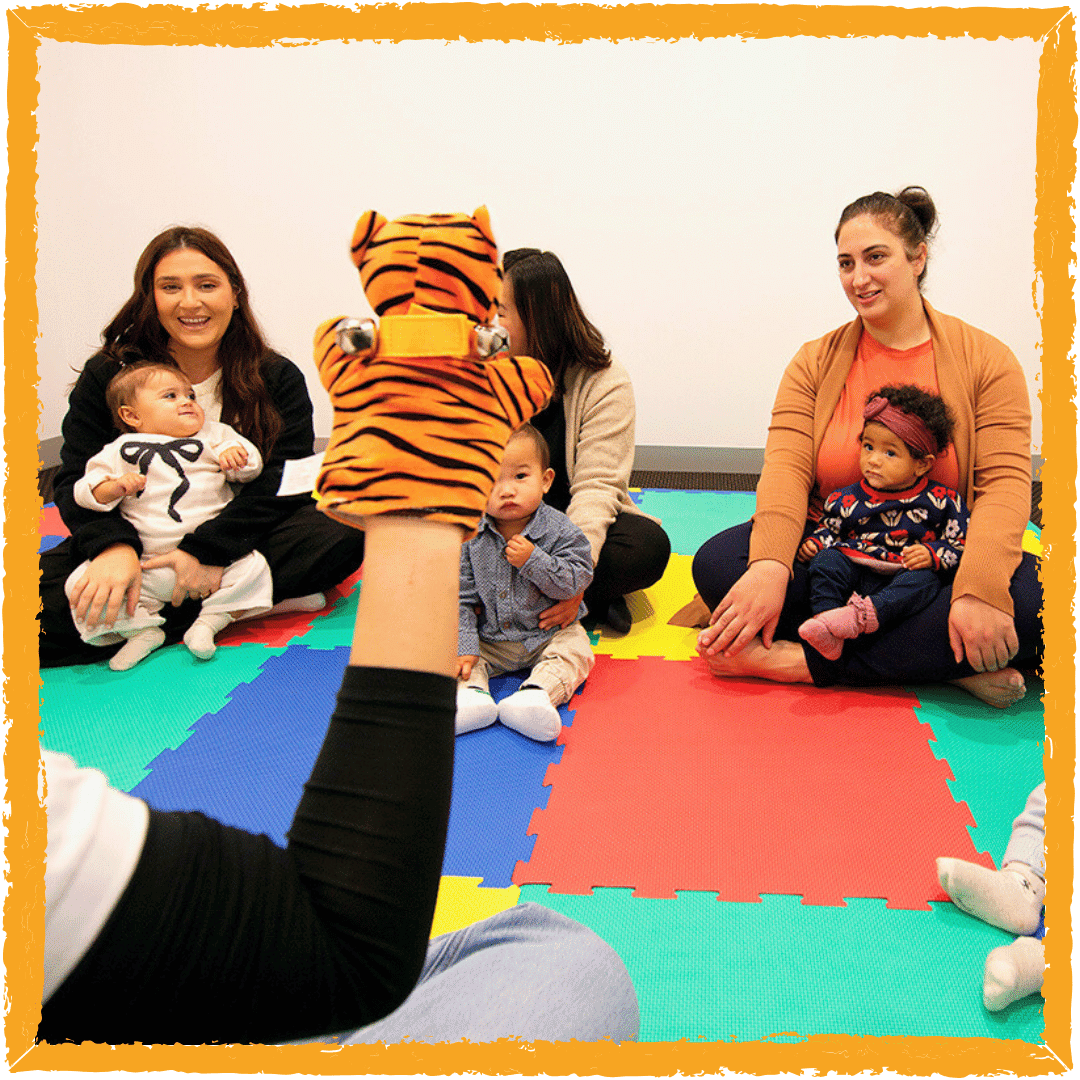
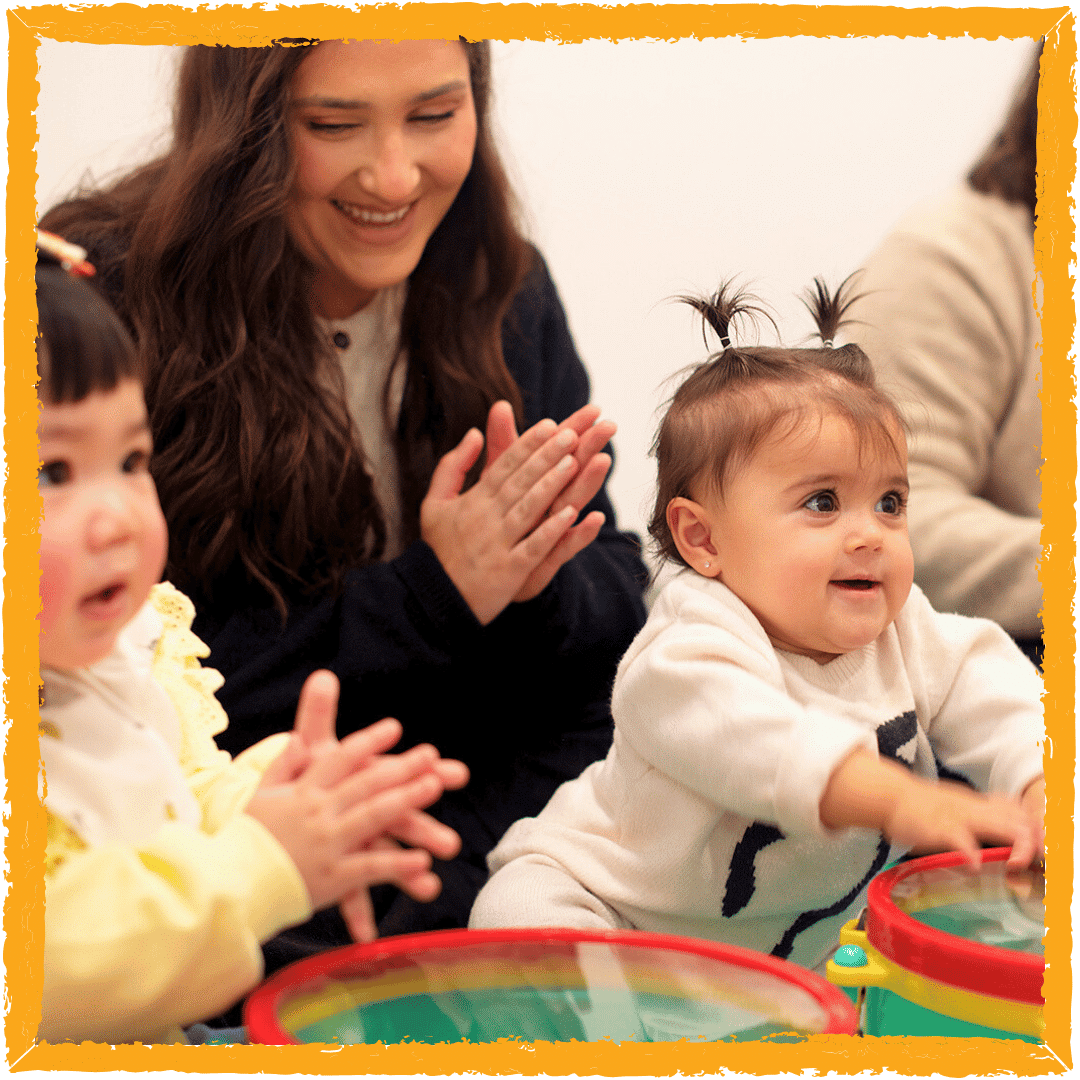
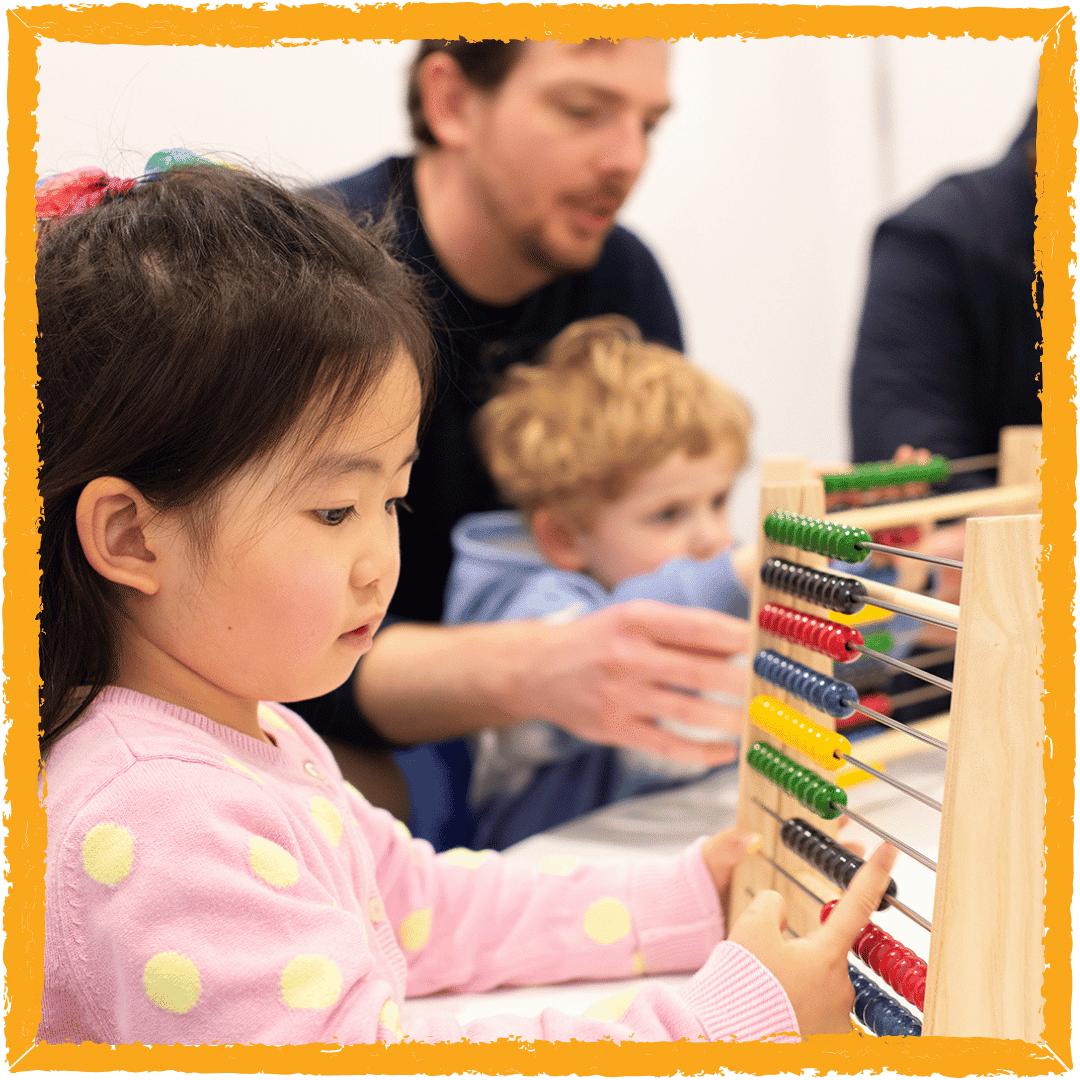
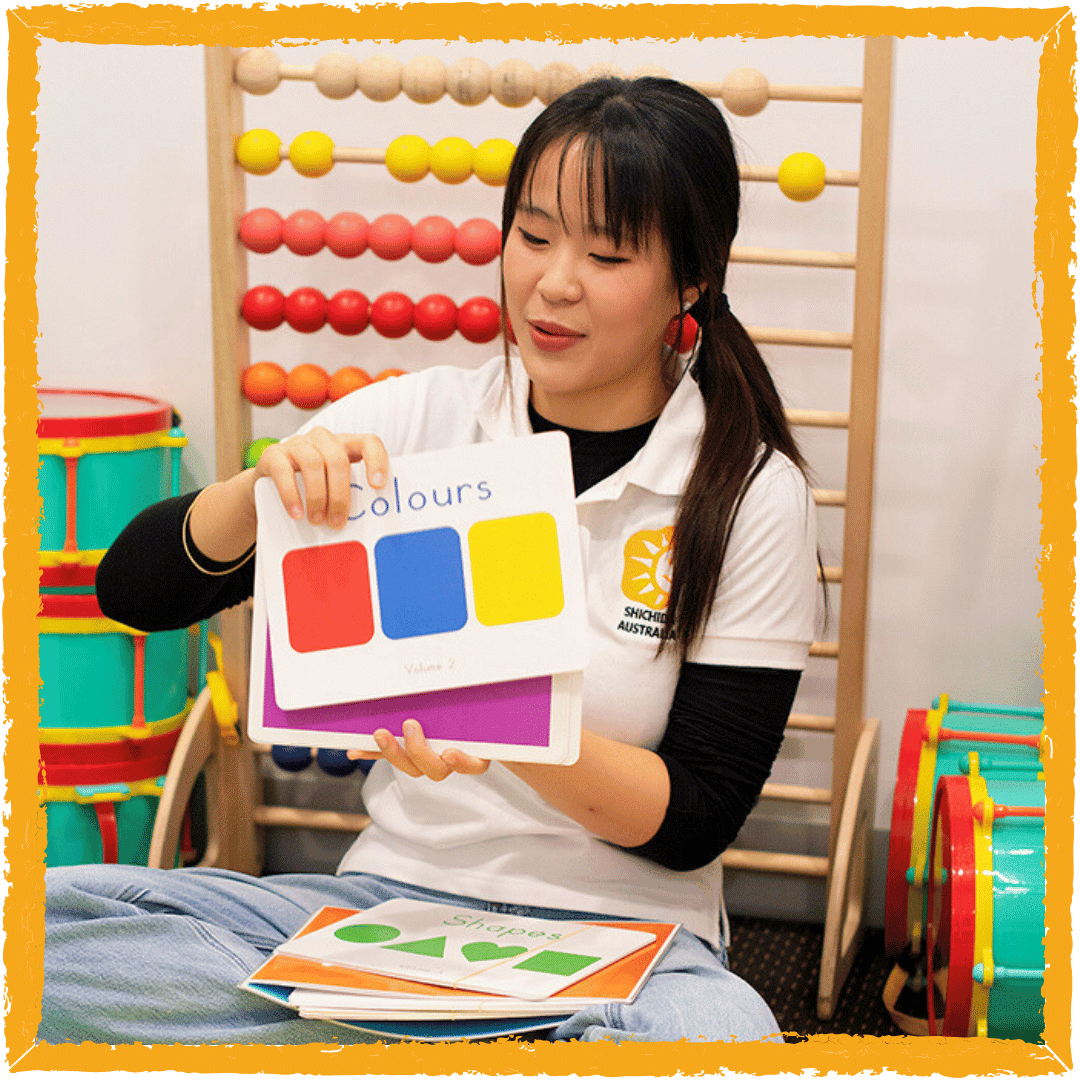
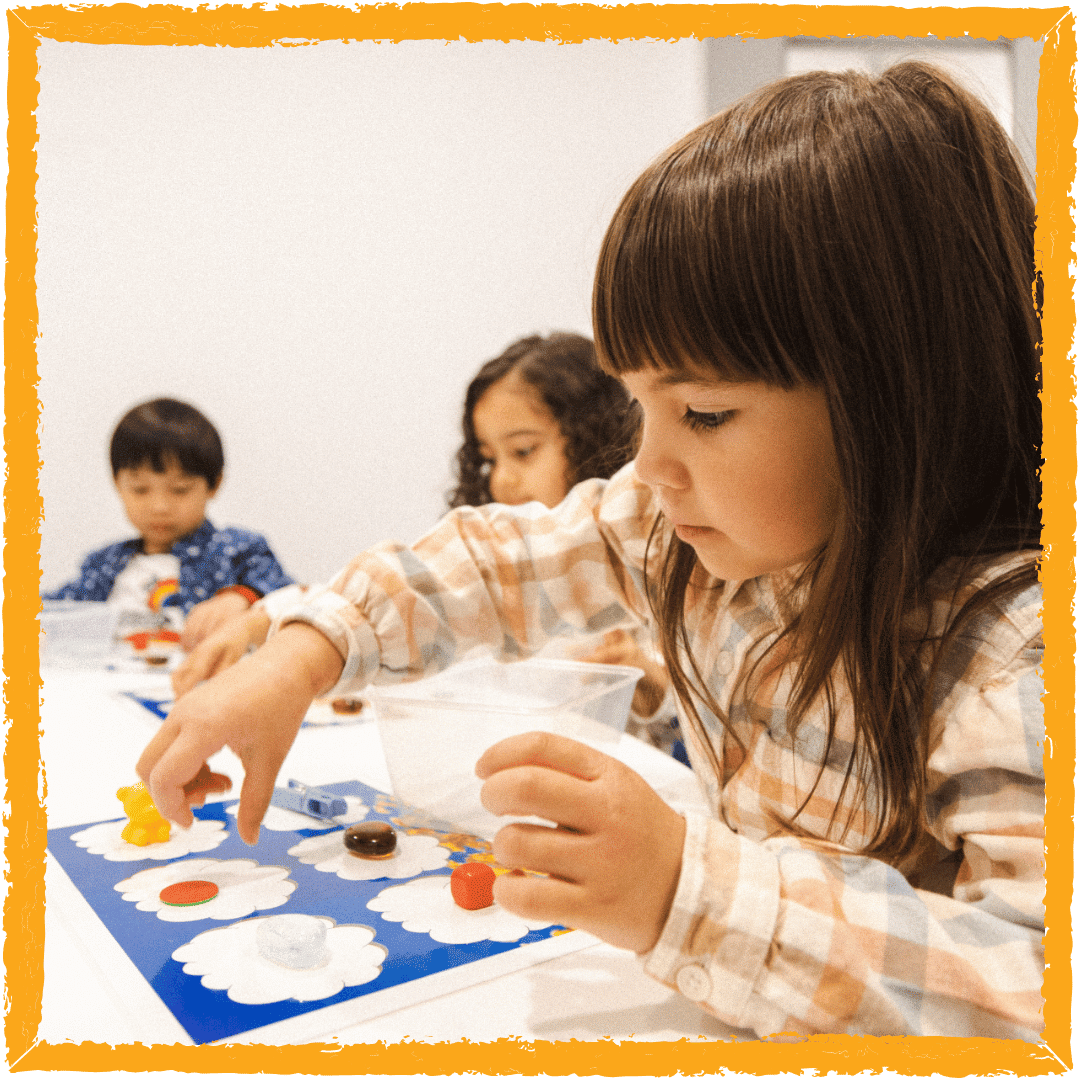
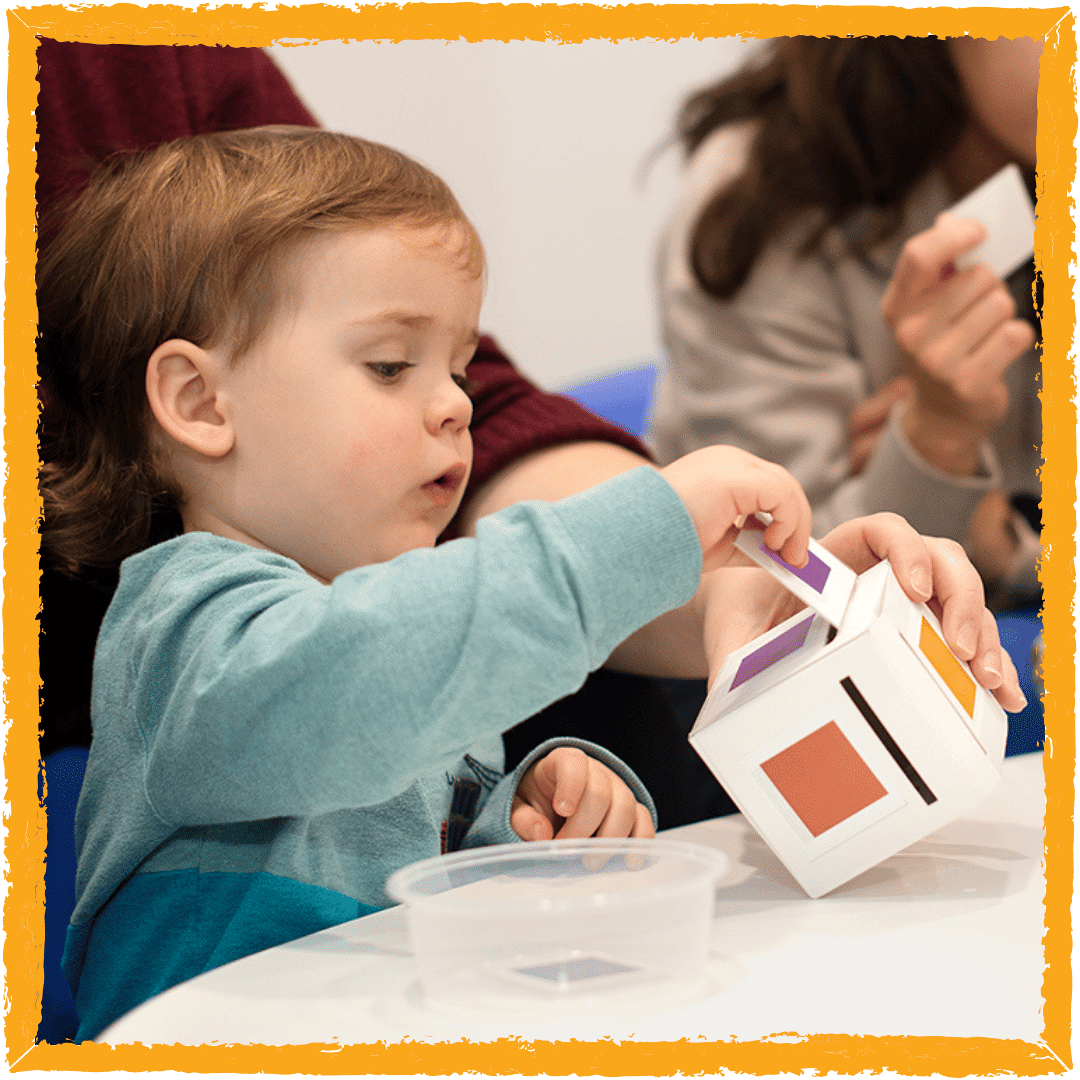
Image from Shichida Australia: Shichida Australia offers engaging baby sensory classes from 6 months old, that complement tummy time for newborns through structured sensory play, helping babies explore, learn, and stimulate their growing minds in a nurturing and fun environment.
For more sensory-rich newborn activities, explore Sensory Ideas for Infants to Encourage Early Brain Development.
Beyond Tummy Time: Infant Play and Stimulation
Many parents wonder, ‘What else should I be doing?’
The answer is simpler than you might think. Responsive interaction matters most.
Other Gross Motor Activities for Babies
Try:
- Reaching games
- Bicycle legs during nappy changes
- Gentle stretching
- Supported sitting later on
Sensory Play for Newborns
Simple sensory play can include:
- Light-and-shadow play
- Gentle massage
- Exploring textures
- Smelling scents like fresh lavender
Creative Sensory Play Ideas for Toddlers & Preschoolers also shares ideas that can grow with your child over time.
Bonding and Communication Play
Talk face-to-face with your baby. Copy their expressions. Read books aloud. Narrate everyday routines.
These tiny interactions build emotional security and communication foundations.
For more about early learning foundations, visit Brain Development in Early Childhood.
Common Tummy Time Challenges (and What to Do)
My Baby Cries During Tummy Time
This is common. Start with 30-second sessions and build gradually. Chest-to-chest tummy time often feels easier.
My Baby Falls Asleep on Their Tummy
Gently roll them onto their back for sleep. Tummy time only counts when awake and supervised.
My Baby Spits Up Every Time
Wait at least 20-30 minutes after feeds before tummy time.
My Baby Seems to Hate It
Keep sessions short and playful. Use mirrors, music, and your face to make it engaging.
When to Speak to Your Child Health Nurse
Speak with your maternal child health nurse or GP if by 3 months your baby:
- Strongly resists tummy time consistently
- Cannot lift their head at all
- Shows noticeable asymmetry
Tummy Time Safety: What Every Parent Should Know
Always remember:
- Tummy time is to be done when awake and supervised only
- Use a firm, flat surface
- Never use couches or soft bedding
- Never place your baby on their tummy for sleep
- Stop if your baby becomes distressed
- Keep cords, pets, and small objects away from the play area
Supporting Your Newborn’s Development with Shichida
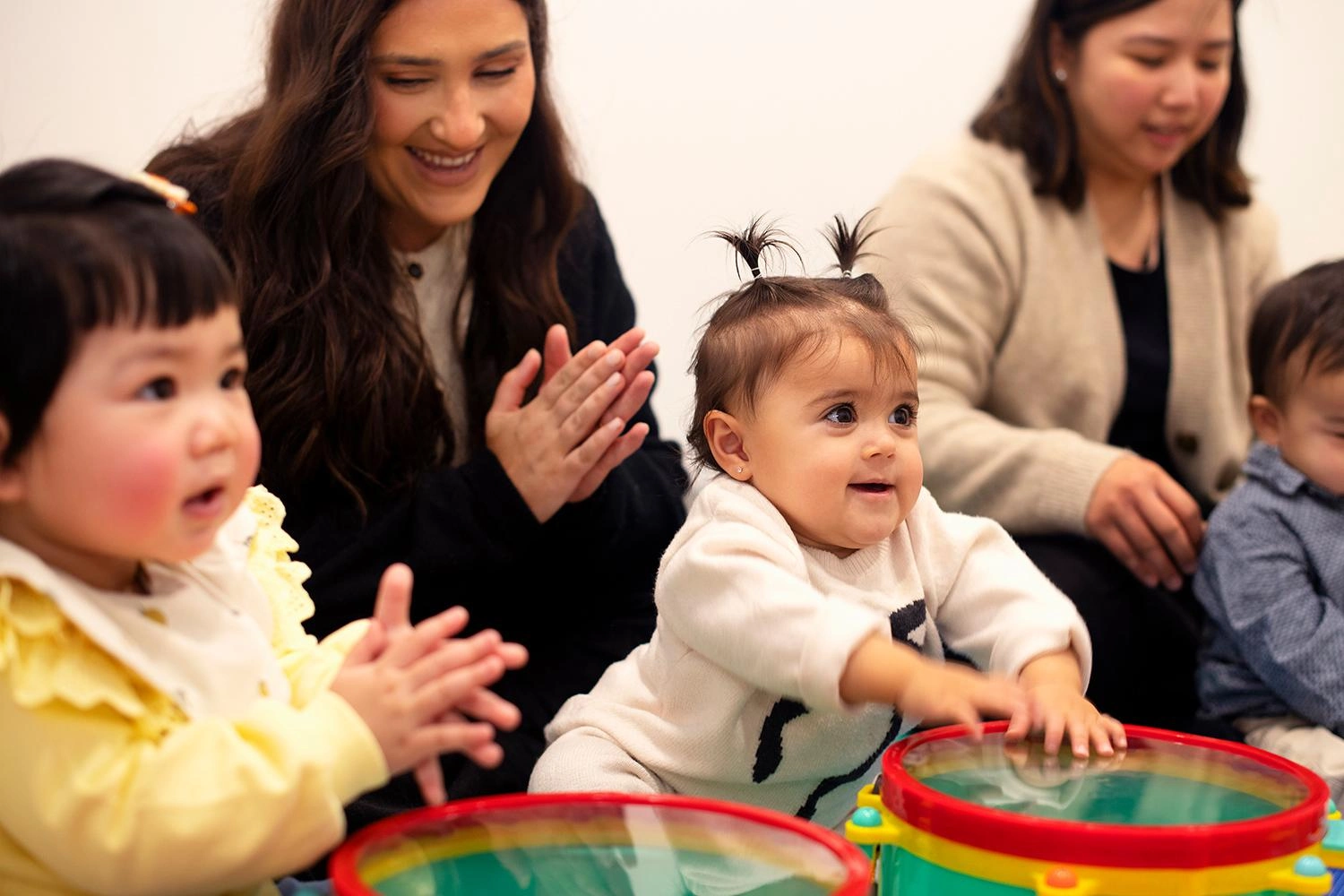
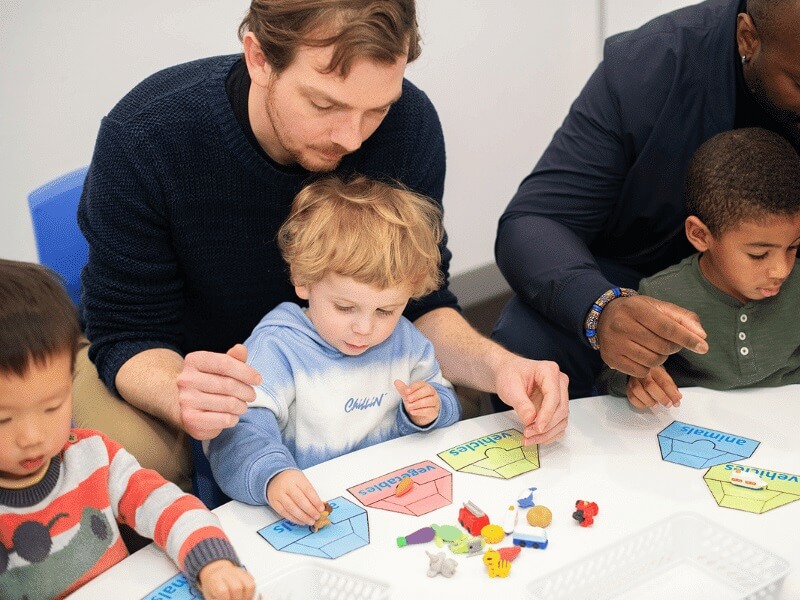
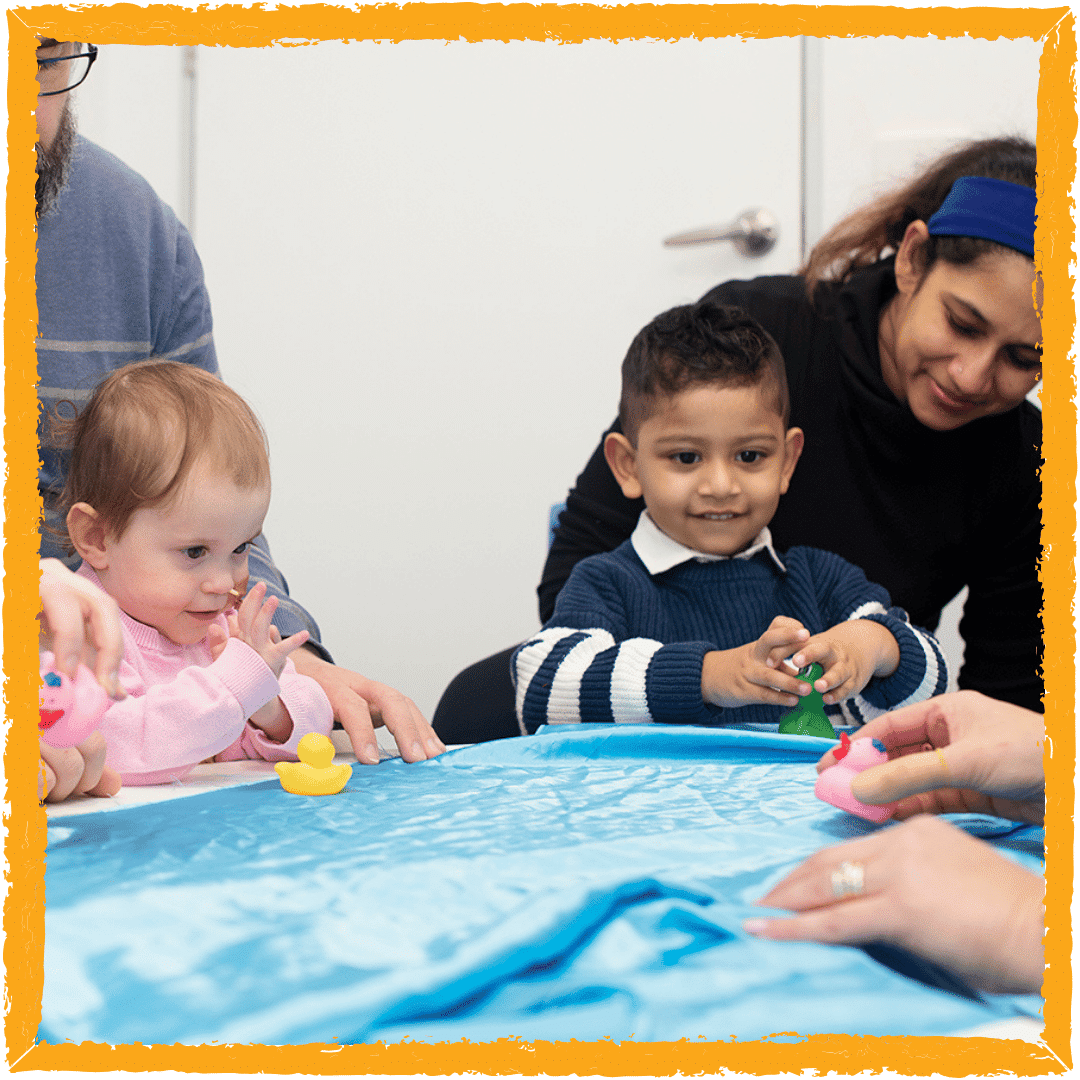
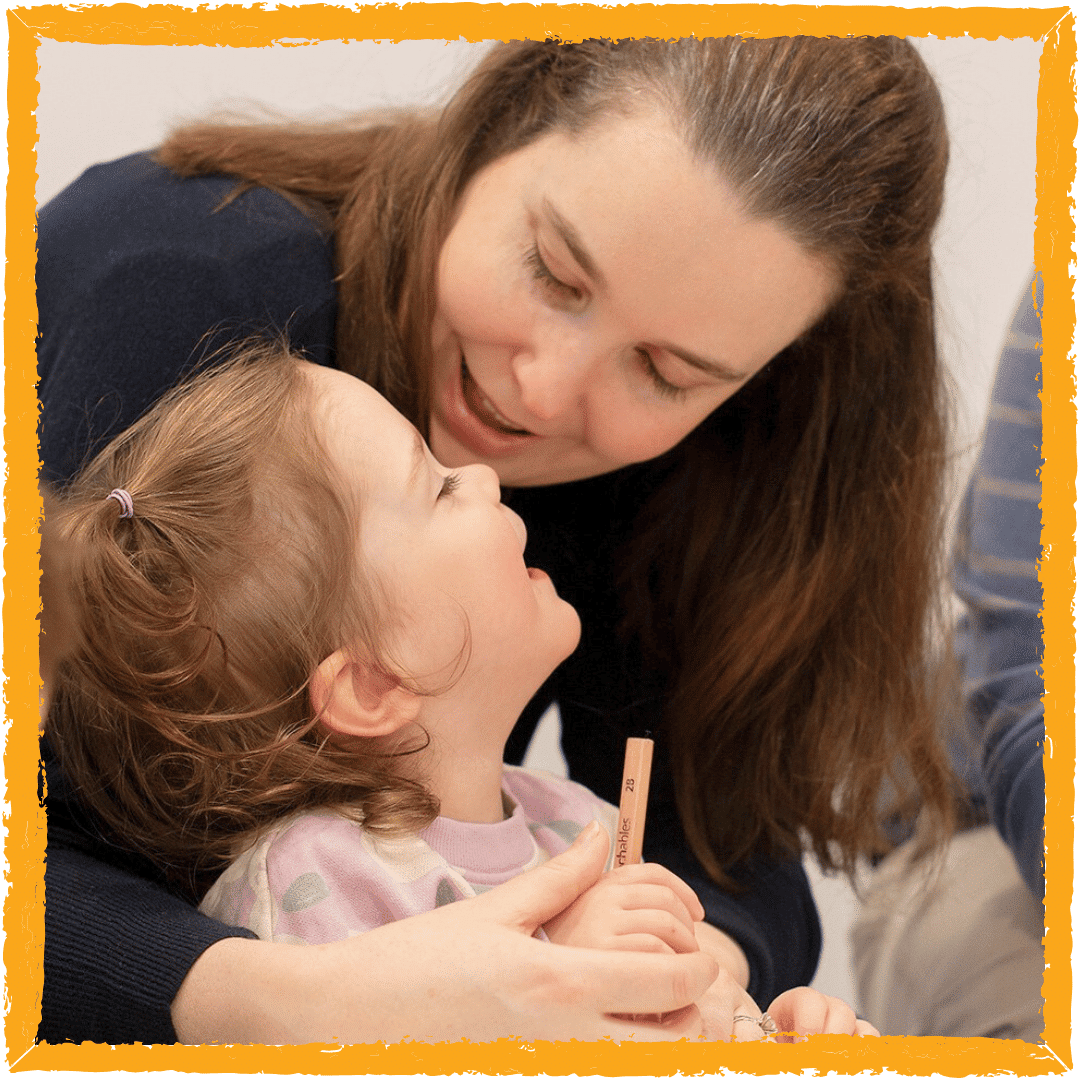
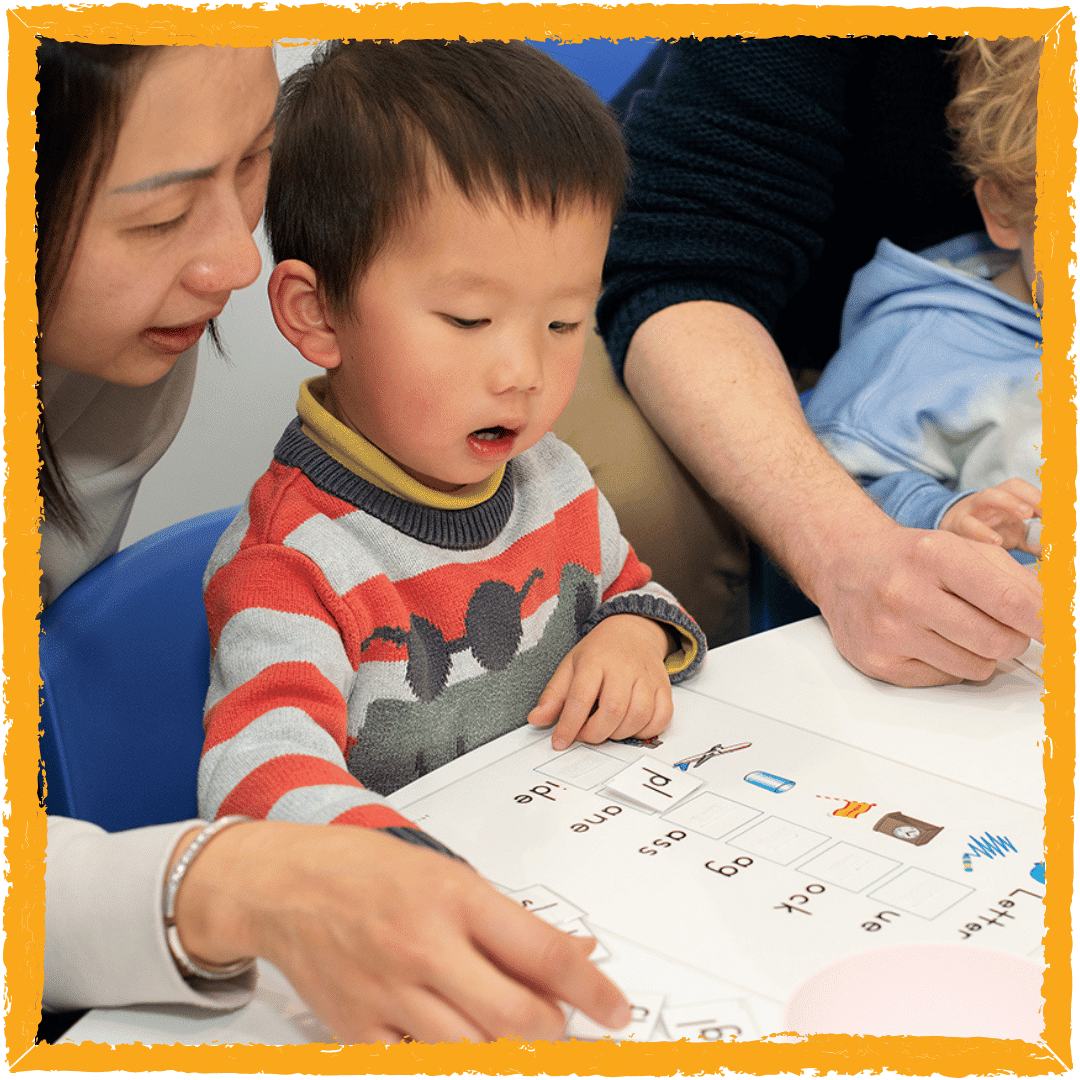
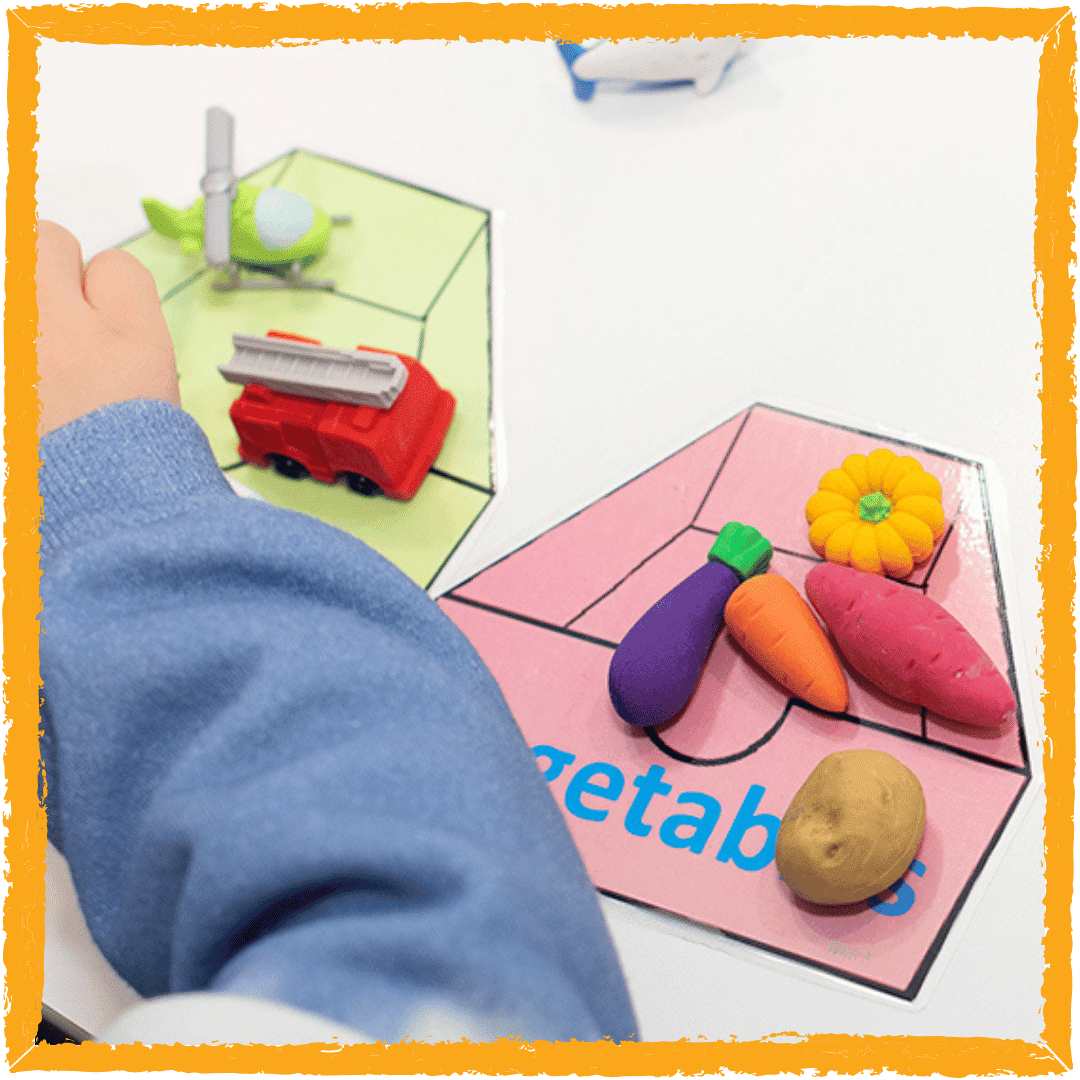
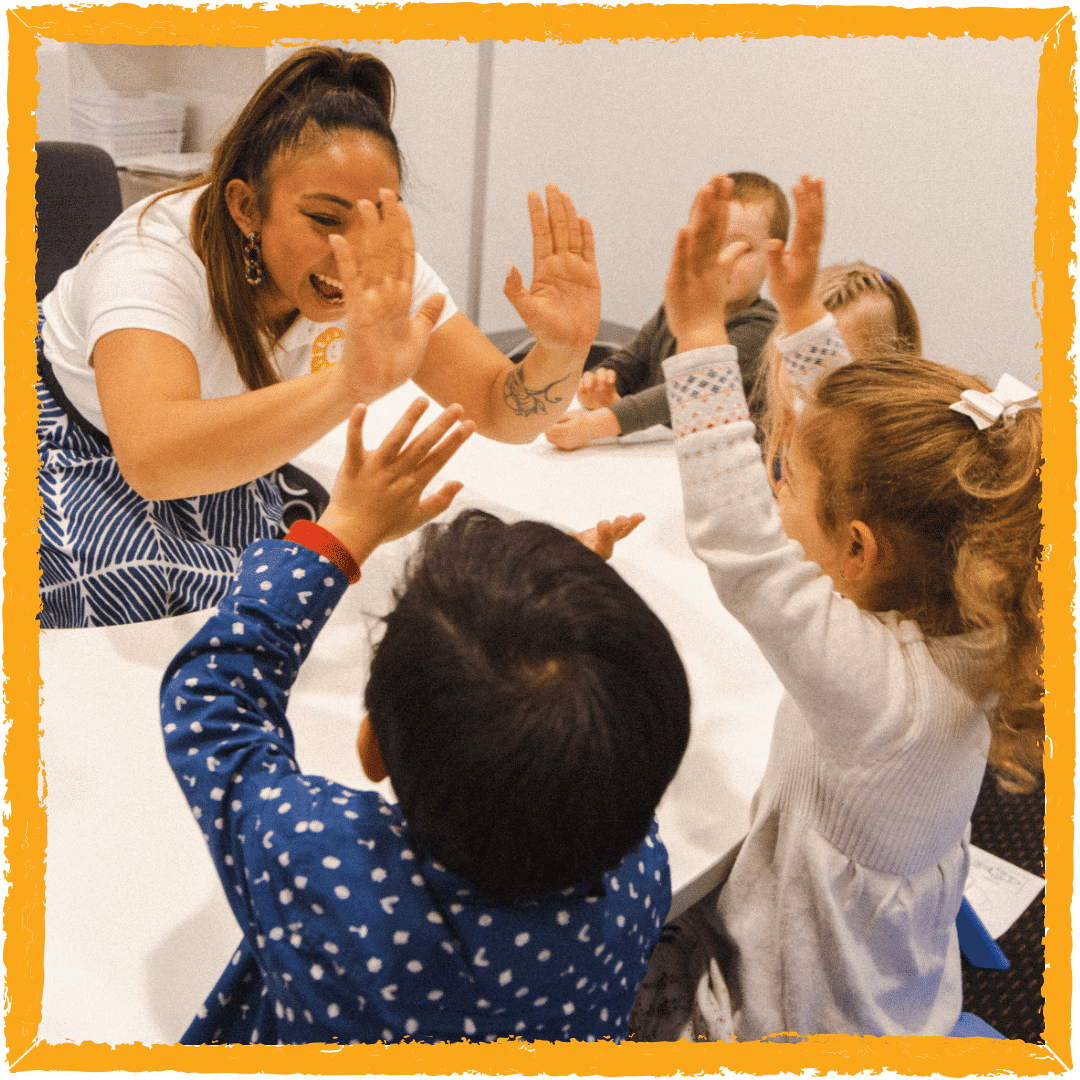
Image by Shichida Australia: With parents and teachers by their side, babies can build confidence, connection, and a joyful love of learning from the very start.
Tummy time is just the beginning of your baby’s learning journey.
In the first year of life, babies learn through movement, sensory experiences, emotional connection, and repetition. The earlier these experiences are supported, the more opportunities your baby has to build confidence and curiosity through play.
Shichida Australia offers baby and infant programs designed to nurture sensory, cognitive, emotional, and social development through gentle, age-appropriate activities grounded in The Shichida Method.
If you are looking for supportive ways to continue your baby’s developmental journey beyond tummy time, you can find your nearest Shichida centre or book a trial class to explore the experience firsthand. Suitable for babies from 6 months old!
FAQs: Tummy Time for Newborns
You can start tummy time for newborns from birth, as long as your baby is awake and supervised. In the early days, tummy time can be as simple as placing your baby chest-to-chest while they rest on you and briefly practise lifting or turning their head.
Start with 1–3 minutes at a time, a few times a day. Newborn tummy time should be short, gentle, and positive. As your baby gets stronger and more comfortable, you can gradually increase the length of each session.
Newborns can begin with 2–3 short tummy time sessions per day. Short, frequent sessions are often better than one long session. Over time, you can slowly build towards around 15–30 minutes total per day by 3 months, spread across several sessions.
It is common for some babies to cry or fuss during tummy time. Try very short sessions, chest-to-chest tummy time, lap tummy time, singing, mirrors, or face-to-face interaction. Stop if your baby becomes distressed and try again later when they are calm and alert.
Yes. Chest-to-chest tummy time is one of the best ways to start tummy time for newborns. It helps your baby feel safe and close to you while still giving them a chance to practise lifting their head and strengthening their neck and upper body.
It is usually best to wait around 20–30 minutes after feeding before starting tummy time. This can help reduce spit-up and discomfort. Choose a time when your baby is awake, calm, and settled.
The safest surface for tummy time is a firm, flat play mat on the floor. Avoid soft surfaces such as beds, couches, pillows, or cushions, as these are not safe for newborn tummy time. Always stay close and supervise your baby.
You may notice your baby gradually lifting their head for longer, turning their head from side to side, tolerating tummy time better, and becoming stronger through the neck, shoulders, back, and core. If you are concerned about your baby’s strength or movement, speak with your maternal and child health nurse or GP.
Yes. Regular tummy time can help reduce long periods of pressure on the back of your baby’s head while they are awake. It supports balanced head shape development, while also helping strengthen the muscles needed for rolling, sitting, and crawling later on.
Simple tummy time activities for newborns include mirror play, singing, talking, high-contrast cards, texture play, gentle rattles, face-to-face interaction, and chest-to-chest cuddles. These activities can make tummy time more engaging while supporting visual tracking, sensory development, bonding, and early strength.
Tummy time for newborns helps strengthen the neck, shoulders, back, and core. It also supports visual tracking, sensory development, body awareness, bonding, and preparation for later milestones such as rolling, sitting, crawling, and walking.
If your newborn dislikes tummy time, start with just 30 seconds to 1 minute and use gentler positions, such as chest-to-chest tummy time or lap tummy time. You can also try using your face, voice, a mirror, or a high-contrast card to make the experience more comforting and interesting.
Tummy time for newborns is a wonderful place to start, but babies also benefit from a range of gentle sensory, movement, bonding, and early learning experiences. You can support your baby’s development through singing, talking, reading, high-contrast visuals, texture play, gentle movement, and face-to-face interaction.
At Shichida Australia, our baby and infant classes build on these early experiences through age-appropriate activities that support sensory development, focus, memory, emotional connection, and whole-brain learning in a nurturing environment.