Simple Mindfulness and Gratitude Activities for Preschoolers
Key Points
- Gratitude activities for preschoolers help build optimism, kindness, and emotional awareness.
- Mindfulness for preschoolers supports calm behaviour, focus, and self-regulation.
- Short, playful daily activities are more effective than long formal sessions.
- Regular practice can help reduce tantrums and build resilience over time.
- Early emotional skills support confidence, relationships, and school readiness.
Some days your preschooler is cheerful and cooperative. Other days, a small frustration can turn into tears, shouting, or a full meltdown. This is a normal part of early childhood. Between ages three and five, children are still learning how to understand and regulate emotions, manage impulses, and make sense of the world around them. These early years are also when the brain is highly adaptable, making it the perfect time to build healthy emotional habits through simple, positive experiences.
In this guide, you will find easy mindfulness activities for kids, resilience-building ideas, and practical ways to support emotional growth through connection, play, and daily routines.
Take a FREE Shichida Quiz
Designed for families with children up to 5 years old.

Why Gratitude and Mindfulness Matter in Early Childhood
Between ages three and five, your child’s brain is growing rapidly. These preschool years are a prime time for building emotional habits, learning routines, and shaping how children respond to stress, relationships, and everyday challenges. What your child practises now often becomes the foundation for later coping skills.
Mindfulness helps young children notice what they feel in their body, recognise emotions, and pause before reacting. Research suggests mindfulness-based activities can support attention, emotional regulation, and calmer stress responses. Gratitude, meanwhile, helps children notice positive experiences, appreciate others, and develop a more balanced outlook.
A few playful minutes each day can help your child grow in confidence, connection, and resilience.
What Is Mindfulness for Preschoolers?
Mindfulness for preschoolers means helping your child notice the present moment. That might include:
- noticing how their tummy moves when breathing
- listening carefully to sounds around them in nature
- naming a feeling, whether it feels pleasant or uncomfortable
- feeling the texture of sand or water
- noticing colours in nature while on a walk
Preschool mindfulness exercises work best through play, movement, and sensory exploration.
Sensory play can help nurture resilience and development. Download a free sensory play guide here.

If your child enjoys these types of activities, a Shichida trial class is a great way to see how structured play can support coordination, focus, memory and early learning confidence.
Book a trial class or contact us to find your nearest centre.
Benefits of Gratitude in Early Years
Practising gratitude can help your child:
- build optimism by noticing good moments
- strengthen relationships through appreciation
- grow emotional awareness by reflecting on feelings
- develop kindness and empathy
How These Skills Support Resilience and Emotional Growth
Children who practise calming and reflection skills often cope better with frustration. Over time, this may lead to:
- fewer intense reactions
- better self-regulation
- improved patience
- stronger confidence after setbacks
- better self-expression
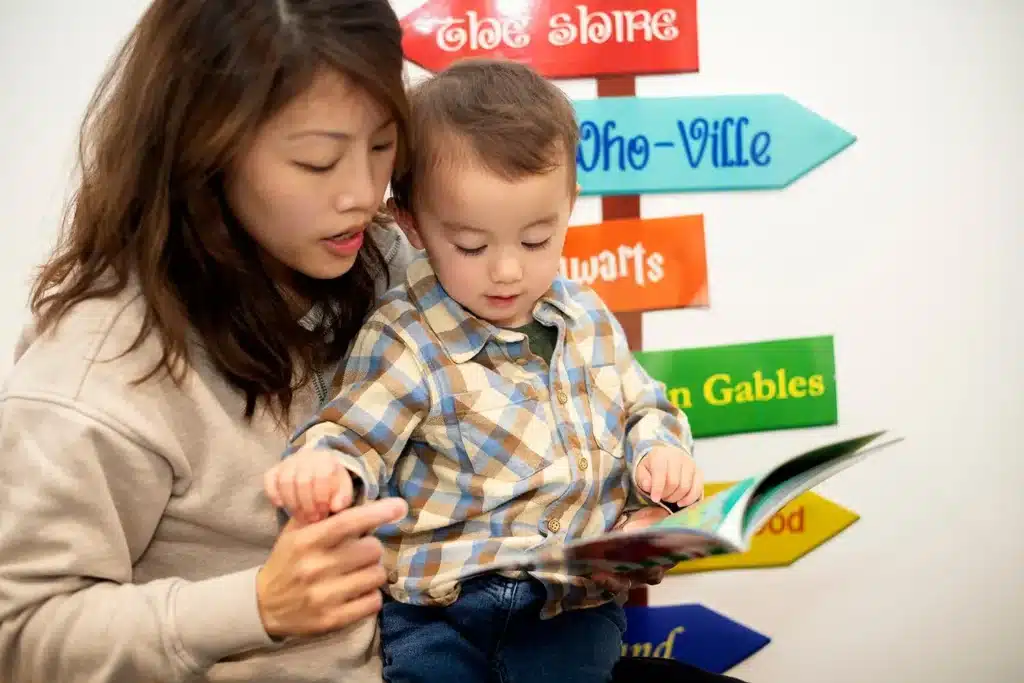
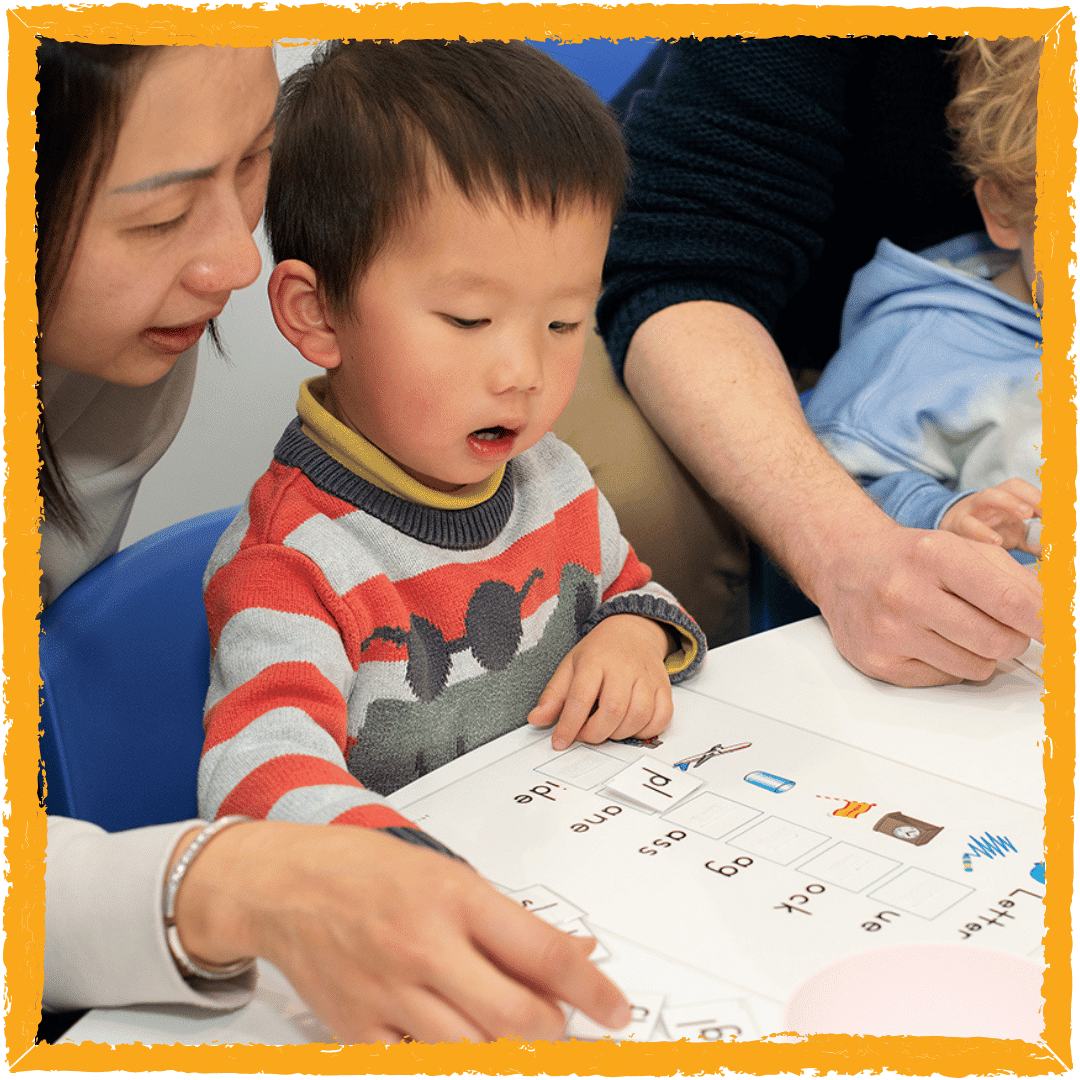
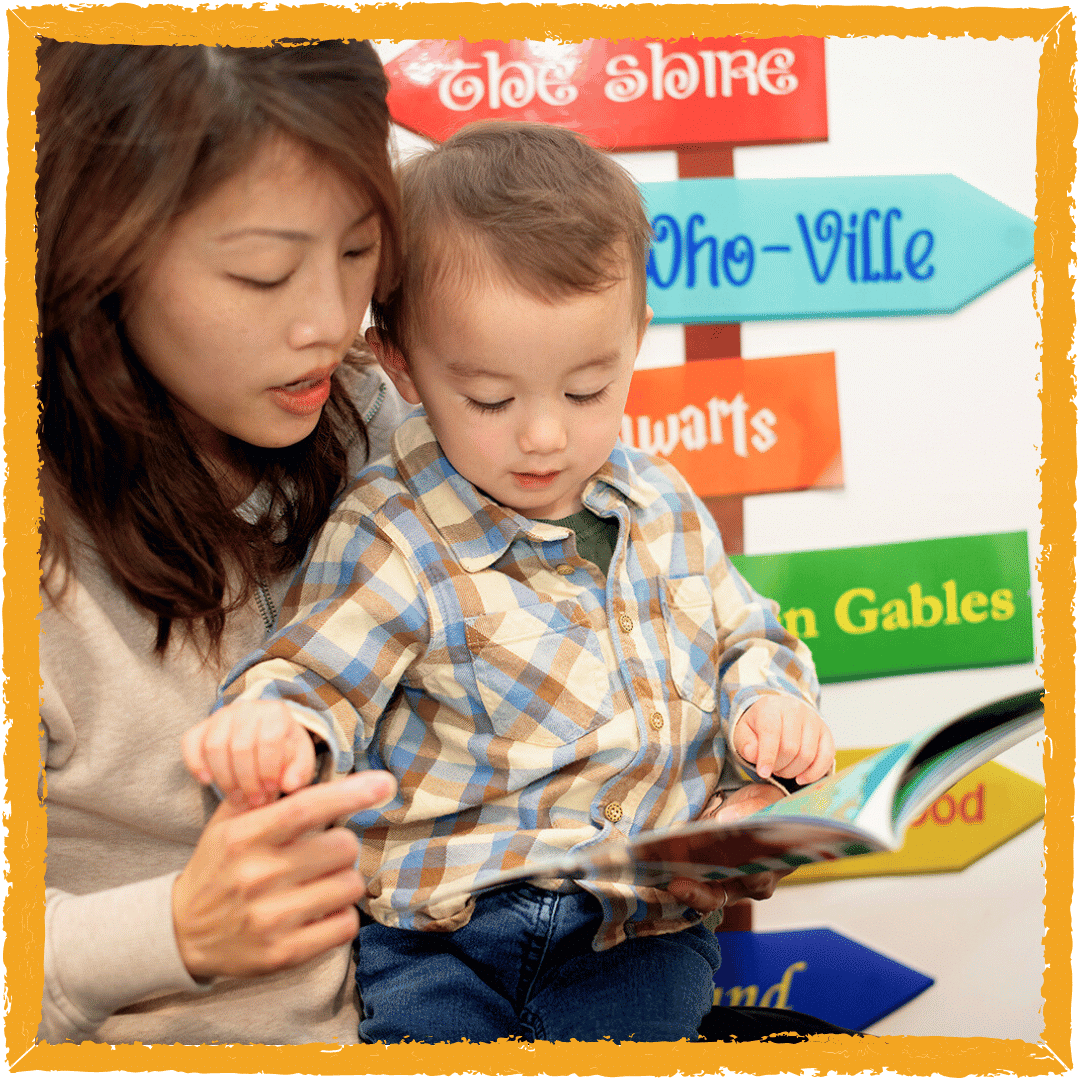
Image by Shichida Australia: Shared reading gives preschoolers a calm moment to connect, focus, and feel emotionally secure.
Core Principles of Mindfulness-Based Activities for Preschoolers
Keep Activities Short and Play-Based
Aim for two to five minutes. Young children learn best in brief, enjoyable bursts rather than long sessions.
Use Sensory Experiences
Include sight, sound, touch, smell, and taste. Sensory learning helps preschoolers understand abstract ideas through real experiences.
Model Mindfulness as a Parent
Children copy what they see. If you take a slow breath, speak calmly, or express gratitude aloud, your child learns through observation.
Consistency Over Perfection
A simple daily routine matters more than doing everything perfectly. Small repeated habits build emotional skills over time.
This also reflects the way children learn in Shichida classes: through short, joyful, high-quality activities that build focus, confidence, emotional connection, and a love of learning.
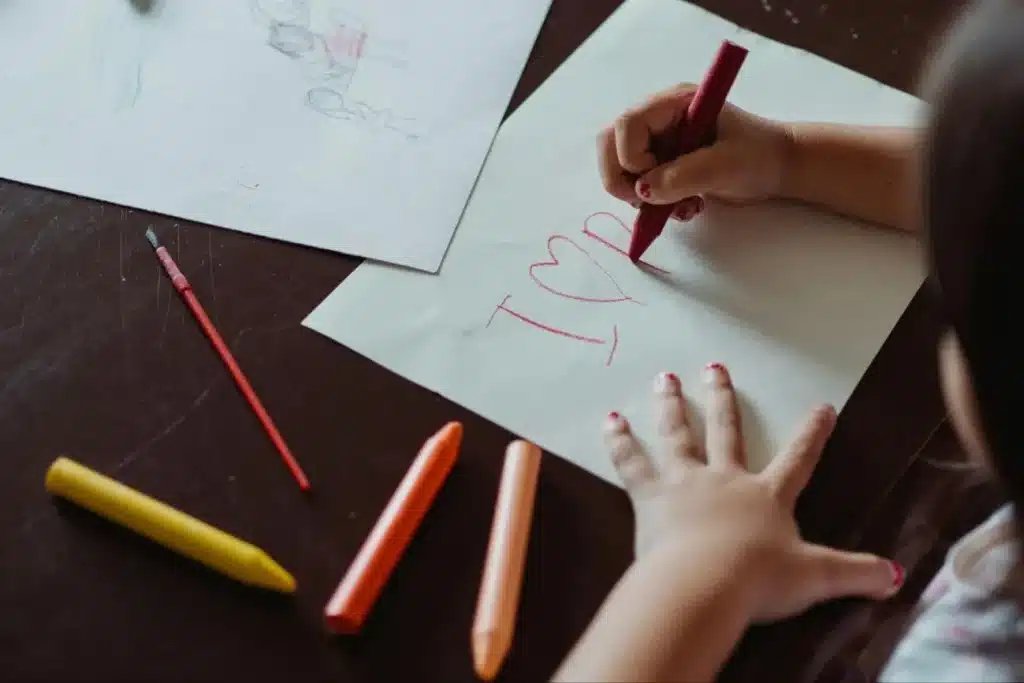
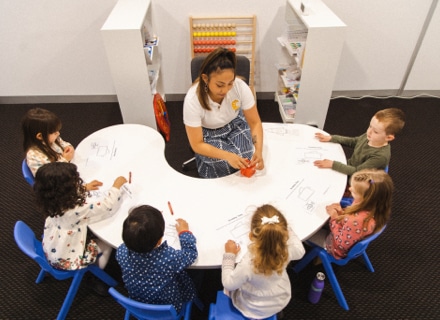
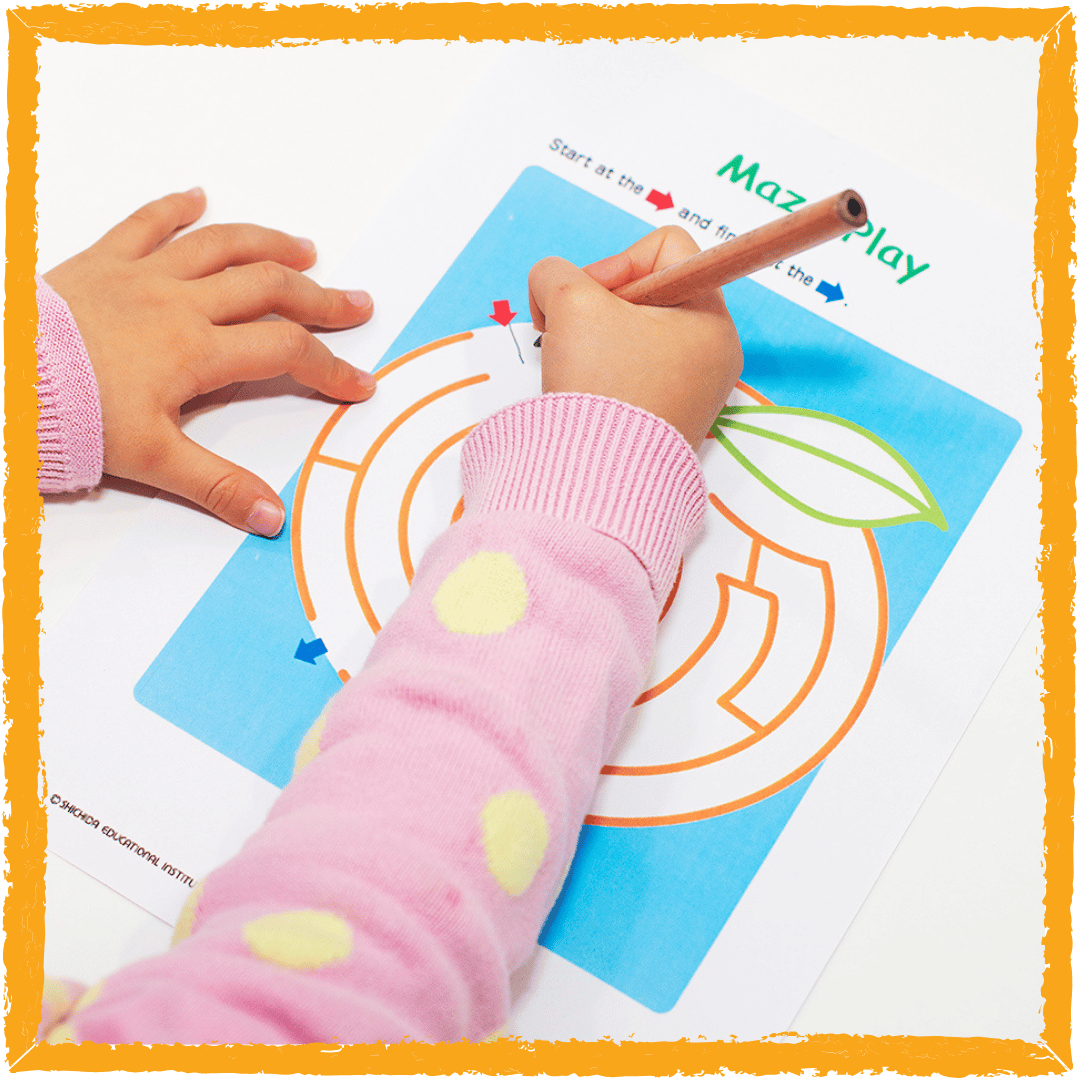
Drawing gives preschoolers a quiet way to express feelings, reflect on happy moments, and practise mindful focus.
Gratitude Activities for Preschoolers
Try these easy-to-do activities at home:
Gratitude Jar Activity
Place a jar in an easy-to-reach spot. Each day, invite your child to add a drawing or note of something they liked.
Examples:
- playing outside
- grandma visiting
- yummy lunch
- cuddling the dog
Why it works: It trains the brain to notice positive experiences regularly.
Daily Gratitude Sharing (Morning or Bedtime)
Ask one question each morning or night:
- What made you smile today?
- Who helped you today?
- What are you thankful for?
Keep it light and pressure-free.
Why it works: It builds reflection and emotional language.
Thank You Drawings or Cards
Help your child draw a picture for a sibling, teacher, neighbour, or grandparent.
Why it works: Encourages appreciation and relationship building.
Gratitude Walk
Take a short walk and notice things you appreciate:
- sunshine
- flowers
- birds
- cool breeze
- fun playground
Why it works: Combines movement, nature, and positive attention.
“Three Good Things” Game
At dinner or bedtime, take turns naming three good things from the day.
Why it works: Supports a positive mindset for kids without ignoring hard moments.

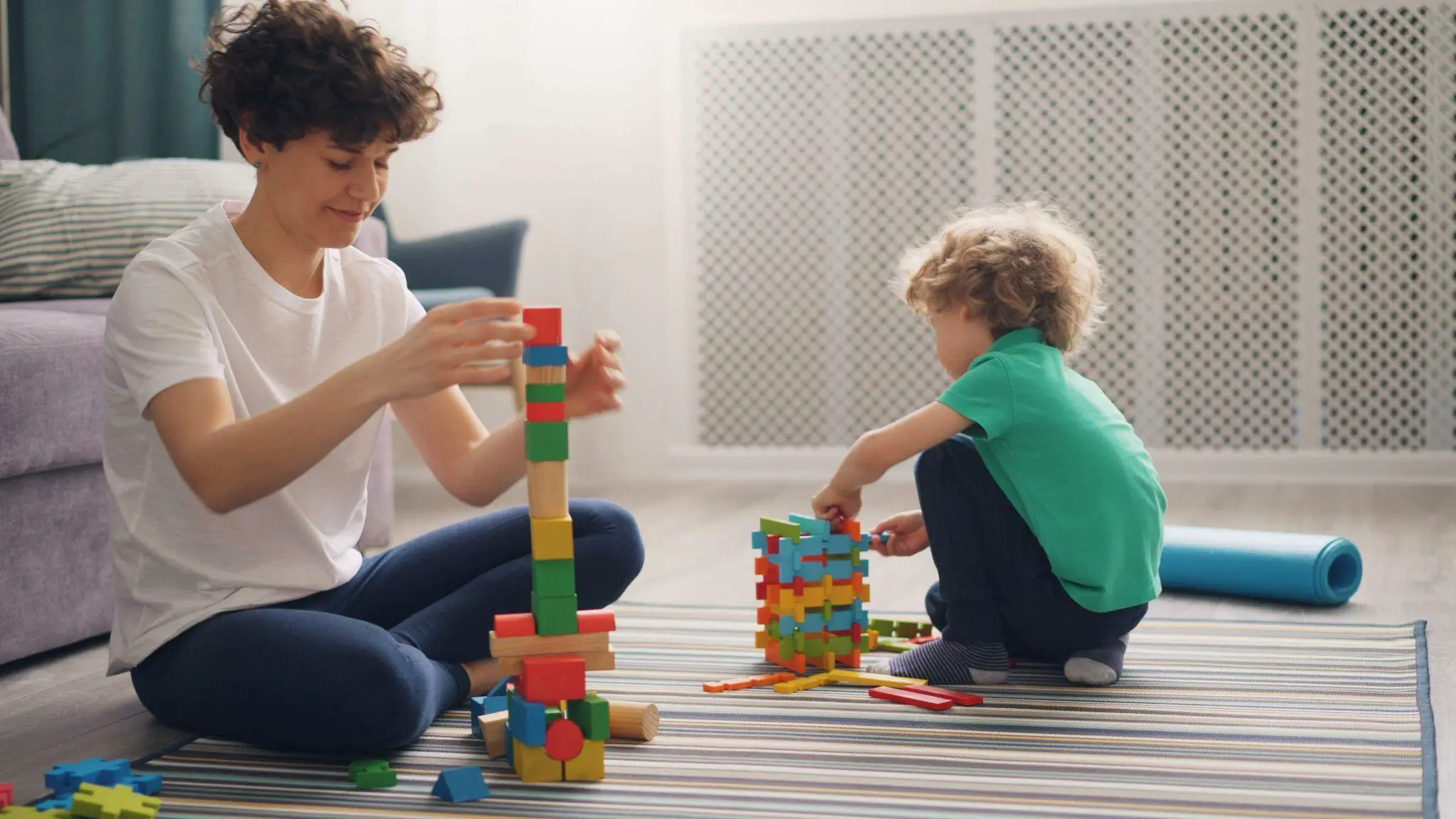
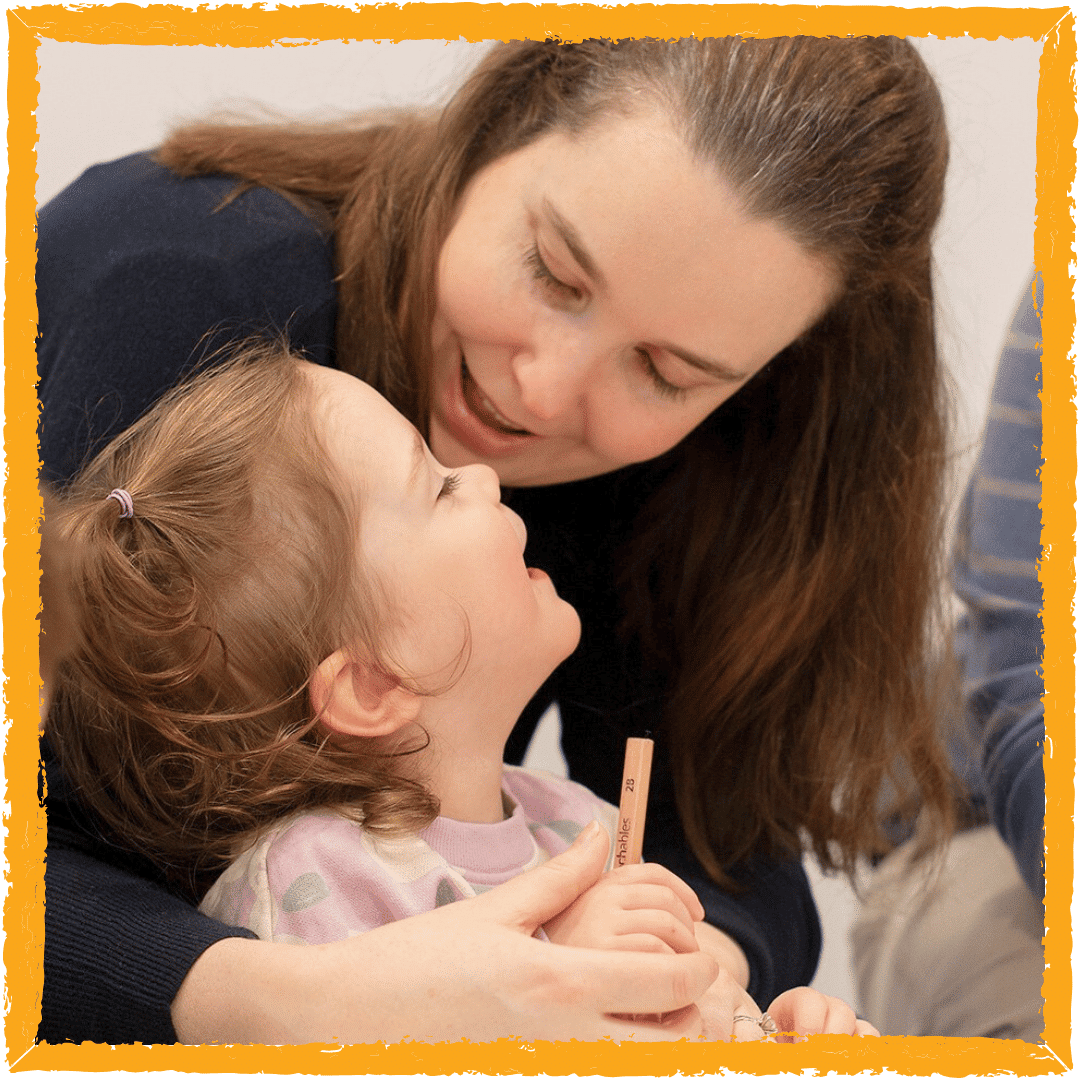
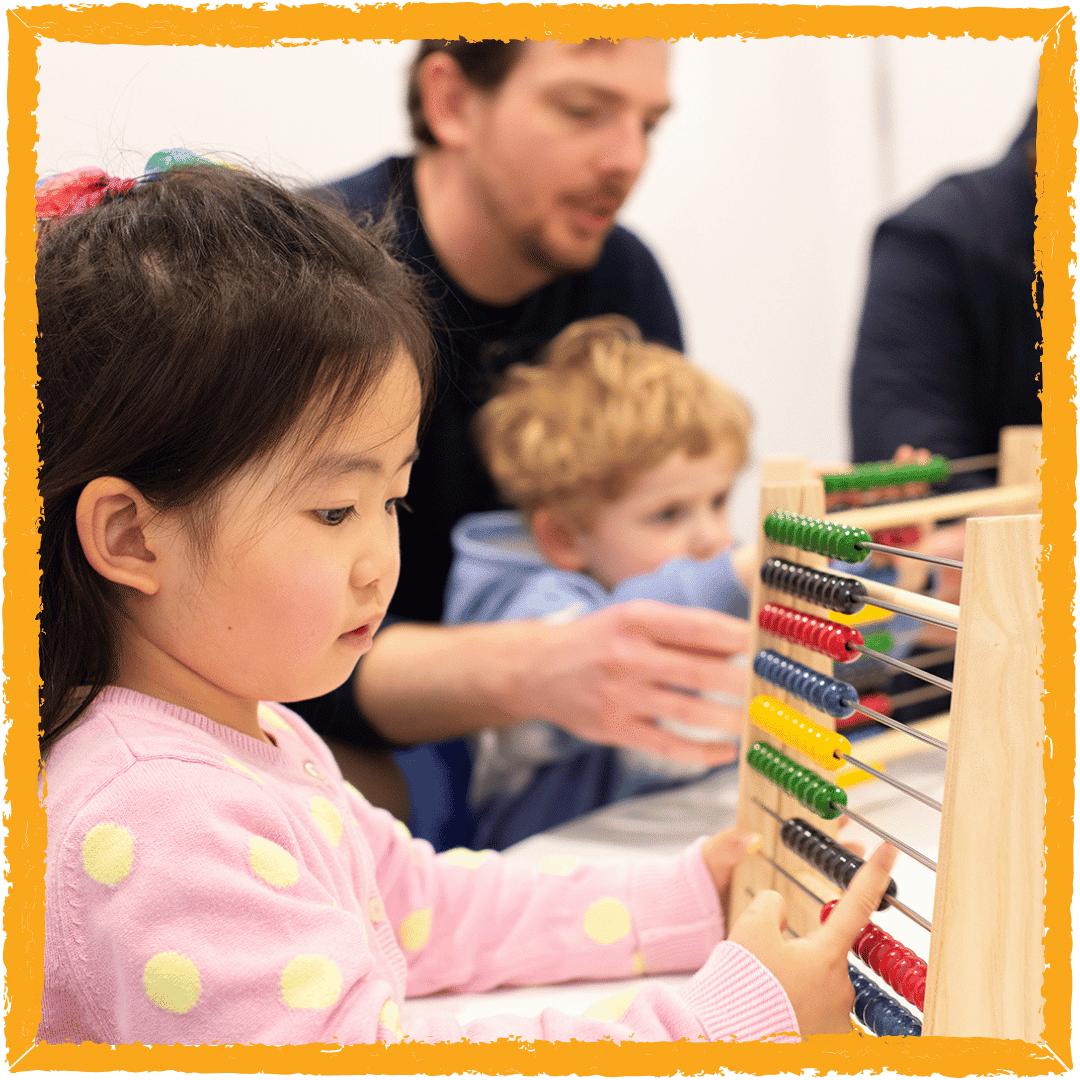
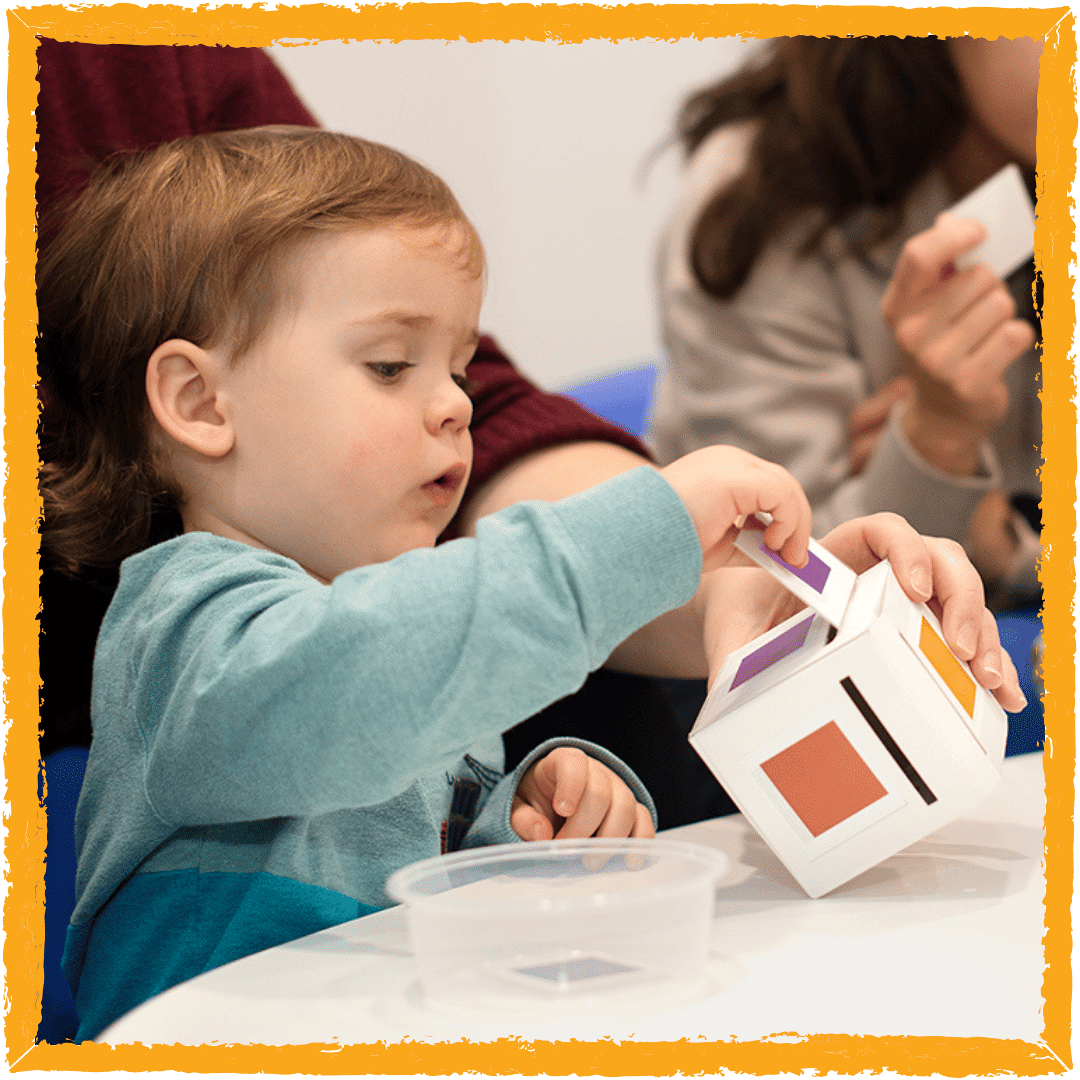
Image by Shichida Australia: Joyful learning with a parent helps preschoolers feel connected, confident, and supported as they grow.
Mindfulness Activities for Preschoolers
Breathing with a Stuffed Toy
Let your child lie down and place a soft toy on their tummy. Watch it rise and fall with slow breaths.
Why it works: Makes breathing visible and playful.
Five Senses Grounding Exercise (5-4-3-2-1)
Ask your child to notice:
- 5 things they can see
- 4 things they can feel
- 3 things they hear
- 2 things they smell
- 1 thing they taste
Use a simpler version if needed.
Why it works: Brings attention back to the present during overwhelm.
Body Scan for Kids
Invite your child to notice each body part from head to toes. Ask:
- Is your forehead tight or soft?
- Are your shoulders high or relaxed?
Why it works: Builds body awareness linked to emotional regulation preschool skills.
Glitter Jar Calm-Down Tool
Shake a sealed glitter jar and watch the glitter settle while taking slow breaths.
Why it works: Gives children a visual model of emotions calming down.
Listening Game
Close your eyes and listen for sounds indoors or outside.
Examples:
- fan
- birds
- footsteps
- distant traffic
Why it works: Improves focus and calm attention.
Need more ideas? Shichida has plenty! We guide parents on how to be their child’s first and best teacher, through fun games and activities. Book a trial to experience a Shichida class!
Resilience Activities for Preschoolers
Naming Emotions Game
Use faces, books, or drawings and ask: happy, sad, angry, worried, excited?
Why it works: Children manage feelings better when they can name them.
“Pause and Breathe” Practice
Practise during calm moments first. Teach:
- Stop
- Put hands on tummy
- Take three slow breaths
Why it works: Builds impulse control before big emotions arrive.
Problem-Solving Through Play
Use dolls or toys:
- Teddy’s block tower fell. What can Teddy do?
- Bunny wants a turn. What can Bunny say?
Why it works: Preschoolers learn coping through pretend play.
Calm-Down Corner Setup
Create a cosy space with cushions, books, sensory toys, and breathing prompts.
Why it works: Offers safety, not punishment, during emotional overload.

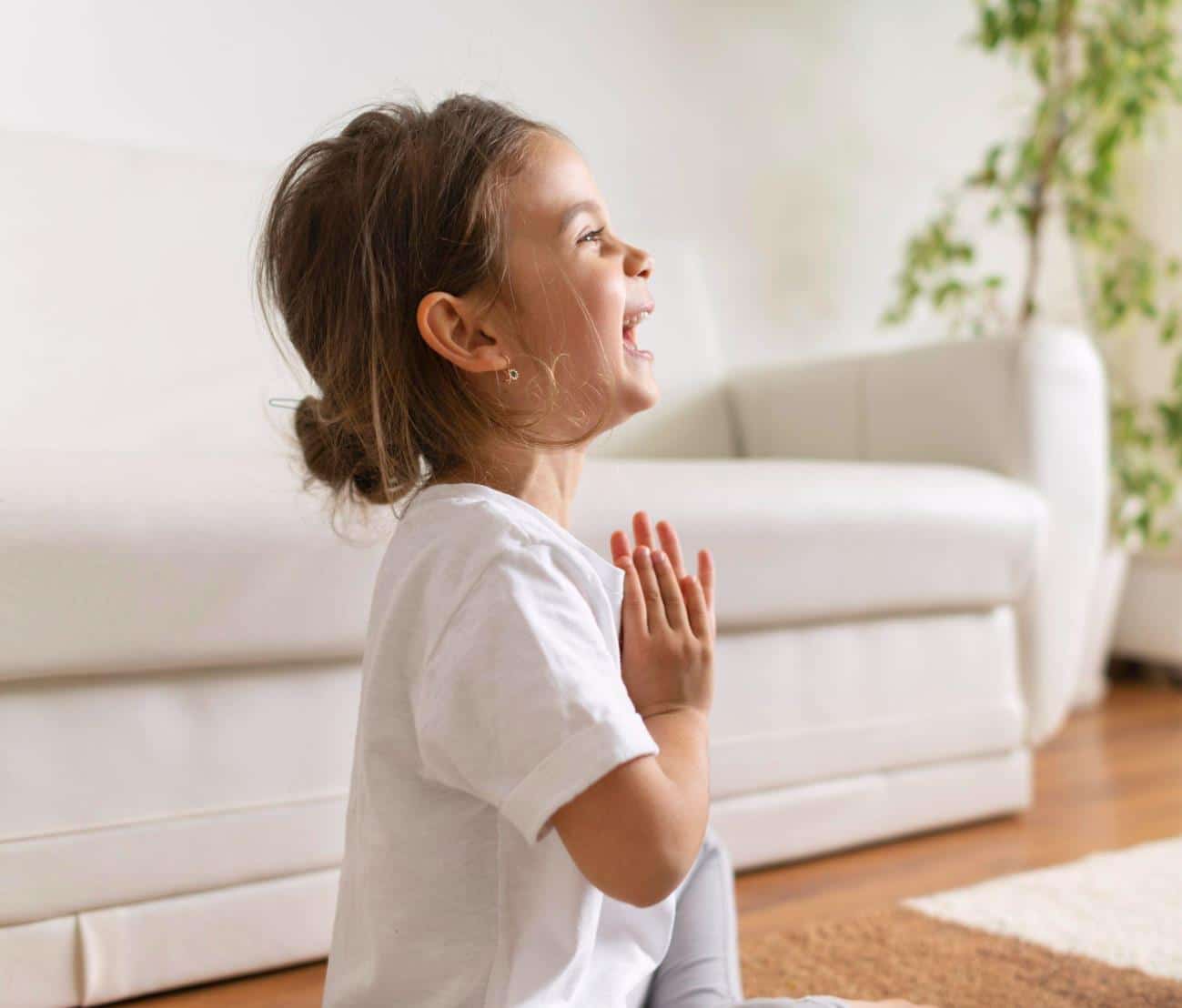
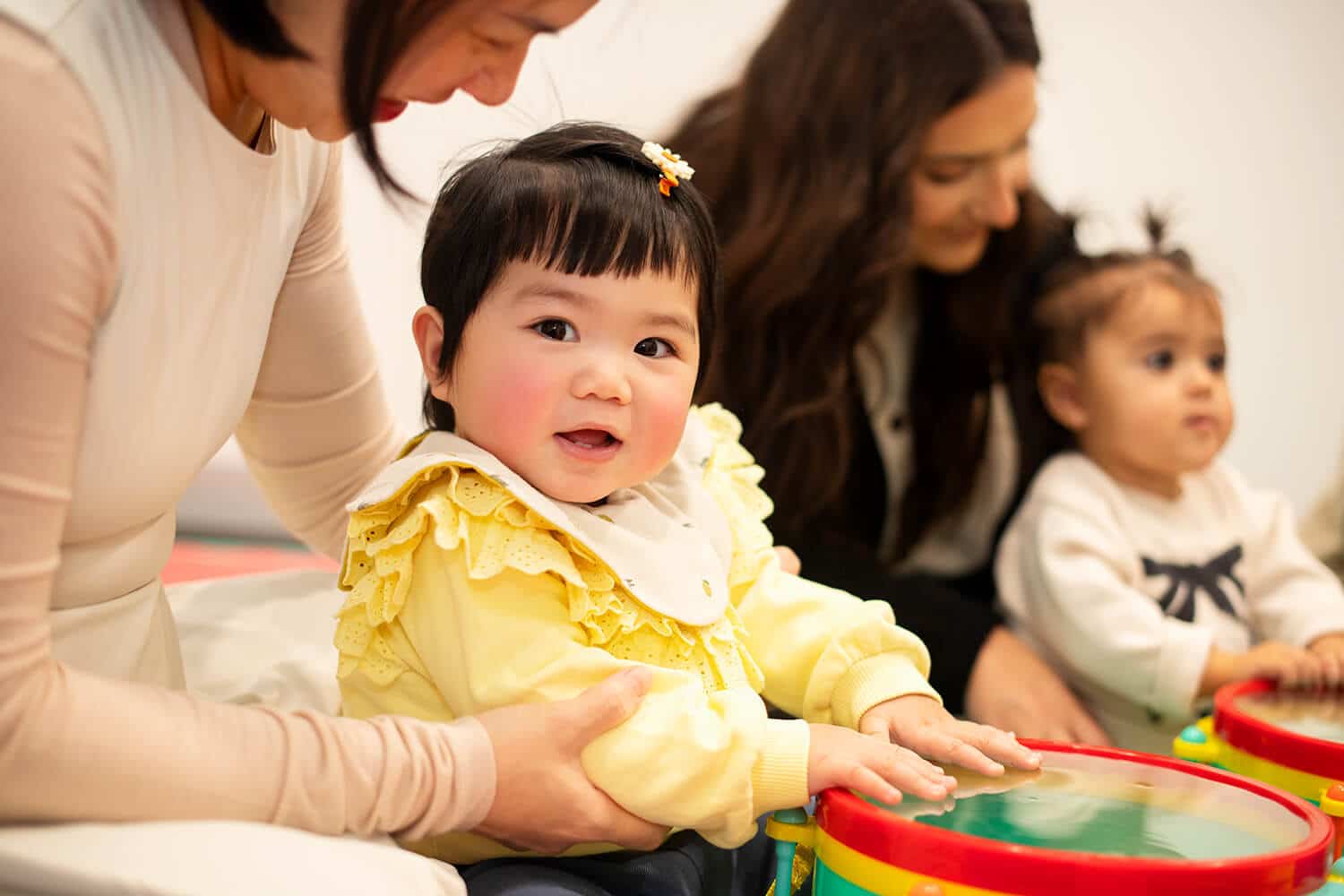
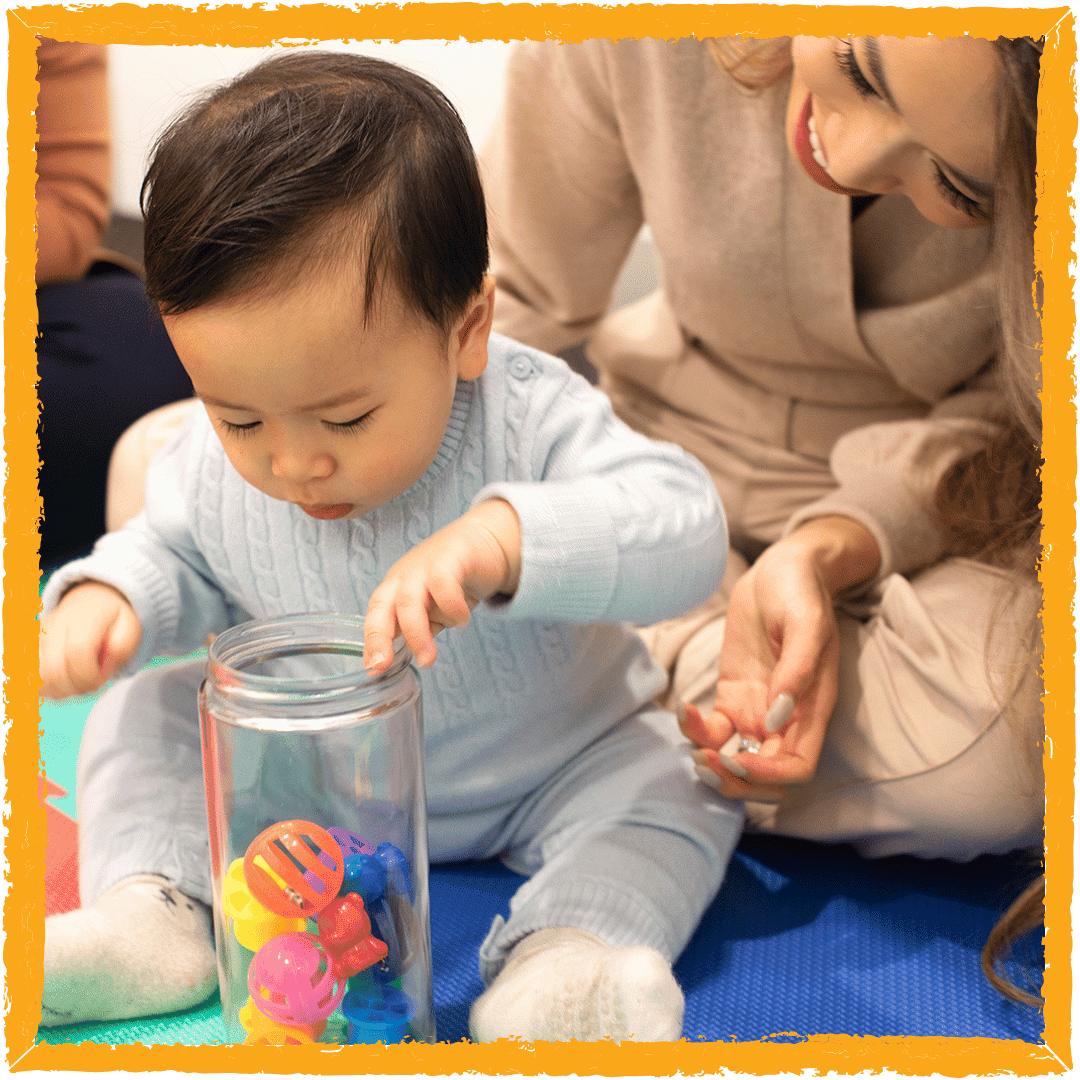
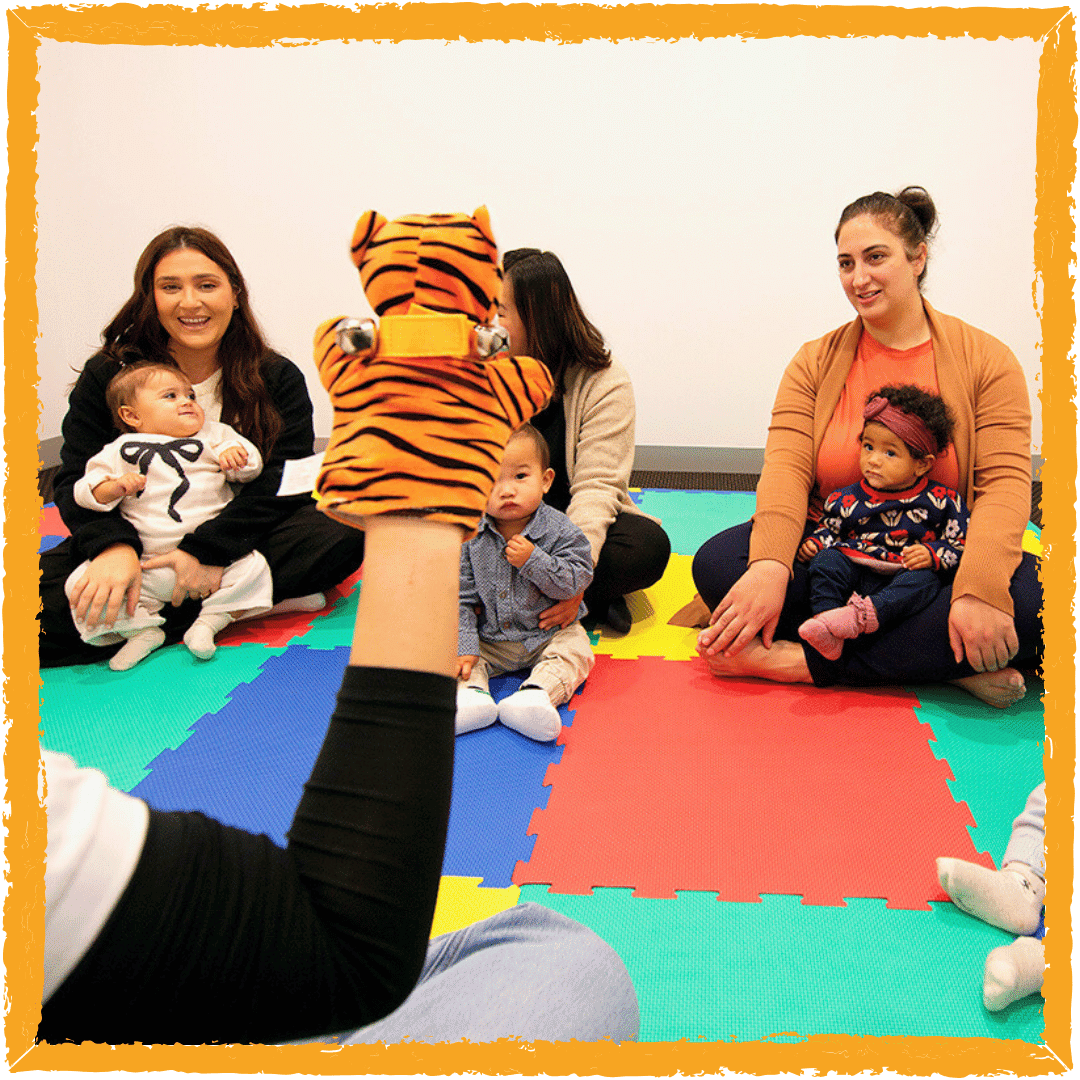
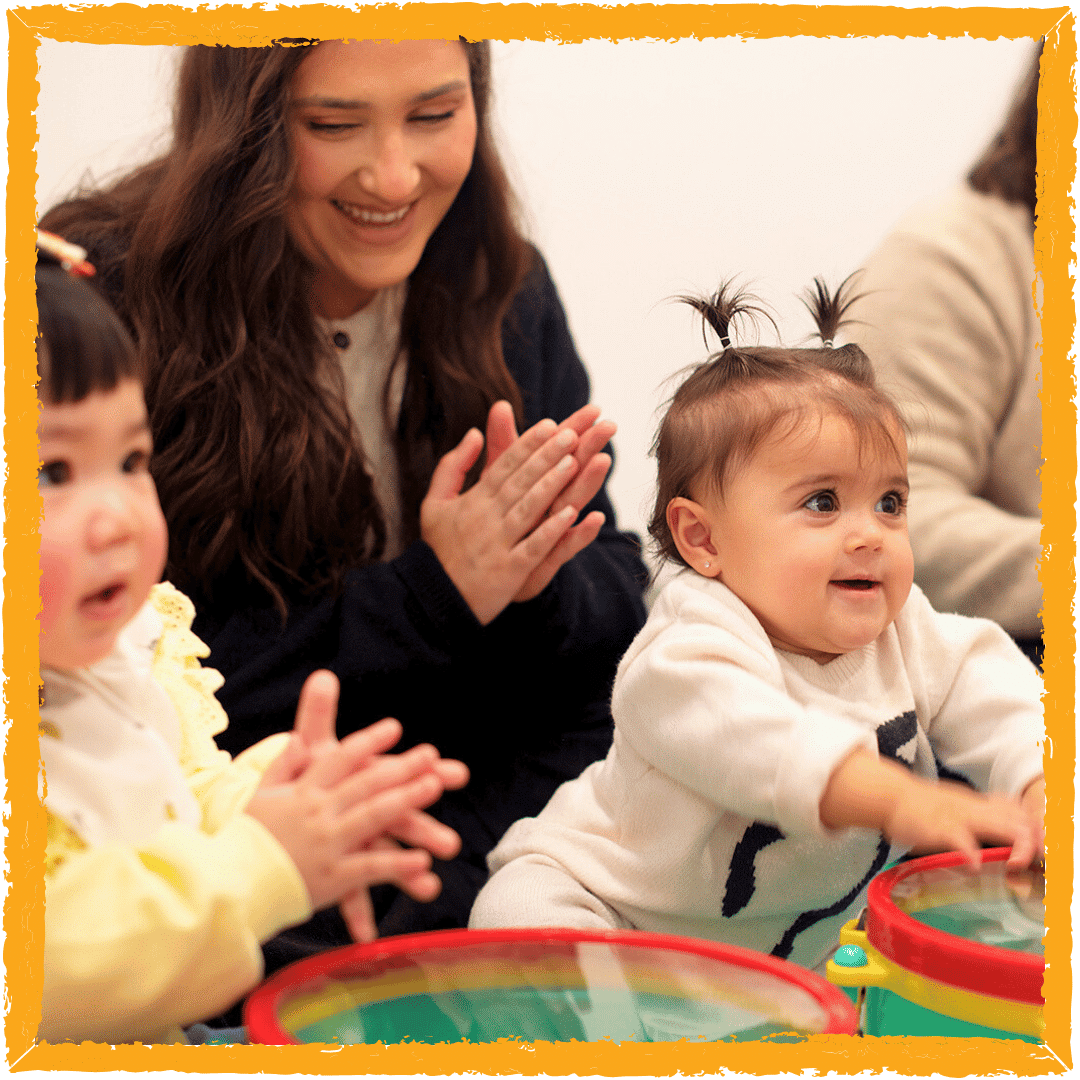
Image by Shichida Australia: Music and rhythm give babies a joyful way to be present, practise focus, and connect through sound and movement.
Self-Expression Activities for Preschoolers
Mindful Drawing and Colouring
Invite your child to notice colours, lines, and movements rather than making a perfect picture.
Storytelling and Role Play
Use puppets or pretend play to act out worries, friendships, or brave moments.
Music and Movement Activities
Play music and move fast, slow, heavy, light, high, low.
Feelings Through Art
Ask your child to draw what anger, joy, or excitement looks like.
Why it works: Creative expression helps children process feelings they cannot yet explain fully.
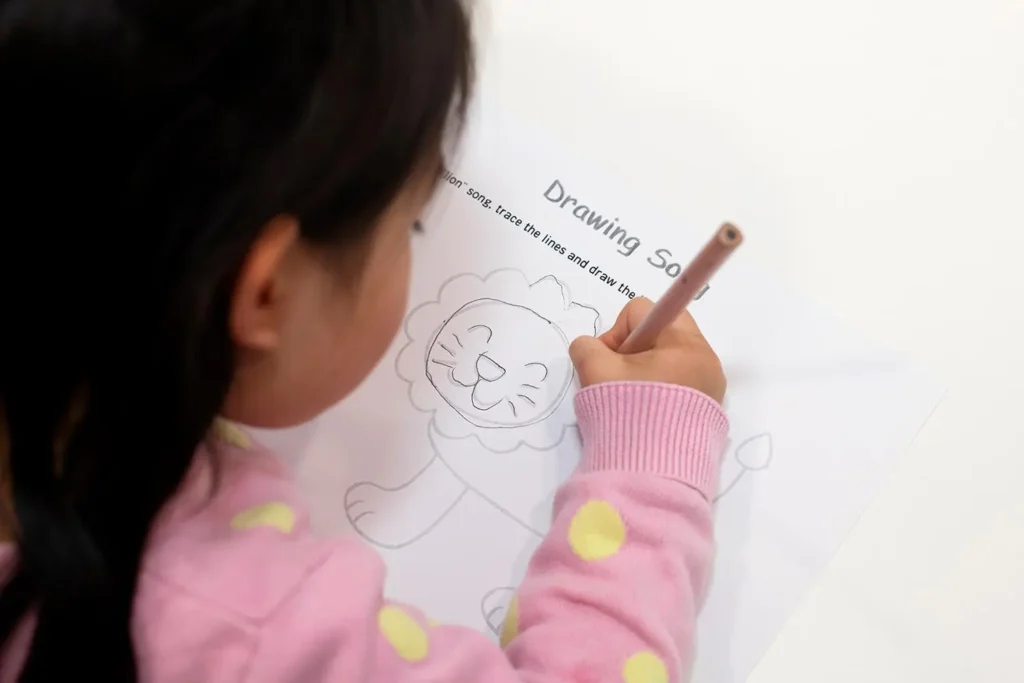
Image by Shichida Australia: Guided drawing songs help preschoolers listen, focus, and express creativity in a calm, playful way.
Common Mistakes to Avoid
- Forcing stillness or long sessions: young children learn through movement. Keep activities natural and brief.
- Expecting immediate results: skills like patience and calming take repetition.
- Ignoring developmental readiness: a three-year-old may need simpler language than a five-year-old. Adapt as needed.
- Overcomplicating activities: the best mindfulness activities for kids are often the simplest.
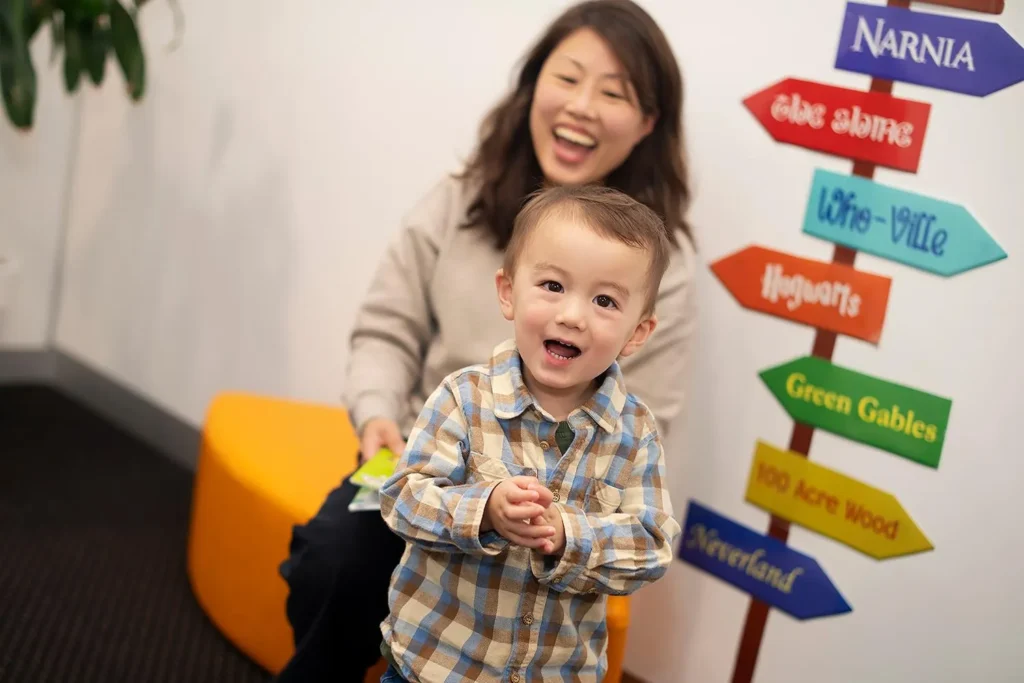
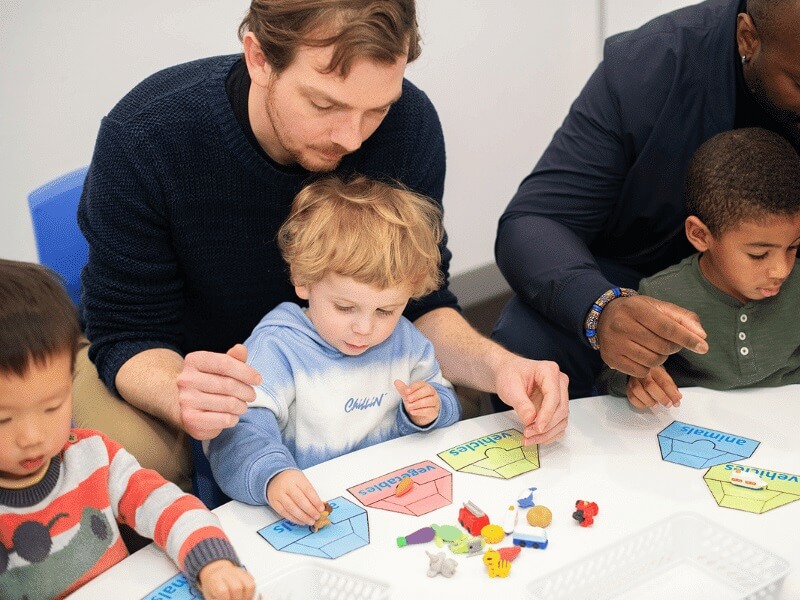
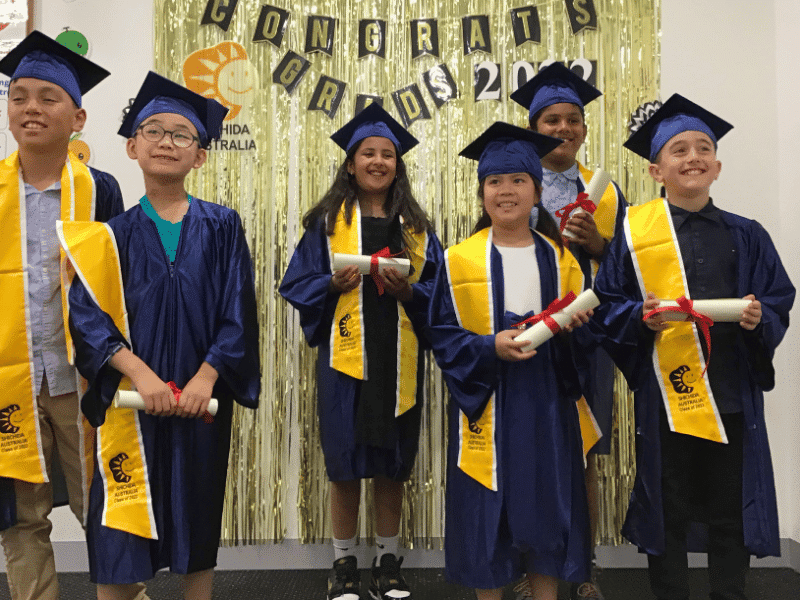
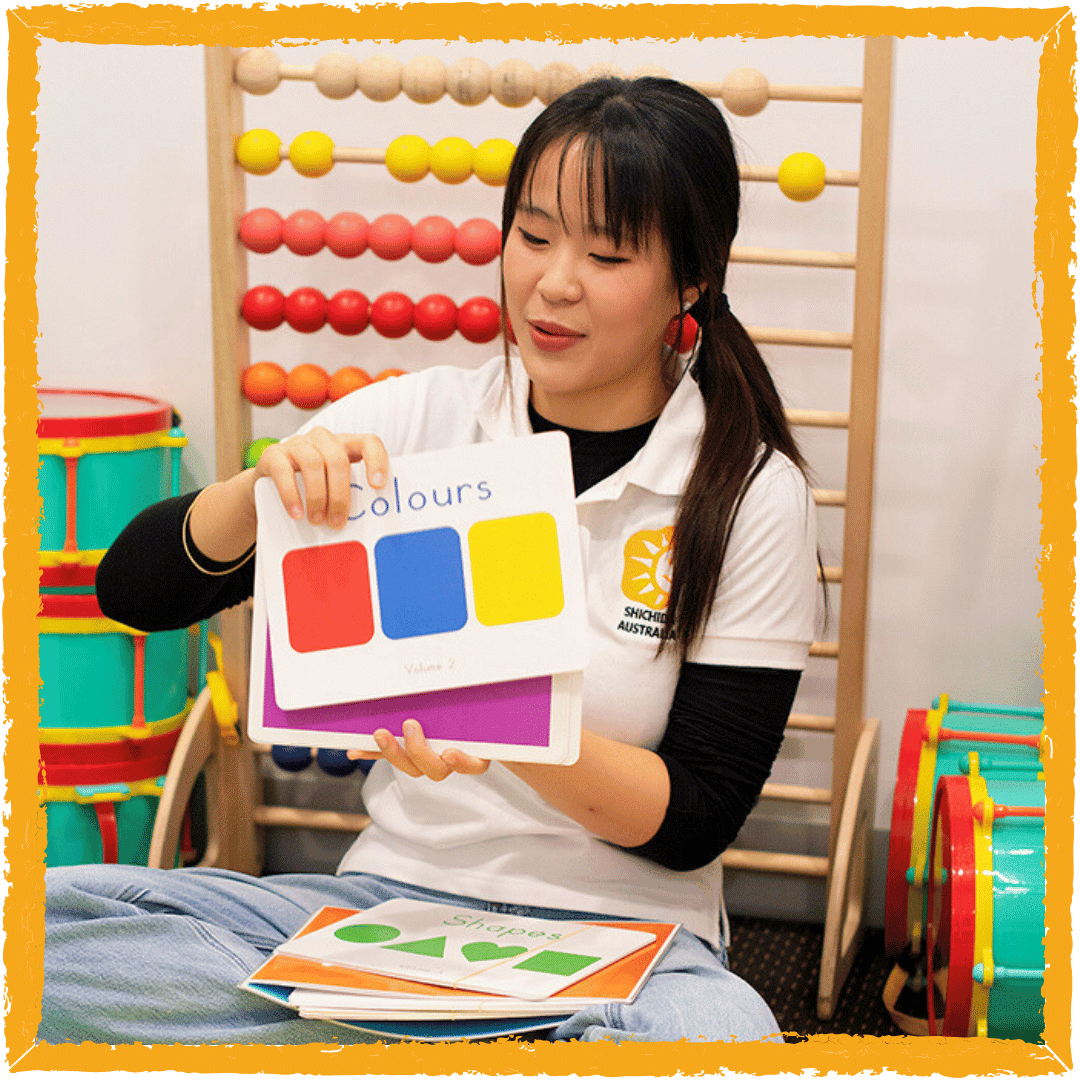
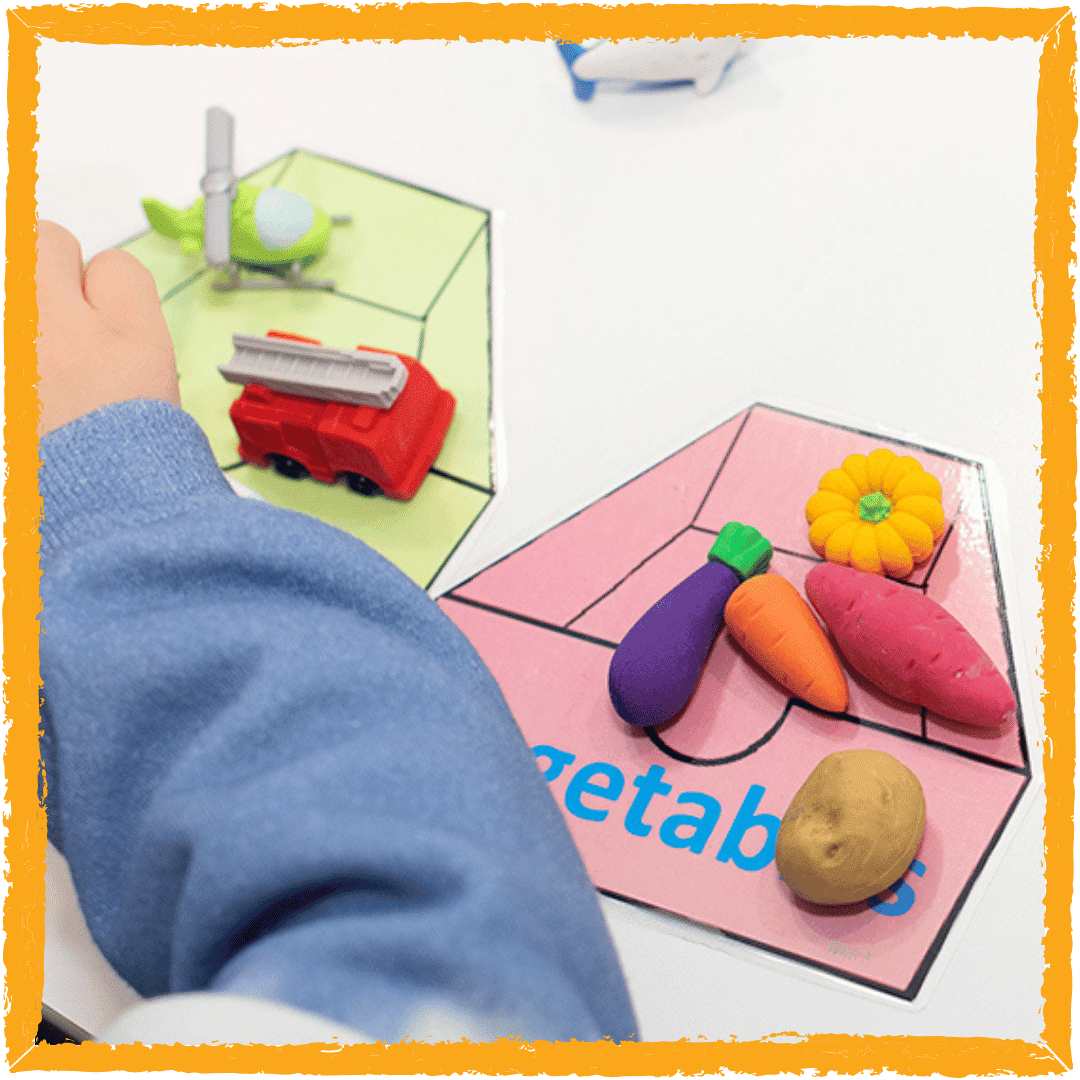
Image by Shichida Australia: When children look forward to learning, they build positive routines, confidence, and joyful anticipation.
How These Activities Support Long-Term Development
These early habits can support school readiness by improving listening, transitions, and focus. They also nurture emotional intelligence, helping children understand feelings, cooperate with others, and recover from frustration.
Over time, children who practise awareness and gratitude may develop stronger attention, healthier relationships, and greater confidence when challenges arise.
This whole-child approach reflects the Shichida philosophy, where emotional connection, parent-child bonding, and joyful learning are central to early development.
Summary of Benefits
Simple gratitude activities for preschoolers and resilience activities for preschoolers can create meaningful long-term benefits. They help children:
- manage emotions
- reduce tantrums and emotional overwhelm in preschoolers
- build focus
- strengthen relationships
- grow confidence
- develop a positive mindset for kids
You do not need a perfect routine. Start with one activity for two minutes a day. Stay consistent, keep it playful, and let connection lead the way!
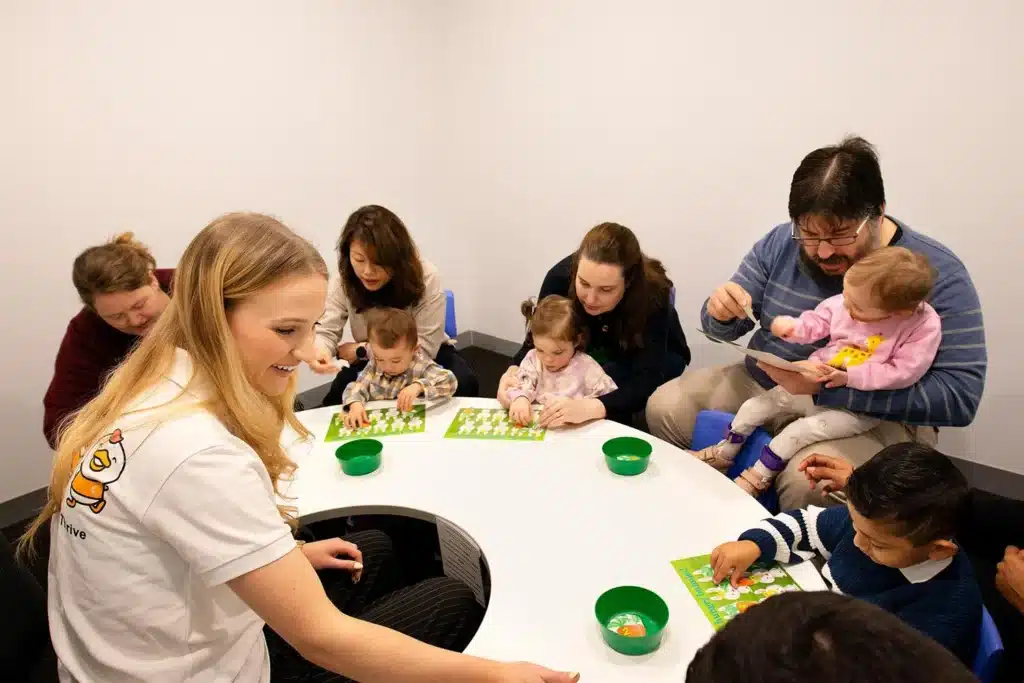
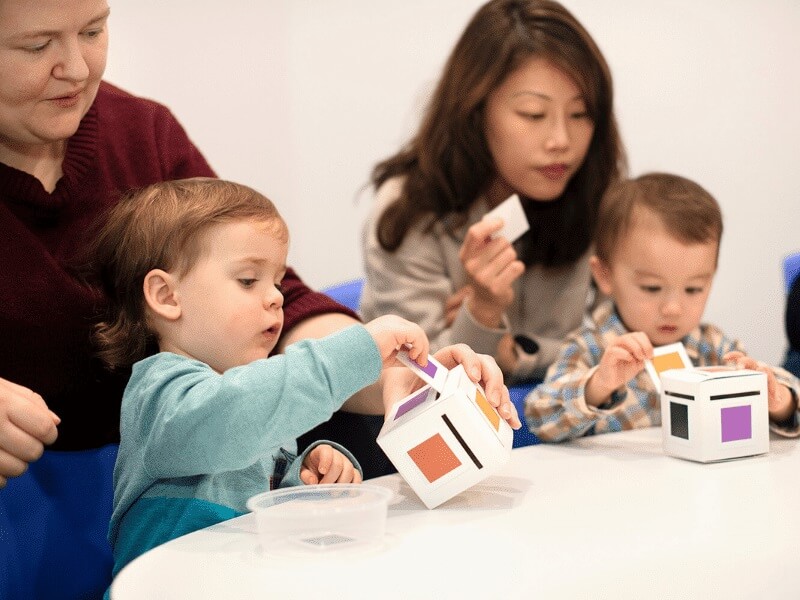
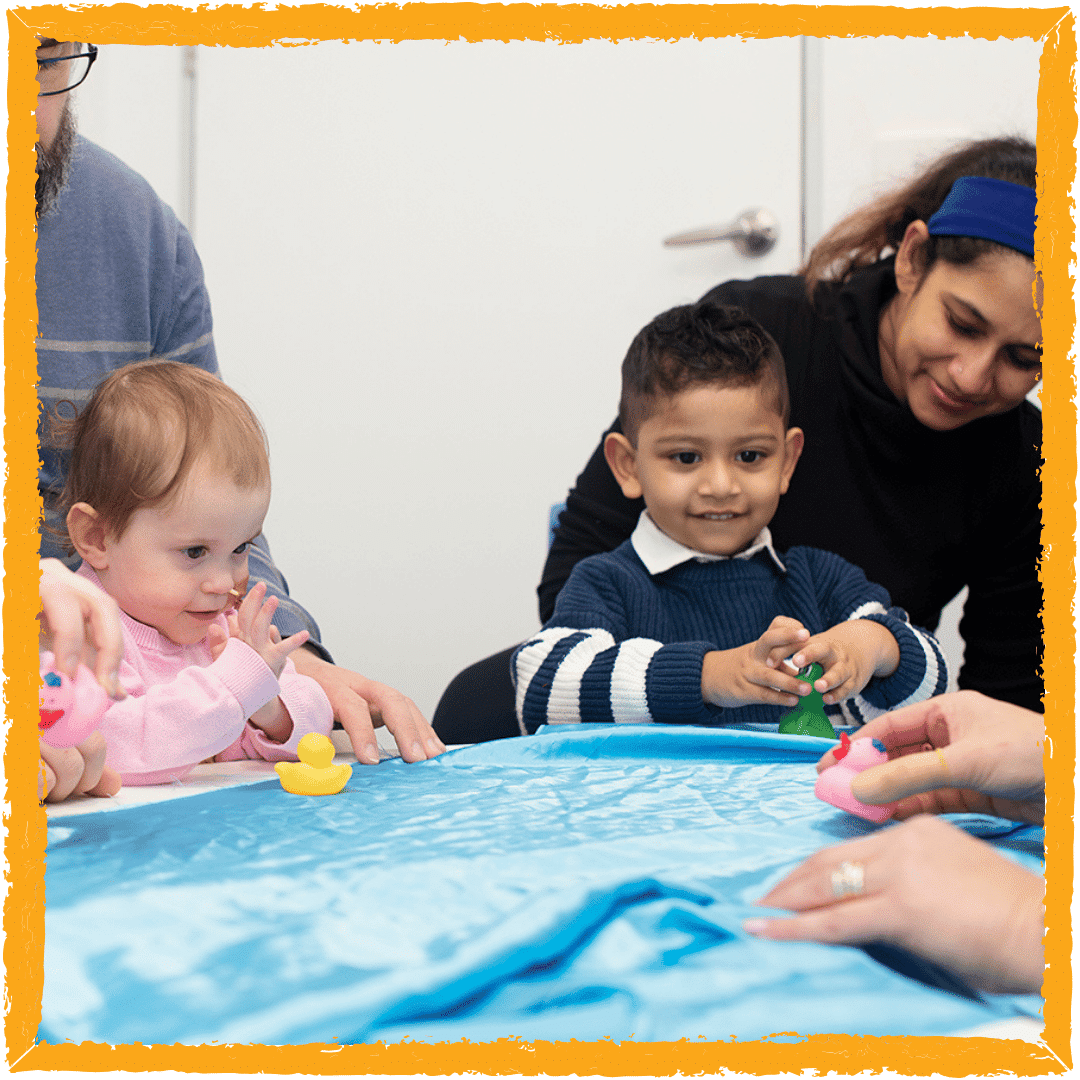
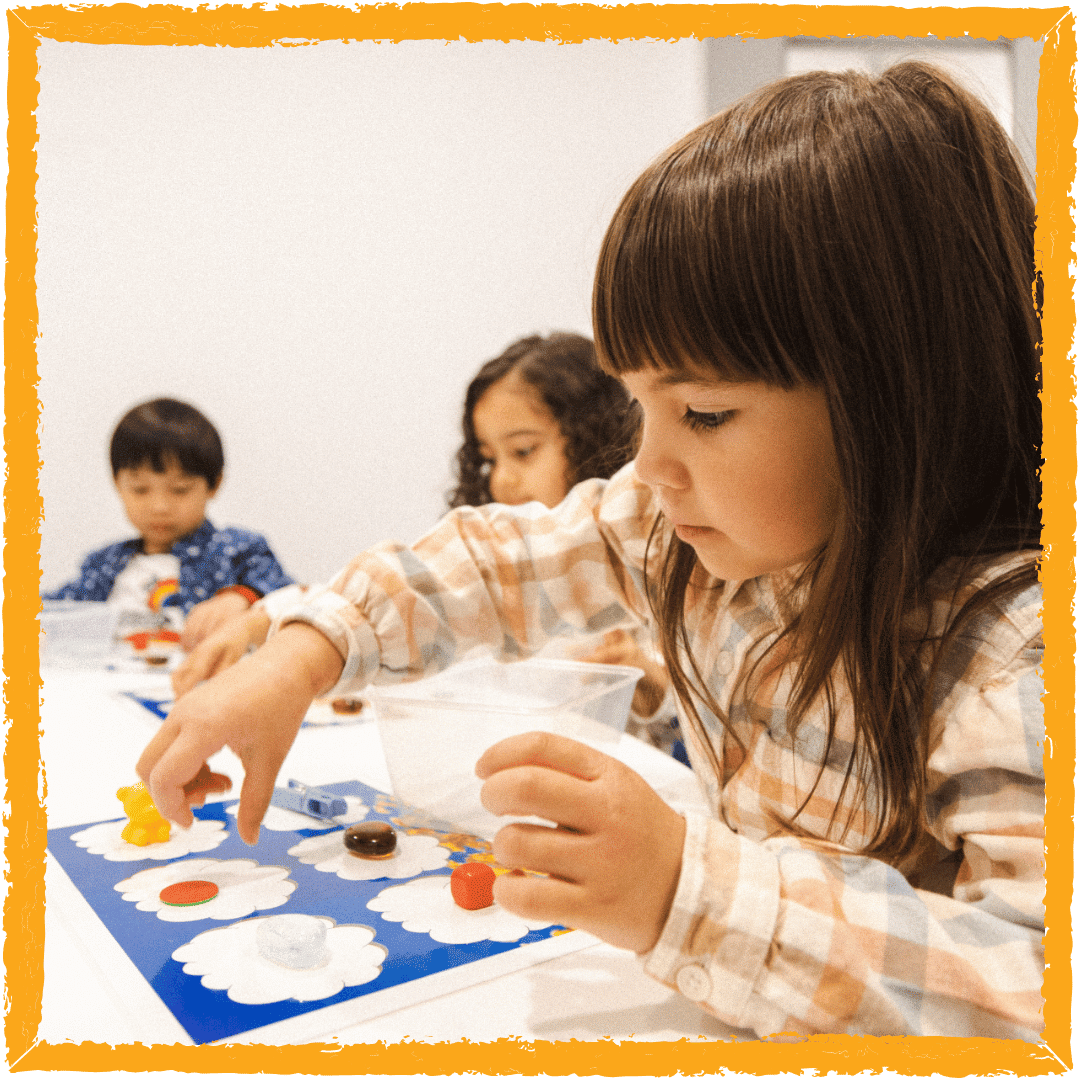
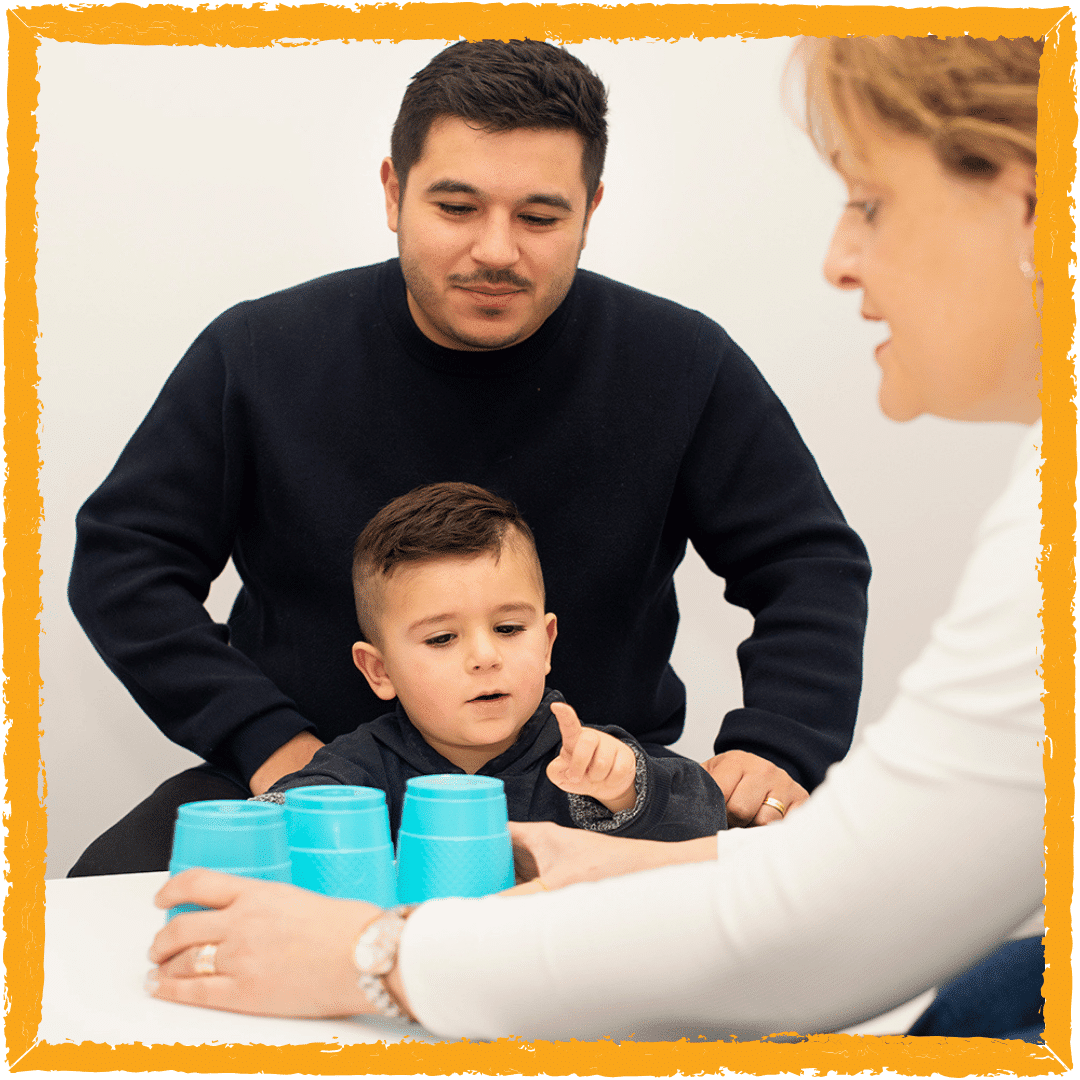
Image by Shichida Australia: With parents and teachers by their side, toddlers can build confidence, connection, and a joyful love of learning.
Nurture Mindfulness with Shichida
Explore the Shichida program to see how guided early learning can nurture mindfulness, gratitude, confidence, and emotional resilience in your child’s everyday life.
This whole-child approach is part of the Shichida learning experience. Children are not only building early literacy, numeracy, memory, and thinking skills; they are also developing confidence, emotional awareness, and a positive attitude towards learning.
Ready to experience it firsthand? Book a trial class and see how your child responds to a more mindful, joyful way of learning.
FAQs: Mindfulness and Gratitude Activities for Preschoolers
The best gratitude activities for preschoolers are simple, visual, and easy to repeat. Gratitude jars, thank-you drawings, gratitude walks, bedtime sharing, and the “three good things” game are all great options. These activities help young children notice positive moments, appreciate people around them, and practise expressing their feelings in a simple way.
You can teach gratitude to a preschooler by modelling it in everyday moments. Say thank you out loud, talk about things you appreciate, and ask simple questions such as, “What made you smile today?” or “Who helped you today?” Preschoolers learn best through repetition, so small daily conversations are often more effective than one big lesson.
A simple gratitude activity for a 3-year-old is a thank-you drawing. Ask your child to draw something or someone they feel happy about, such as a parent, grandparent, pet, teacher, or favourite toy. At this age, children may not fully explain gratitude in words, but drawing helps them connect appreciation with people and experiences.
Preschoolers can practise gratitude activities daily, but the activity only needs to take a few minutes. A quick bedtime question, a morning gratitude moment, or adding one picture to a gratitude jar can be enough. Consistency matters more than length.
Gratitude activities help preschoolers build emotional awareness, kindness, empathy, and a more positive mindset. When children practise noticing good moments, they begin to understand appreciation and connection. Over time, this can support stronger relationships and better emotional resilience.
Mindfulness helps preschoolers notice the present moment, such as their breathing, body, feelings, or surroundings. Gratitude helps them notice and appreciate positive experiences, people, and moments. Both skills support emotional awareness and can work together beautifully in early childhood.
Easy mindfulness activities for preschoolers include stuffed toy breathing, listening games, glitter jars, mindful colouring, nature walks, and five senses activities. The best mindfulness activities for this age group are short, playful, and sensory-based.
Parents can make gratitude part of a daily routine by linking it to something that already happens, such as breakfast, dinner, bath time, or bedtime. For example, each night you could ask, “What was one good thing about today?” Keeping it light and predictable helps children feel comfortable sharing.
Yes, gratitude activities can be adapted for toddlers. Keep them very simple, such as saying thank you together, pointing to something they enjoyed, drawing a happy moment, or giving a cuddle to someone they appreciate. Toddlers learn gratitude through modelling, repetition, and warm connection.
Shichida supports children through a whole-brain, whole-child approach that values emotional connection, confidence, memory, focus, and joyful learning. In Shichida classes, children practise listening, responding, trying new challenges, and building positive learning habits with the support of their parents and teacher. These experiences can help children develop the emotional foundations that mindfulness and gratitude also support.
Gratitude activities can support focus and learning indirectly by helping children build calmness, emotional awareness, and a positive attitude. When children feel connected and emotionally settled, they are often more ready to listen, participate, and try new tasks. This is one reason emotional development is so closely connected to early learning.