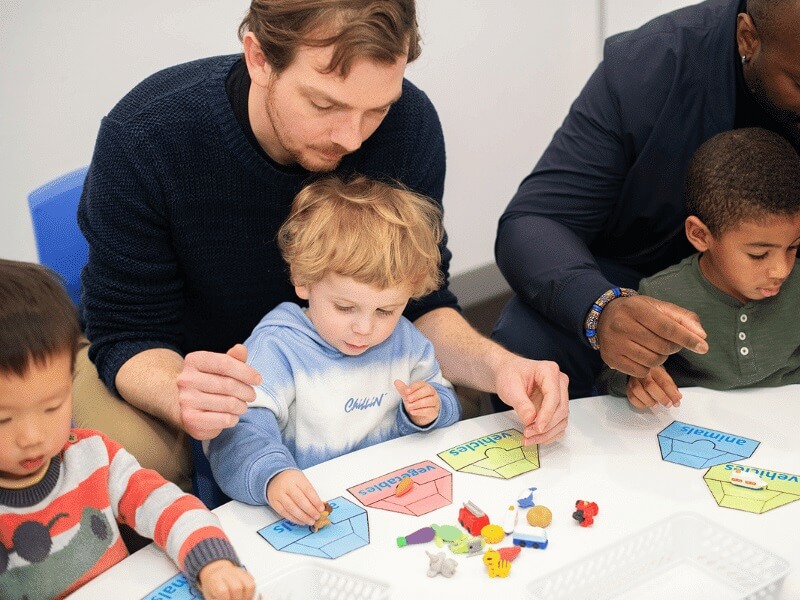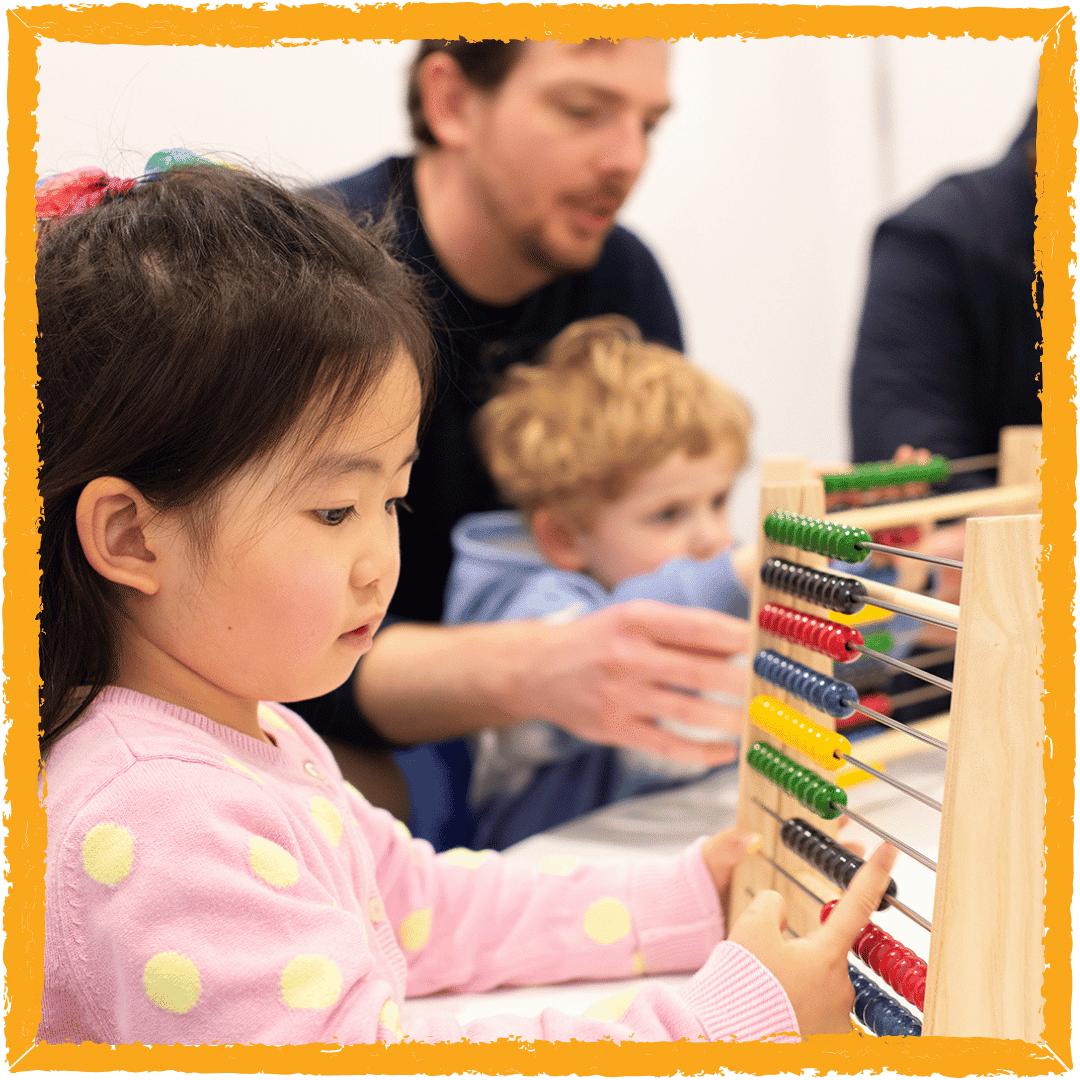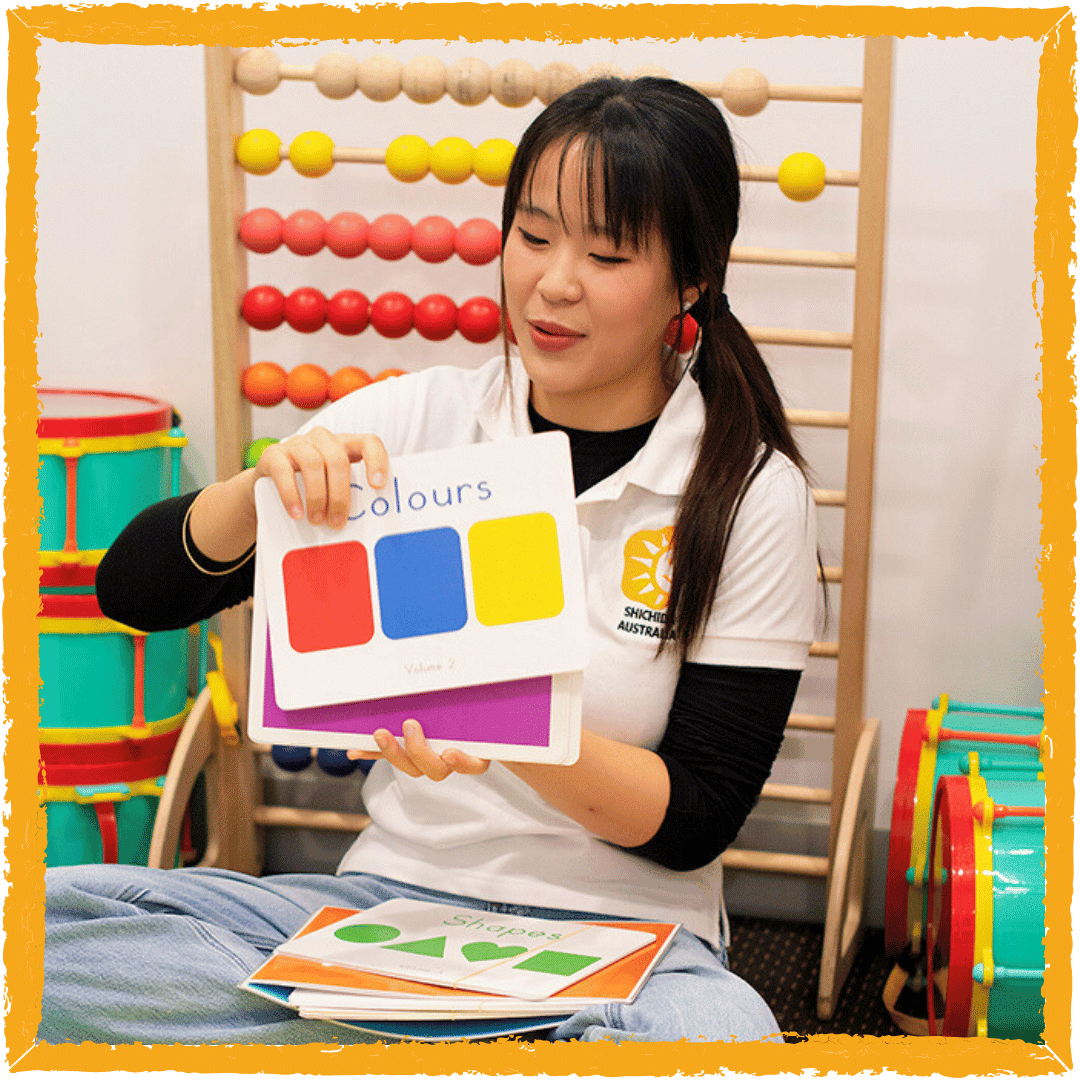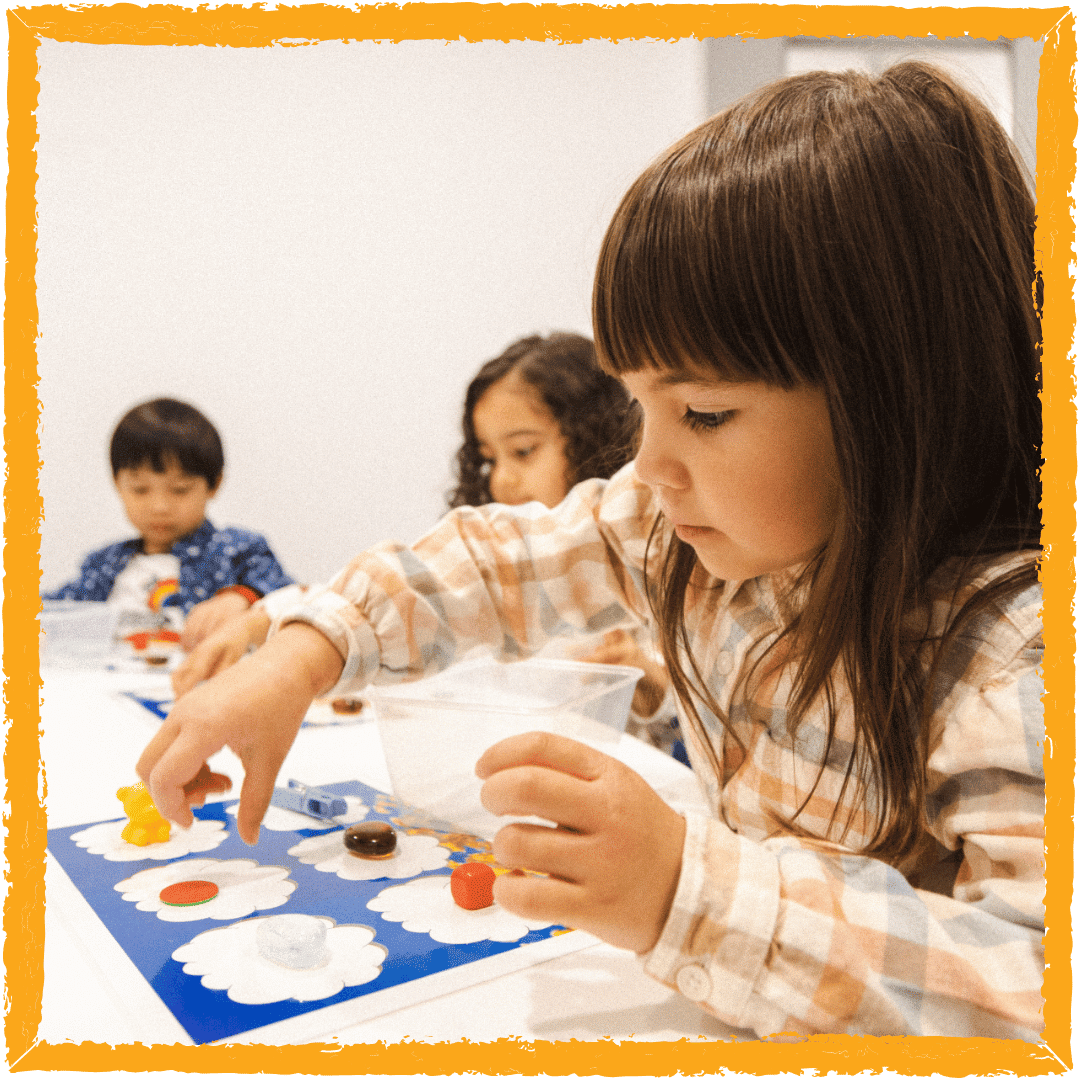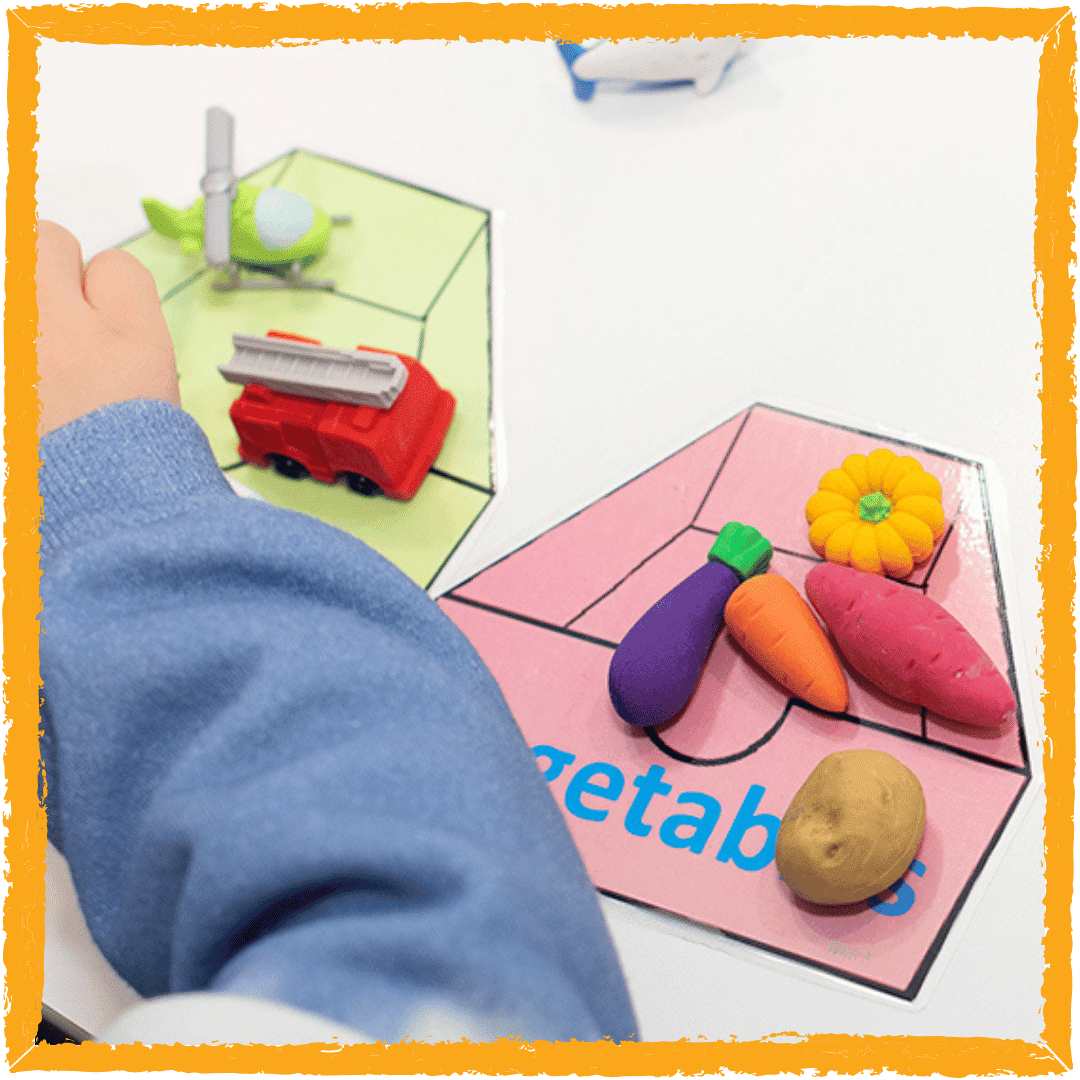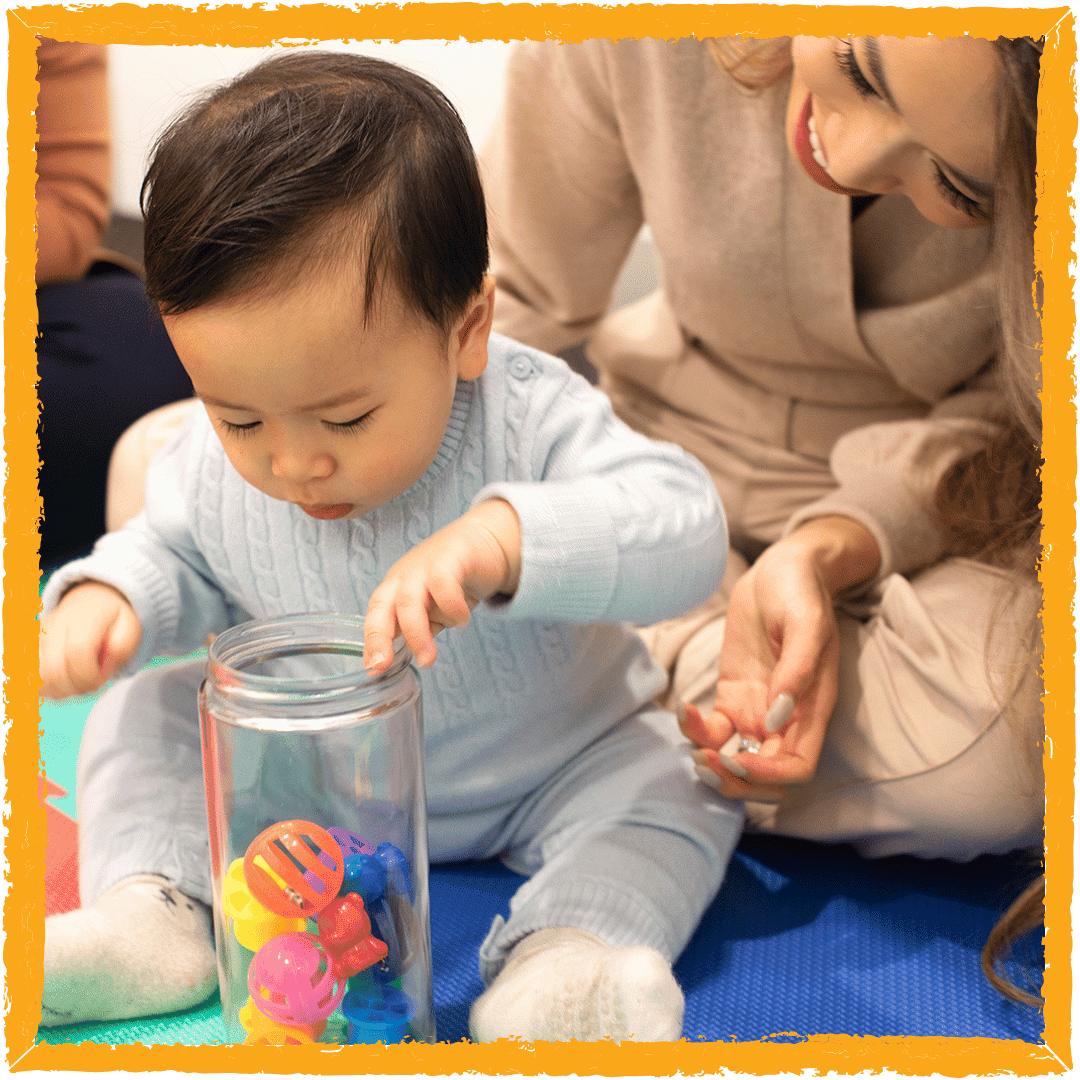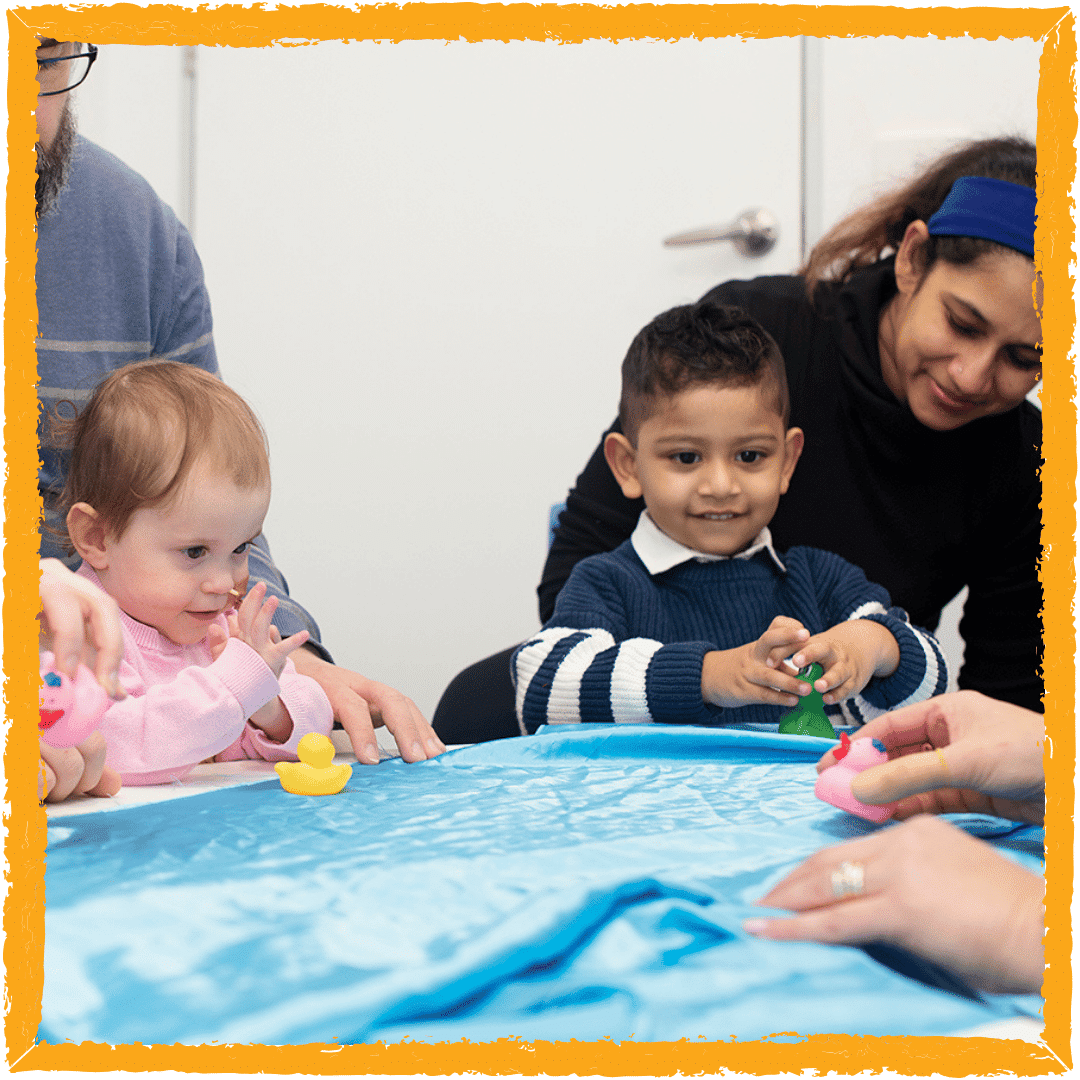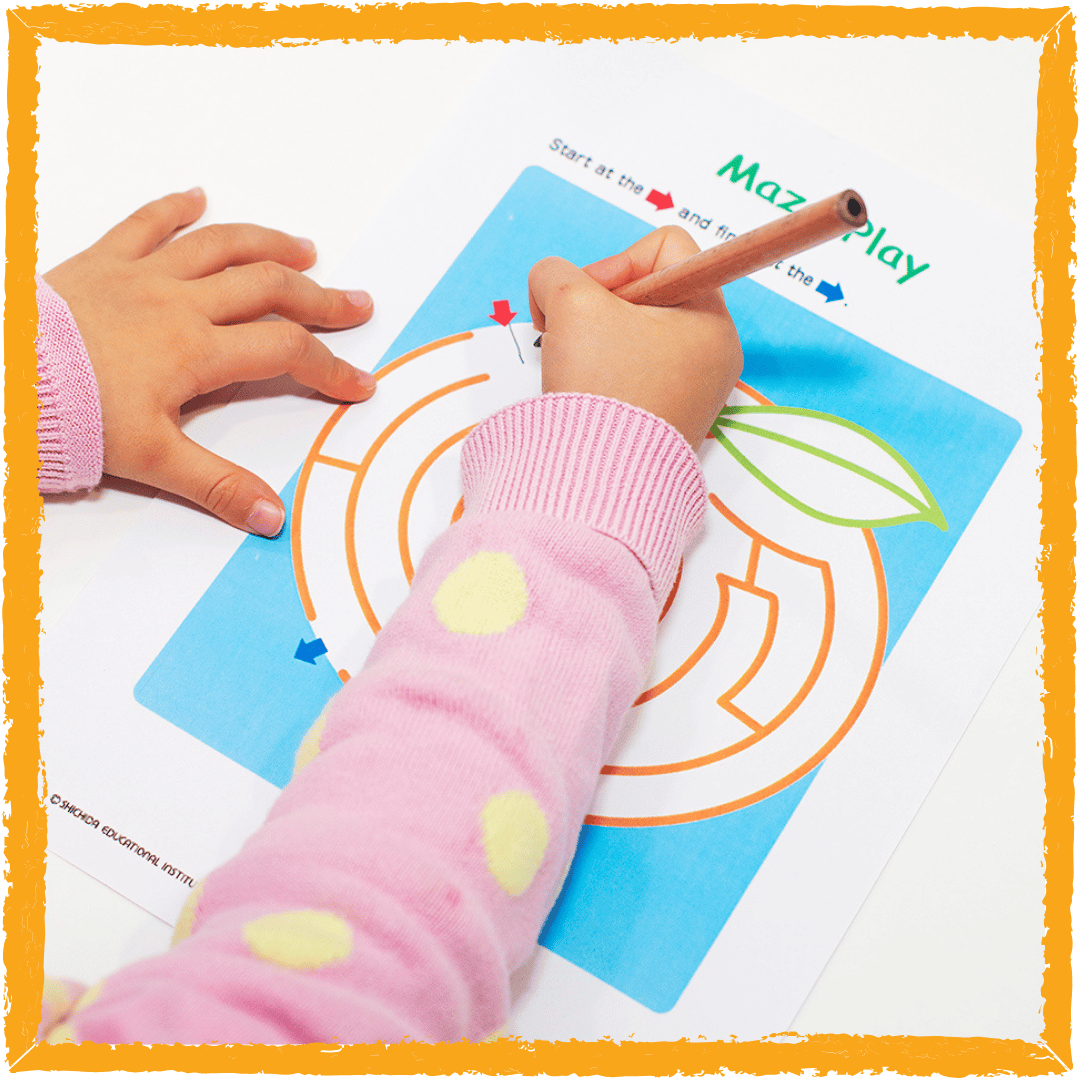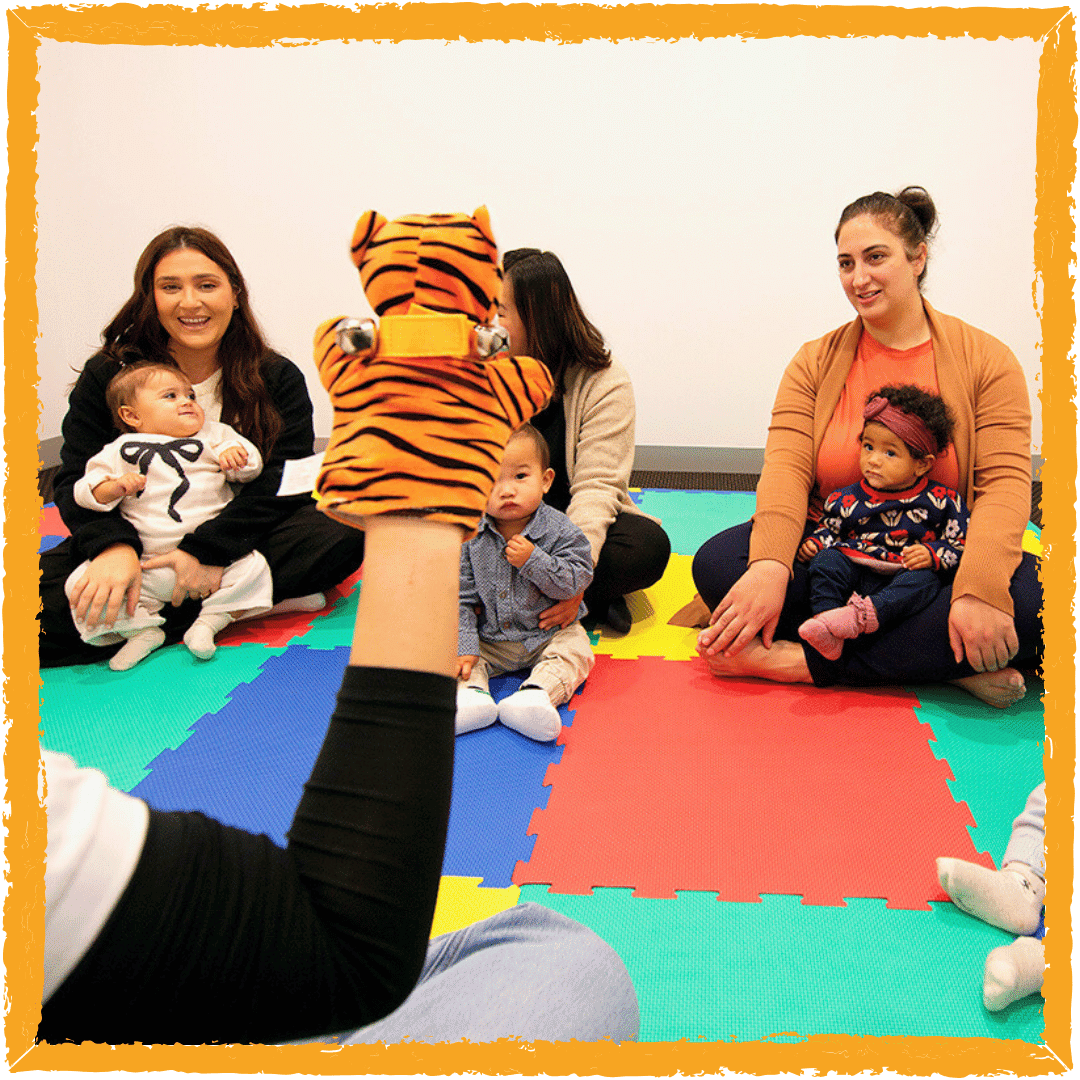
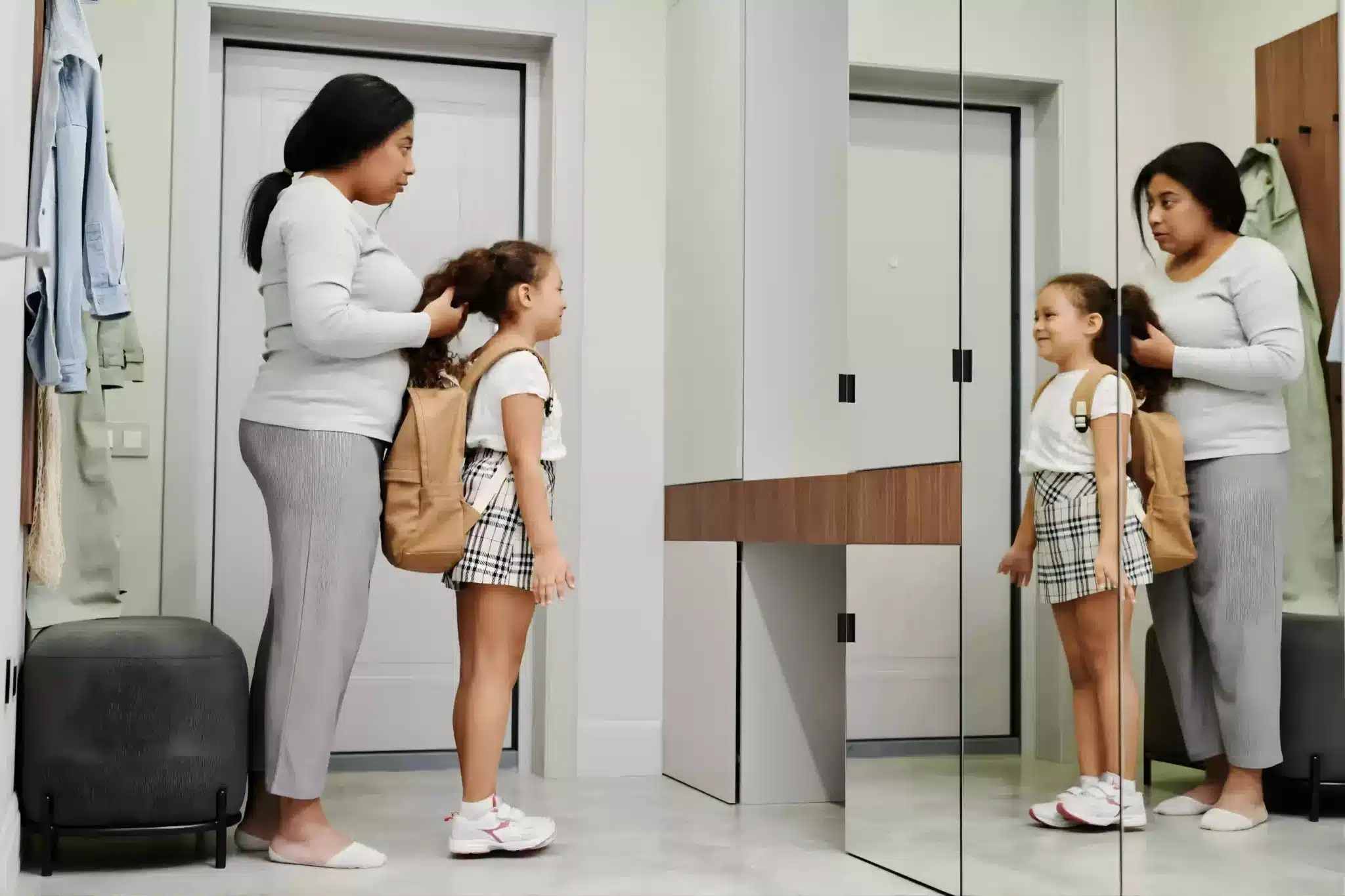
Photo from Pexels: Strong school readiness goals make the transition to school smoother and boost lifelong confidence.
School Readiness Goals Guide: Start School Confidently
Key Points
- School readiness goes beyond academics and includes social, emotional, cognitive, language, and physical development.
- Clear, observable goals help you support your child with confidence.
- Everyday play and routines build the skills children need for a smooth start to school.
- Simple planning makes the preschool-to-school transition less stressful.
- Working together with educators strengthens consistency and confidence.
You can probably picture it already. A too-big backpack, tiny shoes lined up by the door, and that mix of pride and nervousness in your chest. Whether you are preparing your first child or a younger sibling for school, the thought lingers long before the first day arrives: Will my child truly be ready? Not just ready to recognise letters or count to ten, but ready to sit in a classroom, make friends, follow instructions, and feel secure without you beside them.
Here is the reassuring truth. School readiness goals are not about pushing academics early or racing ahead. They are about building confidence, independence, emotional resilience, and curiosity. True readiness is a balanced combination of social-emotional skills, thinking abilities, communication, and physical independence. When you approach the transition to school with clear and realistic goals, you give your child the foundation for a calm, confident start to school.
What Are School Readiness Goals?
School readiness goals are clear, developmentally appropriate targets that support your child’s growth across multiple areas. They focus on building school readiness skills in social, emotional, cognitive, language, and physical domains. You can begin exploring these skills with a free School Readiness Skills Checklist from Shichida Australia.
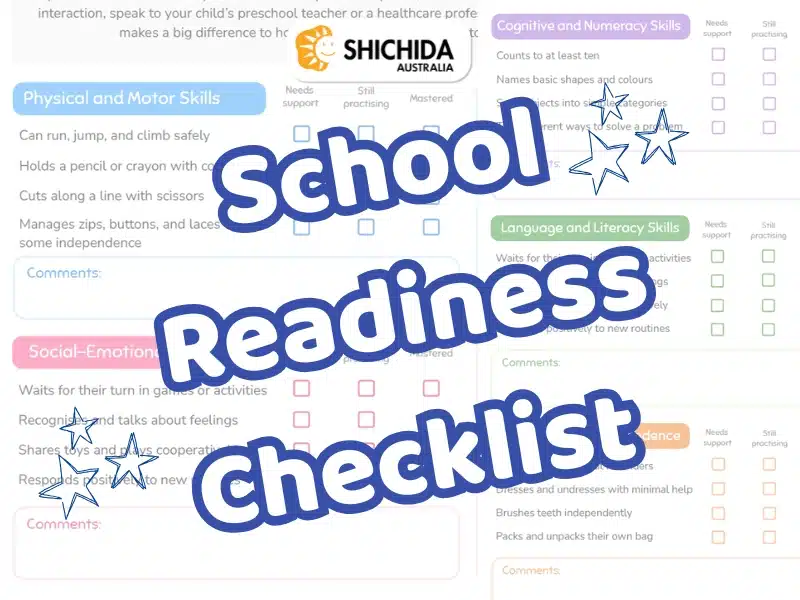
Readiness is not just about knowing letters or numbers. It is about whether your child can follow simple instructions, manage small frustrations, sit for short periods, ask for help, and interact positively with peers.
For example:
- Can your child wait their turn during a game?
- Can they express when they feel upset?
- Can they hold a pencil and draw simple shapes?
- Can they follow two-step instructions like “Put your shoes away and wash your hands”?
These everyday behaviours reflect early childhood development across key school readiness domains. A thoughtful preschool readiness checklist can help you observe these skills clearly and support them intentionally.
Readiness Domains Explained
School readiness domains include:
- Social-emotional: Self-regulation, sharing, building friendships, coping with change.
- Cognitive: Problem-solving, memory, attention span, and early numeracy concepts.
- Language & Communication: Vocabulary growth, understanding instructions, expressing ideas.
- Physical: Gross motor skills like running and jumping, fine motor skills like drawing, plus self-help tasks such as dressing.
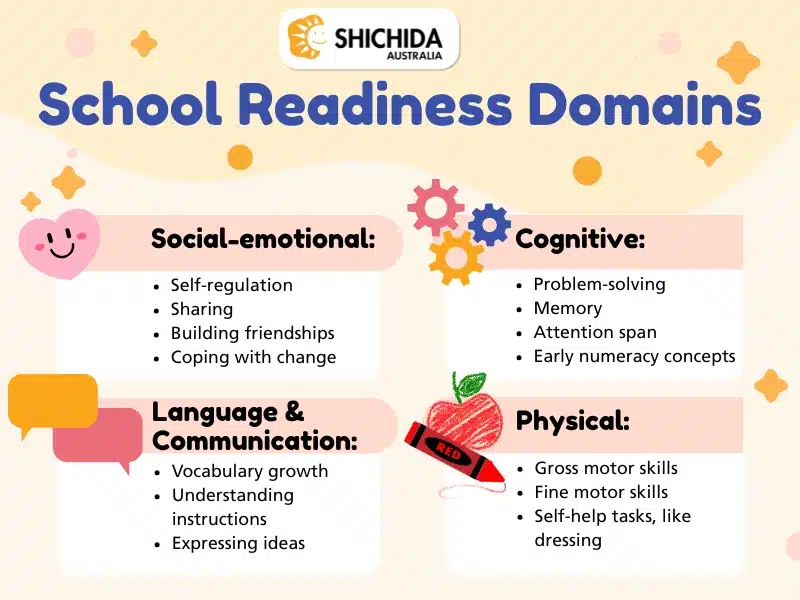
Each domain works together to build a confident learner.
Readiness vs Academic Skills
Reading and counting matter, but school readiness goes beyond academics. A child who can read but struggles with frustration or separation may find school overwhelming. True readiness includes confidence, adaptability, independence, and emotional resilience. These foundational skills often predict smoother school transition preparation more than early academic performance.
Why School Readiness Goals Matter
When you set intentional school readiness goals, you reduce uncertainty. Instead of wondering if your child is “behind,” you can focus on clear early learning goals that guide development. Parents can also explore how learning through play supports holistic development and readiness.
Children who develop strong school readiness skills tend to:
- Engage more confidently in classroom activities
- Build positive peer relationships
- Adapt more easily to routines
- Experience less stress during the preschool to school transition
Benefits for Children
Children benefit through improved classroom participation, better emotional regulation, and stronger peer connections. When they can follow instructions, manage feelings, and solve simple problems, they feel competent. That sense of competence builds confidence and a love of learning.
Key School Readiness Goals by Domain
A helpful preschool readiness checklist should focus on observable behaviours. Here are examples of practical goals across domains.
Social-Emotional Goals
- Shares toys with minimal prompting
- Takes turns during group play
- Expresses feelings using words
- Copes with short separations
- Follows simple classroom rules
These goals strengthen social-emotional skills and self-regulation.
Language & Communication Goals
- Speaks in full, clear sentences
- Asks and answers simple questions
- Follows two- to three-step instructions
- Retells parts of a story
- Understands basic positional words like under and behind
For more on developing early communication and vocabulary, explore Shichida’s insights on early literacy and language development.
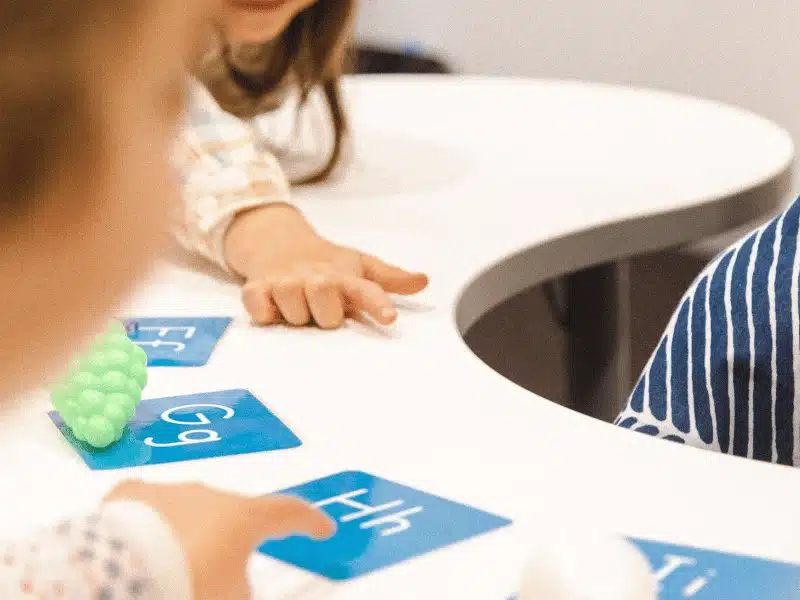
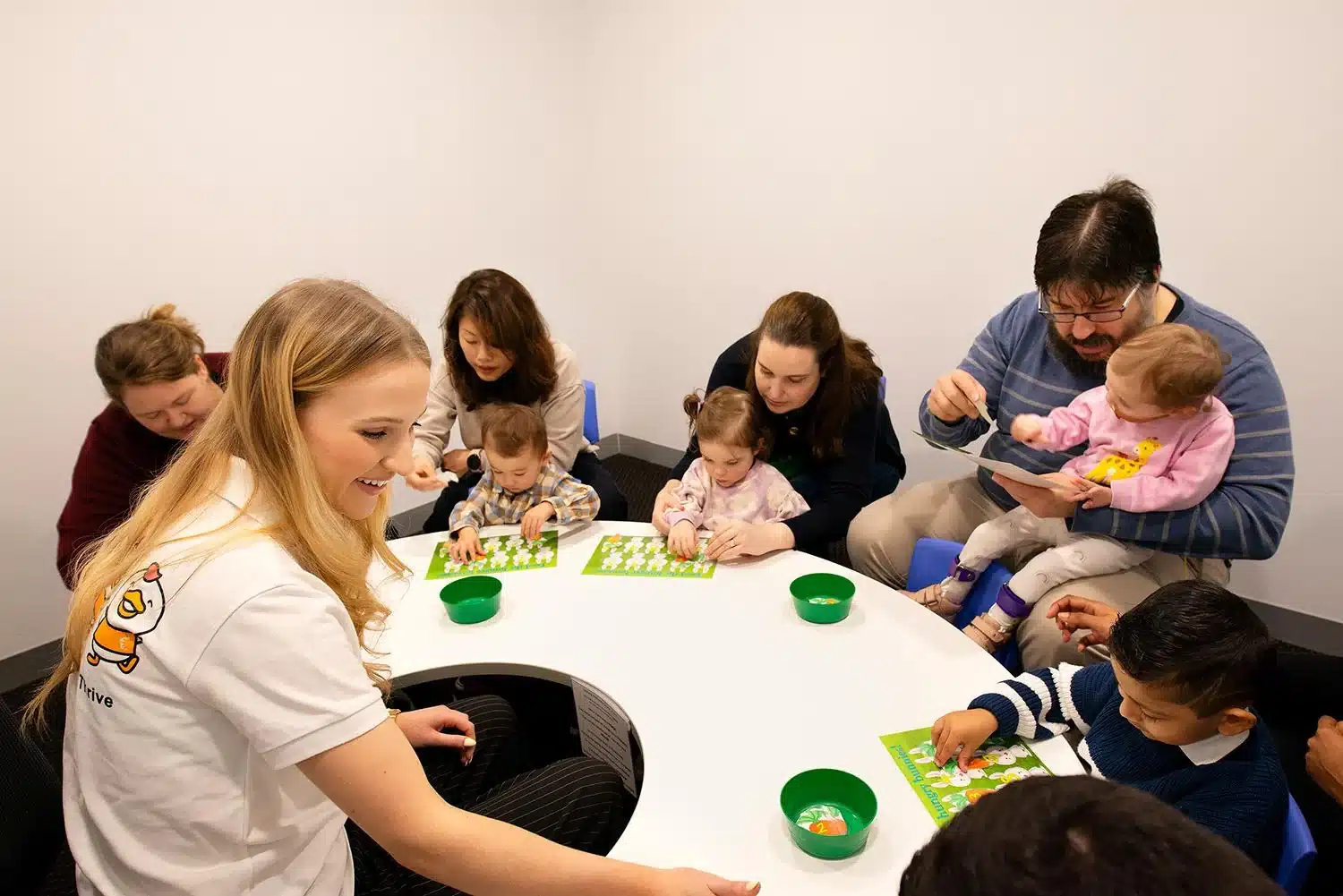
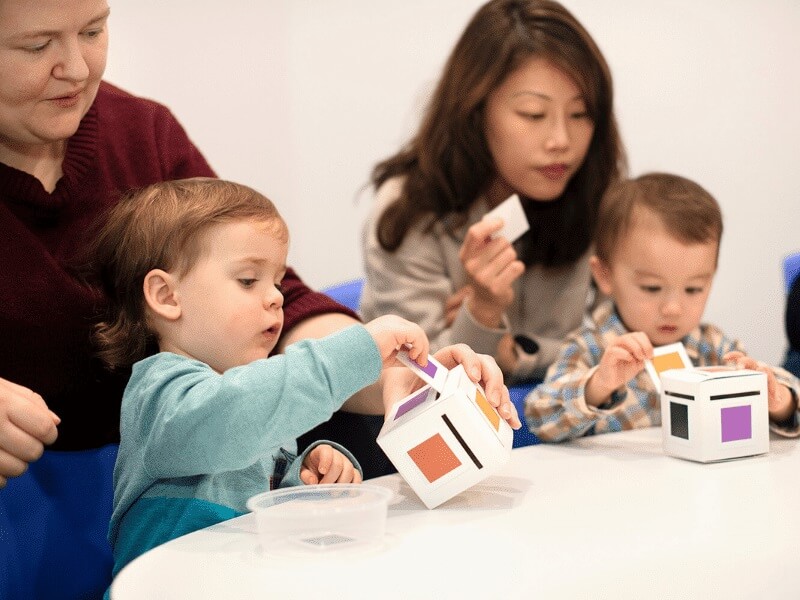
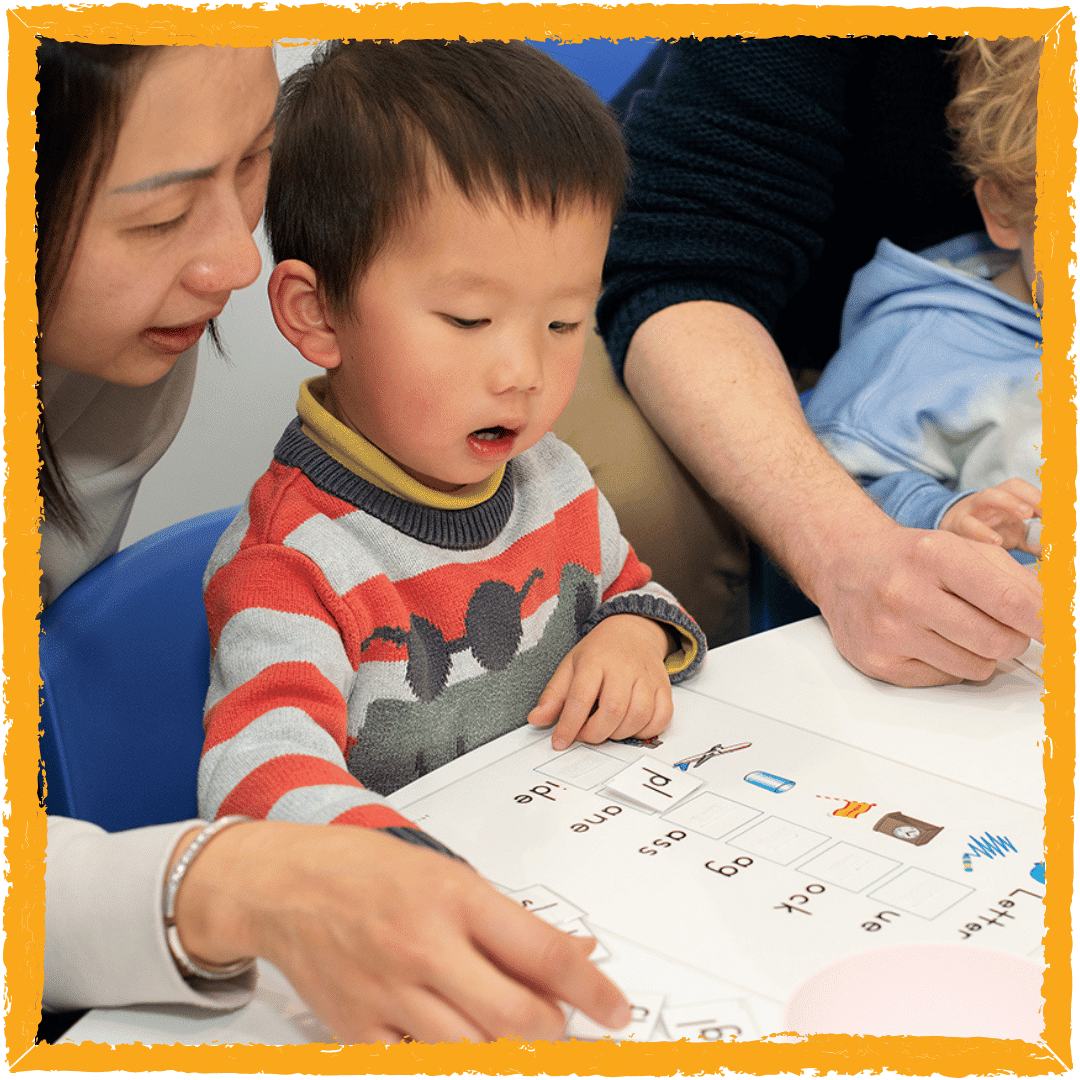
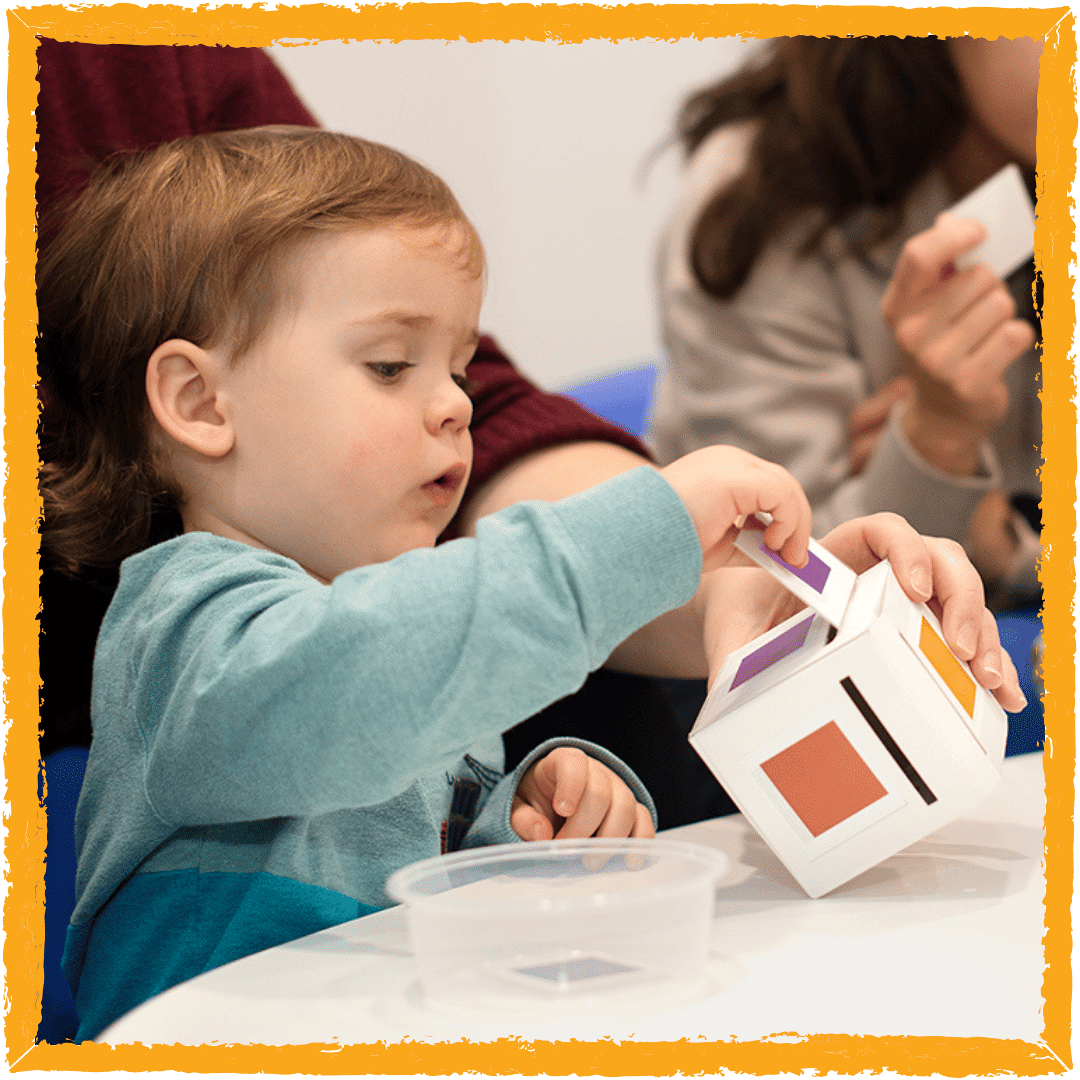
Image by Shichida Australia: Preschoolers playing a phonics matching game, building early literacy skills through fun, play-based activities.
Cognitive & Early Learning Goals
- Counts objects up to ten
- Recognises simple patterns
- Sorts items by colour or size
- Completes age-appropriate puzzles
- Demonstrates memory recall through songs or stories
These cognitive readiness skills build problem-solving foundations.
Physical & Self-Help Goals
- Holds a pencil with control
- Uses scissors safely
- Dresses independently with minimal help
- Washes hands properly
- Opens lunch containers
Physical readiness and independence reduce frustration in the classroom.
How to Set and Track School Readiness Goals
Start with three steps:
- Observe your child in everyday routines.
- Select realistic goals based on current strengths and challenges.
- Track progress weekly or monthly and adjust support.
Keep goals specific. Instead of “improve listening,” try “follow two-step instructions during daily routines.” Tracking helps you notice gradual improvement rather than expecting instant change.
Observational Strategies
Pay attention during play, mealtimes, and outings. Notice how your child handles frustration, follows directions, or interacts with peers. Jot down small wins in a notebook. Growth often appears in subtle ways, like fewer reminders needed during tidy-up time.
Simple Goal Planning Tools
Use a preschool readiness checklist, printable milestone charts, or a simple journal. You can create a weekly reflection page with prompts like:
- What new skill did my child show this week?
- What needs more support?
- What activity helped most?
Consistency is more important than perfection!
Activities to Support School Readiness at Home
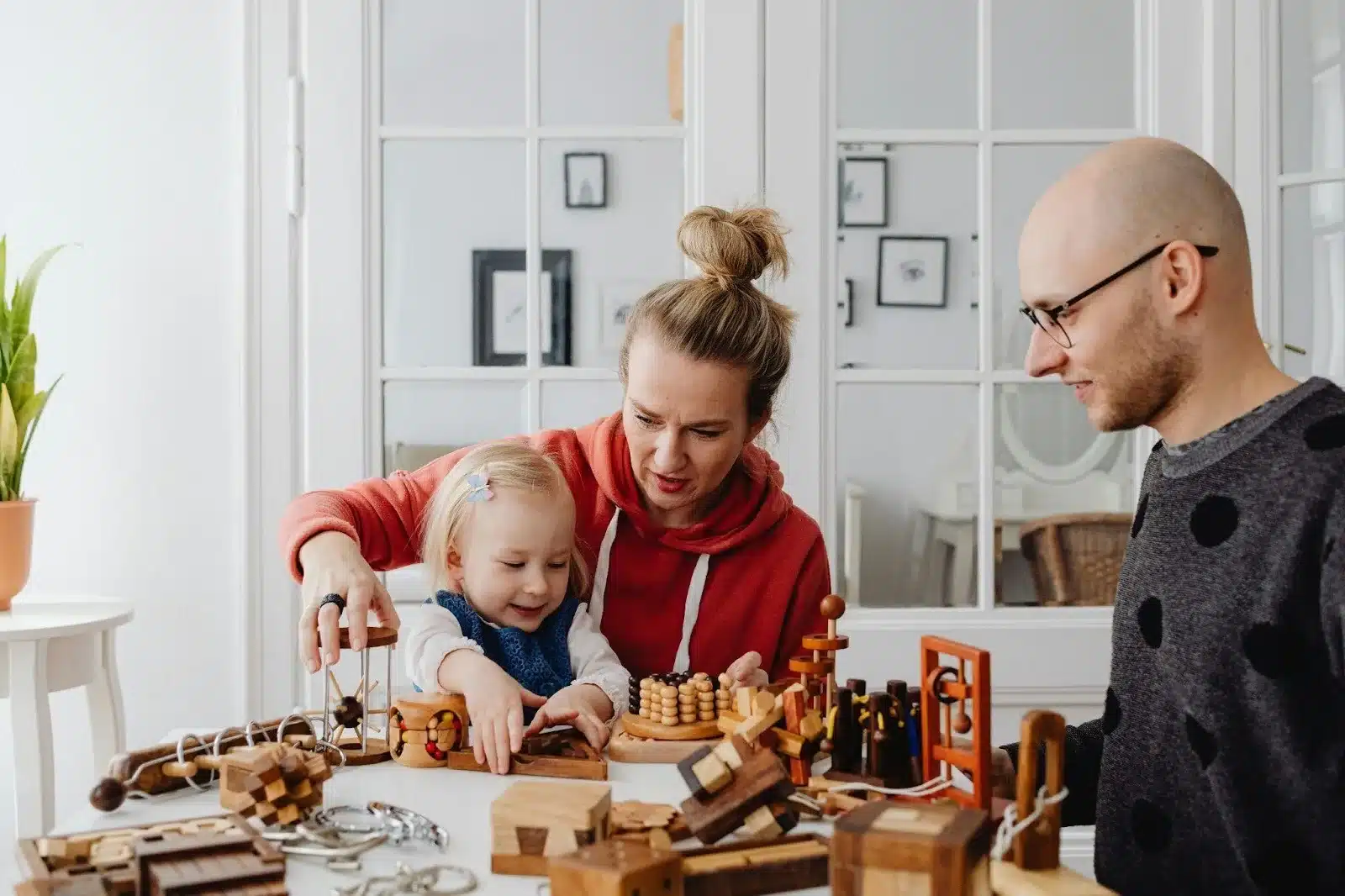
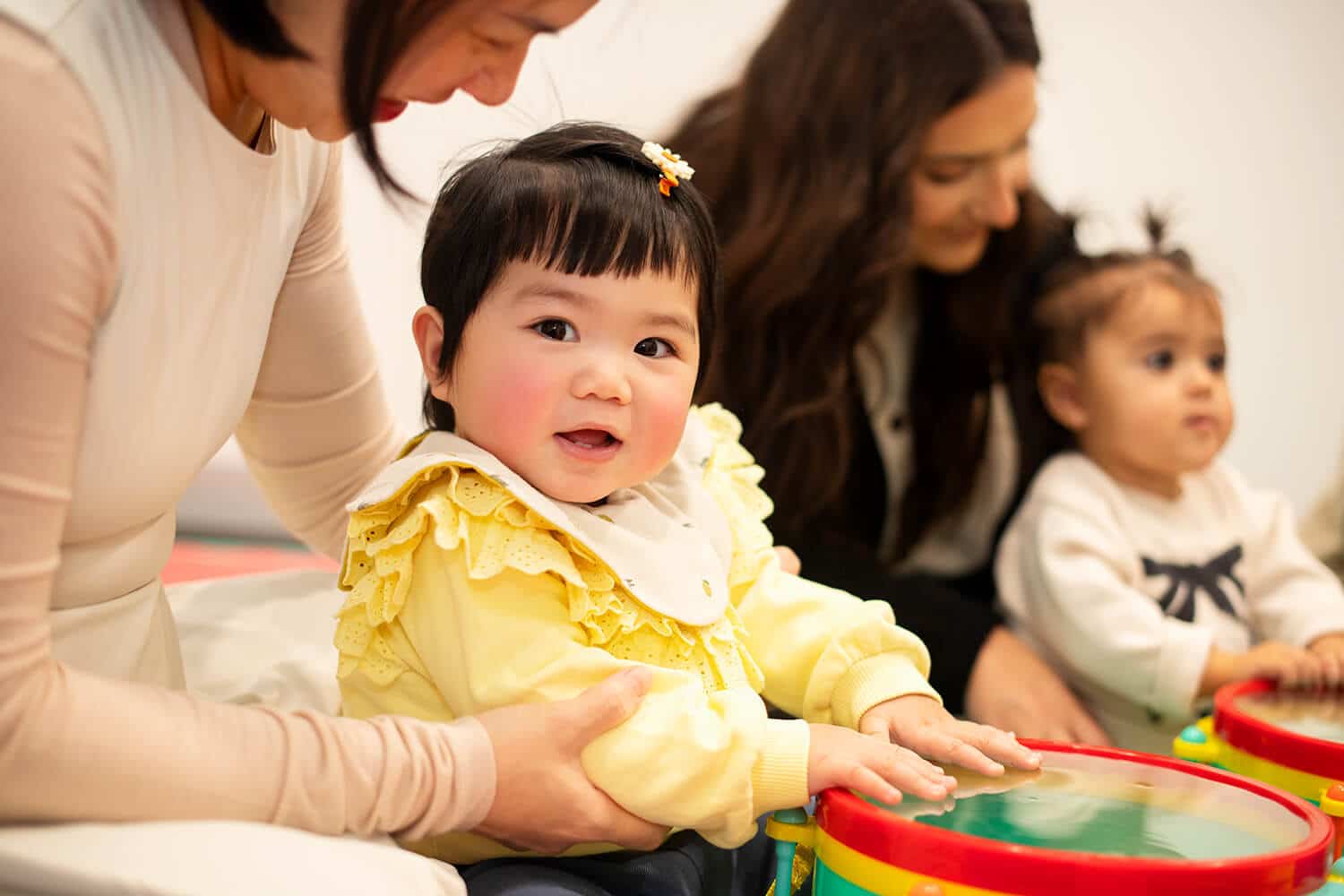
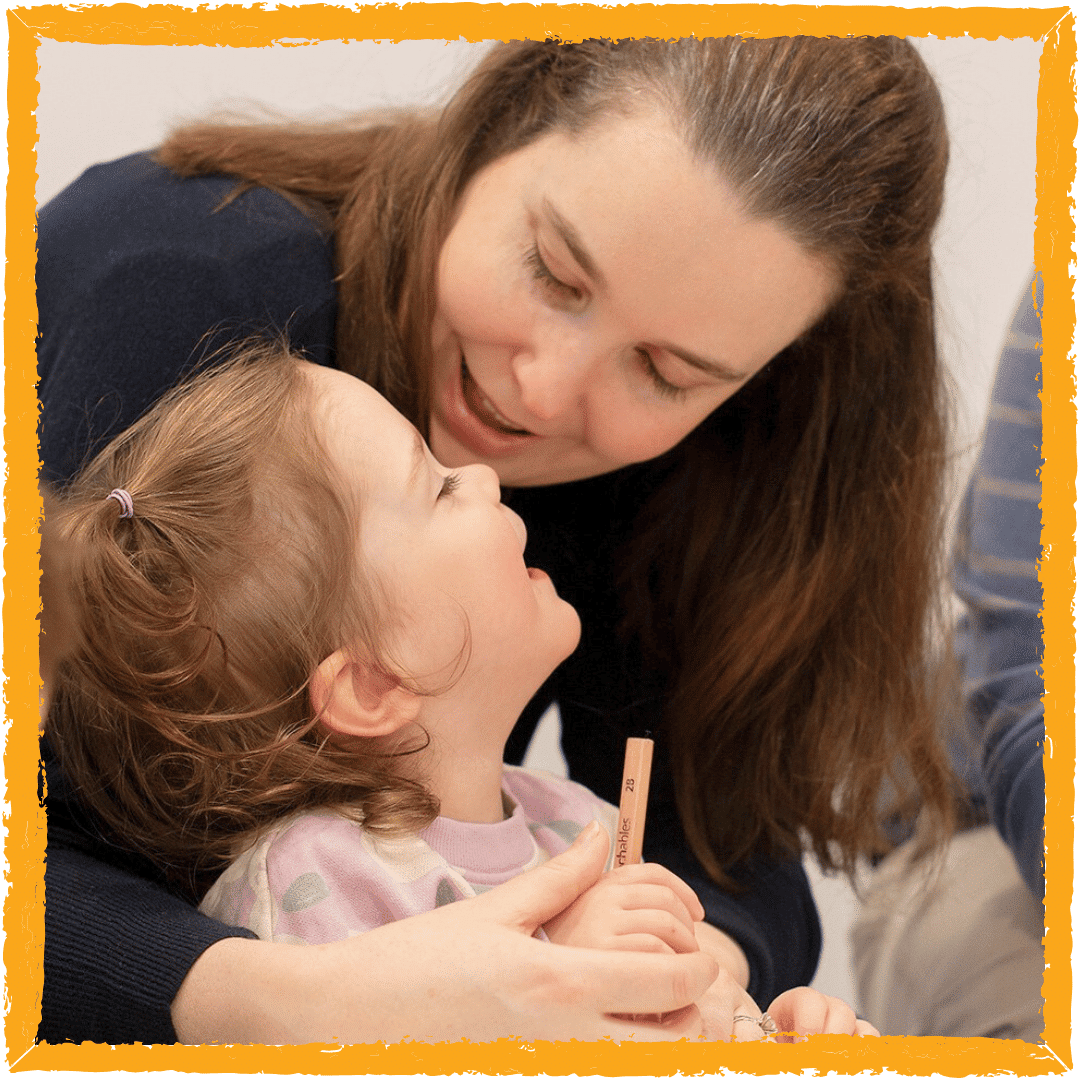
Photo from Pexels: Everyday play helps parents support key school readiness goals in social, emotional, and cognitive skills.
The best school readiness activities feel like play, not pressure. You can expand daily play into purposeful learning by borrowing ideas from play-based development activities featured in Shichida’s blog content.
Activities for Social-Emotional Growth
- Role-play school scenarios (raising hands, lining up, asking for help)
- Play turn-taking games such as board games or simple card games
- Practise waiting by setting a short timer during shared play
- Read storybooks about emotions and talk about how characters feel
- Use everyday situations to model problem-solving language: “What could we try next?”
- Encourage your child to express feelings using words rather than actions
Language & Communication Activities
- Read together daily and pause to ask, “What do you think will happen next?”
- Encourage your child to retell parts of a story in their own words
- Play “I Spy” to build vocabulary and descriptive language
- Practise following two- or three-step instructions during routines
- Ask your child to describe their day or explain how something works
- Sing songs and nursery rhymes to support memory and rhythm
Cognitive & Early Learning Activities
- Count snacks, steps, or toys during tidy-up time
- Sort laundry by colour, size, or owner
- Build simple patterns using blocks or household objects
- Complete age-appropriate puzzles
- Play memory-matching games
- Try simple cause-and-effect experiments (mixing colours, growing seeds, floating and sinking objects)
- Set small problem-solving challenges, like building a bridge for toy cars
Physical & Self-Help Activities
- Practise dressing independently (zips, buttons, socks)
- Encourage packing and unpacking a bag
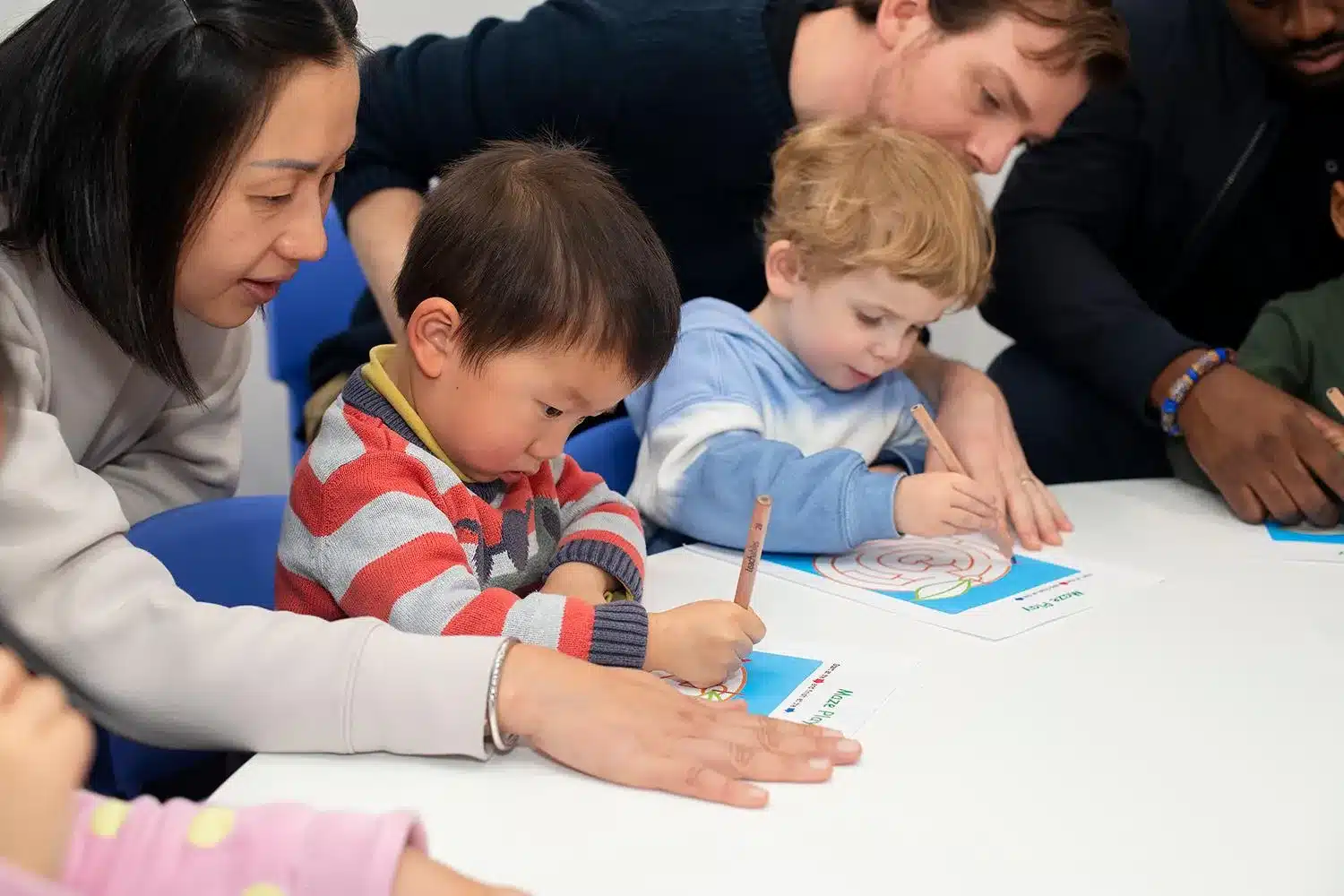
- Provide crayons, scissors, and playdough to strengthen fine motor control
- Visit playgrounds for climbing, balancing, and jumping
- Practise opening lunch containers
- Encourage handwashing and toilet independence
Transition to School: Planning & Expectations
School transition preparation becomes smoother when readiness goals are in place. Familiarity reduces anxiety. Prepare gradually. Talk positively about school. Read books about starting school. Practise routines weeks before the first day.
School Orientation Tips
Attend school tours and orientation sessions. Walk around the school grounds. Meet teachers if possible.
Routine Preparation
Practise morning routines, including dressing, breakfast, and packing a bag. Set regular bedtimes. Let your child take small responsibilities like carrying their backpack.
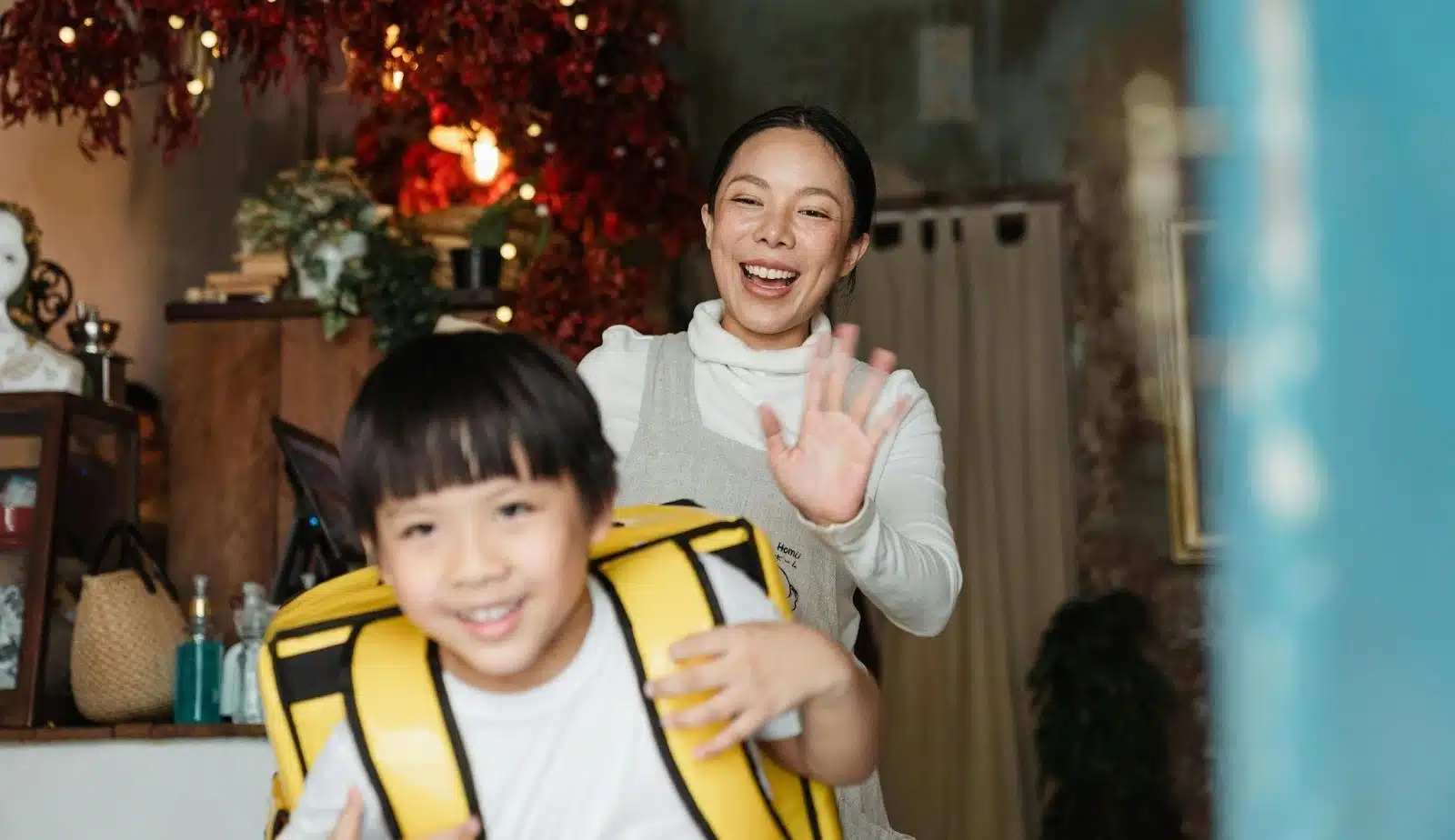
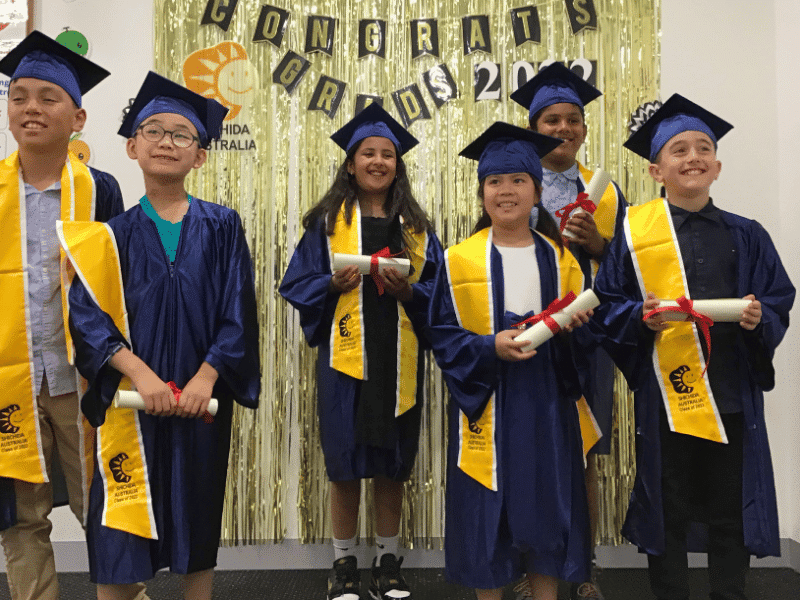
Photo from Pexels: Strong school readiness goals make the transition to school smoother and boost lifelong confidence.
Common School Readiness Concerns & How to Address Them
Every child develops at their own pace. Uneven development is common.
Managing Separation Anxiety
Start with short separations. Keep goodbyes brief and calm. Establish predictable routines. Reassure your child that you will return at a specific time. Consistency builds trust.
Supporting Children Falling Behind
If your child struggles with certain school readiness skills, increase practice through play. Celebrate small improvements. If concerns persist, consult a preschool educator, speech therapist, or occupational therapist for guidance. Early support strengthens outcomes.
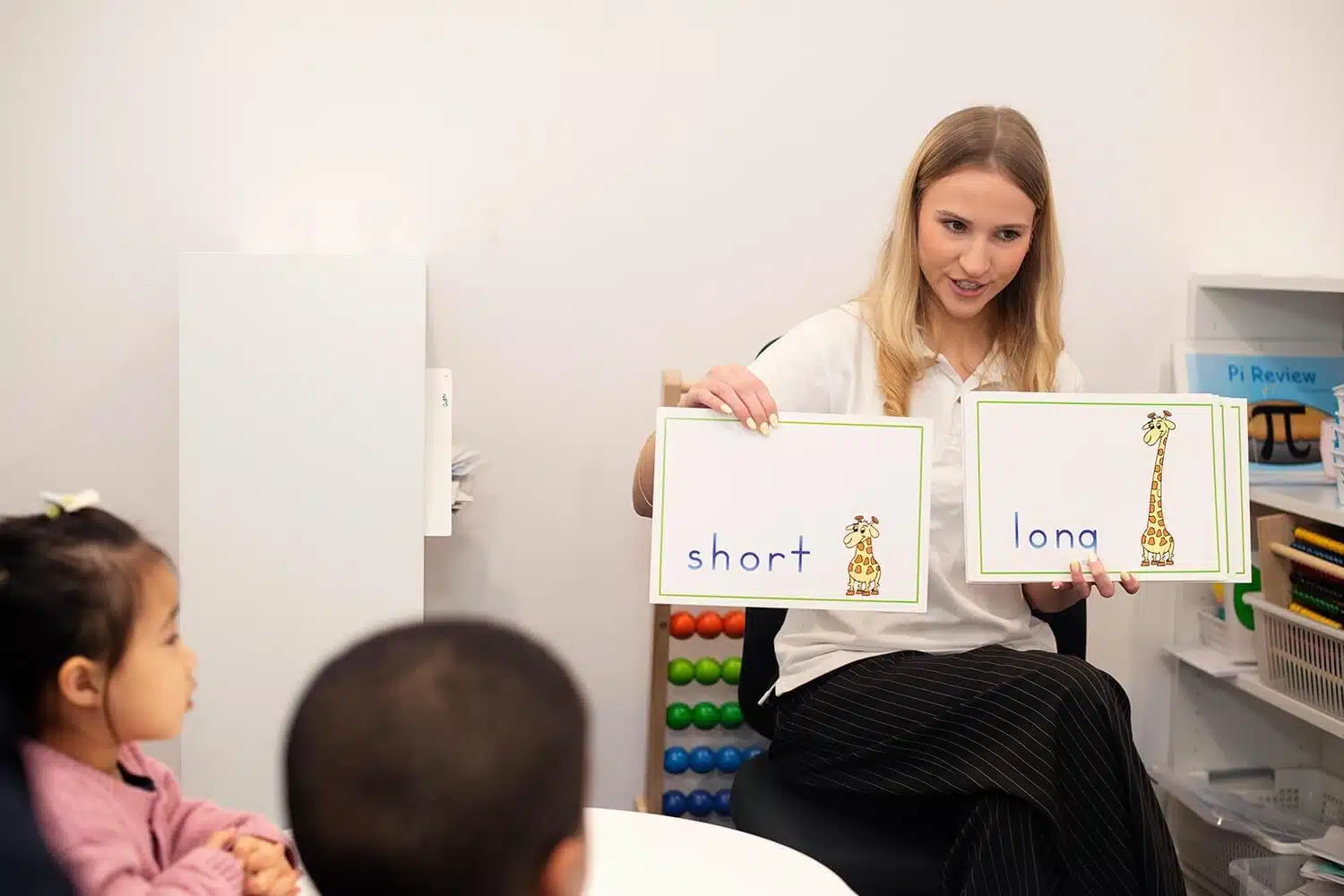
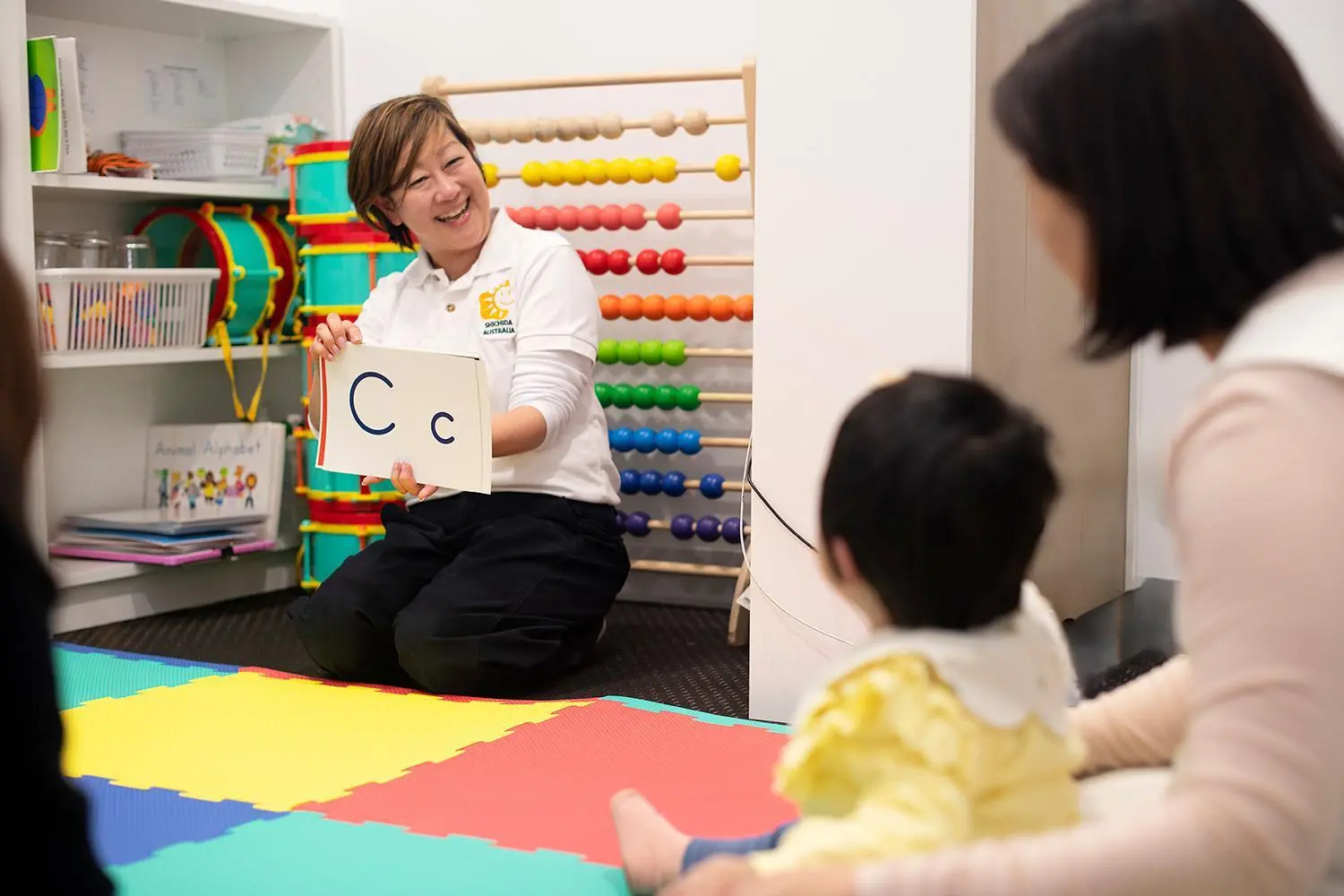
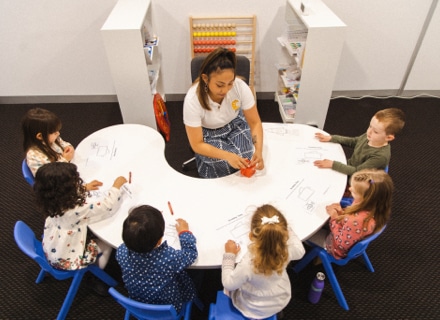
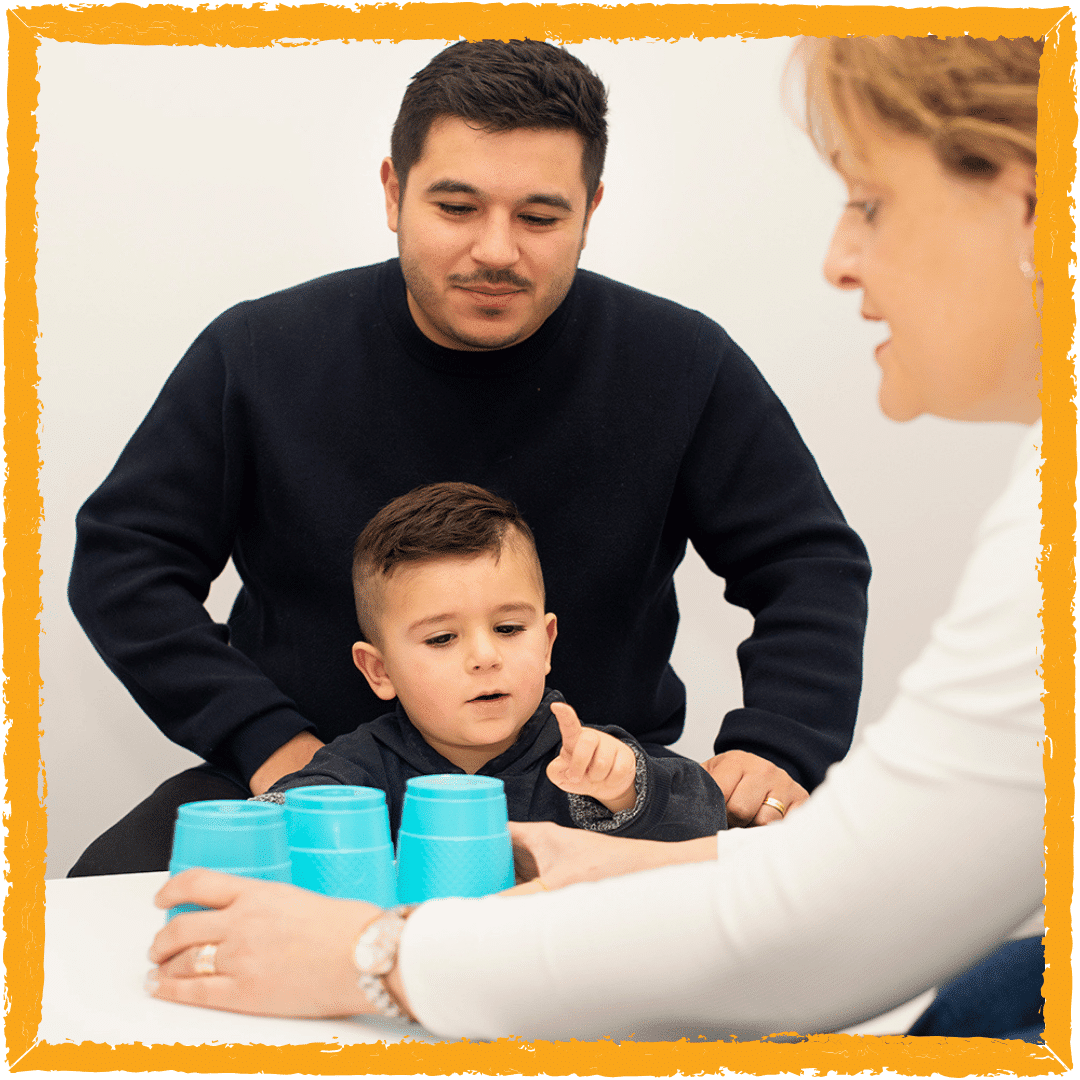
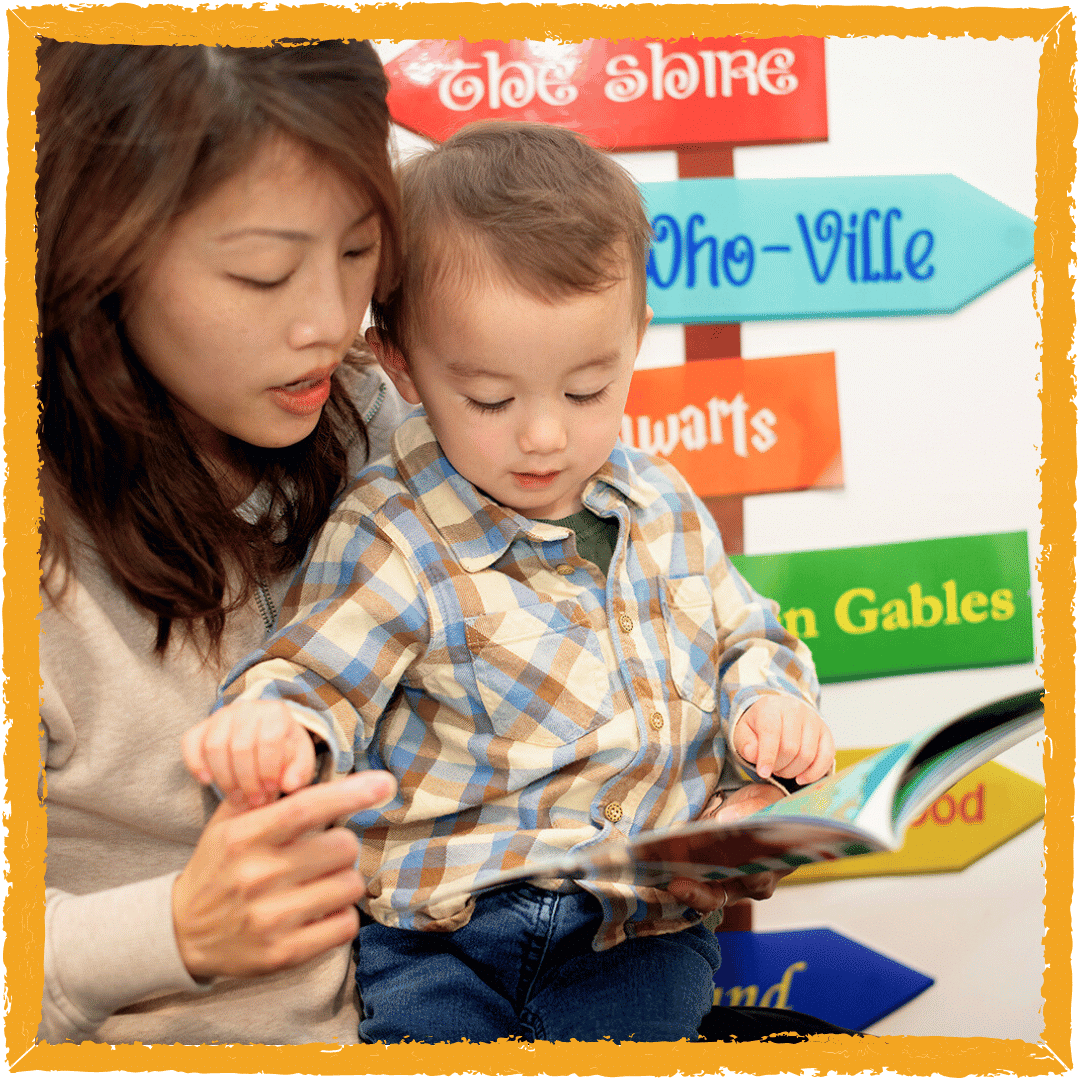
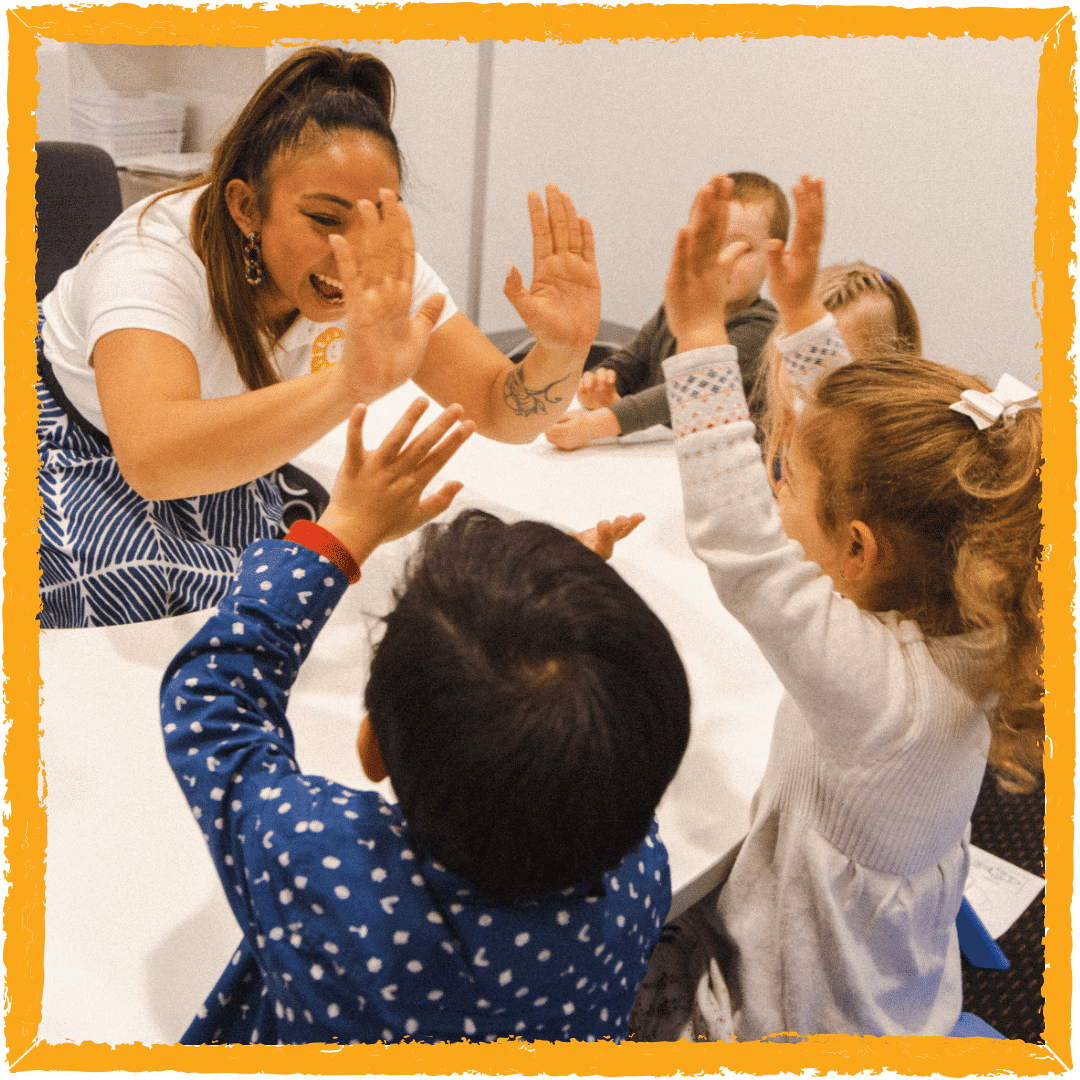
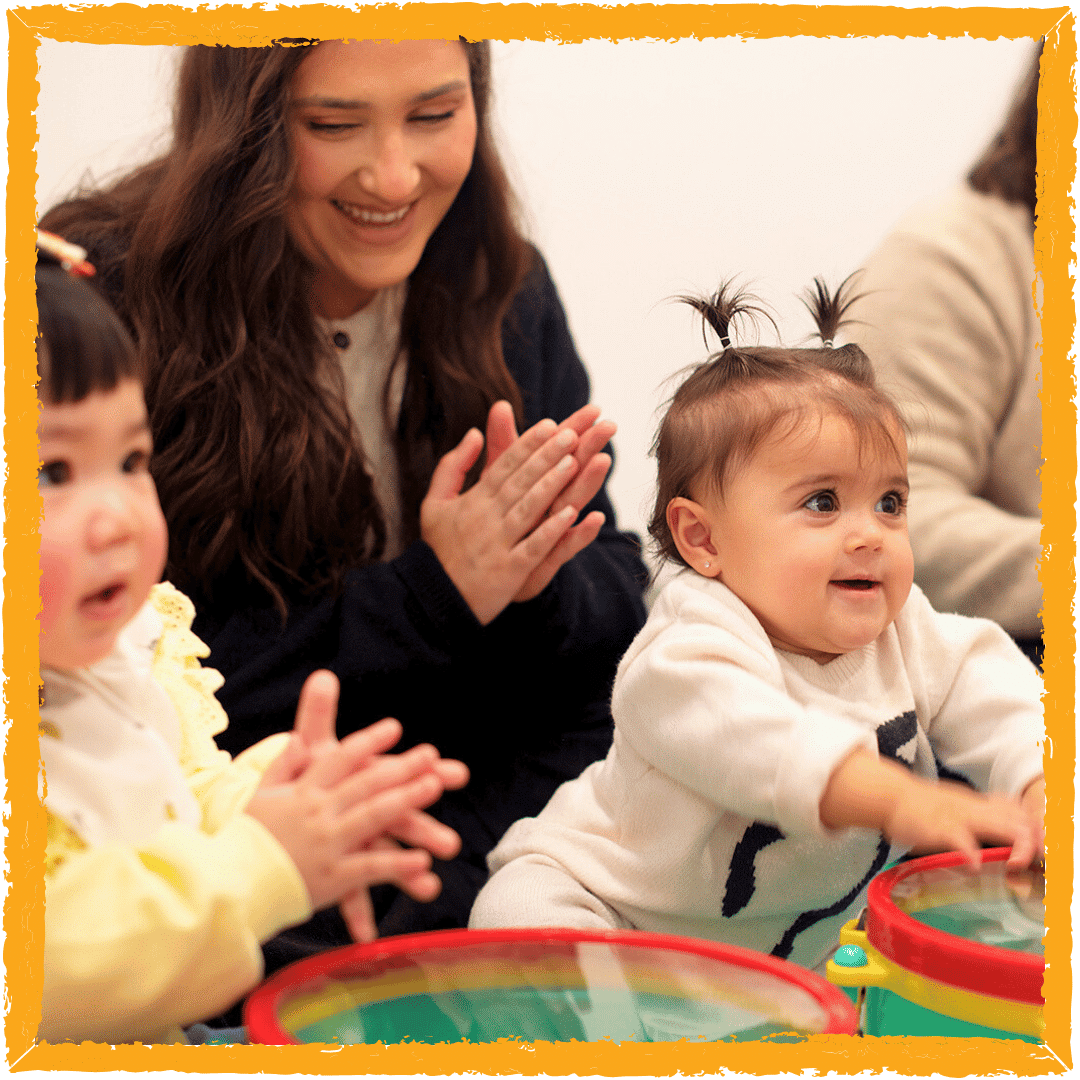
Image by Shichida Australia: Shichida instructors use songs, flashcards, games, and hands-on activities to support early thinking skills and whole-child development.
Looking for Extra Support?
If you want to strengthen your child’s school readiness goals with expert guidance, Shichida Australia offers a structured program that nurtures cognitive readiness, social-emotional skills, focus, and confidence from an early age.
The proven Shichida Method approach supports the whole child, helping make the preschool to school transition smoother and less stressful for both you and your little one. Give your child a strong foundation that goes beyond academics and builds lifelong learning skills.
Book a trial class with Shichida Australia today and see how the right support can make a confident school start possible!
FAQ’s: School Readiness Goals
School readiness goals are clear, measurable targets that support your child’s development across social, emotional, cognitive, language, and physical areas before starting school.
You can observe everyday behaviours such as independence, communication, self-regulation, and early learning skills. A simple preschool readiness checklist can help you track progress in daily routines.
Children benefit from being able to follow simple instructions, manage basic self-care tasks, interact positively with peers, and show early thinking skills such as counting, problem solving, and listening attentively.
Yes. Everyday routines, conversations, and play-based activities are powerful ways to build confidence, independence, and early learning skills naturally.
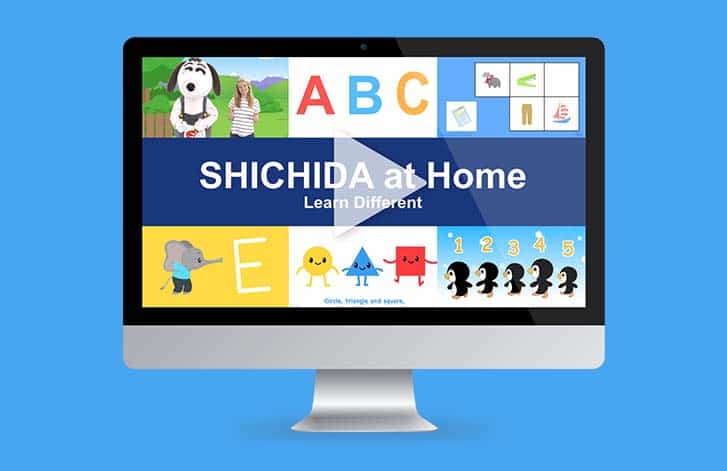
If you would like more structured guidance, programs such as SHICHIDA at Home provide ready-to-use activities designed to strengthen memory, attention, early numeracy, and communication skills in short, manageable sessions.
Every child develops at their own pace. Growth happens gradually over months and years, not overnight. Steady progress matters more than perfection.
Not immediately. Uneven development is common. Continue offering support and practise through play. If challenges significantly affect daily functioning or confidence, seeking advice from an educator or health professional can be helpful.
Preschools provide structured opportunities to build social, emotional, cognitive, and physical skills. They also help children practise routines that make the transition to school smoother. Programs like Shichida Australia practise crucial skills like fine motor control and early number sense, preparing kids to be confident early learners.
Use simple checklists, journals, or milestone charts. Review progress regularly and celebrate small improvements along the way.