Early Literacy: What It Is, Why It Matters & How to do
Key Points
- Early literacy begins at birth through everyday interactions that develop language and understanding.
- Emergent literacy skills – like listening, speaking, and recognising print – form the foundation for confident reading and writing.
- Parent-child conversation and play are the most powerful tools for building strong literacy skills from an early age.
- Simple routines such as singing, reading aloud, and storytelling strengthen vocabulary and comprehension every day.
- Early literacy support boosts a child’s confidence, communication, and long-term academic success.
Understanding Early Literacy
When most parents think about reading, they picture their child sitting with a book, sounding out words. But literacy development begins long before a child can recognise letters or hold a pencil. Early literacy refers to the knowledge, skills, and attitudes that children develop in the early years (0-5) that set the stage for learning to read and write.
Research from the National Early Literacy Panel (NELP) and education experts like Wilson shows that early literacy is a strong predictor of later reading success. These early skills grow naturally through interactions, experiences, songs, stories, and conversations.
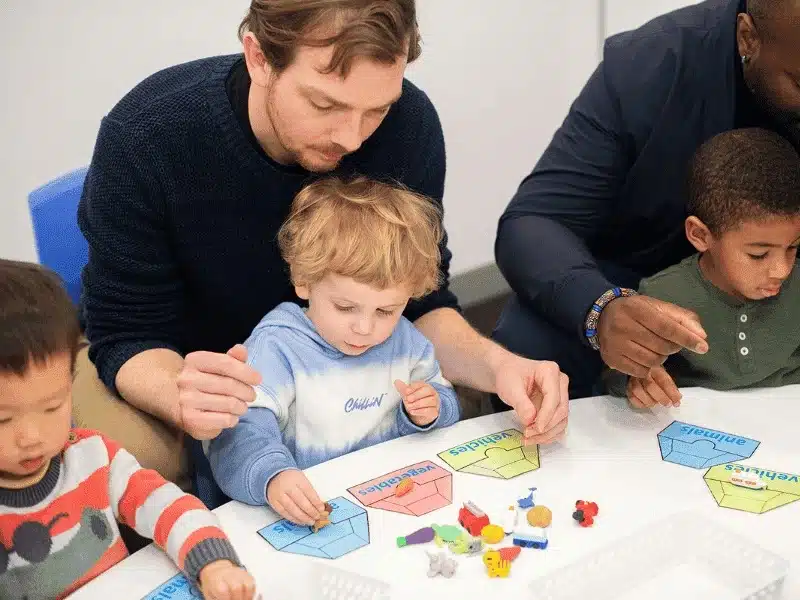
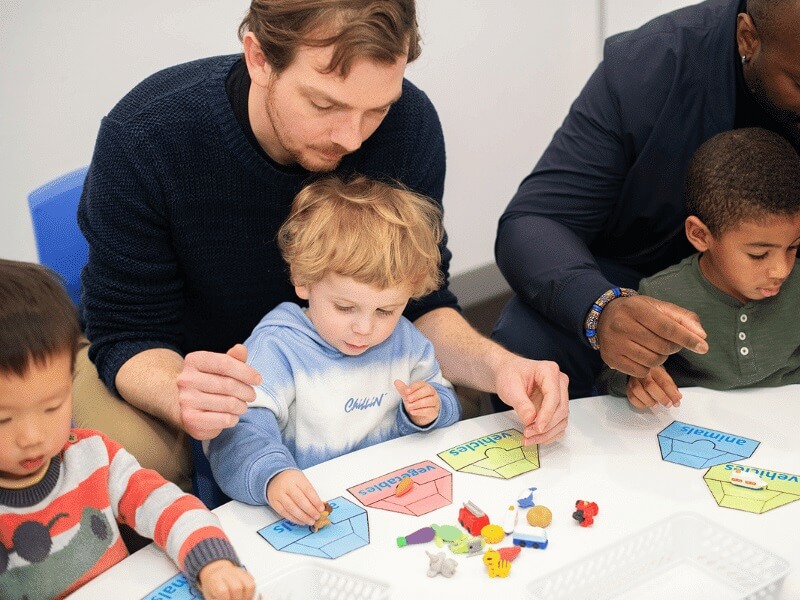
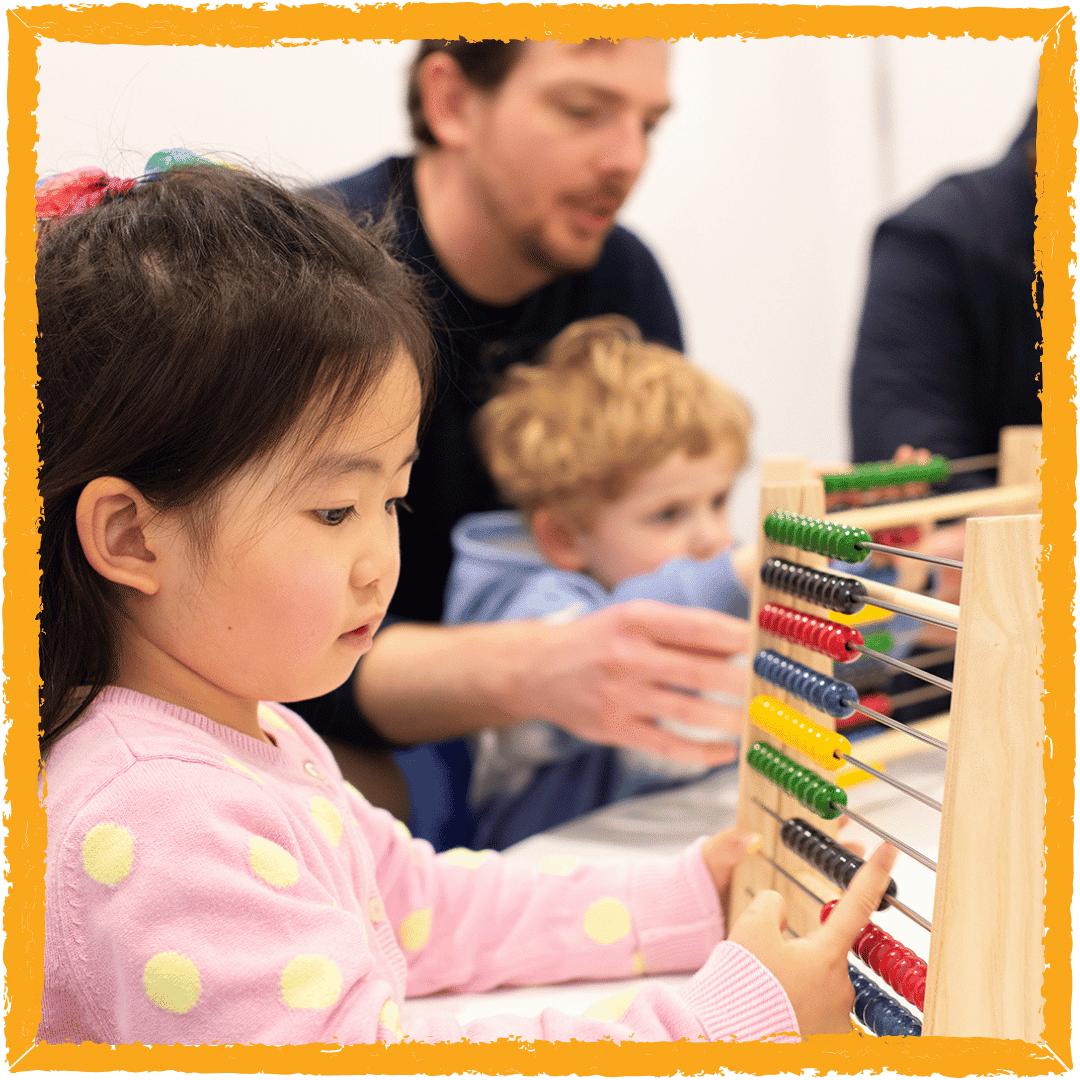
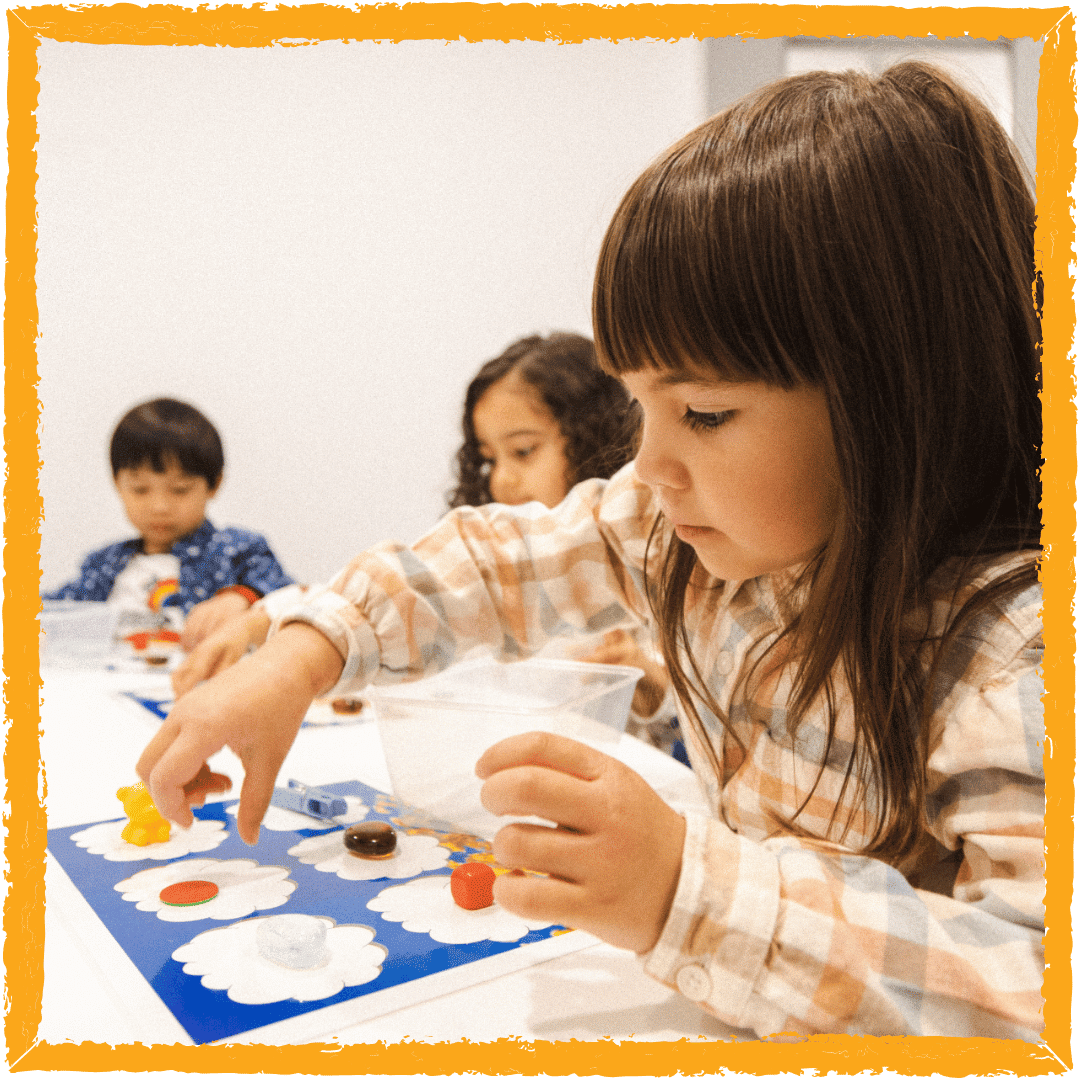
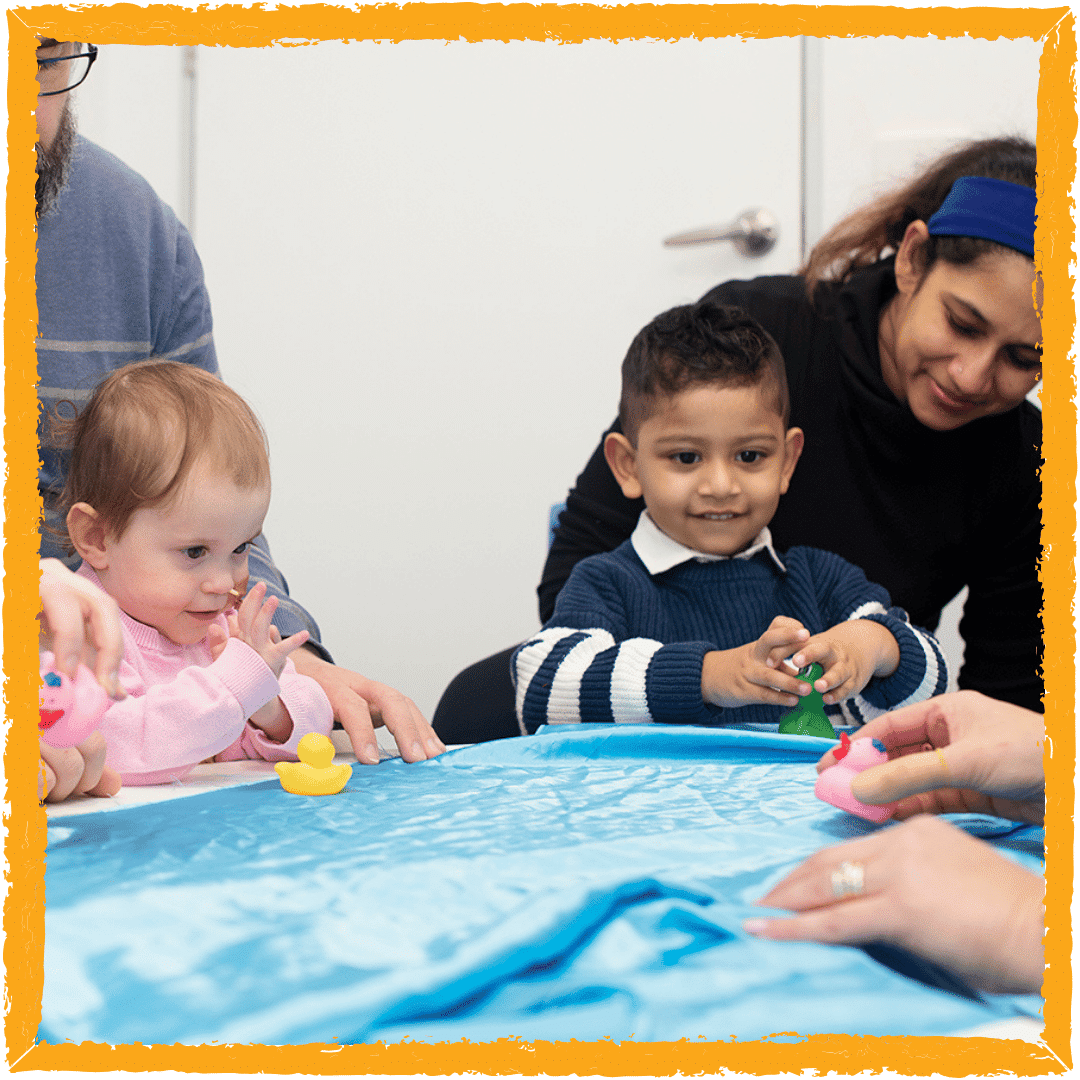
Photo by Shichida Australia: Children play a category sorting game alongside their parents. Activities like this nurture concept understanding and vocabulary – key foundations of early literacy skills.
What Is Emergent Literacy?
Emergent literacy is the stage before formal reading and writing begins. It’s when children start to understand that spoken words can be represented in print and that stories carry meaning.
The six essential components of emergent literacy are:
- Print motivation – interest and enjoyment in books and reading.
- Print awareness – noticing words and letters in the environment.
- Vocabulary – understanding and using a growing number of words.
- Narrative skills – the ability to describe, retell, and sequence events.
- Letter knowledge – recognising letters and their shapes.
- Phonological awareness – hearing and playing with the sounds in words.
These skills develop gradually, often through daily routines like bedtime stories, pointing at signs in the park, or singing nursery rhymes at home.
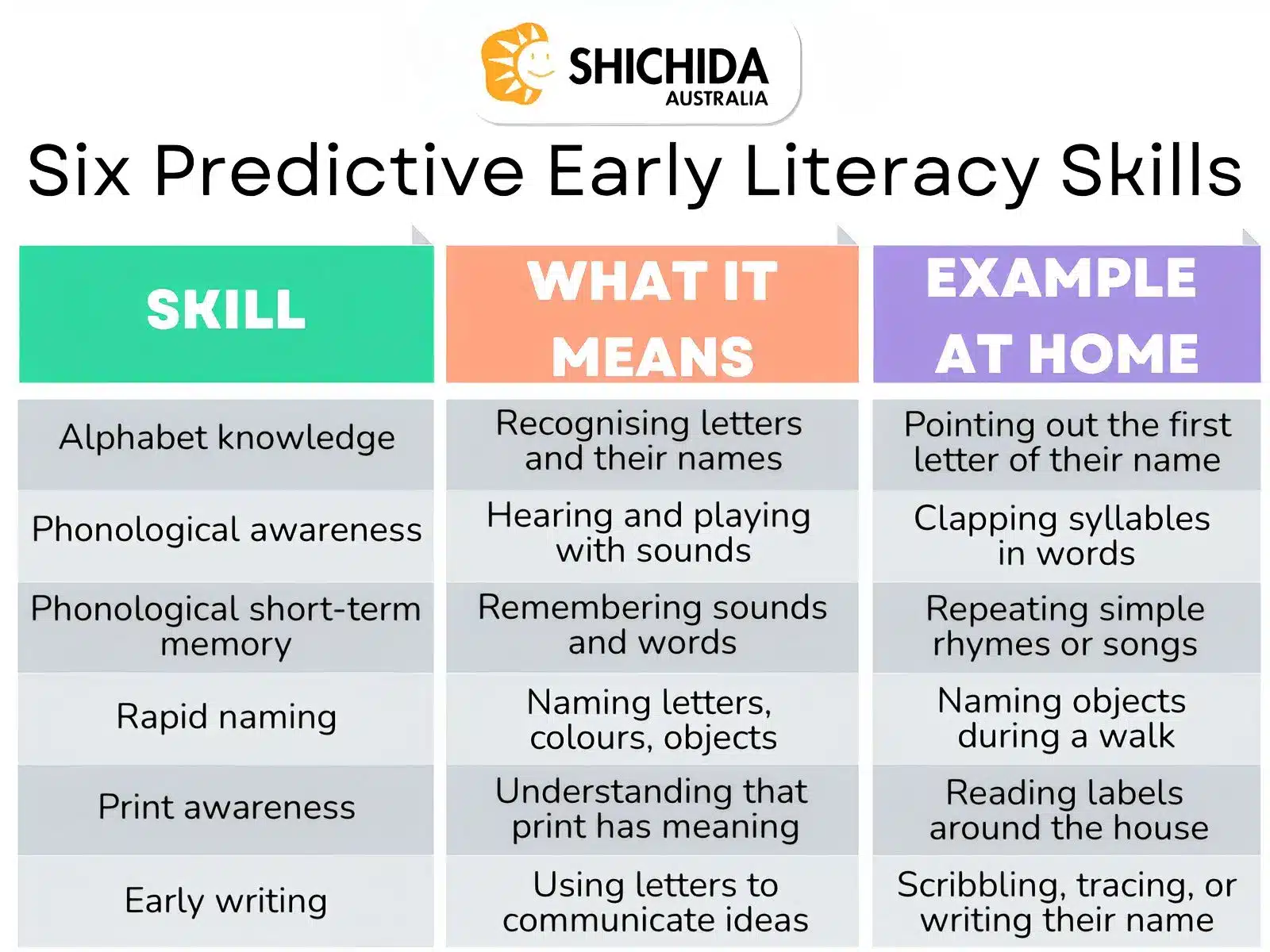
The Six Predictive Early Literacy Skills
Researchers have identified six skills that strongly predict later reading and writing success. These skills emerge from playful, responsive interactions with parents and caregivers.
Role of Home Language & Interaction
A child’s earliest literacy experiences happen through your voice. Everyday parent-child talk builds vocabulary, understanding, and confidence. Simple things like describing what you’re doing, asking open questions, and listening to your child help shape their oral language development.
If you speak more than one language at home, this is a strength. Bilingualism supports flexible thinking and language awareness – both linked to literacy growth.
Why Early Literacy Matters – Short and Long-Term Benefits
Early literacy is about far more than reading books. It supports school readiness, confidence, communication, and emotional growth. When children develop strong literacy foundations early, they’re more likely to become enthusiastic, confident readers and learners later on.
Curious how to nurture these skills through play? Explore Shichida’s Early Learning Classes and discover how structured play builds lifelong literacy skills.

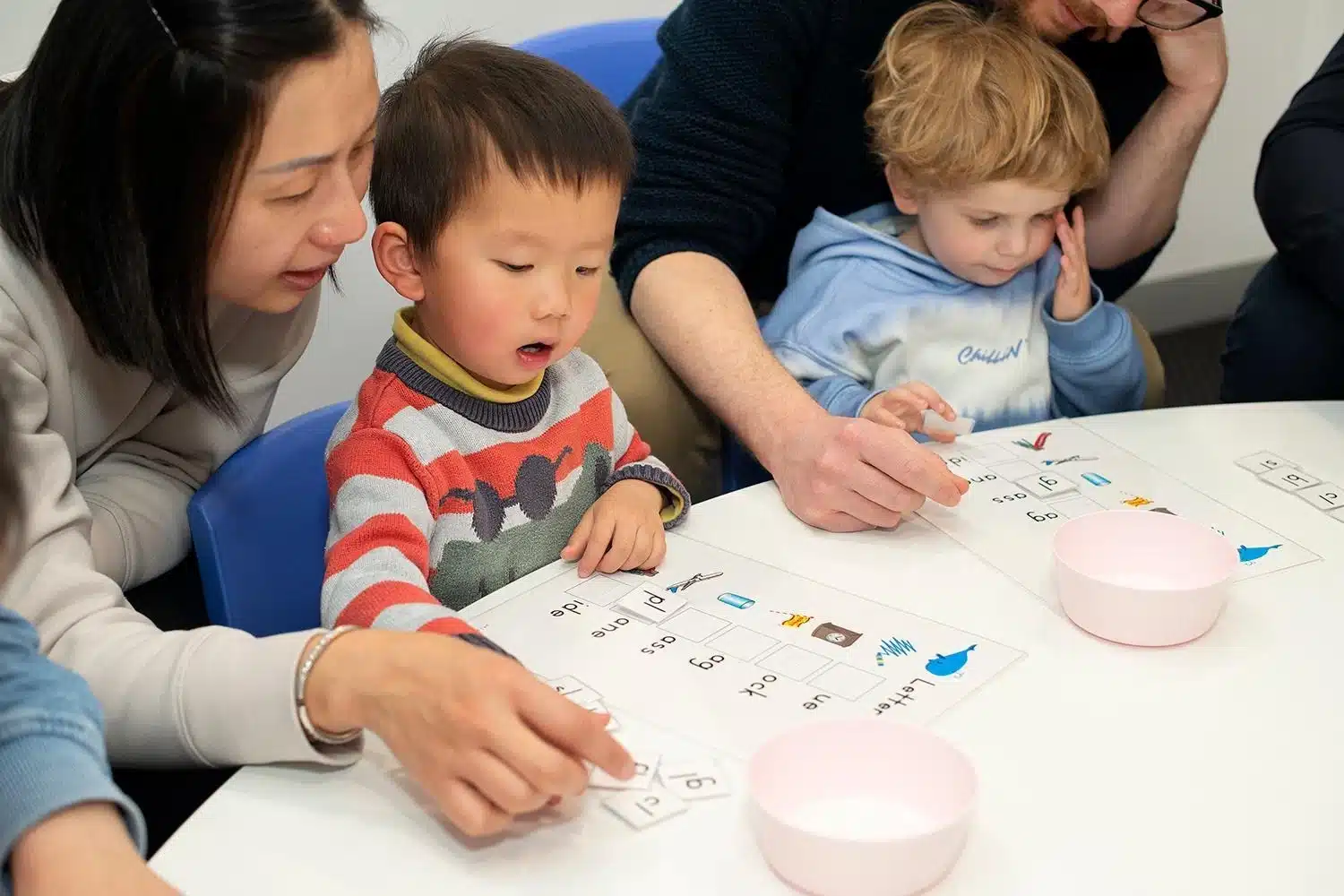
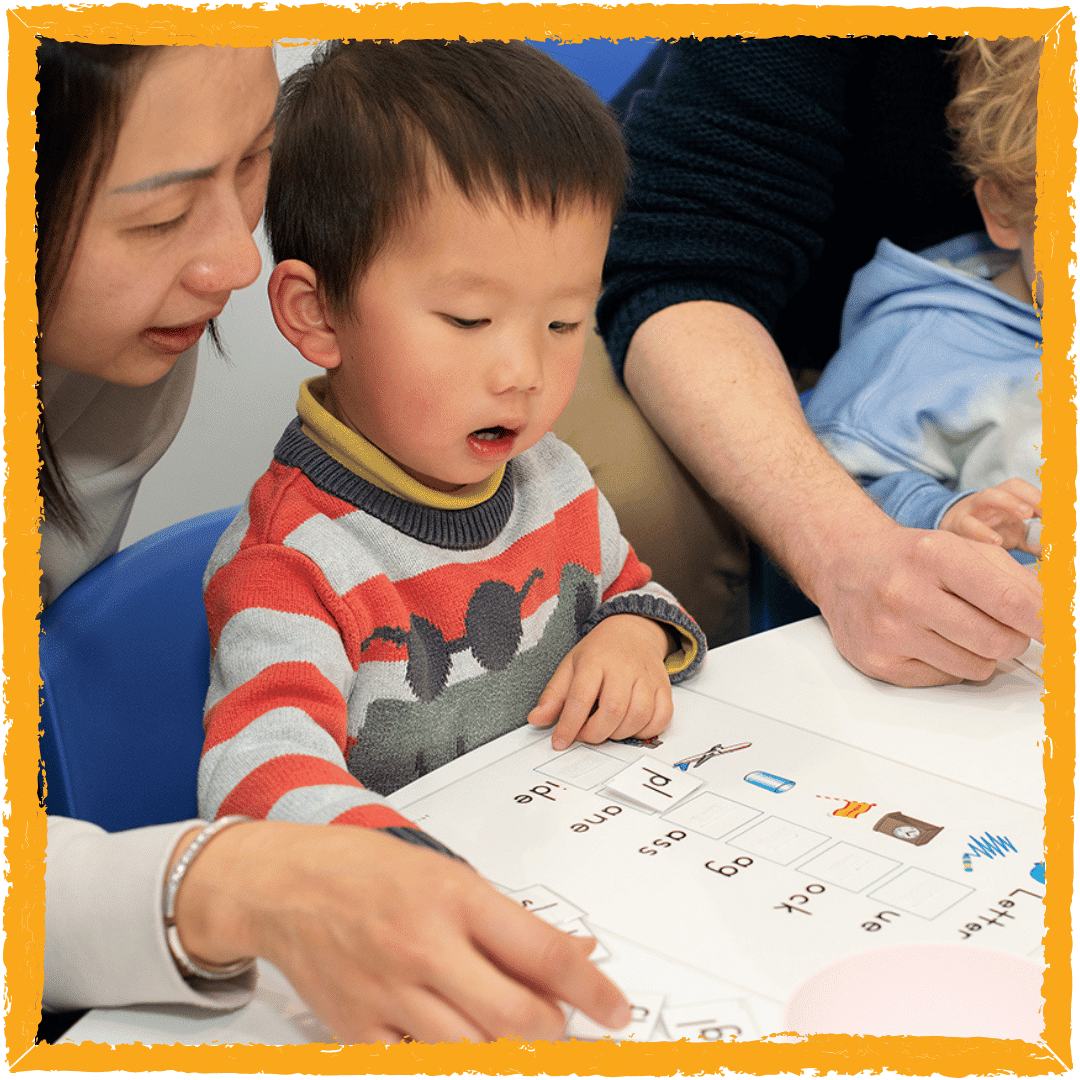
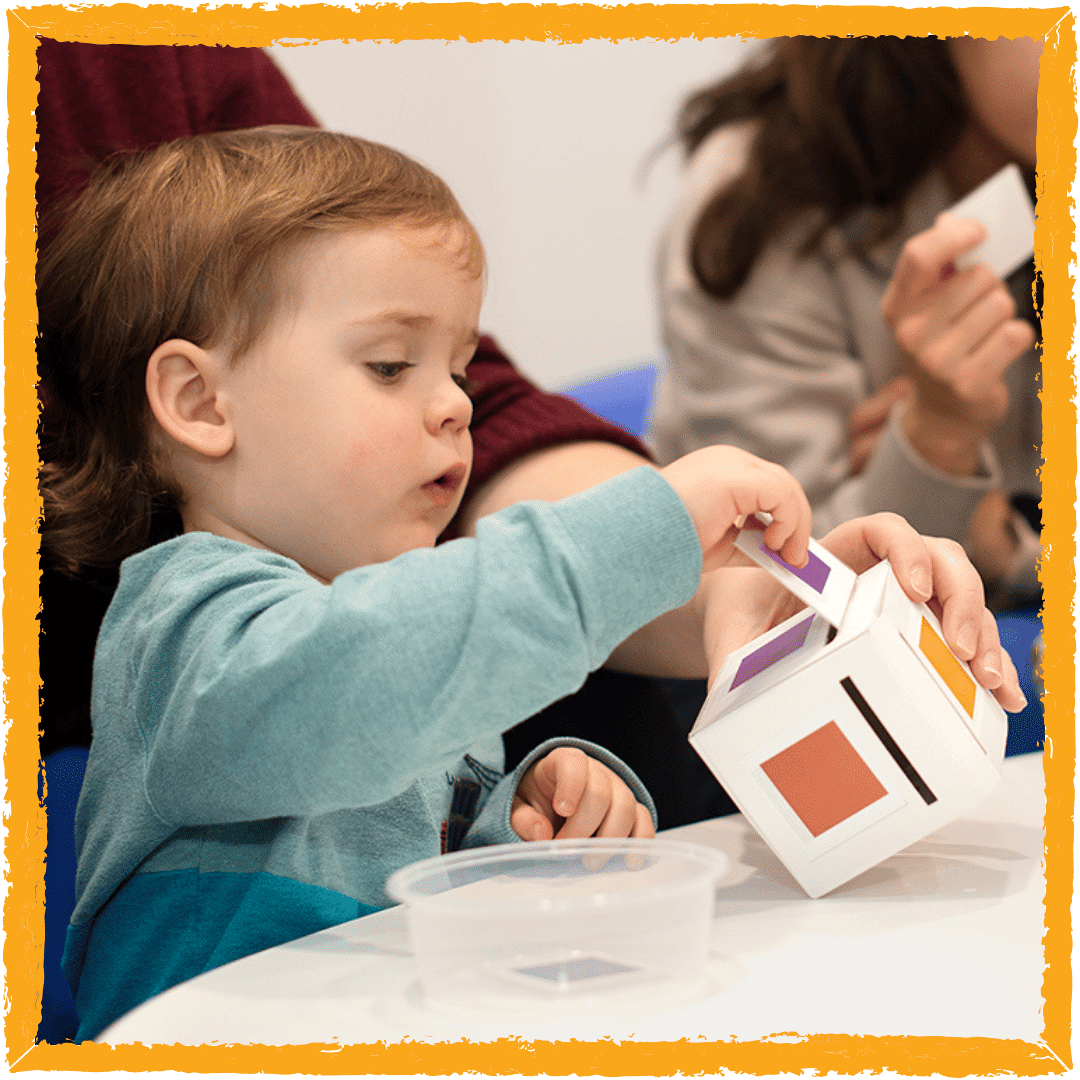
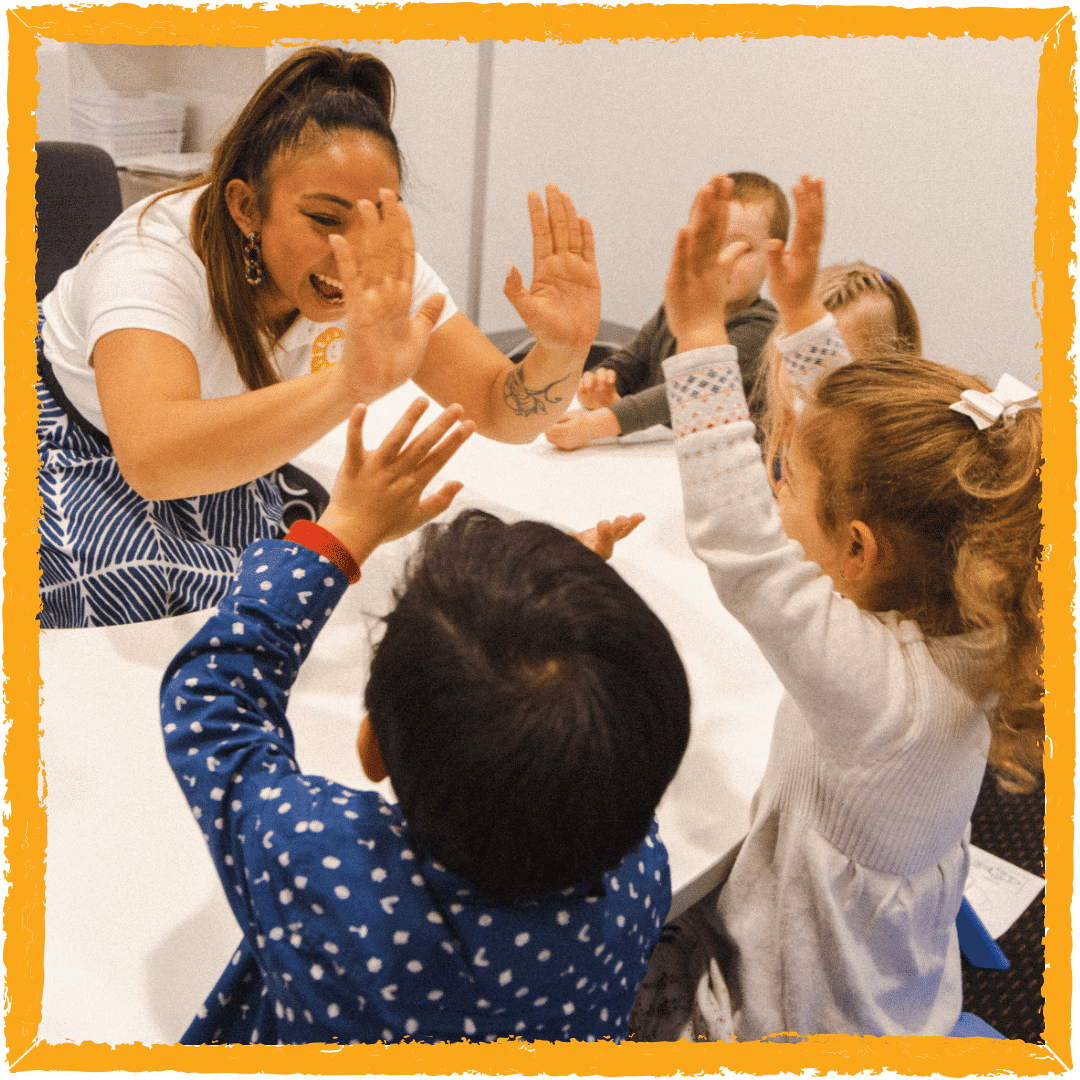
Photo by Shichida Australia: Preschoolers playing a fun phonics matching game.
Predicting Later Reading Success
Large-scale research, including NELP meta-analyses, shows that early literacy skills are highly predictive of future reading fluency and comprehension. Children who develop these skills early are more likely to enjoy reading and less likely to struggle later.
Preventing Reading Difficulties & Support
Early support can make a huge difference. Parents are not expected to act as formal teachers, but your everyday interactions can help catch and support literacy needs early. Talking, singing, playing, and reading are powerful ways to nurture development without pressure.
Broader Cognitive & Social Gains
Early literacy isn’t just about reading. It also strengthens attention, memory, emotional regulation, and social skills. Children who engage with stories develop empathy, imagination, and curiosity, qualities that support learning across every area.
Educators often use the CLEL five-practice model – Sing, Talk, Read, Write, Play – to support literacy development in early childhood.
Sing & Rhyme
Singing songs and nursery rhymes helps children recognise sound patterns and rhythms. Try repeating your favourite songs daily. Action songs and finger rhymes add movement, making language learning more memorable.
Talk, Narrate & Conversational Turns
Talk to your child about what you’re doing, what they see, and what they’re interested in. Encourage them to respond, even with babbles or gestures. These “conversational turns” build vocabulary and communication skills.
Shared Reading & Dialogic Book Reading
Read together every day. Pause to talk about the pictures, ask open-ended questions like “What do you think will happen next?”, and let your child turn the pages. This builds comprehension and print awareness.
Print Awareness & Environmental Print
Children learn that words are everywhere, on signs, cereal boxes, and shop fronts. Point these out during walks or playtime. Labelling household items can also help make print part of daily life.
Letter Play, Writing & Name Play
Learning letters should be fun. Trace letters in sand, use magnetic letters, or encourage your child to write or decorate their name. Early scribbles and mark-making are powerful steps toward writing readiness.
Playful Literacy Integration
Pretend play builds storytelling skills. Create a mini shop, doctor’s surgery, or café and encourage your child to use language to role-play and solve problems.
Scaffolding & Responsive Support
Children learn best when supported in small steps. Model, guide, then gradually fade your help as their skills grow. This gentle approach, inspired by Vygotsky’s learning theory, boosts confidence and independence.

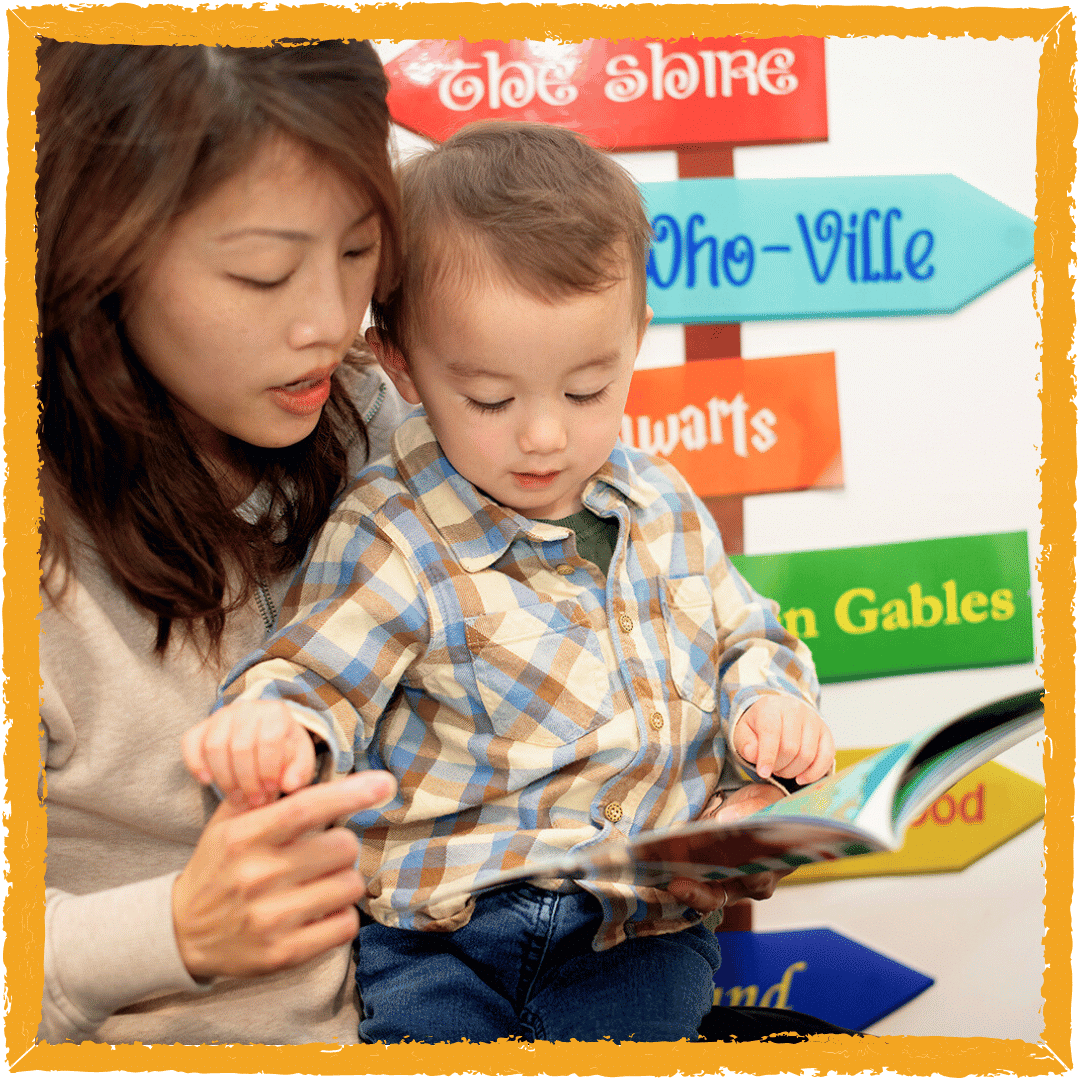
Photo by Shichida Australia: A mum and child read a simple book together. Reading is a practised skill – even turning pages takes practice! Parents can read while their child points to the words, making collaborative reading an enjoyable and meaningful experience for young children.
Age-by-Age Milestones & What to Expect
Every child’s literacy journey is unique. These milestones offer a general guide, but remember, children progress at different rates, and that’s perfectly normal!
0-12 Months: Early Curiosity
- Responds to voices and familiar sounds.
- Babbles and experiments with tone.
- Enjoys songs, rhymes, and interactive play.
- Explores books through touch and mouthing.
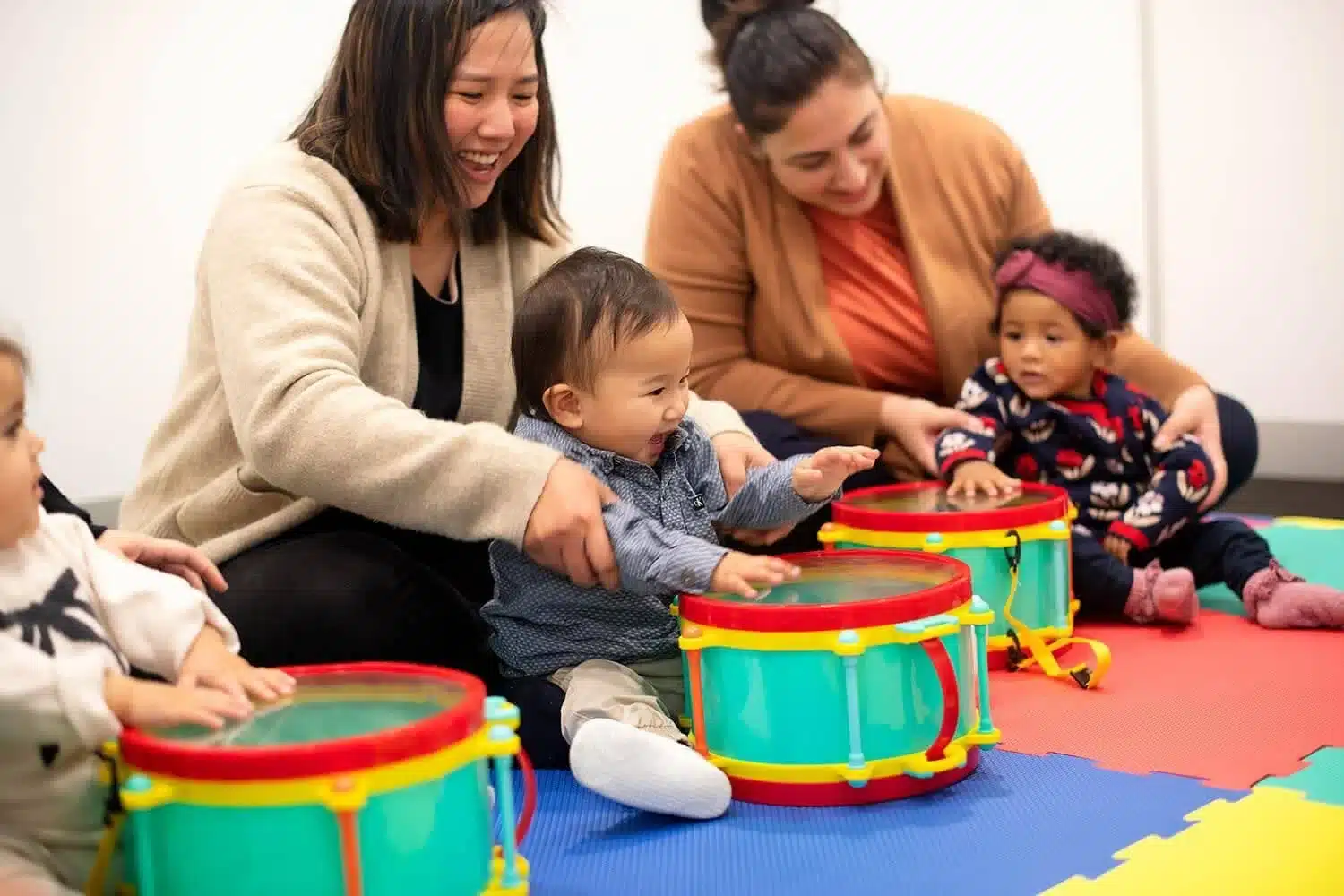
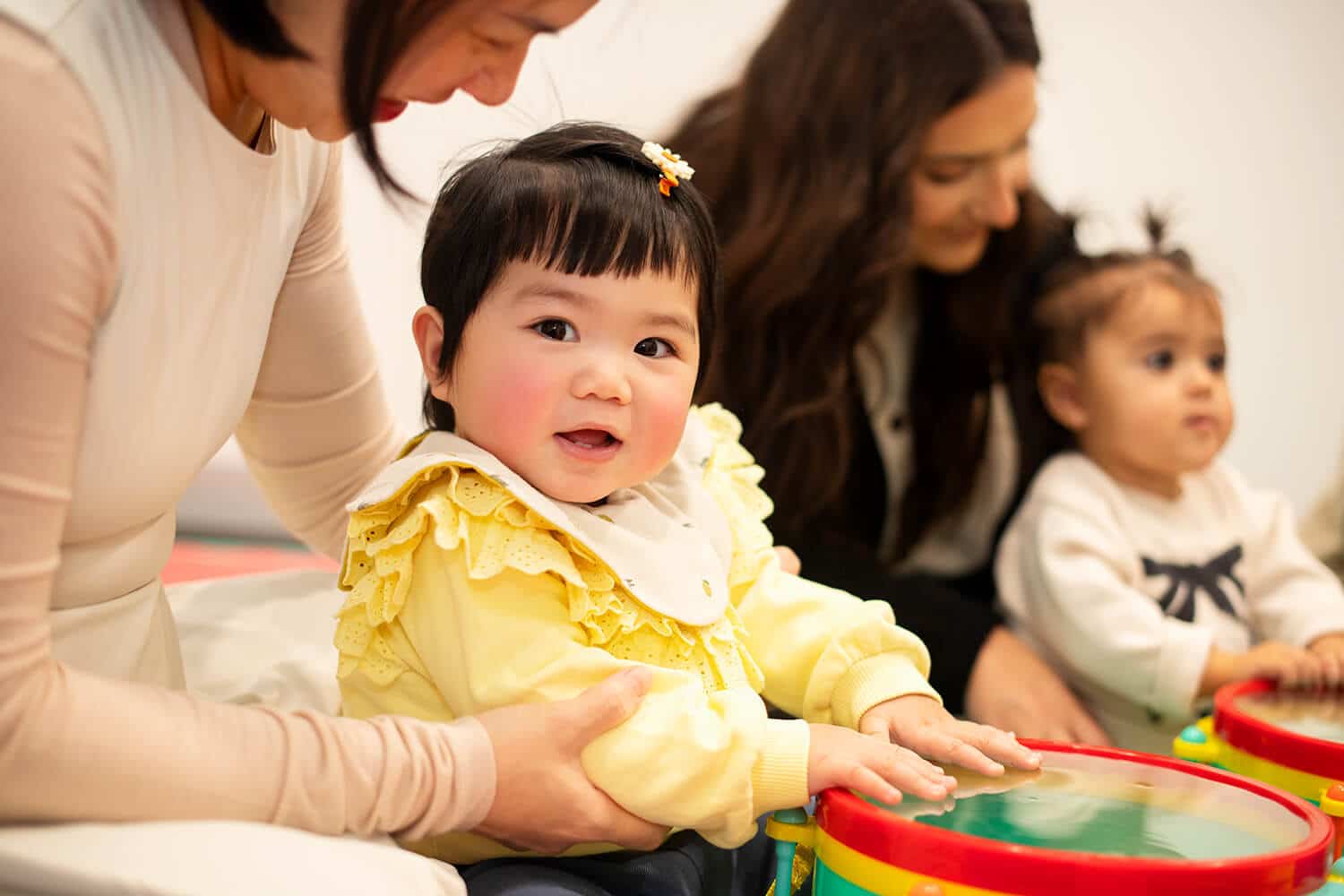
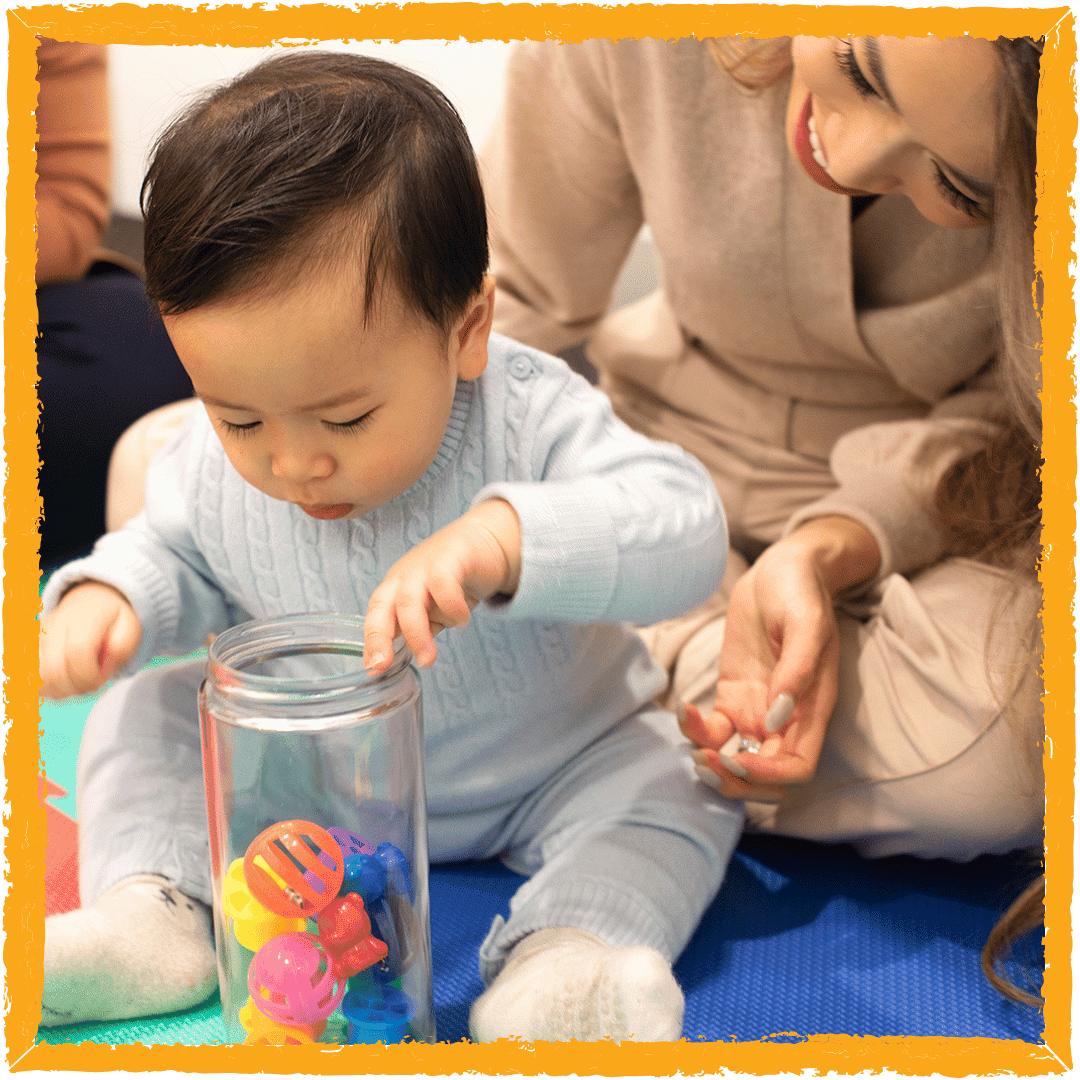
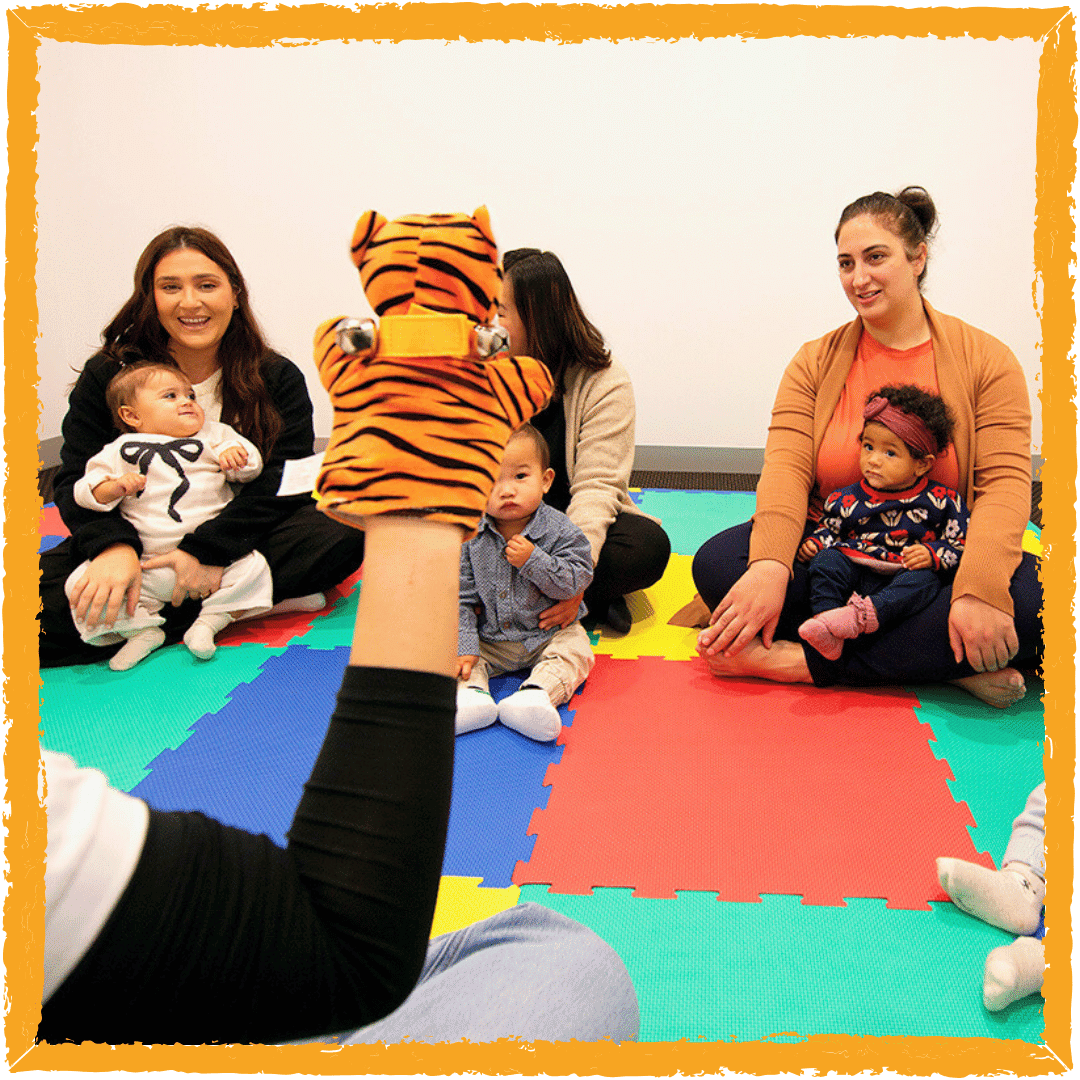
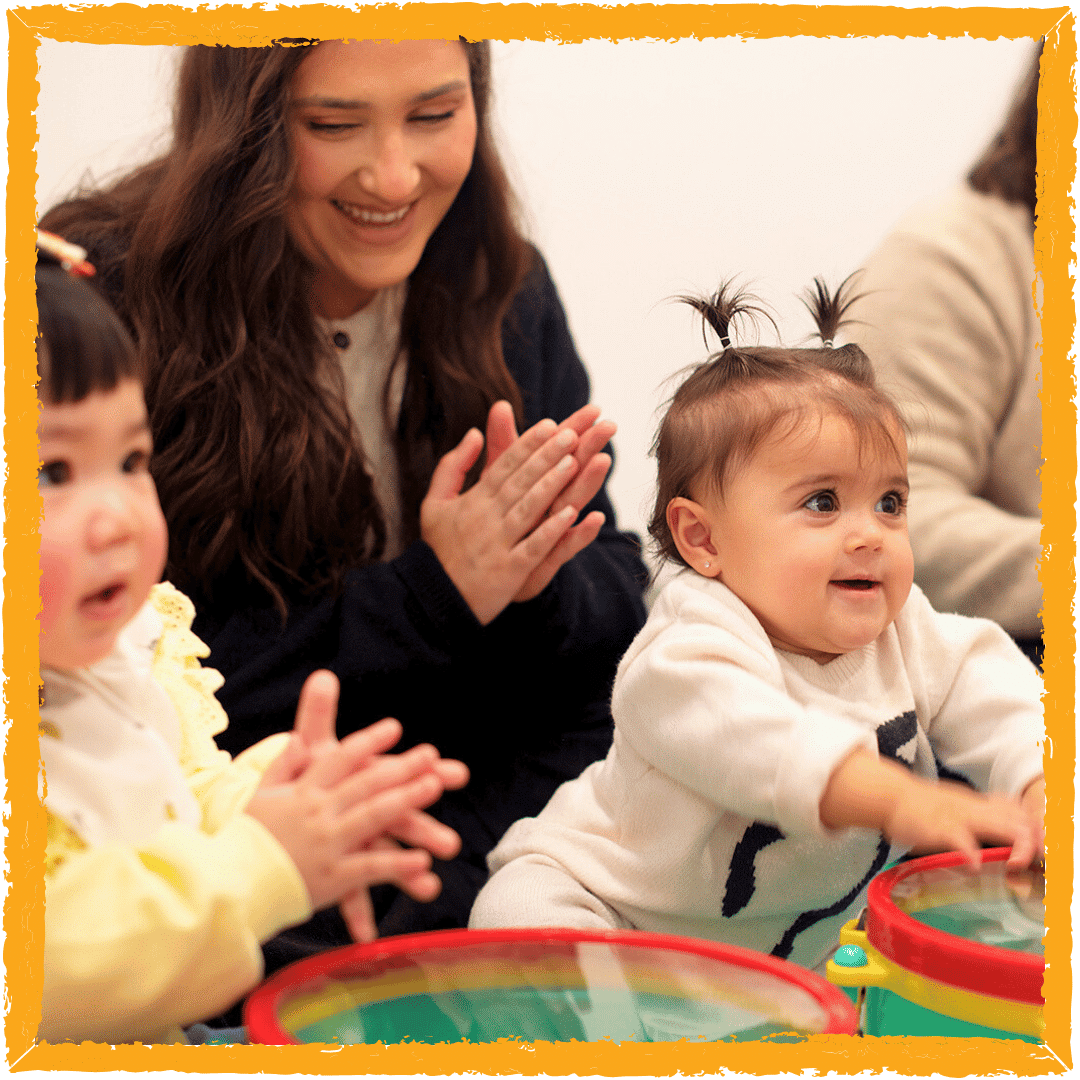
Photo by Shichida Australia: Babies play musical instruments to nursery rhymes, encouraging listening, rhythm, coordination, and early language development – all key foundations for learning.
12-24 Months: Emerging Understanding
- Uses first words to label people or objects.
- Points to pictures when named.
- Enjoys short, repetitive stories.
- Joins in with favourite songs or phrases.
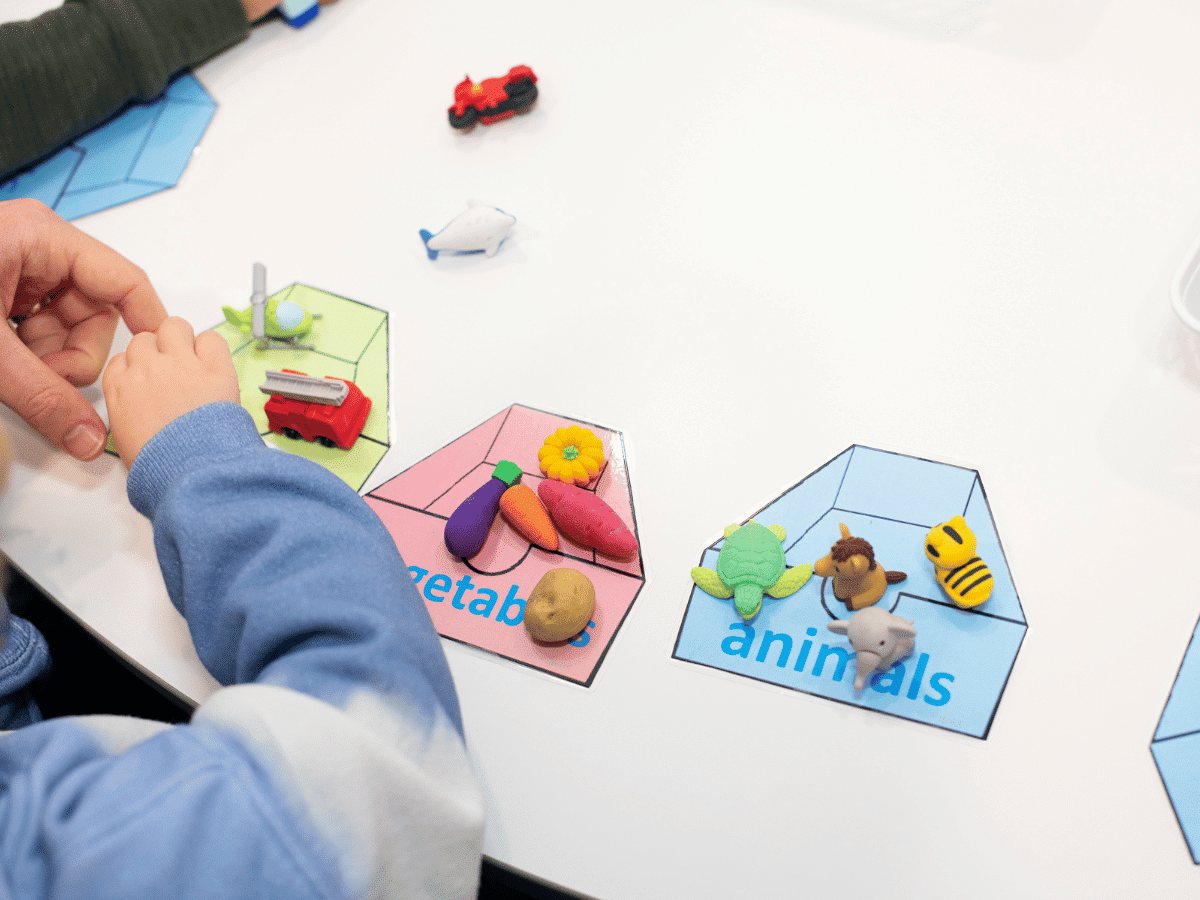
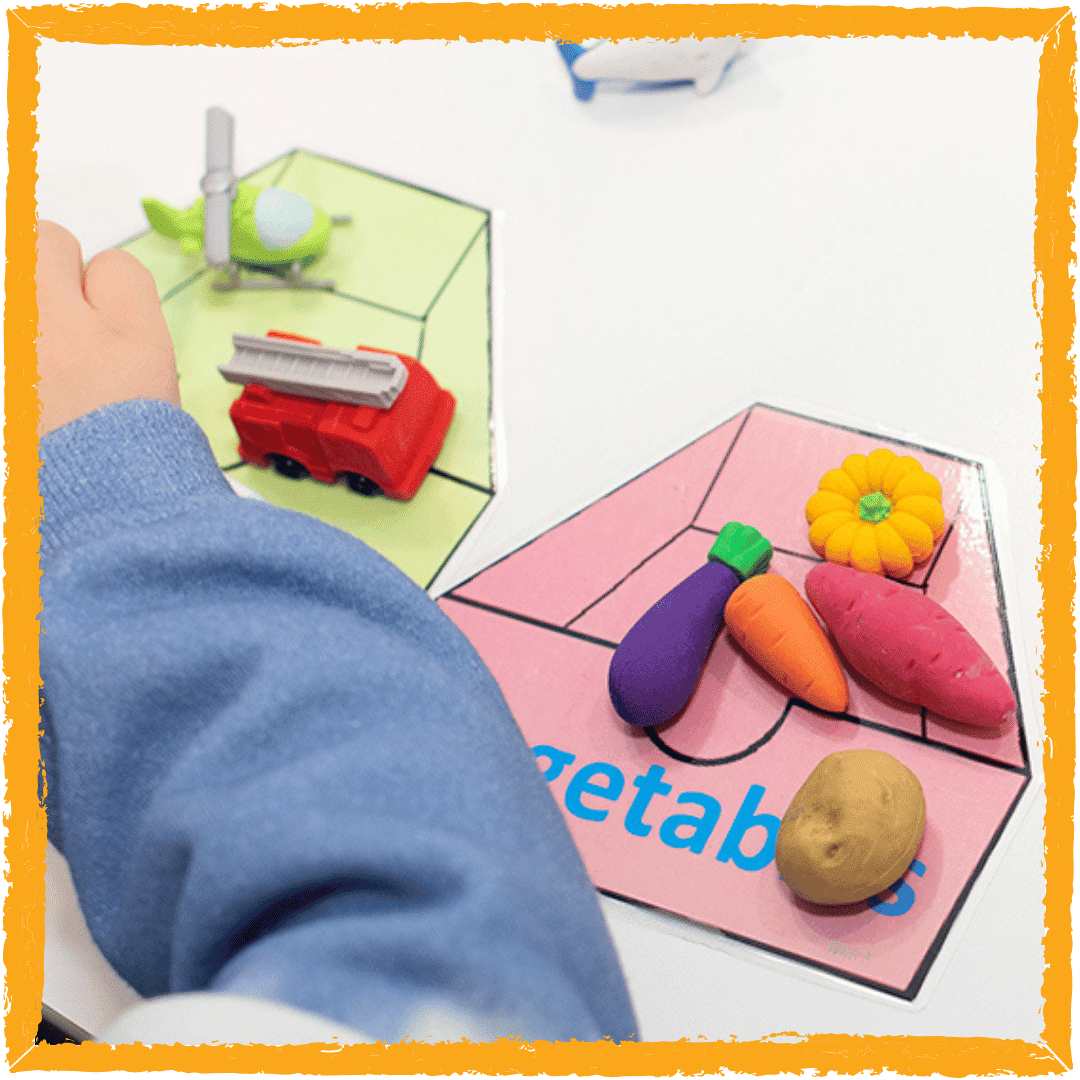
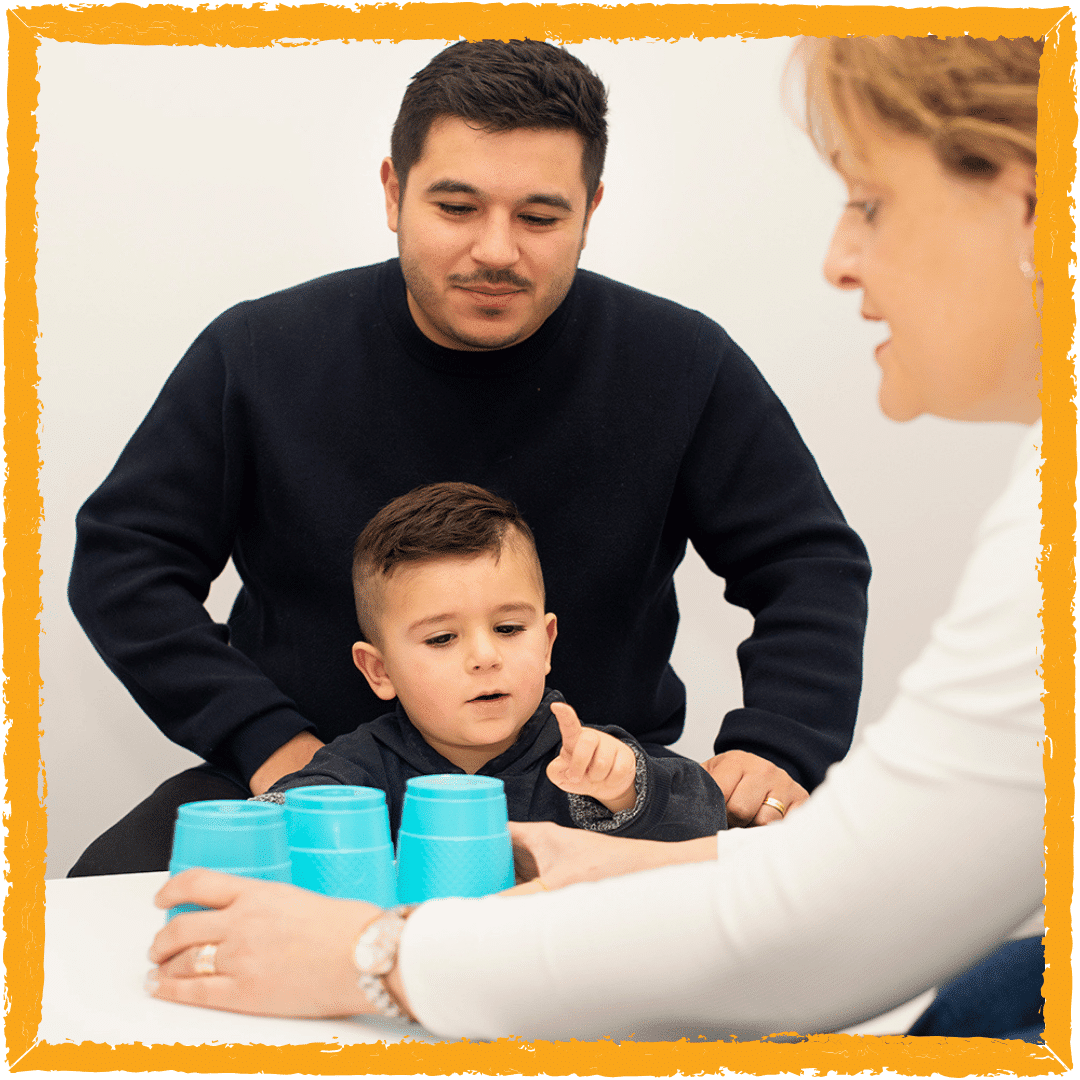
Photo by Shichida Australia: Toddlers are exposed to labels and naming conventions during play, helping them understand that words have meaning. Matching toys to categories like vegetables or animals builds vocabulary, classification skills, and early literacy awareness.
24-36 Months: Building Language and Recognition
- Expands vocabulary rapidly.
- Begins retelling parts of stories.
- Recognises familiar logos and signs in daily life.
- Shows interest in scribbling and mark-making.
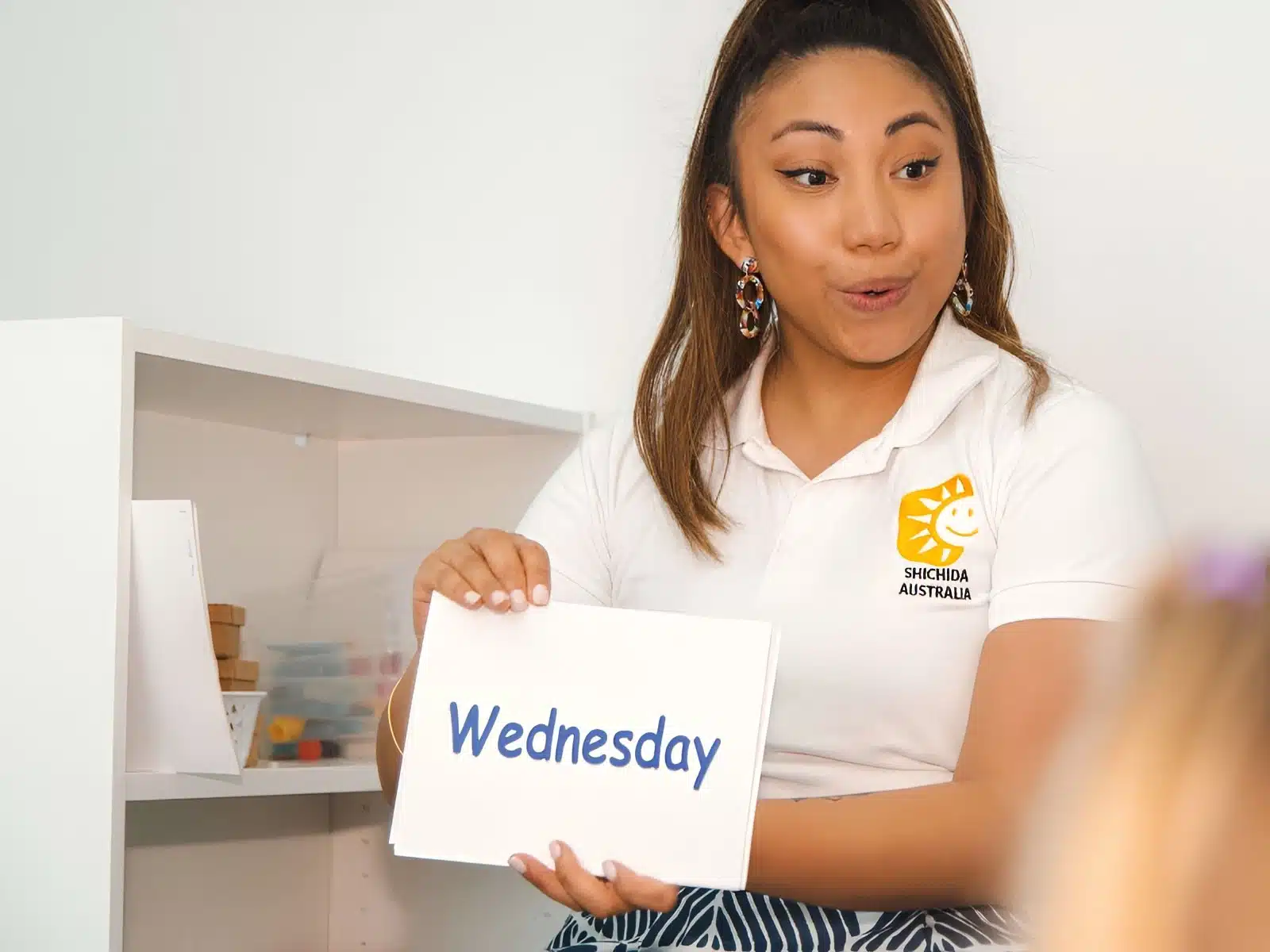
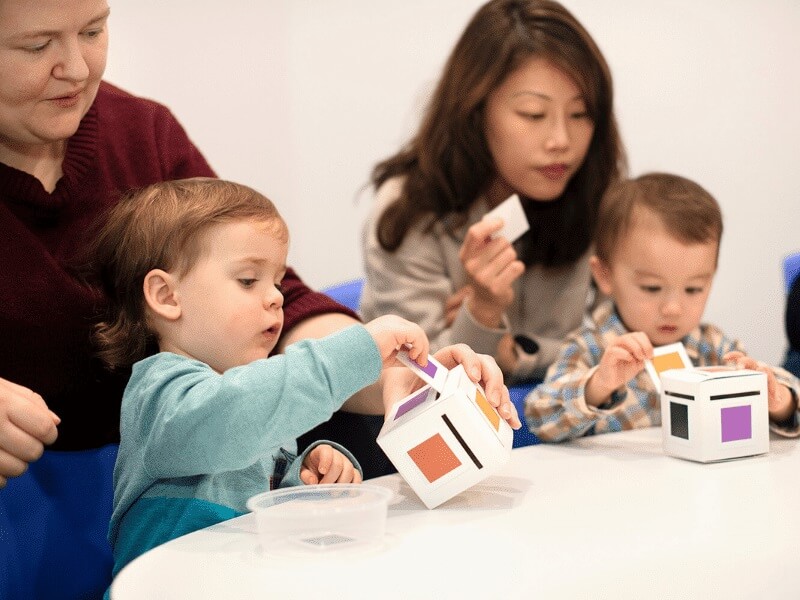
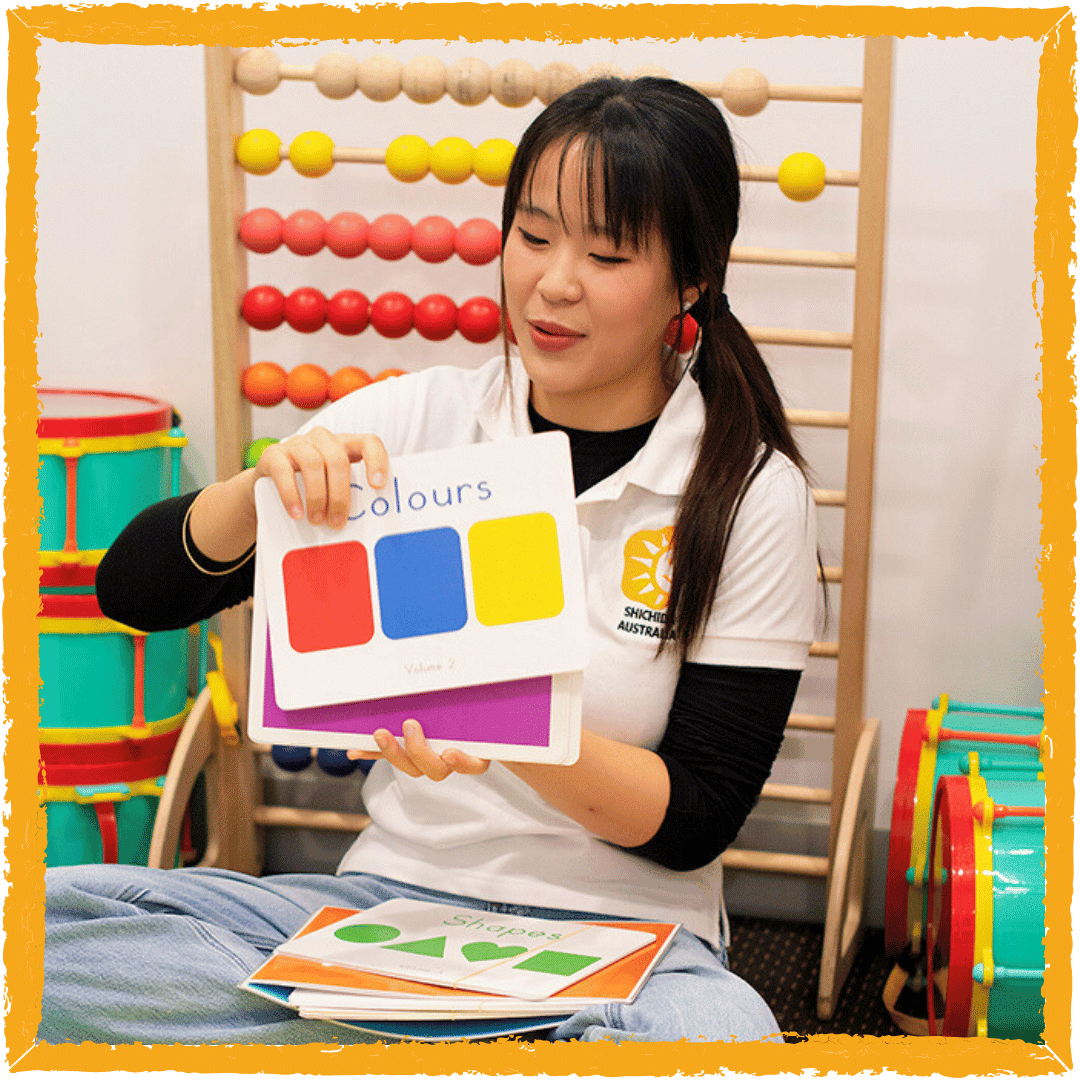
Photo by Shichida Australia: Preschoolers observe high-speed flashcards – a favourite Shichida activity. The flashcards include sight words, an essential building block for early literacy and reading confidence.
36-48 Months: Story Connection and Letter Awareness
- Understands the sequence of events in stories.
- Recognises some letters or name initials.
- Enjoys longer stories and pretend play.
- Asks questions about story details.
48-60 Months: Pre-Reading and Early Writing
- Begins writing their name and identifying letters.
- Predicts what might happen next in stories.
- Connects letters with sounds.
- Plays rhyming or alliteration games with enthusiasm.
Overcoming Common Challenges
Even with the best intentions, you might face some hurdles along the way. Here are some common concerns and practical solutions.
Lack of Interest
Not every child enjoys sitting with books at first. Keep literacy playful. Follow your child’s interests and keep reading sessions short and interactive.
Screen Time
Screens are part of modern life, but balance is key. Use educational apps purposefully and pair screen use with hands-on reading and play.
Bilingual Homes
Speaking more than one language is an advantage. Focus on rich, meaningful conversations in any language. Strong oral skills support literacy development in both languages.
Speech/Hearing Delays
If you have concerns, seek advice from a health or education professional early. Keep reading, talking, and singing to support language growth.
Tips for Sustaining Literacy Momentum Over Time
Early literacy thrives when it’s part of everyday life. Creating a literacy-rich environment at home keeps children motivated and curious.
For more guidance, read the Literacy Activities for Kids: Complete Parent Guide by Age
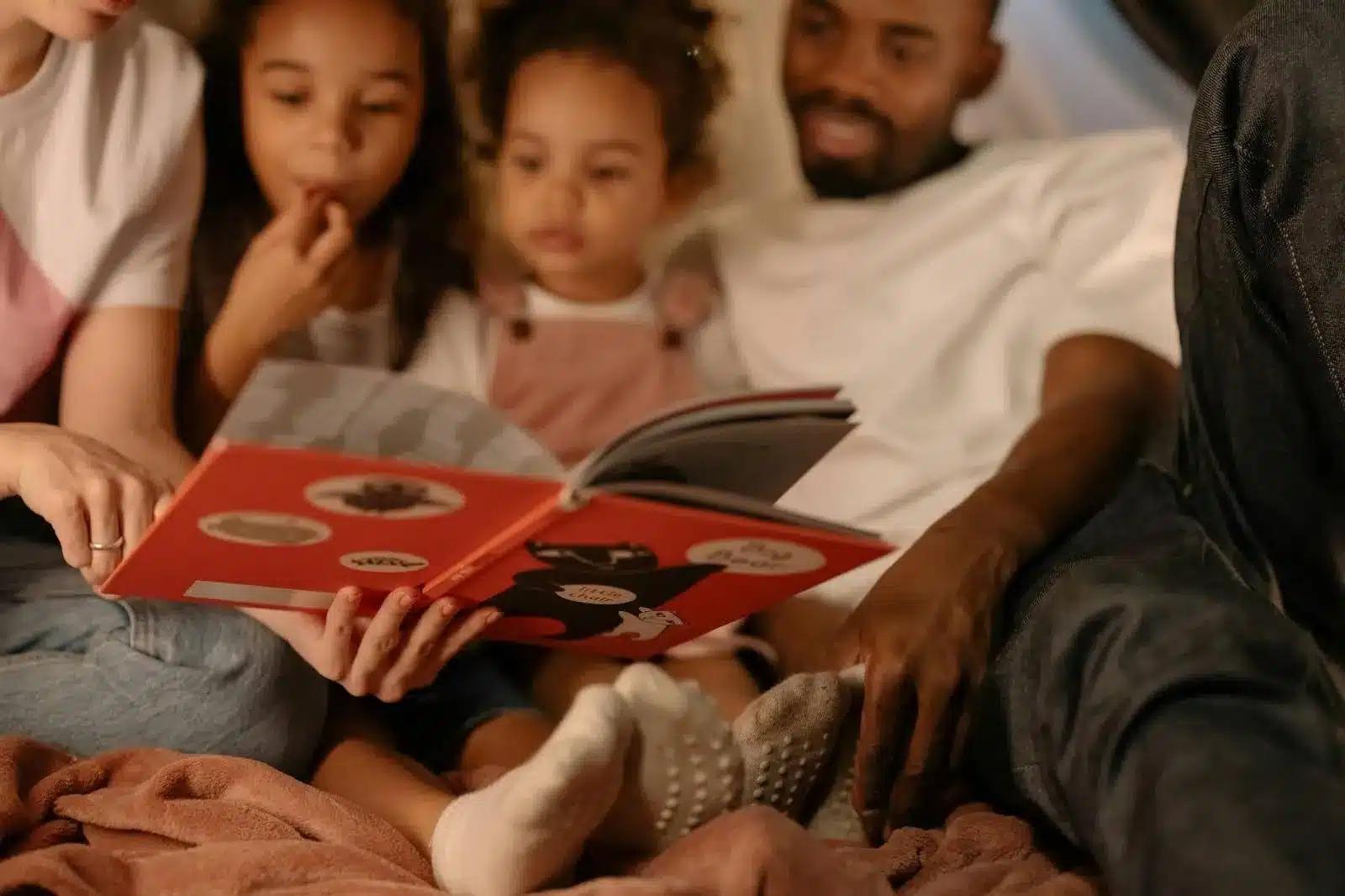
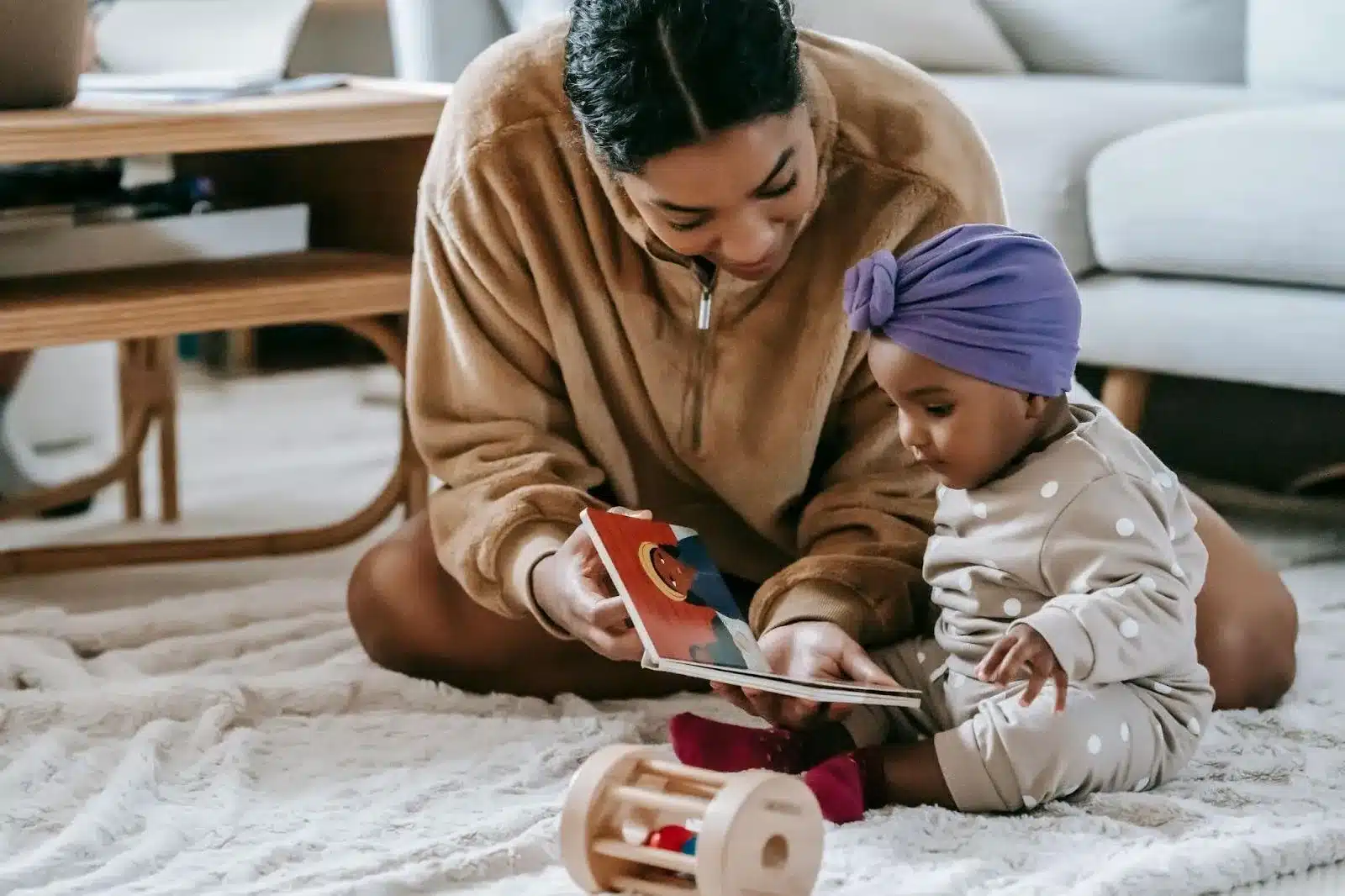
Photo from Pexels: Family storytime, a simple way to build early literacy and spark a lifelong love of reading.
Print-Rich Home
Surround your child with print, books, labels, family notes, and signs. Make reading visible and accessible.
Family Reading Routines
Establish a regular reading time, such as a bedtime story, to build comfort and routine around books.
Community & Library Resources
Libraries and community programmes offer free access to books and storytelling events. These experiences build language skills and social confidence.
Parent as Role Model
Children copy what they see. Let them see you reading, writing, and enjoying stories. Your enthusiasm matters.
Enrichment Classes
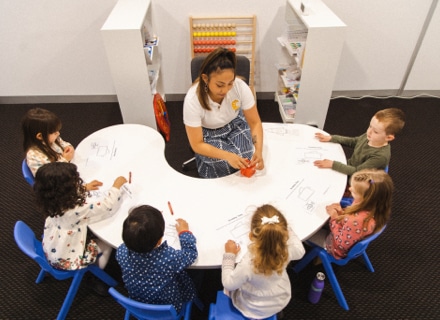
Consider enrolling in an early learning program that supports literacy development through play. The Shichida Method is one example of a balanced approach where parents and children learn together while building essential communication and literacy skills.
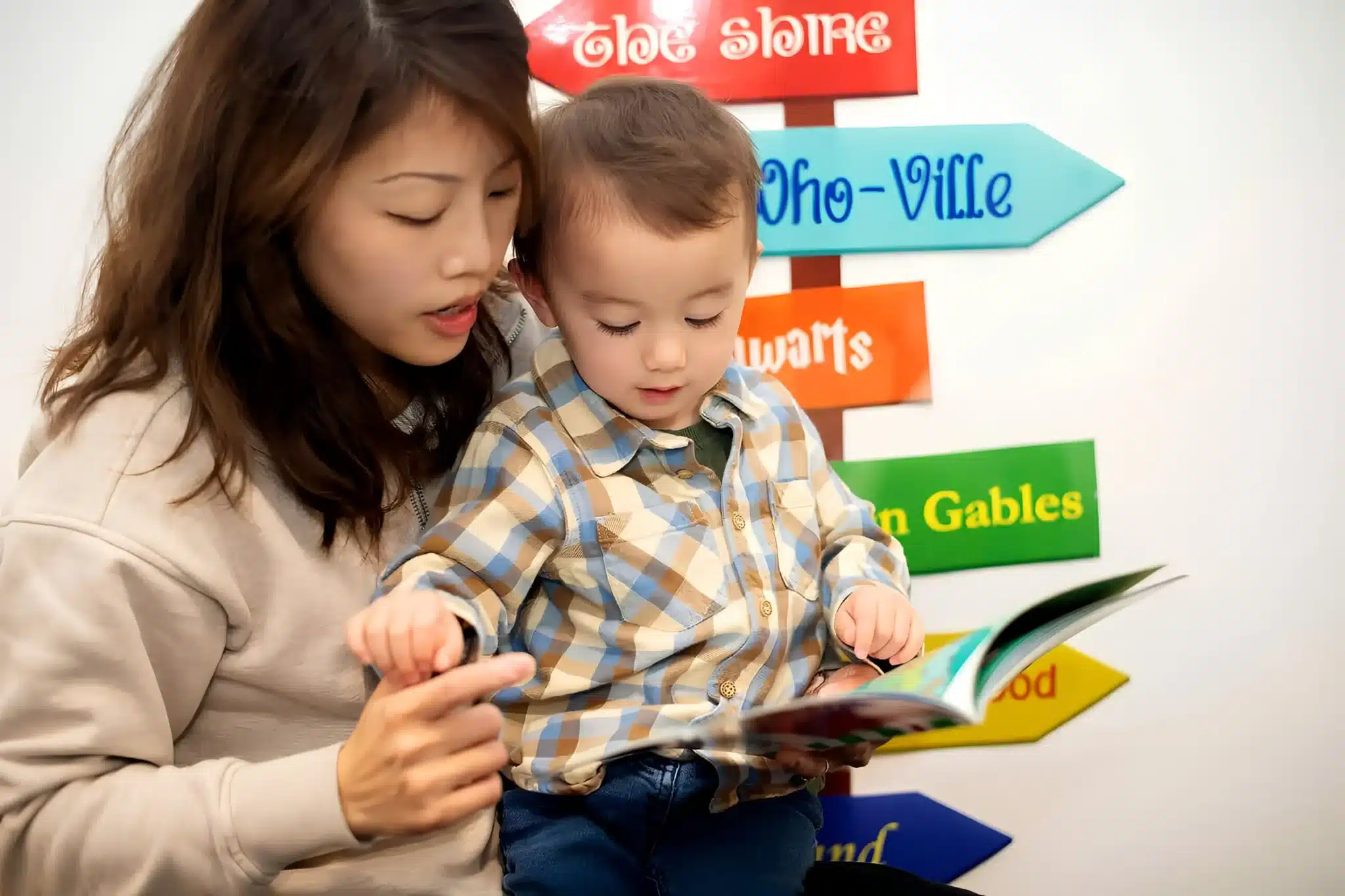
A mum reads to her young child while waiting for their Shichida class to start. Reading together is one of the best ways to build language skills and nurture a lifelong love of reading.
Summary
Early literacy begins with engagement, communication and shared moments that make learning joyful. By talking, singing, reading, and playing with your child, you’re not just preparing them for school, you’re building a lifelong love of learning!
Explore Shichida Early Learning Classes to discover structured ways to nurture early literacy at home and beyond.
Book a trial class and see what Shichida can do for you and your little one.
FAQs About Early Literacy
Early literacy refers to the skills, knowledge, and attitudes that children develop before formal reading and writing begin. It includes vocabulary, print awareness, and early writing.
Talk, sing, read, and play with your child daily. Everyday interactions are the most powerful way to build literacy skills naturally.
You can start from birth. Babies love hearing your voice, and early exposure builds listening and language skills.
Milestones range from babbling and enjoying songs in infancy to recognising letters and telling stories in the preschool years.
Play encourages storytelling, problem-solving, and language exploration. It’s one of the most effective ways to build literacy skills without pressure.
Yes. Shichida Australia offers enrichment classes for children aged 6 months to 5 years that nurture early literacy through play, storytelling, and memory-based activities. Each class supports language development, listening skills, and reading readiness in a fun, engaging environment.