Pi Memory Training at Shichida
Key Takeaways
- Pi memory training at Shichida is a structured memory development activity, not advanced maths instruction.
- Pi is used because its endless, patternless number sequence strengthens working memory and concentration.
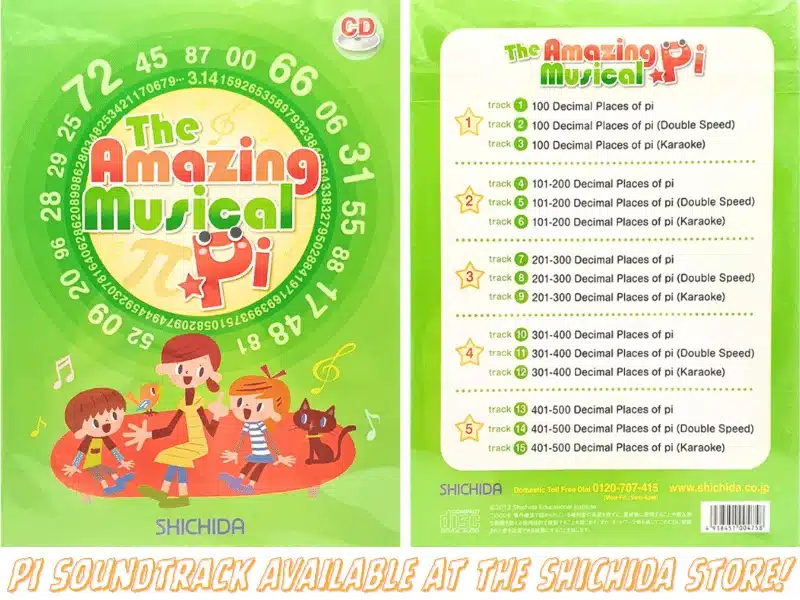
- Children gradually learn up to 500 decimal places through speed listening, singing, and repetition.
- Pi memory training builds auditory memory, recall accuracy, and mental stamina.
- Strong memory skills support literacy, numeracy, problem solving, and classroom confidence.
- Pi is one of several whole-brain memory techniques used in the Shichida program.
500 Decimal Places of Pi
When parents hear that their child is learning pi, they often assume it’s about advanced mathematics. After all, pi is one of the most famous numbers in the world!
But pi memory training at Shichida isn’t about understanding complex maths concepts at an early age. It is a structured memory development activity that simply uses numbers as its foundation.
At Shichida, pi becomes a powerful tool for strengthening working memory, concentration, and recall ability in a measurable way. Rather than pushing children academically, pi memory training builds something far more foundational – the ability to absorb, retain, and retrieve information with confidence. And that skill supports every subject they will encounter later.
What Is Pi in Mathematics?
Pi (π) is a mathematical constant used to calculate the circumference and area of a circle. In simple terms, pi is the number used when measuring anything round.
Its value begins with: 3.1415926535… And it continues infinitely. The digits never end and do not repeat in a predictable pattern.
That endless, non-repeating nature is what makes pi so fascinating – and so useful in mathematics. There is even a global celebration called Pi Day, held on March 14 (3/14) to represent the first three digits: 3.14.
Even more interesting? Albert Einstein was born on March 14, making Pi Day also Einstein’s birthday. For many families, it becomes a fun opportunity to talk about maths, curiosity, and big ideas.
Why Would Children Memorise Pi?
Preschoolers are not calculating the circumference of circles. So why memorise pi? Because pi memory training is a form of structured memory training for children.
Pi is ideal for memory development because:
- It is endless.
- It has no obvious pattern.
- It requires strong listening skills.
- It builds sequential recall.
- It strengthens working memory.
Unlike stories or songs with meaning, pi relies purely on concentration and auditory memory.
This type of Shichida Method training supports skills that children use every day at school:
- Retaining spelling words
- Following multi-step instructions
- Remembering maths facts
- Listening accurately
- Maintaining focus for longer periods
Many parents searching for ways to improve child memory are surprised to learn that memorising structured number sequences can build these foundational skills.
How Pi Memory Training Works at Shichida
At Shichida, pi memory training is introduced an auditory memory activity.
Pi was chosen intentionally. As a circular constant that continues infinitely, it allows children to train their ability to process and store a large amount of information efficiently. Children are gradually guided towards learning up to 500 decimal places of pi over time.
However, this is not a benchmark or expectation for every child. Each child progresses at their own pace, and the focus remains on strengthening memory skills rather than reaching a specific number.
The structure simply provides a framework for growth – what matters most is the development of concentration, recall ability, and confidence along the way.
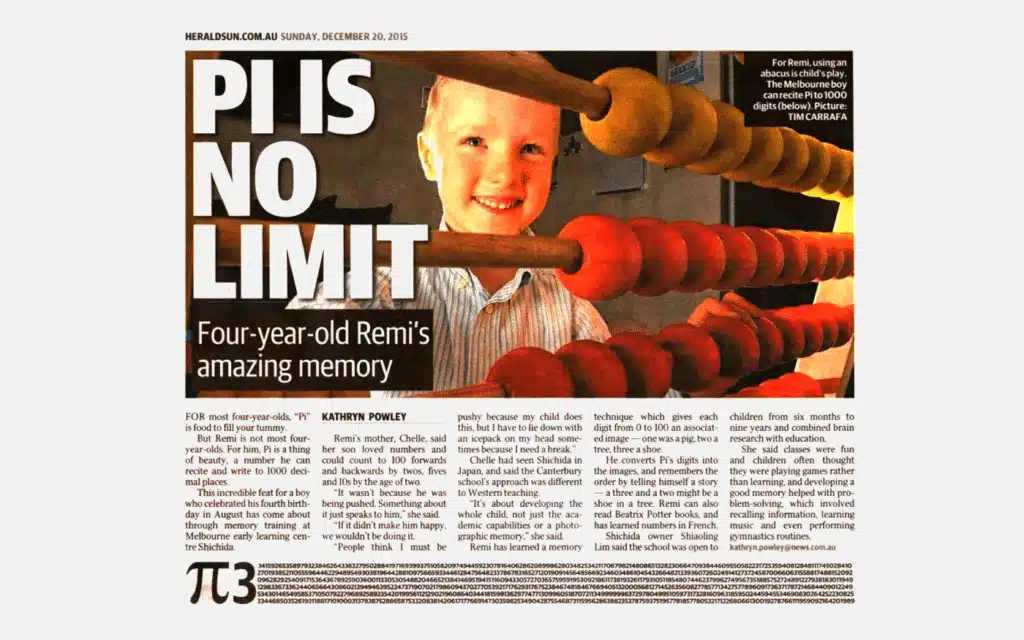
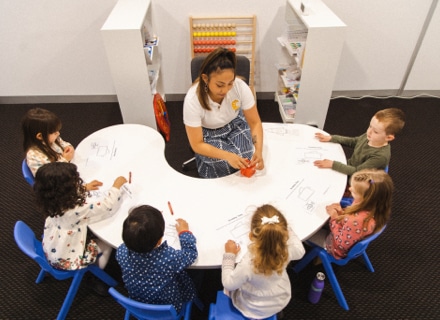
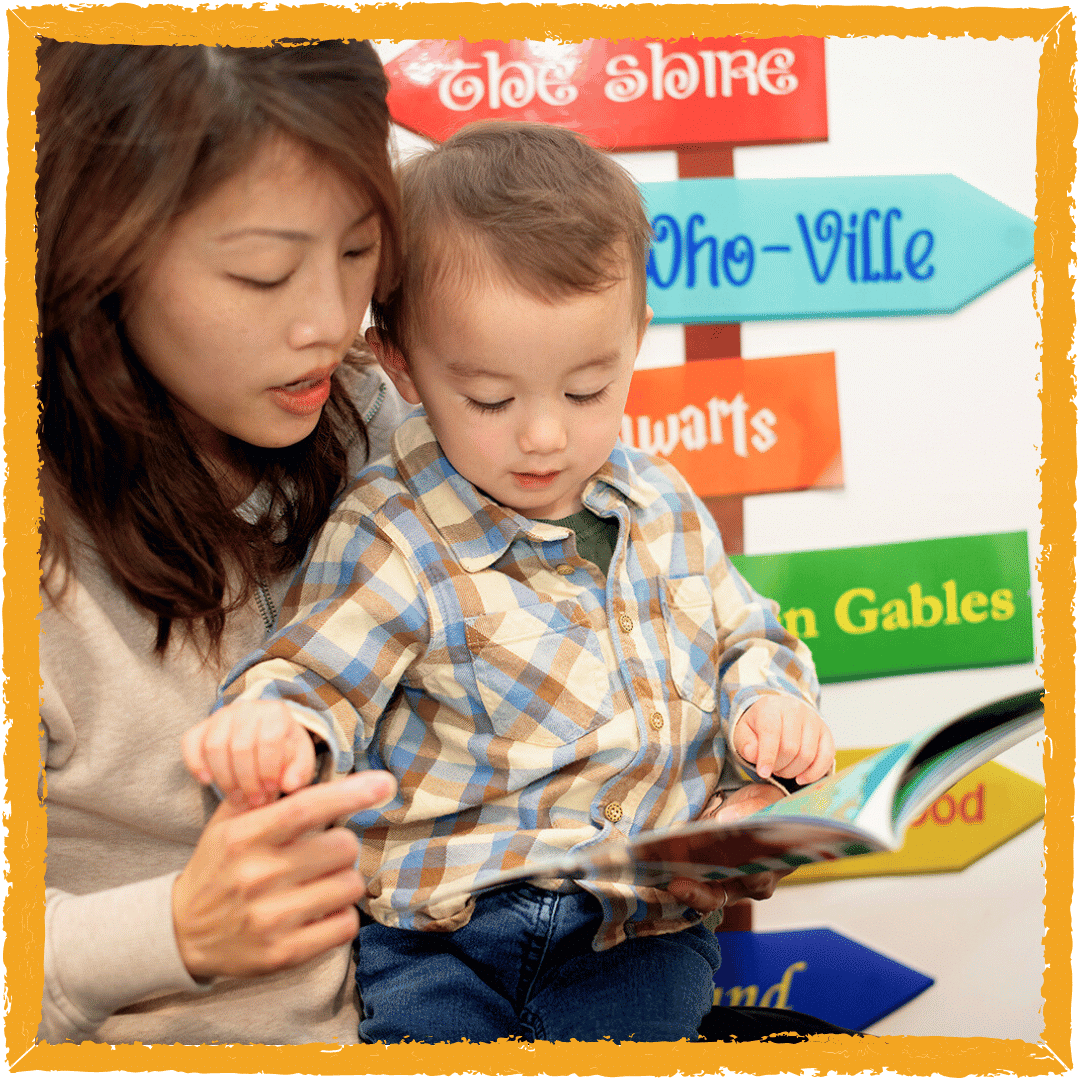
Image by Shichida Australia: One of our Shichida students appeared in the Herald Sun in 2015 at only 4 years old for memorising 1000 decimal places of pi.
1. Learning in Stages
Children learn approximately 100 decimal places per month through songs and guided recitation. After reaching 500 decimals, they spend two additional months reviewing and consolidating the full sequence. This gradual progression ensures the training remains achievable and confidence-building.
2. Speed Listening
Children listen to a dedicated pi audio track at twice the speed of normal speech. This “speed listening” technique activates auditory memory processing and strengthens concentration. Faster input challenges the brain to focus and absorb information efficiently.
3. Singing and Recitation
Children then sing the digits at normal speed. Reciting aloud helps transfer information into long-term memory. Repetition strengthens neural pathways, allowing recall to become faster and more automatic over time. Frequent repetition builds strong connections within the brain, making information retrieval increasingly effortless.
Pi Is One Part of the Shichida Whole-Brain Program
It is important to understand that pi memory training is just one memory development technique within the Shichida program.
The Shichida Method is a whole-brain training approach that incorporates right-brain memory techniques alongside structured practice.
While the left brain tends to memorise by analysing and breaking information into parts, the right brain has the capacity to absorb large amounts of information quickly when trained appropriately.
At Shichida, children practise a variety of memory techniques, including:
- Auditory memory (such as Pi)
- Visual memory
- Peg Words
- Digit Band
- Mnemonic memory techniques
Our goal is not simply intellectual performance, but to equip children with transferable skills they can apply in daily life – in reading, maths, presentations, problem solving, and long-term learning.
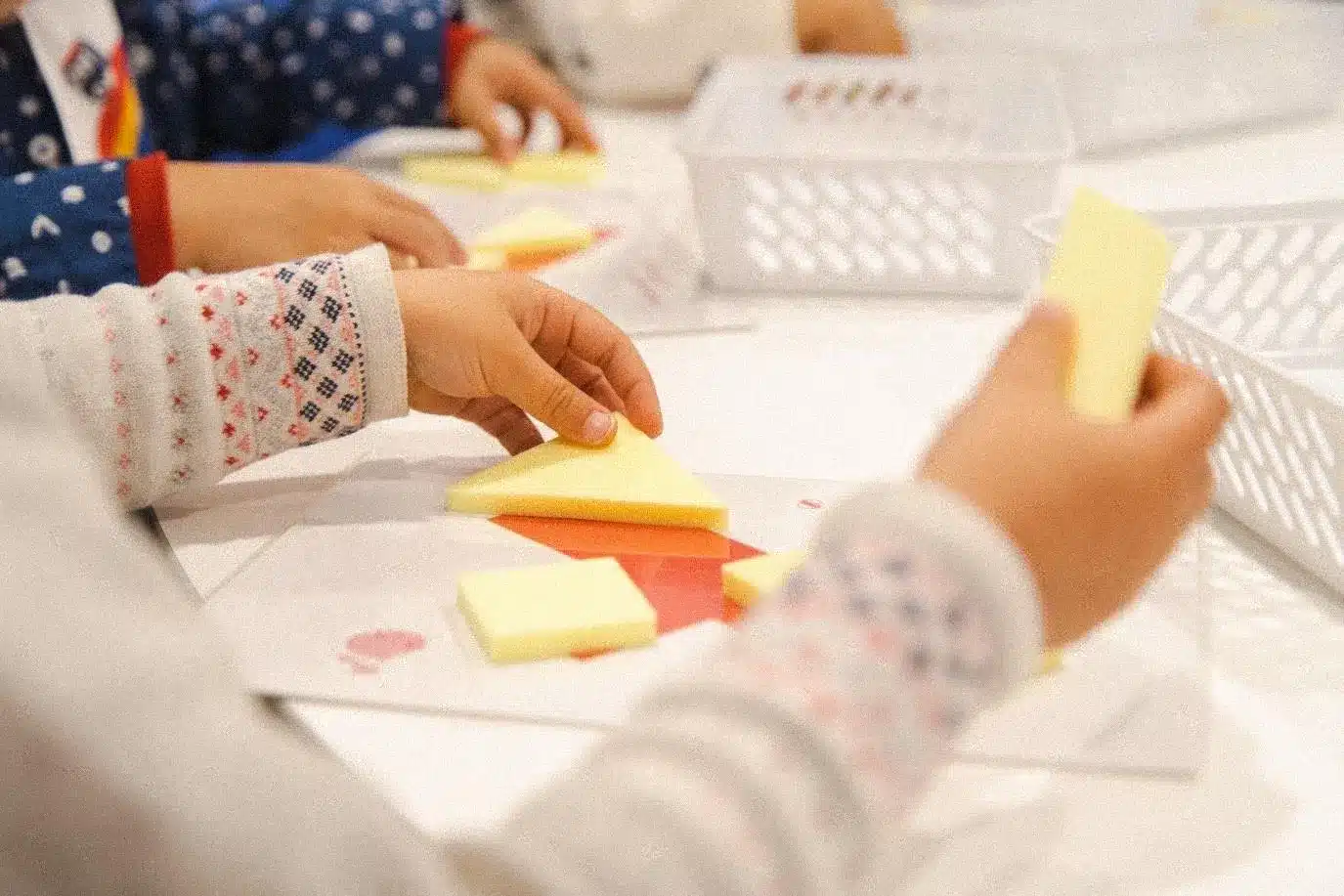
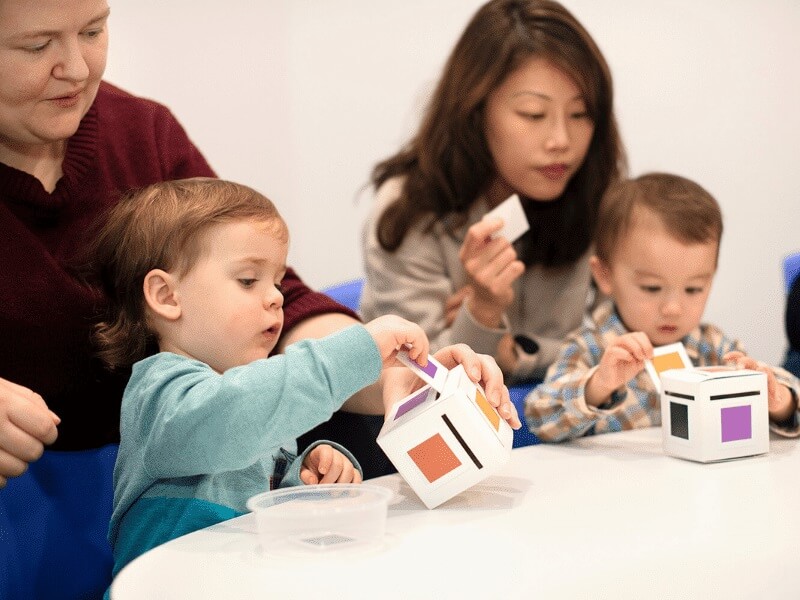
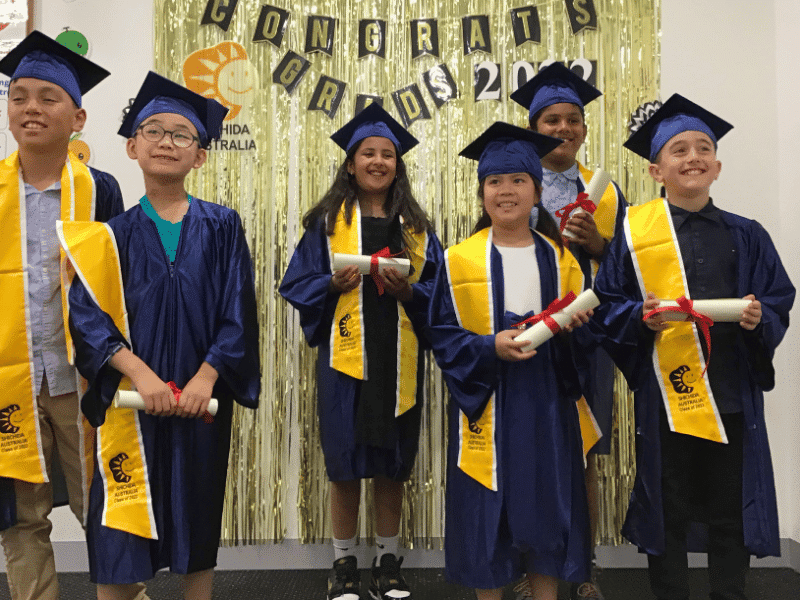
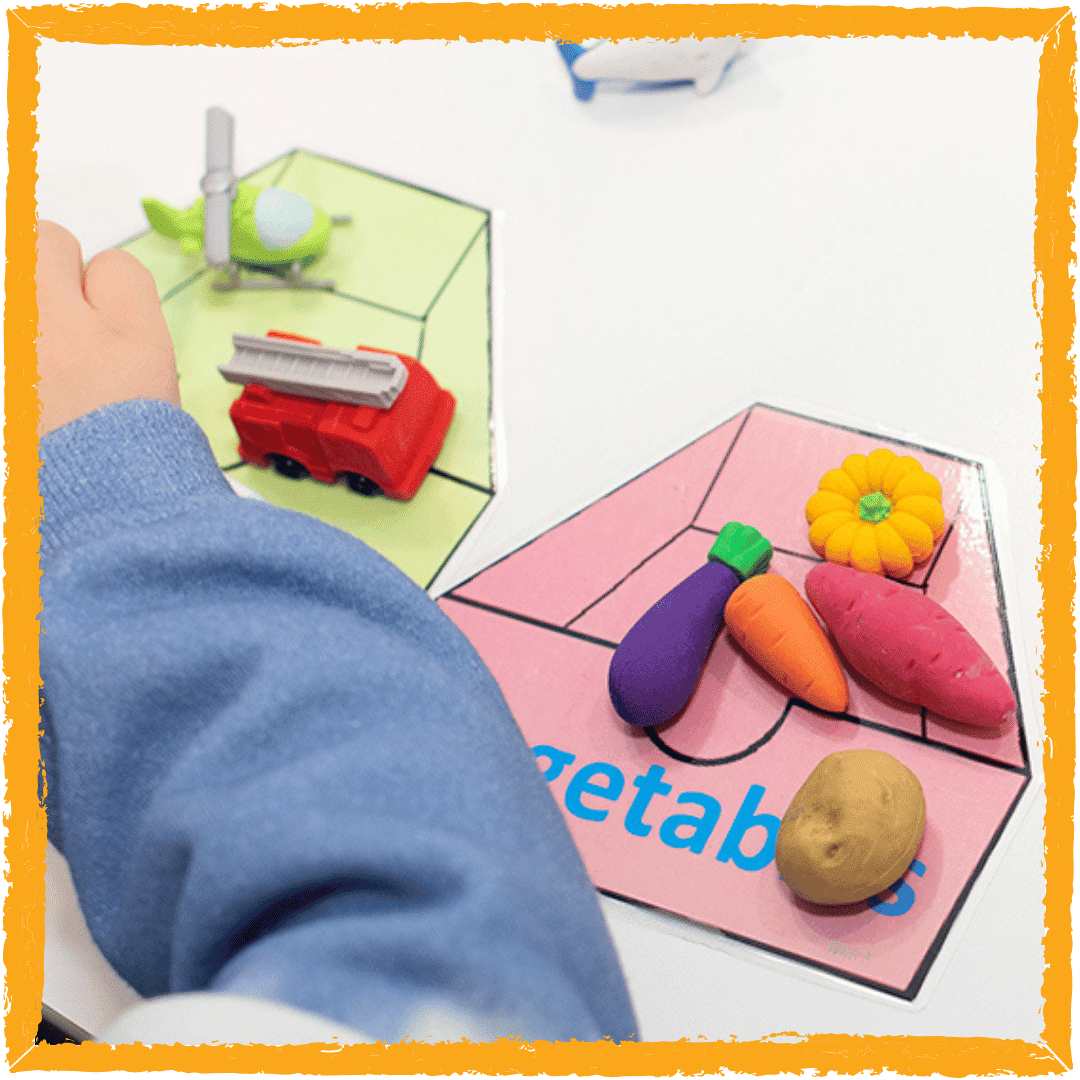
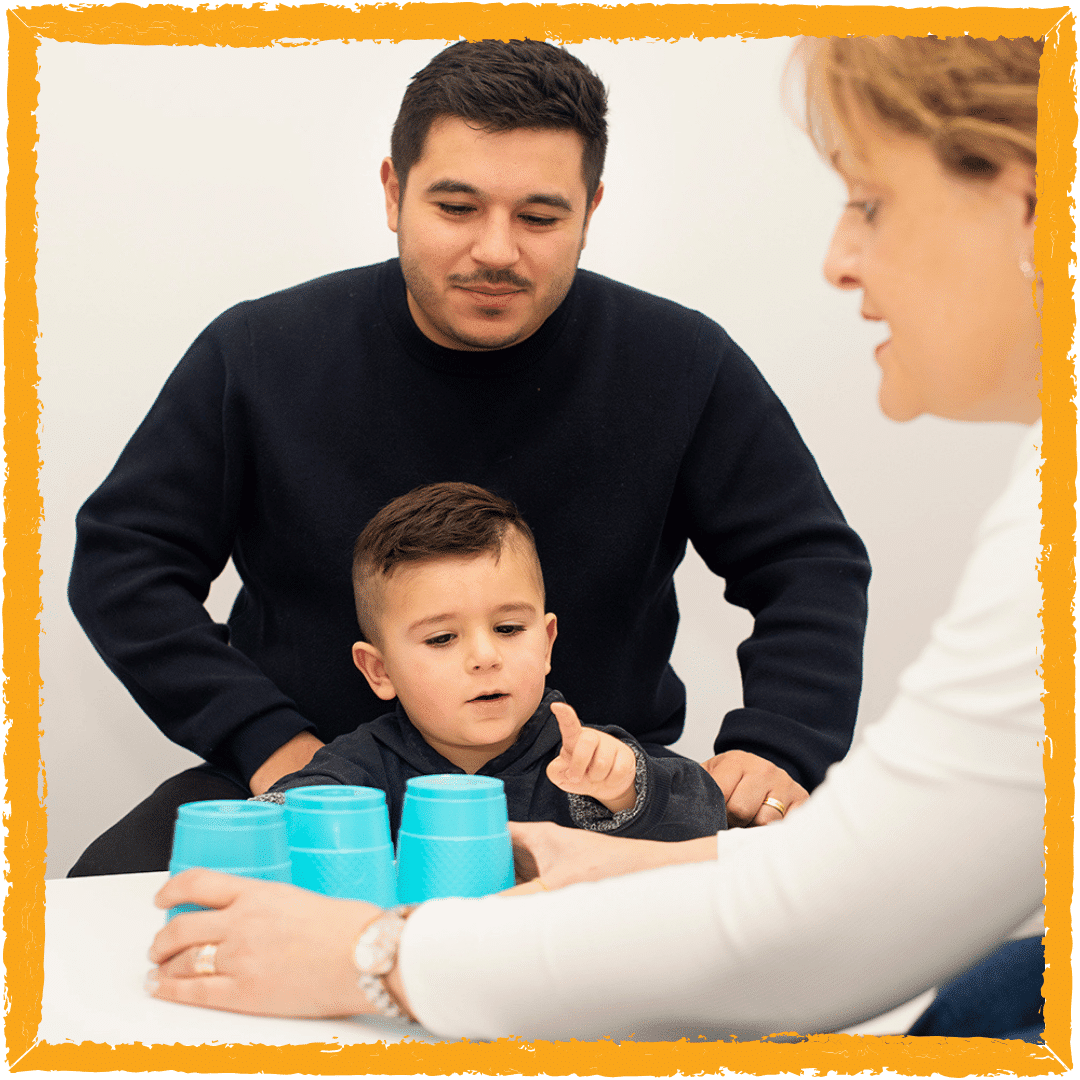
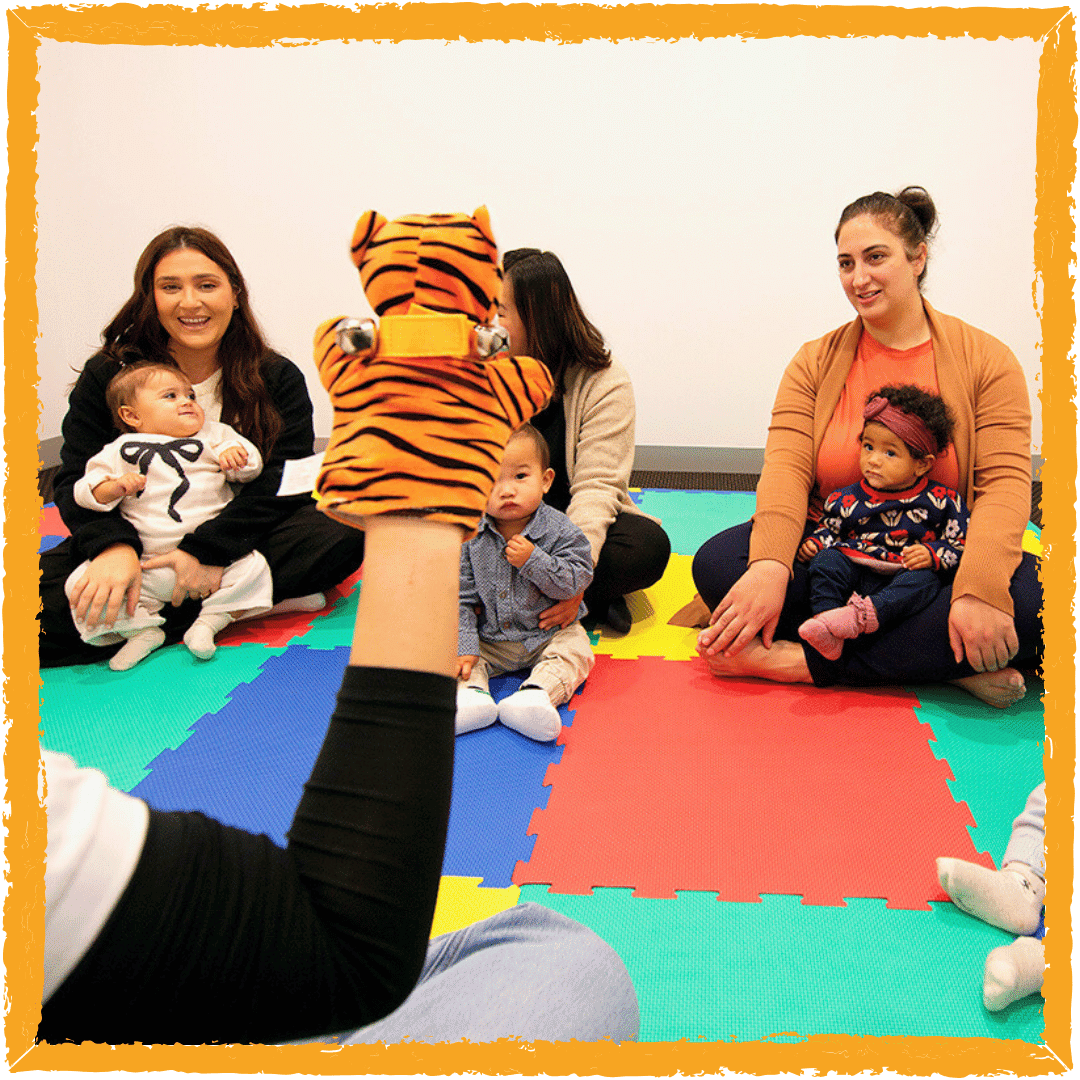
Image by Shichida Australia: The Shichida program is a balanced early learning approach that supports both IQ and EQ development, strengthening early brain development and memory skills. These foundations extend naturally into maths, language, problem solving, creativity – and beyond.
Is Pi Memory Training About IQ?
Pi memory training is not designed as preparation for a kids IQ test.
However, many children’s IQ tests include working memory components. Strong working memory supports recall accuracy, attention span, and processing speed. While we do not train for testing, strengthening memory capacity supports the type of cognitive skills often measured in formal assessments.
More importantly, it supports everyday classroom learning.
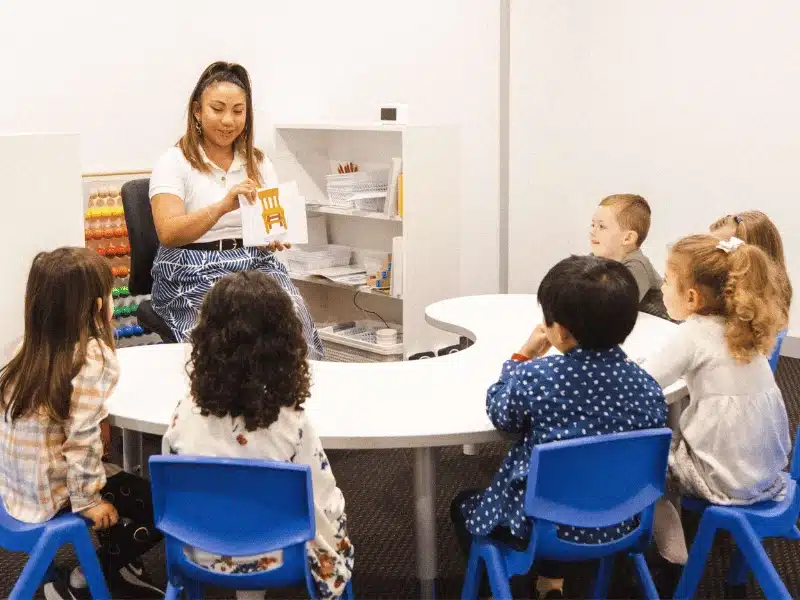
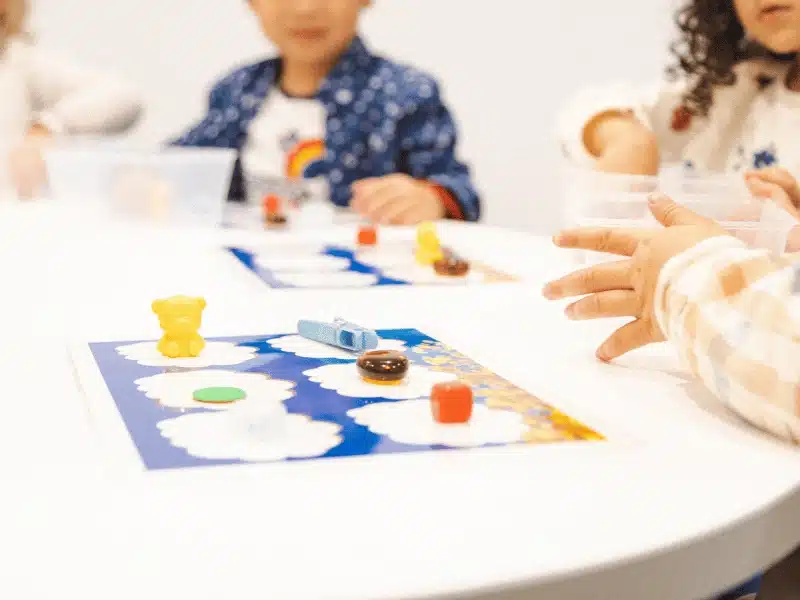
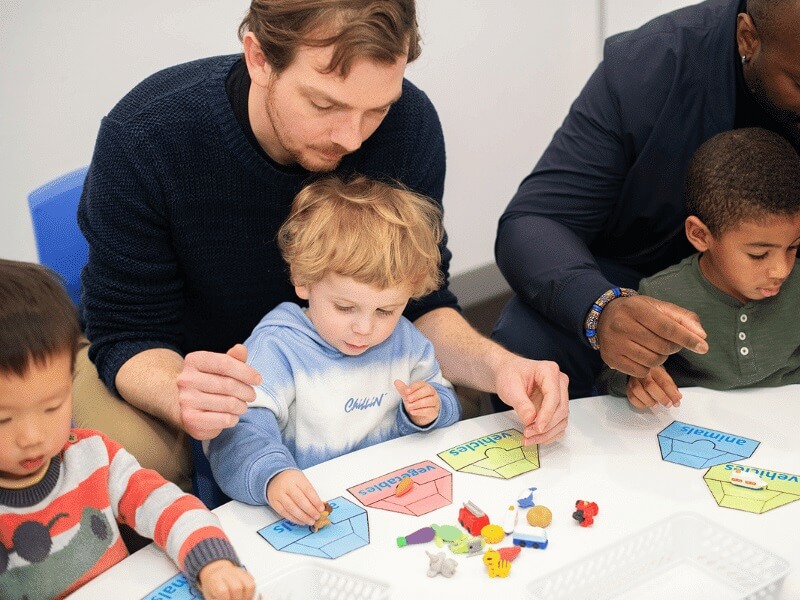
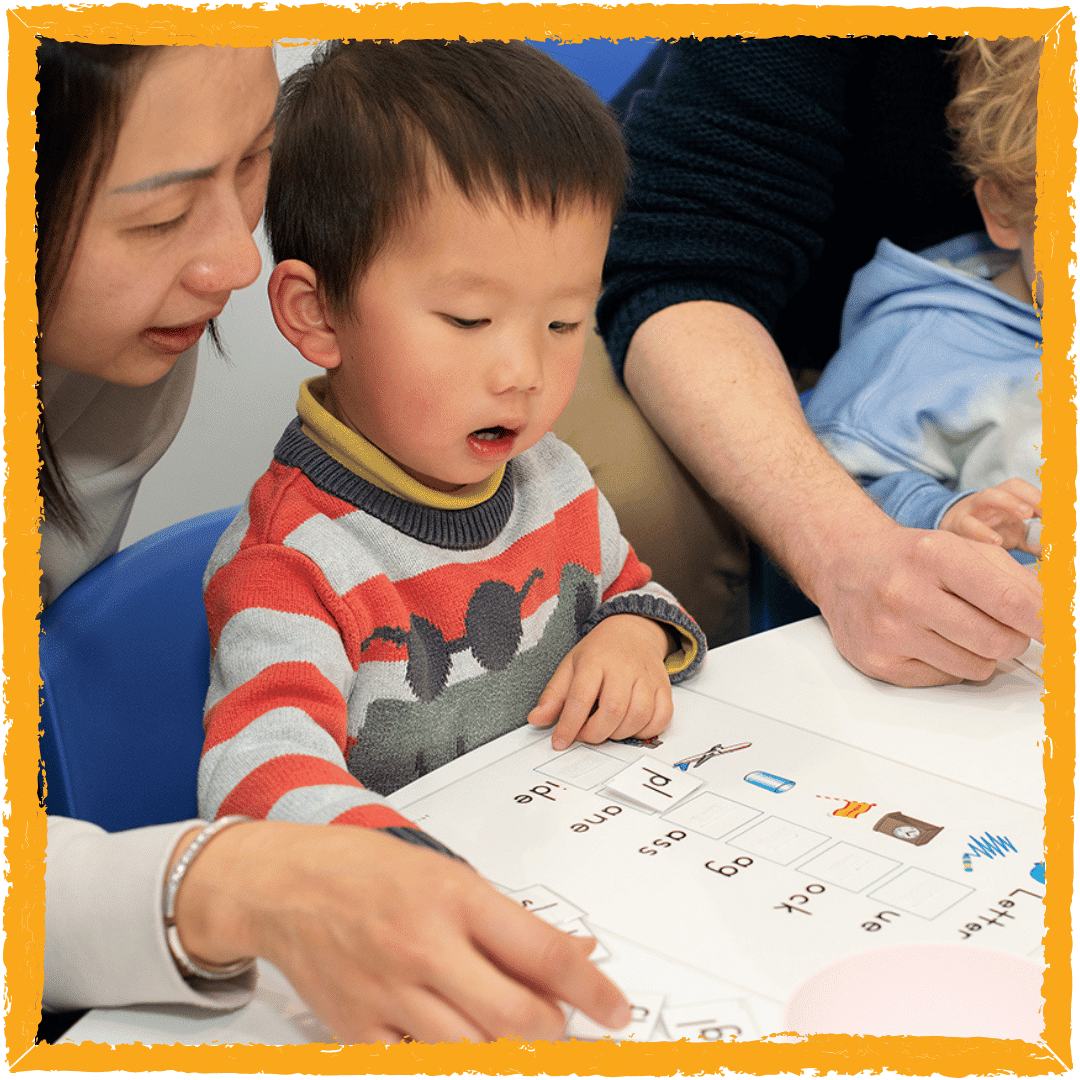
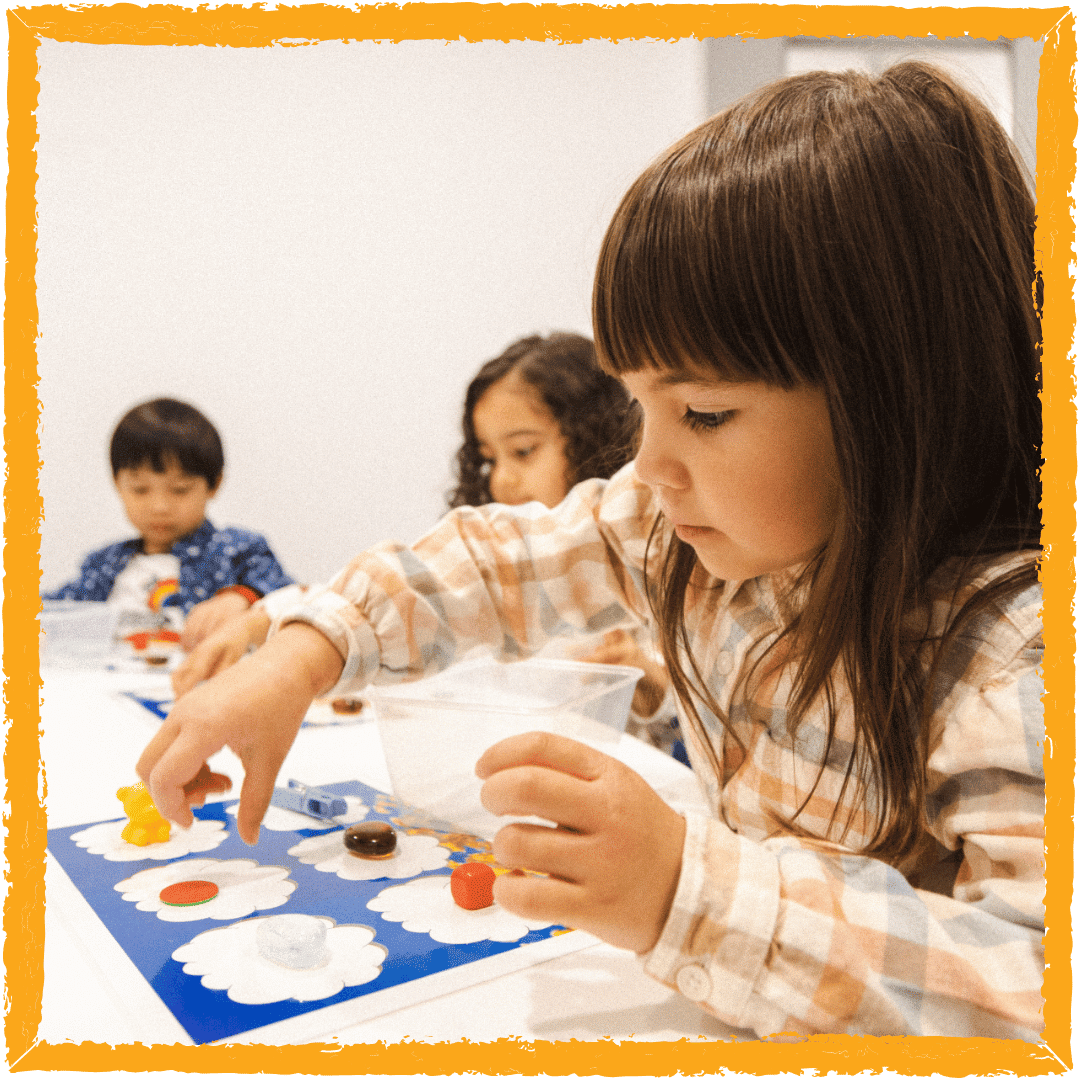
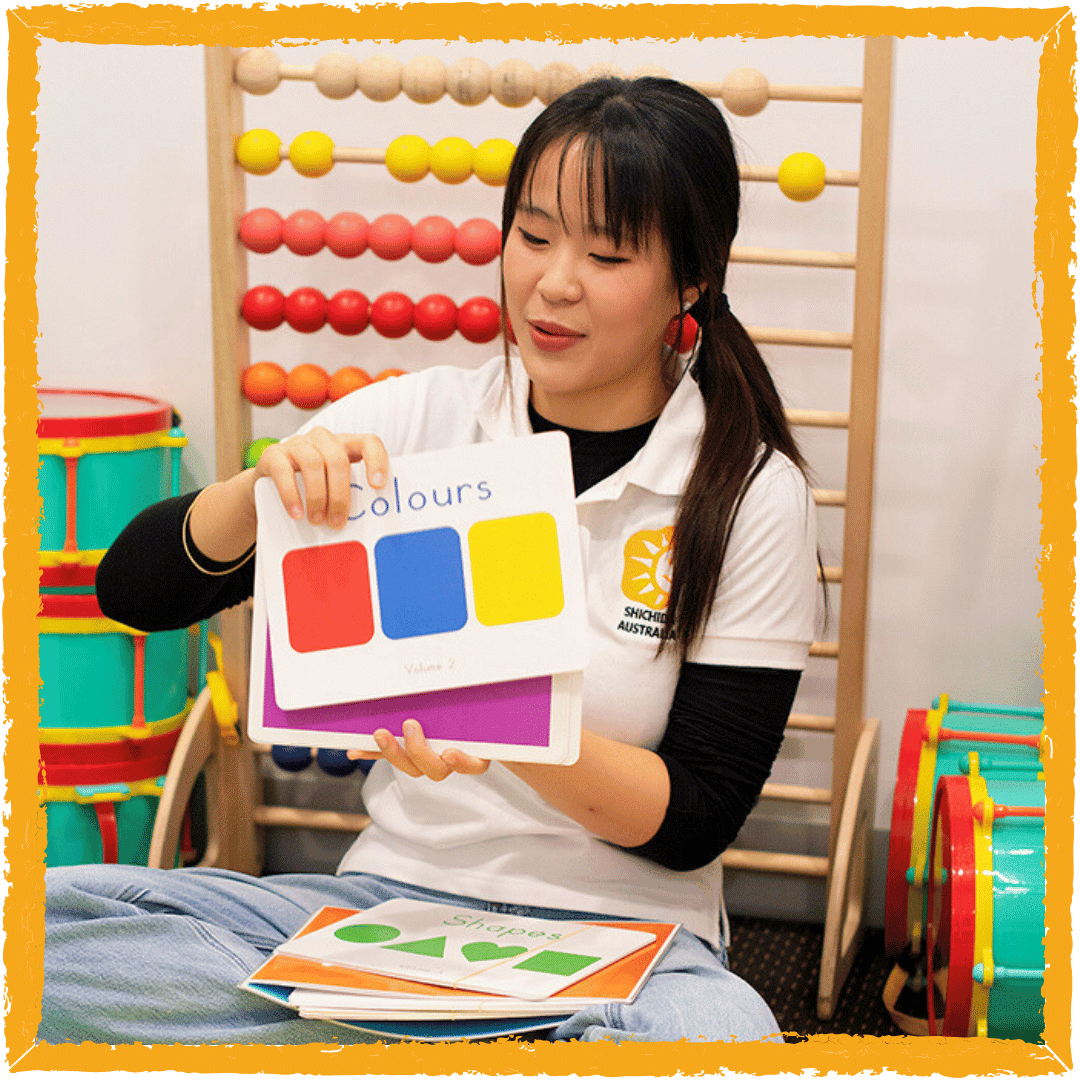
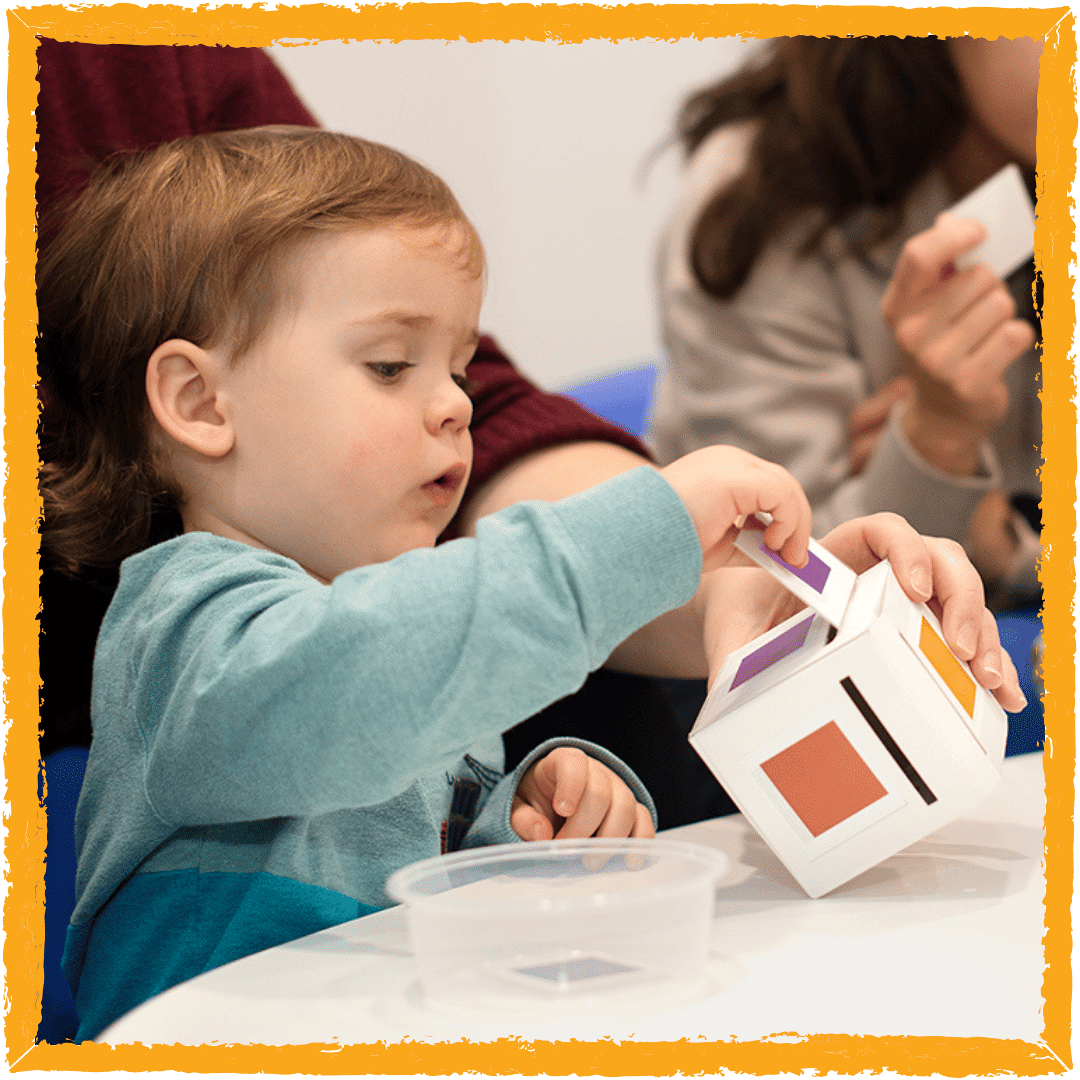
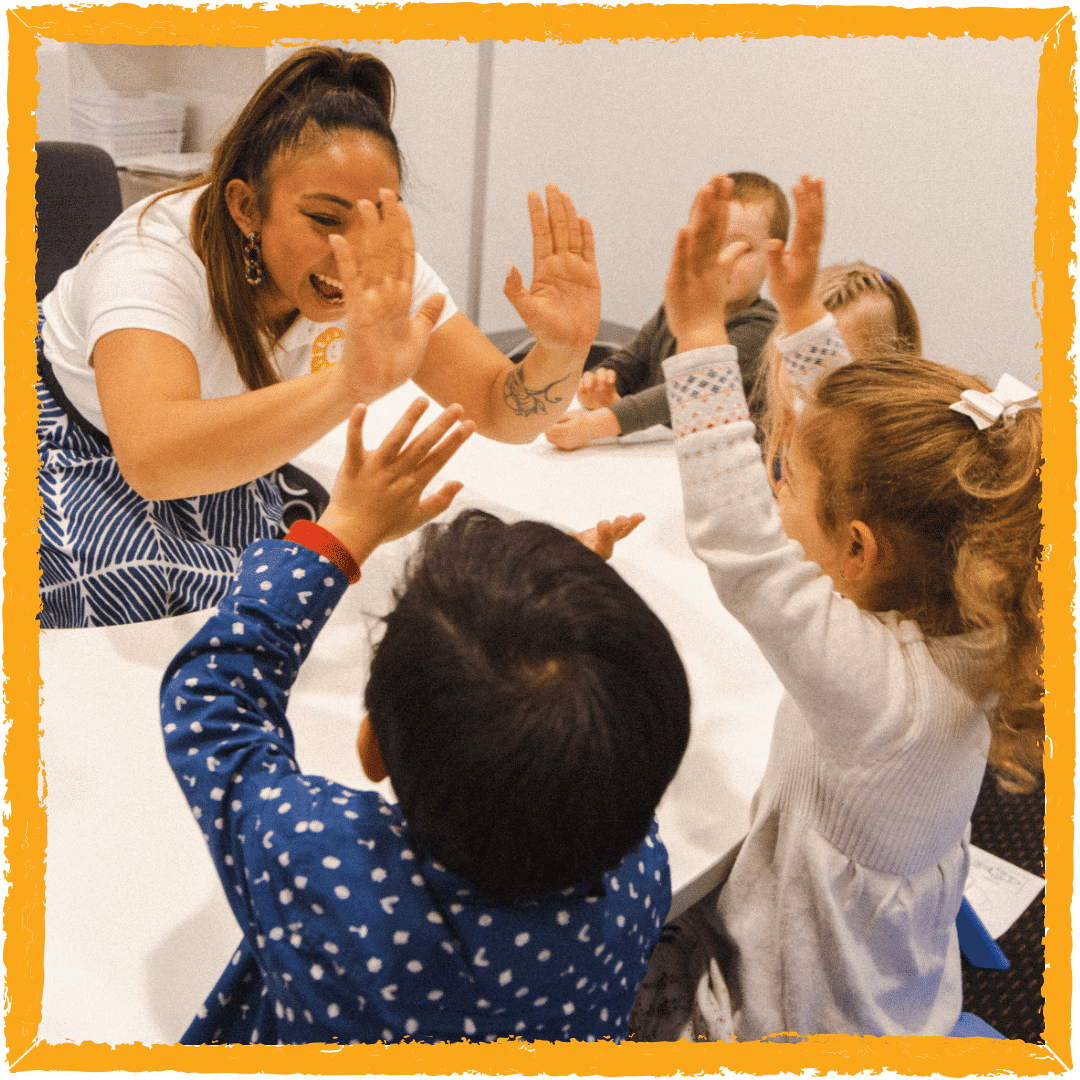
Image by Shichida Australia: Shichida uses high-speed flashcards to train visual memory and focus. The fast input is intentional – it challenges the brain to process information quickly and strengthens recall ability, much like pi memory training strengthens auditory memory.
Why Start Memory Training Early?
The early years are when the brain forms neural connections at its fastest rate – called the Golden Period of child development.
Young children have a remarkable capacity to absorb information. With structured repetition and positive reinforcement, that capacity can be strengthened significantly. When a child successfully recites 50, 100, or even more digits of pi, something powerful happens! They realise they are capable of more than they thought, and that belief builds confidence far beyond memory exercises.
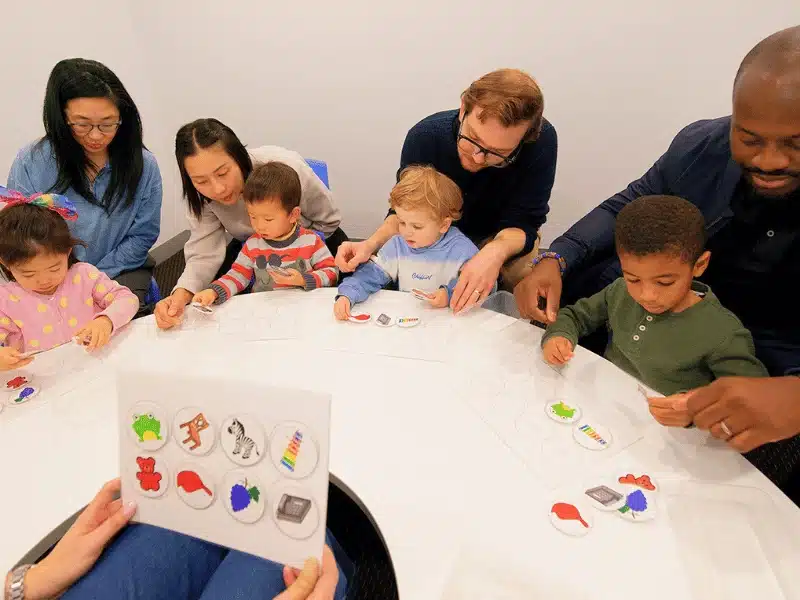
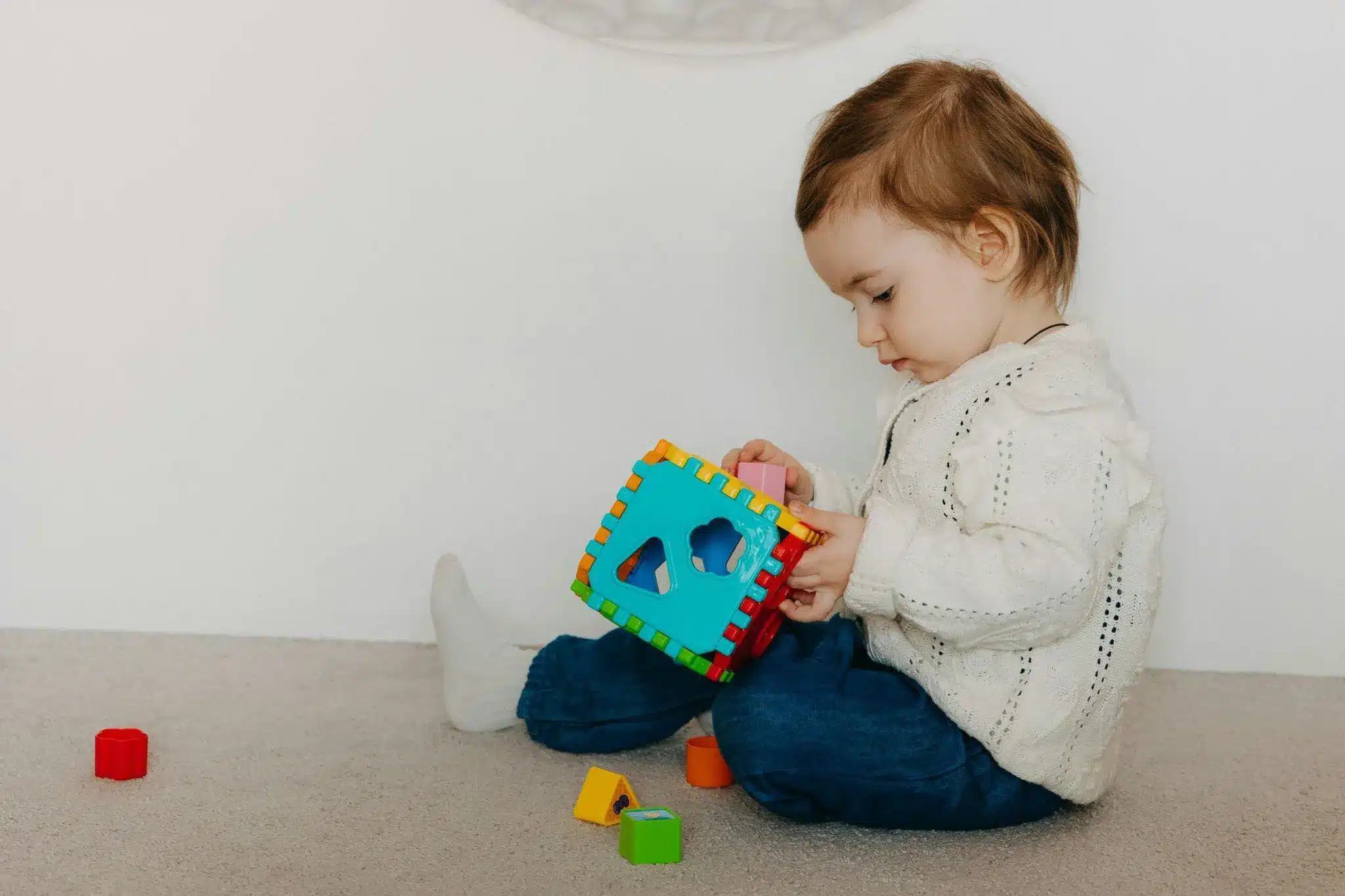
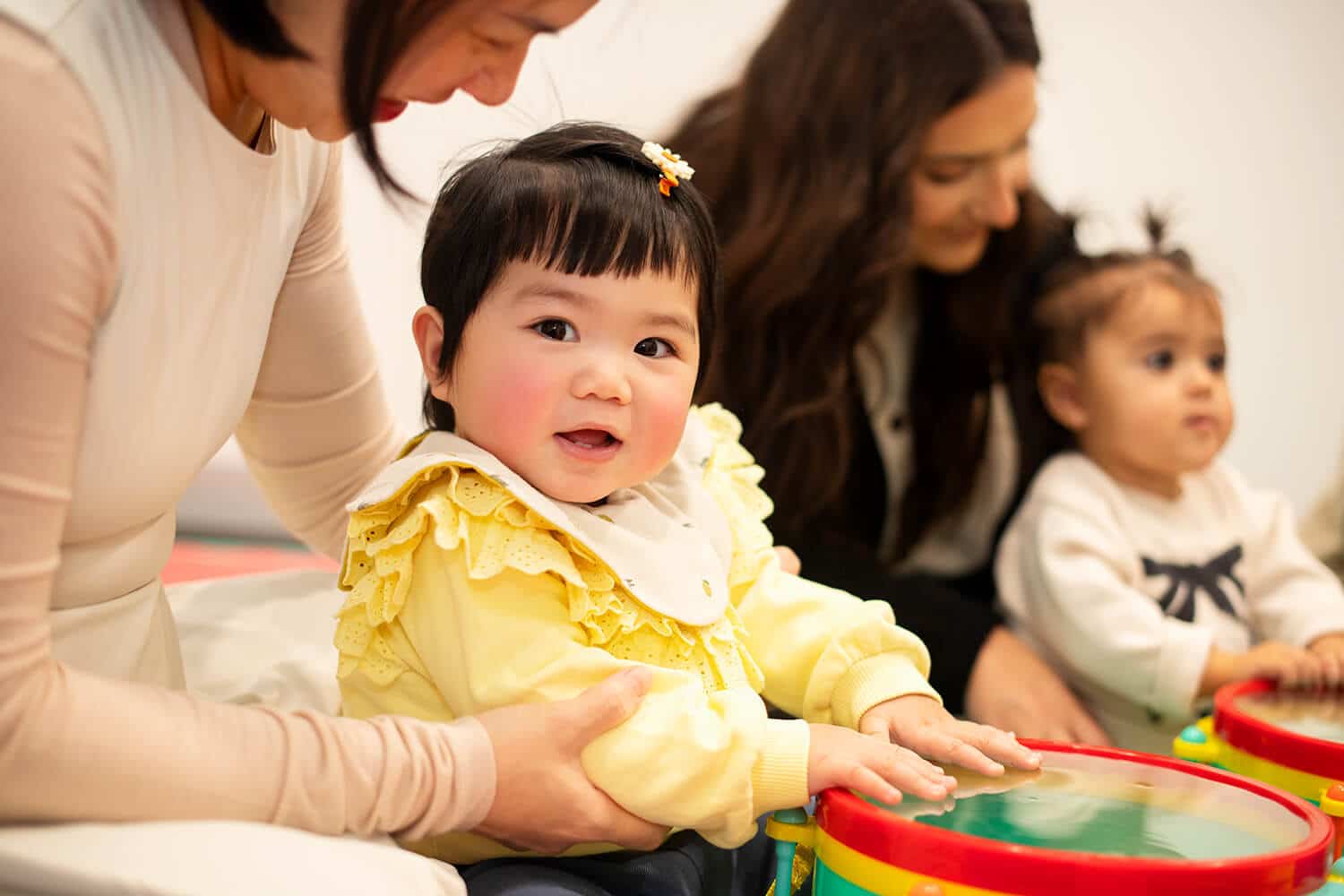
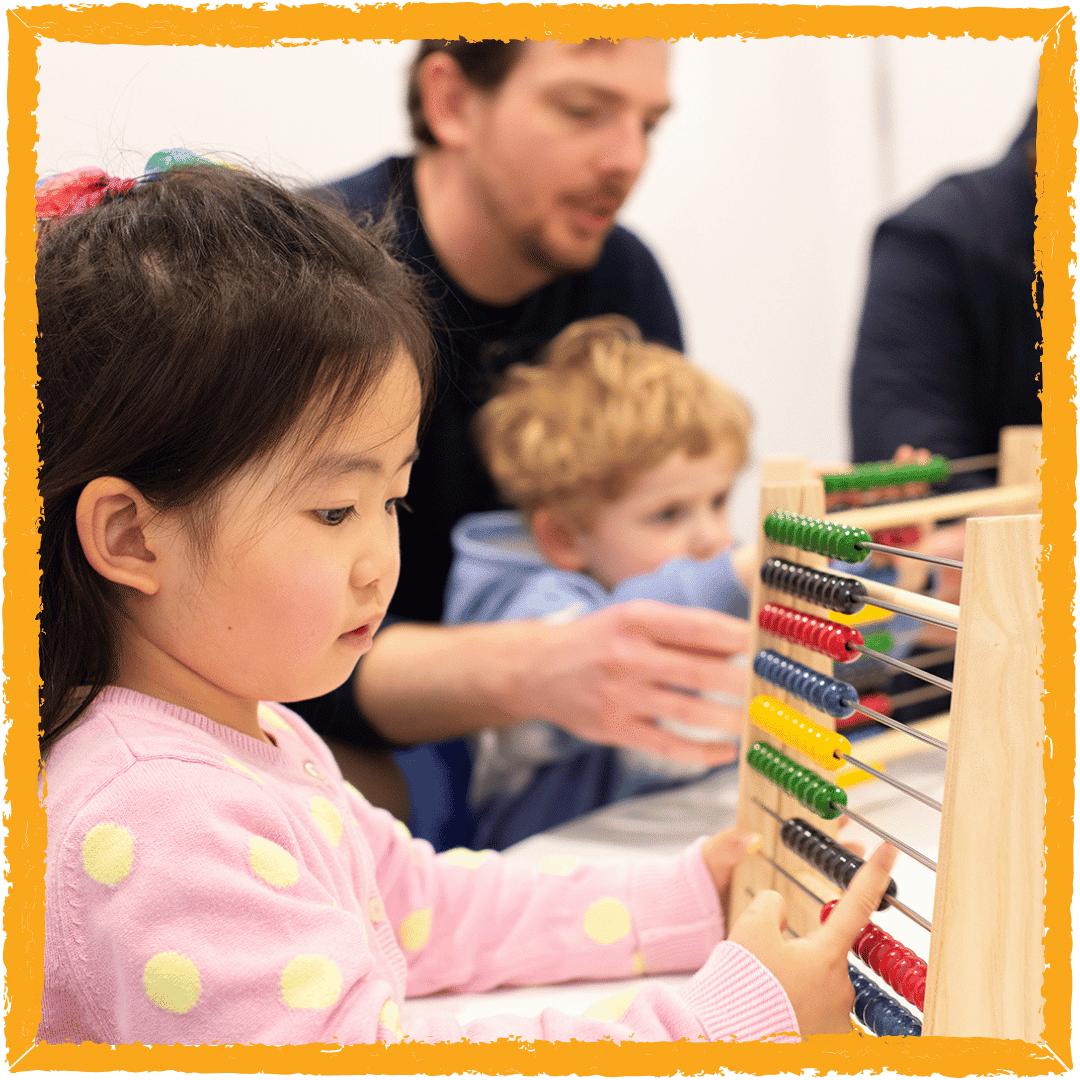
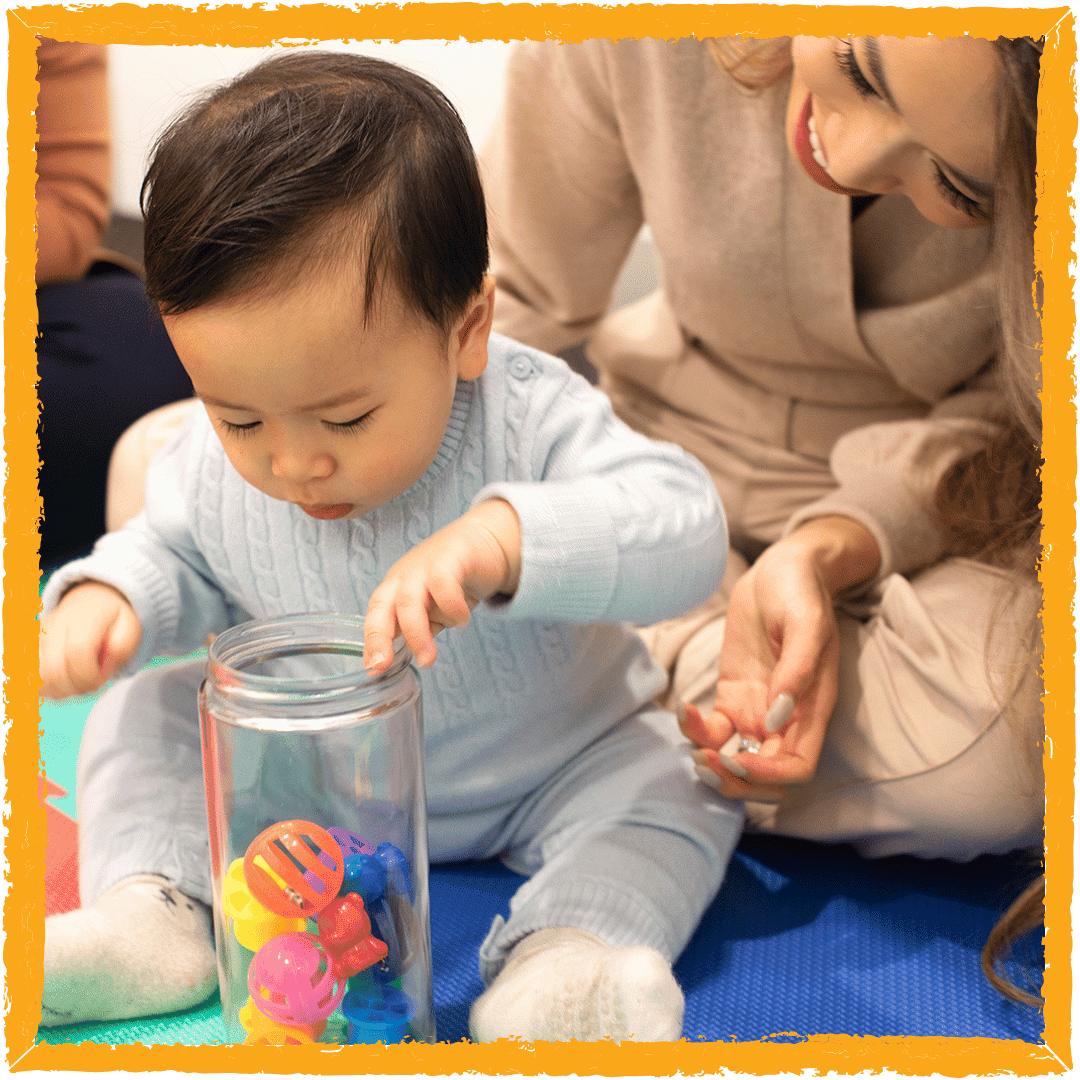
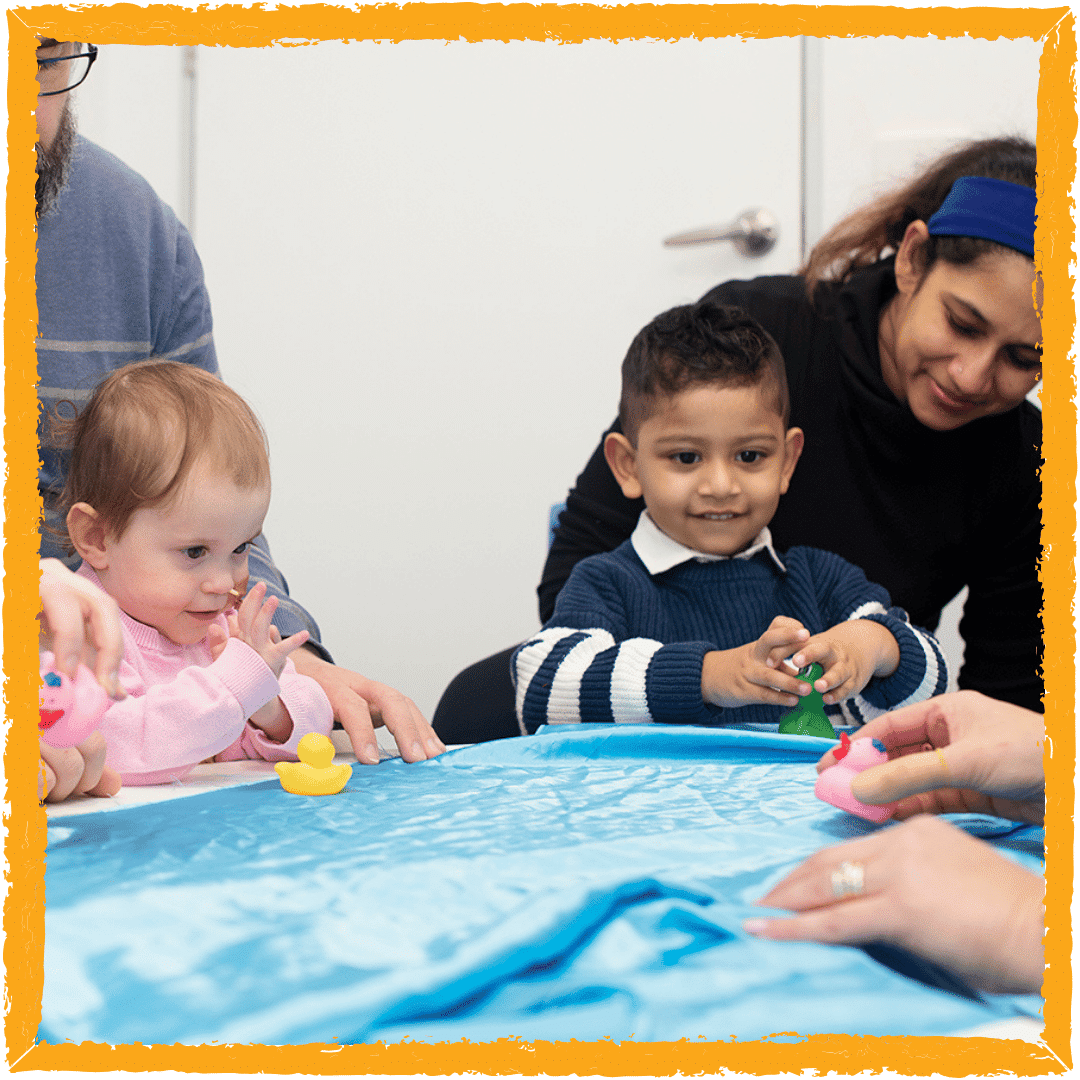
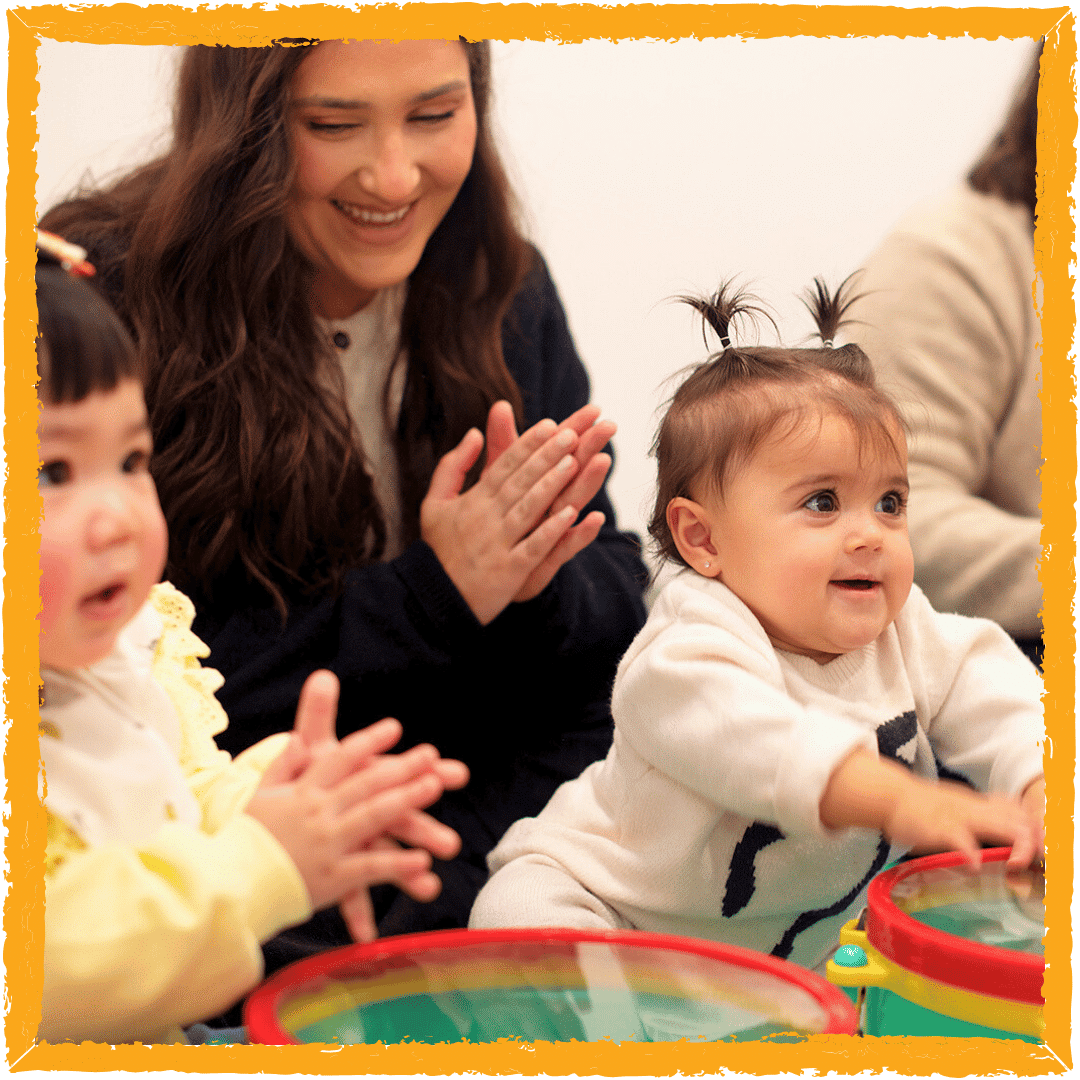
Image by Shichida Australia: Memory training starts through hands-on play for toddlers and preschoolers, then gradually builds into more structured and challenging activities as children grow.
Memory Training for Kids
If you would like to see how your child responds to fun, structured memory training, you can enquire about a Shichida class at one of our centres in Melbourne or Sydney.
Shichida offers age-appropriate play-based classes once a week for children, starting at 6 months old. Book a trial class today and experience the Shichida Method in action!
Frequently Asked Questions About Pi Memory Training at Shichida
Pi memory training is a structured memory exercise where children memorise and recite the digits of pi. At Shichida, it is used to strengthen working memory, concentration, listening skills, and recall accuracy – not to teach advanced maths.
Pi is endless and patternless, making it ideal for training pure recall ability. Children cannot rely on story clues or meaning. This strengthens sequential memory and focus.
No. It is introduced gradually, rhythmically, and in age-appropriate stages. Like other working memory exercises for kids, progress builds step by step.
Pi memory training is not designed as IQ test preparation. However, strong working memory supports skills measured in many children’s IQ tests, including attention and recall accuracy.
Stronger memory helps children retain spelling, follow instructions, recall number facts, and maintain focus. When working memory improves, learning becomes smoother and less overwhelming.
Although it involves repetition, it builds mental stamina, auditory processing, and long-term recall. Like physical training strengthens muscles, structured memory training strengthens the brain.
In the Shichida program, structured memory activities begin in early childhood, with techniques adapted to suit each developmental stage.
Parents can practise short number sequences using rhythm and repetition. However, structured progression and consistency are important for long-term memory development.
Children memorise pi at Shichida to strengthen working memory, concentration, and recall ability. Pi provides an endless sequence that allows measurable memory growth. The focus is brain training, not advanced mathematics.
This varies by age and training. Some children begin with 10-20 digits, while others build up to 50, 100, or more over time. Shichida guides kids up to 500 decimal places. The emphasis is on steady progress and confidence, not competition.
Yes. Memorising structured number sequences strengthens sequential recall, attention span, and working memory. These skills support reading, maths, and classroom learning.