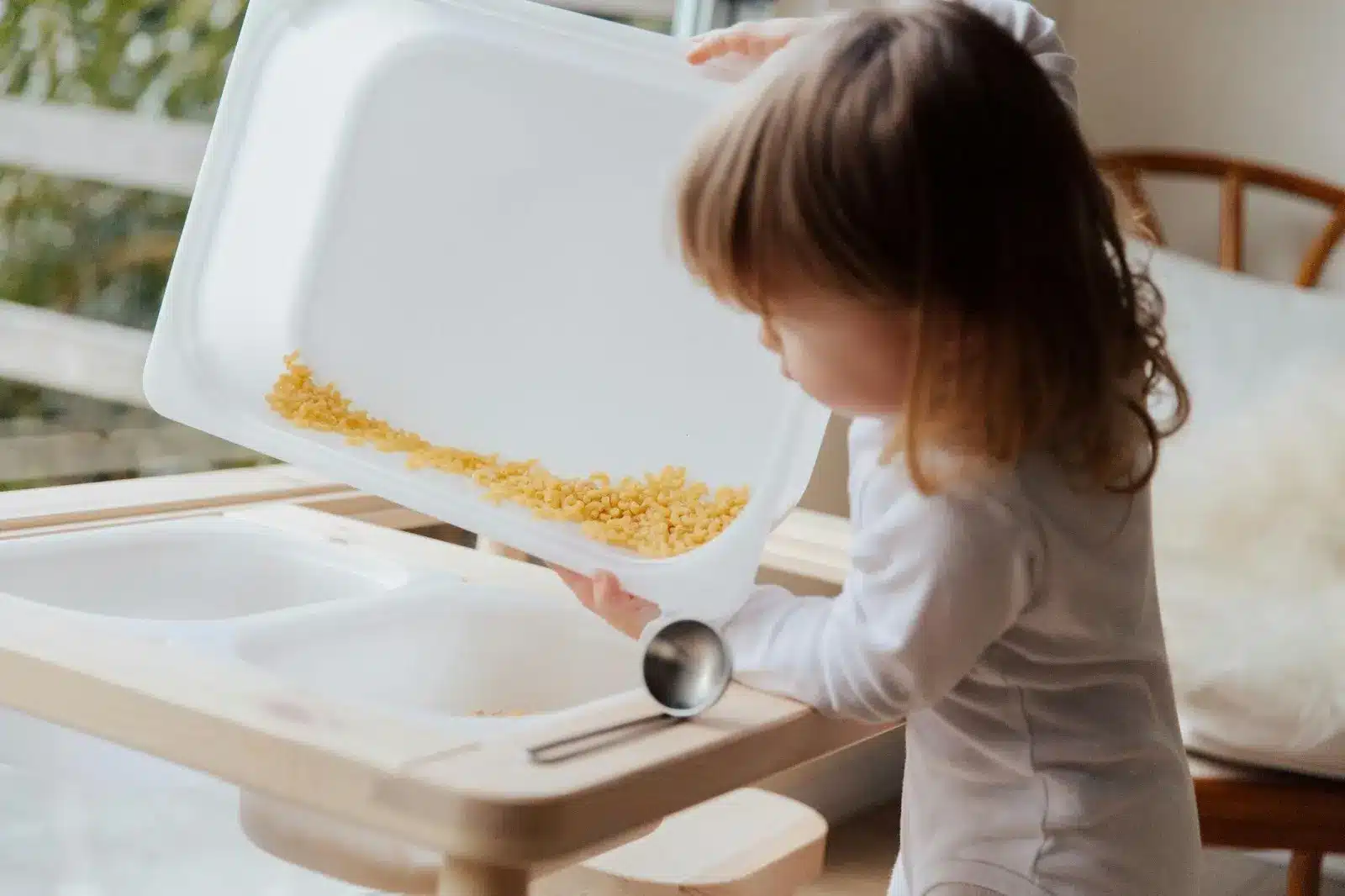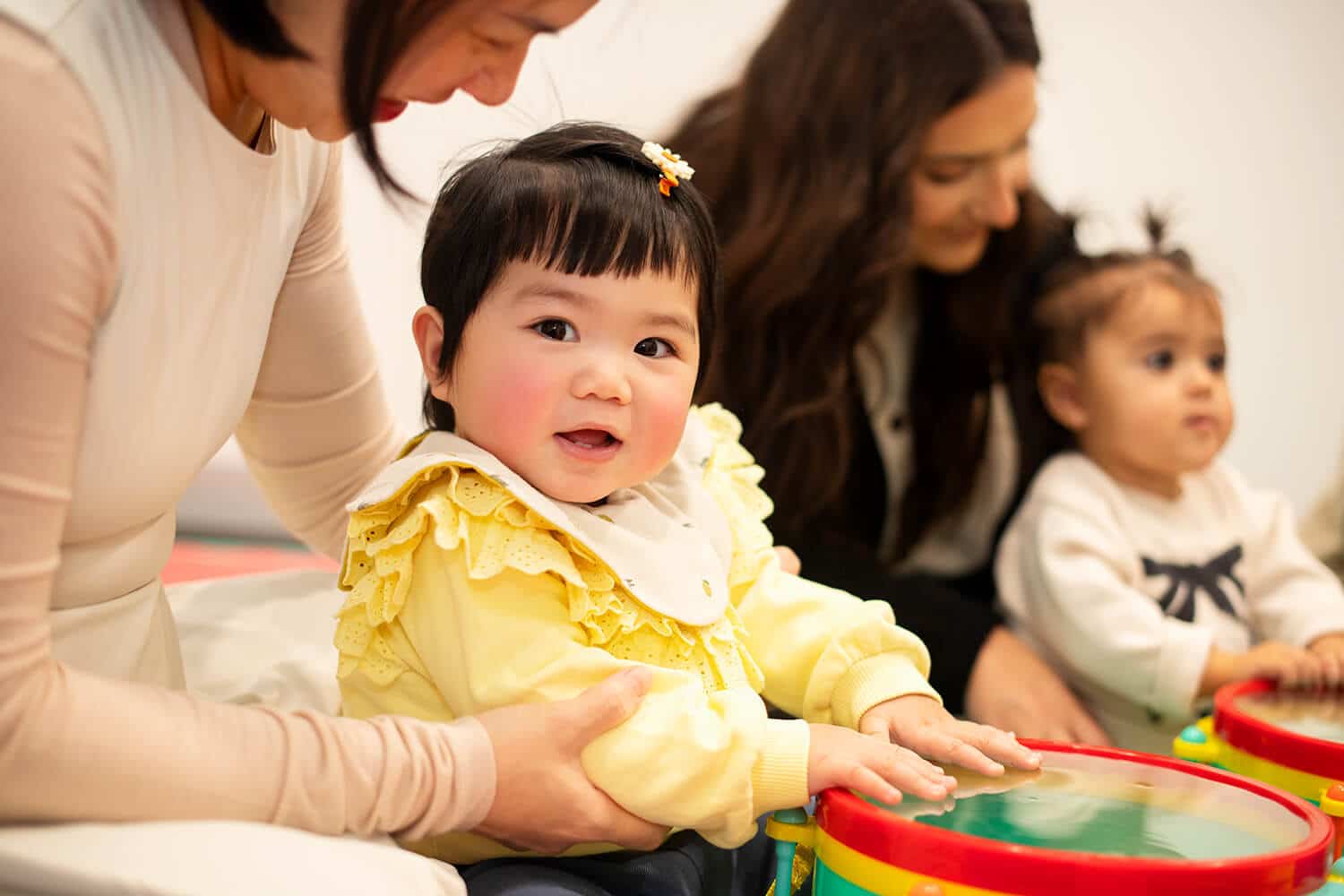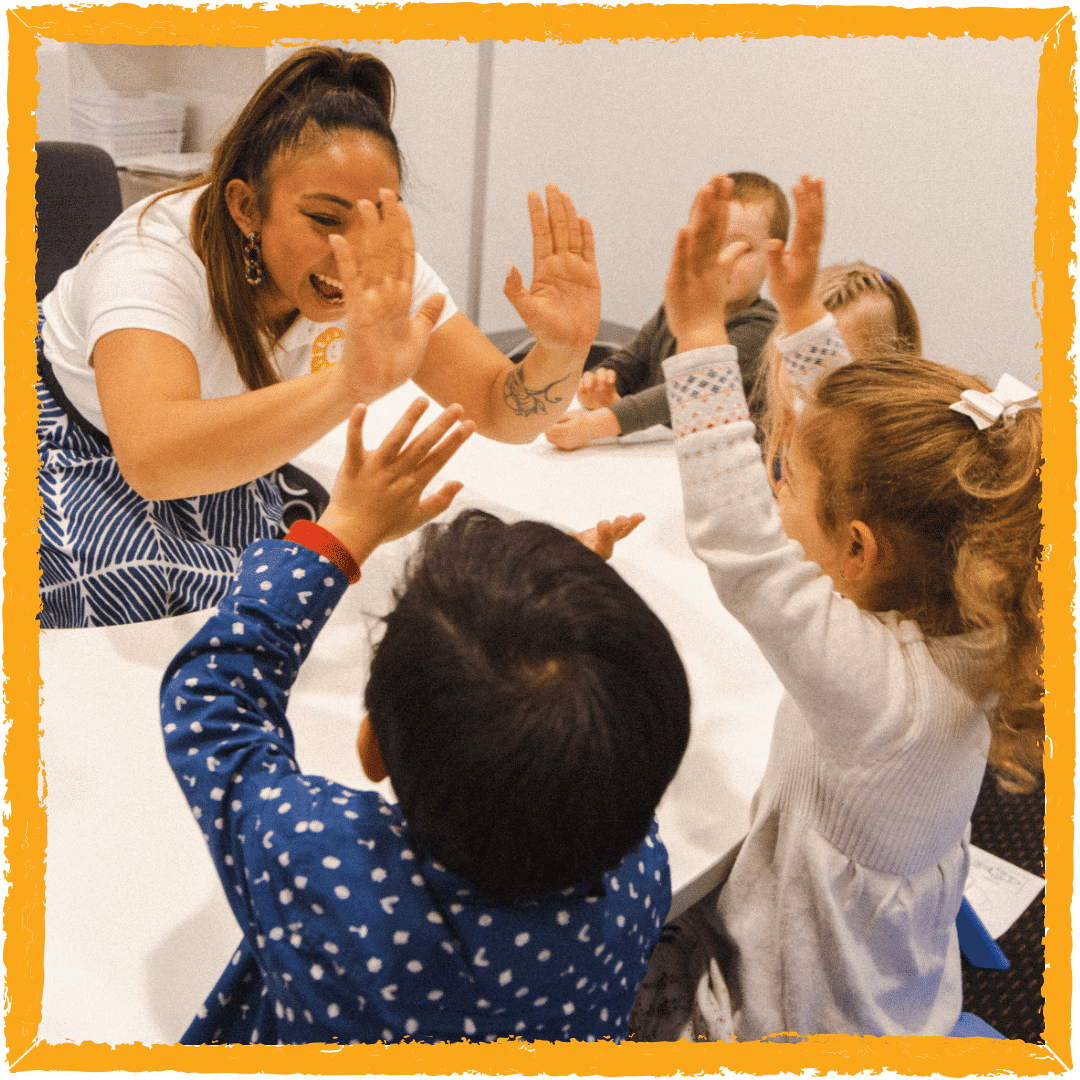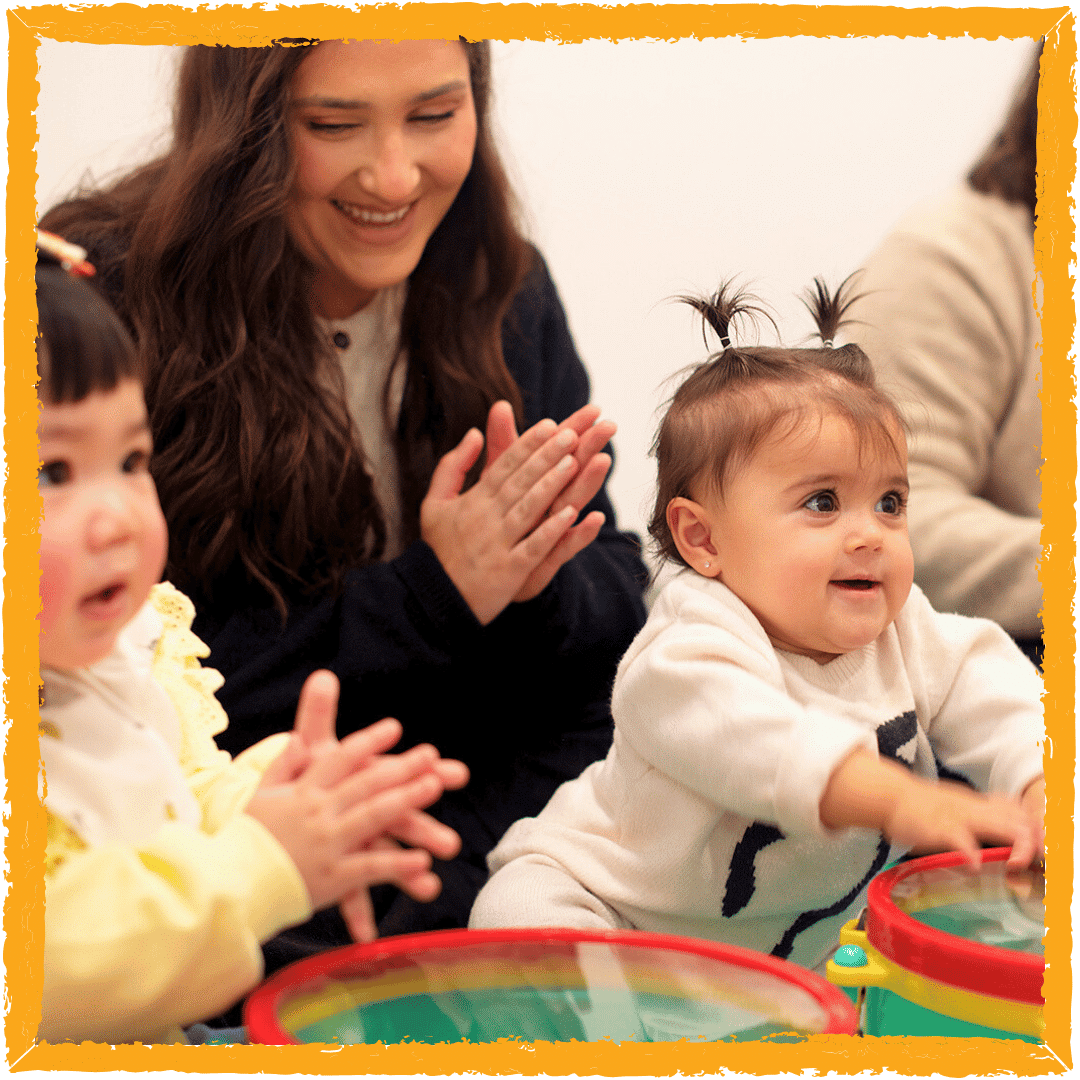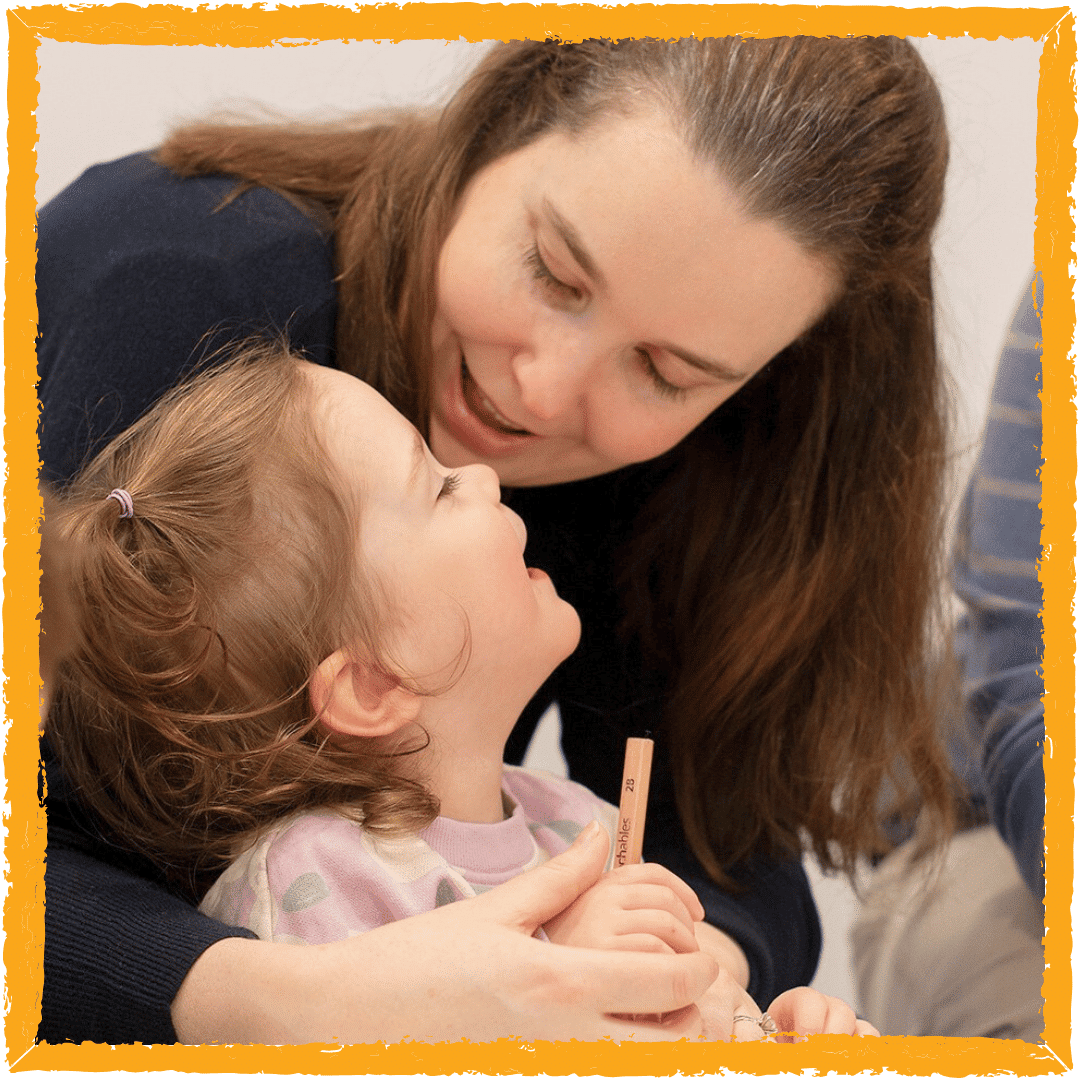
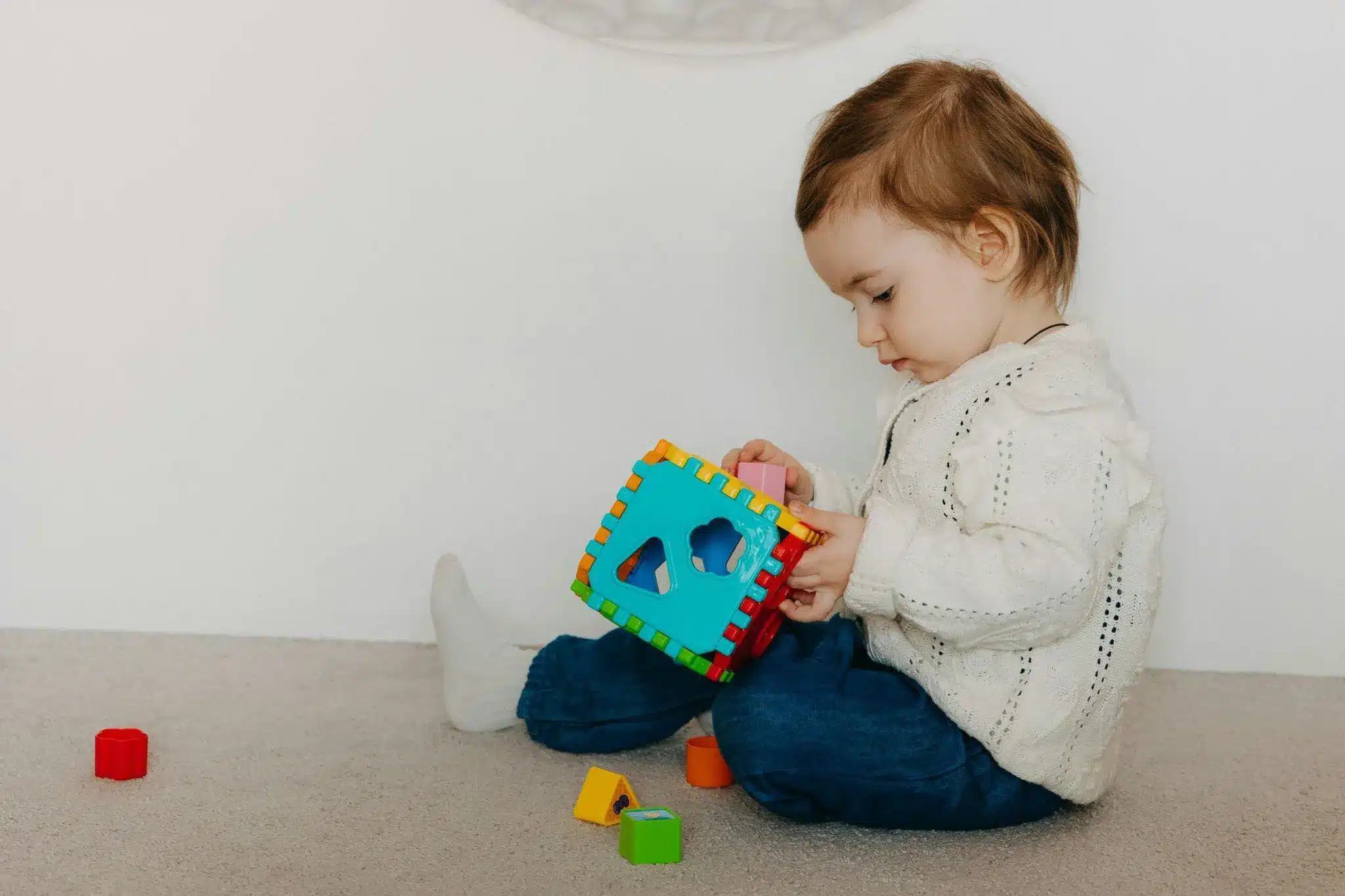
Photo from Pexels: Creative problem solving for kids begins in everyday moments as young children explore, test ideas, and discover what works through play.
Creative Problem Solving for Kids: Fun & Imaginative Activities
Key Points for Parents
- Creative problem solving for kids develops through play, imagination, and experimentation rather than memorisation.
- Early creative experiences build confidence, emotional resilience, and flexible thinking.
- Open-ended activities and everyday challenges provide powerful learning opportunities at home.
- Creative problem solving supports maths readiness, academic learning, and real-world skills.
- Shichida’s whole-brain approach nurtures creative, confident, and adaptable thinkers from an early age.
A toddler tries to fit a square block into a round hole.
A preschooler changes the rules of a game when the game no longer works the way they want it to.
A young child builds, knocks down, and rebuilds a tower until it finally stands.
These moments may look like simple play, but they are early signs of creative problem solving for kids. Your child is testing ideas, adjusting their approach, and learning what to try next when something does not work the first time.
Creative problem solving is not about speed, memorisation, or finding one correct answer. It develops through imagination, experimentation, and play long before formal schooling begins.
This guide explains how creative problem solving grows from birth to age nine, which everyday activities support it, and how Shichida’s whole-brain approach helps children become confident, flexible thinkers from the very start.
Free Problem Solving & Thinking Resources for Parents
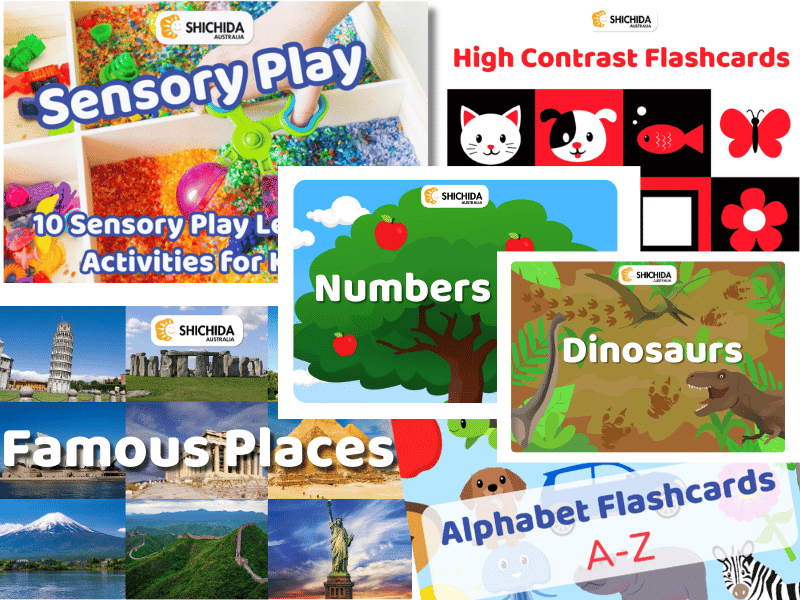
If you’d like simple ways to support your child’s problem solving and thinking skills at home, Shichida offers a range of free resources for parents. These include playful activities focused on problem solving, memory, early maths thinking, and cognitive development, all designed to be easy to use in everyday life.
What Is Creative Problem Solving for Kids?
Creative problem solving is how children learn to approach challenges with curiosity rather than fear. Instead of asking, What is the right answer?, they ask, What could I try next?
Logical problem solving usually follows a clear path. There is a method and a correct solution, such as completing a puzzle or following steps in a worksheet.
Creative problem solving is different. It invites children to imagine possibilities, test ideas, and change direction when something does not work.
This type of thinking involves imagination, experimentation, adaptability, and curiosity. Your child might use a spoon as a microphone, turn cushions into a mountain, or invent a new way to reach a toy that is out of reach. These moments show that your child is learning there is more than one way to solve a problem. Even in babies and toddlers, this type of creative thinking begins through simple trial and error, exploration, and play. When children are allowed to think creatively, they learn that mistakes are not failures, but part of the thinking process.
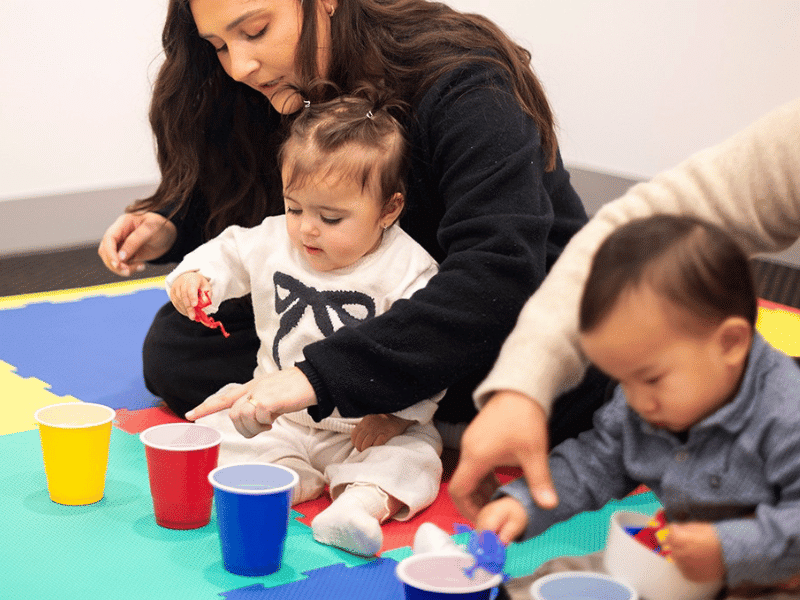
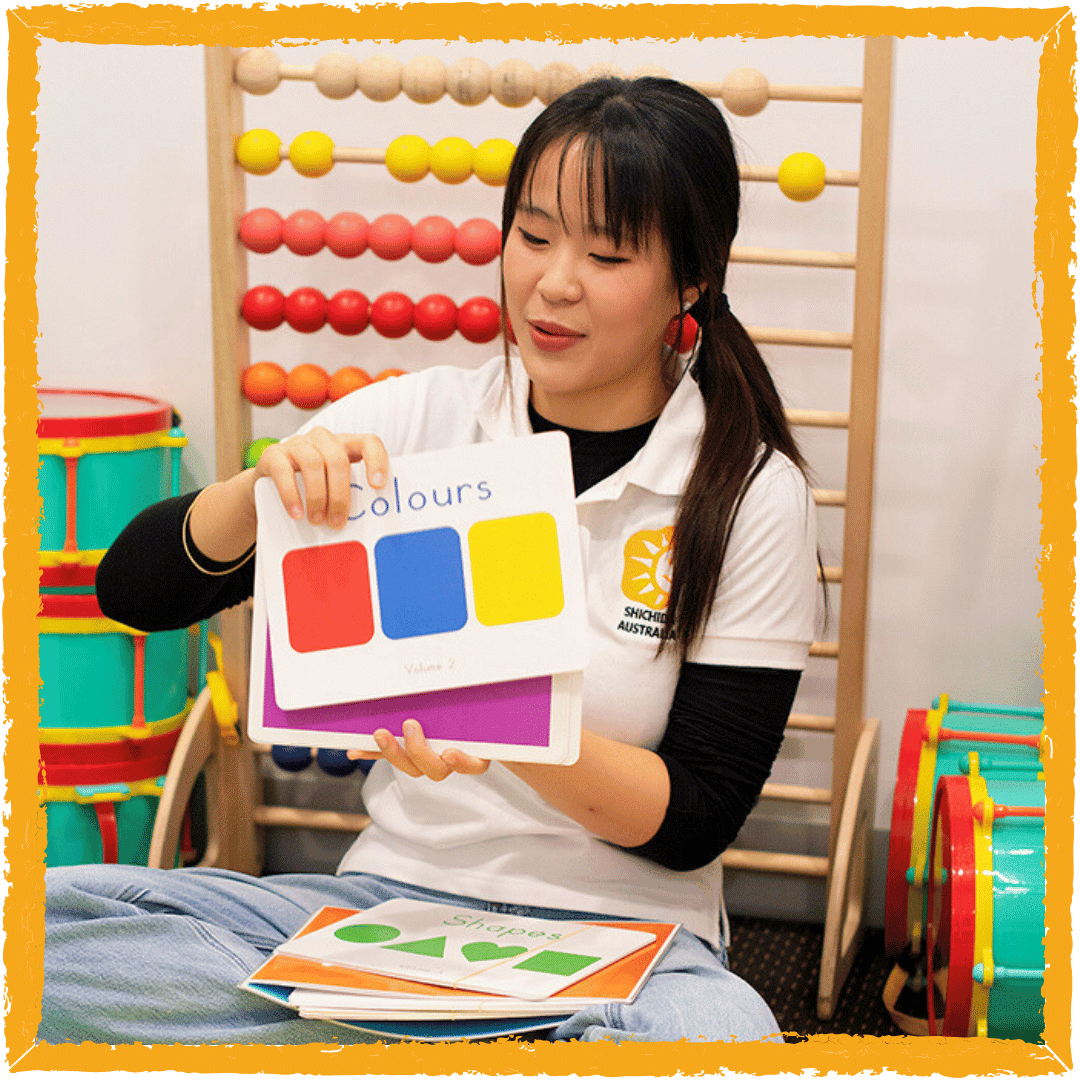
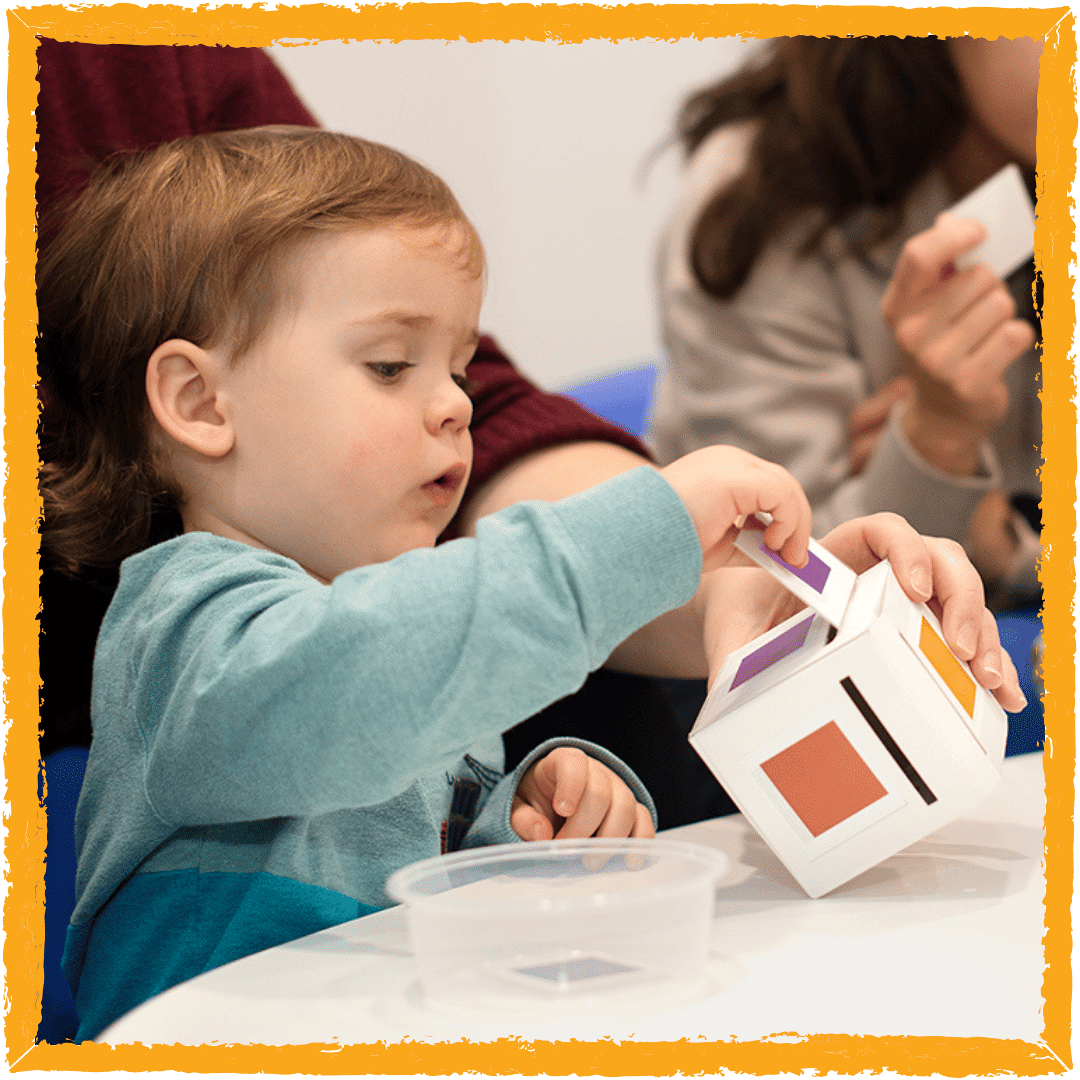
Image by Shichida Australia: Babies playing a colour matching game during a Shichida Baby Class. Colour matching and recognition support early visual discrimination, attention, and the ability to notice similarities and differences – important foundations for later problem solving and learning.
Why Creative Problem Solving Is Essential for Child Development
Creative problem solving activities for kids support much more than creativity. They shape how children think, feel, and respond to challenges throughout life.
When your child is encouraged to try their own ideas, confidence grows. They learn that they are capable of figuring things out. This sense of independence becomes especially important as children move into school and social settings.
Creative problem solving also supports flexible thinking. Children who practise adapting their ideas are less likely to become stuck when things change. This flexibility supports learning, friendships, and emotional regulation.
Emotionally, creative problem solving builds resilience. When something does not work, children learn to pause, think, and try again rather than giving up. Over time, this helps them manage frustration and disappointment in healthy ways.
Academically, creative thinking lays the groundwork for maths reasoning, reading comprehension, and real-world problem solving. Children who can imagine possibilities and adjust strategies are better prepared for learning across all subjects.
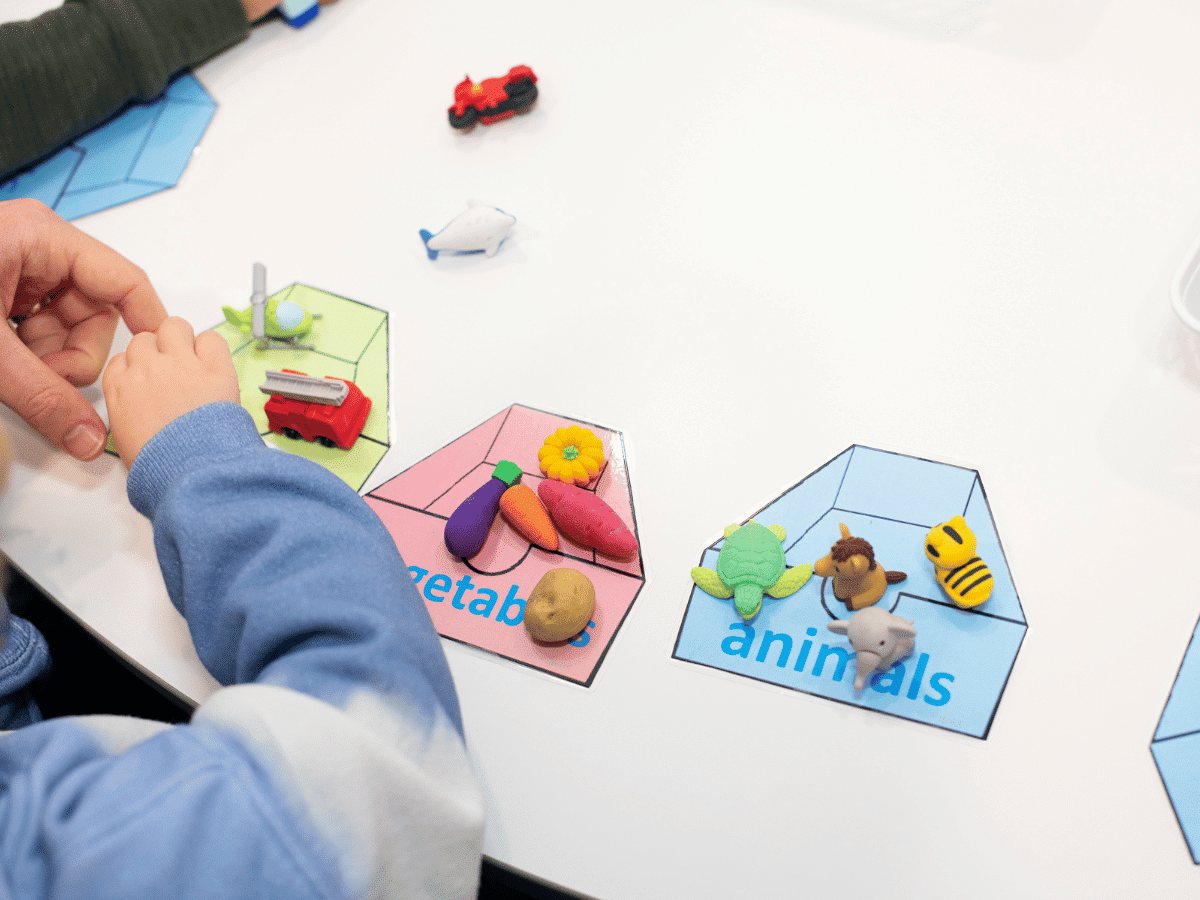
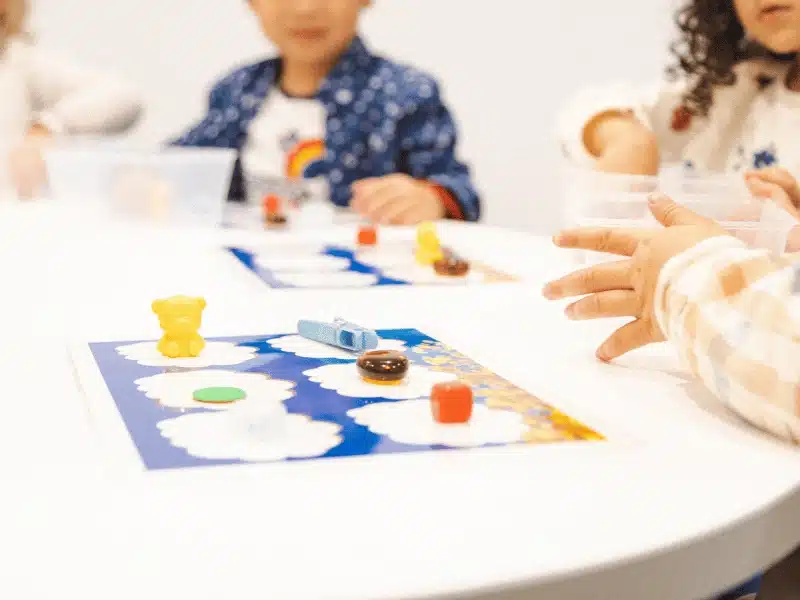
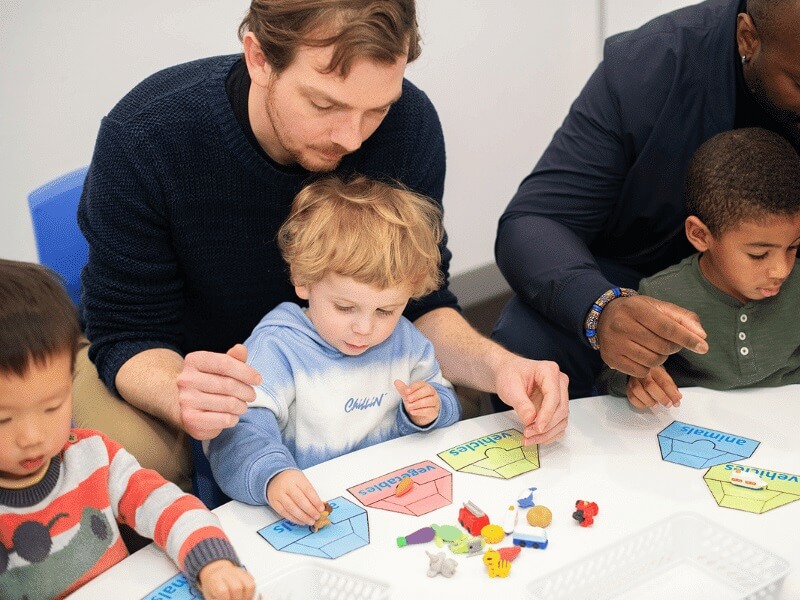
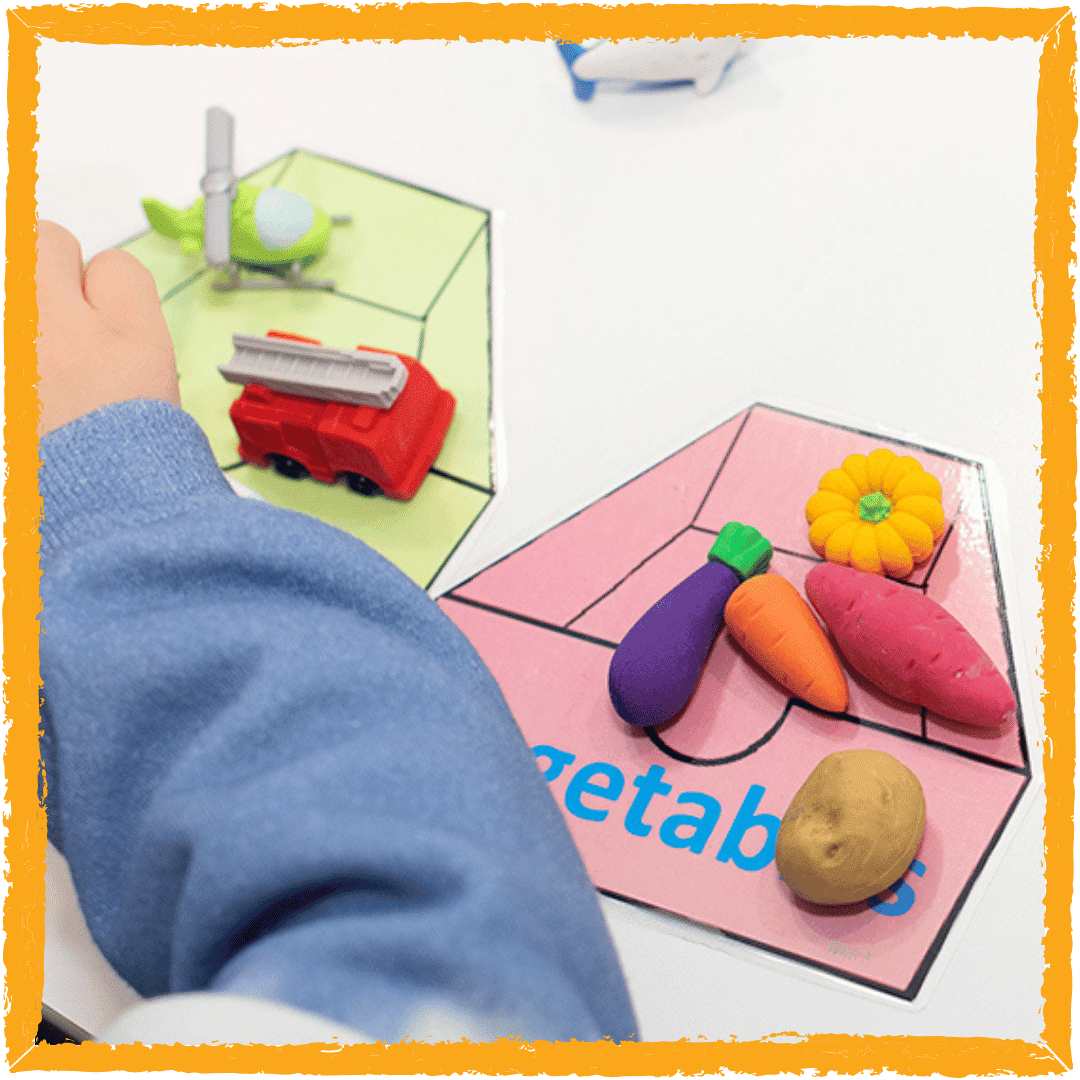
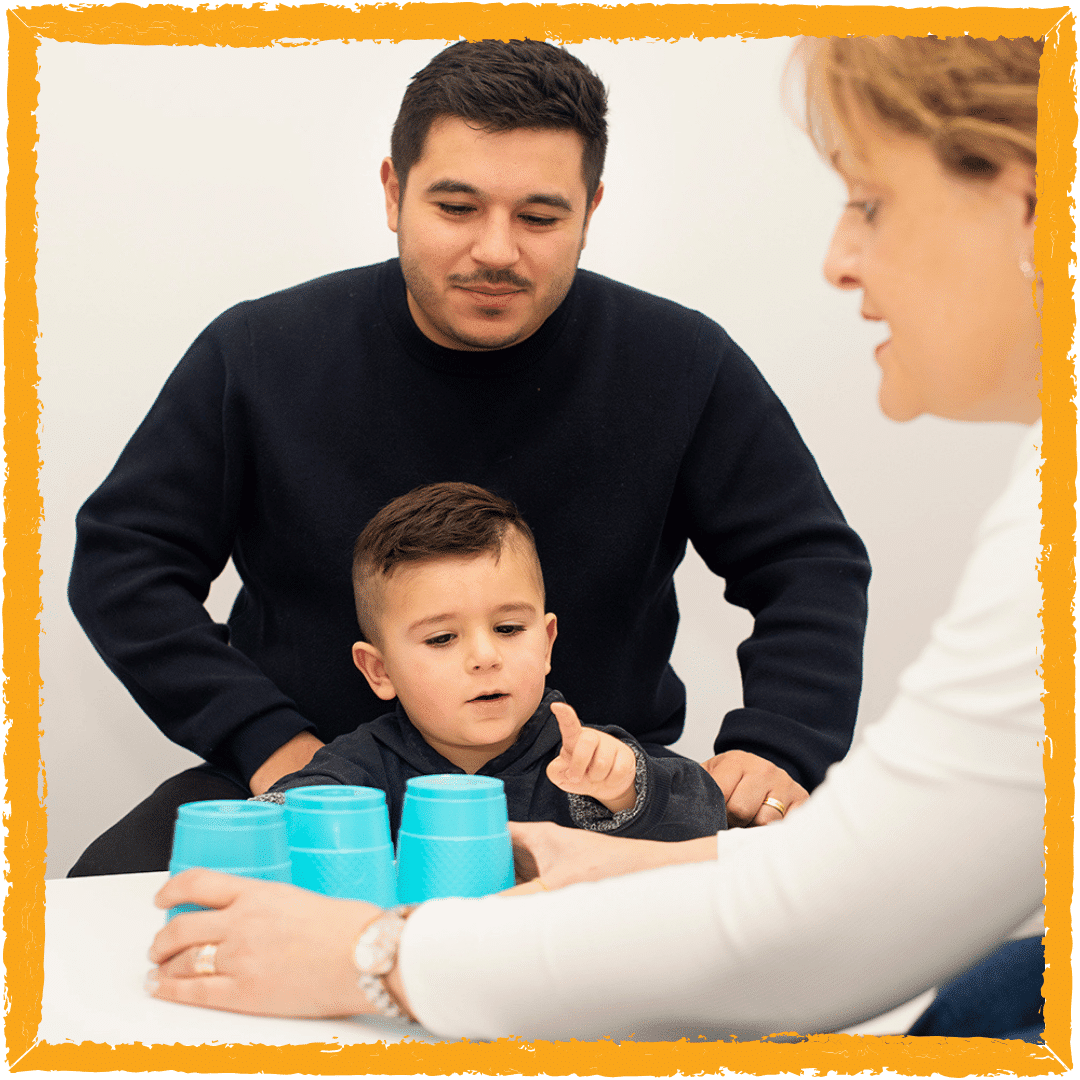
Image by Shichida Australia: A preschooler playing a category matching game during a Shichida class. Category matching helps children practise sorting, recognising patterns, and making connections, which supports problem solving and early thinking skills.
How Creative Problem Solving Develops Over Time
Creative thinking skills for children develop gradually, beginning from birth and strengthening through everyday experiences.
Infants (0 to 1 Year)
In the earliest months, creative problem solving begins through sensory exploration and simple cause and effect. Babies learn that kicking makes a mobile move or that shaking an object creates a sound. These small discoveries help babies begin understanding how their actions influence the world around them.
At this stage, problem solving looks like curiosity in action. Reaching, grasping, mouthing, and repeating movements all help build early thinking foundations. Your role is to provide safe, varied experiences and allow your baby time to explore at their own pace.
Toddlers (1 to 3 Years)
Toddlers learn through repetition, trial, and experimentation. They try, observe, and try again. You might notice them stacking blocks repeatedly, fitting shapes into sorters, or experimenting with how objects work together.
Early imaginative play also begins to appear. Everyday items take on new meanings, such as a box becoming a car or a spoon becoming a phone. These moments show toddlers beginning to think flexibly and creatively.
At this stage, offering encouragement and resisting the urge to correct or rush helps toddlers build confidence in their own thinking.
Preschoolers (3 to 5 Years)
Preschoolers begin combining imagination with intention. They create stories, build structures, and role-play real-life situations. Problem solving through play becomes more complex and purposeful.
Children start asking questions and explaining their thinking. They enjoy challenges that allow freedom rather than strict instructions. This is a key stage for nurturing creativity without focusing on outcomes.
Early Primary Years (6 to 9 Years)
As children grow, creative problem solving becomes more structured. They begin planning ahead, evaluating outcomes, and refining ideas. This stage is especially important for school readiness.
Activities that combine logic and imagination support both academic learning and emotional growth. Children learn to think strategically while remaining open to new ideas.
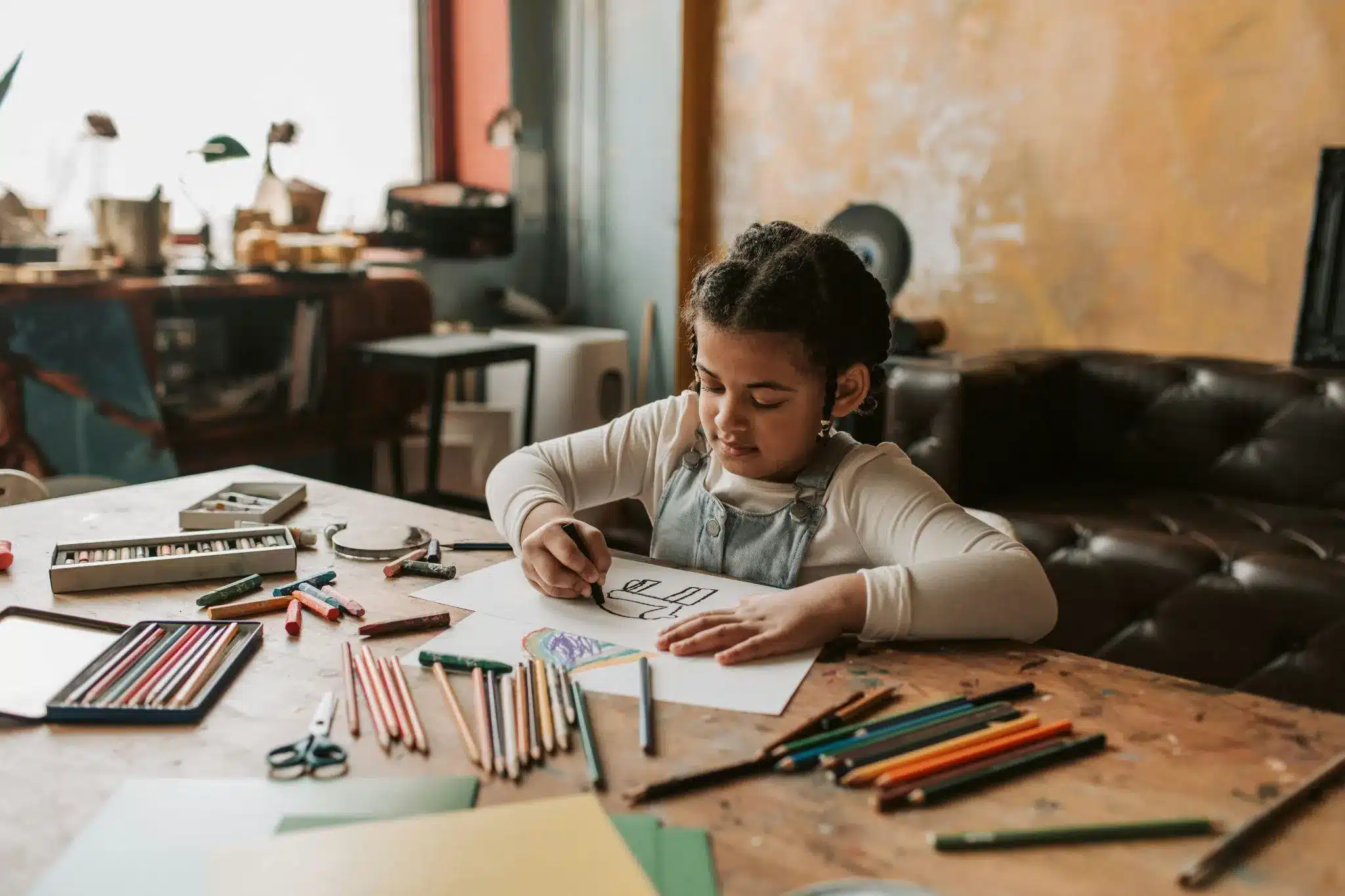
Photo from Pexels: Open-ended play supports creative problem solving for kids by encouraging imagination, flexibility, and multiple ways to approach a challenge.
Fun Creative Problem Solving Activities for Kids
You do not need specialised equipment to support creative problem solving at home. Simple, open-ended activities woven into everyday play are often the most effective.
For Babies and Young Toddlers (0-2 years)
- Cause-and-effect play – Drop objects into containers, shake rattles, or press buttons to see what happens. These small experiments help babies learn that their actions lead to results.
- Object exploration – Offer safe household items with different textures, sizes, and sounds. Let your baby explore how each object feels, moves, or fits.
- Posting and matching games – Posting shapes, balls, or scarves into containers supports early problem solving as babies work out how objects fit and move.
For Toddlers (2-3 years)
- Stacking and balancing challenges – Build towers together and see how high they can go before falling. Ask simple questions like “What could we try differently?”
- Simple sorting games – Sort toys by colour, size, or type. Let your toddler decide how to group items rather than showing them one “right” way.
- Everyday problem solving – Invite your child to help open containers, carry items, or tidy toys, allowing them to work out their own approach.
For Preschoolers (3-5 years)
- Open-ended building challenges – Use blocks, recycled materials, or household items and invite your child to build something specific, such as a bridge or shelter. Avoid showing them how and let them test ideas.
- Storytelling and “what if” prompts – Ask imaginative questions like “What would happen if the world had no gravity?” or “How could a character solve a tricky problem?” to build both imagination and reasoning.
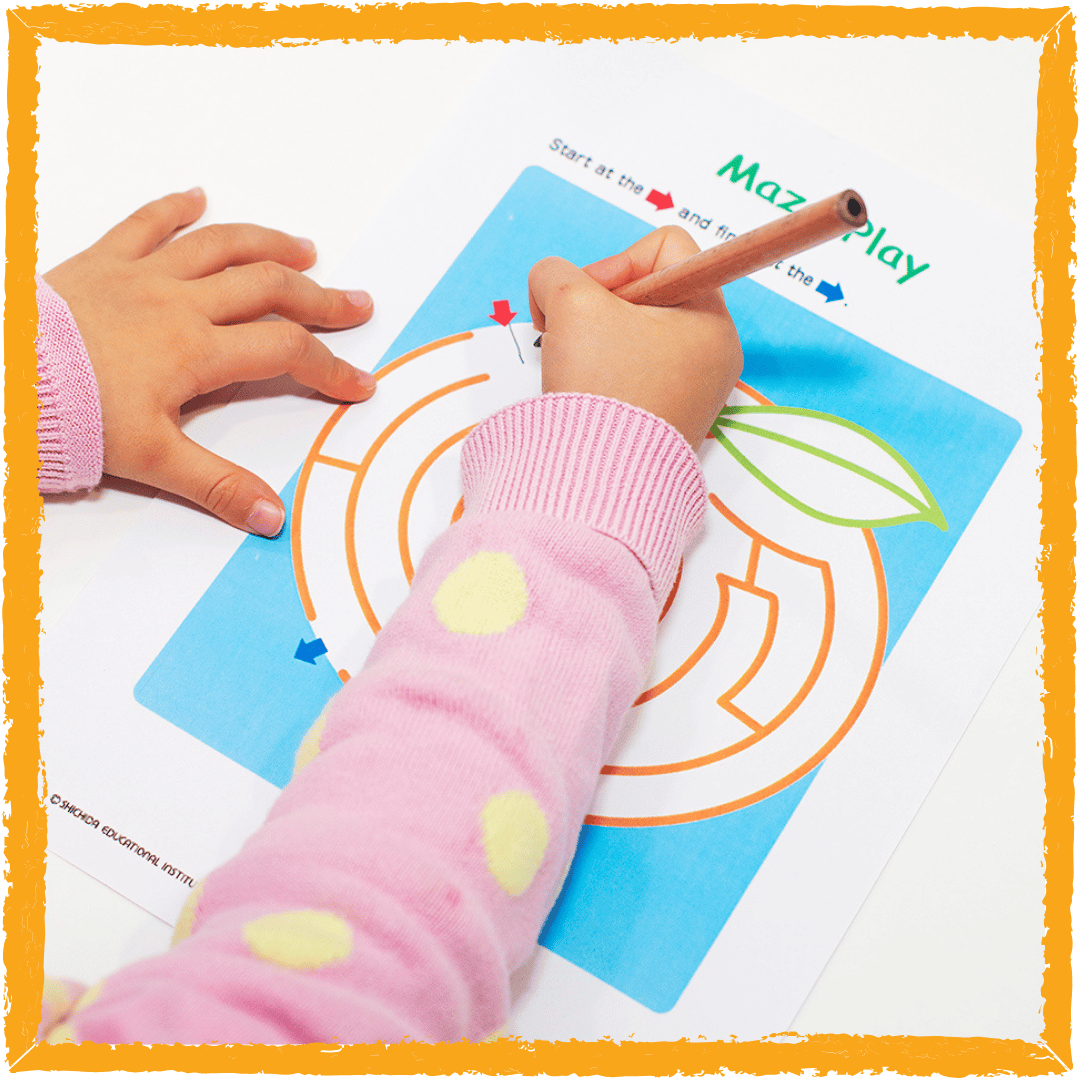
- Art-based problem solving – Invite your child to draw or create inventions that solve simple problems, such as organising toys or helping animals.
For Early Primary Children (6-9 years)
- Design-and-build challenges – Ask your child to create something that solves a real-life problem, such as a pencil holder, a marble run, or a simple game.
- Strategy games and puzzles – Board games, logic puzzles, and card games help children practise planning, adjusting strategies, and thinking ahead.
- Pretend play with rules – Playing shops, explorers, or inventors encourages children to create systems, adapt rules, and problem solve in meaningful, real-world contexts.
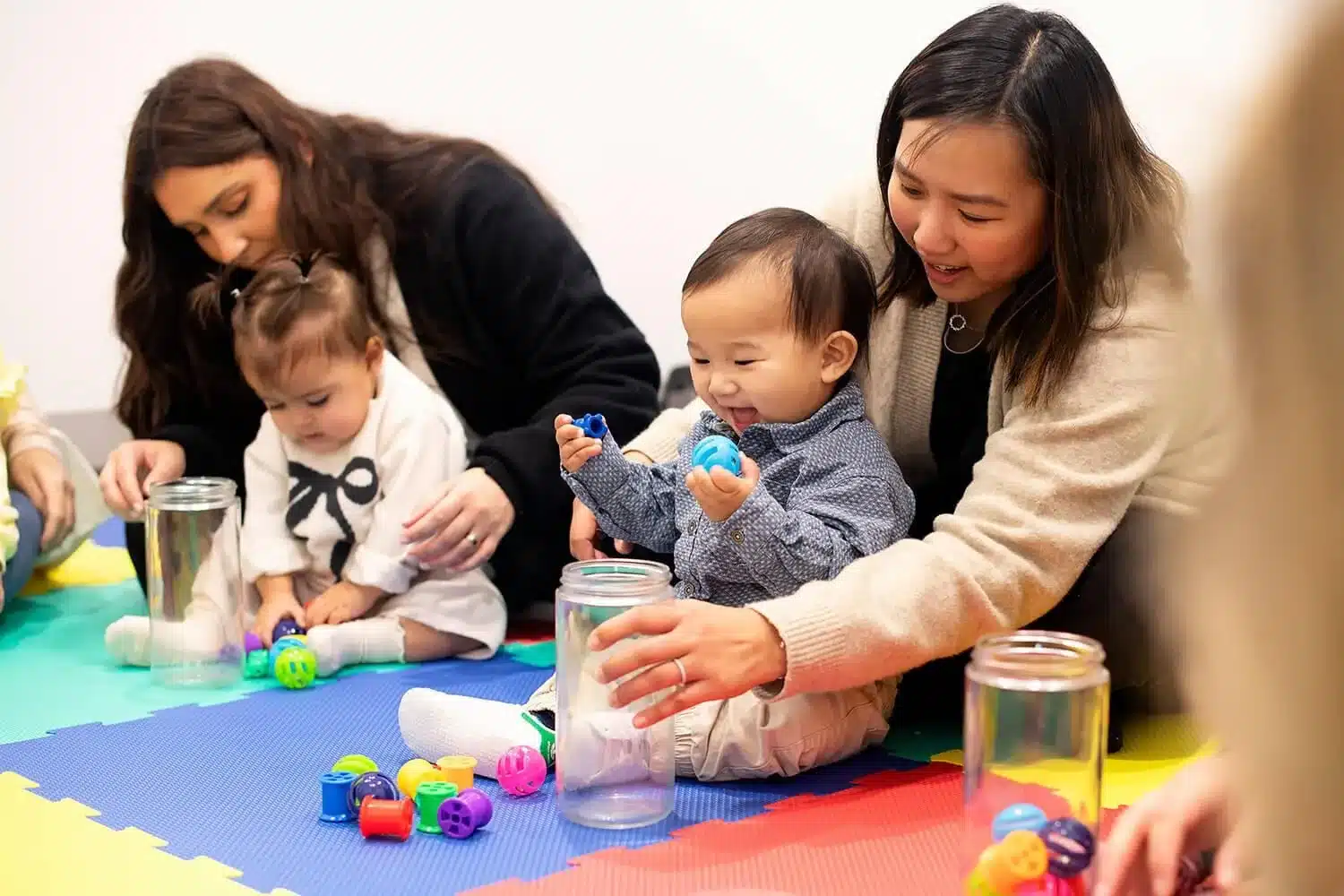
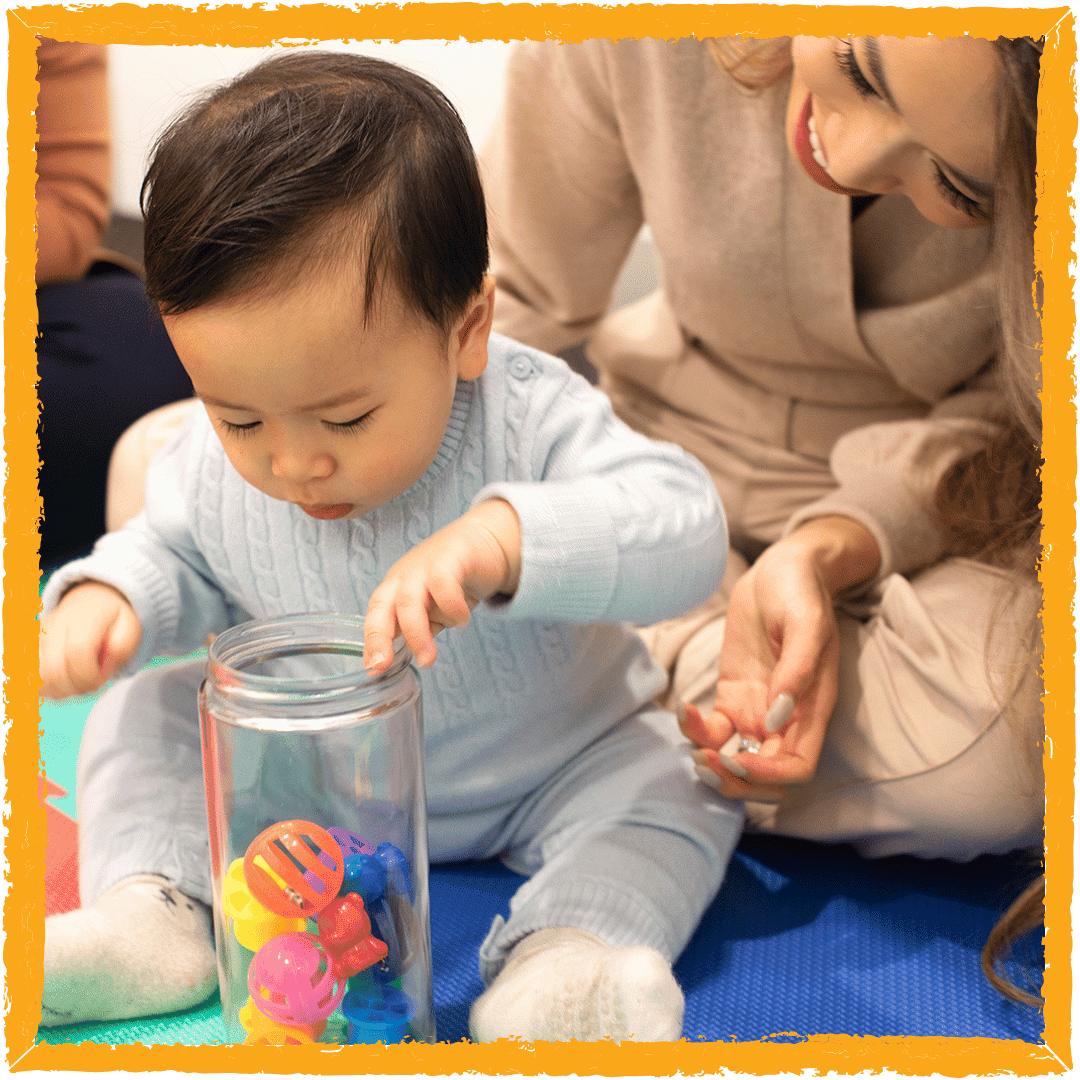
Image by Shichida Australia: Babies dropping objects into containers, practising fine motor control, and observing cause and effect.
Everyday Opportunities to Encourage Creative Thinking
Creative problem solving at home does not need to be scheduled. It happens naturally throughout the day.
Invite your child to make choices during routines. Let then choose what socks they would like to wear or which outfit they prefer when you go out. Ask how they would like to organise their space or solve a small challenge.
Turn problems into playful questions. If something does not fit, ask what else could be tried. If plans change, ask how the day could look different.
Most importantly, allow mistakes. When children feel safe to experiment, learning deepens.
Helpful guiding questions include:
- What else could this be used for?
- How many ways could we solve this?
- What could we try next?
These questions shift focus from answers to thinking.
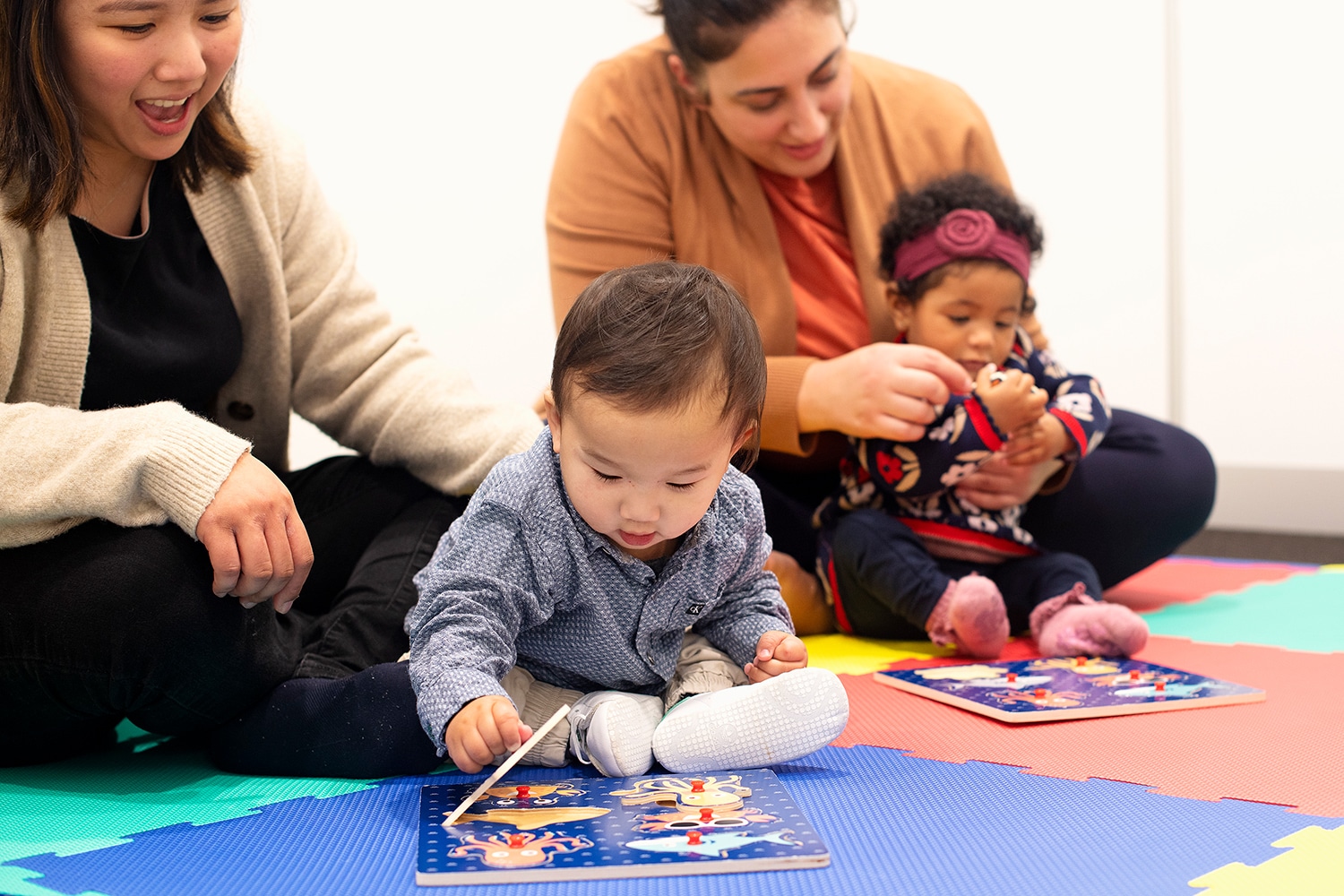
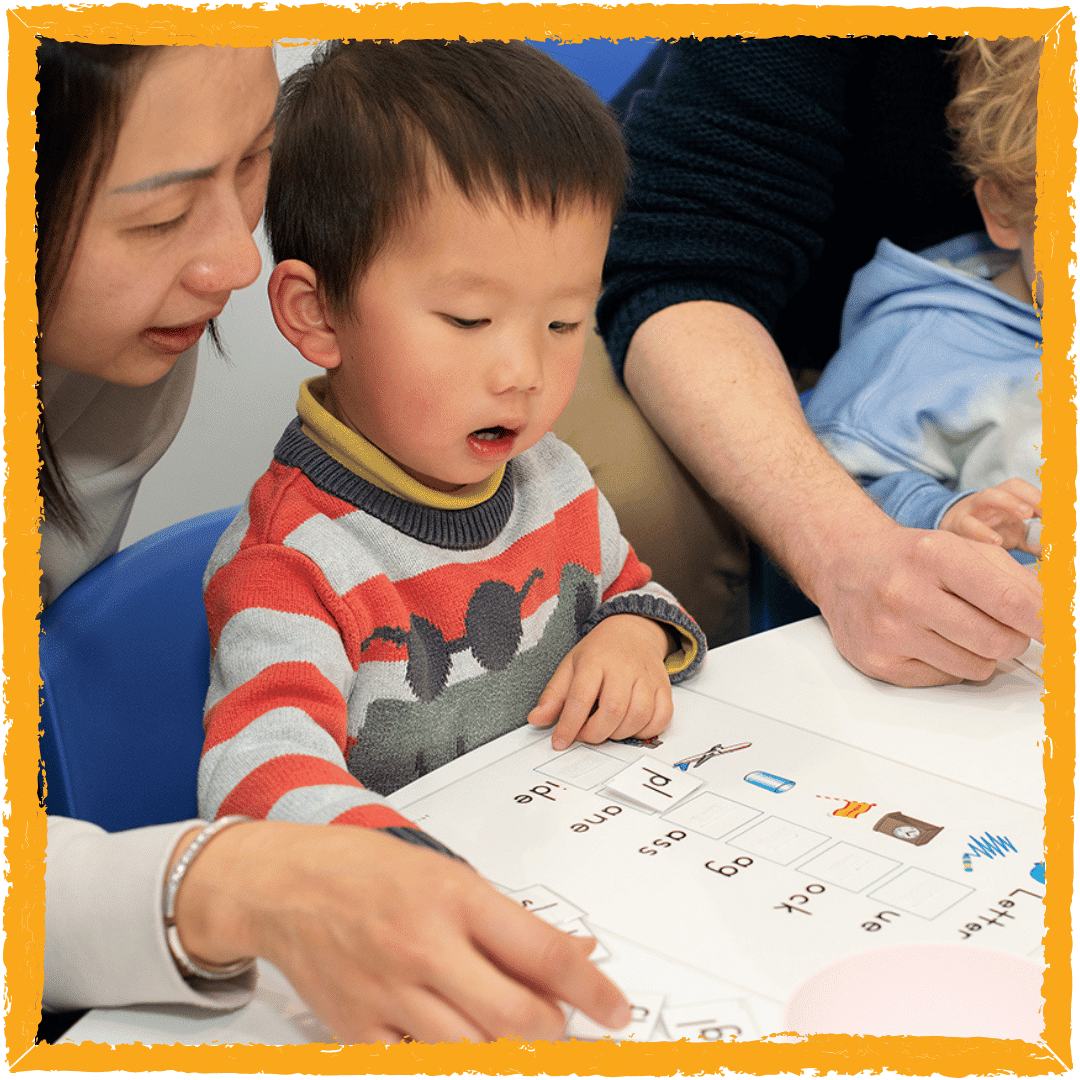
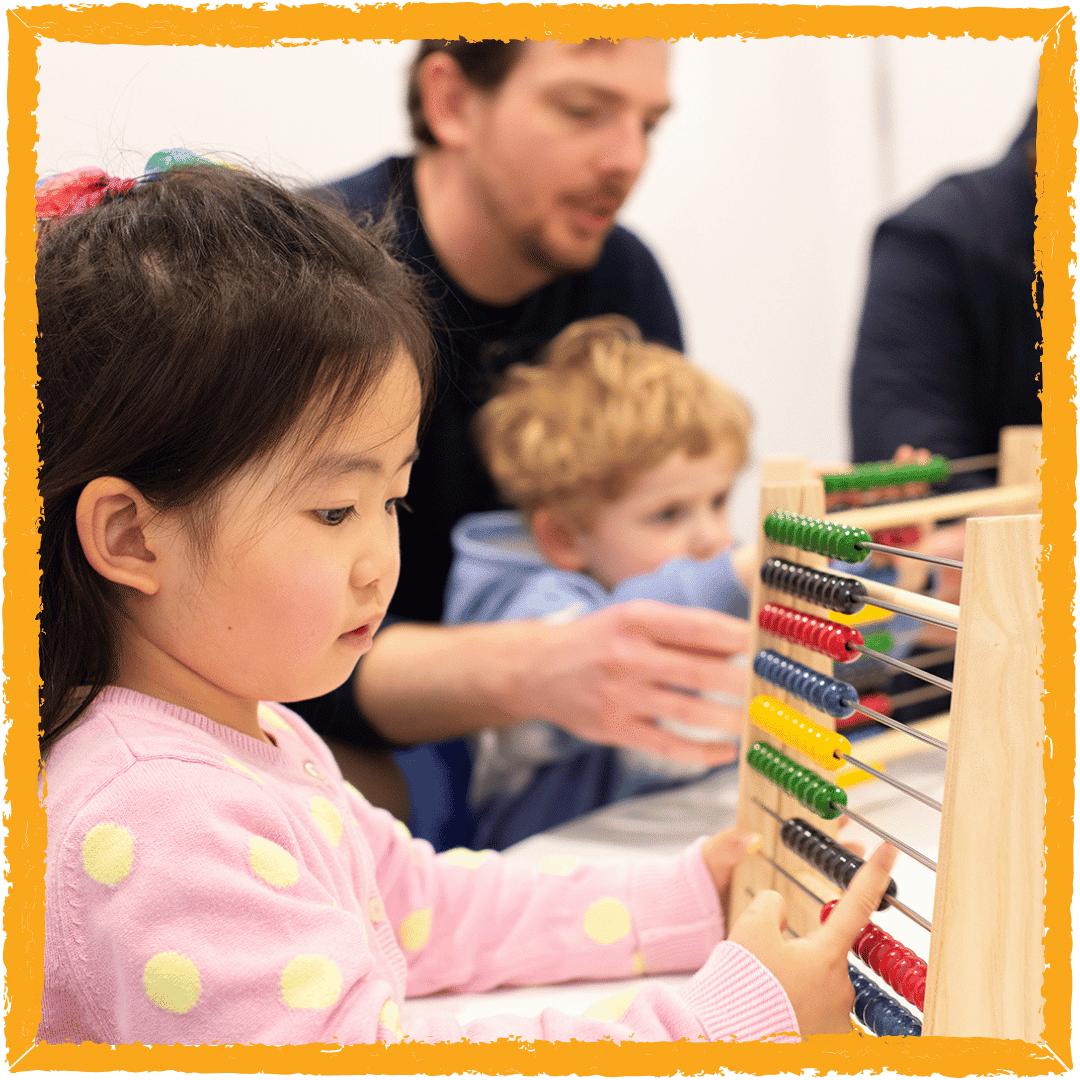
Image by Shichida Australia: Puzzles are a great way for children to practise problem solving skills. Choosing puzzles that match your child’s age and developmental stage helps build confidence, persistence, and flexible thinking.
Signs Your Child Is Developing Creative Problem Solving Skills
Children developing strong creative problem solving skills often show curiosity and confidence in their ideas. They enjoy experimenting and adapting their approach. They persist even when things do not work immediately.
You might notice your child modifying rules during play, inventing new solutions, or explaining their thinking aloud. These are positive signs of healthy cognitive development.
Do keep in mind that all children develop these skills at different rates and in their own time.
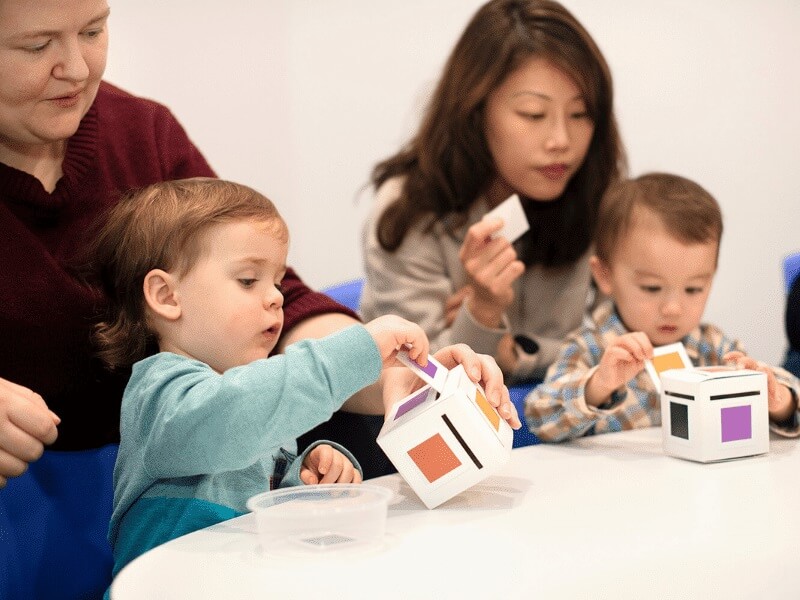
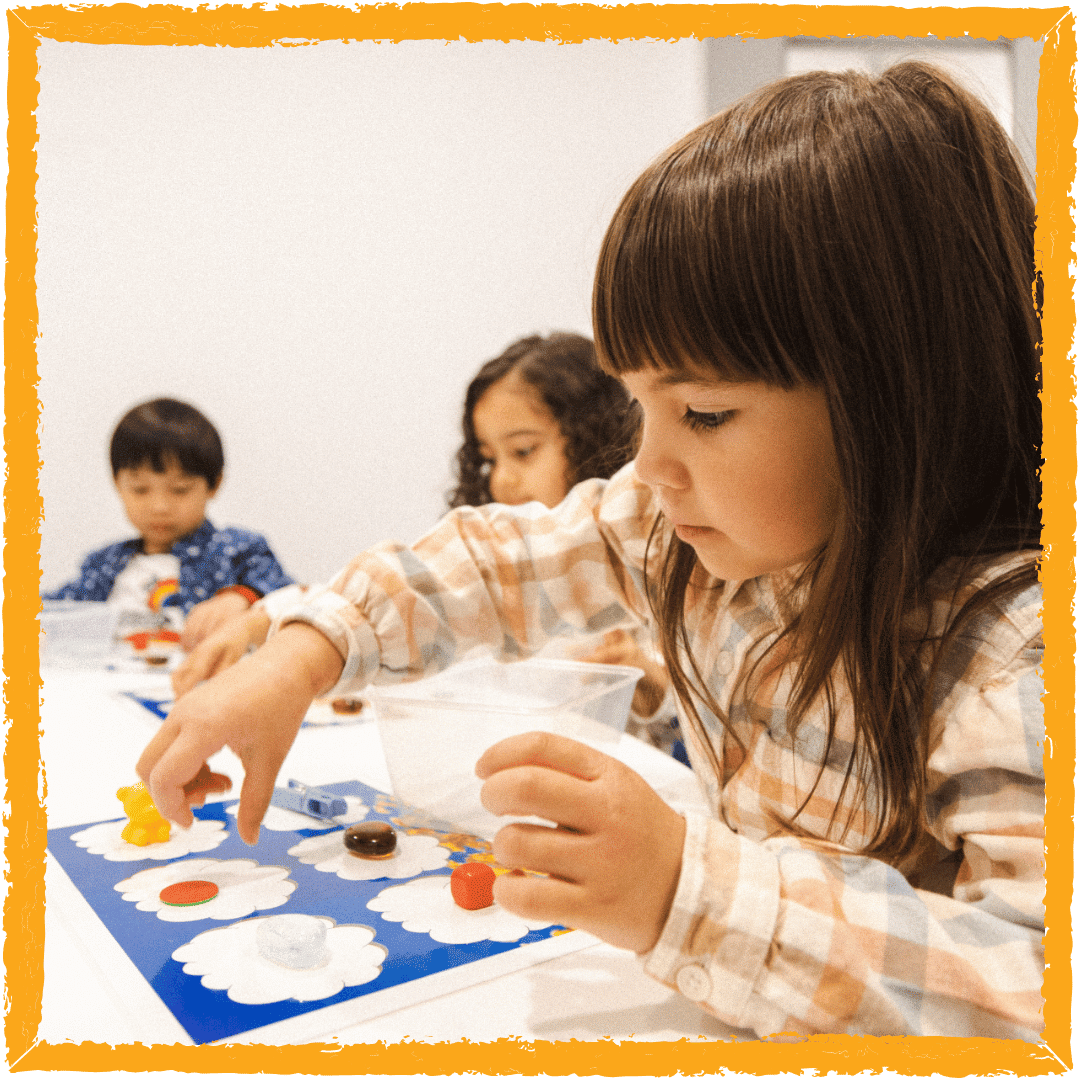
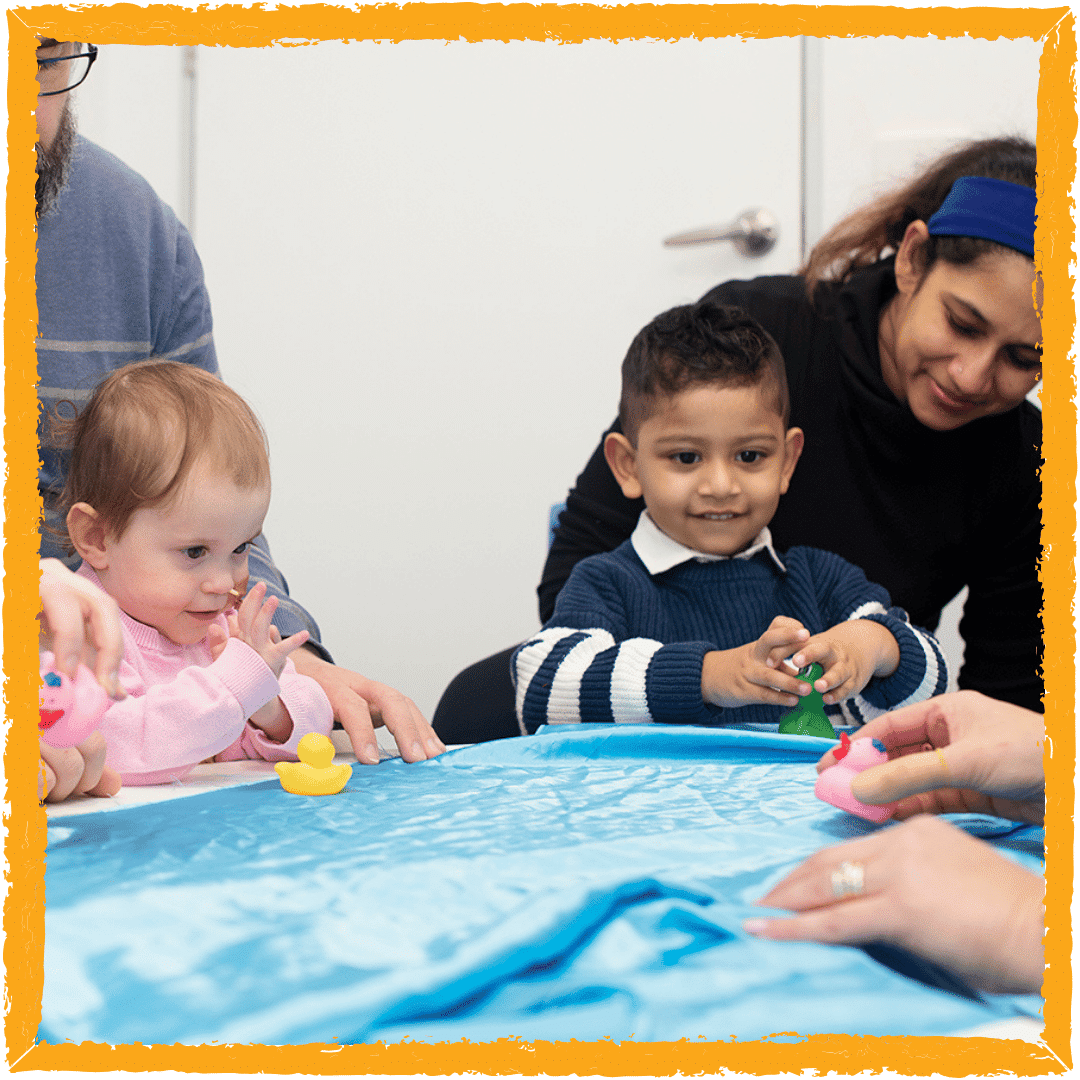
Image by Shichida Australia: Toddlers playing a colour matching game. Colour matching helps toddlers practise visual discrimination, attention, and early sorting skills, which support problem solving through play.
How Play-Based Learning Builds Creative Problem Solving
Play is essential for learning. Through both structured and unstructured play, children build neural connections that support memory, logic, and emotional regulation.
Creative problem solving strengthens pathways between different areas of the brain. This whole-brain engagement supports learning across all domains.
Shichida’s approach recognises that imagination and logic work best together. Play-based activities within creative learning programs for kids are designed to engage both sides of the brain, supporting balanced cognitive development.
How Shichida Supports Creative Problem Solving Development
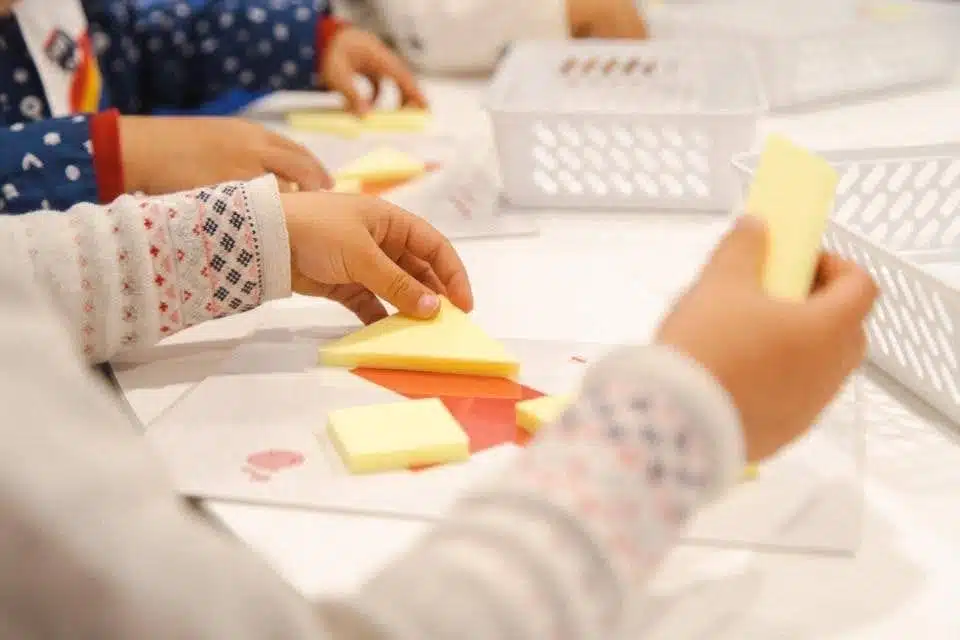
Shichida’s whole-brain learning method is designed to nurture creativity, reasoning, and emotional growth from the earliest years.
Activities are carefully structured to match each stage of development. Younger children explore imagination and sensory experiences. As children grow, activities gradually guide them towards purposeful problem solving and reasoning.
Shichida classrooms worldwide use visualisation, guided discovery, and memory-based activities to strengthen creative thinking. Parents who want to deepen this learning can explore Shichida’s learn and play program for kids, which integrates creativity with cognitive development.
Conclusion
Creative problem solving is a lifelong skill that begins in early childhood. Through imagination, play, and experimentation, children learn to approach challenges with confidence and flexibility.
When you support creative thinking at home, you are helping your child become an adaptable, resilient, and curious learner. These skills extend far beyond childhood and shape how your child approaches the world.
Every playful challenge and imaginative idea contributes to this foundation.
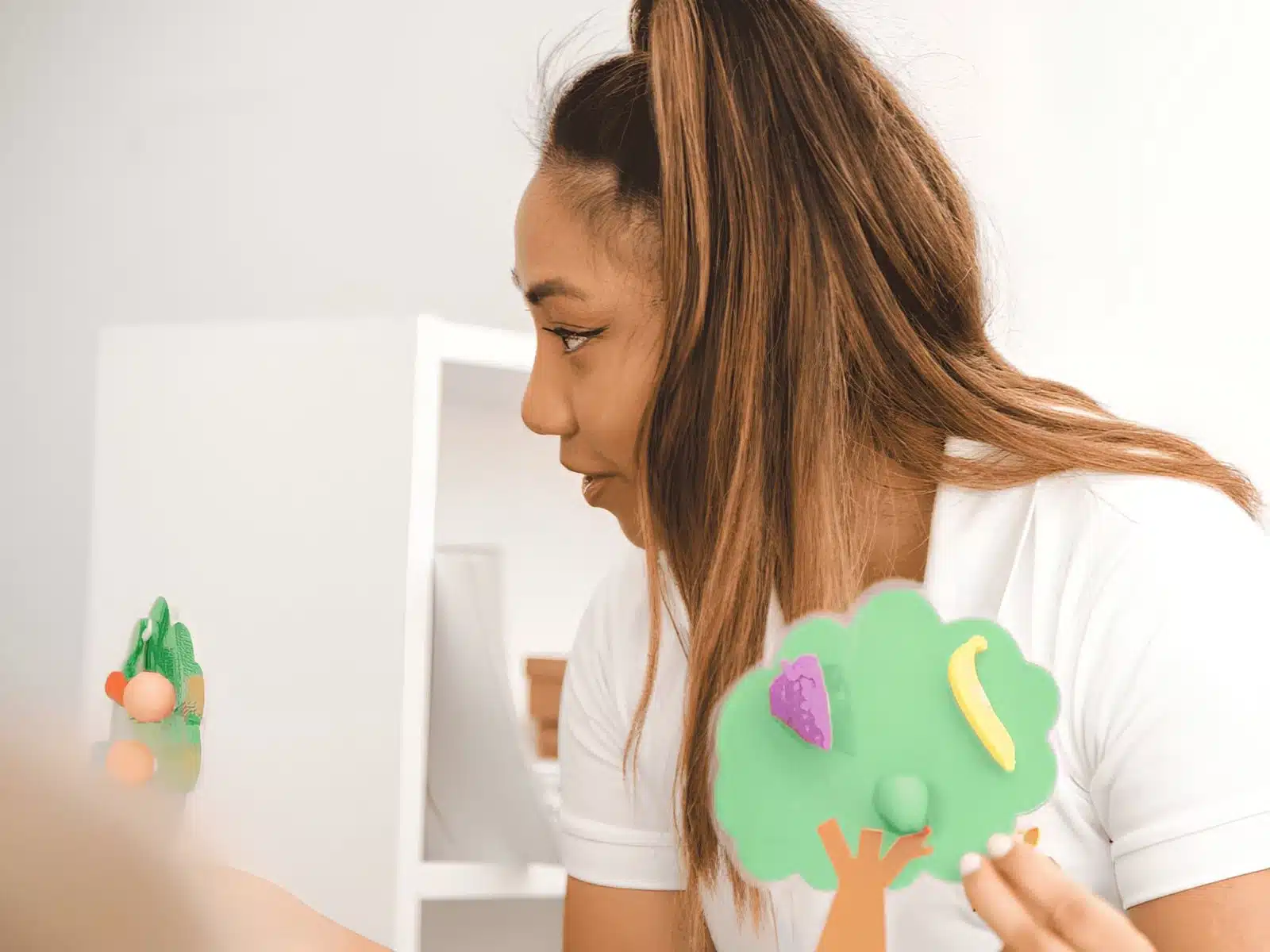
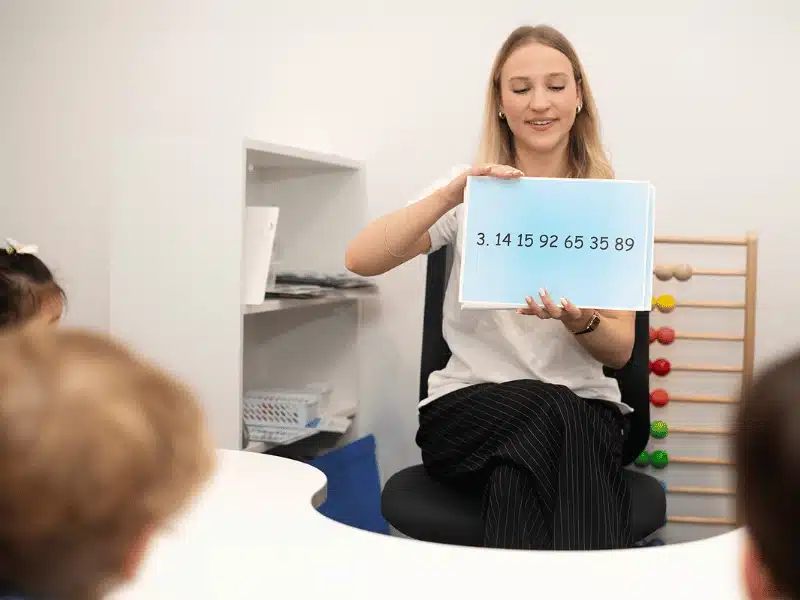
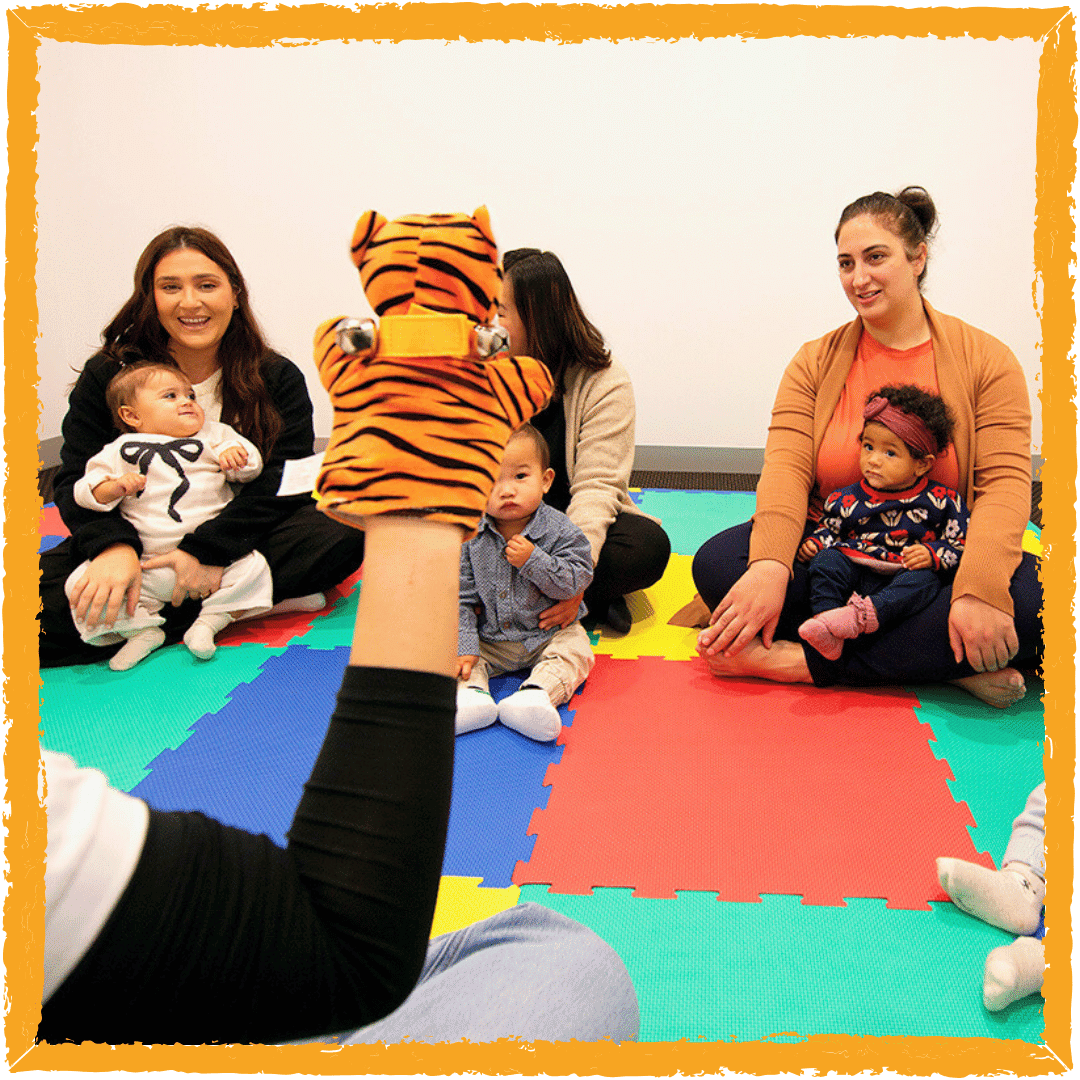
Image by Shichida Australia: Creative problem solving begins with imagination. At Shichida, imagination and visualisation are part of every class.
Shichida’s creative learning and problem-solving program offers children age-appropriate activities that nurture curiosity, flexibility, and innovative thinking from the earliest years.
Book a trial class today to see how Shichida can help your child develop confidence, creativity, and a strong foundation for lifelong learning.
FAQ’s: Creative Problem Solving for Kids
Creative problem solving for kids is the ability to think flexibly, explore different ideas, and find solutions through imagination and experimentation rather than relying on one correct answer.
Creative problem solving begins from birth. Babies explore cause and effect, toddlers experiment through play, and these early experiences form the foundation for later thinking and reasoning skills.
Creative problem solving focuses on generating ideas and exploring possibilities, while critical thinking focuses on evaluating and refining ideas. Both skills develop together and support academic learning and emotional resilience.
Yes. Creative problem solving supports maths reasoning, pattern recognition, and flexible thinking, which are essential for learning in school and adapting to new challenges.
Parents can support creative problem solving by encouraging open-ended play, asking guiding questions, allowing mistakes, and turning everyday challenges into playful learning opportunities.
The Shichida Method uses whole-brain learning, visualisation, guided discovery, and age-appropriate activities to strengthen creativity, memory, and reasoning from early childhood.