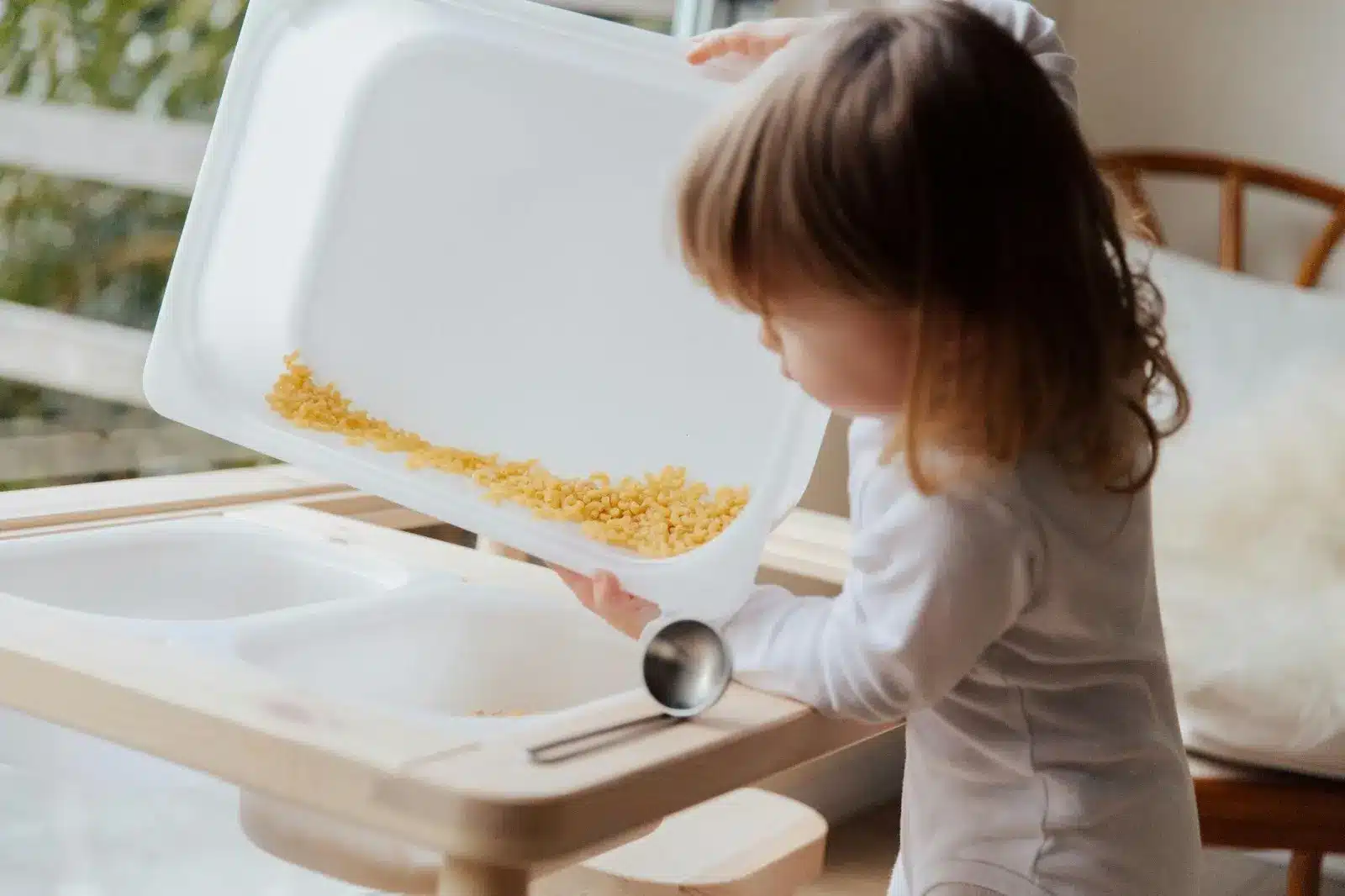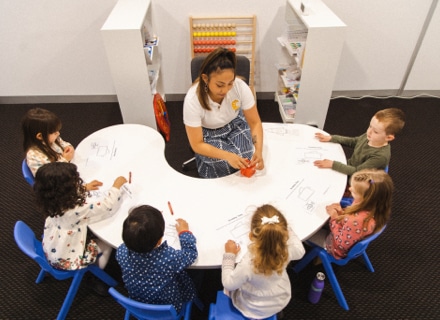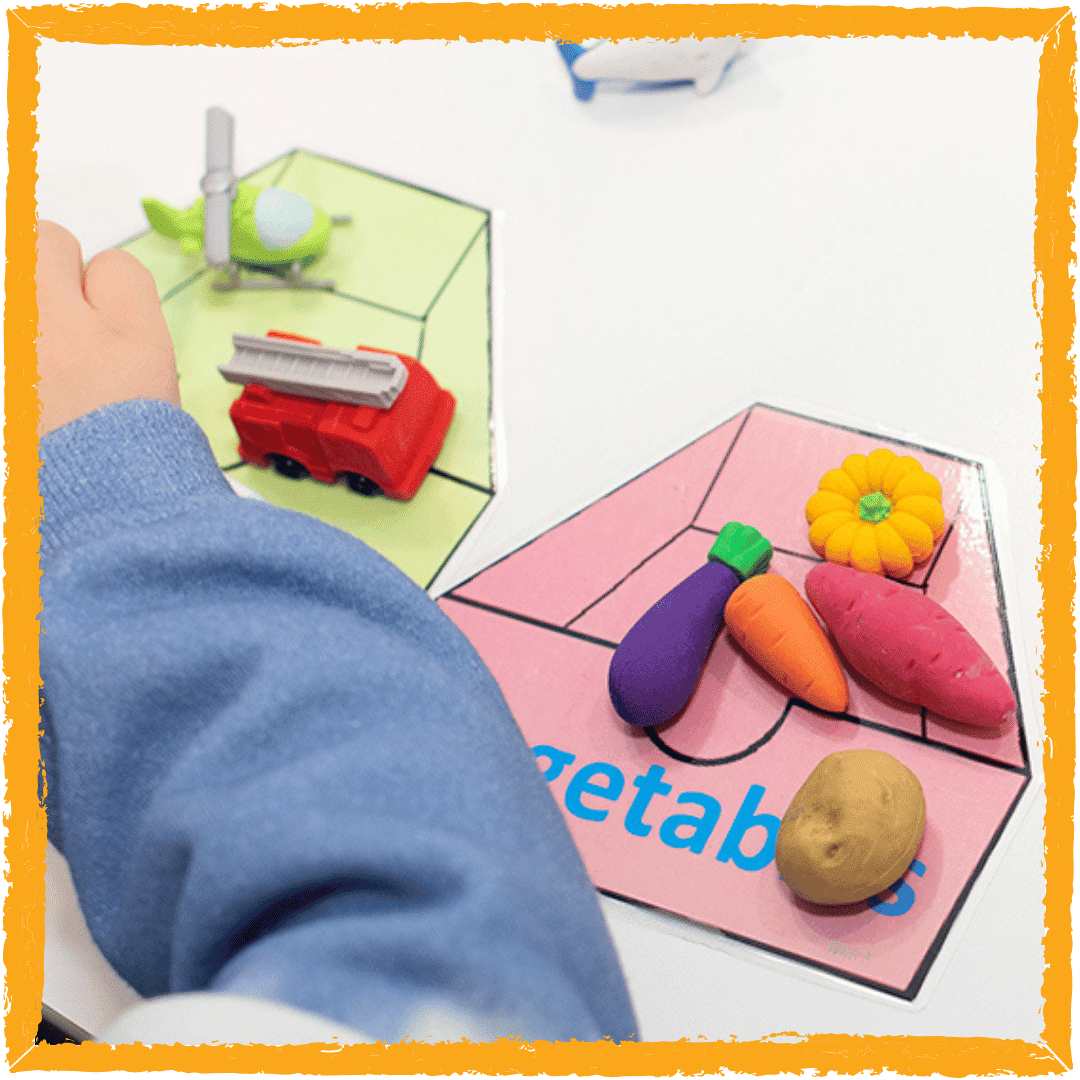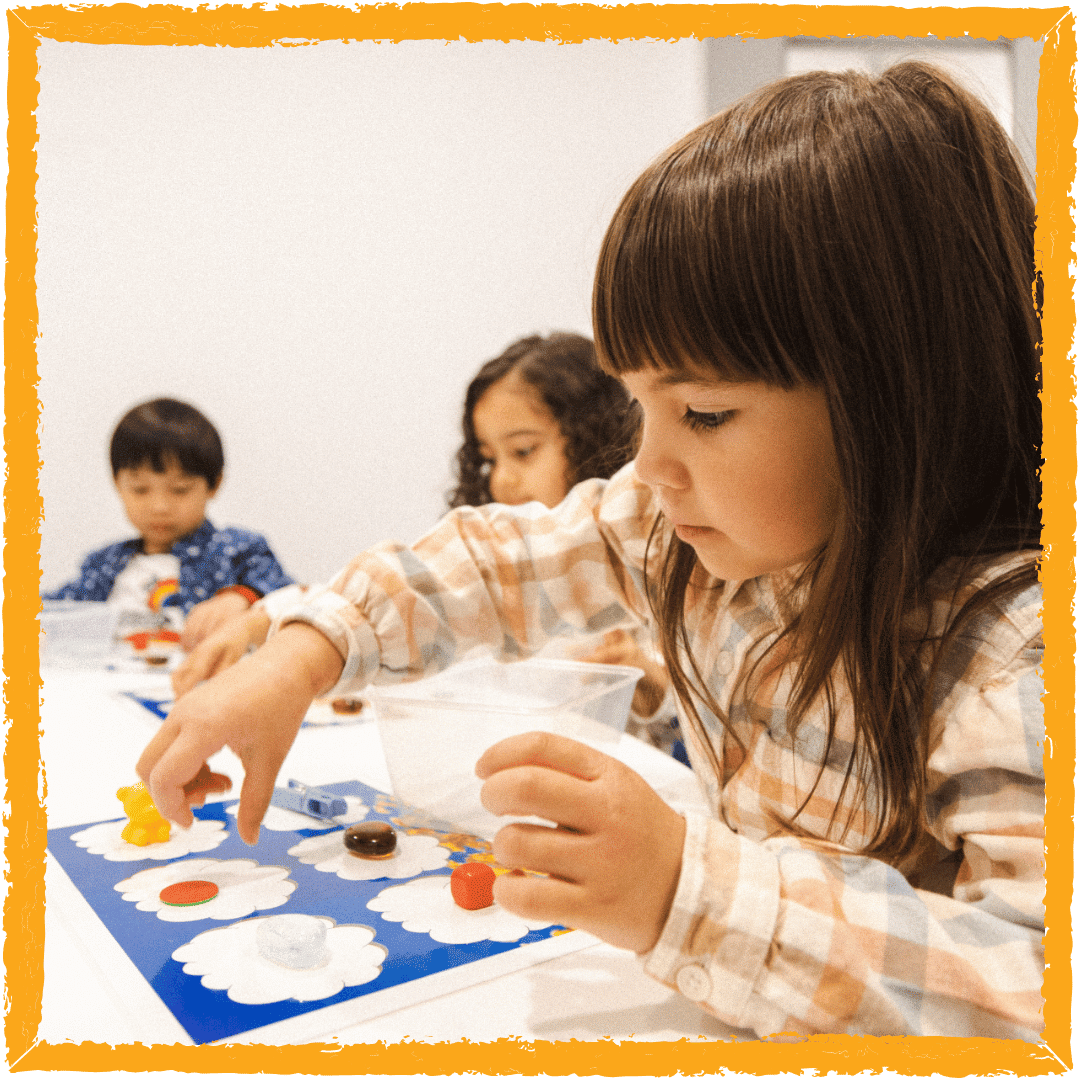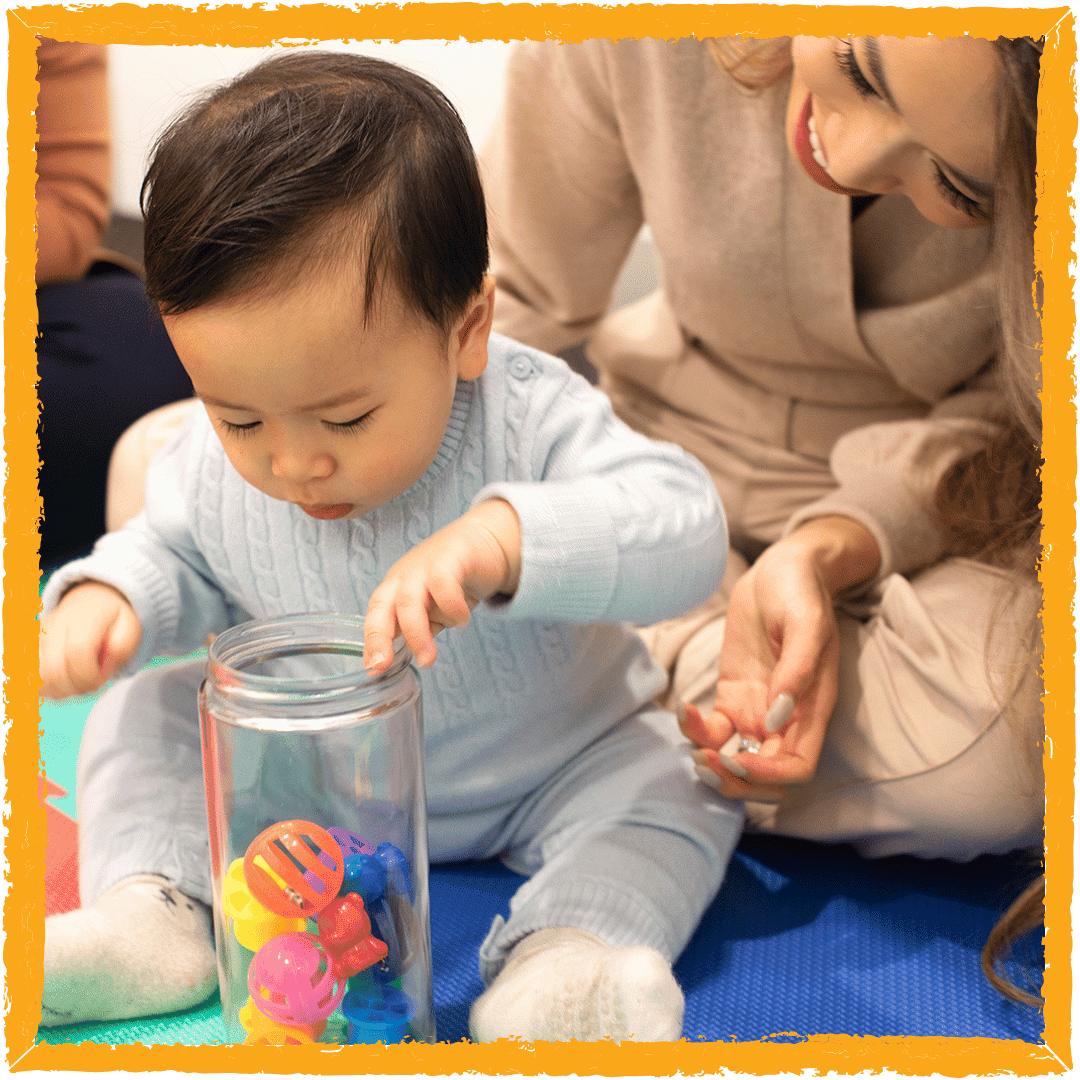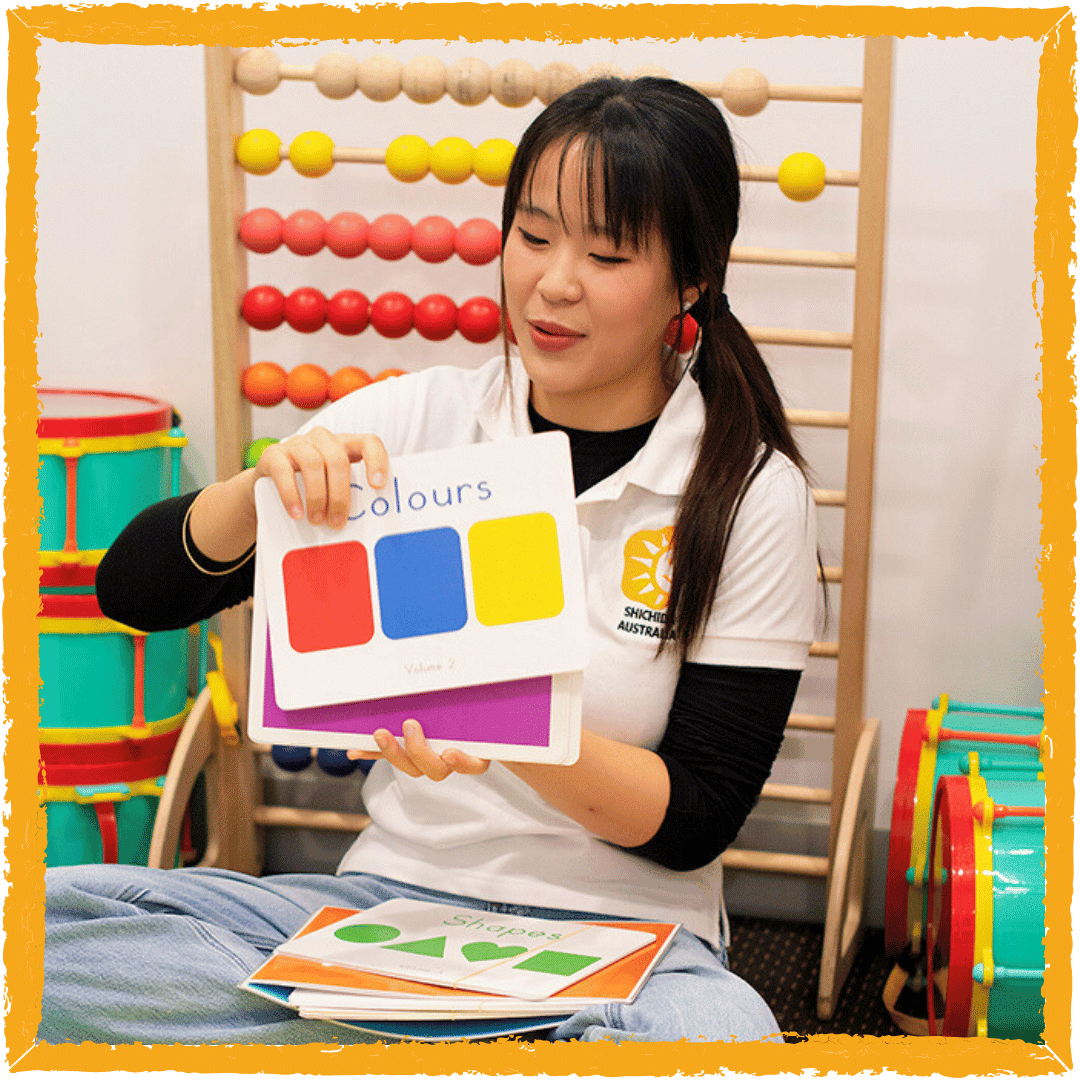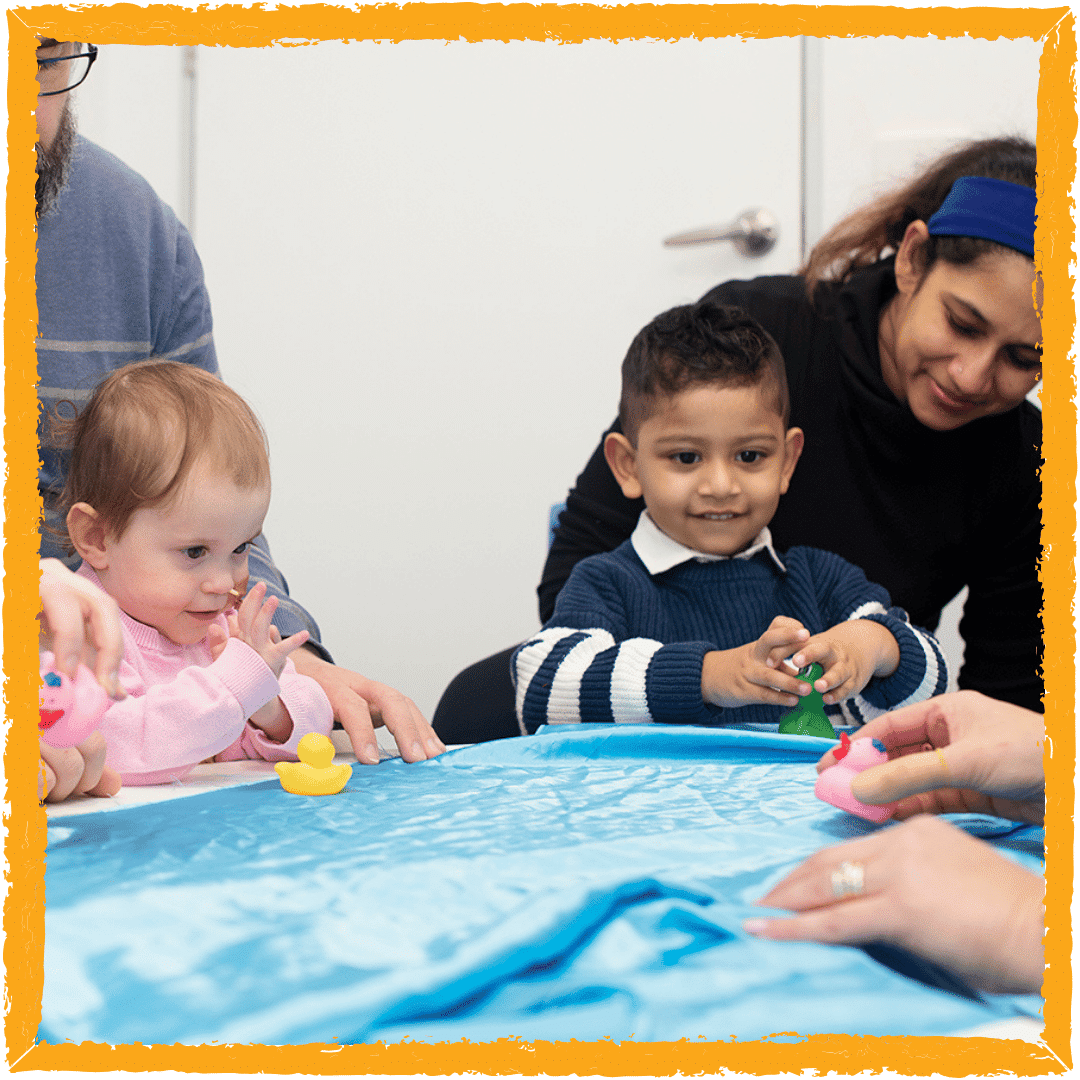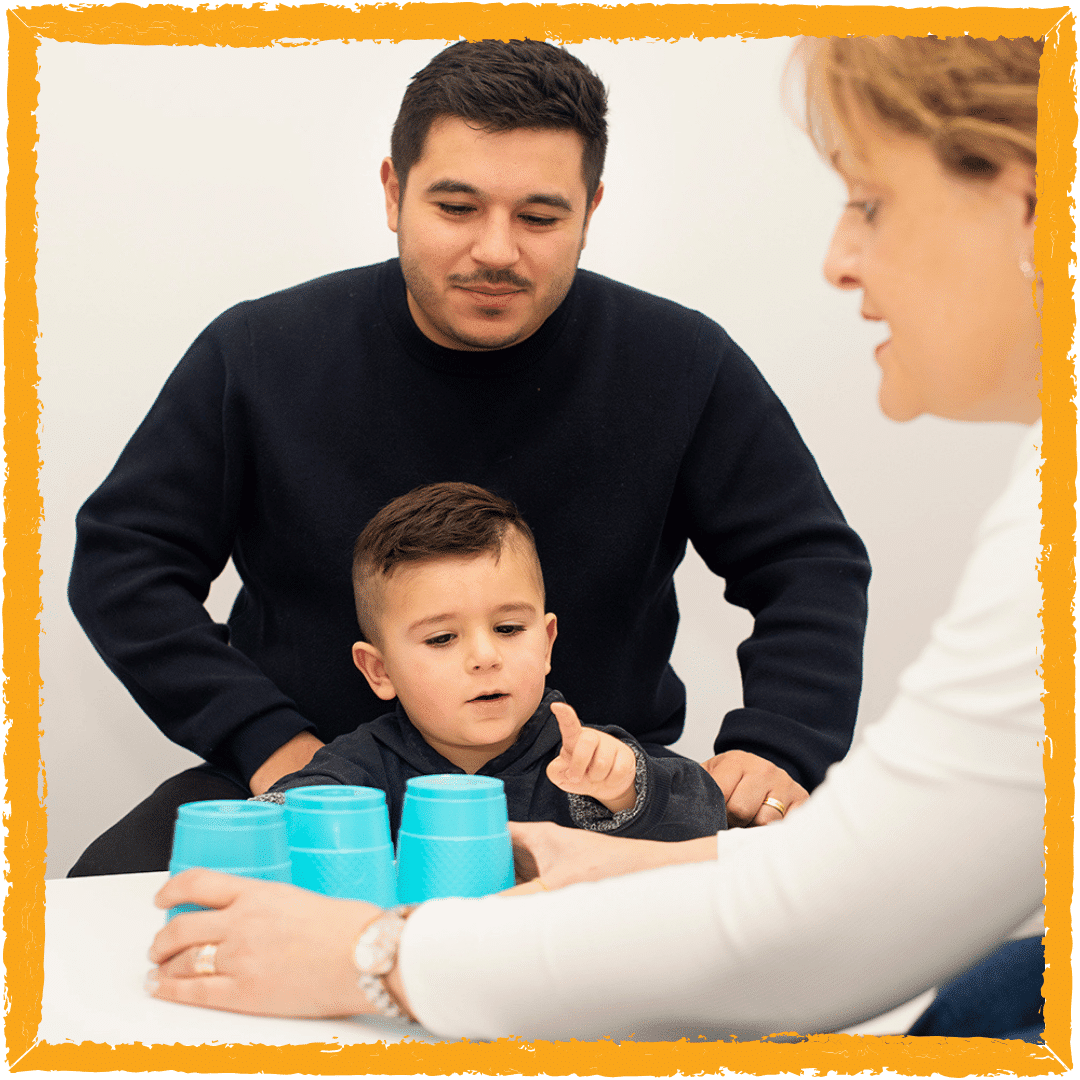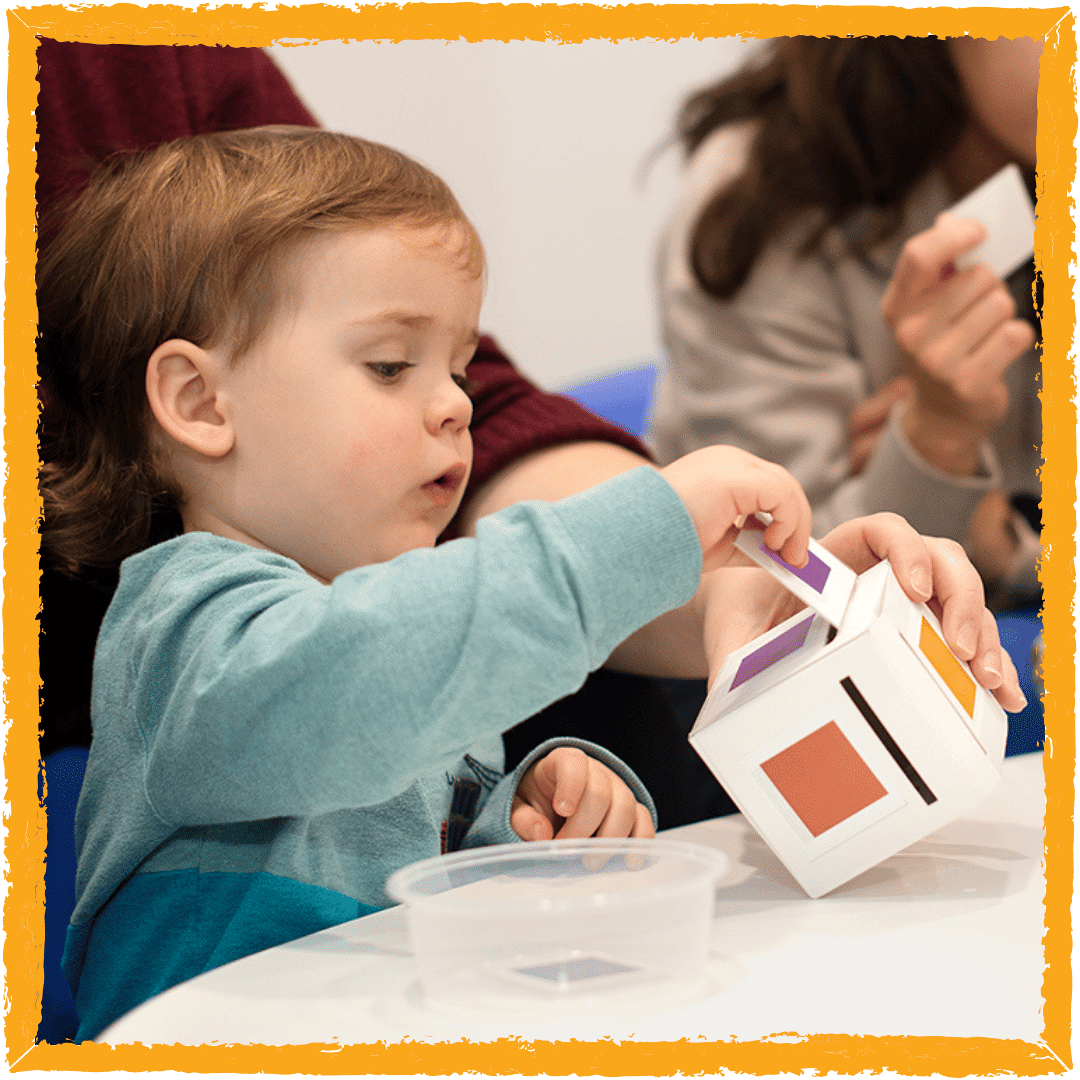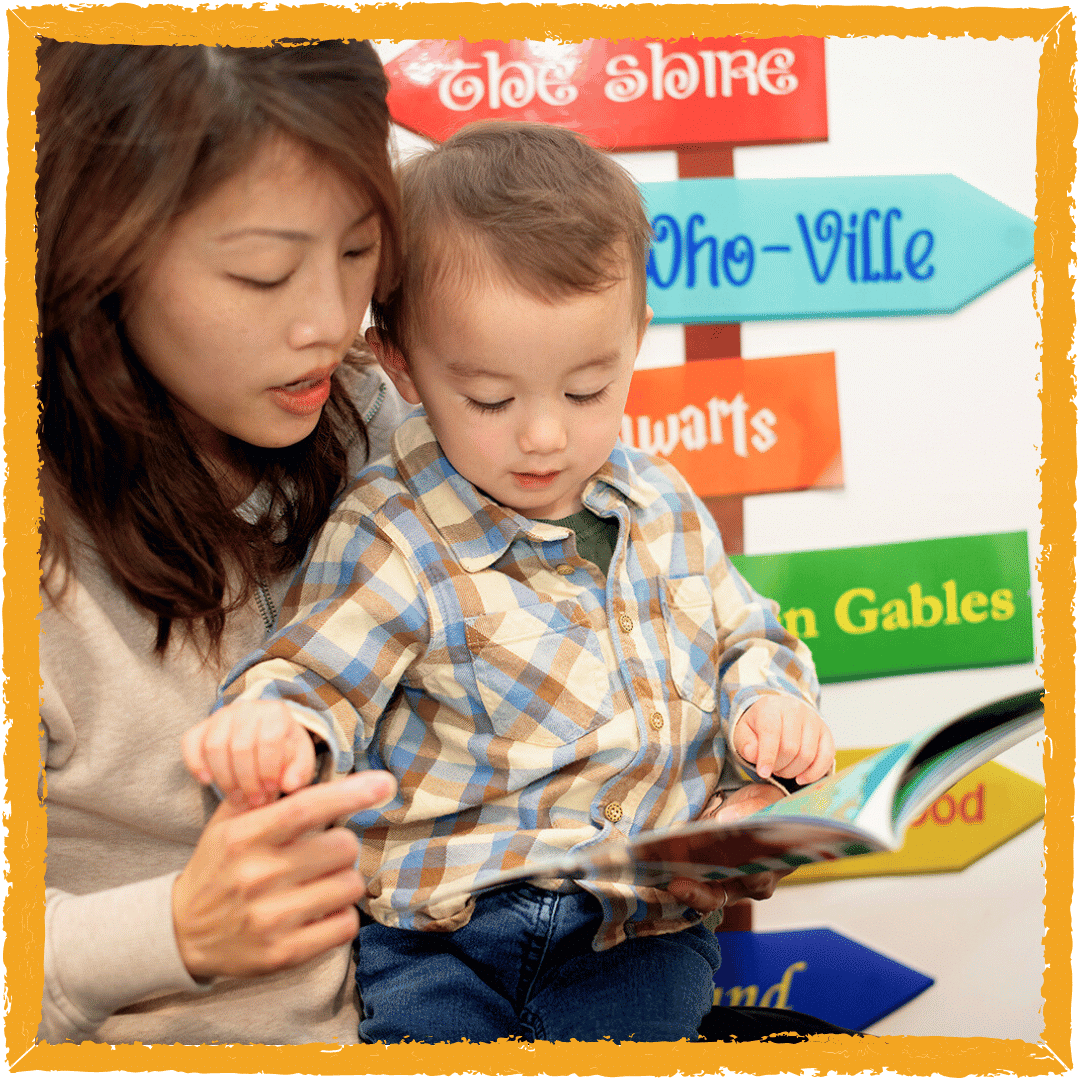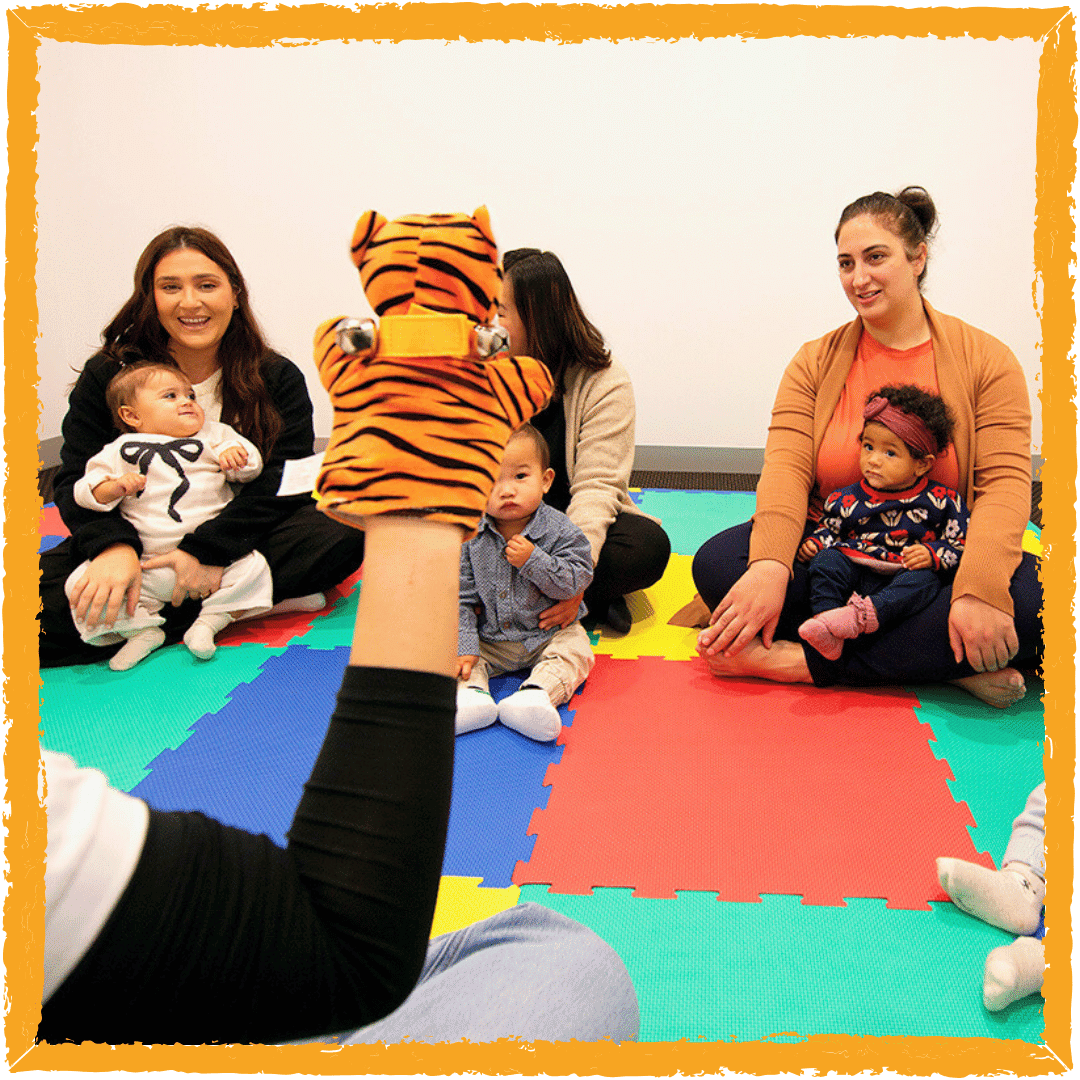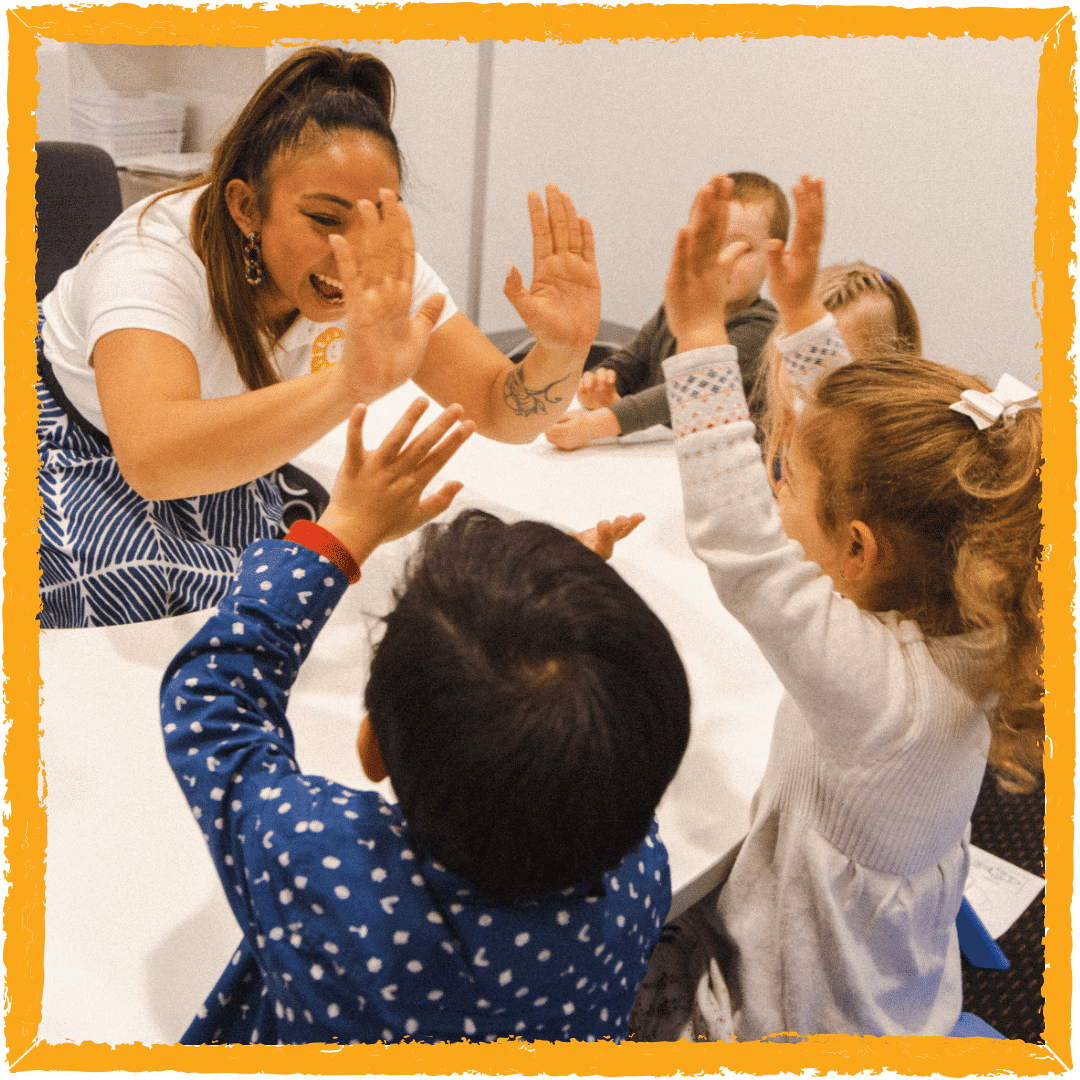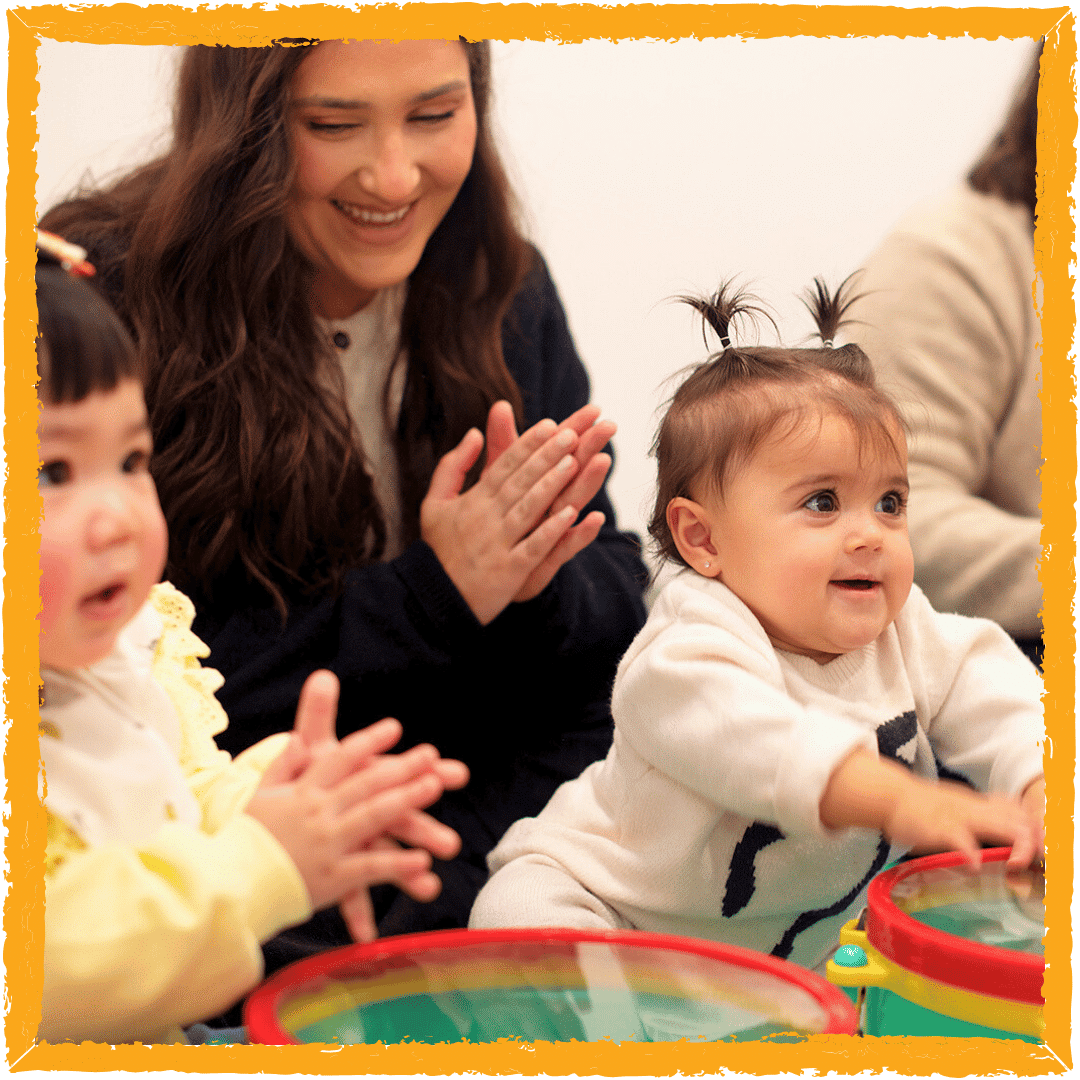
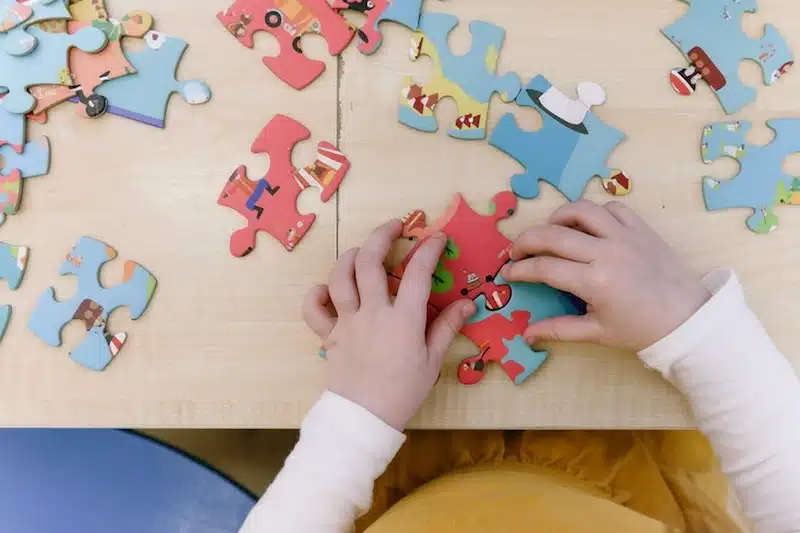
Photo from Pexels: Engaging in problem solving activities for kids from an early age helps develop logical thinking and resilience.
Best Problem Solving Activities for Kids (Home & Classroom)
Key Points
- Problem-solving is a crucial life skill that supports logical thinking, decision-making, and resilience.
- Age-appropriate activities help children develop cognitive and emotional skills from toddlers to early primary years.
- Hands-on, playful approaches make learning to solve problems fun and engaging.
- Structured programmes like Shichida offer guided methods to build problem-solving consistently.
- Parents can easily integrate activities at home or in classroom settings to boost critical thinking.
Introduction – Why Problem Solving Activities Matter
Problem-solving is a fundamental ability that shapes how children think, respond to challenges, and interact with the world around them. From figuring out how to stack blocks without toppling them to navigating social conflicts, early problem-solving skills support both academic success and emotional development.
As parents, you might notice your child’s curiosity growing daily. Encouraging them to think through problems equips them with resilience, creativity, and confidence. In this guide, you will discover a range of problem solving activities for kids, suitable for home and classroom, designed to make learning engaging and effective.
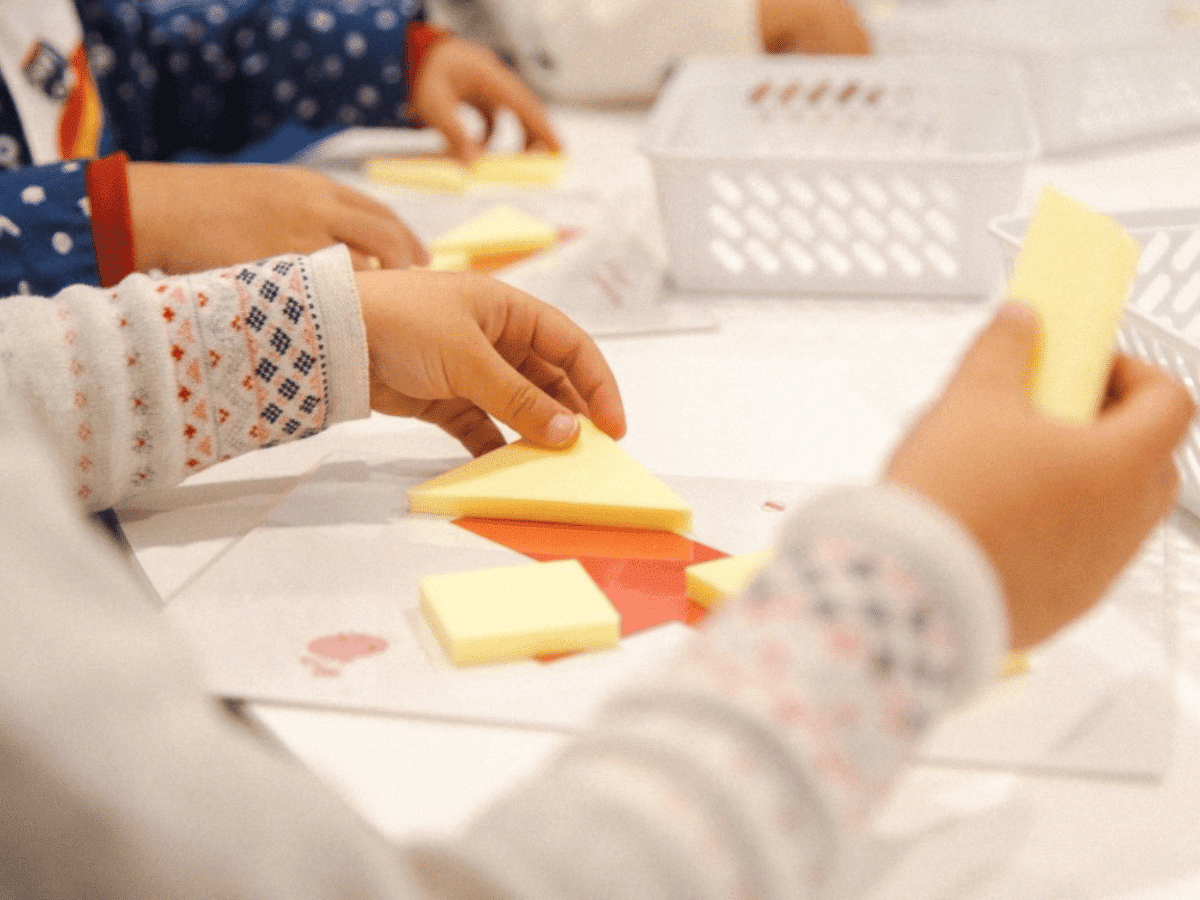
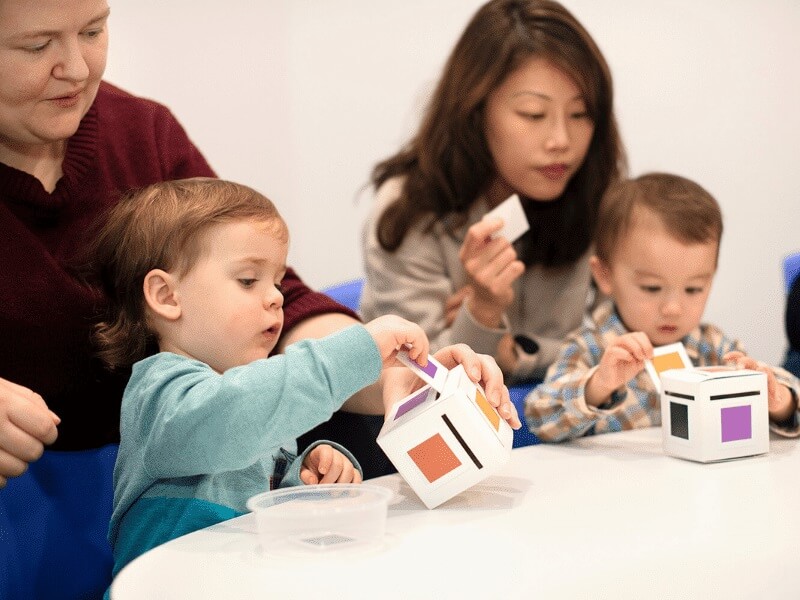
Photo from Shichida Australia: Children completing a tangram-based puzzle challenge, a great activity to encourage problem solving skills for kids.
Need some inspiration for learn and play?
Filled with simple sensory play ideas you can set up at home – no prep, no stress.
Why Problem Solving is Important for Kids
Problem-solving is at the heart of childhood learning. When children tackle challenges, they practise:
- Resilience: Learning to keep trying when the first attempt doesn’t succeed.
- Logical Thinking: Understanding cause and effect, sequencing, and reasoning.
- Decision-Making: Evaluating options and predicting outcomes.
- Emotional Intelligence: Recognising feelings, managing frustration, and collaborating with others.
Early development of these skills has long-term benefits. Children who are confident problem solvers tend to approach school and life challenges with curiosity rather than fear. For more insight, see our guide on the importance of problem solving for children.
What Makes a Good Problem-Solving Activity
Not every activity effectively develops critical thinking. Look for exercises that are:
- Age-appropriate: Tailored to the child’s cognitive and motor abilities.
- Open-ended and exploratory: Encourage experimentation.
- Independent and collaborative: Let children work alone or in teams.
- Trial-and-error friendly: Promote learning from mistakes without pressure.
- Cross-skill supportive: Incorporate numeracy, creativity, reasoning, and social skills.
Best Problem Solving Activities for Kids (Home & Classroom)
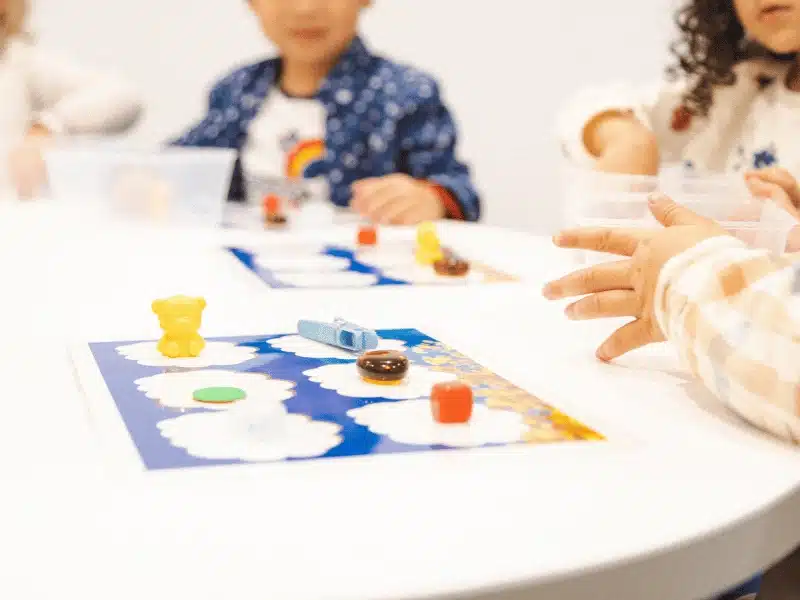
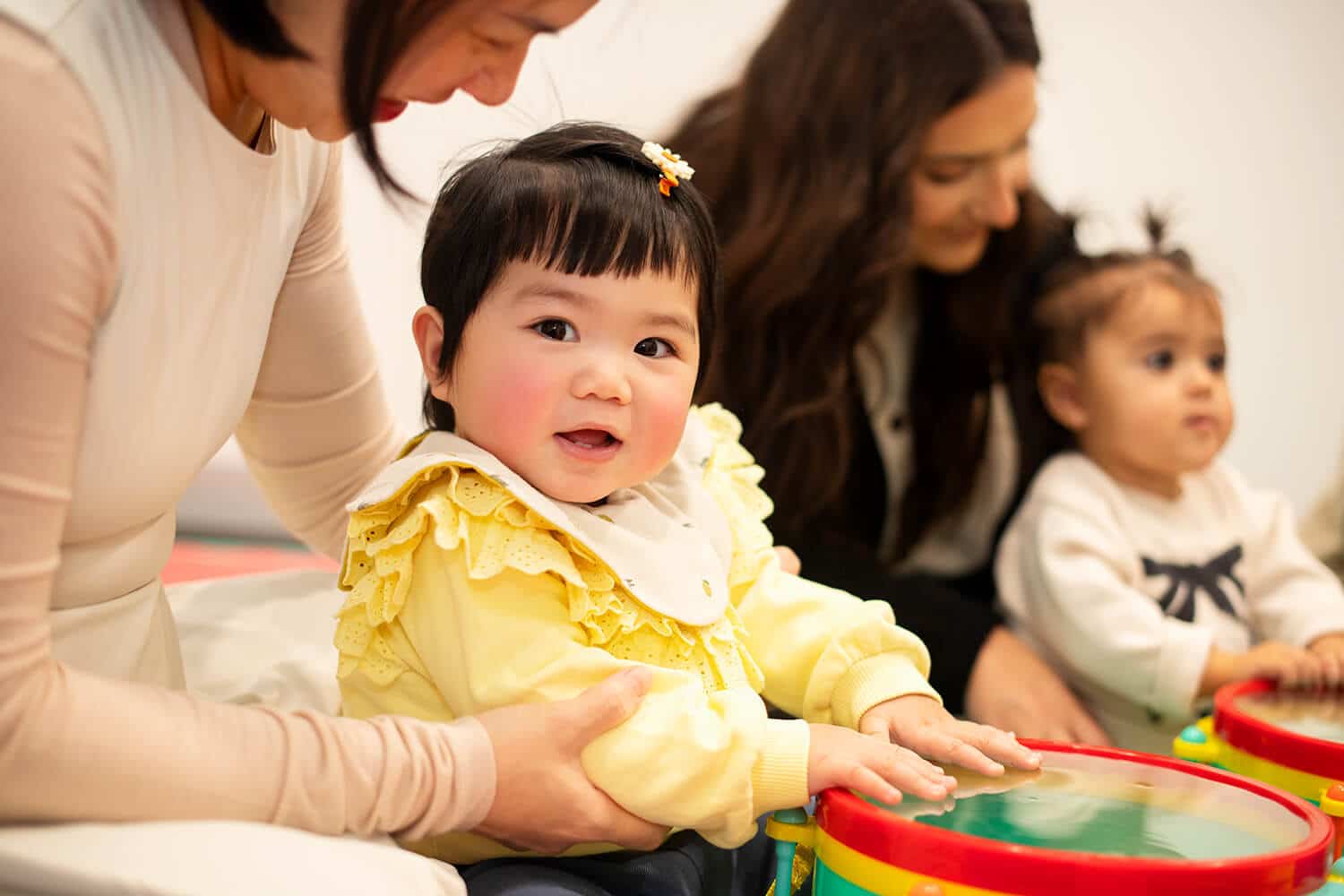
Photo from Shichida Australia: Young children playing a memory recall game.
Puzzle and Logic Games
Suitable for: Toddlers (1-2), Preschoolers (3-5), Early Primary (6-9)
- Jigsaw puzzles: Encourage pattern recognition and spatial awareness.
- Tangrams and shape matching: Develop logic and fine motor skills.
- Spot the difference: Enhances attention to detail.
- Memory games: Boost concentration and recall.
These activities align closely with structured problem-solving approaches used in the Shichida Australia whole-brain training program.
STEM and Building Challenges
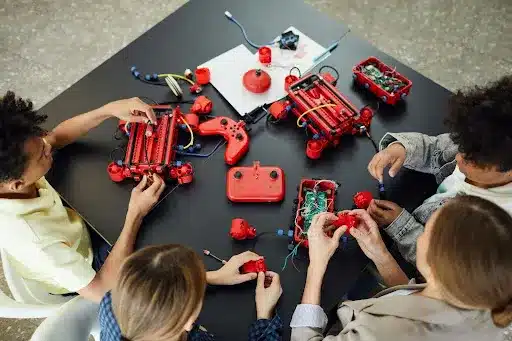
Photo from Pexels: Team-based problem solving activities for kids encourage creativity, communication, and collaborative thinking in the classroom or at home.
Suitable for: Preschoolers (3-5), Early Primary (6-9)
- Design a bridge with household materials: Explore engineering concepts and creativity.
- Water experiments (sink or float): Learn basic science principles through trial and error.
- Build a structure using blocks or LEGO with constraints: Encourage planning, collaboration, and innovation.
For parents seeking a guided progression of problem-solving skills by age, structured programmes can provide consistency and clarity.
Role Play and Storytelling Activities
Suitable for: Toddlers (1-2), Preschoolers (3-5), Early Primary (6-9)
- “What would you do if…” scenarios: Encourage decision-making and empathy.
- Create a story with a challenge and solution: Promote creativity and logical sequencing.
- Conflict resolution role play: Supports emotional intelligence and communication.
Physical and Outdoor Challenges
Suitable for: Toddlers (1-2), Preschoolers (3-5), Early Primary (6-9)
- Obstacle courses: Enhance problem-solving under physical constraints.
- Nature scavenger hunts: Encourage observation and reasoning.
- Build a shelter with natural materials: Combine teamwork, planning, and creativity.
Group-Based and Social Activities
Suitable for: Preschoolers (3-5), Early Primary (6-9)
- Solve a mystery together: Strengthens collaboration and critical thinking.
- Teamwork building challenges: Encourage communication and resilience.
- Classroom debates or “solve the problem” cards: Introduce perspective-taking and reasoned discussion.
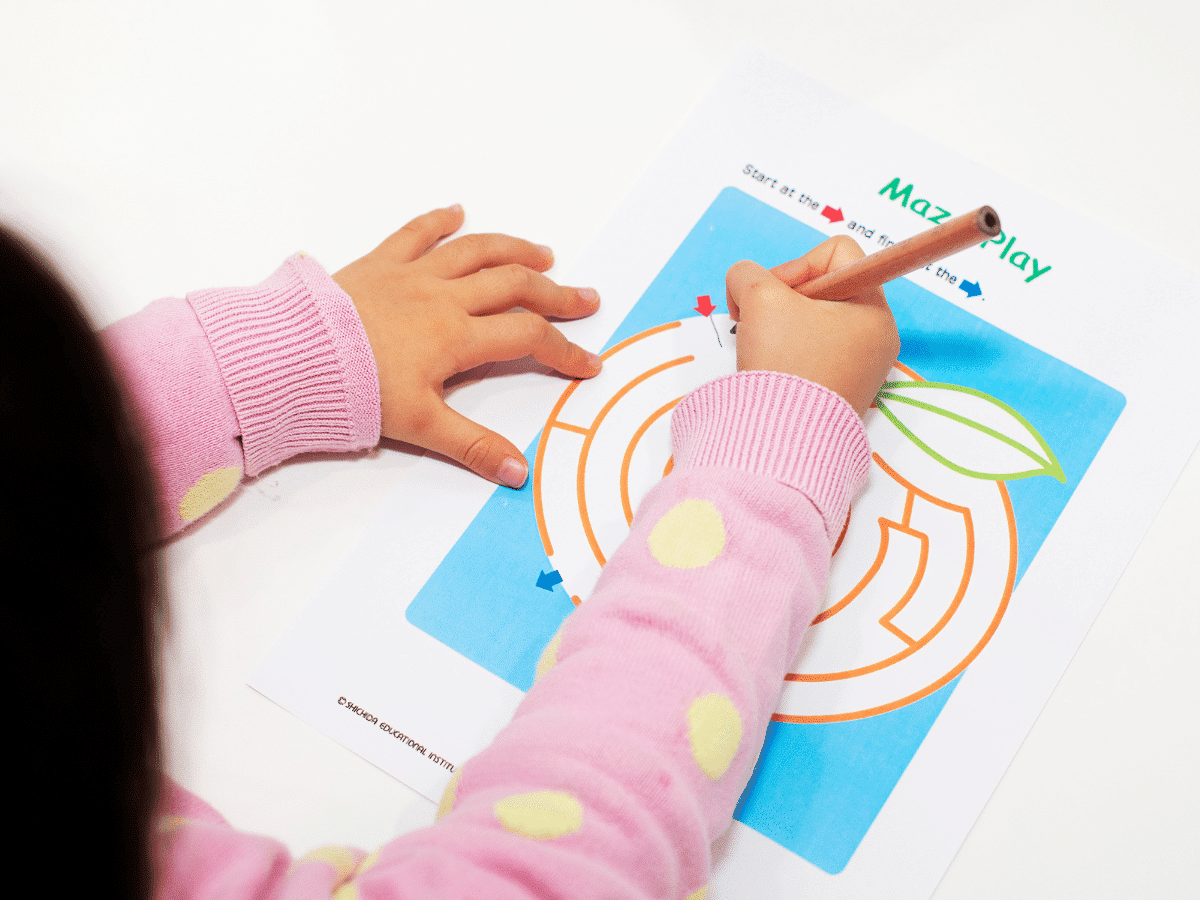
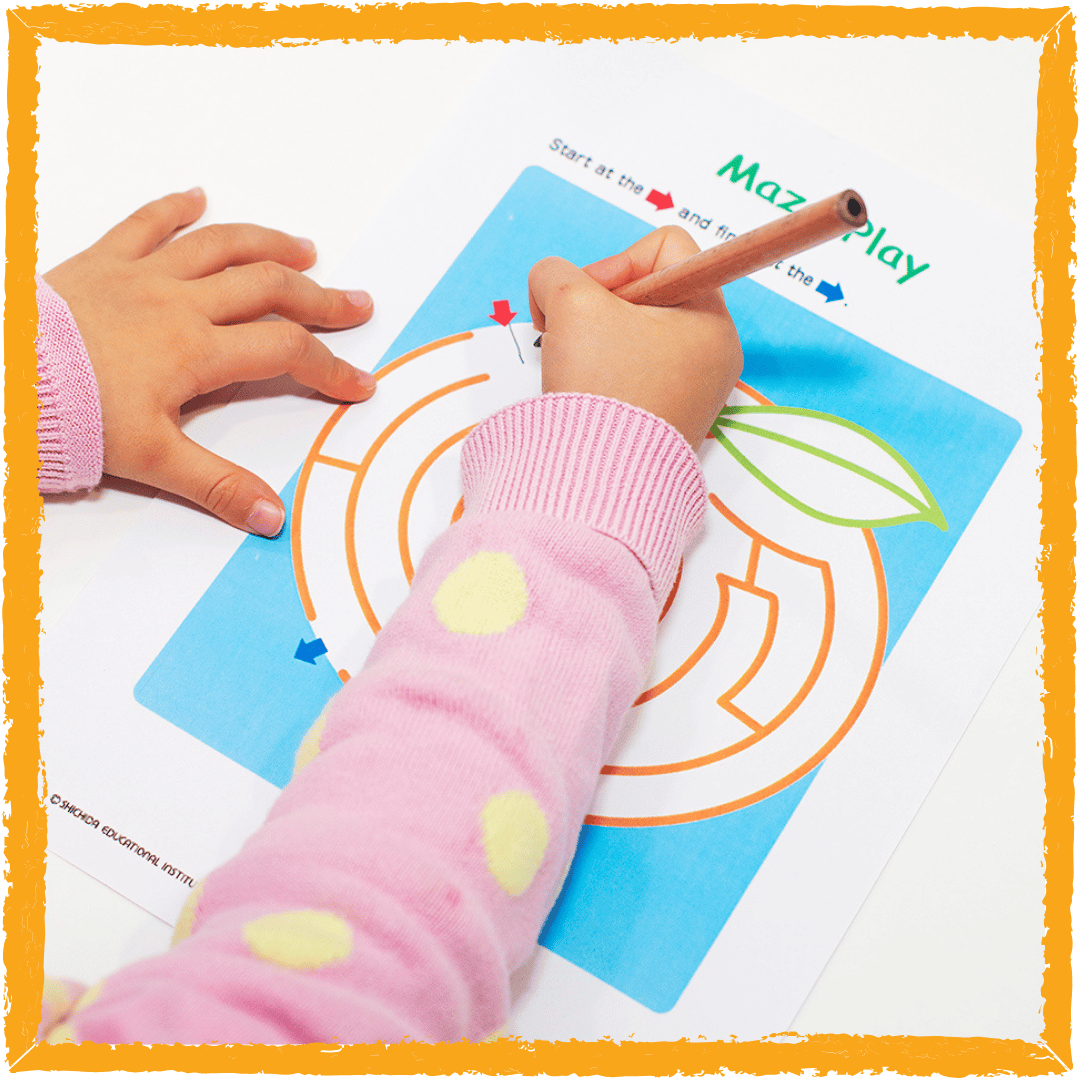
Photo from Shichida Australia: A preschooler completing a fun maze during a Shichida class. Mazes are great for developing problem solving, pencil grip, and spatial awareness.
Easy Problem Solving Activities for Kids (Quick to Set Up)
Suitable for: Toddlers (1-2), Preschoolers (3-5)
- “What’s missing?” tray game: Develops memory and attention to detail.
- Sorting and categorising objects: Builds logical classification skills.
- Create a maze on paper: Encourages planning and prediction.
- Pattern recognition tasks: Reinforces sequencing and analytical thinking.
These are ideal when time is short, but you still want meaningful cognitive engagement.
Fun Problem Solving Activities with a Twist
Suitable for: Preschoolers (3-5), Early Primary (6-9)
- Reverse instructions game: Follow incorrect directions on purpose to understand rules.
- Mystery box challenge: Guess the object through touch or clues, encouraging deduction.
- Creative drawing with rules: Draw using only shapes to spark creativity and logic.
How to Support Children During Problem-Solving Activities
- Let children lead and explore different solutions.
- Use open-ended prompts like:
- “What do you think will happen?”
- “How can we make this better?”
- Avoid giving answers too quickly.
- Encourage reflection: “Why did that work or not work?”
For more guidance, see what is problem solving for kids.
Everyday Ways to Encourage Problem Solving
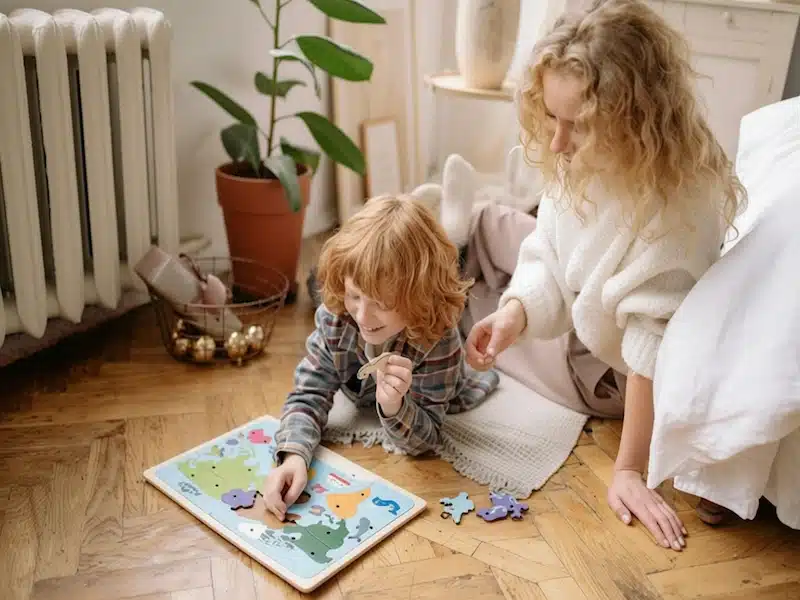
Photo from Pexels: Everyday problem solving activities for kids can be fun and educational, helping children grow confident in their thinking skills.
Problem-solving doesn’t have to be formal. Everyday routines offer natural opportunities:
- Mealtime decisions: Let children plan the menu or serve themselves.
- Packing bags or organising toys: Develop planning and prioritisation skills.
- Creating a plan for a day out: Practice sequencing and time management.
- Conflict resolution at home or in class: Build negotiation and empathy skills.
Conclusion
Developing problem-solving skills early sets children up for success in school, relationships, and life. By using the activities listed here, you can provide playful, hands-on learning that strengthens thinking, reasoning, and emotional resilience. Incorporating both home-based and classroom strategies ensures consistent practice and encourages curiosity. Shichida’s approach offers structured support to guide children through age-appropriate challenges while encouraging creativity and confidence.
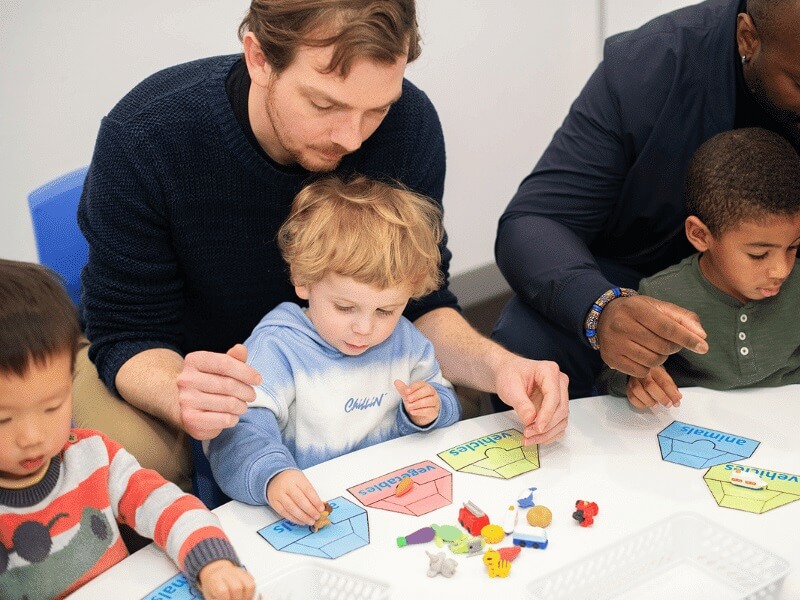
Problem-solving is a core skill that supports every aspect of a child’s growth. Shichida’s Problem Solving Programme provides guided, age-specific methods to build logical thinking, creativity, and confidence. You can book a trial class today to see how structured, developmentally appropriate activities can help your child thrive. Explore the full program and give your child the tools to succeed in both learning and life.
FAQ’s: Problem Solving Activities for Kids
They are abilities to analyse situations, make decisions, and develop solutions through thinking, creativity, and reasoning.
Children can start as toddlers (around 12 months) with sensory and cause-and-effect play, and progressively take on more complex challenges through early primary years.
Short, regular sessions throughout the week are ideal. Even 10-15 minutes daily can support steady skill development.
Absolutely. Hands-on activities, games, and guided challenges at home can be just as effective as classroom learning.
They encourage collaboration, communication, empathy, and teamwork, which are all key components of effective problem-solving.
They provide age-specific, developmentally appropriate challenges, using whole-brain methods to build logical thinking, creativity, and confidence systematically.