
Visual Tracking Activities for Kids: Fun Ways to Build Focus
Key Points
- Visual attention is a foundational skill that supports early childhood development and prepares your child for school.
- It plays a direct role in reading, writing, visual literacy, and overall cognitive processing.
- Children develop visual attention best through play-based, engaging, and meaningful activities.
- Age-appropriate exercises allow skills to build gradually, from simple tracking to more complex visual tasks.
- Strong visual attention supports confidence, independence, and long-term academic success.
What Are Visual Tracking Activities For Kids?
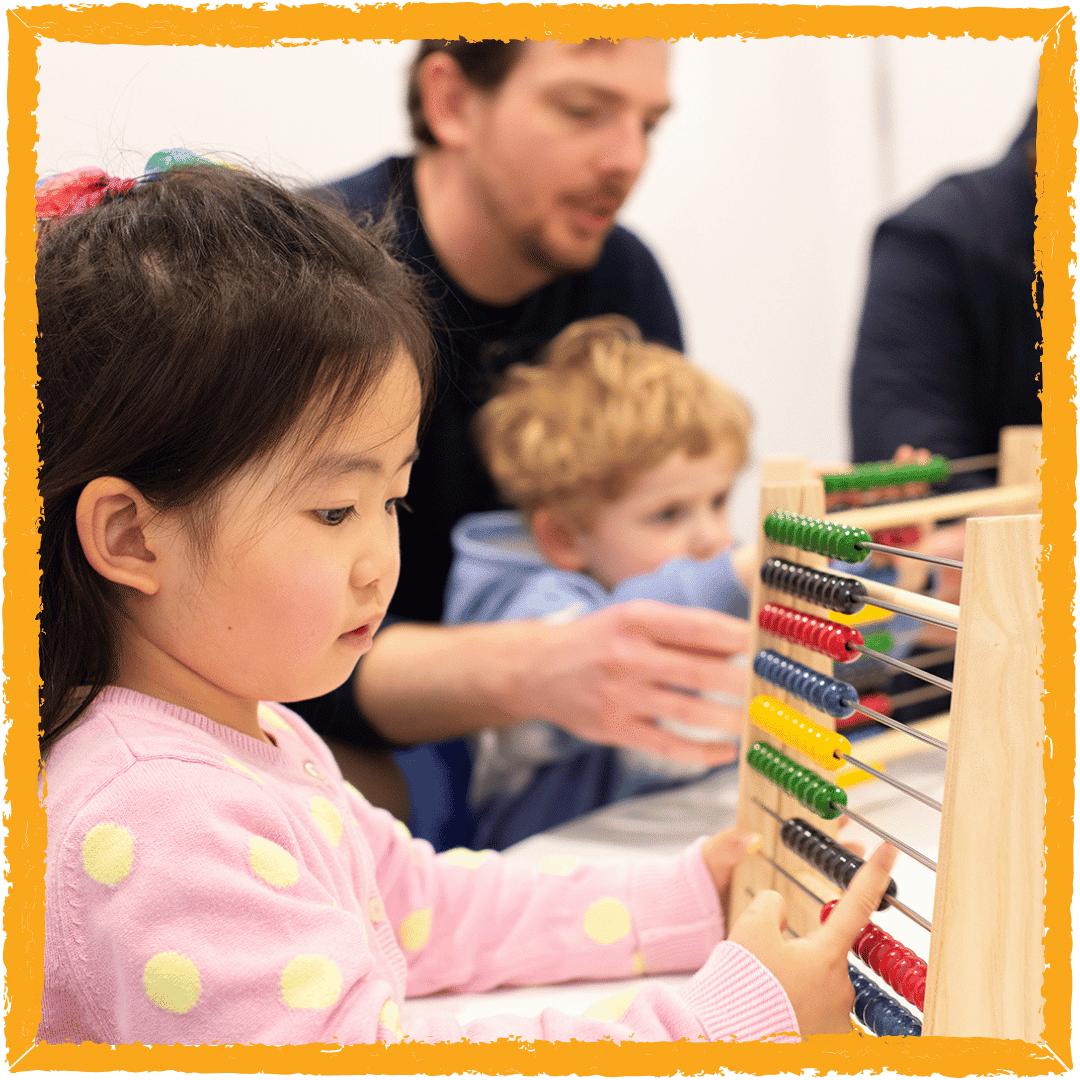
Visual tracking activities for kids are simple games that help young children practise following objects, pictures, words or movement with their eyes. These activities may include following a moving toy, watching bubbles, scanning a picture book, completing mazes, playing ball games or tracing lines.
Visual tracking is an important part of visual attention. It helps children follow movement, scan from left to right, stay focused on a page and prepare for early reading and writing.
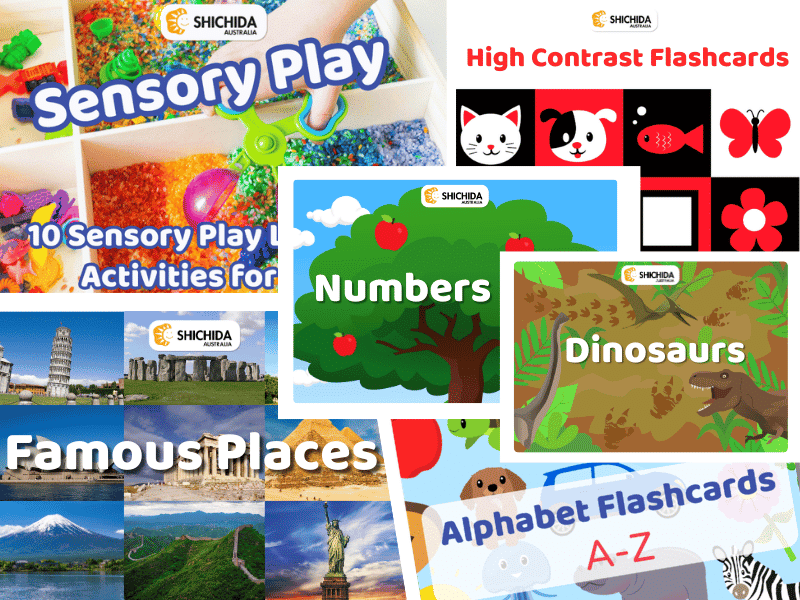
Need ideas for visual tracking activities for kids to use at home? Shichida has plenty!
What Is Visual Attention?
Visual attention is the brain’s ability to focus on important visual information while filtering out distractions. It is not just about what your child sees, but how their brain processes and responds to what they see.
When your child looks at the world, three things are happening at once. First, the eyes detect and track objects, shapes, colours, and movement. Next, the brain decides what is important and what can be ignored. Finally, attention is directed and sustained so your child can learn, respond, or take action.
In early childhood, this skill develops quickly as the brain builds new neural connections through play and repetition. Every time your child follows a moving toy, spots a hidden object, or matches pictures, those connections grow stronger.
Strong visual attention supports visual tracking, visual discrimination, and early pre-reading skills. It lays the groundwork for classroom readiness and learning success. The best way to build it is through simple, play-based experiences that feel natural and enjoyable.
Why Visual Attention Matters in Early Learning
Visual attention plays a key role in school readiness and early learning. It helps your child track words across a page, recognise letters and shapes, and stay focused on tasks.
Simple activities like scanning picture books, matching colours, or finding hidden objects strengthen this skill. Over time, these experiences support reading development, improve concentration, and build the foundation for problem-solving and memory.
When Visual Attention Develops in Children
Visual attention develops in stages as your child grows.
Infants begin by tracking moving objects and responding to light and contrast. Toddlers develop the ability to focus for longer periods and recognise familiar people and objects. Preschoolers refine these skills by scanning for detail, spotting differences, and following visual sequences.
As visual processing, attention control, and cognitive development grow together, your child becomes more efficient at focusing, filtering, and responding to visual information.

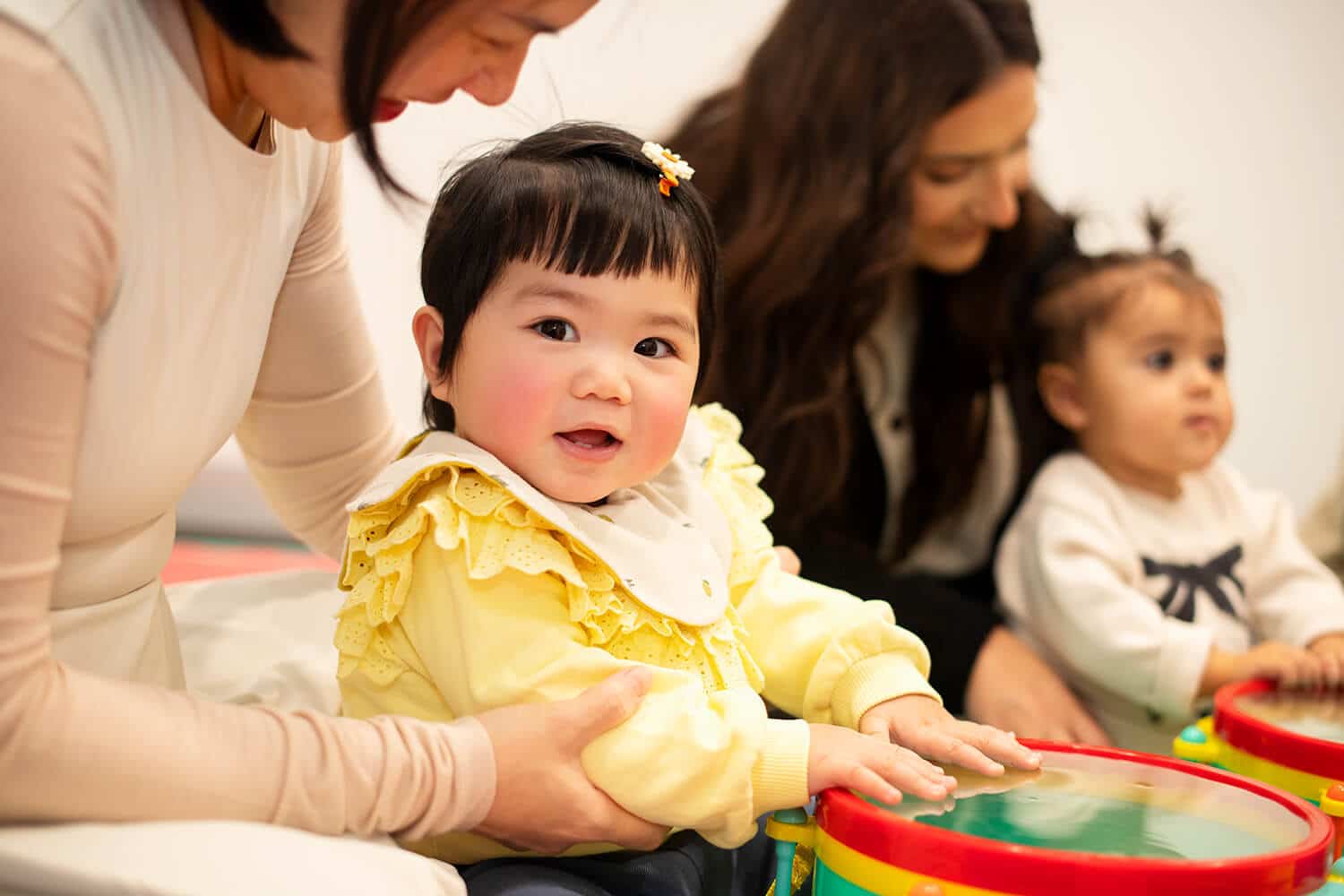
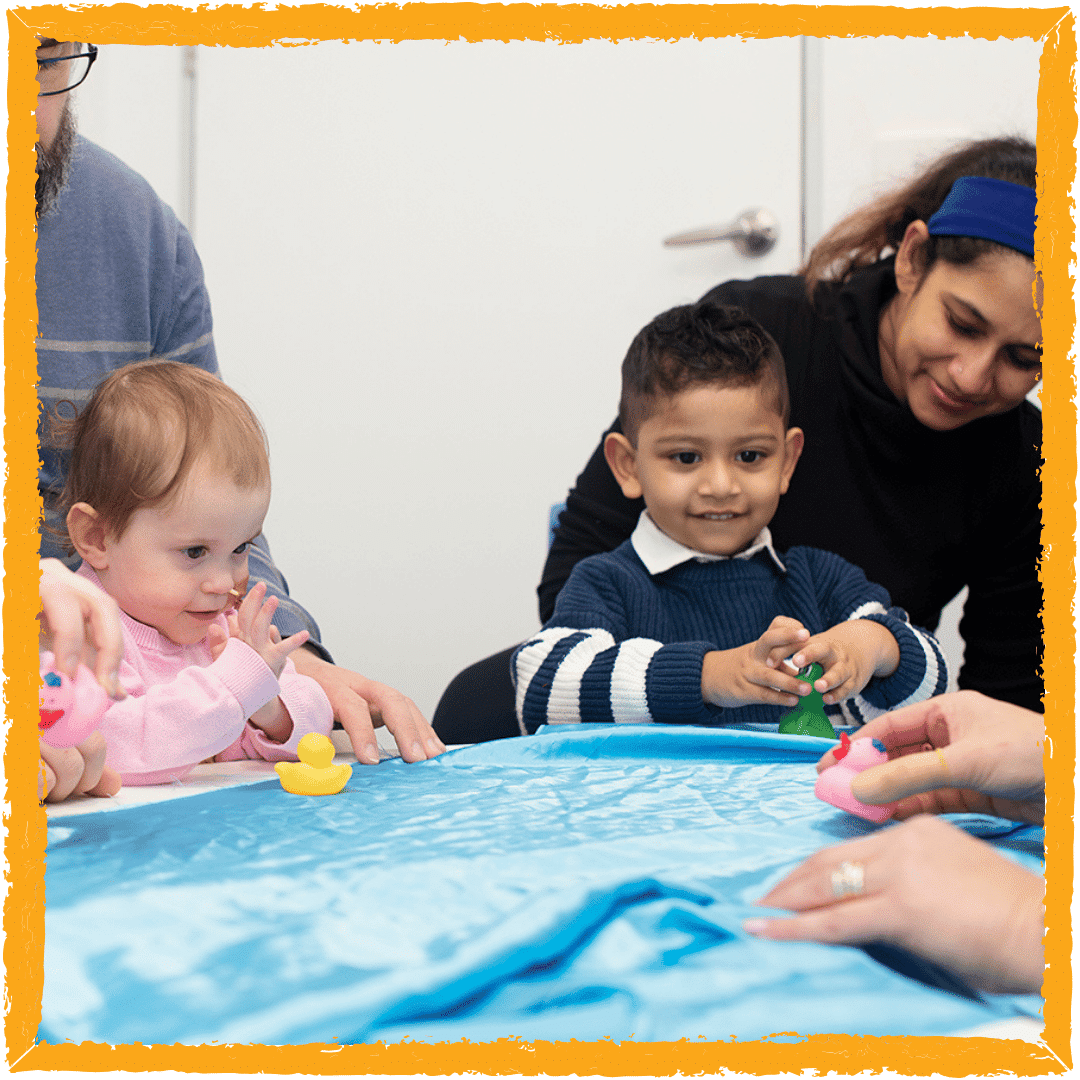
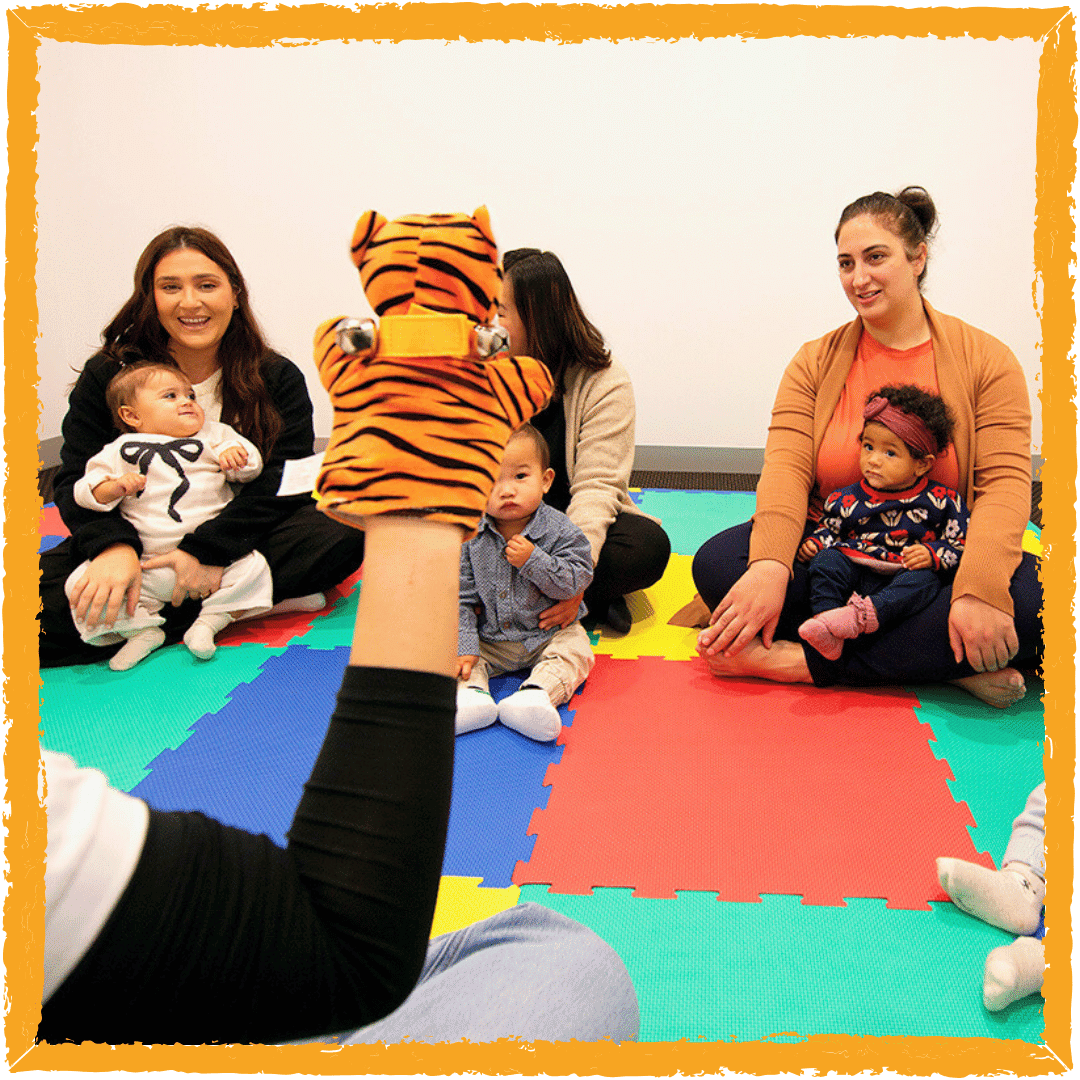
Image by Shichida Australia: Watching a puppet move left, right, up, and down helps babies begin building visual tracking skills through simple, playful interaction.
Key Benefits of Visual Attention Activities for Kids
Practising visual attention activities through play supports both your child’s physical and cognitive development. These activities strengthen how quickly and accurately your child processes visual information.
With regular practice, children improve their concentration, sustain attention for longer periods, and recognise patterns more easily. These skills are essential for early academic tasks such as reading, writing, and problem-solving.
Visual attention activities for kids also support memory and reaction time. When your child repeatedly engages in matching, sorting, or scanning tasks, their brain becomes more efficient at identifying details and responding quickly.
Over time, this builds stronger visual perceptual skills and helps your child feel more confident when approaching new learning challenges.
Strengthens Visual Tracking Skills
Visual tracking activities for kids help your child follow moving objects smoothly with their eyes. This is an essential skill for reading, where the eyes move from left to right across a page.
It also supports everyday tasks like following a ball during play, scanning a worksheet, or writing along a line. Strong tracking skills make these activities feel easier and more natural.
Supports Early Literacy and Visual Literacy
Visual attention and visual discrimination work together to support early literacy. Your child learns to tell the difference between letters, numbers, shapes, and patterns.
These skills also build visual literacy for kids, which is the ability to understand and interpret images. This becomes important when your child begins to read picture books, follow visual instructions, and make sense of visual information.
Improves Focus and Auditory Attention
Visual attention is closely connected to listening skills. When your child learns to look and listen at the same time, they develop stronger auditory attention.
This helps them follow instructions, stay engaged during storytime, and participate in group activities. It also prepares them for classroom learning, where listening and watching often happen together.

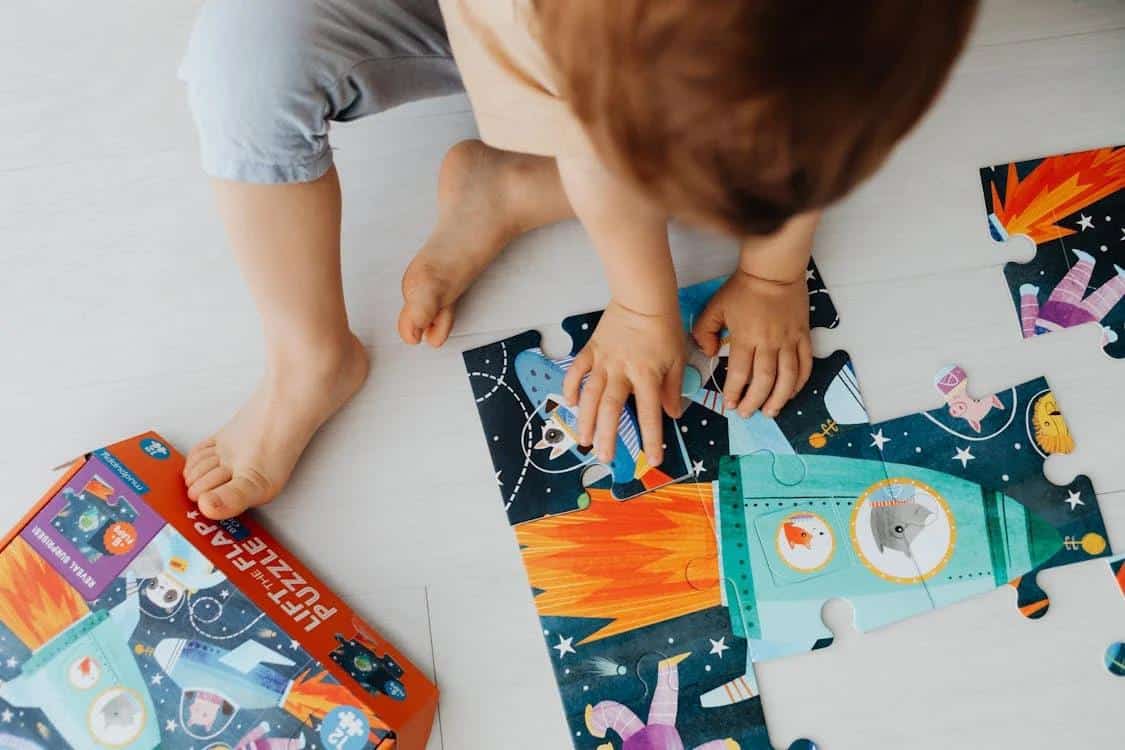
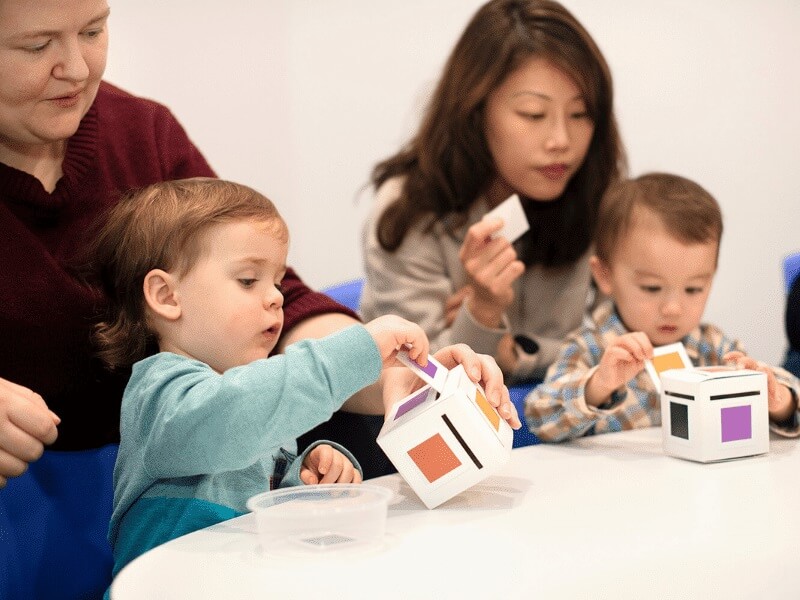
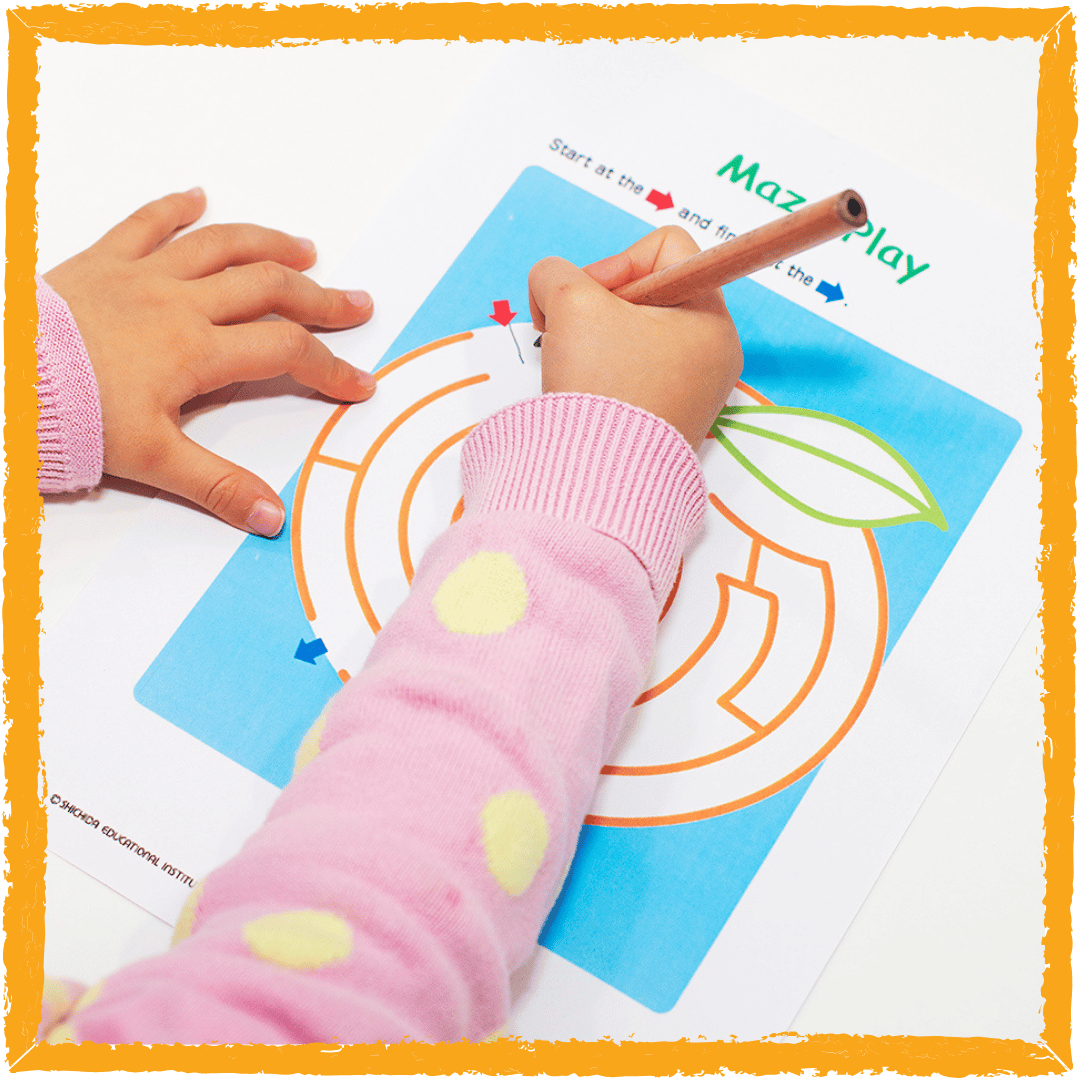
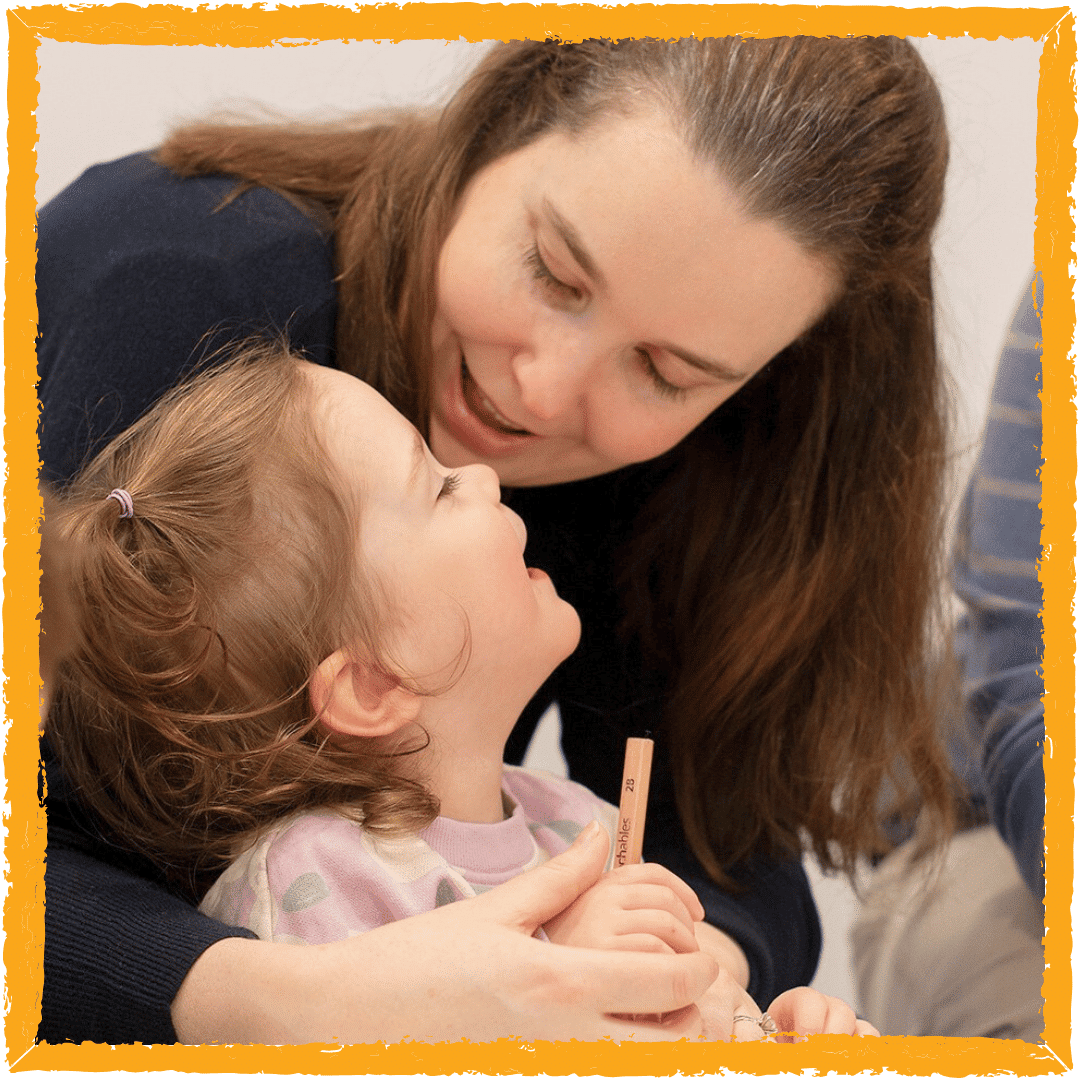
Image by Shichida Australia Maze activities help toddlers practise visual tracking, focus, and problem-solving in a fun, age-appropriate way.
Visual Attention Activities for Kids by Age
Choosing activities that match your child’s developmental stage makes learning more effective and enjoyable. The goal is to keep activities simple, playful, and easy to set up using everyday materials.
Activities for Babies (0-12 Months)
At this stage, your baby is just beginning to explore the visual world.
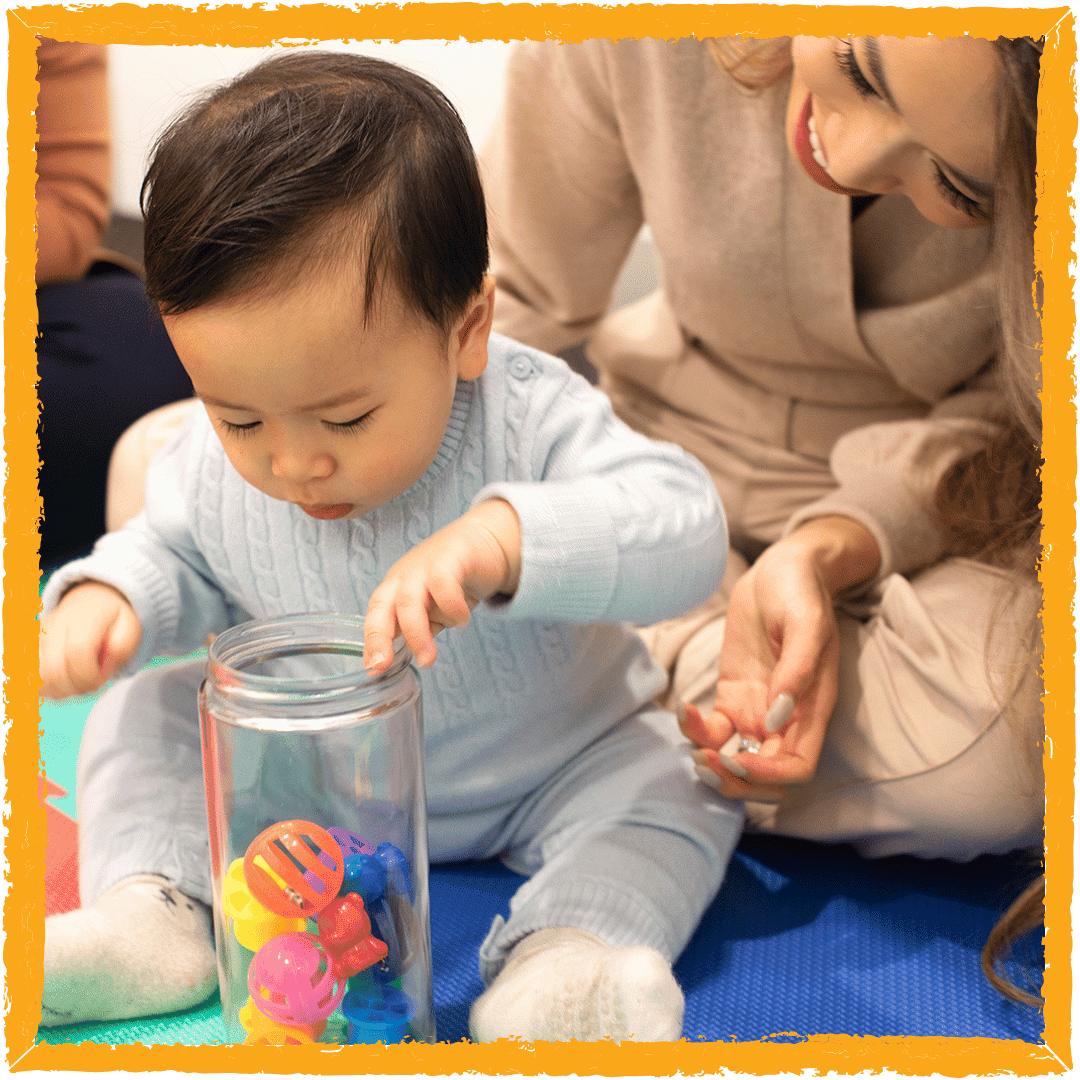
Try gently moving a toy or light from side to side for your baby to track. Use high-contrast black and white cards to capture attention. Encourage reaching for objects placed just out of grasp to support focus and coordination.
Simple games like peek-a-boo introduce object permanence activities, helping your baby understand that objects still exist when out of sight. Responding to your voice also builds early auditory attention.
Activities for Toddlers (1-3 Years)
Toddlers are ready for more interactive and repetitive play.
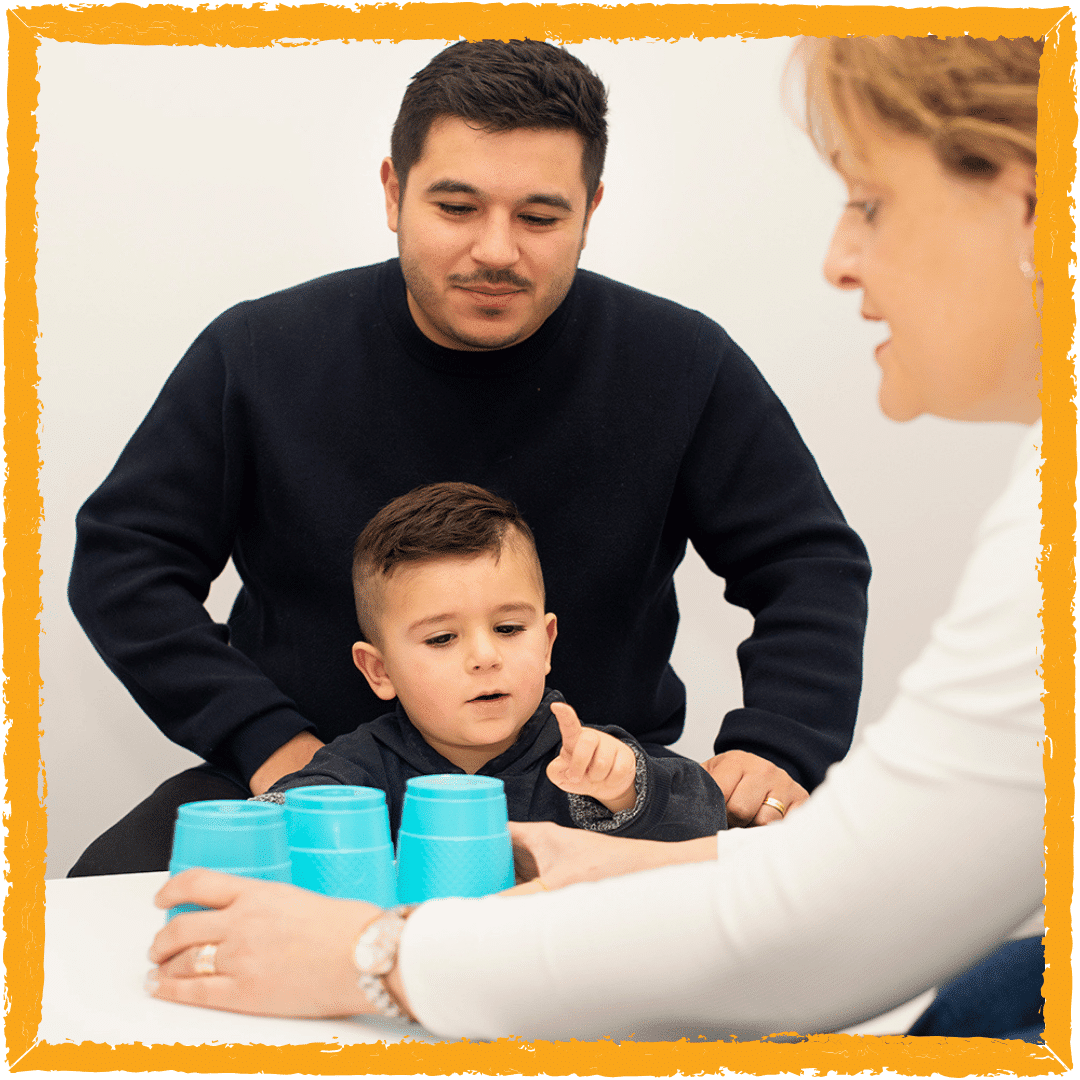
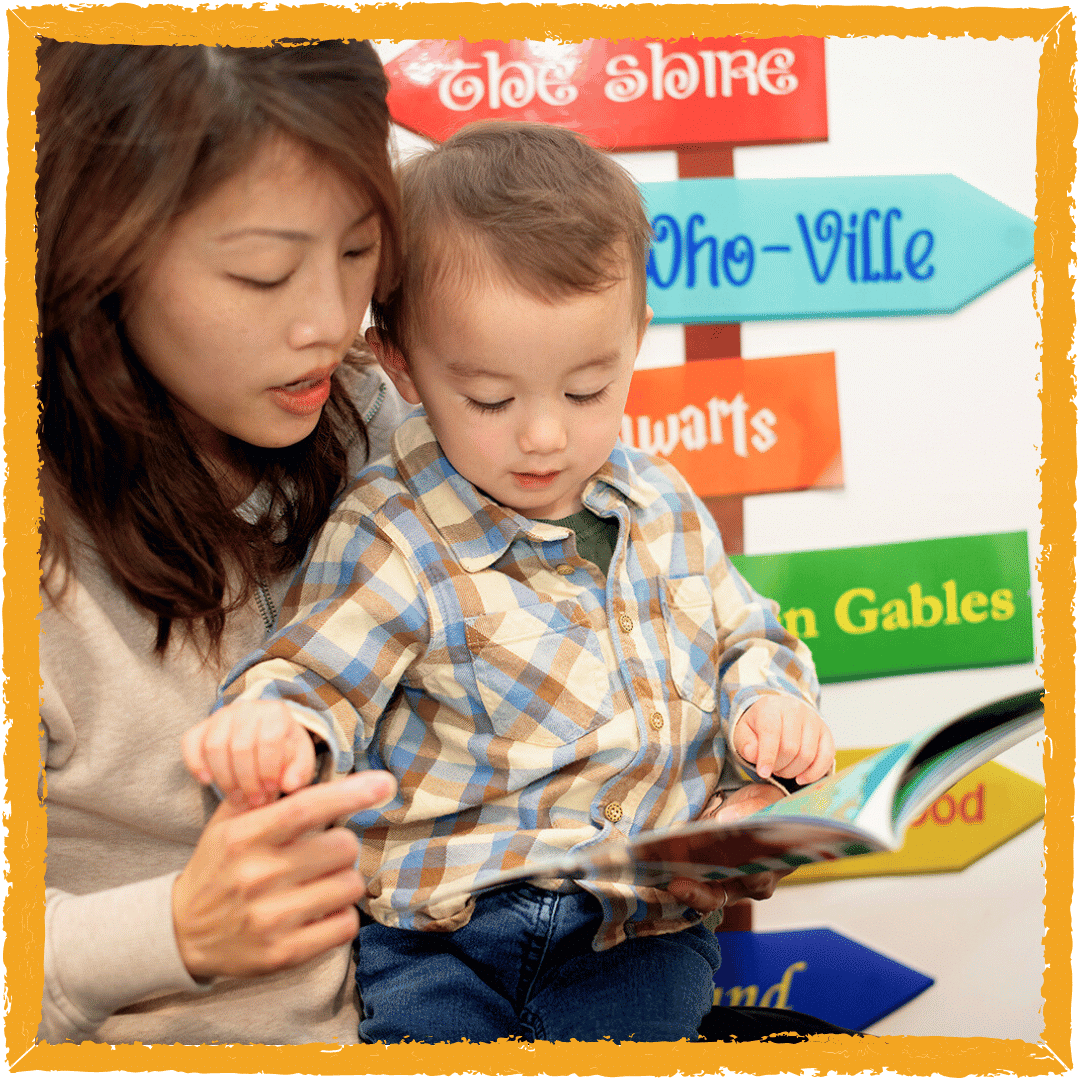
Offer simple matching and sorting games using colours and shapes. Hide objects under cups and encourage your child to find them. Use picture books to practise pointing and naming familiar items.
Activities like following bubbles or a rolling ball help strengthen visual tracking. Repetition is key at this stage, as it builds visual discrimination, sustained attention, and spatial awareness.
Activities for Preschoolers (3-5 Years)
Preschoolers are developing more advanced visual perceptual skills.
Play I Spy and other visual scanning activities to encourage attention to detail. Introduce puzzles, pattern matching, and visual discrimination activities for preschoolers. Try dot-to-dot and maze tasks to support tracking and sequencing.
You can also use picture cards to practise ordering events or identifying differences between images. These activities prepare your child for reading, writing, and structured classroom tasks.
10 Fun Visual Attention Activities for Early Learners
Here are simple and engaging visual attention activities you can try at home.
- “I spy”games: A classic game that builds visual scanning and discrimination skills. Best for ages 3 and up.
- Object permanence activities: Hide toys under a cloth or cup and encourage your child to find them. Supports memory and focus. Ideal for babies and toddlers.
- Visual tracking exercises: Move a toy slowly across your child’s field of vision and encourage them to follow it with their eyes. Suitable for all ages.
- Auditory attention games: Play games like “listen and find” where your child follows sound cues. Builds listening and focus skills. Best for toddlers and preschoolers.
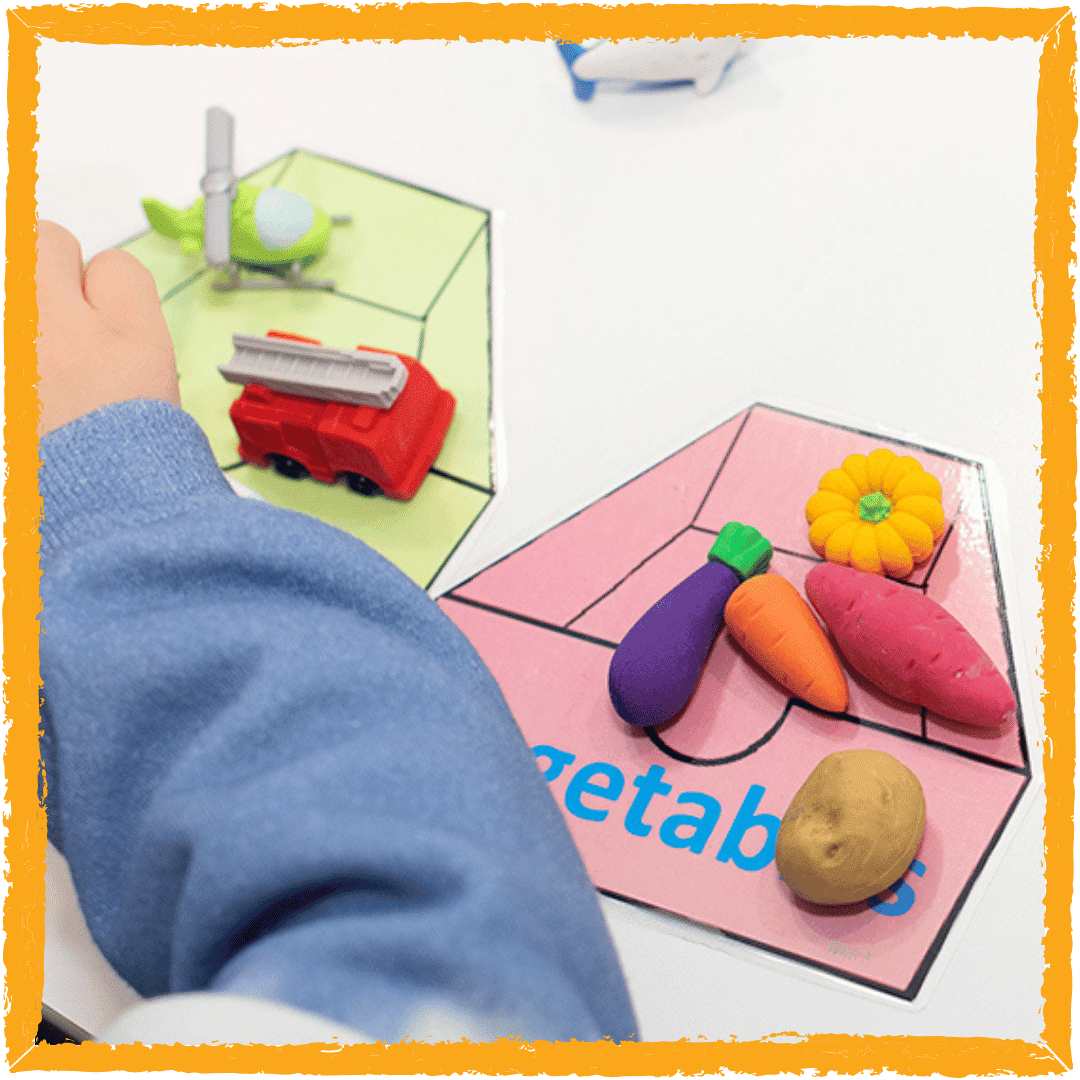
- Picture matching and sorting: Match cards, toys, or everyday objects by colour or shape. Supports early categorisation. Ideal for toddlers and preschoolers.
- Visual discrimination worksheets: Simple worksheets that ask children to spot differences or match images. Best for preschoolers.
- Dot-to-dot and maze activities: These activities strengthen visual tracking, sequencing, and fine motor control. Suitable for ages 3 and up.
- Sequencing picture cards: Arrange pictures in the correct order to tell a story. Builds visual literacy and comprehension. Best for preschoolers.
- Colour and shape scavenger hunts: Ask your child to find items of a certain colour or shape around the house or outdoors. Great for toddlers and preschoolers.
- High-contrast visual cards for infants: Use black and white cards to stimulate early visual attention and pattern recognition in babies.
If you need more ideas – Shichida has more! Download a free sensory play guide here.
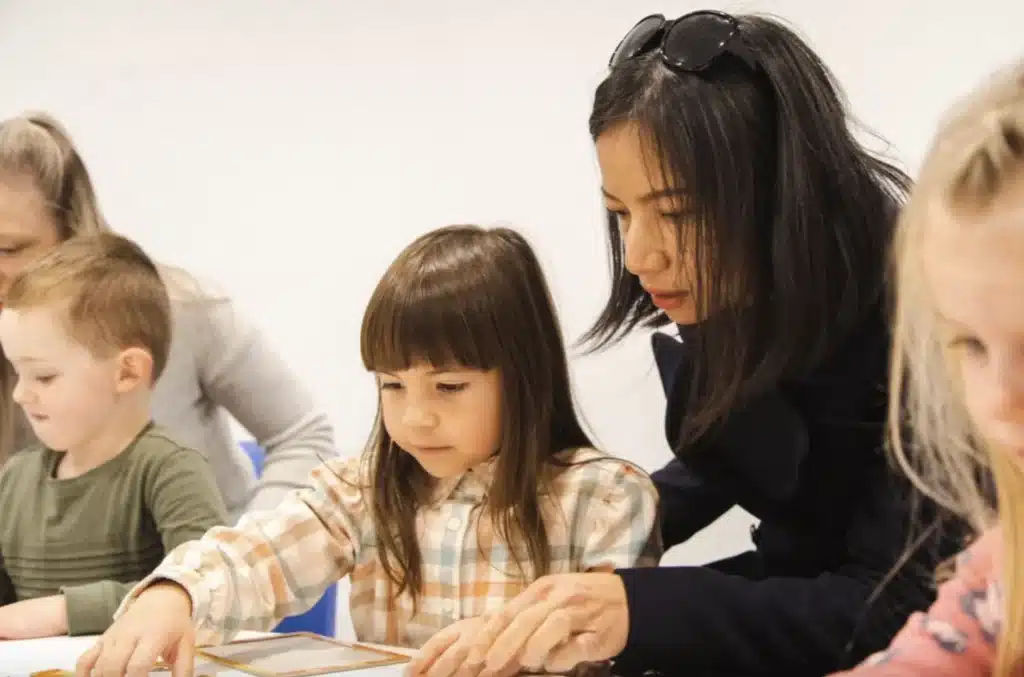
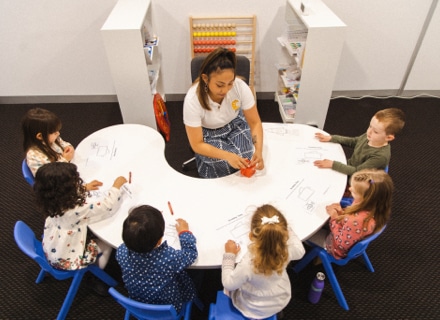
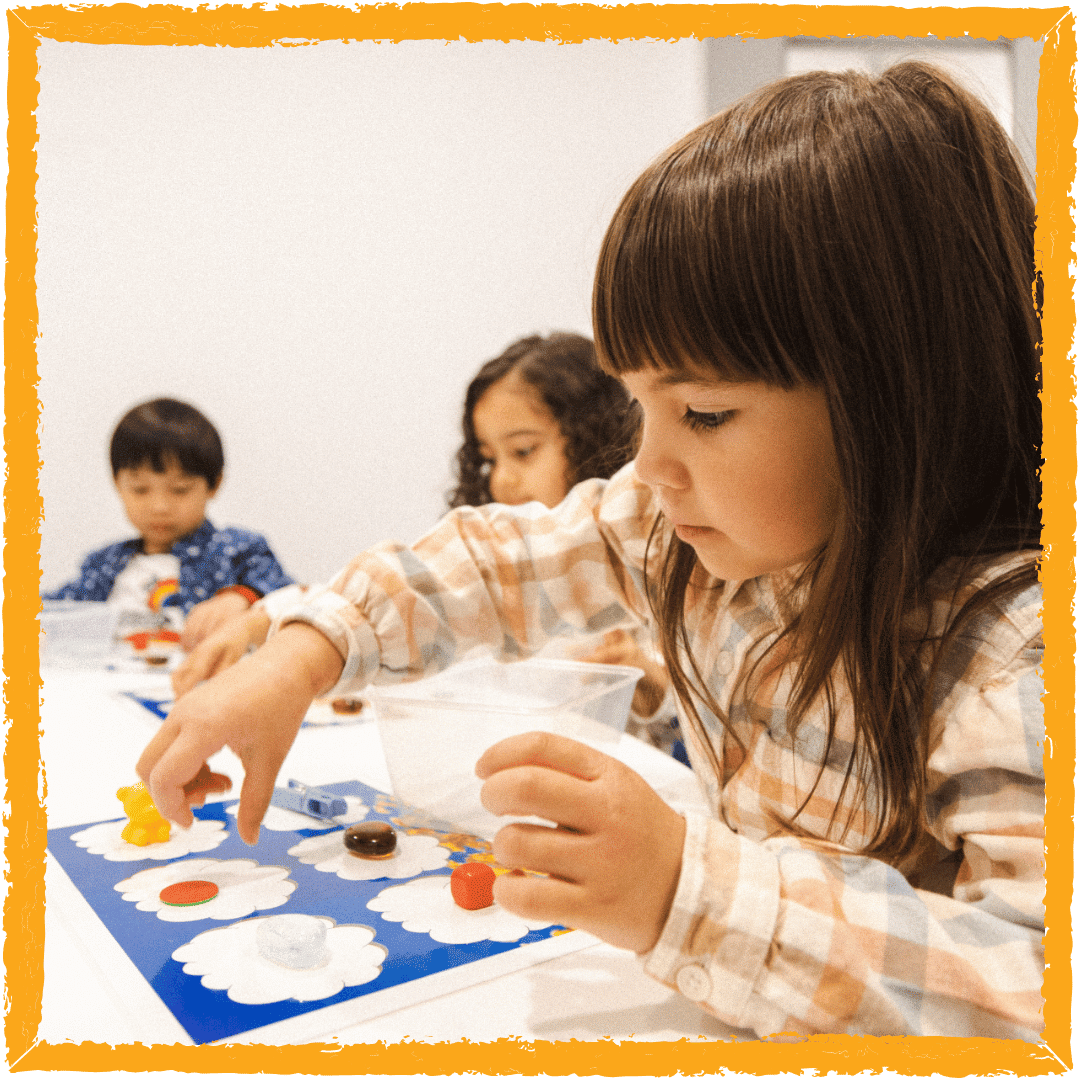
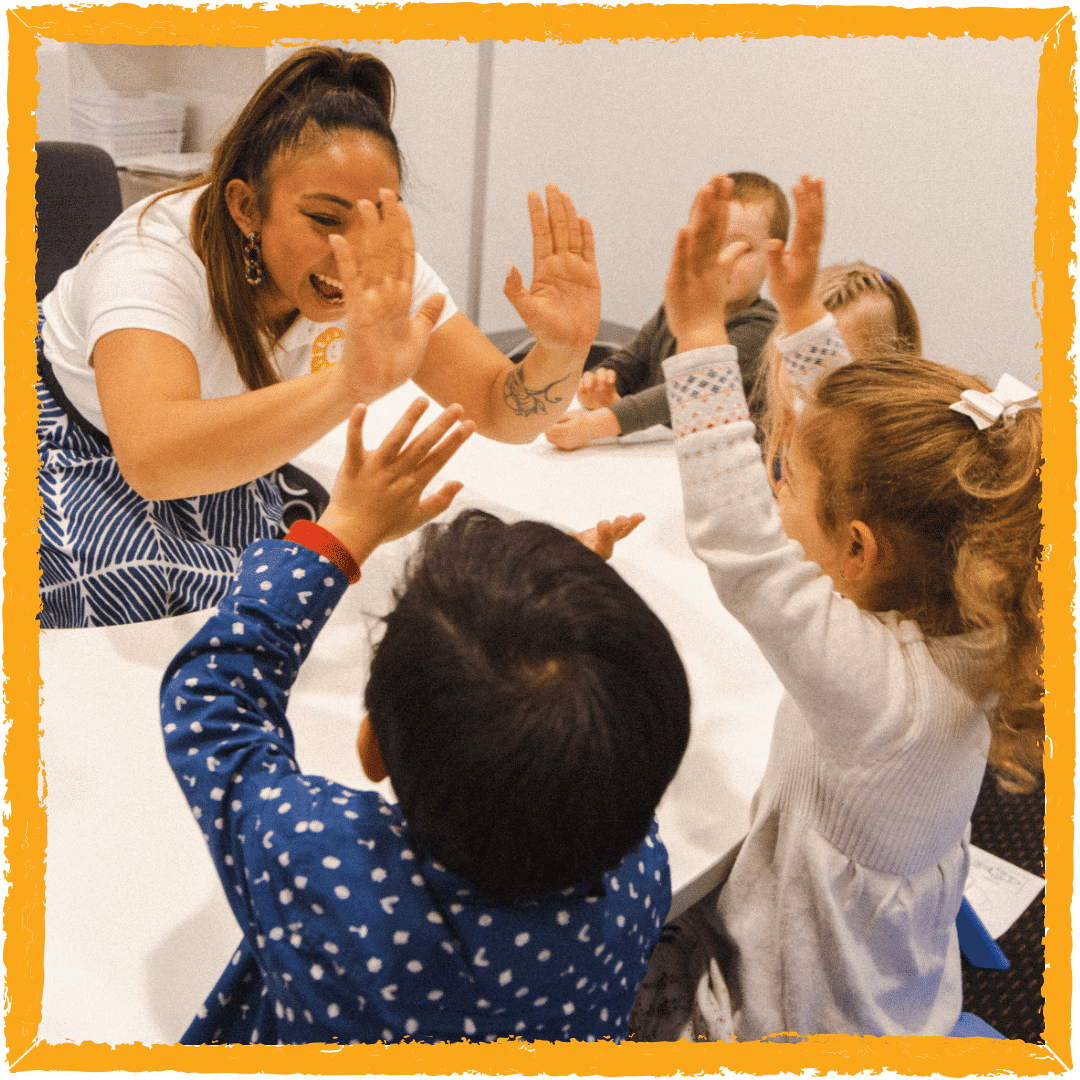
Image from Shichida Australia: Structured visual attention activities support school readiness by improving concentration, visual tracking, and problem-solving skills in preschoolers.
Signs a Child May Need More Visual Attention Practice
Every child develops at their own pace, but some signs may suggest your child could benefit from extra support.
- Difficulty focusing on visual tasks: If your child struggles to stay engaged with books, puzzles, or drawing activities, it may be linked to visual attention challenges.
- Trouble tracking moving objects: You might notice difficulty following a ball, watching demonstrations, or tracking words across a page.
- Frustration with visual discrimination tasks: Children may confuse similar letters or shapes, struggle with matching games, or find puzzles difficult. They may also have trouble spotting differences between pictures.
If you notice these signs, increasing playful, low-pressure activities can help build skills over time. If you are worried, please consult your Doctor.
Tips for Helping Children Improve Visual Attention
- Encourage play-based learning: Children learn best through play. Keep activities fun, interactive, and guided by your child’s interests to maintain engagement.
- Start with simple tasks: Begin with clear, high-contrast imagesand simple activities. As your child gains confidence, gradually introduce more detailed and challenging tasks.
- Practice regularly: Consistency matters. Short, frequent activities are more effective than long sessions. Even a few minutes a day can make a difference.

How Visual Attention Supports Long-Term Learning
Strong visual attention skills support your child far beyond the early years.
They play a key role in reading fluency and comprehension, as your child learns to track text and recognise words quickly. In mathematics, these skills help with pattern recognition and number identification.
Visual attention also supports creative expression through drawing, storytelling, and interpreting images. In physical activities, it helps with coordination and timing.
Most importantly, it builds the ability to focus and stay engaged in learning tasks. When your child feels confident in their ability to process and respond to visual information, they are more likely to approach learning with curiosity and independence.

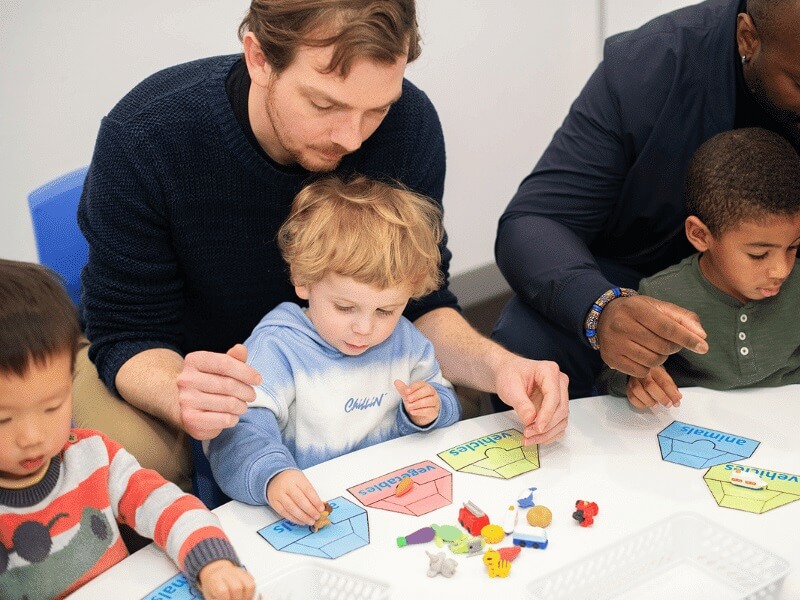
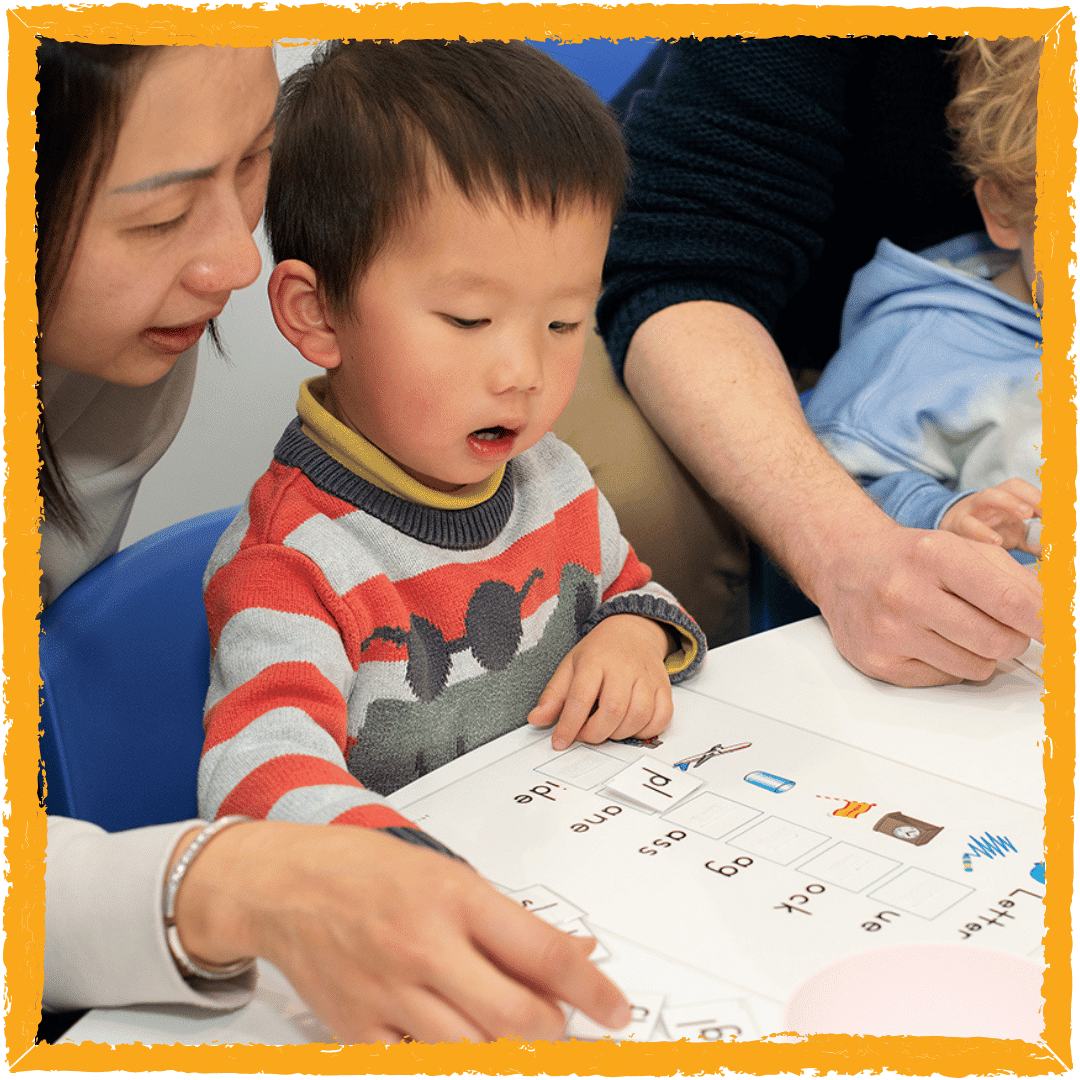
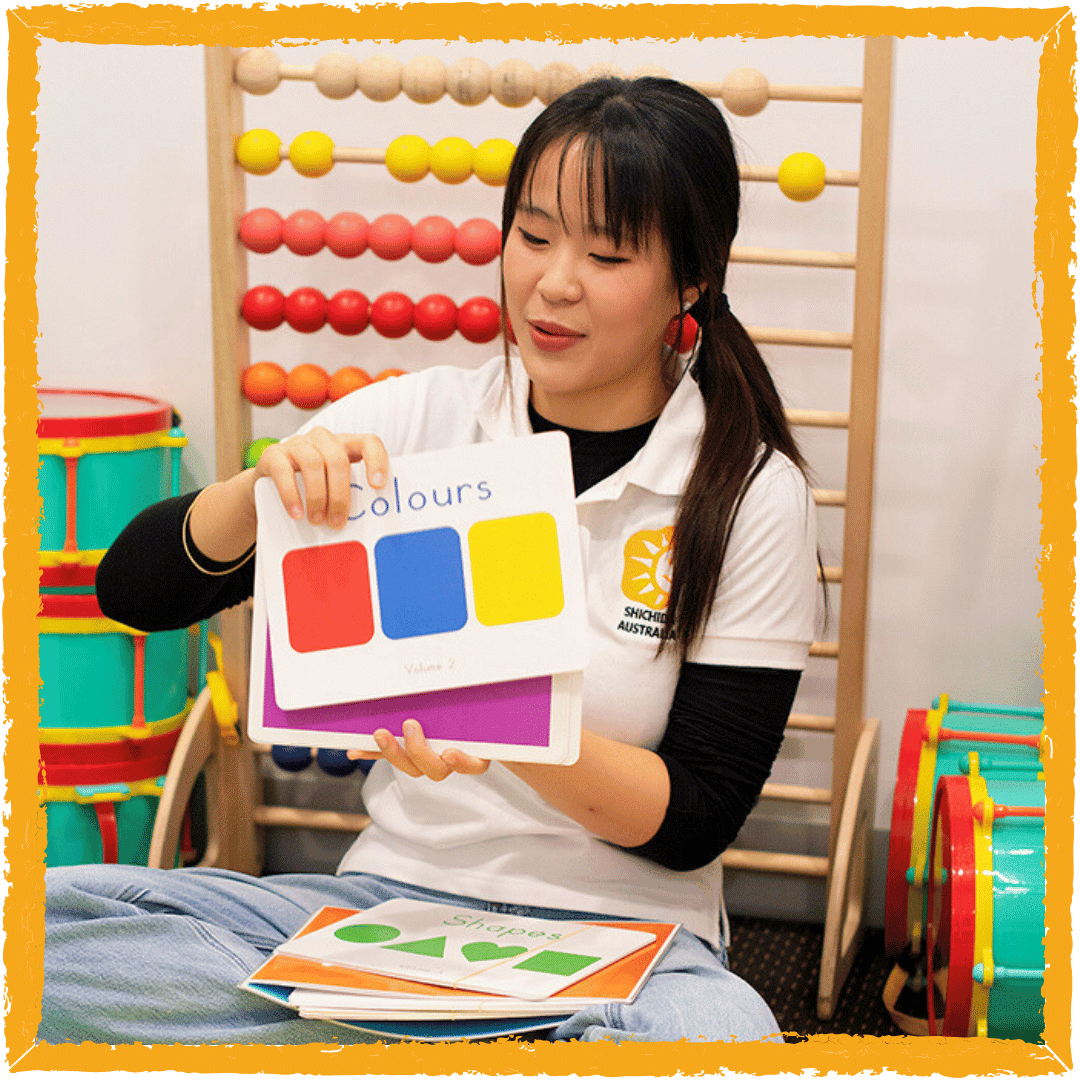
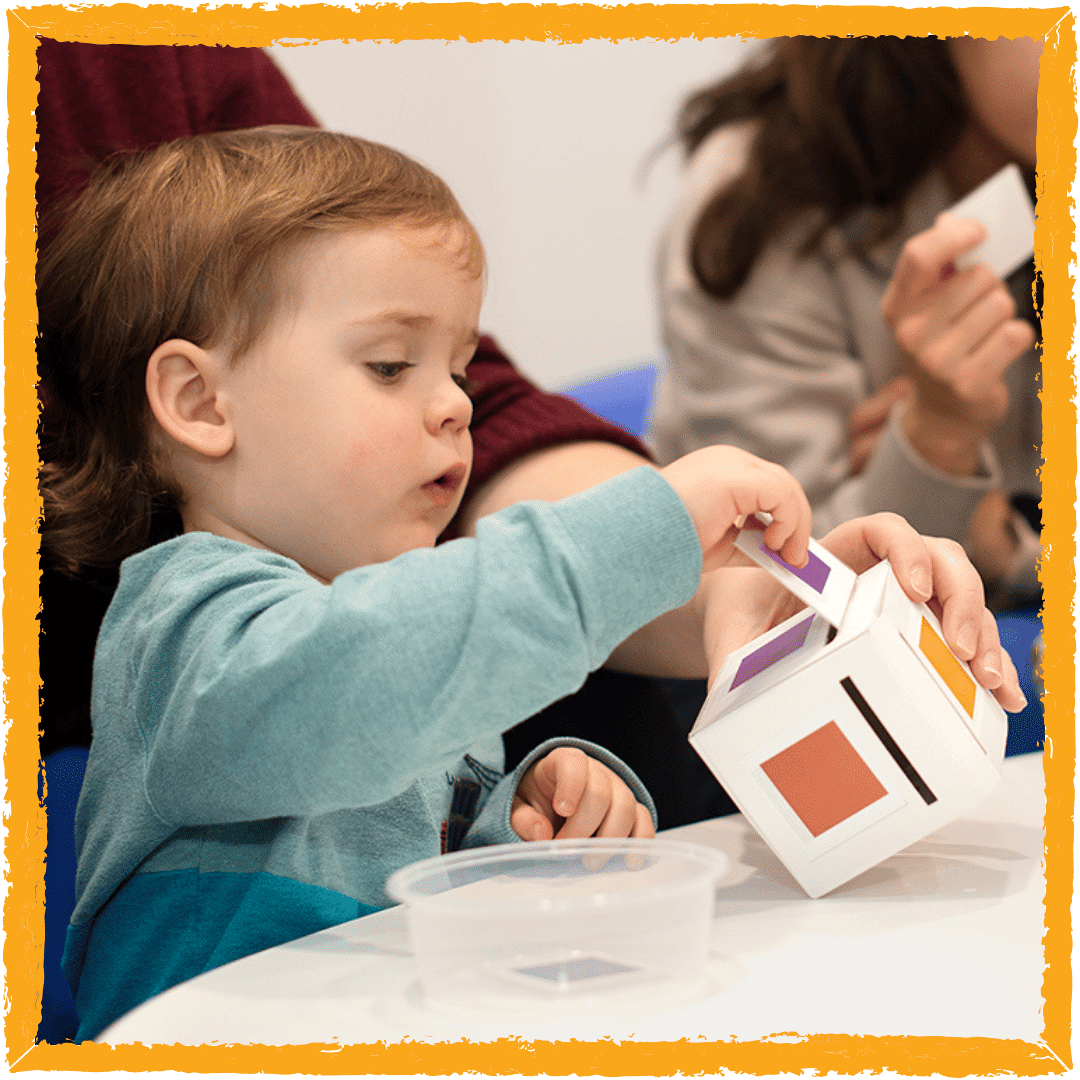
Image by Shichida Australia As preschoolers follow flashcards with their eyes, they practise visual tracking, concentration, and quick visual recognition.
Support Your Child’s Visual Tracking Skills with Shichida
Visual tracking develops best through playful, repeated, age-appropriate activities. In Shichida classes, children practise looking, listening, matching, following, remembering and responding through guided activities that support focus, coordination and early learning.
Book a trial class with Shichida Australia and see how playful learning can help your child build the visual attention, confidence and focus they need for school and beyond.
FAQs: Visual Tracking Activities for Kids
Visual tracking activities are play-based tasks that help children practise following moving objects or scanning across a page with their eyes. Examples include following bubbles, watching a rolling ball, tracing lines, completing mazes, searching picture books, and playing simple ball games.
Visual tracking activities help children build eye movement control, focus, hand-eye coordination, and early reading readiness. These skills support everyday tasks such as following words across a page, copying from a board, catching a ball, drawing, writing, and completing puzzles.
The best visual tracking activities for preschoolers include mazes, dot-to-dot worksheets, I Spy games, ball games, tracing paths, following bubbles, picture searches, pattern matching, and left-to-right scanning games. These activities help preschoolers practise focus, sequencing, visual attention, and early literacy skills.
Toddlers can practise visual tracking by following bubbles, watching a toy move from side to side, rolling a ball back and forth, finding hidden objects, pointing to pictures in books, and sorting simple colours or shapes. Keep activities short, playful, and easy to repeat.
Babies can begin with simple visual tracking activities such as watching high-contrast cards, following a slow-moving toy, looking at a parent’s face, tracking a rattle from side to side, or reaching for objects placed nearby. Always keep baby activities gentle, brief, and age-appropriate.
Yes. Visual tracking helps children move their eyes smoothly from left to right, follow lines of text, recognise patterns, and keep their place on a page. These skills can support early reading, writing, and classroom readiness.
Visual tracking is the ability to follow movement or scan across a page with the eyes. Visual attention is the ability to focus on important visual information and ignore distractions. Children use both skills when reading, drawing, solving puzzles, playing games, and following classroom instructions.
Children can practise visual tracking activities daily through short, playful moments. A few minutes of bubbles, ball play, mazes, matching games, or picture book searches can be more effective than long, formal sessions.
A child may benefit from more visual tracking practice if they often lose their place while reading, avoid puzzles or mazes, struggle to follow moving objects, skip lines, have difficulty copying, or become frustrated with visual tasks. If you are concerned about your child’s vision, reading, coordination, or eye movement, speak with an optometrist, GP, paediatrician, or occupational therapist.
Yes. Puzzles help children scan for details, compare shapes, notice patterns, and use visual discrimination. They also support problem-solving, concentration, hand-eye coordination, and confidence.
Yes. Mazes are excellent visual tracking activities because children need to follow a path, plan ahead, scan for openings, and control their hand movements. They also support focus, sequencing, fine motor skills, and problem-solving.
Shichida supports visual tracking through playful, age-appropriate activities that involve looking, listening, matching, following, remembering, and responding. These guided activities help children build focus, visual attention, coordination, confidence, and early learning skills in a fun classroom environment.