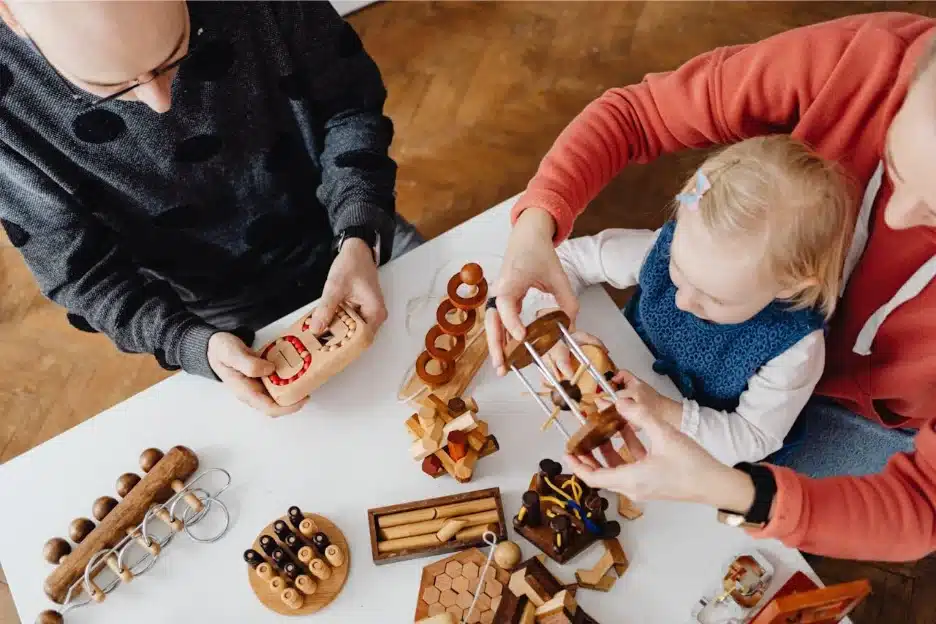
Problem Solving Skills for Kids: A Developmental Approach
Problem solving skills for kids are far more than just the ability to complete a puzzle or solve a sum. These skills represent a child’s capacity to navigate hurdles, think through options, and reach a logical goal. These abilities do not appear overnight. They grow gradually through a specific developmental roadmap that requires the right support at the right time.
Key Takeaways: Problem Solving Skills for Kids
- Wait several minutes before helping your child when they get stuck to let them navigate the mental struggle that builds resilience.
- Ask open-ended questions like “What else could we try?” instead of giving answers to prompt your child to think independently.
- Use daily routines like sorting toys or sharing snacks to provide your child with low-pressure, real-world logic practice.
Understanding Problem Solving as a Developmental Skill
Problem solving in early childhood is the foundation for both school success and emotional health. It involves a mix of logic, creativity, and resilience. We often see it as a purely intellectual task, but it is also deeply emotional. A child needs the confidence to try a new idea and the patience to handle failure when a plan does not work.
These skills develop through physical interaction with the world. For a baby, figuring out how to reach a toy is a complex challenge. For a primary schooler, negotiating the rules of a game with friends requires sophisticated reasoning. This journey requires adults to recognise that a child’s “mistakes” are actually vital experiments.
Developing kid’s problem solving skills happens in distinct phases. Each stage builds on the one before it, moving from simple physical actions to complex internal thoughts.
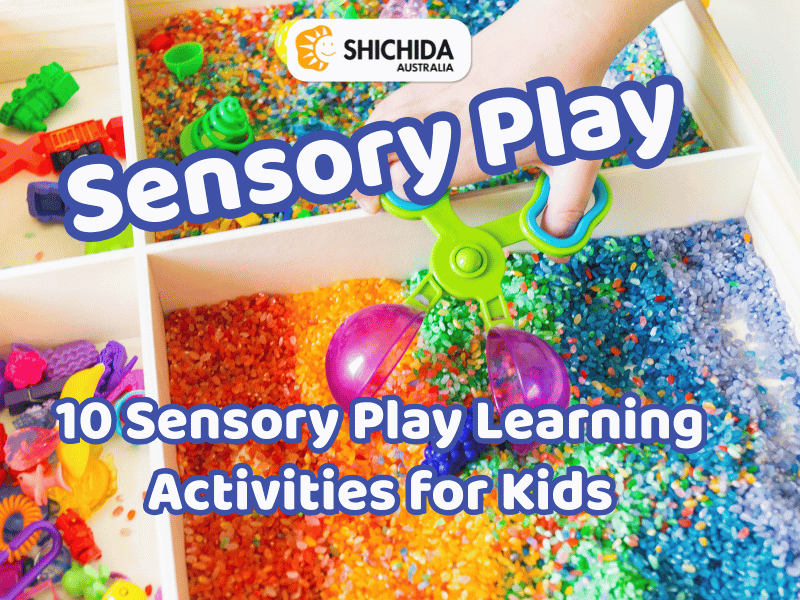
Help your child develop problem solving skills through play! Download a FREE Sensory Play Guide, filled with ideas!
Why Problem Solving Skills Matter for Kids
Strong problem solving skills in kids lead to higher levels of independence. When a child knows they can figure things out, they are less likely to experience anxiety when faced with something new. This builds a sense of “agency,” which is the belief that they can influence their own lives and outcomes.
Also, these skills support emotional regulation. If a child has a toolkit of strategies to solve a conflict, they are less likely to feel overwhelmed or frustrated. This resilience is what helps them bounce back from setbacks later in life. Plus, the creative thinking involved in solving problems helps them see the world through multiple lenses, which is a key part of intellectual growth.
How Problem Solving Skills for Kids Develop Over Time
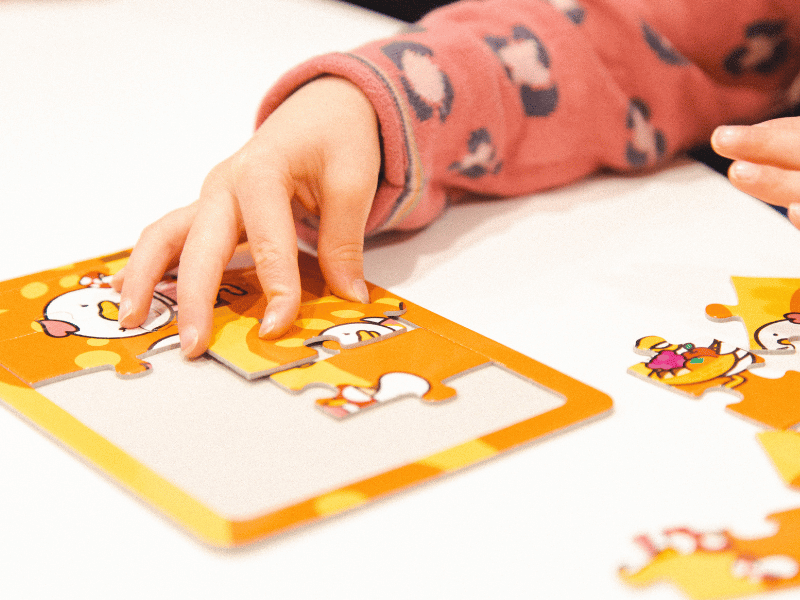
Developing kid’s problem solving skills happens in distinct phases. Each stage builds on the one before it, moving from simple physical actions to complex internal thoughts.
Infants and Toddlers (0 to 3 years)
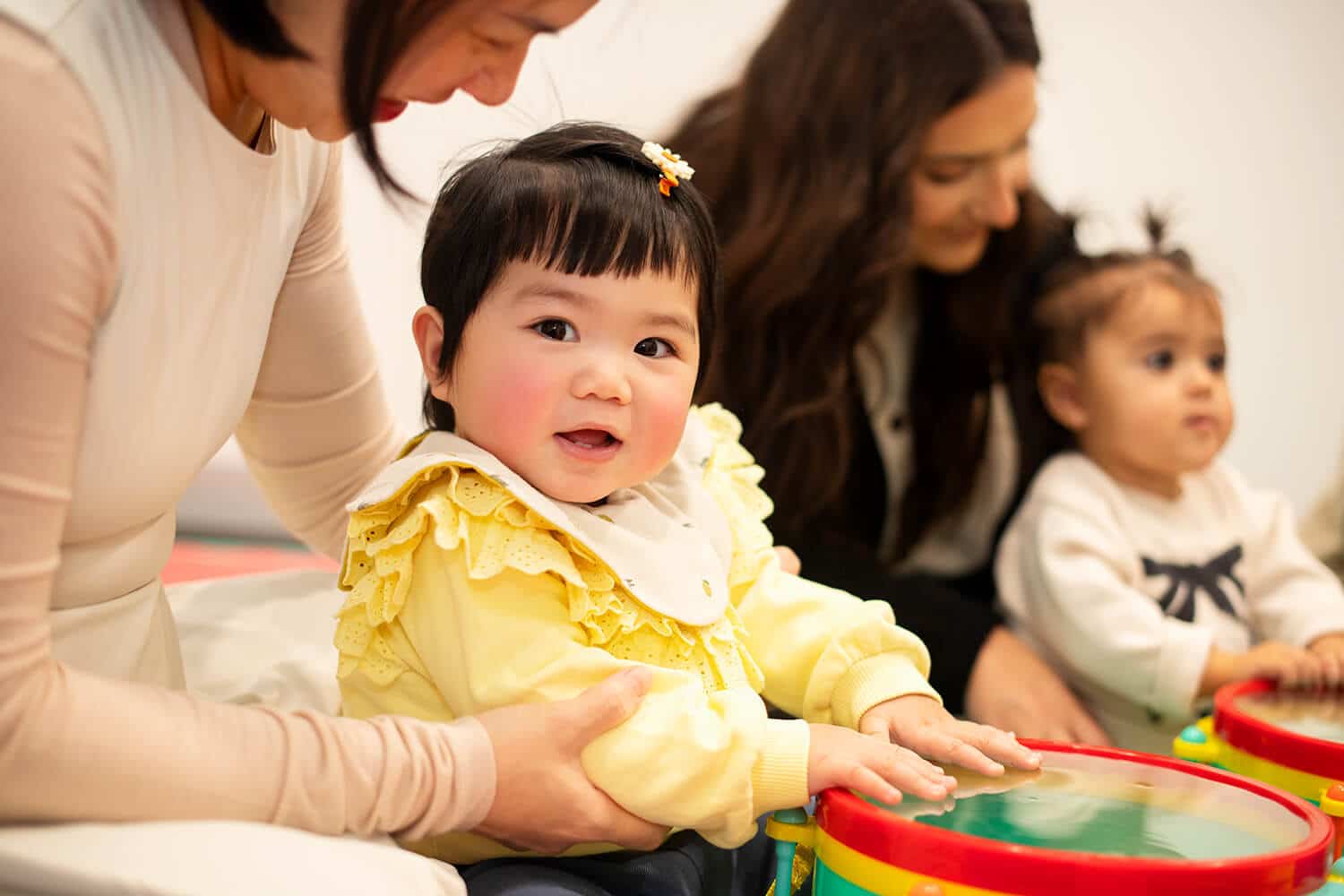
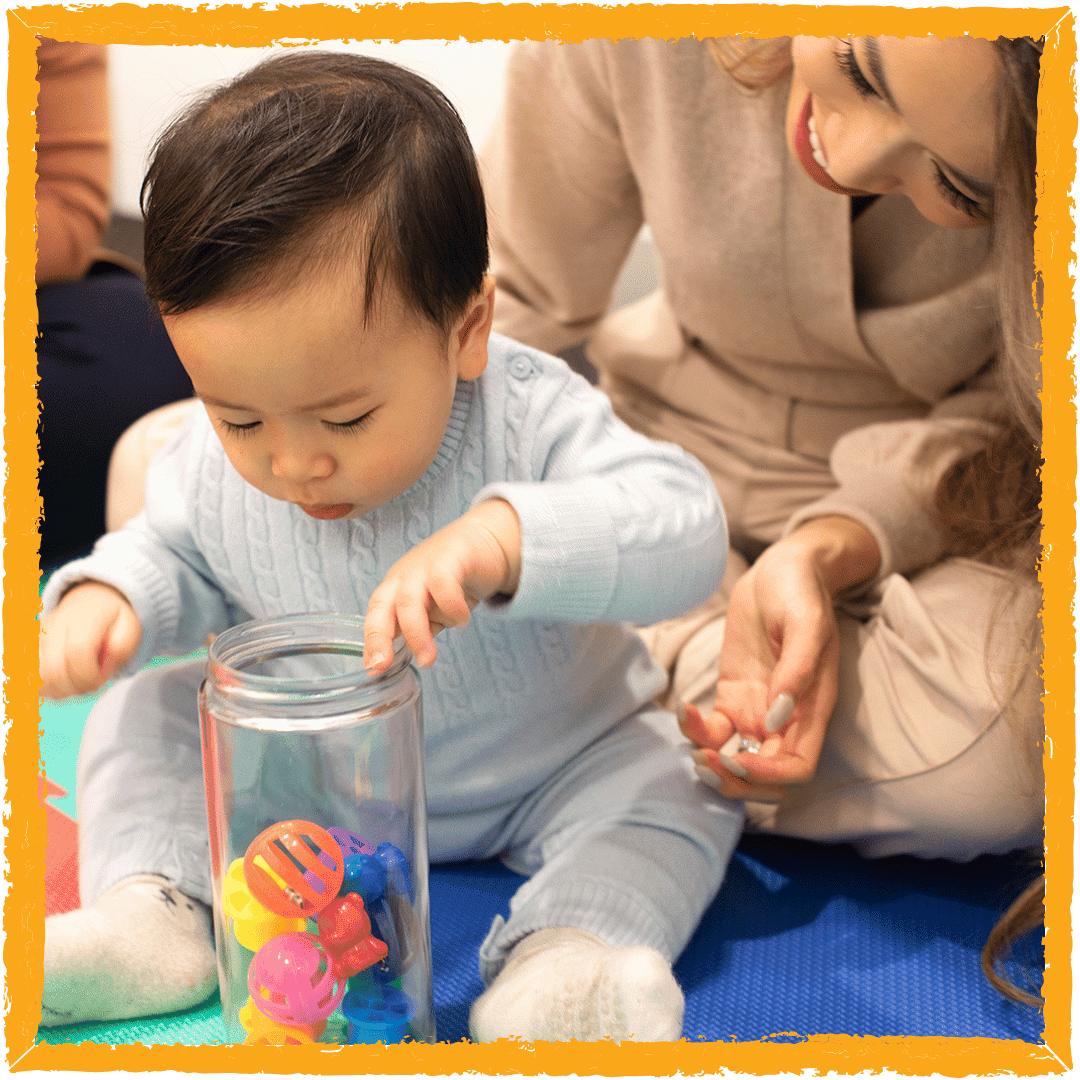
At this stage, problem solving is all about cause and effect. You might see your baby repeatedly dropping a spoon from a high chair. While it looks like a game, they are actually testing how objects behave in space.
- Exploration: They use their senses to understand their environment.
- Trial and Error: They will try different ways to fit a peg into a hole until it works.
- Persistence: You will see early signs of reasoning when they keep trying to stack blocks even after they fall.
Preschoolers (3 to 5 years)
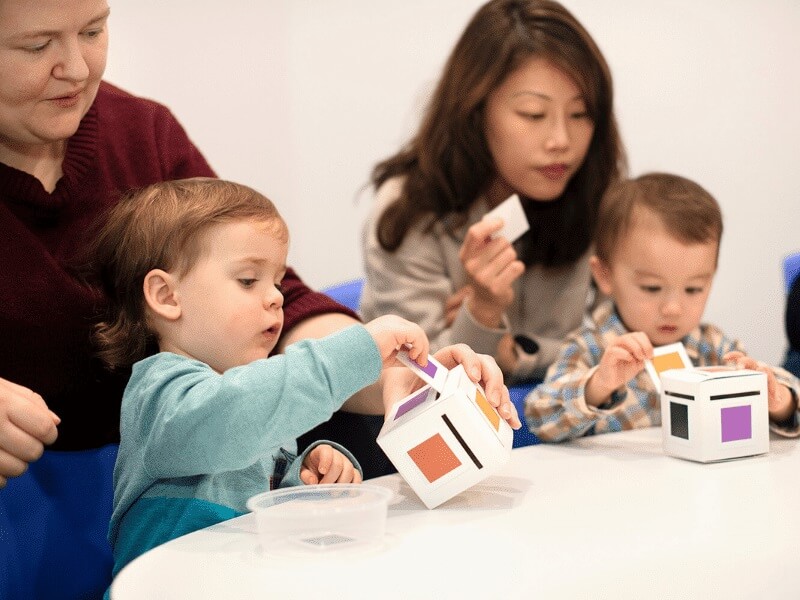
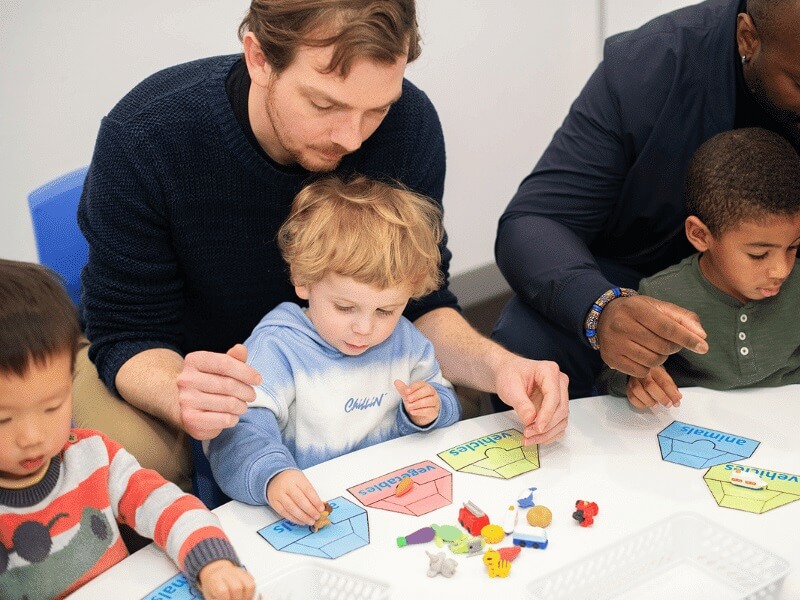
As children move into the preschool years, their problem solving skills become more intentional. They stop just reacting to things and start planning their actions.
- Planning: They can think about what they want to achieve before they start.
- Testing Ideas: They might try one way to build a fort, realise it is unstable, and then try a different material.
- Collaboration: This is when they begin to solve problems with others, which requires sharing ideas and compromising.
Primary School Children (5 to 9 years)
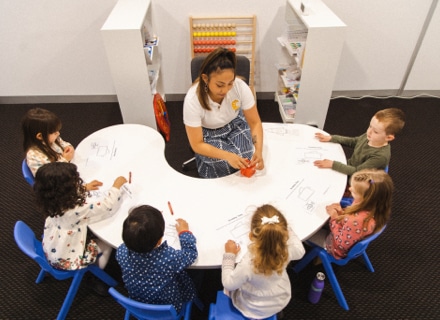
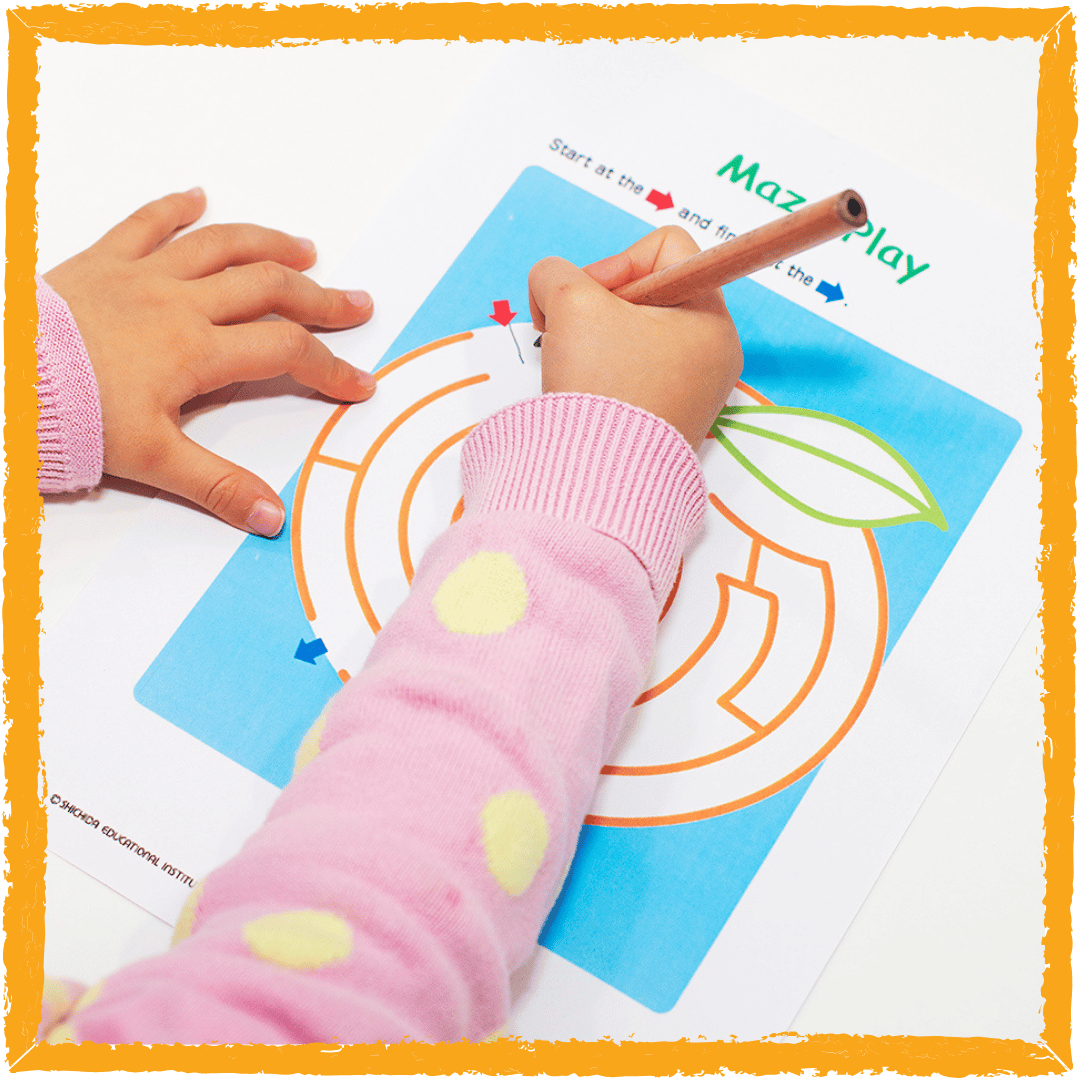
By age seven, children start to use logical reasoning to solve more abstract challenges. They can reflect on what they did in the past and apply those lessons to new situations.
- Logical Reasoning: They can follow a multi-step plan to reach a goal.
- Adaptability: If a strategy fails, they can explain why it failed and change their approach.
- Perspective: They can understand how someone else might see a problem, which helps in solving social conflicts.
How to Support Kid’s Problem Solving Skills at Each Stage
Learning how to make kids better at problem solving requires a balance of guidance and stepping back. If we solve every problem for them, they never learn to trust their own logic.
- Provide Age-Appropriate Challenges: Give them tasks that are slightly difficult but still achievable.
- Allow Time for Thinking: When your child gets stuck, wait a few minutes before helping. This “struggle” is where the learning happens.
- Ask Open-Ended Questions: Instead of giving the answer, ask “What else could we try?” or “Why do you think that happened?”
- Praise the Effort: Focus on the fact that they kept trying, rather than just the final result.
- Model Your Own Thinking: Talk out loud when you are solving a problem so they can hear your logical process.
You can find more specific techniques in our guide on how to teach problem solving to children.
Signs Your Child is Building Problem Solving Skills
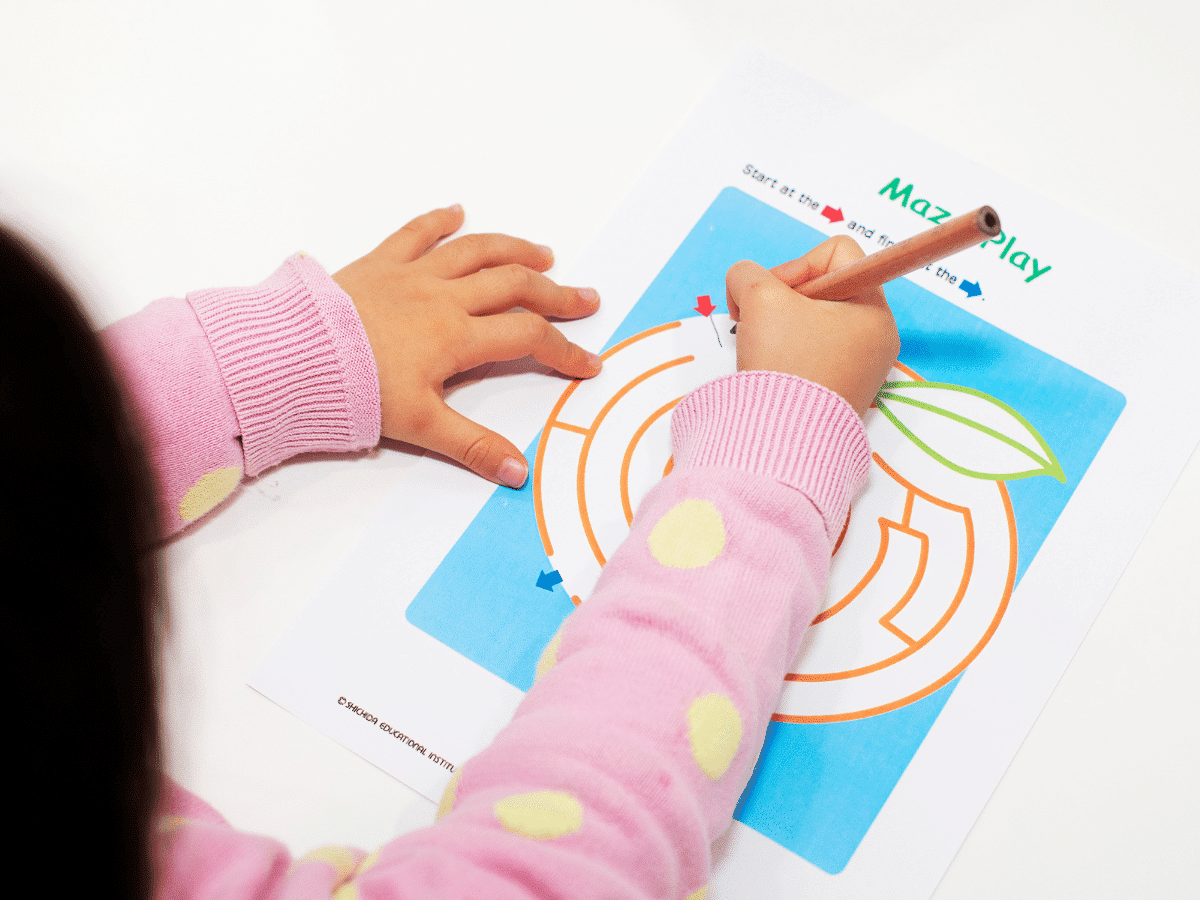
You can recognise growth in your child by looking for these key behaviours.
- Independence: They look for a solution for a few minutes before they ask you for help.
- Flexibility: They don’t get stuck on one idea; they try a second or third approach if the first one fails.
- Communication: They can talk through what they are doing and explain their choices.
- Curiosity: They see a challenge as an interesting puzzle rather than a stressful obstacle.
Everyday Strategies to Reinforce Problem Solving
You do not need special equipment to build these skills. Daily routines are perfect opportunities for practice.
- Mealtime Decisions: Ask them to help figure out how to share a pizza equally among family members.
- Organisation Tasks: Let them decide how to sort their toys or pack their school bag to make everything fit.
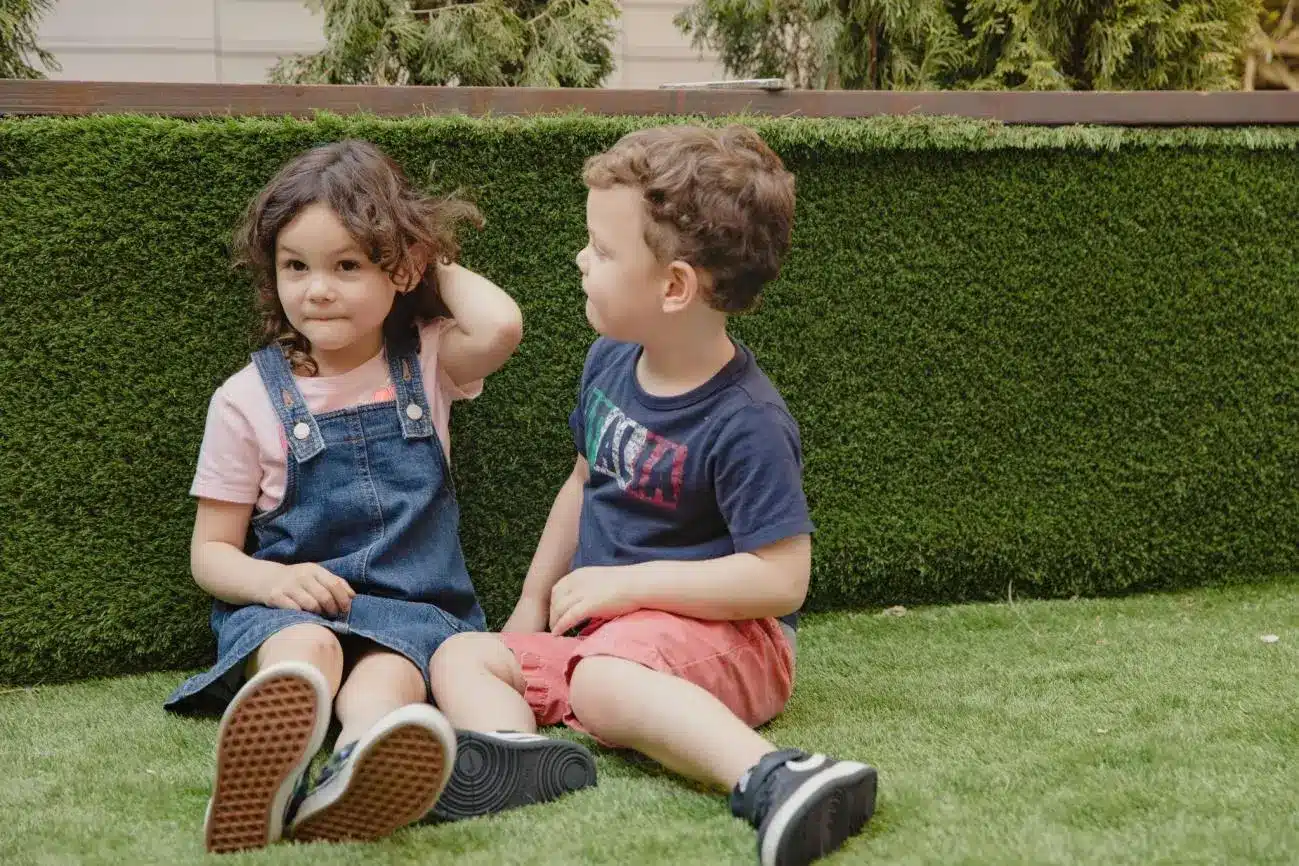
- Conflict Resolution: When two children want the same toy, ask them to come up with two different ways they could both be happy.
Activities and Games that Support Skill Growth
Structured play is a great way to build the cognitive functions needed for problem solving.
- Strategy Games: Games like chess or checkers require children to think several moves ahead.
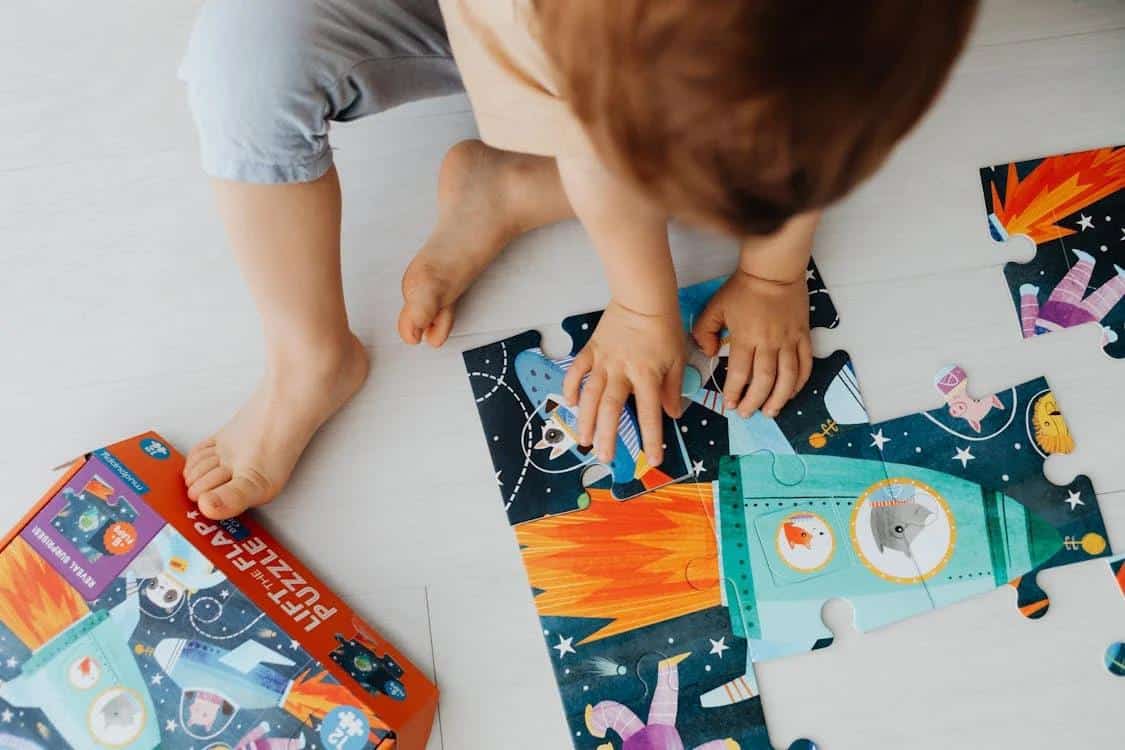
- Puzzles: Jigsaw puzzles and brain teasers build spatial awareness and persistence.
- Science Experiments: Mixing ingredients or building a baking powder volcano requires children to form a hypothesis and observe the result.
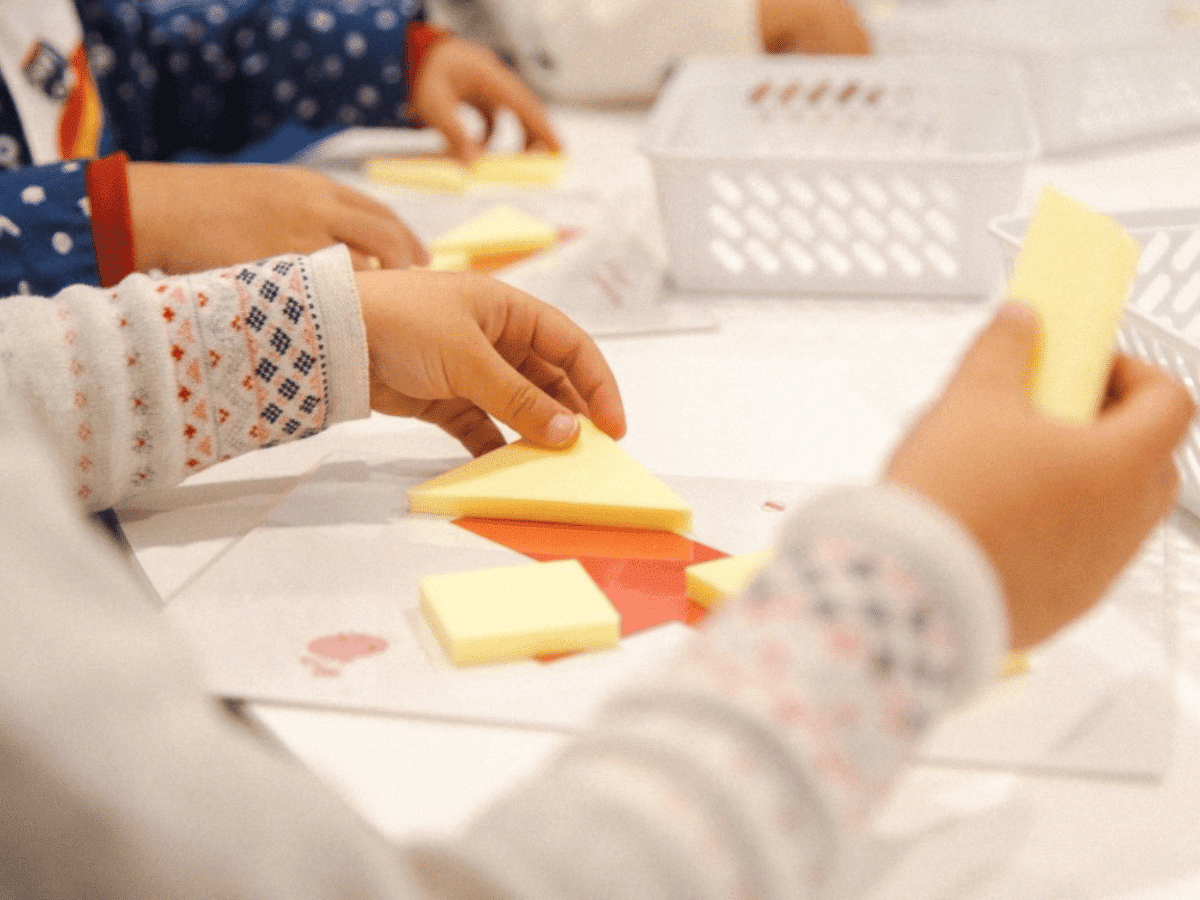
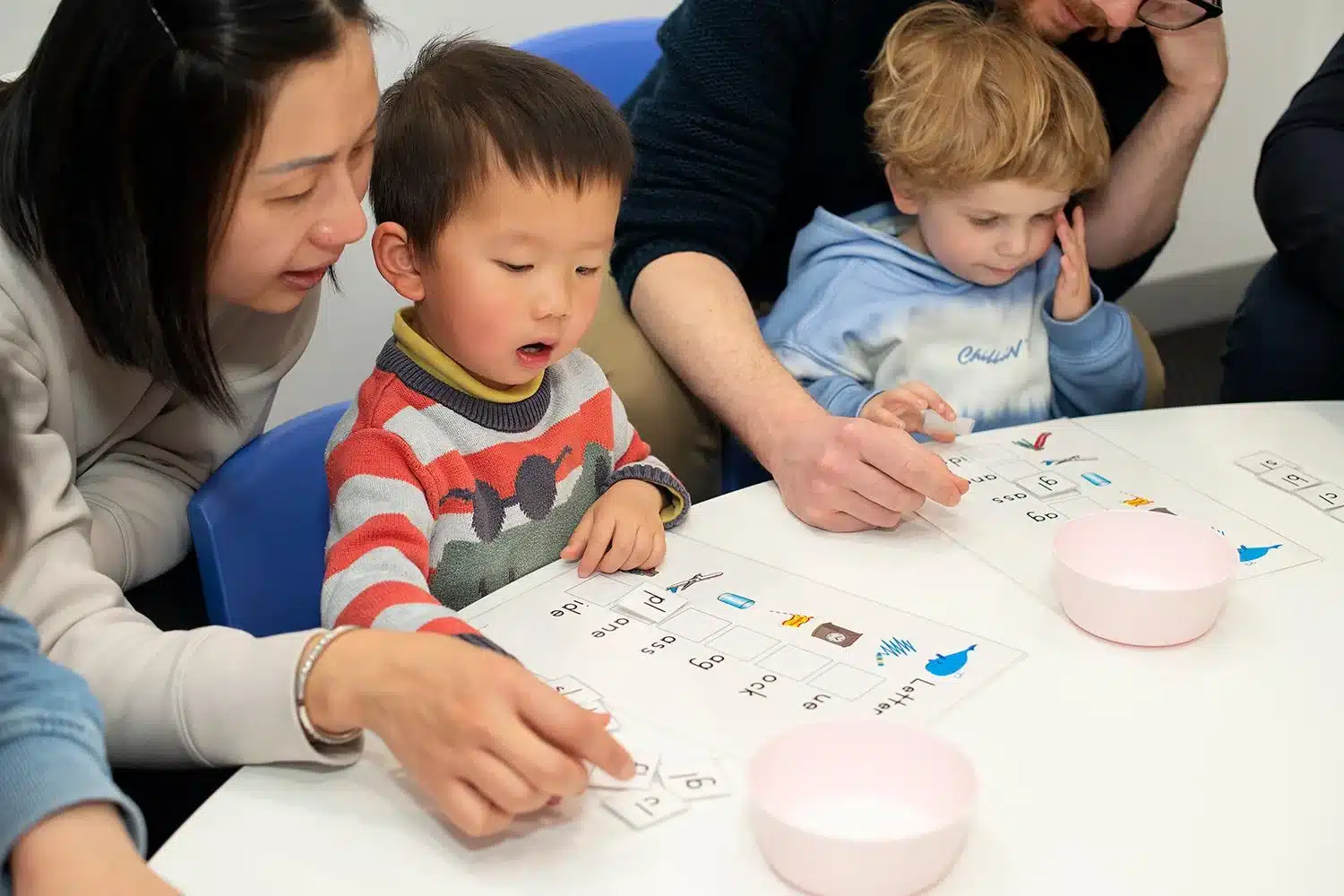
For parents curious about how problem-solving for kids is supported in structured learning, you can see how these skills are integrated into Shichida age-based classes.
How Shichida Supports Developmental Problem Solving
The Shichida method uses a whole-brain approach to help streamline problem solving skills for kids at every age. We know the early years are when the brain is most flexible. That’s why we use fast-paced activities to spark your child’s intuition and then move to complex logic tasks as they grow. You’ll see your child follow a structured path that grows with them, ensuring they stay challenged but never stressed.
Book a trial class today to see how we turn these developmental milestones into lifelong thinking habits.
FAQ: Problem Solving Skills for Kids
Problem solving skills for kids refer to a child’s ability to think through challenges, try different solutions, and reach an outcome independently. These skills include reasoning, flexibility, persistence, and emotional regulation.
Problem solving begins in infancy. Babies experiment through cause and effect, toddlers use trial and error, preschoolers start planning, and primary-aged children apply logic and reflection to more complex problems.
Strong problem solving skills support independence, confidence, emotional regulation, and learning. Children who can work through challenges are better equipped to handle frustration, adapt to change, and persist with difficult tasks.
Parents can support problem solving by allowing time to think, asking open-ended questions, using everyday routines as learning moments, and praising effort rather than giving quick answers or fixing problems for the child.
Activities such as puzzles, building tasks, strategy games, sorting activities, simple maths challenges, and collaborative play all help children practise planning, reasoning, and adapting strategies.
Problem solving helps children manage frustration and cope with setbacks. When children learn that problems can be worked through, they are less likely to feel overwhelmed and more likely to stay calm and resilient.
Effective early learning programs support problem solving through age-appropriate challenges, guided questioning, repetition, and opportunities for children to think independently while feeling supported.
Shichida Australia classes support problem solving skills through structured, age-based activities that encourage children to think, adapt, and persist. Guided by trained teachers, children practise logic, memory, and critical thinking in a supportive environment that grows with them from early childhood into the primary years.