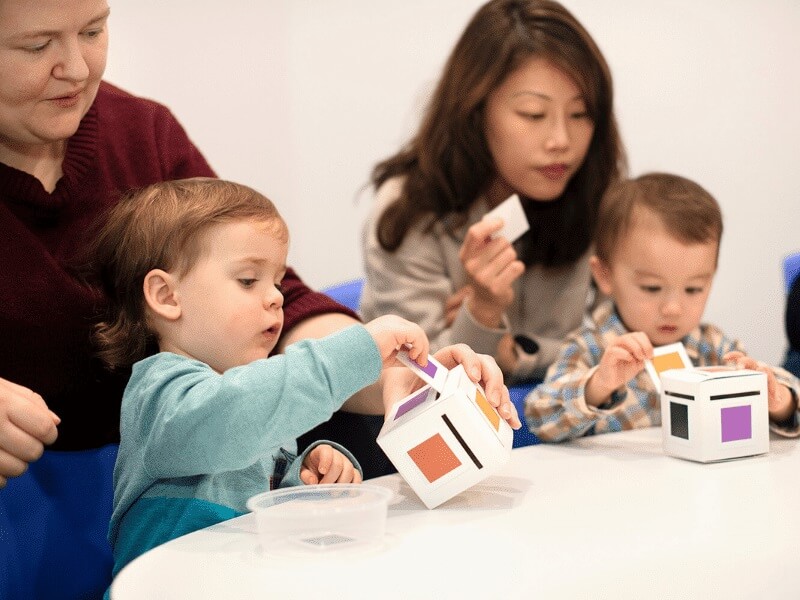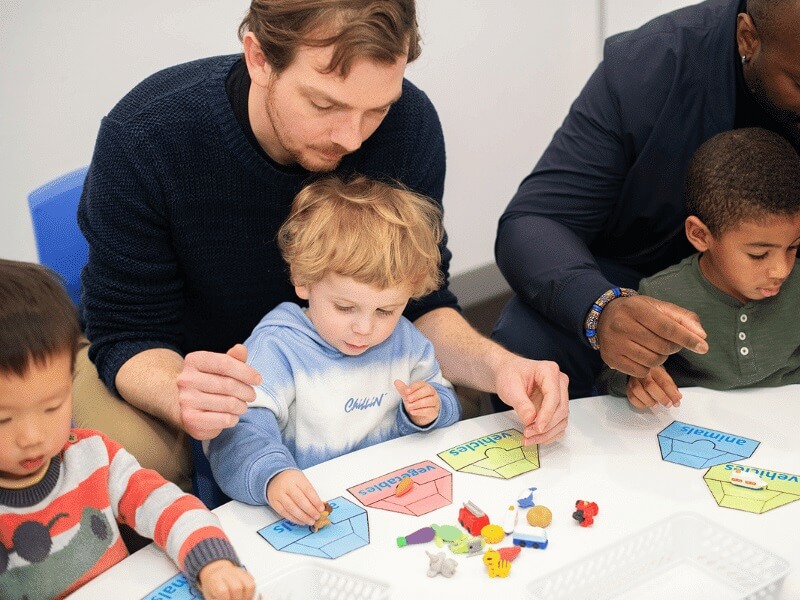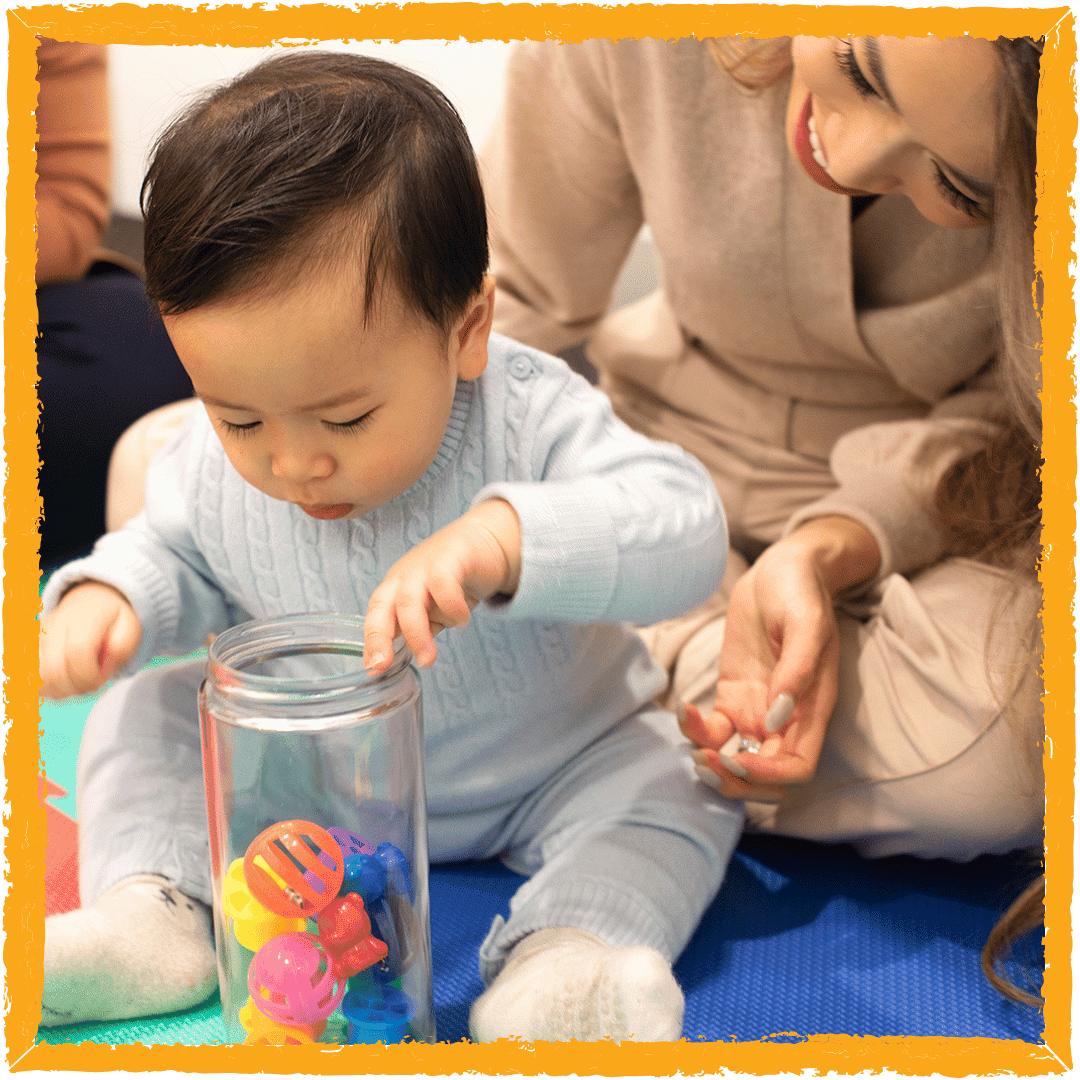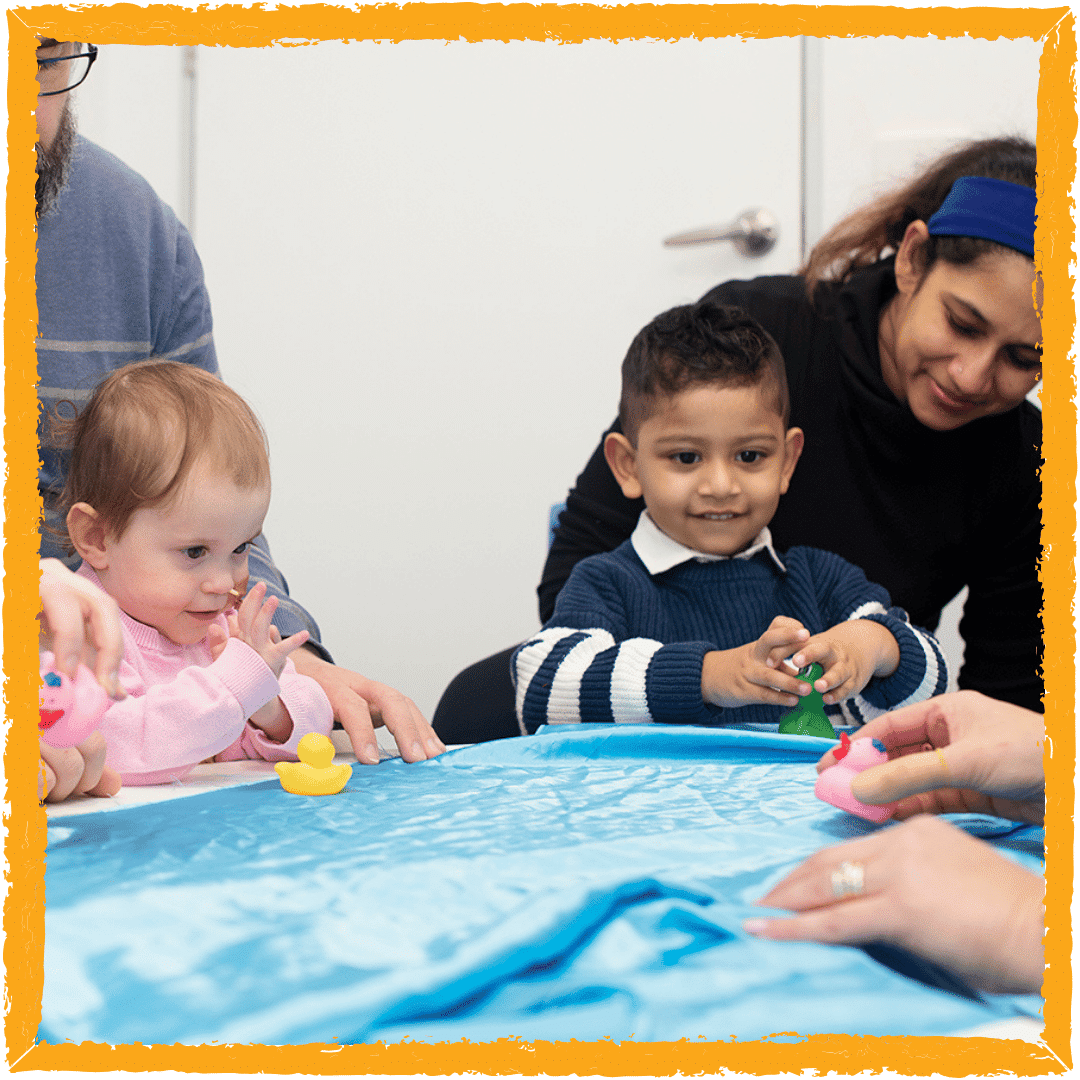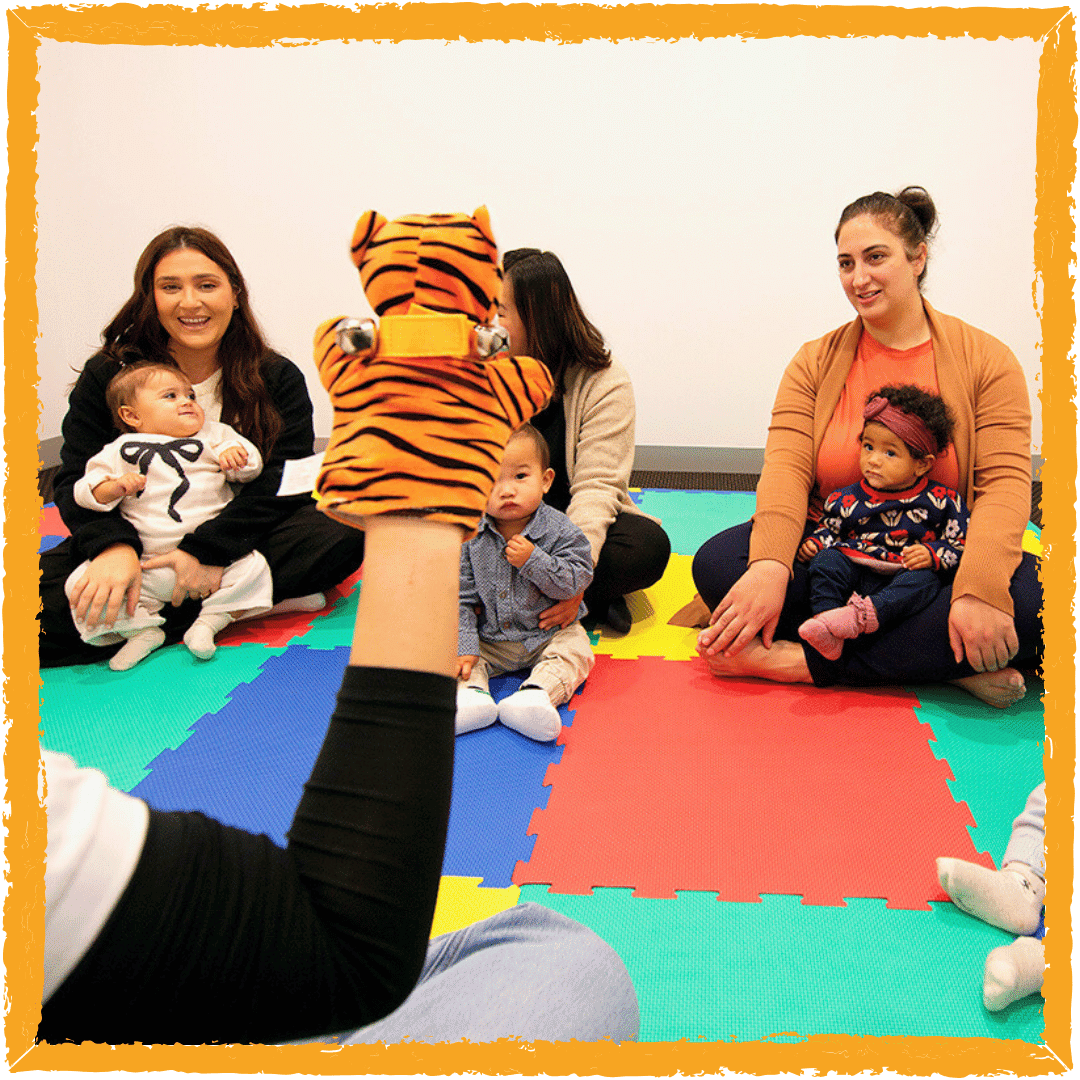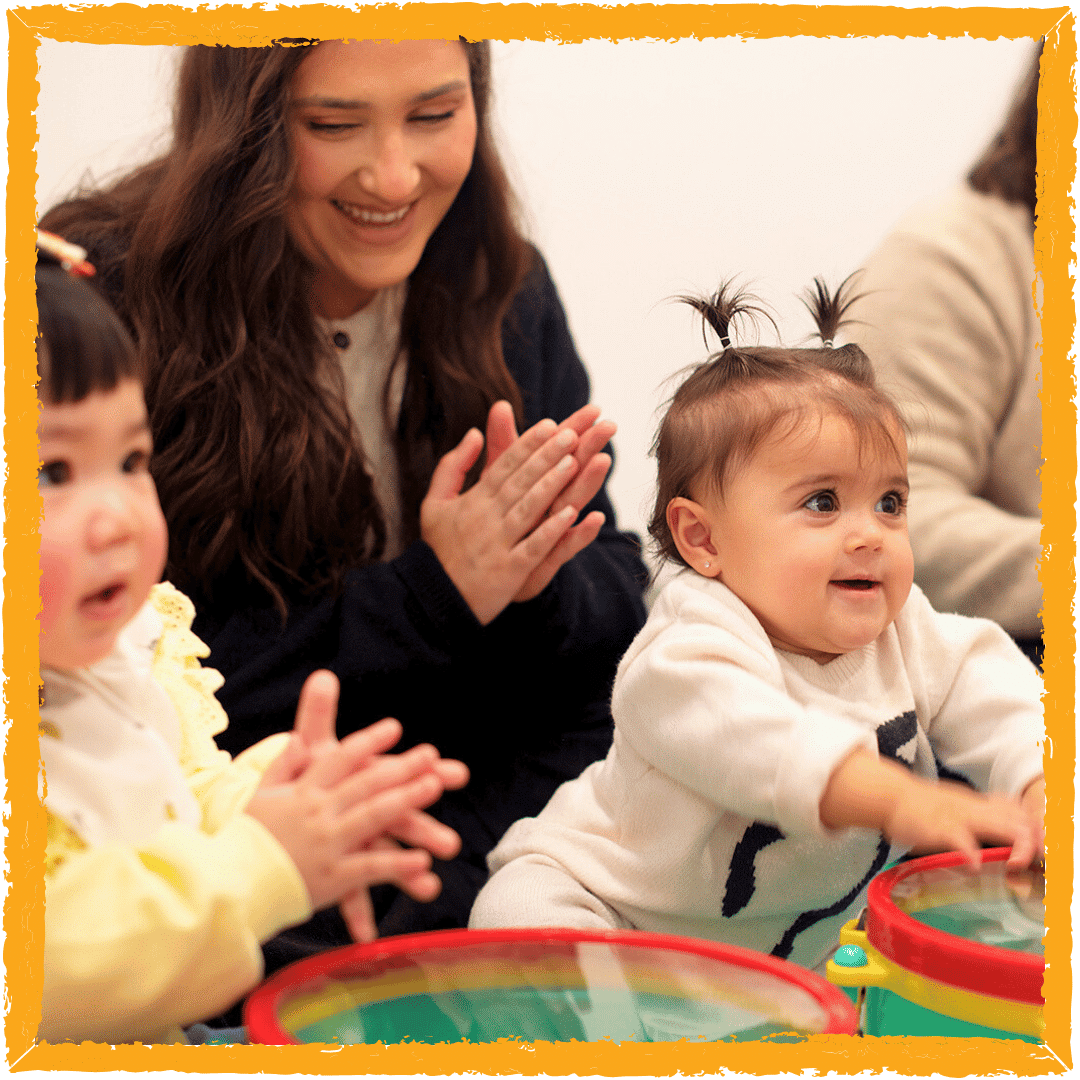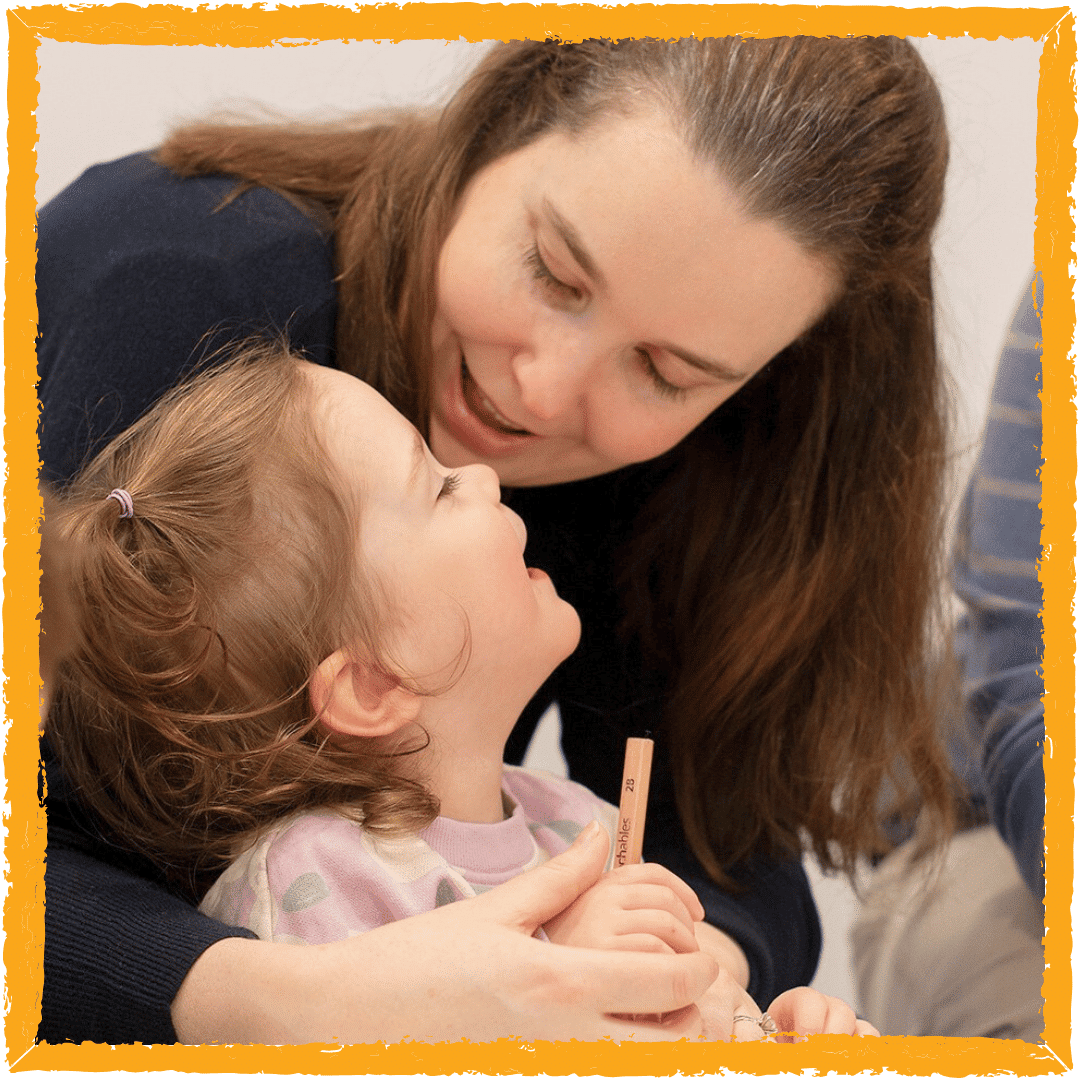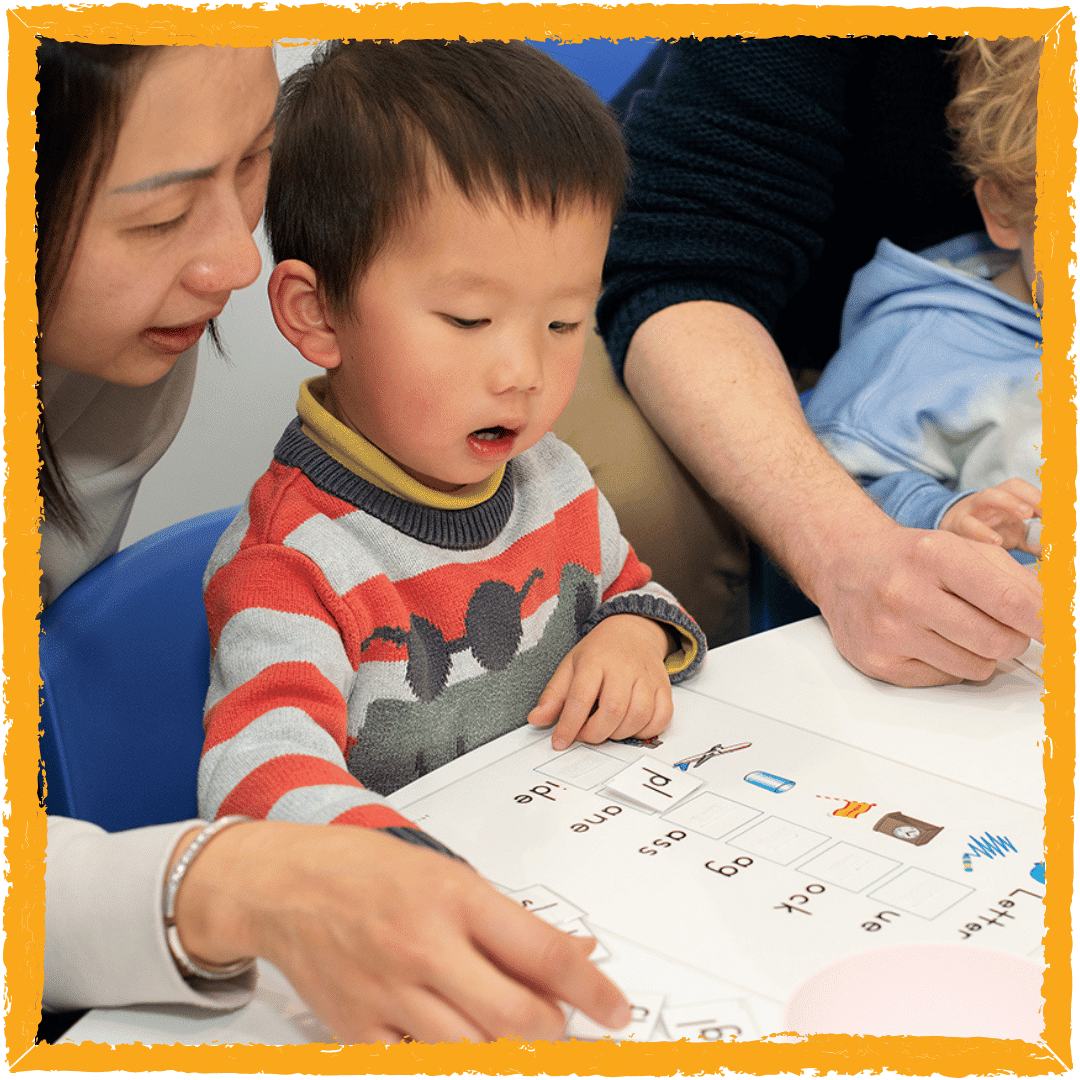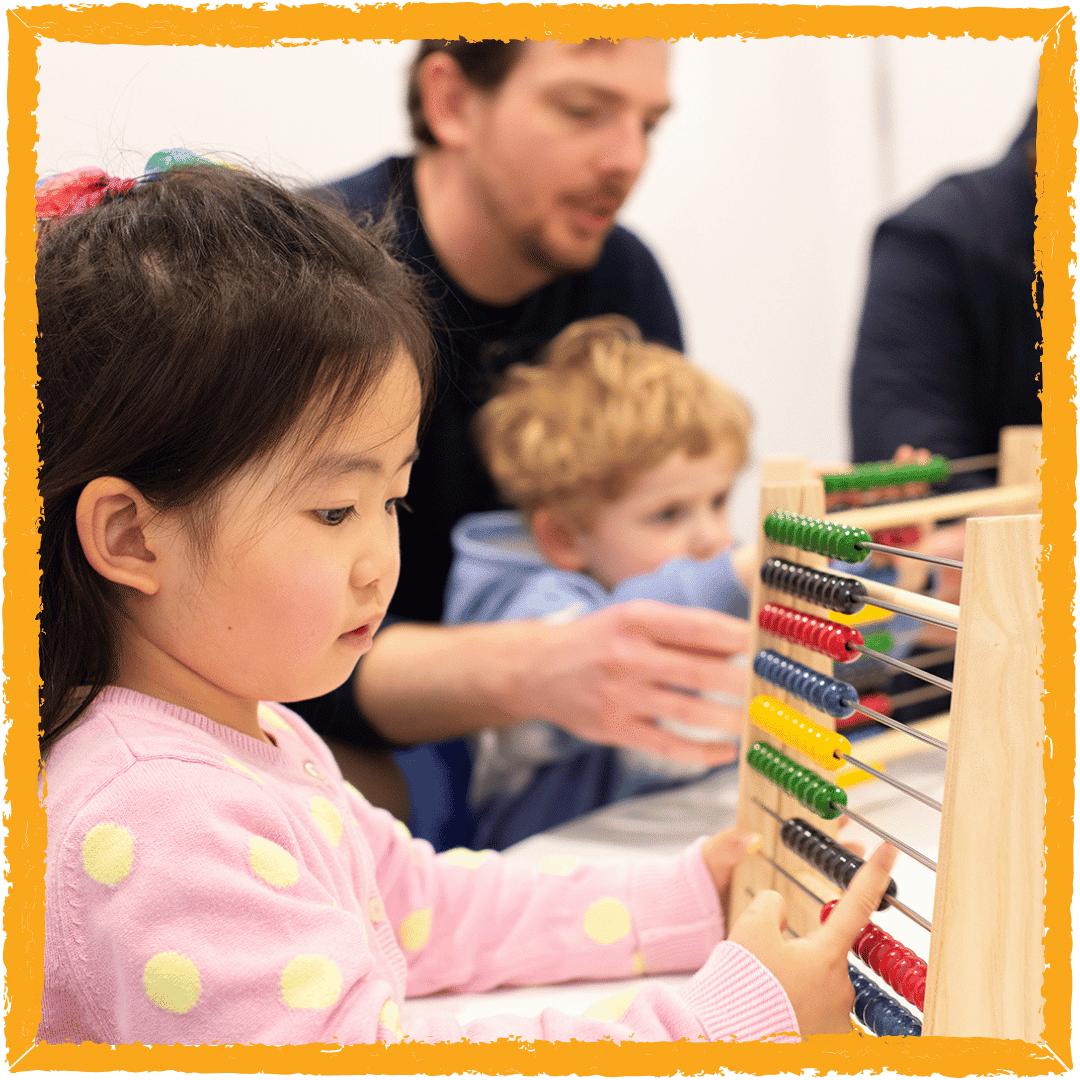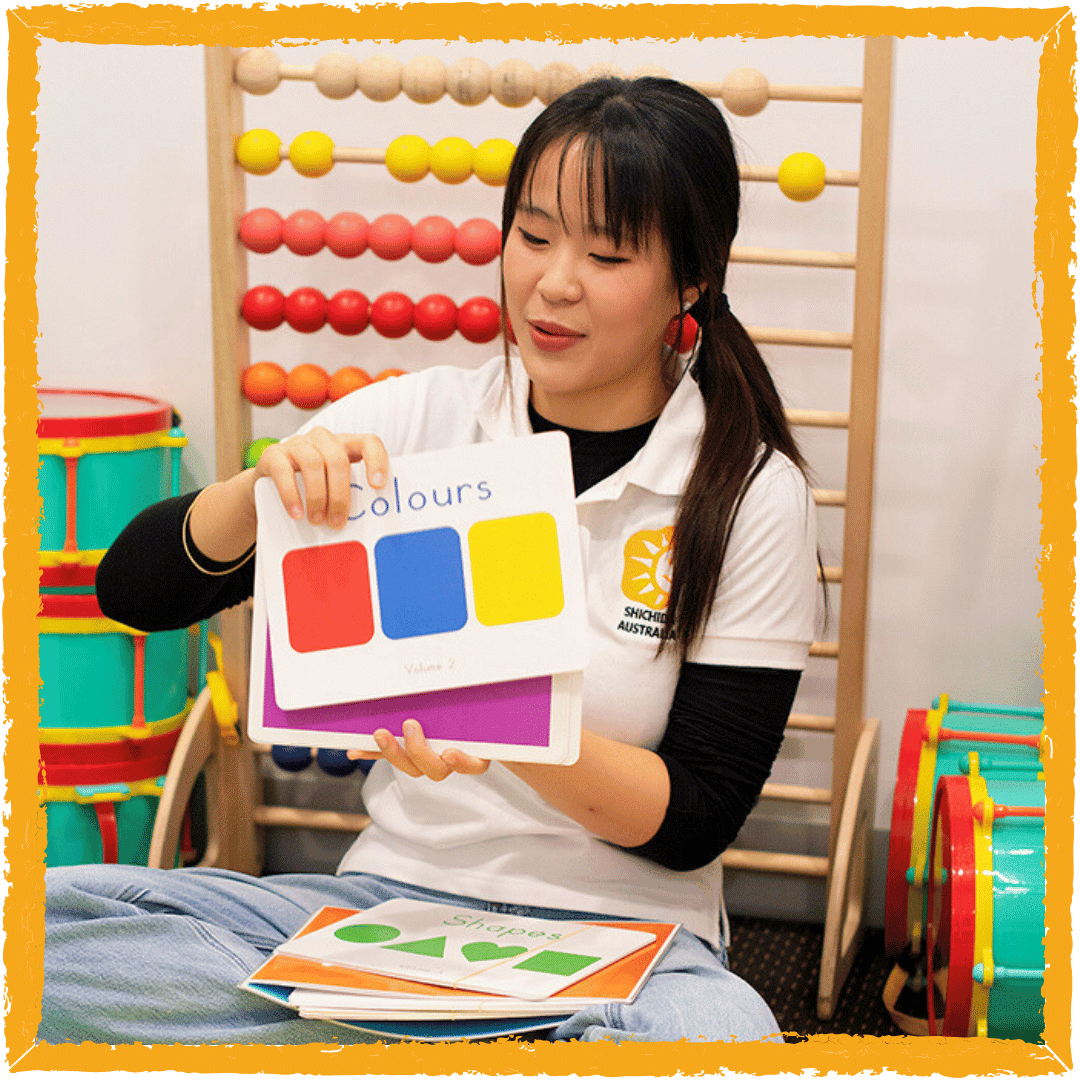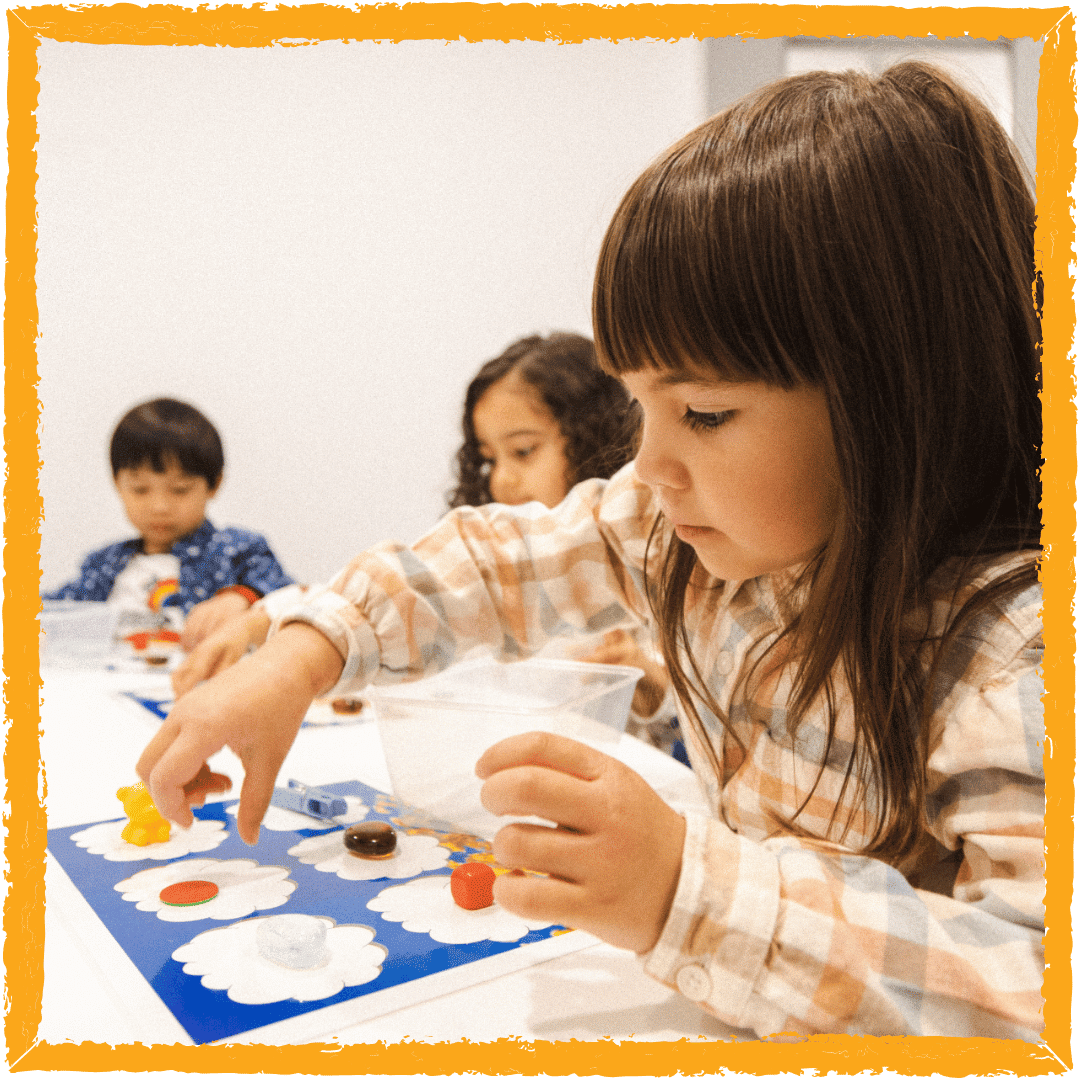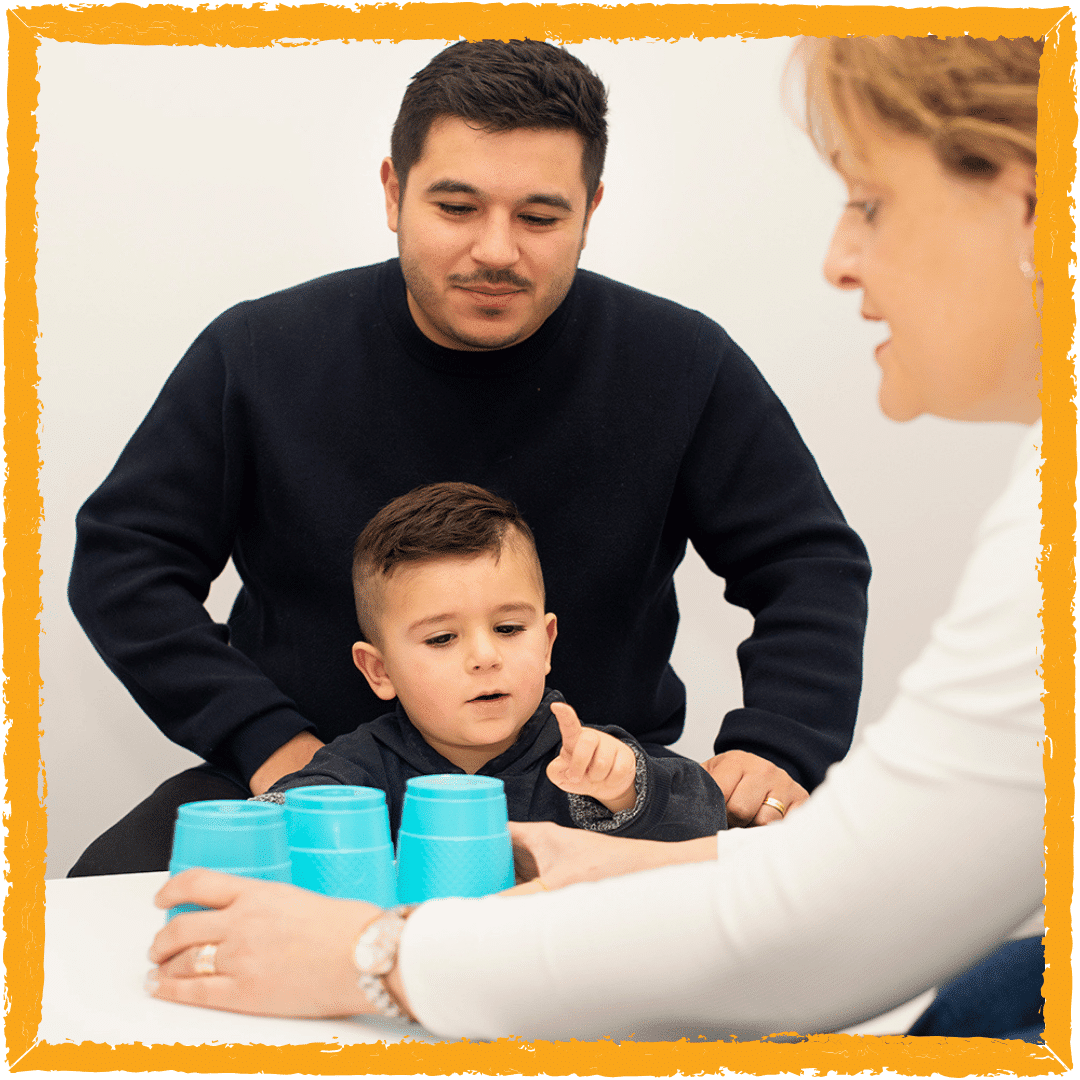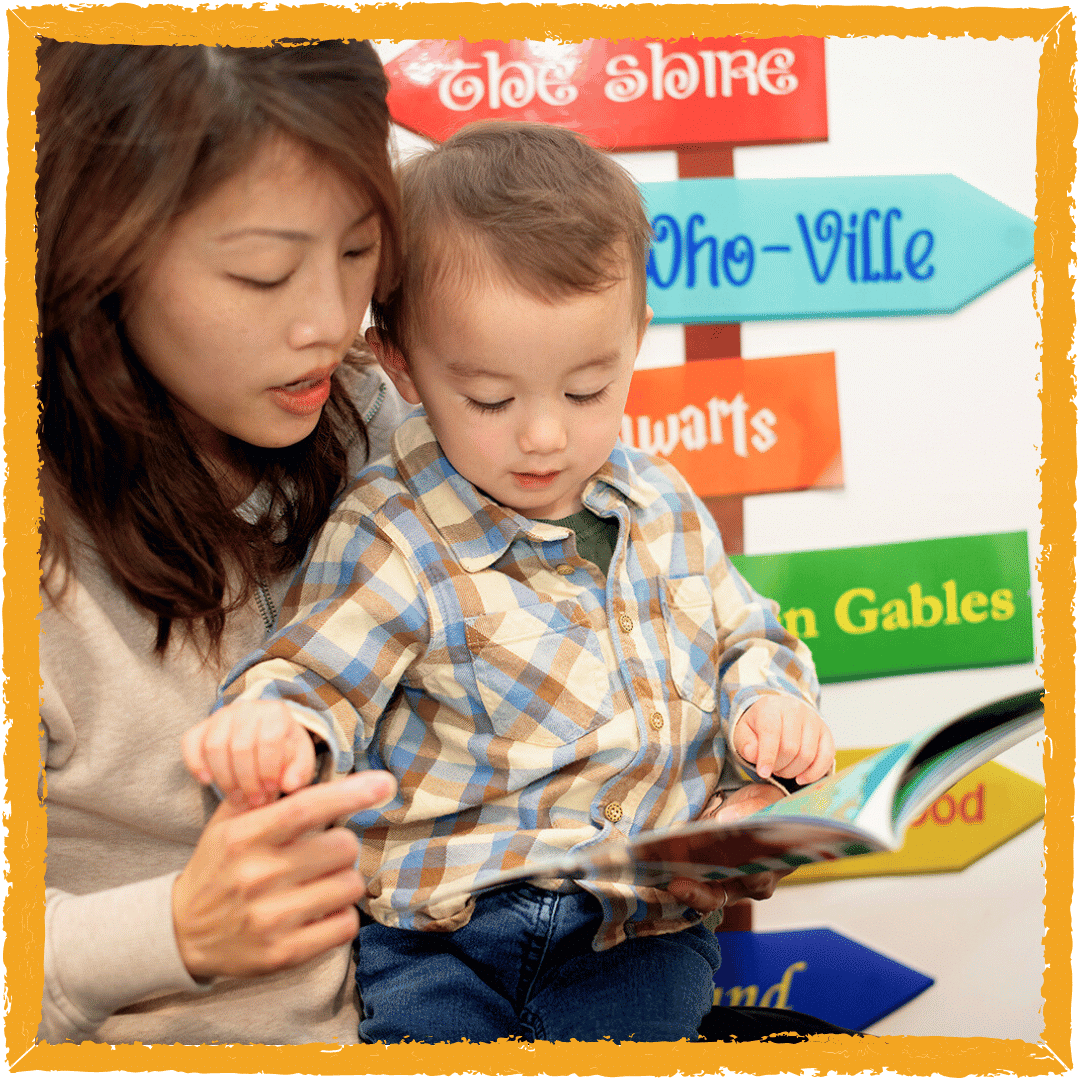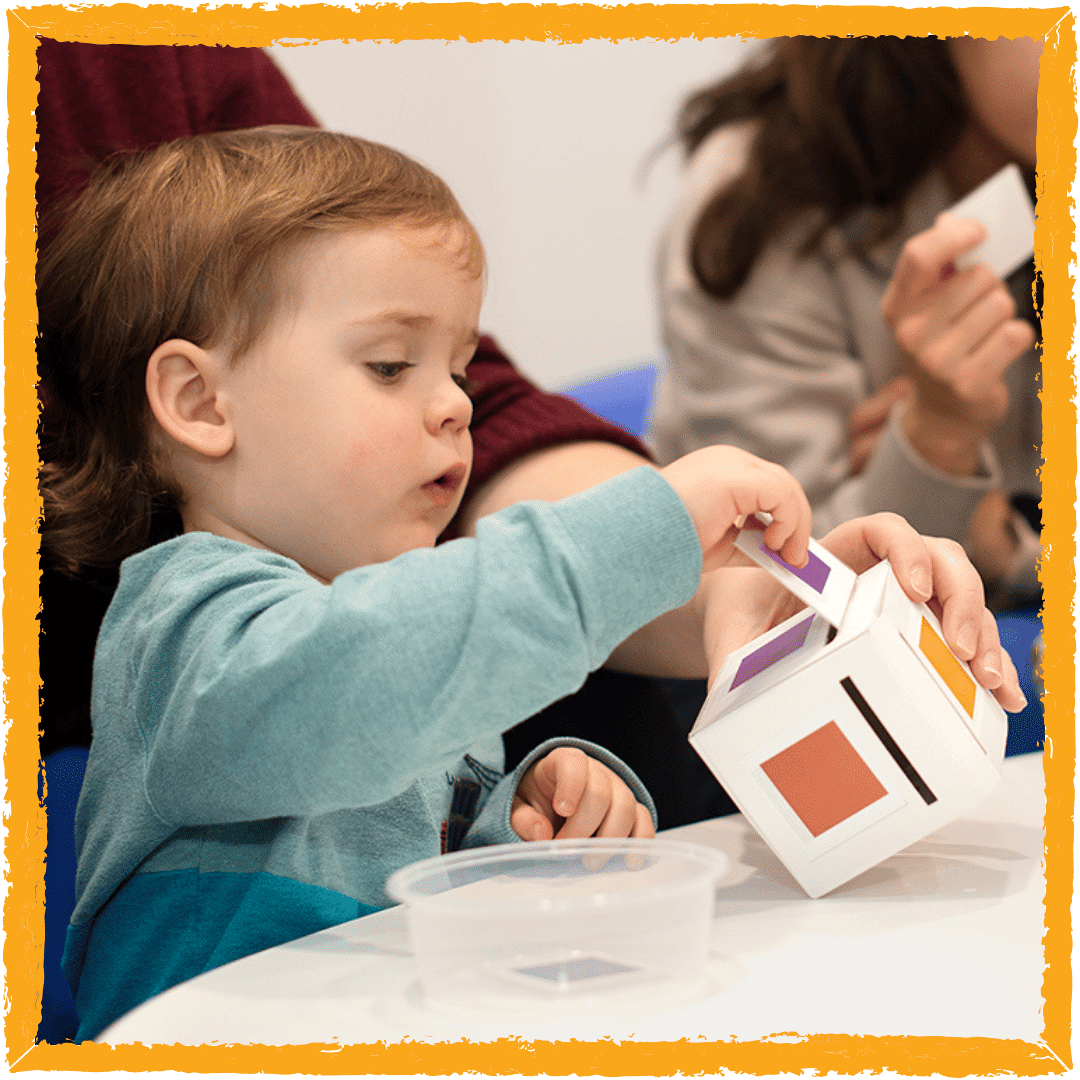
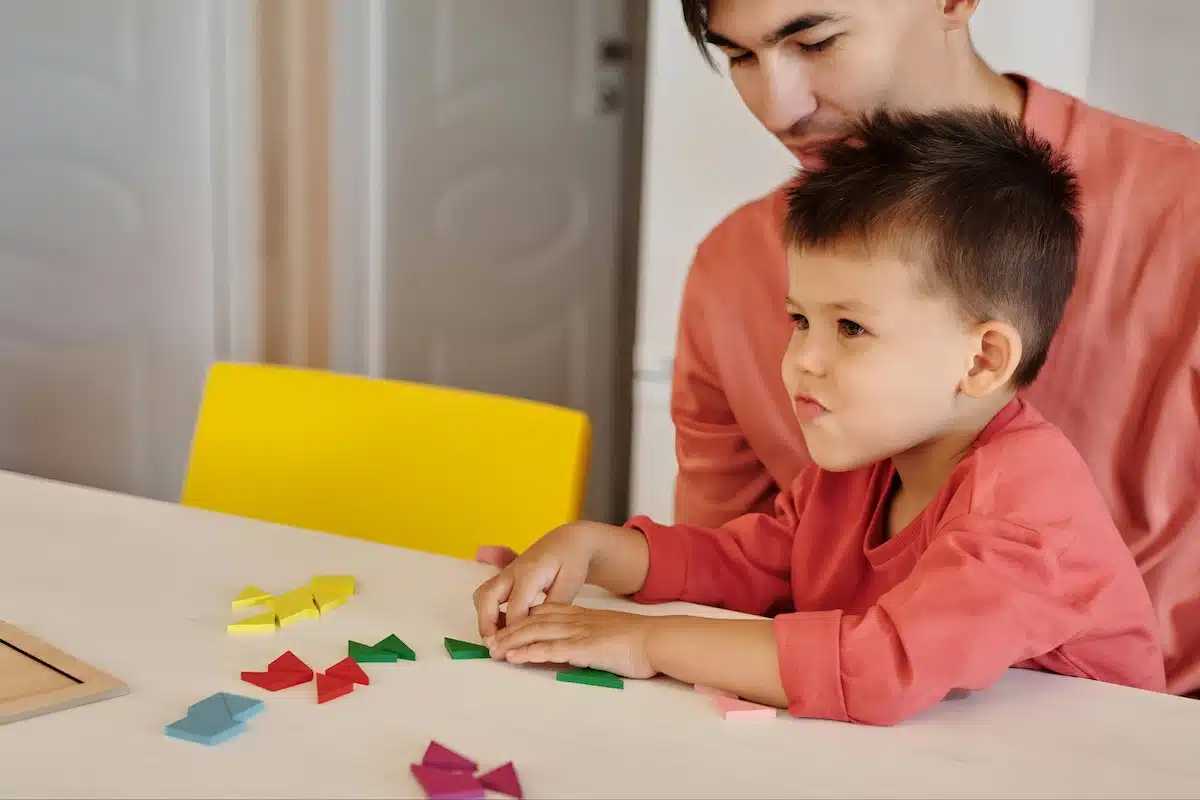
Photo from Pexels: Spend time playing and exploring with your child, even small challenges help build strong thinking skills for kids.
Thinking Skills for Kids: How to Develop Problem-Solving
Key Points
- Thinking skills develop through daily experiences that challenge children to explore and question.
- Critical and creative thinking strengthen each other and lead to deeper understanding.
- Problem-solving grows naturally through real-life choices and playful experimentation.
- Metacognition helps children become aware of how they learn and improve their strategies.
- Parents play a vital role by encouraging curiosity, reflection, and independent thinking.
Ever watched your child stare at a puzzle piece like it personally offended them – only to snap it into place moments later? That’s thinking skills in action!
Thinking skills are the mental tools children use to understand information, solve problems, and make sense of the world. You see these skills in action when your child experiments during play, asks a lot of questions, or comes up with their own clever (and sometimes creative or silly) solutions at home.
Just like physical development, thinking skills grow through everyday experiences – play, discovery, and the small challenges children face each day. With guidance from you, your child can learn to reason, problem-solve, and think independently.
This guide explains what thinking skills are, how they develop, and the practical ways you can support them at home.
What Are Thinking Skills?
Thinking skills are the abilities that help children process information, solve problems, and make sense of the world around them. They allow kids to connect ideas, draw conclusions, and learn from experiences. These are the building blocks of lifelong learning.
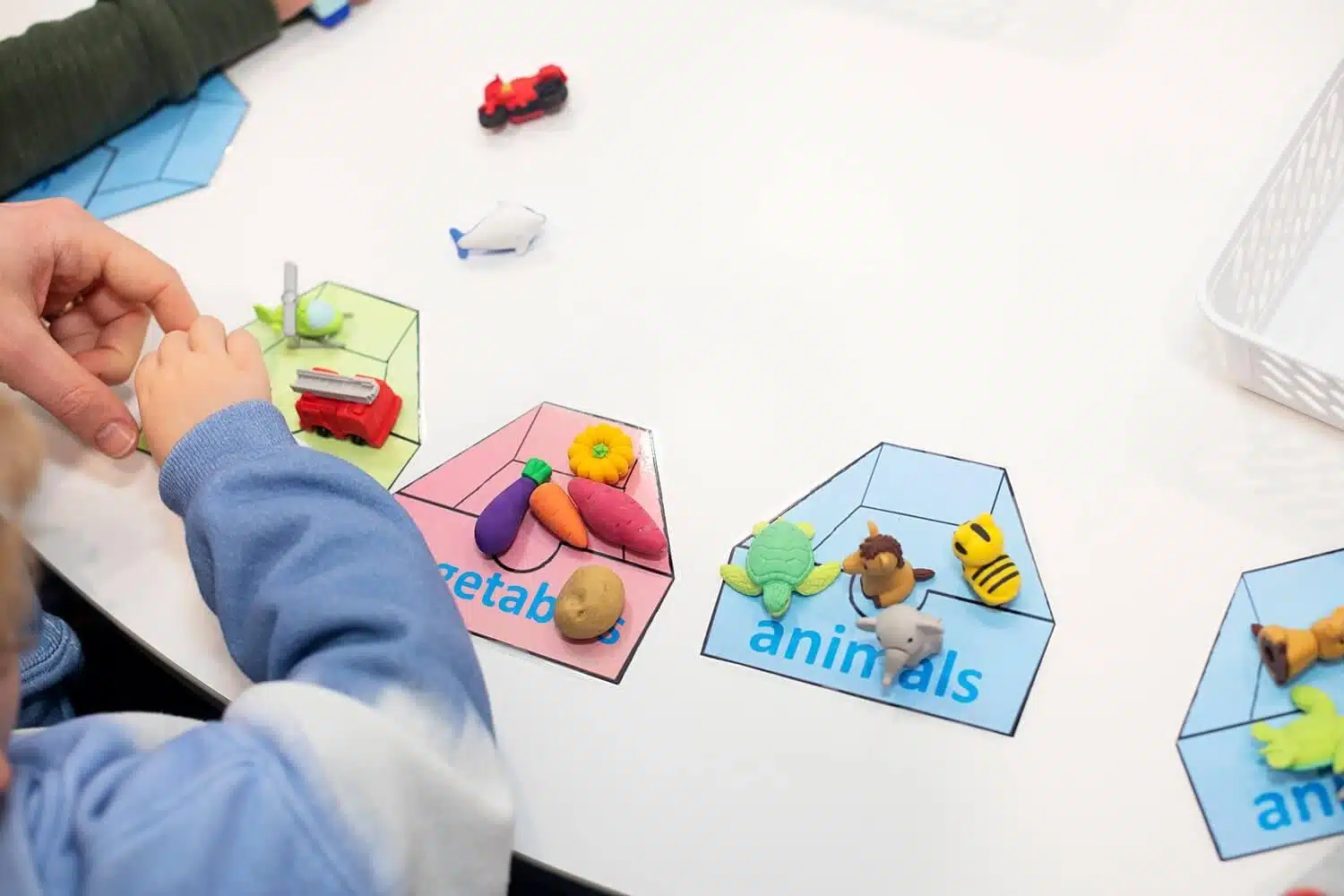
What are thinking skills in children?
In simple terms, thinking skills are the mental tools your child uses to understand, reason, and make choices. These skills include observing, comparing, predicting outcomes, and reflecting on what happens next. Each time your child asks, “What happens if I do this?” or solves a puzzle on their own, they’re already building and practising these critical thinking skills.
Why are thinking skills important for learning?
When your child develops strong thinking skills, they become a more confident and independent learner. They start to understand cause and effect, explain their ideas clearly, and handle new situations with ease. These skills support everything your child learns from reading and maths to making good social decisions.
To explore how thinking connects to brain growth, visit Cognitive Development for Kids.
How Thinking Skills Develop Across Childhood
Just as every child learns to walk and talk at their own pace, their thinking skills also develop step by step.
Here’s a quick timeline of how thinking skills typically unfold:
| Age Range | Key Thinking Skills Emerging | What Parents Might Notice |
|---|---|---|
| 0-1 years | Sensory exploration, cause and effect | Babies learn by touching, tasting, and repeating actions like dropping toys to see what happens. |
| 1-3 years | Curiosity, simple problem-solving, early reasoning | Toddlers start figuring out how things work, ask simple questions and enjoy solving small challenges. |
| 3-5 years | Imagination, early problem-solving, simple reasoning | Preschoolers ask endless “why” questions and love pretend play. |
| 5-8 years | Logical thinking, perspective-taking, basic decision-making | Children begin to understand rules, fairness, and planning steps. |
| 8-12 years | Abstract thinking, analysis, metacognition | Kids start explaining how they reached an answer and reflect on mistakes. |
| 13+ years | Strategic reasoning, long-term decision-making | Teens can weigh pros and cons, plan ahead, and see multiple viewpoints. |
Every child’s path is unique, so use these milestones as markers, not checklists.
The Four Core Thinking Skill Areas and How Parents Can Strengthen Them
Critical Thinking: Helping Kids Question and Evaluate
Critical thinking for kids develops when children get the chance to experiment, observe, and figure things out. Instead of giving answers straight away, create moments where they can test ideas and think aloud.
Practical ways to strengthen critical thinking skills for kids:
- Ask thinking questions during play:
“What do you think will happen if we stack the big block on top?”
- Use real-life moments:
Comparing prices at the shops, predicting the weather, sorting laundry.
- Talk about stories differently:
Ask, “What could they have done instead?”
Remember: Critical thinking skills for kids grow through curiosity and exploration, not correction.
Creative Thinking: Encouraging “What If?” Exploration
Creative thinking isn’t just about drawing or craft – it’s the skill of imagining new ideas, thinking flexibly, and approaching problems in original ways.
You can encourage creativity by making space for playful, open-ended thinking.
Try these simple activities at home:
- Ask fun “What if?” questions:
“What if animals could talk?”
- Offer open-ended materials:
Blocks, cardboard boxes, loose parts, LEGO, water play – anything without a single “right” outcome.
- Let your child lead the play:
Initiate play, then follow their ideas instead of trying to control the activity.
Remember: Creativity grows when kids feel safe to explore without judgement.
Problem-Solving & Decision-Making: Everyday Opportunities to Practise
Children practise problem-solving constantly – sharing toys, choosing clothes, building a tower, or figuring out how to reach a shelf.
Instead of stepping in quickly, guide them to think through the situation.
Helpful ways to build problem-solving:
- Ask, “What else could you try?” instead of giving the answer.
- Break tasks into smaller steps together.
- Let natural consequences teach (e.g. a wobbly tower falling).
You can also build decision-making skills with simple choices:
“What would you like for snack – yoghurt or fruit?”
“Should we go to the park or the library today?”
Remember: The goal is not speed – it’s helping children learn to think things through.
Metacognition: Helping Kids Think About Their Thinking
Metacognition is the ability to understand how you learn – noticing what works, what doesn’t, and why.
This skill helps children plan, stay focused, and improve their strategies over time.
Easy ways to build metacognition at home:
- Ask reflective questions:
“How did you figure that out?” “What helped you remember?” - Highlight their strategies, not just outcomes.
- Praise persistence and problem-solving steps.
Remember: Reflection turns mistakes into learning opportunities. Celebrate the process, not just the result.
Fun Activities and Games to Build Thinking Skills
Building thinking skills can be done simply. Many effective strategies come from daily play and conversation. Try these at home:
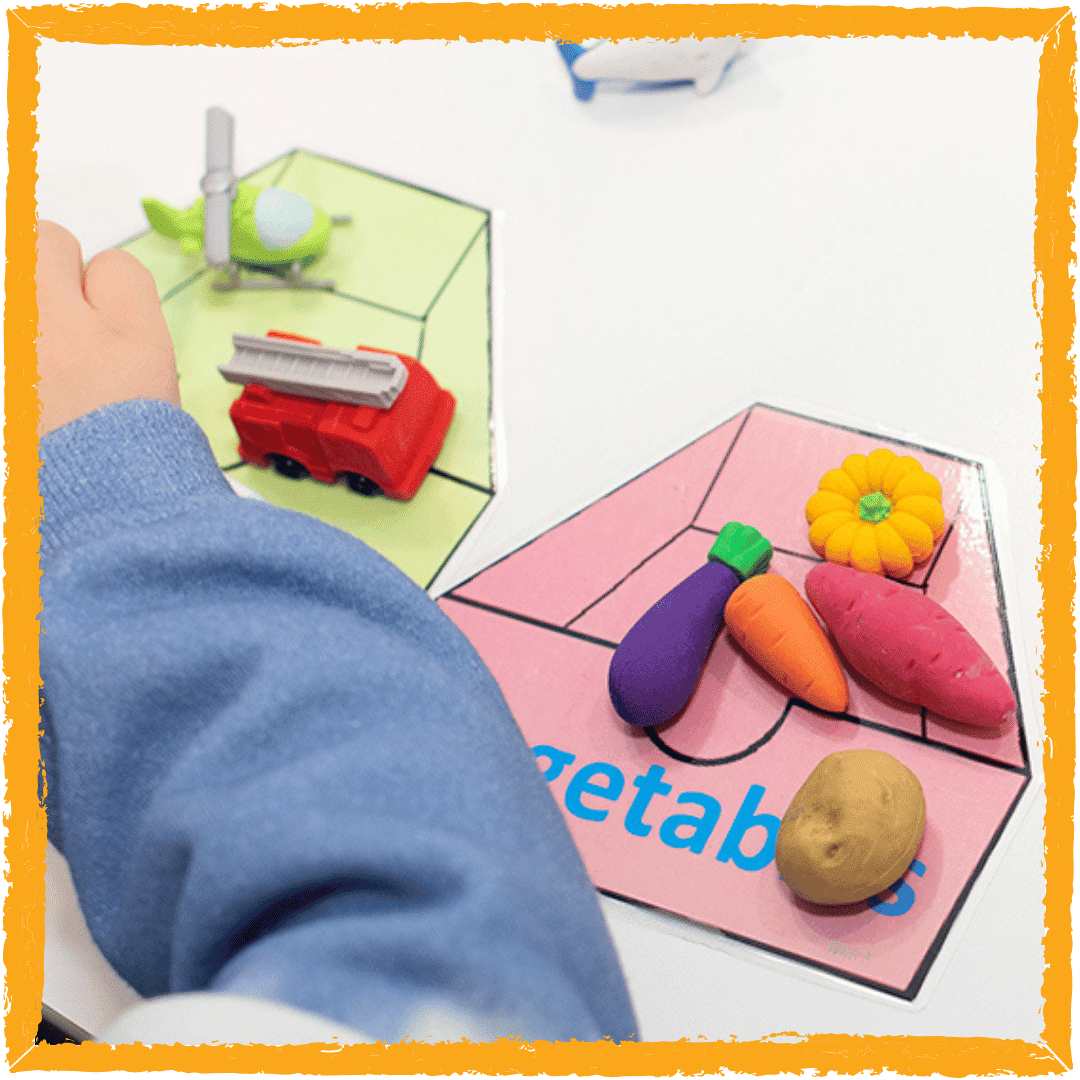
- Sorting and categorising: Use toys, buttons, or snacks to group by colour, size, or shape.
- Story building: Take turns adding sentences to a story. This boosts creativity and logical flow.
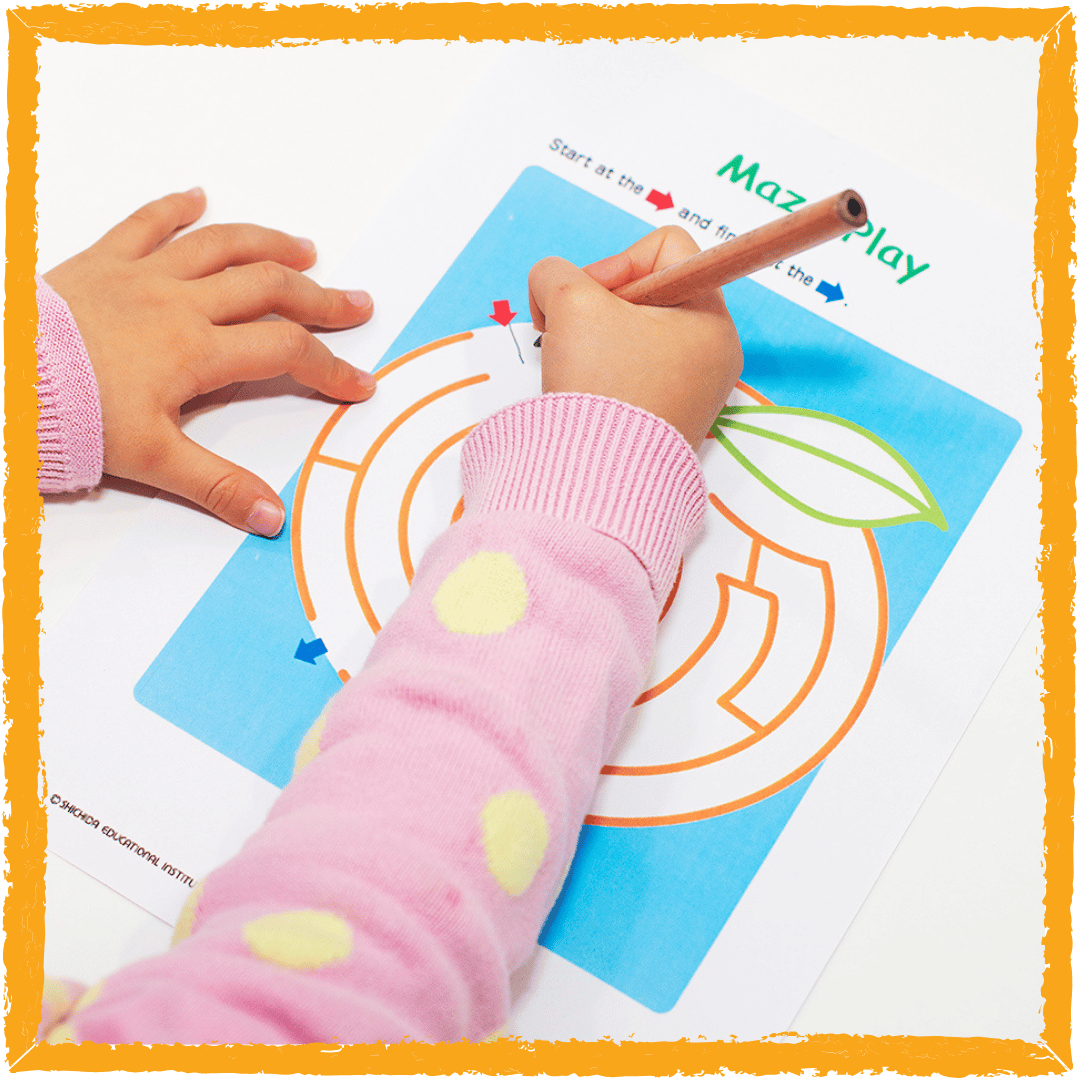
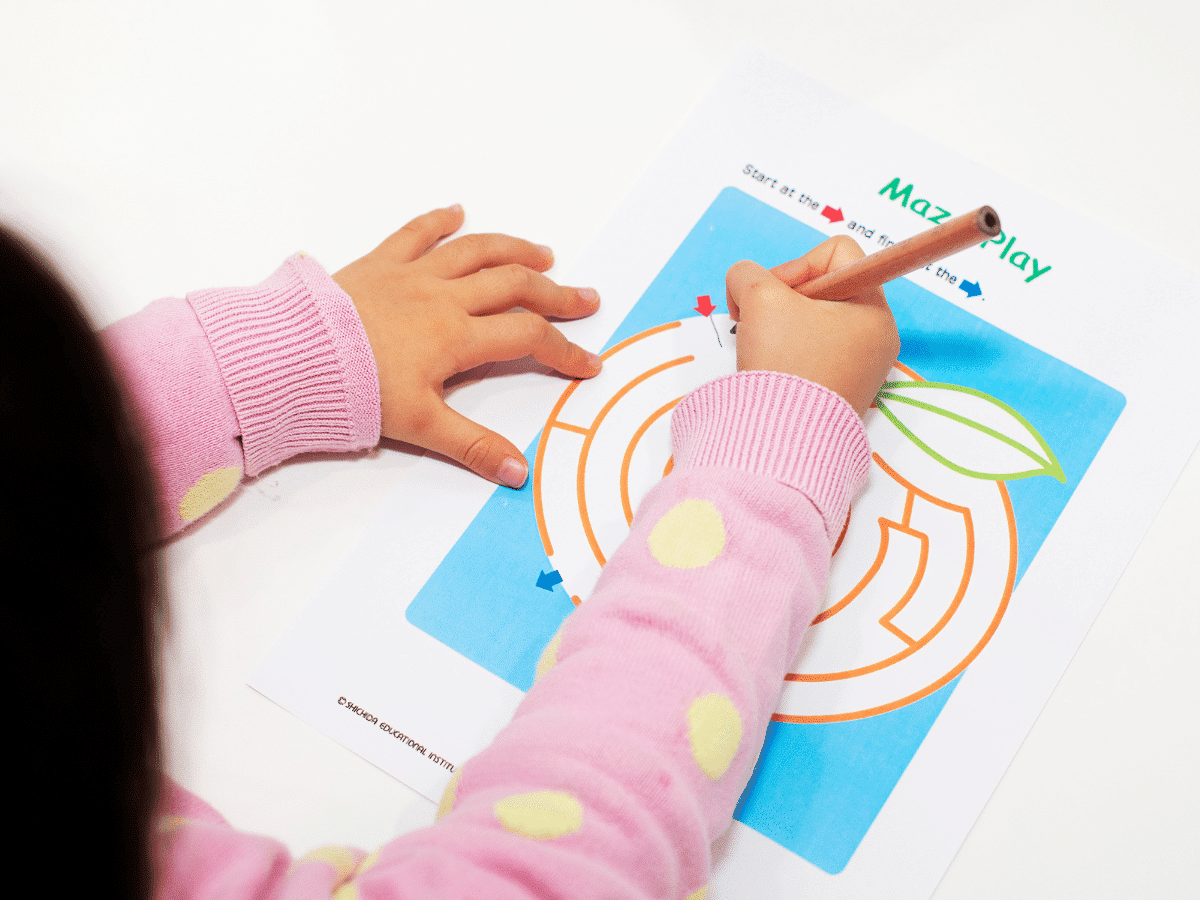
- Logic puzzles and mazes: Excellent for concentration and reasoning.
- Guessing games: “I Spy” and “20 Questions” build observation and deduction.
- Sensory play: Activities involving textures, sounds, and patterns strengthen brain connections. See Sensory Play Ideas for Kids for ideas.
- Memory games: Try simple recall challenges or matching cards. See Concentration Products for Kids for more options.
Overcoming Common Challenges (and Keeping Kids Engaged)
“My child isn’t interested, how can I make thinking fun?”
Children learn best through enjoyment. Link thinking activities to their interests such as dinosaurs, cooking, or space. Use imagination games or real-life puzzles like planning a picnic or building a fort. Keep it light, playful, and encouraging.
“Balancing thinking time and screen time”
Screens can help when used intentionally, for example, logic games or educational apps that encourage reasoning. But balance is key. Create screen-free windows each day for unstructured thinking, conversation, and outdoor exploration.
If your child struggles to stay focused, gentle structure helps. Break tasks into small chunks and praise persistence, not perfection.
How to Measure Progress and Celebrate Growth
How do I know if my child is improving their thinking skills?
Watch for signs like deeper questioning, longer attention, or creative problem-solving. You might notice your child explaining their ideas more clearly or handling frustration with new strategies.
Use a simple reflection chart like this:
| Observation | What I Noticed | Next Step |
|---|---|---|
| My child explained their idea clearly | Strong verbal reasoning | Encourage them to summarise stories or give instructions |
| Tried a new solution after failure | Growing resilience | Praise the process, not just the outcome |
| Asked “why” or “how” questions | Developing curiosity | Provide new experiences to explore |
These observations show how your child’s thinking is growing beyond grades or scores, turning into real-world intelligence.
Final Thoughts
Every child can develop remarkable thinking potential through nurturing experiences that build both heart and mind.
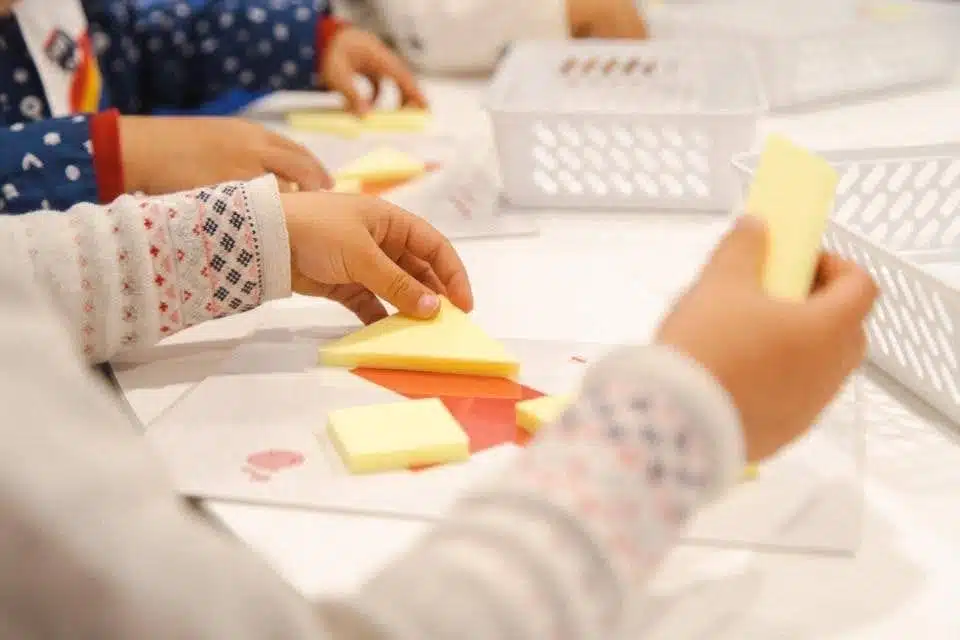
At Shichida, we believe that thinking skills are not about producing quick answers but about developing curiosity, confidence, and clarity.
If you’d like to discover how the Shichida Method nurtures critical and creative thinking through whole-brain learning, book a trial class today!
FAQs About Thinking Skills for Kids
Activities like sorting, pretend play, and storytelling build foundational thinking skills such as reasoning and comparison.
Encourage open-ended play, ask reflective questions, and include your child in problem-solving during daily routines.
Problem-solving begins naturally in toddlerhood and grows through play and guided questioning.
Play gives children space to test ideas, imagine outcomes, and understand cause and effect. These experiences form the basis of critical thinking.
Some educational apps can help, but face-to-face interaction and real-world play remain the strongest ways to develop deep thinking. Always strive to keep educational screen time and hands-on learning time balanced.
Balance both by encouraging exploration and reasoning. Let your child imagine freely, then discuss how and why their ideas might work.
Yes. Shichida Australia offers baby, toddler, and preschool classes that build critical thinking through age-appropriate brain training games and hands-on activities. Each class involves one parent and one child, creating a fun bonding experience while strengthening skills like problem-solving, observation, memory, and logical thinking.