
Why Critical Thinking Matters for Kids in the Classroom
Key Points
- Critical thinking strengthens problem solving, decision making, and creativity in everyday learning.
- Early thinking habits build confidence and deeper understanding across all subjects.
- Children learn to ask questions, test ideas, and explain their reasoning.
- Teachers can nurture critical thinking through open-ended questions, collaboration, and hands-on activities.
- Encouraging critical thinking prepares children for real-world challenges and future learning.
Introduction to Critical Thinking in the Classroom
As a parent, you want your child to be curious, confident, and ready to face the world. One of the most powerful tools children can develop is critical thinking. When we talk about critical thinking in the classroom, we are not talking about advanced debates or complicated theories. For young children, critical thinking simply means learning how to think, question, explore, and understand.
It is the skill that helps children make sense of new information, solve problems, and connect ideas. Research shows that when children learn critical thinking early, they develop stronger cognitive development, better communication, and more flexible mindsets. These skills help them thrive not only in school but in everyday life.
This article explains why critical thinking for kids matters so much, how it shows up in daily classroom routines, and how teachers and parents can encourage it through simple, meaningful activities.
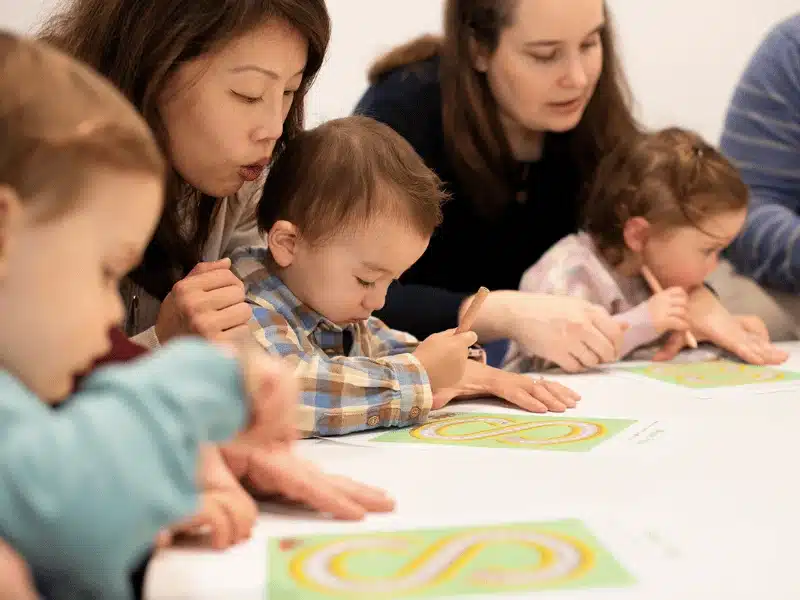
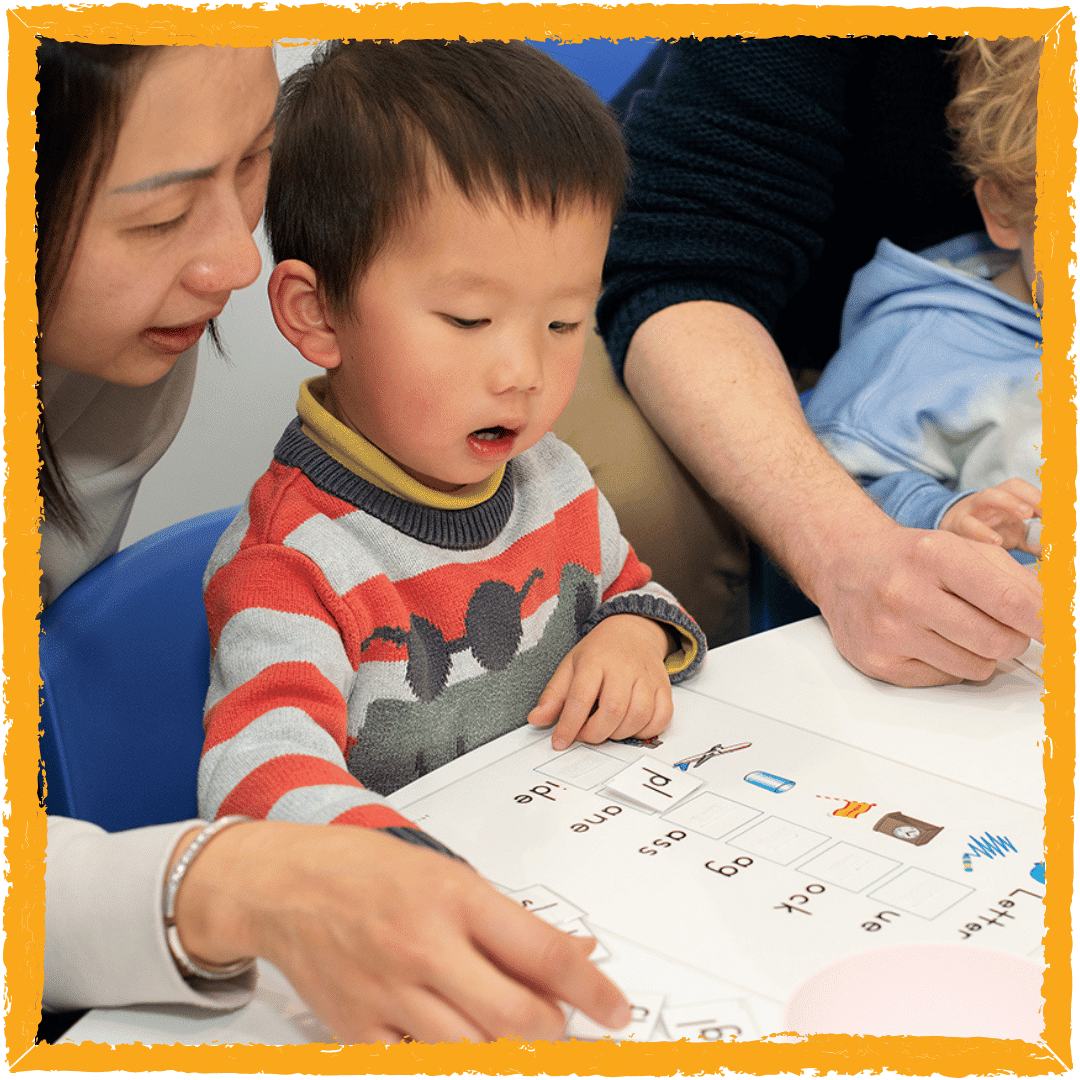
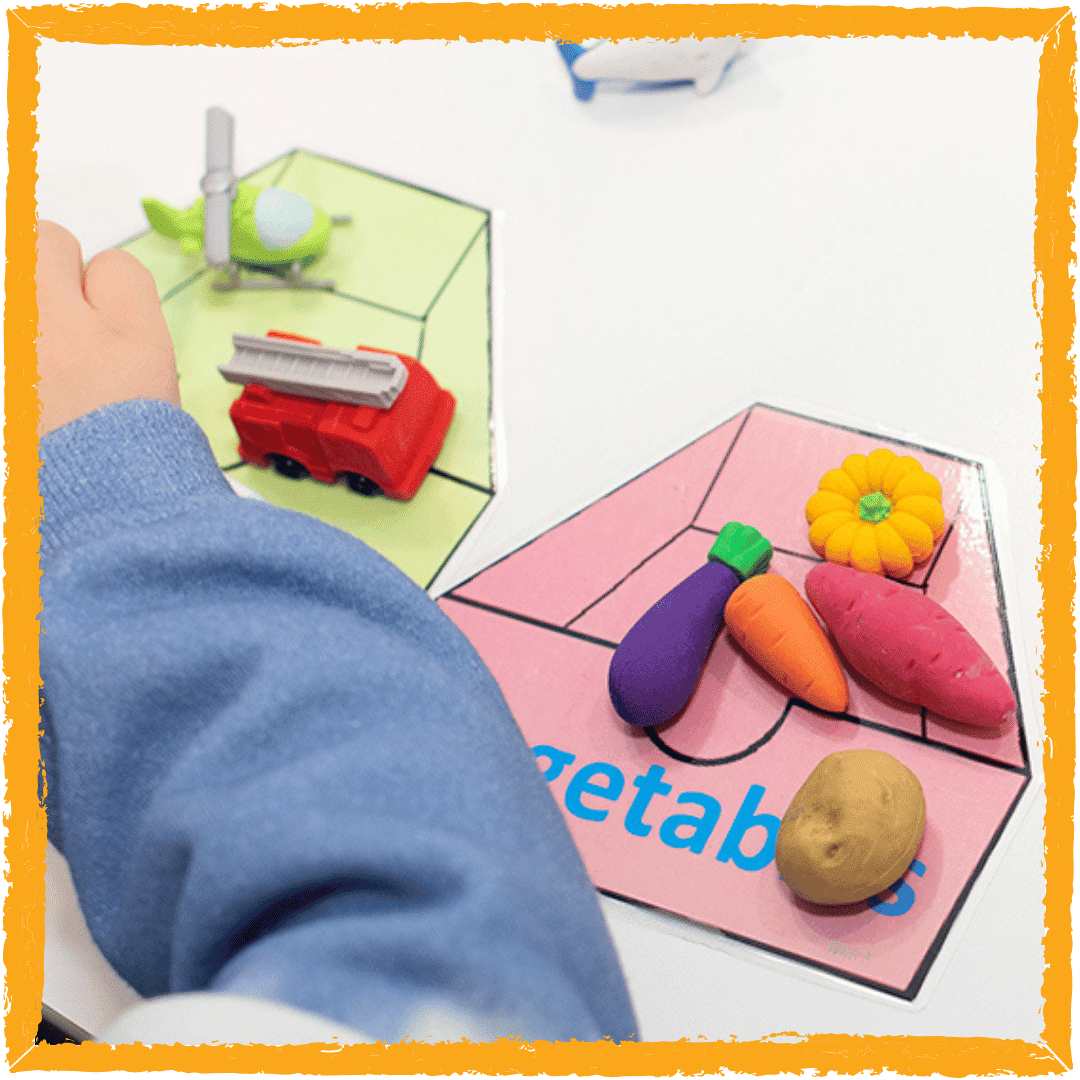
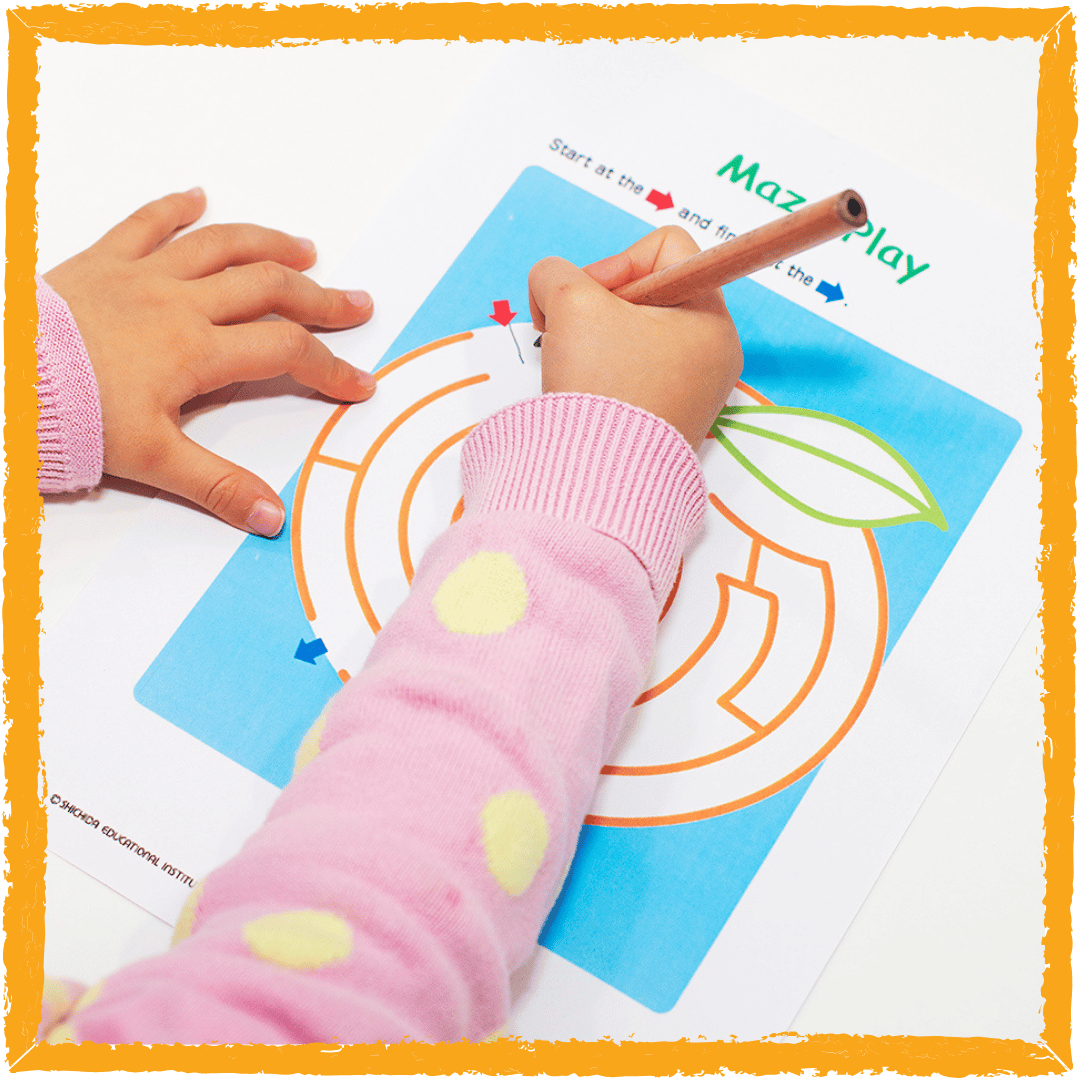
Photo from Shichida Australia: Toddlers completing simple mazes during a Shichida Toddler Class. Mazes are a great way to encourage critical thinking in kids.
Why Critical Thinking Matters for Kids in the Classroom
Improved Problem-Solving Skills
Critical thinking gives children the ability to work through problems independently. Whether your child is building a tower, sharing materials, or figuring out how to complete a task, critical thinking helps them approach challenges calmly and logically.
Children who think critically learn to:
- Identify the problem
- Consider different solutions
- Try one idea at a time
- Reflect on what worked
These steps strengthen problem-solving skills, building patience and confidence.
Enhanced Creativity and Curiosity
When children learn to ask questions and explore, creativity naturally expands. Critical thinking opens the door to imagination because it encourages children to test ideas and think in new ways. Many early childhood experts observe that children show higher levels of creativity when they are given the freedom to explore, hypothesise, and experiment.
This type of creativity helps your child:
- Come up with new ideas
- Try alternative approaches
- See things from different angles
- Feel comfortable expressing imagination
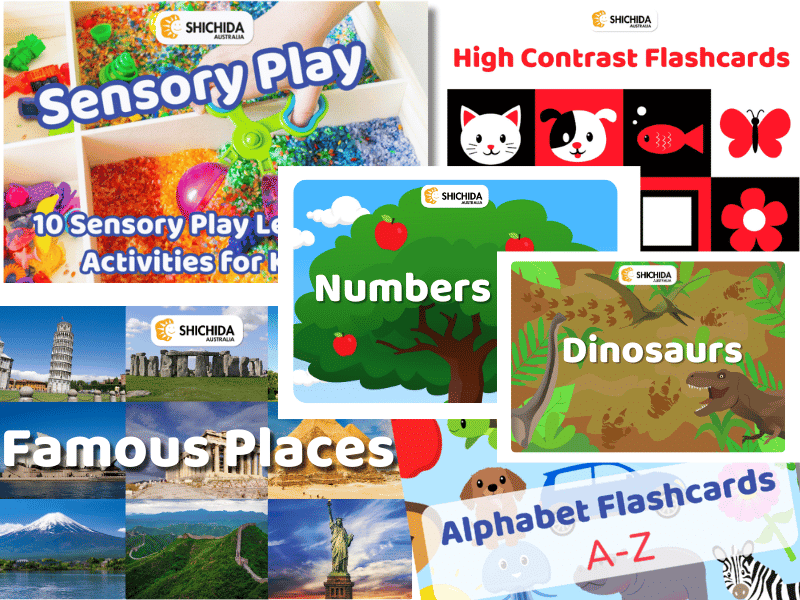
Want to develop your child’s critical thinking skills? Get free flashcards and sensory play ideas that parents use to build strong early brain skills for young children.
Better Decision-Making Abilities
Young children make decisions all the time. Critical thinking helps them understand consequences, compare choices, and make thoughtful decisions that they can explain.
These decision-making habits help children later in life when they face more serious choices in school, friendships, and personal development.
Higher Academic Success
Critical thinking boosts academic understanding in every subject. Children who learn how to evaluate information, make connections, and explain their ideas perform better in reading, maths, science, and even art.
Experts consistently note that critical thinking improves:
- Comprehension
- Recall
- Attention
- Reasoning
- Confidence in learning
Preparation for Future Learning and Life Skills
The world your child will grow up in is full of constant change. Children who think critically become more adaptable, independent, and resilient. They are more comfortable trying new things and adjusting when plans shift.
Critical thinking lays the foundation for:
- Problem-solving in real life
- Lifelong learning habits
- Strong communication
- Emotional resilience
- Higher-level thinking in adolescence and adulthood
What Critical Thinking Looks Like in Children
For young children, critical thinking is simpler than many parents expect. It shows up in everyday moments and small actions. Here is how you may see it:
- Asking questions like “Why did this happen?” or “What if I try this?”
- Exploring materials in different ways to see what works
- Testing ideas and observing outcomes
- Sharing their thoughts during discussions
- Comparing choices before making a decision
Critical thinking at a young age is a playful and curious process. Children learn best through natural discovery, hands-on activities, and gentle guidance.
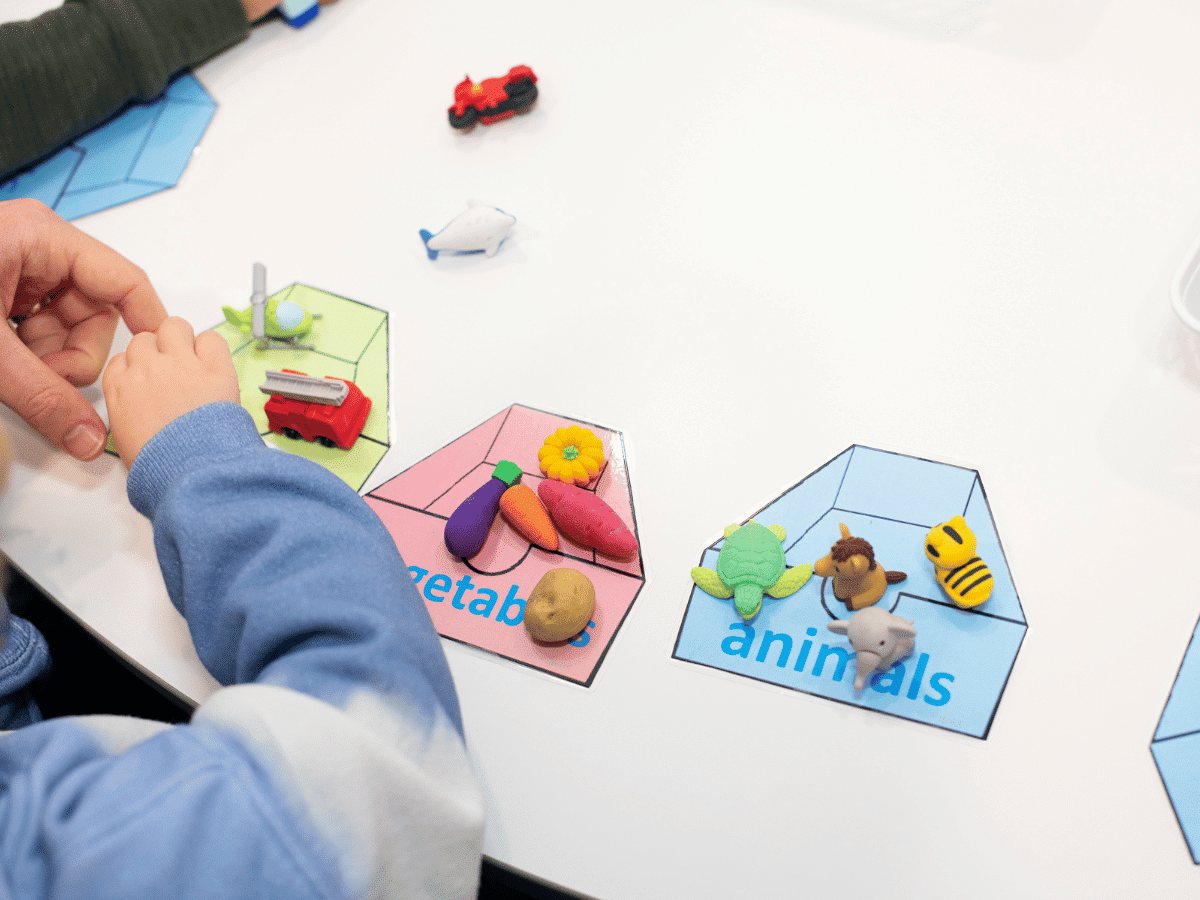
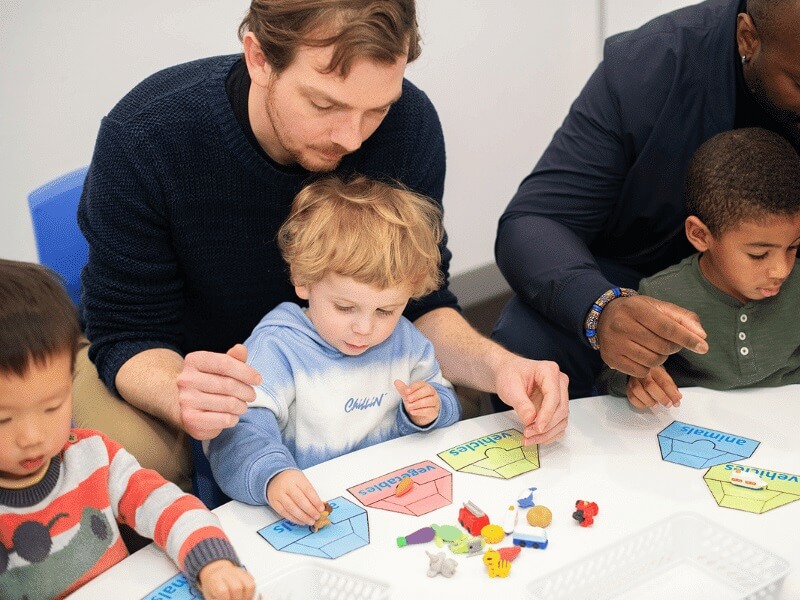
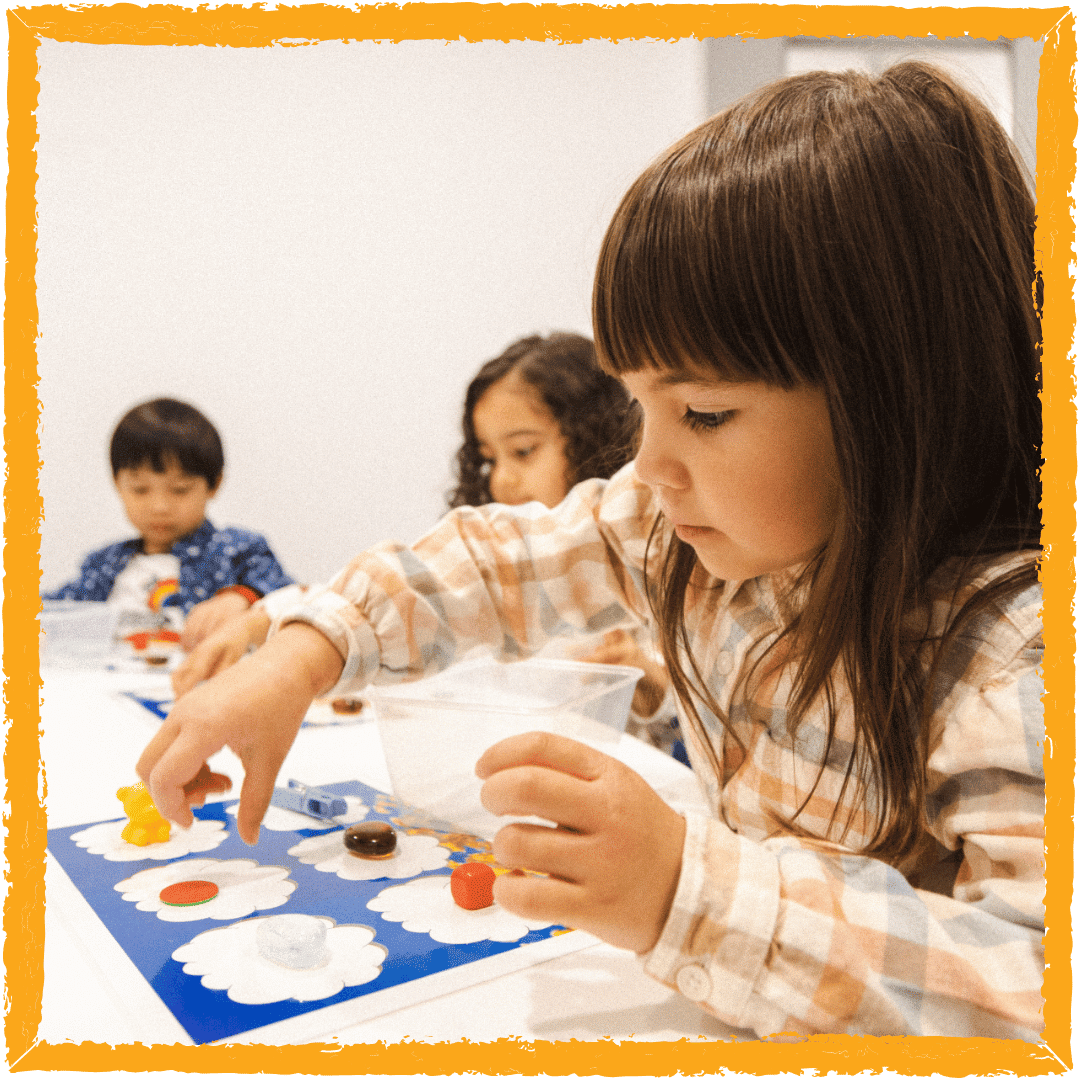
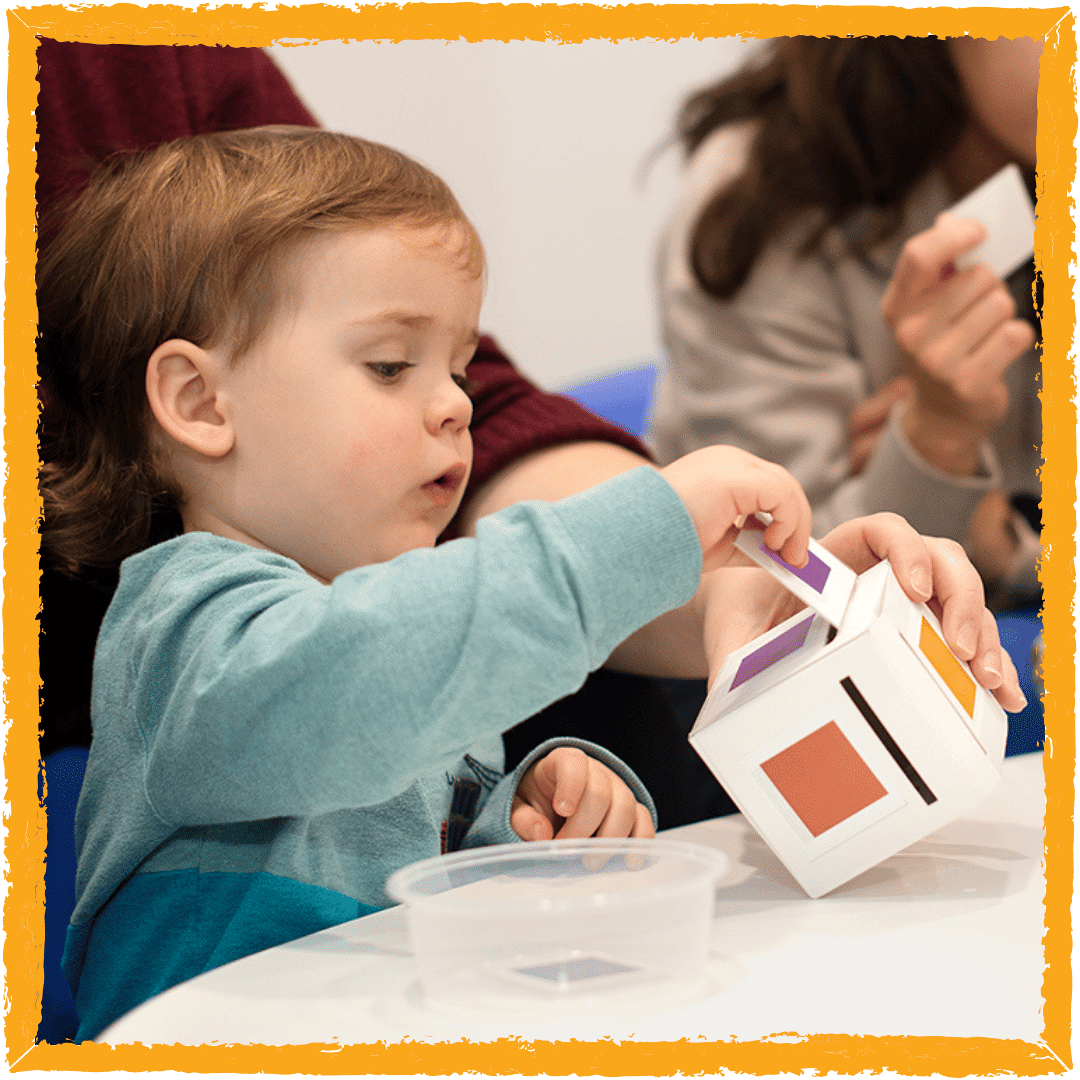
Photo from Shichida Australia: A young child playing a category-matching game during a Shichida early learning class. This is a fun hands-on way to practise critical thinking.
Critical Thinking Examples for Kids
Try these simple activities:
1. Asking Questions
Teaching children to ask and answer questions encourages deeper thinking. Some useful prompts include:
- Why do you think that happened?
- What might happen if we change this?
- What else could we try?
Children quickly learn that questioning leads to discovery, not judgement.
2. Problem-Solving Games for Kids
You can support problem-solving skills through simple activities such as:
- Puzzles
- Matching games
- Mazes
- Tic-tac-toe
- Memory cards
These games encourage strategy, planning, and trial and error.
3. Creative Storytelling
Storytelling helps children use imagination, sequence events, and justify their ideas. Try asking your child:
- What should the character do next?
- How could this story end differently?
- What was the problem in the story and how did they solve it?
4. Hands-On Experiments
Simple experiments teach children how to predict, test, and observe. Examples include:
- What sinks or floats in the bathtub
- Mixing colours with paints
- Planting seeds and watching them grow
- Freezing water and then melting ice
- Exploring a variety of textures
These activities help children build early scientific thinking.
5. Group Discussions
When children share ideas with their peers, they learn to communicate clearly and listen to others. Group tasks allow kids to practise:
- Explaining reasoning
- Respecting different viewpoints
- Building ideas together
- Asking clarifying questions
How to Teach Critical Thinking in the Classroom
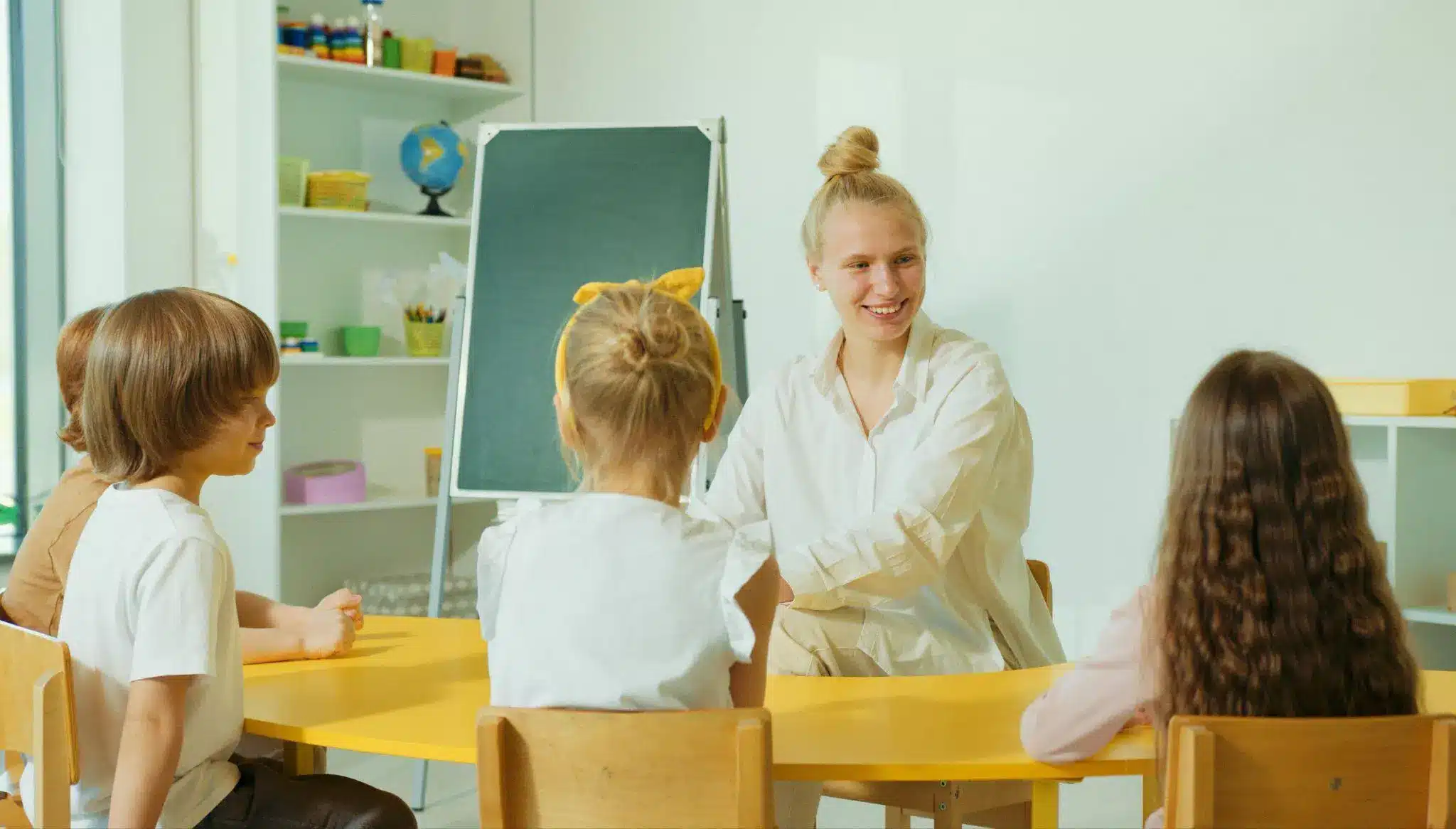
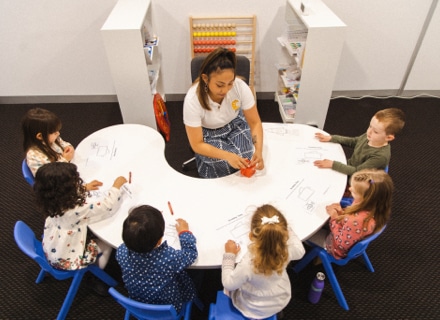
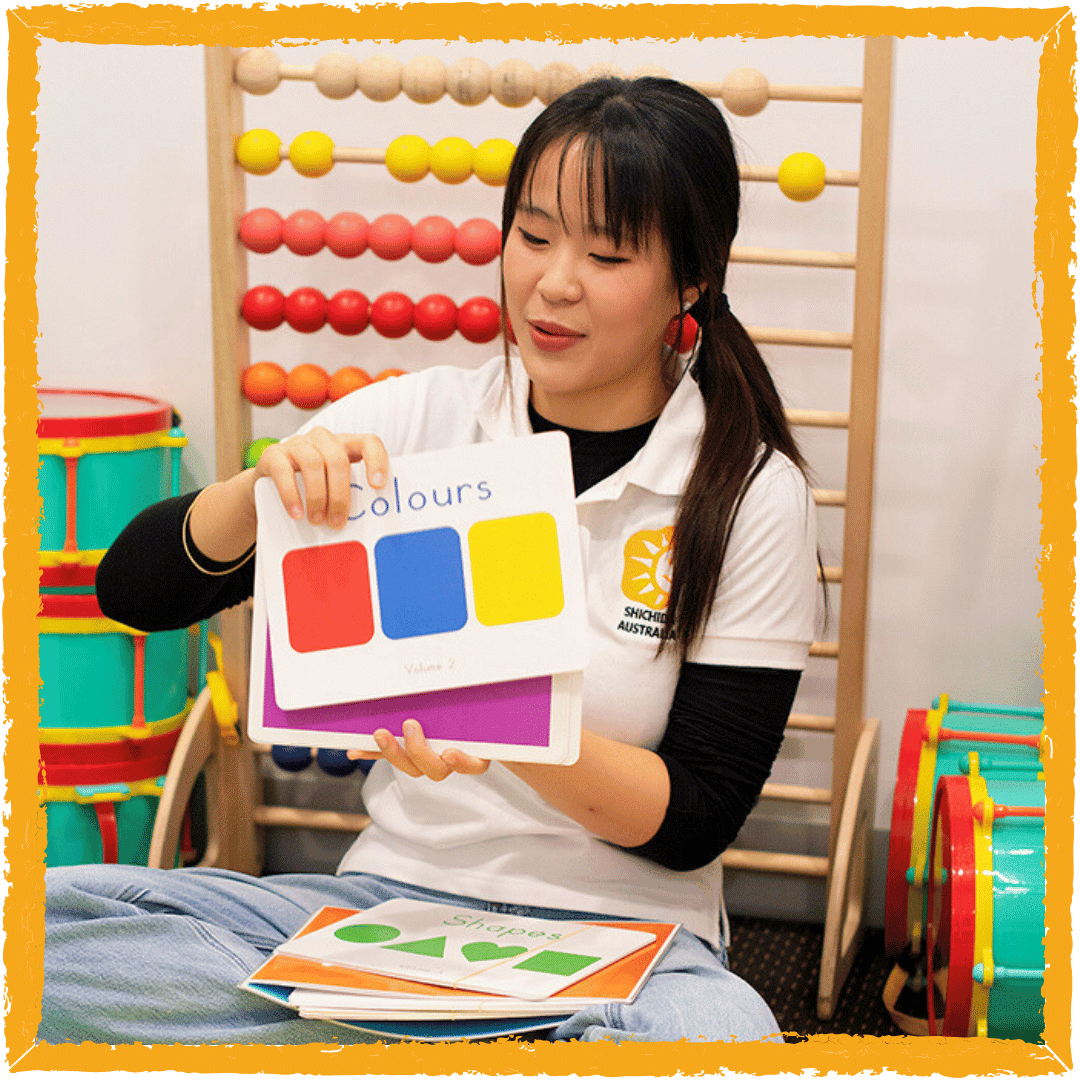
Photo from Pexels: Open-ended questions help kids explain their thinking and build deeper understanding.
Parents often ask how teachers build these skills at school. Below are clear, practical strategies that support teaching critical thinking in primary school and early childhood classrooms.
1. Encourage Exploration
Children thrive when they feel safe to explore. Teachers can create learning spaces filled with varied materials that encourage experimentation.
2. Use Open-Ended Questions
Questions that allow multiple answers spark deeper thinking, rather than just yes or no questions. Try:
- What do you think will happen next?
- How can we solve this problem?
- What other ideas could work?
3. Model Your Thinking
When teachers explain their thought process aloud, children learn that thinking is a step-by-step journey. It shows them how to analyse, question, and reflect.
4. Promote Collaboration
Group work teaches children to listen, negotiate, understand perspectives, and support others. Collaboration strengthens social skills and critical thinking at the same time.
5. Introduce Logic and Reasoning Games
Children build strong cognitive development through:
- Pattern blocks
- Logic puzzles
- Simple board games
- Riddles
- Sequence cards
These activities naturally support reasoning and problem-solving.
Integrating Critical Thinking into Everyday Classroom Activities
Critical thinking does not need to be a separate lesson. It can become part of your child’s daily routine through simple prompts and opportunities.
Teachers can weave thinking skills into:
- Morning discussions
- Art and craft time
- Science observations
- Conflict resolution
- Project planning
- Reading and storytelling
Helpful prompts include:
- What evidence supports your idea?
- How can we break this into smaller steps?
- What other possibilities can we consider?
- What did you notice and how do you know?
These everyday moments build powerful thinking habits over time.
How to Encourage Critical Thinking in Preschoolers at Home
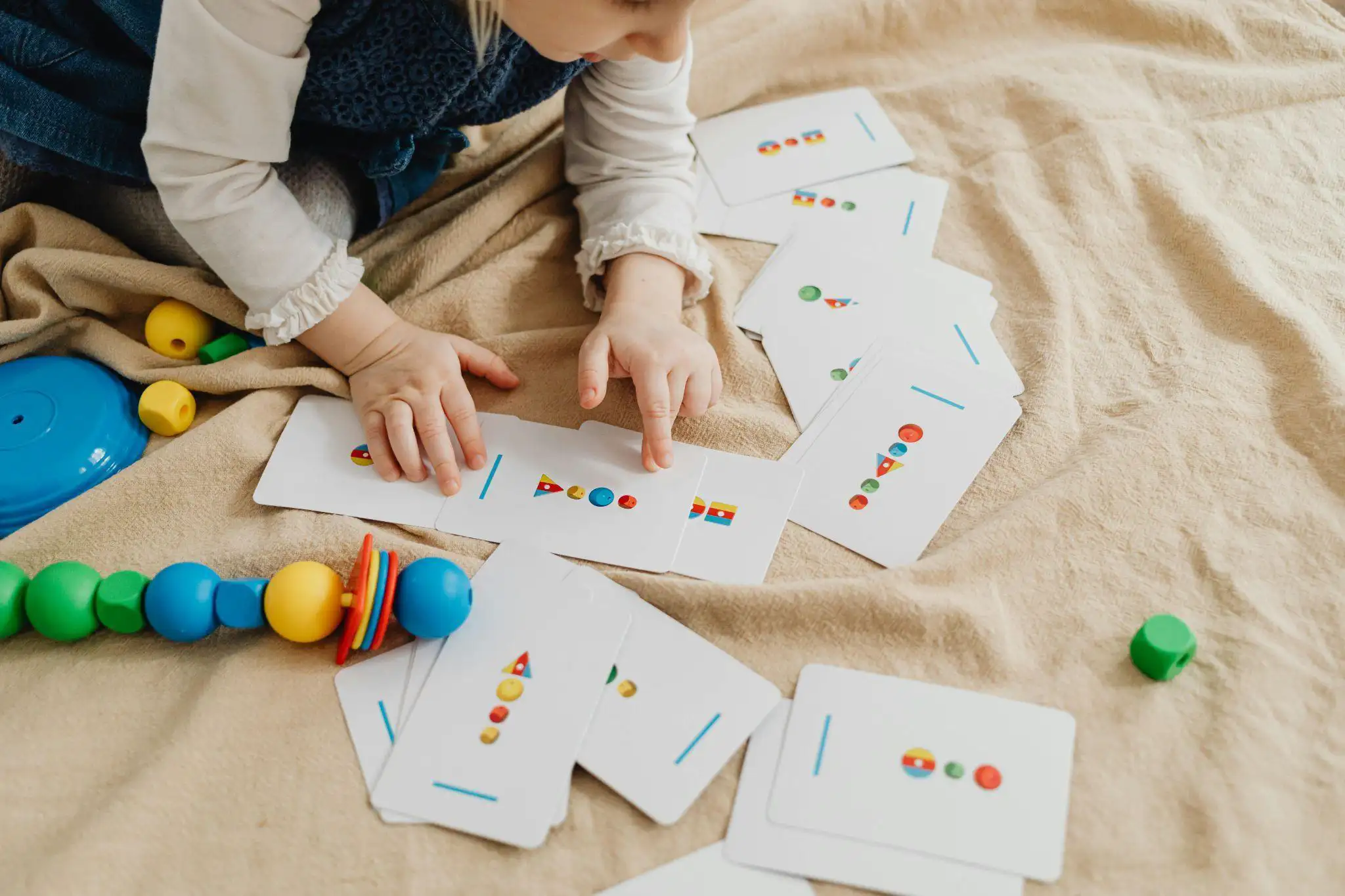
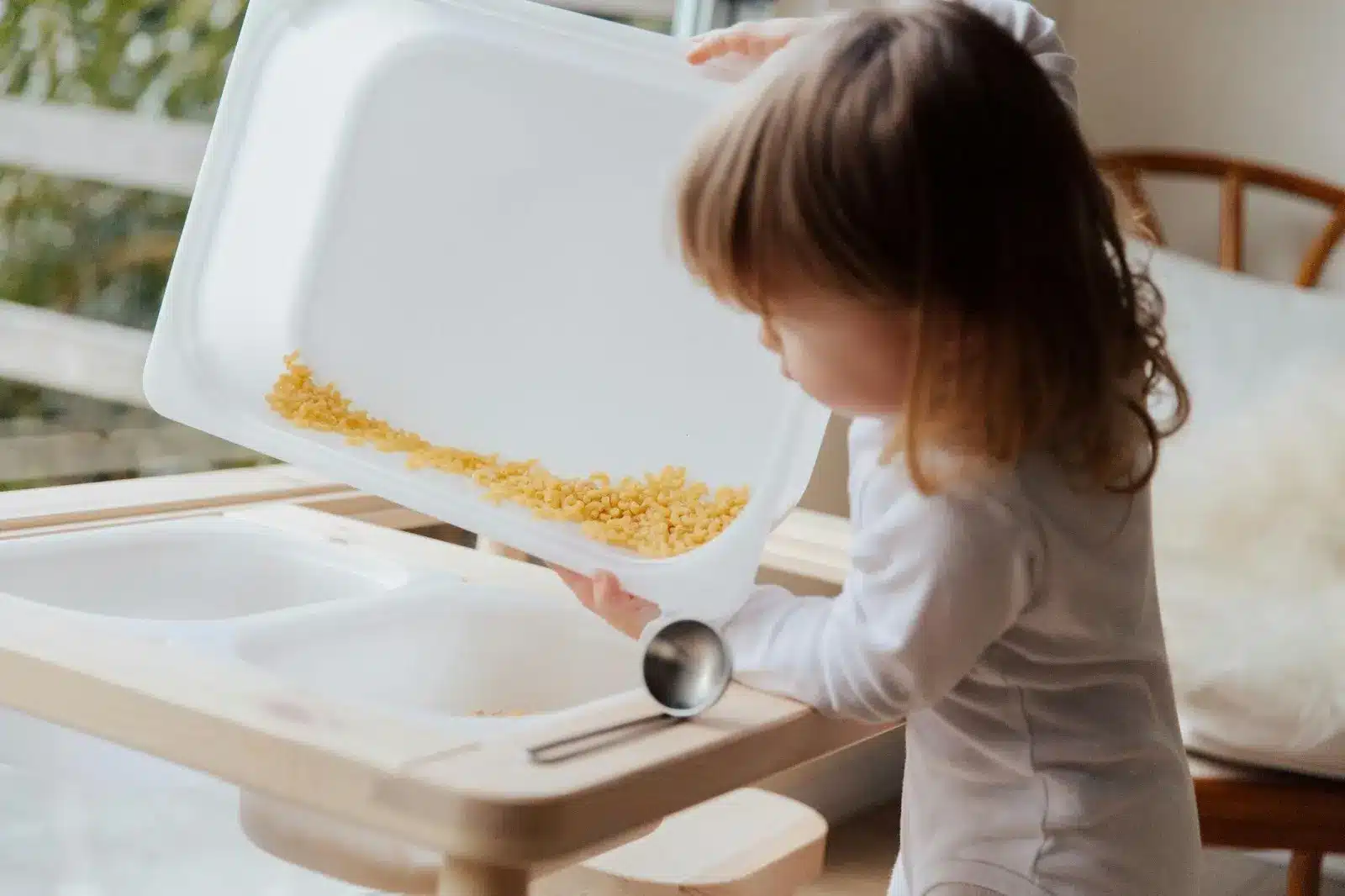
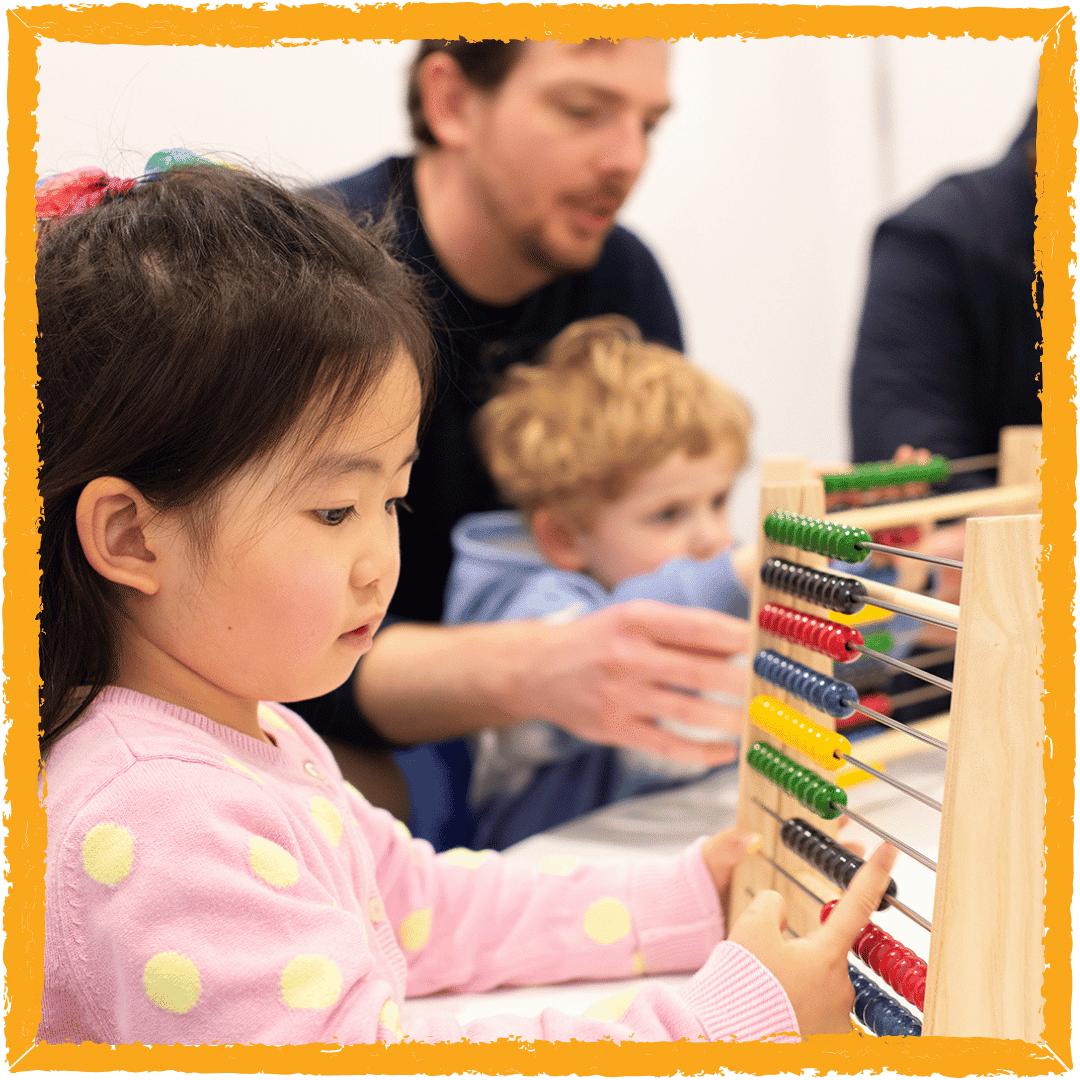
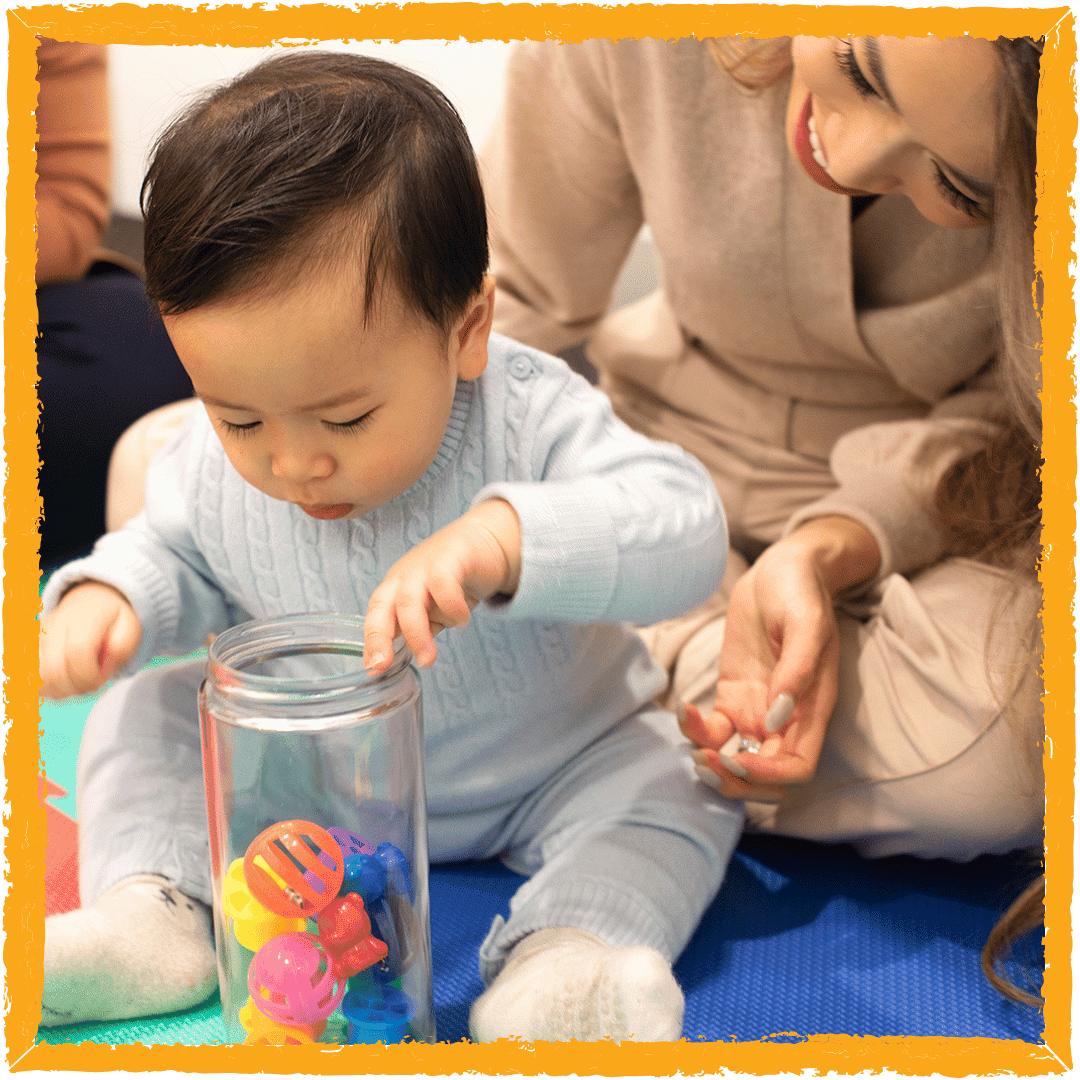
Photo from Pexels: Problem-solving games encourage logical thinking, creativity, and early decision-making skills.
If you want to support these skills at home, try the following ideas:
1. Let Your Child Make Choices
Offer simple options such as which clothes to wear, which activities to do, or which snacks are preferred.
2. Play Open-Ended Games
Provide toys or materials that can be used in many ways, such as building blocks or craft materials.
3. Encourage Curiosity
Have open communication, by having conversations like these:
- That is an interesting idea! Tell me more.
- I really like this. What made you think of that?
- That was funny! What do you think will happen next?
4. Allow Safe Failures
Let your child try, test, and repeat without fear of being wrong. Mistakes build resilience and deeper understanding. Encourage them to try again after failing and let them know that their efforts have value.
Conclusion
Critical thinking is one of the most important skills your child can develop during their early years. It builds confidence, independence, creativity, and emotional resilience. When teachers and parents work together to encourage these habits, children become more capable thinkers and problem solvers.
Your child’s ability to question, analyse, and explore will shape how they learn, grow, and make sense of the world. Explore teaching approaches and activities that support these skills so you can help your child build strong thinking foundations for life.
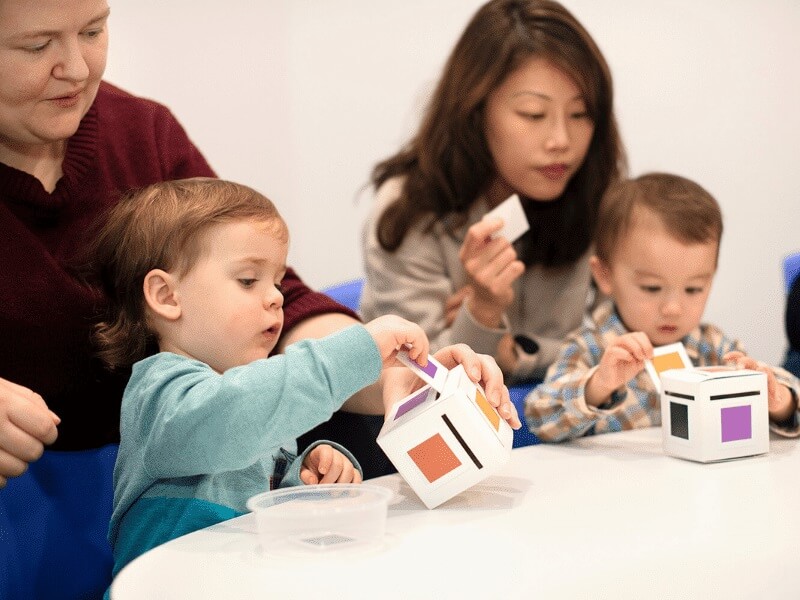
If you want to support your child’s thinking abilities even further, Shichida Australia offers a structured approach that nurtures critical thinking from the early years. Our enrichment program blends hands-on learning and brain-boosting activities designed to strengthen problem-solving and creativity.
Discover how the Shichida Method can help your child develop essential critical thinking skills for school and beyond! Experience the Shichida Method – Book a trial class!
FAQ: Critical Thinking in the Classroom
Critical thinking for kids means learning how to think clearly, ask questions, explore ideas, and make decisions. It helps children understand information rather than simply memorising it.
Teachers can use open-ended questions, collaborative activities, hands-on tasks, and problem-solving games to guide children through thinking processes.
Critical thinking builds confidence, improves academic progress, strengthens communication, and prepares children for real-world challenges.
Shichida Australia is a well-known example of classes for kids that encourage the development of critical thinking through engaging games and activities. These classes are suitable for ages 6 months to 5 years old.