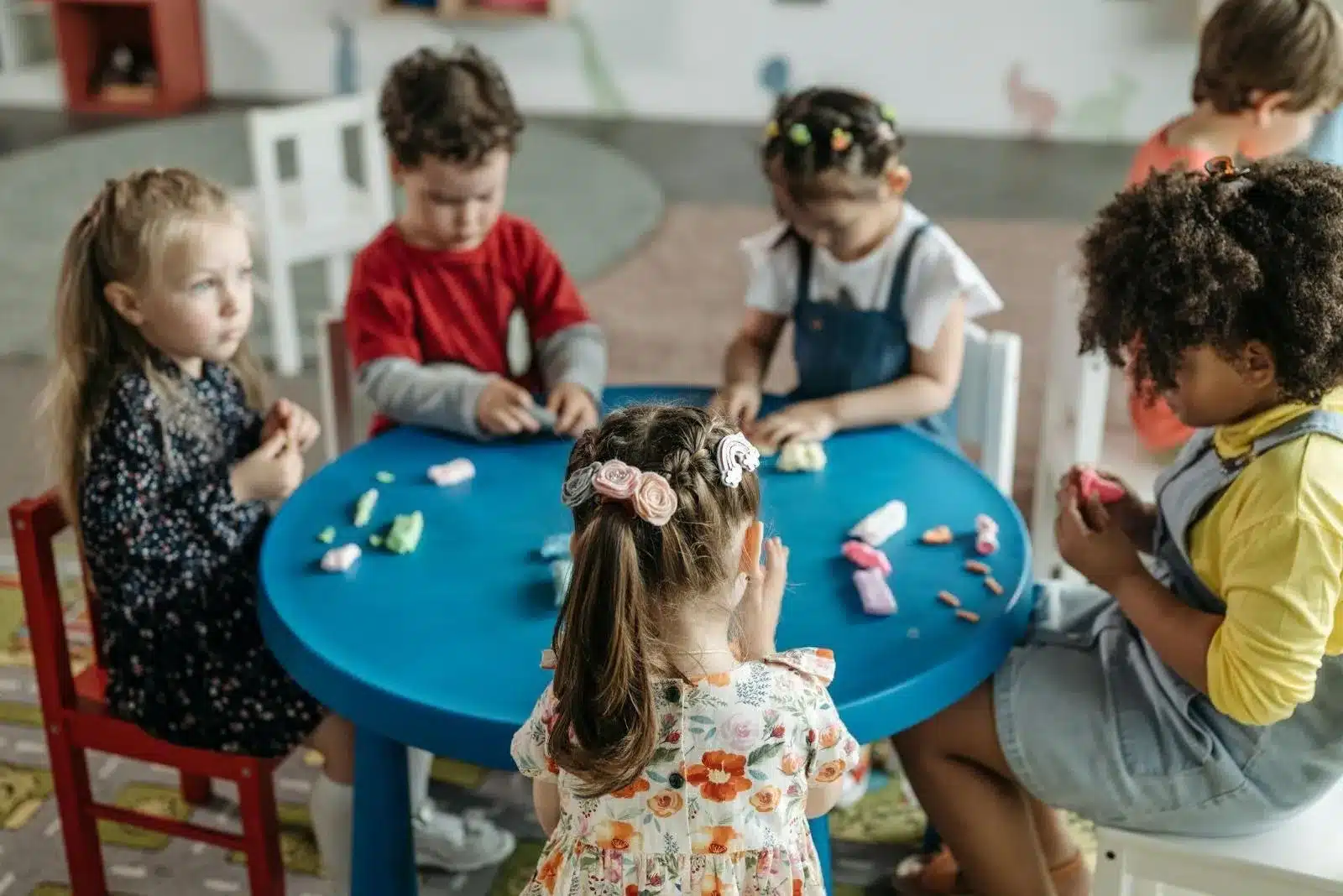
Photo from Pexels: Children shaping clay together in class, a perfect example of how types of play in early childhood nurture creativity, cooperation, and fine motor skills through hands-on learning.
Types of Play in Early Childhood: Stages, Benefits and Ideas
Key Points
- Play is essential for early learning and well-being.
- Stages of play evolve with age, from solitary to cooperative.
- Different play types nurture cognitive, physical, social, and emotional skills.
- Parents can encourage play both at home and outdoors.
- Play is not “just fun”, it’s a powerful form of education.
Why Play Matters in Early Childhood
Play is how your children learn about the world and themselves.
Play fuels your child’s brain development, strengthening neural pathways that support memory, problem-solving, and emotional regulation. It also nurtures curiosity, creativity, and confidence, essential traits for lifelong learning.
Research shows that early childhood play enhances both cognitive and emotional growth. When children explore freely, their brains release “feel-good” chemicals that make learning enjoyable and sustainable. Whether it’s sensory play, building blocks, or imaginative storytelling, every playful moment contributes to growth across multiple areas — intellectual, social, emotional, and physical.
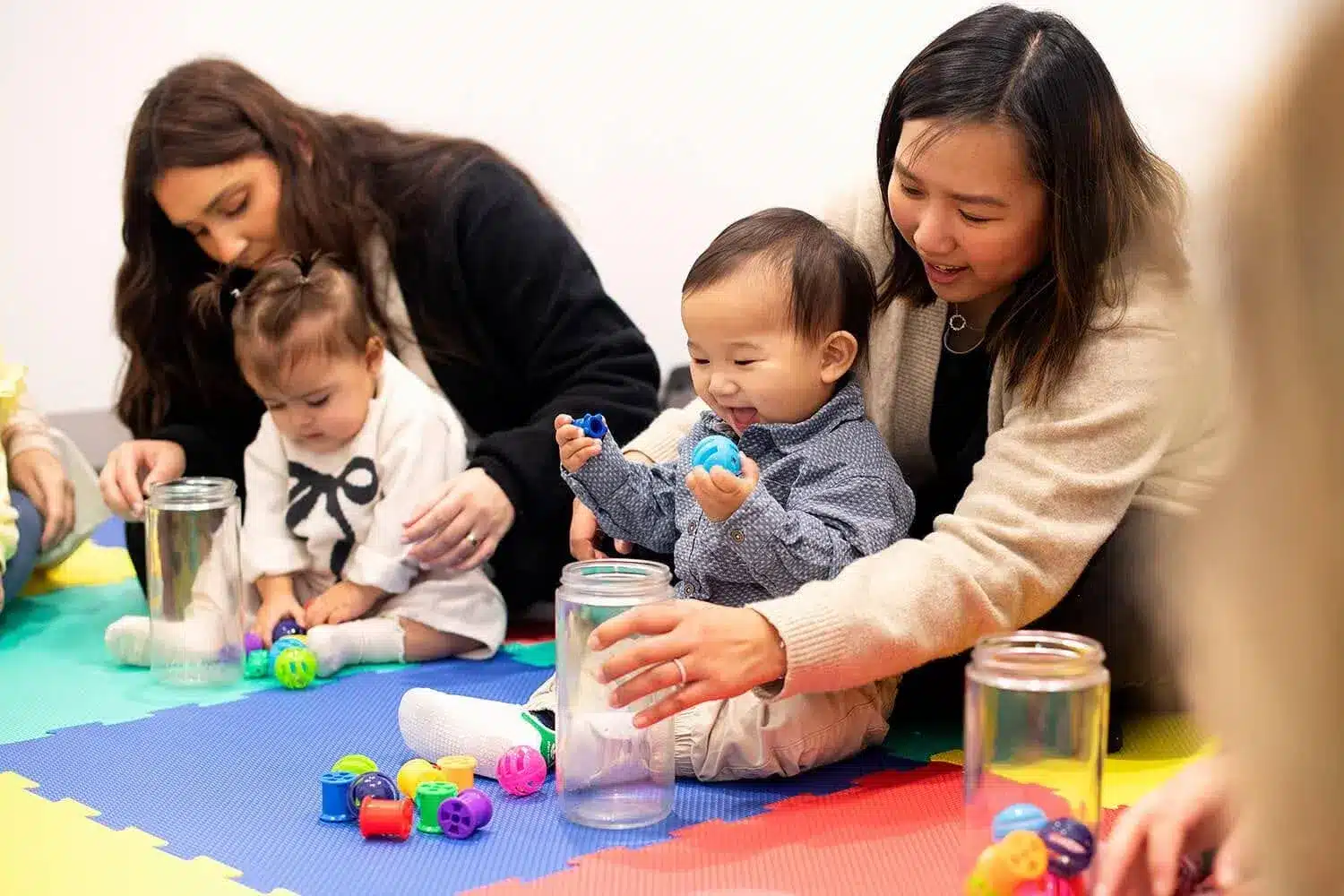
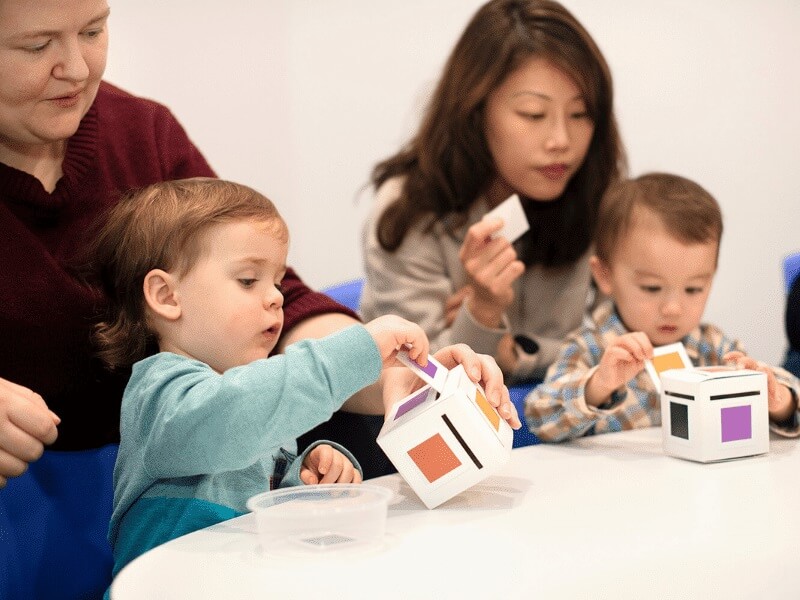
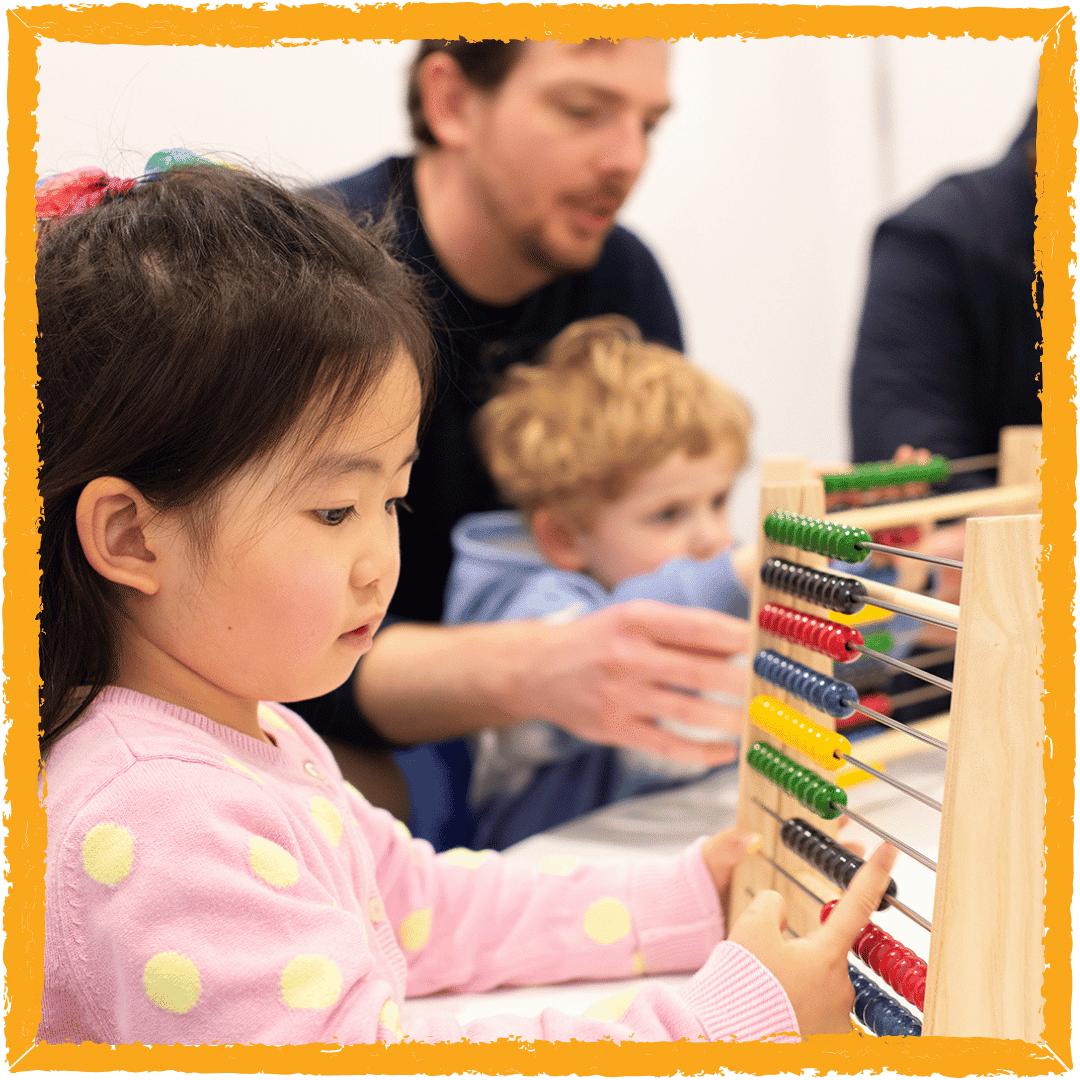
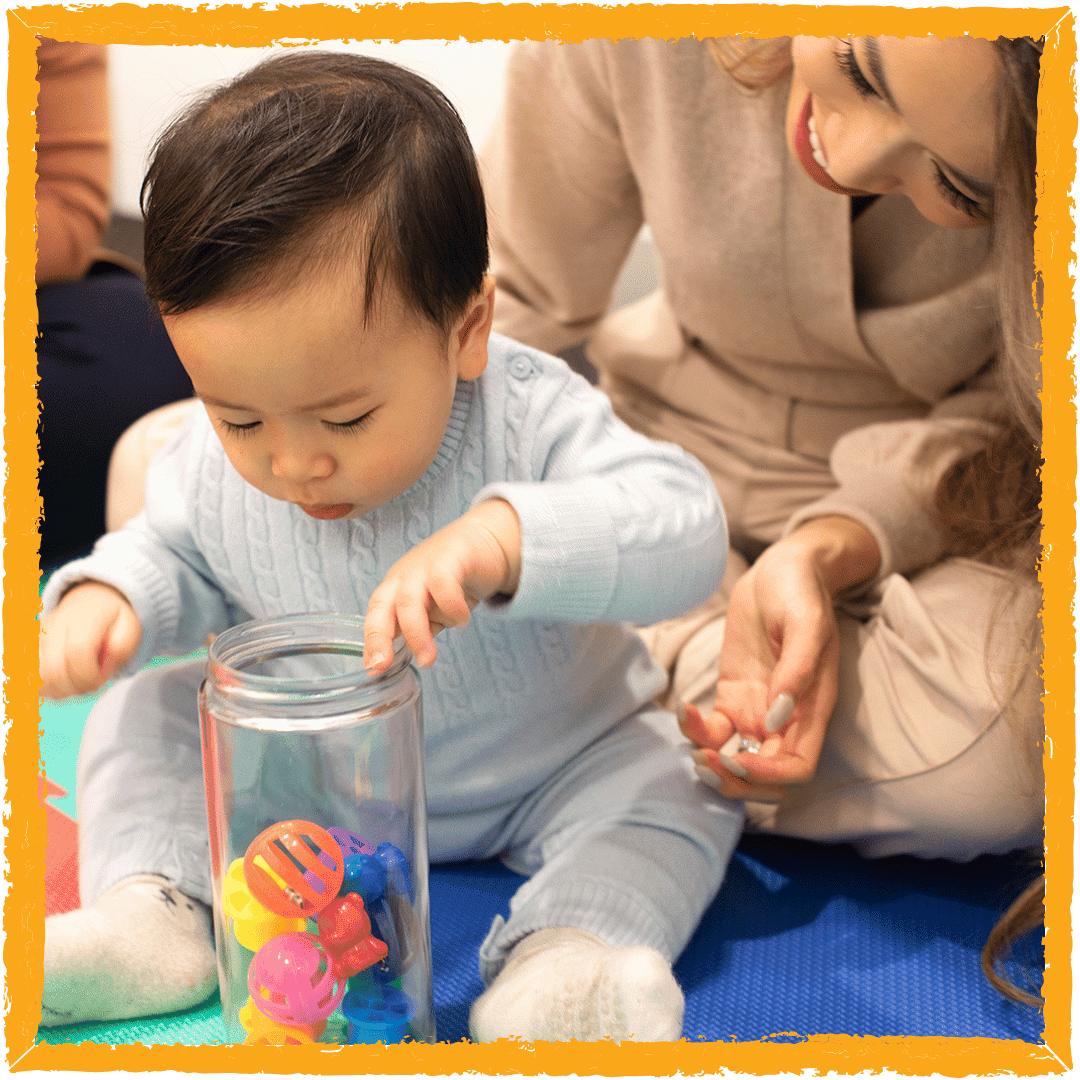
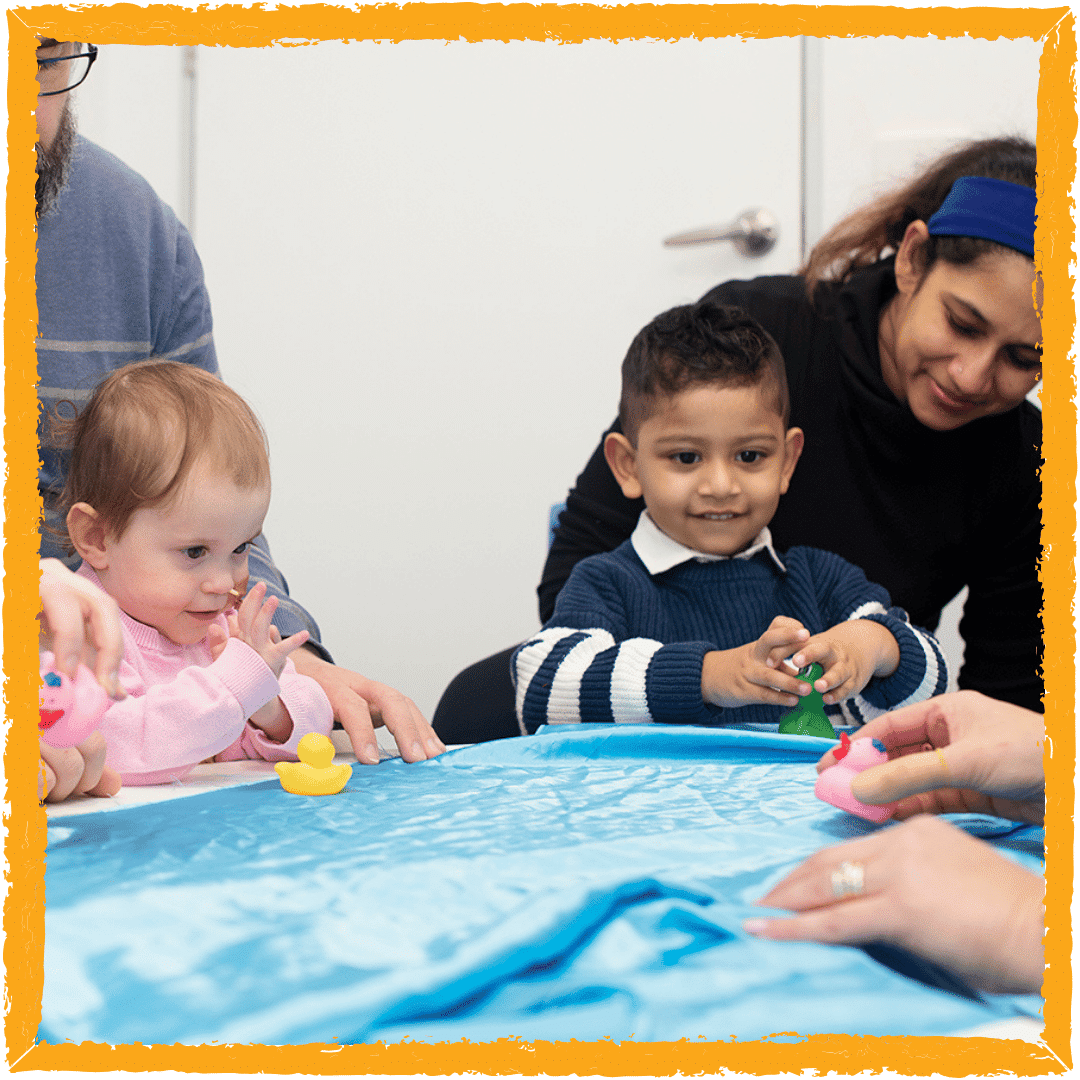
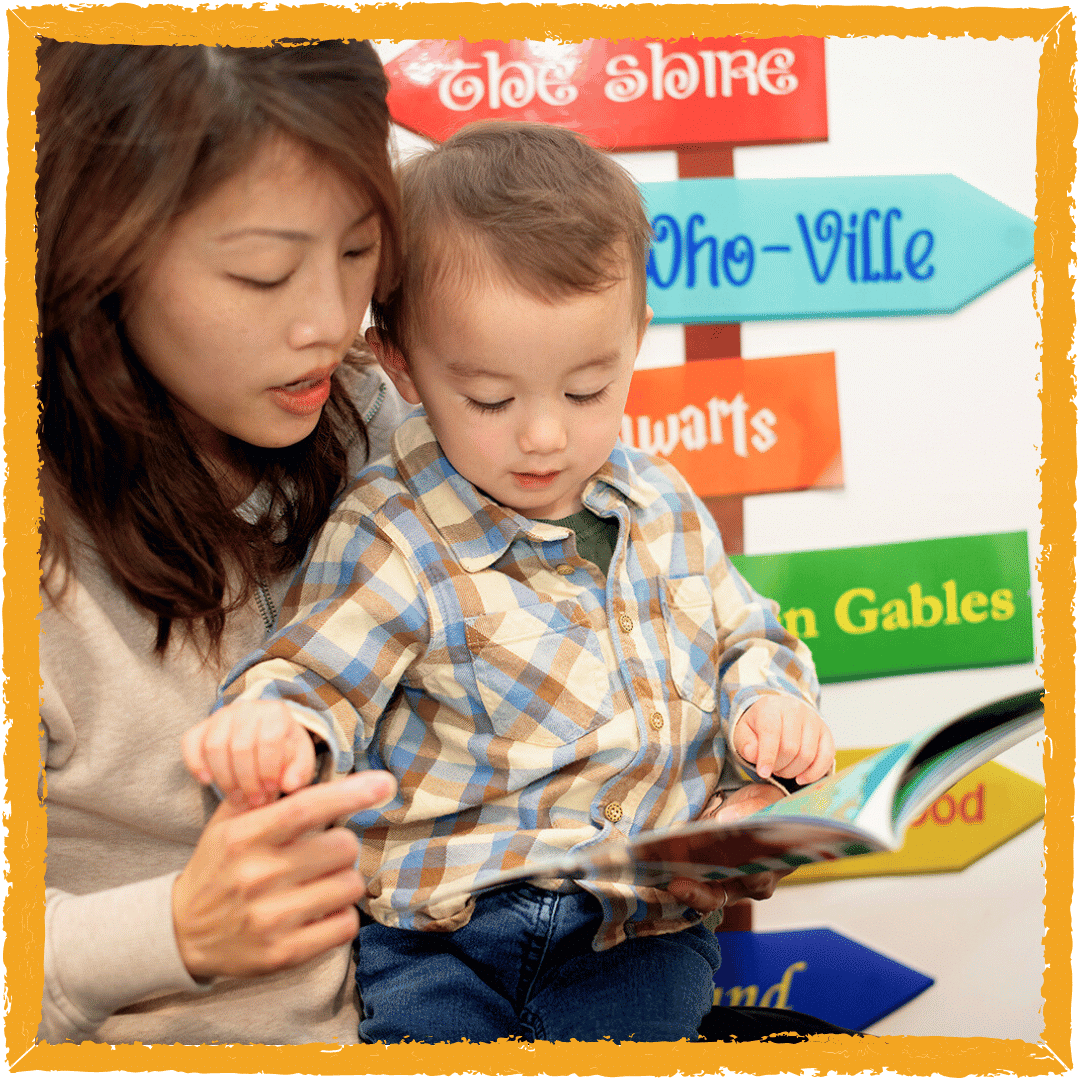
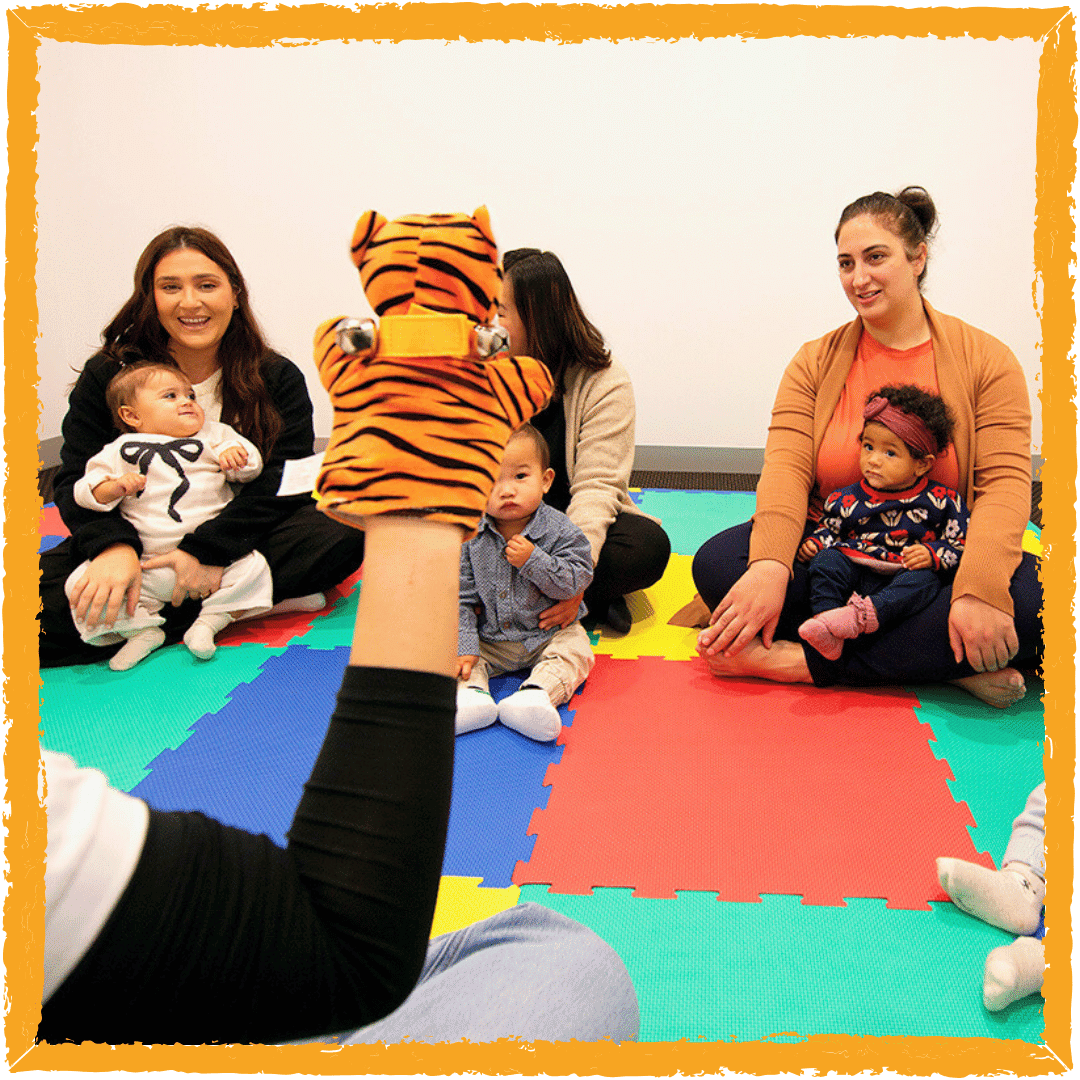
Photo by Shichida Australia: babies playing a grasp and release game, each alongside a parent. Shichida baby class is a great bonding experience, and guides parents on how to engage with their babies in ways that optiomise their early development.
Want to nurture your child’s learning through play?
Explore Shichida’s sensory and cognitive classes to see how play-based learning can accelerate development.
The Stages of Play Development
In the 1930s, researcher Mildred Parten identified six stages of play development that reflect how children interact with others as they grow. These stages are not rigid steps; children often move between them depending on their mood, environment, and social confidence. Understanding these helps parents recognise how play evolves naturally with age.
Unoccupied Play
In this earliest stage, your baby might wave their arms, coo, or watch lights move around the room. It may look random, but unoccupied play is how infants start exploring their senses.
Solitary Play
When your child plays alone with stacking rings, soft blocks, or puzzles, they’re practising independence. Solitary play strengthens concentration and confidence.
Onlooker Play
You might notice your child quietly watching others at play. This is onlooker play, and it’s perfectly normal. They’re learning by observing, studying social rules, turn-taking, and how games work.
Parallel Play
At around two or three years old, your child may sit beside another child, each playing separately but using similar toys. This is parallel play, an early step towards social learning.
Associative Play
Here, your child begins chatting, sharing toys, and copying others’ actions. Associative play helps build communication and empathy, even without shared goals.
Cooperative Play
When children work together to build a fort or act out a story, they’ve reached the cooperative play stage. This type of play strengthens teamwork, negotiation, and problem-solving, key classroom skills.
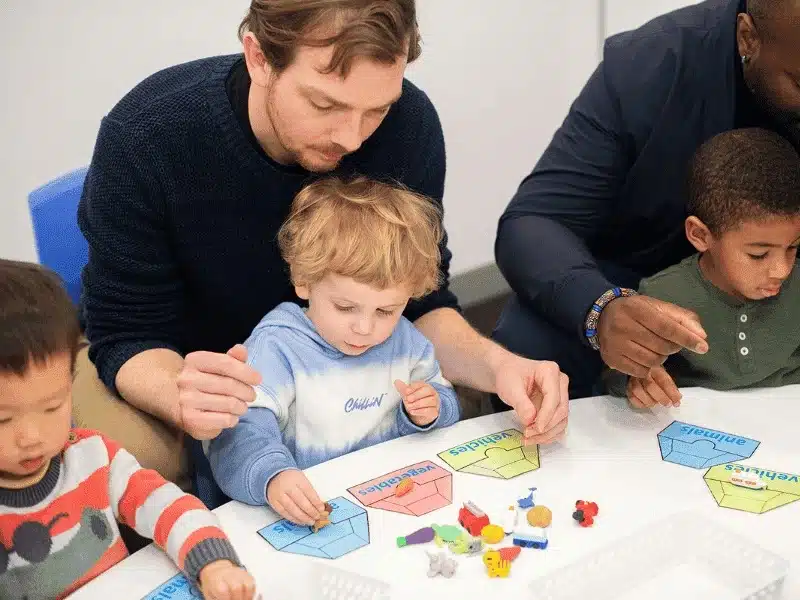
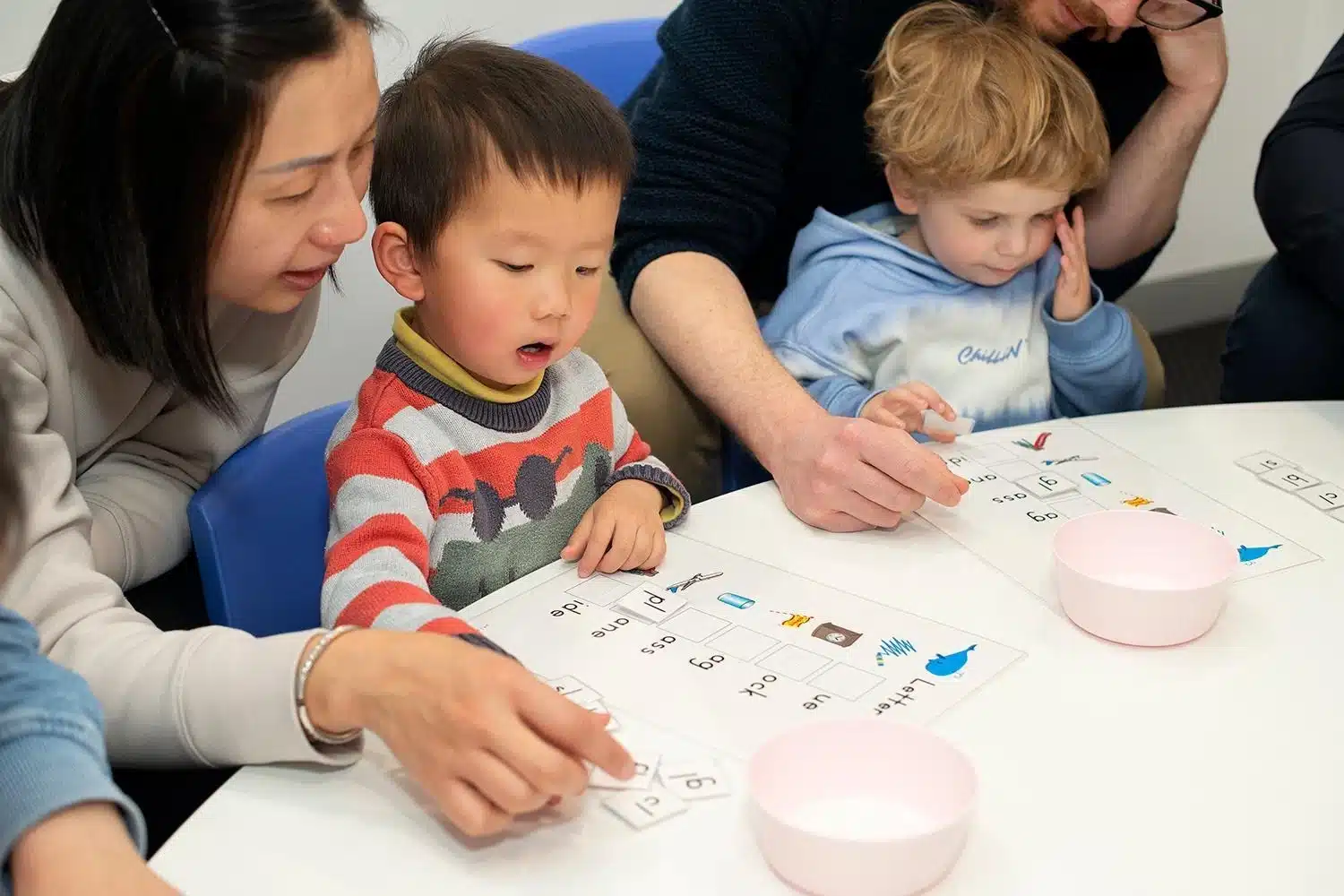
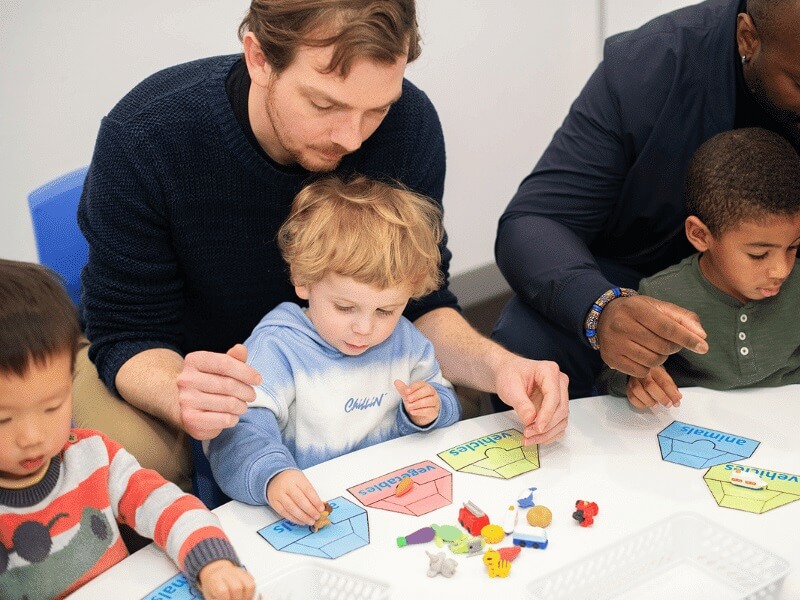
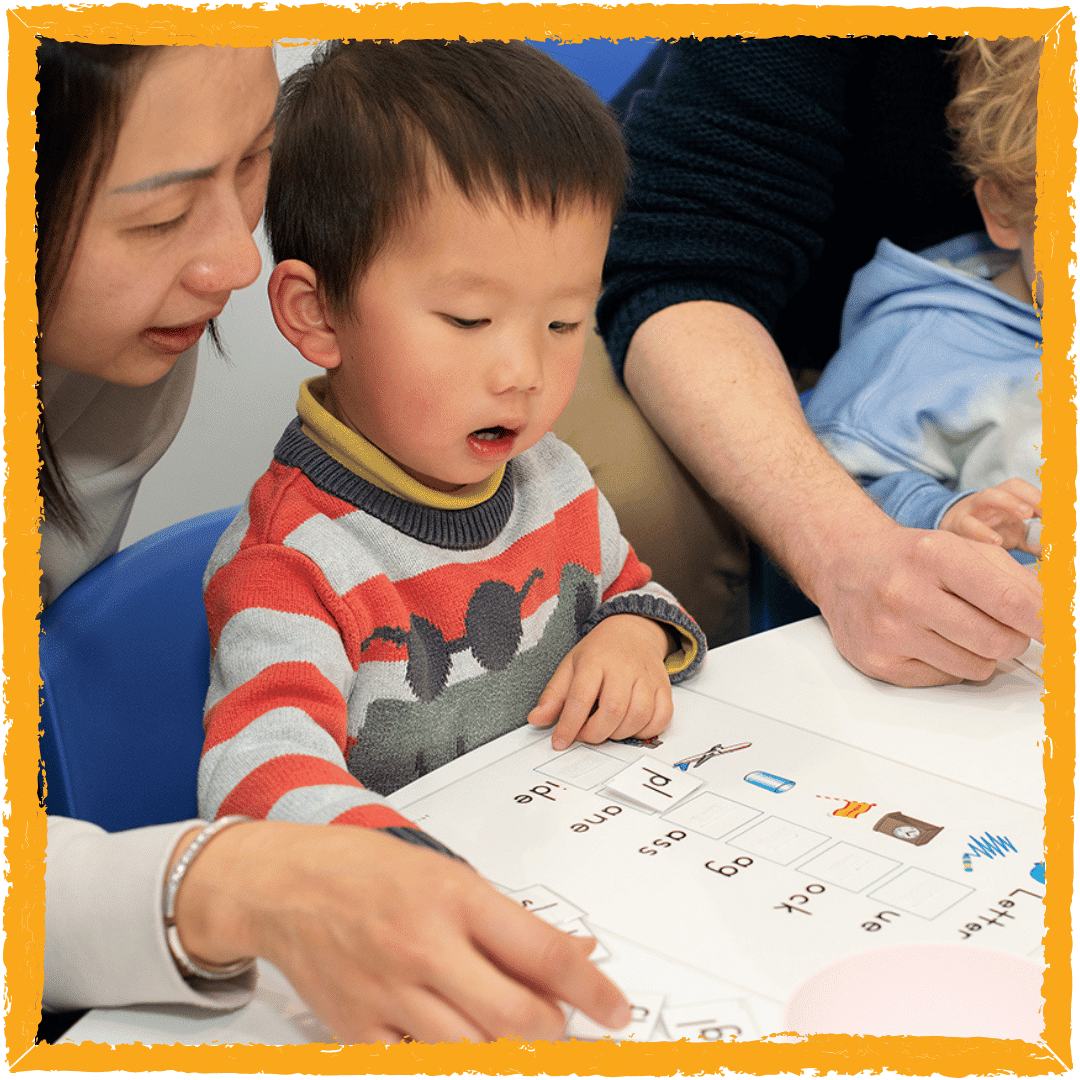
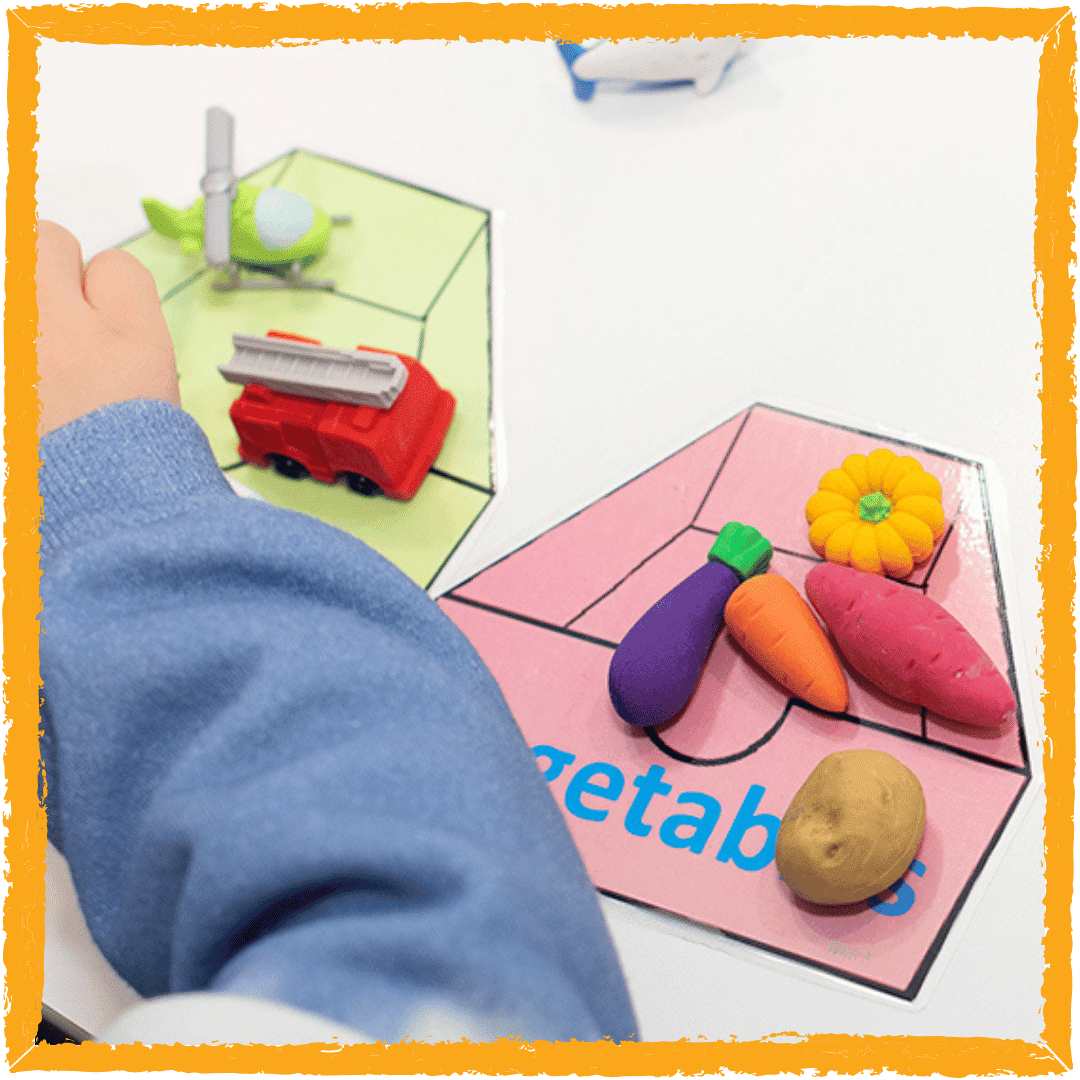
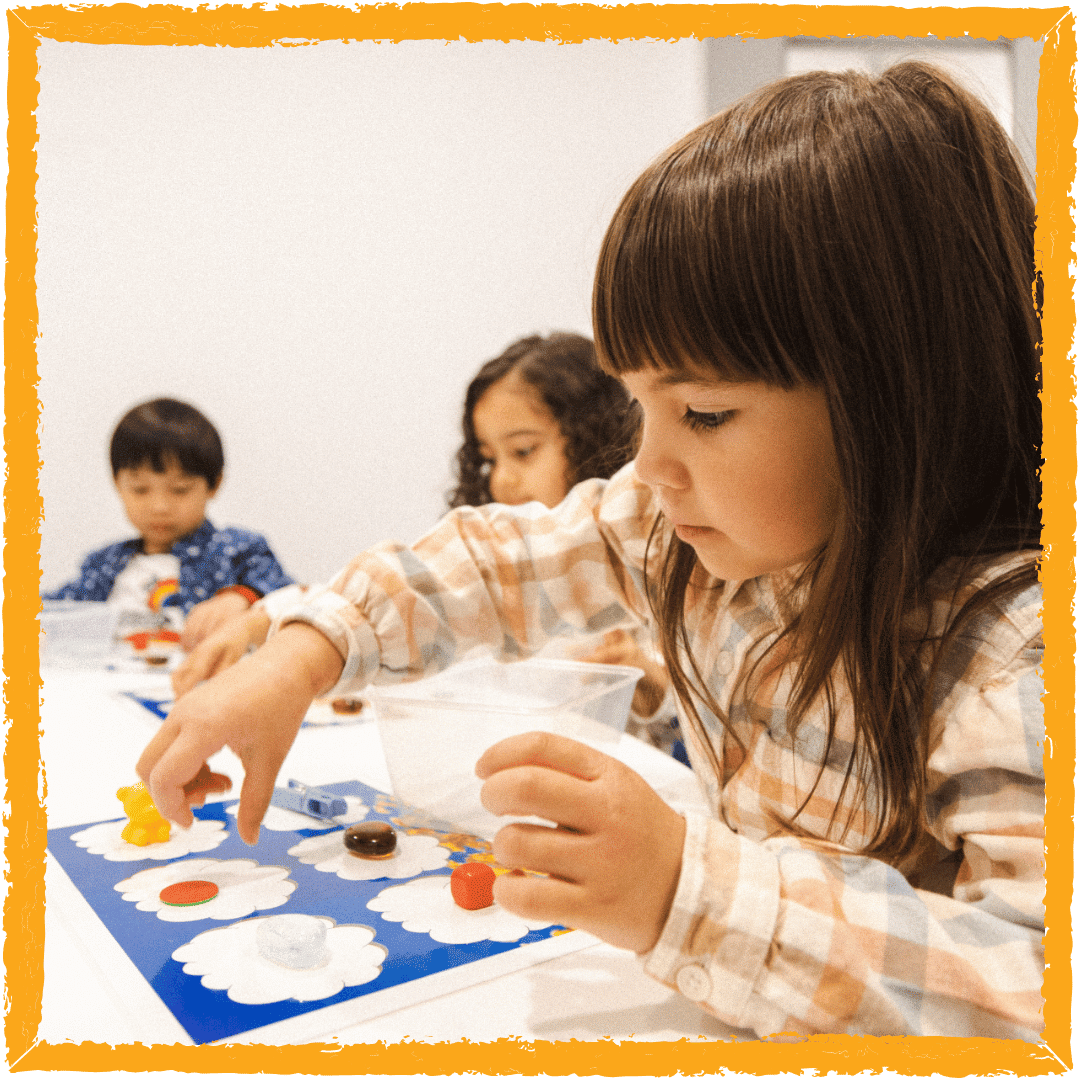
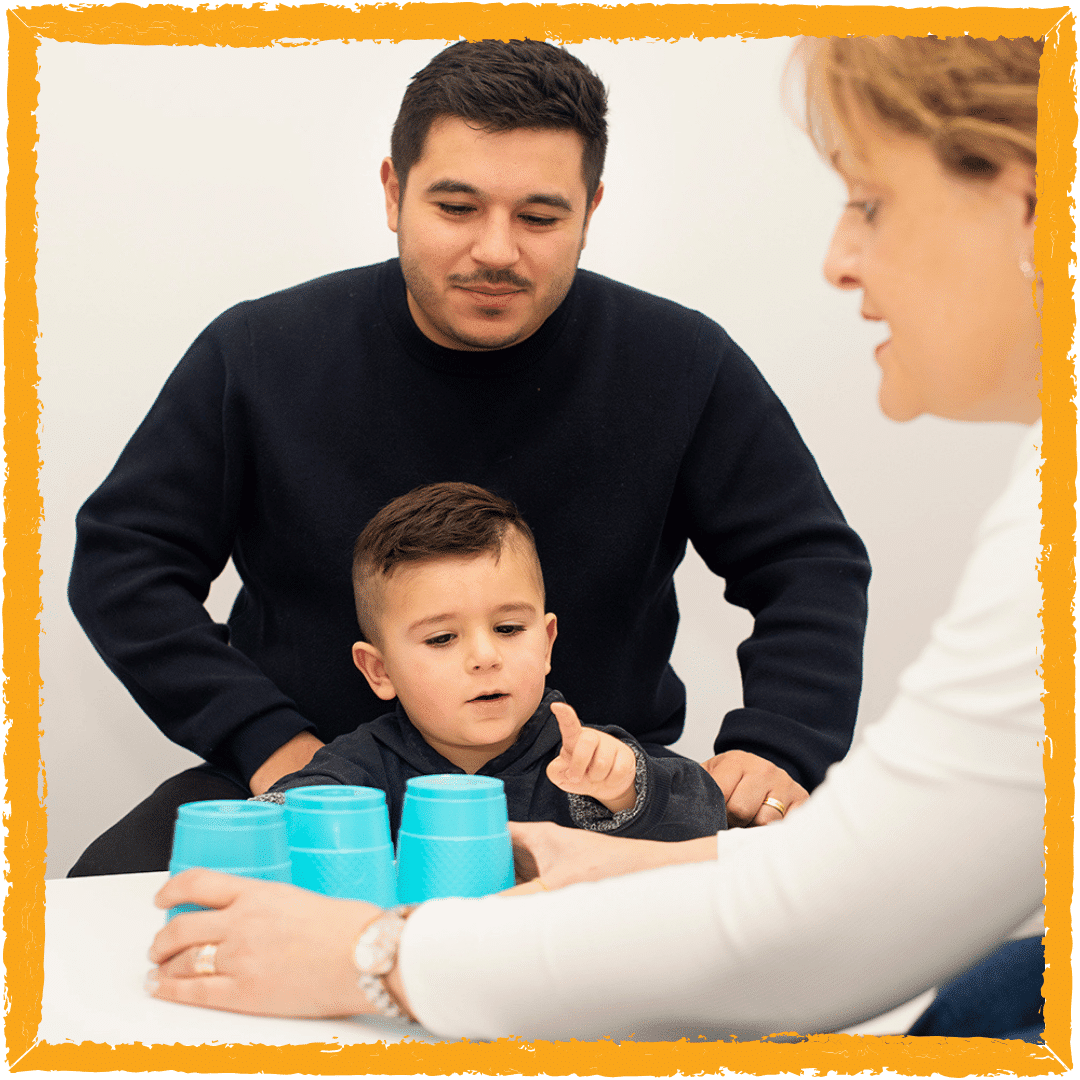
Photo by Shichida Australia: Young children playing a category sorting game, each alongside a parent. This type of activity helps children build logic and critical thinking skills while strengthening parent–child connection through shared learning.
Looking for ways to support your child’s play stage?
Try incorporating toddler learning games designed by Shichida educators to promote social and cognitive growth.
Types of Play and Their Benefits
Every type of play serves a unique developmental purpose, helping children grow in multiple ways:
Physical Play (Active Play)
Physical play supports the development of gross motor skills, coordination, balance, and overall physical fitness. It also plays a key role in helping children regulate energy, manage stress, and build confidence in movement.
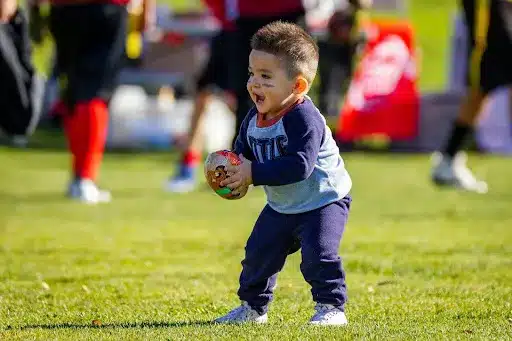
Photo from Pexels: A child playing outside shows how types of play in early childhood support healthy growth – building confidence and coordination through movement.
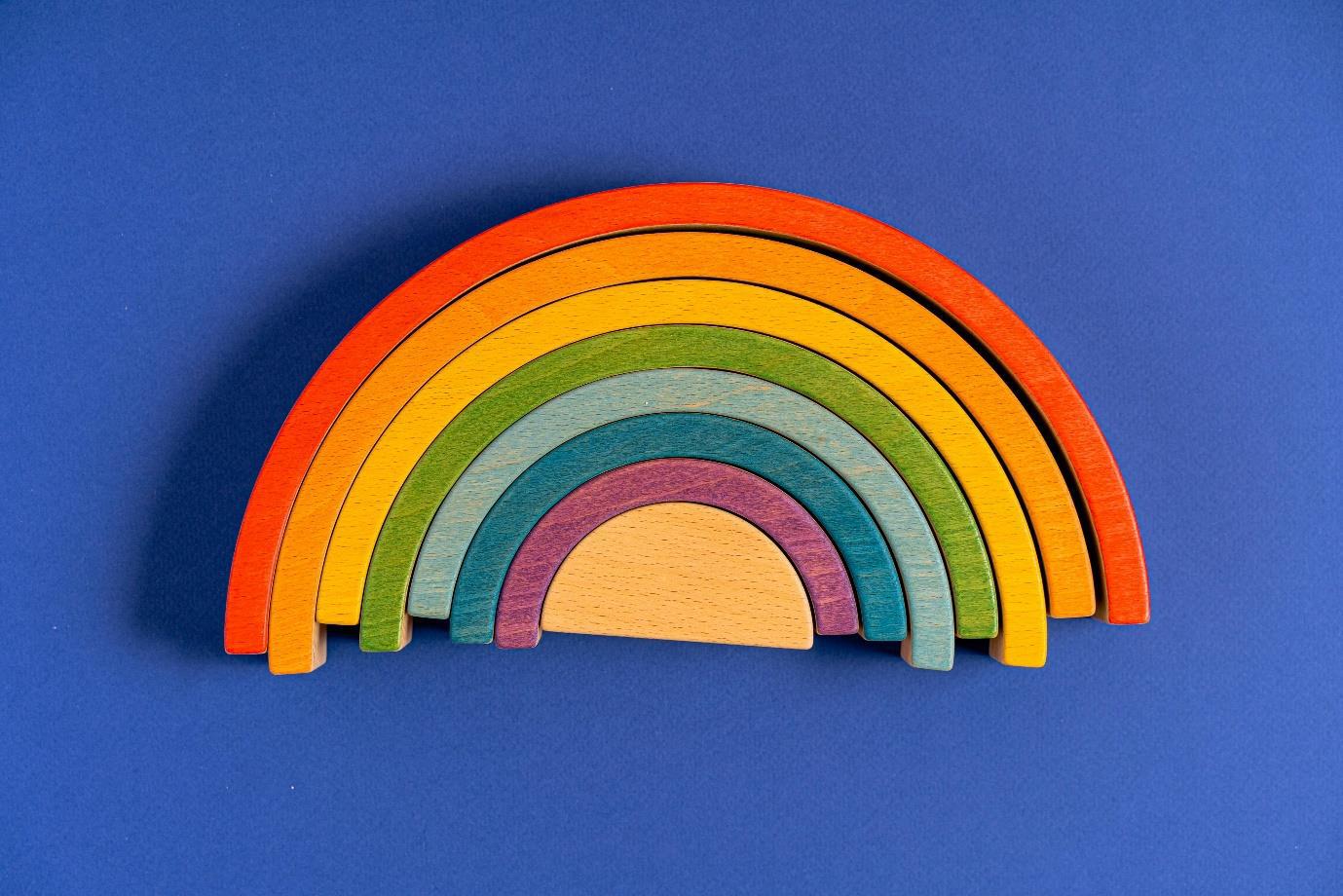
Constructive Play
When children build towers from blocks or create imaginative structures from everyday materials, they’re developing planning, problem-solving, and creative thinking skills. This type of play strengthens spatial awareness, hand–eye coordination, and early STEM understanding.
Imaginative and Pretend Play
Imaginative play allows children to experiment with roles and scenarios, strengthening language, social understanding, and emotional regulation. Through pretending to be different characters, they practise perspective-taking, problem-solving, and flexible thinking – skills essential for communication and cognitive growth.
Social Play
Social play helps children develop communication, cooperation, and conflict-resolution skills, while also strengthening empathy, emotional regulation, and understanding of social rules.
Sensory Play
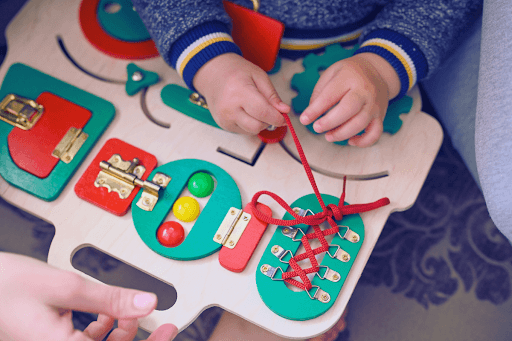
Sensory play engages a child’s senses – touch, sight, sound, smell, and movement – to support brain development. Activities such as squishing playdough, pouring water, or feeling different textures enhance neural connections, fine motor control, and concentration. It also plays a key role in sensory processing and self-regulation.
Symbolic Play
Symbolic play occurs when children use objects, actions, or words to represent something else, such as pretending a block is a phone. This form of play strengthens abstract thinking, language development, and cognitive flexibility, laying the foundation for early literacy and creative problem-solving.
Games with Rules
Games with rules, such as Simon Says or Snakes and Ladders, help children understand structure, follow instructions, and manage emotions within a social context. They support the development of patience, fairness, memory, and self-regulation – skills essential for school readiness and positive peer relationships.
The Role of Play in Learning and Development
At Shichida, play is viewed as a powerful educational tool. When children play, they are not just passing time, they are actively wiring their brains for learning. Activities like memory games, singing, and matching games promote cognitive flexibility, memory, and emotional regulation. These skills directly support school readiness, literacy, and numeracy.
Play development also encourages curiosity and intrinsic motivation, helping children learn because they want to, not because they have to. This love of learning aligns with the Shichida Method, where play-based experiences nurture both the left and right brain, preparing children for academic and social success.
Encouraging Play at Home and in Classrooms
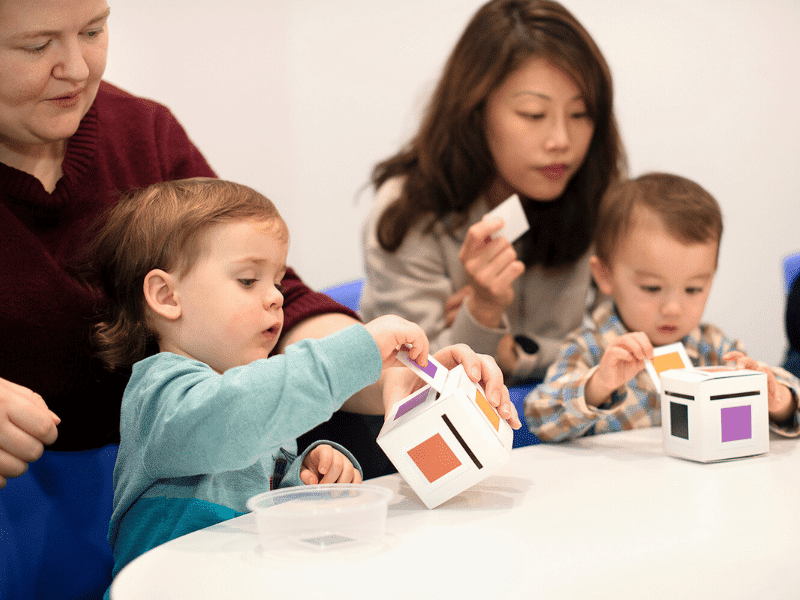
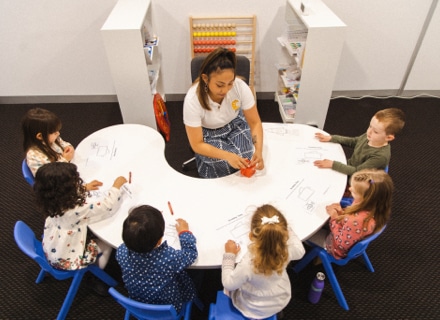
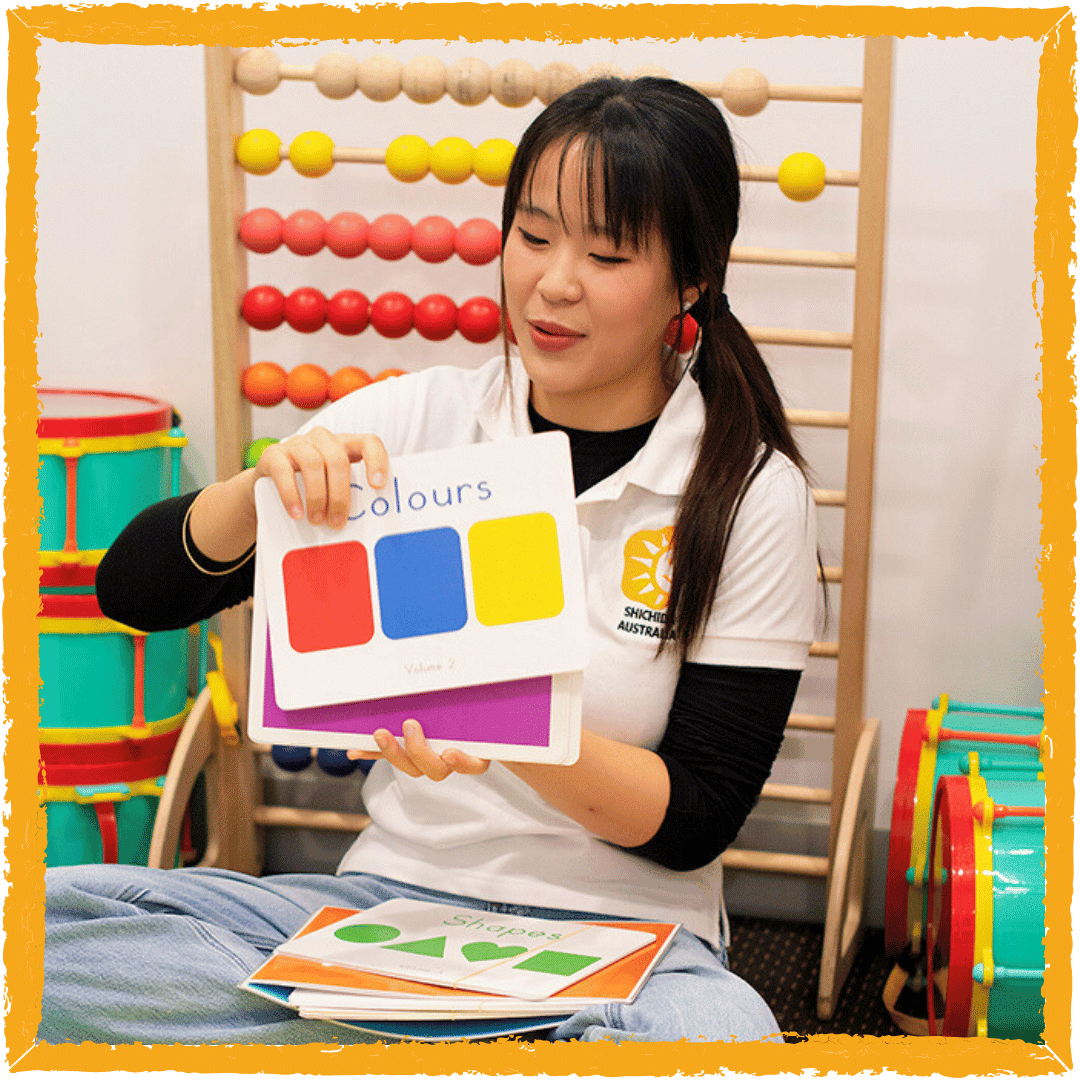
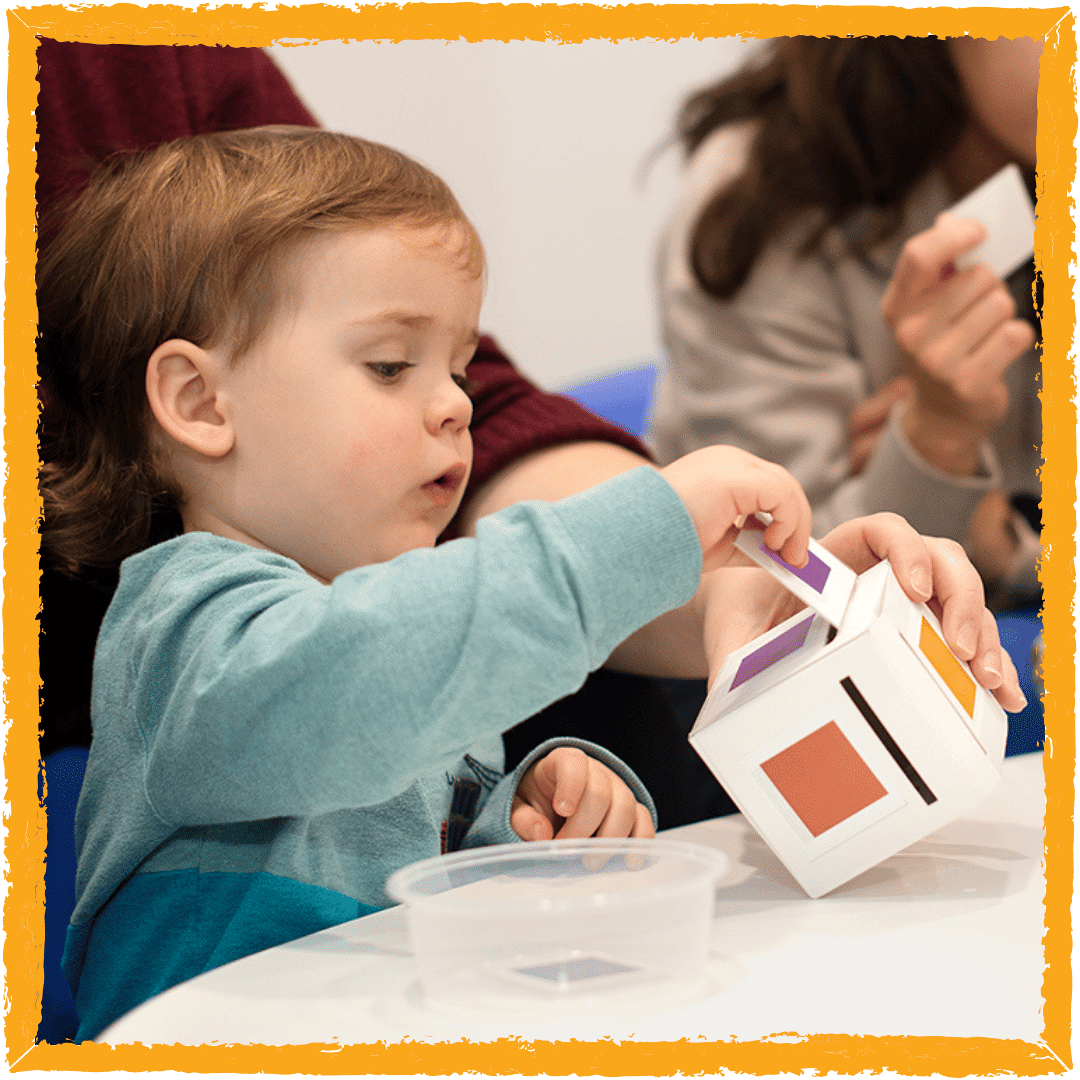
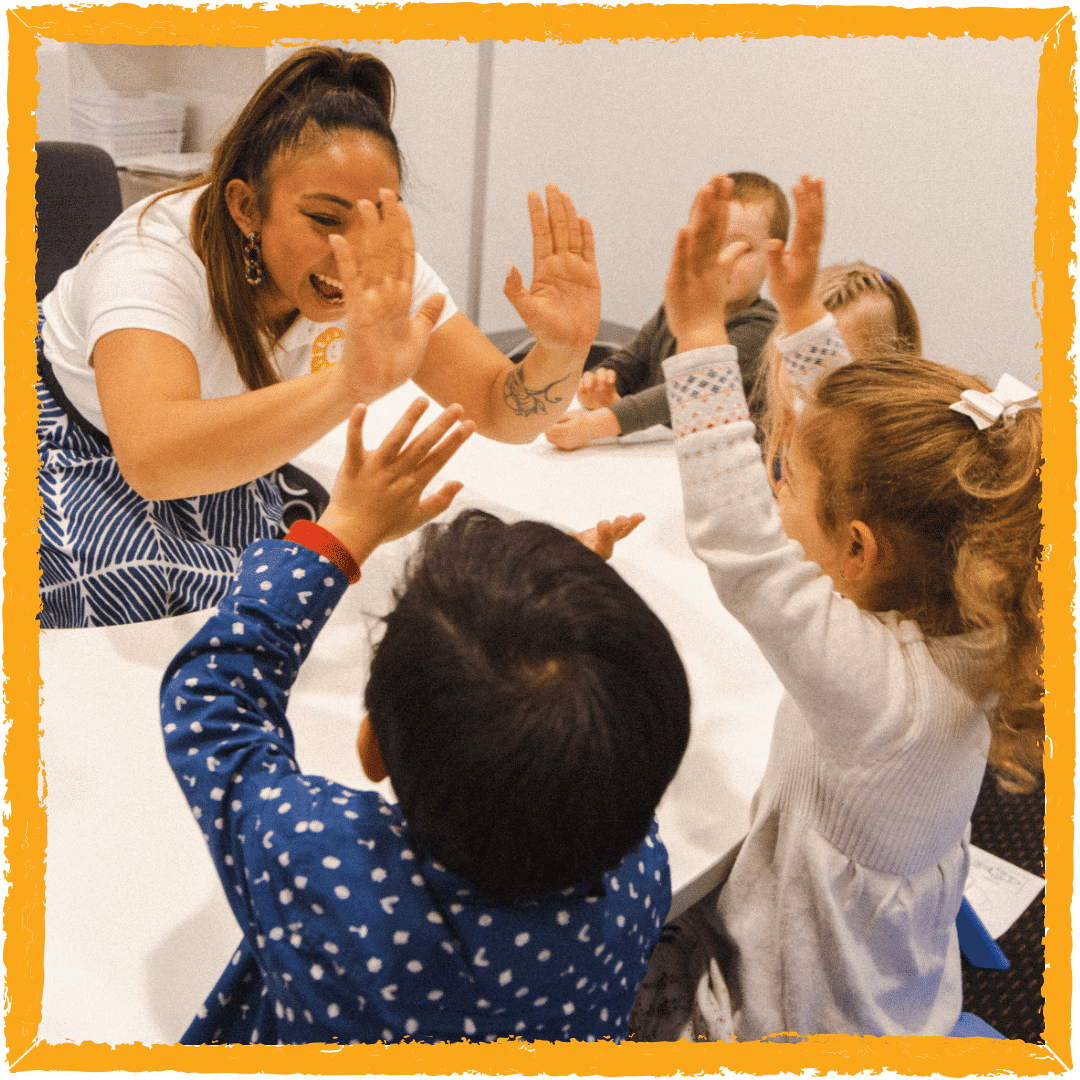
Photo from Shichida Australia: Children learning inside a fun Shichida class – different types of play in early childhood nurture focus, creativity, and social skills, creating a strong foundation for lifelong learning.
Indoor Play Ideas
Transform everyday items into learning tools. Create a sensory bin with rice or pasta, set up a pretend shop, or try craft-based play that encourages fine motor skills. Storytelling and puppet shows are wonderful for imaginative play and communication.
At Shichida, we have compiled a few ideas for you to try at home! Here are fun and educational play activity ideas using:
Outdoor Play Ideas
Encourage outdoor activities such as running, climbing, balancing, or nature scavenger hunts to support gross motor development, coordination, and physical confidence. Outdoor environments also promote resilience, curiosity, and problem-solving as children navigate changing conditions. Group games like tag or ball play further strengthen cooperation, communication, and social awareness.
Quick Guide: Play Ideas by Age
- Infants (0–1 year): Tummy time on a blanket outdoors, gentle stroller walks, or observing leaves and clouds to stimulate sensory awareness.
- Toddlers (1–3 years): Water play with buckets, sand play, chasing bubbles, exploring playgrounds, or collecting leaves and stones for sorting.
- Preschoolers (3–5 years): Simple obstacle courses, tricycle or scooter rides, gardening, nature treasure hunts, or outdoor pretend play, like setting up a “shop” or “camp.”
Final Thoughts on Play in Early Childhood
Every child’s play journey is unique. Some may spend more time in solitary play, while others thrive in cooperative play early on. What matters most is offering diverse opportunities for exploration and connection.
Play isn’t just a fun way to pass time, it’s how children learn to think, feel, and grow. As parents, supporting play means giving your child the gift of curiosity, creativity, and confidence.
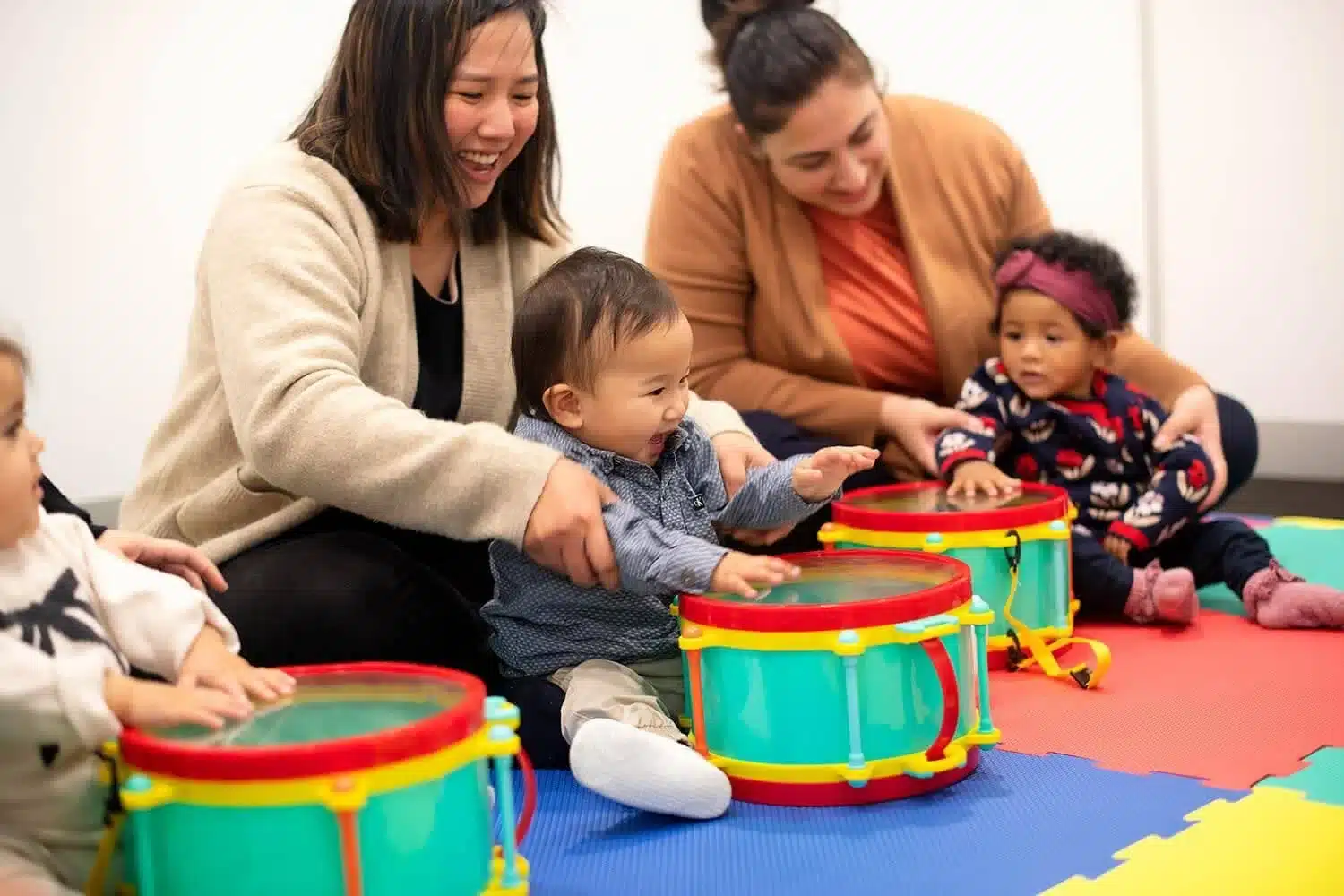
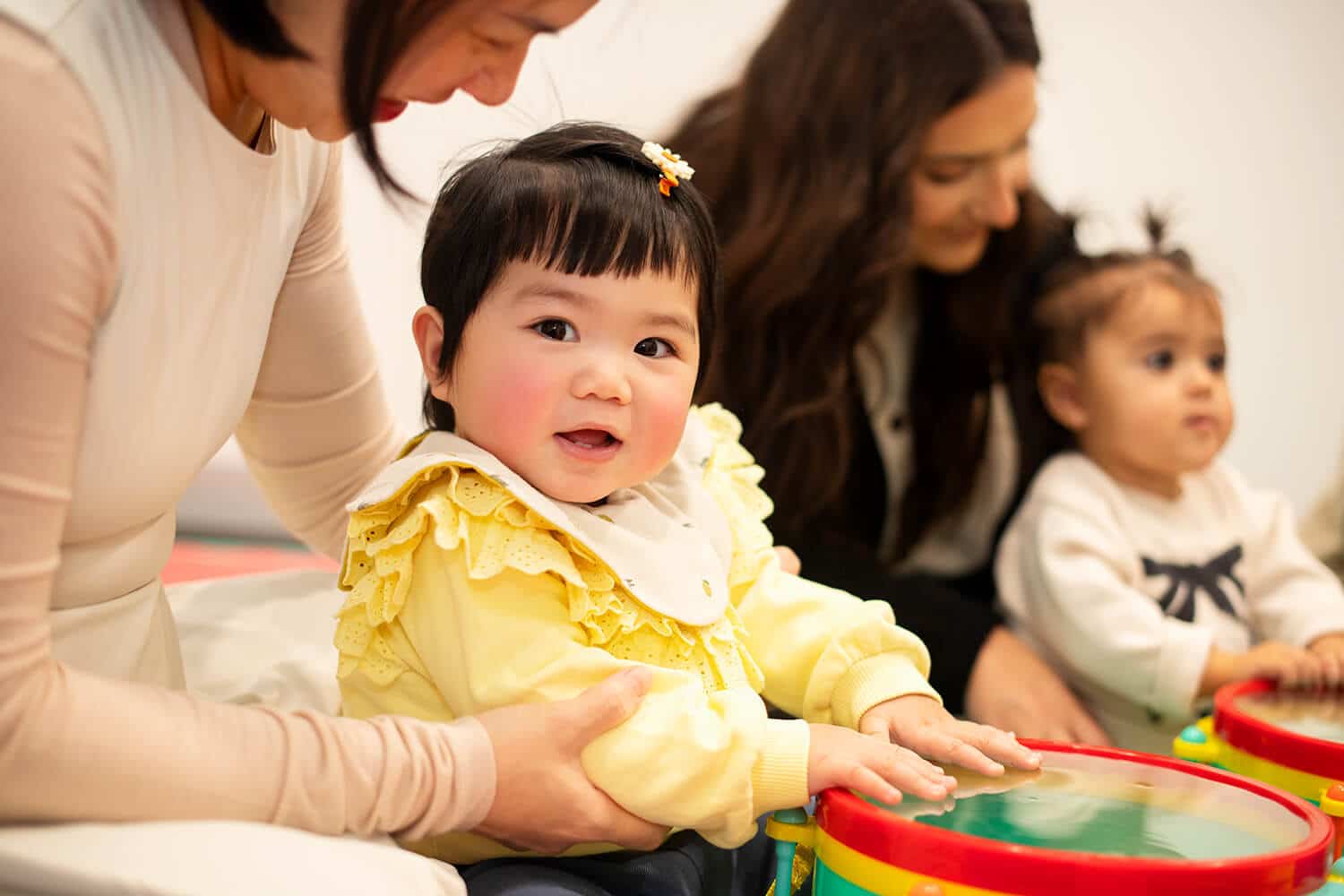
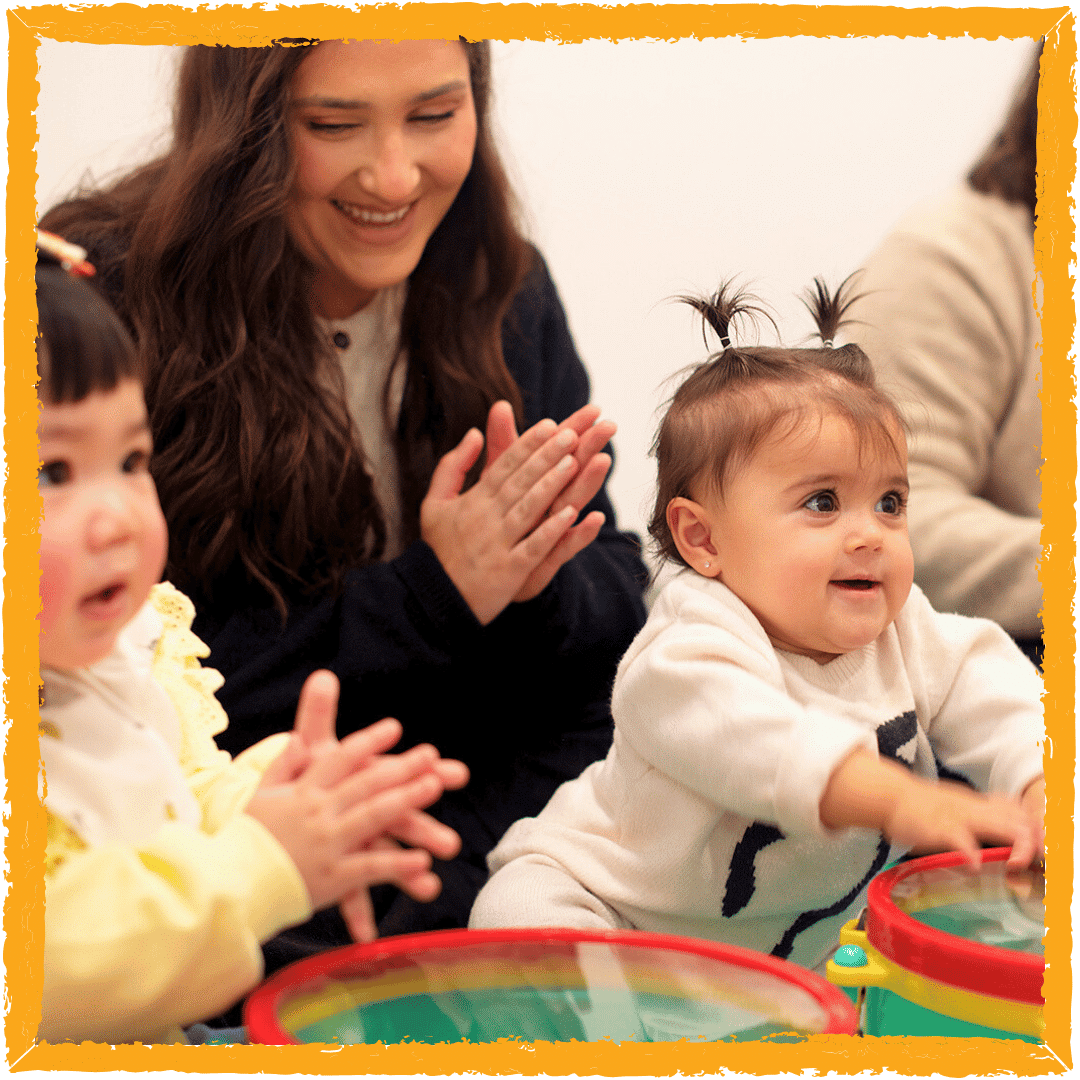
Picture by Shichida Australia: Babies enjoying banging on drums – musical instrument play is just one of the fun 20-25 activities per Shichida class.
Purposeful Play With Shichida
Shichida Australia is here to help you make every moment meaningful. Our fun, play-guided classes facilitate bonding, learning, and enjoyment—you and your child will love it!
We offer classes for:
- Babies (ages 6 months to 1 year)
- Toddlers (ages 1 to 3)
- Preschoolers (ages 3 to 5)
Book a trial class today and discover how structured, purposeful play can shape your child’s lifelong love of learning.
FAQ’s: Types of play in early childhood
Physical, constructive, imaginative, social, sensory, symbolic, and games with rules.
It supports cognitive, emotional, physical, and social growth, forming the foundation for lifelong learning.
Typically around four years old, though timing varies.
Provide open-ended materials like costumes, boxes, or puppets to inspire storytelling and creativity.
Solitary play is independent; parallel play happens beside peers without direct interaction.
It strengthens neural pathways related to problem-solving, coordination, and focus.
Building with blocks, puzzles, or using recycled materials to create something new.
It can be, but it lacks the hands-on and social engagement of traditional play.
They teach fairness, patience, and self-regulation, skills essential for school and life.
No. Each child’s play journey is unique and influenced by personality, environment, and opportunity.