Best Toys to Boost Your Child’s Fine Motor Skills
Key Points
- Fine motor skills are crucial for independence and academic success.
- The right kids fine motor skills toys can turn skill-building into enjoyable play.
- Always match toys to your child’s age and developmental stage.
- Everyday objects can be powerful learning tools.
- Consistency is key; regular practice leads to lasting progress.
Playtime is fun, but did you know it’s an essential part of your child’s development?
With the right fine motor skills toys, children can build coordination and independence that will serve them for life.
In this guide, we’ll explore the best fine motor skills toys for babies, toddlers, and preschoolers, along with simple games, helpful selection tips, and answers to common parent questions.
What Are Fine Motor Skills and Why Are They Important?
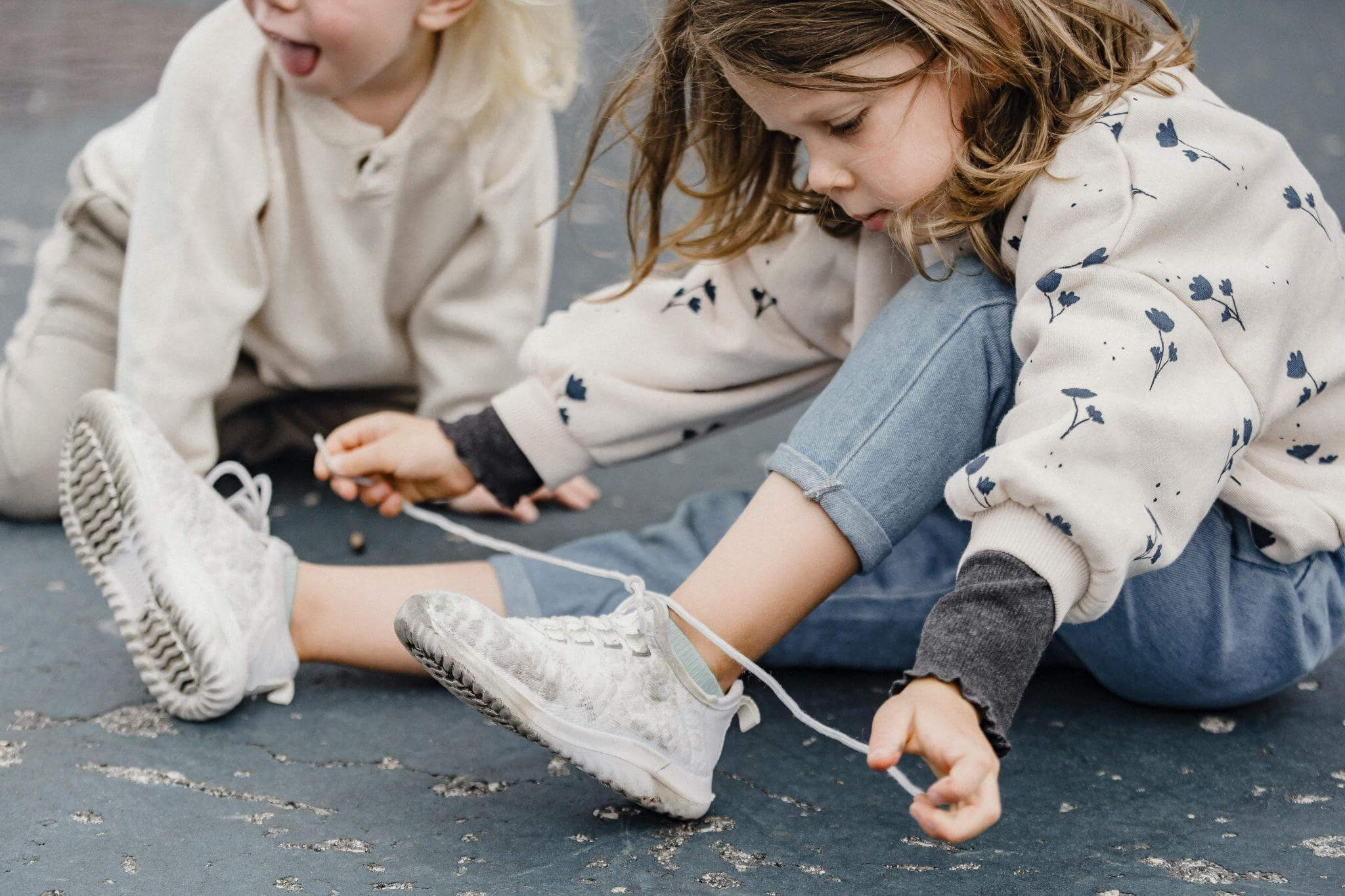
Fine motor skills refer to the coordinated movements of small muscles in the hands, wrists, and fingers. These skills are essential for tasks like tying shoelaces, using cutlery, drawing, and even typing on a keyboard.
Without well-developed fine motor skills, children may struggle with basic self-care and school-readiness tasks like writing, colouring, or using scissors.
But the benefits go far beyond just the physical.
Fine motor development also supports cognitive and emotional growth (IQ and EQ). As children learn to manipulate objects, they sharpen their problem-solving abilities, focus, and patience. According to the National Association for the Education of Young Children (NAEYC), fine motor activities also help build self-regulation, a key factor in academic success.
The connection to learning is clear: strong fine motor skills lead to smoother handwriting, better pencil control, the ability to draw shapes and letters, and even stronger early maths skills.
Benefits of Kids Fine Motor Skills Toys
The right toys do more than keep your child busy – they actively support healthy brain and body development. Fine motor toys can:
- Build hand-eye coordination – a foundation for reading, writing, and physical activities, including sports.
- Develop dexterity and grip strength – needed for holding pencils and manipulating small objects without getting wrist or hand strain.
- Improve concentration – toys that require precision help children focus for longer.
- Encourage independence – kids gain confidence as they complete tasks on their own.
- Support creativity, problem-solving & resilience – many fine motor activities involve trial, error, discovery.
At Shichida Australia, we emphasise hands-on activities because they not only improve physical coordination but also activate the brain. These moments of play and exploration build strong neural connections that support learning across all areas when children get challenged in age-appropriate ways. (Like completing a puzzle, or stringing small beads).
Best Fine Motor Skills Toys for Babies

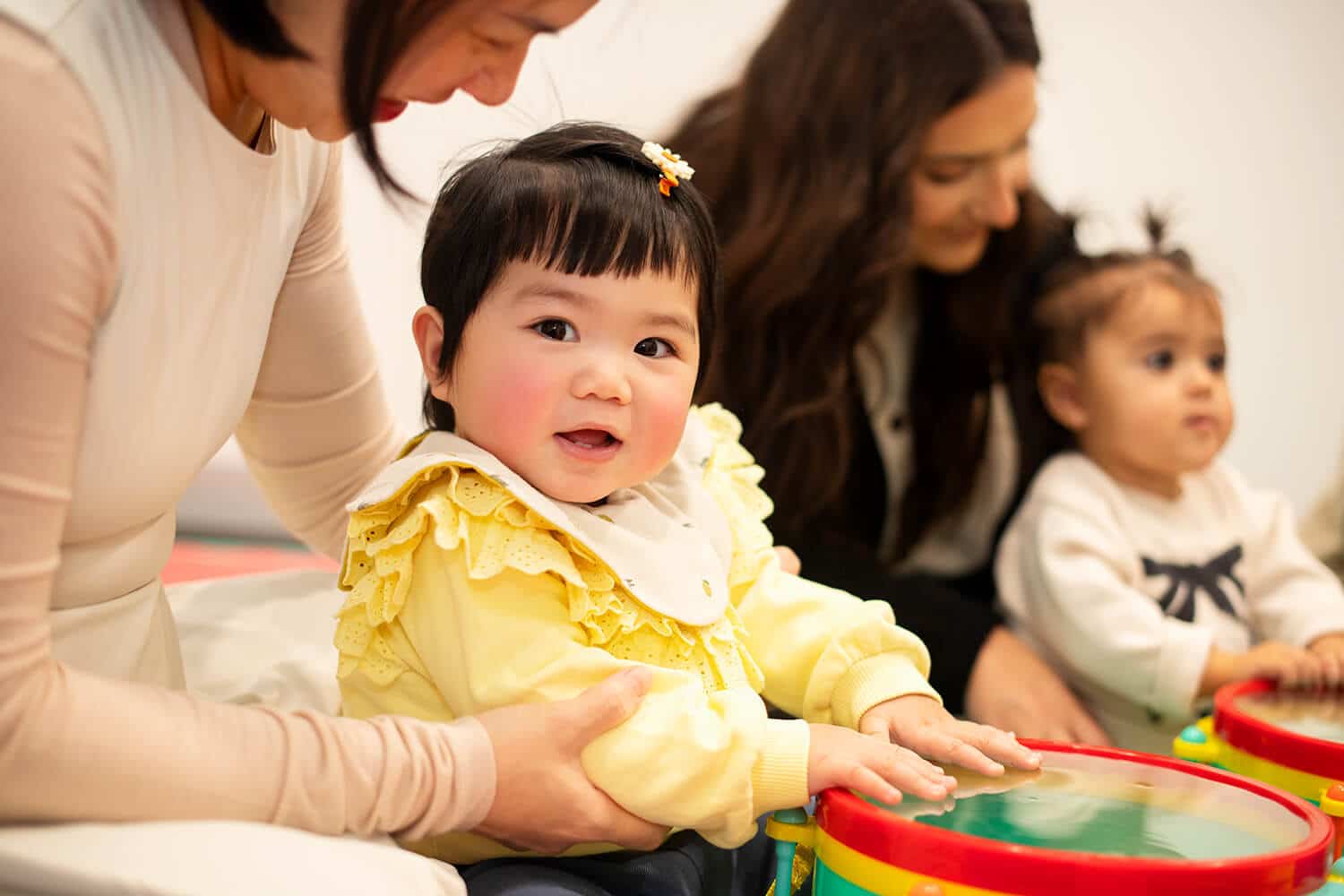
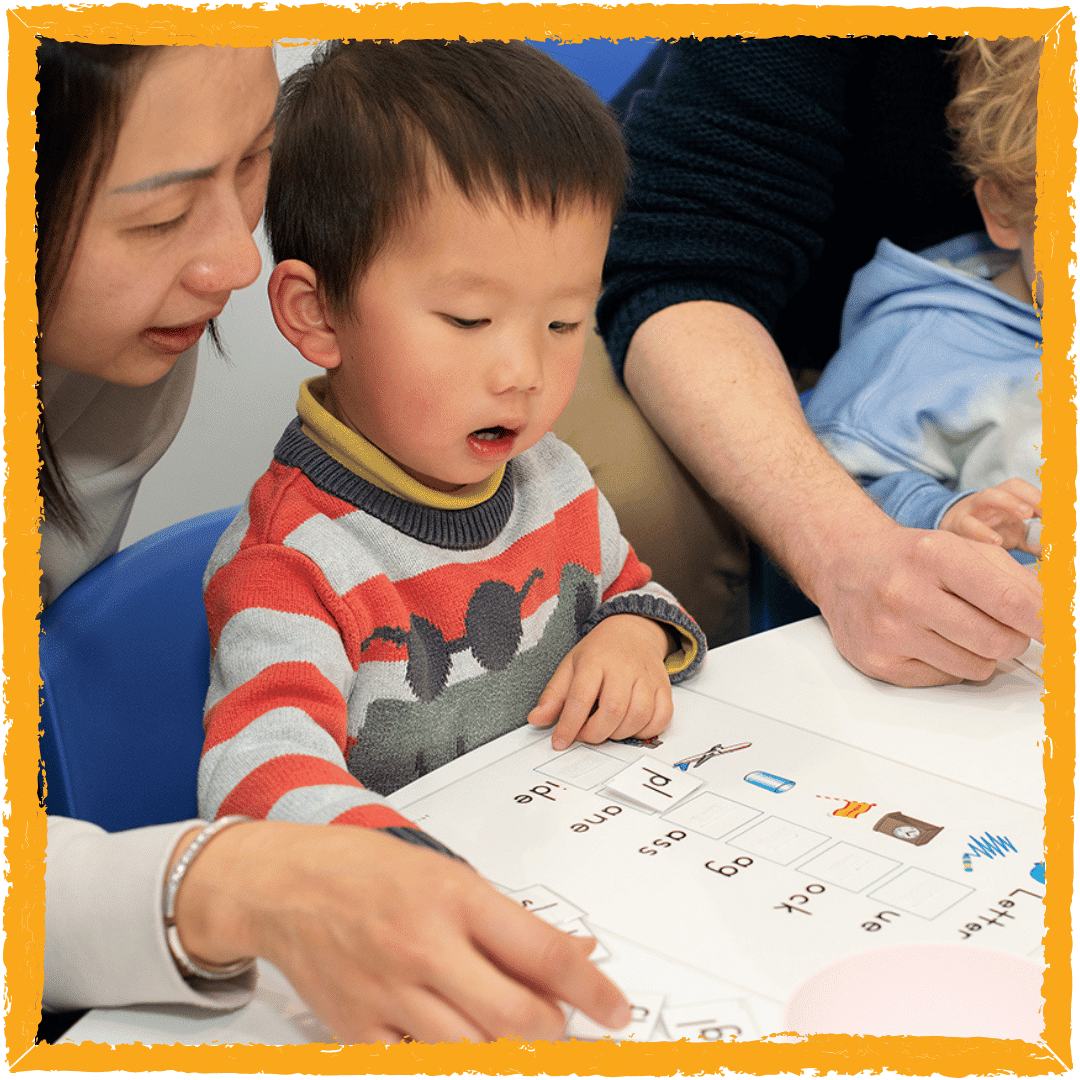
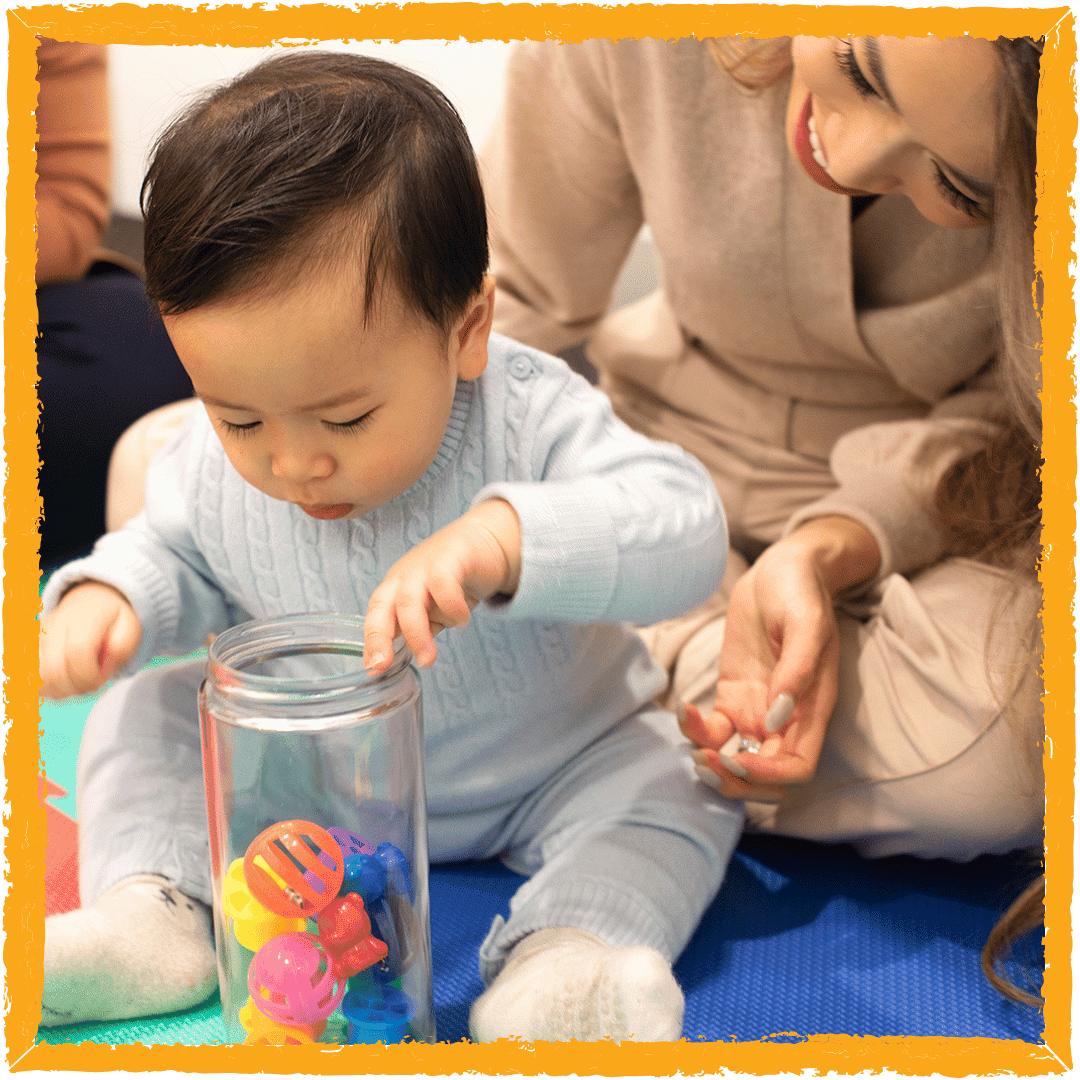
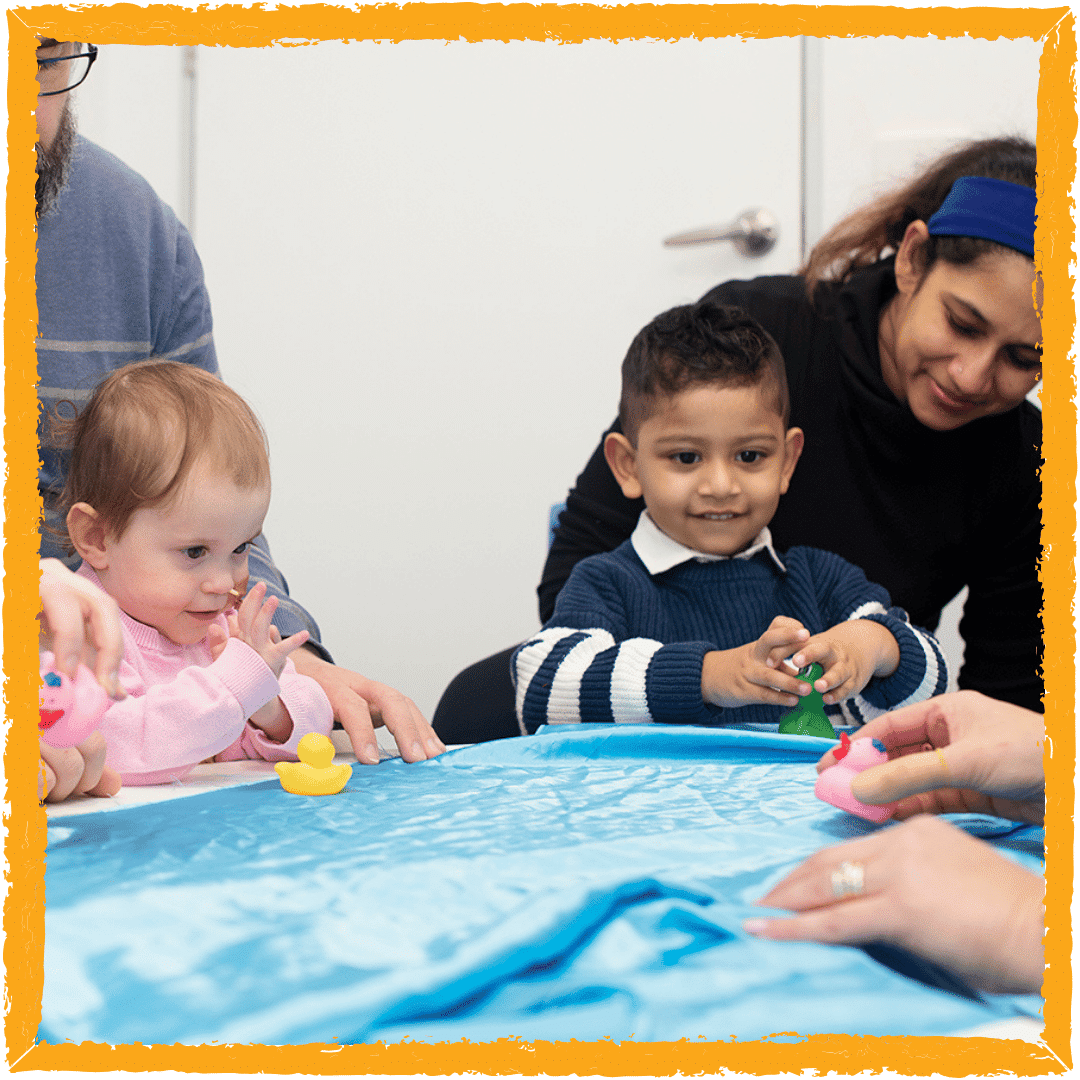
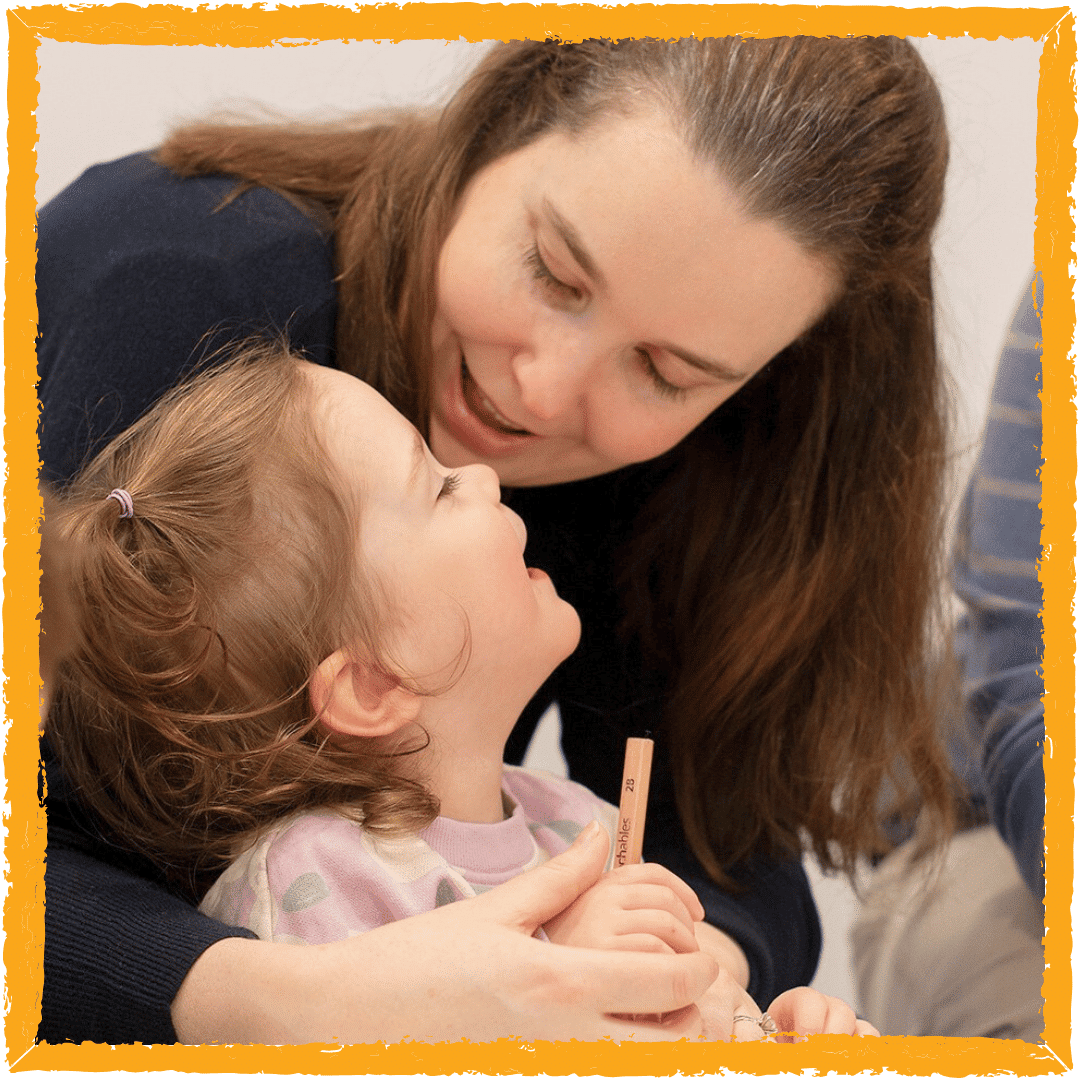
Photo from Shichida Australia: Early play, big milestones! These kids fine motor skills toys help little hands build strength, focus, and coordination – all through fun activities with parents in a Shichida baby class.
Babies are in the early stages of developing their grasp and coordination, so toys should be safe, colourful, and easy to manipulate.
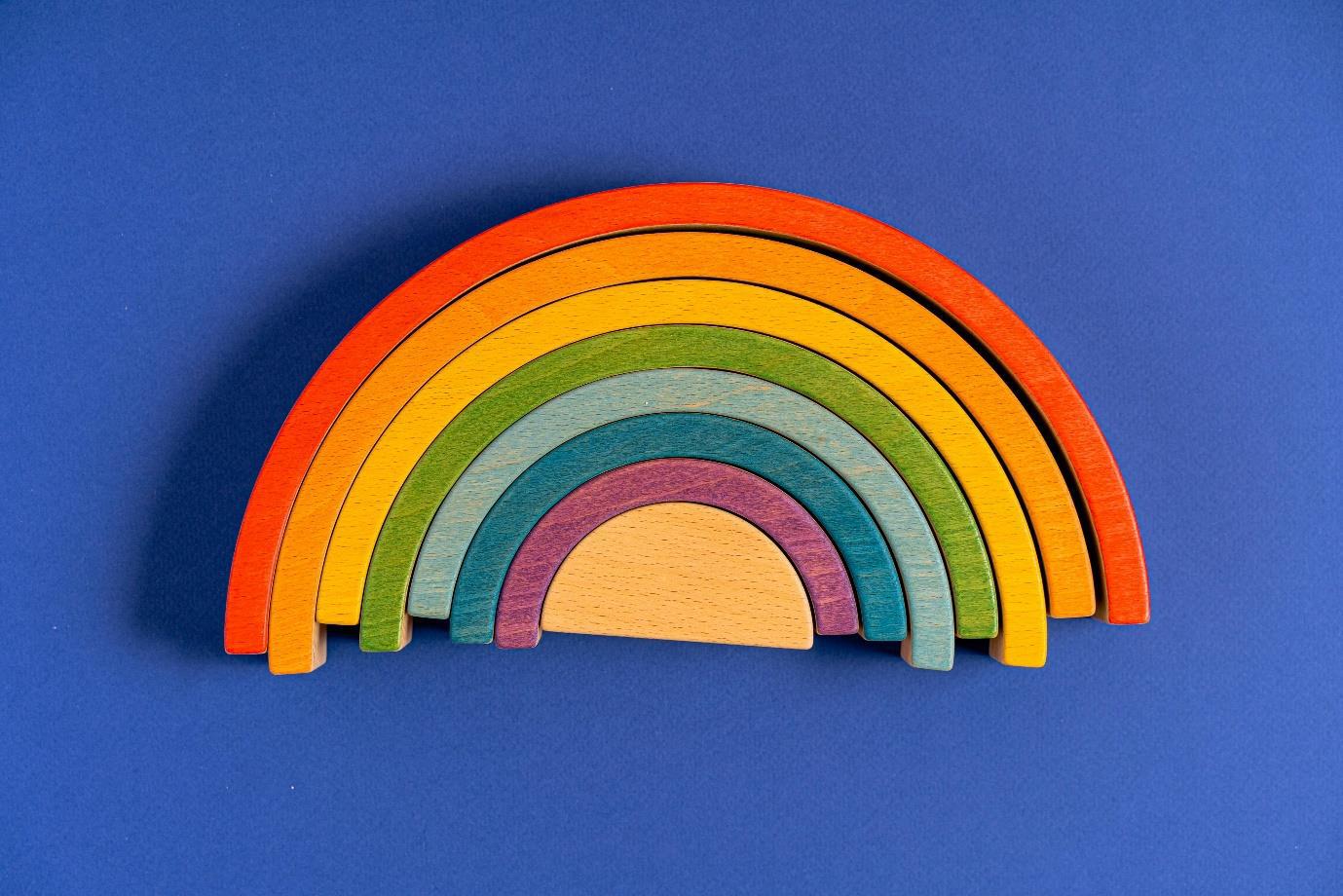
- Soft stacking toys – Help your baby practise grasping and placing, while introducing concepts like size, shape, and order.
- Grasping toys (teethers, rings) – Strengthen grip and provide valuable sensory feedback through different textures.
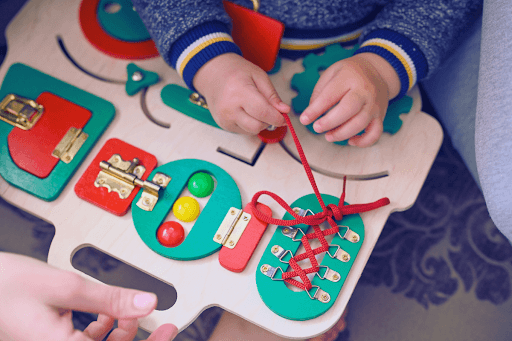
- Activity centres – Buttons, levers, and spinning parts encourage reaching, pressing, and pulling, keeping little hands engaged.
- Peg puzzles with knobs – Like the one shown above, these puzzles are perfect for tiny hands. They encourage pincer grip development, shape recognition, and hand-eye coordination.
These fine motor skills toys for babies promote sensory exploration, boost hand-eye coordination, and lay the foundation for early cognitive development.
See Shichida’s baby fine motor toys here.
Best Fine Motor Skills Toys for Toddlers

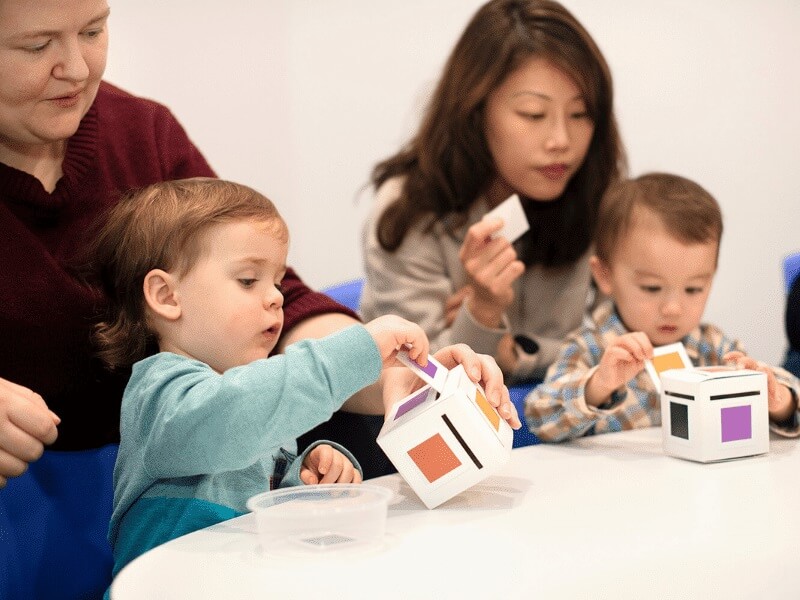
Photo from Shichida Australia: Scissor activities in a Shichida toddler class builds hand control and coordination – used alongside kids fine motor skills toys – preparing little hands for writing and self-care.
Toddlers love exploring cause-and-effect and building things. This is the ideal time to refine hand control and coordination.
- Shape sorters – Teach matching, spatial awareness, and early problem-solving skills.
- Building blocks (e.g., LEGO® DUPLO®) – Develop stacking, balancing, grip strength, and creative thinking.
- Bead threading or lacing toys – Improve precision, bilateral coordination, and concentration.
- Large-piece puzzles – Encourage focus, hand stability, and logical thinking.
- Child-safe scissors and cutting activities – While not technically a toy, cutting paper or playdough is a fun way to build hand strength, bilateral coordination, and fine motor control.
These fine motor skills toys for toddlers strengthen small muscle control while also nurturing creativity and persistence. The more your toddler practises these movements, the more prepared they’ll be for writing, drawing, and self-care skills like buttoning shirts or using utensils.
Explore Shichida’s toddler fine motor skills range.
Best Fine Motor Skills Toys for Preschoolers

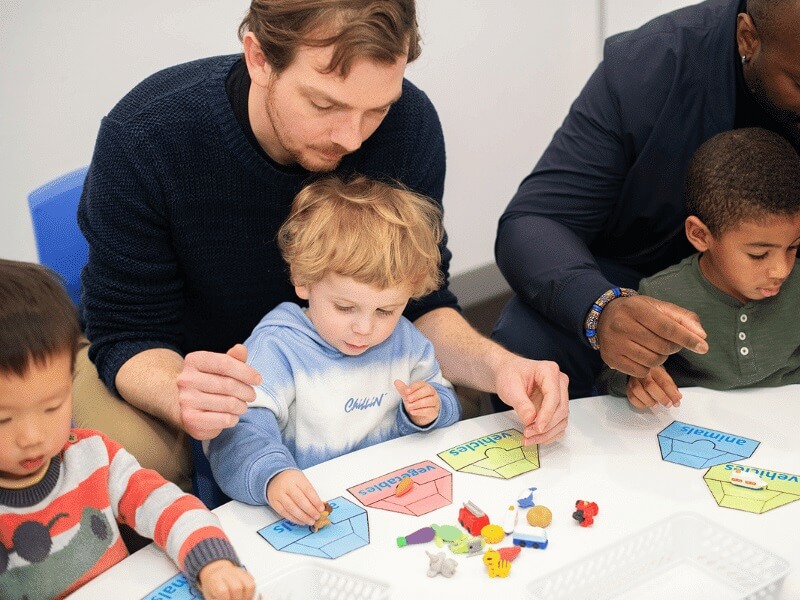
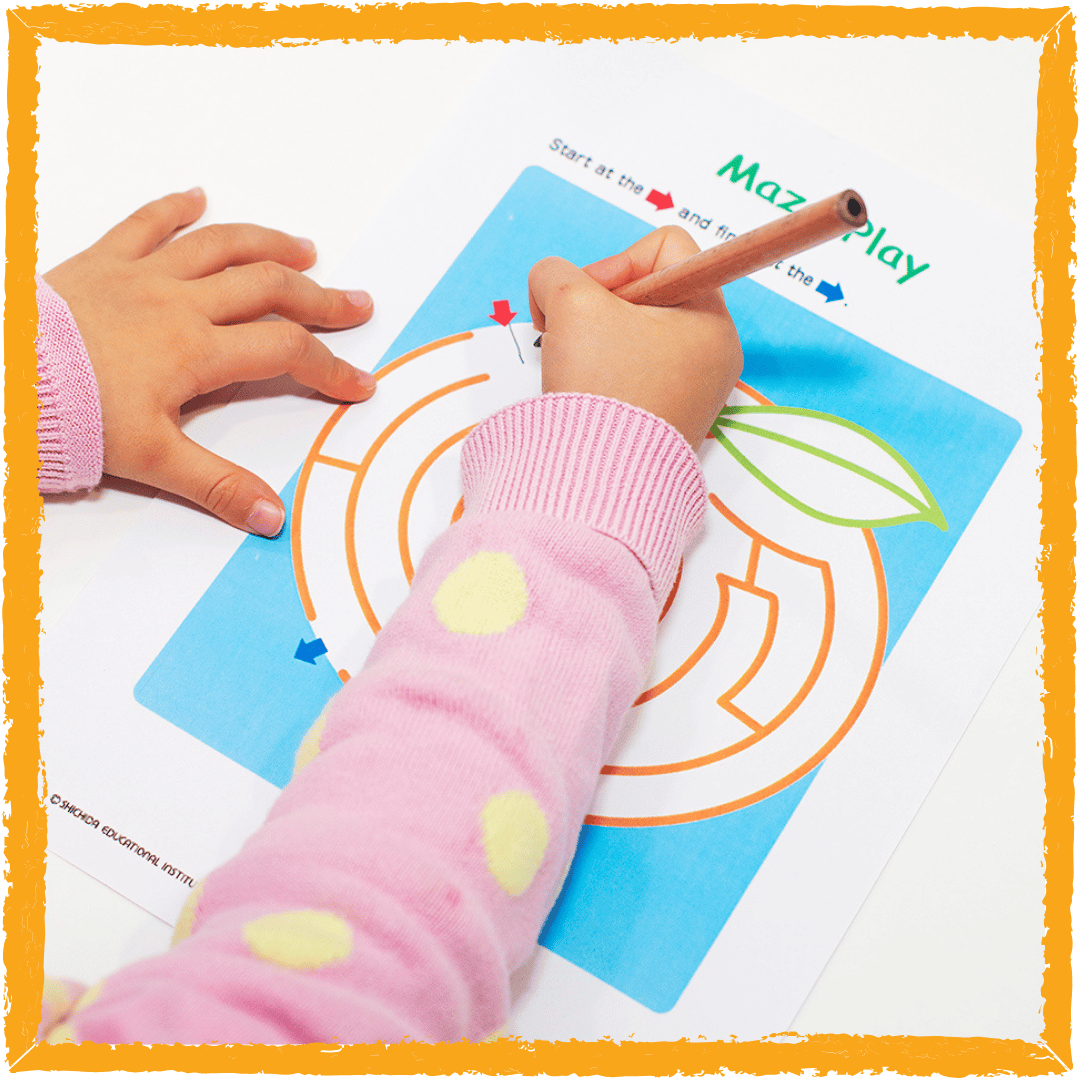
Photo from Shichida Australia: Mazes are a hit in our Shichida preschool classes, as much as our kids fine motor skills toys used in games and activities. Mazes strengthen pencil grip, focus, and problem-solving.
By preschool age, your child is ready for more challenging activities that require planning and patience.
- Art supplies – Crayons, markers, and child-safe scissors promote creativity and help prepare children for writing.
- Small building sets (e.g. Lego, magnetic tiles) – Enhance problem-solving, spatial awareness, and 3D thinking.
- Board games with small pieces – Teach counting, strategy, and careful hand movement.
- Simple sewing kits or weaving toys – Build bilateral coordination, patience, and hand precision.
- Maze activities – While not a traditional toy, tracing through mazes boosts pencil control, concentration, and visual-motor skills.
These toys help prepare children for handwriting, cutting, and other school-readiness tasks. They also encourage sustained attention – a skill that supports learning across all areas.
Shop Shichida’s preschool fine motor skills range here.
Fun Fine Motor Skills Games for Kids
Games can be a brilliant way to sneak in skill-building without it feeling like “work”.
- Memory games – Flipping cards builds pincer grip and memory.
- Sorting and counting games – Support categorisation and hand precision.
- Operation or Jenga – Encourage slow, careful hand control and planning.
- Tweezers or tongs games – Picking up small objects boosts grip strength and control.
- Playdough challenges – Rolling, pinching, and shaping strengthen finger muscles.
- Button or peg board games – Help refine placement accuracy and spatial awareness.
- Dot-to-dot and tracing games – Build pre-writing and pencil control skills.
- Puzzles with small knobs or interlocking pieces – Improve coordination and problem-solving.
These games not only sharpen fine motor control but also strengthen cognitive abilities such as strategic thinking and recall (memory).
How to Choose the Right Fine Motor Skills Toys for Your Child

Photo from Shichida Australia: Stringing beads develops kids fine motor skills, while keeping play purposeful.
The best kids fine motor skills toys are the ones that match your child’s age, interests, and developmental needs.
- Match to their stage – Babies need safe, easy-to-grasp items. Toddlers and preschoolers thrive on toys that challenge their coordination, creativity, and problem-solving.
- Follow their interests – A child who loves animals may enjoy animal-themed puzzles, lacing sets, or matching games.
- Use what you have – Don’t overlook everyday items like pegs, jars, buttons, and paper. These can be surprisingly effective for developing fine motor control.
- Look for hands-on and self-correcting toys – Shichida-inspired tools are designed this way, encouraging children to explore, adjust, and succeed on their own.
Parent Tip: Rotate toys regularly! Swapping out toys every couple of weeks keeps things fresh and helps your child continue building skills without boredom.
Conclusion
Supporting your child’s fine motor development doesn’t require fancy gadgets – just the right opportunities to practise. With the right toys and guidance, you can boost their confidence, independence, and school readiness.
By including kids fine motor skills toys in everyday play, you’re laying a strong foundation for future learning.
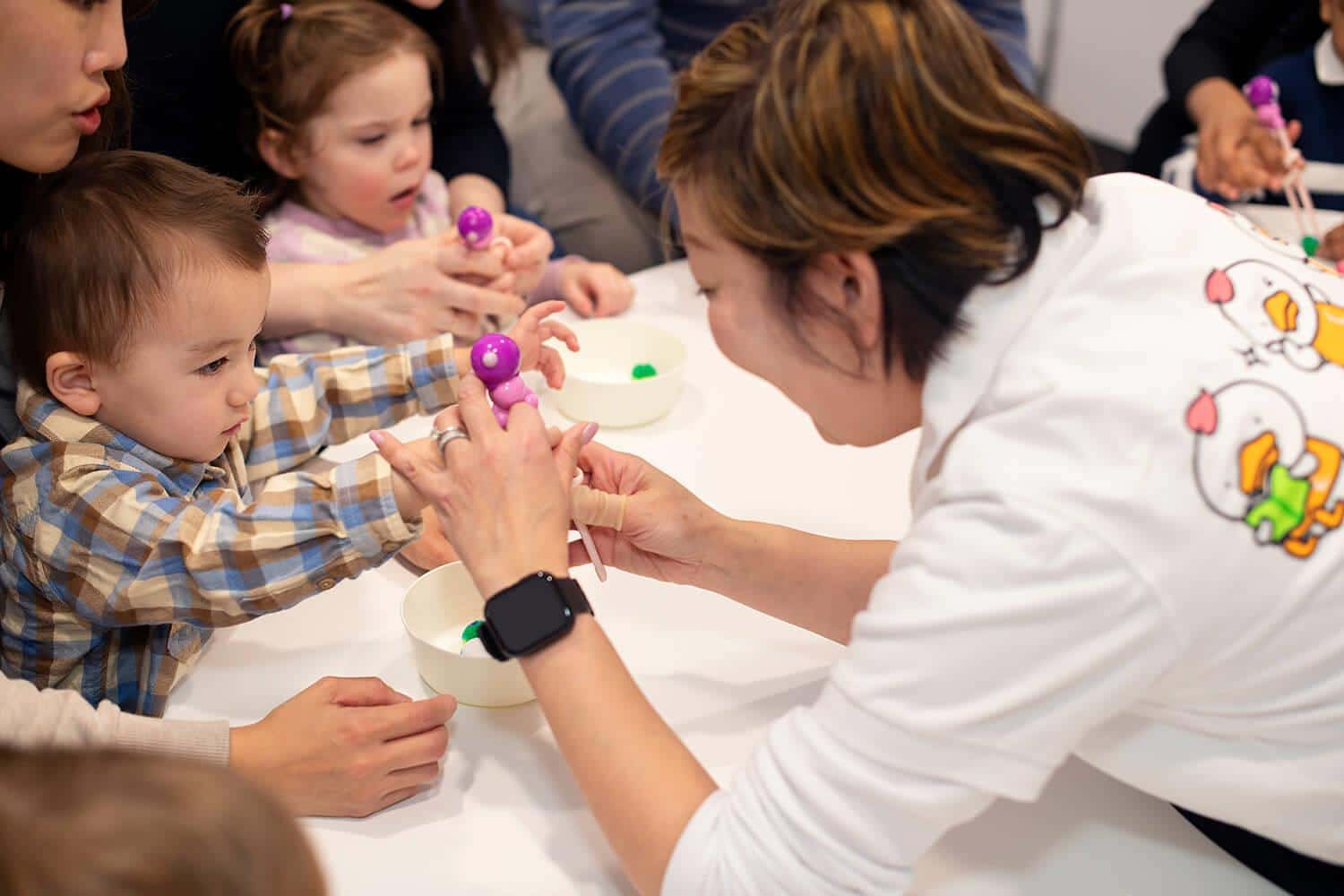
Photo from Shichida Australia: Toddlers practicing grip strength and coordination using chopsticks and small objects in a Shichida class.
Want to do even more for your child’s growth?
Join our expert-led weekly classes for children starting from 6 months of age. Each class includes 20–25 fun and focused activities that help build fine motor skills, memory, critical thinking, and early literacy & numeracy.
Book a Shichida trial class today and experience it for yourself!
FAQs: Kids Fine Motor Skills Toys
Examples include stacking rings, building blocks, peg puzzles, threading beads, and art supplies like crayons, markers, and child-safe scissors.
Yes. These toys strengthen hand control, pencil grip, focus, and problem-solving – key skills for writing, cutting, and learning in a classroom environment.
Shape sorters, chunky puzzles, stacking blocks, peg puzzles, and bead threading sets are ideal for toddlers developing coordination and control.
Toys support motor development, problem-solving, coordination, patience, creativity, and confidence. They turn skill-building into engaging play.
Look for toys that match your child’s age and developmental needs. Choose items that are engaging, safe, and aligned with your child’s interests. Hands-on, open-ended toys often offer the most benefit.
The best approach combines toys with structured, hands-on activities led by experts. At Shichida Australia, our weekly classes for children from 6 months to 9 years include fun, age-appropriate activities designed to develop fine motor skills, memory, focus, and early learning. It’s a complete brain-training experience tailored to your child’s stage of development.