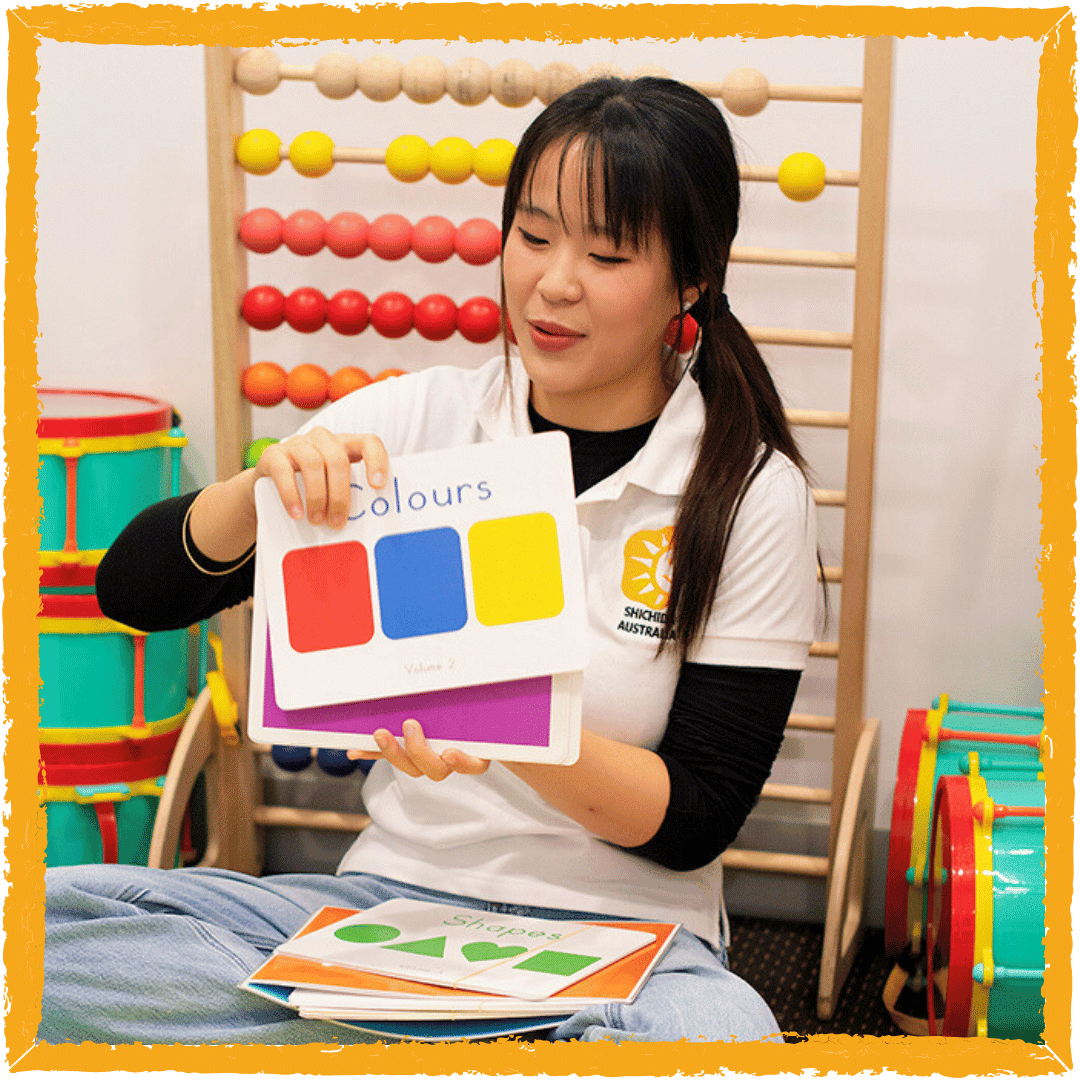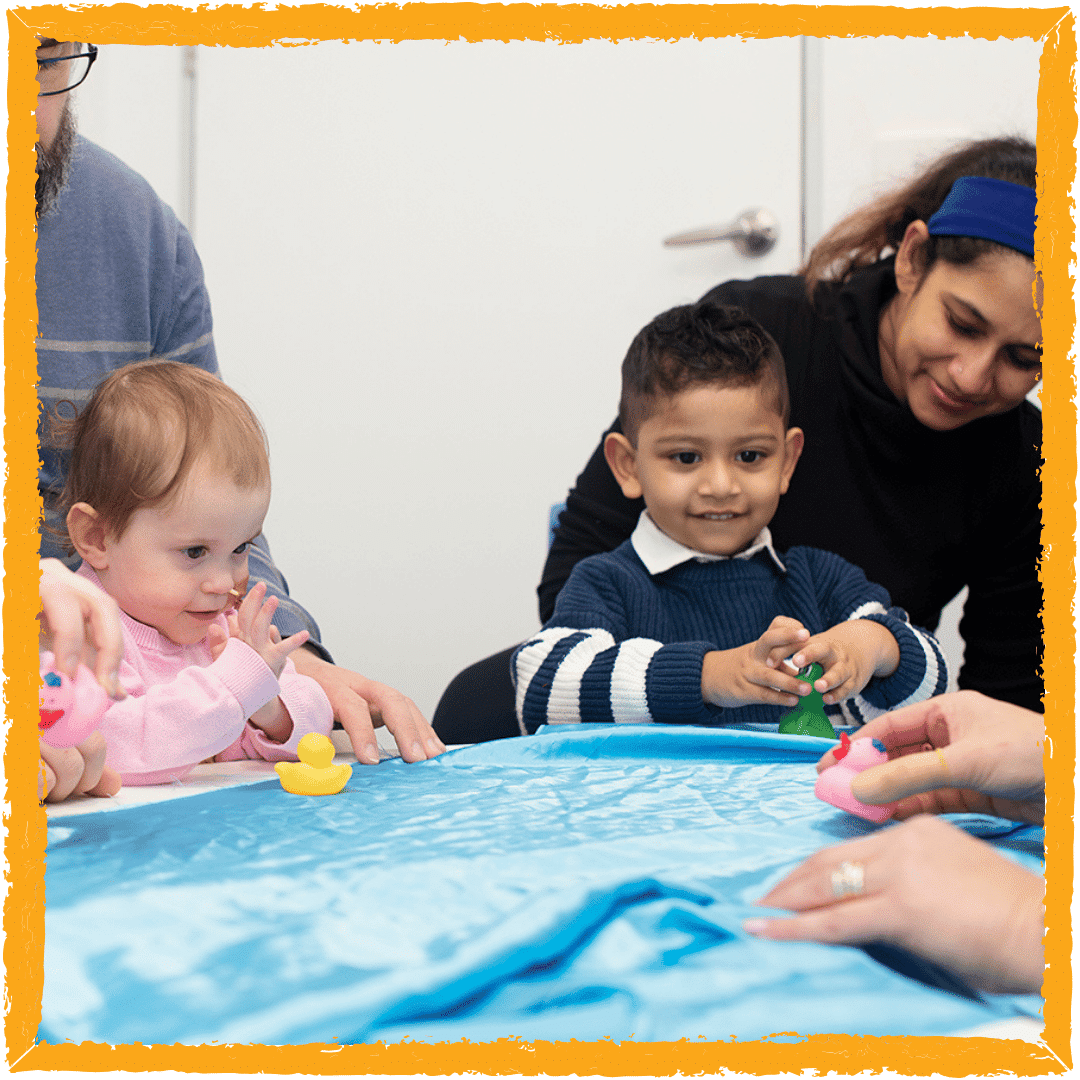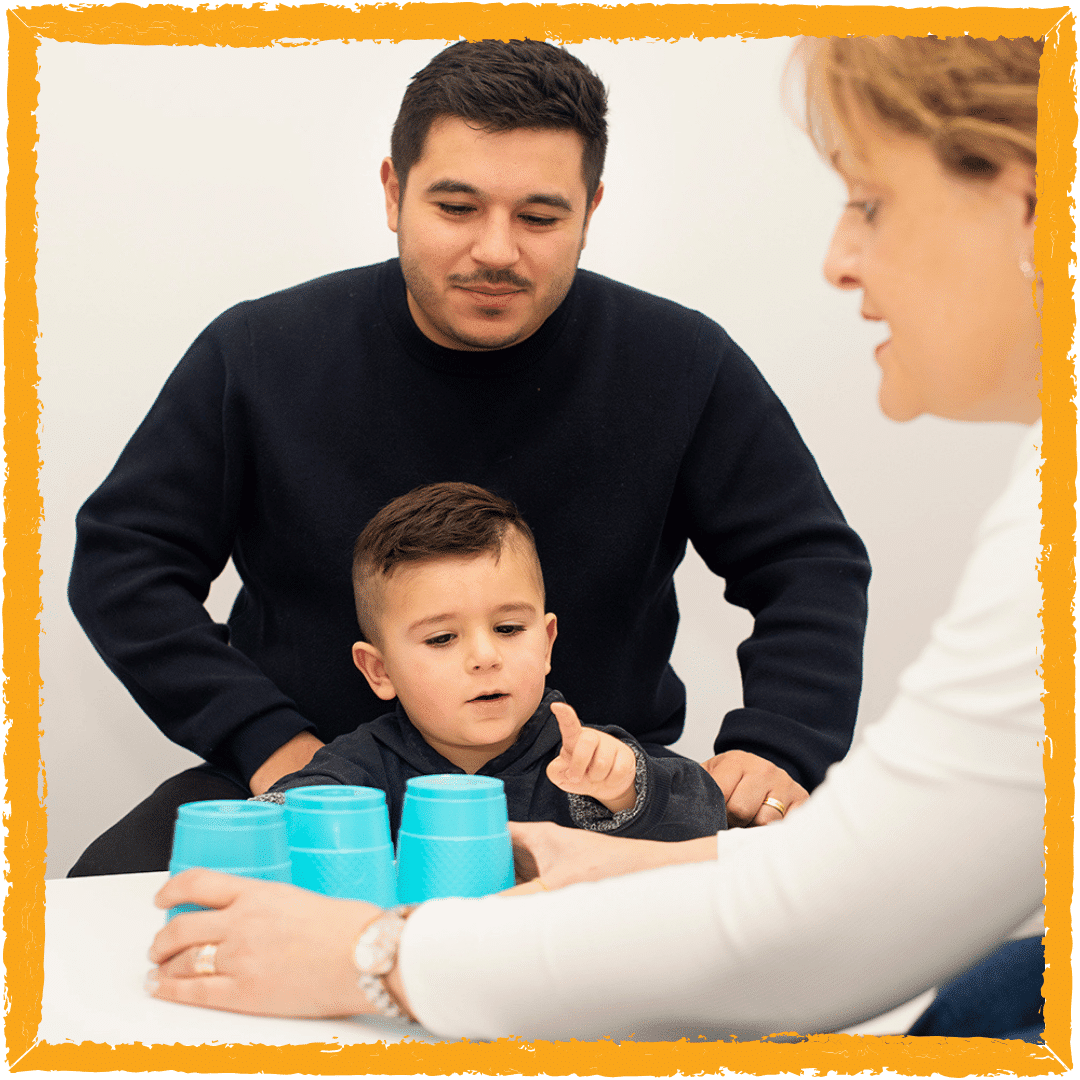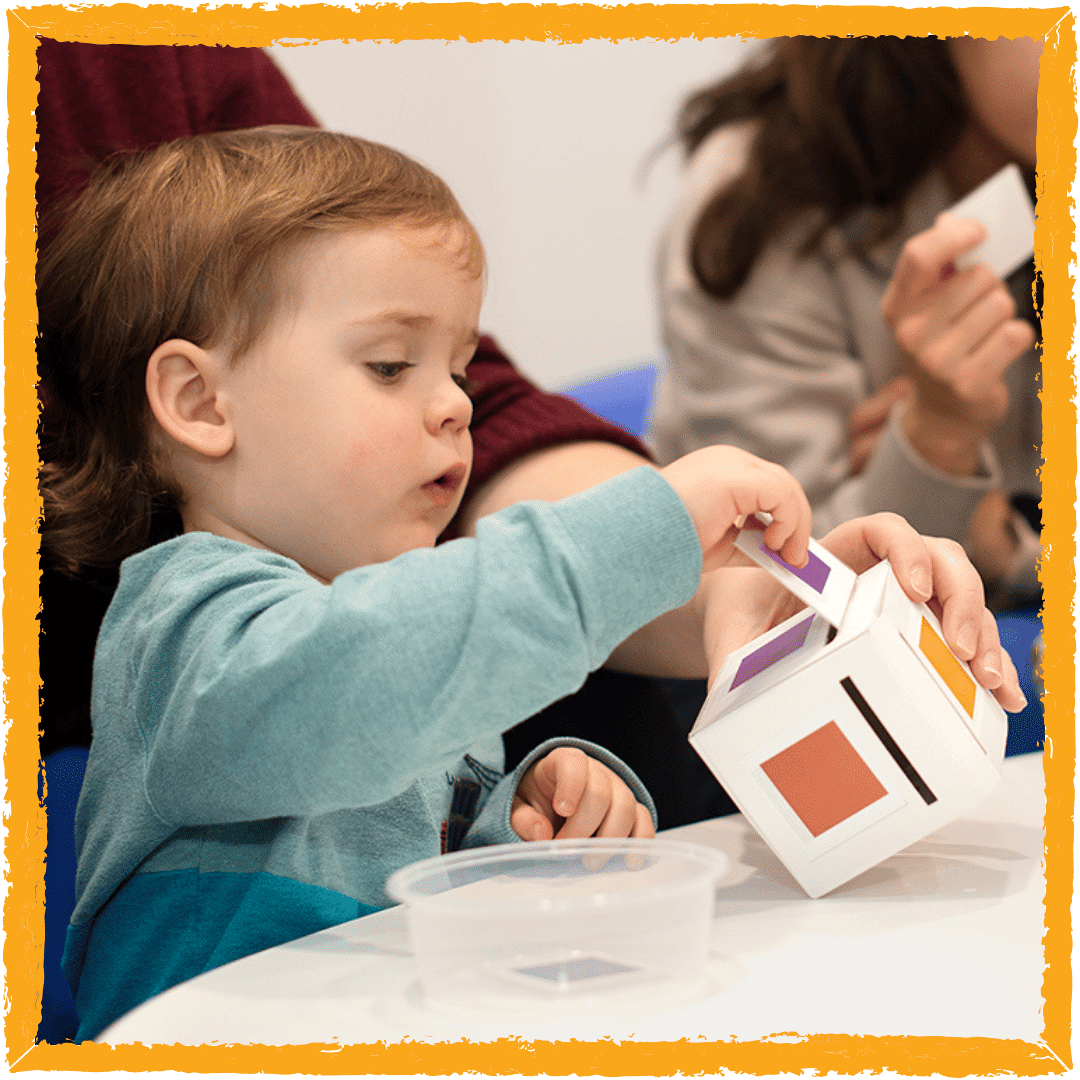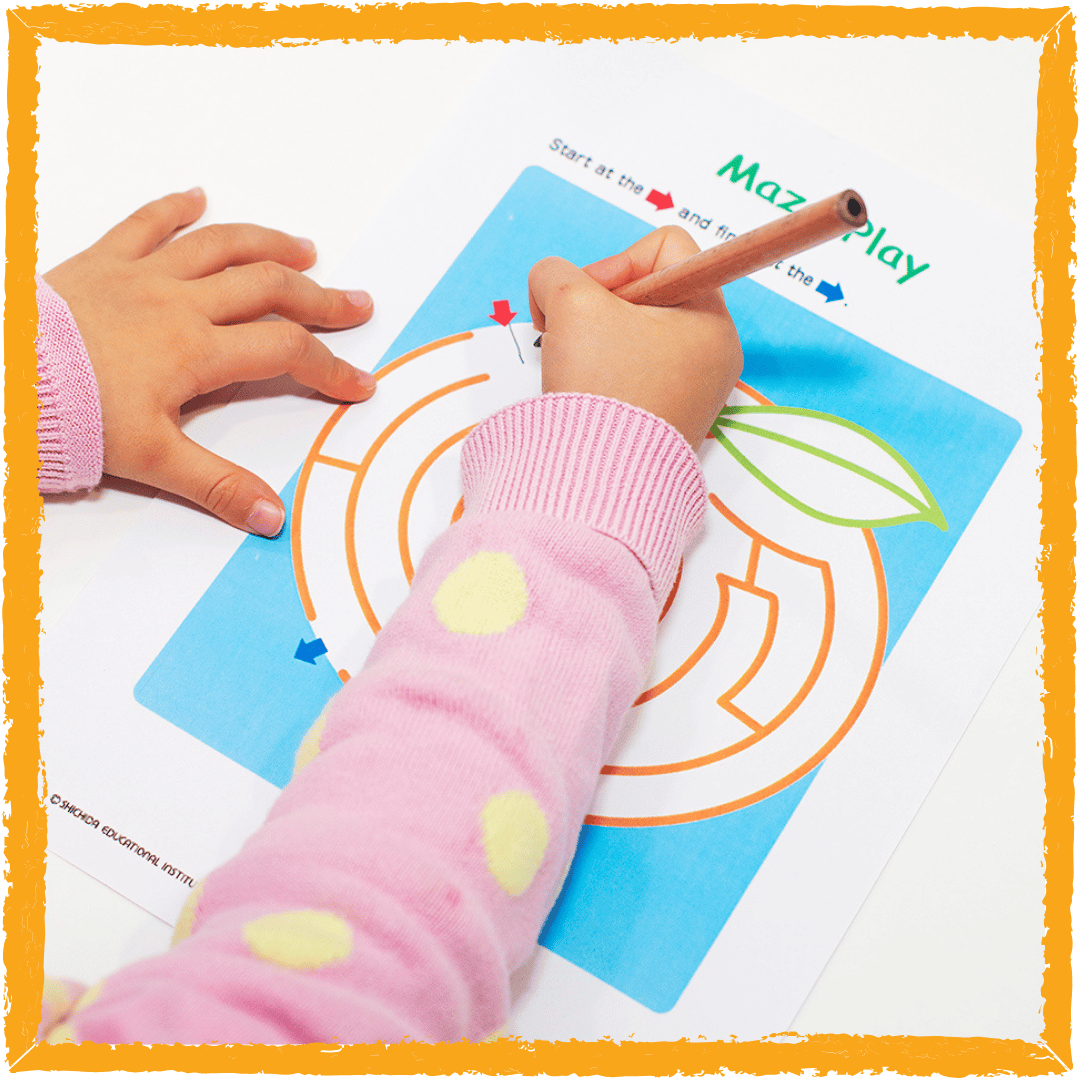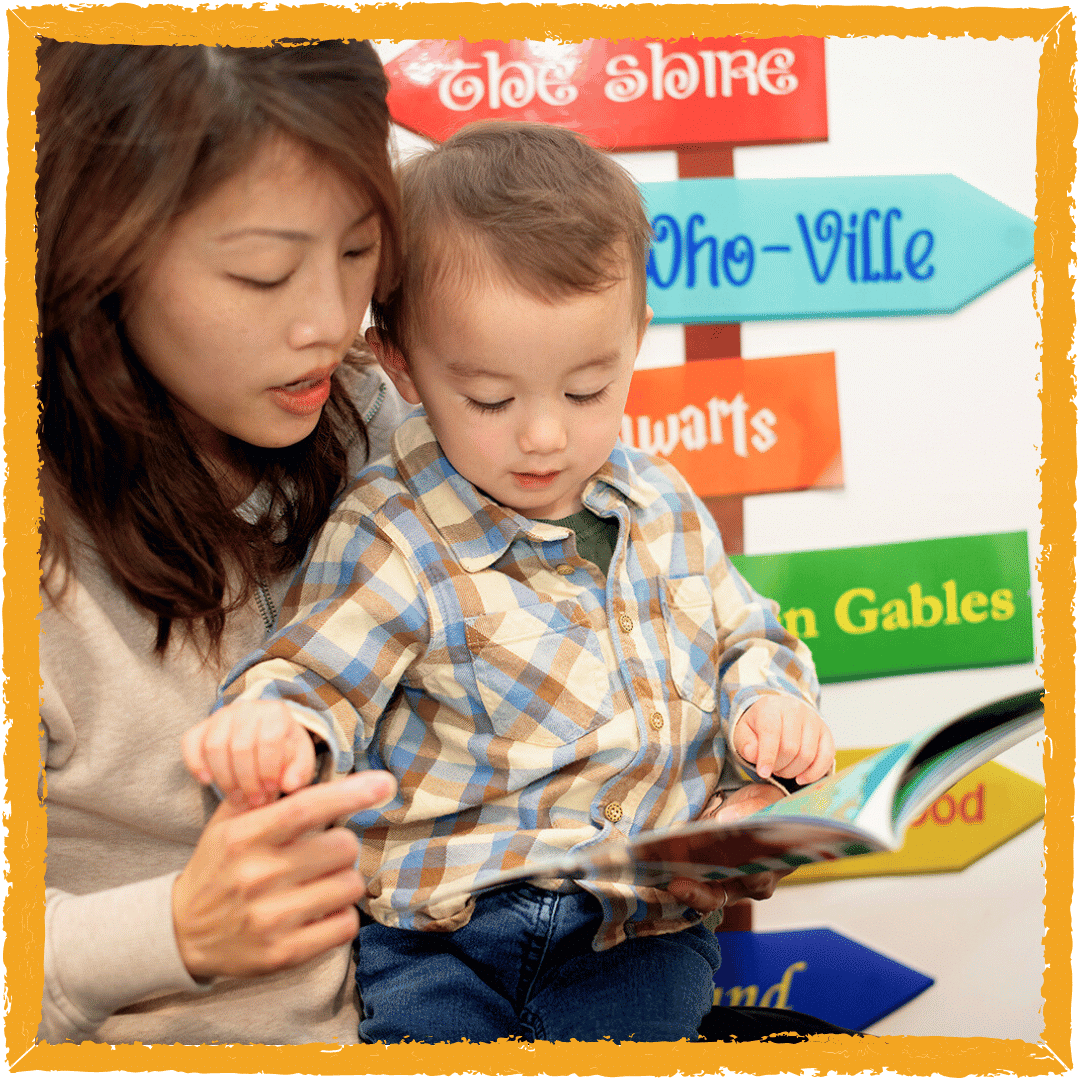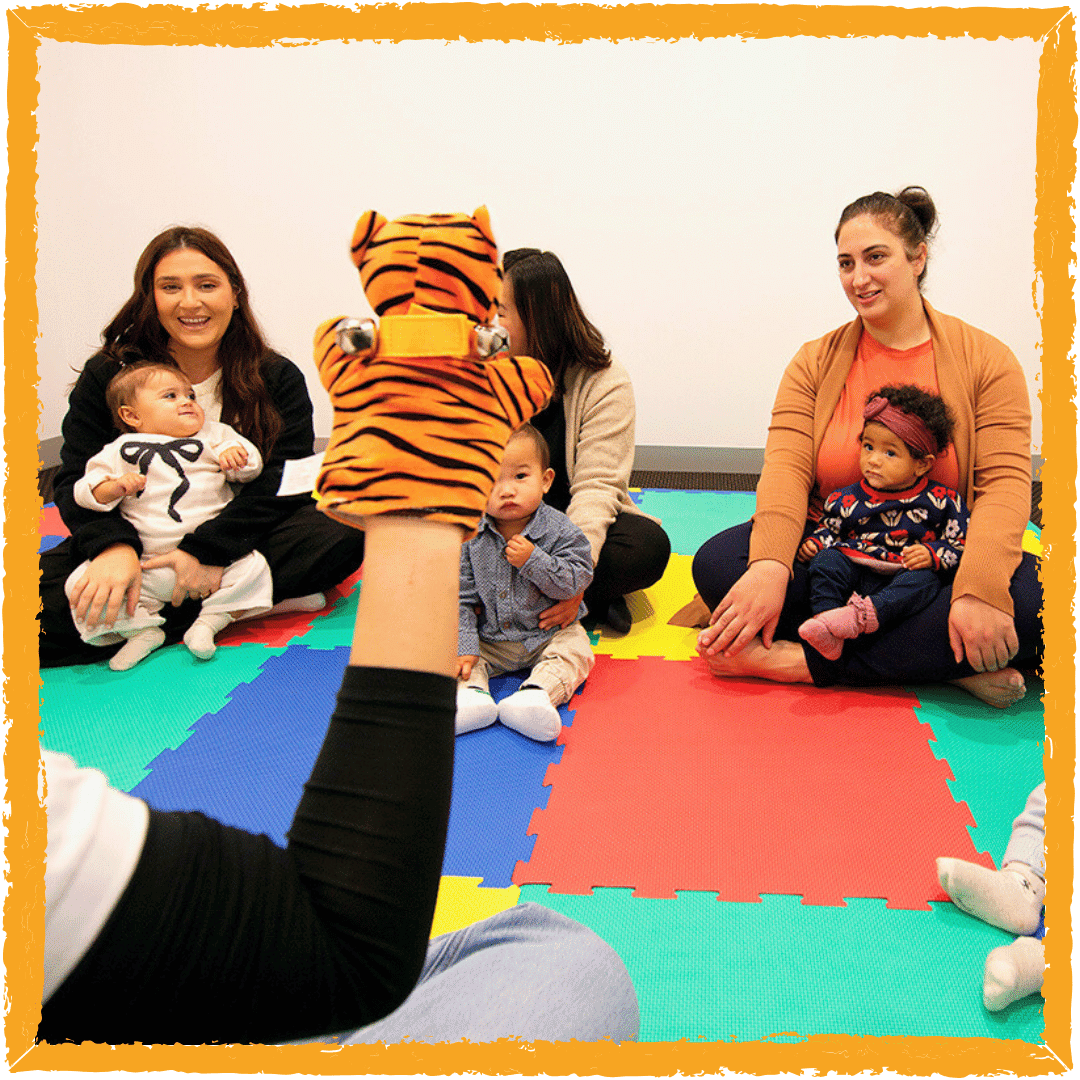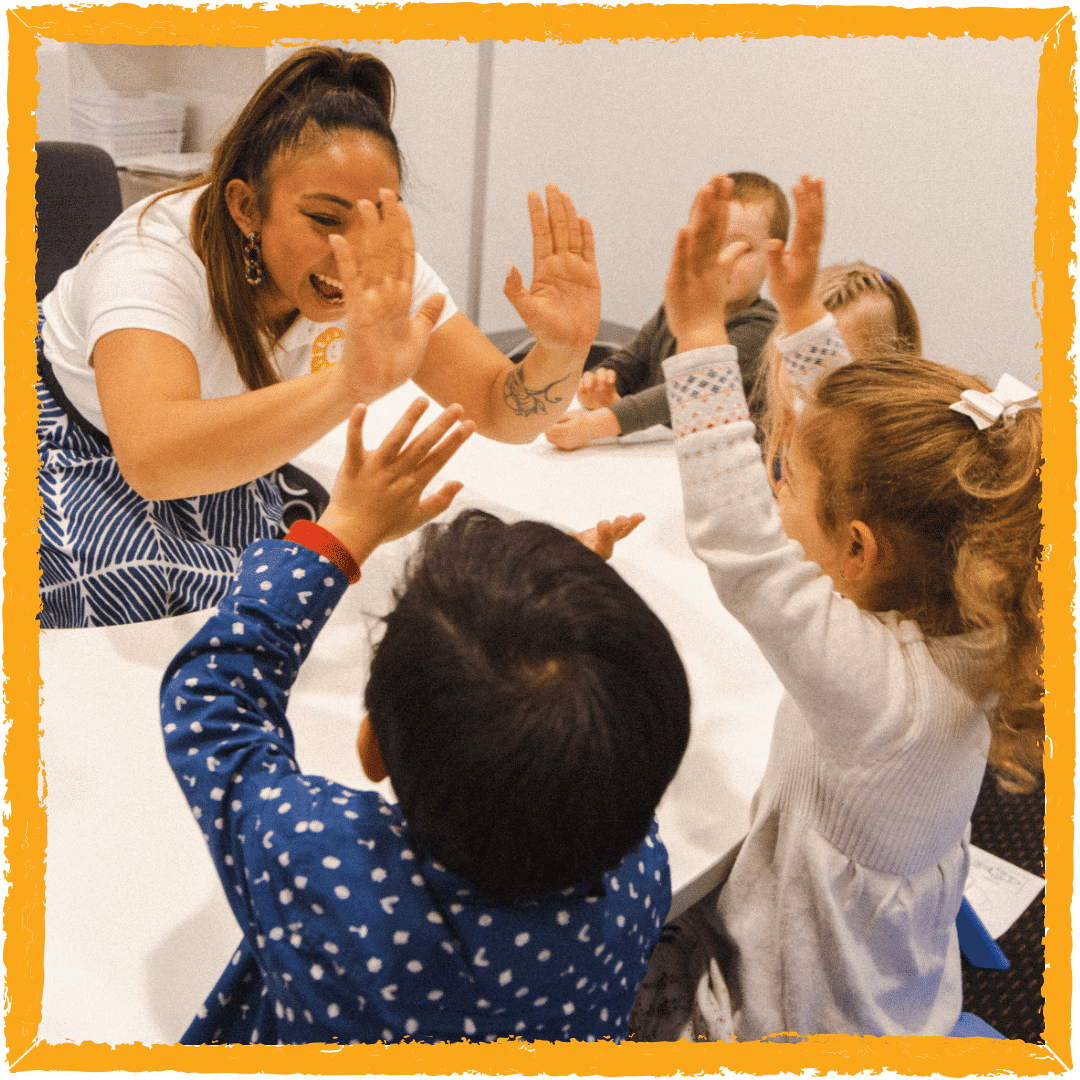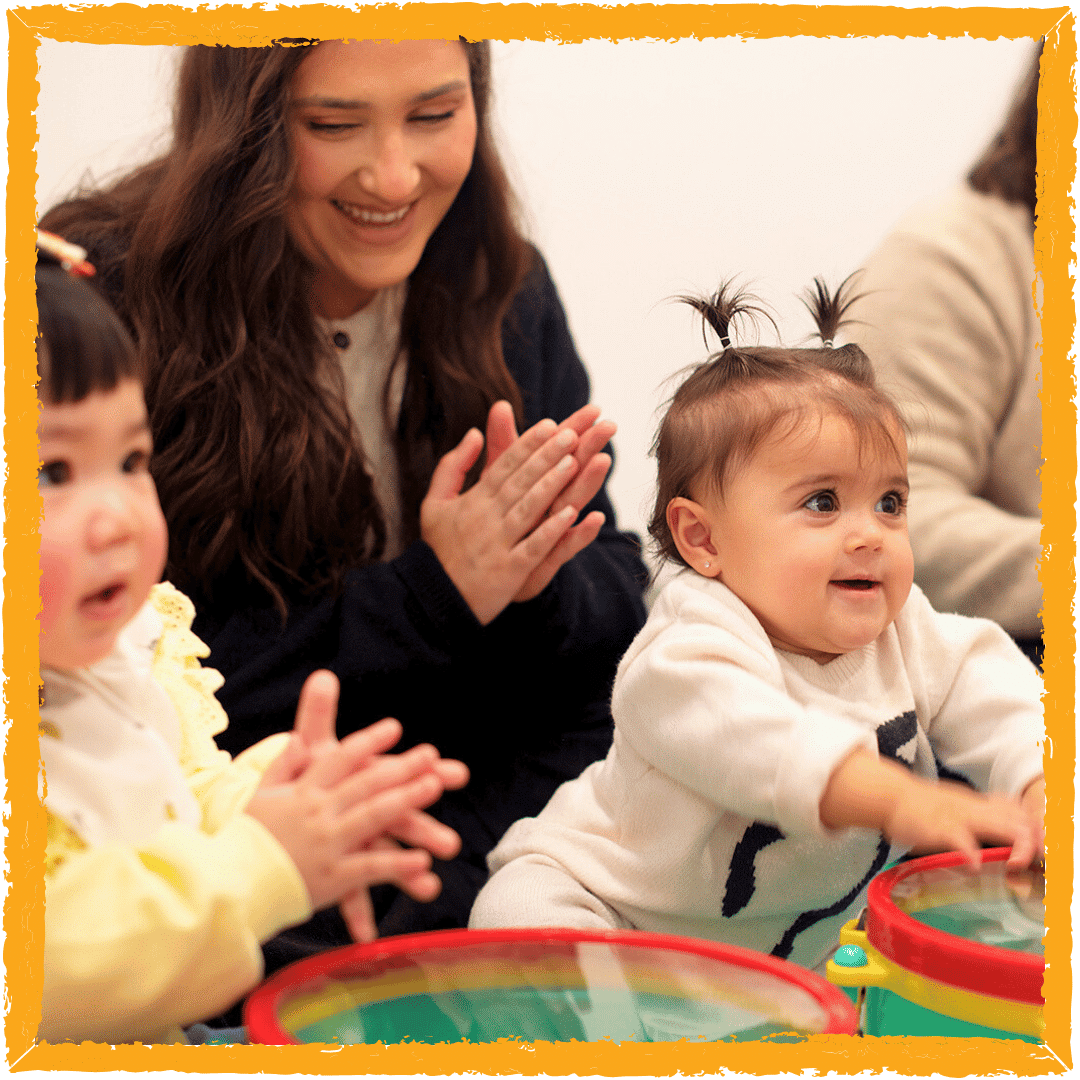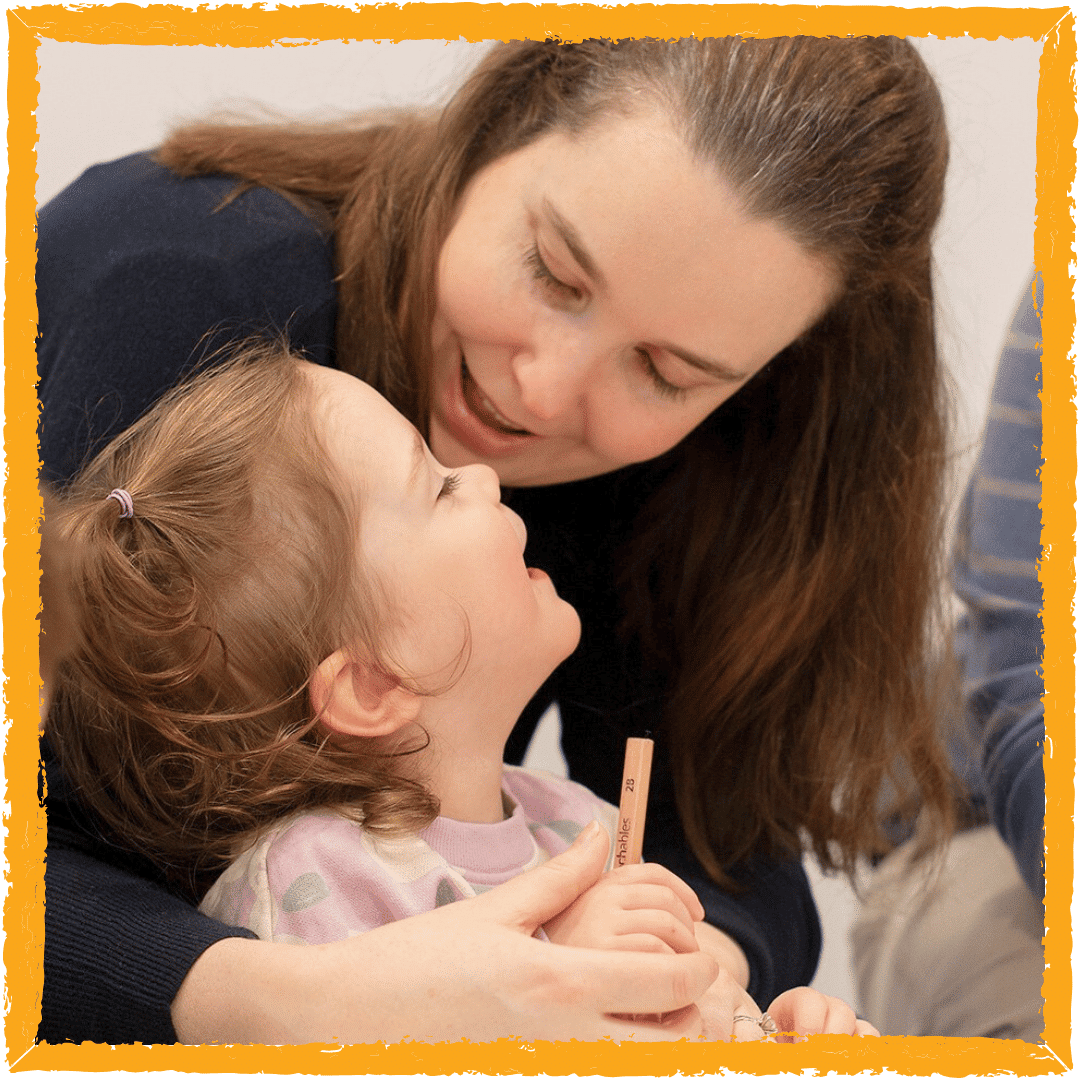
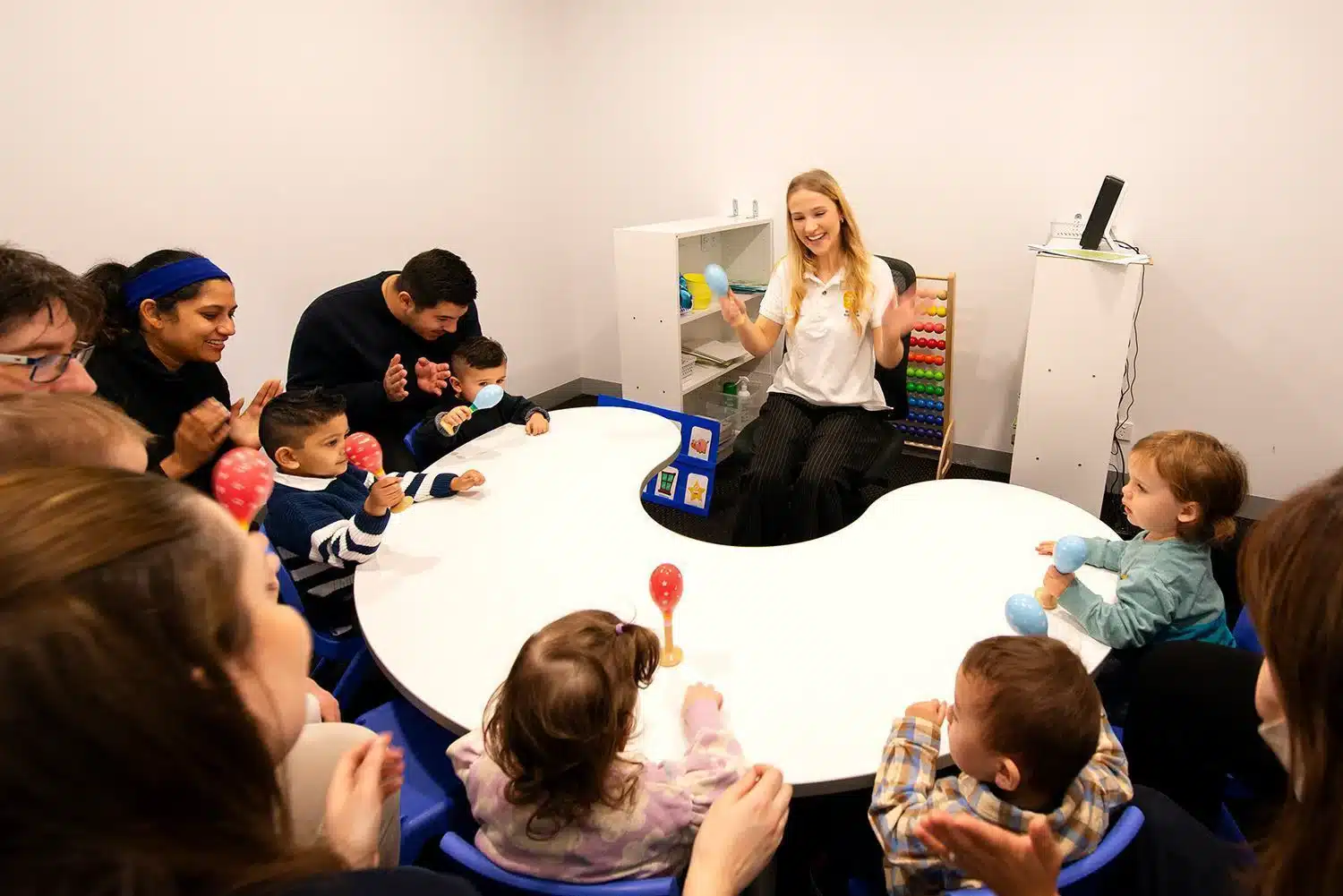
Photo from Shichida Australia: Thousands of families in Australia choose Shichida as their early learning program pathway – and for good reason!
Shichida vs Kinder: Navigate Early Learning in Melbourne
Key Points: Shichida vs Kinder
- Shichida focuses on structured brain training and parent involvement.
- Kinder builds social, emotional, and school readiness through play.
- Each supports different parts of your child’s development.
- Many families successfully combine both.
- The right choice depends on your child’s personality and your learning goals.
Choosing the right early learning program can be overwhelmin! In Melbourne, many parents look at Shichida vs Kinder when deciding what’s best for their child aged 3 to 5.
Simply put, Shichida offers structured brain-training, while Kinder focuses on play-based school readiness. Both support your child’s growth, just in different ways. This guide will walk you through their approaches, learning styles, parent involvement, outcomes, and costs, so you can confidently choose the option that fits your child and your family.
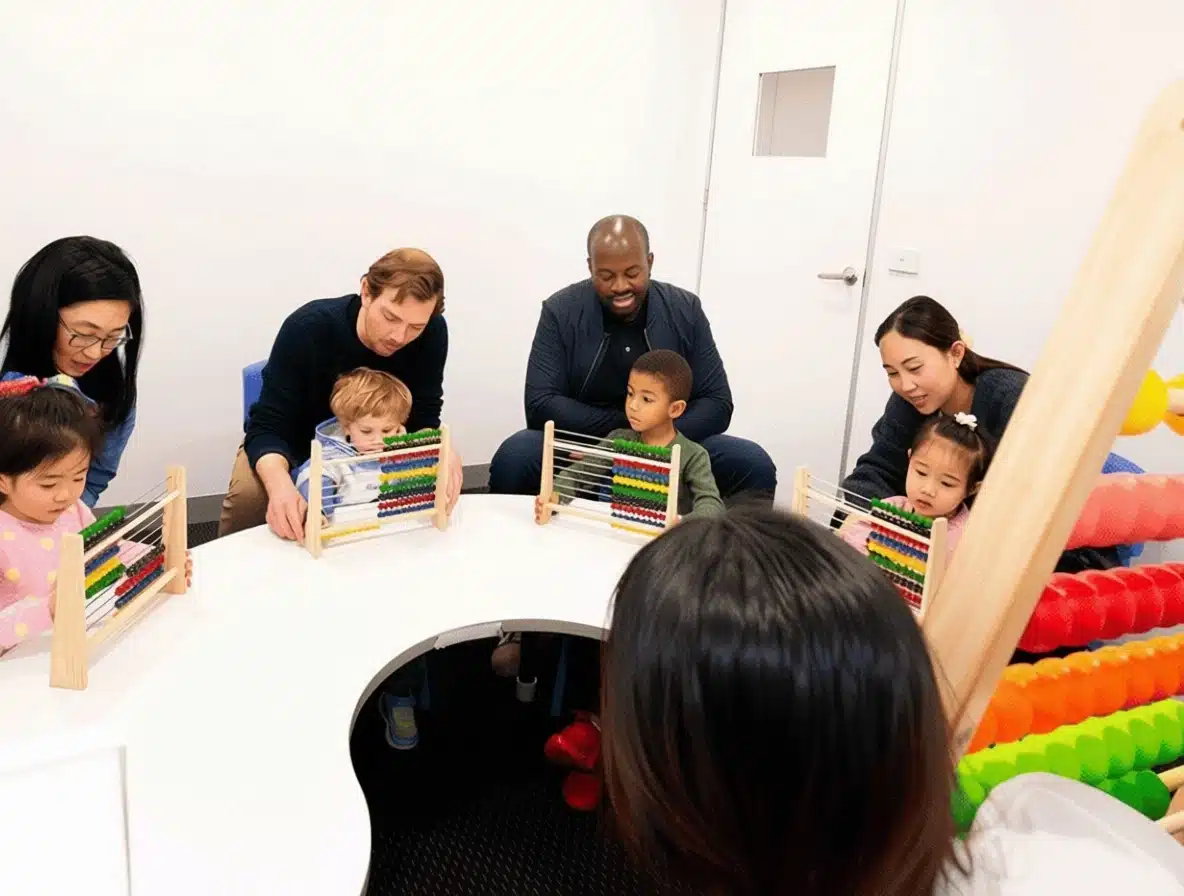
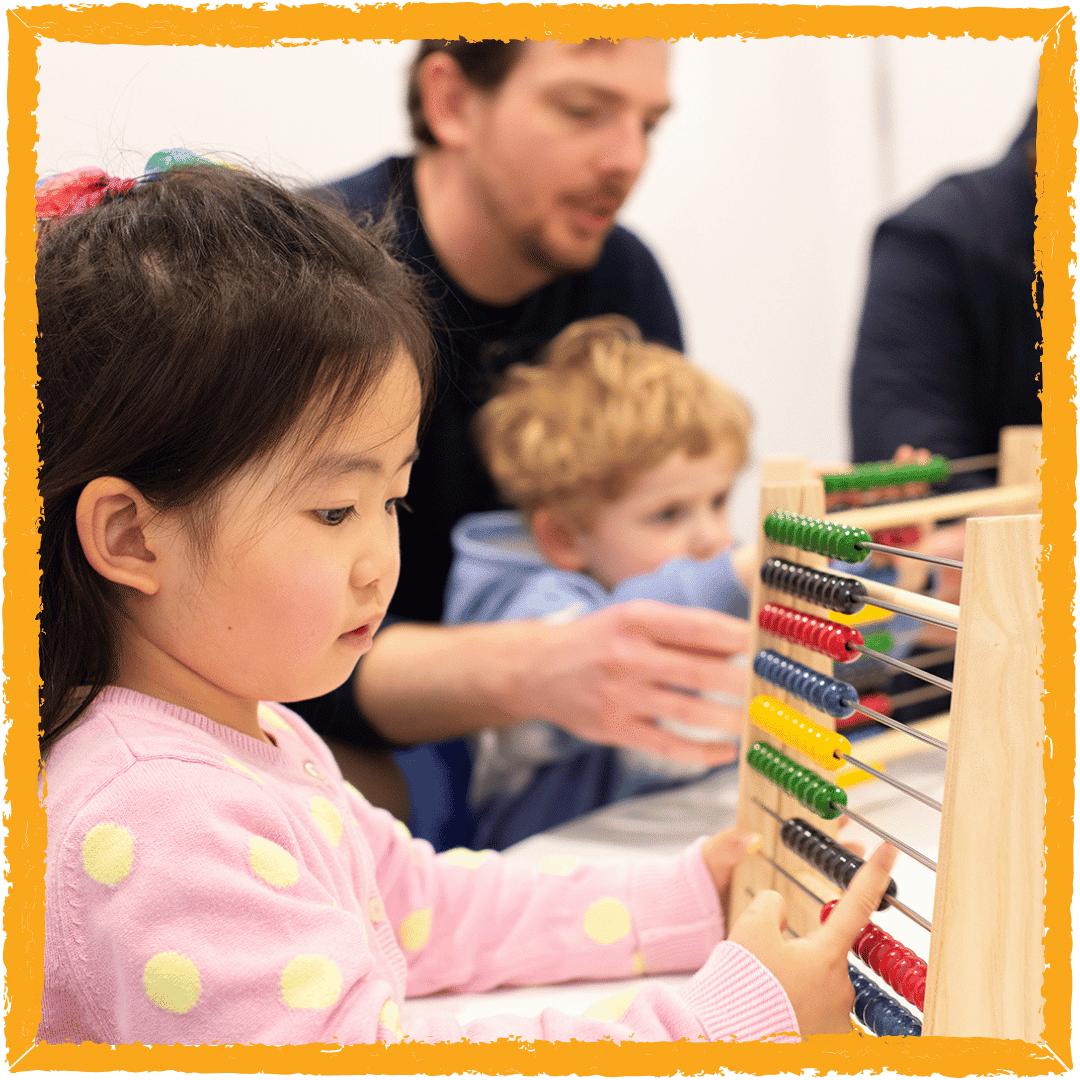
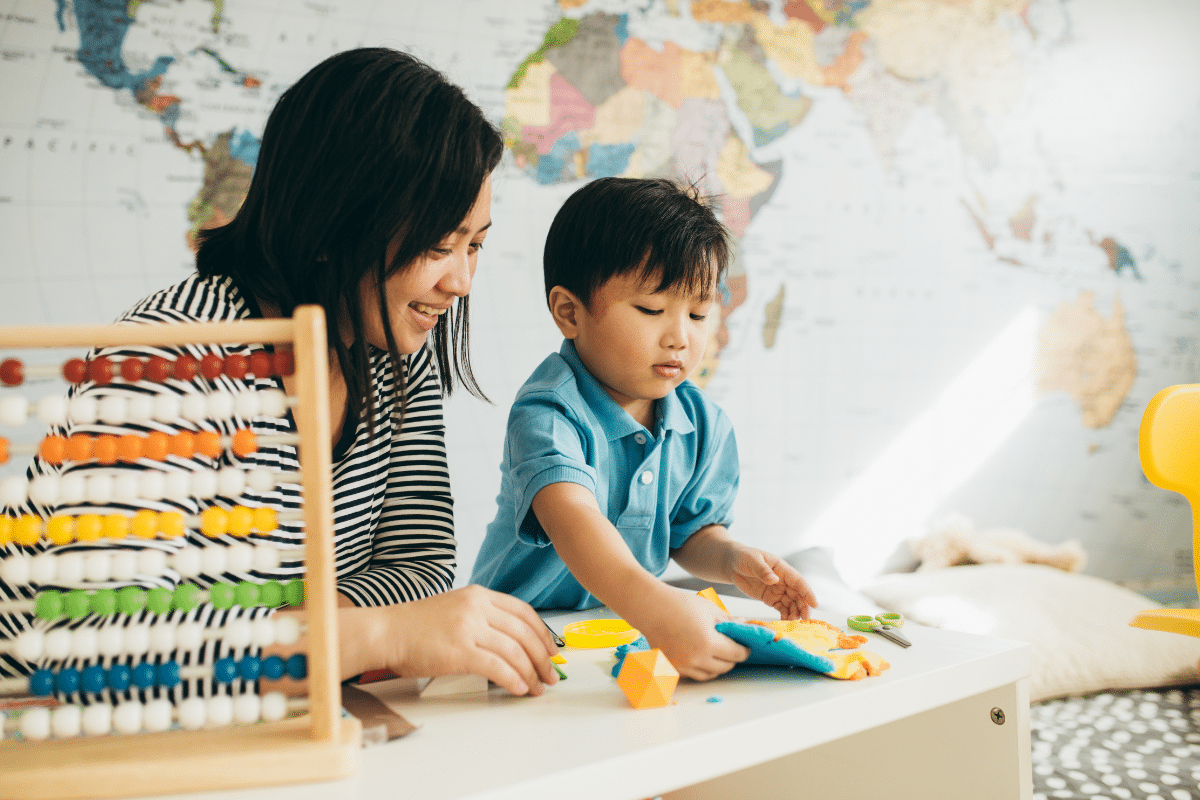
Photo from Shichida Australia: Preschoolers practising skip counting with abaci and songs – skip counting is a crucial skill needed later on to read time on analogue clocks, and used for mental math.
Understanding the Core Differences Between Shichida vs Kinder
Shichida focuses on stimulating the brain during the Golden Period – the most critical years of neural development. Weekly 50-minute sessions follow a structured format designed to strengthen memory, focus, sensory awareness, and early cognitive pathways. You attend with your child, and classes are centred on right-brain training, whole-brain development, and emotional bonding.
Kinder, on the other hand, is the familiar play-based environment you see in community centres, long-day-care centres, standalone kinders, and early learning centres in Victoria. It’s designed to prepare children for entry into Prep. Children learn through exploration, social interaction, and hands-on play.
Both programs support children aged 3 to 5, but they fulfil different developmental roles.
What Is the Shichida Method?
The Shichida Method is a Japanese-based early childhood learning system developed more than 60 years ago. It focuses on whole-brain development by stimulating both hemispheres through fast-paced activities, imagery exercises, memory training, sensory input, and emotional bonding. Parents join weekly sessions, creating a strong home-school learning connection.
What Is Kinder (Kindergarten)?
Kinder is a play-based early childhood setting for three to five-year-olds. It focuses on social skills, emotional readiness, communication, independence, and foundational literacy and numeracy. Unlike the American meaning of “kindergarten,” Victoria’s Kinder is not the first year of school. Prep is.

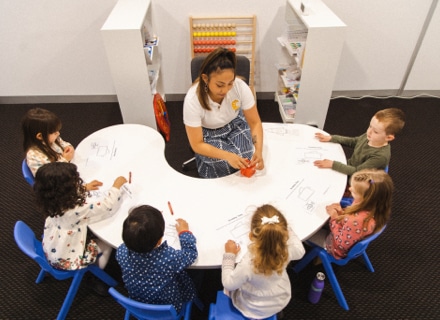
Photo from Shichida Australia: A Shichida teacher leading kids in a visualisation exercise during a Shichida class.
Teaching Philosophies: Holistic Brain Development vs Play-Based Learning
Shichida and Kinder follow two very different teaching philosophies, each shaping how your child learns and grows.
The Shichida Philosophy
Shichida focuses on holistic brain development, using structured activities designed to stimulate early neural pathways. Through imagery training, memory exercises, and sensory-based tasks, children strengthen focus, creativity, and cognitive processing. Emotional bonding also plays a central role, with parents actively participating to support empathy, security, and confidence. This approach creates a fast-paced, intentional learning environment where skills are built through gentle repetition and guided collaboration.
The Kinder Philosophy
Kinder, on the other hand, is grounded in the EYLF (Early Years Learning Framework), where play is viewed as the most effective way for young children to learn. In this child-led environment, curiosity drives exploration, and children discover new concepts through play. Social-emotional learning naturally develops as they interact with peers, negotiate roles, and respond to group routines. Creativity, independence, and problem-solving skills emerge as children make choices and follow their own interests. The overall goal is to prepare them for primary school by building resilience, communication skills, and a strong sense of self.
Both philosophies support healthy development, but they shape learning in very different ways.
Curriculum and Learning Methods
When deciding between Shichida and Kinder, understanding how their curricula work can help you see which suits your child best.
Shichida follows a highly planned, fast-paced structure. Each session is carefully designed to stimulate your child’s brain through repeated, fun and focused exercises.
Kinder takes a different approach, offering a flexible, play-based framework that encourages your child to explore at their own pace. Both approaches have clear benefits, but the choice depends on whether your child thrives in structured cognitive enrichment or open-ended learning.
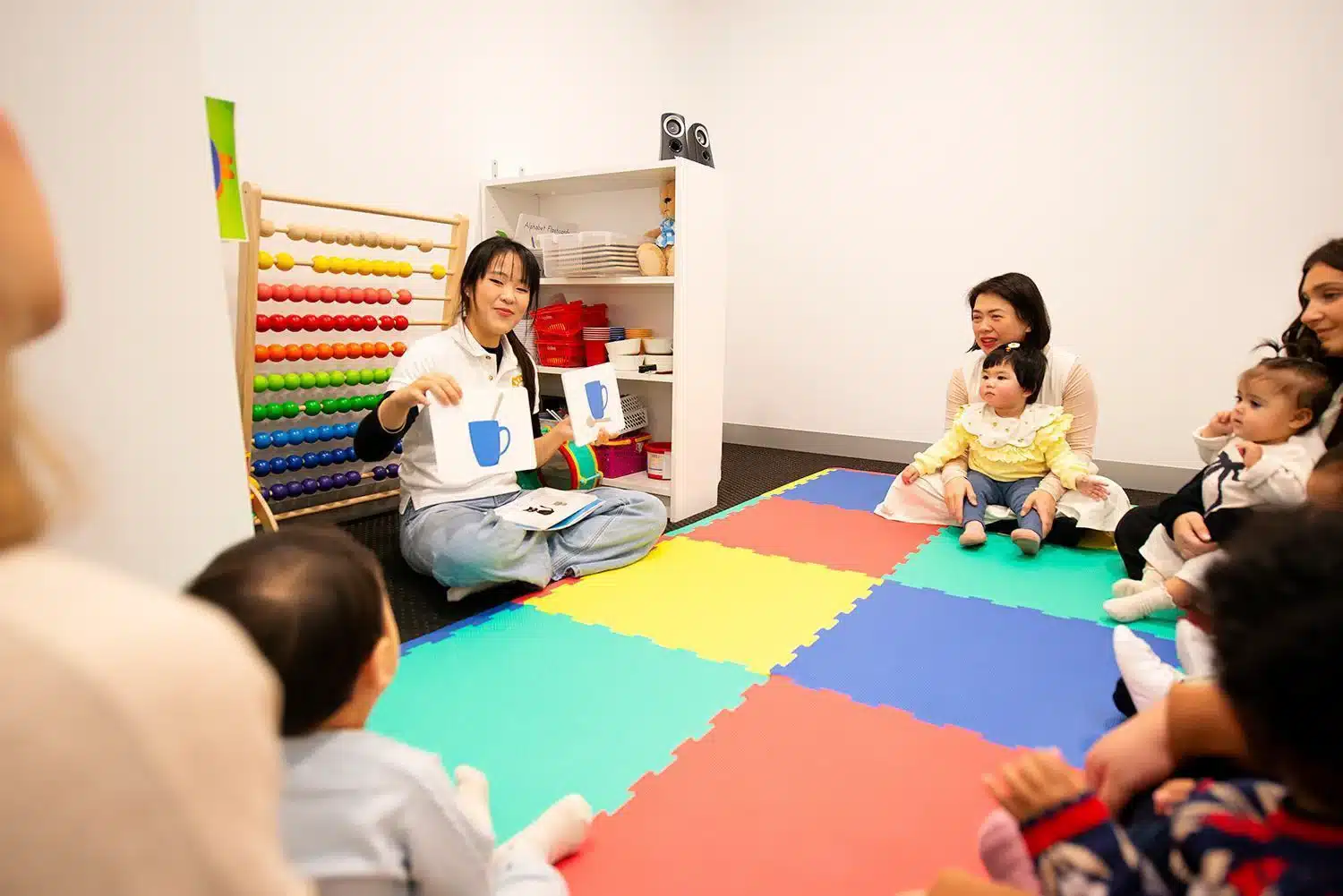
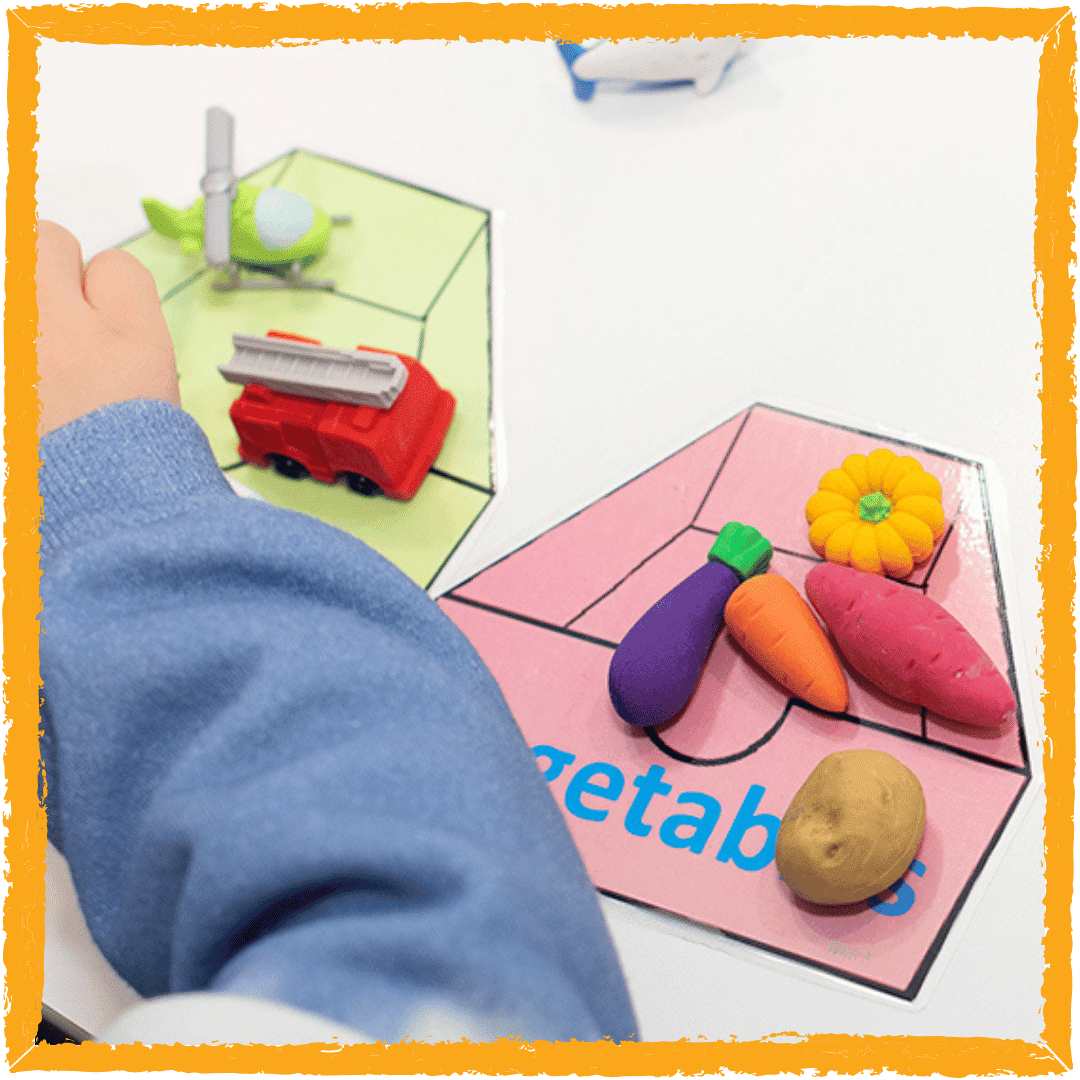
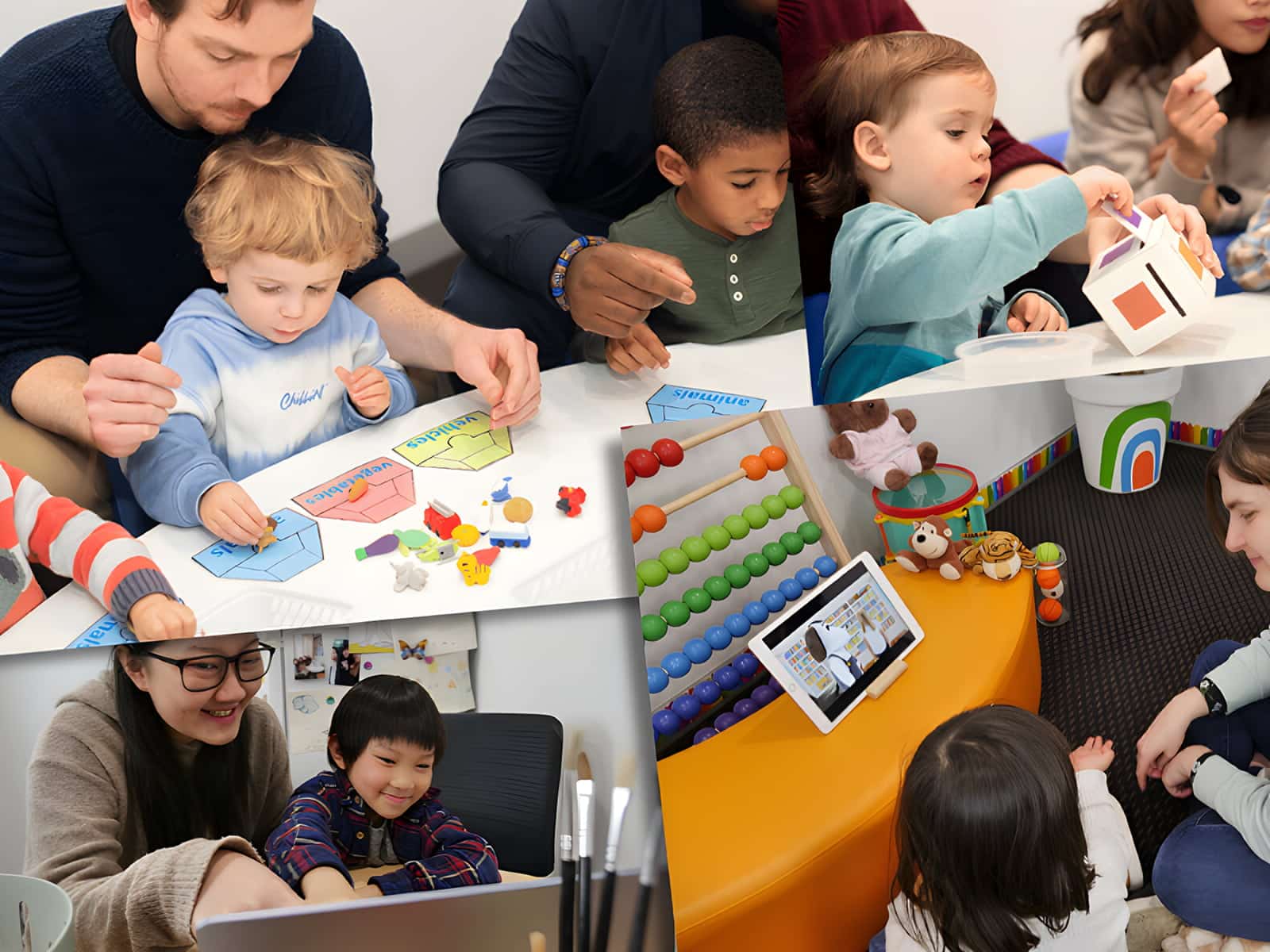
Photo from Shichida Australia: From high-speed flashcards to songs and hands-on play, Shichida helps children develop their developmental milestones through fun games and activities.
Shichida Classroom Activities
In Shichida classes, your child will engage in activities such as:
- High-speed flashcards
- Memory games
- Sensory stimulation tasks
- Fine motor and eye-training exercises
- Early exposure to phonics and numeracy
- Parent-child bonding activities
These activities are structured and deliberate, designed to strengthen memory, focus, creativity, and cognitive development. Your presence in class also helps reinforce learning and build a strong parent-child connection.
Kinder Classroom Activities
In Kinder, children learn through exploration and play. Typical activities include:
- Storytelling and circle time
- Pretend play
- Outdoor exploration and physical play
- Hands-on crafts and sensory tables
- Emergent literacy and numeracy experiences
- Group games and social routines
The emphasis is on curiosity, creativity, independence, and social skills. Teachers adapt activities based on each child’s interests, helping them build confidence and readiness for primary school routines.
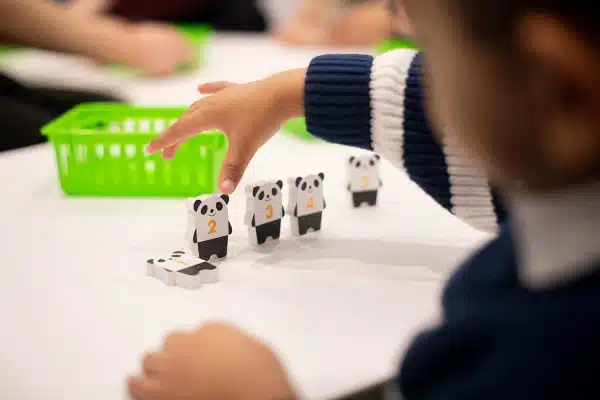
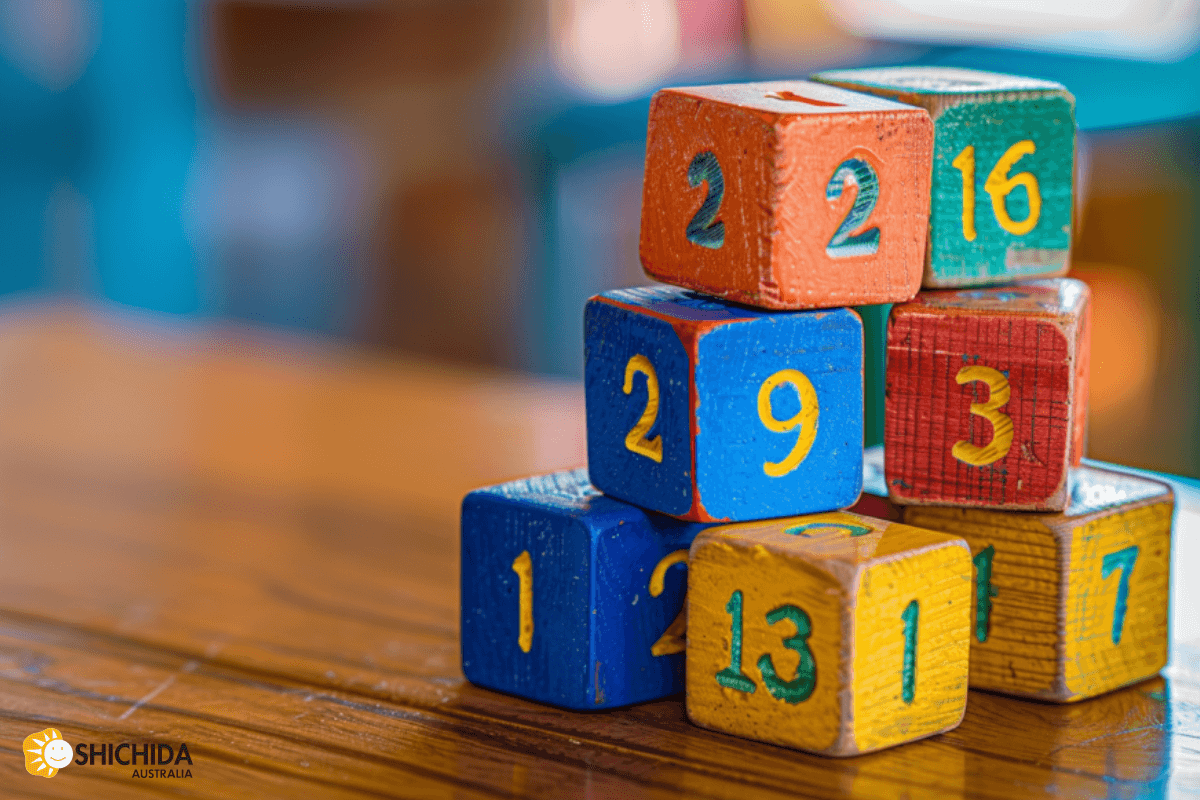
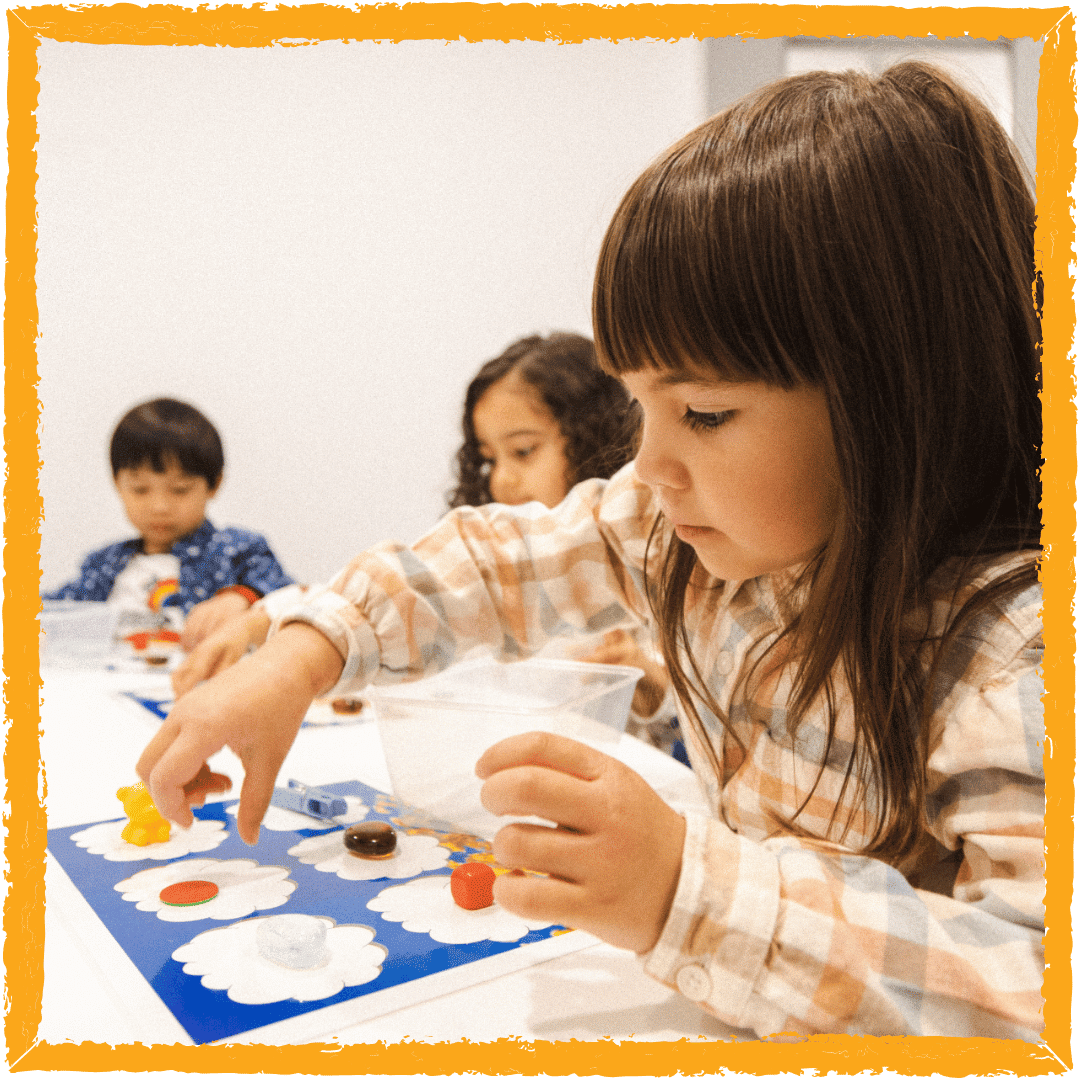
Photo from Shichida Australia: A preschooler playing a number sequencing game – this helps develop number recognition, number order and fine motor skills.
Age Suitability and Developmental Focus
Every child grows in their own way, and choosing an early learning program that matches where your child is developmentally makes a big difference. Understanding how Shichida and Kinder support different ages can help you decide what feels right for your family.
What Ages Shichida Serves
Shichida welcomes children from 6 months old up to 5 years old – the enrolment cut-off age is 5 years. Children enrolled before age 5 can continue up to age 9.
If you start early, you’re tapping into the years when your child’s brain is developing at its fastest. The program uses milestone-based activities that build memory, focus, sensory awareness, and early cognitive skills. Many parents choose to begin Shichida early because it offers a structured enrichment experience that strengthens neural pathways and supports learning long before school starts.
Ages Kinder Supports
Kinder is designed for children aged 3 to 5, which is the stage when social and emotional development becomes especially important. In Kinder, your child learns independence, communication, emotional regulation, and the confidence to interact with others. Parents often choose Kinder to help their child thrive in a group environment and to build the resilience and cooperation skills needed for school. Kinder gives your child the social and emotional readiness that helps them walk into Prep feeling prepared and self-assured.
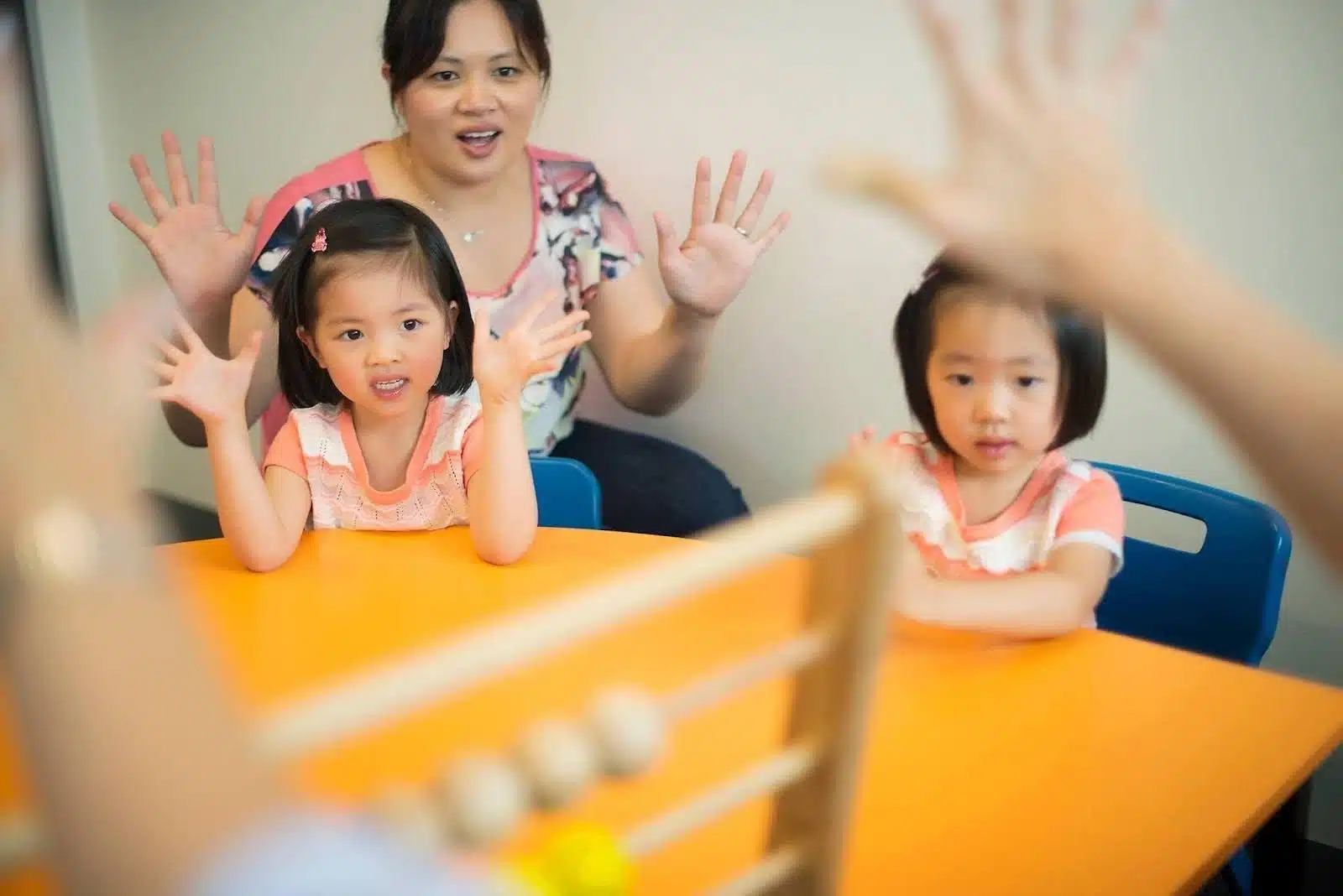
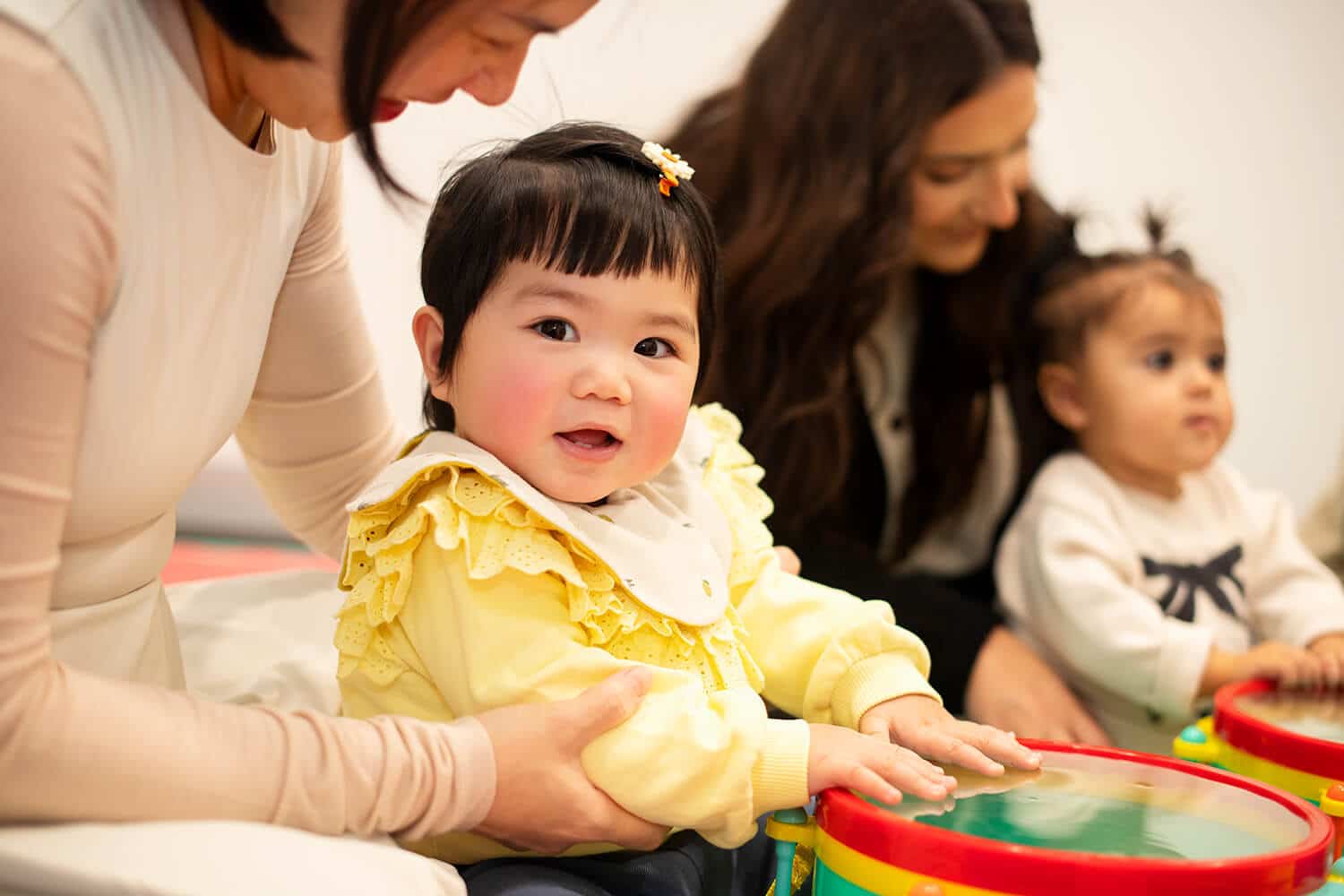
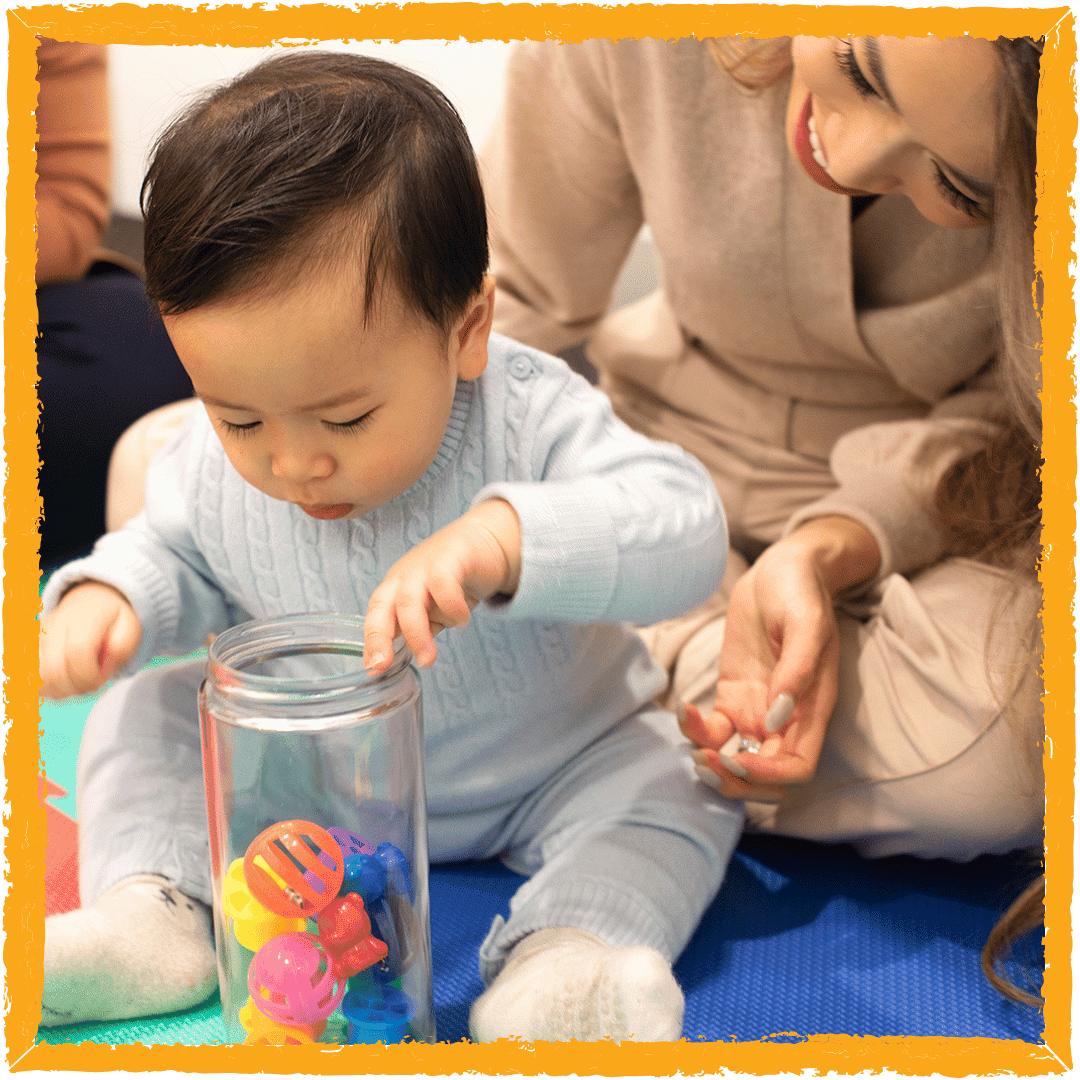
Photo from Shichida Australia: Important concepts are explored and reinforced through songs and music during Shichida lessons. Here we see a number song in action during a class for preschoolers!
Benefits and Outcomes
Both programs offer meaningful benefits, but they support different areas of early childhood milestones.
Shichida Benefits
At Shichida, your child has the opportunity to strengthen and develop memory, focus, reading, number sense and early critical thinking skills in a gentle and structured way. The activities encourage creativity and problem-solving, giving your child a solid foundation for early literacy and numeracy. Because you’re involved in every session, you’re not just watching – you’re bonding, supporting, and learning alongside your child. This shared experience helps your child feel secure, motivated, and connected as they grow.
Kinder Benefits
In Kinder, your child develops the social and emotional skills they need for school and everyday life. Through play, group routines, and peer interaction, your child learns how to share, communicate, take turns, and work as part of a team. These experiences help them build confidence and independence while managing their feelings in different situations. Kinder also gently prepares your child for Prep by introducing school-like routines, helping them adjust comfortably to the structure and expectations of formal learning.
Parent Involvement Requirements
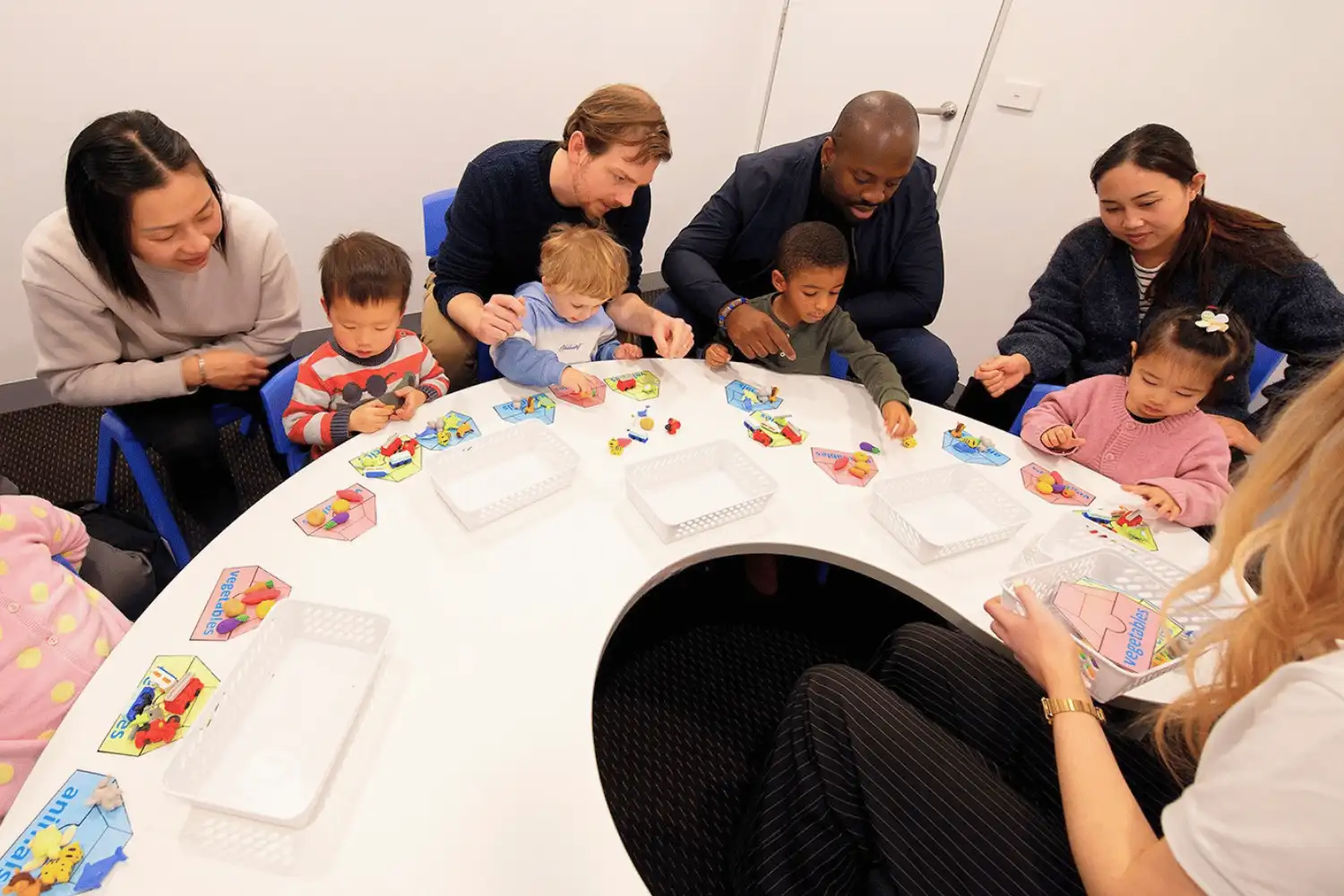
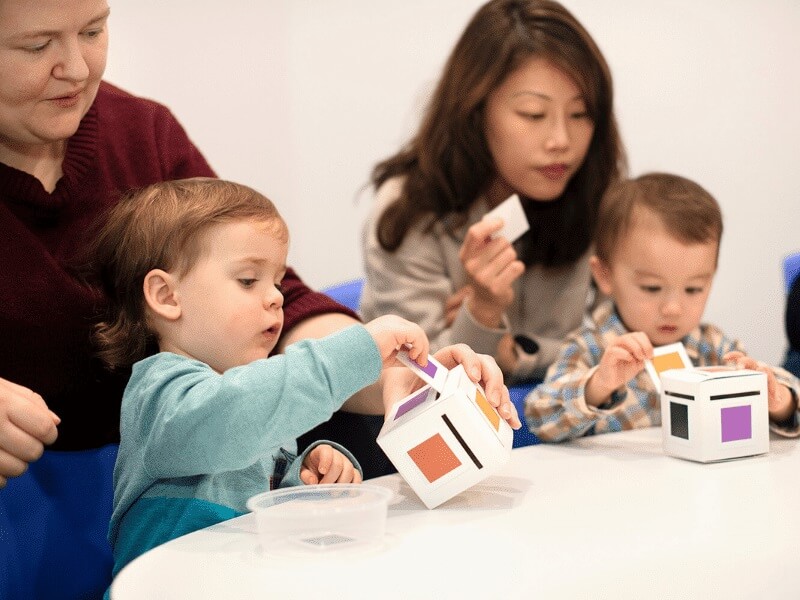
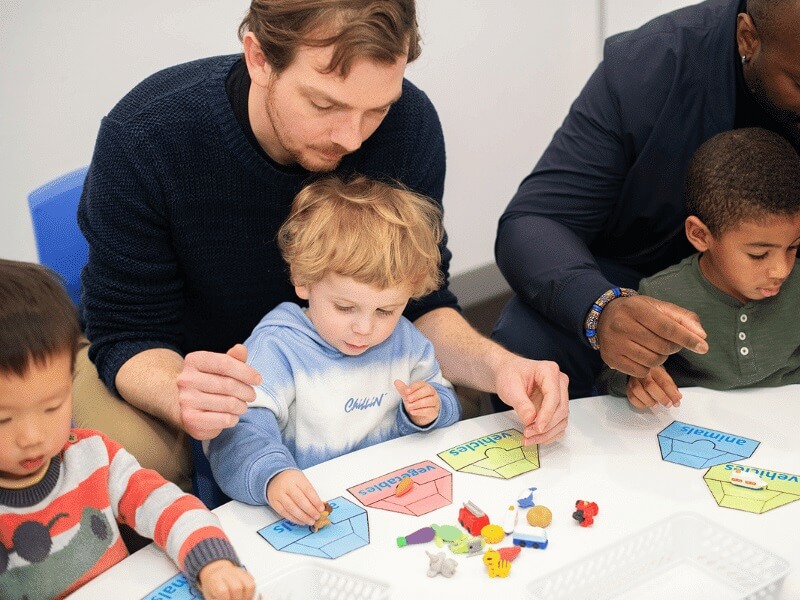
Photo from Shichida Australia: Parents playing a sorting game with their children. Remember – every family’s journey is different! Observe your child’s needs, and choose the early learning program that feels right for your household.
Parent roles differ significantly between Shichida and Kinder.
- At Shichida, your presence is necessary. You participate actively with activities alongside your child, and reinforce concepts at home. The program thrives on strong parent involvement.
- In Kinder, the model is primarily drop-off. Teachers guide the learning, and your role is to support, communicate, and engage with the occasional event or meeting.
Shichida Parent Participation
- Required during classes
- Home practice encouraged
- Active involvement supports cognitive and emotional growth
Kinder Parent Participation
- Drop-off model
- Communication through teachers
- Occasional involvement through events and updates
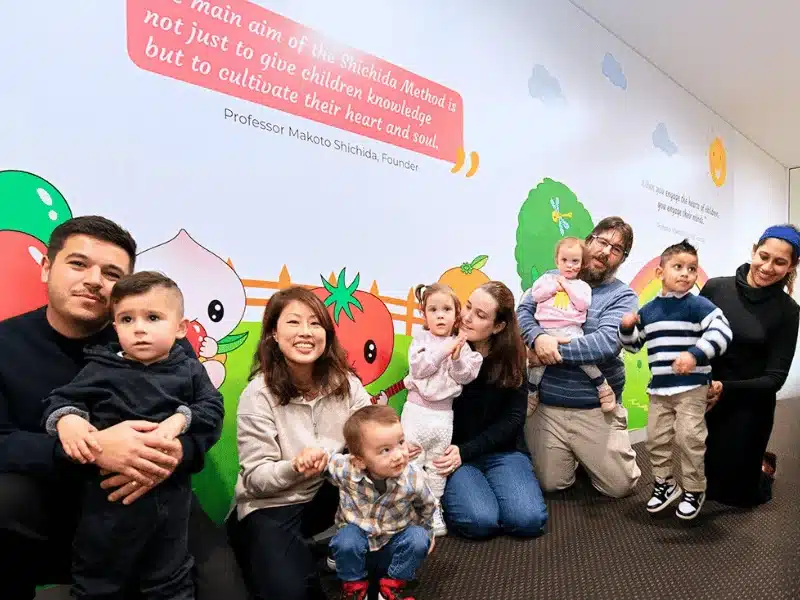
Photo from Shichida Australia: Time spent together in a Shichida class is time well spent with purpose and meaning!
Program Structure and Environment
- Shichida is an enrichment learning centre. Class sizes are small and sessions run weekly for 50-minutes. The environment is quiet, gentle, and structured.
- Kinder feels more like a school setting. Children attend daily or several times a week, following a mixture of planned routines and open-ended play.
Structure of Shichida Sessions
- 50-minute weekly classes
- Small group sizes – max of 6 kids per class
- Trained Shichida educators
- Progress monitored regularly
Structure of Kinder Classrooms
- Daily sessions or a few times per week
- Multiple educators
- Routines mixed with flexible play
- Strong peer-to-peer learning
Cost Comparison
Shichida operates as a private enrichment program with term fees and registration. It is generally more costly than Kinder because it is not subsidised.
Most Kinder programs in Victoria receive government funding, especially for 3 and 4-year-old Kinder. However, waitlists are common in some suburbs and towns, and additional costs such as uniforms or excursions may apply.
Shichida Costs
- Private fee structure
- Once-off registration fee, with termly enrolments
- No government subsidies
Kinder Costs
- Often subsidised
- Public and private differences
- Additional costs depending on the centre
Not All Learning Environments Focus on the Same Skills
Comparing learning experiences across educational settings – especially when it comes to cognitive development.
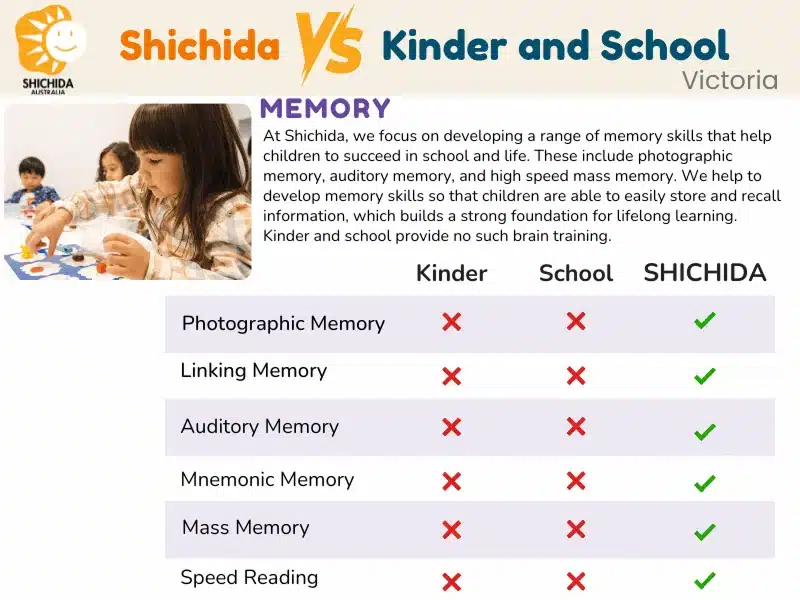
A Comparison of Memory Activities: Shichida vs Preschool & School
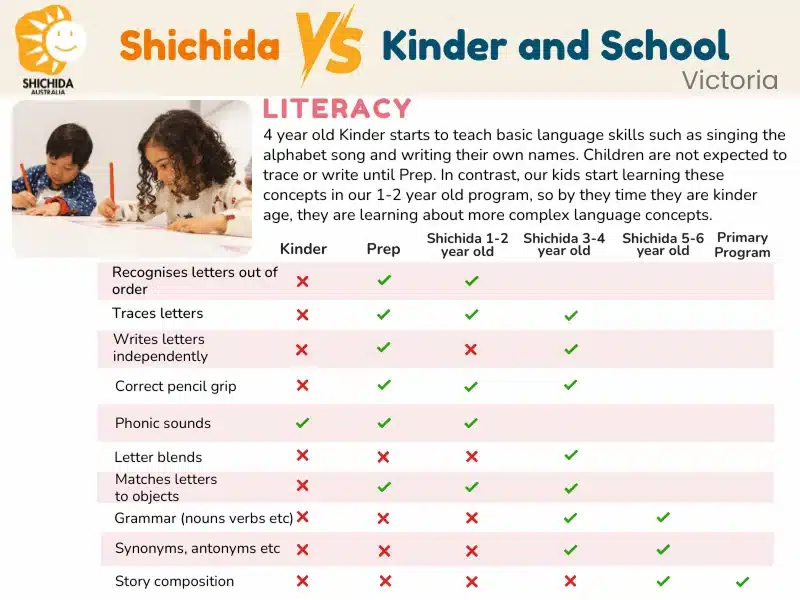
A Comparison of Literacy Activities: Shichida vs Preschool & School
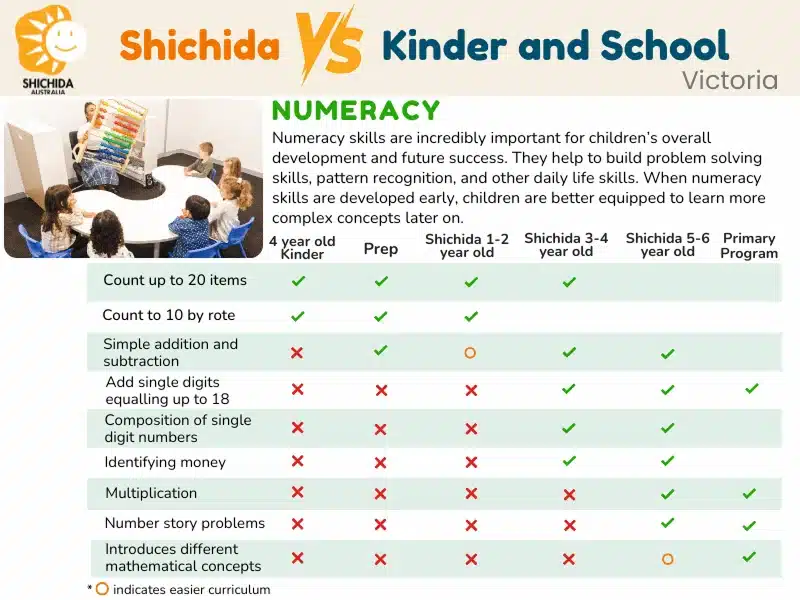
Comparison of Numeracy Activities: Shichida vs Preschool & School
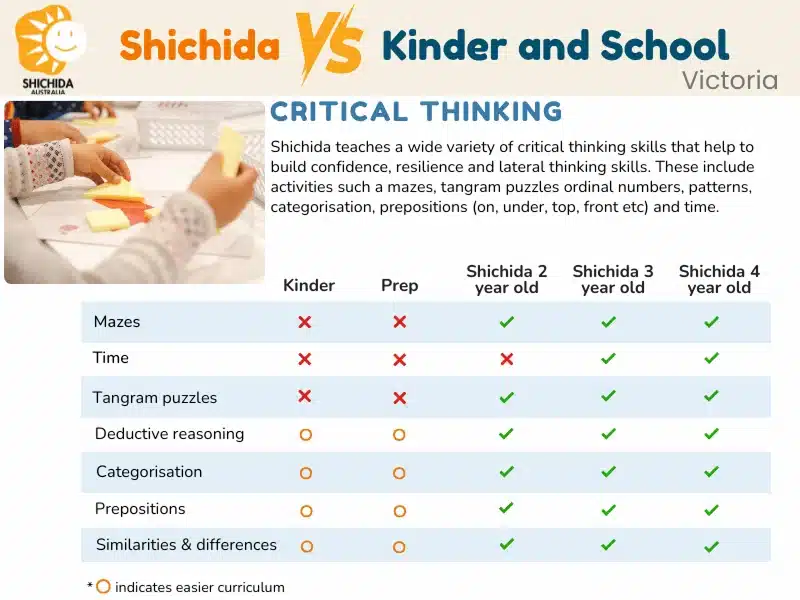
Comparison of Critical Thinking Activities: Shichida vs Preschool & School
Choosing the Right Option for Your Child
The best choice depends on your goals, your schedule, and your budget.
When Shichida May Be the Better Fit
- Your child enjoys structure and stimulation
- You want strong early cognitive foundations
- You value enrichment-style learning
- You want to spend meaningful time with your child
When Kinder May Be the Better Fit
- Your child needs more social interaction
- You value learning through play
- You require a drop-off and go service
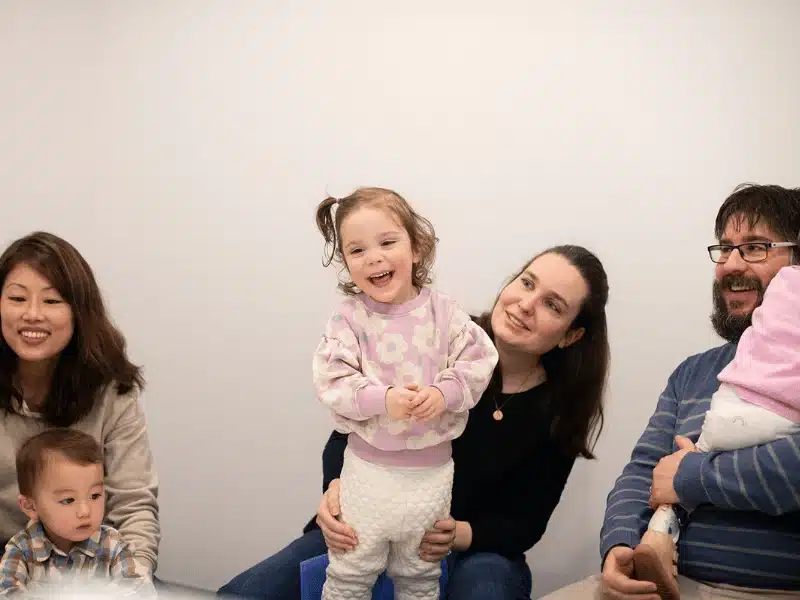
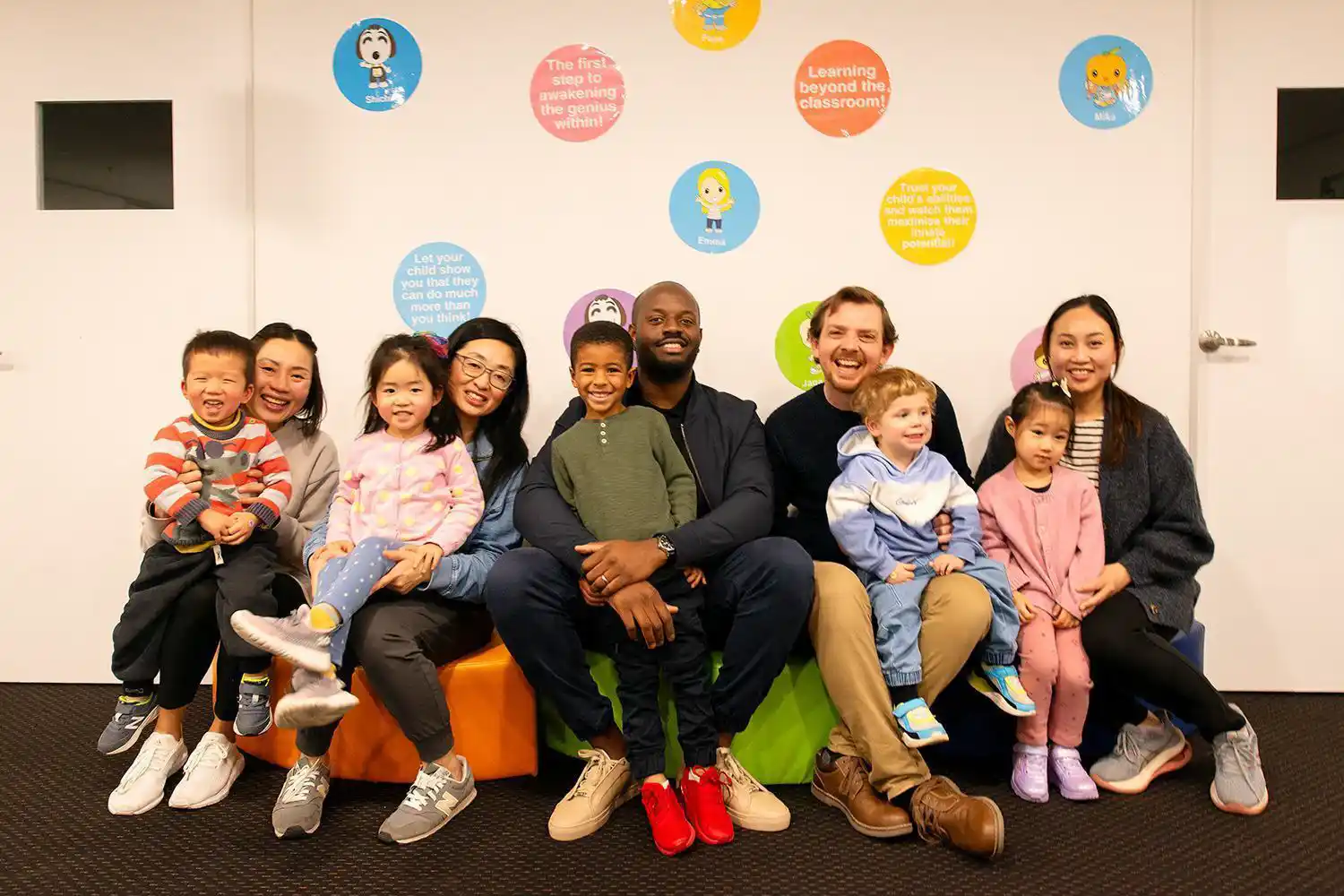
Photo from Shichida Australia: Families enjoying an enrichment class together – time well spent!
Can You Combine Shichida and Kinder?
Yes, many families do both. Shichida builds cognitive and sensory foundations, while Kinder strengthens social and emotional growth. Together, they create a balanced experience.
Benefits of Combining Both
When you combine Shichida and Kinder, your child receives both cognitive stimulation and strong social-emotional development. Shichida helps build memory, focus, and early learning foundations, while Kinder supports social confidence and communication. Together, they create a more balanced early learning experience without relying on just one approach, giving your child broader opportunities to grow.
Tips for Parents Combining Both Programs
If you choose to enrol in both, keep your weekly schedule realistic so your child doesn’t feel stretched for time or energy. Watch for signs of tiredness or overstimulation, such as irritability or difficulty focusing. Make sure you protect downtime at home and allow plenty of child-led play, as this helps your child process new learning and stay emotionally regulated. Balancing structure with rest keeps both programs enjoyable and sustainable.
Expert Insights and Research
Research in early childhood education highlights that the brain develops rapidly during the first six years of life. Neural pathways strengthen through repetition, sensory input, and emotionally supportive environments, which aligns with the Shichida approach.
Play-based learning is supported by decades of research showing long-term benefits in academic achievement, emotional development, resilience, and problem-solving.
Both methods are rooted in strong evidence but serve different developmental angles.
Research Supporting Brain Training
Research shows that your child’s brain is highly malleable during the first six years of life, making early experiences crucial for development. Structured learning programs like Shichida take advantage of this neural plasticity, using repetition, sensory input, and targeted cognitive activities to strengthen memory, attention, and problem-solving pathways. Studies in early childhood neuroscience indicate that consistent, structured stimulation helps build the neural foundations needed for later academic skills and lifelong learning, supporting both cognitive and emotional growth in young children.
Research Supporting Play-Based Kindergarten
At the same time, decades of research highlight the effectiveness of play-based learning. Studies show that children who engage in child-led exploration and group play develop stronger social skills, emotional regulation, and resilience. Play-based Kindergarten also supports early literacy and numeracy through experiential learning, helping children adapt to school routines while maintaining curiosity and creativity.
Together, these findings show that both structured brain training and play-based approaches have unique, complementary benefits, giving children a solid foundation for cognitive, social, and emotional development.

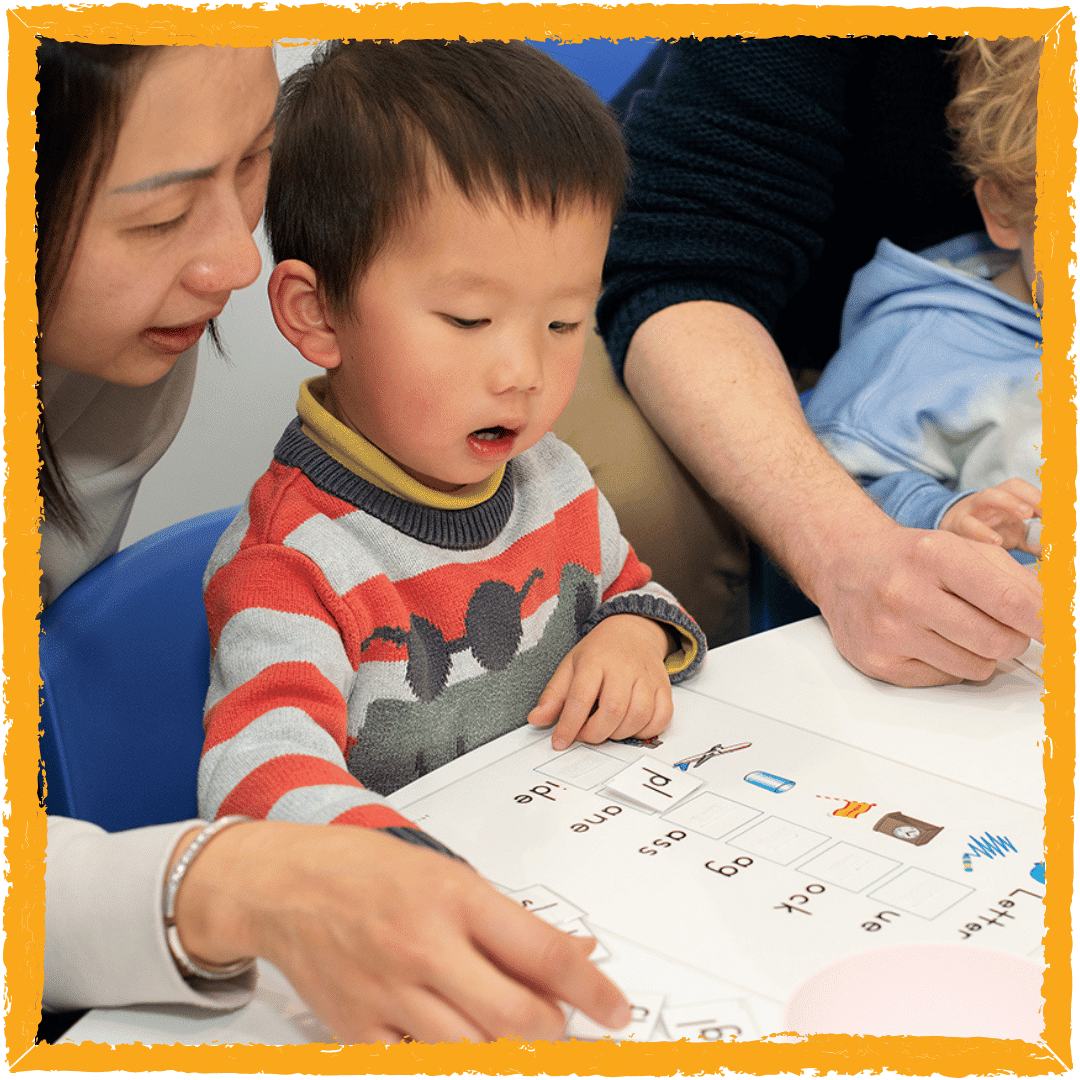
Photo from Shichida Australia: Preschoolers playing a phonics game during a Shichida Kinder Class for preschoolers.
Want to see the Shichida Method in action?
Start your early learning adventure and book a trial class – you and your child will love it!
FAQ’s: Shichida vs Kinder in Melbourne
Neither is better overall – they serve different purposes. Shichida is an early learning enrichment program starting from 6 months old, focused on brain development and parent involvement, while Kinder focuses on play-based learning and social development in preparation for Prep.
Yes! Many Melbourne families choose to combine both. Kinder supports socialisation and independence, while Shichida provides structured cognitive enrichment through weekly parent-attended classes.
Children can start Shichida from as early as six months old. Enrolment closes at age five, and children who enrol before five can continue through the primary years, up to age 9.
No. Shichida does not replace Kinder. Kinder is part of Victoria’s early childhood education system and prepares children for school routines, while Shichida complements Kinder by strengthening cognitive skills such as memory, focus and critical thinking.
Shichida places greater emphasis on memory training, visual processing, sensory integration, early numeracy and early reading foundations, as well as parent-child bonding through guided participation.
Kinder focuses strongly on larger grouped peer interactions, emotional regulation through experience, group communication and adapting to group routines.
Kinder in Victoria is designed for children aged three to five. Most children attend funded 3-year-old Kinder and 4-year-old Kinder before starting Prep.
No. Shichida classes are developmentally appropriate and carefully structured for each age group. Activities are short, gentle and designed to match a child’s attention span and stage of development.
Both contribute in different ways. Kinder prepares children for daily school routines and social expectations, while Shichida supports the cognitive foundations that help children read and learn effectively once school begins.
Yes, but it ultimately depends on your family’s goals. Kinder is government-funded and focused on school readiness, while Shichida is a private enrichment program offering structured brain development and parent involvement. They serve different needs rather than being direct alternatives.
Compare Shichida With Other Popular Learning Methods
You may also want to explore how Shichida compares with other popular learning approaches such as Montessori or Glenn Doman.
Shichida vs Kumon: Which Early Learning Program is Best?
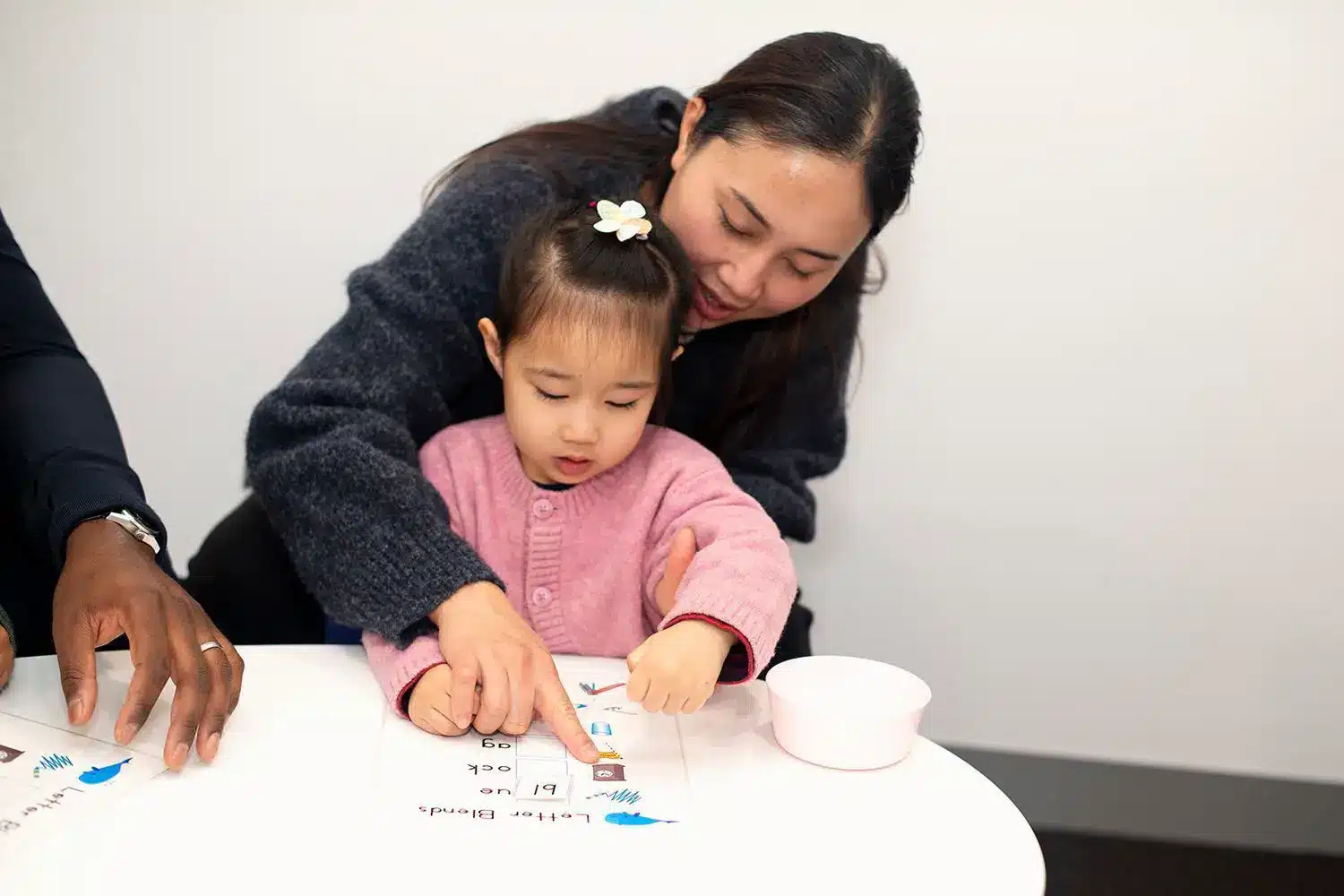
Early Childhood Development Methods: Shichida vs Montessori
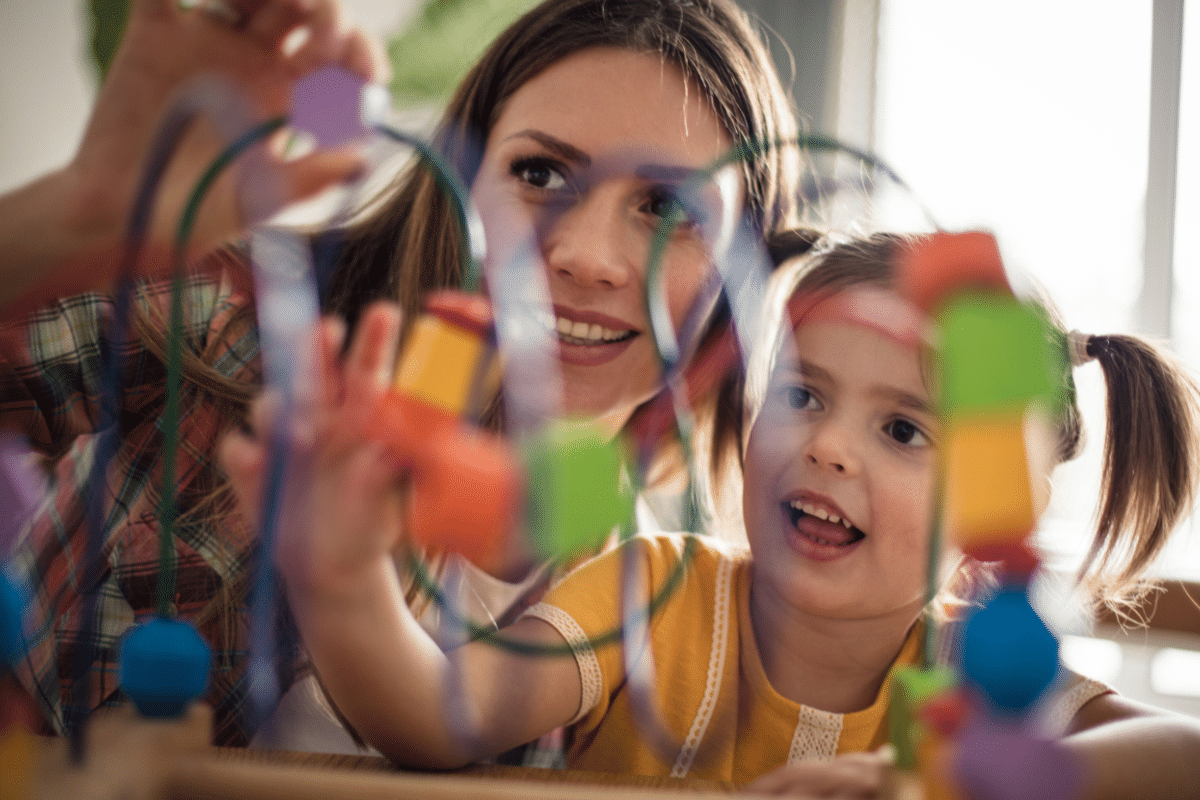
Early Childhood Development Methods: Shichida vs Heguru
Shichida vs Reggio Emilia: Understanding the Differences

Shichida Classes vs SHICHIDA at Home: Which Is Best?
Sydney Shichida vs Preschool: Which Is Best for Your Child?
Shichida vs Kinder: Navigate Early Learning in Melbourne