Sensory Toys for Babies DIY: Early Learning & Development
Key Points
- Sensory toys build crucial brain connections in the first two years.
- Choose or make age-appropriate toys for safety and effectiveness.
- Rotate toys to keep play fresh and avoid overstimulation.
- Mix store-bought and DIY sensory toys for variety.
- Sensory toys for babies DIY are simple, safe, and affordable ways to support early brain development.
- Look for expert-approved educational options like the Shichida Australia Shop.
From the moment your baby enters the world, they are ready to explore. Every sound, every texture, every colourful object holds the potential to shape their understanding of life. Sensory play is not just about keeping your baby entertained! It is the very foundation of early brain development.
The type of play and toys you choose today can develop neural connections that last a lifetime.
In this guide, you’ll discover what makes sensory toys for babies so powerful, how they support development at every stage, and which toys are most effective for your child’s growth. We look at DIY (do it yourself) options as well as store-bought.
As Shichida educators, we’ve seen first-hand how carefully chosen baby sensory toys encourage curiosity, strengthen skills, and lay the groundwork for learning.
What Are Sensory Toys?
At their core, sensory toys are designed to stimulate a baby’s senses: sight, sound, touch, taste, smell, and movement. These toys help babies process the world around them. From the rustle of a soft rattle to the gentle wobble of a tummy-time water mat, every experience activates neural pathways that support growth.
The first three years of life are a period of remarkable brain growth. During this time, every new sensory experience helps to strengthen developing connections. Baby development toys give children opportunities to practise focus, coordination, problem-solving, and self-soothing in playful ways.
Shichida Australia believes in whole-brain learning. This means nurturing not only logic and memory, but also creativity, emotional awareness, and motor coordination. Sensory play fits seamlessly into this philosophy because it engages multiple areas of the brain at once, helping your child build a balanced foundation for lifelong learning.
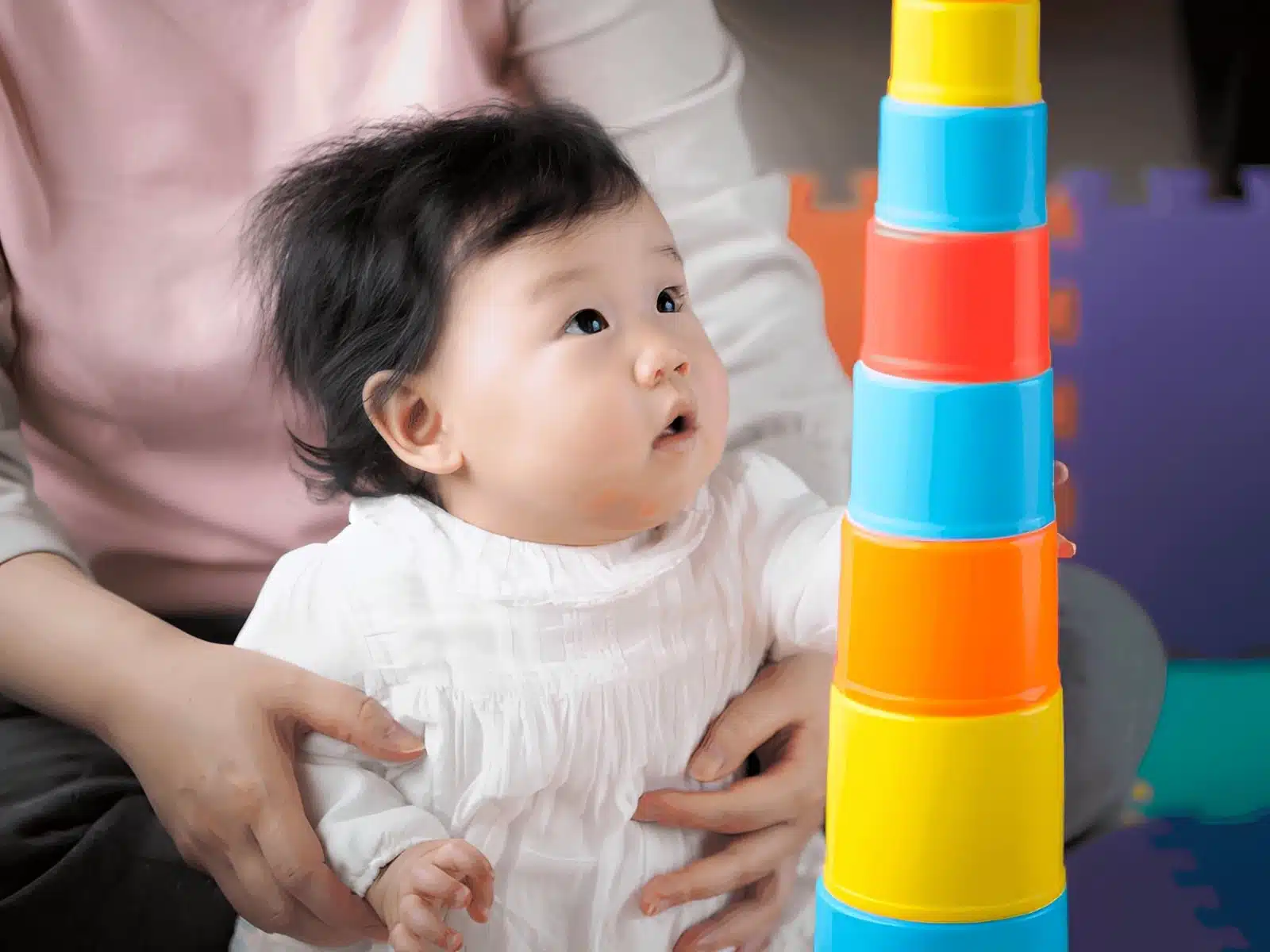
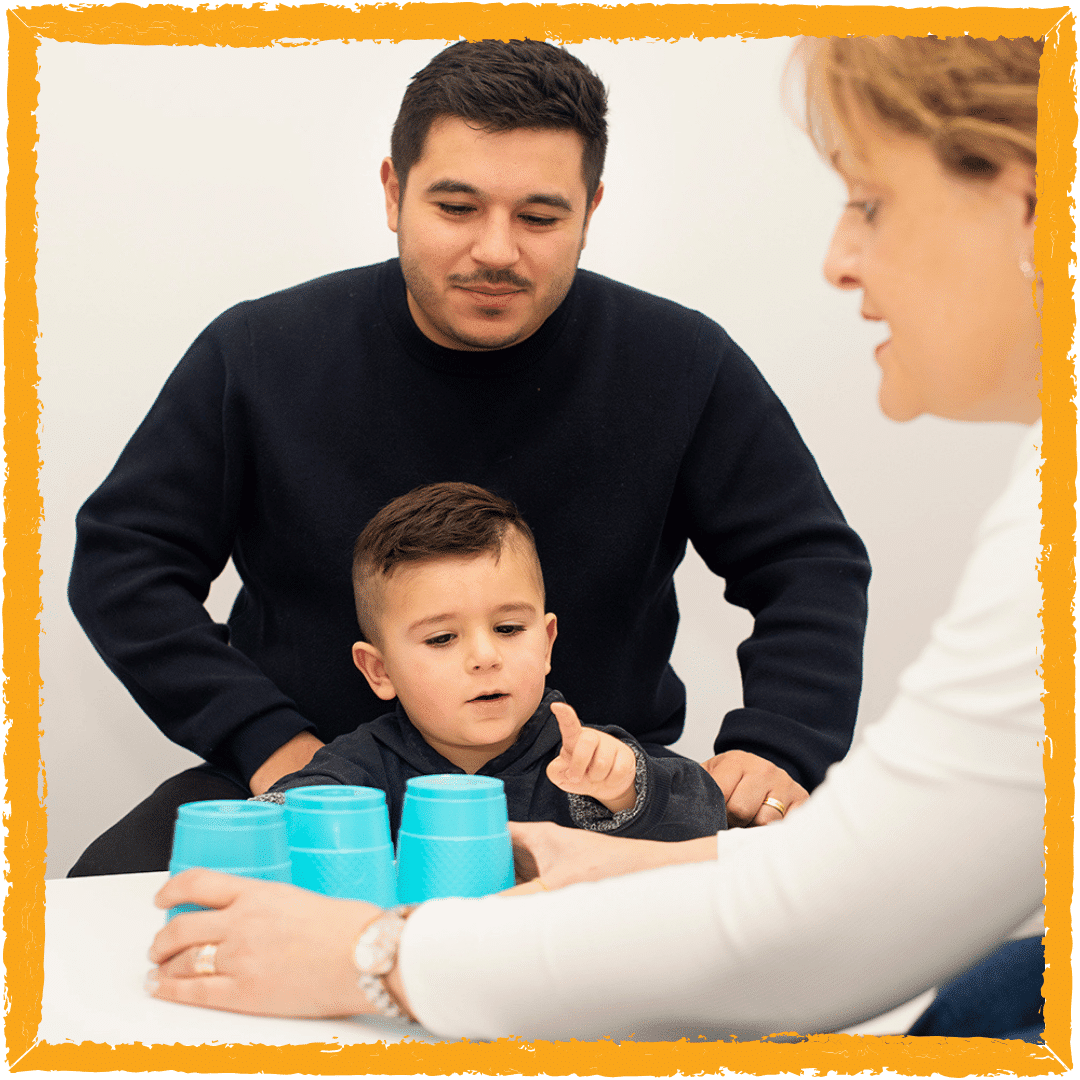
Stacking cups are classic sensory toys – they stimulate touch, sight, hearing and movement while promoting developmental milestones like problem-solving, coordination and early math concepts.
The Role of Sensory Play in Early Development
As mentioned, the first years of life are a “critical window” of brain growth. This is called the Golden Period of Development.
Sensory play offers babies safe opportunities during this period of development to experiment, make discoveries, and learn cause and effect. By providing infant sensory play, you are helping your child practise attention, strengthen early memory, and build emotional resilience. What feels like simple play to you is actually the groundwork for lifelong skills.
Examples of Common Sensory Toys
Parents often ask, “What counts as a sensory toy?” The truth is, many everyday items double as baby learning toys. A few popular examples include:
- Rattles and shakers (sound, grip strength)
- Textured balls (touch, coordination)
- Tummy-time water mats (sight, motor skills)
- Play scarves (movement, visual tracking)
- Stacking cups (problem-solving, fine motor)
Each of these toys encourages your baby to use their senses while developing specific skills.
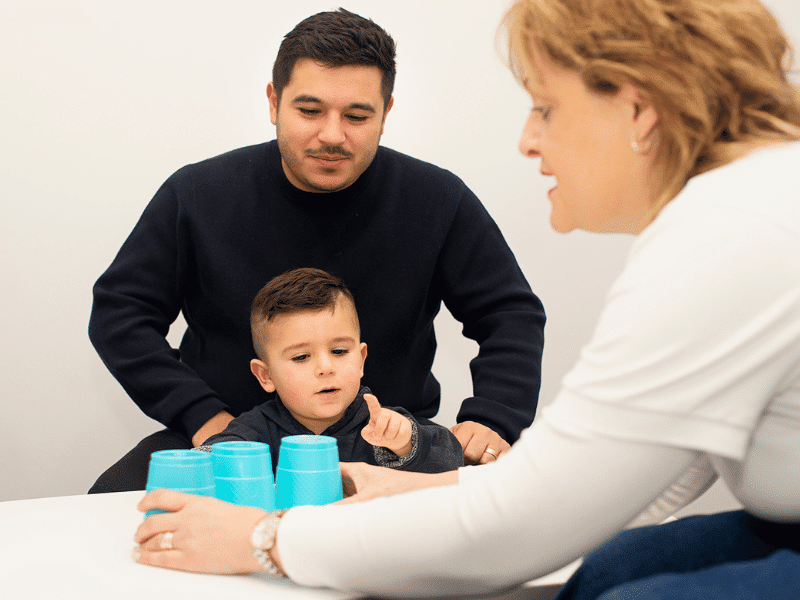
Photo by Shichida Australia: Stacking cups aren’t just toys, they’re sensory tools! During Shichida classes, babies and toddlers build coordination, problem-solving skills, and early brain connections through playful, hands-on learning.
Benefits of Sensory Toys for Babies
Sensory toys support milestones across the first two years of life. By stimulating the senses, these early learning toys build the foundation for cognitive, physical, and emotional development.
Key Benefits of Sensory Toys for Babies:
- Strengthen neural pathways during critical growth windows
- Encourage fine and gross motor skill development
- Support emotional regulation and self-soothing
- Build early problem-solving and cognitive flexibility
- Boost communication, language, and social engagement
Enhancing Cognitive Development
Every time your baby shakes a rattle and notices the sound, they are practising cause-and-effect thinking. These learning moments form the basis of problem-solving and logical reasoning. Educational toys for babies that involve repetition, such as stacking rings or shape sorters, encourage memory and persistence, skills that are essential for later learning.
Building Fine and Gross Motor Skills
From grasping a crinkle toy to crawling after a rolling ball, sensory play strengthens both fine (small hand movements) and gross (whole-body) motor skills. Motor skill toys like textured blocks or push-and-pull toys encourage coordination, balance, and strength, preparing your child for crawling, walking, and beyond.
Supporting Emotional Growth
Babies can sometimes feel overwhelmed by their world. Sensory play for infants gives them tools to self-soothe. For example, a soft textured comfort toy may calm your baby when they are unsettled, while water mats or glowing toys can gently distract and ease anxiety. Over time, this supports resilience and emotional balance.
Encouraging Language and Social Skills
Sound-based toddler sensory toys such as drums, bells, or talking books stimulate listening and imitation. These early experiences support your baby’s ability to recognise rhythm, pitch, and words, all of which are crucial for language development. When you join in the play, you’re also modelling social interaction, turn-taking, and communication.
Choosing Age-Appropriate Sensory Toys
Not all sensory toys are suitable for every stage. Babies develop quickly, and the toys that engage them at three months may bore them by twelve months. Choosing age-appropriate baby sensory toys ensures both safety and developmental benefit.
Here’s a checklist to guide you:
- Safety first: Always check that toys meet safety standards, with no small parts that could pose choking hazards.
- Material quality: Opt for non-toxic, BPA-free, and easy-to-clean materials.
- Avoid overstimulation: Babies thrive with calm, focused play. Avoid toys that flash, buzz, and sing all at once.
- Follow your child’s lead: Notice which senses they are most drawn to, and build around their interests.
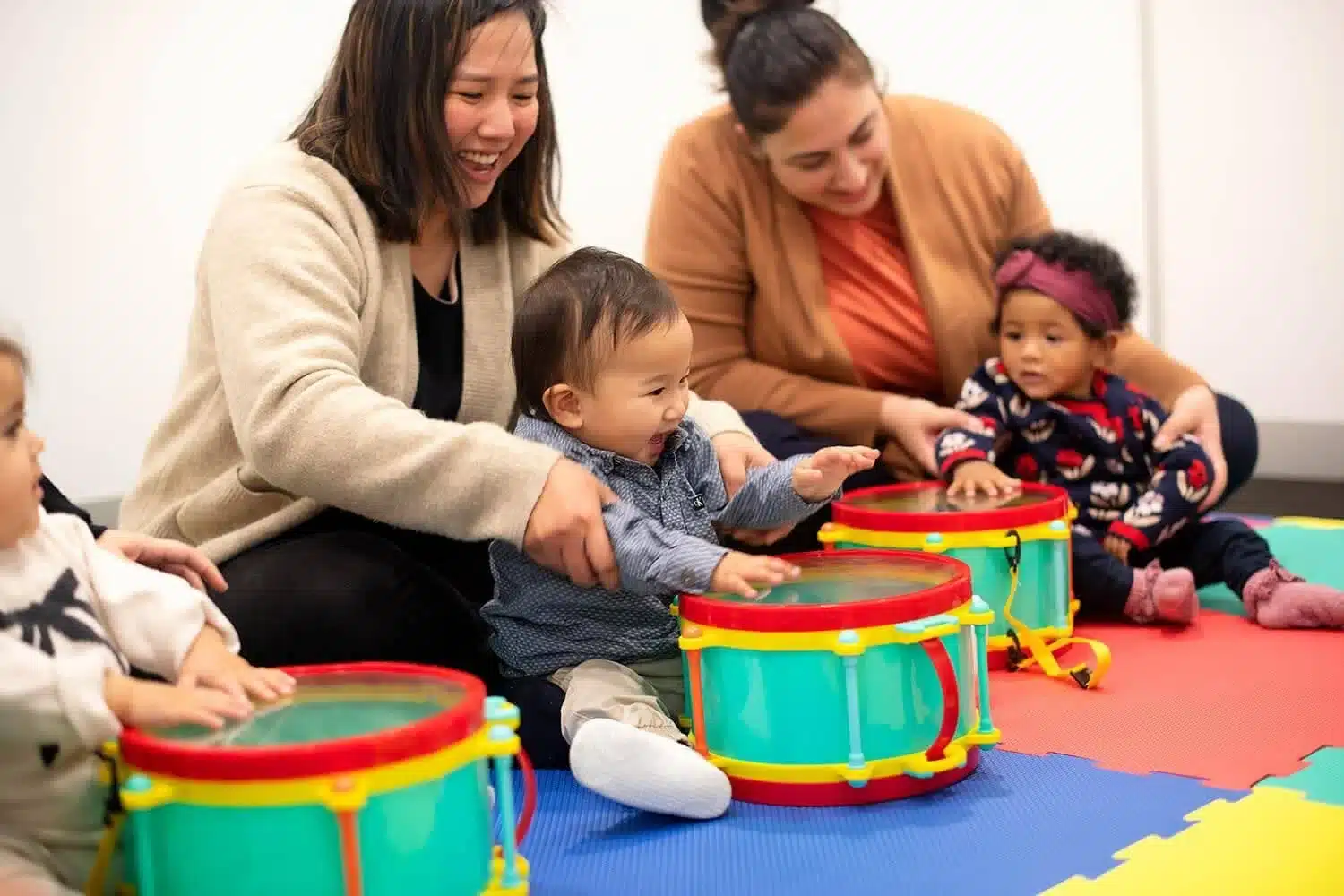
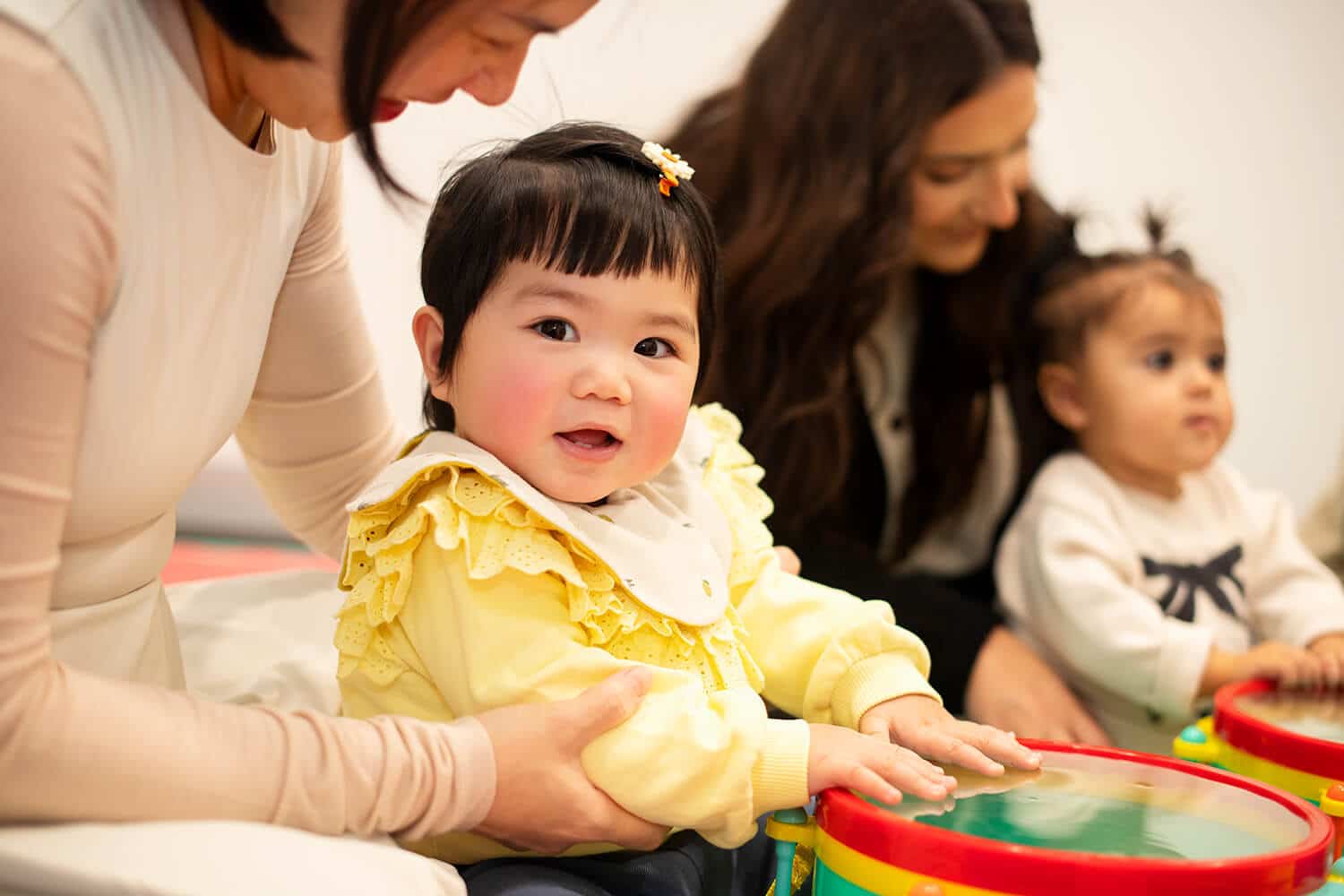
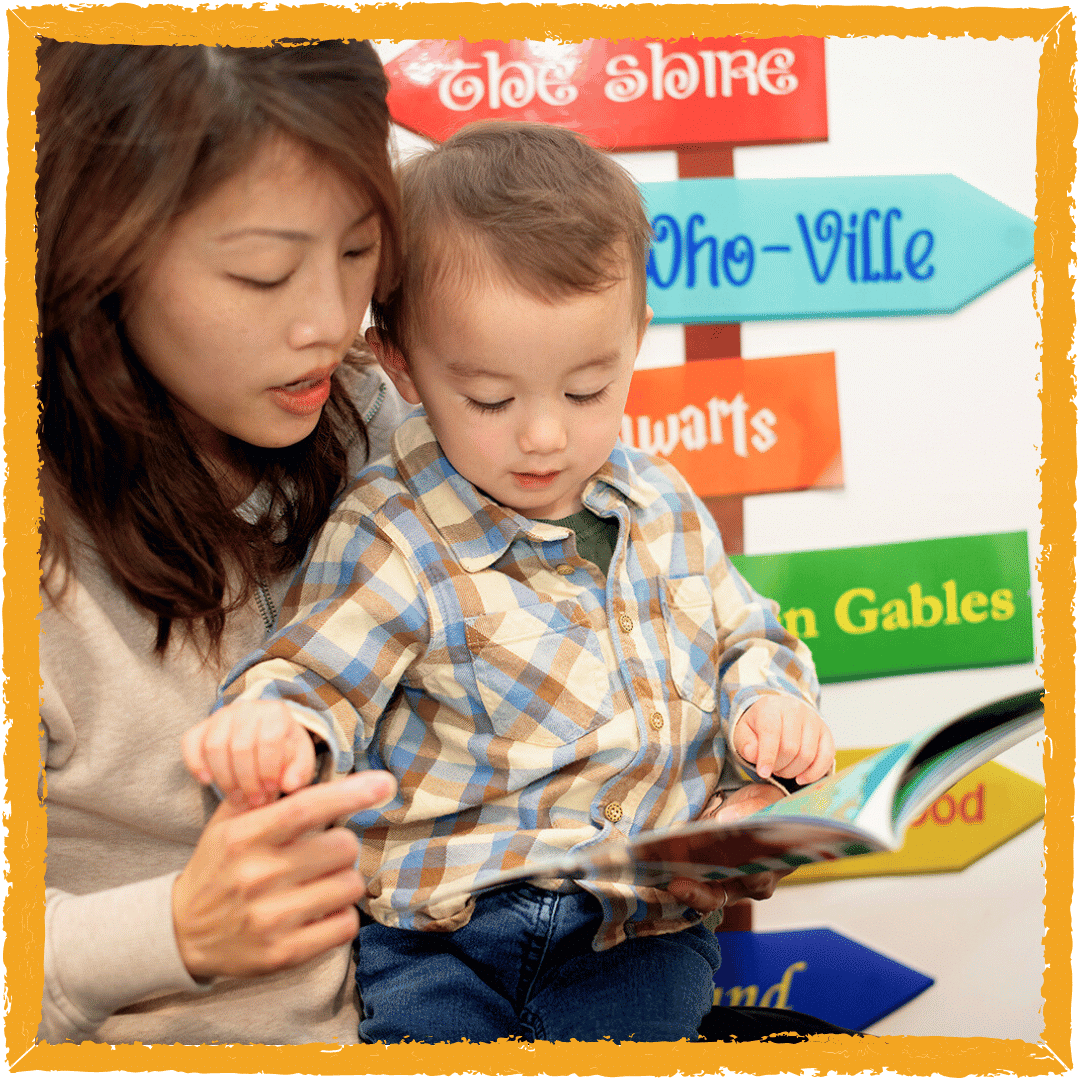
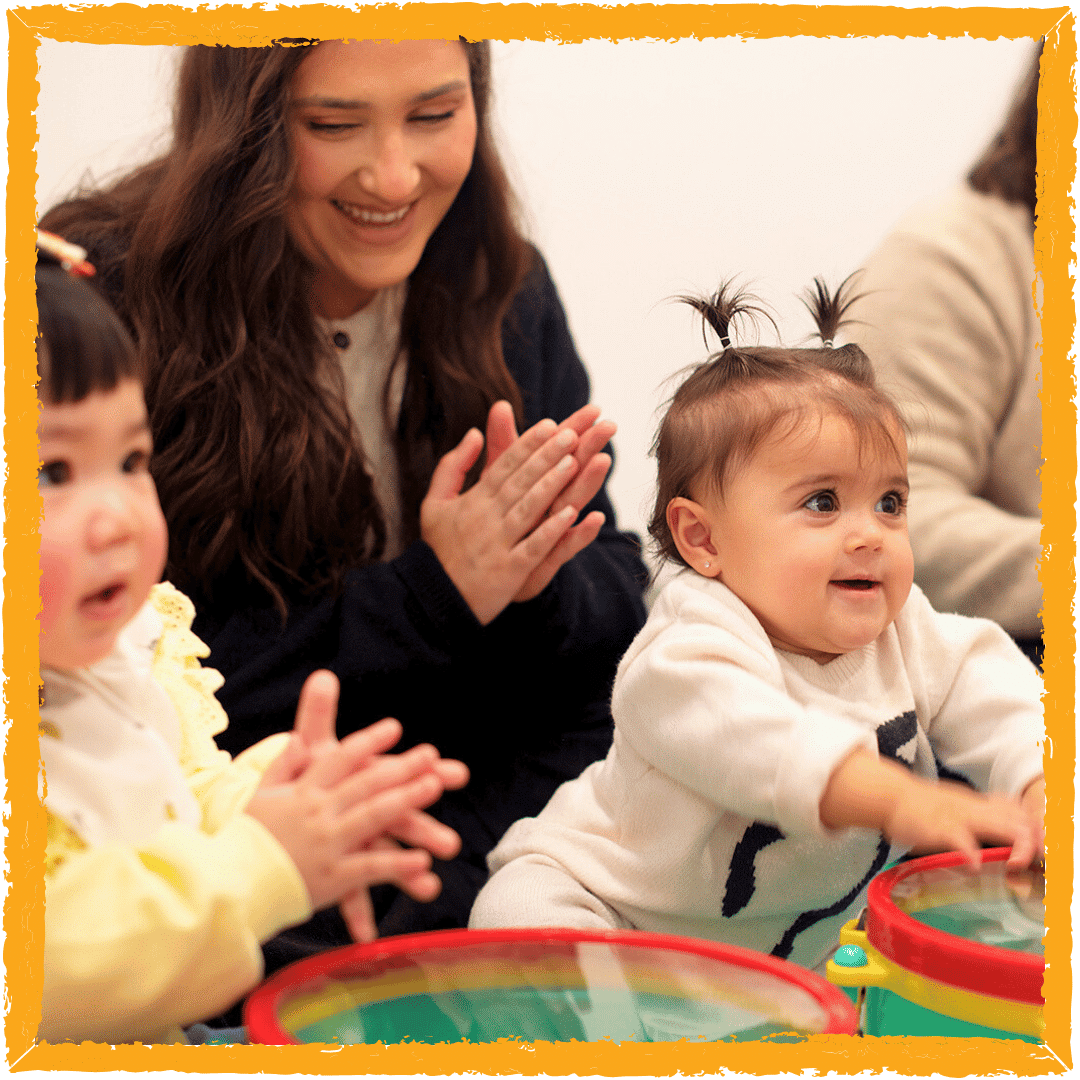
Photo by Shichida: Musical instruments are sensory magic for little ones, building hearing, touch, coordination, and even early problem-solving skills.
Sensory Toys for Newborns (0–6 Months)
At this stage, babies rely heavily on sight and sound. Newborn sensory toys should be simple, high-contrast, and gentle. Popular options include:
- Black-and-white flashcards (visual focus)
- Soft rattles (sound exploration)
- Play gyms with dangling toys (tracking movement)
Sensory Toys for Infants (6–12 Months)
Once your baby starts sitting and crawling, toys that encourage movement and exploration are ideal. Try:
- Textured balls (touch, rolling practice)
- Stacking cups (fine motor, problem-solving)
- Push-along toys (gross motor)
Sensory Toys for Toddlers (12–24 Months)
Toddlers are eager problem-solvers. Choose toys that challenge their coordination and thinking:
- Shape sorters (cognitive flexibility)
- Musical instruments (sound, rhythm, language)
- Toddler-safe climbing sets (balance, movement)
Types of Sensory Toys by Sense
A balanced play environment engages multiple senses without overwhelming your child. Rotating baby learning toys keeps play fresh and stimulating.
Sight
- High-contrast cards
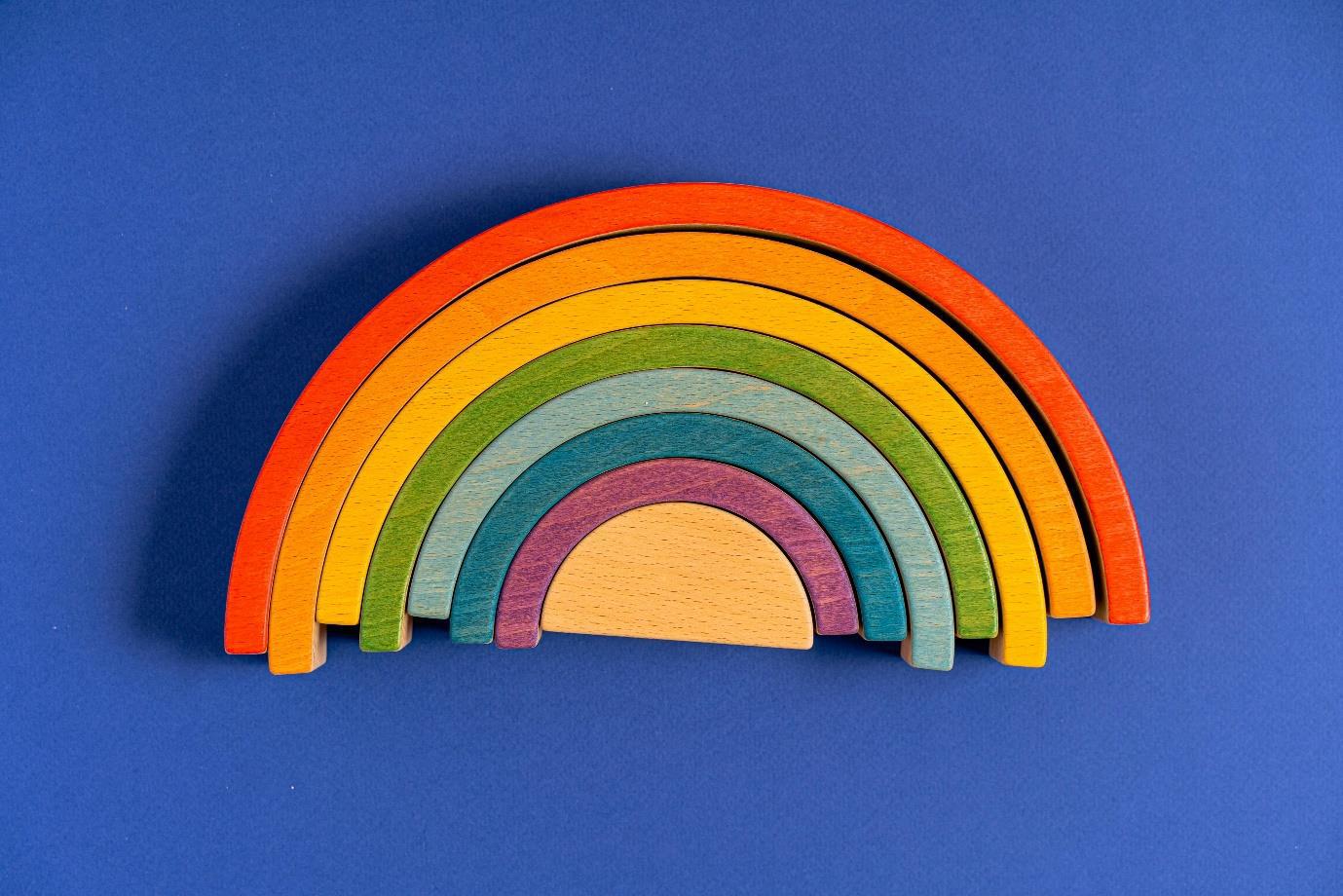
- Colourful stacking blocks
- Light projectors
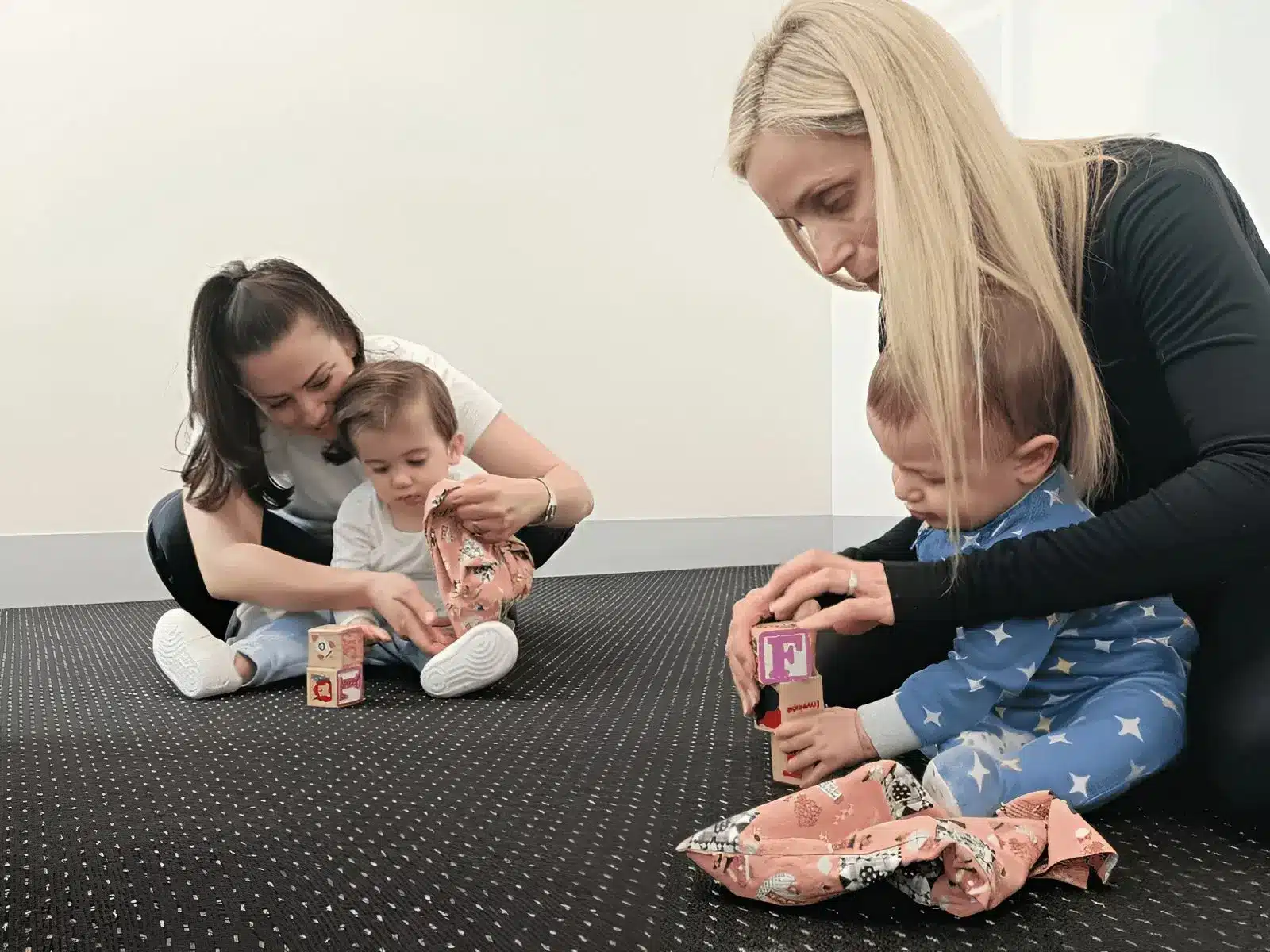
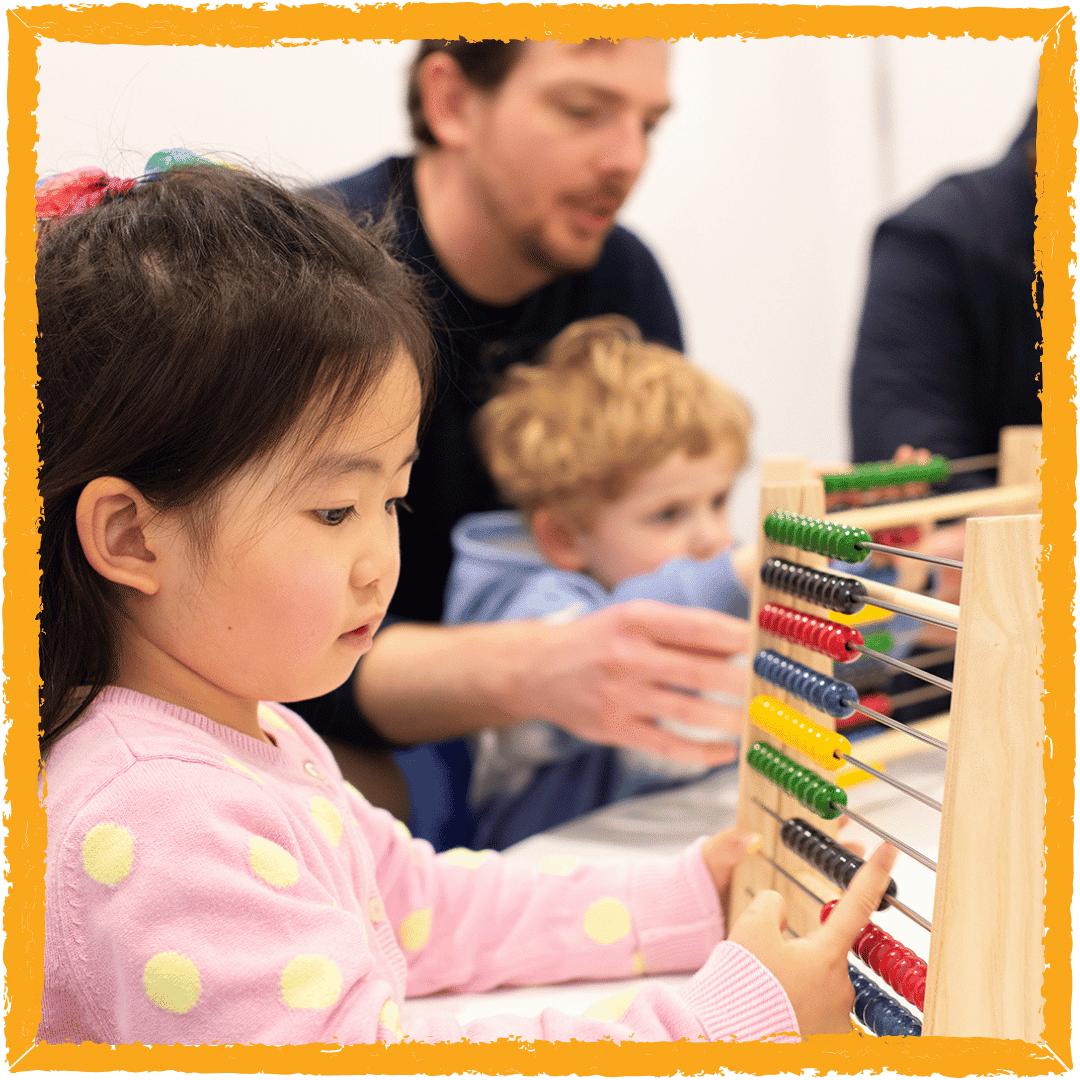
Photo by Shichida: Babies practicing stacking blocks during a Shichida Baby Enrichment Class – building fine motor skills and early problem-solving abilities through play.
Sound
- Soft rattles
- Drums or tambourines
- Musical mobiles
Touch
- Crinkle books
- Textured fabric toys
- Sensory balls
Smell & Taste
- Teething toys (safe for mouthing)
- Soft food-safe chew toys
- Lavender-scented comfort toys (always supervised)
Movement (Proprioception & Vestibular)
- Rockers
- Push-and-pull toys
- Baby swings (safely supervised)
Sensory Toys for Babies DIY: Ideas for Parents
Not every great toy needs to be shop-bought. You can create safe, low-cost DIY sensory toys at home:
- Sensory bottles: Fill a clear bottle with water, glitter, or beads. Secure tightly.
- Fabric squares: Different textures such as silk, cotton, or felt.
- Homemade shakers: Rice or pasta in a securely sealed container.
Safety Note: Always supervise play! Check DIY toys regularly for leaks or breakage.
Safety Considerations for Sensory Toys
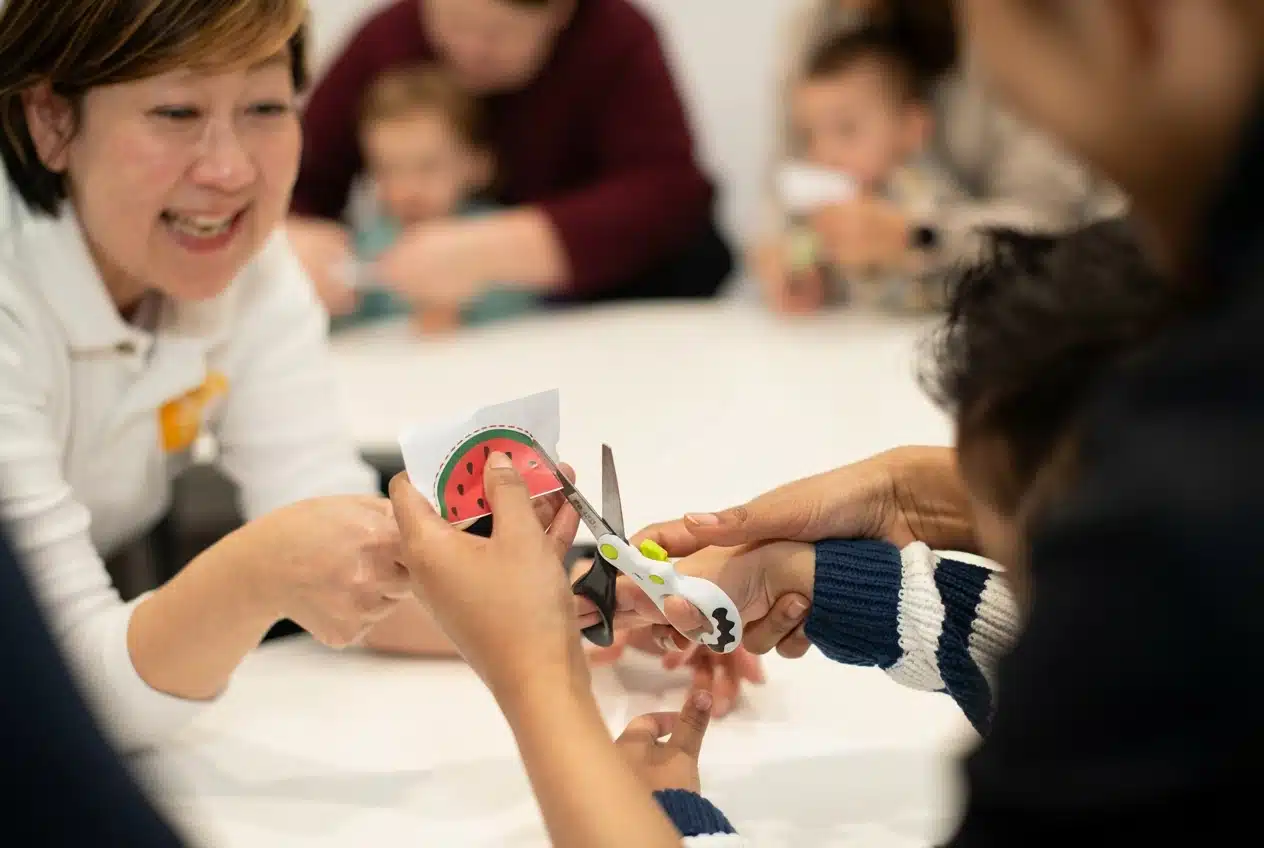
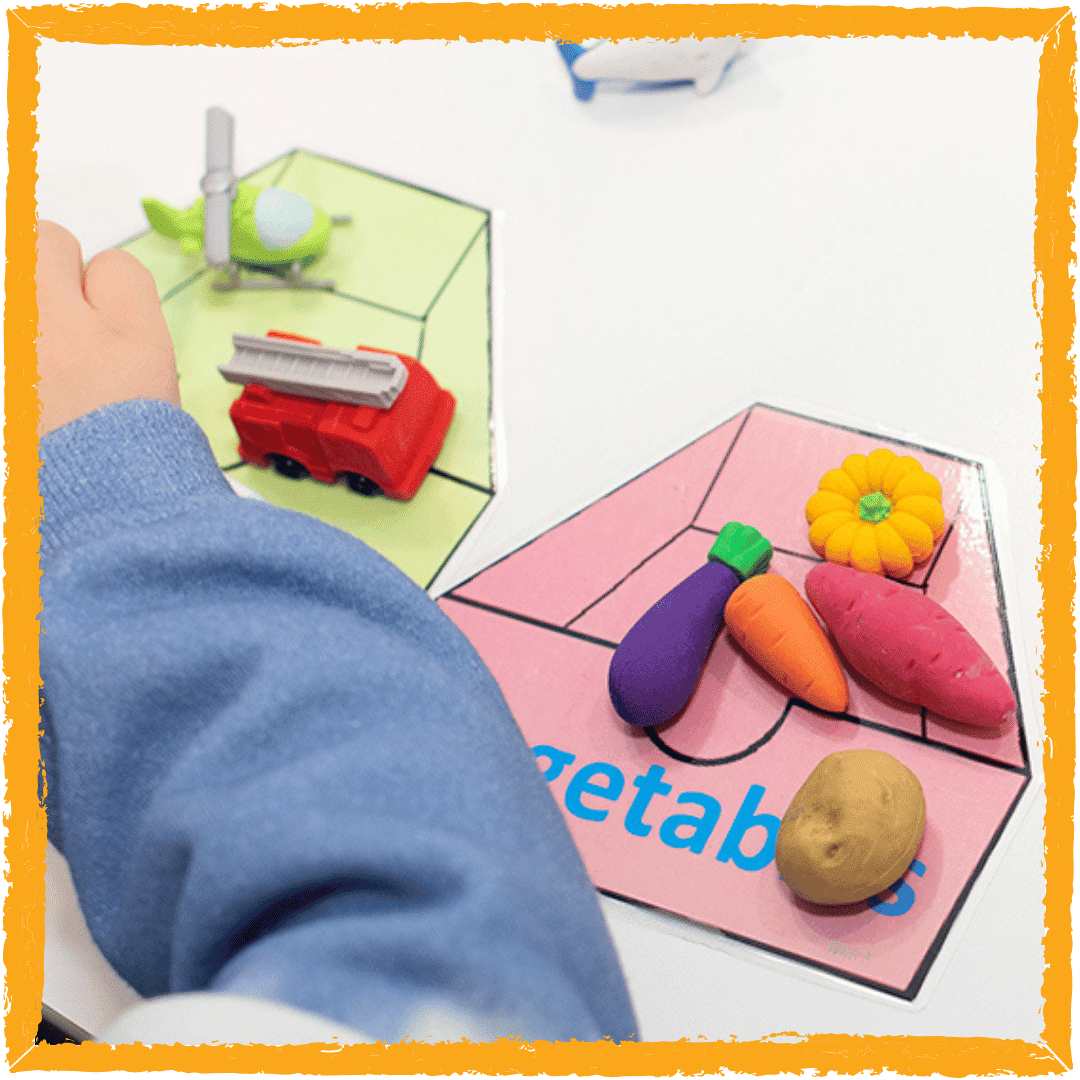
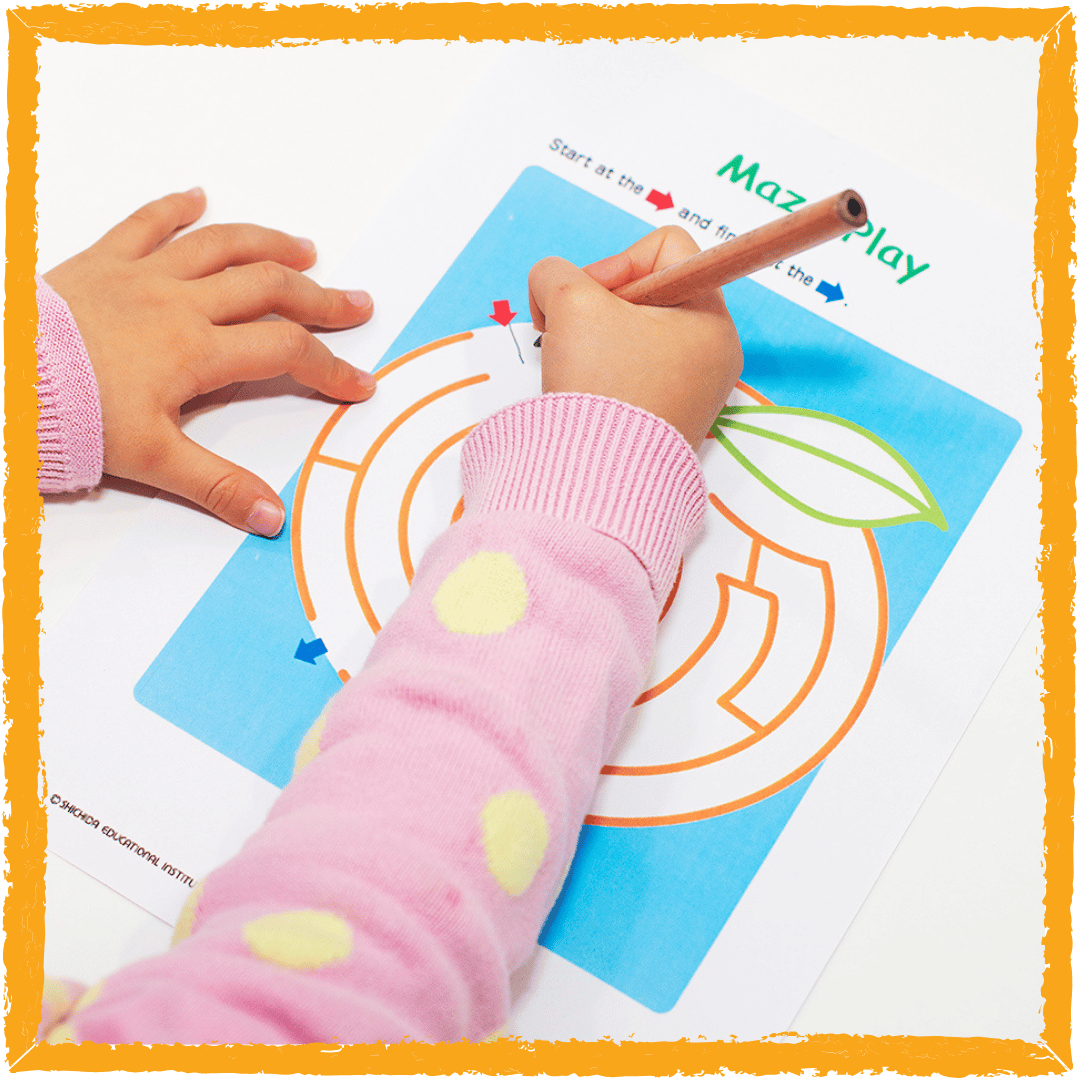
Photo by Shichida Australia: Safe scissors make learning to cut worry-free. In Shichida classes, young toddlers practise early motor skills with rounded-tip scissors, always guided by a parent or teacher.
Your baby’s safety comes first. When choosing or making toys, keep these guidelines in mind:
- Buy only safe baby toys that meet Australian and international safety standards.
- Avoid toys with small detachable parts.
- Ensure edges are smooth and materials are non-toxic.
- Always supervise play, especially for babies under 18 months.
- Rotate toys regularly to avoid overstimulation and clutter.
Where to Buy Quality Sensory Toys
With so many choices available, it’s natural to feel uncertain about which toys are best. Generic retailers often offer cheap options, but they may not always be safe or developmentally appropriate.
At the Shichida Shop, every toy is carefully curated by educators who understand child development. These toys aren’t just entertaining, they are designed to nurture specific skills at each age and stage.
Explore toys that grow with your child:
Final Thoughts
The best gift you can give your baby is the chance to learn through play. By choosing the right sensory toys for babies, you are supporting their curiosity, helping them build essential skills, and laying the groundwork for lifelong learning.

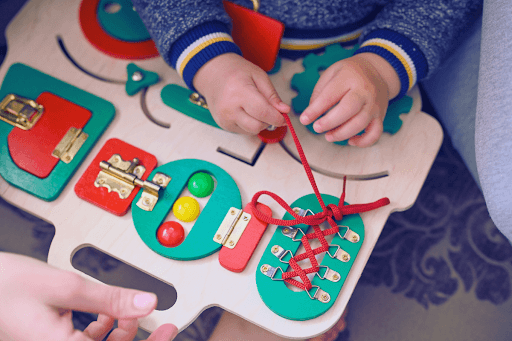
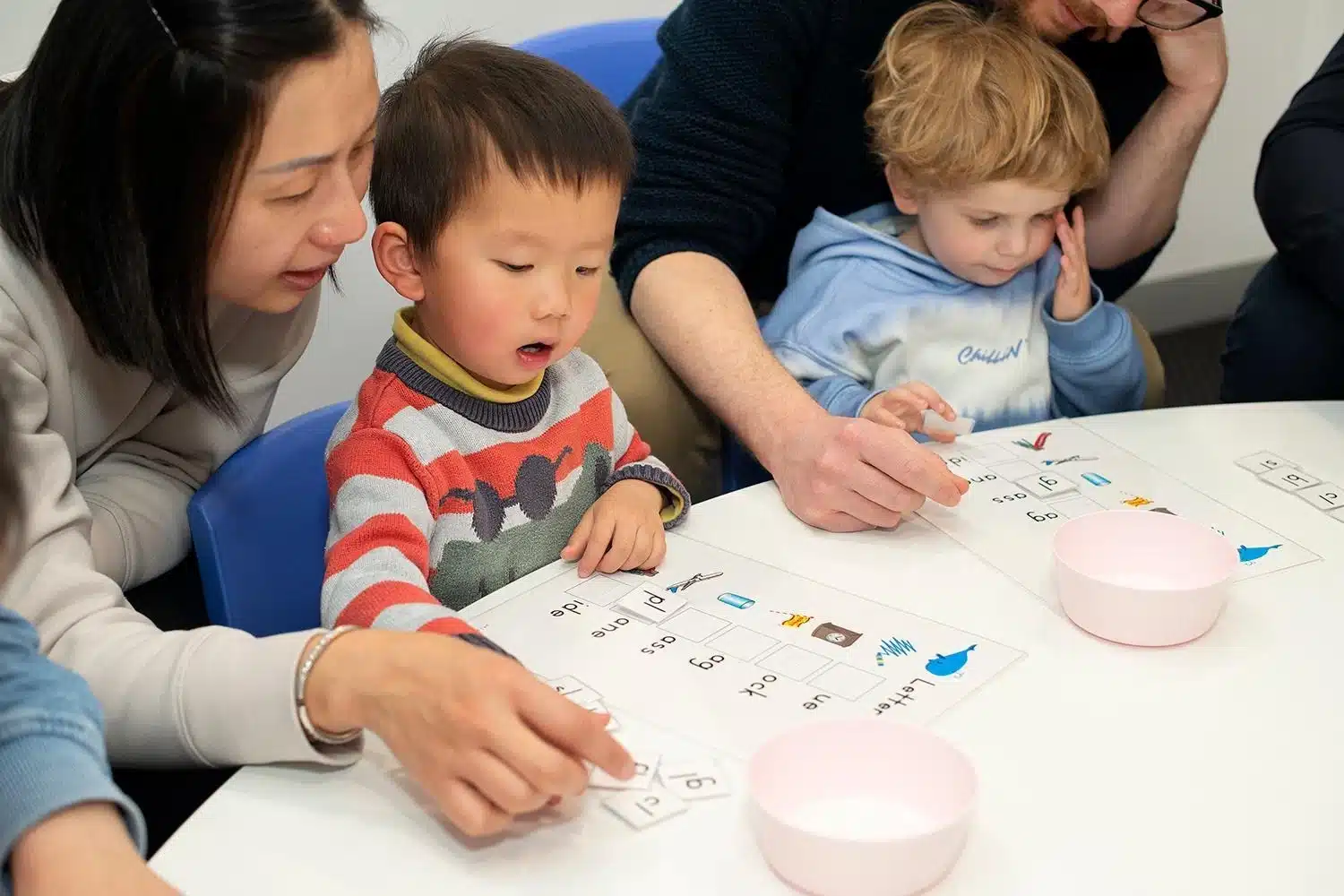
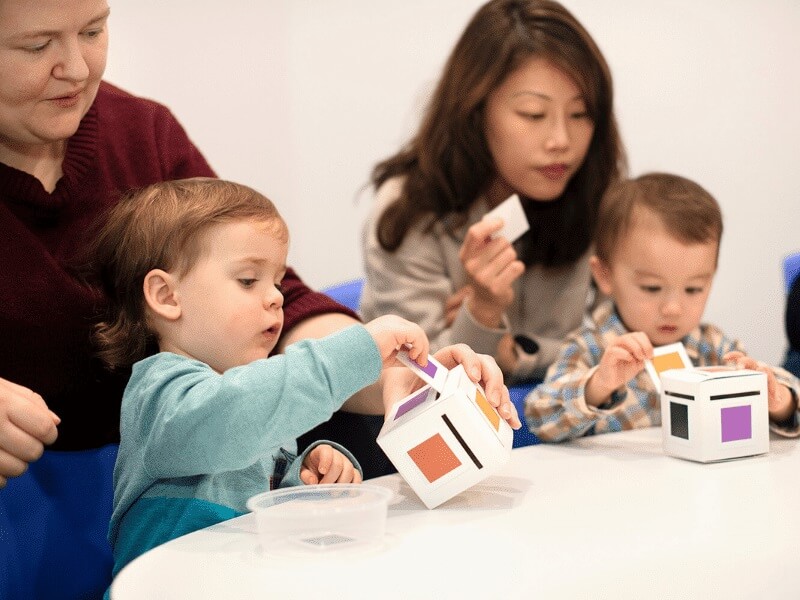
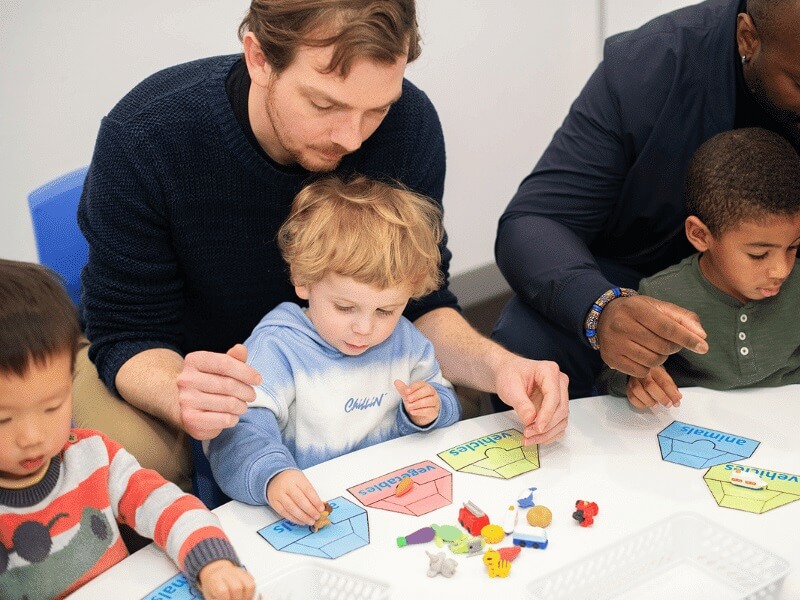
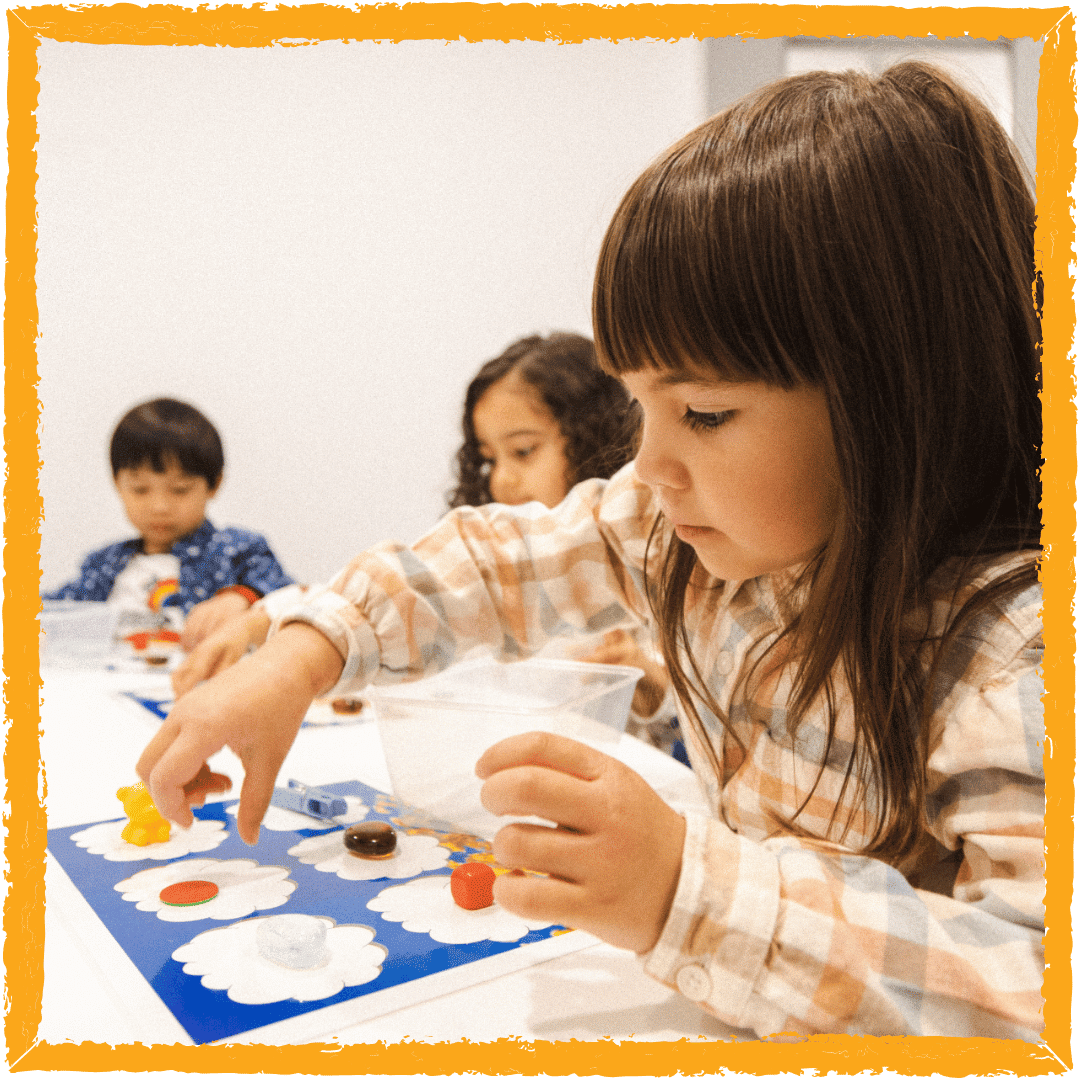
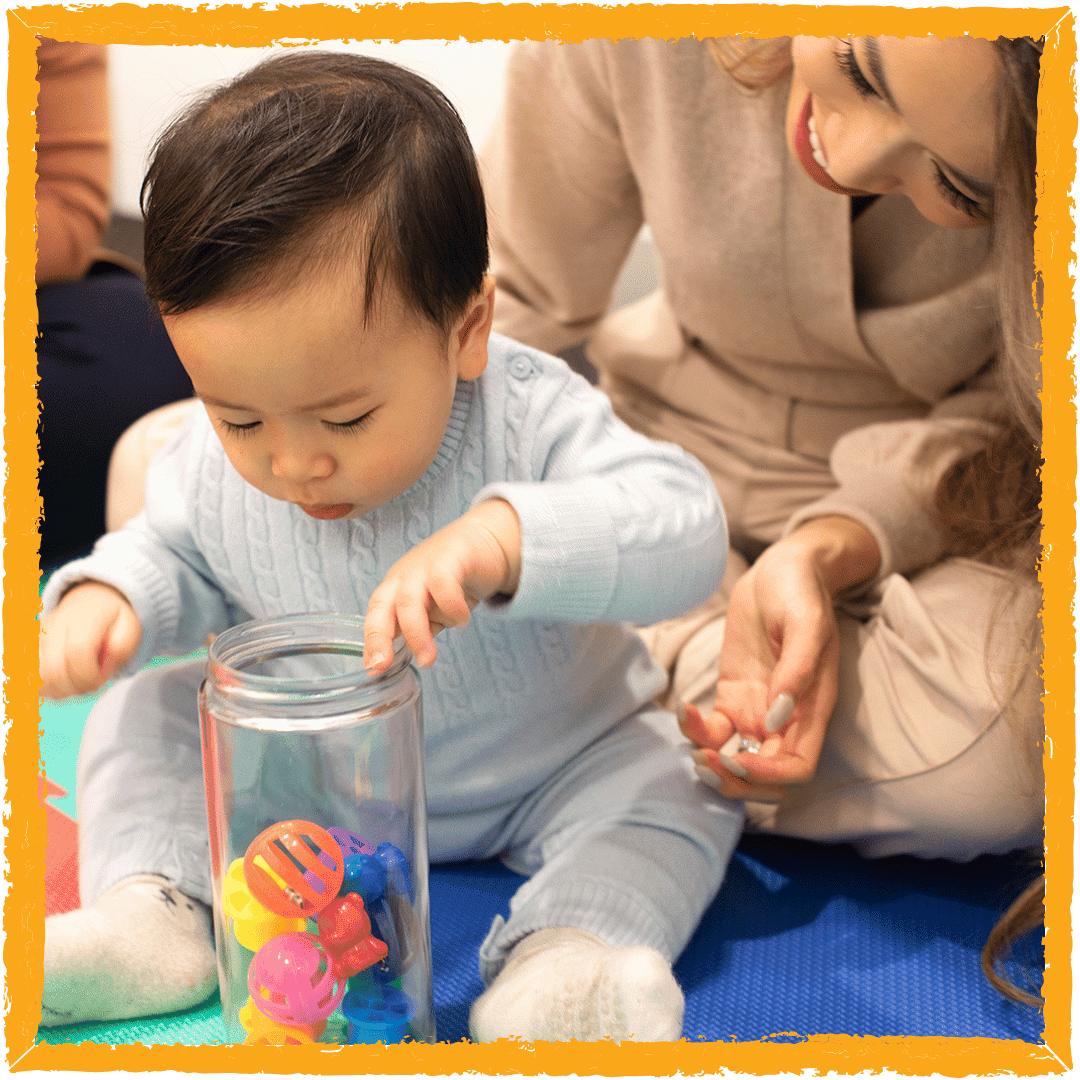
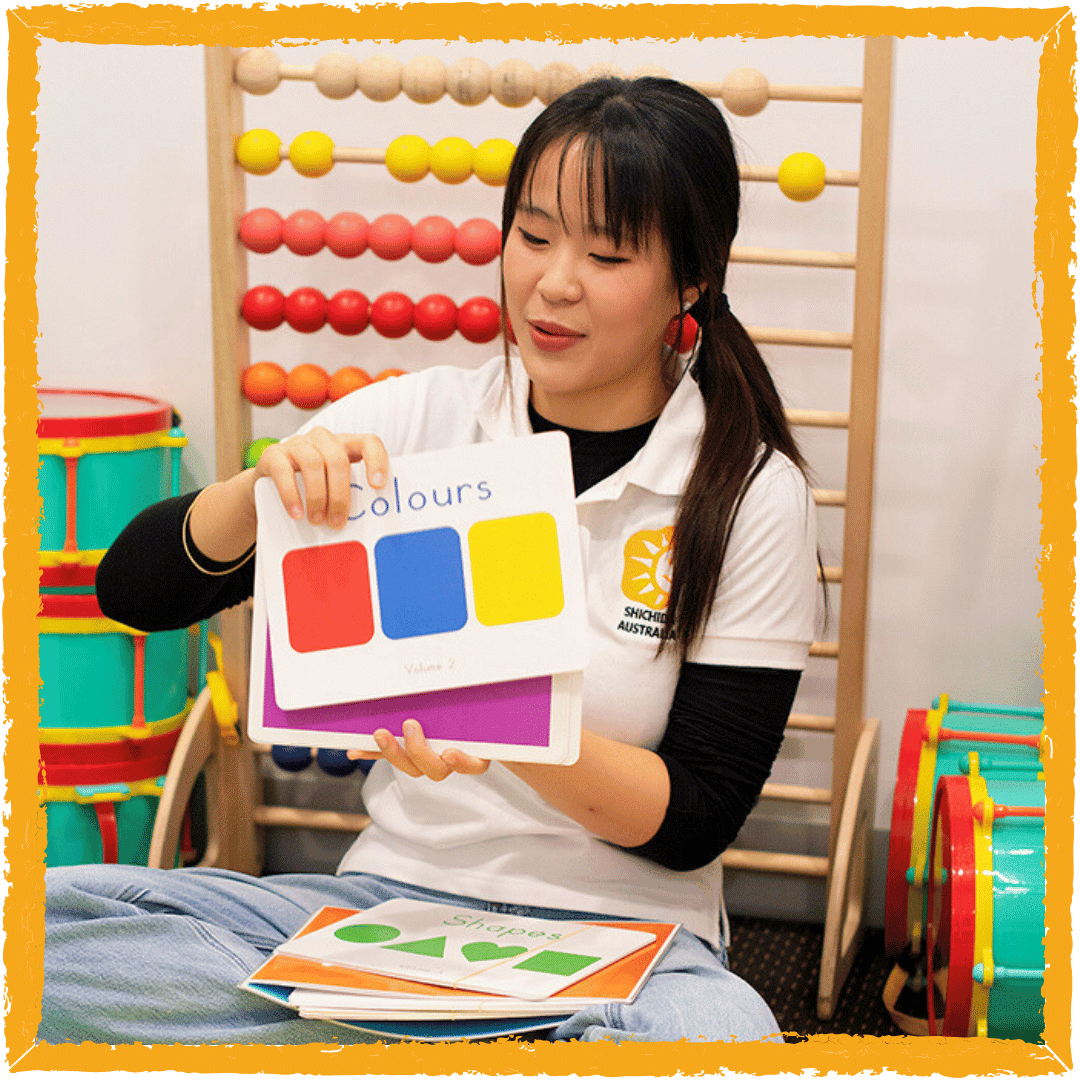
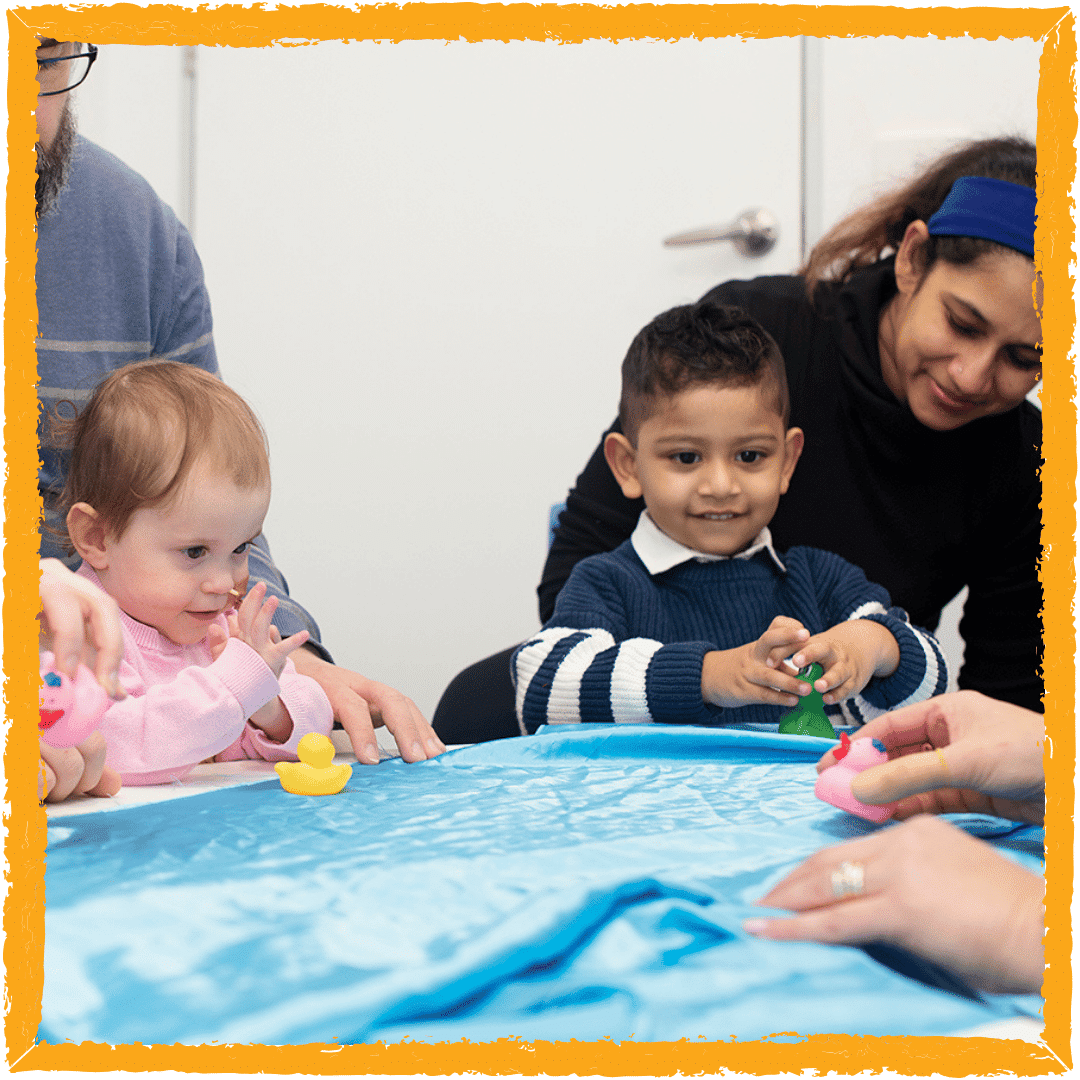
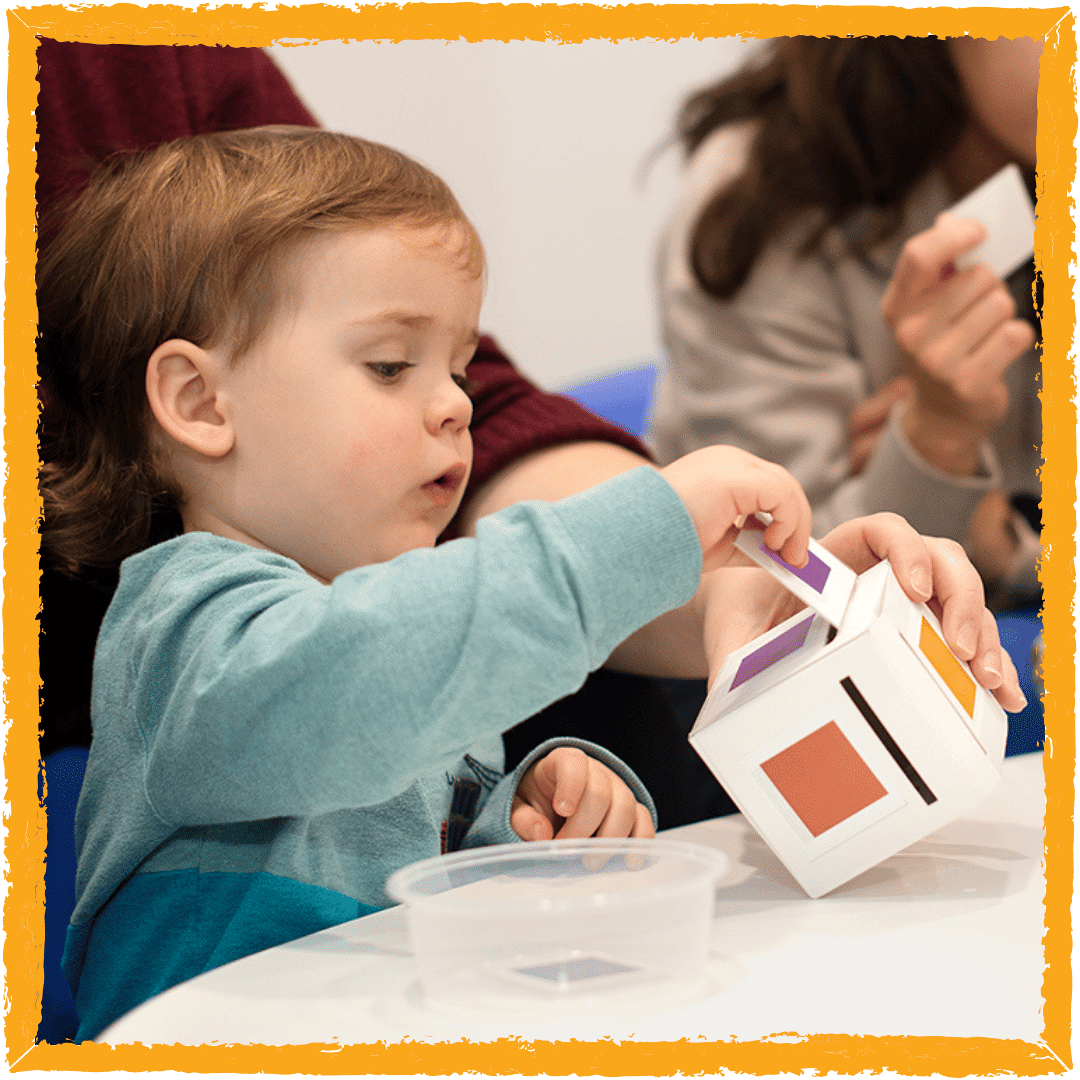
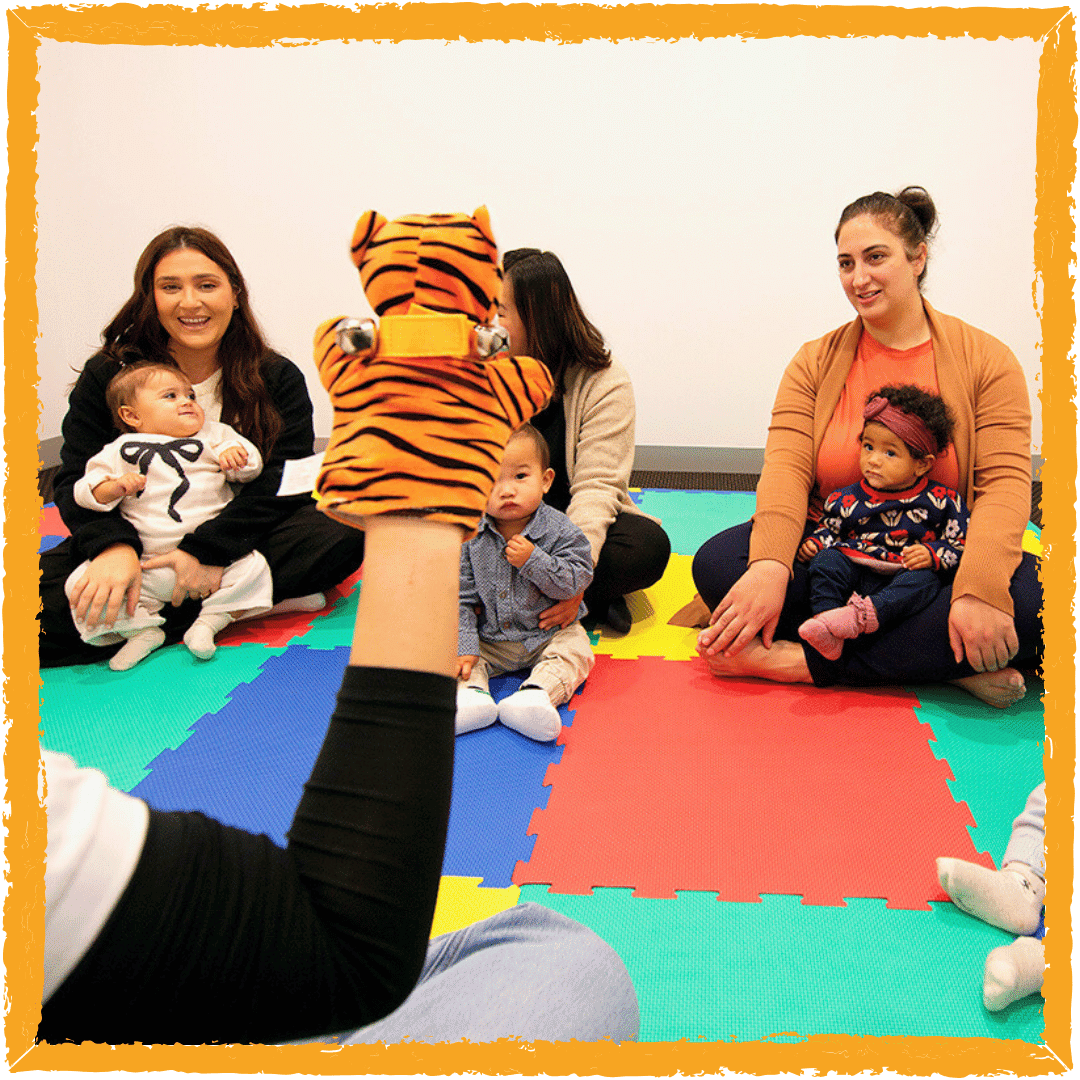
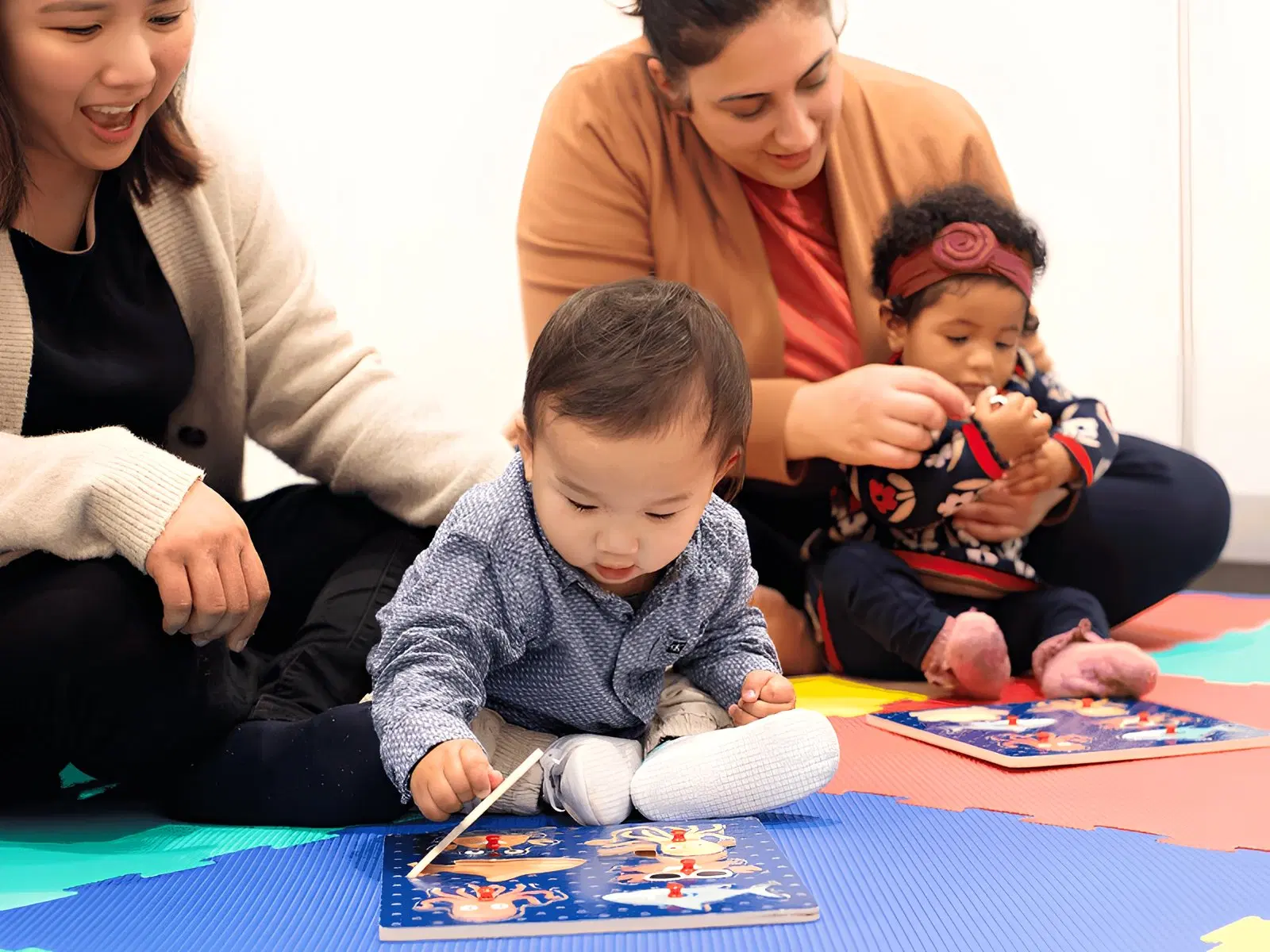
Photo by Shichida: Babies and parents engaging in sensory play with colourful toys during a Shichida baby class – building fine motor skills, coordination, and early problem-solving through hands-on exploration.
Remember: a mix of store-bought and DIY toys works beautifully, as long as play remains safe, balanced, and joyful.
Discover age-appropriate, educator-recommended toys at Shichida Shop.
You can also book a trial class to experience how Shichida’s whole-brain learning approach can support your child’s development from the very start.
FAQ’s: Sensory Toys for Babies DIY
High-contrast flashcards, soft rattles, and gentle mobiles are ideal for newborns. They support early vision and sound awareness.
Yes, if they are age-appropriate, non-toxic, and meet safety standards. Always supervise play to avoid choking risks.
They strengthen brain connections, support motor skills, encourage language, and build emotional regulation.
Shichida Australia baby classes provide a structured, research-based environment where babies can develop essential sensory, cognitive, and motor skills through fun, hands-on activities guided by certified teachers. These classes go beyond what you can do at home with toys, offering expert techniques to nurture your baby’s brain development and set the foundation for lifelong learning.
Absolutely. Simple items like sensory bottles or fabric squares can be highly effective, provided they are safe and supervised.
Sensory toys for babies DIY introduce babies to new textures, shapes, colours, and sounds, helping strengthen neural pathways during the most important stage of early brain development. When babies grasp, squeeze, shake, or visually track these toys, they build fine motor skills, hand-eye coordination, and early problem-solving abilities. Sensory play also boosts language development, as you label sensations like “soft,” “squishy,” “smooth,” or “cold.”
Daily play sessions are recommended, but keep them short (5-20 minutes depending on age) to avoid overstimulation.
Avoid toys with small parts, sharp edges, or toxic materials. Always choose BPA-free, non-toxic options.
Yes. Toys that make sounds or encourage imitation (like musical instruments) support early communication.
Some of the best sensory toys for babies DIY are simple and safe enough to create with everyday items. Popular options include sensory bottles filled with coloured water or glitter, crinkly fabric squares made from clean packaging, and soft sensory bags filled with gel, pom-poms, or cooked chia seeds. These easy DIY toys offer visual, tactile, and sound stimulation that support early learning without needing expensive materials.
From birth. Even newborns benefit from high-contrast visuals and gentle sound toys.
Yes – sensory toys for babies DIY are safe when designed thoughtfully and used with supervision. For younger infants, choose taste-safe materials like edible paint, yoghurt smears, cooked pasta, frozen sponge cubes, or sealed sensory bags. Avoid small parts, beads, or items that could become choking hazards. Always seal any DIY sensory bottles or bags securely with strong tape or heat-sealing methods, and check the toys regularly for wear or leaks.