
School Readiness Activities: A Comprehensive Guide to Learning Fun
Key Points
- School readiness is multi-dimensional: emotional, cognitive, language, physical, and self-regulation.
- Simple, playful home activities build foundational skills.
- Routines and social experiences smooth school transitions.
- Research shows early readiness yields long-term benefits.
- Realistic, flexible tips help busy parents embed learning naturally.
Understanding School Readiness
The first day of school is a big moment – for both you and your child. It’s filled with excitement, curiosity, and sometimes a few nerves. But school readiness isn’t just about knowing how to count to ten or recite the alphabet. It’s about a whole range of skills that help your child adapt to the structure and expectations of a classroom.
These skills include:
- Cognitive development
- Cognitive development
- Social-emotional confidence
- Language and literacy
- Physical coordination
- Self-regulation
DOWNLOAD A FREE SCHOOL READINESS CHECKLIST
While quality preschool programs can support this growth, what happens at home matters just as much. Studies show that children whose families actively engage in early learning at home tend to adapt faster and thrive once they start school.
Why It Matters for Lifelong Learning
Think of school readiness as the foundation of a house. If the base is strong, everything built on top becomes more stable. Children who begin school feeling confident and capable are more likely to:
- Adjust quickly to classroom routines
- Build strong relationships with peers and teachers
- Maintain academic progress over time
Starting strong can set the tone for a love of learning that lasts a lifetime.
The Five Core Areas of School Readiness
Let’s break down the essential skills your child needs before starting school:
1. Cognitive Development
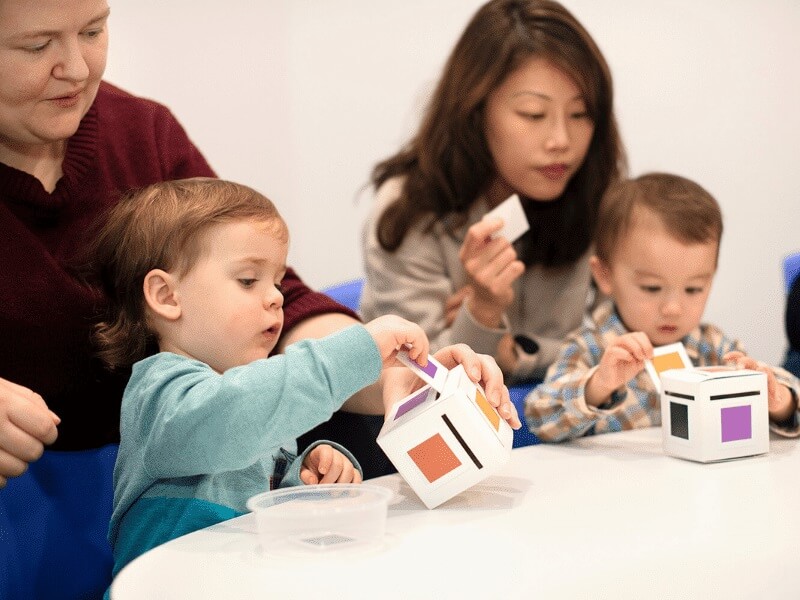
This includes thinking skills, memory, and problem-solving. Simple board games, puzzles, matching cards, or asking “what happens next?” during storytime can help.
2. Social-Emotional Skills
Sharing, turn-taking, managing emotions, and understanding others are all key. Playdates, role-play, or talking about feelings are great ways to support this.
3. Language and Literacy
Listening, following instructions, expressing thoughts, and recognising sounds and letters all matter. Try singing songs, rhyming games, reading aloud, or storytelling.
4. Physical Development
Fine motor skills (for writing, using scissors) and gross motor skills (running, climbing, balance) are important. Drawing, Lego, dressing up, and outdoor play all help.
5. Self-Regulation
Can your child sit for a short period, concentrate on a task, follow instructions, and bounce back from frustration? These skills can be strengthened through routine, calm-down strategies, and plenty of practice in real-life settings.
Everyday Home Activities to Build School-Ready Skills
Everyday activities like preparing breakfast, walking to the park, or tidying up toys can be important learning moments. When learning is woven into your routine, it feels natural and fun – for both you and your child.
Social-Emotional Games & Routines
Social-emotional skills help children build friendships, resolve conflict, and cope with change. These don’t develop overnight, but small, playful moments each day can make a big difference.
- Play “Feelings Charades” to help your child identify and express emotions
- Hold family game nights to practise turn-taking and build patience
- Use a calm-down box filled with sensory toys for emotional self-regulation
- Include tidy-up time after play to encourage responsibility
Parent Tip: Begin or end each day with a feelings check-in. Ask your child to show or tell you how they feel, using words, drawings, or emojis.
Early Literacy & Language Play
Strong language skills are the foundation for reading, writing, and confident speaking. And yes – chatting, singing, and storytelling count as learning.
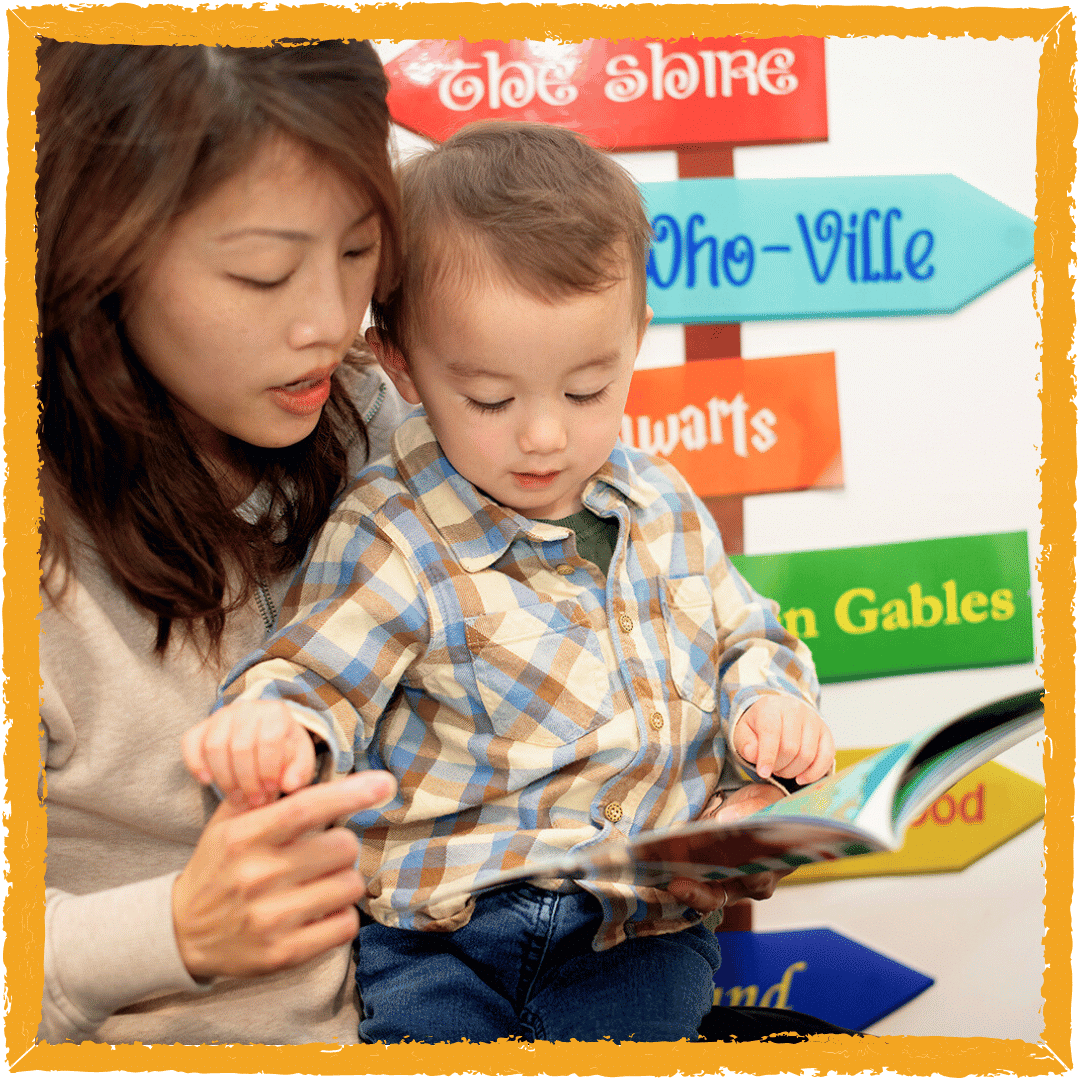
- Read aloud every day – try different voices for characters
- Tell made-up stories using puppets, soft toys, or drawings
- Play rhyming games on walks or during car rides
- Label common household items or create “name cups” to build letter recognition
Parent Tip: Children love repetition. Reading the same book again and again actually helps build vocabulary, memory, and comprehension.
Numeracy & Cognitive Games
Early maths isn’t about worksheets. It’s about spotting patterns, understanding quantity, and solving everyday problems – like sharing snacks or packing a bag.
- Count stairs, steps, or snacks together
- Sort toys by colour, shape, or size
- Play number recognition games using dice or flashcards
- Try simple board games like Snakes and Ladders to build counting and strategy
Age Adaptation:
- Ages 3–4: Focus on counting to 5 and recognising numbers 1–3
- Ages 5–6: Start simple addition, subtraction, and number sequences
Fine Motor & Physical Tasks
Fine motor skills support writing, using scissors, and feeding or dressing independently. Gross motor play helps build coordination, stamina, and spatial awareness.
- Use child-safe scissors to cut paper into shapes or lines
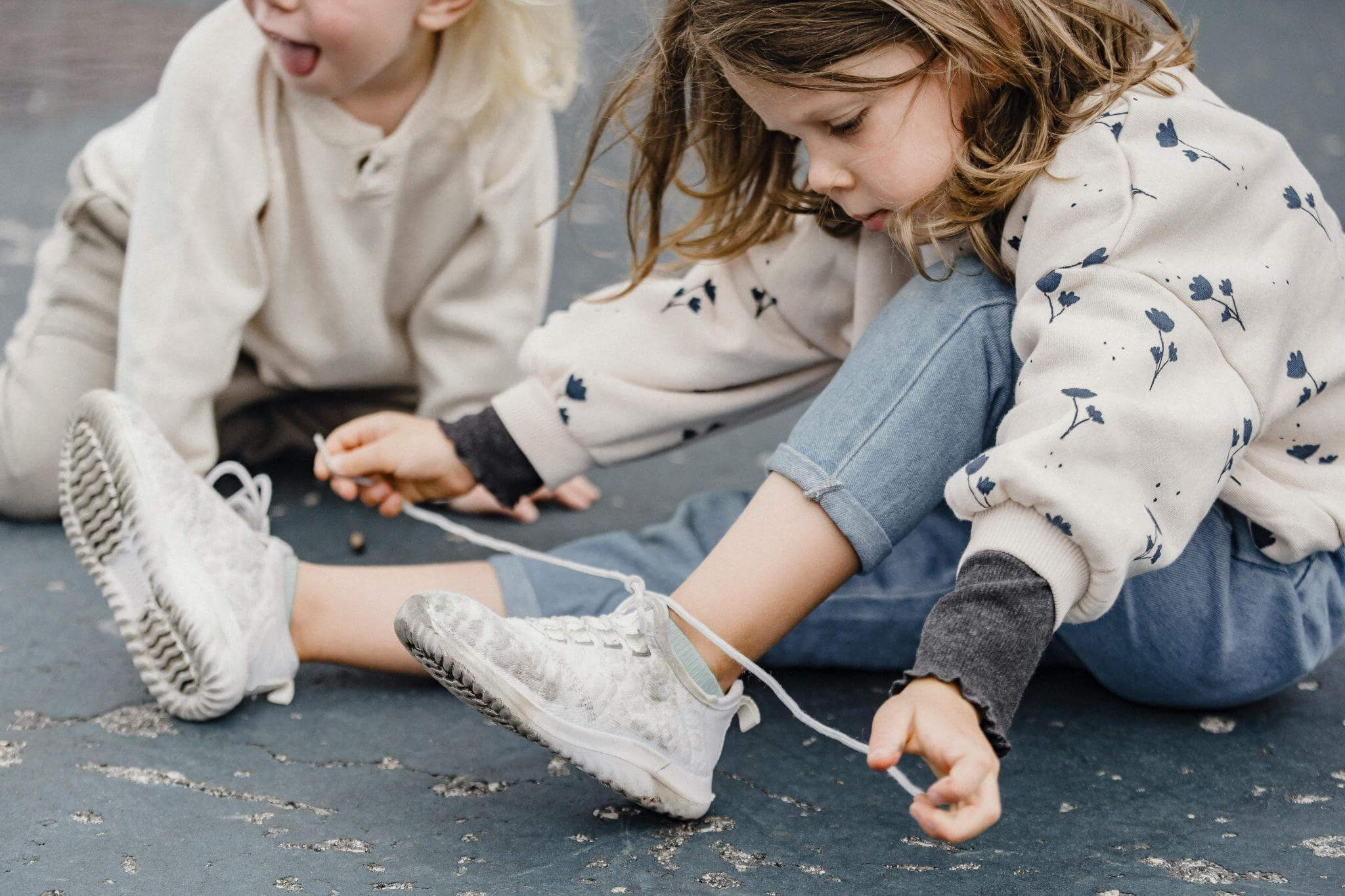
- Practise dressing – zipping jackets, buttoning shirts, tying laces
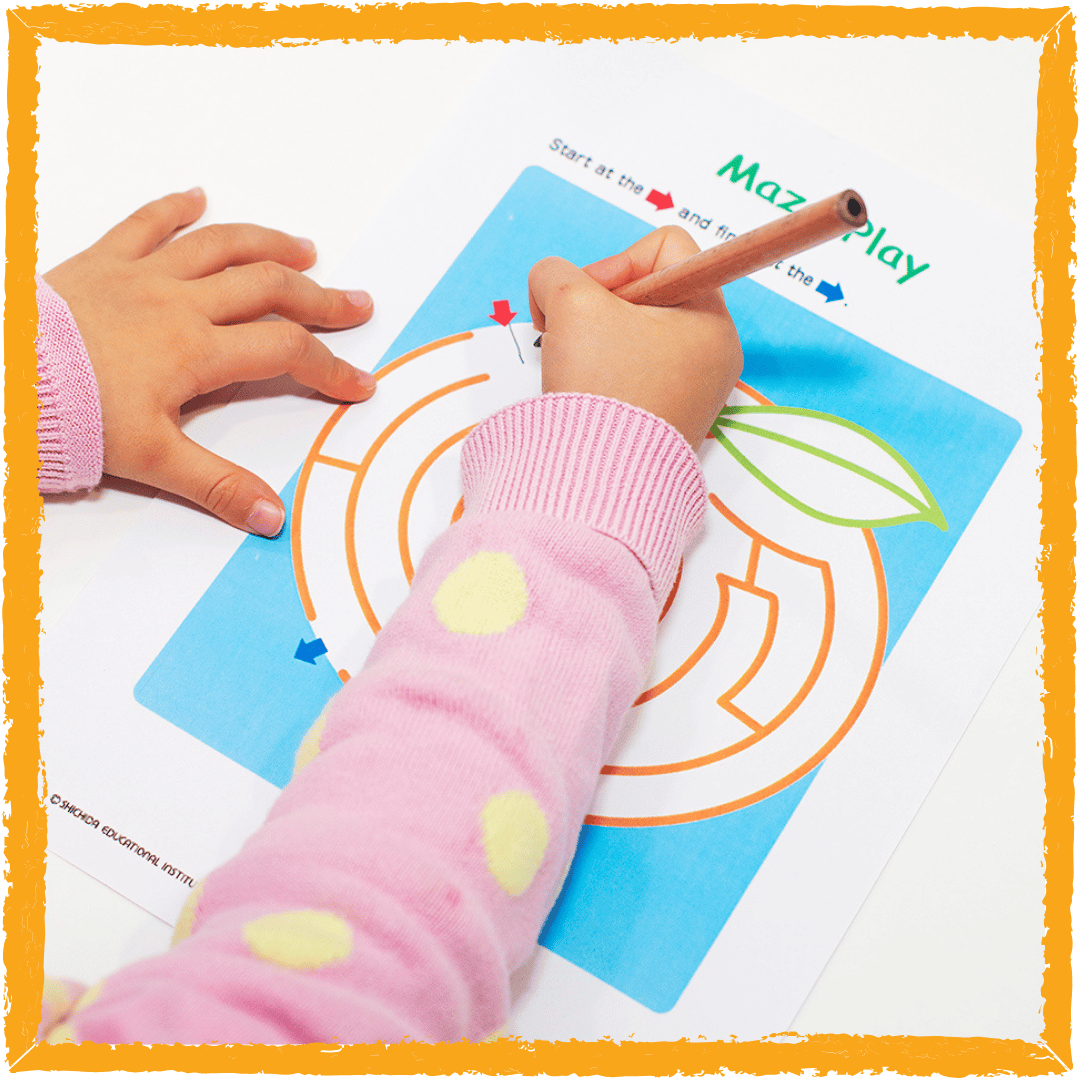
- Draw, colour, and trace to improve pencil grip
- Enjoy active play: hop, skip, climb, dance
Low-Cost Tip: Pegging the washing is a surprisingly effective fine motor activity – and it’s a helpful chore too!
Supporting Transition Through Structure & Play

Photo from Pexels: Daily routines like toothbrushing build independence for school readiness.
Starting school becomes much easier when children are already used to routines, structured play, and social environments. Play-based learning helps reinforce school readiness by giving kids the chance to practise important skills in a safe and engaging way. Predictable patterns throughout the day also reduce anxiety and create a comforting sense of security.
Role of Routines in Readiness
Simple rituals – like a consistent morning routine – teach sequencing, time awareness, and independence.
- Start with a basic morning flow: wake up, breakfast, get dressed, brush teeth
- Encourage independence by letting your child pack a pretend school bag
- Choose clothes together the night before to build decision-making and responsibility
Quick Win: Create a picture chart of your morning routine so your child can follow it without reminders.
Playgroups, Role-Play & Social Exposure
Social confidence doesn’t happen all at once – it grows with positive experiences and exposure.
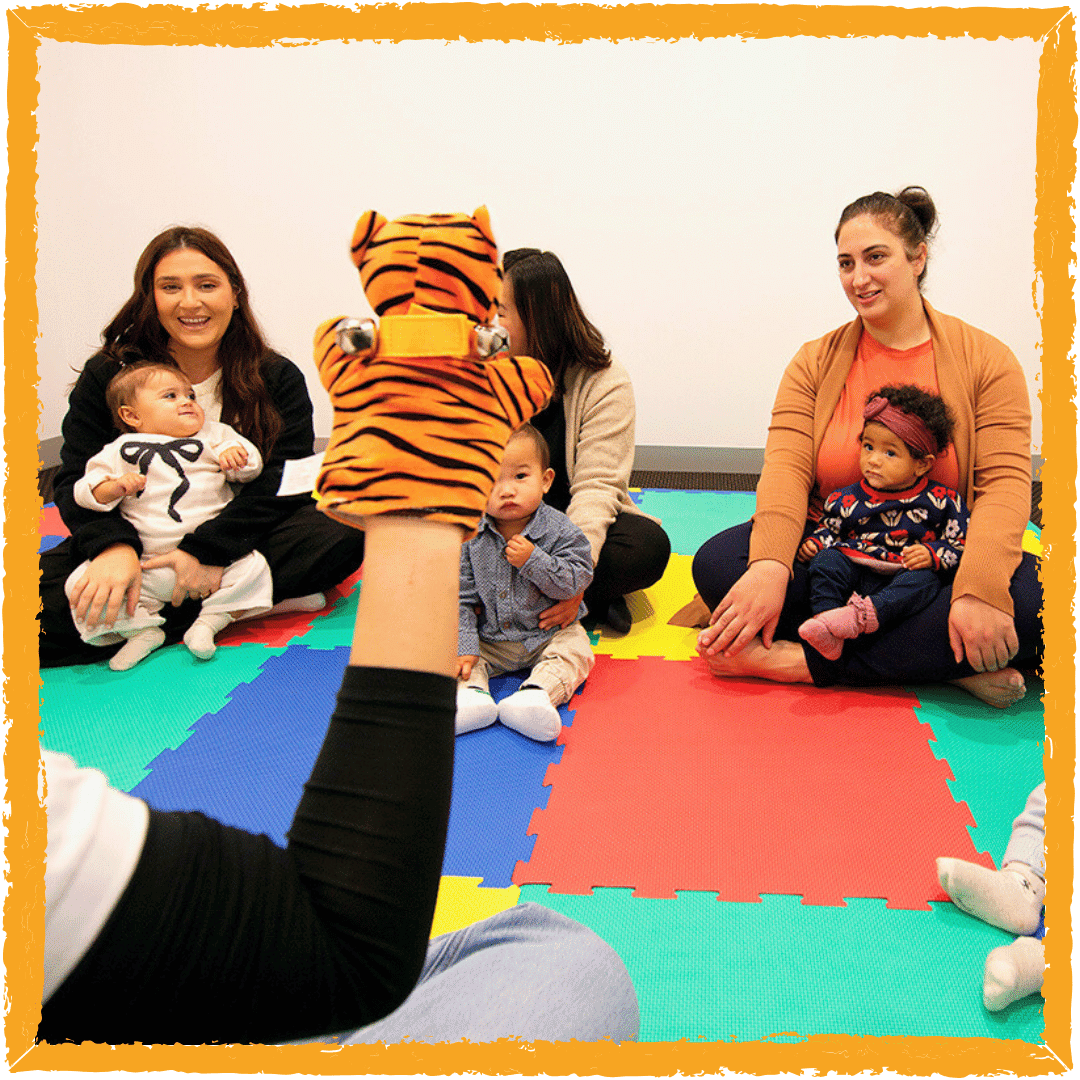
- Attend local playgroups to practise sharing, turn-taking, and peer interaction
- Use pretend play to act out school scenarios: lining up, circle time, raising hands
- Read books about friendship, kindness, and feelings to support emotional understanding
Parent Tip: If your child is shy or slow to warm up, start with short, relaxed playdates with one familiar friend before trying larger group settings.
Evidence-Based Benefits of Early Readiness Activities
Research consistently shows that strong early school readiness is linked to long-term academic success, healthier social relationships, and better emotional regulation.
According to the Harvard Centre on the Developing Child early experiences actually shape the brain’s architecture, laying the foundation for future learning and behaviour. A combination of high-quality early education and playful, home-based readiness activities builds strong neural connections that support problem-solving, emotional control, and lifelong learning.
Benefits include:
- Stronger foundations in literacy and numeracy
- Improved self-regulation and classroom focus
- Greater resilience in handling setbacks and transitions
- Better cooperation and adaptability in social settings
Quick Implementation Tips for Busy Parents

You don’t need hours each day to help your child get school-ready. Just a few minutes of focused, playful interaction can make a big impact.
- Integrate learning into everyday moments like cooking or grocery shopping
- Use household objects as simple teaching tools
- Keep sessions short – 5 to 10 minutes of focused play is often all it takes
- Follow your child’s interests to keep them engaged
- Celebrate small wins to boost confidence and motivation
Quick Win: Turn chores into games – race to put toys away while counting, or match socks by colour and size.
Bonus School Readiness Activities Ideas
- Scavenger Hunts: Search for items by colour, shape, or starting sound
- Cooking Together: Read recipes aloud, measure ingredients, and talk about textures
- Nature Walks: Count leaves, compare tree bark, or spot birds and bugs
- Photo Sorting: Lay out family photos and arrange them from oldest to youngest
Give Your Child a Confident Start

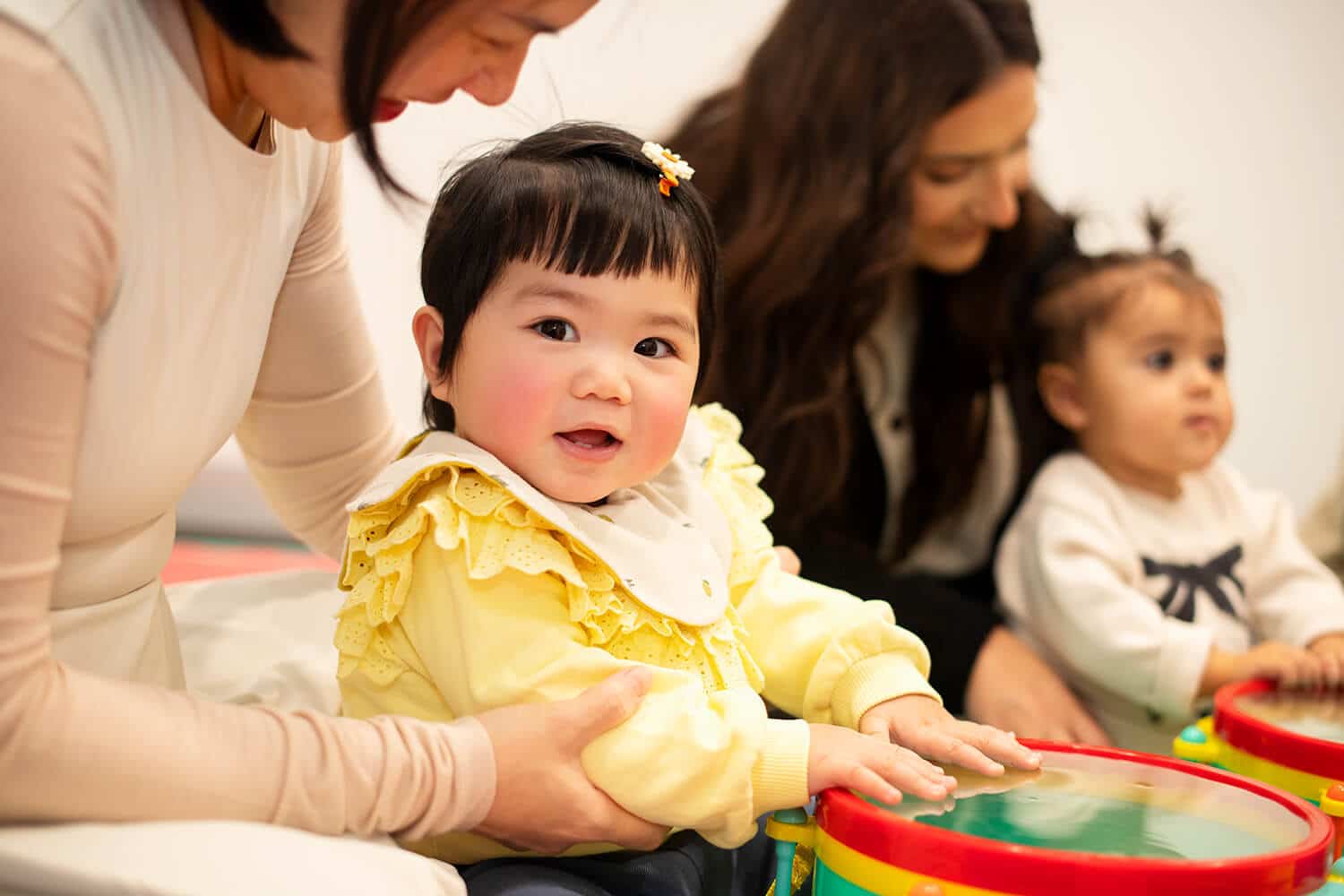
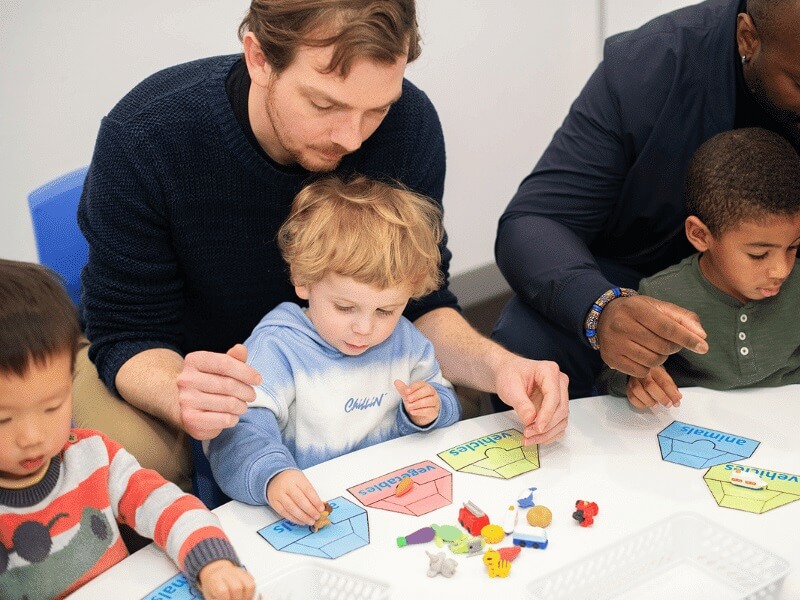
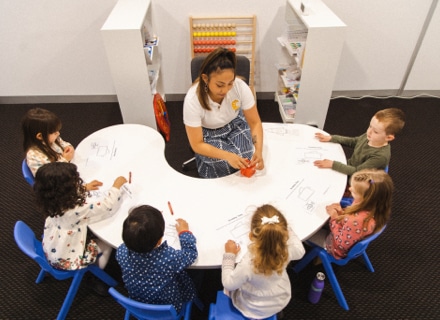
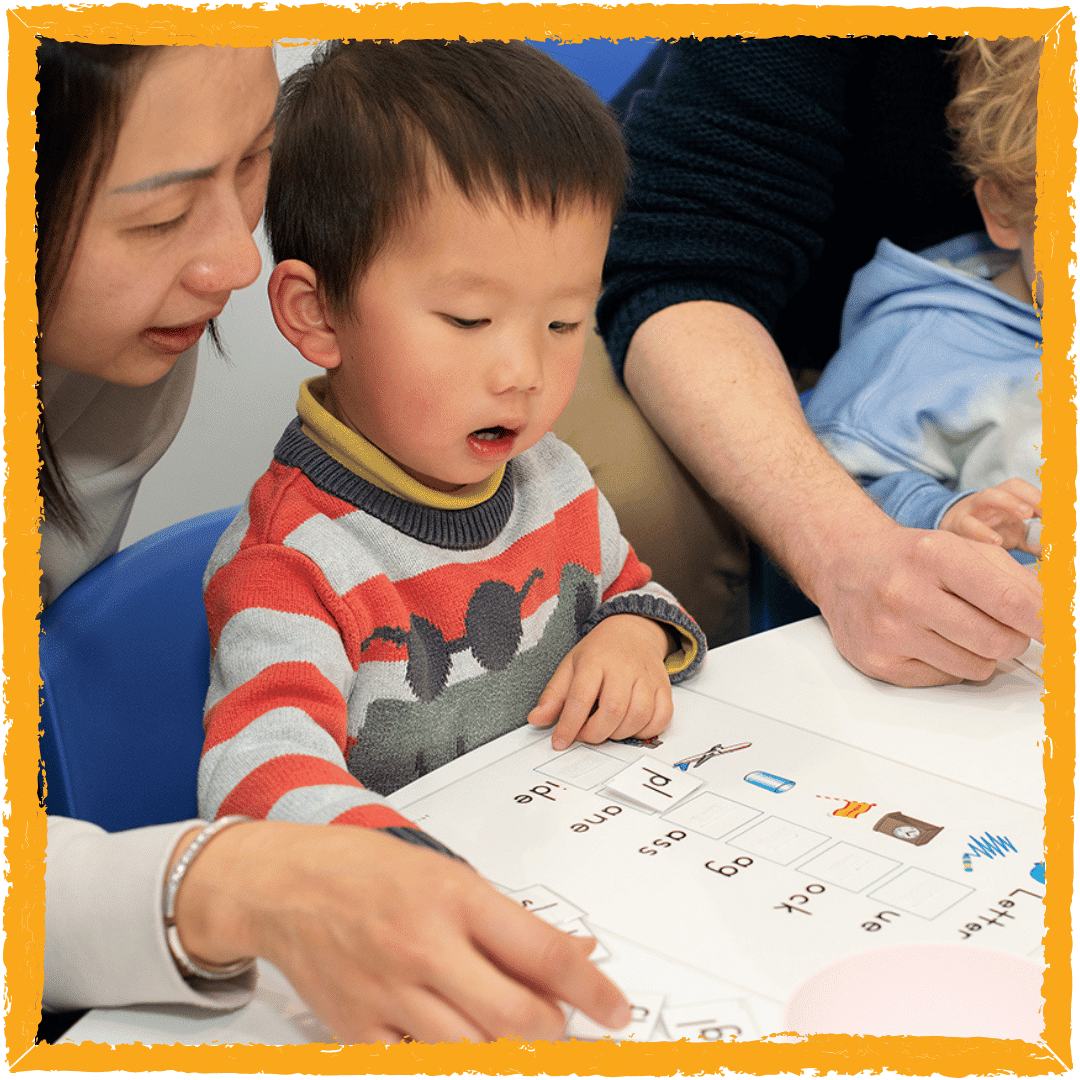
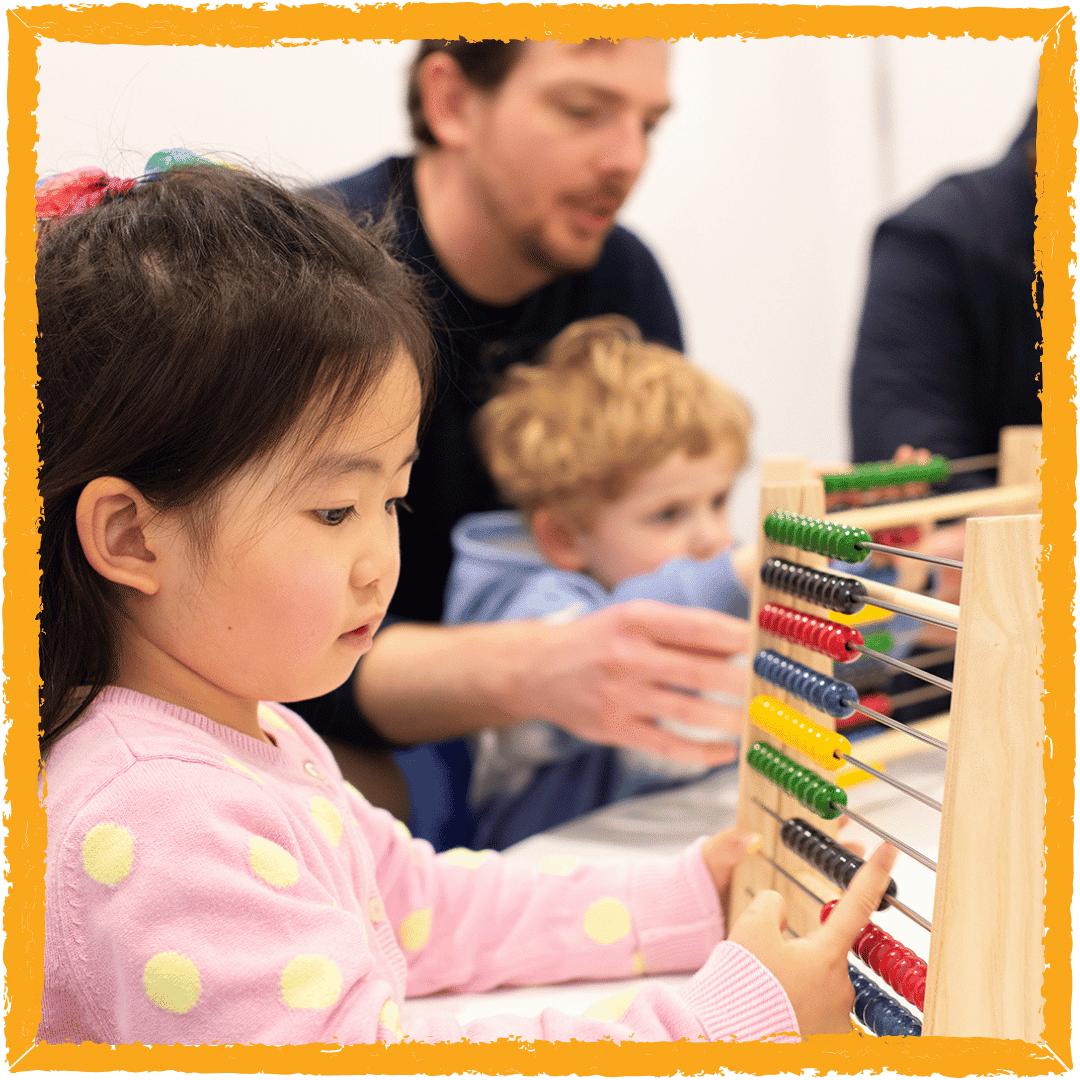
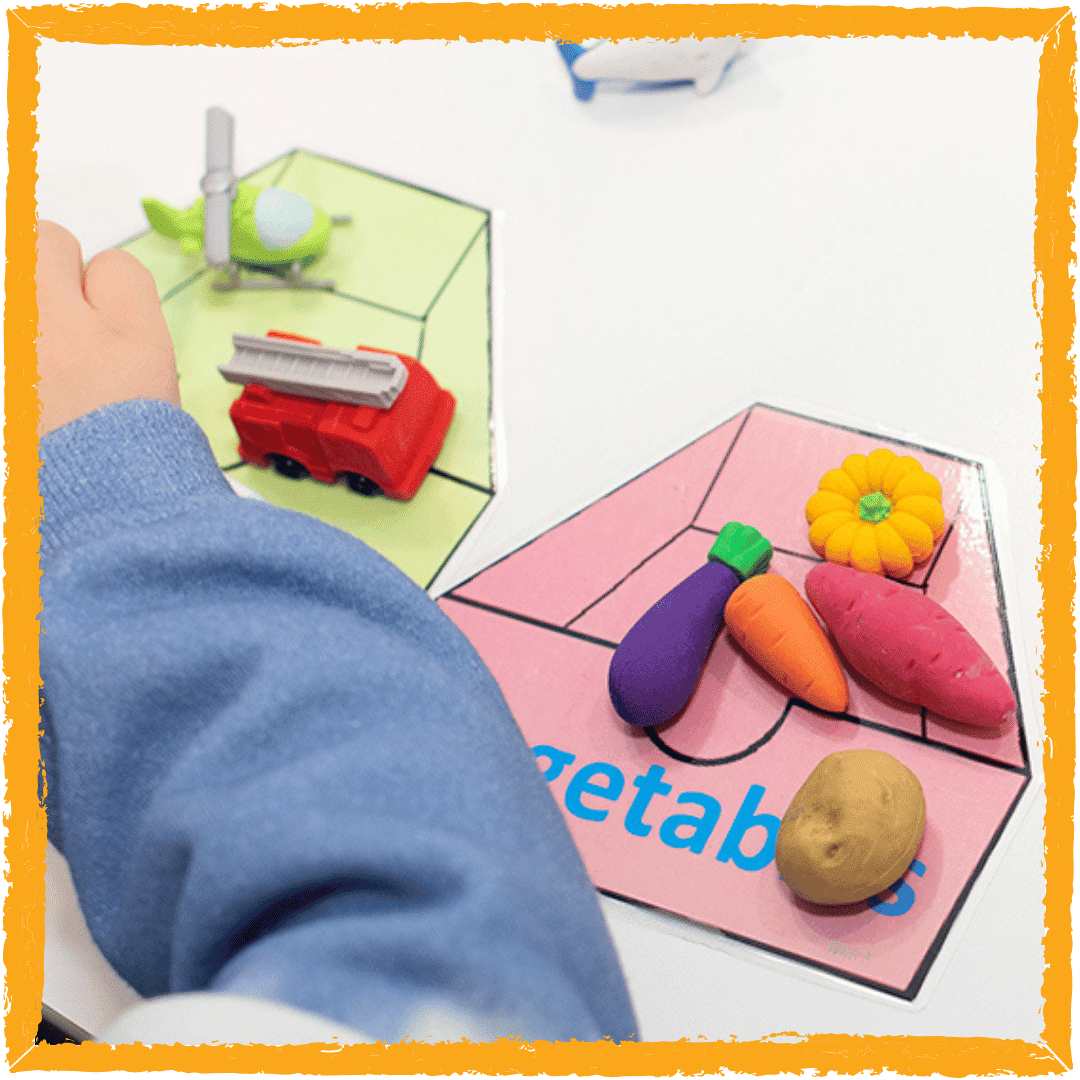
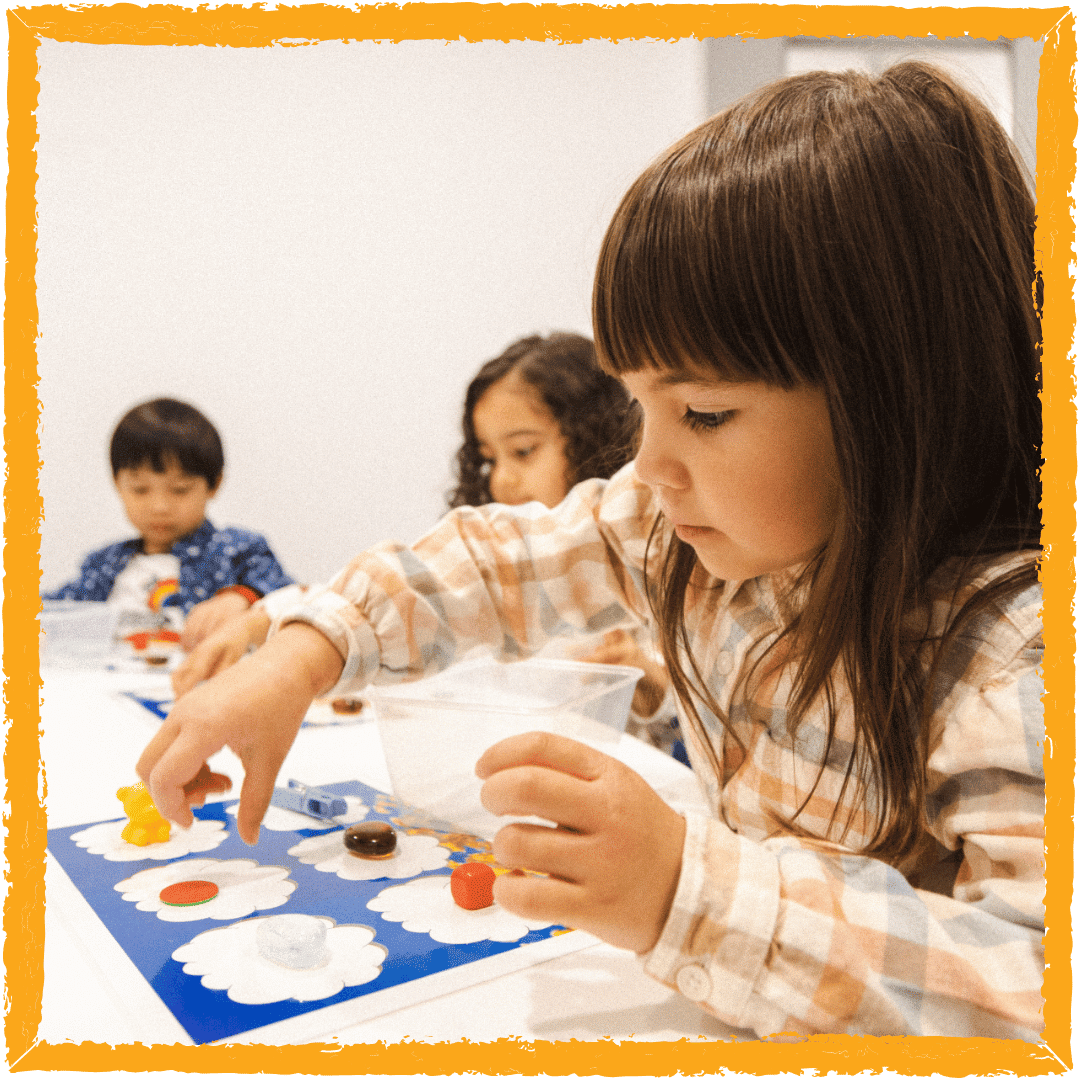
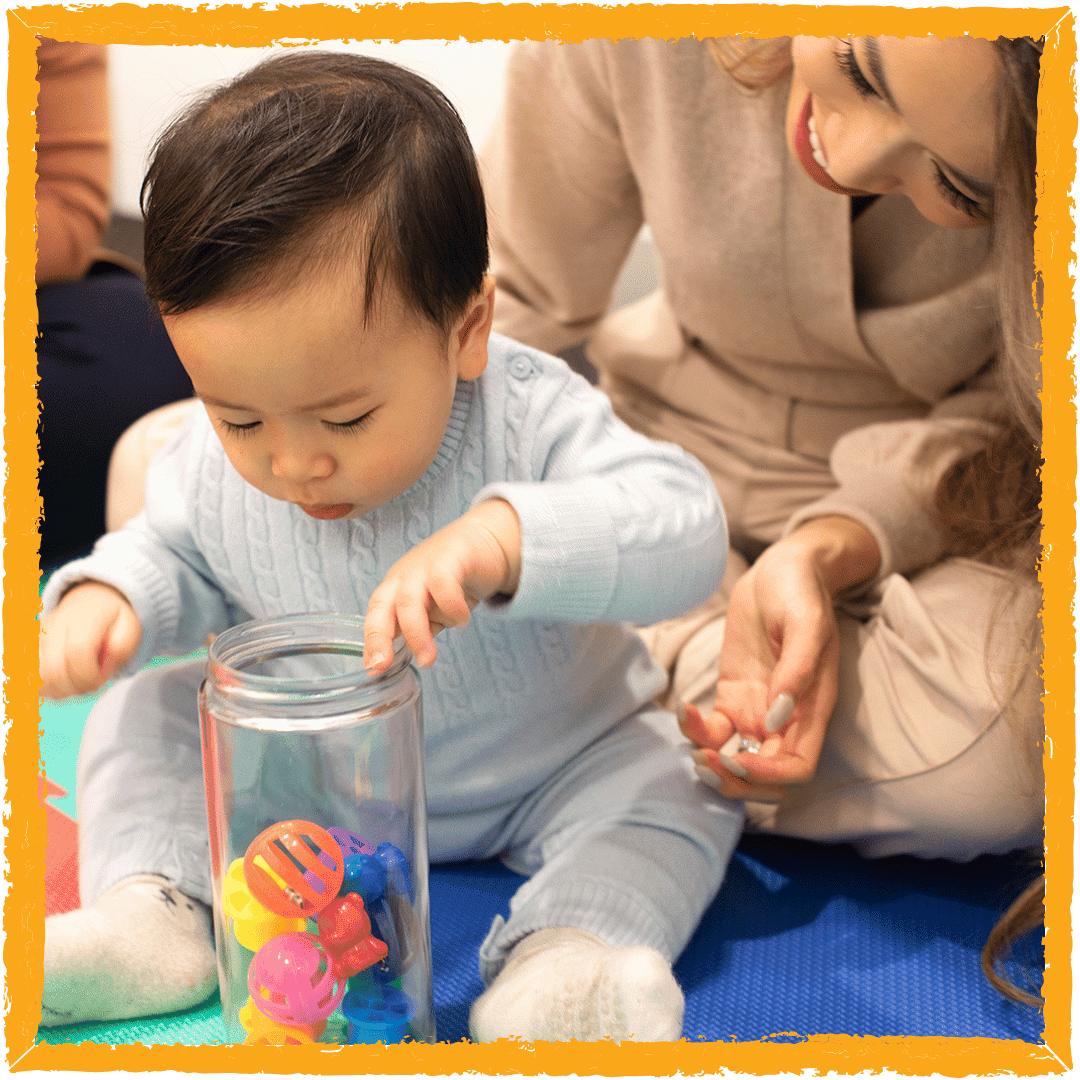
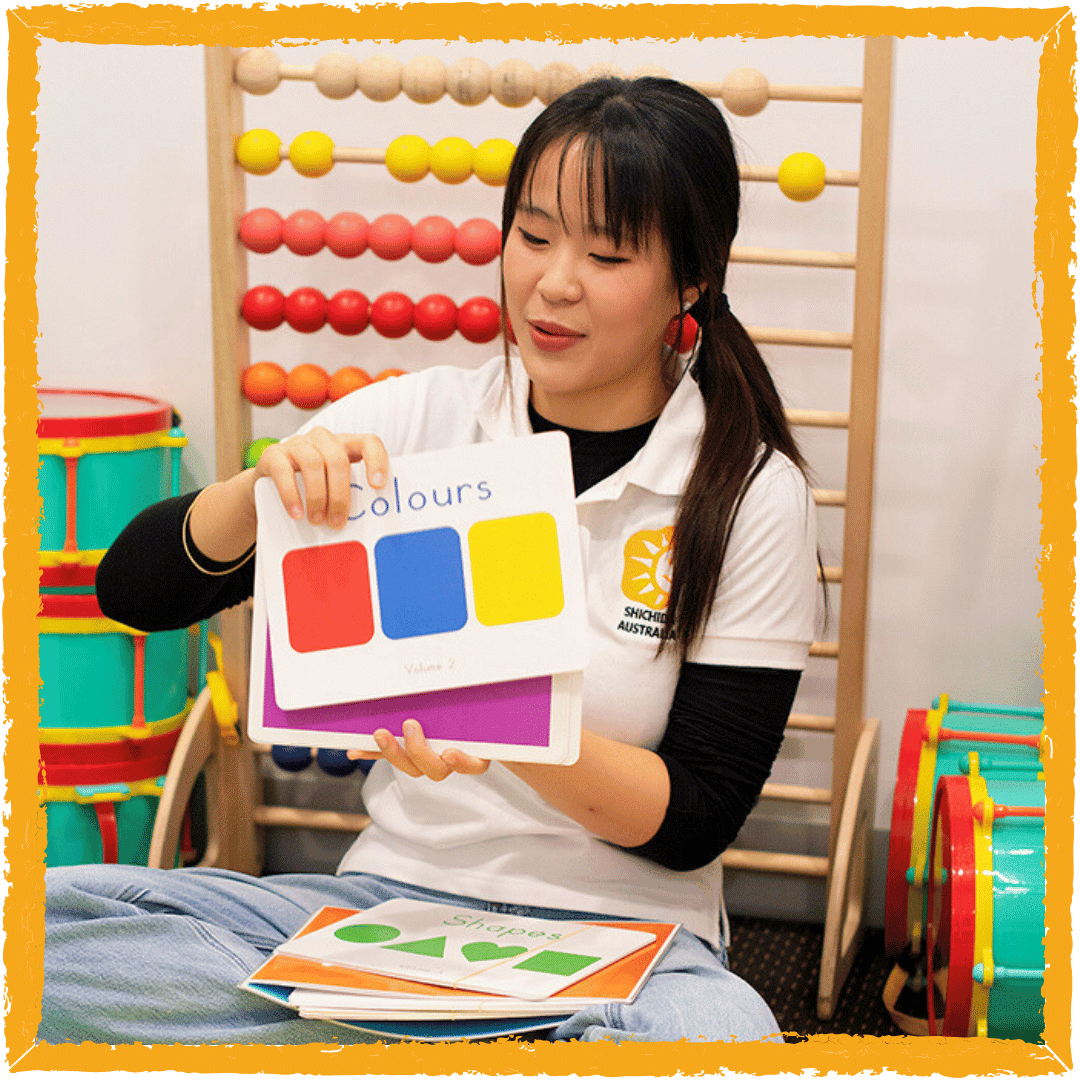
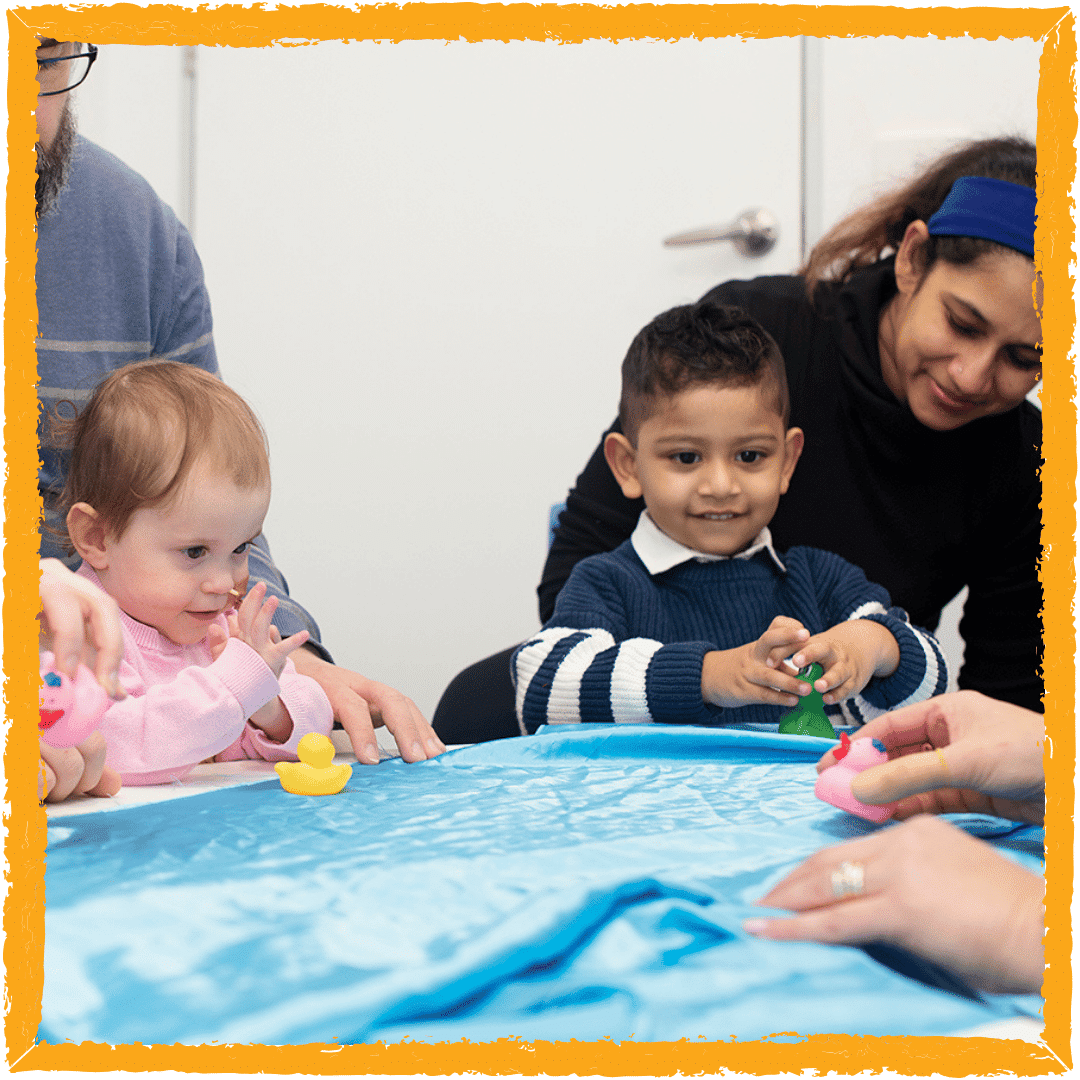
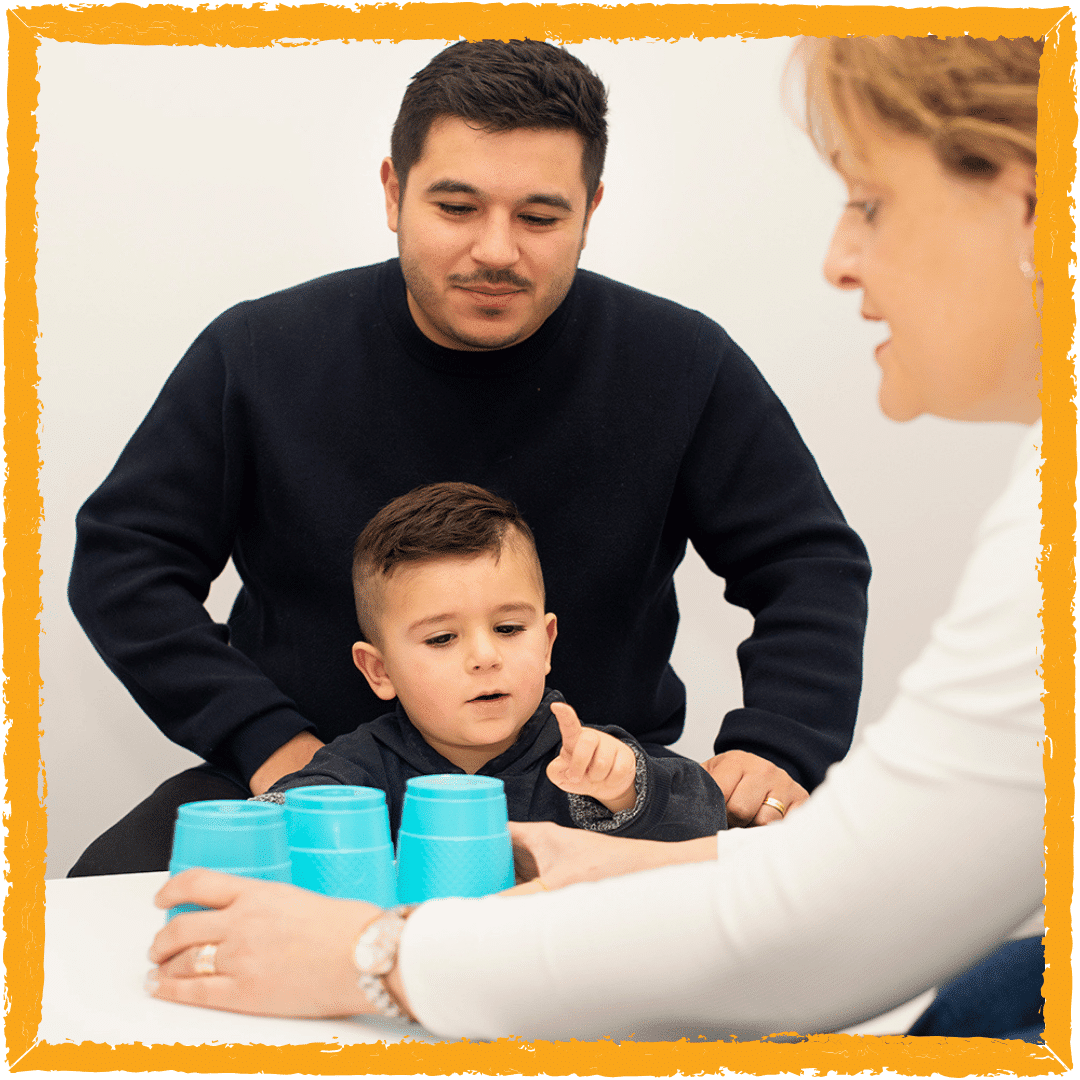
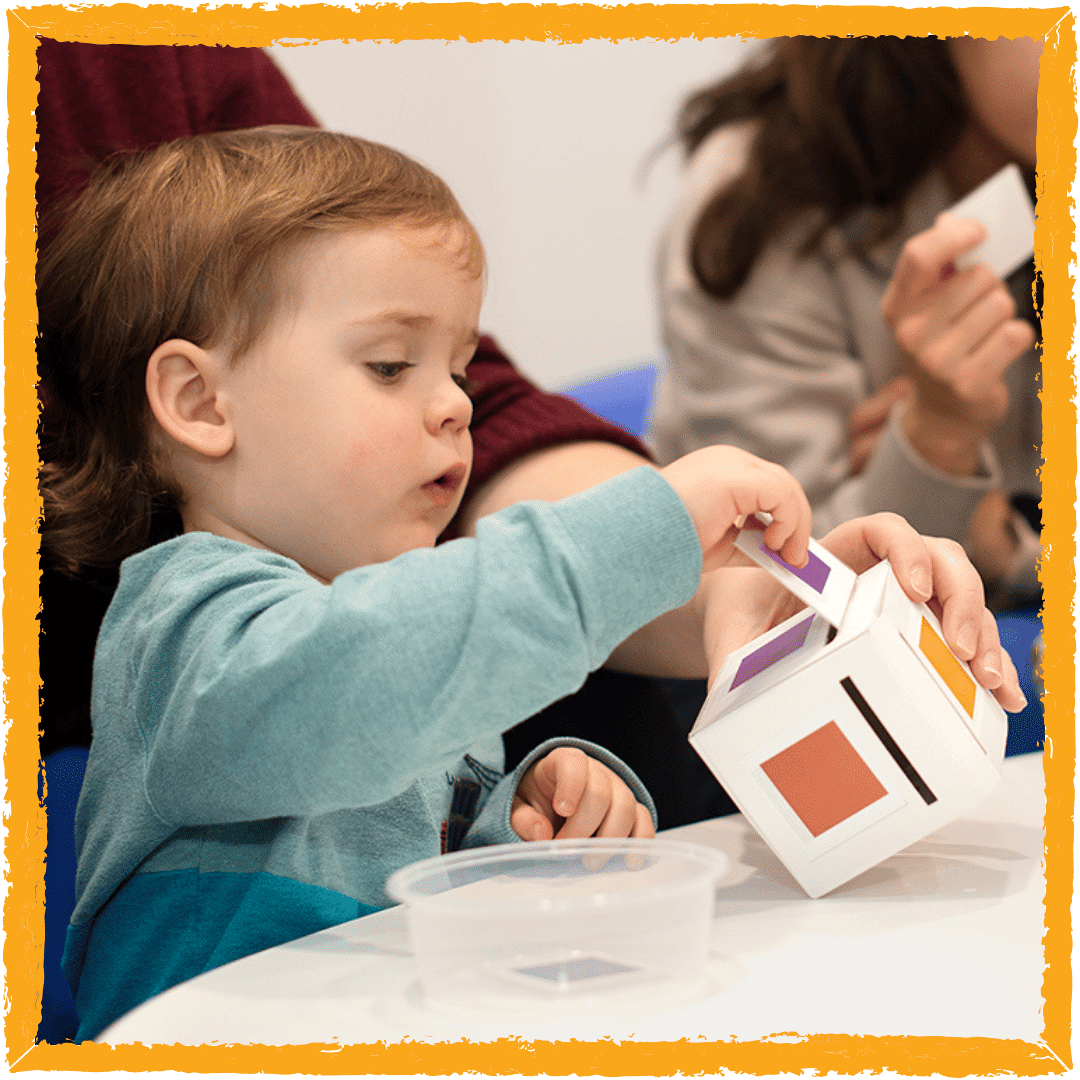
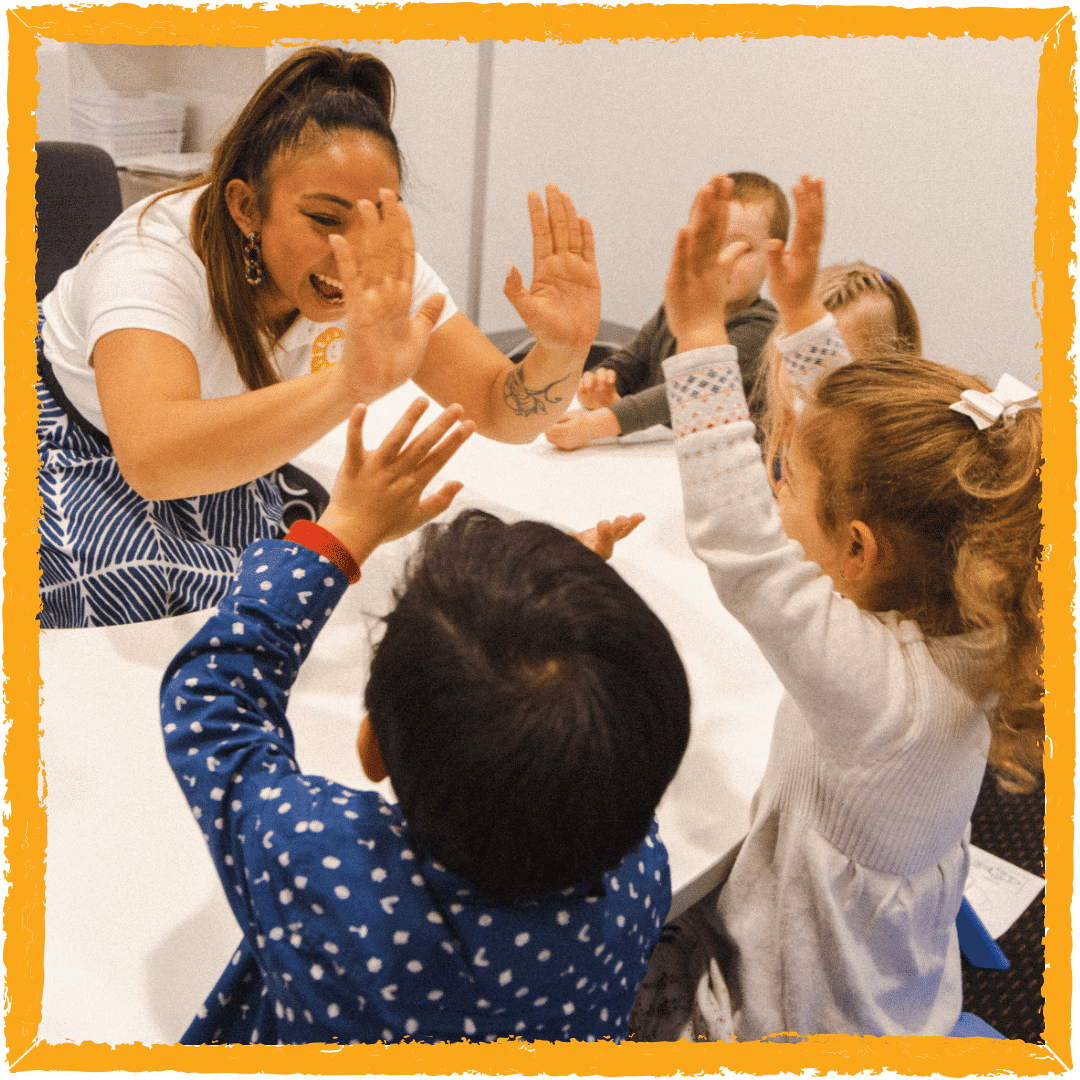
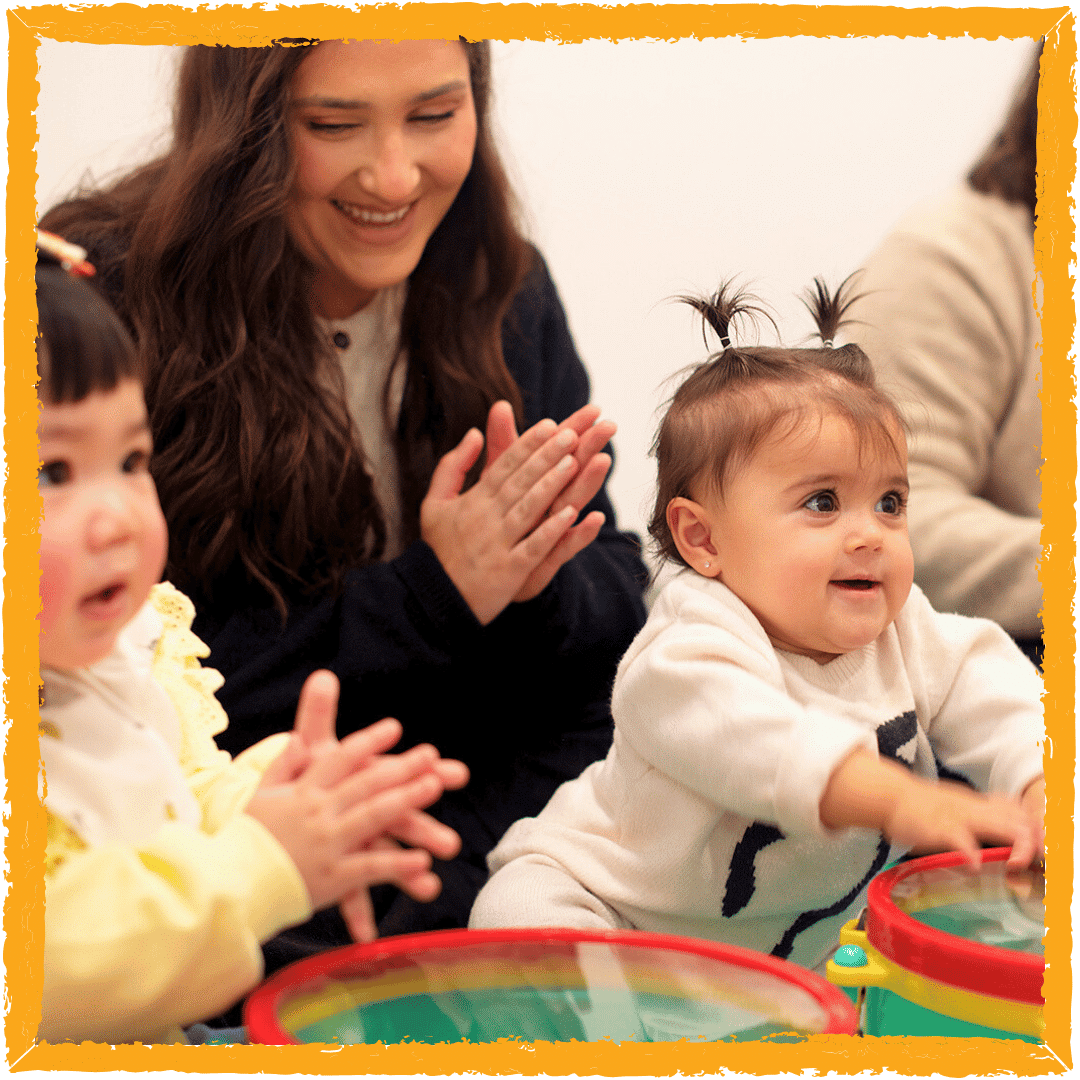
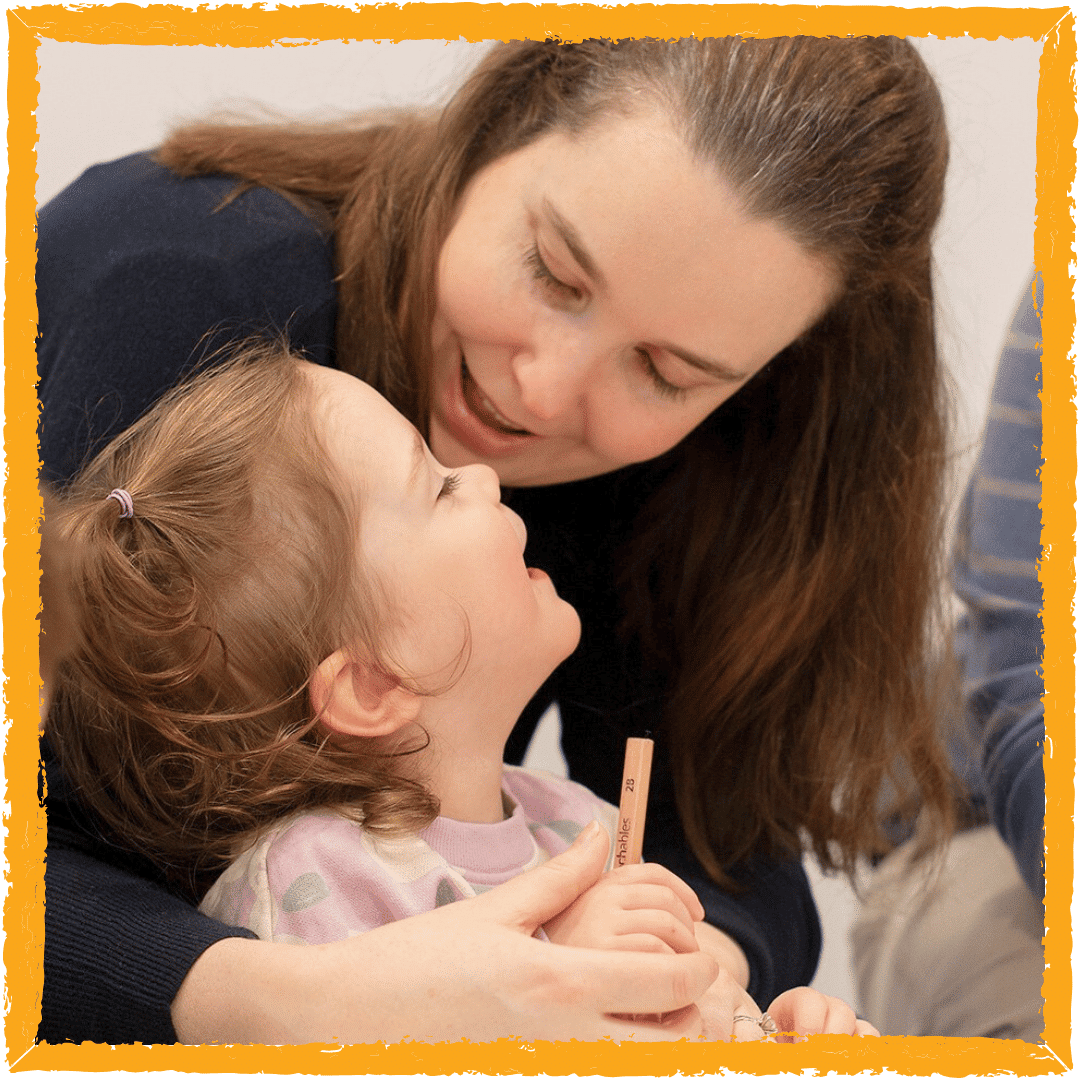
Photo by Shichida Australia: School Readiness Activities in Action! At Shichida Australia, preschoolers engage in fun, hands-on learning with their parents.
At Shichida Australia, our fun, interactive classes help develop the essential skills your child needs for a happy start to school – from focus and memory to communication, problem-solving, and social confidence. Parents tell us daily how excited their children are about learning!
Give your child the best start – book a trial class today.
FAQ: School Readiness Activities
School readiness activities are playful, skill-building tasks that help children develop the emotional, social, cognitive, physical, and self-regulation skills needed for a smooth transition to school. They support long-term learning and confidence.
Even 10 to 15 minutes a day can make a meaningful impact. Consistency and engagement matter more than duration.
No problem! Embed learning into activities they already enjoy. For example, count toy cars, make up rhymes, or use favourite characters in pretend play.
Yes. These activities can be tailored to suit different developmental levels. Adjust the pace, use visual supports, or modify materials. If unsure, ask an educator for suggestions.
Start with low-pressure playdates with familiar friends. Use role-play to practise sharing, turn-taking, and greetings. Picture books about friendship can also help.
Yes, but adapt the complexity to your child’s age and stage. A 3-year-old might sort colours, while a 5-year-old can practise packing their bag or tying shoelaces.
Signs include improved independence, communication, emotional regulation, and the ability to follow simple routines. You might notice them showing interest in books, group play, or asking more questions.
Yes, there are many early learning programs designed to support school readiness. Kinder and preschool programs focus on social interaction, routines, and foundational skills like early literacy and numeracy.
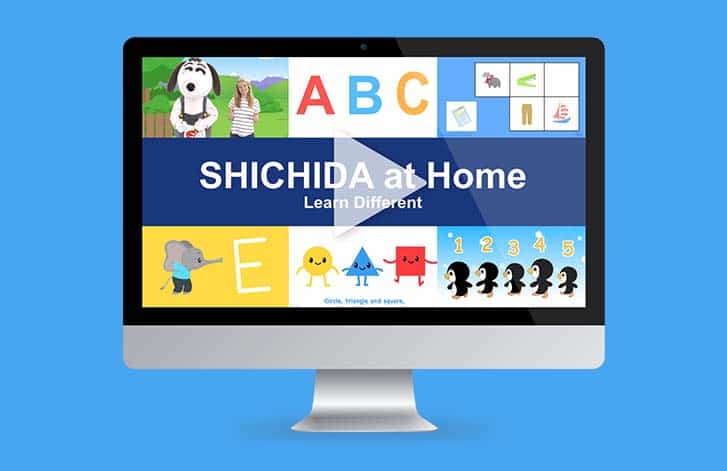
For a more targeted and holistic approach, Shichida Australia offers enrichment classes that go beyond traditional preschool. The Shichida program uses fun, brain-boosting activities to build memory, focus, communication, problem-solving, and social confidence – key skills for a smooth and happy transition to school. Many parents say their children feel more prepared and excited about learning after attending Shichida.