Right Brain in Early Learning: Science, Myths & Development
Key Takeaways
- The right brain is often linked to creativity, visual-spatial reasoning, and big-picture thinking.
- Brain lateralisation exists, but strict “right-brained” or “left-brained” labels are oversimplified.
- Early experiences strengthen neural connections across the whole brain.
- Art, movement, and imaginative play support integrated brain development.
- Right brain-related skills contribute to literacy, numeracy, and emotional growth.
You may have heard someone describe a child as “right-brained” or “left-brained” and wondered what that really means. Perhaps you’ve even questioned whether these labels should influence how you support your child’s learning.
The reality is that the brain is far more interconnected than a simple label suggests. While certain functions may be more active in one hemisphere, children use both sides of the brain together in almost everything they do. Understanding how right brain functions contribute to early learning can help you support creativity, spatial awareness, emotional understanding, and flexible thinking in meaningful ways.
This article explores the science behind the right brain, addresses common myths, and offers practical activities you can try at home. Through everyday, playful experiences, you can support balanced whole-brain development and help lay the foundation for confident, lifelong learning.
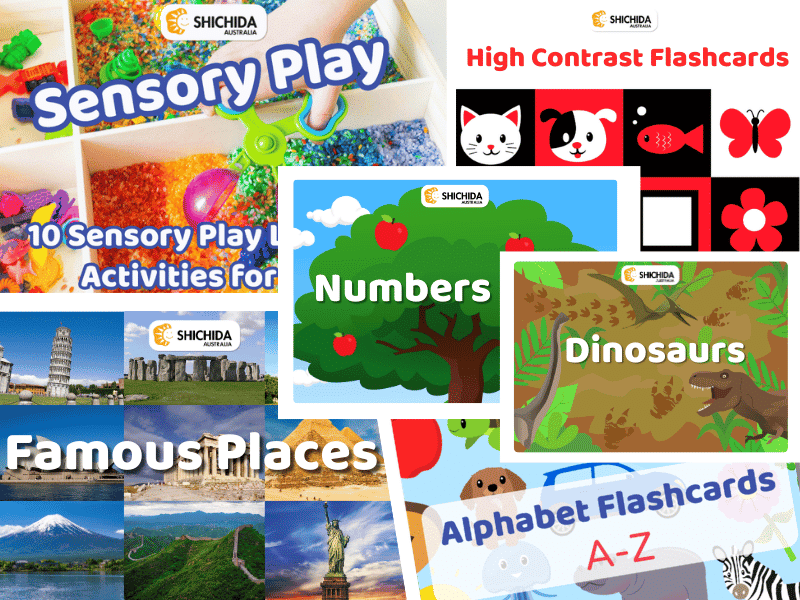
Early Brain Development Resources
Explore free DIY resources that support early brain development at home!
What Does “Right Brain” Mean?
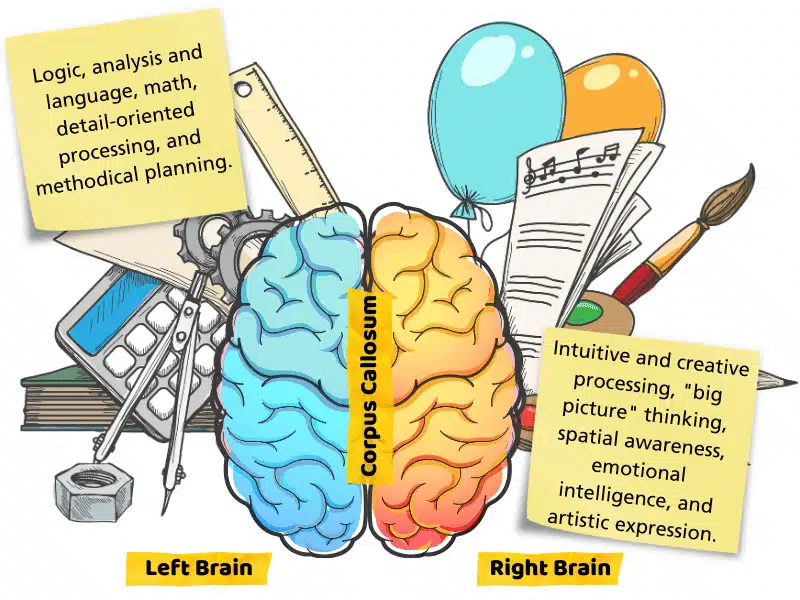
When talking about the “right brain,” you’re referring to the right hemisphere of your child’s brain. It’s one half of the brain, connected to the left hemisphere through the corpus callosum. While certain skills may be more active in one hemisphere, your child’s brain works as an integrated system, with both sides collaborating in almost everything they do.
“Right‑brain skills” usually include creativity, visual‑spatial awareness, emotional understanding, and big‑picture thinking. These are not separate types of intelligence‑ they are essential building blocks for your child’s overall growth. When your child imagines a new game, stacks blocks in creative ways, or notices a friend’s emotions, right‑brain skills are at work alongside other parts of the brain.
Brain Hemispheres & Lateralisation
Each hemisphere has tendencies. The left side often manages language, logic, and analytical thinking, while the right side is more active in spatial reasoning, pattern recognition, and emotional awareness. Most tasks, however, involve both hemispheres working together. For example, when your child tells a story about building a tower or solves a puzzle, they are using both sides of their brain.
The Science Behind the Myth
You might see quizzes or articles claiming someone is “right‑brained” or “left‑brained.” These labels are oversimplified. Research shows that cognitive skills are supported by networks across both hemispheres. The best way to support your child is through integrated, playful experiences that stimulate the whole-brain.
Right‑Brain Functions Relevant to Early Learning
You may notice right‑brain abilities in your child every day. When they invent games, draw imaginative pictures, or spot patterns in their environment, they are using right‑hemisphere processing. These skills are important during early childhood because they support creativity, social awareness, and problem‑solving, which lay the foundation for learning in school and life.
Here’s what to look for:
- Imagination and creative thinking: Your child turns ordinary objects into toys or invents new games.
- Pattern detection and spatial reasoning: Your child sorts toys by shape, spots sequences in books, or notices visual patterns.
- Social awareness and emotional understanding: Your child recognises a friend’s feelings or responds to facial expressions.
- Creative problem‑solving: Your child figures out new ways to stack blocks or organise objects.
Supporting these skills helps your child develop early childhood creativity while also strengthening cognitive, social, and emotional growth.
Creativity and the Arts
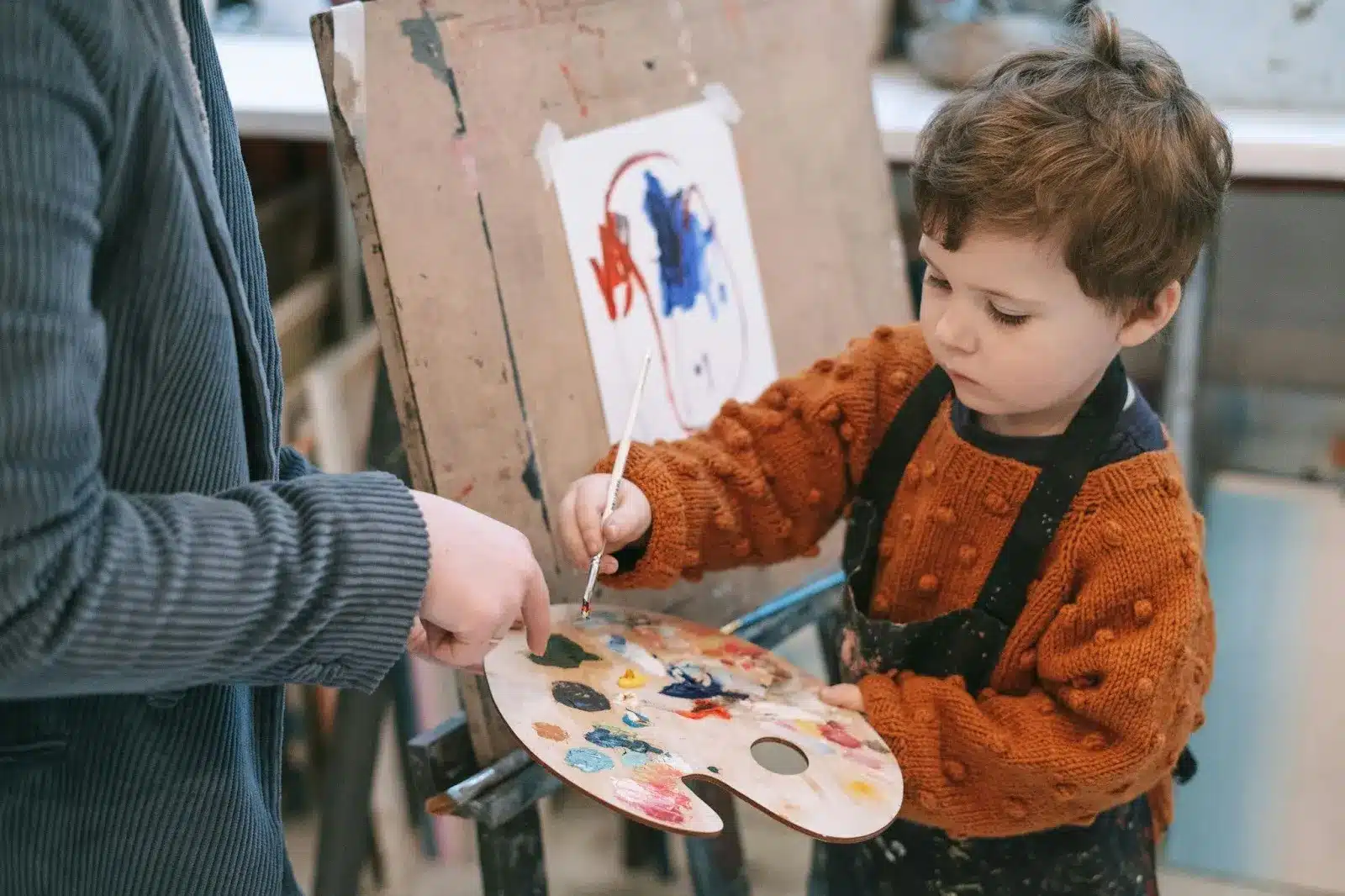
Encourage your child to draw, paint, enjoy music, or engage in imaginative play. Each activity strengthens expressive neural pathways and promotes flexible thinking. Even simple experiences like colouring, stamping, or storytelling support problem‑solving and self‑expression.
Visual‑Spatial Skills
Hands‑on activities like puzzles, building blocks, and shape‑sorting toys help your child develop spatial reasoning and mental imagery. These skills support reading readiness, geometry understanding, and everyday problem‑solving.
Emotional and Social Awareness
Your child’s ability to recognise and understand emotions is a right‑brain skill. Role play, games, and storytelling help them develop empathy, social cues, and emotional regulation, which are important for friendships and cooperative play.
Brain Science for Parents: How Early Learning Shapes Neural Networks
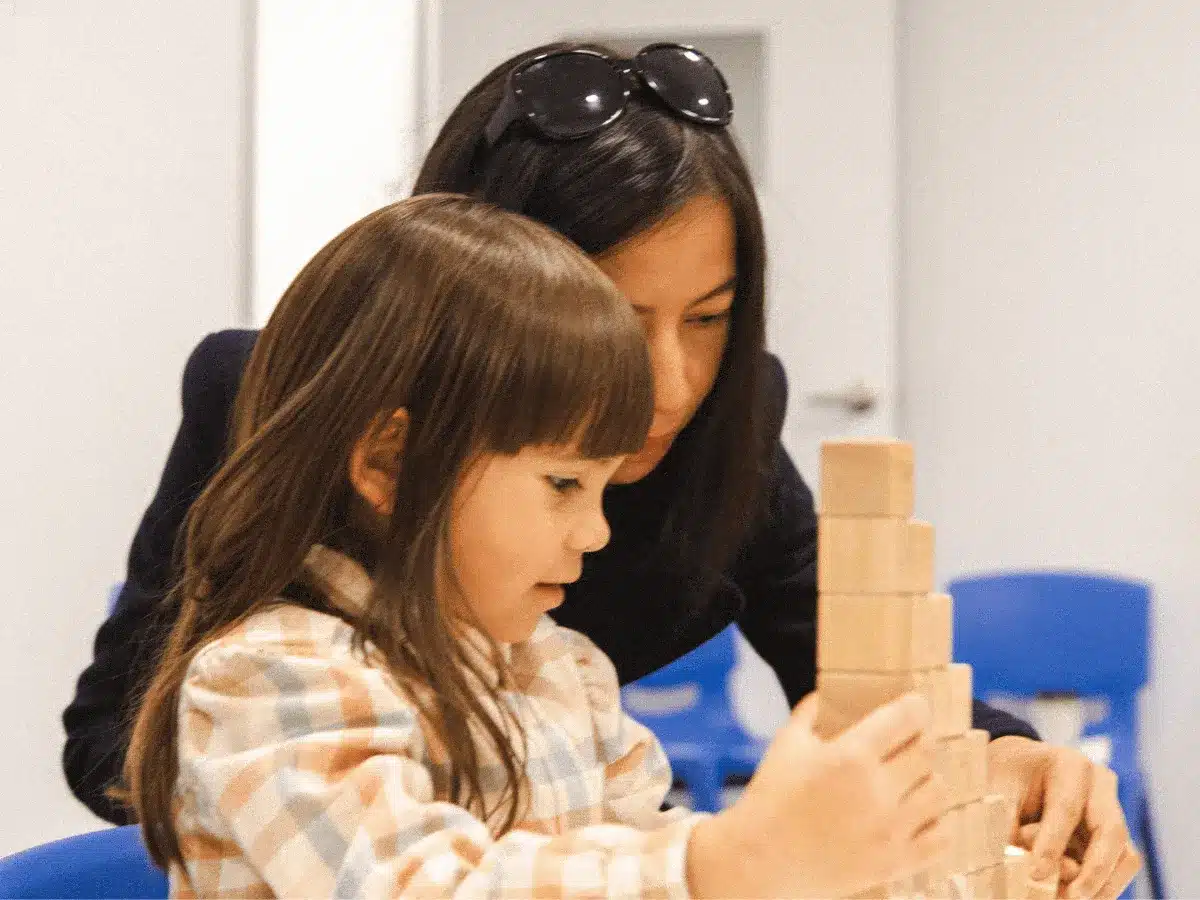
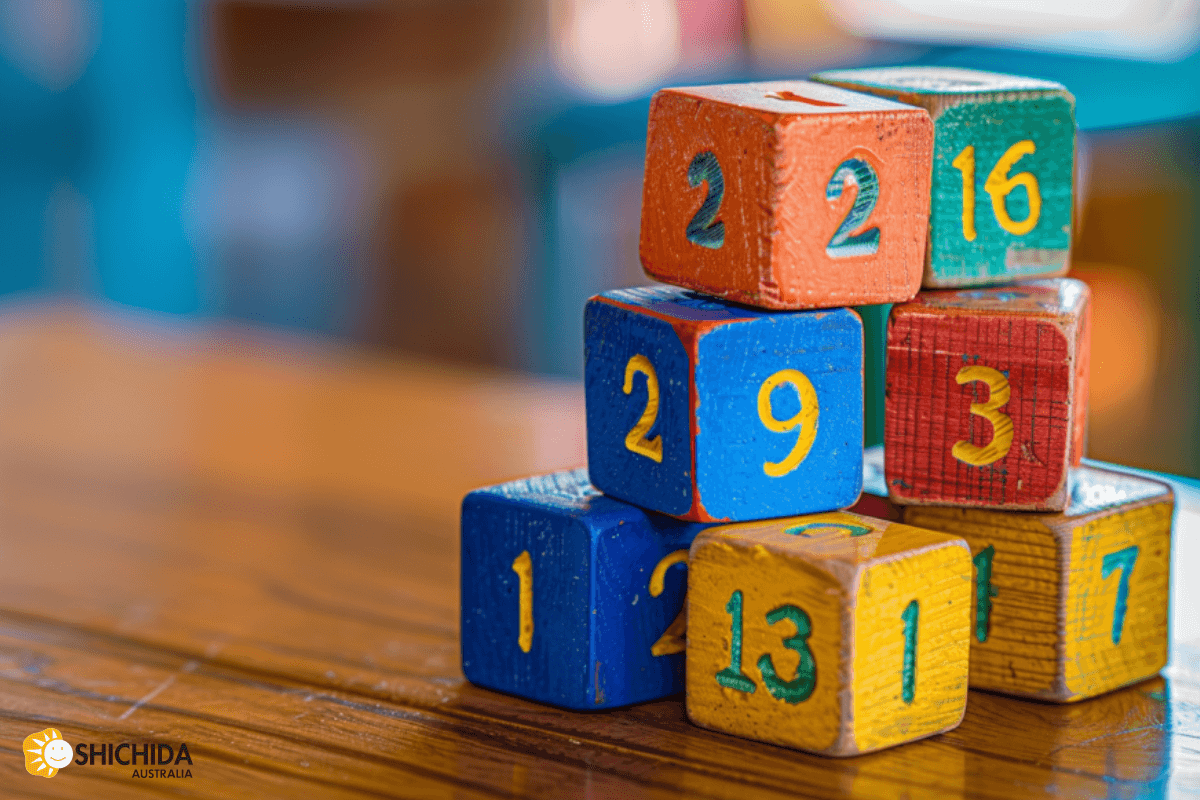
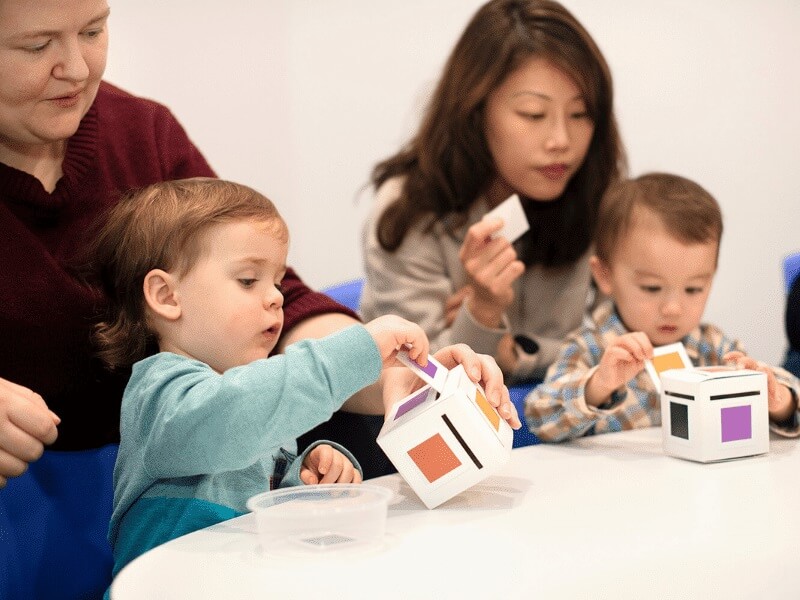
Image by Shichida Australia: Block play strengthens spatial reasoning and supports right brain growth in early learners as children explore balance, cause and effect.
Your child’s experiences physically shape their brain. Through neuroplasticity, repeated, meaningful activities strengthen neural pathways and help skills across both hemispheres integrate. Playful interactions, songs, and creative activities help build an adaptable, capable brain.
Providing environments rich in sensory experiences – textures, sounds, colours, movement, and social interaction supports whole‑brain development and makes learning more effective and fun.
Neuroplasticity in Young Children
Early childhood is a sensitive period for brain development. This period of development is called the Golden Period. Experiences during these years have a lasting impact. By encouraging creativity, exploration, and problem‑solving, you help your child develop flexible thinking, attention, and memory skills that last a lifetime.
Integrated Brain Development
Your child’s learning rarely relies on only one hemisphere. Language, creativity, movement, and emotions are interconnected. For example, when your child sings a song while acting out a story, they are stimulating verbal, spatial, and social‑emotional networks at the same time. Integrated experiences build cognitive, social, and emotional skills that will benefit your child throughout life.
Debunking Common Myths About Right Brain Dominance
It’s easy to feel pressure to figure out whether your child is right‑ or left‑brained, but these labels can be misleading. Children’s abilities are not fixed, and giving your child balanced, varied experiences is more important than focusing on one hemisphere.
Myth: People Are Either Right or Left Brain
The idea that children are strictly “right‑brained” or “left‑brained” oversimplifies how the brain works. Cognitive skills involve networks across both hemispheres, so your child benefits most from activities that stimulate multiple types of learning.
Myth: Right Brain Means Creativity Only
Creativity does involve the right hemisphere, but it also relies on attention, memory, planning, and language skills from the left hemisphere. Supporting creativity means offering your child a variety of experiences, including arts, storytelling, problem‑solving, and imaginative play.
Activities to Support Right‑Brain Development in Early Learners
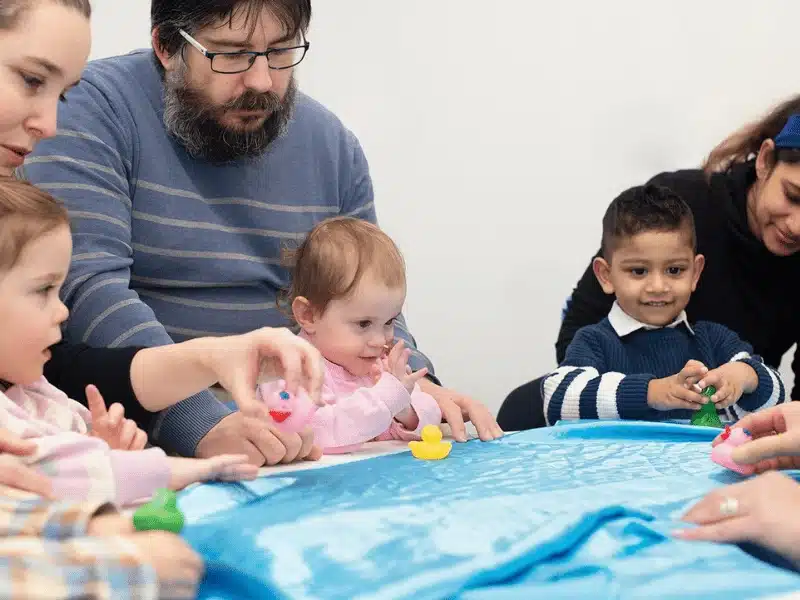
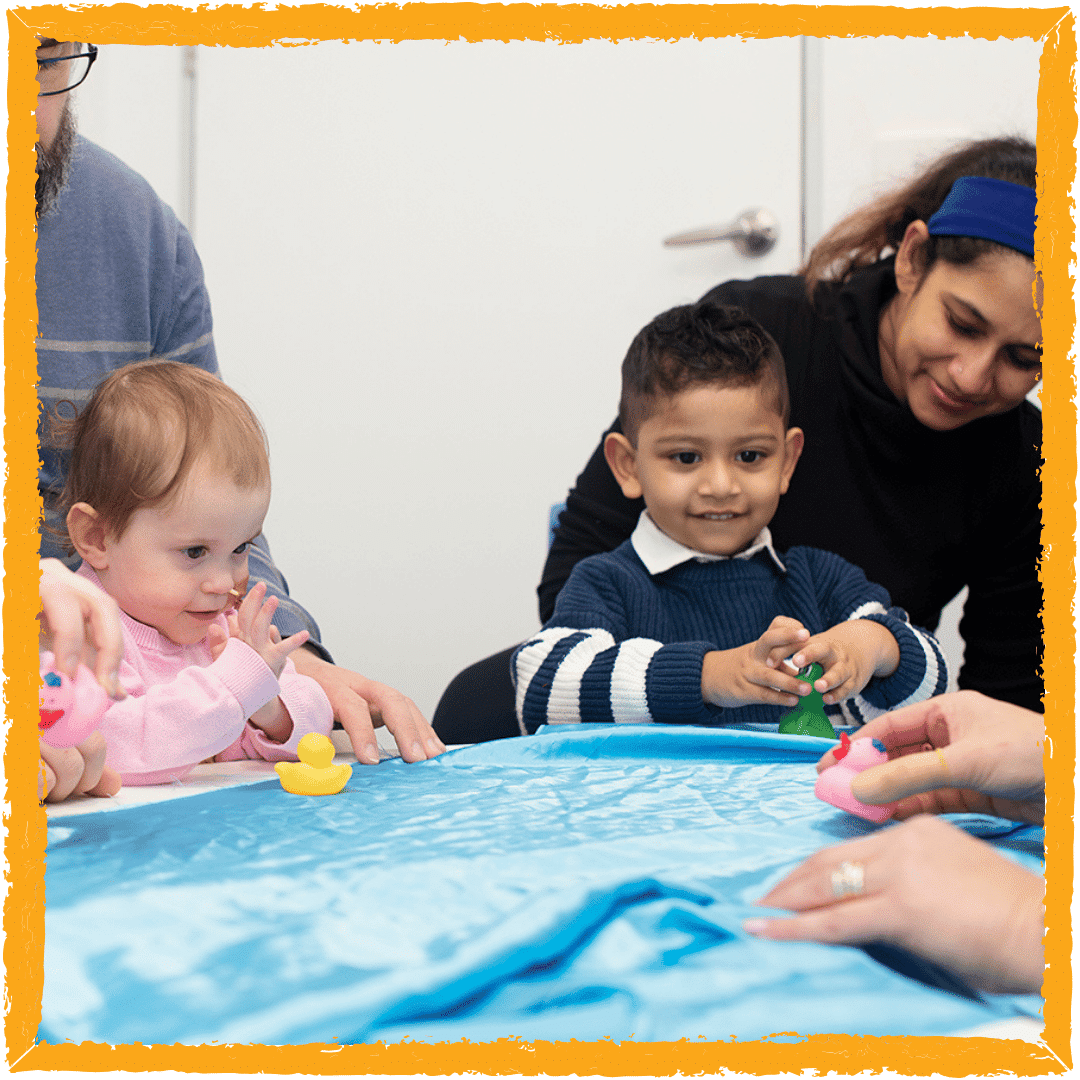
Image by Shichida Australia: Imaginative play nurtures emotional awareness and activates right brain skills in young children. Here, toddlers help ducks and frogs swim in a make-believe lake.
You can help your child strengthen right‑brain skills through practical, playful activities. The focus should remain on curiosity and enjoyment rather than performance.
Visual & Artistic Activities
Encourage your child to draw, paint, create collages, or sort colours and shapes. Pattern‑making, stamping, and mixing colours develop visual‑spatial reasoning and creative expression.
Movement & Music
Dancing, rhythm games, and action songs stimulate motor coordination, auditory processing, and expressive skills. Even simple musical exploration using household items encourages experimentation and creative thinking.
Play & Imaginative Scenarios
Role play, storytelling, dress‑up, and pretend worlds allow your child to practise problem‑solving, empathy, and narrative skills. These activities strengthen imagination and social‑emotional intelligence.
You can also explore specific ideas for nurturing your child’s right brain from the Shichida blog on Right Brain Development Activities for Babies That Work which includes sensory play, storytelling, and early puzzles.
And for more creative and brain‑boosting exercises, read Children Imagination and the Power of Image Training to understand how imagination shapes learning and emotional resilience.
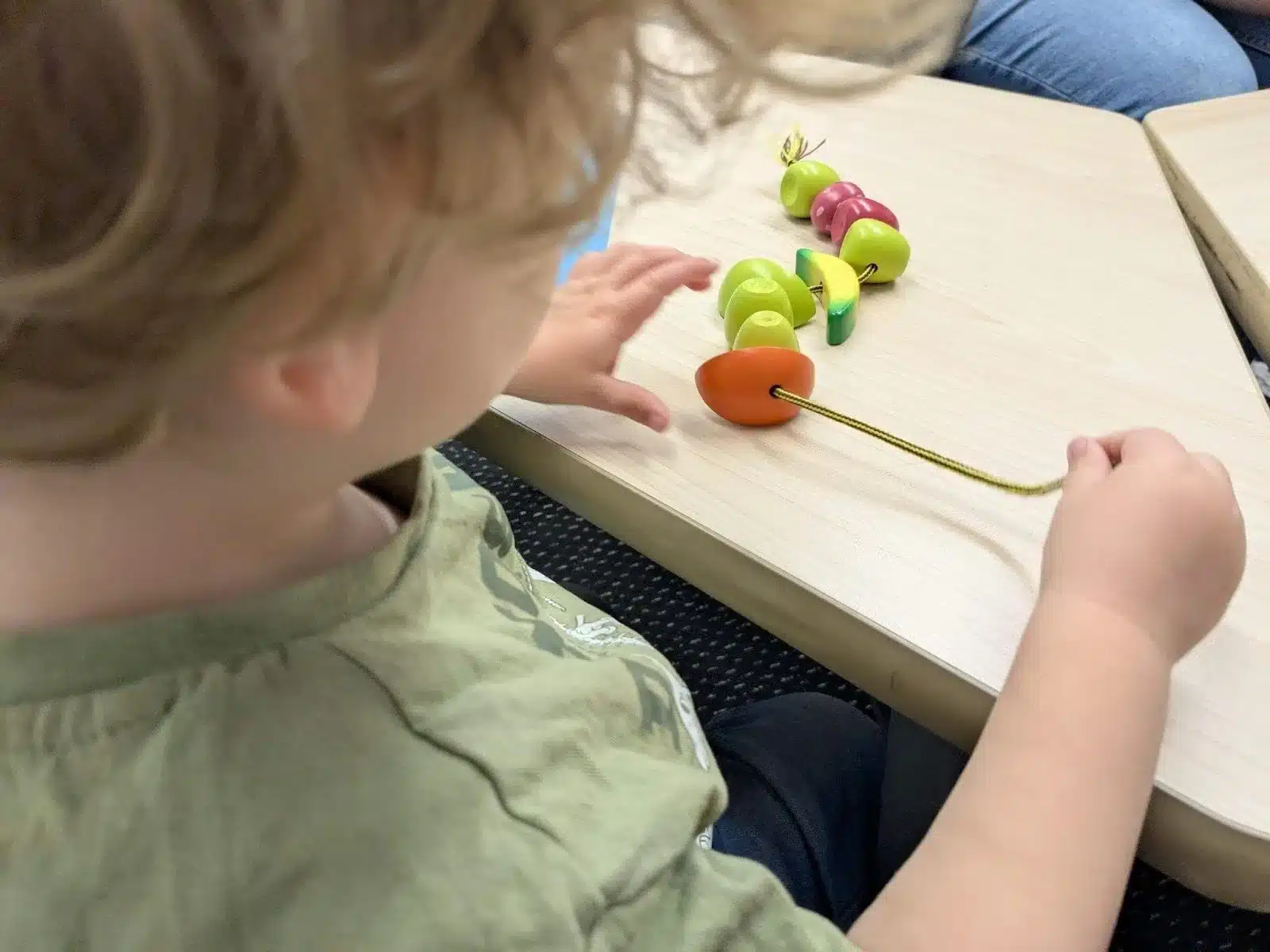
Image by Shichida Australia: Stringing beads is an example of a simple activity for right-brain learning. As children guide each bead onto the string, they use visual-spatial awareness, pattern recognition, and hand-eye coordination. This strengthens concentration while supporting the development of fine motor skills needed for later writing.
Integrating Right‑Brain Activities With Early Learning Goals
Right‑brain activities support foundational skills like language, numeracy, and emotional regulation. Playful, creative experiences help your child develop holistic skills that prepare them for school and social life. The goal is to nurture flexible thinking, communication, and problem-solving skills.
Language & Storytelling
Encourage your child to tell stories about their artwork, toys, or daily experiences. Narrative play builds vocabulary, comprehension, and communication skills while nurturing imagination.
For example, when a child explains what is happening in their drawing or invents a story for their toy characters, they practise sequencing ideas, using descriptive language, and organising their thoughts – all skills that support early literacy.
Patterns & Early Math Skills
Sorting, sequencing, and recognising patterns strengthen early numeracy while developing spatial awareness and observation skills. Creative play helps your child develop structured thinking in a fun way.
Activities like building with blocks, arranging objects by colour or size, or completing simple puzzles help children notice relationships and patterns – key foundations for later mathematical thinking.
Emotional Expression & Regulation
Art, role play, and pretend games help your child identify and manage emotions, while building resilience, empathy, and social competence.
When children act out stories, pretend to be different characters, or express feelings through drawing and play, they practise recognising emotions and responding to others – important skills for friendships and classroom learning.
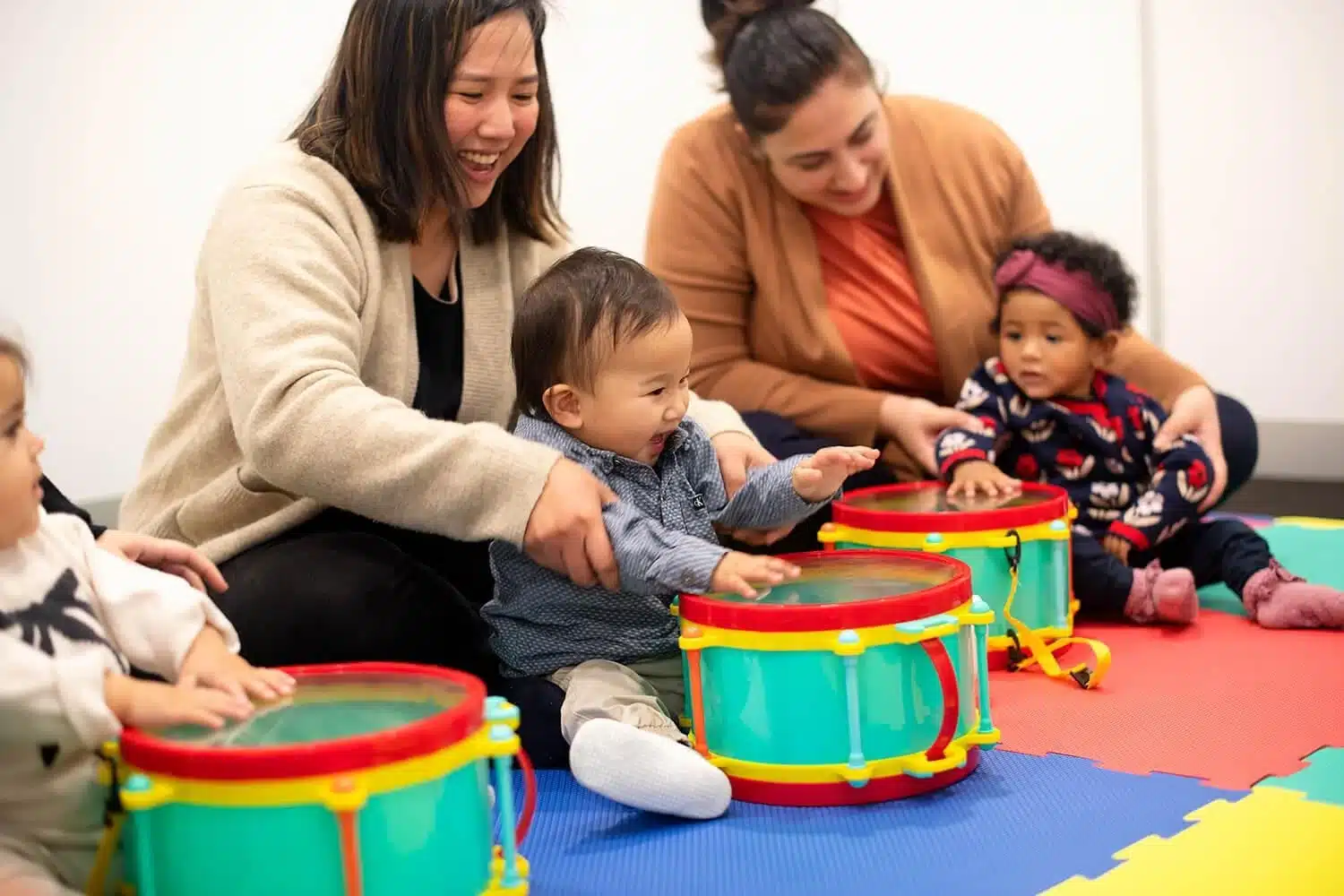
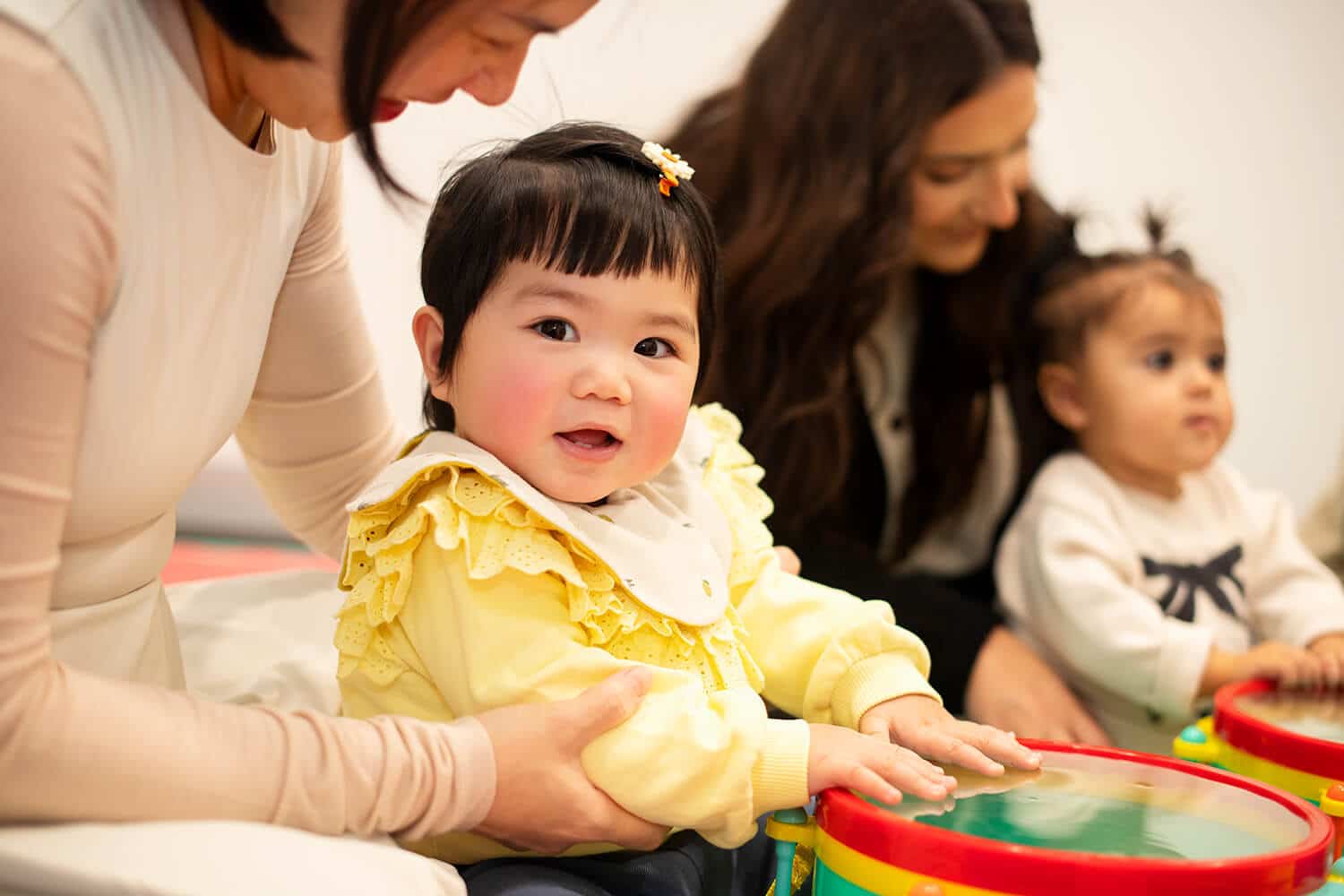
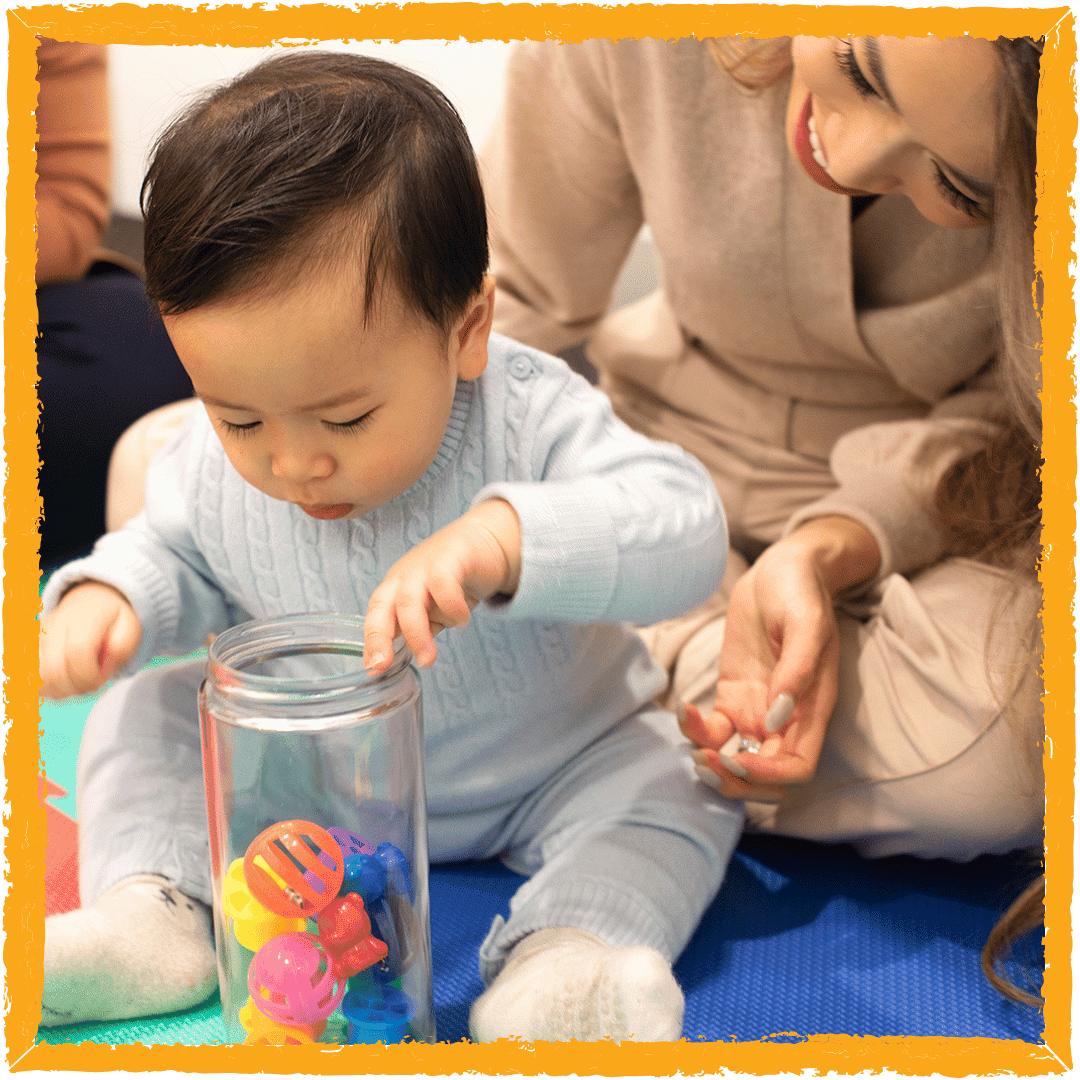
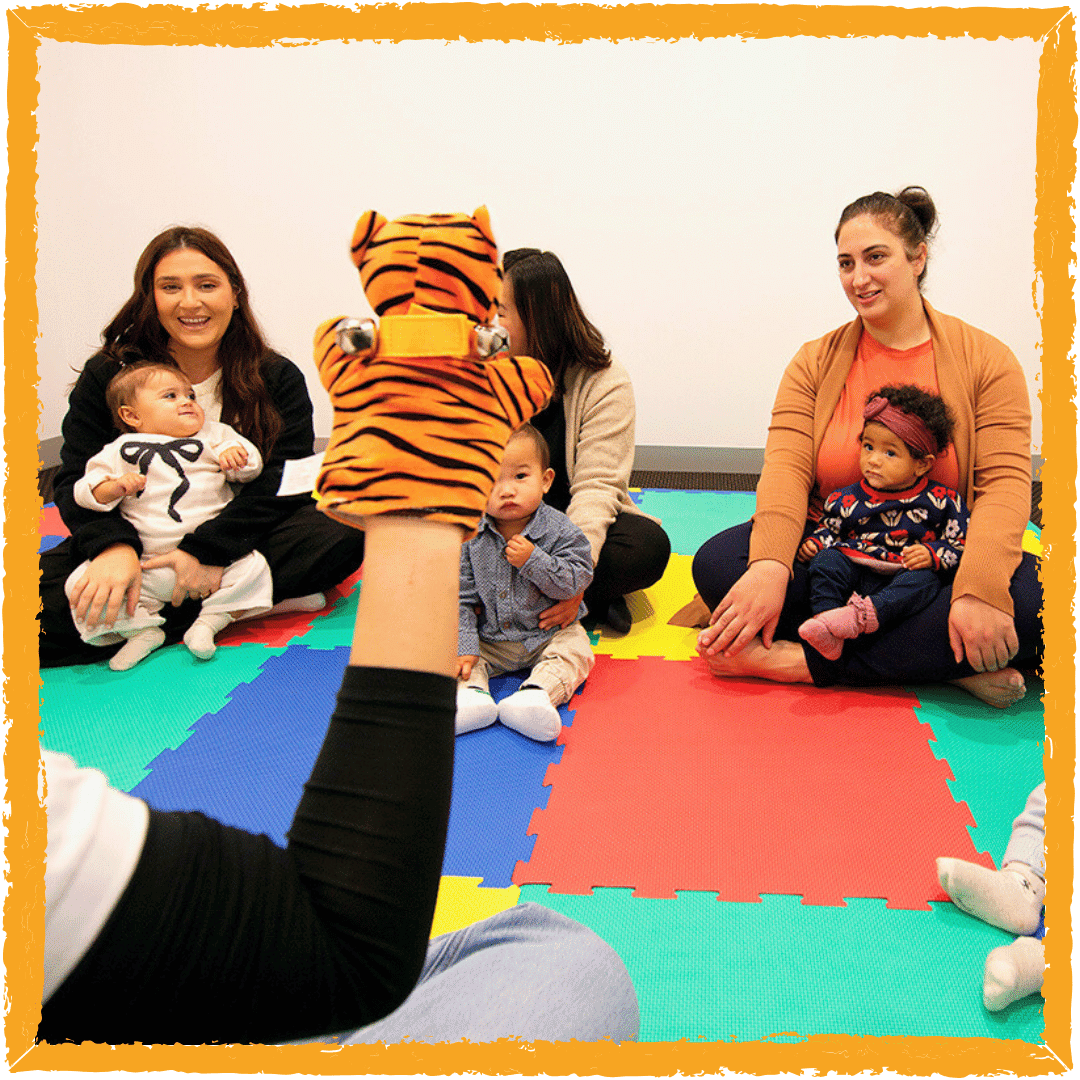
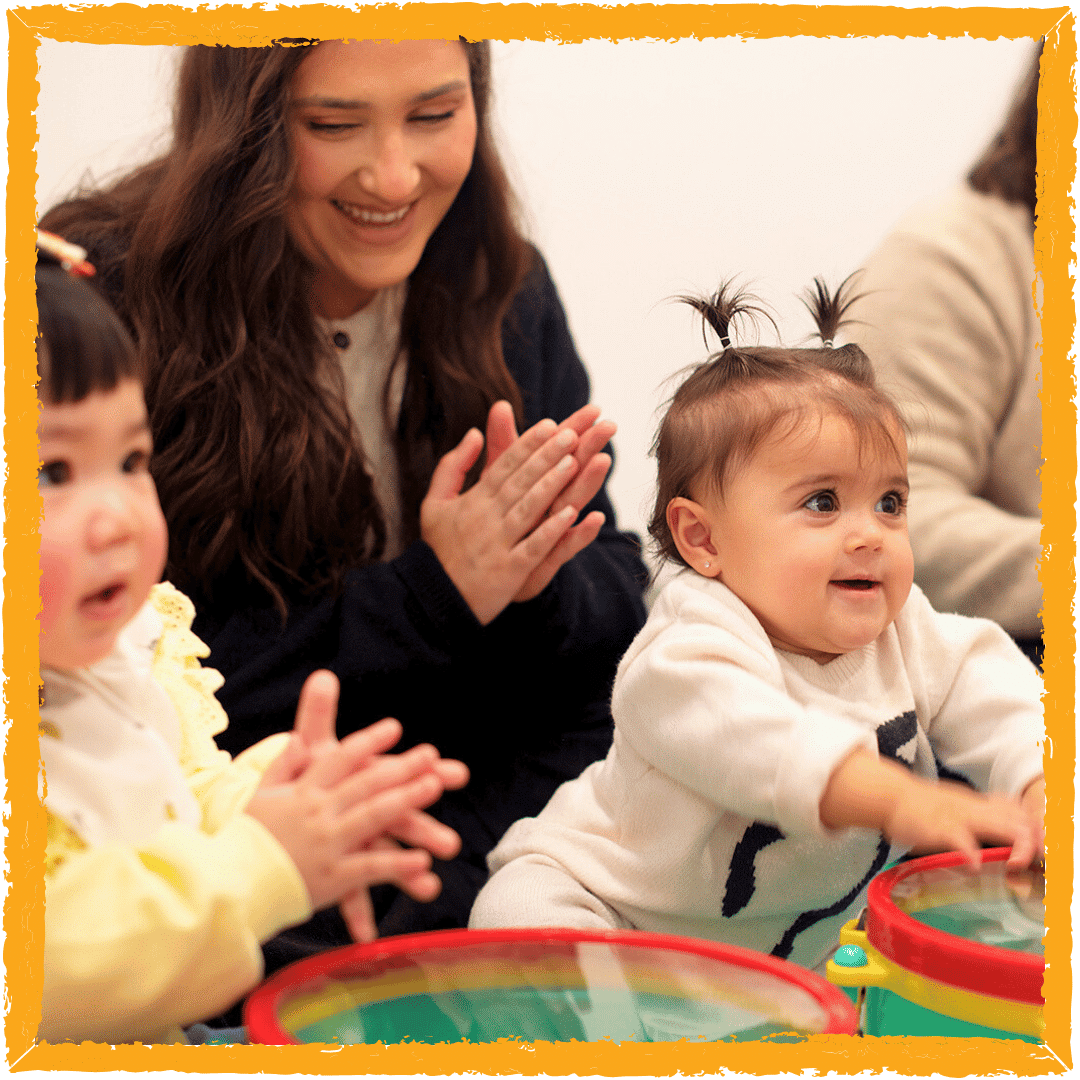
Image by Shichida Australia: Babies enjoying music and rhythm during a Shichida baby class.
Supporting Whole-Brain Development in Early Childhood
While creative play and everyday experiences build strong foundations at home, some families also look for structured environments that intentionally support early brain development.
Shichida’s early learning classes are designed to engage the whole brain through a balanced mix of visualisation, memory activities, language enrichment, music, movement, and problem-solving. These activities help children strengthen creativity, focus, emotional awareness, and early thinking skills in a supportive and stimulating environment.
Experience how whole-brain learning can support your child’s confidence, curiosity, and love of learning from an early age. Classes are suitable for children aged 6 months to 5 years old. Book a trial class today!
FAQ’s: Right Brain in Early Learning
It refers to skills like creativity, visual‑spatial reasoning, emotional awareness, and big‑picture thinking. It is not a fixed type of intelligence but a key part of your child’s overall development.
No. Your child uses both hemispheres for nearly all tasks. While strengths may appear, learning is always a whole‑brain process.
Offer playful, low‑pressure activities such as drawing, music, imaginative play, and problem‑solving that stimulate curiosity and experimentation.
Yes. They strengthen flexibility, spatial reasoning, emotional regulation, and creative problem‑solving, supporting learning in reading, math, and social situations.
Absolutely. Play builds neural connections, develops social‑emotional skills, and integrates learning across both hemispheres.
The hemispheres communicate through the corpus callosum and interconnected networks, allowing your child to combine analytical thinking, creativity, and emotional understanding.
Drawing, painting, puzzles, building blocks, imaginative storytelling, role play, dancing, and music‑based games are excellent ways to strengthen right‑brain skills.
Yes. Creative thinking enhances problem‑solving, flexibility, and critical thinking, providing a strong foundation for lifelong learning.
The Shichida Method emphasises early, integrated brain development through visualisation, memory activities, music, language enrichment, and play-based learning. Rather than isolating one hemisphere, the approach aims to engage multiple brain systems simultaneously to support balanced growth.