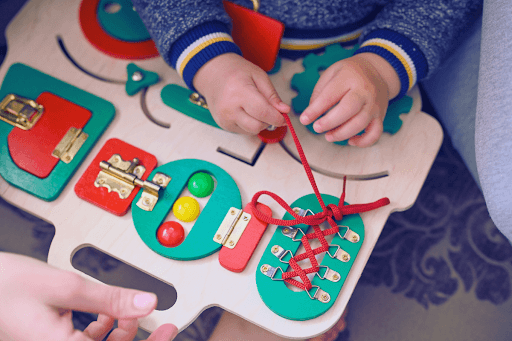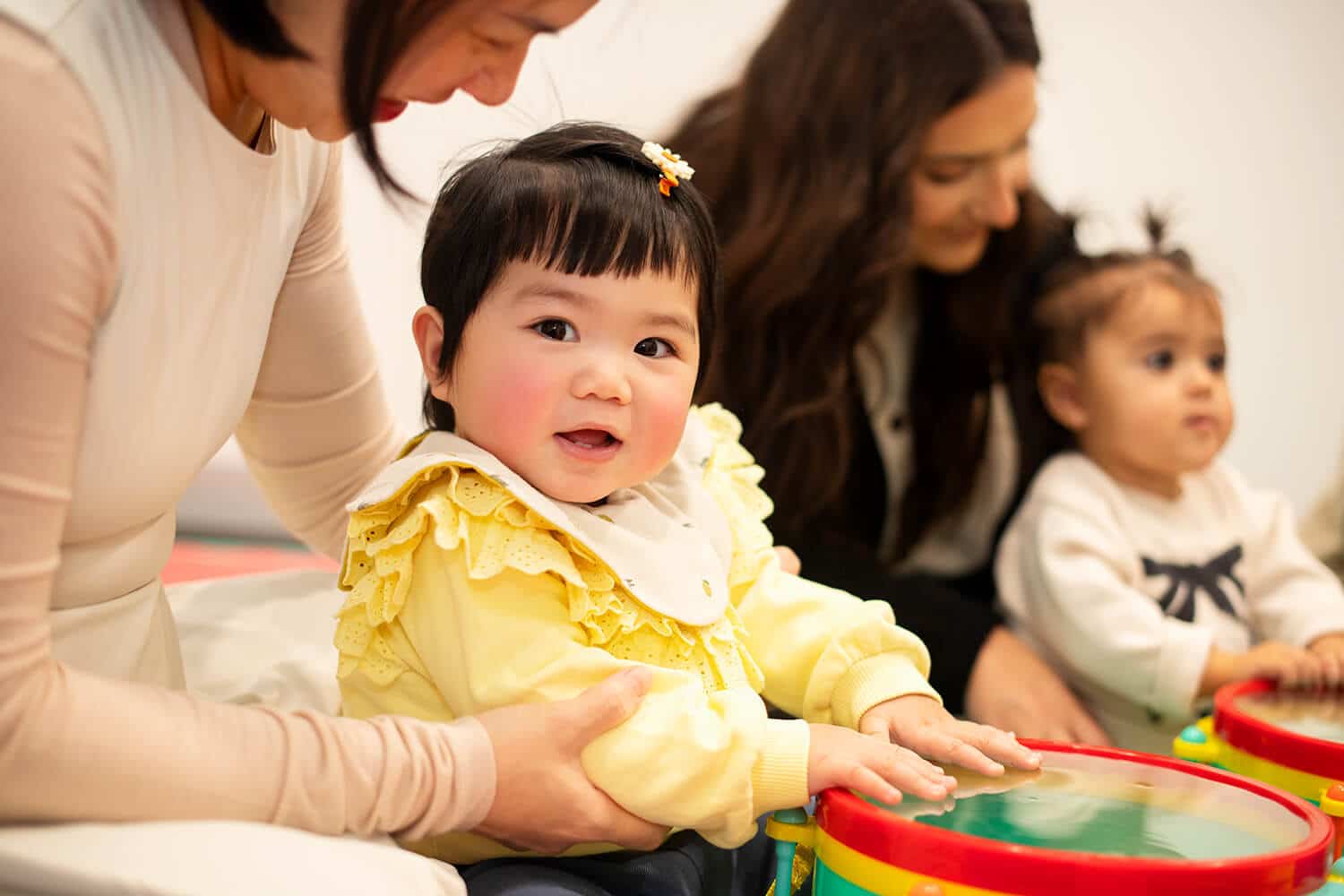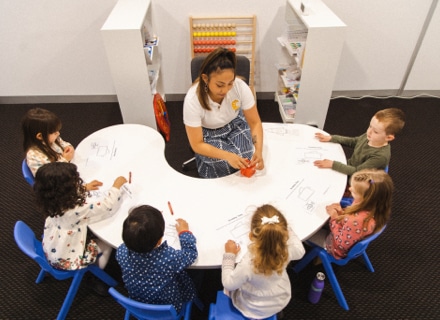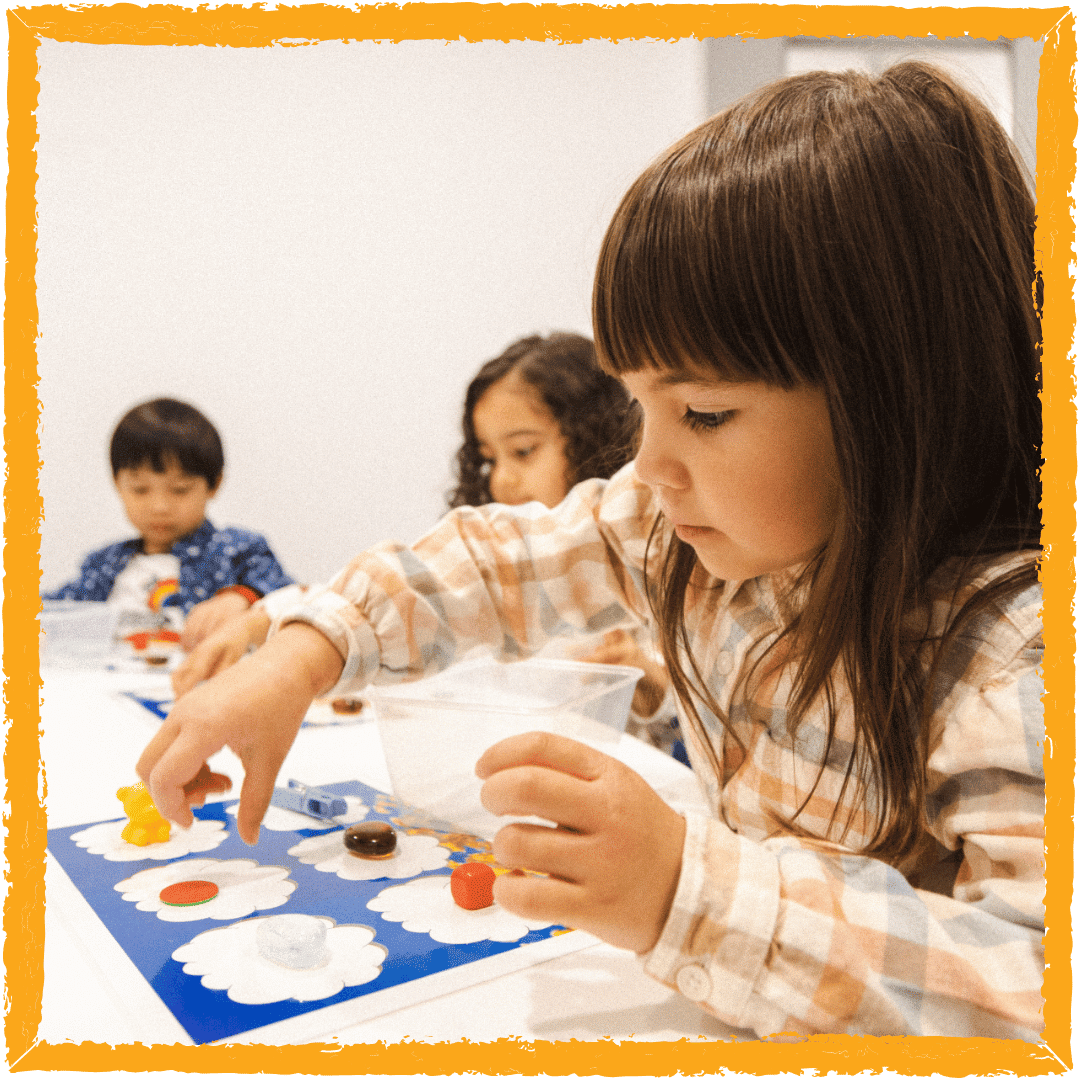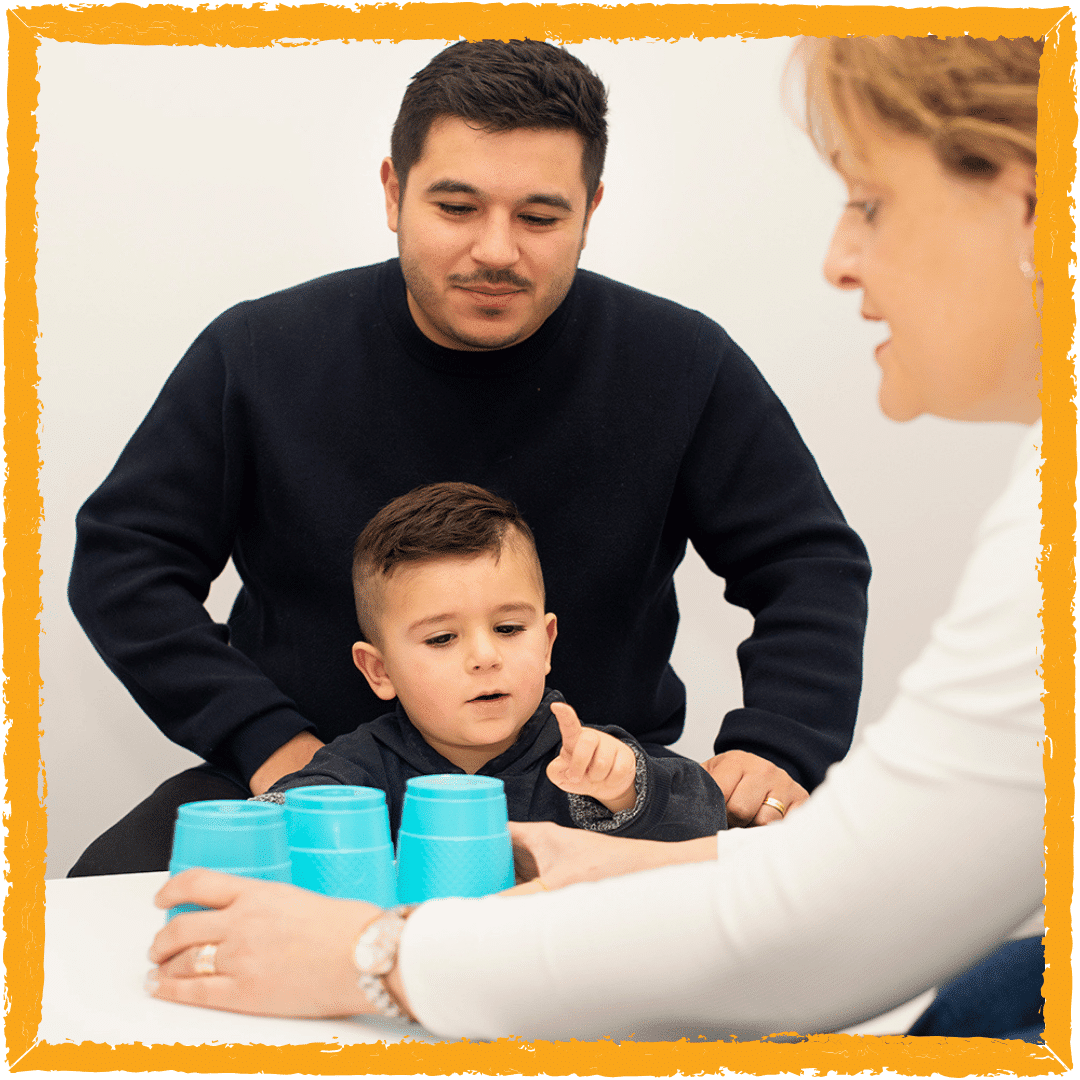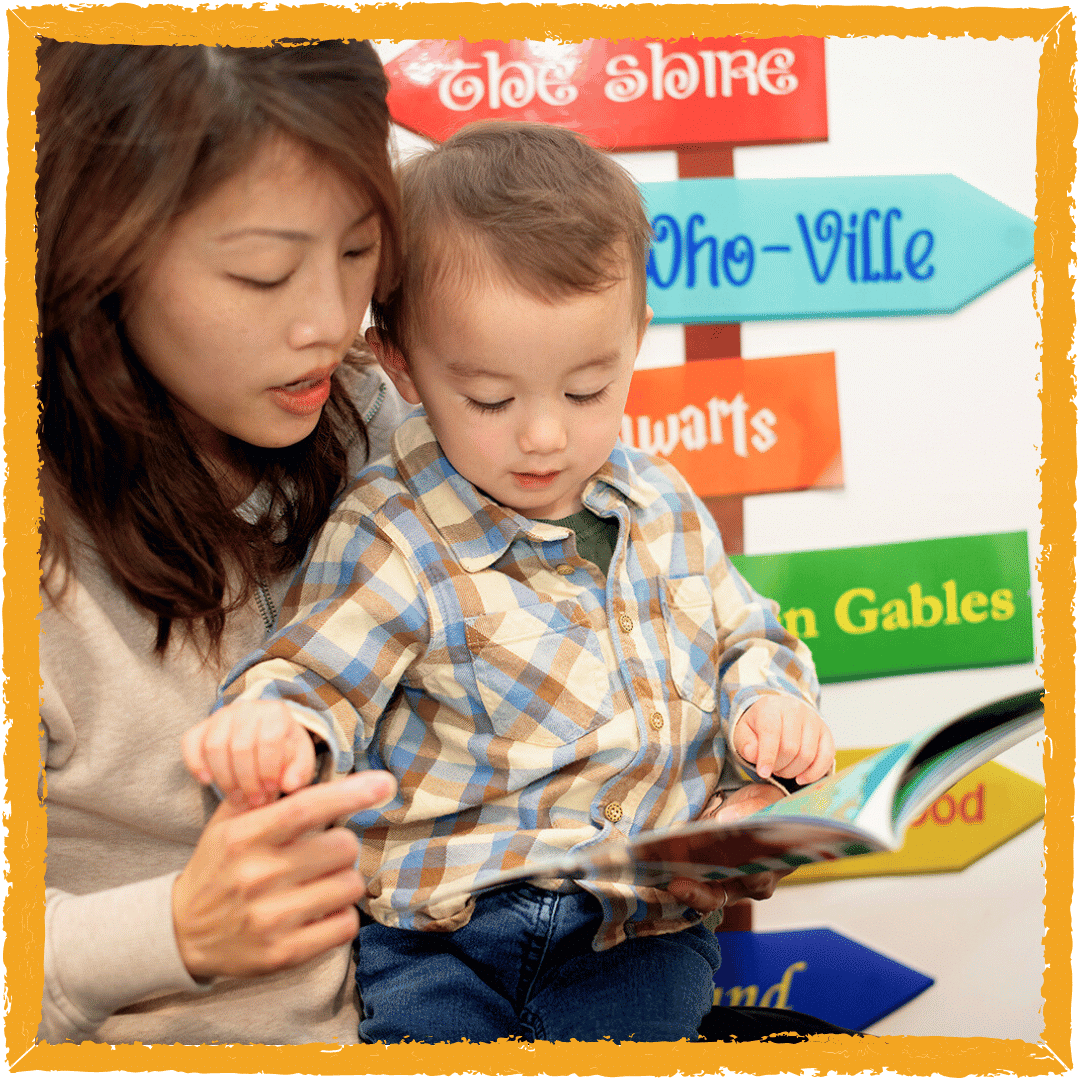
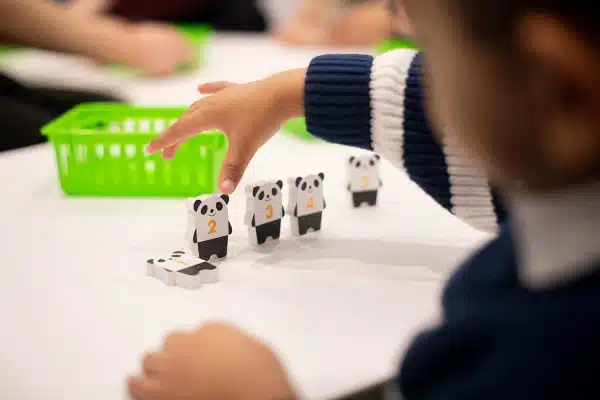
Picture by Shichida Australia: A preschooler lining up numbers in order – a fun way to practise number recognition and number order for children – this is critical thinking in action!
Problem-Solving Games for Kids: Critical Thinking Fun
Key Points
- Problem-solving games help children build confidence, resilience, and flexible thinking.
- Hands-on play is one of the easiest ways to develop thinking skills in babies, toddlers, and preschoolers.
- A healthy mix of screen-free and digital activities supports balanced early learning.
- Parents act as guides – not directors – helping children think independently.
- Everyday moments at home can develop critical thinking and problem-solving skills.
Problem solving is one of the most important skills your child will develop. You see it every day when your child tries to build a tower that keeps falling, works out how to share toys fairly, or figures out the rules of a new game. These small moments shape how your child learns, adapts, and thinks.
Problem solving games for kids turn these everyday challenges into hands-on learning experiences. They help your child build confidence, resilience, focus, and the ability to think things through. Most importantly, they make learning feel natural and exciting – not forced.
This guide offers clear insights, practical tips, and a collection of easy problem-solving games you can try at home, using things you already have.
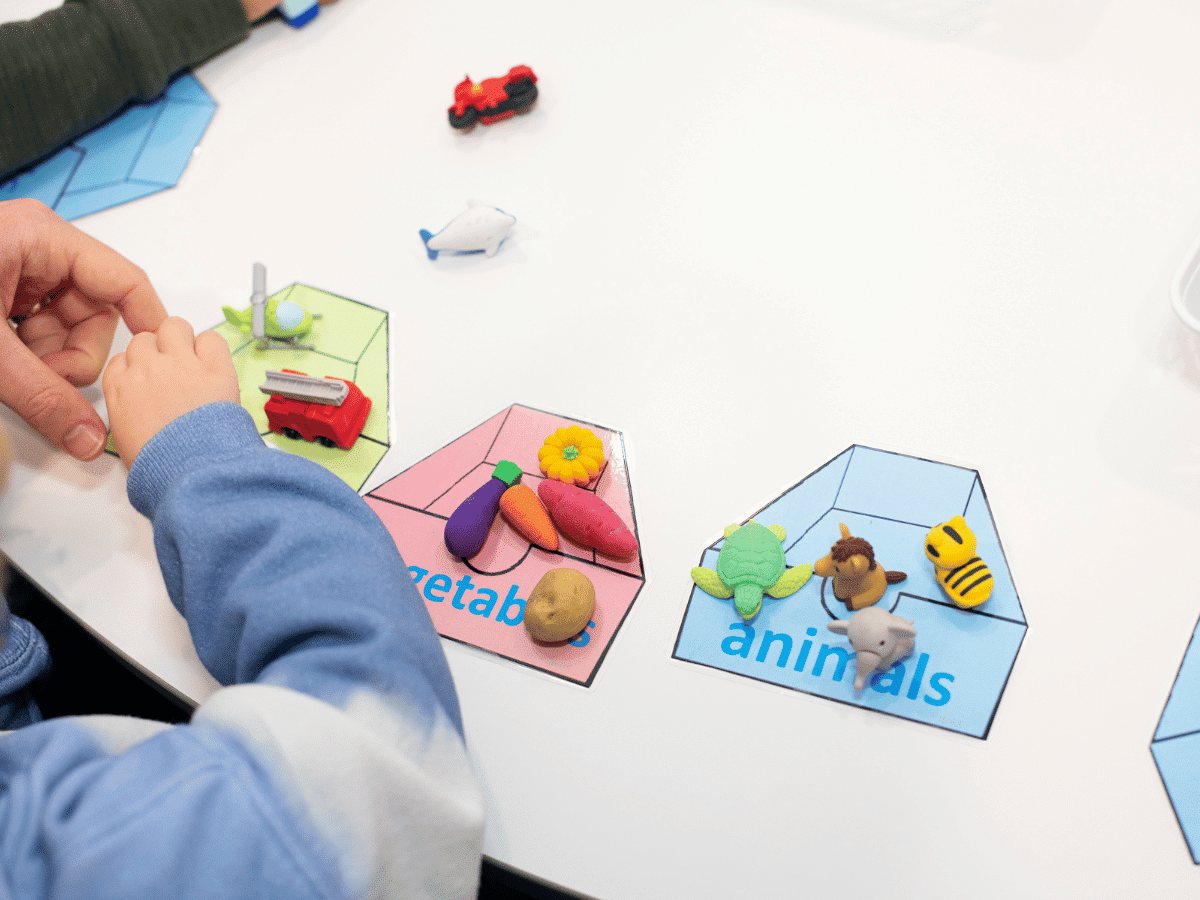
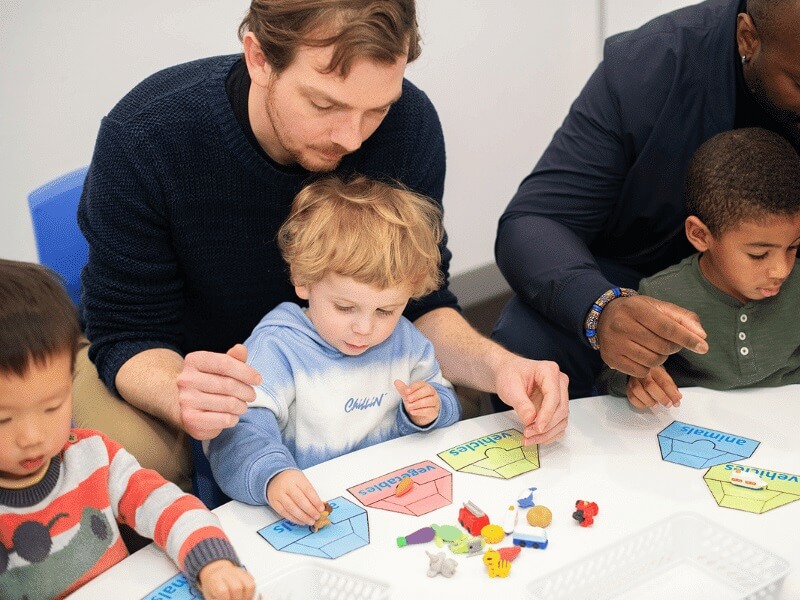
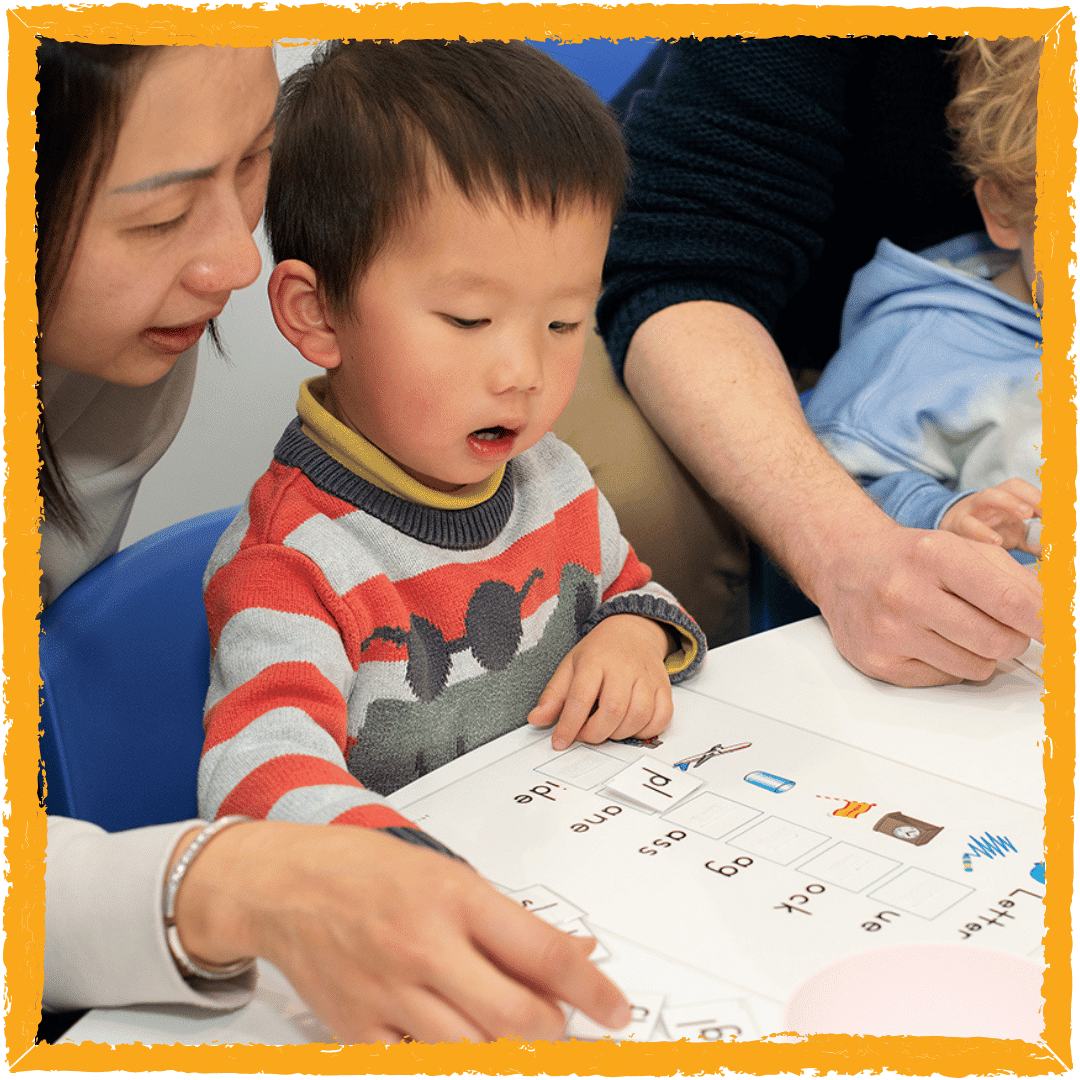
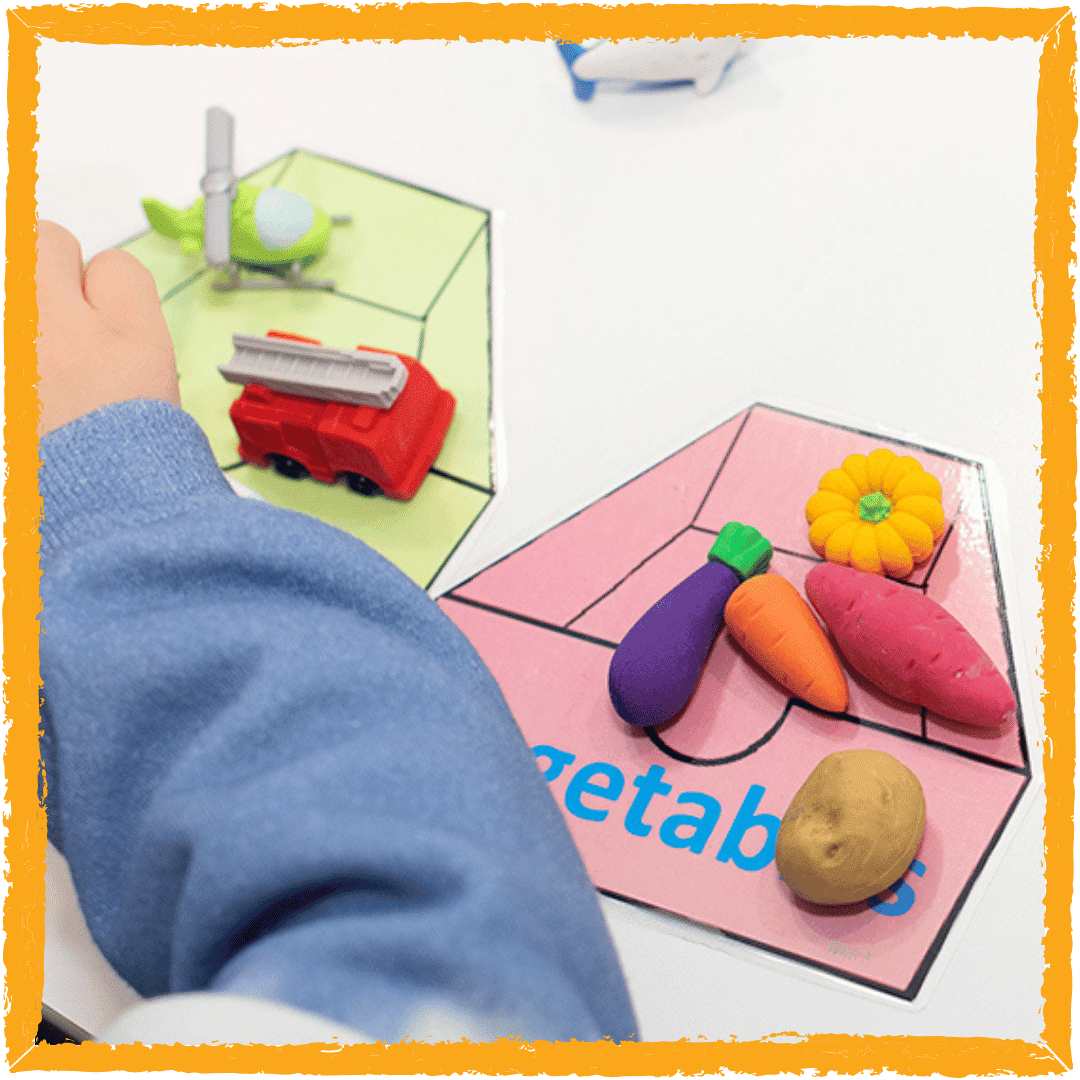
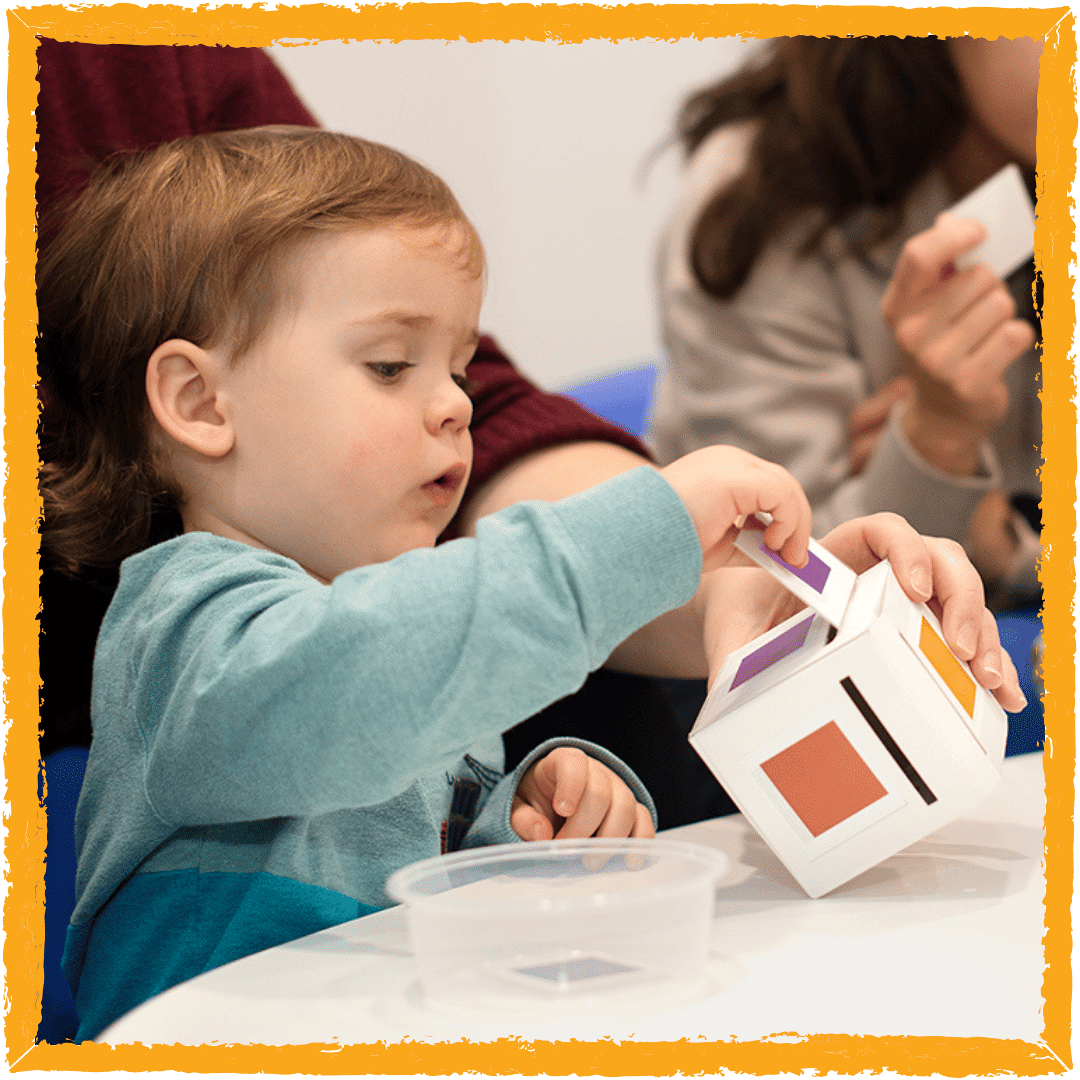
Picture by Shichida Australia: A preschooler playing a fun sorting and category-matching game during a Shichida class.
Why Problem-Solving Skills Matter for Children
Children learn to solve problems long before they enter school. Every puzzle, conflict, or tricky task gives your child the chance to build thinking skills that last a lifetime.
Problem-solving is simply your child’s ability to recognise a challenge, try different solutions, and choose one that works. It is not about getting the right answer the first time. It is about exploring possibilities, testing ideas, and learning from mistakes.
Research shows that children who practise problem-solving regularly develop stronger reasoning, better emotional control, greater persistence, and improved social skills. Games make this learning playful instead of pressured, which helps your child stay engaged and motivated.
What Is Problem Solving in Early Childhood and Beyond
For younger children aged three to five, problem solving often comes in the form of simple choices and trial-and-error play. Preschoolers use basic children’s reasoning strategies like sorting, matching, building, and experimenting with cause and effect.
By early primary school, children aged six to eight start solving more structured problems. They can follow clues, plan small steps, and talk through their thinking.
Older children aged nine to twelve begin tackling open-ended challenges. They can reason across several steps, reflect on their choices, and apply strategies to new situations.
Open-ended problems build flexible thinkers. Well-defined problems build accuracy and focus. Both types of tasks help your child develop strong reasoning abilities.
How Games Strengthen These Skills
Game-based learning works because it combines motivation, repetition, and play. Studies on cognitive psychology highlight how games offer a safe space where children can try, fail, and try again without fear. When children feel comfortable making mistakes, they naturally explore more strategies.
Games also build cognitive stamina. Children repeat thinking patterns in different ways, strengthening their brain pathways. This makes it easier for them to apply similar skills in school, especially in subjects like maths, science, and literacy.
If you want to explore more on how children develop thinking abilities, you may find the Shichida learning approach useful. It provides an excellent overview of how children learn holistically.
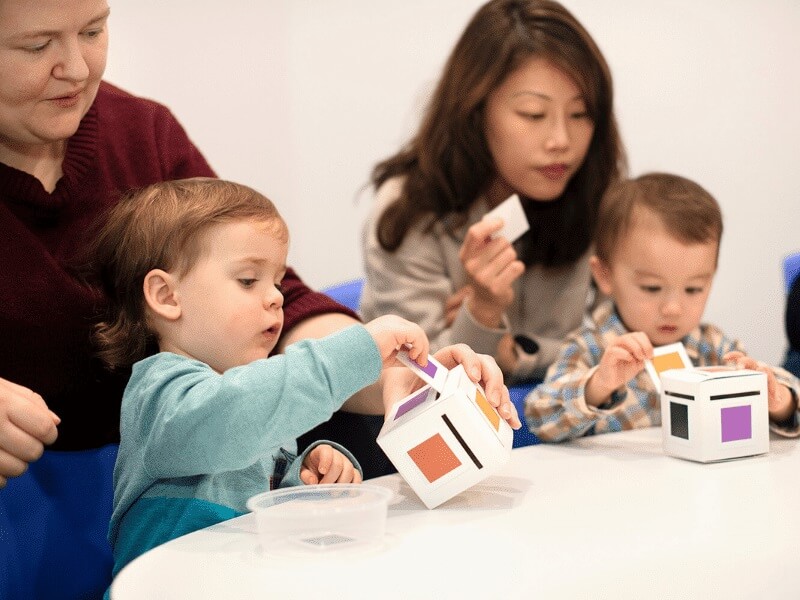
Picture by Shichida Australia: Toddlers playing a colour matching game – a great critical thinking activity.
Types of Problem Solving Games for Kids
Below are practical examples of thinking games children can enjoy at home. Each section includes purpose, setup, and benefits.
Screen-Free and Hands-On Games
These games are great for movement, exploration, and creativity.
- Scavenger Hunts
Purpose: Observation, reasoning, and teamwork
Setup: Create a list of objects or clues for your child to find around the house.
Benefits: Encourages focus and flexible thinking, making it one of the best screen-free games for children. - Detective Missions
Purpose: Inference and logic
Setup: Hide clues that lead to a final mystery object.
Benefits: Builds deductive reasoning and persistence. Perfect for DIY learning activities. - STEM Building Challenges
Purpose: Engineering and trial-and-error
Setup: Provide blocks, cups, tape, or leftover cardboard and ask your child to build something strong or tall.
Benefits: Develops spatial reasoning and planning.
Board Games, Puzzles and Cooperative Games
Board games and puzzles remain some of the most powerful cognitive skills games.
Recommended Options:
• Outfoxed!
• Rush Hour Jr.
• Robot Turtles
• Children’s logic puzzles like tangrams or grid puzzles
• Cooperative games where everyone works together to solve a challenge
These games help children practise pattern recognition, strategy, reflection, and teamwork. Cooperative games are especially helpful for emotional regulation and communication.
Digital and App-Based Games
Digital play can support learning when used mindfully. Look for digital reasoning games for kids that encourage planning, sequencing, coding, or creative problem-solving.
Good examples include:
• Coding games designed for beginners
• Logic-based puzzle apps
• Family-friendly mystery games
The key is balance. Use digital tools alongside plenty of hands-on activities so your child benefits from both types of play, while avoiding brain-rot.
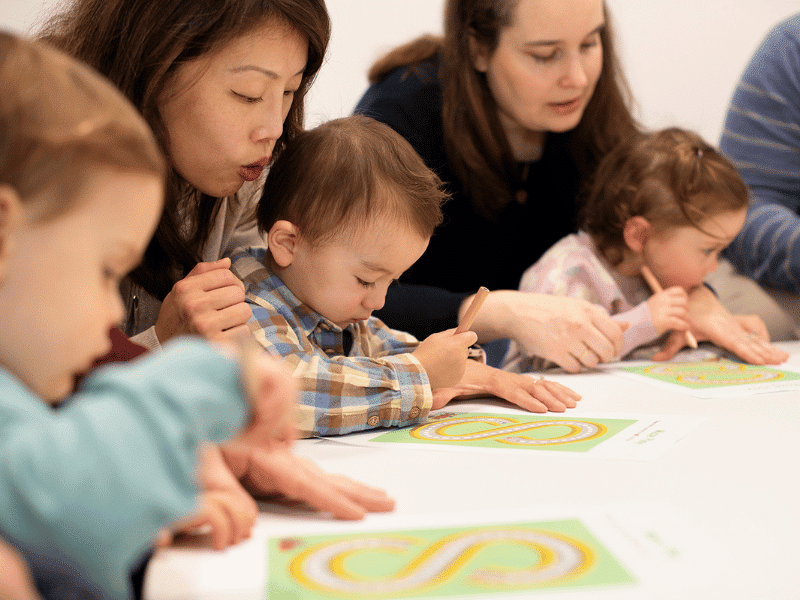
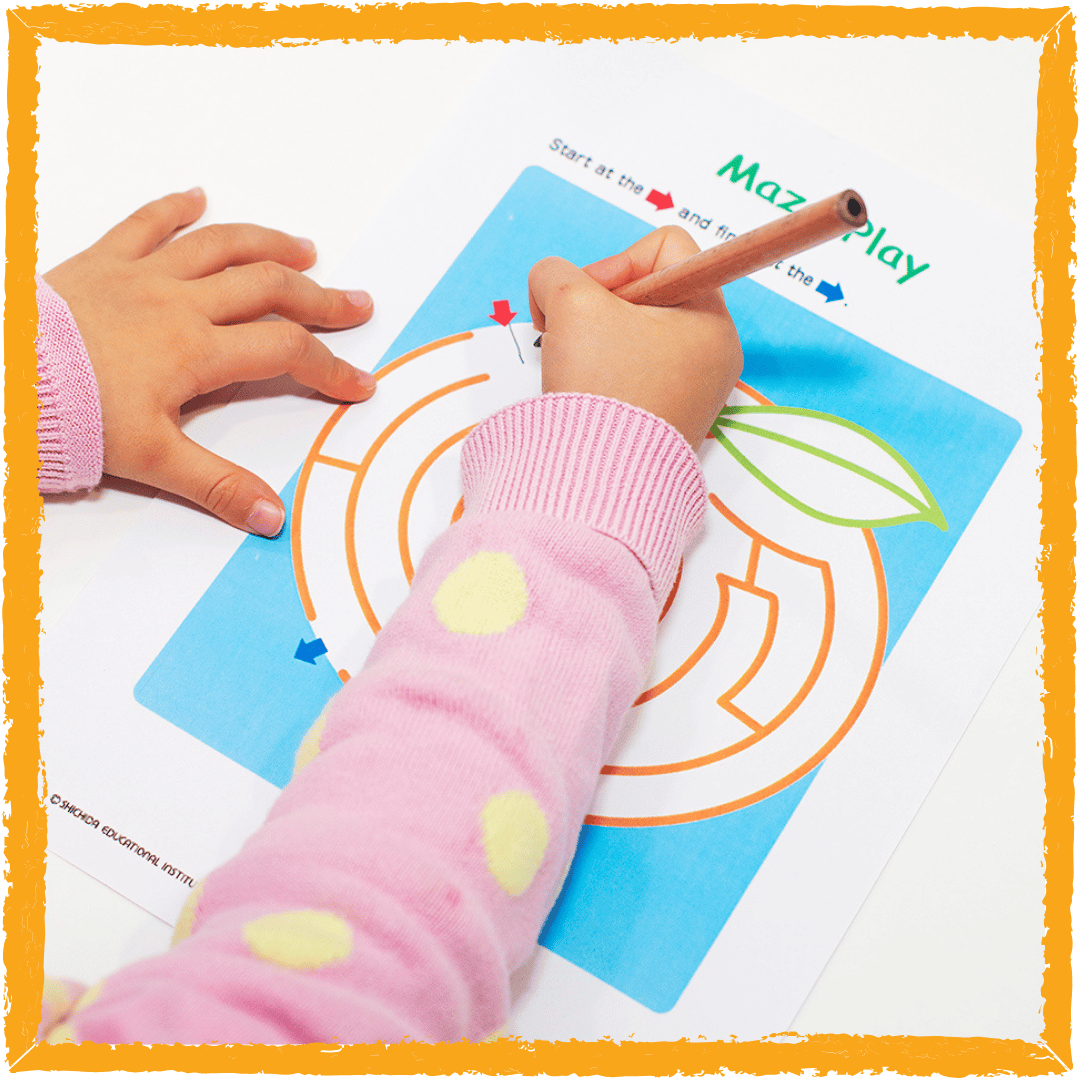
Picture by Shichida Australia: Toddlers completing a simple maze activity during a Shichida class. Mazes are great for problem solving, spatial awareness and pencil grip practice.
Matching Games to Age and Developmental Stage
Here is a quick guide to help you choose the right activities.
| Age | Example Game | Skills Focus | Parent Tip |
|---|---|---|---|
| 3-5 | Matching, sorting, sensory hunts | Focus, basic reasoning | Praise effort, not outcome |
| 6-8 | Logic puzzles, simple board games | Strategy, reflection | Encourage your child to explain their thinking |
| 9-12 | Planning games, digital logic games, escape-style puzzles | Multi-step reasoning | Promote independent problem-solving |
Preschool (Ages 3-5)
Children at this age learn best through sensory play, pretend scenarios, and simple puzzles. Sorting, matching, and role-play games allow them to explore problems at their own pace. Support their efforts and let them try things without rushing.
Early Primary (Ages 6-8)
This is where children shine in simple board games, team clues, and reasoning activities for kids. Encourage your child to verbalise their thinking by asking questions like, “How did you choose that?” or “What else could you try?”
Older Children (Ages 9-12)
Older children love challenges that require planning, reflection, and independence. Offer games with more steps and encourage sibling play. Digital tools work well here when guided properly.
How Parents Can Set Up Effective Game Sessions
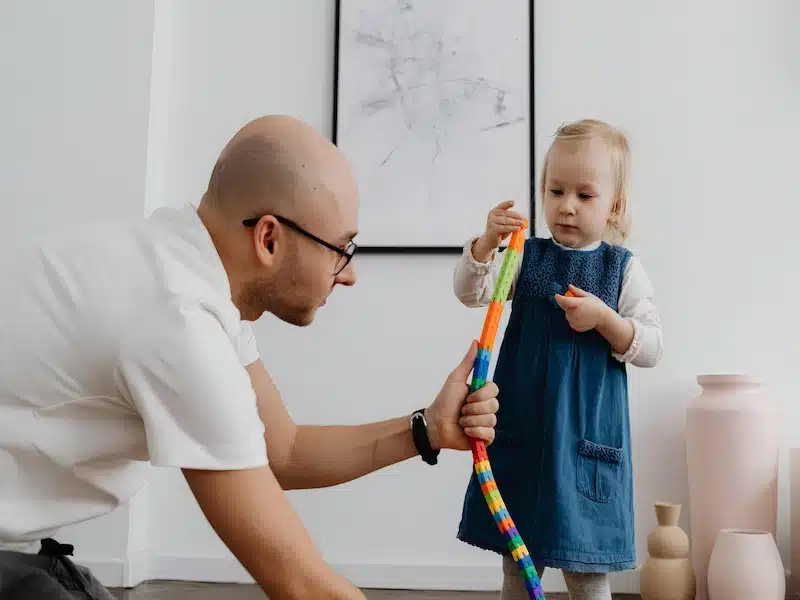
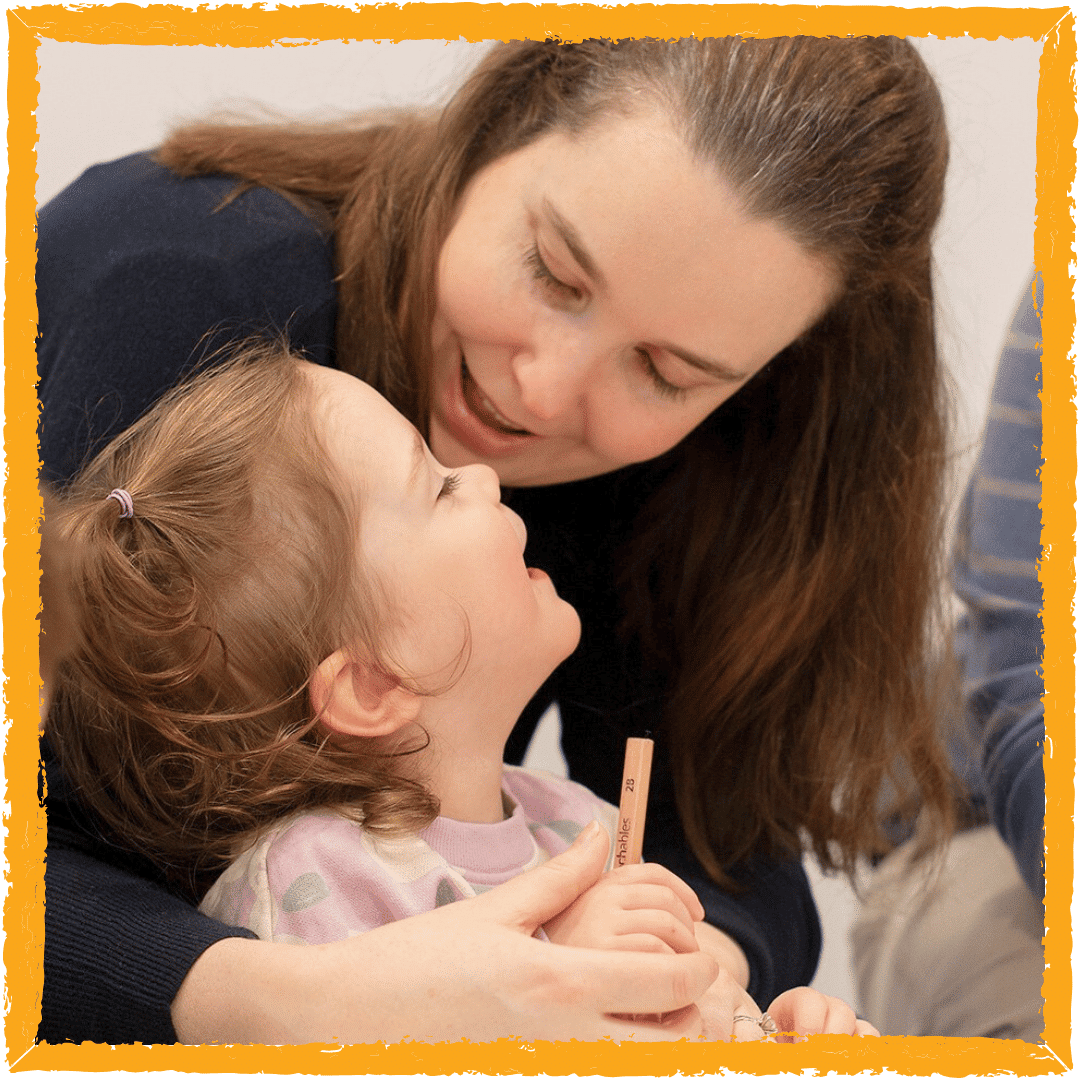
Photo from Pexels: Gentle guidance helps children explore different ideas and build confidence while solving problems.
Your role is not to solve the problem for your child. It is to create the right environment and guide them gently. Here is a simple three-step framework.
Setting the Stage
Create a calm area where play and doing activities can happen with minimal distractions. You want your child to feel comfortable experimenting. Tell your child that it is completely safe to try, make mistakes, and try again – whether this is doing art, building something, or even a misunderstanding between siblings. This encourages resilience and curiosity.
Facilitate, Don’t Direct
Instead of telling your child what to do, use guiding questions such as:
• What could you try next
• What else might work
• How did that change the result
This approach builds independence and strengthens critical thinking. It also encourages your child to trust their own decisions.
Reflection and Discussion
After an activity – ask what they enjoyed, what was tricky, and what they would change next time. This builds metacognitive skills, language development, and emotional awareness.
If you want structured support, you can explore cognitive skill development through the Shichida programme. It offers helpful guidance for boosting problem-solving skills in a holistic way.
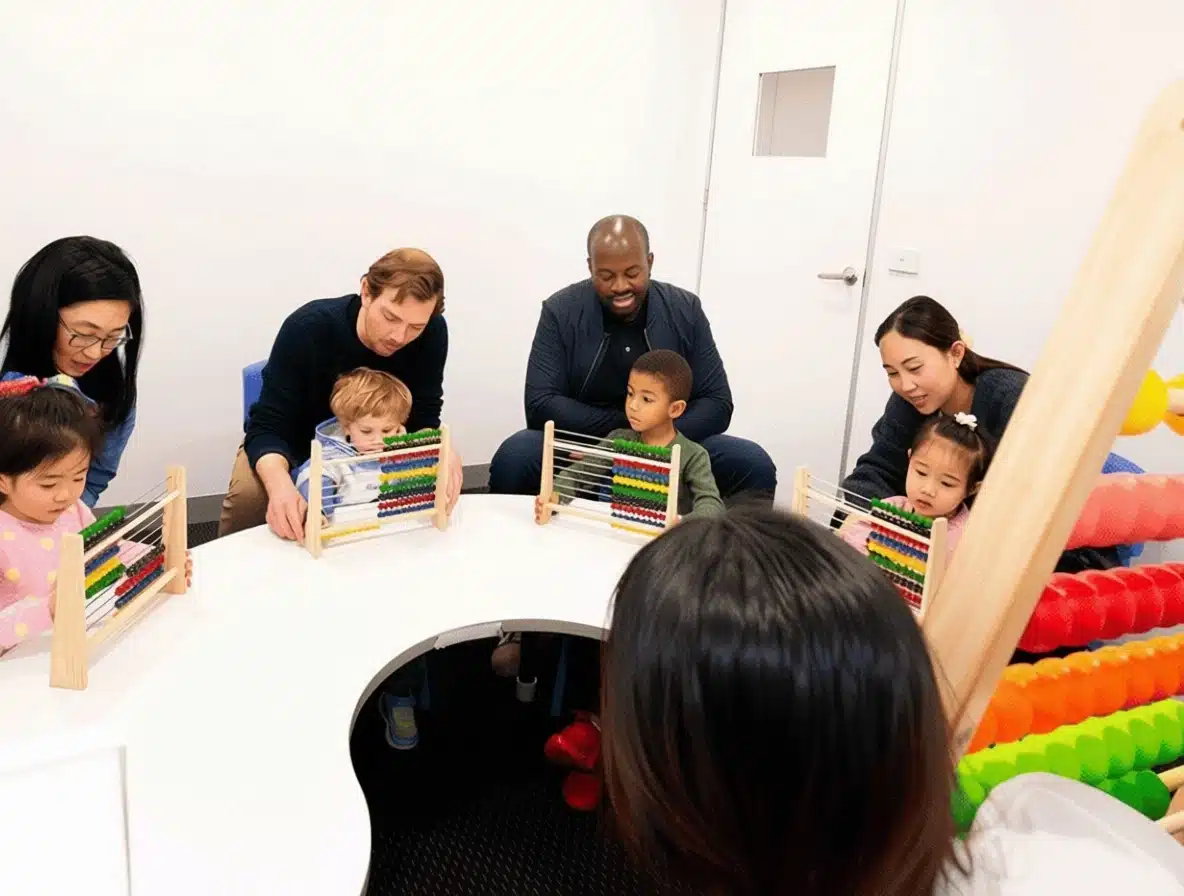
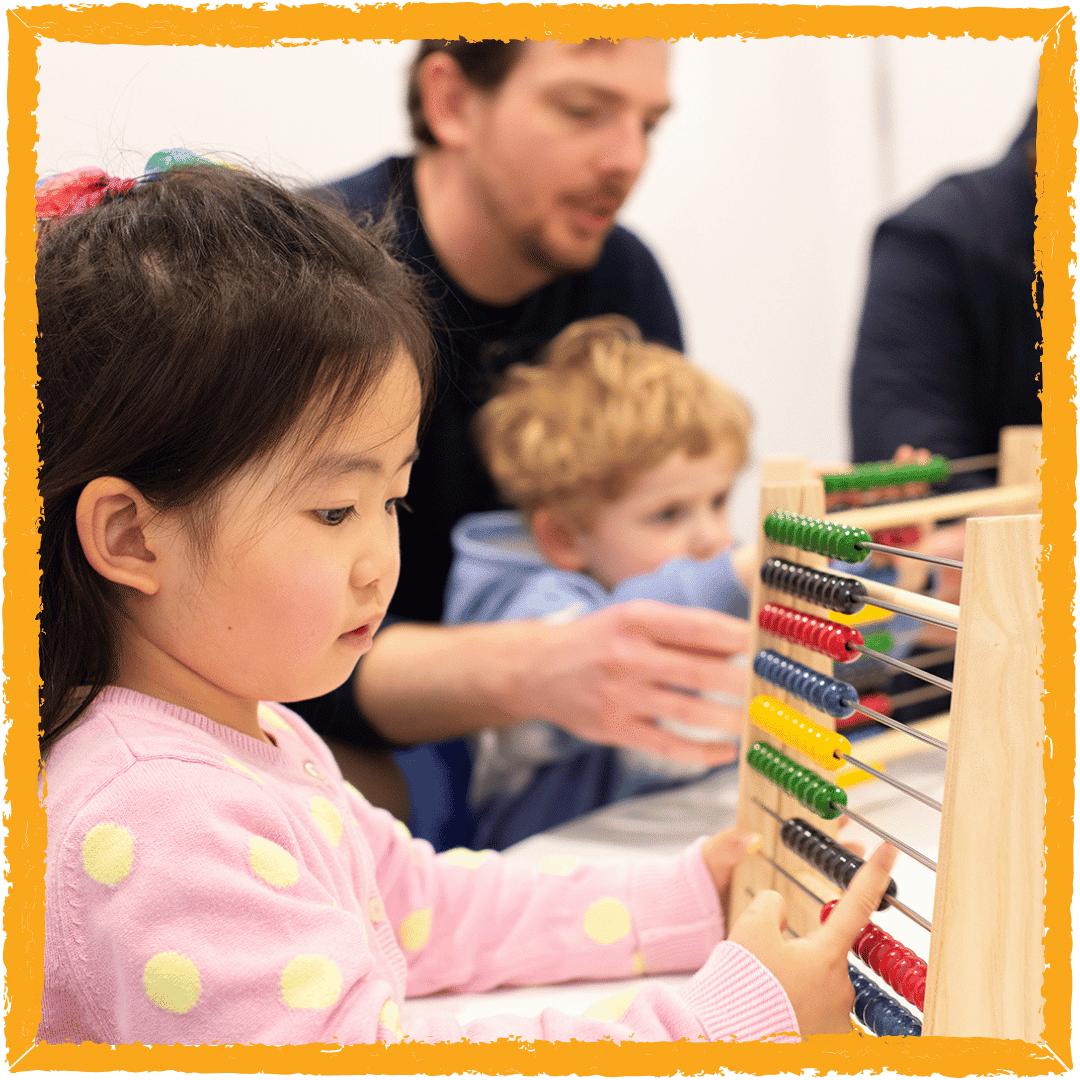
Picture by Shichida Australia: Preschoolers practising skip counting with their own abacus alongside a parent. These early maths skills lay the groundwork for telling the time with confidence.
Games and Broader Developmental Outcomes
Problem-solving games do much more than keep your child busy. They develop essential life skills!
Social and Emotional Benefits
Games help children:
- Build resilience through repeated practice
- Show empathy during cooperative play
- Learn to take turns and negotiate
- Manage frustration in safe environments
Academic and Cognitive Benefits
Children apply these thinking skills naturally in school. You will see improvements in:
- Maths reasoning
- Scientific investigation
- Reading comprehension
- Writing and communication
These skills also support logic and reasoning activities taught in structured learning programmes.
Life Skills and Future Readiness
In a rapidly changing world, children need adaptability, creativity, and strong problem-solving skills. These games support lifelong learning and prepare your child for future challenges.
To learn more about holistic childhood development, see how the Shichida learning philosophy helps children grow through balanced brain-building play ideas.
Common Pitfalls and How to Avoid Them
Here is a simple Parent watchlist.
| Pitfall | Why It Is a Problem | Quick Fix |
|---|---|---|
| Too easy or too hard | Reduces motivation | Adjust difficulty or add hints |
| Over-directing | Limits independence | Guide with questions, not instructions |
| Too much screen time | Reduces engagement | Mix screen-free and digital play |
| No reflection time | Weakens learning | Chat briefly after games |
10 Game Ideas to Try at Home

Photo from Pexels: Detective-style clue hunts spark curiosity and help children practise logical thinking.
Game 1 – The Detective Clue Hunt
Age: 6-8
Skills: Logic, inference, teamwork
Setup: Hide 4-6 simple clues around the house that lead to a final “treasure” (a book, snack, or small toy).
Parent Tip: Ask “Why do you think this clue points there?” to build deeper reasoning.
Game 2 – Build the Tallest Tower
Age: 3-6
Skills: Planning, trial and error
Setup: Use blocks, stacking cups, cardboard boxes, or recycled containers.
Parent Tip: Celebrate every attempt – not just the tallest tower – to build resilience.
Game 3 – Pattern Power Cards
Age: 4-7
Skills: Pattern recognition, focus
Setup: Draw simple AB, ABB, or ABC patterns on cards and leave the last part blank for your child to complete.
Parent Tip: Invite your child to create their own patterns to boost creativity and reasoning.
Game 4 – Code the Path
Age: 6-9
Skills: Sequencing, early coding
Setup: Place a toy on the floor. Use arrow cards (← ↑ → ↓) to tell it how to move through a homemade obstacle path.
Parent Tip: If the toy gets “stuck,” ask your child to debug the steps.
Game 5 – Mystery Bag Challenge
Age: 3-8
Skills: Sensory identification, reasoning
Setup: Fill a bag with familiar household objects (spoon, peg, soft toy). Let your child feel and guess each one.
Parent Tip: Encourage descriptive language like “It feels smooth… it has a curve…”
Game 6 – Team Board Game Night
Age: 5-12
Skills: Strategy, cooperation
Setup: Choose a cooperative board game where the family works toward one goal.
Parent Tip: Model calm problem-solving when things get challenging.
Game 7 – DIY Escape Room
Age: 8-12
Skills: Multi-step reasoning
Setup: Create a trail of simple puzzles (word scrambles, number locks, matching clues) your child must solve to “unlock” the room.
Parent Tip: Give gentle hints rather than solving it for them.
Game 8 – Memory Builder
Age: 3-7
Skills: Memory, focus
Setup: Place 6-10 items on a tray. Let your child look for 10 seconds, then cover it and ask them to recall what they saw.
Parent Tip: Play slowly and praise each remembered item.
Game 9 – Digital Logic Challenge
Age: 7-12
Skills: Logical thinking
Setup: Choose high-quality logic or puzzle apps that involve sequencing, patterns, or strategy.
Parent Tip: Set clear time limits and discuss their strategies afterward.
Game 10 – Family Problem-Solving Challenge
Age: All ages
Skills: Creativity, collaboration
Setup: Give the family a silly challenge (e.g., move a soft toy across the room without touching it).
Parent Tip: Keep it playful – there’s no right or wrong solution.
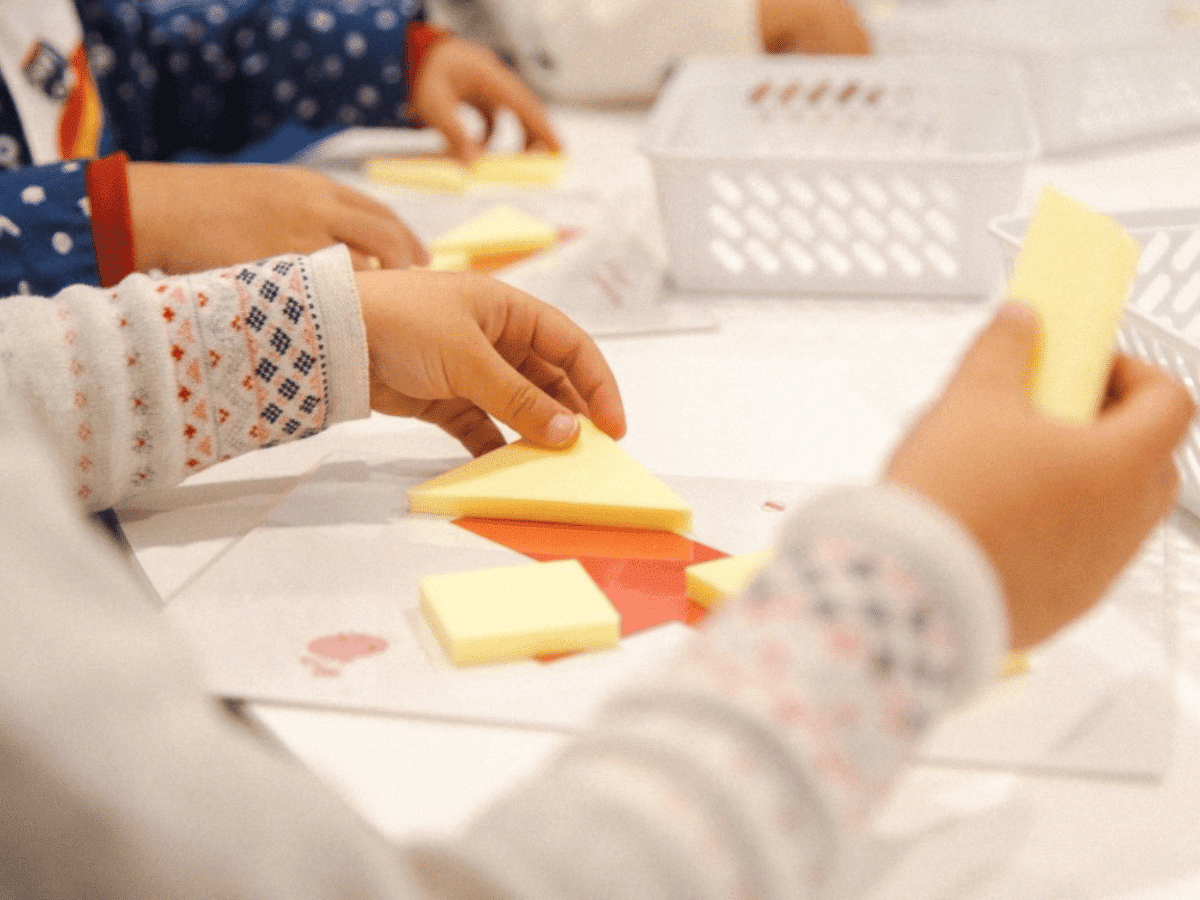
Picture by Shichida Australia: Preschoolers solve a tangram-based challenge – a great way to practise problem solving and spatial awareness.
Every child can become a confident problem solver with the right mix of play and guidance. Begin your learning journey – book a trial class today with Shichida!
FAQ: Problem Solving Games for Kids
You can start as early as age three. Younger children benefit from simple, playful challenges that introduce thinking skills in a gentle way.
Yes. Many high-quality digital reasoning games for kids support logic, planning, sequencing, and memory. Just balance screen time with hands-on play and real-life challenges.
Break tasks into smaller steps, offer encouragement, and remind your child that mistakes are part of learning. Staying calm and positive helps them develop resilience.
Cooperative games help children practise empathy, communication, and teamwork. Competitive games also have benefits – like learning to think quickly and manage emotions – when used thoughtfully.
You’ll notice more independent thinking, longer concentration spans, and clearer reasoning during everyday activities. They may also become more confident when faced with new challenges.
Yes. Early learning programs like Shichida Australia use hands-on brain training activities, memory games, puzzle-based learning, and parent–child interaction to strengthen critical thinking and problem-solving from as early as six months.