
IQ Games For Kids
Key take aways:
- IQ games for kids support early brain development. Activities like puzzles, memory games, and problem-solving tasks help build thinking skills from a young age.
- IQ is not fixed and can be developed. With the right environment, play-based learning, and consistent engagement, children can strengthen their cognitive abilities over time.
- Different ages need different types of games. Babies benefit from sensory and interactive play, while older children can handle strategy-based and logic games.
- Learning through play is highly effective. Games naturally build memory, focus, problem-solving, and reasoning skills without pressure.
- IQ is only one part of development. Emotional intelligence (EQ), creativity, and curiosity are equally important for long-term success.
- Simple daily habits matter. Sleep, nutrition, reading, and physical activity all support brain development alongside IQ games.
Introducing IQ games for kids is a fantastic way to support cognitive growth while keeping learning engaging and enjoyable. From problem-solving to memory-building, these games help children develop essential thinking skills that will benefit them for life.
What Is IQ, and Why Does It Matter?
IQ (Intelligence Quotient) measures cognitive abilities such as reasoning, problem-solving, and memory. While it’s only one aspect of intelligence, it plays a role in academic performance and learning capabilities. The great news? IQ isn’t fixed – it can be strengthened through stimulating activities, particularly in early childhood.
A high IQ could mean that your little one has stronger cognitive abilities, which can lead to better grades and improved problem-solving skills.
IQ and EQ
But let’s not put all our eggs in the IQ basket. Emotional intelligence, creativity, and practical problem-solving are just as vital in shaping a well-rounded child.
The exciting thing about IQ? It’s not fixed; it can change over time, particularly during your child’s formative years when their brain is developing rapidly.
At Shichida Australia, we believe other factors like emotional intelligence, resilience, creativity, and a positive attitude are equally important in their journey to success. During our classes, we focus on nurturing your child’s IQ and EQ (emotional intelligence).
Take a FREE Shichida Quiz

Best IQ Games for Kids by Age Group
IQ Games for Babies (6-12 months)
It’s never too early to support cognitive development! Simple, interactive activities lay the foundation for problem-solving and memory skills for babies.
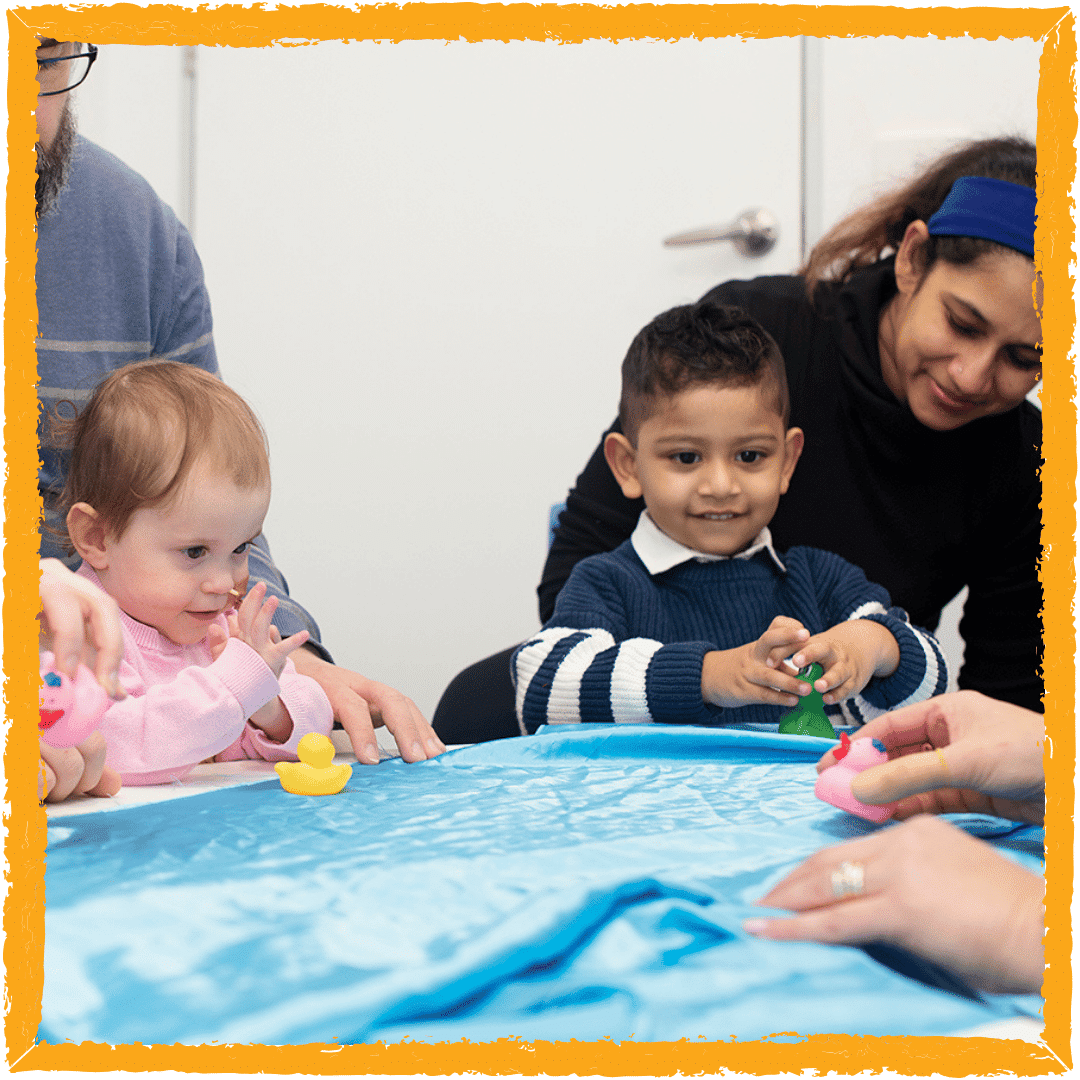
- Peekaboo: Teaches object permanence, an important early cognitive skill.
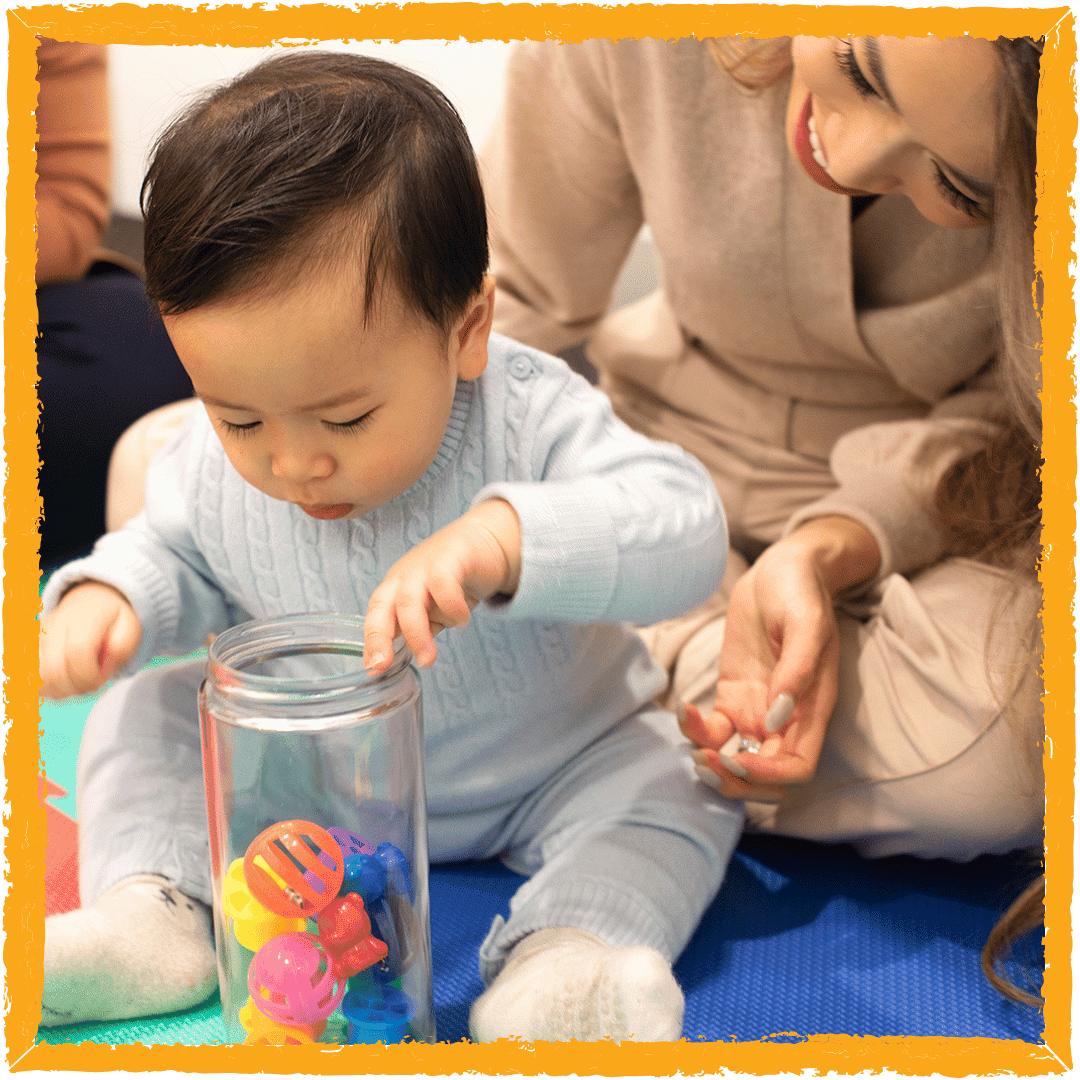
- Stacking Cups: Develops hand-eye coordination and an understanding of sizes and spatial relationships.
- Mirror Play: Helps babies recognize themselves and develop social awareness.
- Touch-and-Feel Books: Engages multiple senses, strengthening brain connections.
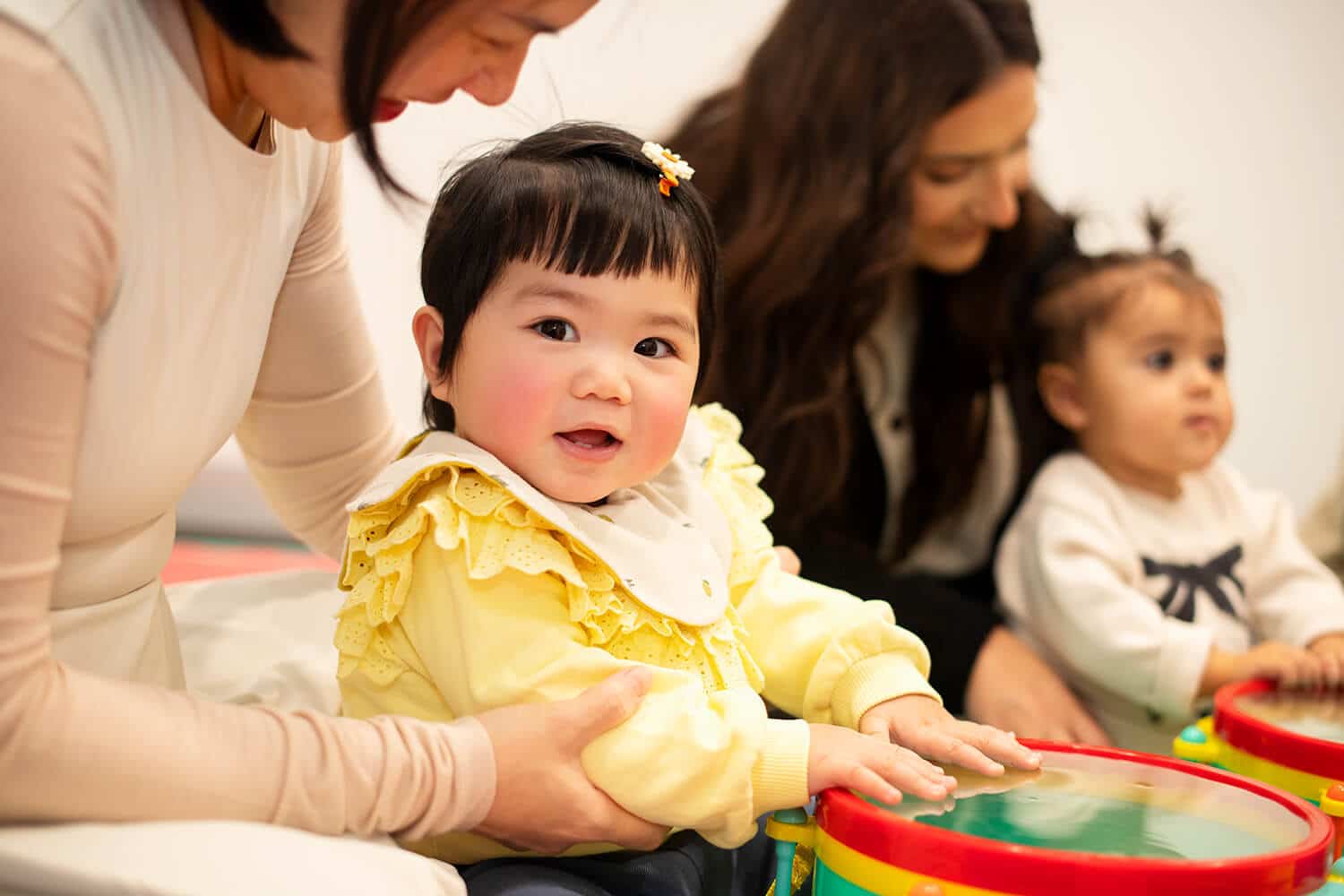
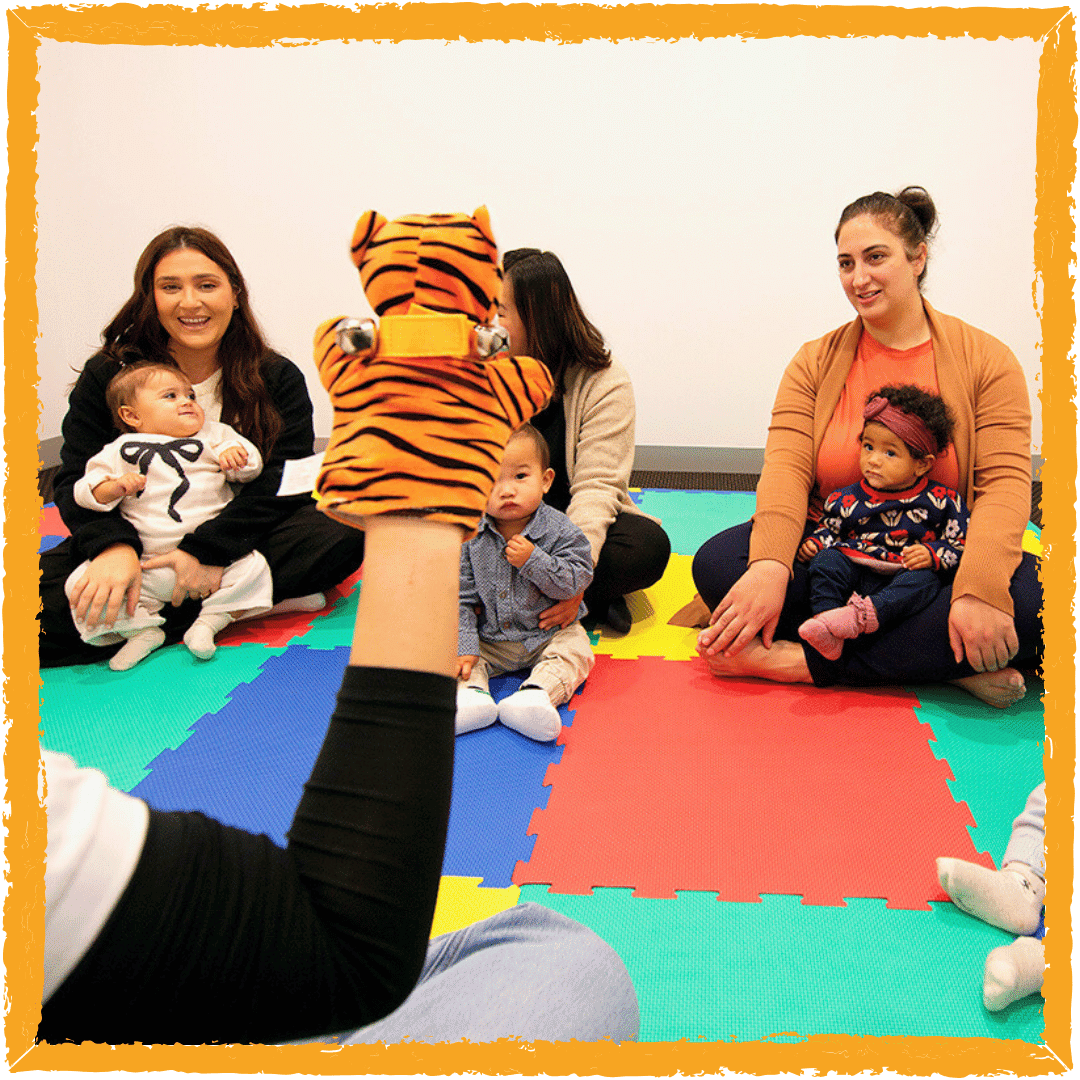
- Musical Toys: Encourages auditory recognition and pattern learning.
IQ Games for Toddlers (1-3 years)
Toddlers are naturally curious, making this a great time to introduce games that build critical thinking and problem-solving skills.
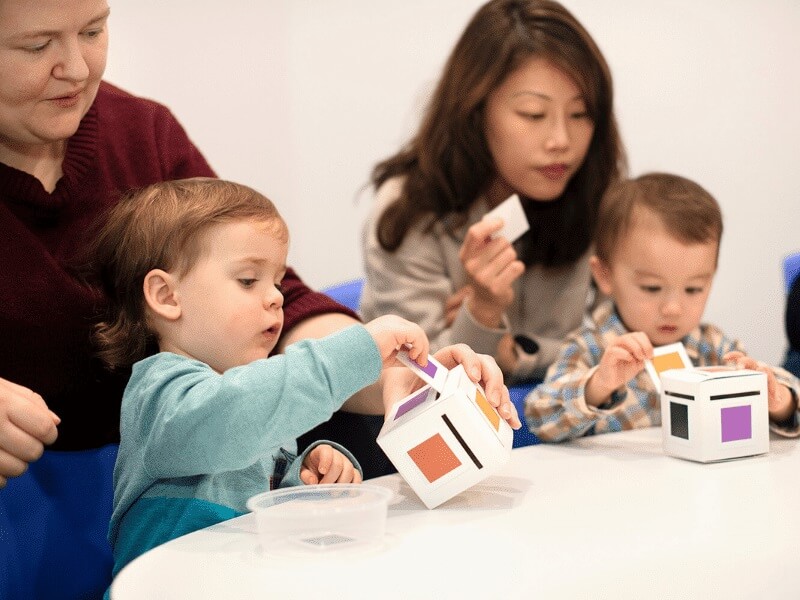
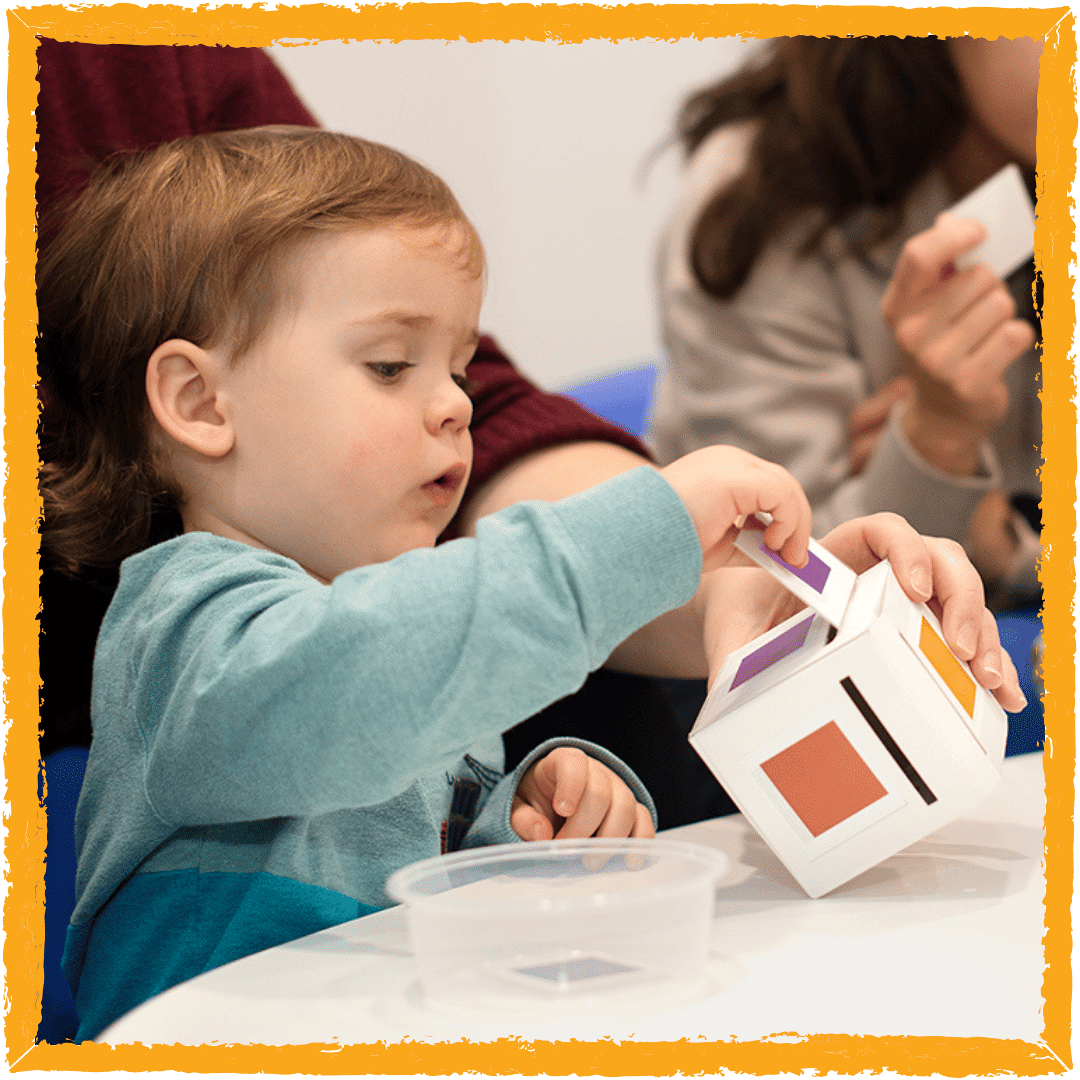
- Shape Sorting: Enhances spatial awareness and problem-solving.
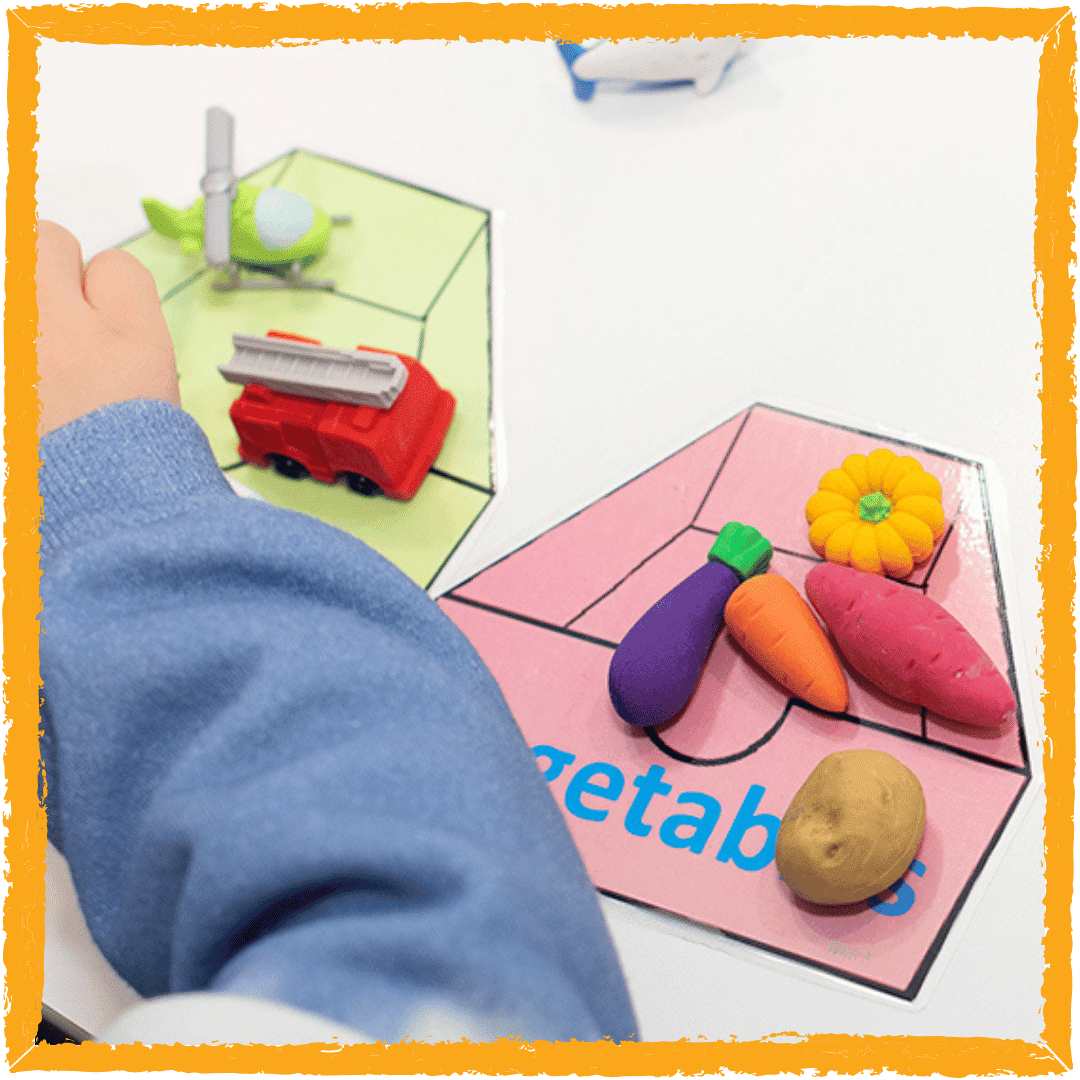
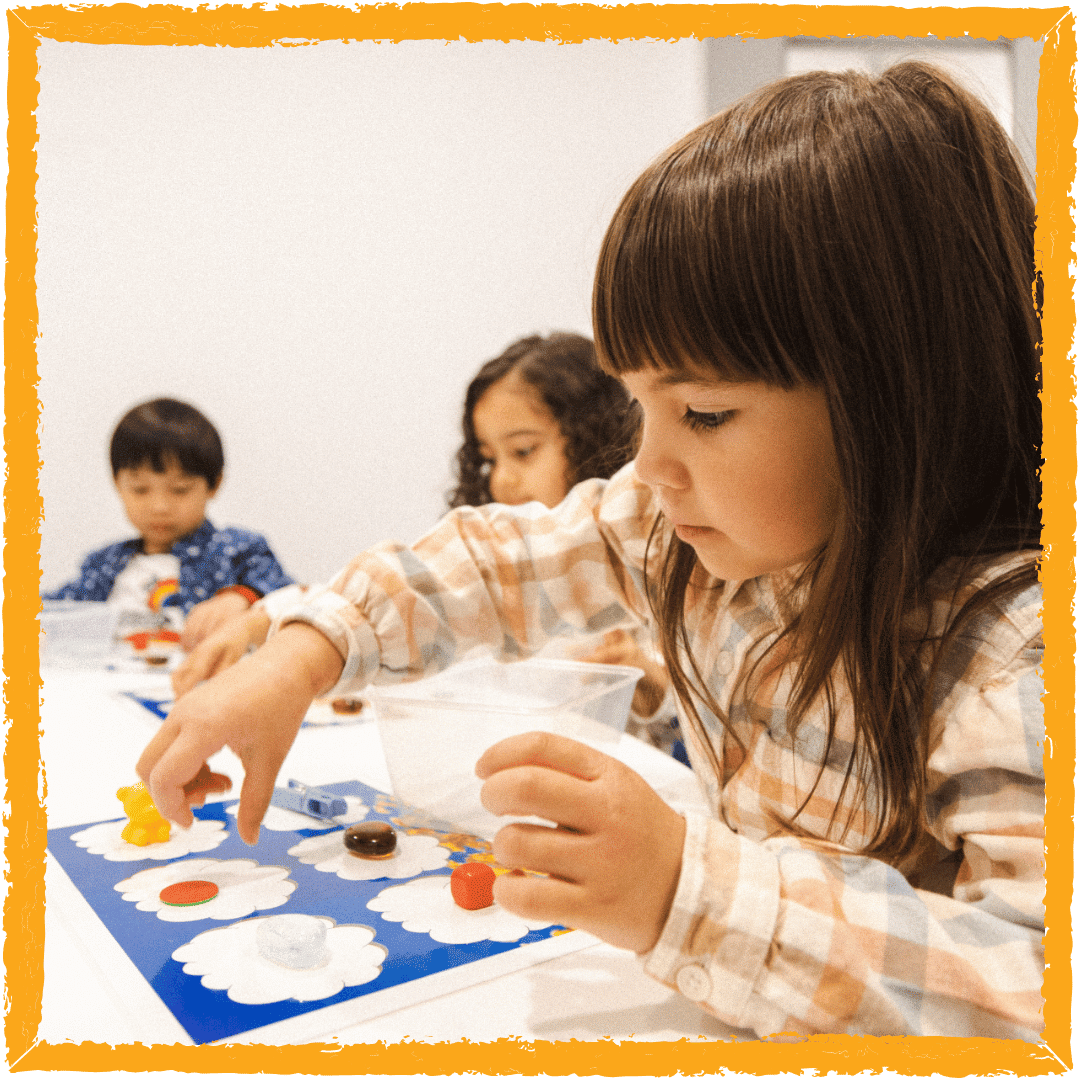
- Memory Tray: Strengthens recall by encouraging toddlers to remember and find missing items.
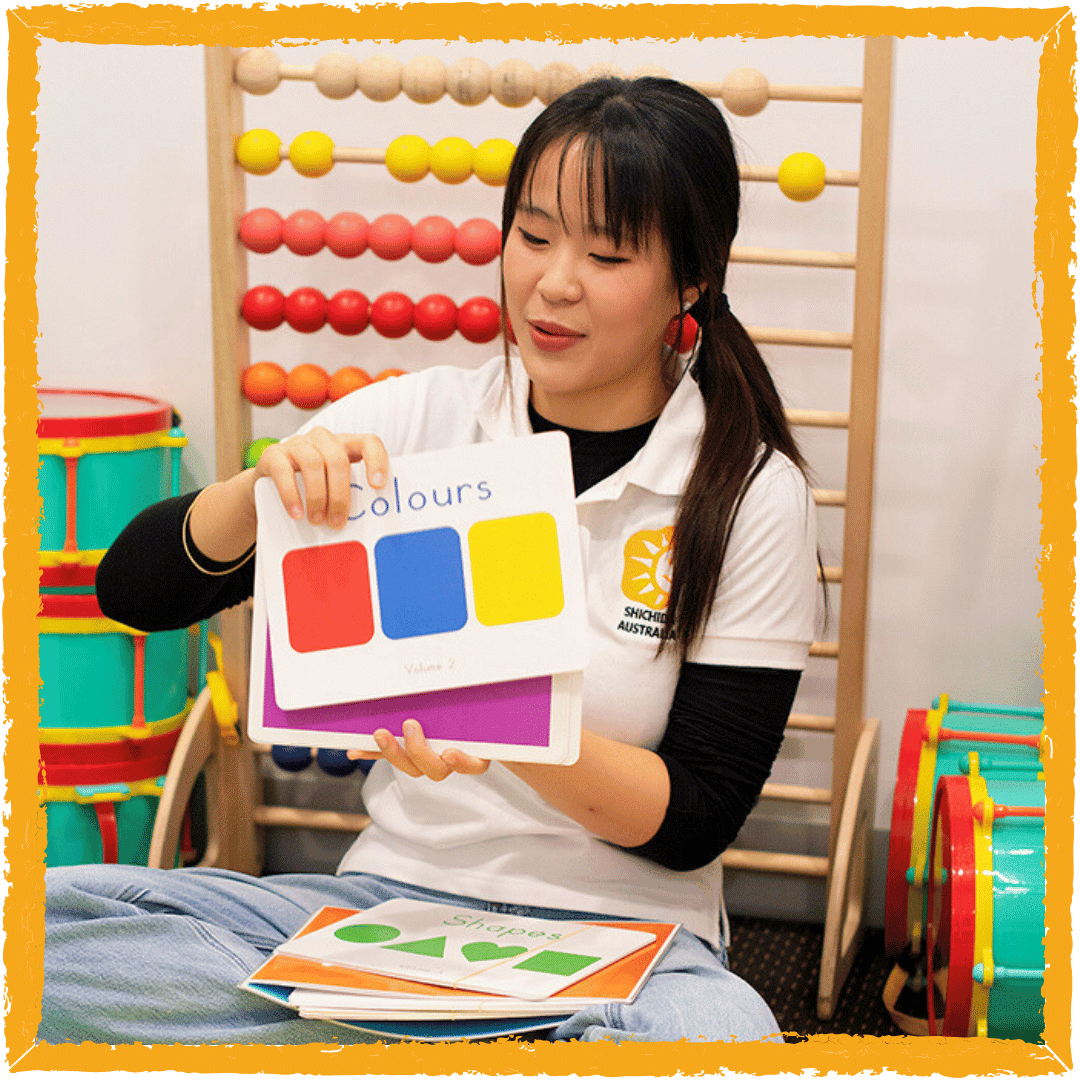
- Colour Matching Games: Supports pattern recognition and logical thinking.
- Simple Puzzles: Builds patience, hand-eye coordination, and reasoning skills.
- Hide-and-Seek with Objects: Encourages spatial memory and observation skills.
IQ Games for Preschoolers (4-6 years)
Preschoolers benefit from games that challenge their thinking and introduce foundational skills in logic and reasoning.
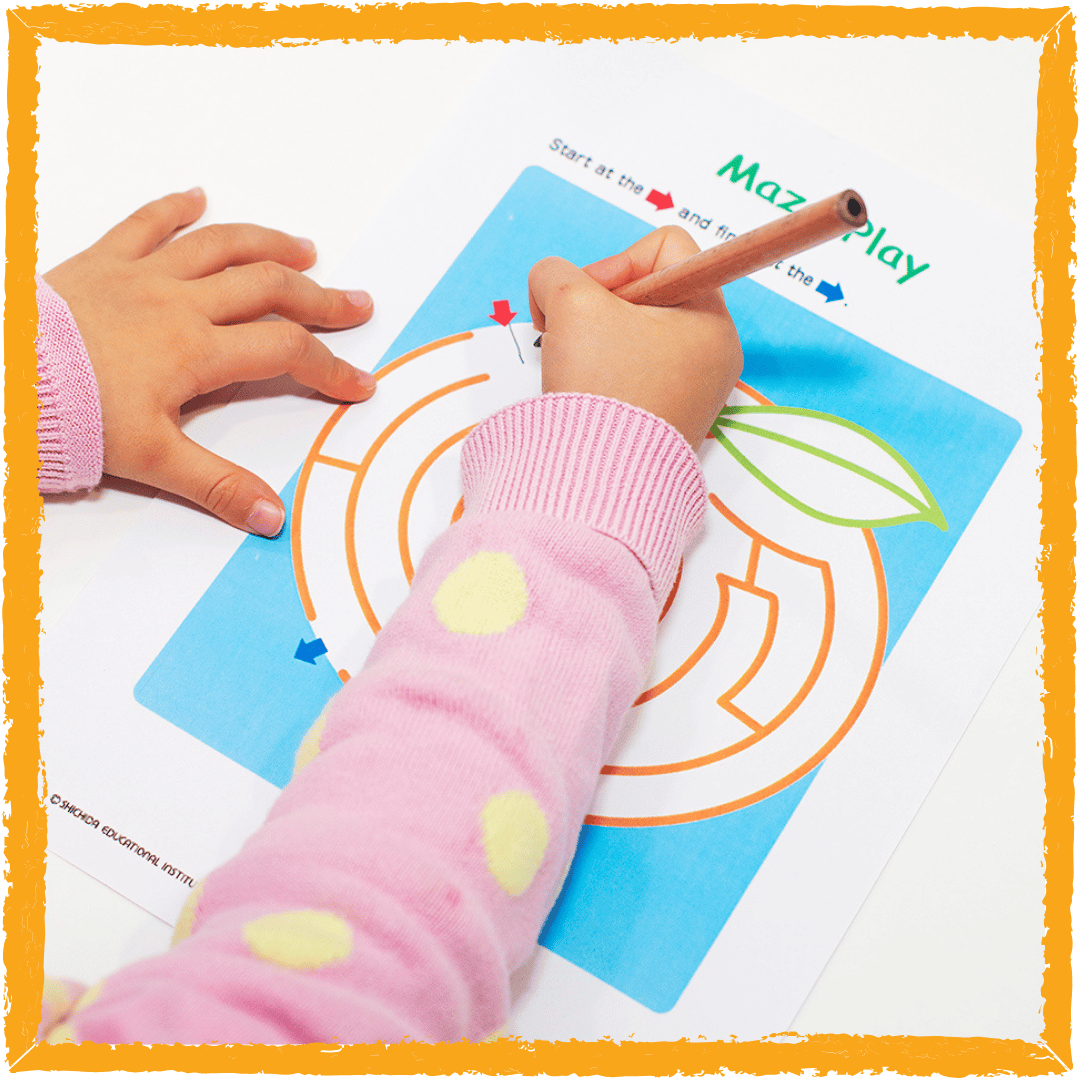
- Maze Games: Helps improve problem-solving and spatial awareness.
- Simon Says: Strengthens memory, attention, and ability to follow instructions.
- Pattern Recognition Games: Encourages logical thinking and early math skills.
- Guess the Sound: Develops auditory processing and memory.
- Board Games with Strategy Elements: Enhances vocabulary, turn-taking, and planning skills.
IQ Games for Kids (6+ years)
Older kids enjoy more complex games that encourage deeper thinking, strategy, and logical reasoning.
- Chess: Improves strategic thinking, memory, and planning.
- Sudoku & Logic Puzzles: Strengthens pattern recognition and logical deduction.
- Storytelling Challenges: Enhances creativity and sequencing skills.
- Math-Based Card Games: Reinforces numerical reasoning and problem-solving.
- Crossword Puzzles: Expands vocabulary and critical thinking.

Outdoor IQ Games for Kids
Cognitive development isn’t limited to indoor activities – outdoor play can be just as beneficial. Here are some active IQ games to try:
- Nature Scavenger Hunt: Encourages observation and categorization skills.
- Hopscotch with Numbers: Combines physical movement with problem-solving.
- Shadow Drawing: Introduces the concept of time and the sun’s movement.
- DIY Obstacle Course: Promotes problem-solving and spatial awareness.
Other Ways to Support Your Child’s IQ
Beyond games, here are five essential ways to encourage cognitive development:
- Healthy Diet: Omega-3s, proteins, and nutrient-rich foods support brain function.
- Regular Exercise: Physical activity enhances focus, memory, and learning.
- Quality Sleep: Sleep is crucial for consolidating knowledge and problem-solving.
- Reading Together: Reading nurtures comprehension, creativity, and vocabulary.
- Encouraging Curiosity: Answering children’s questions fosters critical thinking and a love of learning.
You may be interested in reading: Average IQ for Kids: A Helpful Guide for Parents
Encouraging a Love for Learning
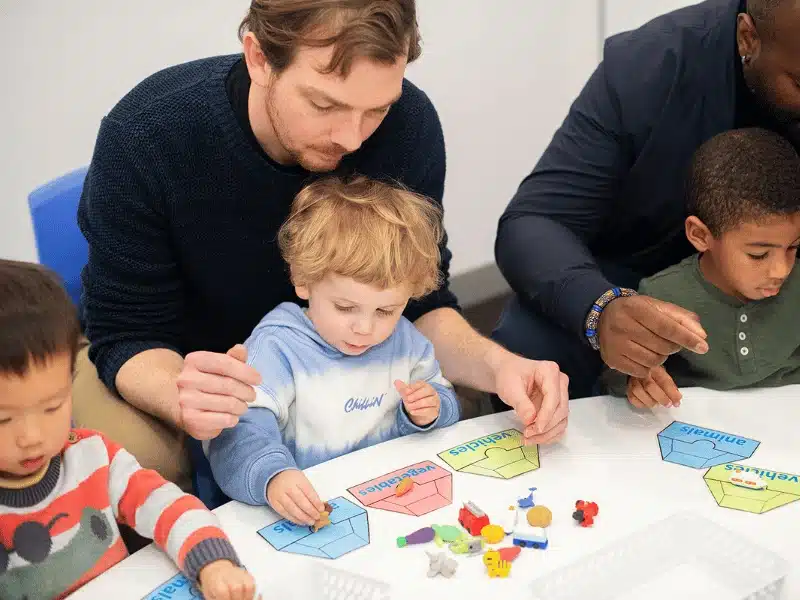
IQ games are valuable, but a balanced approach to learning is key. The goal isn’t to pressure children to achieve high IQ scores but to nurture curiosity, problem-solving, and a joy for discovery. Every child has unique strengths – supporting these will create lifelong learners that are curious and enjoy learning!
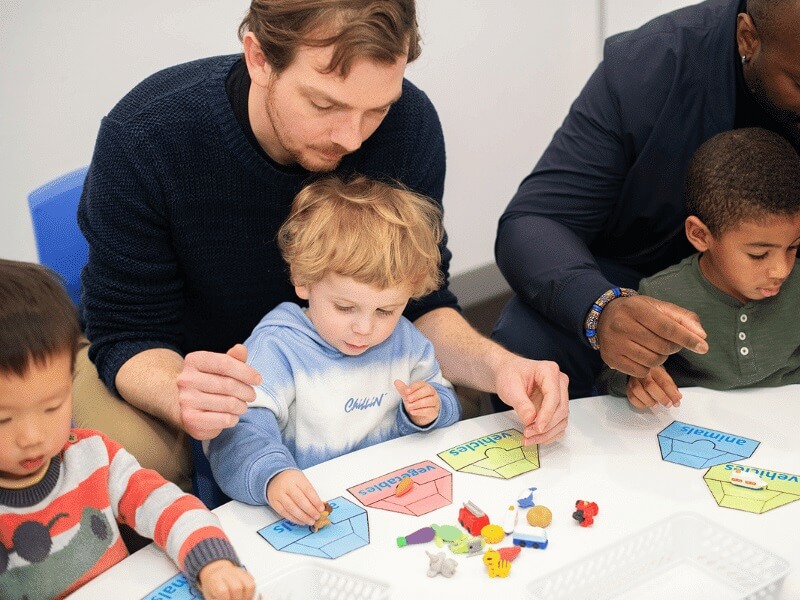
There’s something magical about seeing a child’s face light up when they solve a challenge or discover something new. At Shichida, we focus on nurturing each child’s potential through play, curiosity, and meaningful connections. IQ games are just one of the many ways we encourage thinking skills while keeping learning fun. It’s not about perfection – it’s about finding joy in learning and building a strong foundation for the future.
Book a trial class at Shichida Australia today and give your child the best start in life!
FAQs: IQ Games for Kids
IQ games for kids are activities designed to improve thinking skills such as memory, problem-solving, reasoning, and concentration. These can include puzzles, matching games, strategy games, and hands-on learning activities.
IQ games can help strengthen cognitive skills like memory, attention, and problem-solving. While they don’t change a child’s intelligence overnight, consistent play can support overall brain development, especially in early childhood.
Simple games like shape sorting, memory trays, puzzles, and colour matching are ideal for toddlers. These activities build early problem-solving skills and help children learn through play.
Children can start as early as infancy. Games like peekaboo, stacking cups, and sensory play help babies develop important brain connections from a young age.
IQ games and educational toys often overlap. The key is how they are used. Interactive, guided play with a parent is more effective than passive play, regardless of the toy.
You can support your child’s development by:
- Playing problem-solving games
- Reading together daily
- Encouraging curiosity and questions
- Providing a stimulating environment
- Ensuring proper sleep and nutrition
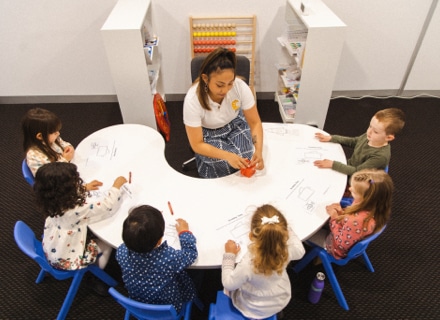
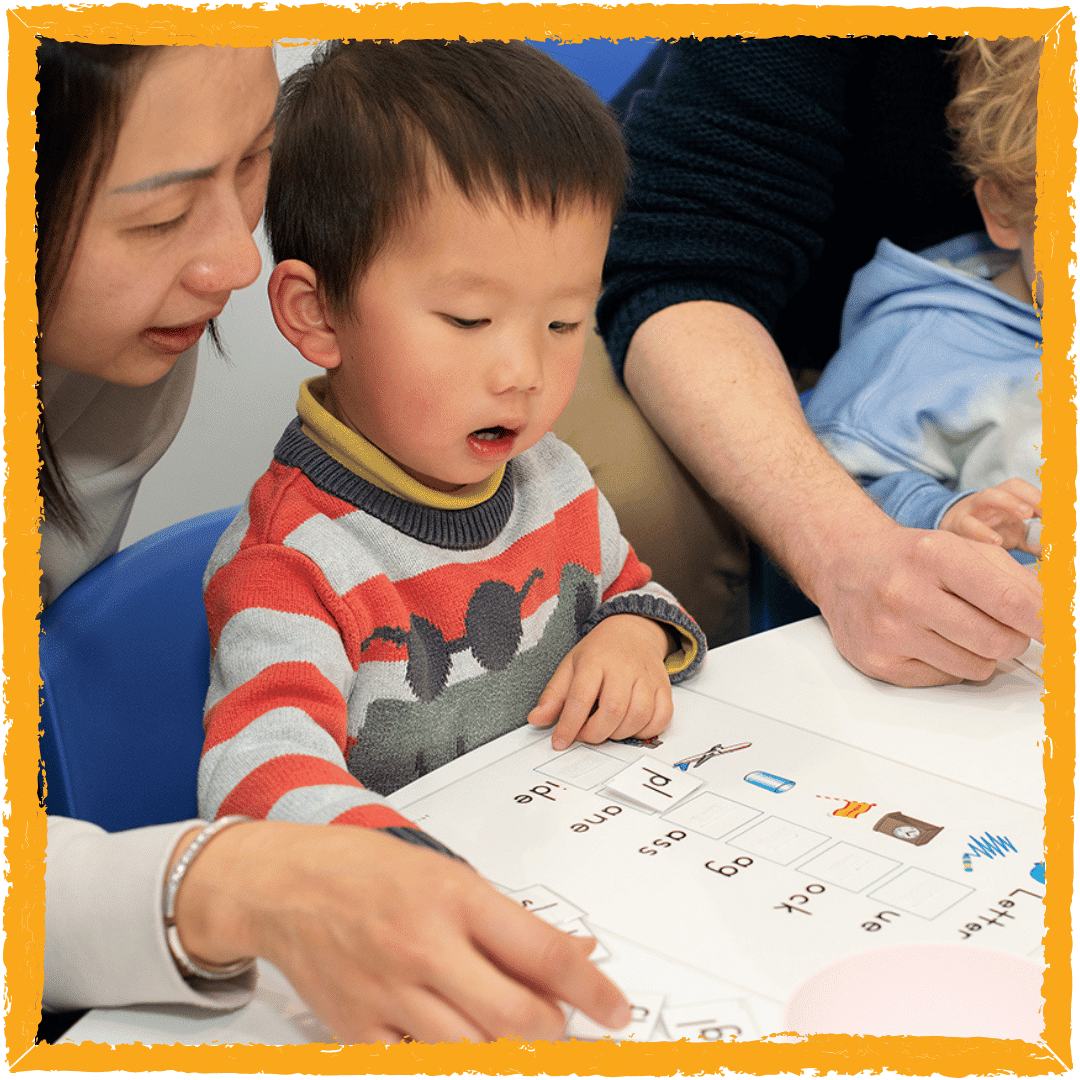
Shichida uses structured, play-based learning to develop memory, focus, problem-solving, and creativity. Children learn through guided activities alongside their parents, helping build both IQ and EQ in a fun and engaging way.
Yes. Activities like scavenger hunts, obstacle courses, and movement-based games support problem-solving, spatial awareness, and critical thinking, making them valuable for brain development.
The most effective approach combines regular play, guided learning, and consistent routines. Programs like Shichida bring these elements together in a structured way, helping children build strong thinking skills week by week.