
Every parent wants to know their child is thriving. So, you might wonder if they’re keeping up with their peers or if they have a hidden spark waiting to be found. IQ is just one piece of your child’s growth. It gives us a glimpse into certain skills but it never tells the whole story. Let’s look at what IQ means and how to see the bigger picture of your child’s potential.
Key Takeaways
- IQ is one part of development. While the average IQ for kids is around 100, this score only reflects a specific part of a child’s cognitive abilities.
- Potential is broad. Emotional intelligence, creativity, and social skills are just as important as a test score for long-term success.
- Environment matters. A nurturing home filled with books and conversation can significantly influence your child’s learning journey.
Want to develop your child’s cognitive skills? Get free flashcards and sensory play ideas that parents use to build strong early brain skills for young children!

What Is IQ and How Is It Measured?
IQ stands for Intelligence Quotient. It’s a score from standardised tests designed to assess human intelligence. These tests measure cognitive abilities like problem-solving, reasoning, memory, and verbal skills.
Professionals assess children through age-appropriate versions of established tools. These include the Wechsler Intelligence Scale for Children (WISC) or the Stanford-Binet Intelligence Scales. These tests involve questions and tasks that produce a score.
A regular IQ level for kids and adults is set at 100. This is based on a bell curve. Most people score between 85 and 115. This range is considered the normal intelligence quotient – continue reading for the full breakdown.
Wondering what this actually means for your child? Take our quick quiz below to get personalised next steps for supporting their early development.
Take a FREE Shichida Quiz

What Is the Average IQ for Kids?
IQ tests for children are adjusted based on their age. This means a score of 100 always represents the exact middle point for that specific age group. It shows that your child’s current cognitive skills match what is typical for their peers. This benchmark stays the same whether your child is 5 or 15.
Here’s a general idea of how scores are distributed:
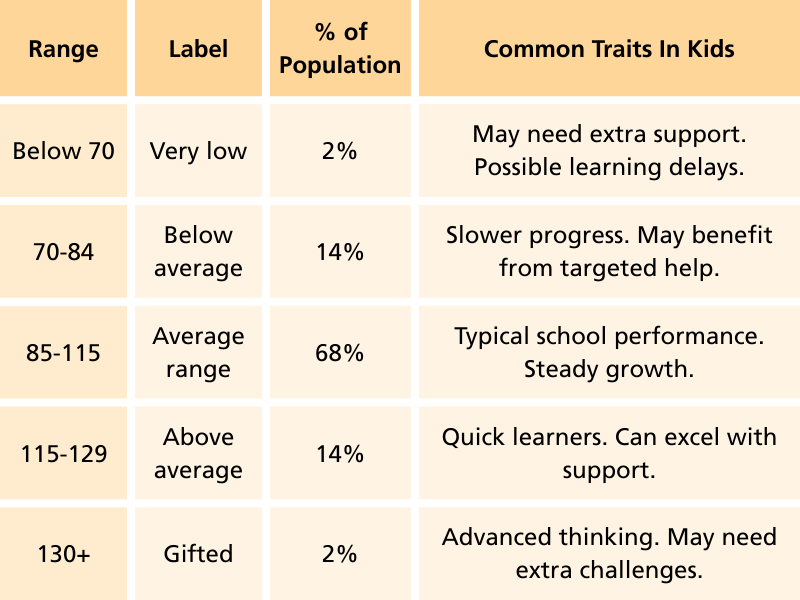
Around 68% of children fall within the average IQ range (85-115), with smaller percentages scoring above or below this band. Only about 2% of children are classified as gifted (130+), while a similar proportion fall into the very low range. These ranges help contextualise how IQ scores are distributed across the general population and what they may indicate in terms of learning needs.
IQ scores can fluctuate in younger children. A toddler’s score may shift by a few points within a year. This is completely normal. It reflects changes in their environment or even how they felt on the day of the test.
To learn more about how assessments can help you understand your child’s cognitive skills, check out our article: IQ Test for Kids: A Comprehensive Guide.
What Constitutes a High IQ?
Generally, a score of 116 or above is considered above average. What constitutes a high IQ in a clinical sense is usually a score of 130 or more. This is often the threshold for gifted programs.
Remember, a great IQ score is any result that shows your child is learning and growing. Even if a child has a very high score, they still need support to develop their emotional and social skills.
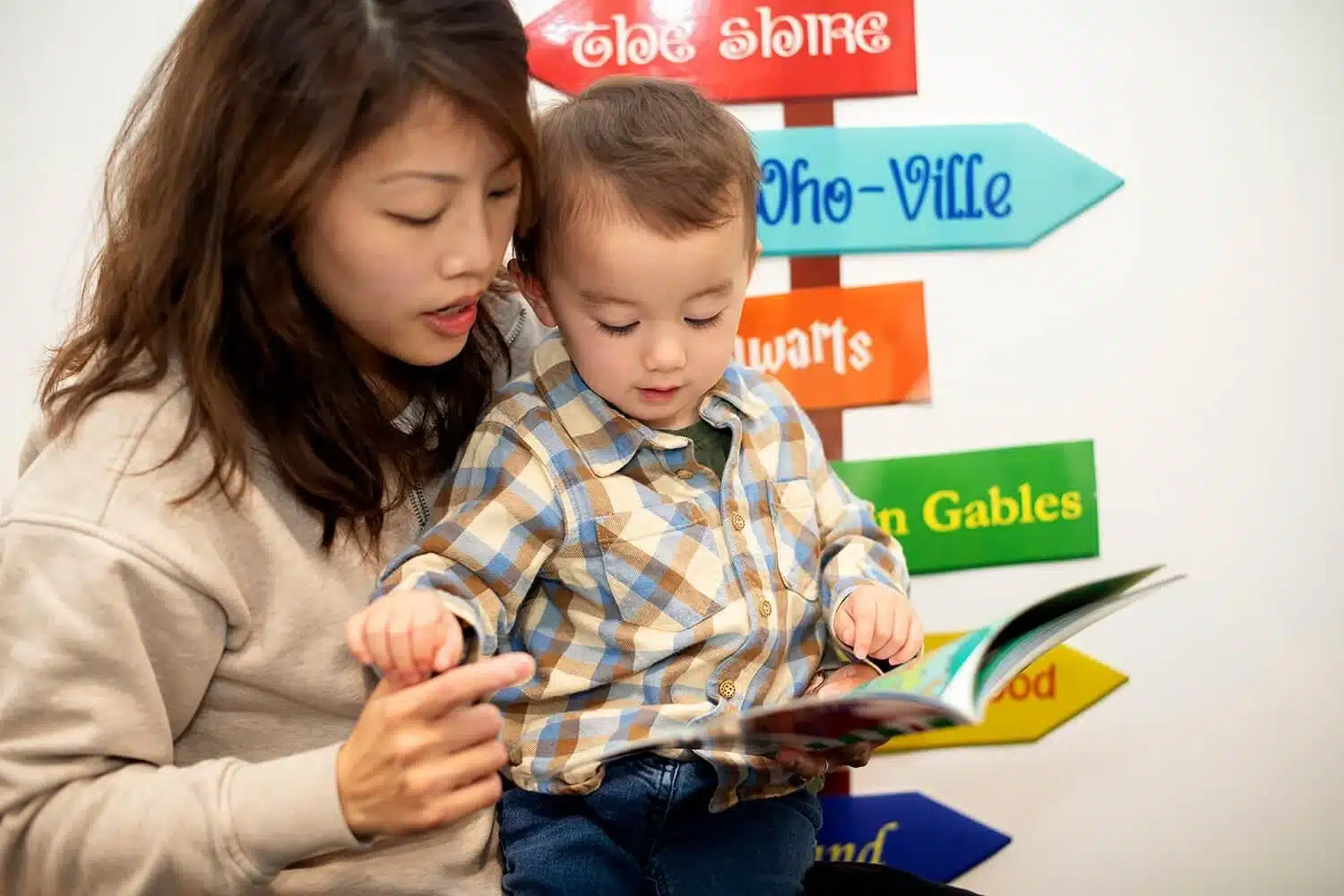
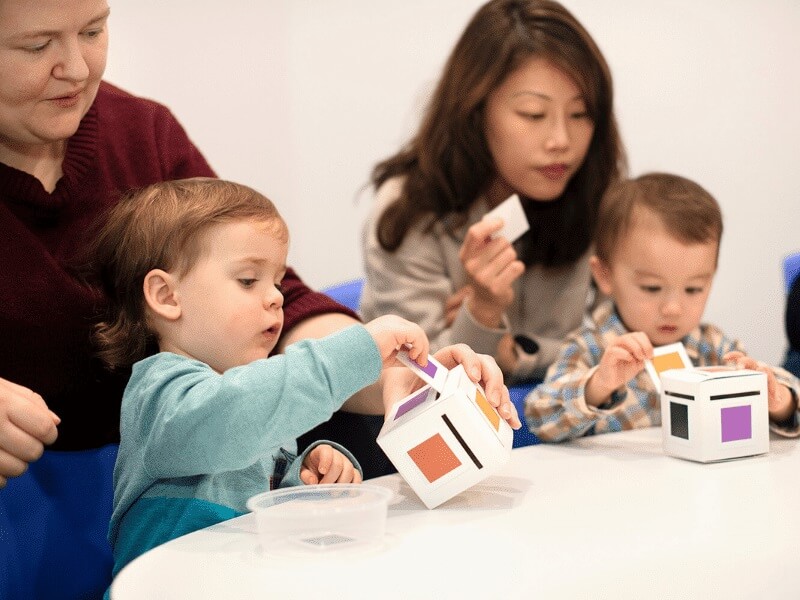
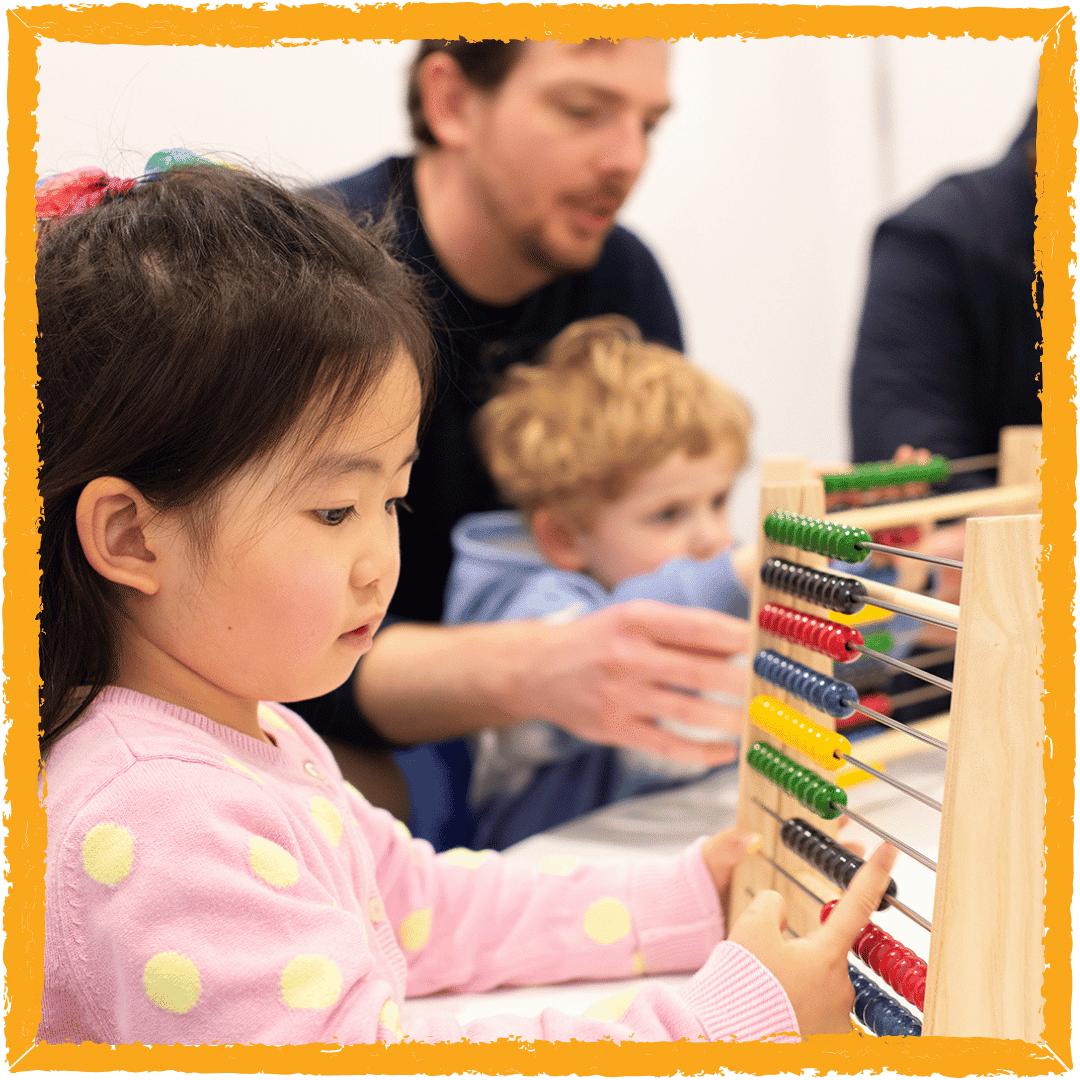
Image from Shichida Australia: Reading together helps nurture skills beyond the average IQ for kids.
What Does a Typical IQ Mean?
An average IQ means your child’s cognitive abilities are on par with most children their age. It doesn’t limit what your child can achieve. An IQ score isn’t a fixed label. It’s a snapshot of certain abilities at a certain time.
Many parents think a high IQ guarantees success. Others worry that a lower score is a problem. Intelligence is far more complex than one number. Children with average scores often thrive when they have support for their interests and emotional growth.
How Do IQ Scores Relate to Development?
IQ scores give insights into problem-solving and memory, but they don’t paint the full picture. Development is also shaped by emotional intelligence, creativity, and motivation. None of these are captured by a standard IQ test.
Children with average IQ can shine through imagination and resourcefulness. A longitudinal study in Frontiers in Psychology found emotional intelligence (EQ) competencies predict long-term career and life satisfaction better than cognitive intelligence alone. Kids strong in managing emotions and building relationships often show greater resilience in school and beyond.

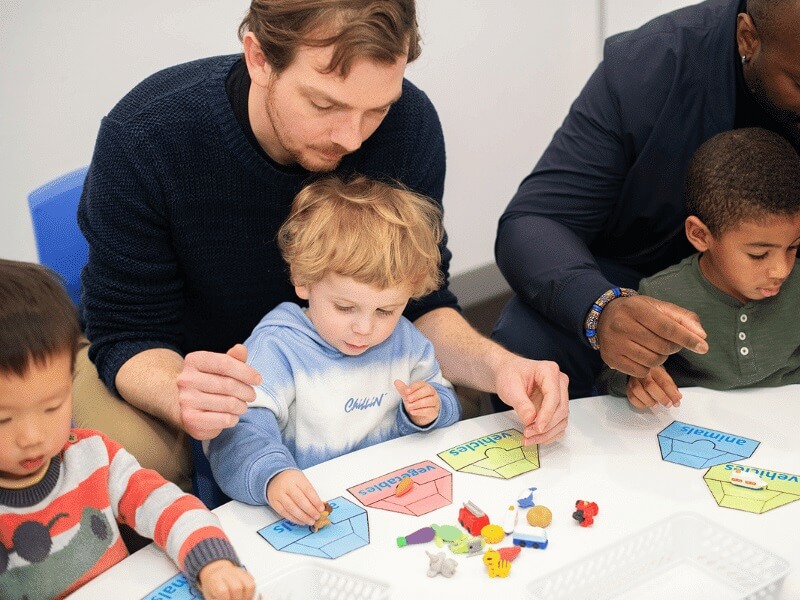
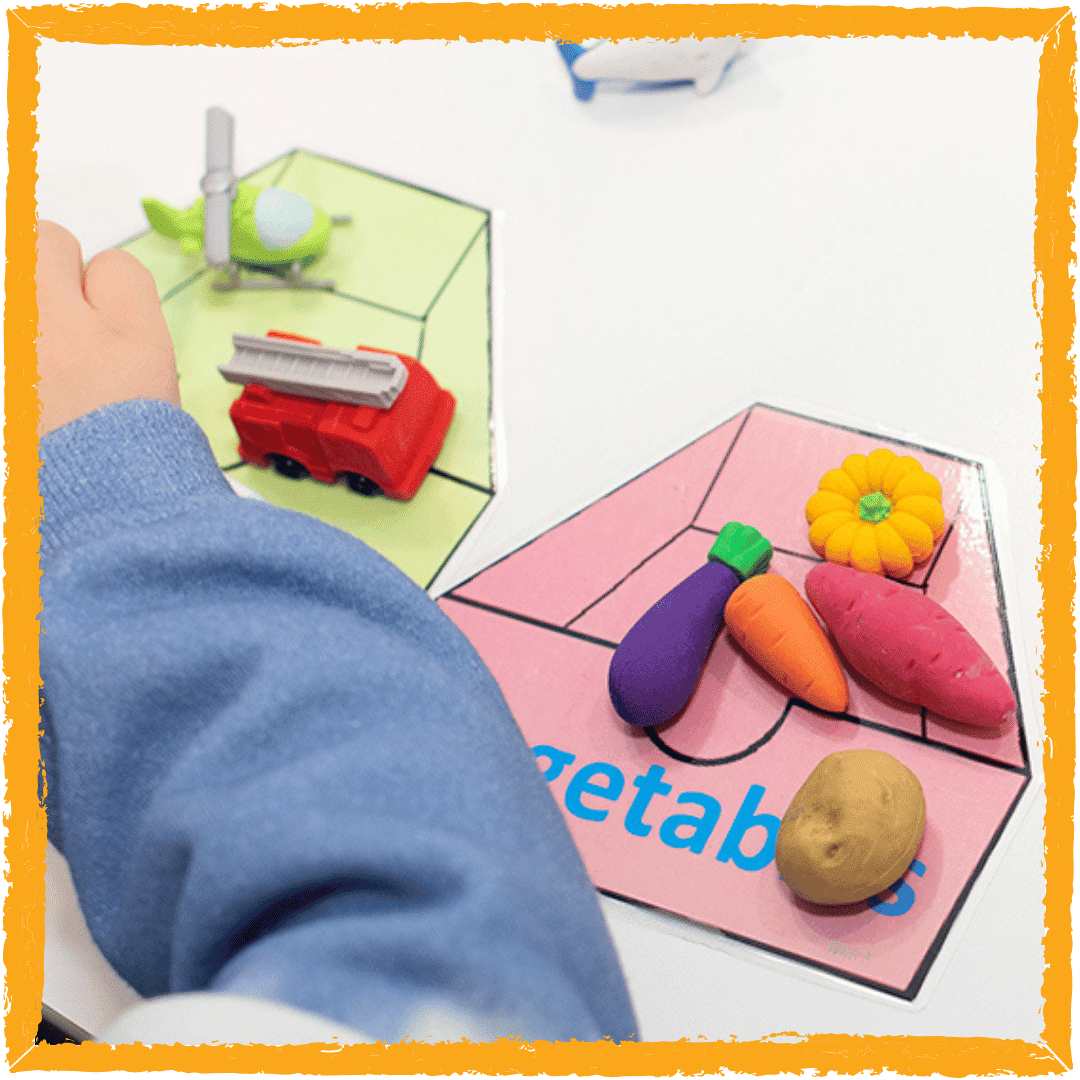
Image from Shichida Australia: Average IQ for kids doesn’t tell the whole story – problem-solving activities like puzzles build real-world thinking skills that tests can’t always measure.
IQ is just one piece. Skills like memory, focus, and confidence can be built with the right support. Try a Shichida class and see how a structured approach helps children develop these skills early.
What Factors Affect a Child’s IQ?
Many elements influence a child’s score. These often work together.
- Genetics: Cognitive ability has a hereditary component.
- Environment: Your child’s surroundings play a major role. Exposure to books and play boosts brain development.
- Education: Early literacy and rich learning experiences affect test performance.
- Nutrition: A healthy diet supports brain function.
IQ can change over time. With the right support, children can show significant cognitive growth as they get older.
How to Support a Child’s Intellectual Development?
Focus less on the score and more on creating an enriching environment.
- Create a stimulating home: Offer books, puzzles, and time to explore.
- Encourage questions: Let your child ask why and help them find the answers.
- Promote reading: Read together every day to build vocabulary and focus.
- Engage in hands-on learning: Try building blocks or art projects.
- Promote emotional growth: Teach your child to identify feelings and solve problems.
At Shichida Australia, we support children in all areas. This includes emotional, sensory, and right-brain learning. To discover fun ways to support brain development, explore our guide: IQ Games for Kids.
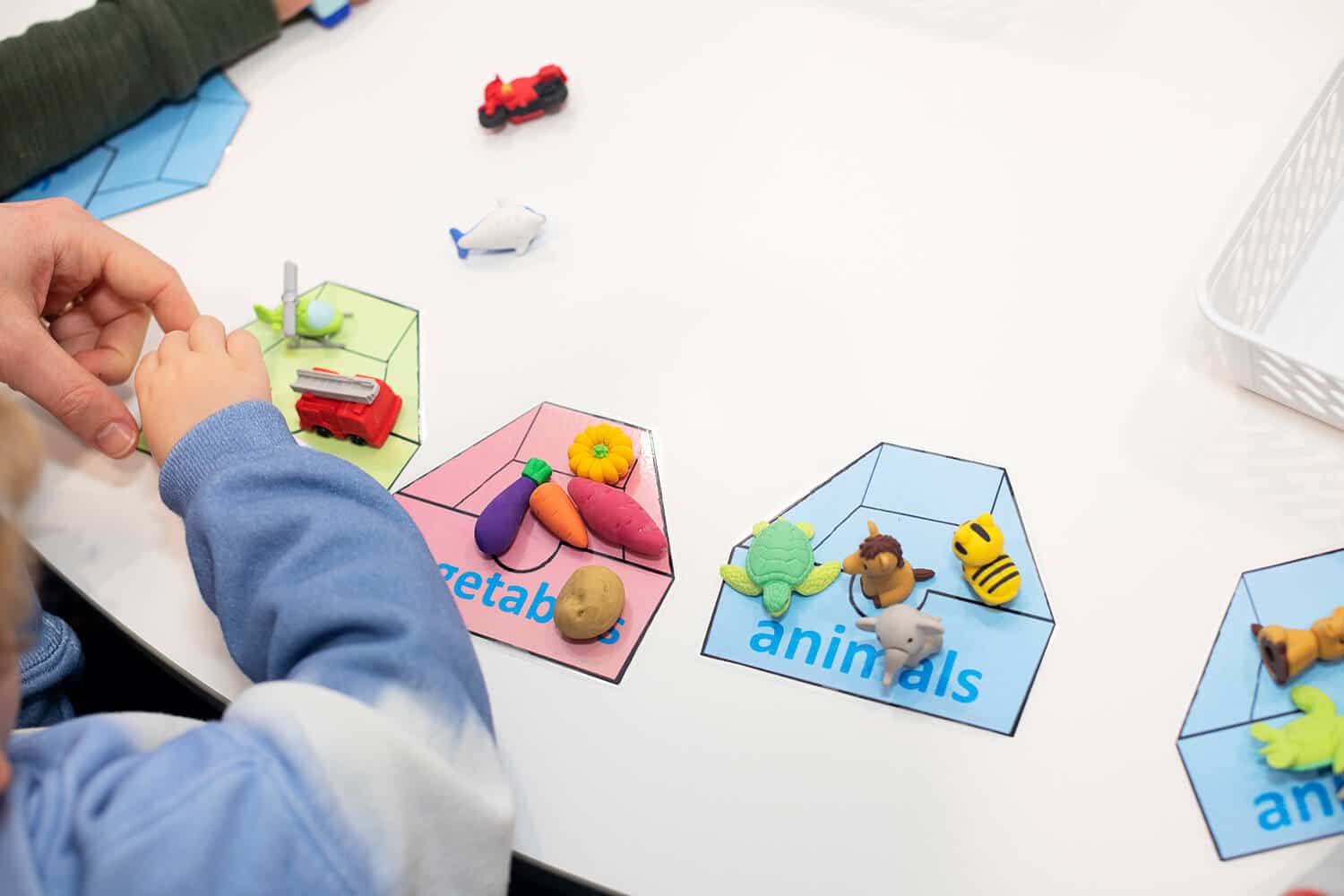
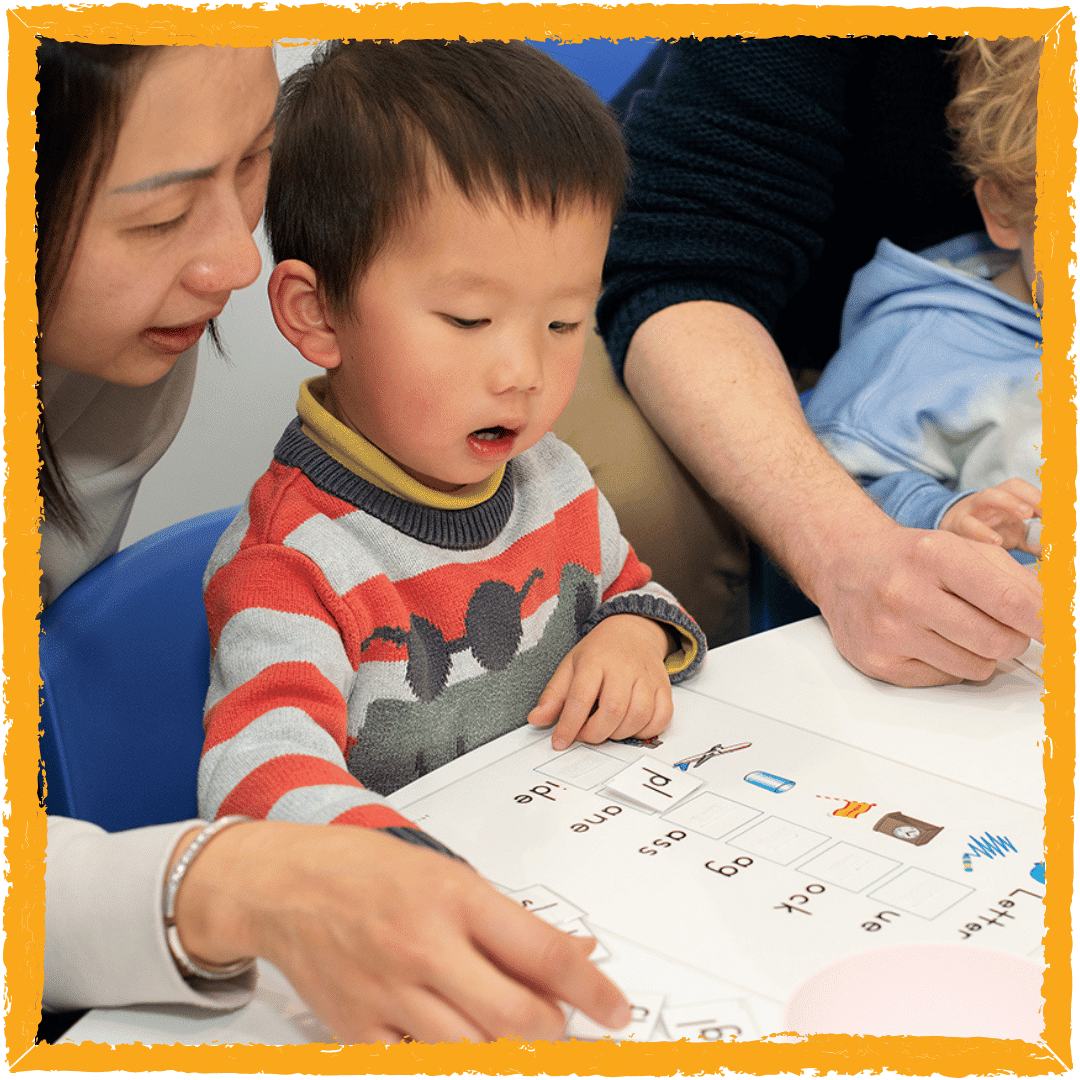
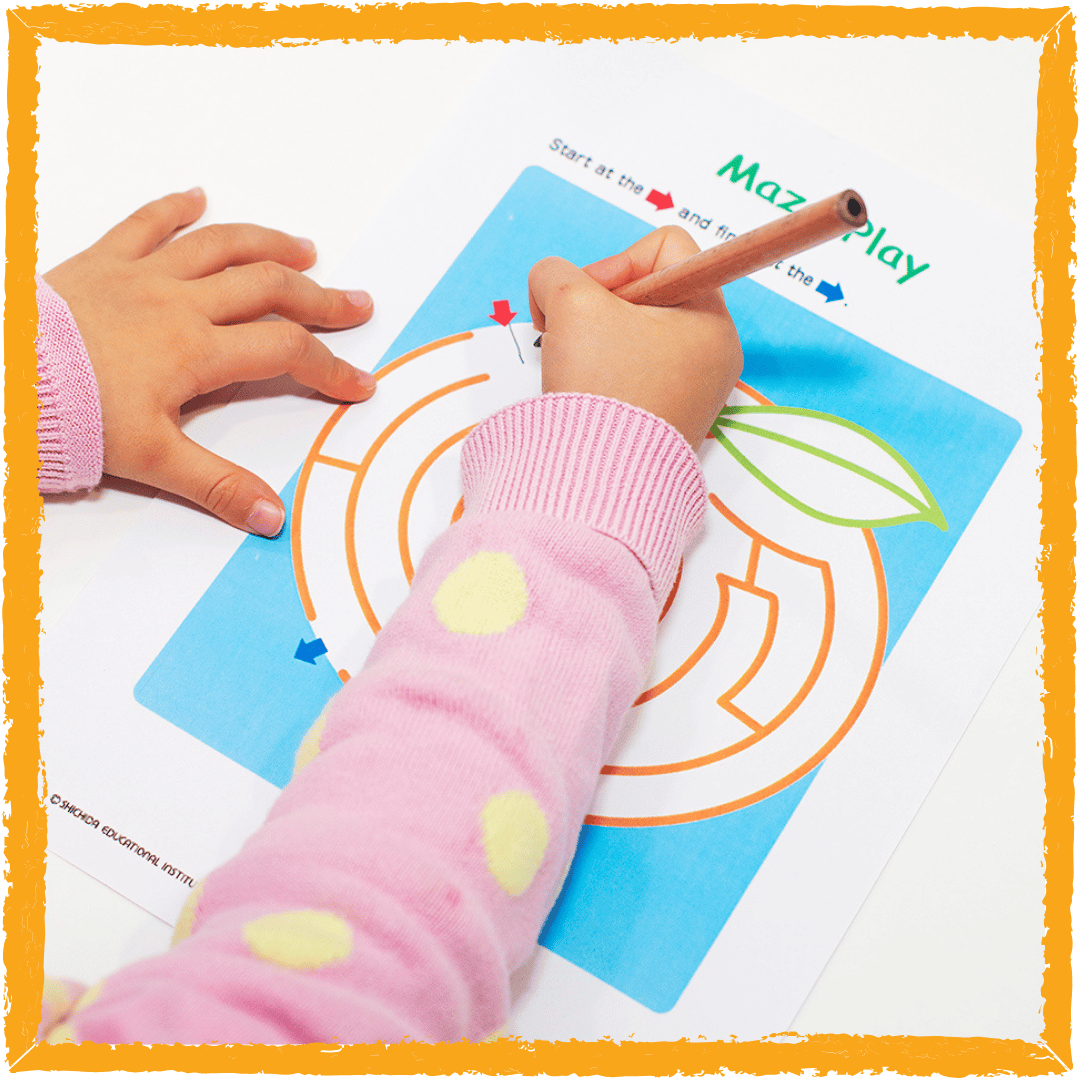
Image from Shichida Australia: Hands-on activities like this build focus, logic, and creativity – and help children thrive beyond just their average IQ for kids score.
Common Myths About Average IQ for Kids
- Myth 1: IQ is fixed for life. A child’s IQ can rise with the right learning experiences and a supportive environment.
- Myth 2: High IQ equals guaranteed success. Many high-IQ children struggle socially. Success depends on confidence and resilience.
- Myth 3: Low IQ limits potential. Children with lower scores can still excel in art, music, or leadership.
Encourage your child to develop a growth mindset. This is the belief that abilities can improve with effort.
How Does Shichida Raise IQ & EQ in Kids?
If you’re thinking about how to actively best support your child’s development, the best way to understand the difference is to see it in action. At Shichida Australia, we believe in whole-child development. We help children reach their full potential by unlocking their natural love for learning.
Book a trial class and experience how Shichida builds both IQ and EQ through fun, guided learning.
Frequently Asked Questions About the Average IQ for Kids
A good IQ score is typically any score within the average range of 85 to 115. This shows that a child’s cognitive skills are developing as expected.
The Australian average IQ for adults is also 100. This is the global standard for a typical level of intelligence.
A score of around 100 is considered average for a 5-year-old. The test measures how your child compares to others their age.
If you want to understand how your child learns, testing might help. It’s best to speak to an educator or psychologist first.
A high IQ is one indicator of giftedness, but it’s not the only way to measure it. Most experts consider a score of 130 or above as gifted. Giftedness also includes high levels of creativity, emotional maturity, and a deep drive to learn.
Yes. IQ can shift depending on stimulation and learning opportunities. This is especially true in early childhood.
Shichida focuses on whole-brain learning. Whether your child is ahead or on track, the program builds memory and creativity. We focus on skills far beyond what an IQ score can measure.