30+ Fun Gross Motor Skills Activities for Preschoolers
Key Points
- Gross motor skills develop through movement-based play, helping preschoolers build balance, coordination, strength, and body awareness.
- Indoor and outdoor activities both support gross motor development, even in small spaces and with minimal equipment.
- Everyday household items can be used to create effective gross motor skills activities for preschoolers.
- Regular movement supports confidence, emotional regulation, and independence, not just physical strength.
- Play-based, age-appropriate activities help preschoolers develop gross motor skills naturally and enjoyably.
- Consistent practice and encouragement are more important than perfect performance or early mastery.
If you’re raising a lively preschooler, you already know how much movement shapes their world. At this age, climbing, jumping and running are more than bursts of energy. These movements build the foundations for confidence, independence and school readiness. By offering the right gross motor skills activities for preschoolers, you give your child the tools they need to feel capable in their own body.
Download the free sensory play guide with practical ideas you can use at home – helping build focus, coordination, and early thinking skills.
Understanding Gross Motor Skills in Early Childhood
Gross motor skills are the big body movements that involve the arms, legs and core. They help your child run, jump, climb, crawl, balance and explore safely. These skills differ from fine motor skills, which involve smaller movements like holding a pencil, using scissors or doing up buttons.
Strong gross motor development supports emotional regulation, improves coordination, encourages exploration and helps children join in group play more confidently. It also supports physical health and prepares them for early sports, playground challenges and daily movement tasks.
Remember that development is not a race. Children grow skills in their own time, and some variations between children aged three to five are completely normal.
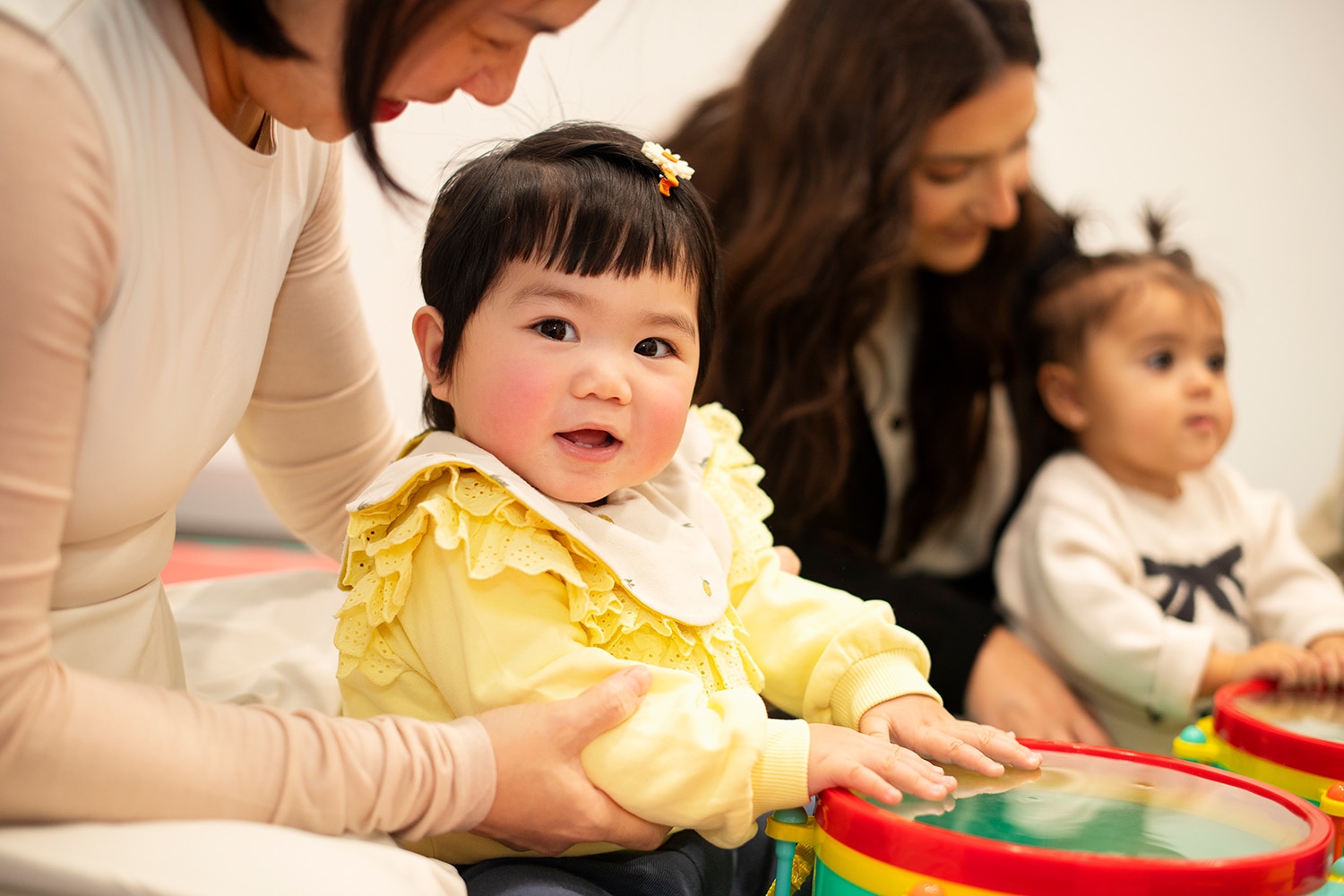
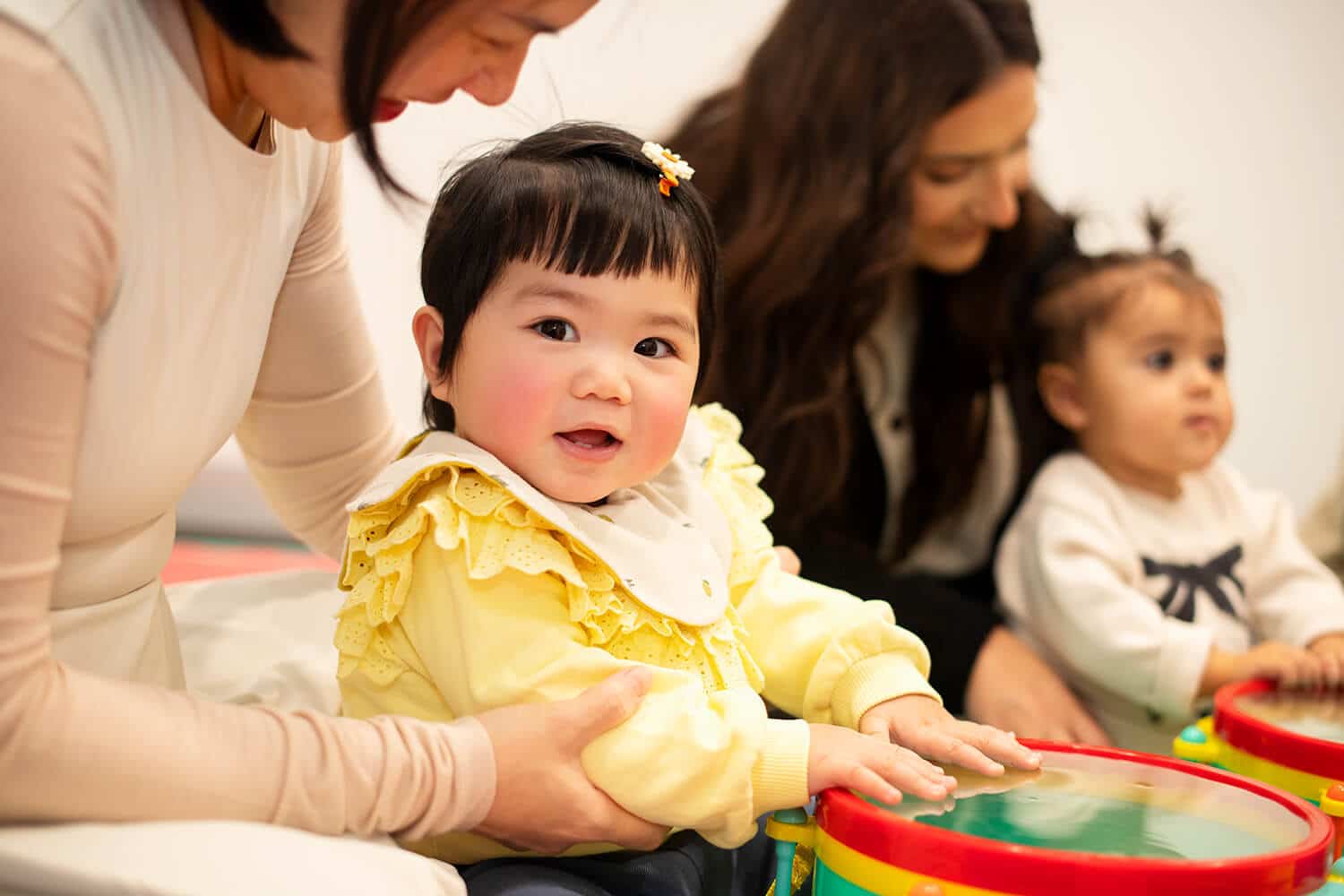
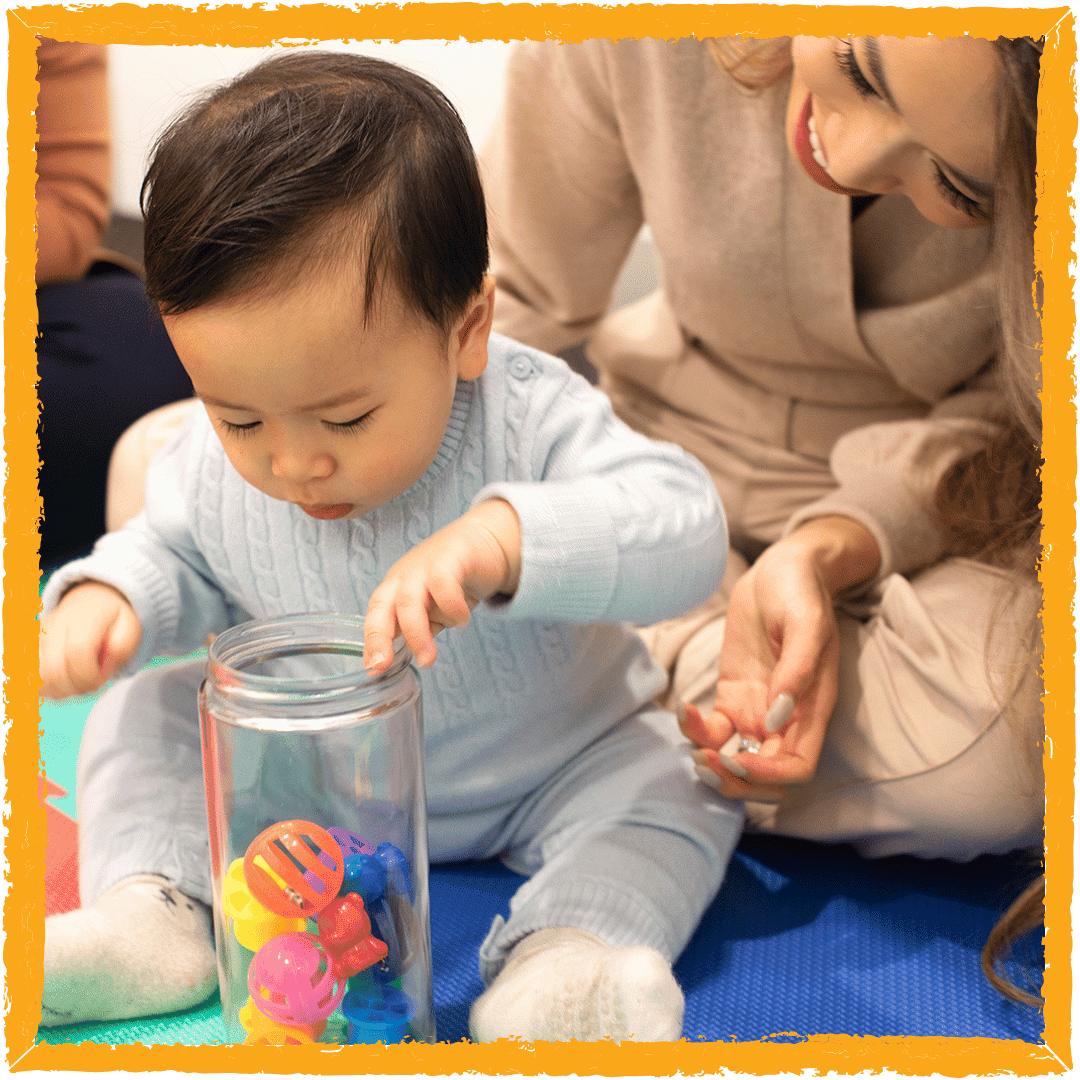
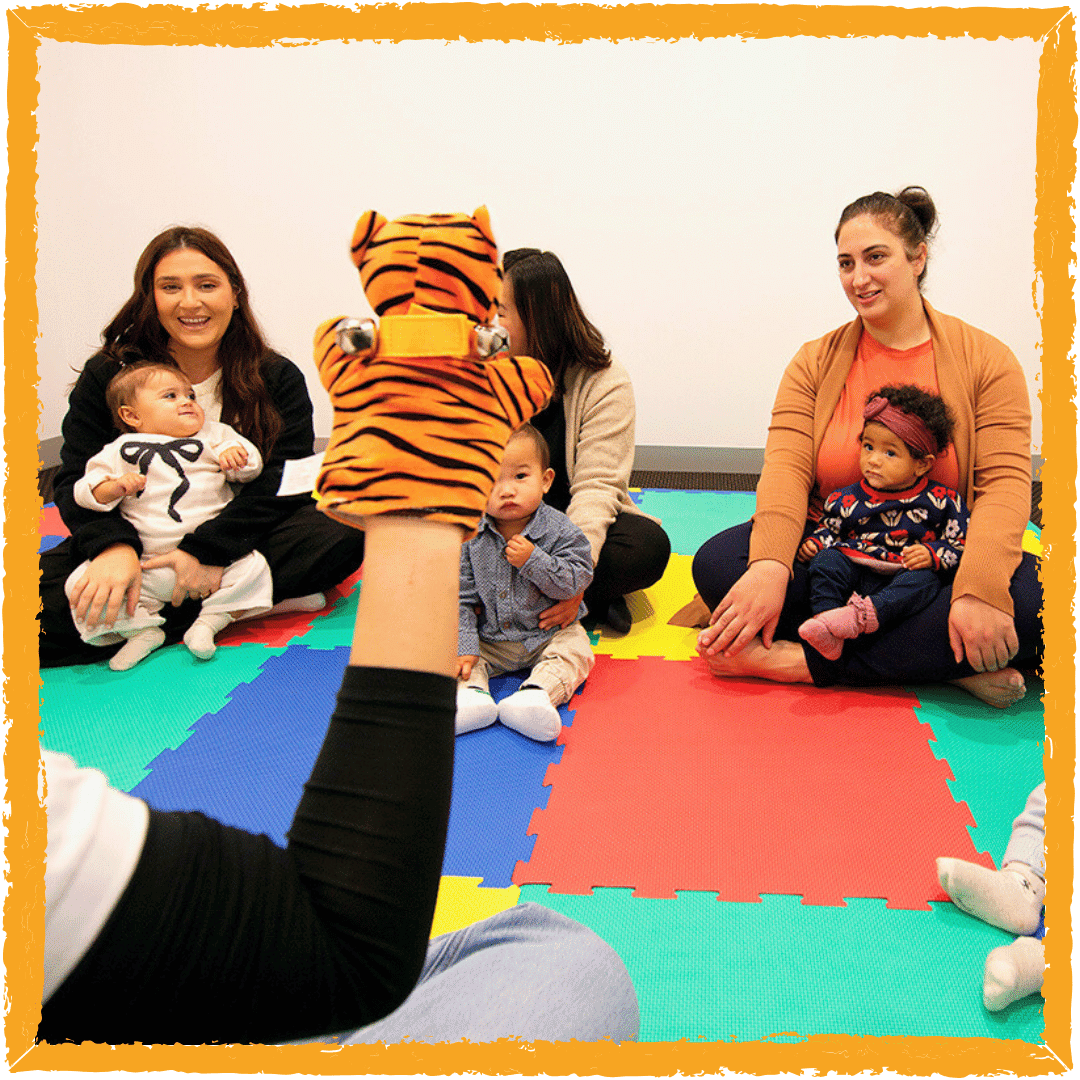
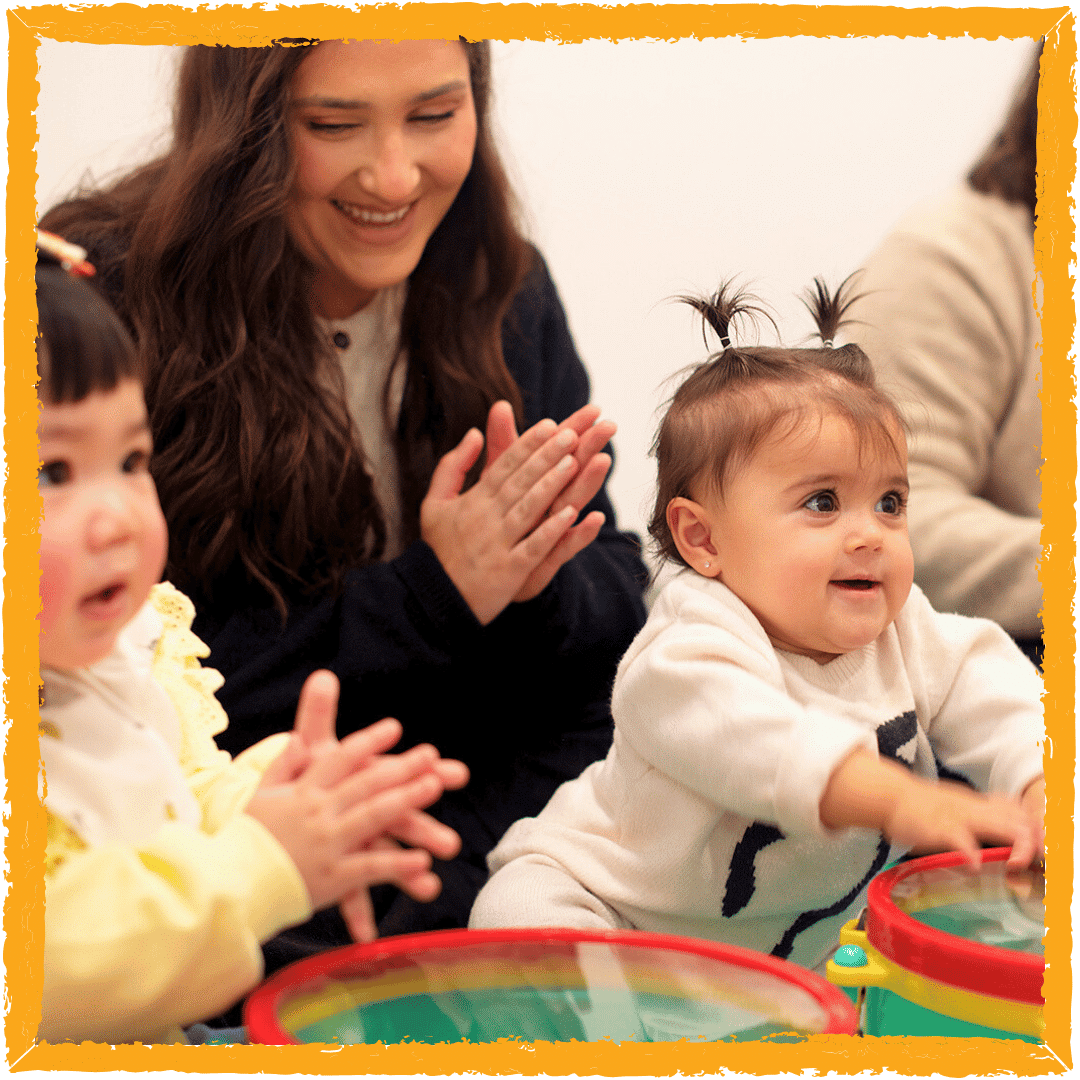
Photo from Shichida Australia: A baby practising rhythm and timing during a Shichida Baby Class.
What Gross Motor Skills Include
Gross motor development covers several important components:
- Balance
- Core strength
- Coordination
- Bilateral integration
- Rhythm and timing
- Spatial awareness
- Motor planning
You see these in everyday moments like hopping from tile to tile, climbing steps or pretending to be an animal.
Benefits of Strong Gross Motor Development
When your child takes part in preschool gross motor activities, they are strengthening far more than muscles. Movement supports cognitive development, helps regulate emotions and boosts confidence. Socially, active games teach turn-taking, teamwork and communication. Sensory motor play also helps children understand how their bodies feel and move, which supports independence and self-awareness.
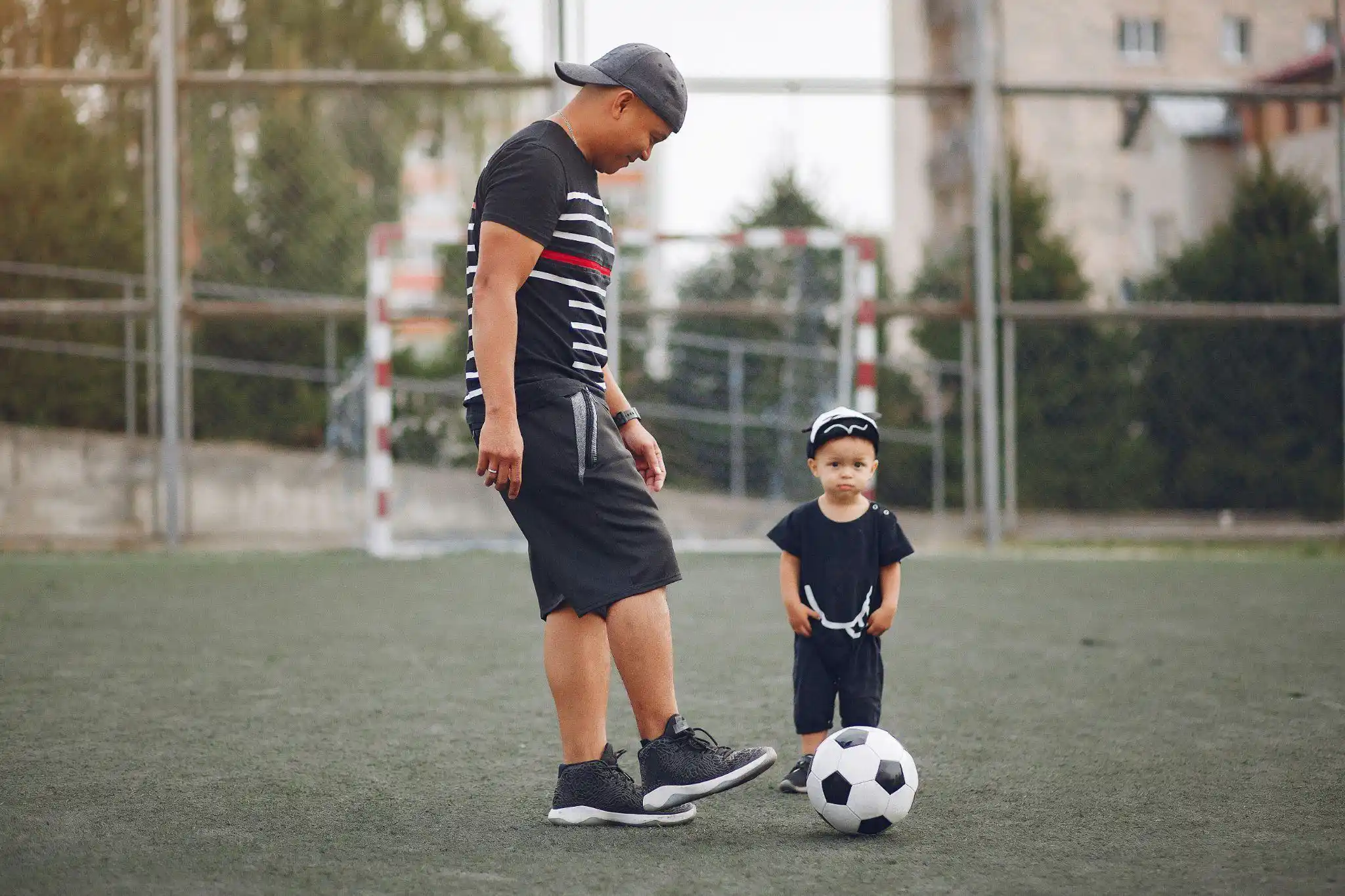
Photo from Pexels: A toddler and his dad playing with a ball.
Signs of Healthy Gross Motor Skill Development
Children aged three to five usually show growing confidence in climbing, running and balancing. You may notice them pushing for more independence, showing clearer coordination and repeating movements until they master them.
Age-Appropriate Milestones for Ages 3-5
These milestones are broad ranges, not fixed expectations.
Age 3
- Runs with fewer stumbles
- Climbs onto furniture independently
- Jumps forward with two feet
- Pedals a tricycle with support
Age 4
- Hops on one leg
- Catches larger balls with two hands
- Walks along straight lines
- Begins galloping or early skipping
Age 5
- Shows stronger balance and endurance
- Uses both sides of the body smoothly
- Tries simple sports skills
- Navigates more complex climbing structures
When to Monitor or Seek Support
You may want to observe more closely if your child avoids movement altogether, quickly gets tired or struggles with balance more than expected for their age. Most children simply need more practice. If you’re unsure, speaking with a trusted health or early childhood professional can offer reassurance.
Core Gross Motor Skills Every Preschooler Should Develop
Balance & Stability
Balance supports everything from getting dressed to playing sports. When your child balances, they strengthen their core and improve concentration.
Coordination & Rhythm
Coordination helps children move smoothly. Cross-lateral play, marching and rhythm games support early brain development and build a strong foundation for reading readiness.
Strength & Endurance
Children build strength naturally through climbing, pushing, pulling and running. They don’t need workouts, only opportunities to move.
Spatial Awareness & Motor Planning
These help your child judge distance, move around safely and plan movements before taking action.
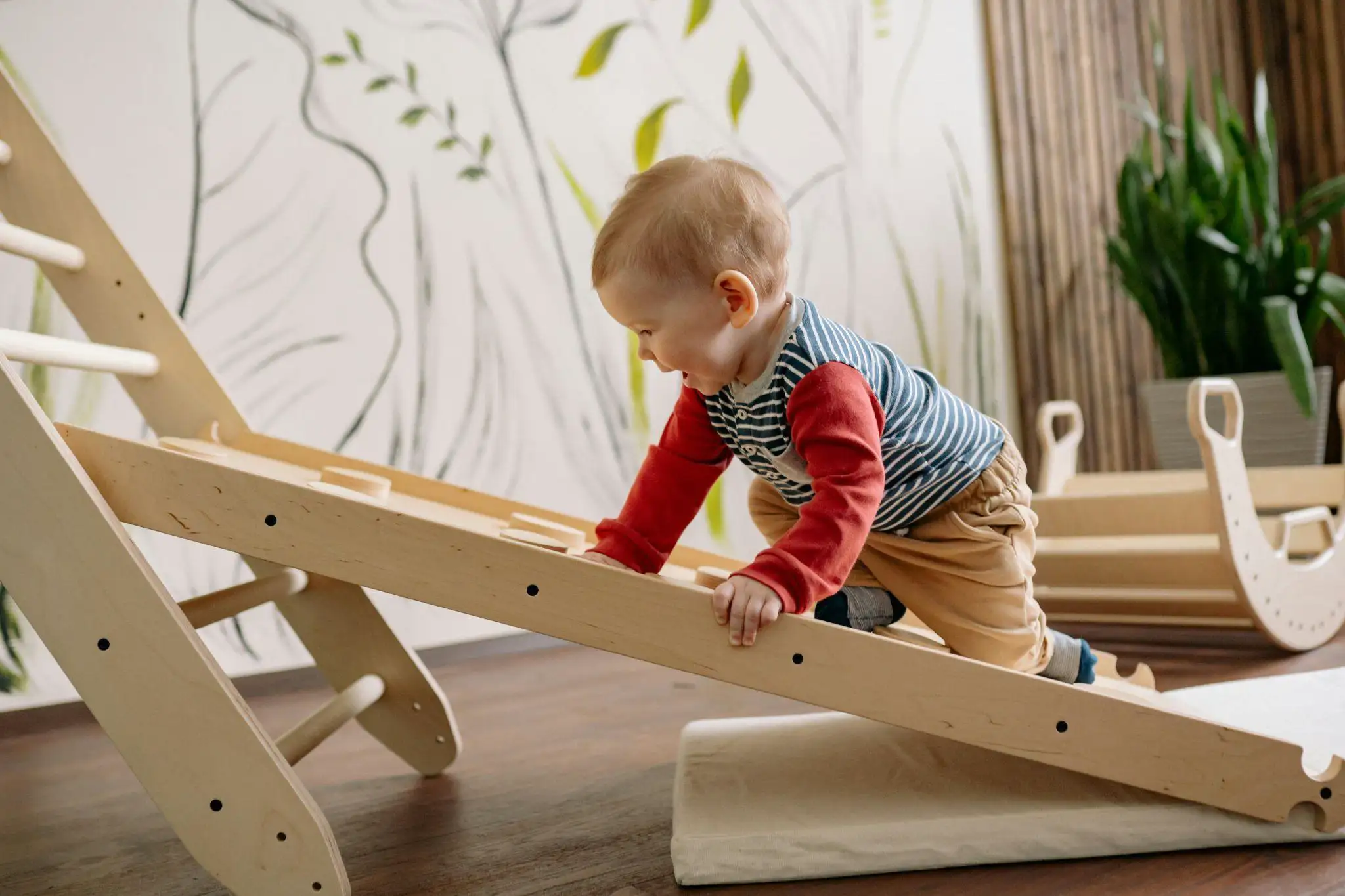
Photo from Pexels: A toddler practising climbing skills.
Best Indoor Gross Motor Activities for Preschoolers
Below are fun and manageable indoor gross motor activities you can try at home.
Obstacle Courses
Obstacle courses are a fun way to build balance, coordination, and strength using household items.
- Crawl Through a Cushion Tunnel
- Line cushions or drape a blanket over chairs.
- Easy: Straight path, wide space.
- Medium: Stagger cushions for curves.
- Hard: Narrow tunnel with twists.
- Jump Over Soft Pillows
- Place pillows in a line or zig-zag pattern.
- Easy: Small gaps.
- Medium: Wider gaps, more pillows.
- Hard: Zig-zag layout or uneven surface.
- Step In and Out of Laundry Basket Hoops
- Use baskets, hoops, or taped shapes.
- Easy: Large hoops, close together.
- Medium: Smaller hoops, farther apart.
- Hard: Add hopping or backward steps.
- Crawl Under a Table or Chair Bridge
- Clear space and crawl under low furniture or blanket bridges.
- Easy: Wide tunnel.
- Medium: Narrower space.
- Hard: Multiple tunnels or slight curves.
Tip: Always supervise, use cushions for safety, and celebrate effort over speed.
Animal Walks & Movement Imitation Games
- Bear Crawls – Crawl on hands and feet, hips high. Strengthens arms, shoulders, and core.
- Crab Walks – Sit, lift hips, and walk on hands and feet. Improves core strength and shoulder stability.
- Bunny Hops – Squat and jump forward with both feet. Boosts leg strength and balance.
- Snake Slithers – Lie on tummy and wiggle forward. Enhances core control and coordination.
- Kangaroo Jumps – Jump forward with both feet together. Builds leg power and cross-body coordination.
Benefits: These movements develop core strength, cross-lateral coordination, rhythm, and overall body awareness, which are essential for many gross motor skills activities for preschoolers. They also encourage imagination and fun while moving.
Balloon & Soft Ball Games
These activities are simple to set up, safe for indoors, and help build hand-eye coordination, timing, and core stability.
- Balloon Volleyball with Hands – Use a balloon and a couch or string as a net. Hit the balloon back and forth. Keeps children moving while practising timing and hand coordination.
- Balloon Keep-Up Challenge – Try to keep a balloon in the air for as long as possible using hands or feet. Great for focus, reaction skills, and cross-body coordination.
- Rolling Soft Balls to a Target – Roll a soft ball toward a box, bucket, or taped circle on the floor. Improves aim, spatial awareness, and control.
- Slow-Motion Catching with a Light Ball – Toss a soft ball gently and catch it slowly. Builds focus, visual tracking, and coordination in a low-pressure way.
Tips: These activities need minimal prep, use household items, and can be adjusted for difficulty by increasing distance, speed, or adding turns.
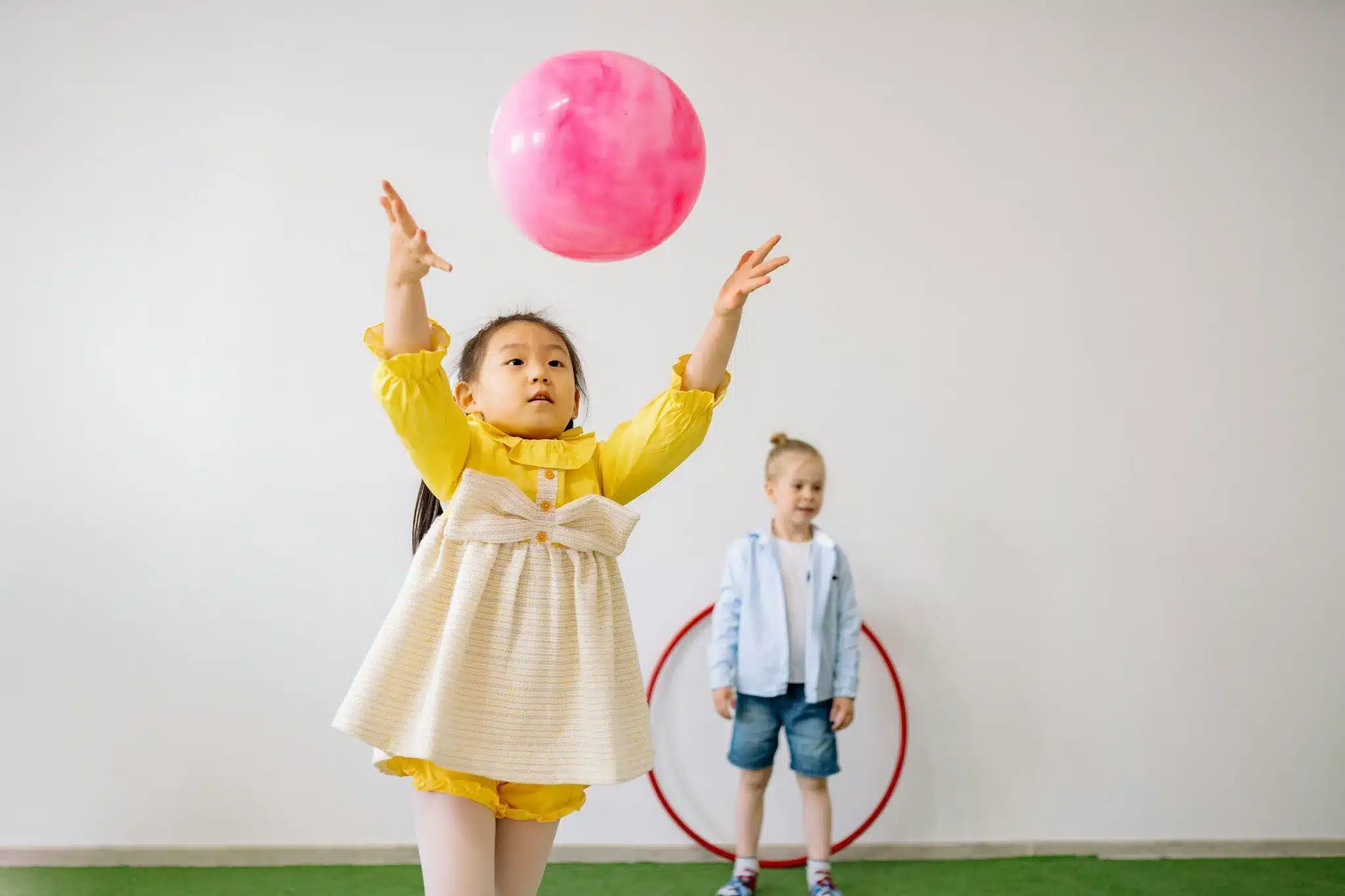
Photo from Pexels: Simple ball play is one of the most fun gross motor skills activities for preschoolers, it boosts coordination, timing and active engagement indoors.
Balance Beam with Tape Lines
Tape lines are an easy, low-prep way to help preschoolers improve balance, coordination, and body awareness.
- Walk Along a Straight Tape Line – Place tape on the floor and encourage your child to walk heel-to-toe. Builds focus, balance, and core stability.
- Walk Backwards Along the Line – Have your child carefully step backward along the tape. Enhances spatial awareness and strengthens leg muscles.
- Tiptoe Along Zig-Zag Tape Paths – Create zig-zag or curved lines and have your child tiptoe along them. Challenges balance and encourages careful foot placement.
Variation Tips: Encourage walking forward, backward, sideways, or even hopping along the lines to keep it fun and progressively challenging. These simple activities are perfect for gross motor skills activities for preschoolers indoors.
Indoor Scavenger Hunts
Scavenger hunts are a fun way to combine movement, problem-solving, and body awareness in a safe indoor space.
- Tiptoe to Find Hidden Items – Hide small toys or objects around a room and have your child tiptoe to find them. Improves balance, control, and careful movement.
- Crawl to Reach Clues Under Furniture – Place clues or objects under tables or chairs. Crawling builds core strength, coordination, and spatial awareness.
- Stretch Up High to Collect Items on Shelves – Put lightweight toys or soft objects on low shelves. Reaching and stretching strengthens arms, shoulders, and improves body awareness.
Tips: Use household items, keep spaces clear of hazards, and encourage children to move slowly and safely. These are perfect gross motor skills activities for preschoolers that require minimal preparation.
Best Outdoor Gross Motor Activities for Preschoolers
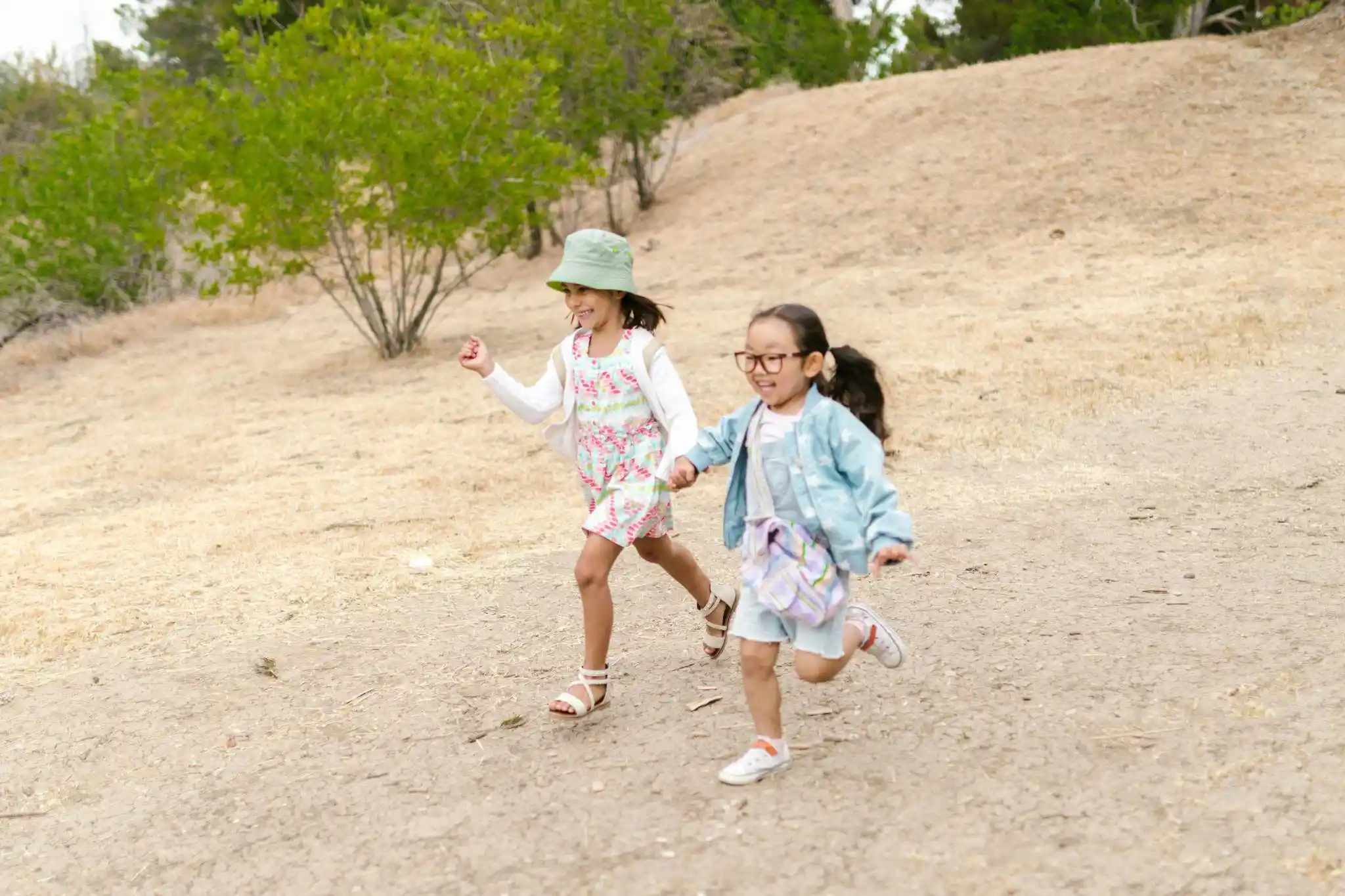
Running, Chasing & Tag Variations
Running games are fun ways to build endurance, speed, and social skills like turn-taking and fair play.
- Shadow Tag – Children try to step on each other’s shadows. Encourages spatial awareness and gentle chasing.
- Freeze Tag – Tagged children freeze until another player unfreezes them. Promotes teamwork, patience, and strategy.
- Slow-Motion Tag – Move slowly while chasing or avoiding. Helps balance, coordination, and self-control.
Tip: Add rule variations like safe zones, hopping only, or using soft objects to tag for extra fun.
Playground Skills Practice
Playground equipment develops confidence, strength, and coordination.
- Climbing Ladder Frames – Encourages upper-body strength, grip, and problem-solving while planning each step.
- Swinging Independently or with Gentle Pushes – Builds core strength, balance, and rhythm.
- Sliding Down Confidently and Climbing Back Up – Boosts confidence, leg strength, and sequencing skills.
Ball Sports & Throwing Games
Simple ball games enhance hand-eye coordination, spatial awareness, and teamwork.
- Rolling a Ball into a Chalk-Drawn Goal – Improves aim and control.
- Kicking Stationary Balls into a Hoop or Box – Builds leg strength and balance.
- Catching a Large Foam Ball – Develops timing, hand-eye coordination, and focus.
Tip: Demonstrate techniques first and use soft balls for safety.
Nature Adventure Walks
Outdoor exploration builds sensory awareness, coordination, and creativity.
- Walking Over Logs – Encourages balance, focus, and foot placement.
- Jumping from Small Rocks – Builds leg strength and spatial judgement.
- Stepping Across Puddles – Improves coordination and body control.
- Touch-and-Feel Nature Hunt with Bark, Leaves, and Stones – Enhances tactile sensory awareness and observational skills.
Tip: Encourage careful exploration and talking about textures, sounds, and movements.
Ride-On Toys & Scooters
Ride-on play supports balance, coordination, and independence.
- Scooting Along Flat Pavements – Perfect for beginners to develop balance and steering control.
- Pedalling a Tricycle – Strengthens legs and improves coordination.
- Riding a Balance Bike – Builds confidence in balance and body control, preparing for a pedal bike.
Tip: Always use helmets, supervise, and practice in safe, flat areas.
Seasonal Gross Motor Activities
Summer Water Play
- Sponge Relay Races – Fill a sponge with water and carry it to a bucket without spilling. Builds coordination, balance, and teamwork.
- Sprinkler Running Game – Run through sprinklers, hopping, skipping, or galloping. Encourages endurance, body control, and confidence.
- Water Balloon Transfer Challenge – Move water balloons between containers without dropping. Enhances hand-eye coordination and focus.
Rainy Day Indoor Play
- Hallway Bowling – Roll soft balls at stacked items or bottles. Improves aim, spatial awareness, and coordination.
- Yoga Animal Poses – Cat-cow, downward dog, or tree pose. Strengthens balance, core stability, and body awareness.
- Dance-and-Freeze Songs – Move to music and freeze on cue. Supports rhythm, balance, and self-regulation.
Winter Outdoor Movement
- Stomping Tracks in Fresh Snow – Strengthens legs and builds confidence on uneven terrain.
- Pulling a Lightweight Sled Gently – Develops upper body strength and coordination.
- Exploring Icy Patches with Supervision – Encourages cautious movement and body awareness.
Gross Motor Skill Activities to Support Specific Skills
Activities for Balance
- Stepping Stones – Step from one cushion or taped shape to another. Enhances stability and focus.
- One-Leg Balance Challenges – Stand on one foot for a few seconds. Improves core strength and control.
- Easy Yoga Poses – Tree pose, chair pose, or warrior pose. Supports posture, balance, and calm focus.
Activities for Strength
- Pushing a Loaded Laundry Basket – Builds leg and upper-body strength safely.
- Pulling Rope Toys – Enhances upper body and core strength.
- Climbing Small Frames – Strengthens arms, legs, and coordination while boosting confidence.
Activities for Coordination
- Jumping Sequences – Hop forward, sideways, or in patterns. Boosts rhythm and bilateral coordination.
- Beanbag Toss – Toss into a target using one or both hands. Improves hand-eye coordination and timing.
- Cross-Lateral Marching – Touch opposite hand to knee while marching. Supports brain development and coordination.
Activities for Sensory Regulation
- Rolling Over Cushions – Gentle rolling builds body awareness and proprioception.
- Carrying Slightly Weighted Soft Toys – Supports “heavy work” input and core stability.
- Gentle Spinning on a Swivel Chair – Helps children explore vestibular sense safely.
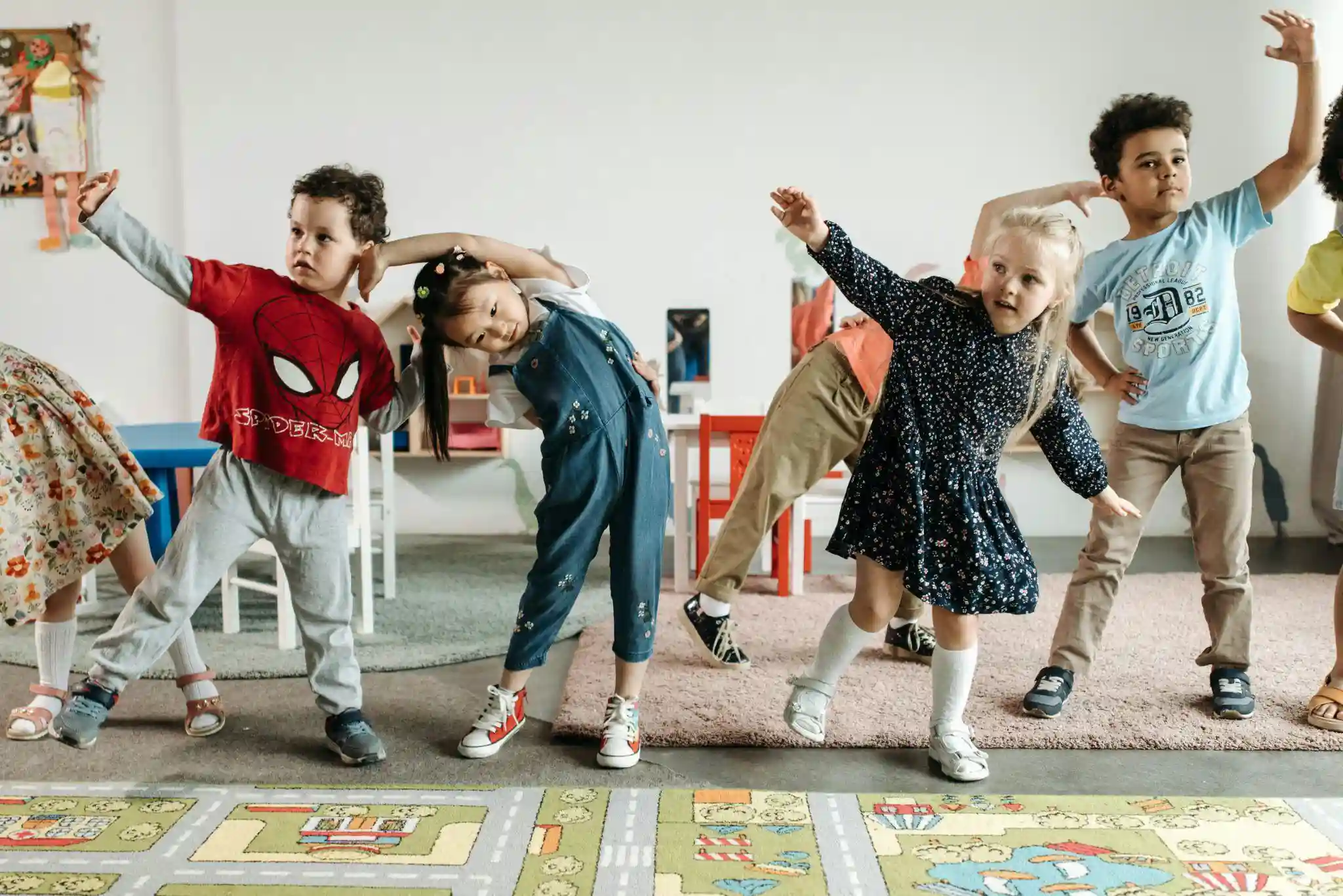
Photo from Pexels: Morning stretches are a simple and effective gross motor skills activity for preschoolers, helping improve flexibility, balance, and body awareness while starting the day energised.
How to Create a Safe & Supportive Movement Environment
Choosing Safe Equipment
Simple household items like tape, cushions, soft balls, tunnels, and stepping stones provide safe, effective opportunities for children to practice balance, coordination, and strength. Always check the space is clear of hazards and use soft surfaces where possible.
Encouraging Independence While Staying Safe
Let your child try movements on their own while offering guidance when needed. Phrases like “Let’s try the first part together” or “You can choose the safe way down” encourage exploration while keeping them safe. This approach helps children develop confidence and decision-making skills.
Positive Reinforcement & Motivation
Focus on effort, bravery, and persistence rather than perfection. Celebrate small successes and encourage repeated practice to build both skill and confidence. Positive reinforcement helps children associate movement with fun and achievement.
Simple Daily Routines That Build Gross Motor Skills
Morning Movement Rituals
Start each day with short bursts of activity like stretching, dancing, or marching. These routines wake up the body, improve flexibility, and set a positive tone for the day. Consistency helps children build strength and coordination naturally.
Play-Based Evening Energy Release
Use the evening for fun, low-pressure movement games like balloon challenges, yoga poses, or mini relay races. These activities allow children to release energy, practise motor skills, and strengthen body awareness before bedtime.
Weekend Movement Challenges
Plan family activities such as nature walks, cycling, or garden obstacle courses. These longer sessions provide variety, build endurance, and encourage social skills while making movement a fun family habit.
Expert Tips for Supporting Preschool Gross Motor Development
The Role of Repetition
Children strengthen skills through consistent practice. Repeating movements helps them build muscle memory, improve coordination, and gain confidence in their abilities. Short, frequent sessions work best, and it’s important to make practice fun rather than a chore.
Letting Children Lead
Follow your child’s curiosity and interests during movement activities. Allow them to choose how they move, which games to play, or what route to take in an obstacle course. Supporting exploration without taking over encourages independence, creativity, and a love for physical activity.
Printables, Checklists & Activity Rotation Ideas
Weekly Activity Planner
Create a simple weekly plan that includes indoor, outdoor, and seasonal gross motor activities. Rotating activities keeps your child engaged and ensures they practice a variety of skills like balance, coordination, and strength. You can adapt the planner based on your child’s mood, energy level, or weather conditions.
Skill Tracking Checklist
Track new movements and achievements without pressure or comparison. Note progress like hopping on one leg, catching a ball, or climbing confidently. This helps you celebrate milestones, identify areas for extra practice, and see how your child’s gross motor development grows over time.
Compliment Physical Play
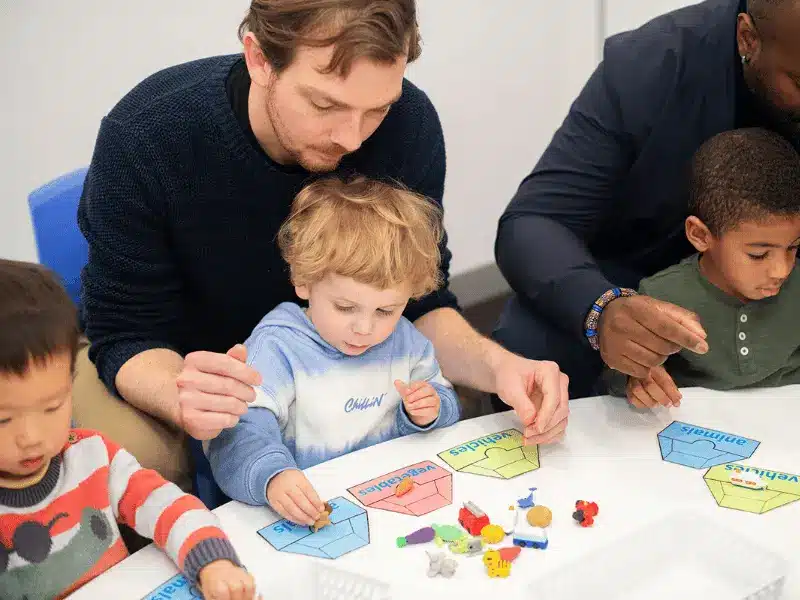
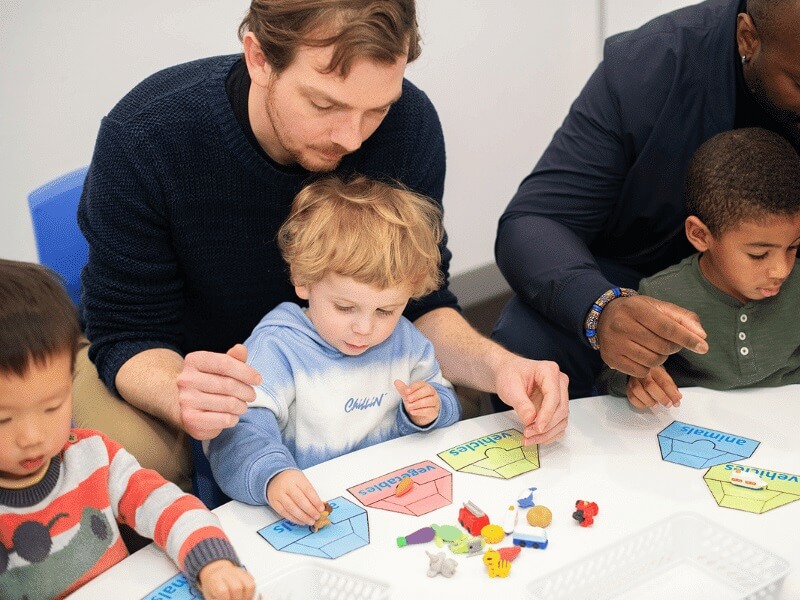
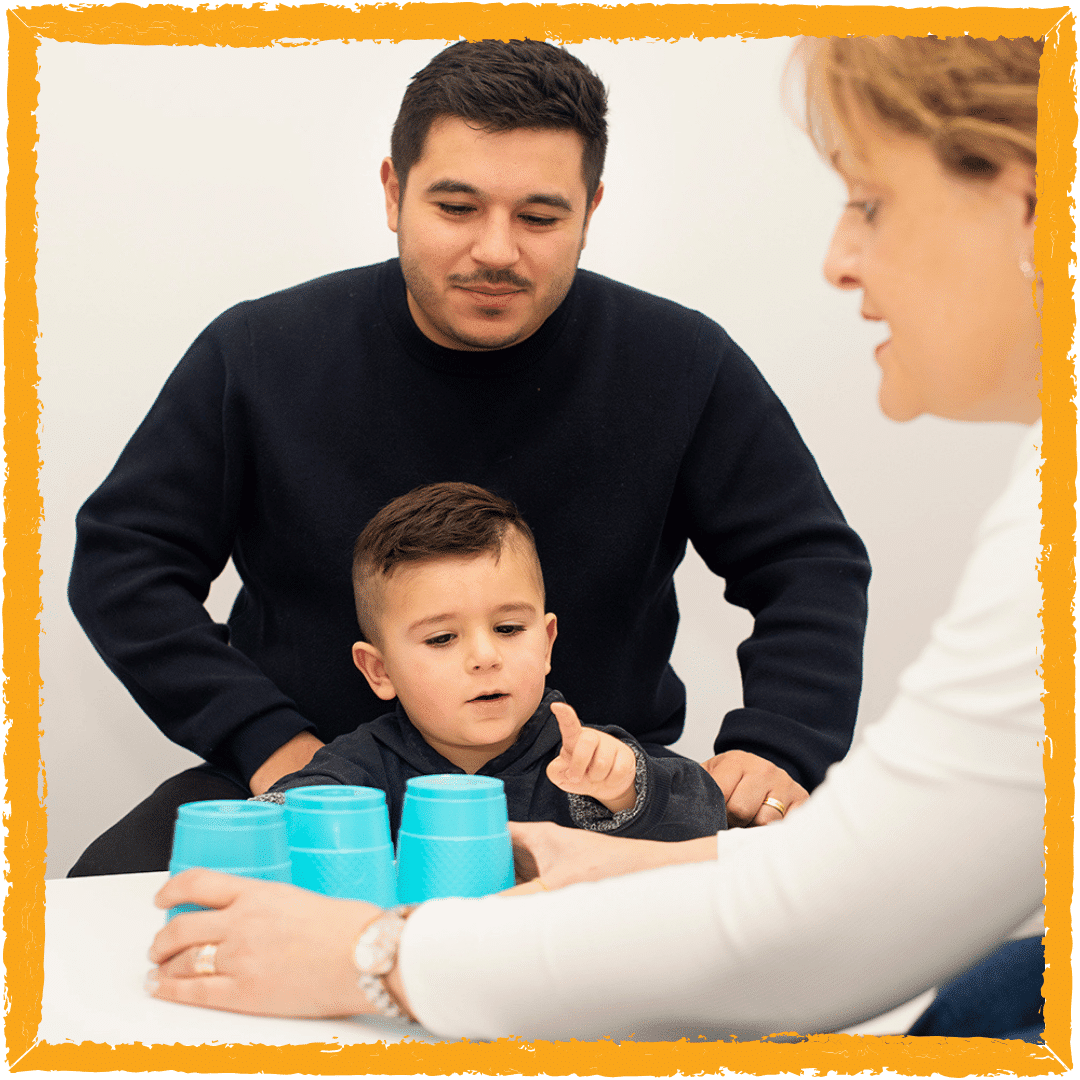
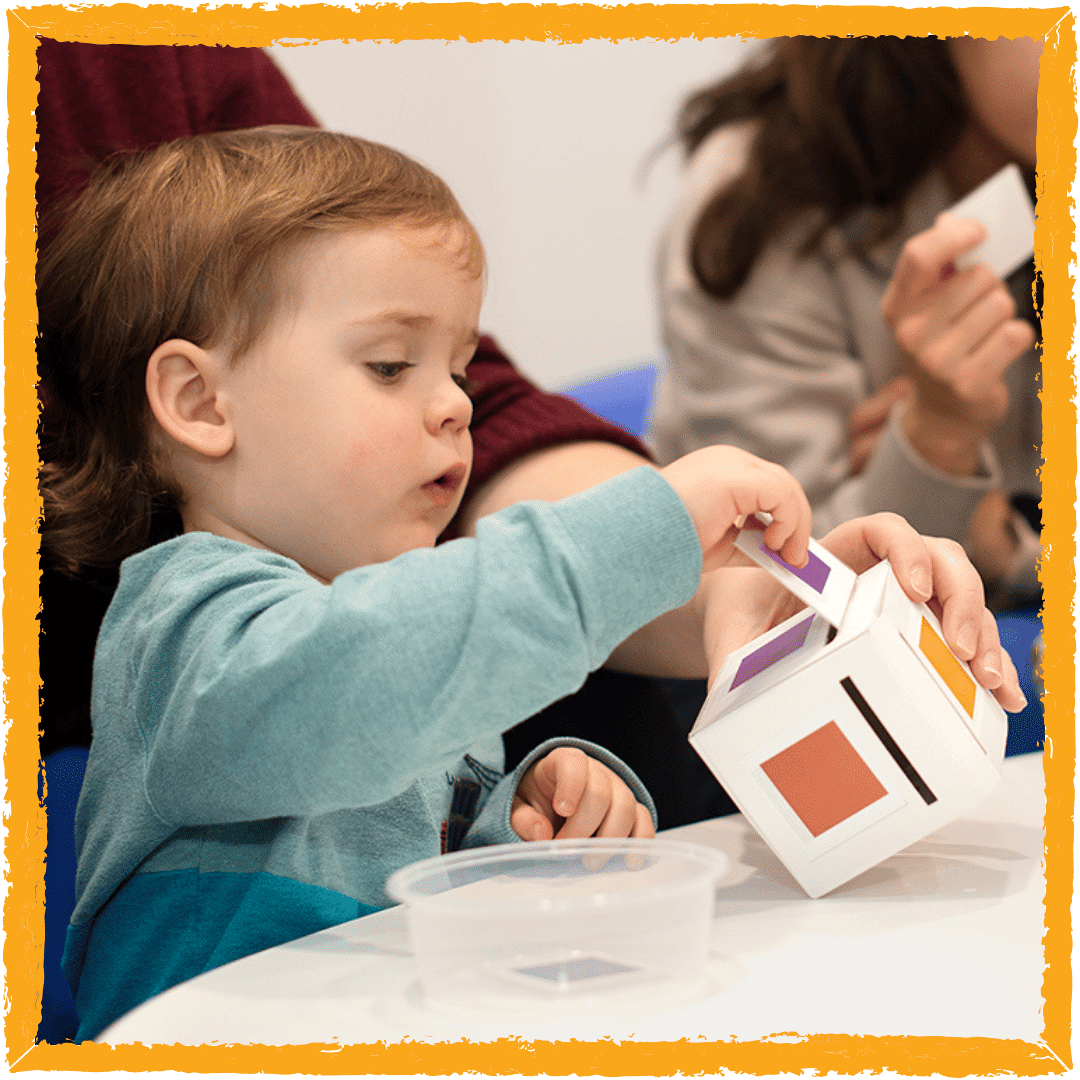
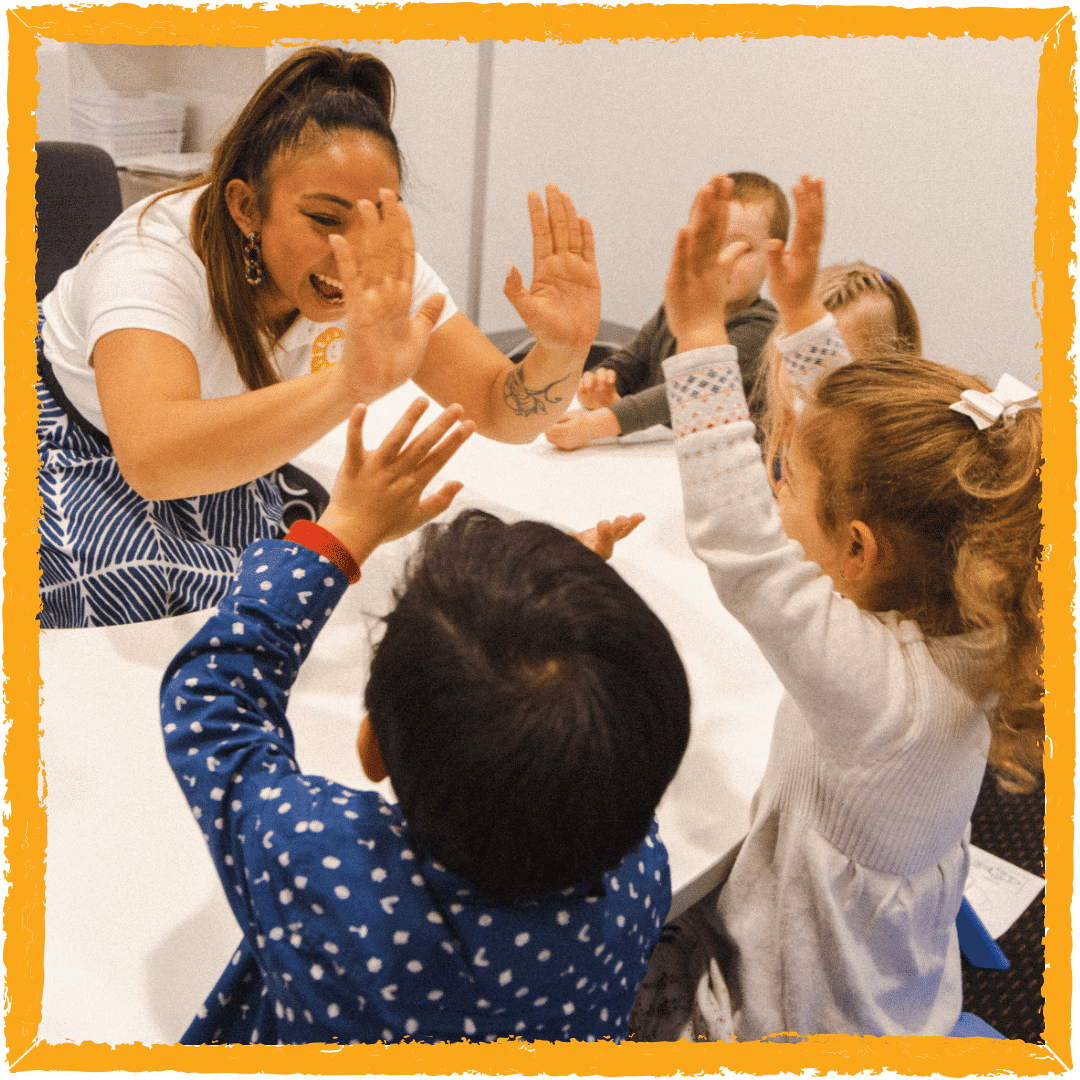
Photo from Shichida Australia: Parents and kids playing a fun category sorting and matching game during a Shichida class.
While gross motor skills are built through active play, the thinking skills that guide movement develop alongside them.
Shichida classes support the memory, focus, coordination, and problem-solving skills that help children plan actions, follow sequences, and move with confidence.
Discover how Shichida complements your child’s physical play. Book a trial class today.
FAQ: Gross Motor Skills Activities for Preschoolers
Gross motor skills are the big movements your child uses to run, jump, climb, balance and move confidently. They rely on strong coordination, core strength and body awareness.
Shichida does not teach gross motor skills directly. Gross motor development comes from active play. Shichida complements this by strengthening memory, focus, sequencing, and problem-solving skills that support coordination, confidence, and learning across daily activities.
Simple favourites include tape-line balance walks, balloon volleyball, cushion obstacle courses and animal walks. These build balance, strength and coordination even in small spaces.
Most guidance suggests at least three hours of mixed activity spread throughout the day. This includes light play, energetic movement and more structured gross motor skills activities for preschoolers.
Try stepping stones, tape-line walks, one-leg stands, easy yoga poses and slow, careful climbing. Balance improves with practice and repetition.
Many preschoolers learn skills at different speeds. Some are naturally cautious while others take physical risks earlier. Mild variations are very normal. If you notice your child avoids movement completely or struggles more than expected, a gentle conversation with a trusted professional may help.
You don’t need expensive toys. Tape, cushions, soft balls, stepping stones, tunnels, hula hoops, beanbags and ride-on toys all support preschool gross motor activities.
Throwing and catching games, scooter riding, climbing frames, kicking targets and nature walks all build coordination and rhythm.
Look for steady progress rather than perfect skills. If your child is becoming more confident climbing, running, jumping and balancing, they are usually on track. Milestones are broad ranges, not strict deadlines.
Start with gentle, playful invitations. Try slow animal walks, balloon games, scavenger hunts or joining them in movement yourself. Keep it low pressure so your child feels safe to explore.