Early Stimulation: Optimise Your Baby’s Development
Key Takeaways
-
Early stimulation in the first 1,000 days is critical for healthy brain development, as this is when most neural connections form. Simple daily interactions – talking, touching, singing, and responding to your baby – strengthen cognitive, sensory, motor and emotional skills.
-
Sensory, motor, cognitive and social-emotional experiences work together to shape early child development. Gentle sensory play, tummy time, movement, eye contact, and responsive conversation all help build memory, focus, coordination, communication and emotional security.
-
Consistent, responsive parenting – following your baby’s cues, pausing when overstimulated, and re-engaging when ready – supports attachment, reduces stress, and promotes strong social-emotional development. Loving interaction matters more than toys or structured lessons.
-
Early stimulation activities should be simple, age-appropriate and part of everyday routines. Talking during nappy changes, naming objects, playing peekaboo, offering safe items to explore, and encouraging movement all boost early learning without overwhelming your baby.
-
Parents should trust their instincts and seek early advice if developmental concerns arise. Monitoring broad milestones (such as smiling, rolling, sitting and first words) helps identify when extra support may be beneficial – early intervention has proven long-term benefits for cognitive, motor and emotional development.
Every smile, cuddle, song, and gentle chat shared with your baby is doing something remarkable – it is shaping their brain! This is what’s known as early stimulation.
From birth, a baby’s brain is growing at an incredible pace, forming millions of new connections every second. The way a parent responds, talks, touches, and plays with their child helps these connections form and strengthen, laying the foundation for learning, language, and emotional well-being.
With love, attentiveness, and simple play, you are already providing a powerful start.
This guide explores what early stimulation means, the science behind it, practical ideas for each stage, common myths, and how to stay emotionally balanced while nurturing your little one.
Boost your baby’s early visual development with our free high-contrast flashcards – designed to strengthen focus, attention, and brain growth from day one.
What Is Early Stimulation?
Early stimulation refers to gentle, purposeful activities that engage a baby’s senses, movement, and emotions to promote healthy early child development. It includes everything from sensory stimulation for babies (like light, sound, and touch) to emotional and social experiences such as cuddles, smiles, and responsive conversation.
The first 1,000 days of life, from pregnancy through the second birthday, are especially important. During this time, the brain builds most of its neural connections, shaping how a child learns, moves, and communicates.
Early stimulation is about providing opportunities that match your baby’s natural pace.
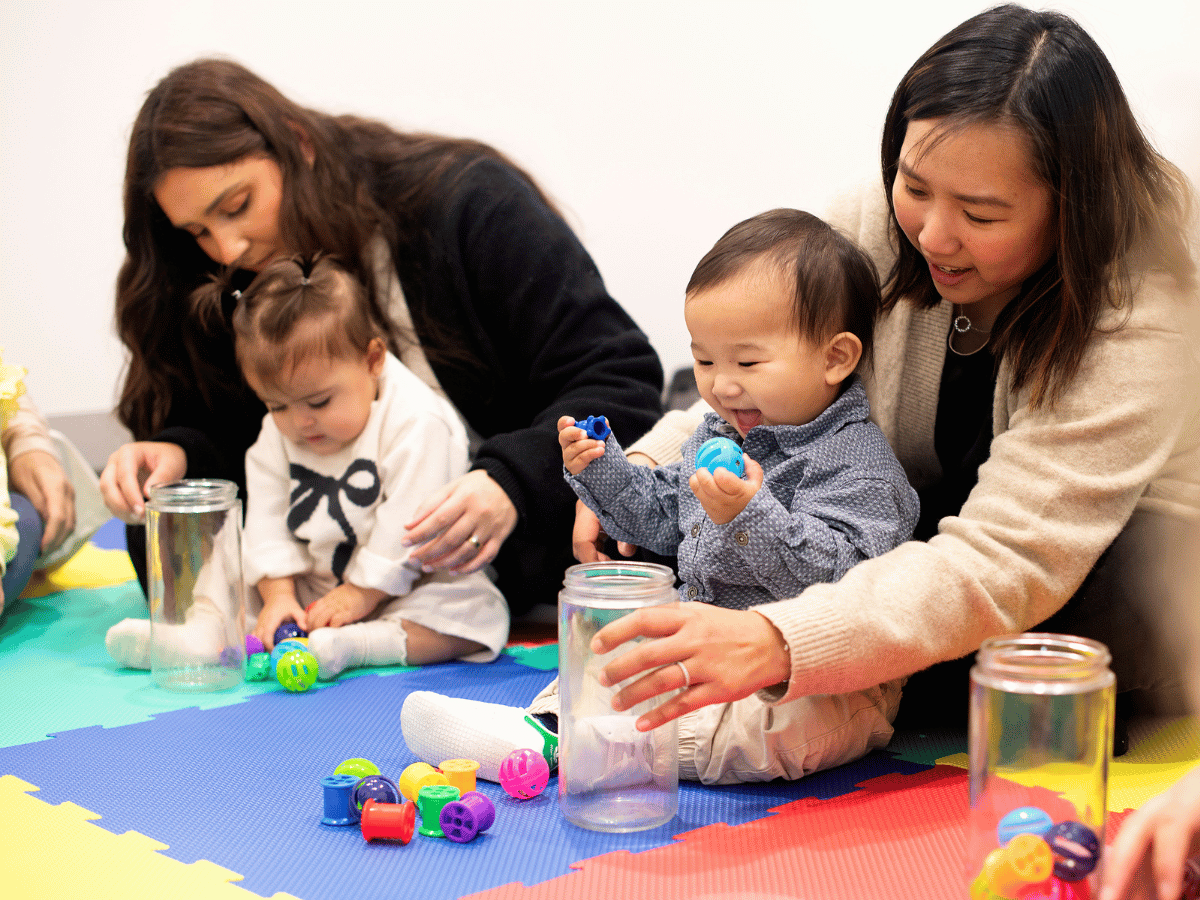
The Core Components: Sensory, Motor, Cognitive, Social-Emotional
- Sensory: Exposing babies to safe sights, sounds, textures, and smells helps them process and respond to the world.
- Motor: Movements like reaching, rolling, and grasping strengthen coordination and muscle tone.
- Cognitive: Play and curiosity build memory, focus, and problem-solving abilities.
- Social-Emotional: Loving, consistent interactions build trust, empathy, and communication.
Why the First 1,000 Days Are Critical
A baby’s brain is at its most adaptable, in the early years. Every new experience forms neural connections, known as synapses, which become the foundation for later learning. Positive, loving, and stimulating interactions strengthen these connections, building a solid base for lifelong development.
This crucial development period overlaps with the Golden Period of Development as well – you can read more about it here.
The Evidence: Why Early Stimulation Makes a Difference
Research consistently shows that early experiences shape long-term growth and wellbeing. What matters most is consistent love and connection, not perfection.
Simple baby stimulation activities such as talking, cuddling, and playful interactions strengthen attention, coordination, and emotional security. According to Raising Children Network, these moments support cognitive development in the early years and prepare children for future learning and relationships.
Cognitive & Academic Benefits
A landmark 31-year study from the University of Chicago found that babies who received regular, responsive stimulation had higher IQs and stronger academic outcomes as adults. Known as the Jamaica Study, it demonstrated that playful conversation and emotional warmth in early childhood create lifelong advantages.
Motor & Physical Development
Studies on motor development in infants show that early movement and sensory play strengthen both the body and the brain. Encouraging a baby to reach, grasp, and explore improves coordination, balance, and physical confidence, forming the basis for later skills such as walking, climbing, and writing.
Social-Emotional & Attachment Outcomes
Responding to a baby’s cues, with a smile, gentle voice, or comforting touch, builds trust and emotional security. This responsive parenting helps regulate stress, improves mood stability, and encourages stronger emotional bonds.
When Stimulation Matters Most – For Vulnerable Babies
For babies born prematurely or with low birth weight, early stimulation can be particularly beneficial. Gentle infant stimulation activities like skin-to-skin contact, soft singing, or baby massage support better sleep, feeding, and brain development. These nurturing moments also strengthen the parent-child bond, even in hospital settings.
Practical Activities for Early Stimulation at Home
Early stimulation is most powerful when it’s simple, loving, and part of daily life. No expensive toys or structured lessons are required, the best early learning activities often happen during ordinary routines.
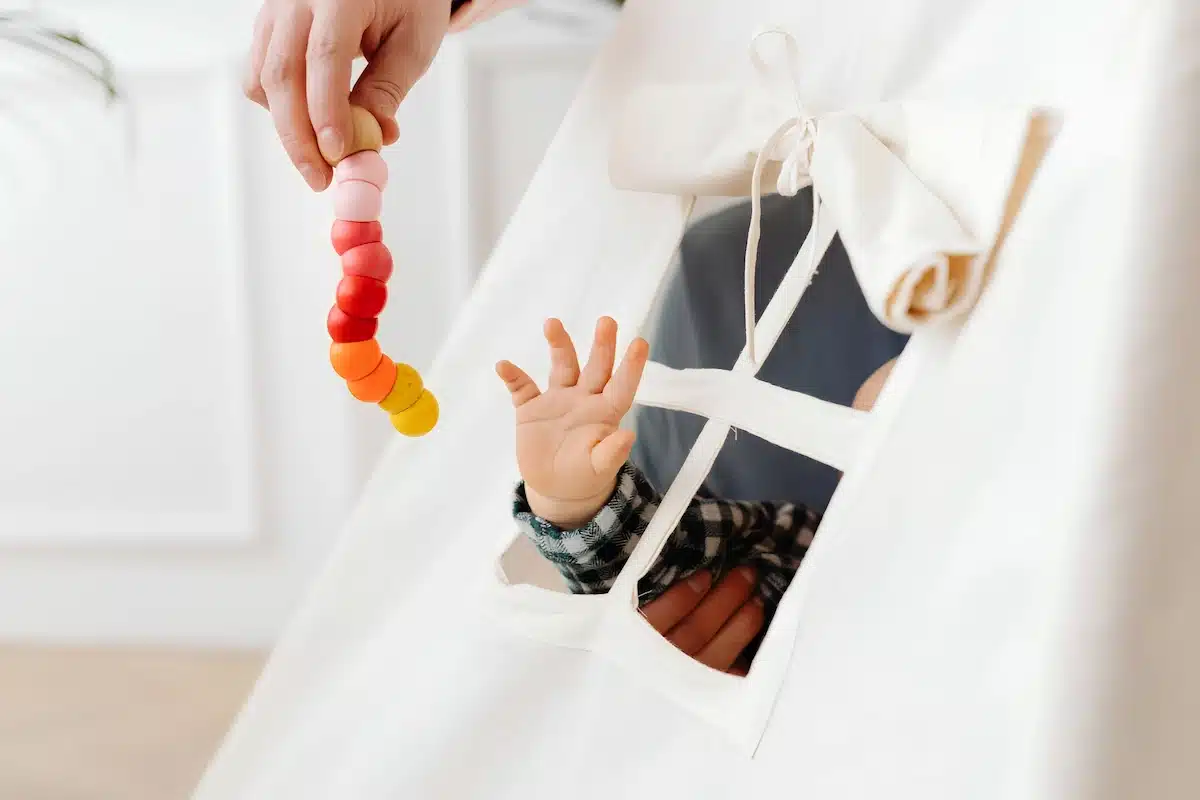
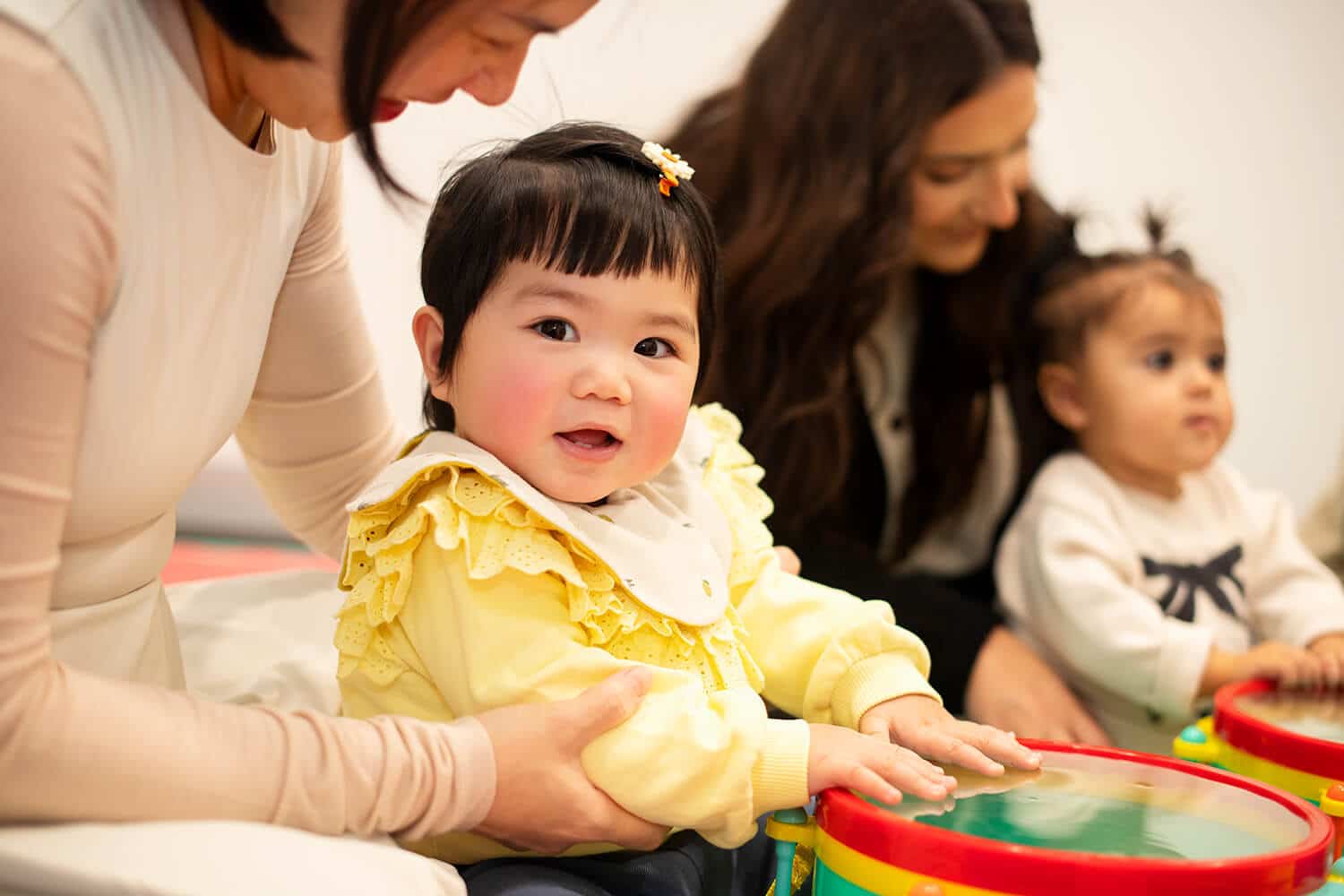
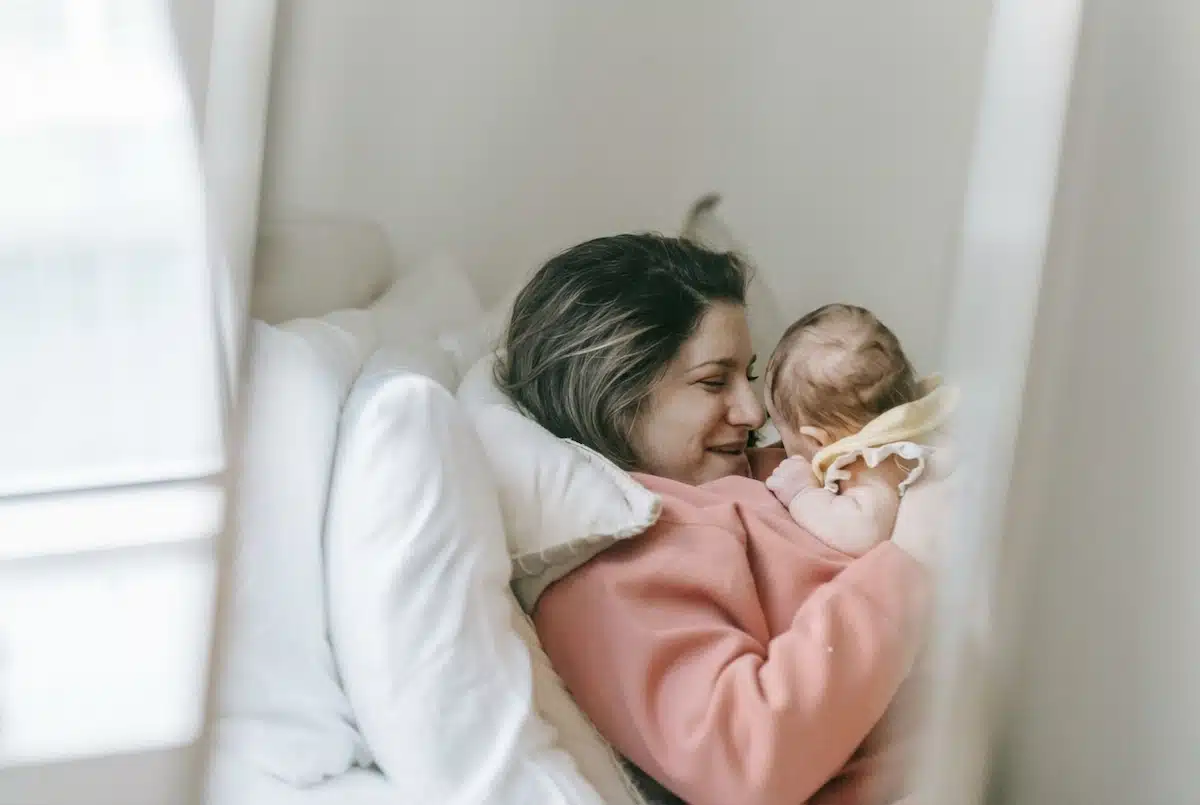
Photo from Pexels: Playtime is powerful. Everyday early stimulation through songs, movement, and touch strengthens your baby’s senses and motor skills.
Newborns (0-3 Months)
- Gently stroke a baby’s hands, arms, and legs during nappy changes.
- Talk and sing softly, the familiar sound of a parent’s voice soothes and engages.
- Show high-contrast black-and-white patterns to build visual focus.
- Offer short periods of tummy time to strengthen the neck and shoulders.
Infants (3-6 Months)
- Use rattles or small bells for sound recognition.
- Copy facial expressions and cooing to encourage social connection.
- Place toys within reach to support stretching and grasping.
- Move together to music, rhythm helps coordination and sensory awareness.
Older Babies (6-12 Months)
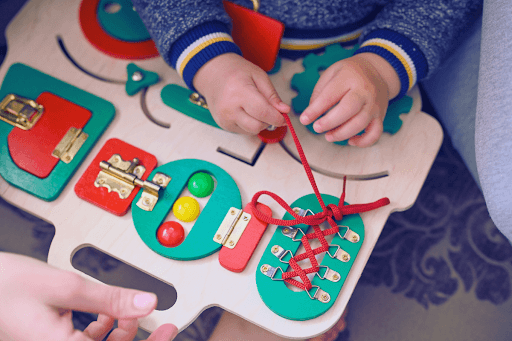
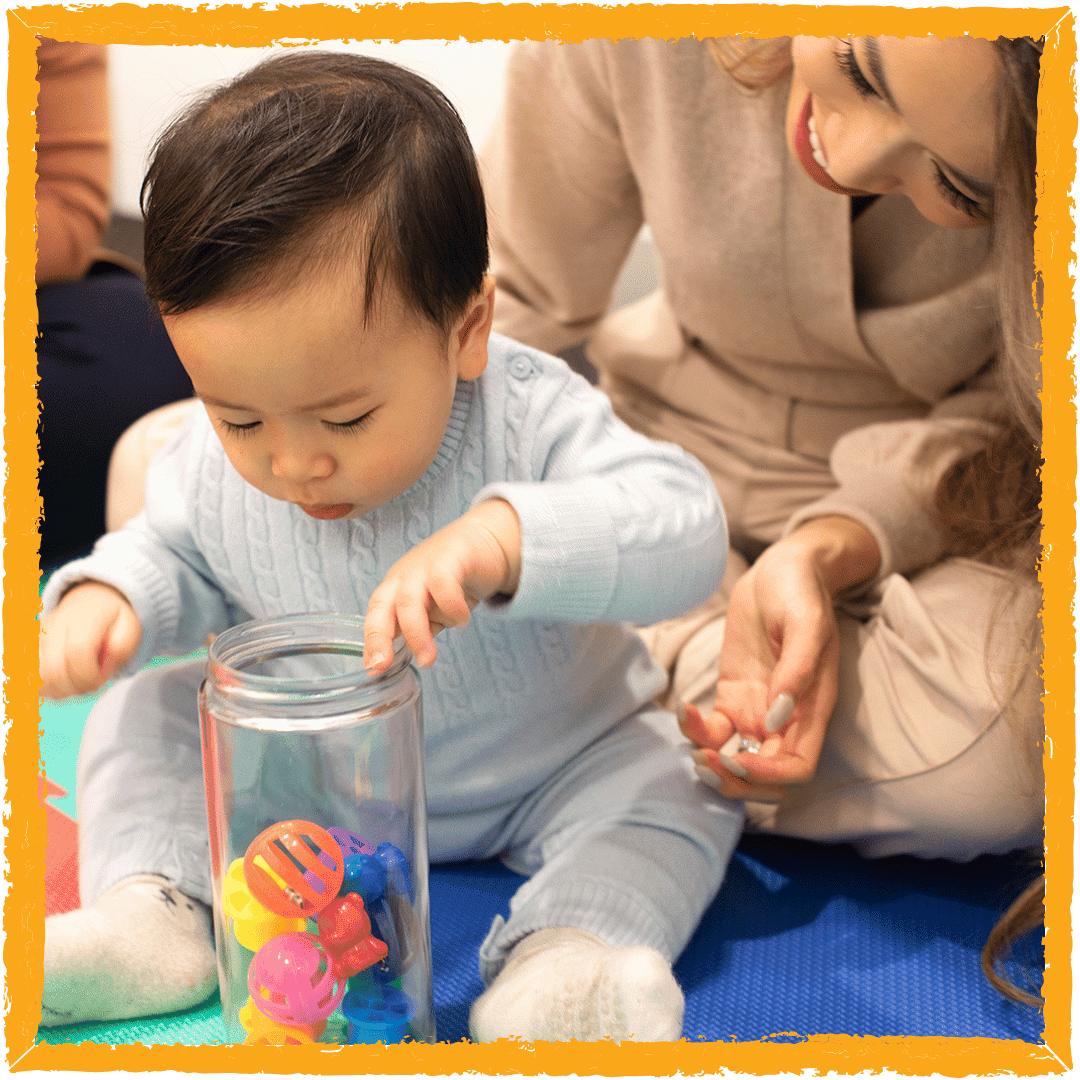
- Offer safe household items for baby sensory play, such as soft fabrics or wooden spoons.
- Play rolling ball or peekaboo games to teach cause and effect.
- Name familiar objects to promote early word learning.
- Encourage crawling, pulling up, and supervised exploration.
Toddlers (12-36 Months)
- Encourage pretend play, such as cooking, shopping, or caring for a doll.
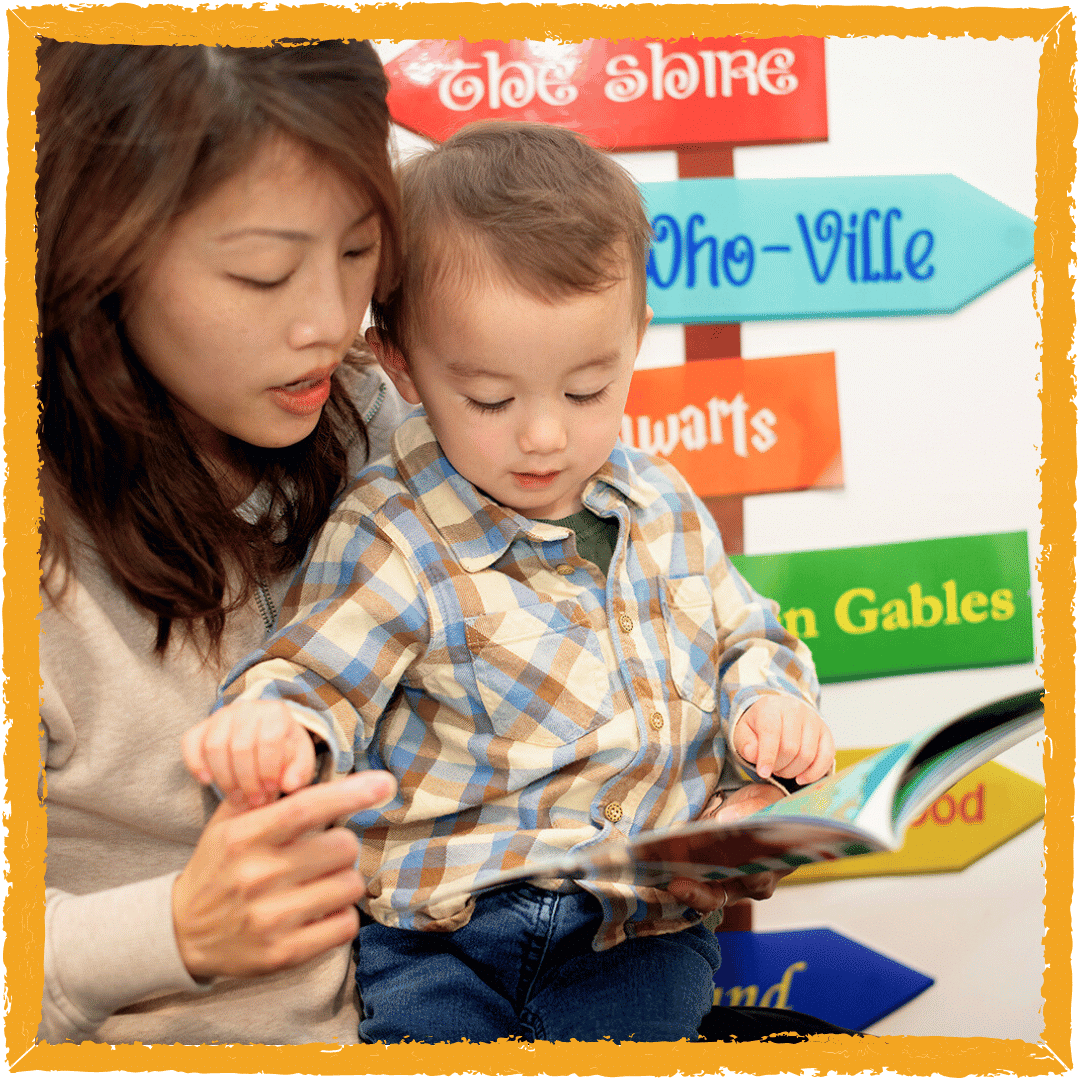
- Read stories daily and talk about the pictures.
- Let toddlers help with simple household tasks to build independence.
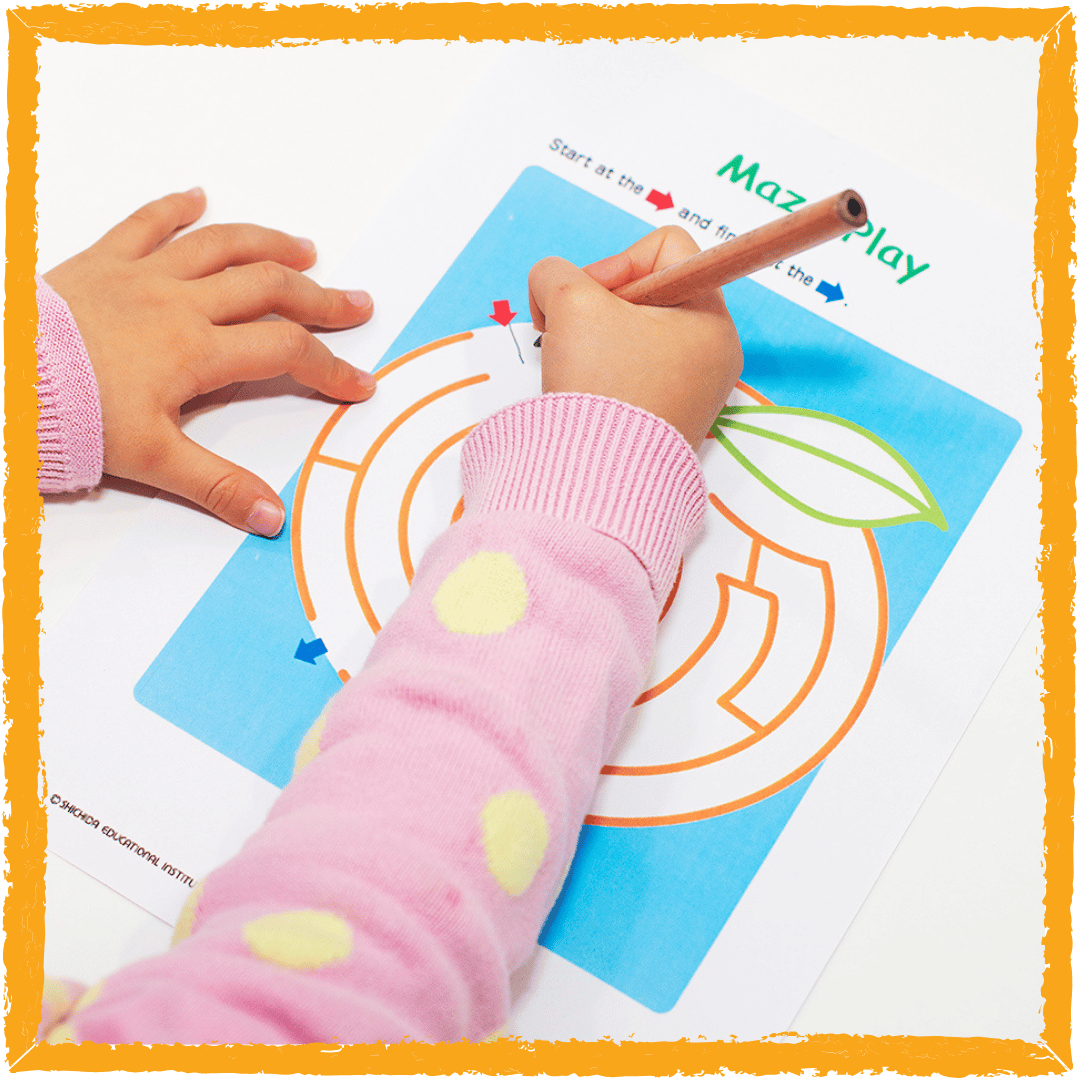
- Offer puzzles, stacking toys, or simple art materials for creativity and problem-solving.
How Parents Can Create a Stimulating Environment
Babies thrive in spaces filled with warmth, safety, and opportunities to explore freely.
Everyday Routine Integration
Turn daily care into learning time. Describe what’s happening (“Let’s wash your hands”) or count as you button a shirt. Sing familiar songs while dressing or feeding, repetition helps rhythm, memory, and language grow naturally.
Safe Play Spaces and Sensory Environments
Create a comfortable play corner with soft mats, natural light, and a few safe toys. Rotate items occasionally to spark curiosity. Introduce textures, colours, and sounds gradually to prevent over-stimulation.
Responsive and Communicative Parenting
Follow a baby’s cues. Pause when they turn away or fuss, then reconnect when they’re alert again. These small adjustments teach communication, emotional awareness, and trust.
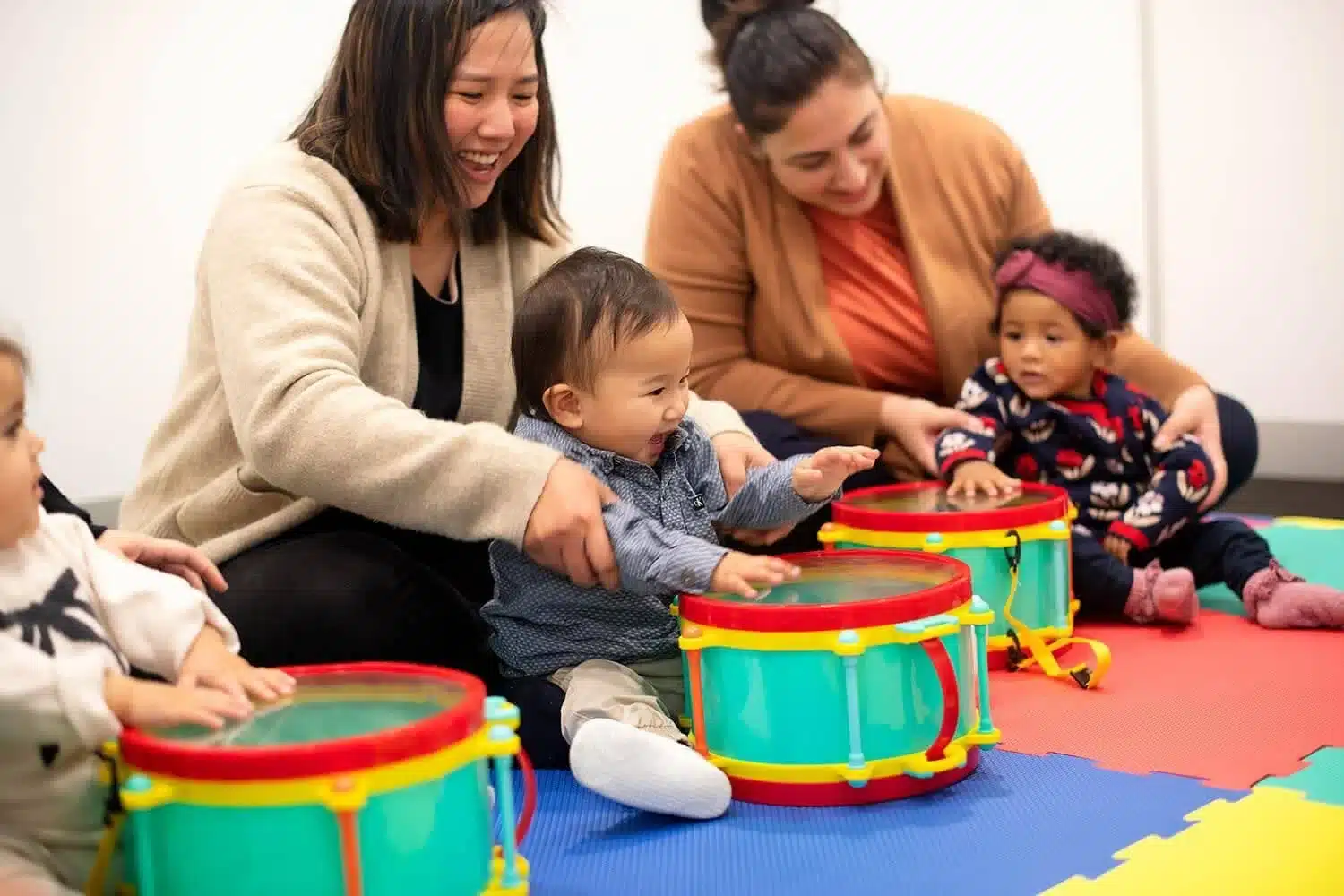
Common Mistakes & Myths about Early Stimulation
Many parents feel under pressure to do everything “right,” but stimulation should feel joyful, not like a race.
Myth: More Toys = Better Development
Development doesn’t depend on toy quantity. What matters most is loving, focused interaction. A baby benefits far more from a parent’s face and voice than from any gadget or flashing light.
Risk of Over-Stimulation or Comparison Stress
Babies can become overwhelmed by too much sound, activity, or attention. Look for signs such as turning away or crying. Each baby develops differently, so avoid comparisons and focus on steady, individual progress.
Monitoring Progress & Knowing When to Seek Help
Watching a baby grow should feel reassuring and exciting. Understanding broad developmental milestones in the early years helps track progress and identify when extra support may be helpful.
Key Milestones to Keep in Mind
- Smiles socially by 2 months
- Rolls over by 4-6 months
- Sits without support by 8 months
- Says first words around 12 months
- Walks independently by 15-18 months
These are guidelines, not deadlines. Every baby develops at their own pace.
Early Intervention: Why Timing Matters
If there are concerns about movement, communication, or responsiveness, talking to a health visitor or GP early can make a difference. Early intervention for infants helps close developmental gaps and supports better long-term outcomes.
Supporting Yourself as a Parent
Supporting a baby’s brain starts with supporting the person who does the nurturing, the parent.
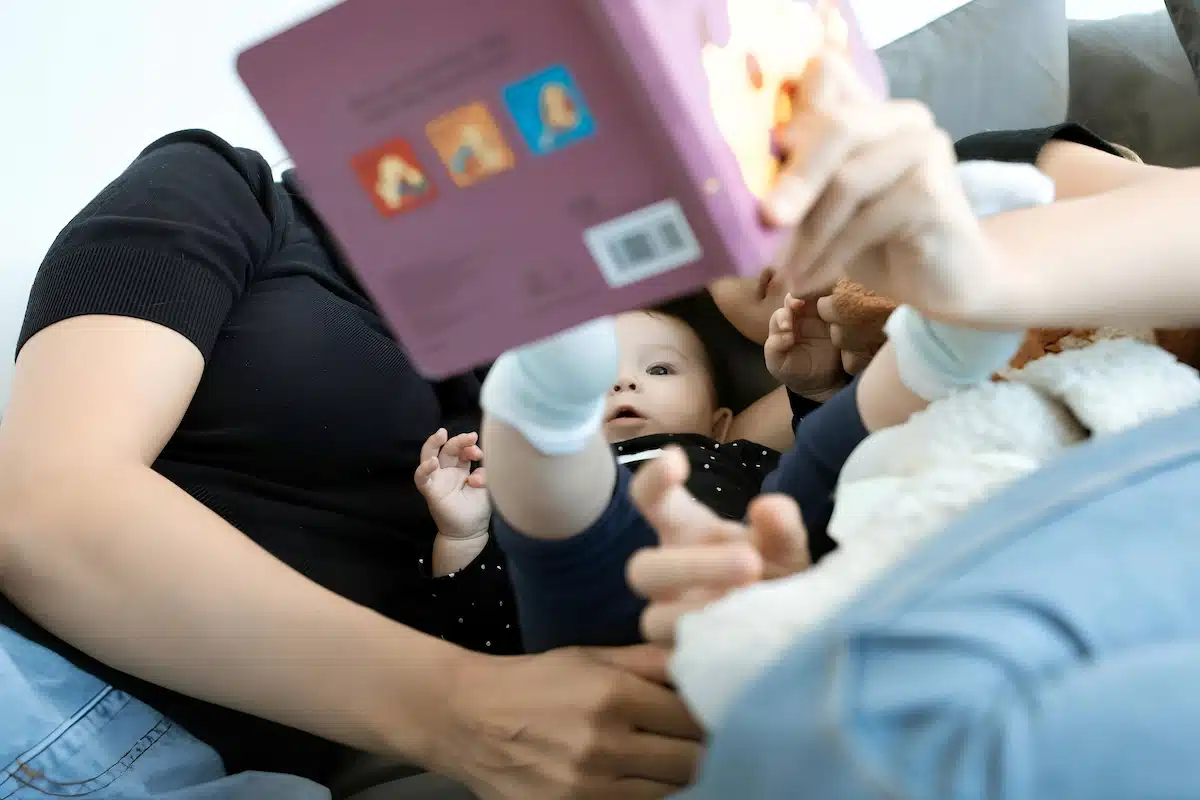
Photo from Pexels: Early stimulation doesn’t require perfection, just presence, warmth, and daily moments that build a confident, curious child.
Self-care & Emotional Wellbeing
A calm, well-rested parent creates a calm baby. Taking breaks, eating well, and allowing time to recharge makes it easier to stay responsive and patient.
Realistic Expectations & Celebrating Small Wins
Not every day will go to plan, and that’s okay. Progress is built from ordinary moments, a shared smile, a new sound, or a curious look. Celebrate those tiny steps and enjoy the journey.
Building a Supportive Network
Connecting with other parents through local groups or online communities can reduce isolation and boost confidence. Sharing experiences helps remind every parent that challenges are shared, and progress takes time.
Join a Baby Class at Shichida
Every baby is born ready to learn, and every loving interaction helps their brain grow stronger.
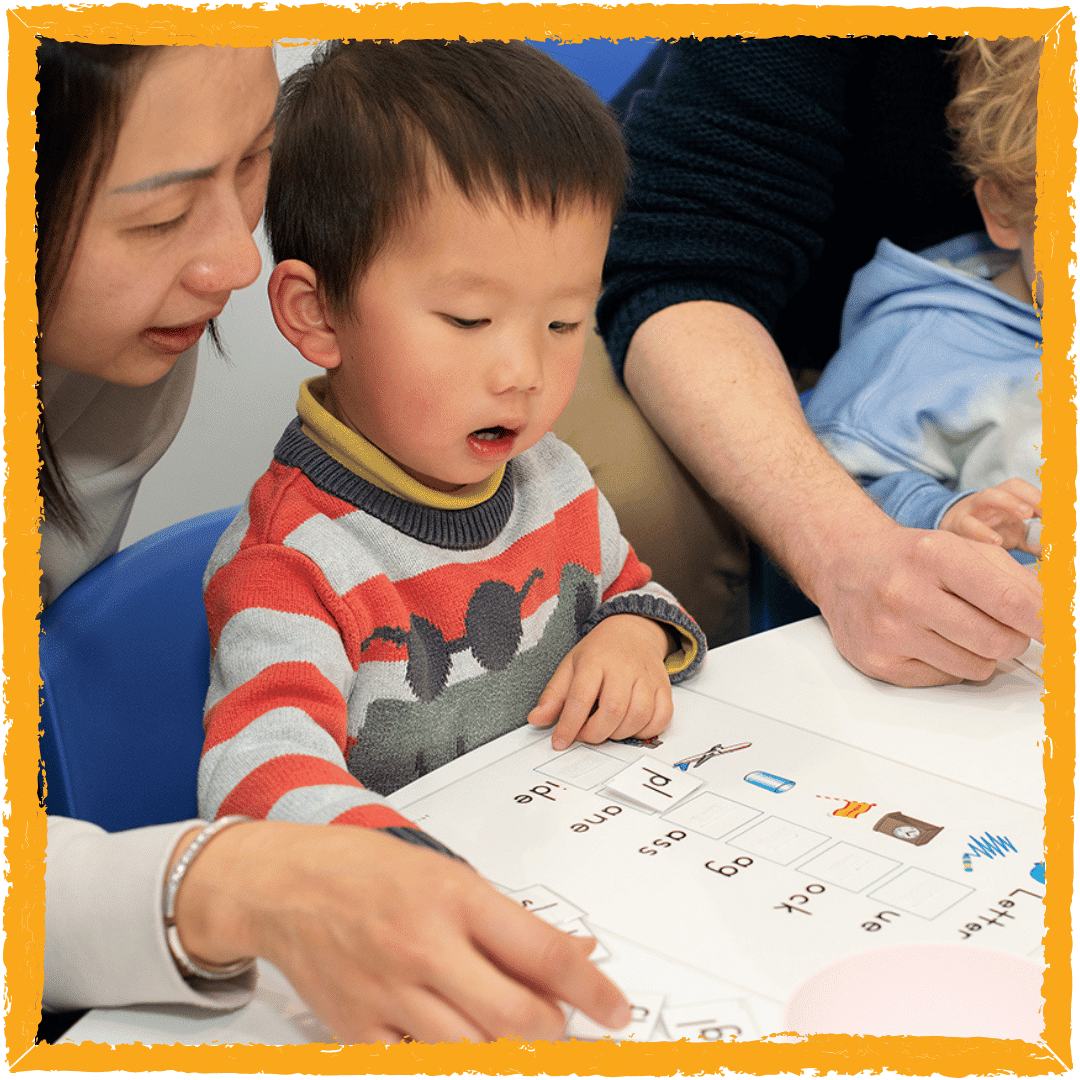
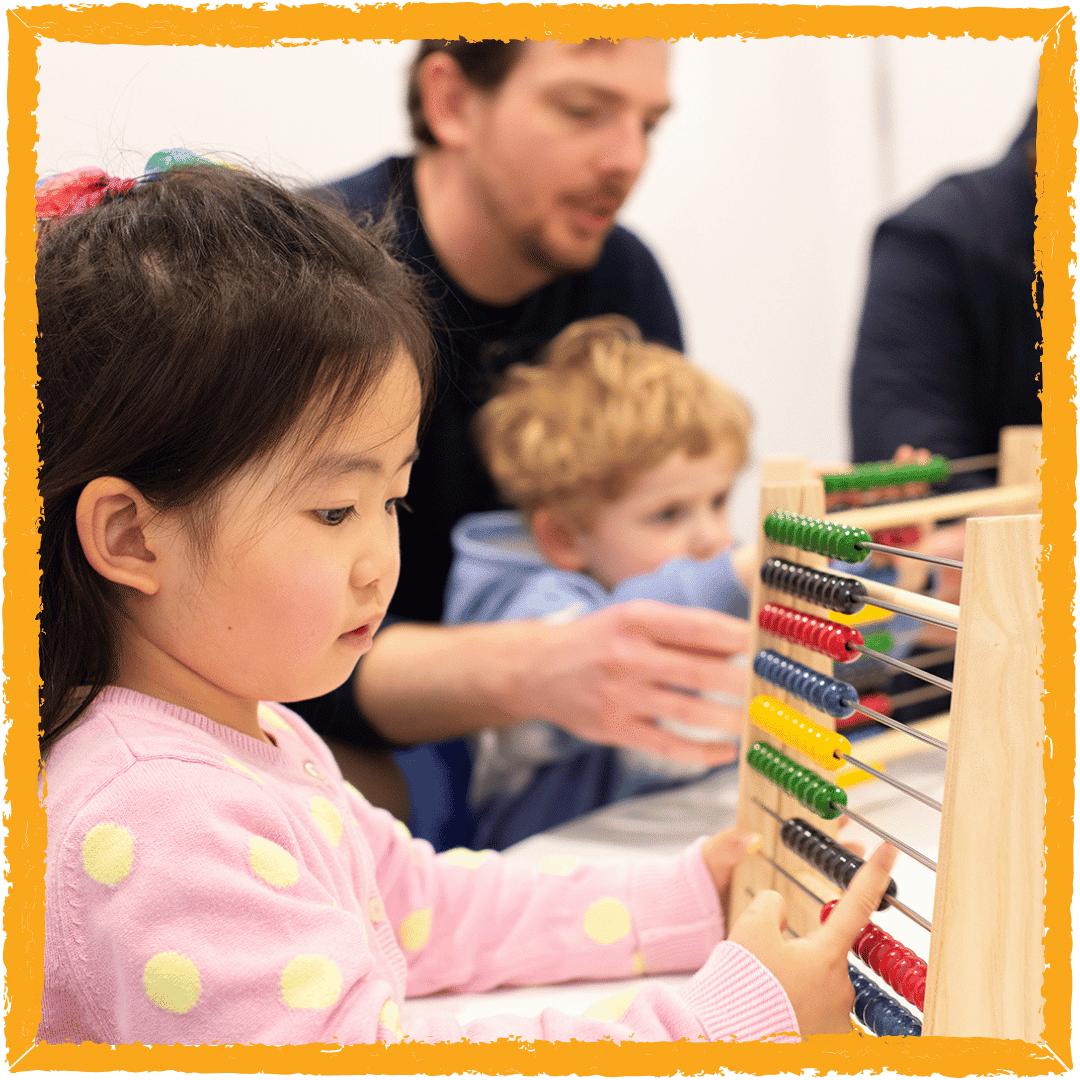
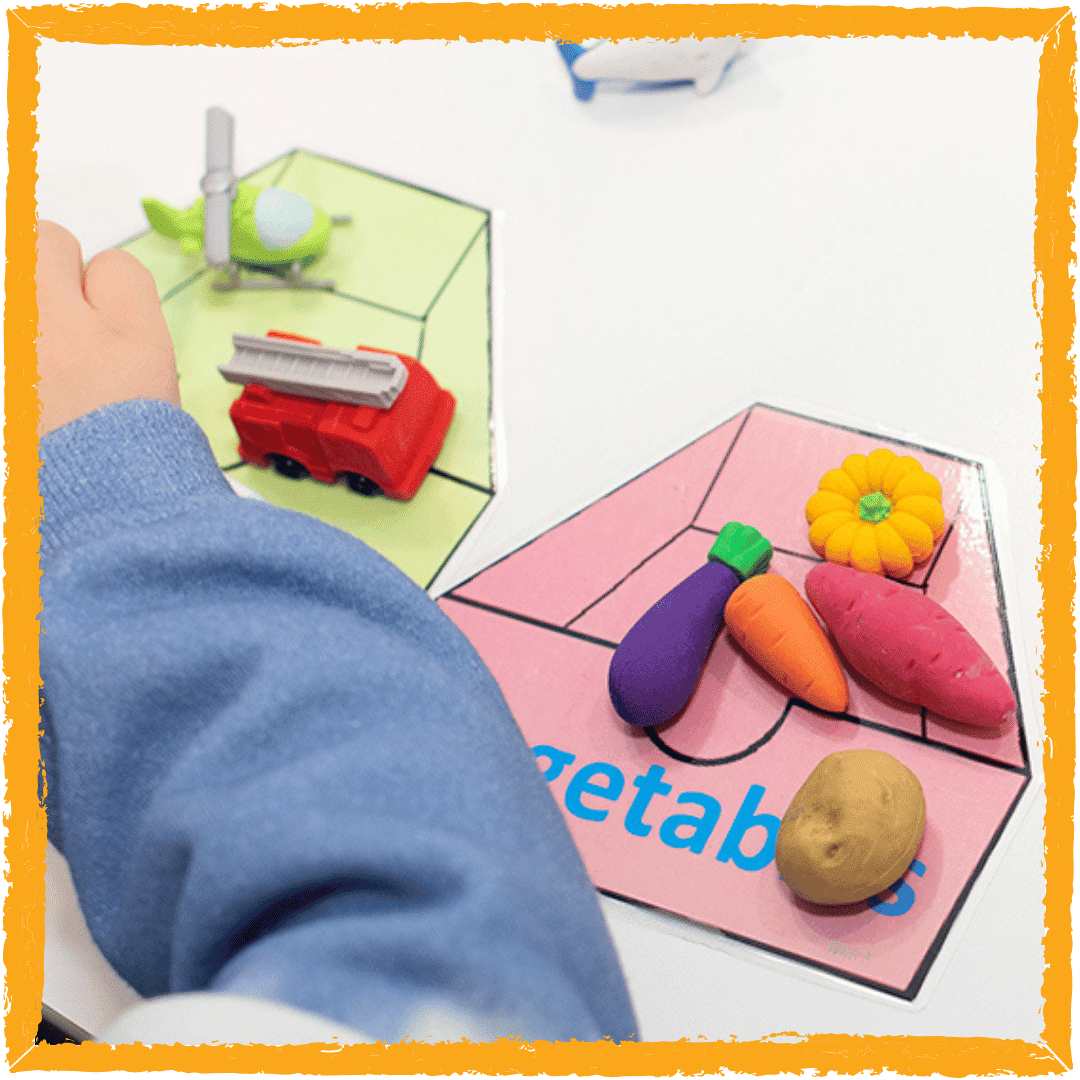
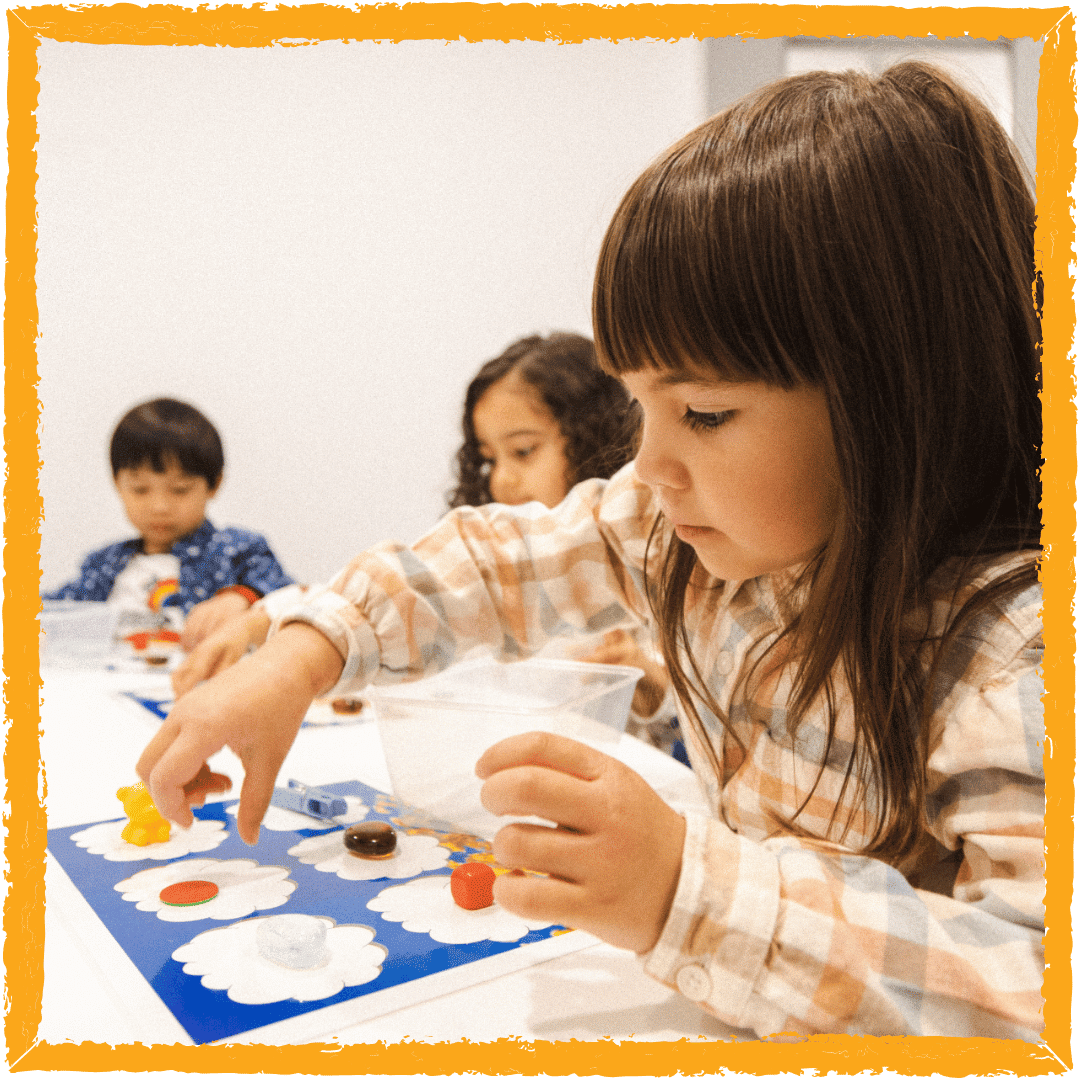
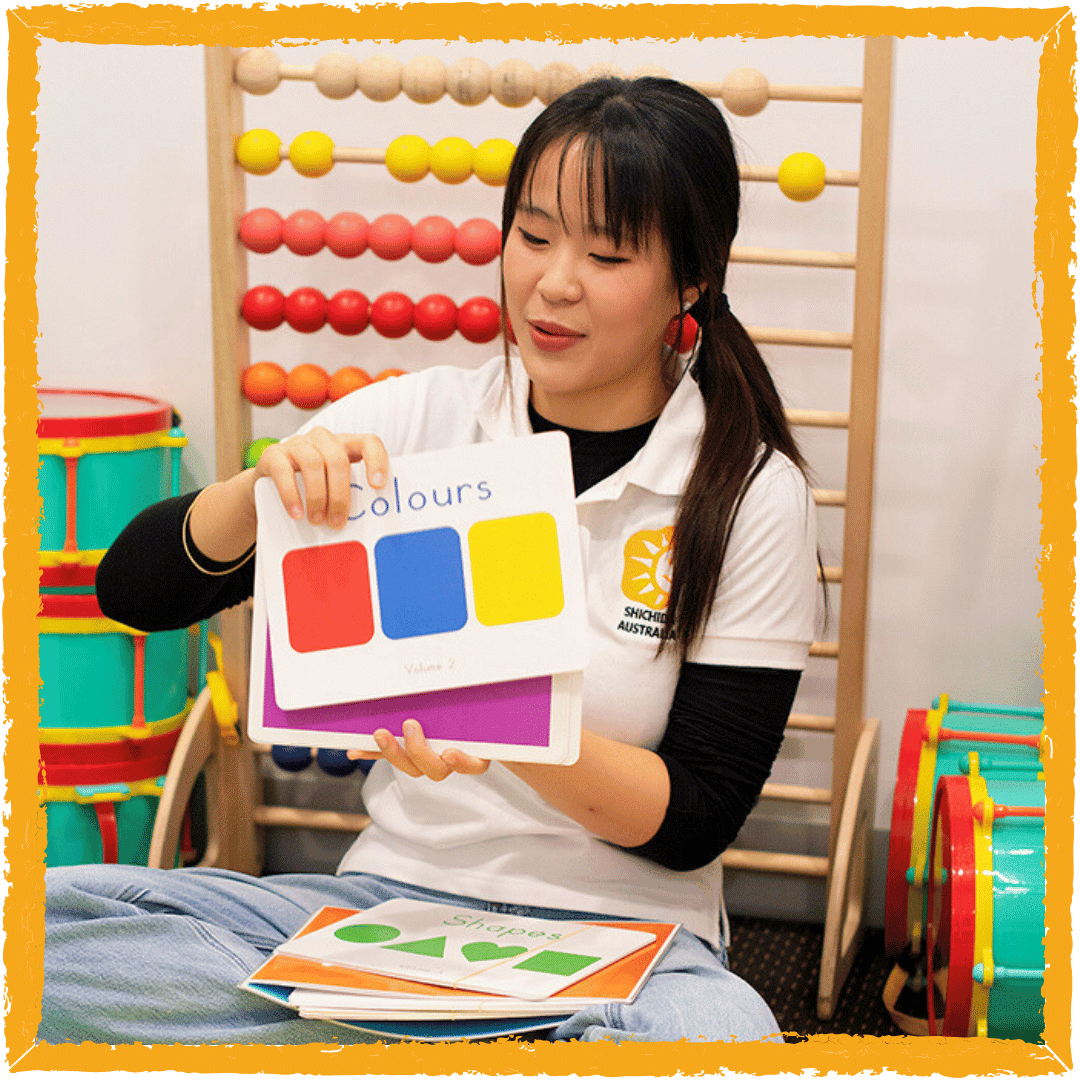
If you’d like to understand how to nurture that growth in meaningful, research-backed ways, the Shichida Method offers a wonderful starting point. Classes start at 6 months old – and is a lot of fun for babies and parents alike!
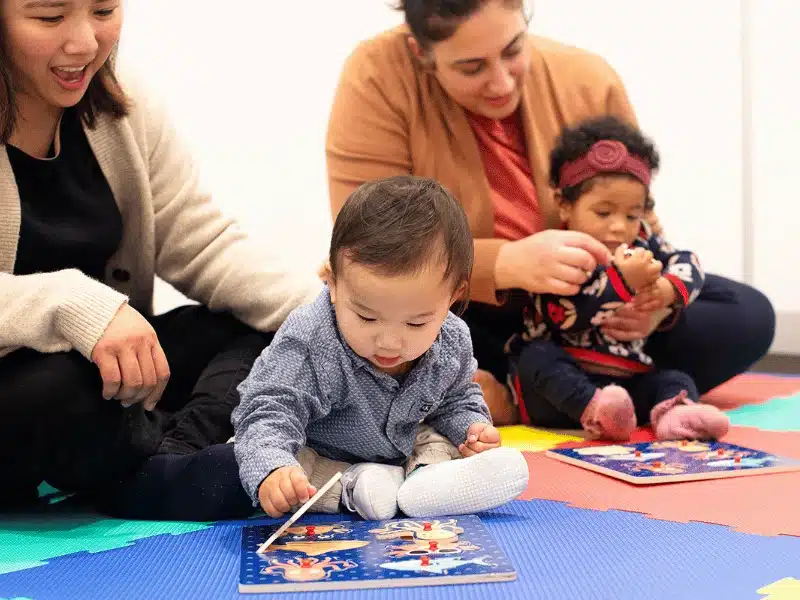
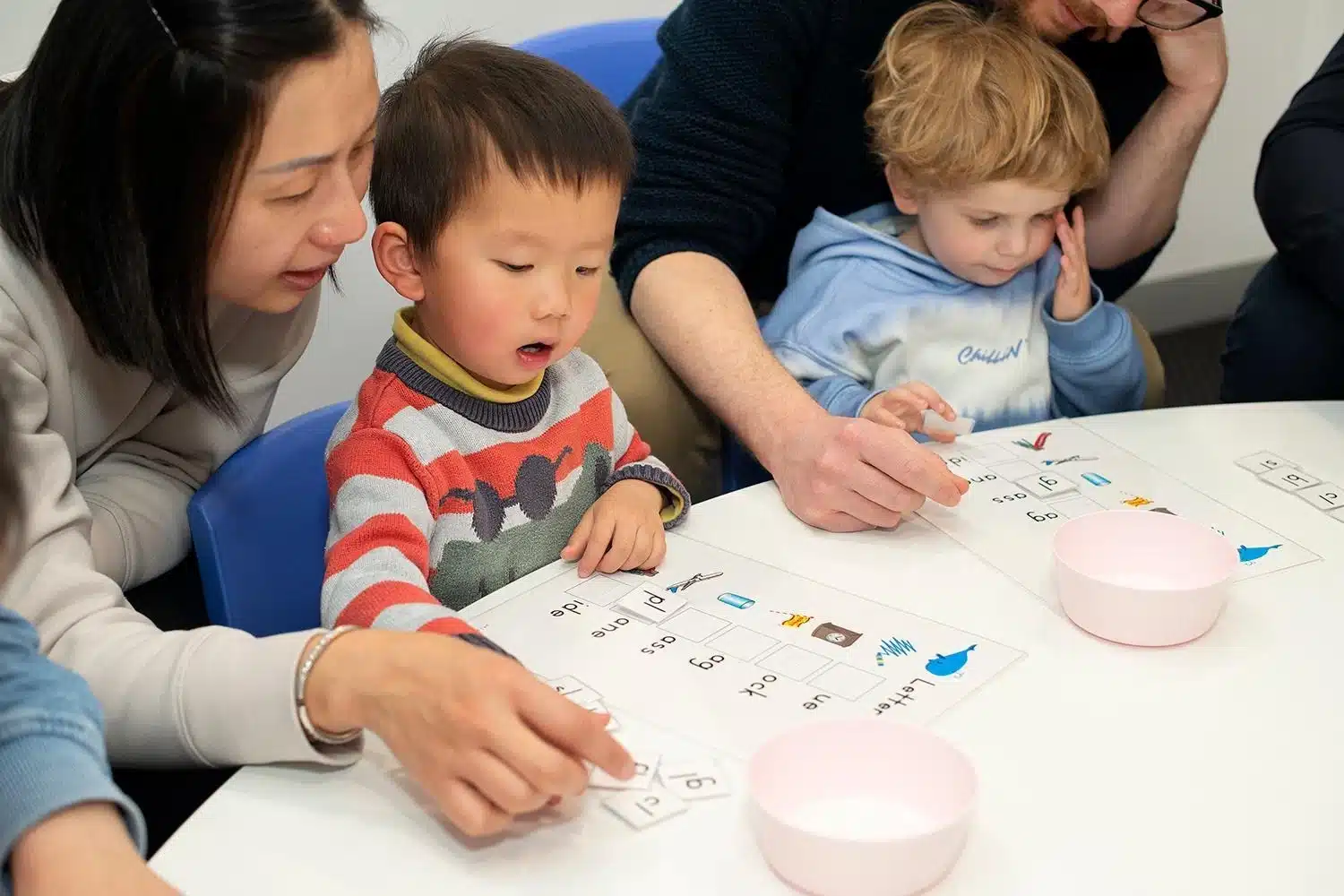
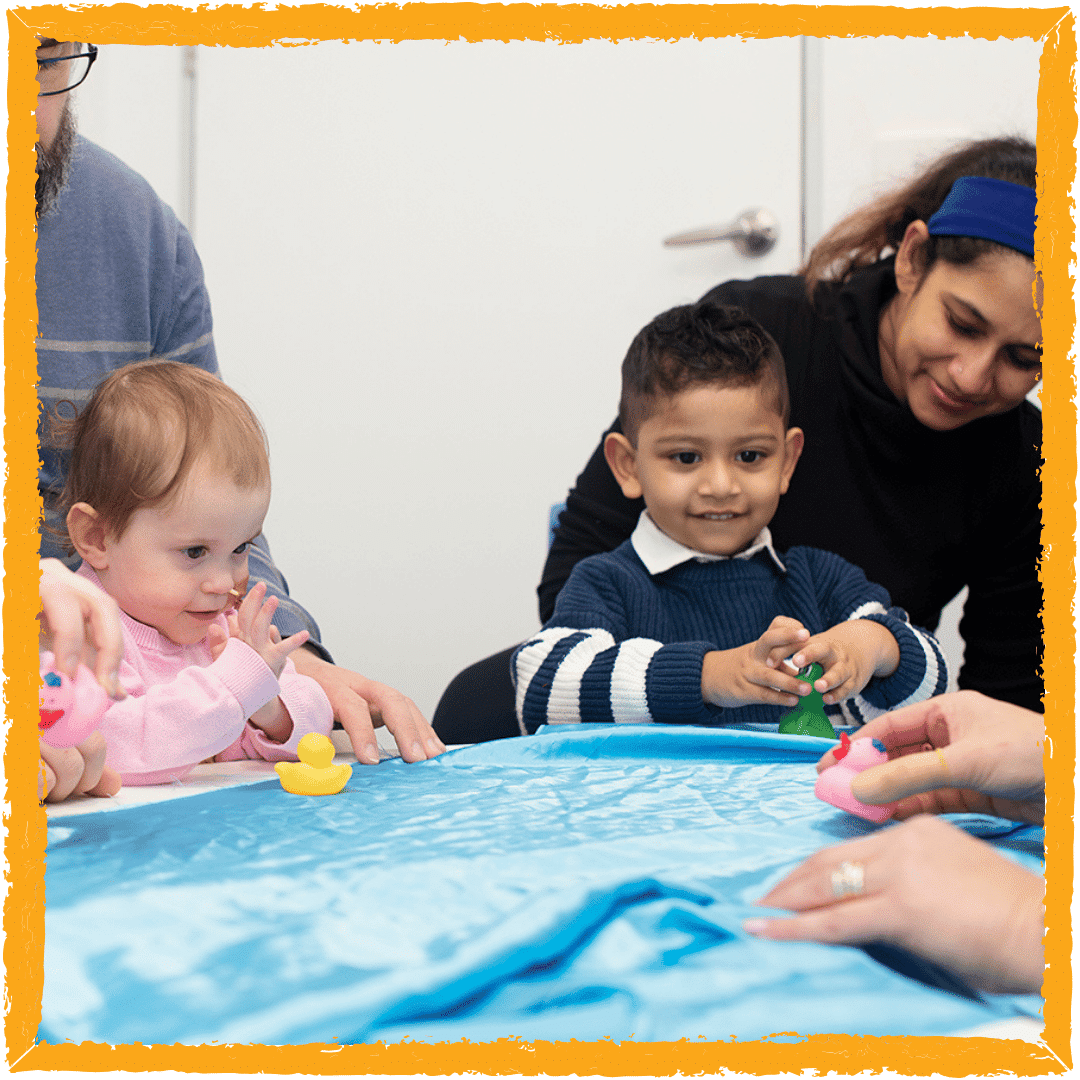
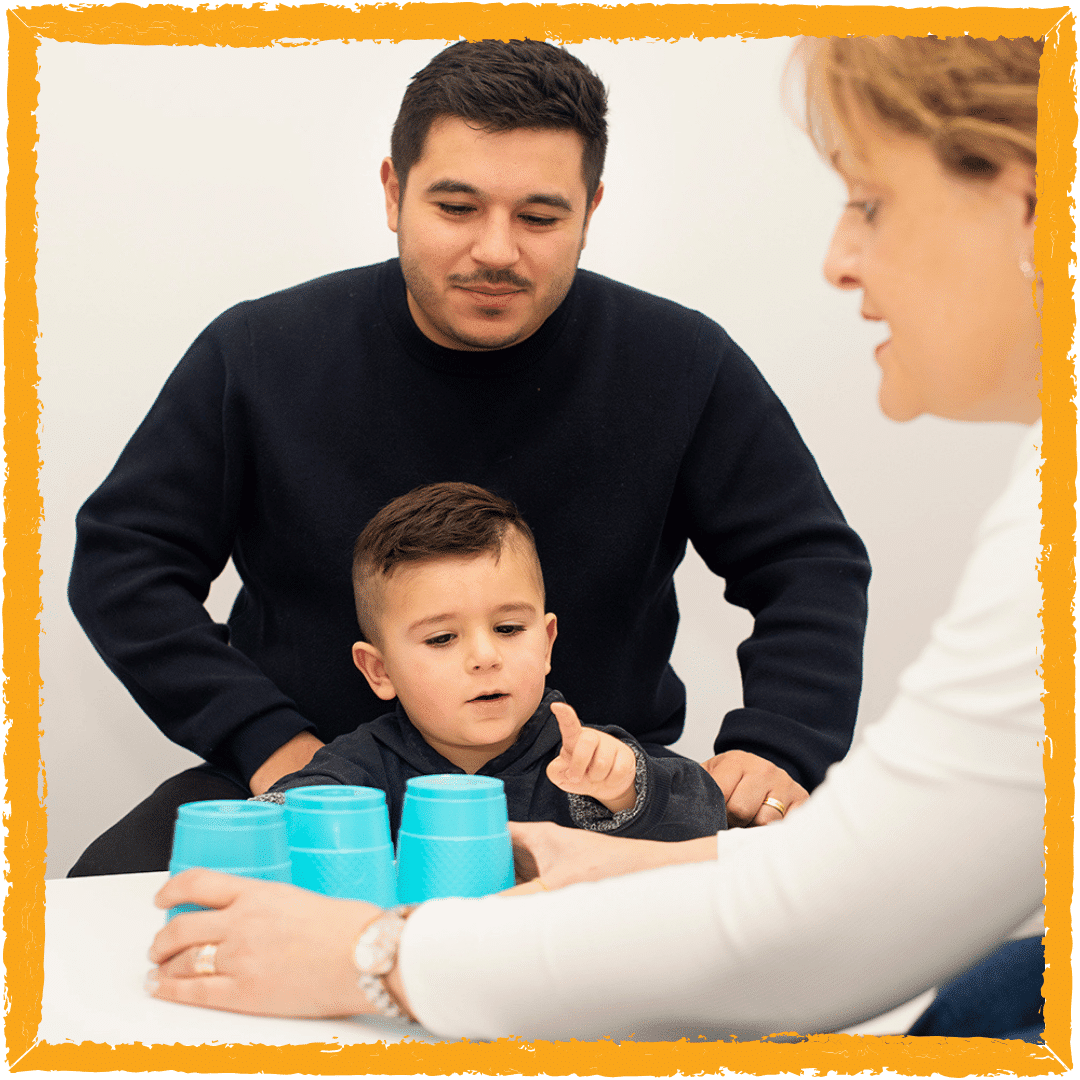
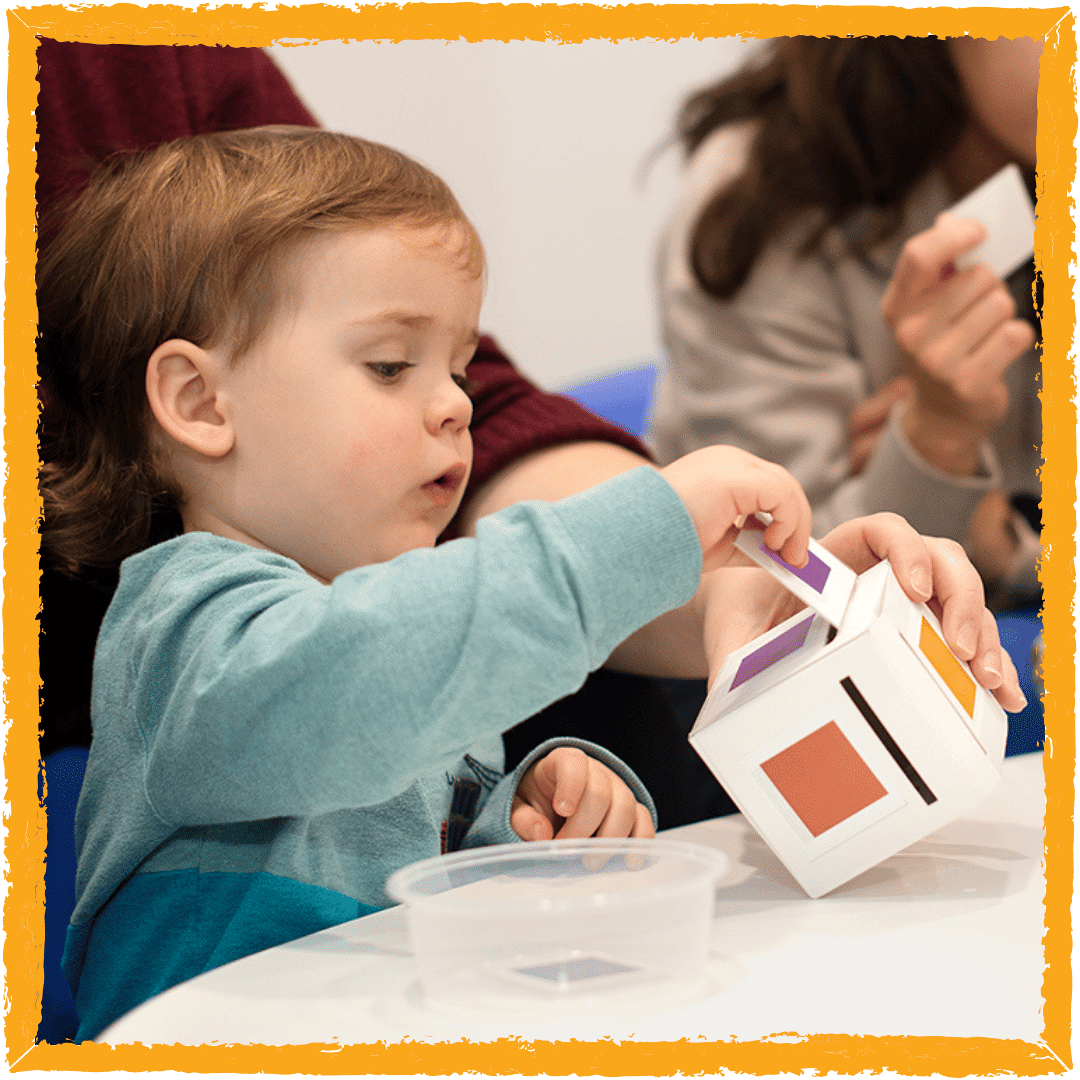
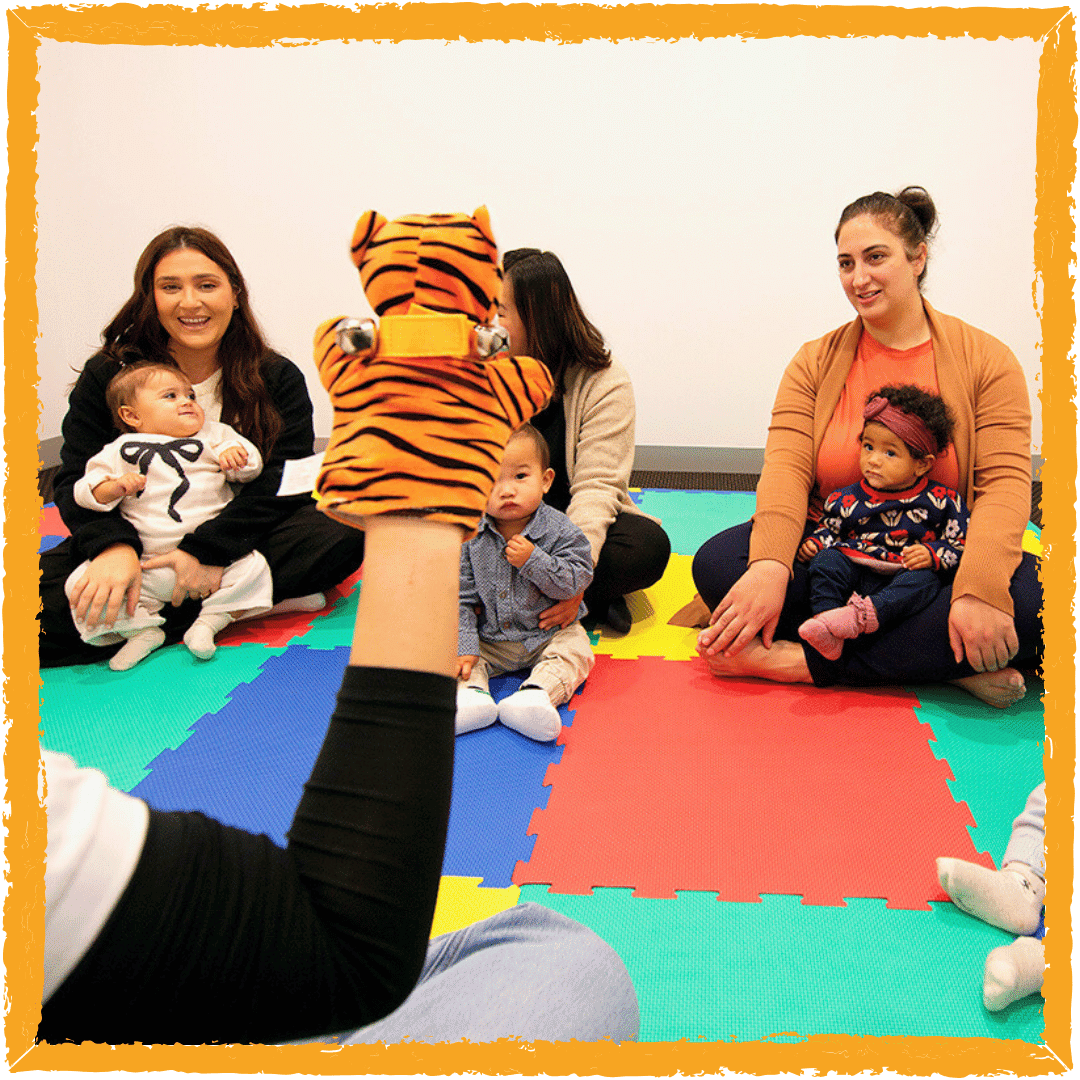
Book a trial class! During a trial class, you’ll see how simple activities like talking, singing, and sensory play can enhance your baby’s memory, focus, and curiosity in a calm, joyful setting. Experience how early stimulation can become part of your daily rhythm while deepening your bond with your child.
FAQs: Early Stimulation for Baby Development
It refers to gentle, purposeful activities that engage a baby’s senses, movement, and emotions to support healthy growth and learning from birth. Everyday interactions like talking, singing, and cuddling count as early stimulation.
Right from birth. Even newborns benefit from a parent’s voice, gentle touch, and eye contact, these simple moments begin shaping brain connections from the very start.
Not necessarily. Babies learn best through loving, simple interactions with their parents. Talking, playing, and responding to your baby’s cues are far more valuable than any toy.
If your baby turns away, fusses, or seems unsettled, it’s time for a short break. Babies need time to rest and process what they’ve learned. Follow your baby’s signals to keep stimulation balanced.
Gentle infant stimulation such as touch, soothing sounds, and eye contact can be especially beneficial. Always seek advice from healthcare professionals or therapists to make sure activities are safe and suitable for your baby’s individual needs.
Yes! Shichida Australia offers amazing classes for babies and toddlers that stimulate cognitive development through gentle and engaging activities, starting from 6 months old.