
Developmental Milestones for Children: What to Expect by Age
Key Points:
- Child development is not linear; every child progresses at their own pace.
- Developmental milestones for children help track growth in physical, social, emotional, cognitive and language domains.
- Early identification of delays improves outcomes through early intervention.
- Play and parent interaction are key drivers of healthy development.
- Tracking tools and regular check-ups help keep development on track.
Being present with your child during the most crucial stages of their development – especially from birth to five years old – lays a strong foundation for all aspects of their growth. But let’s be honest, it’s not always a walk in the park.
The good news? You don’t have to do it alone. This article will guide you through your little one’s early development and offer simple, effective ways to support them through each stage.
What Are Developmental Milestones for Children?
Developmental milestones for children are specific tasks or abilities that most children can do within a certain age range. These milestones help you track how your child is growing across key areas like movement, thinking, communication, and social interaction.
But it’s important to remember – just because one child reaches a milestone doesn’t mean others should be doing the same thing at the same time. Every child develops at their own pace. As a parent, try to see these milestones as a guide, not a rulebook. Your child’s path is unique, and that’s perfectly okay.
The Importance of Developmental Milestones
You probably witness growth milestones every day – like your toddler stacking blocks or trying to sing along with you. But milestones are more than just routine behaviours. They can also act as early indicators.
If a child isn’t meeting certain milestones – or reaches them much later than peers – it might be a sign to provide more support. That’s where your role as a parent or caregiver becomes especially powerful.
And if you’re ever unsure, tools like the CDC’s Milestone Tracker App or a chat with your child’s paediatrician can help you stay informed and take action early if needed.
The Main Domains of Development
Should you decide to have a developmental checklist, you must first understand the four main domains of development, including:
1. Physical (Gross and Fine Motor)
This domain includes physical growth, such as changes in height and weight, and motor skills development.
- Gross motor skills: Using large muscles for actions like crawling, walking, and jumping.
- Fine motor skills: Using smaller muscles for actions like grasping finger foods, turning pages, or drawing with crayons.
2. Cognitive
Cognitive development is all about critical thinking, problem-solving, and exploring. Children begin to:
- Learn how things work
- Understand cause and effect
- Show creativity and imagination
- Make simple plans and test ideas
3. Language and Communication
This refers to how your child expresses themselves. It includes:
- Babbling and gestures in early months
- Saying words and combining them into sentences
- Singing, asking questions, and storytelling
4. Social and Emotional
This is about understanding themselves and others. It includes:
- Recognising feelings
- Making friends and sharing
- Showing empathy
- Managing emotions in group settings
Age-by-Age Developmental Milestone Breakdown
To make development tracking much easier for you, here’s a summary of key milestones by age range:
Birth to 3 Months
From the moment your little one is born, their developmental journey begins. Early milestones include:
- Reflexes like turning their head or grasping your finger in response to touch
- Making eye contact during feeding or quiet moments
- Cooing soft vowel sounds as they discover their voice
- Lifting their head during tummy time, helping to build neck and shoulder strength
- Social smiling in response to familiar faces
4 to 6 Months
During this stage, you might notice:
- Rolling over, which builds core and muscle strength
- Reaching for and grabbing toys – and occasionally your face!
- Making sounds like “ba” and “da” as early babbling begins
- Laughing in response to tickles or games like peek-a-boo
- Recognising and smiling at familiar caregivers
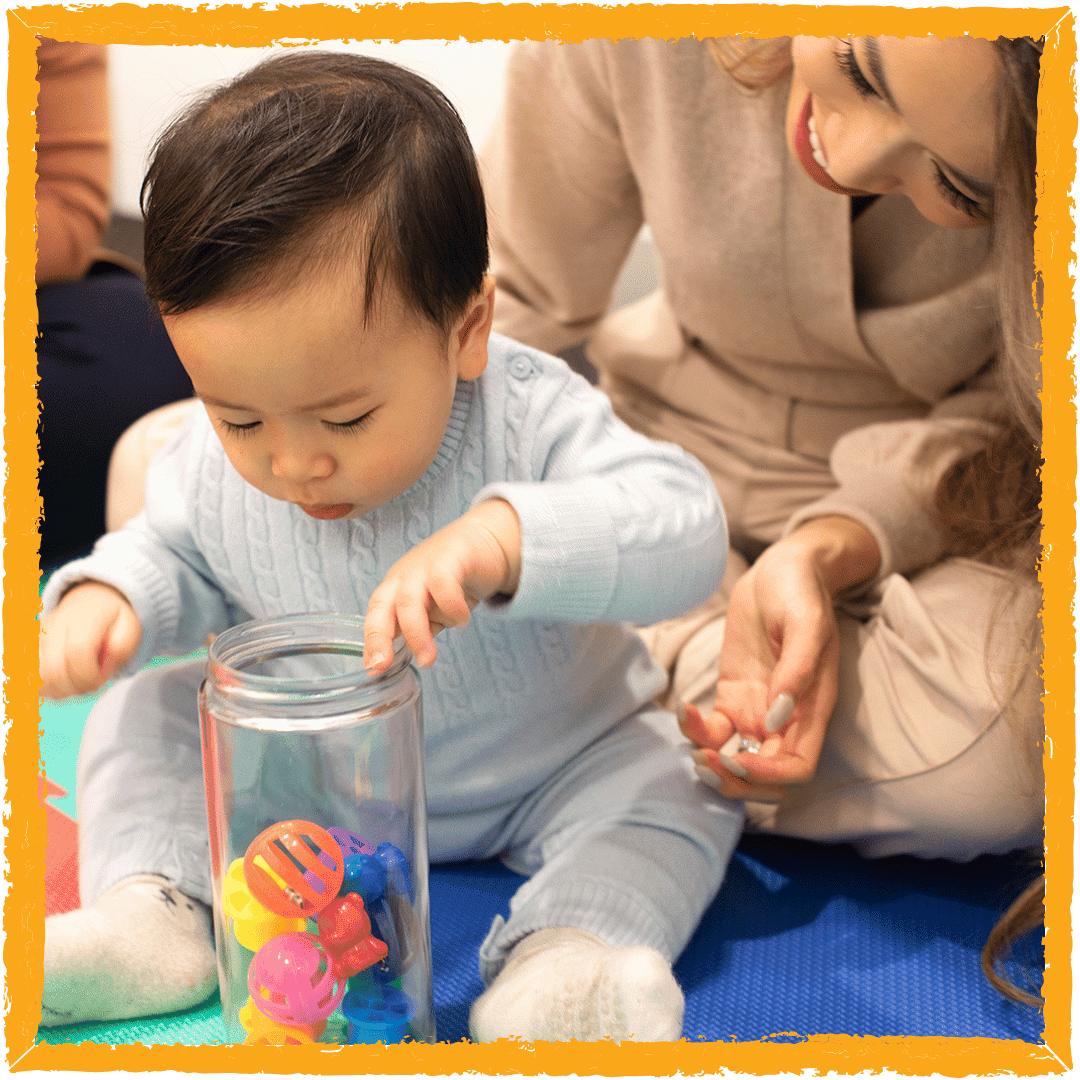
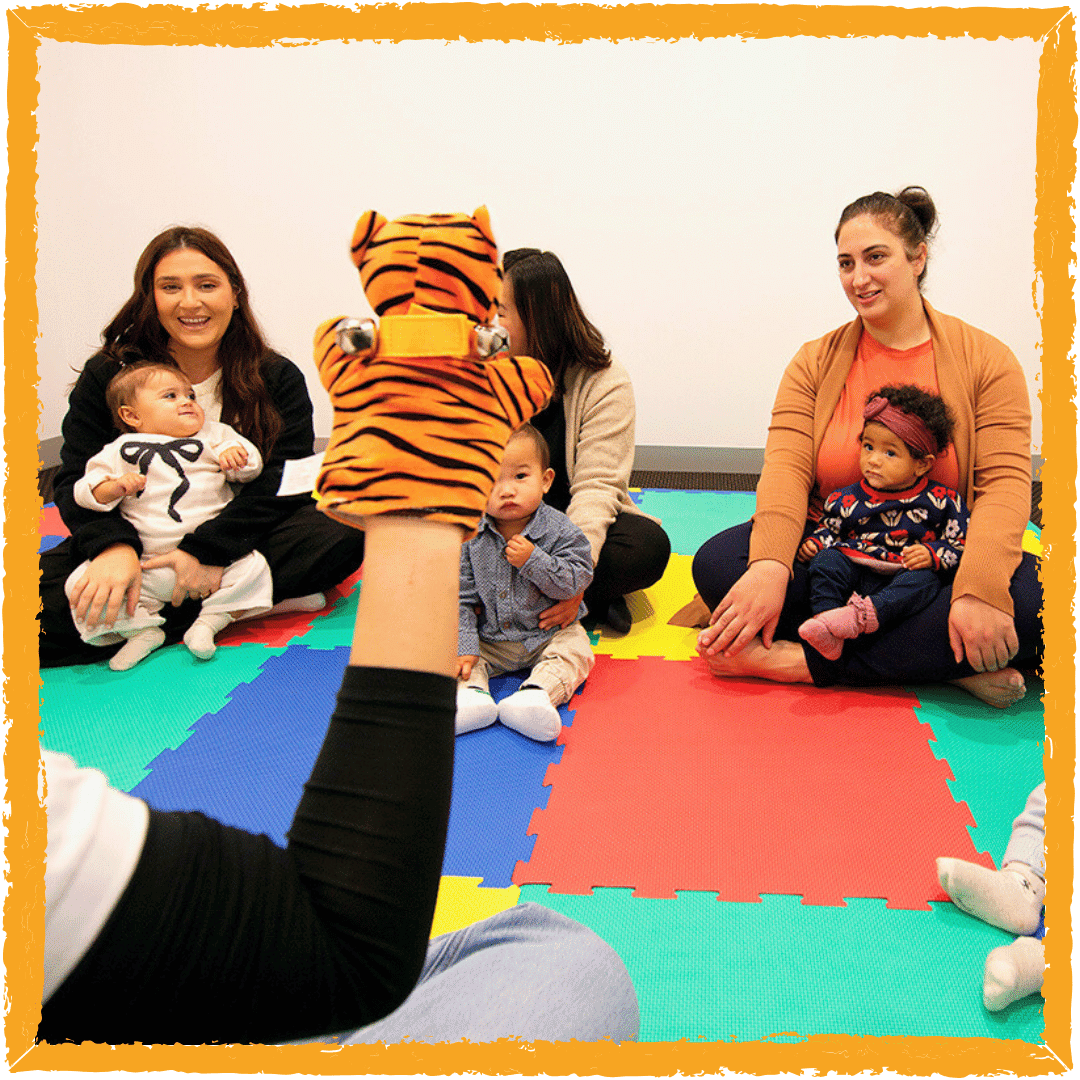
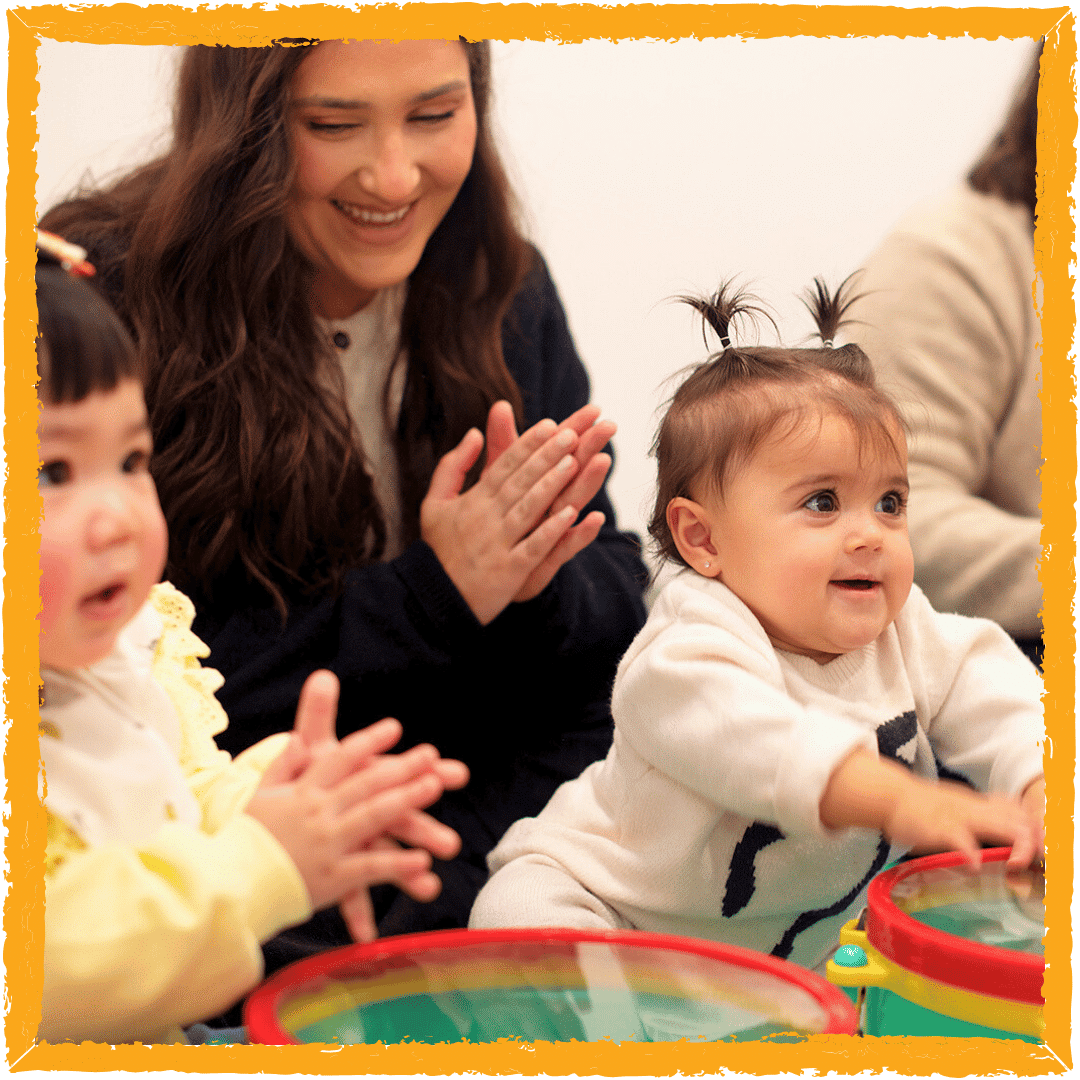
Around 6 months is a great time to join a baby class to support your child’s development through sensory play, parent bonding, and guided stimulation.
7 to 9 Months
Your baby starts moving with more intention:
- Sitting with or without support, using hands for balance
- Crawling and exploring their environment
- Understanding object permanence – realising that objects still exist even when out of sight
- Babbling chains like “bababa” and “dadada” as they experiment with sounds
- Showing signs of separation anxiety when you leave the room
10 to 12 Months
As your baby approaches their first birthday, you might see:
- Cruising – pulling up to stand and moving along furniture
- Developing a pincer grasp to pick up small items using thumb and forefinger
- Saying their first words, such as “Mama” or “Dada”
- Imitating actions like clapping, waving, or copying your movements
13 to 18 Months

Photo from Freepik: Walking independently towards big developmental milestones!
Now officially toddlers, they’re more active and curious:
- Walking independently – or still cruising, which is perfectly normal
- Pointing to express interest or make a request
- Saying a few single words, even if not perfectly clear
- Using gestures like waving goodbye or shaking their head to say “no”
This is also a great time to join a toddler class, where your child can build early communication, motor, and social skills in a playful, structured environment.
19 to 24 Months
By this age, toddlers become more expressive and adventurous. Expect:
- Saying two-word phrases like “more juice” or “mummy help”
- Pretend play – feeding a doll or talking into a toy phone
- Climbing onto furniture and reaching for items (watch out!)
- Self-awareness – recognising themselves in the mirror or pointing to their photo
2 to 3 Years
This age brings big leaps in thinking, learning, and communication:
- Speaking in two- to three-word sentences like “I want milk”
- Running more confidently and falling less often
- Parallel play – playing alongside peers without much interaction (totally normal)
- Following two-step directions like “Pick up your toy and put it in the box”
3 to 4 Years
As your child moves through the preschool years, look for:
- Telling simple stories that blend imagination and real events
- Jumping on one foot, showing improved balance and coordination
- Asking lots of “Why?” questions to understand the world
- Social role play – pretending to be a doctor, teacher, superhero, or parent
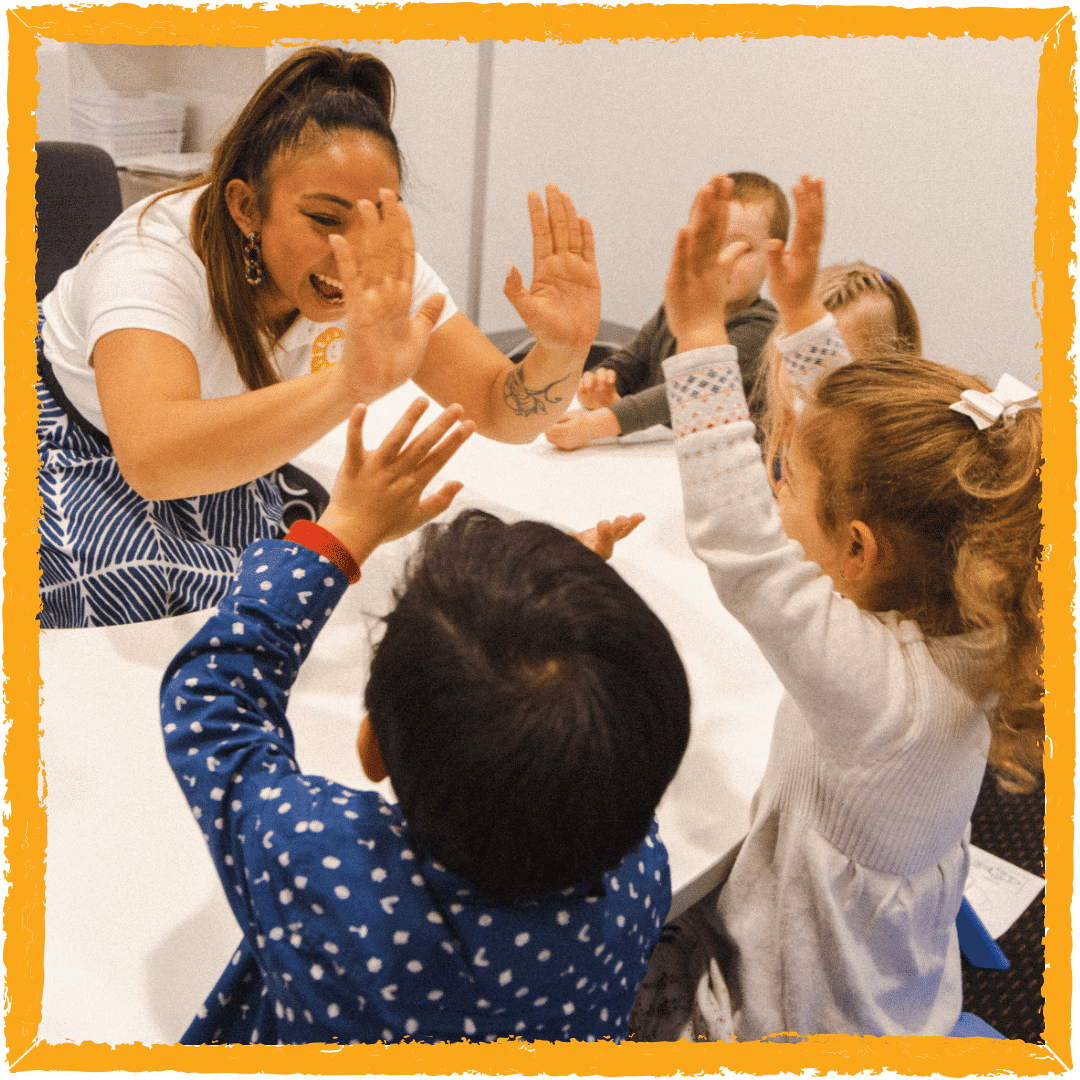
Preschool classes at this age can be incredibly beneficial, offering opportunities to build early literacy, memory, and critical thinking skills while supporting your child’s curiosity and creativity.
4 to 5 Years
In this stage, there’s a big focus on refining motor skills and emotional awareness:
- Better control of fine motor skills, like cutting shapes or drawing body parts
- Developing emotional regulation – managing big feelings more effectively
- Engaging in more complex imaginative play, like choosing outfits or pretending to cook
- Becoming more independent in daily tasks like dressing or helping with mealtimes
How to Track Your Child’s Development
Tracking your child’s development can help you spot delays early and support them effectively. It’s a simple but powerful way to stay in tune with their growth.
One easy method is to use a developmental milestones for children checklist. This helps you monitor what children typically do at each age and gives you a guide for what to expect. Digital tools can also make tracking easier. The CDC’s Milestone Tracker App is a great option – it allows you to follow your child’s progress from 2 months to 5 years and can help you stay on top of your checklist with reminders and tips.
If something feels off or you have concerns, don’t hesitate to reach out to a healthcare provider for a second opinion or further guidance.
When to Be Concerned
While it’s true that children develop at their own pace, some delays may need closer attention. For example, if your child isn’t walking by 18 months, it might be time to seek advice. Here are some common signs of developmental delay in children under five:
- No spoken words by age 2
- Limited or no eye contact
- Trouble with fine motor skills (like using cutlery or holding crayons)
- Difficulty with social interactions
- Struggles with memory or following instructions
Trust your instincts – if something doesn’t feel right, it’s worth looking into.
Who to Talk to About Concerns
If you notice possible signs of developmental delay, seeking professional support early makes a big difference. Start by reaching out to early intervention services – they can assess your child and recommend the right next steps.
You can also speak with your paediatrician or a Child Health Nurse. They’ll be able to guide you through early checks and offer practical parenting advice to help your child thrive.
Supporting Healthy Development at Home
You are not alone! With the right guidance, you can support your child’s development stages from the comfort of your own home!
Remember, a well-rested, well-fed child in a safe, loving environment is more likely to hit key developmental milestones. Sleep, nutrition, and security form the foundation for every stage of growth.
Here are four simple ways to support development at home:
1. Encouraging Physical Development
Everyday moments are important. For example:
- Tummy time helps strengthen the neck, shoulders, and back
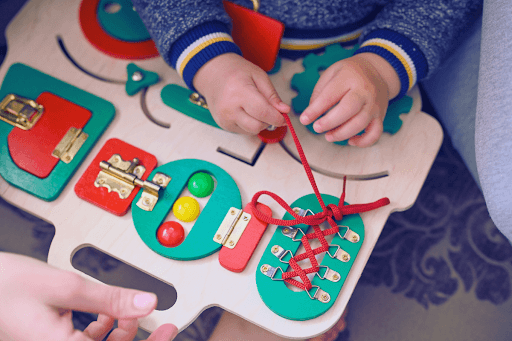
- Age-appropriate toys like push-pull toys and building blocks develop motor control
- Try simple DIY obstacle courses for climbing and crawling to build coordination
- Offer fine motor tasks like turning book pages or scribbling with crayons to strengthen hand and finger skills
These activities help children build both gross and fine motor skills – key parts of physical development.
2. Promoting Language and Communication
Focusing on language milestones at home can boost communication and connection:
- Read aloud daily to build vocabulary and listening skills
- Name everyday objects clearly to help your child associate words with the world around them
- Start simple conversations, even if they’re one-sided at first, to model the rhythm of dialogue
- Use gestures like pointing, waving, or nodding to reinforce non-verbal communication
These simple routines help your child feel heard – and learn to express themselves.
3. Nurturing Emotional and Social Skills
Your child’s emotional and social development grows from what they see, hear, and feel each day. You can help by:
- Showing empathy – acknowledge feelings like sadness or frustration with calm, kind responses
- Following your child’s emotional cues, offering reassurance when needed
- Encouraging play with other children to build early social awareness
- Being consistent, loving, and responsive, helping them feel safe and connected to you
Children who feel secure are more confident about exploring their world and connecting with others.
4. Stimulating Cognitive Skills
Early cognitive development is shaped by exploration and play. You can support it through:
- Simple puzzles and sorting games to build logical thinking and problem-solving
- Open-ended play that allows your child to explore, observe, and experiment
- Daily routines like counting snacks or matching socks to build memory and focus
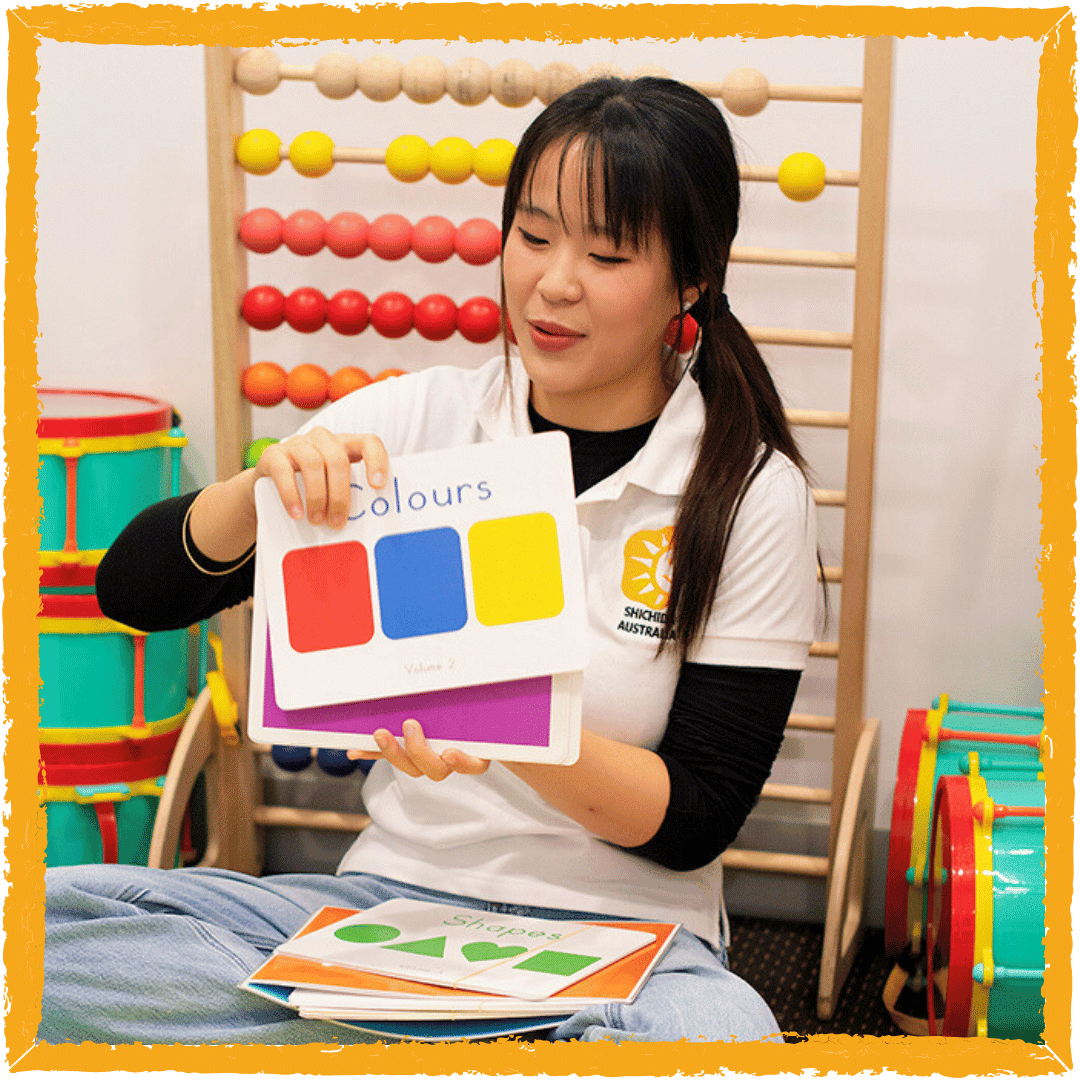
Even a quick game of matching cards or naming col
Early learning From Home Tools
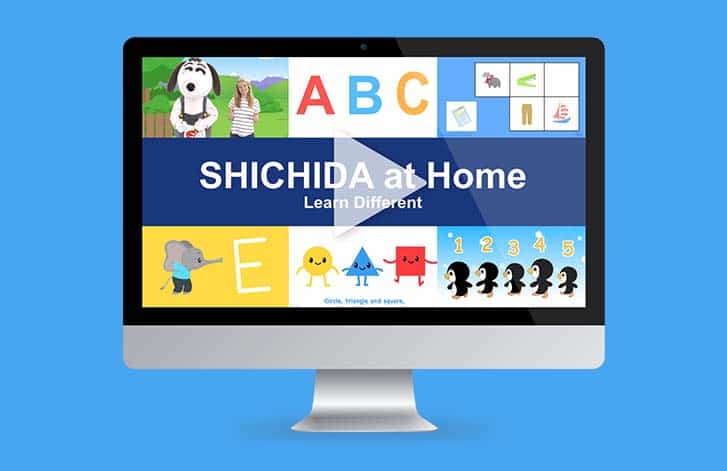
If you’re looking for more structured activities to do at home, SHICHIDA at Home offers brain-boosting games, videos, songs, flashcards, and worksheets designed to support cognitive development in fun, effective ways.
Suitable for ages 1 to 5 years old.
Cultural and Individual Differences in Milestones

Photo from Pexels: Celebrating precious baby milestones, every small step leads to big growth!
Not all children reach milestones at the same time – and that’s okay. Cultural and individual differences play a big role in how and when these milestones appear.
A child’s environment can strongly influence their development. For instance, how much time parents spend interacting with their child, their parenting style, and the expectations placed on the child all contribute to how certain skills emerge.
Some cultures place a stronger emphasis on memorisation and rote learning, while others focus more on problem-solving and critical thinking. A child who excels in one area but not the other is not necessarily delayed – they’re simply developing along a different path.
Genetics also plays a part. Some children may naturally be more verbal, while others show early strengths in logic or physical coordination. These variations are part of what makes each child unique.
As you support your child through these early years, try not to compare them to others. Development is not a race, and there is no one-size-fits-all timeline.
Recognising and respecting these differences helps create a more supportive and nurturing environment for your child to thrive.
Early Intervention and Developmental Delays
Early intervention refers to support services for babies, toddlers, and preschoolers who show signs of developmental delays. These services can help children learn new skills and overcome challenges that may affect their learning and daily life.
Support may include:
- Speech therapy
- Physical therapy
- Occupational therapy
- Other targeted developmental services
Early intervention works by reducing risk factors and increasing protective factors in a child’s environment. While there’s no single cure for developmental delays, with the right support, many children can catch up to their peers and thrive.
How to Access Early Intervention
- Contact the paediatrics department at a hospital near you and ask about local early intervention programs.
- Ask your paediatrician for a referral or assessment if you have any concerns.
What to Expect from Early Intervention Services
Early intervention services begin with an individualised developmental assessment. This may include observing your child’s:
- Communication and speech
- Motor skills (fine and gross)
- Social and emotional behaviour
- Cognitive abilities
Based on the results, a plan is created to suit your child’s needs. For example:
- A Speech Therapist can support communication and language delays
- An Occupational Therapist may help with sensory issues, daily routines, or fine motor tasks
Every child’s plan is tailored to their unique developmental profile.
Parent Involvement and Advocacy
Being actively involved in your child’s development is one of the most important roles you can play. It’s more than just observation – it’s participation.
Simple actions like keeping a developmental milestone checklist, asking questions, and working closely with therapists can make a big difference.
Parents are advocates for their children. Your voice helps ensure your child receives the right support at the right time.

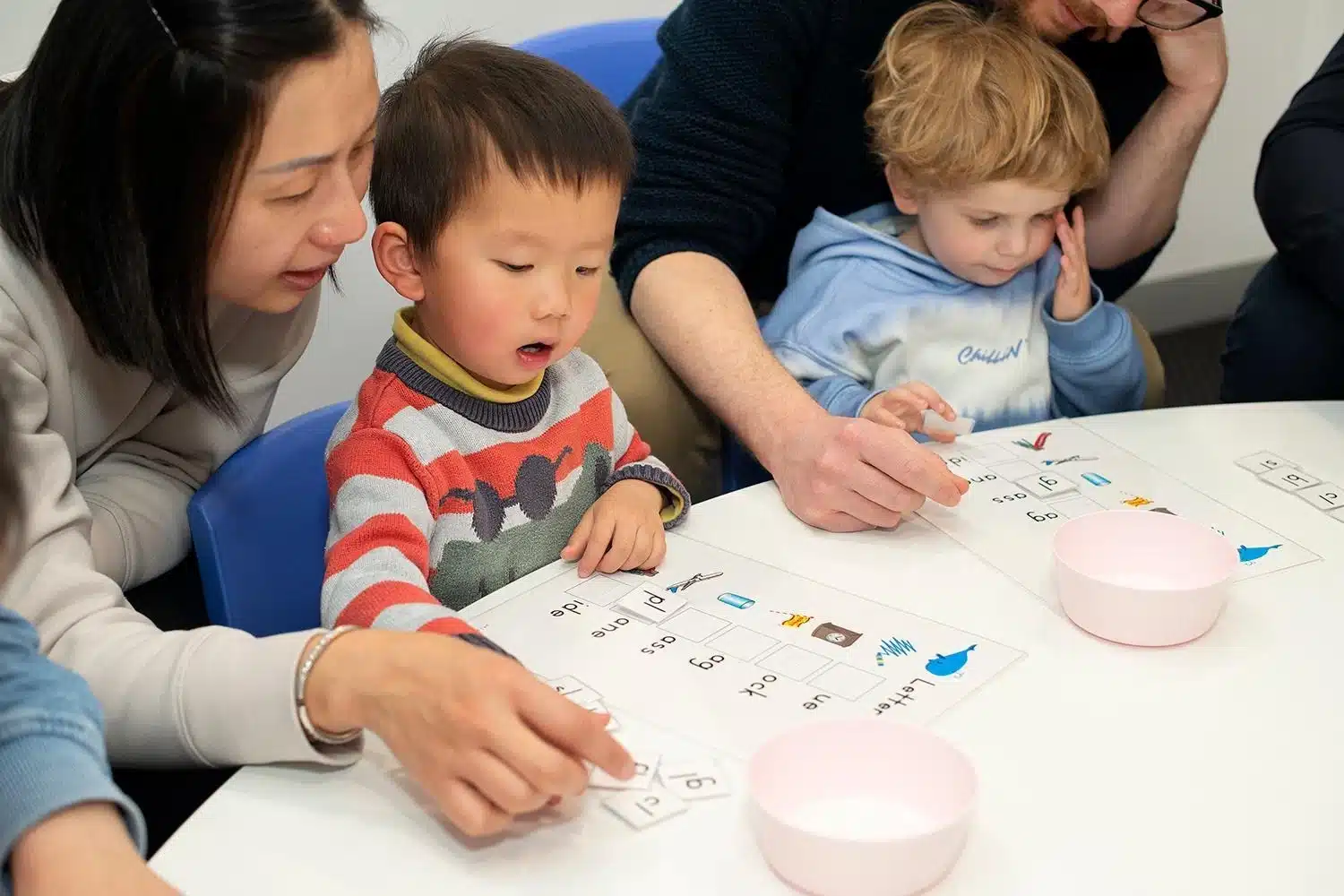
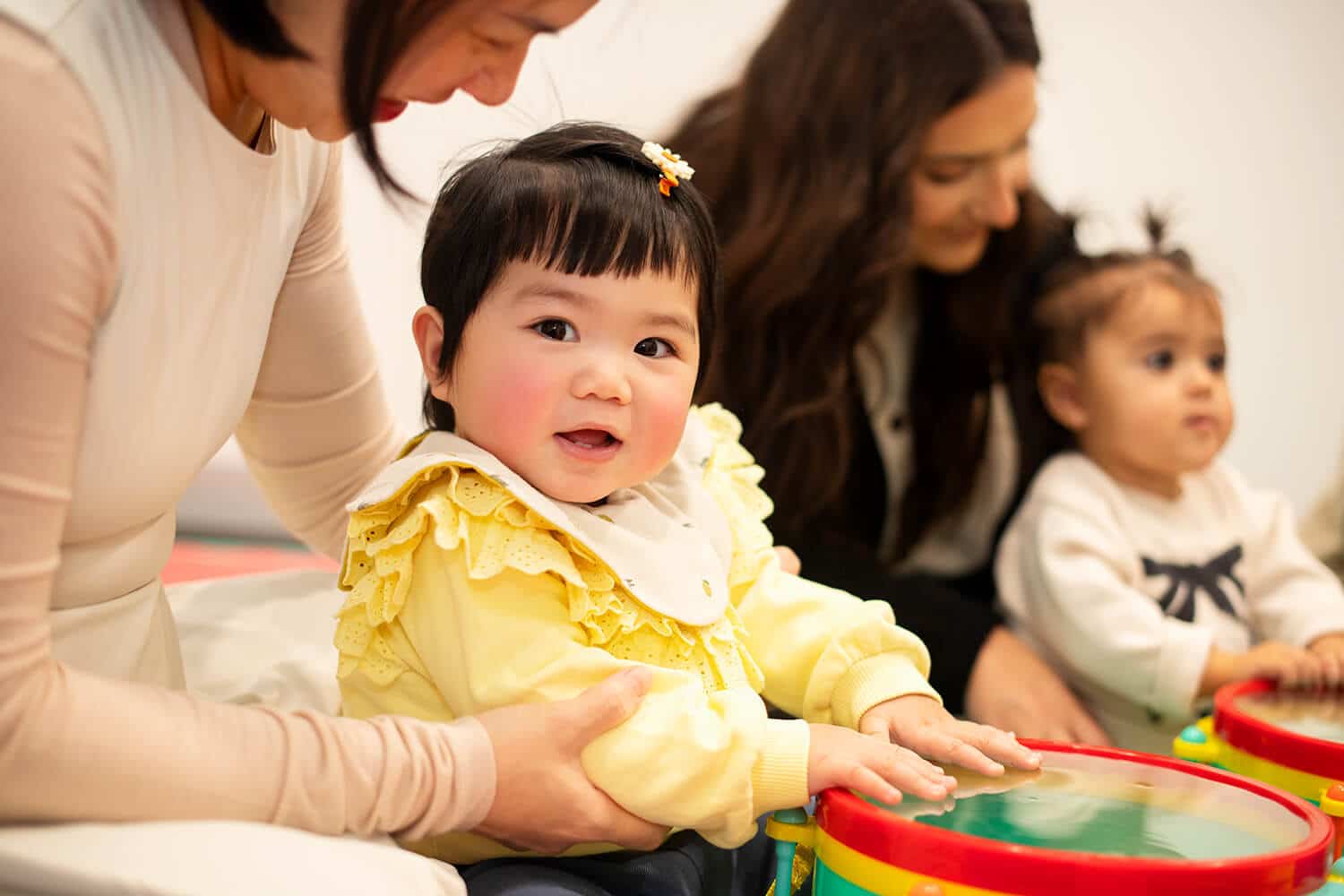
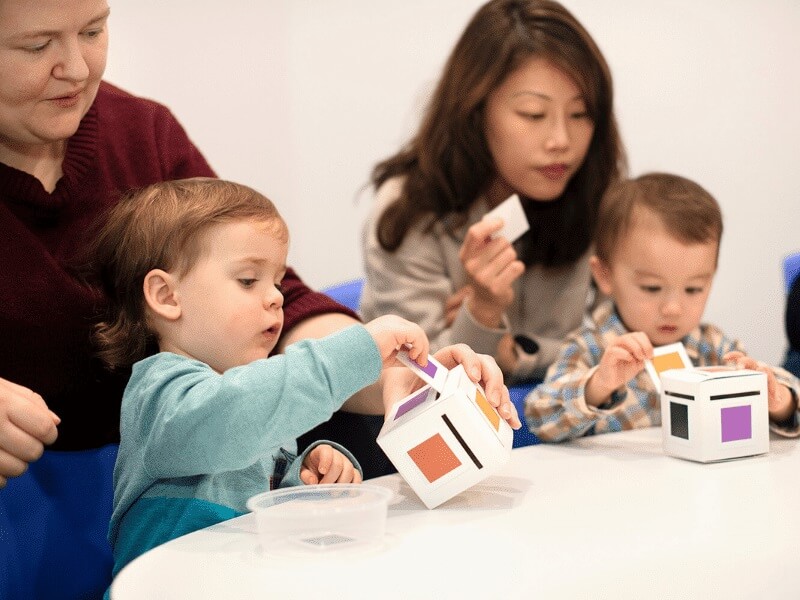
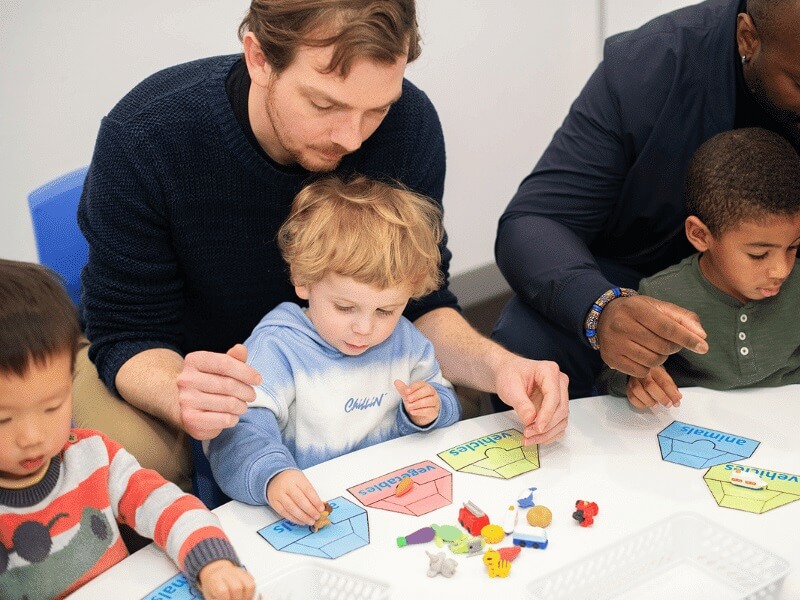
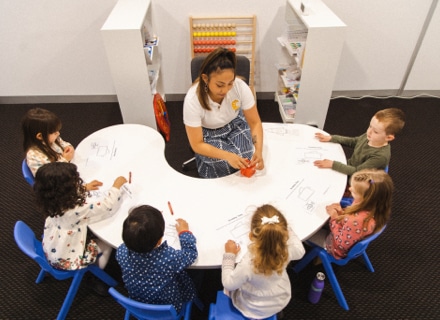
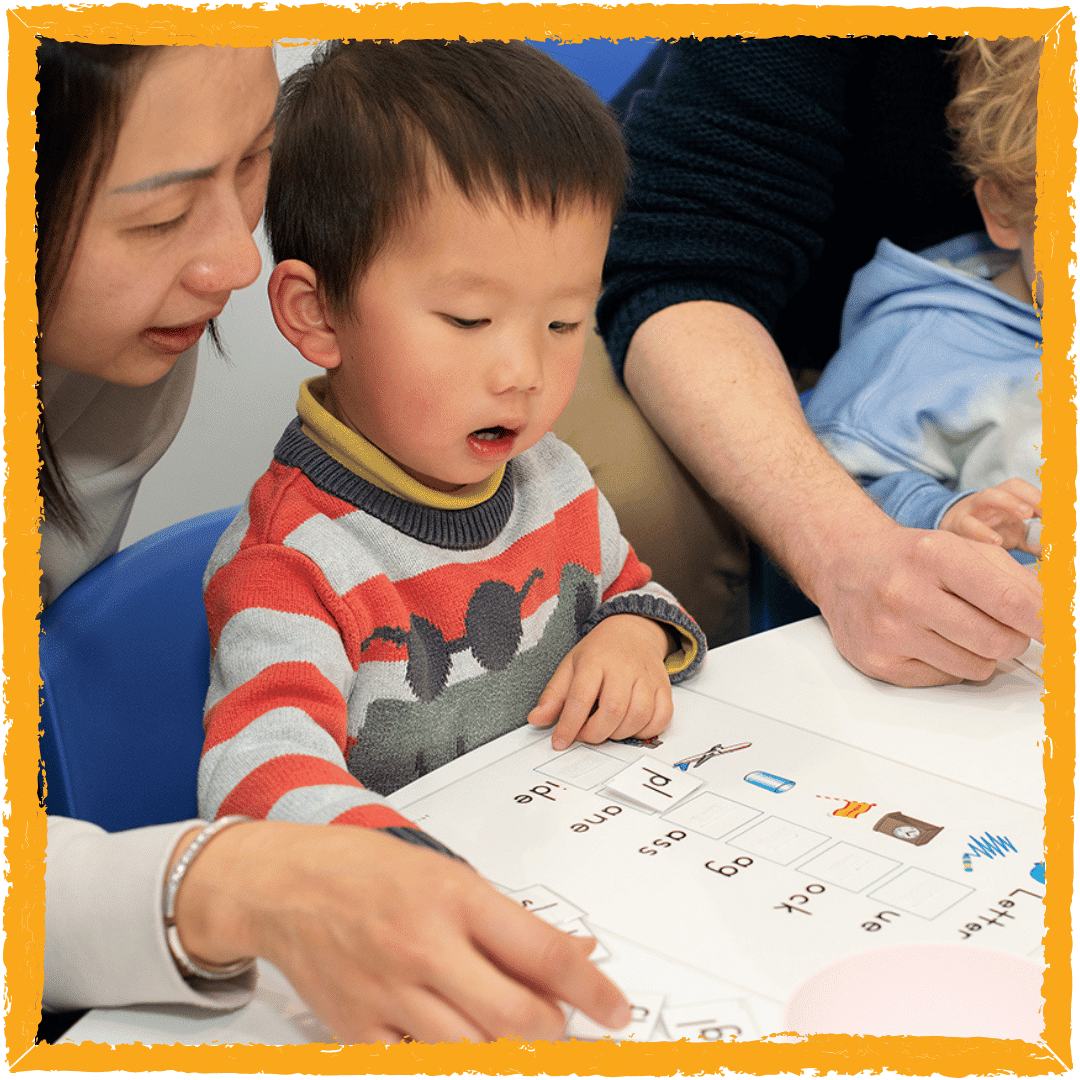
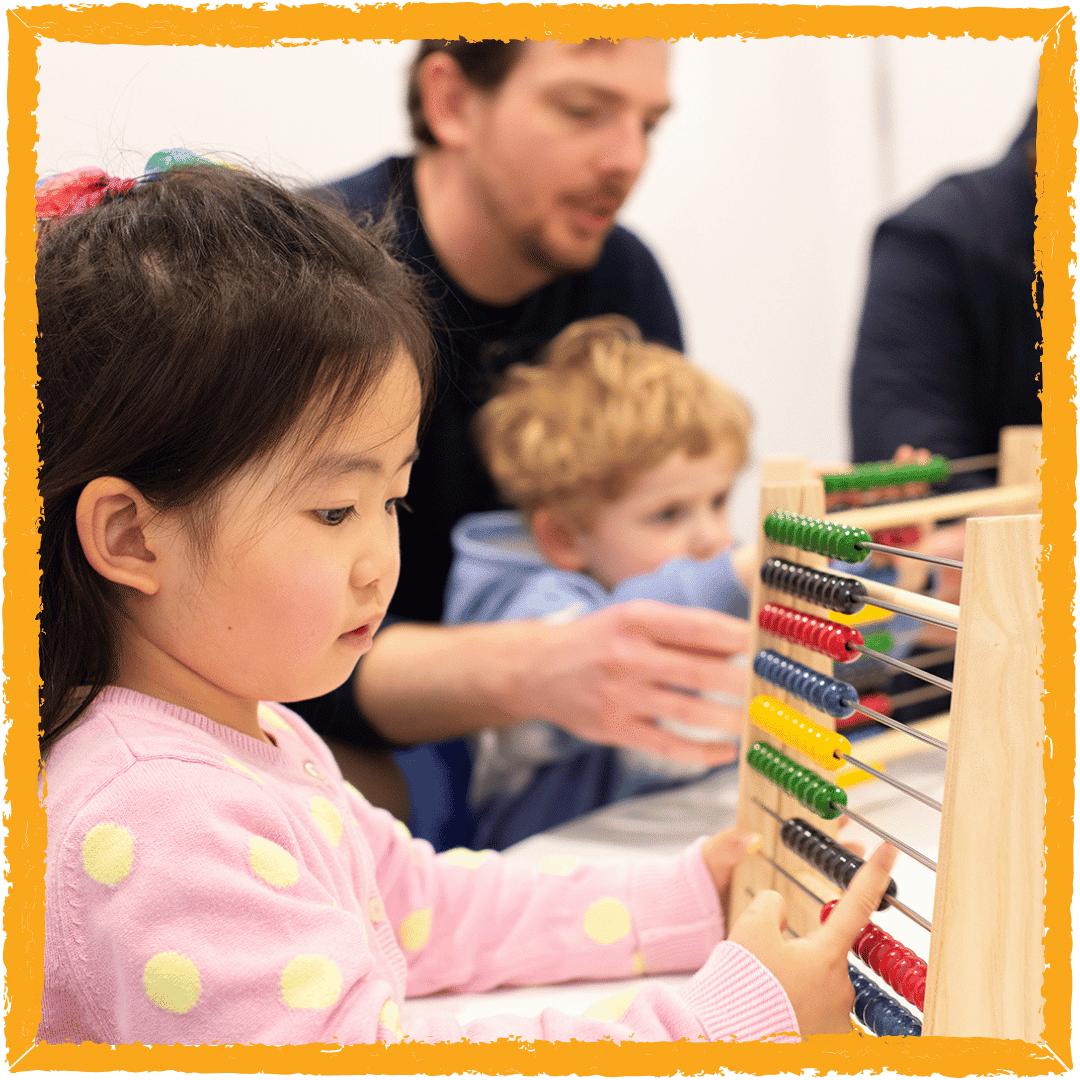
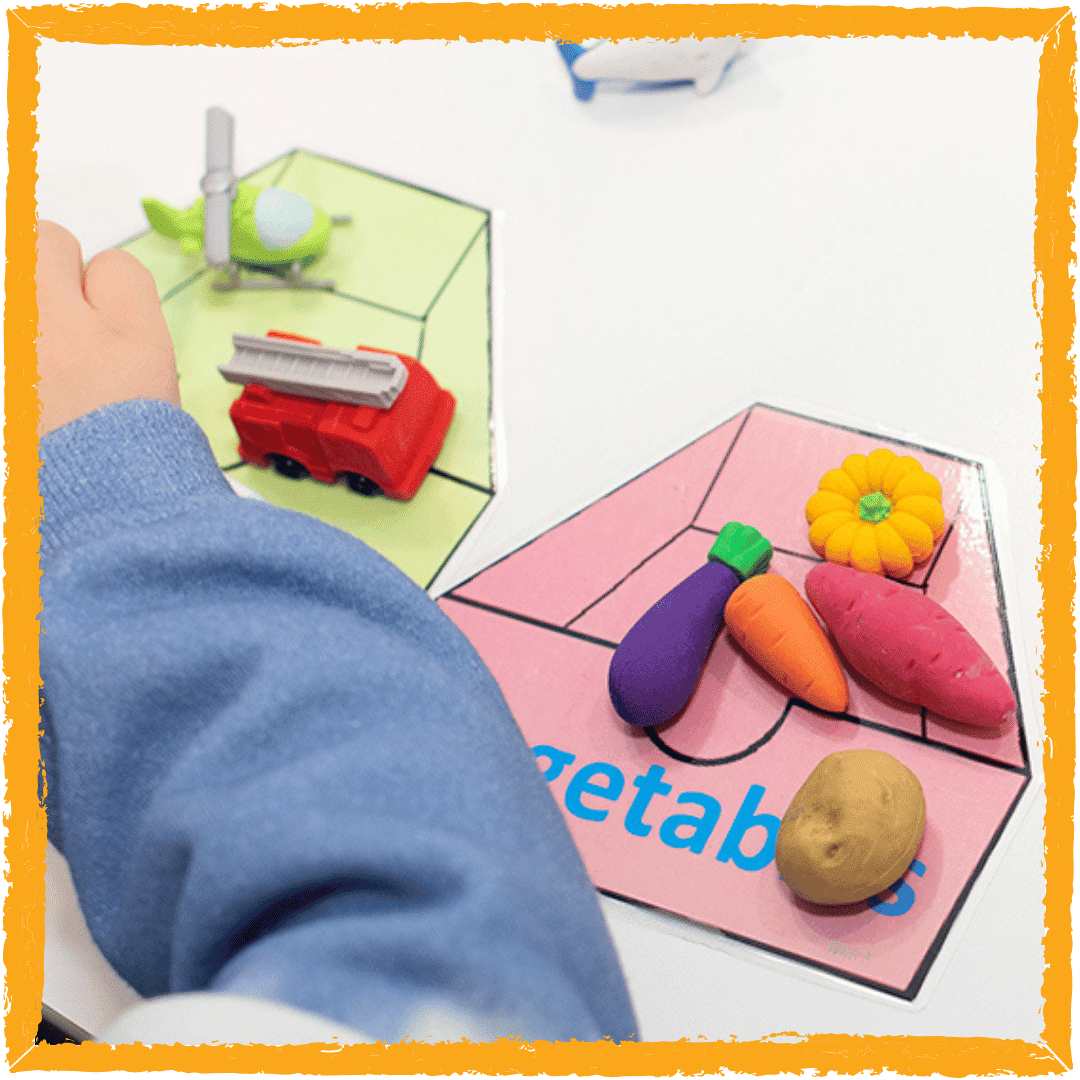
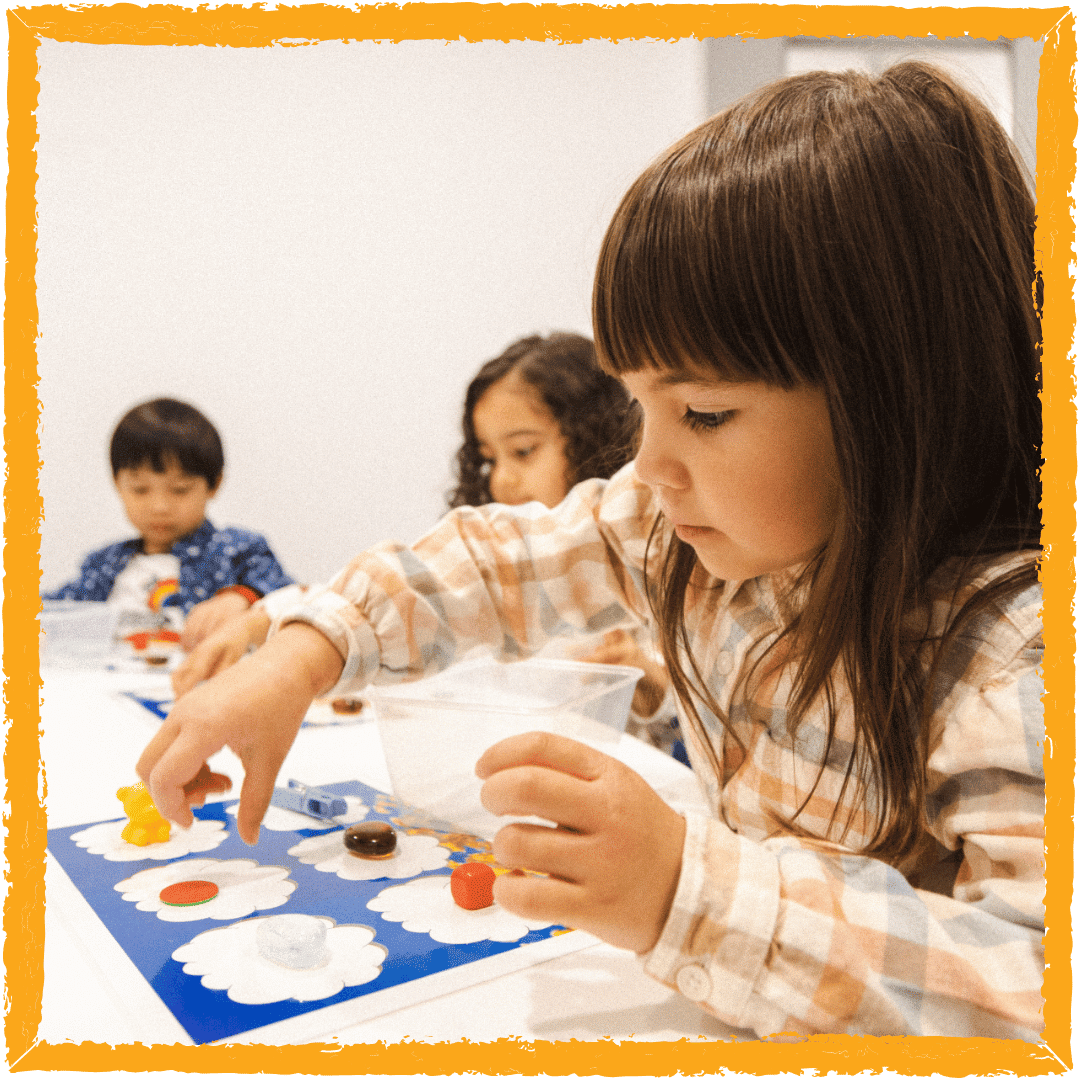
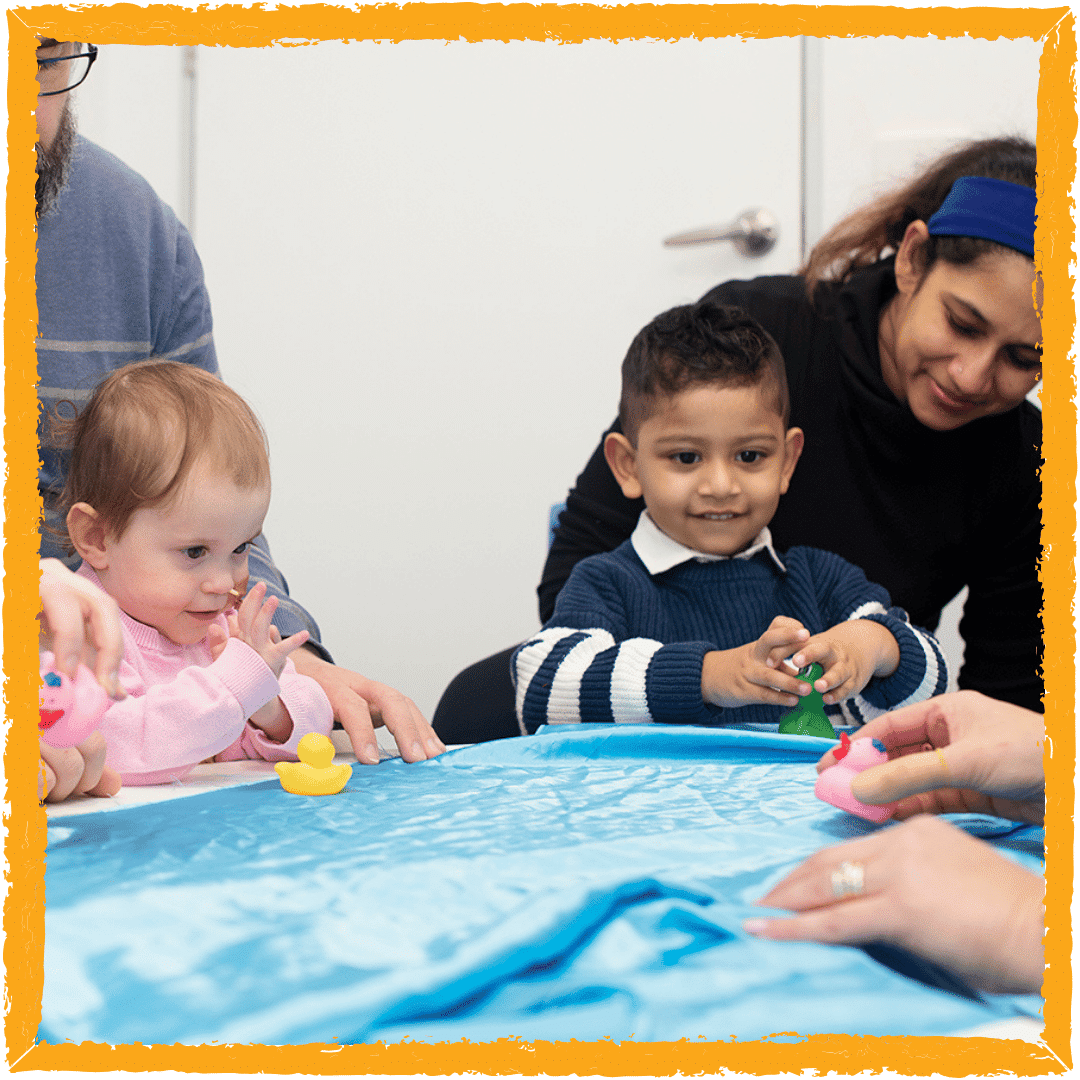
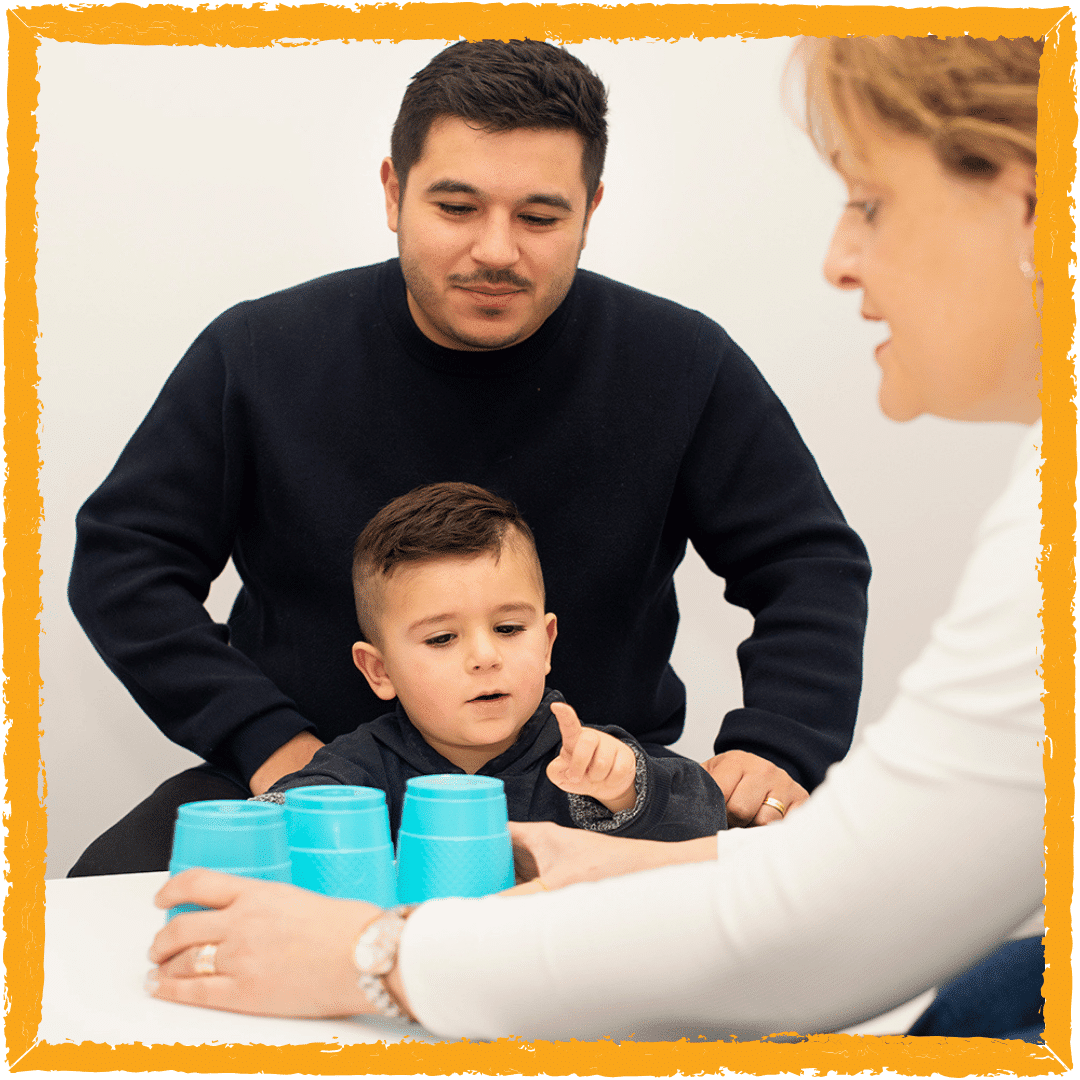
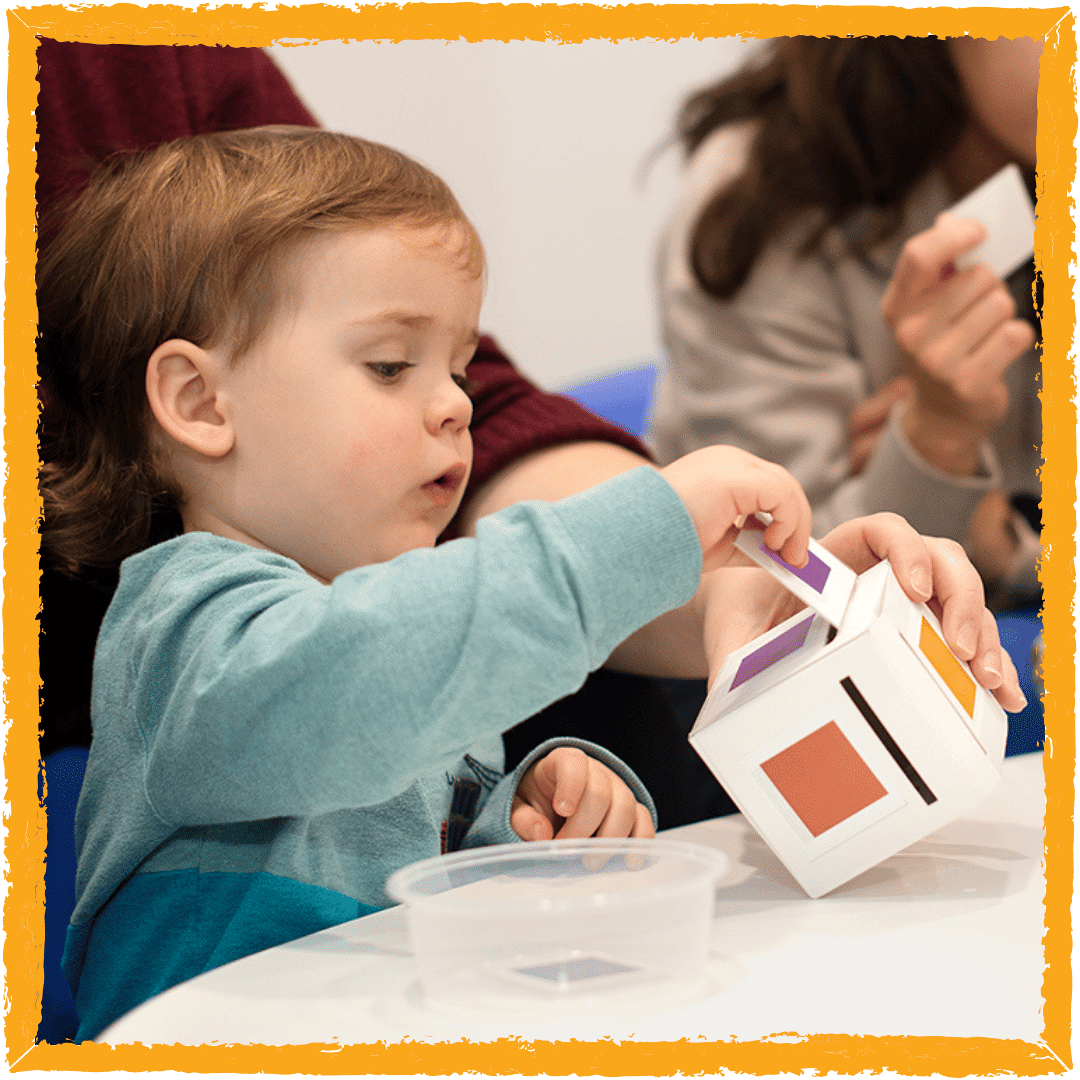
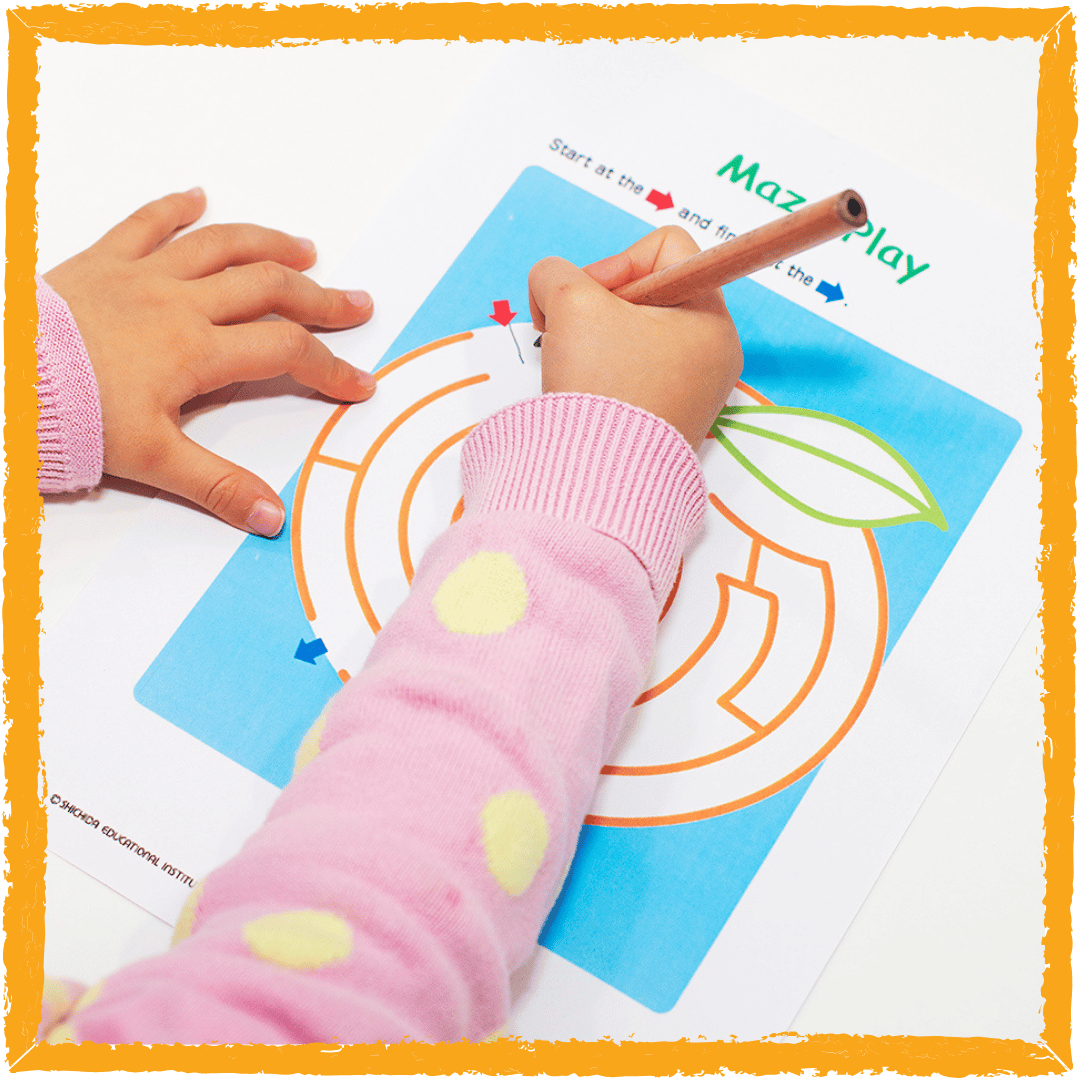
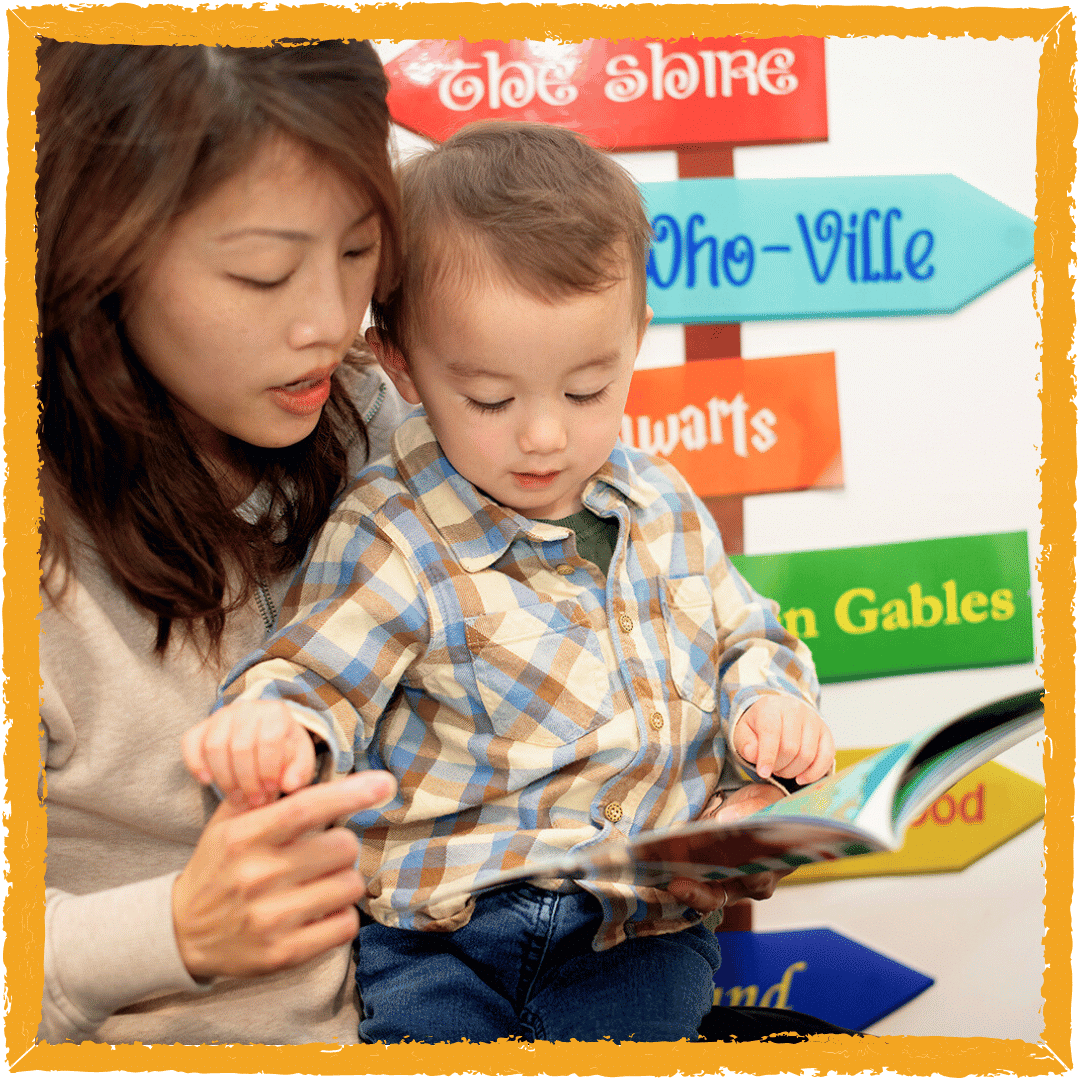
Photo by Shichida Australia: Shichida supports parents in reaching key developmental milestones for children through sensory play, fun games, songs and hands-on activities.
Give Your Child the Best Start in Life with Shichida
The first five years are crucial for brain development and reaching important developmental milestones. Shichida’s early learning program is thoughtfully designed to support your child’s cognitive, physical, social, and emotional growth through fun, interactive, and research-backed activities.
Book a trial class today and give your child the support they need to thrive from the start!
FAQ: Developmental Milestones for Children
Developmental milestones are age-specific skills or behaviours that most children can do at a certain stage of growth. These help parents track progress across areas like movement, speech, social interaction, and problem-solving. Understanding milestones can help you spot possible delays early and seek professional support if needed.
At around 6 months, many babies can:
- Sit with little or no support
- Transfer objects from one hand to the other
- Babble (e.g. “ba,” “da”)
- Begin to self-feed with their hands
Keep in mind that every baby is different, and some may reach these skills a bit earlier or later.
If your toddler is meeting most of the expected milestones for their age – such as smiling by 2 months, cooing by 4 months, rolling over by 6 months, or using simple words around 12 to 18 months – then they are likely developing typically.
However, if you’re unsure, don’t hesitate to speak with a paediatrician or early childhood expert for peace of mind.
If a delay is affecting your child’s ability to perform daily tasks, interact, or learn new skills, it’s worth looking into. For example, not walking by 18 months or not saying words by age 2 could indicate the need for support. Early intervention services can assess your child and guide you on next steps.
Yes! Not all children follow the same sequence. Some may skip crawling and go straight to walking. Others may focus on language before motor skills – or vice versa. This variation is normal. But if your child consistently misses multiple milestones or shows signs of delay, a professional check-up is a good idea.
Yes! Shichida classes are designed to support babies, toddlers, and preschoolers in reaching key developmental milestones through fun, structured, brain-boosting activities led by expert teachers.