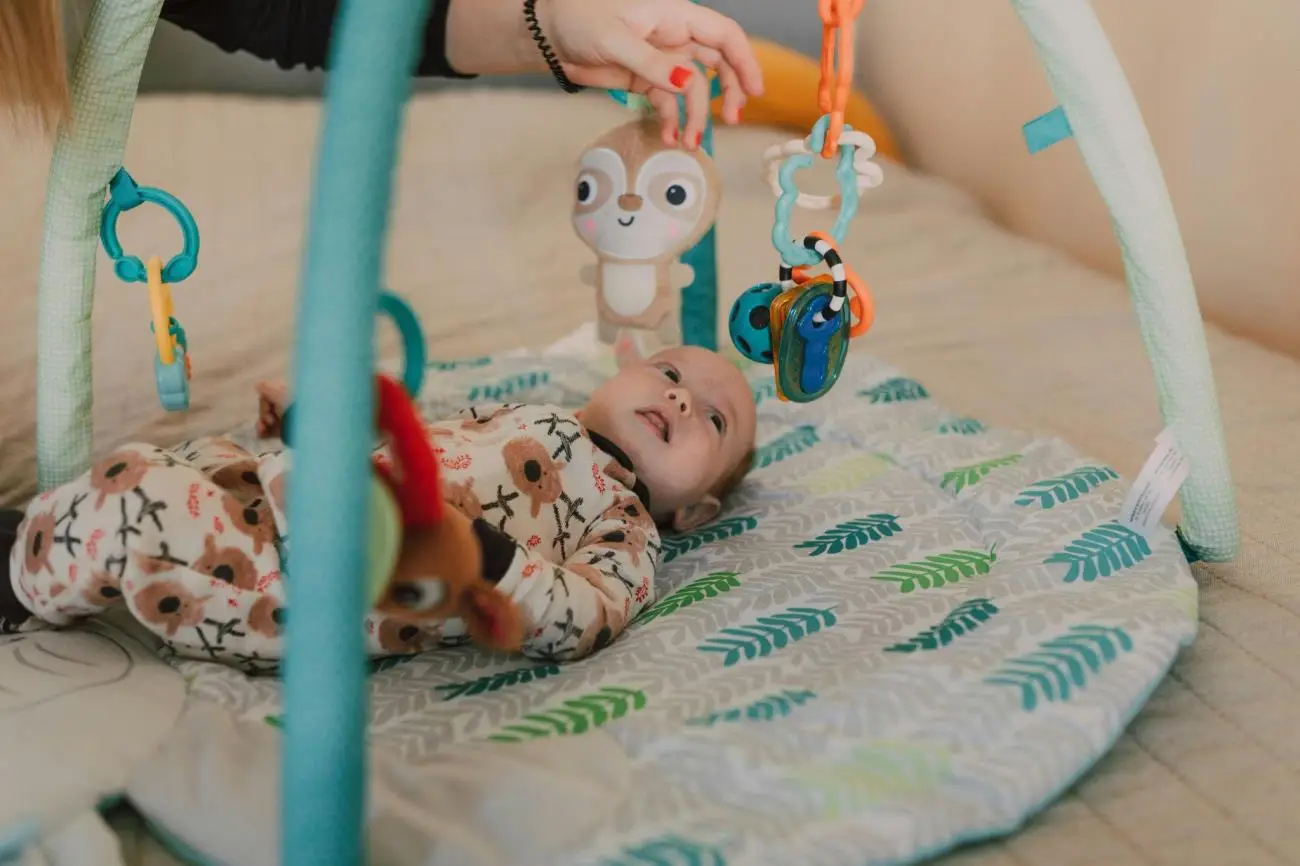
Photo from Pexels: Many parents wonder, can I sit my newborn up, or is floor play the best place for early development and safety?
Can I Sit My Newborn Up? When Are Babies Ready to Sit?
Key Points: Sitting Babies Safely
- Sitting is a developmental milestone, not a position to practise early. Babies learn to sit when their body is ready, not through being placed upright.
- Newborns are not developmentally ready to sit. They lack the neck, core, and spinal strength needed for safe sitting.
- Early sitting can strain the spine and disrupt natural motor development. Passive sitting limits movement and reduces opportunities for strength building.
- Floor-based play supports healthy posture, movement, and brain development. Tummy time, rolling, and reaching prepare babies for sitting later on.
- Every baby develops sitting skills at their own pace. Variation is normal, and rushing milestones offers no developmental advantage.
You are holding your baby and they look curious. Alert. Maybe even a little impatient to see the world. Someone nearby says, “They’re ready to sit up now.” You glance at your newborn and wonder, can I sit my newborn up?
If you are a first-time mom, this question can feel heavy. If this is not your first baby, it can still creep in, especially when every baby around you seems to be doing something earlier than expected. Sitting feels like progress. Like strength. Like a sign you are doing things right.
Here is what you need to hear right now. Sitting is not something to rush! It is not something to practise early. And your baby does not miss out by staying on the floor. Understanding when should babies sit up can take pressure off you and allow your baby’s body to unfold exactly as it is meant to.
Have a baby? Download free DIY high contrast flashcards – the perfect tool for visual stimulation and bonding time!

How Babies Develop Movement and Posture
Your baby’s movement is not random. Every small motion is part of a carefully timed process between the brain and the body. From birth, your baby is learning how gravity feels, how muscles activate, and how balance works.
Infant motor development happens from the ground up. Long before sitting, your baby builds strength through floor-based movement. Kicking, rolling, pushing, and reaching all prepare the body for posture and balance later on.
This is why sitting is not a skill that stands alone. It depends on earlier movement milestones that support coordination, body awareness, and even future learning. When you understand this, worries about infant sitting up too early often soften. Your baby is not behind. They are right on track.
The Natural Progression of Motor Milestones
Most babies follow a similar path, even though timing varies:
- Head control develops
- Rolling begins
- Pushing up through arms
- Brief supported sitting
- Independent sitting
Some babies move quickly. Others take more time. Your baby’s pace is not a reflection of your parenting.
Why Sitting Is a Milestone, Not a Position
Sitting is something your baby achieves, not something you place them into. True sitting requires strength, balance, and neurological readiness. When babies sit on their own, they are actively holding themselves upright, not being propped there.
Why Newborns Are Not Ready to Sit
It is natural to wonder if gentle support makes sitting safe for a newborn. After all, they seem curious and alert. But newborn physical development simply does not support upright sitting yet.
Even with pillows, hands, or baby gear, newborns do not have the muscle strength or postural control required. This is not a failure. It is biology.
Holding your baby upright against your chest for connection is very different from placing them into sitting as an activity. Understanding this difference can ease anxiety and guilt.
Immature Neck, Spine, and Core Muscles
Your newborn’s spine has a natural curve designed for lying down. The muscles that support upright posture are still developing. Sitting places demands on the neck, spine, and core that your baby is not ready to manage yet.
The Role of Gravity and Postural Control
Before sitting, your baby must learn to control their body against gravity. Floor movement teaches weight shifting, muscle activation, and balance. These experiences cannot happen in a seated position.
Risks of Sitting a Baby Up Too Early
No parent wants to hear the word risk attached to their choices. This is not about blame. It is about understanding how babies learn best. Regularly sitting a baby up too early may interfere with natural motor development. Babies learn through movement they initiate themselves, not through positions they are placed into.
Spinal and Musculoskeletal Strain
When babies are sat before they are ready, they often slump, arch, or stiffen. This places strain on the spine and neck and encourages tension rather than healthy strength.
Interference With Natural Motor Learning
Floor time is where rolling, reaching, and balance develop. When sitting replaces floor play, babies miss opportunities to practise essential skills that support later coordination.
When Do Babies Typically Learn to Sit?
It is tempting to look for an exact age, but baby sitting milestones are better understood as ranges.
Most babies begin exploring sitting between 4 and 7 months. Independent sitting usually appears later, once strength and balance are established.
Sitting With Support
Around 4 to 6 months, some babies can tolerate brief supported sitting, such as sitting on your lap with full trunk support. This is not the same as sitting independently on the floor.
Sitting Independently
Independent sitting often emerges between 6 and 8 months. Babies who are ready can get into sitting on their own and stay balanced without collapsing.
Signs Your Baby Is Developmentally Ready to Sit
Readiness is about control, not age.
If you are wondering when should babies sit up, these signs matter most.
Strong Head and Neck Control
Your baby holds their head steady without wobbling when upright. Head lag is minimal or gone.
Trunk Stability and Balance
Your baby can stay upright briefly, uses their hands for balance, and adjusts when they start to tip.
Safe Ways to Support Sitting Skills Naturally
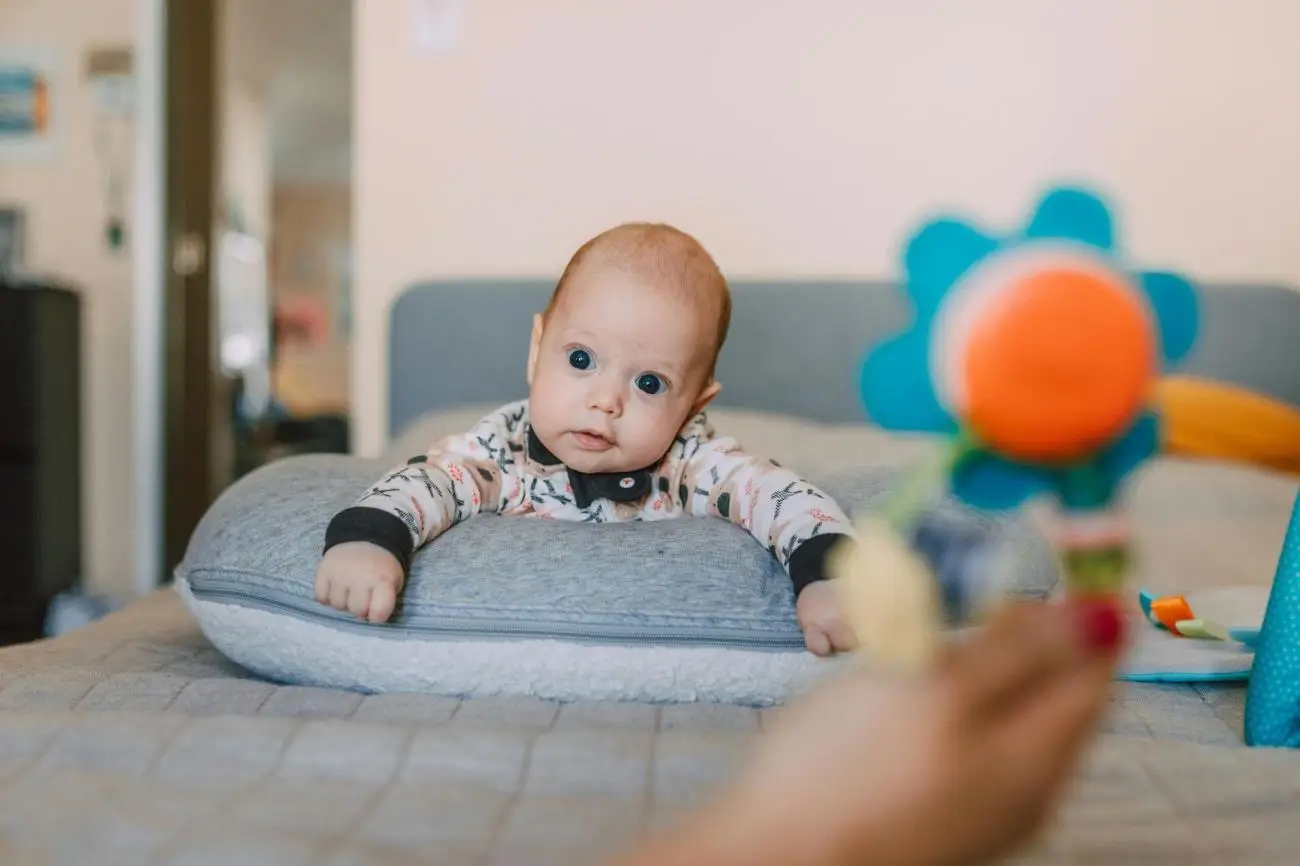
Photo from Pexels: Tummy time builds the strength babies need before sitting, answering the common question, can I sit my newborn up or should I wait?
Supporting sitting does not mean practising sitting. It means supporting movement that prepares the body.
Tummy Time and Floor Play
Tummy time benefits include stronger neck, shoulders, and core muscles. Floor play encourages rolling, pivoting, and reaching, all of which support posture later.
Short, frequent sessions throughout the day are more effective than long stretches.
Supported Sitting Without Forcing
Holding your baby upright against your body or briefly sitting them on your lap is fine when fully supported. Keep their spine aligned and let them relax into you.
Baby Seats, Props, and Sitting Devices – What Parents Should Know
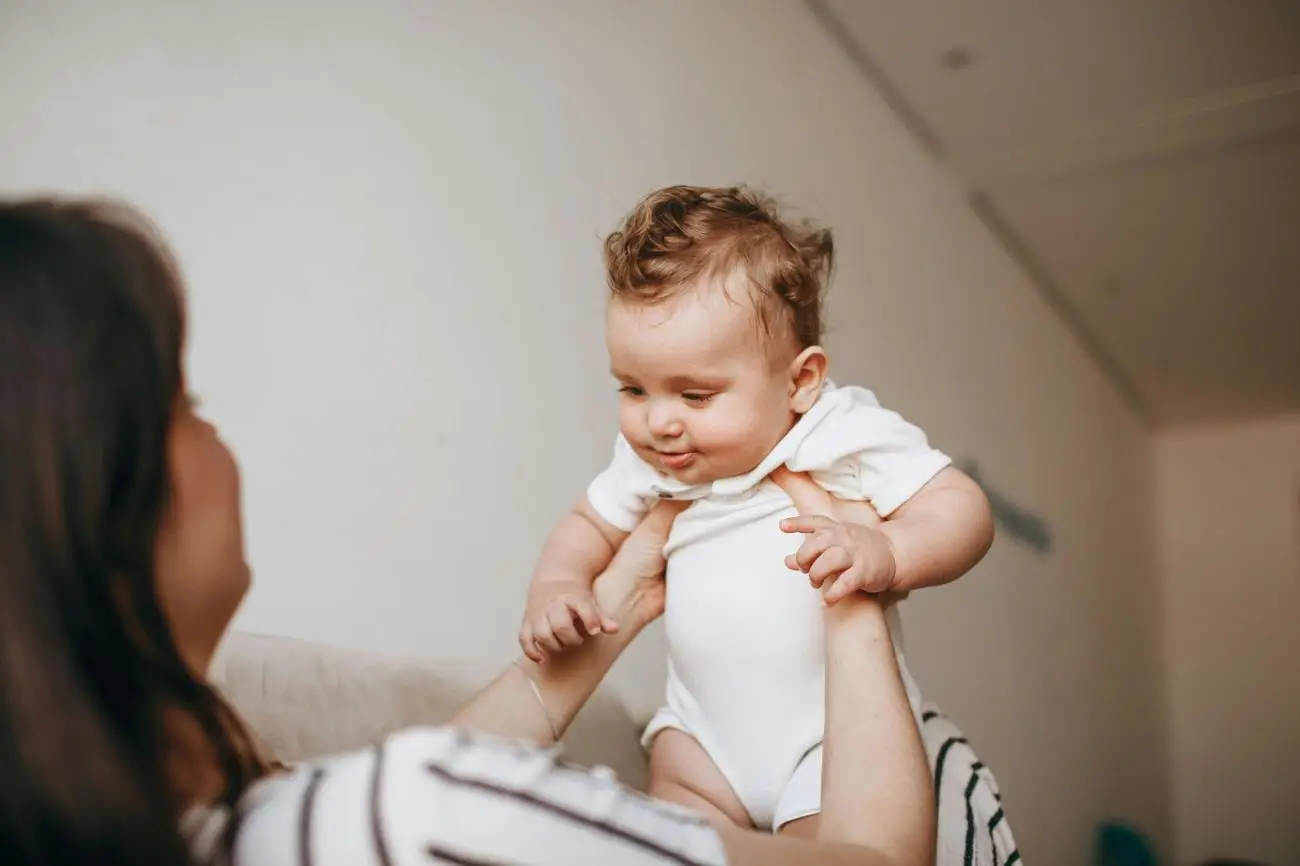
Photo from Pexels: If you are asking can I sit my newborn up, remember that supported cuddles are different from placing babies into sitting before they are ready.
Baby gear is everywhere, and it can feel reassuring to use products designed for sitting. It is okay to be curious.
Do Baby Seats Help Babies Learn to Sit?
Baby seats do not teach sitting. They hold babies in place. This reduces active muscle use and limits natural movement.
Safe Use Guidelines
If you use a sitting device:
- Keep use brief
- Always supervise
- Place it on the floor
- Do not use it as a learning tool
These products are conveniences, not developmental tools.
Myths and Facts About Sitting Babies
Online advice can be confusing. Let’s clear a few things up.
Myth: Sitting Early Makes Babies Stronger or Smarter
Strength and learning come from active movement. Passive positions do not build the same brain body connections.
Fact: Development Builds From the Ground Up
Rolling, pushing, and reaching lay the foundation for posture, balance, and coordination. Sitting is the outcome of this work, not the starting point.
When to Seek Professional Advice
Most variation in development is completely normal. Still, your instincts matter.
Motor Development Red Flags
Consider seeking guidance if you notice:
- Persistent head lag after 4 months Very stiff or very floppy posture
- Limited movement on one side
- Difficulty pushing through arms
Working With Pediatric Professionals
Pediatricians and paediatric physiotherapists can assess development gently and holistically.
Supporting Natural Development with Shichida Baby Classes
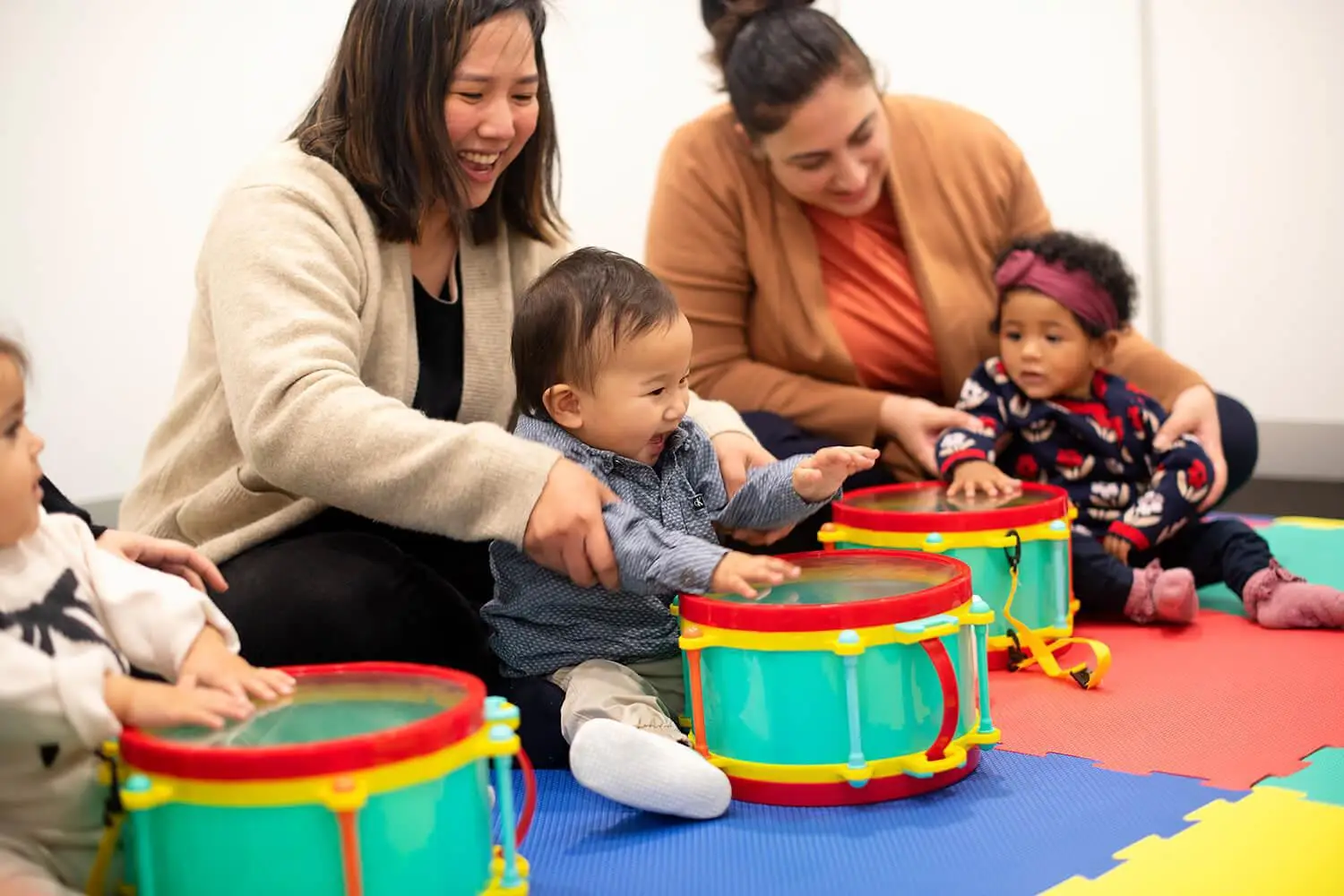
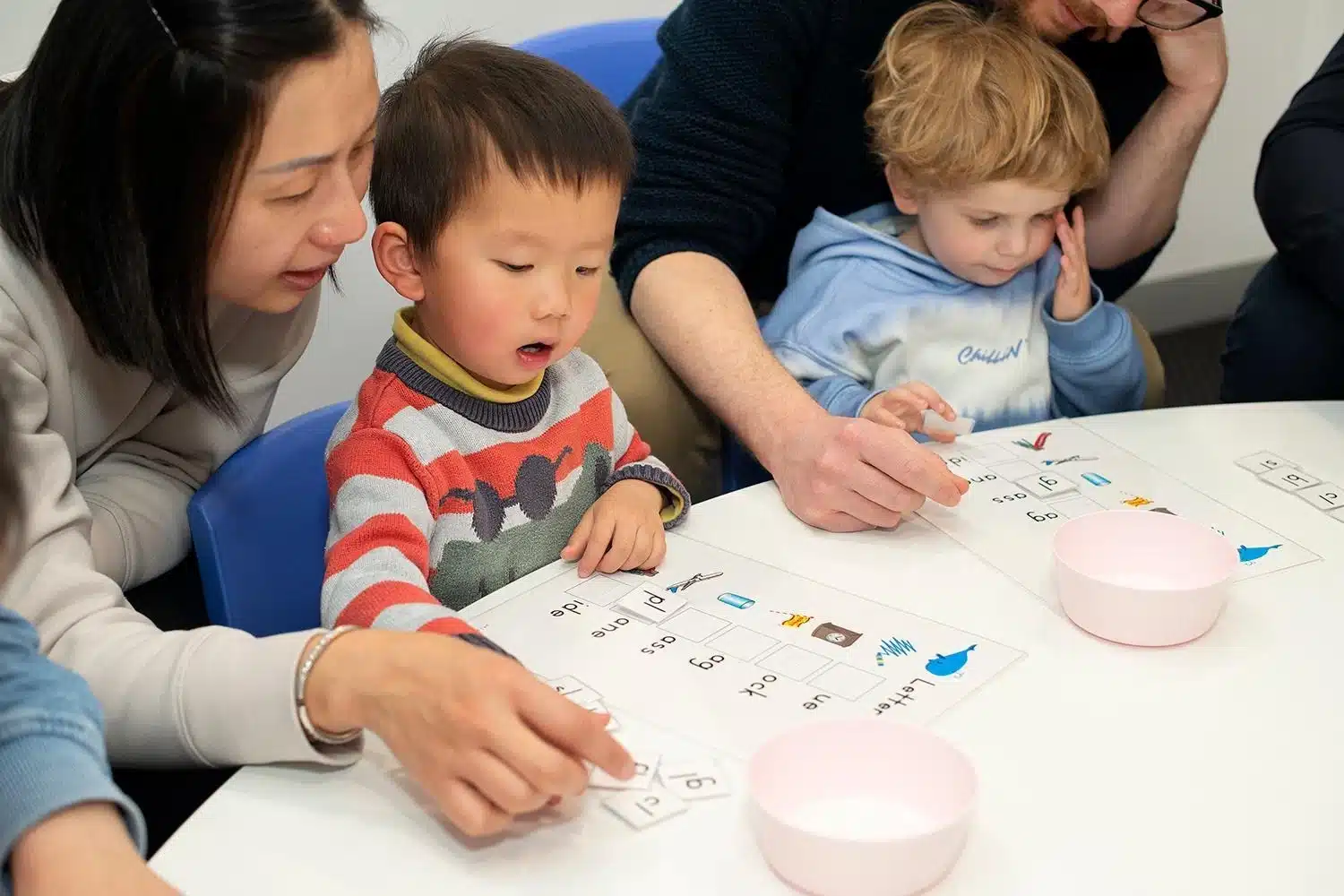
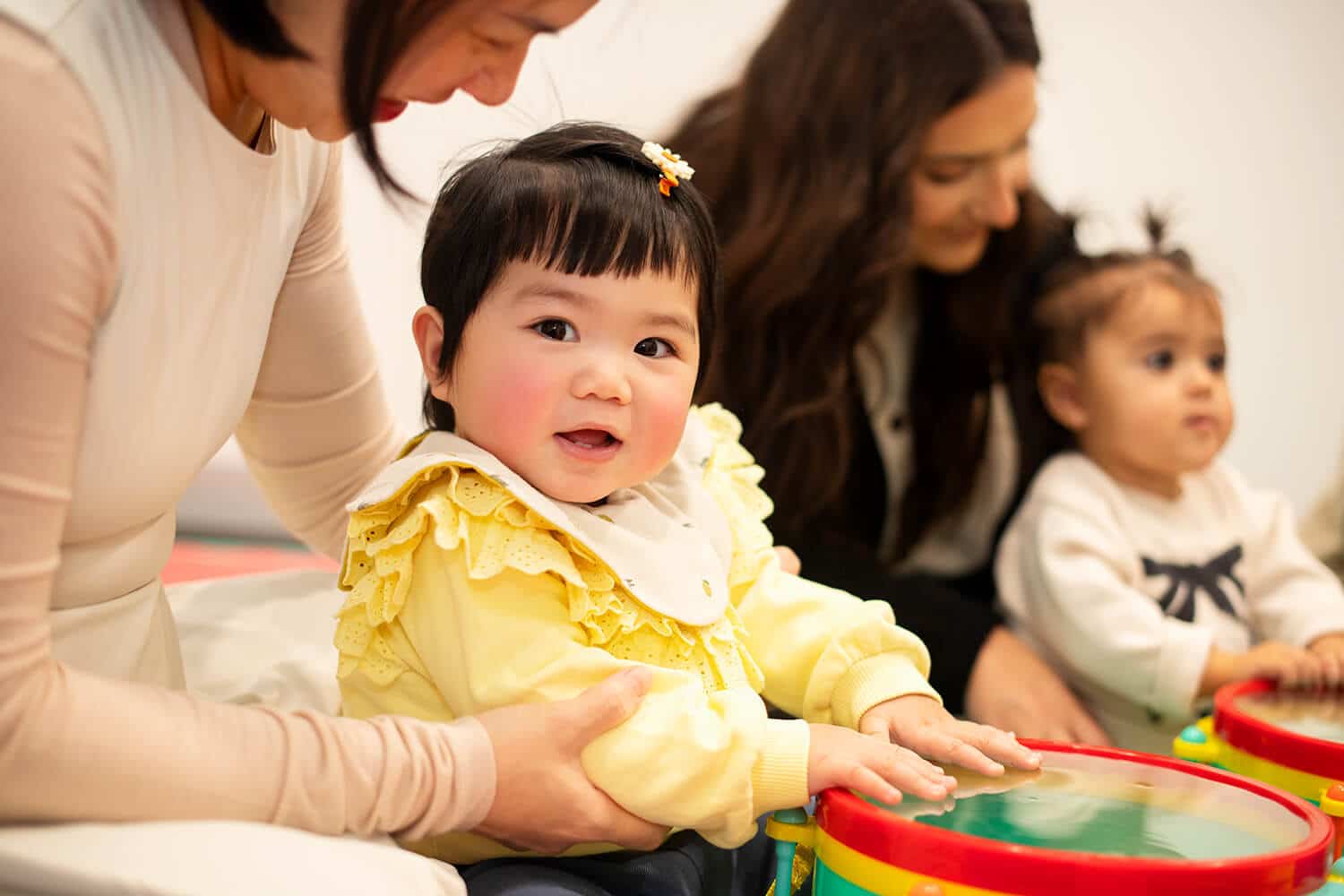
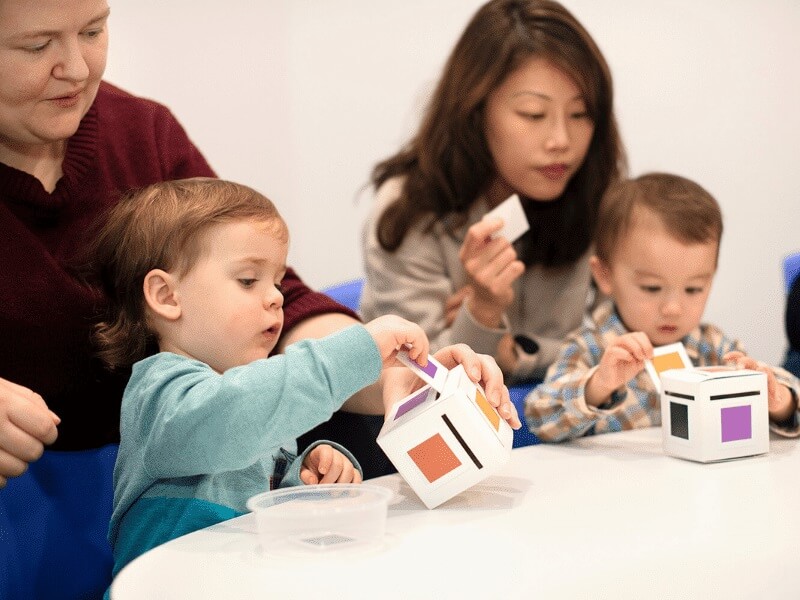
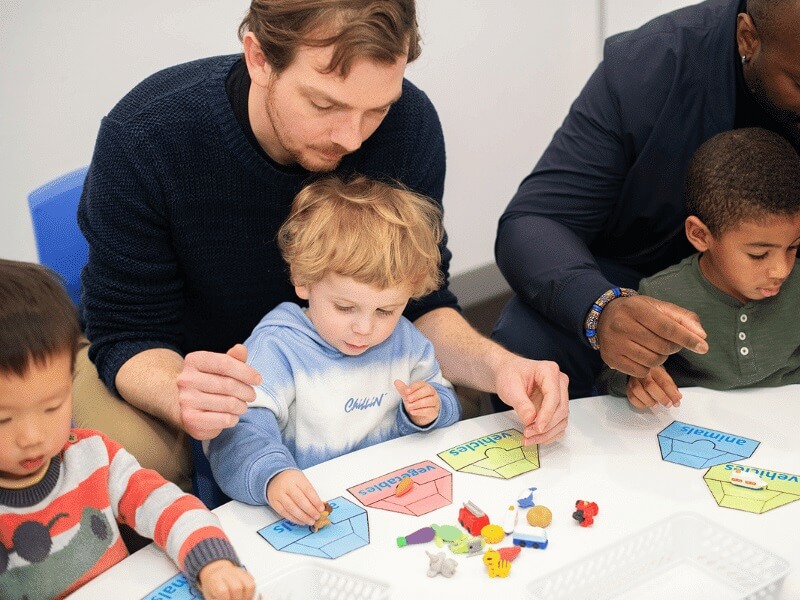
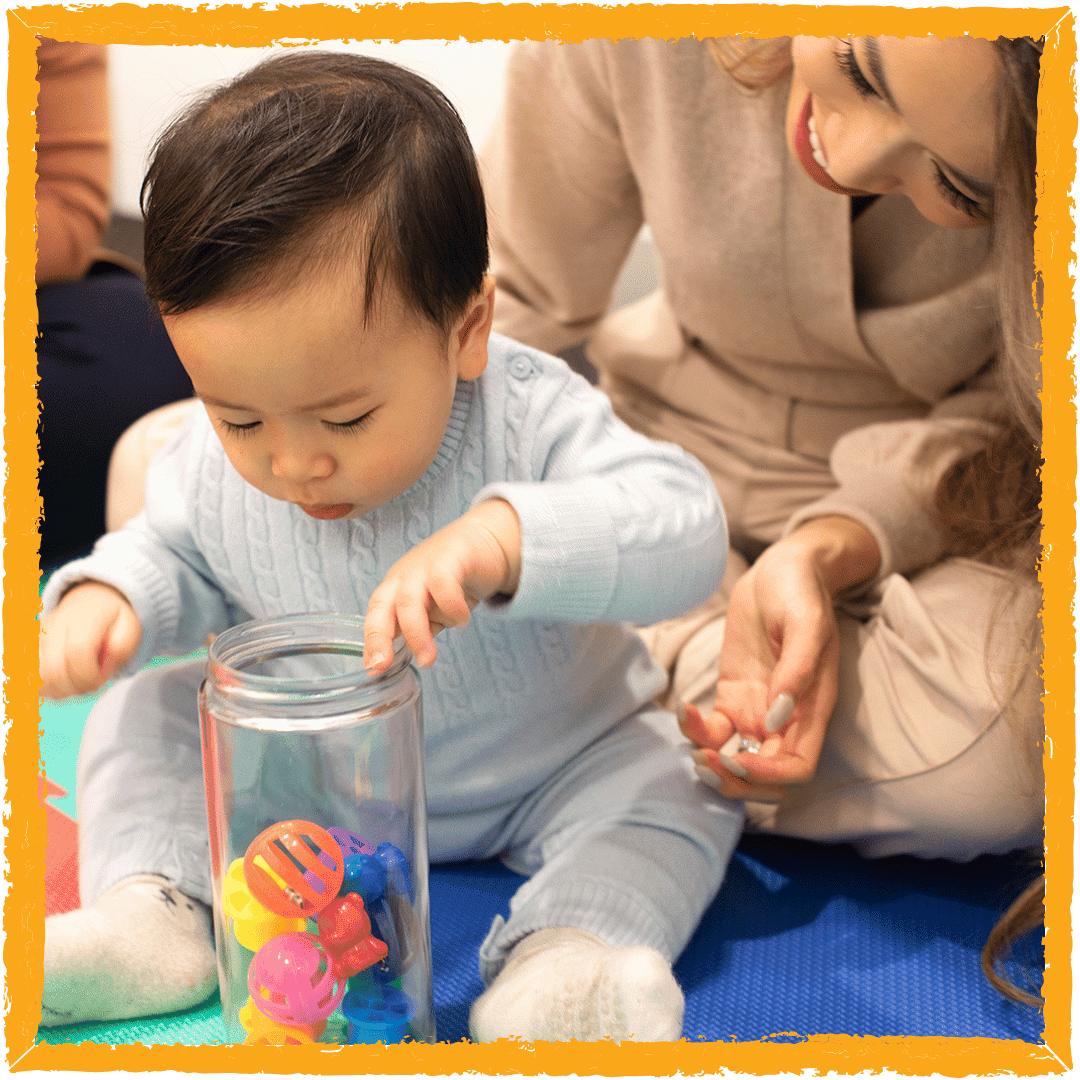
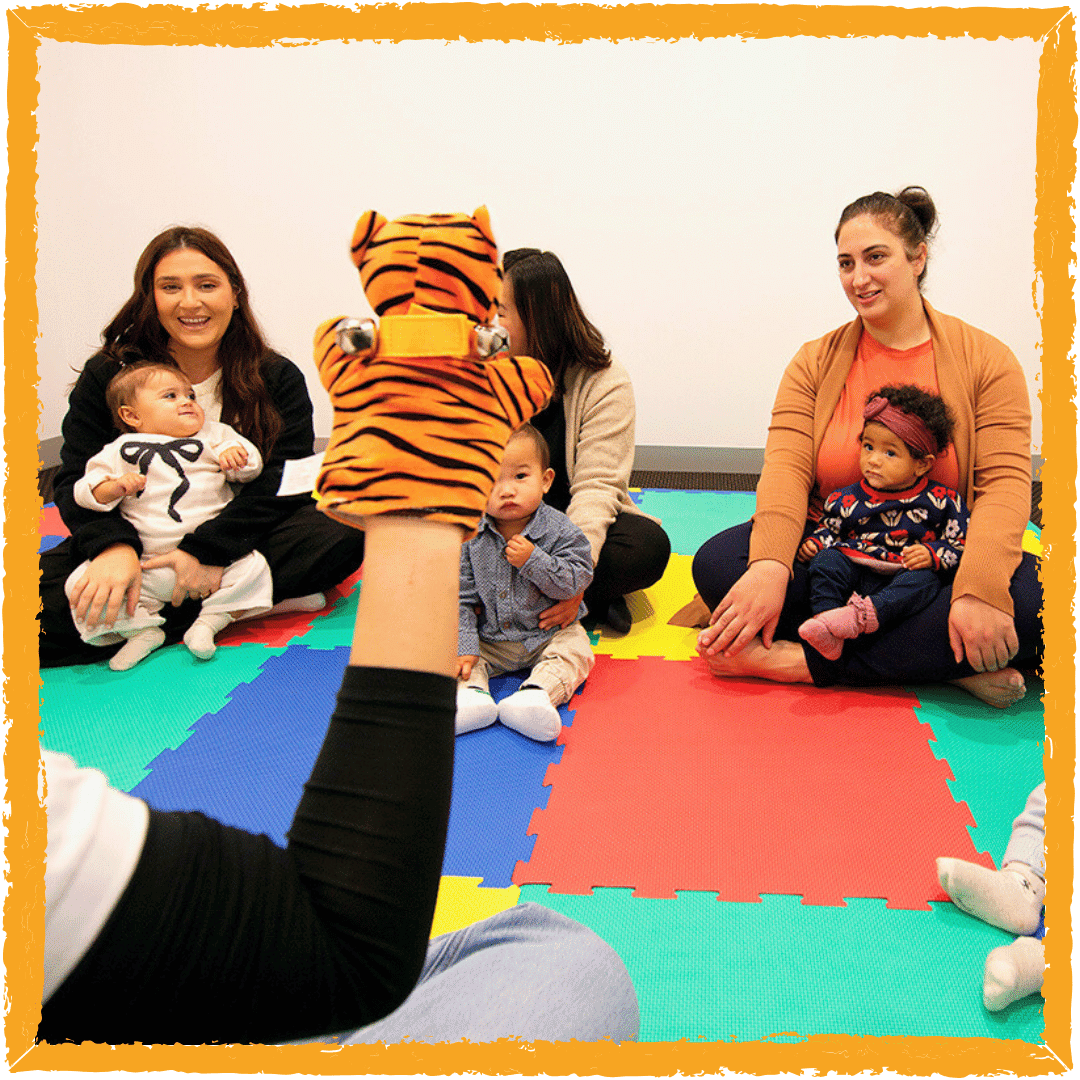
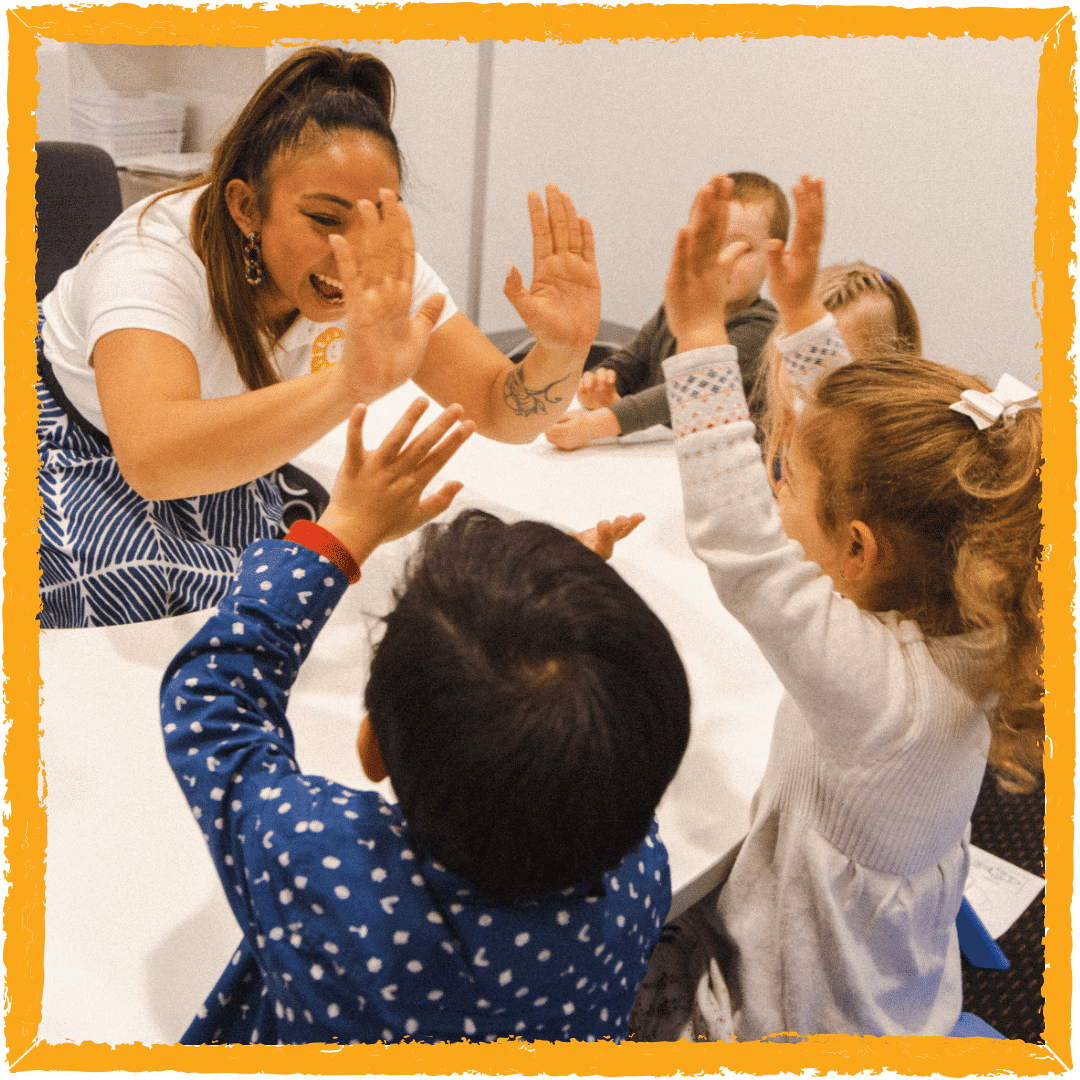
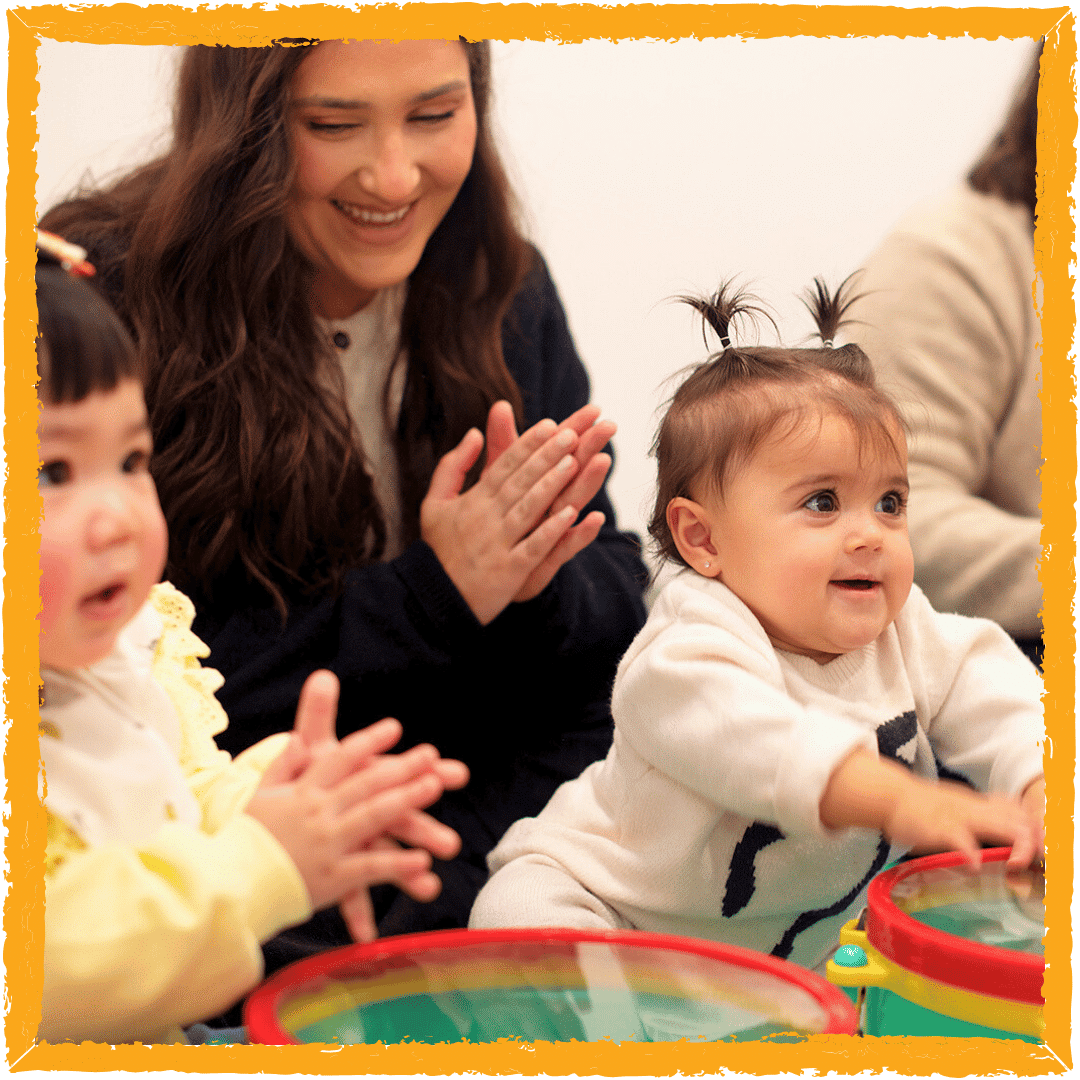
At Shichida Australia, baby classes are designed to support natural developmental milestones rather than rushing positions like sitting. Babies learn through floor-based sensory play, gentle movement, and interaction that help build the strength, balance, and body awareness needed for sitting to develop naturally.
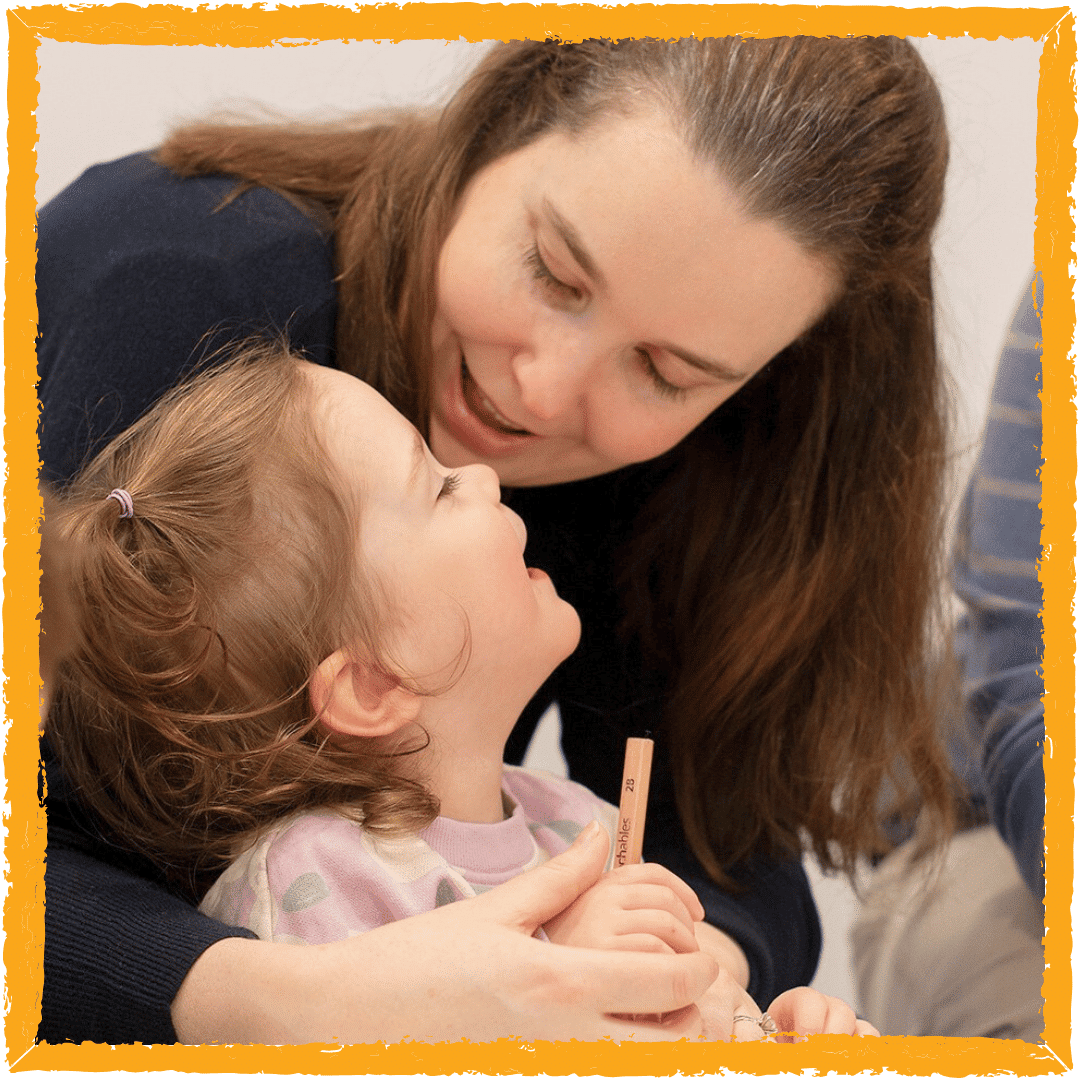
Baby Classes are attended together with a parent and focus on simple, age-appropriate activities, songs, and sensory experiences. Parents are guided on how to support development safely at home, with clear explanations that build confidence and understanding.
If you are looking for gentle, research-informed support that respects your baby’s individual timeline, a Shichida baby class can be a helpful next step.
Book a trial class with Shichida Australia to experience learning through play and connection.
FAQs: Can I Sit My Newborn Up?
No. Newborns are not developmentally ready to sit and benefit most from floor-based movement.
Most babies begin sitting independently between 6 and 8 months.
Brief upright cuddles are fine, but regular supported sitting is not recommended.
No. Active floor play supports development more effectively than early sitting.
Tummy time, rolling, reaching, and free movement on the floor.
Baby seats hold babies upright but do not teach sitting skills.