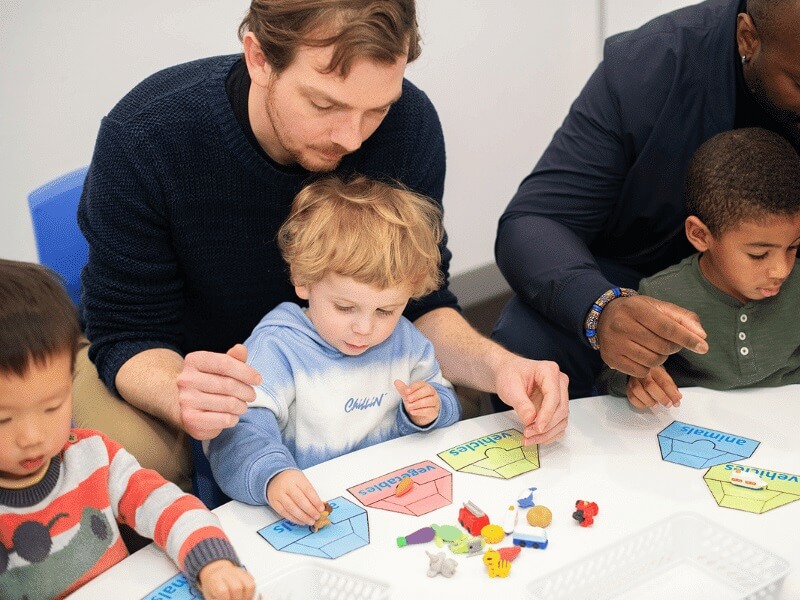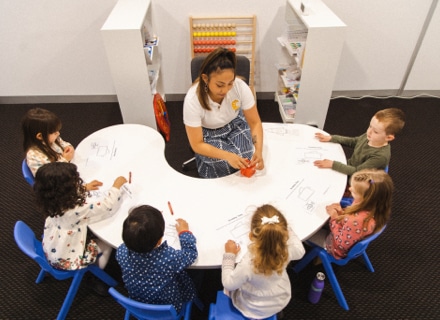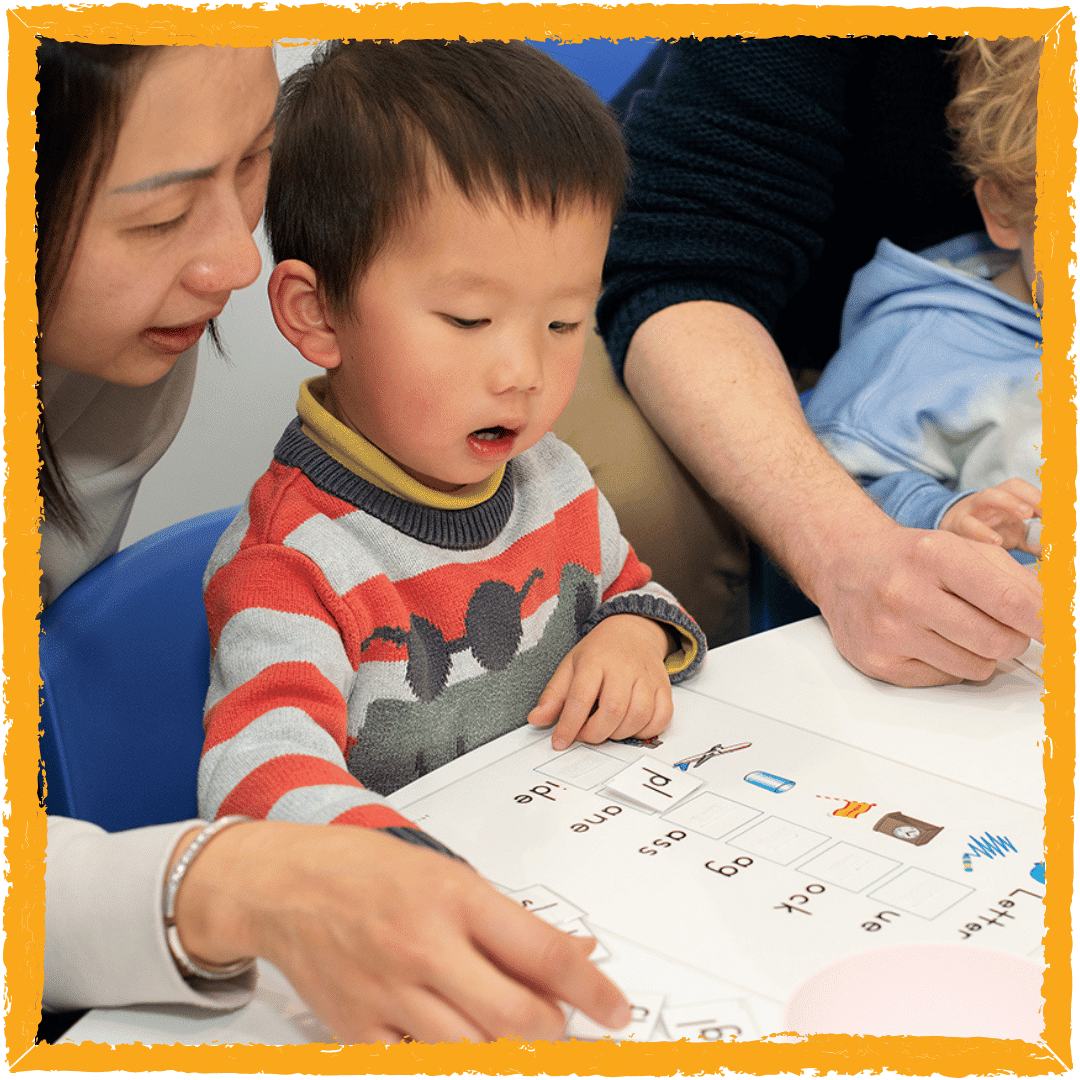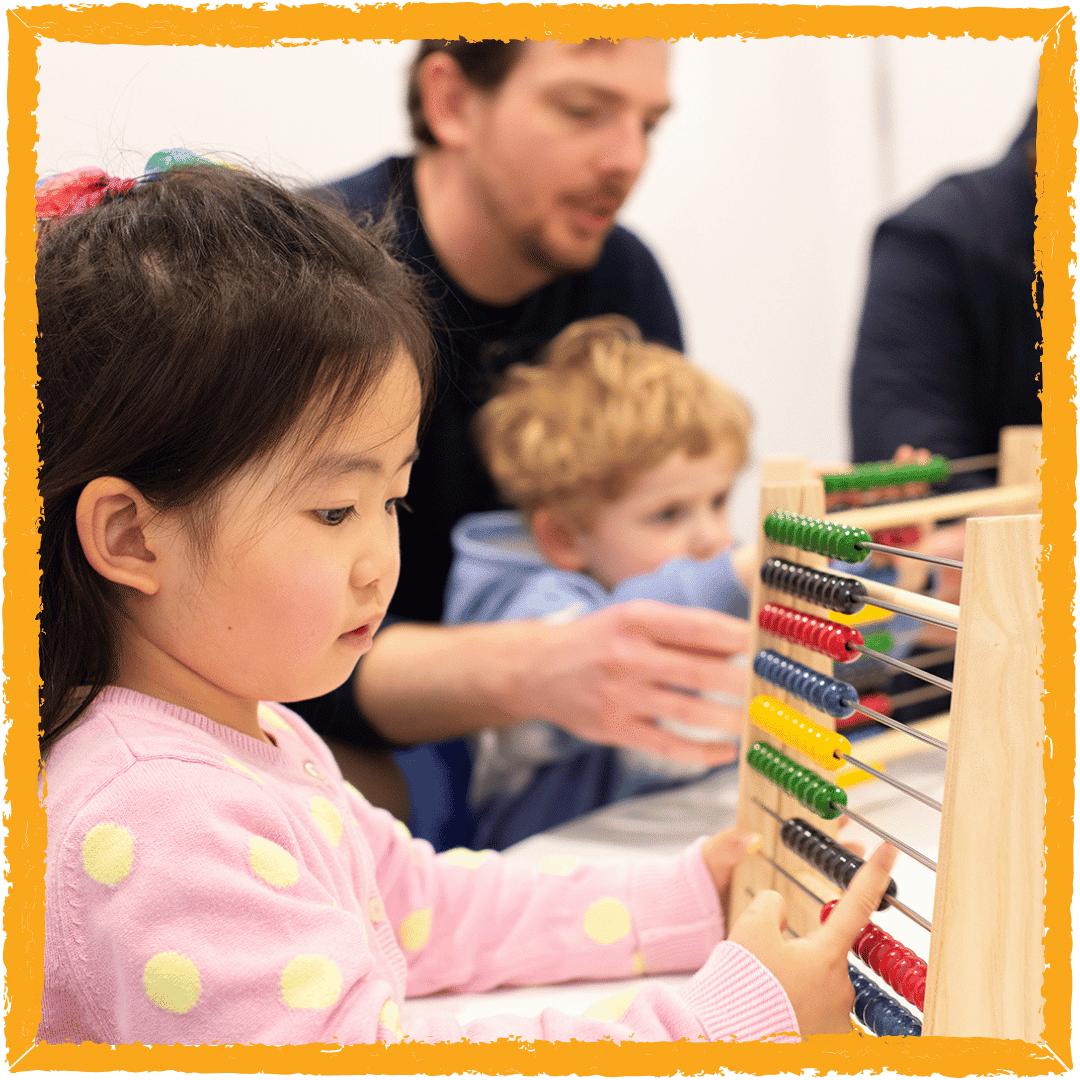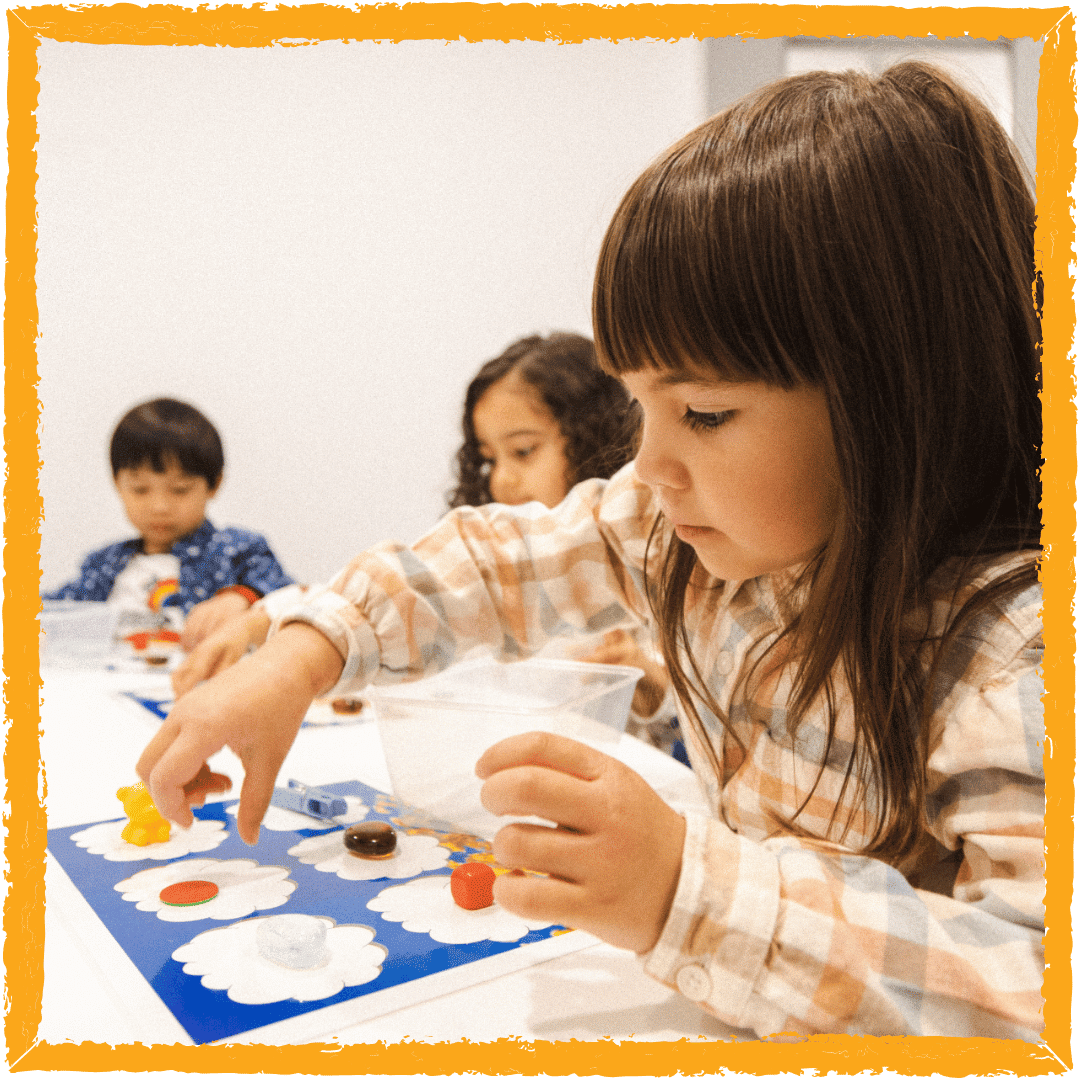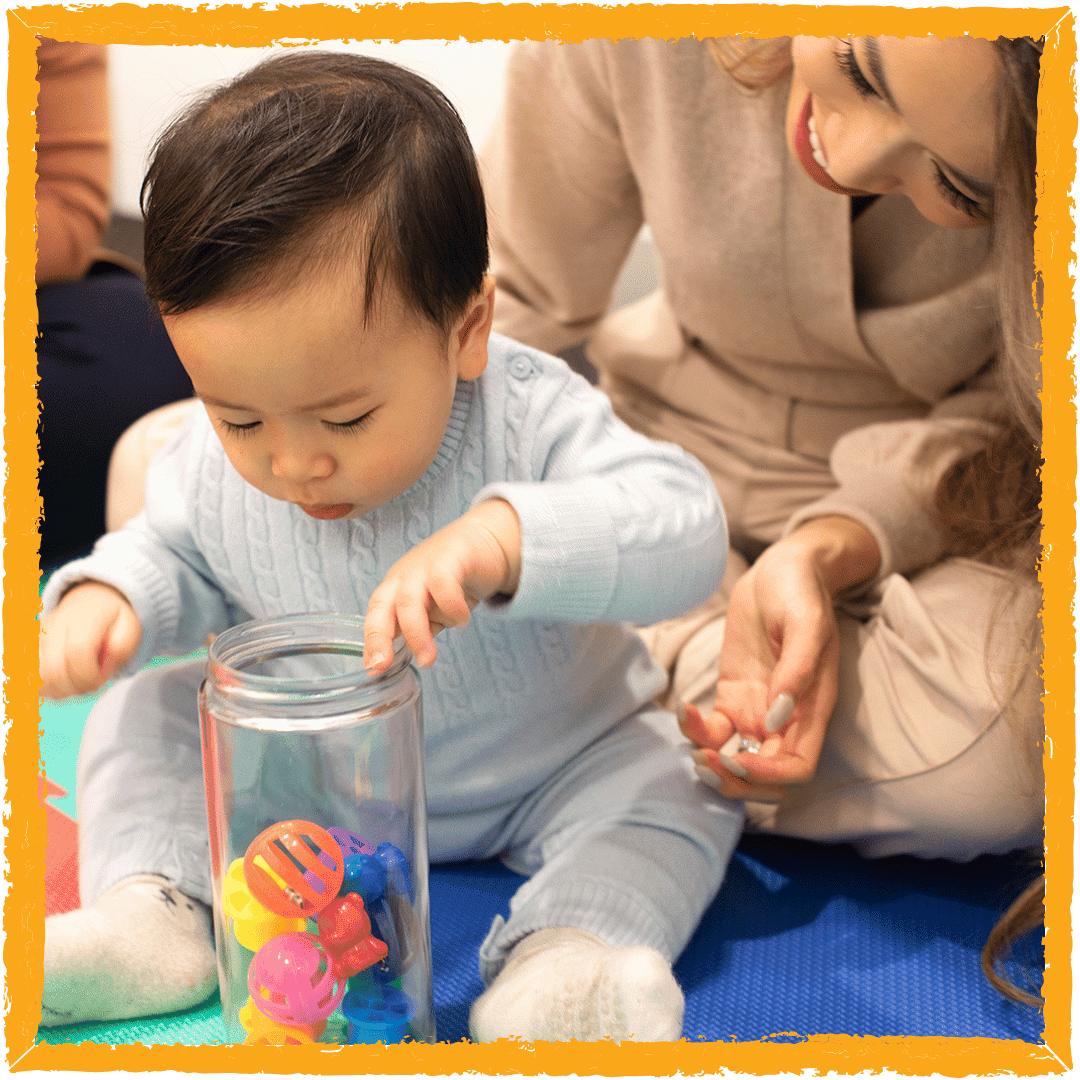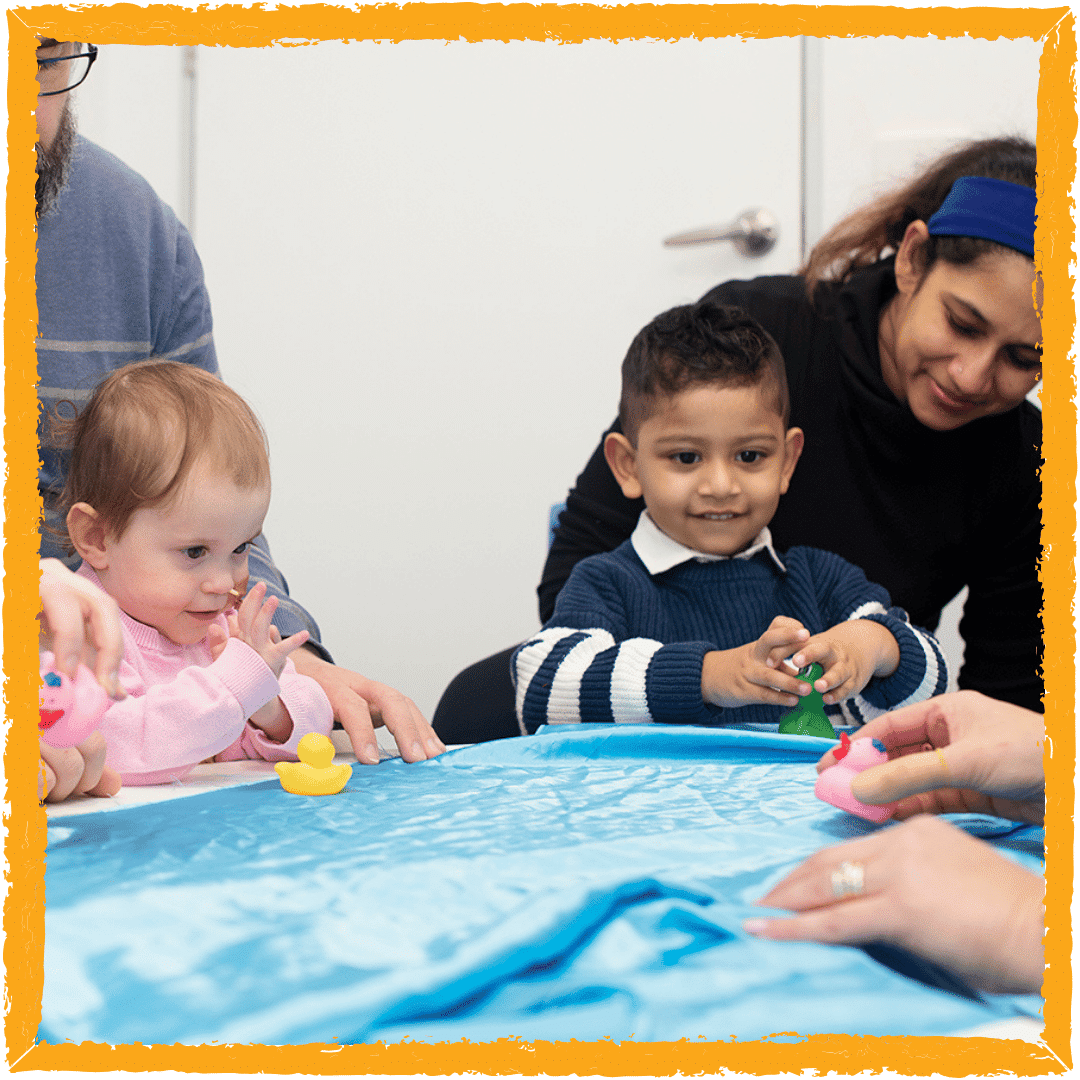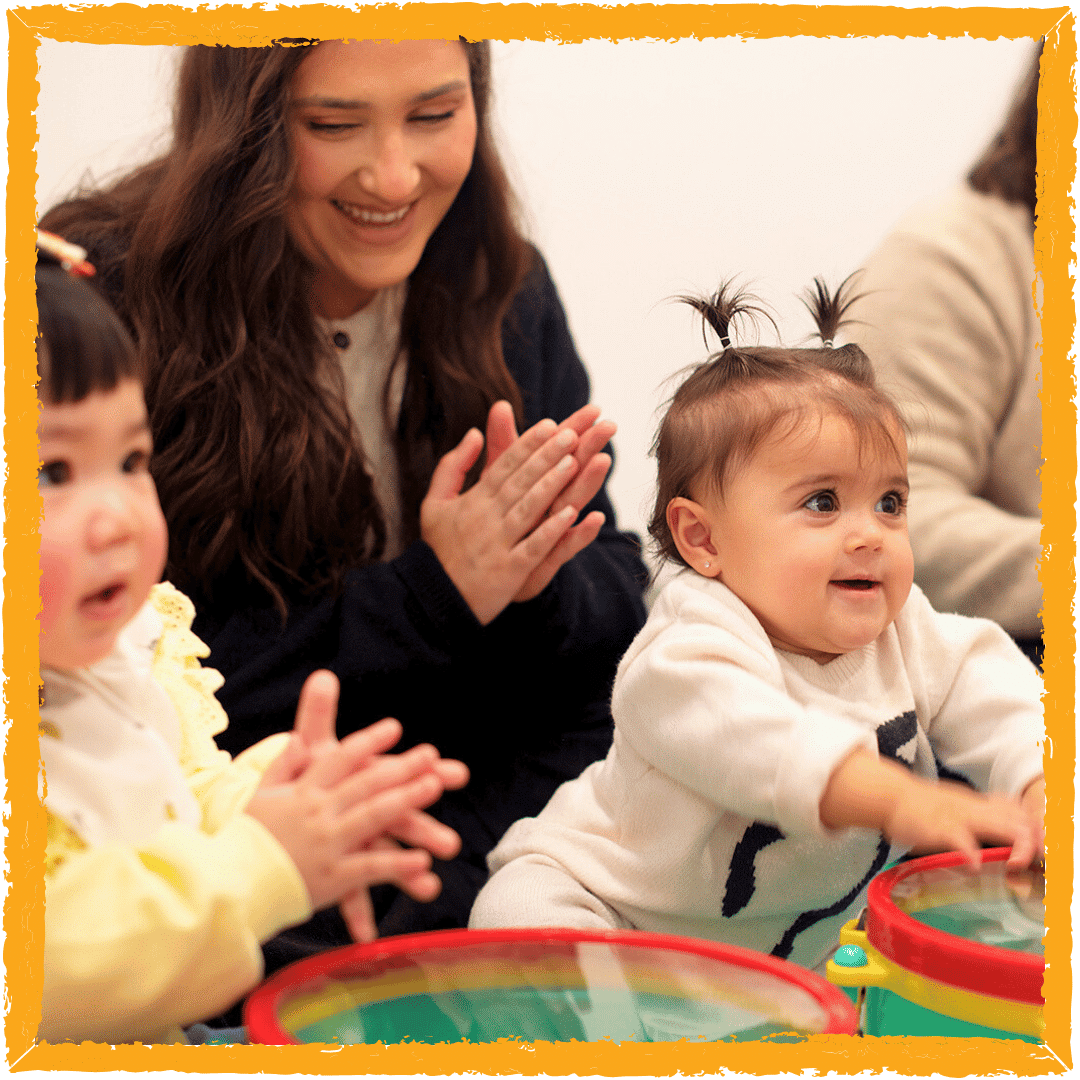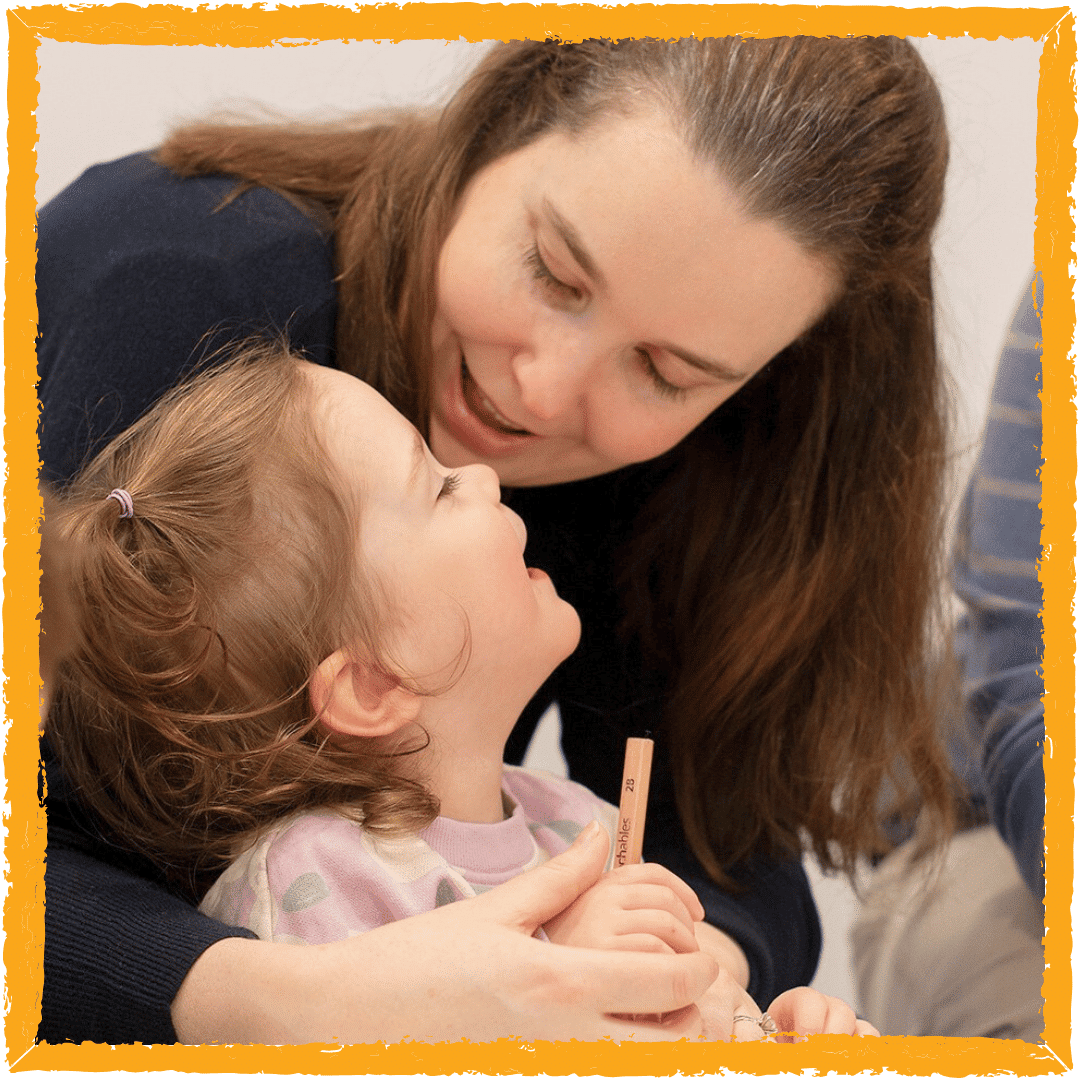
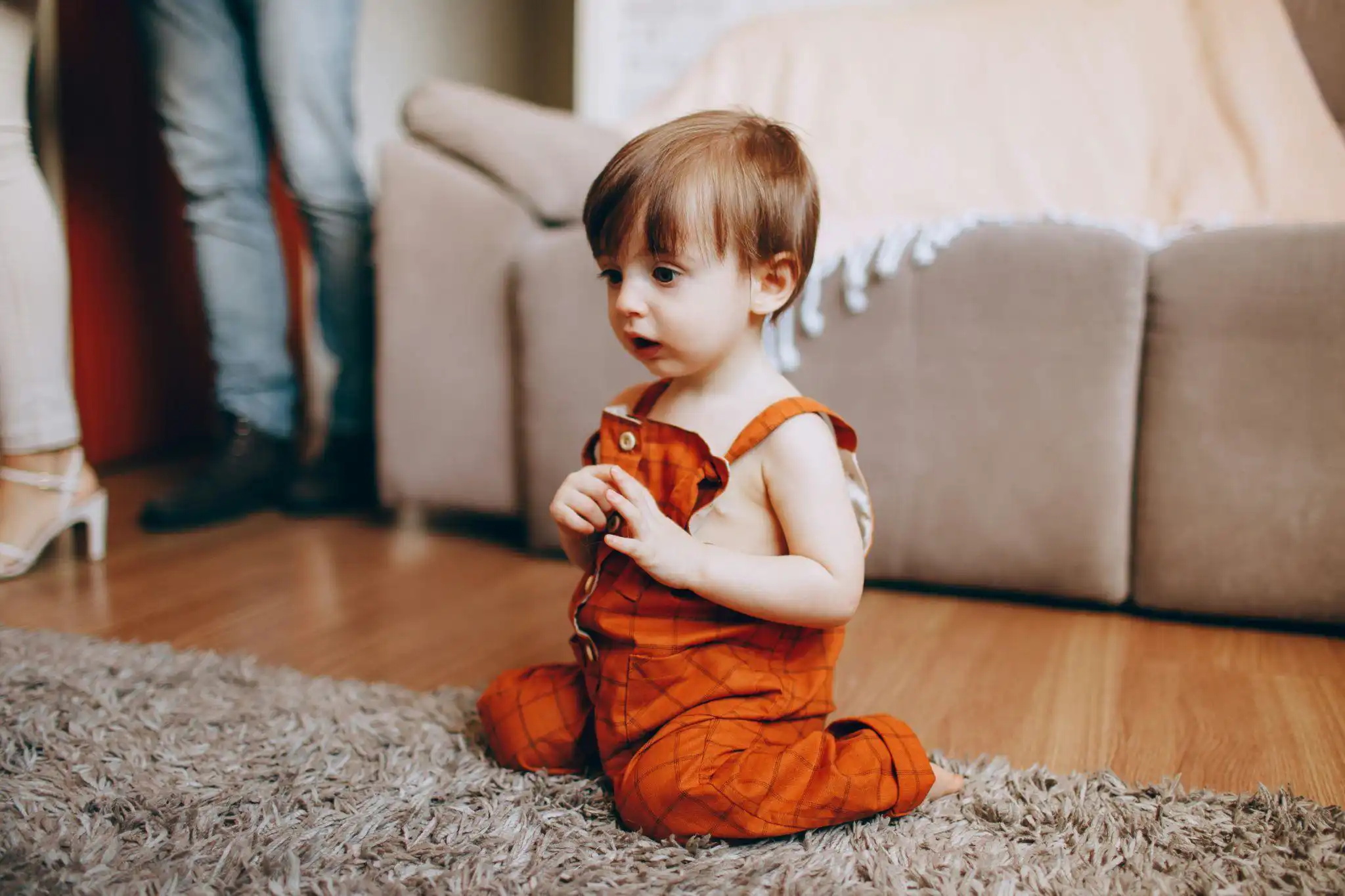
Photo from Pexels: Many parents wonder, are bumbos bad for babies, and whether early sitting aids can be safe under supervision.
Are Bumbos Bad for Babies? The Risks and Benefits
Key Points: Are Bumbo Seats Bad for Babies?
- Bumbo seats are safe only when used correctly. They should be used on the floor, with constant adult supervision, and never on elevated surfaces.
- Bumbo seats support sitting, but do not teach it. Sitting develops through floor play, tummy time, and natural movement, not through supported seating alone.
- Babies need strong head and neck control before using a Bumbo. Most babies are developmentally ready between 3 and 6 months, depending on individual strength and control.
- Overuse can limit natural movement and affect posture. Extended or frequent use may restrict core engagement and reduce opportunities for free movement.
- Floor play and tummy time remain essential for healthy development. Sitting aids should only be used briefly and alongside plenty of unrestricted floor play.
Why does a product that looks so simple cause so much uncertainty for parents? The Bumbo seat appears in baby shops, gift lists, and living rooms everywhere, often before parents have even had time to think about whether their baby should be sitting at all. It is widely recommended, heavily marketed, and instantly recognisable, yet it continues to raise quiet questions about safety and development.
If you are expecting a baby or already caring for one, that hesitation makes sense. Alongside the popularity of baby sitting up aids come important concerns. Is a Bumbo seat safe? Are Bumbos bad for babies, or simply misunderstood? This guide focuses on clear, practical information about risks, benefits, age guidelines, and alternatives so you can make a confident decision that supports your baby’s development.
What Are Bumbo Seats?
A Bumbo seat is a baby sitting seat designed to support babies who cannot yet sit independently. It allows them to sit upright on the floor with support around the hips and legs. The idea is simple. Provide early sitting support while keeping the baby stable and secure.
Bumbo seats are often grouped with other baby sitting aids, which include infant chairs, Sit Me Up seats, and supported floor seating. These products are not meant to replace natural development but to complement it when used correctly.
It is important to understand that a Bumbo is not a teaching tool on its own. Babies still need time on the floor, freedom to move, and opportunities to develop core strength naturally. When used thoughtfully, a baby sitting seat can offer short moments of upright play or interaction.
Bumbo Seat Design
The classic Bumbo seat is made from moulded foam with a low centre of gravity. This design helps keep the seat stable when placed directly on the floor. Many models now include a safety harness and a non-slip base.
Compared to other infant chairs and sit up products, the Bumbo has a firmer structure and deeper leg openings. This snug fit is what gives it stability, but it can also limit movement if used for long periods.
Intended Use
Bumbo seats are intended for early sitting support under constant adult supervision. They are designed for floor use only and should never be placed on tables, sofas, beds, or benches.
Think of a Bumbo as a short-term support tool, not a place where your baby spends extended time. It is not meant for feeding, sleeping, or replacing floor play.
If you’re supporting your baby’s development at home, simple tools can make a big difference. Download Shichida Australia’s free high-contrast flashcards and sensory play resources to encourage movement, engagement, and learning beyond seated time.

Are Bumbo Seats Safe?
The question are Bumbo seats safe does not have a simple yes or no answer. Safety depends on how, where, and when the seat is used.
There have been safety recalls and warnings over the years related to falls. These incidents almost always involved Bumbo seats being placed on elevated surfaces. Manufacturers now clearly state that the seat must only be used on the floor and under supervision.
When used according to guidelines, a Bumbo seat is considered safe for short periods. Problems arise when it is used too early, too often, or as a substitute for natural movement.
Risks Associated with Bumbo Seats
One of the biggest risks is falls from elevated surfaces. Even with a harness, a baby can tip the seat over if it is placed on a chair or table.
Another concern is posture. Overuse can place a baby in a supported sitting position before their core muscles are ready. This may lead parents to worry that a Bumbo seat is bad for baby posture if relied on too heavily.
There is also the risk of overreliance. Babies learn best through movement. Spending too much time in any container can limit exploration and muscle development.
Safety Guidelines and Recommendations
Most experts agree on a few clear rules:
- Only use a Bumbo seat once your baby has strong head and neck control
- Follow the manufacturer’s weight and age recommendations
- Use the seat on the floor only
- Limit sessions to short, supervised periods
Used this way, concerns about whether a Bumbo seat is bad are significantly reduced.
Benefits of Using a Bumbo Seat
When used appropriately, there are benefits that explain why many parents still choose a Bumbo seat.
A Bumbo can support early upright experiences, which babies often enjoy. It allows them to see the world from a new perspective and interact with caregivers at eye level.
Helping Babies Learn to Sit
Parents often ask, does a Bumbo seat help baby learn to sit? The answer is that it can support, but it does not teach sitting.
Sitting is a skill that develops through rolling, tummy time, and floor play. A Bumbo seat can complement this process by offering short moments of balance practice and core engagement when your baby is developmentally ready.
Convenience for Caregivers
Let’s be honest. Caring for a baby is demanding. Short, supervised periods in a baby sitting seat can allow you to prepare a bottle, talk with your baby face to face, or enjoy a calm moment together.
Convenience should never come at the expense of development, but when used thoughtfully, it can be part of a balanced routine.
Bumbo Seat Age and Weight Guidelines
Understanding Bumbo recommended age and weight limits is essential for safe use.
Recommended Age
Most babies are ready for a Bumbo seat between 3 and 6 months, depending on individual development. The key sign is strong head and neck control.
For babies aged 0-3 months, a Bumbo is not appropriate. Floor play and tummy time are far more beneficial at this stage.
For babies aged 4-6 months, a Bumbo can be used briefly if head control is solid.
By 7-9 months, many babies are starting to sit independently, and the Bumbo may no longer be necessary.
Weight Limits
Always check the manufacturer’s guidelines for Bumbo seat age weight limits. Exceeding these limits increases tipping risk and discomfort.
Signs your baby has outgrown the seat include:
- Tight leg openings
- Difficulty maintaining posture
- Pushing themselves forward or attempting to climb out
Alternatives to Bumbo Seats
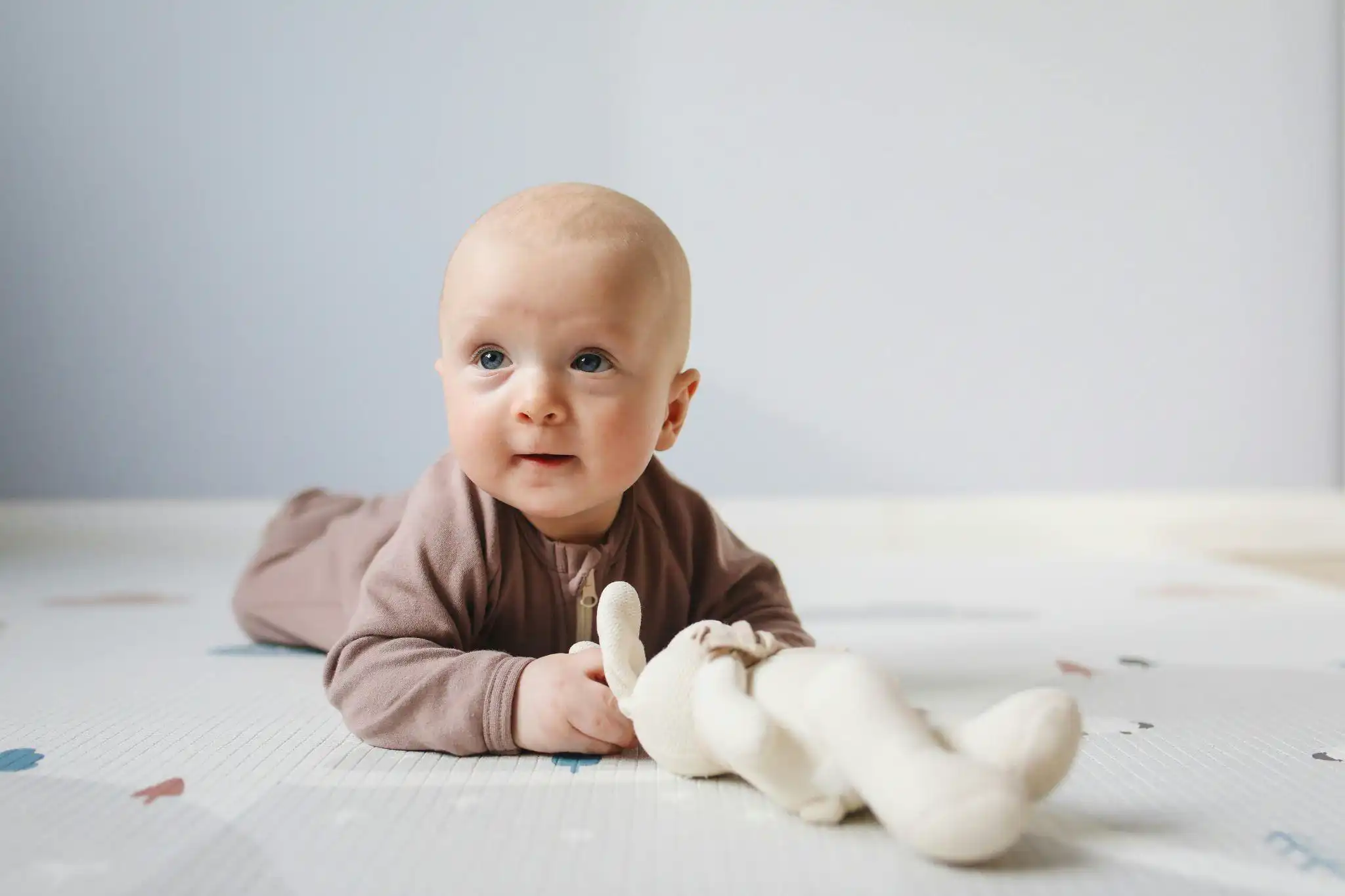
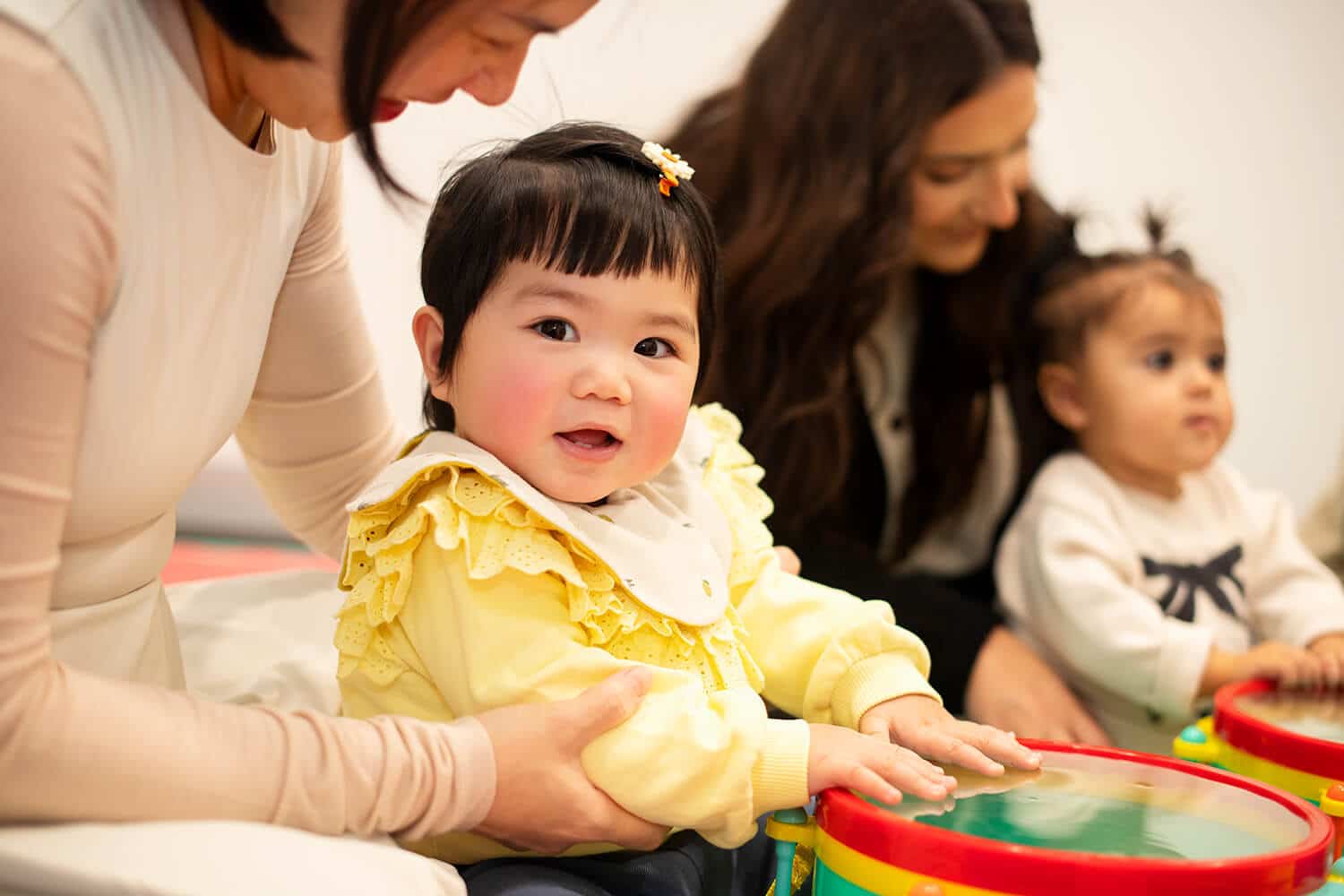
Photo from Pexels: Floor play and tummy time help answer are bumbos bad for babies by promoting natural movement and core strength.
If you are unsure whether a Bumbo is right for your baby, there are excellent alternatives that support development more naturally.
Floor play remains the gold standard. Babies develop strength, coordination, and confidence by moving freely on a safe surface.
Sit Me Up and Infant Chairs
When comparing Sit Me Up vs Bumbo, Sit Me Up seats often provide softer support and allow more movement. They are typically designed for slightly older babies and still require supervision.
Neither option replaces floor time, but some parents feel Sit Me Up chairs offer better posture flexibility.
Baby Floor Mats and Tummy Time
Nothing replaces floor play. Tummy time benefits include stronger neck, shoulders, and core muscles, all of which are essential for sitting. A simple mat, combined with engaging interaction, often does more for development than any chair.
You can explore more about the importance of floor play and tummy time benefits through Shichida’s developmental resources.
Supportive Props
Rolled towels, cushions, or nursing pillows can offer temporary support during supervised sitting practice. These allow you to adjust support as your baby grows and moves.
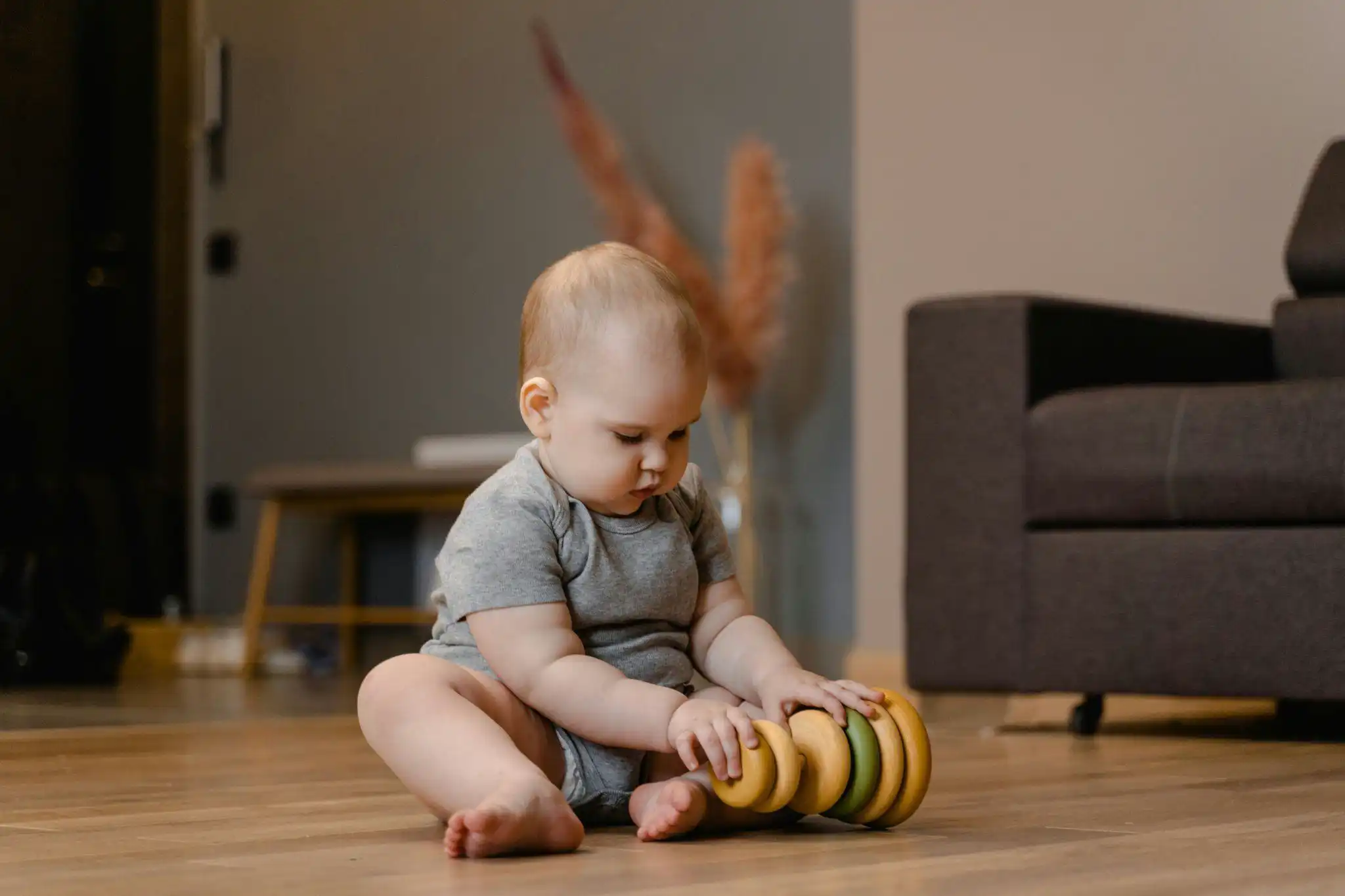
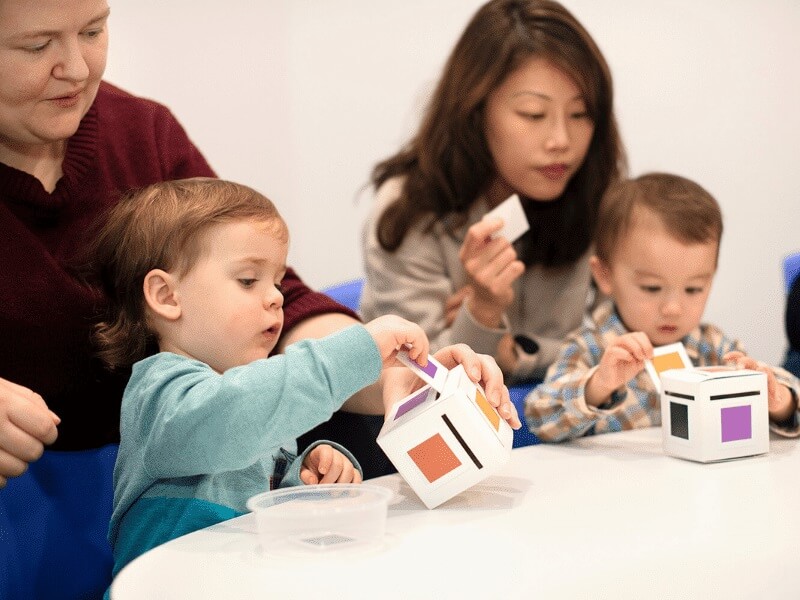
Photo from Pexels: Knowing how to use sitting aids safely helps parents decide if are bumbos bad for babies or if floor play is enough for development.
Bumbo Seat vs Sit Me Up: Key Differences
Choosing between a baby chair sit up option can feel overwhelming. Here is how they differ.
Design and Safety Comparison
Bumbo seats are firmer with deeper leg support and a low centre of gravity. Sit Me Up chairs tend to be softer and often include toy trays.
Both must be used on the floor and under supervision. Neither is safe on elevated surfaces.
Developmental Support Comparison
A Bumbo provides more rigid support, which can be helpful briefly but restrictive if overused. Sit Me Up chairs often allow more trunk movement.
Neither should replace free movement. The best chair for baby learning to sit is always one used sparingly alongside floor play.
Best Practices for Using Bumbo Seats
If you choose to use a Bumbo seat, keep these principles in mind:
- Use on the floor only
- Limit use to 10-15 minutes at a time
- Always supervise
- Watch your baby’s posture and comfort
- Balance with plenty of floor play and tummy time
Think of the Bumbo as one small tool in a much bigger developmental picture.
When Your Baby Is Ready for Sitting Support, You May Be Ready for Shichida Baby Classes
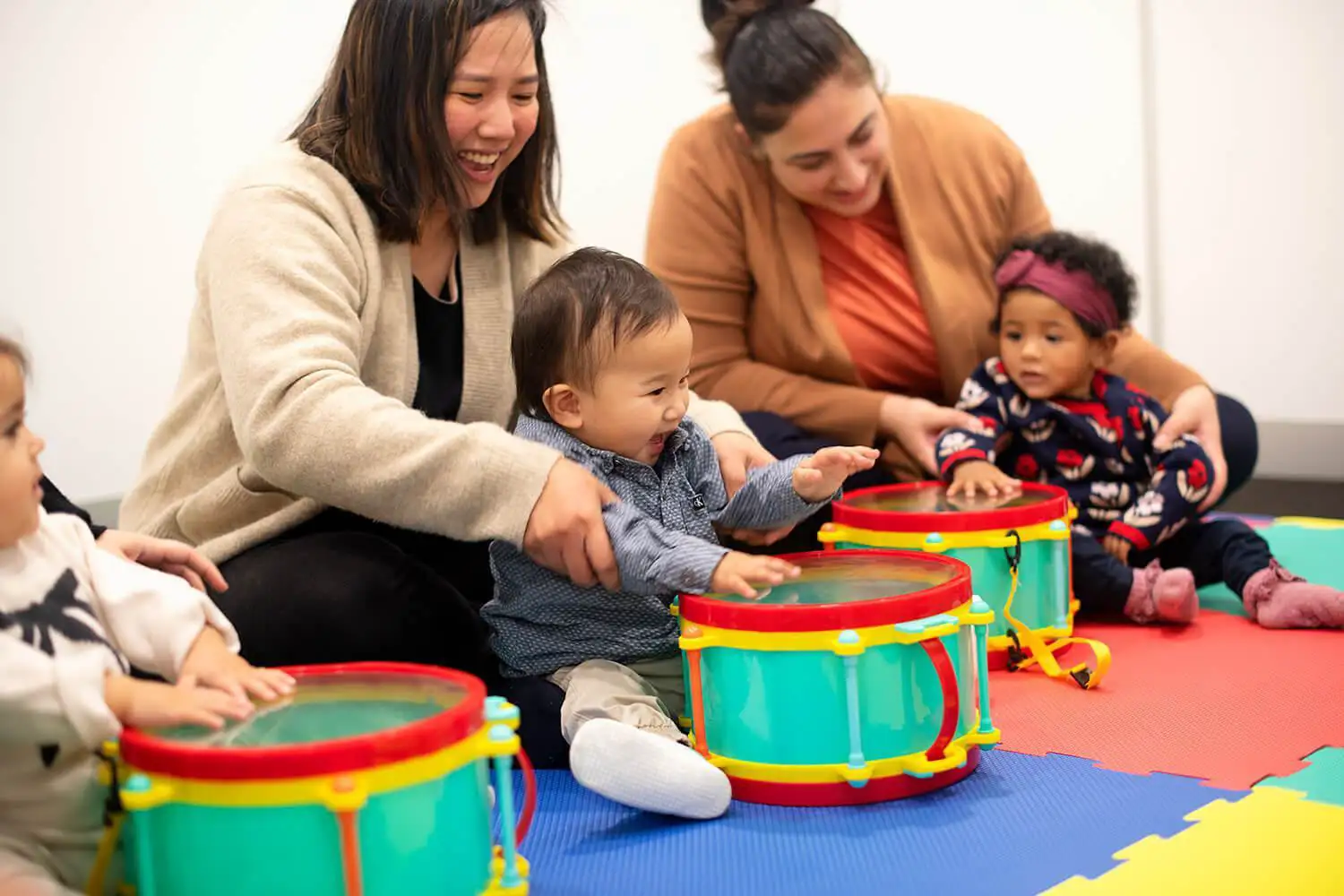
If your baby is showing signs that they enjoy supported sitting, it often means they are becoming more alert, curious, and ready to engage with the world around them.
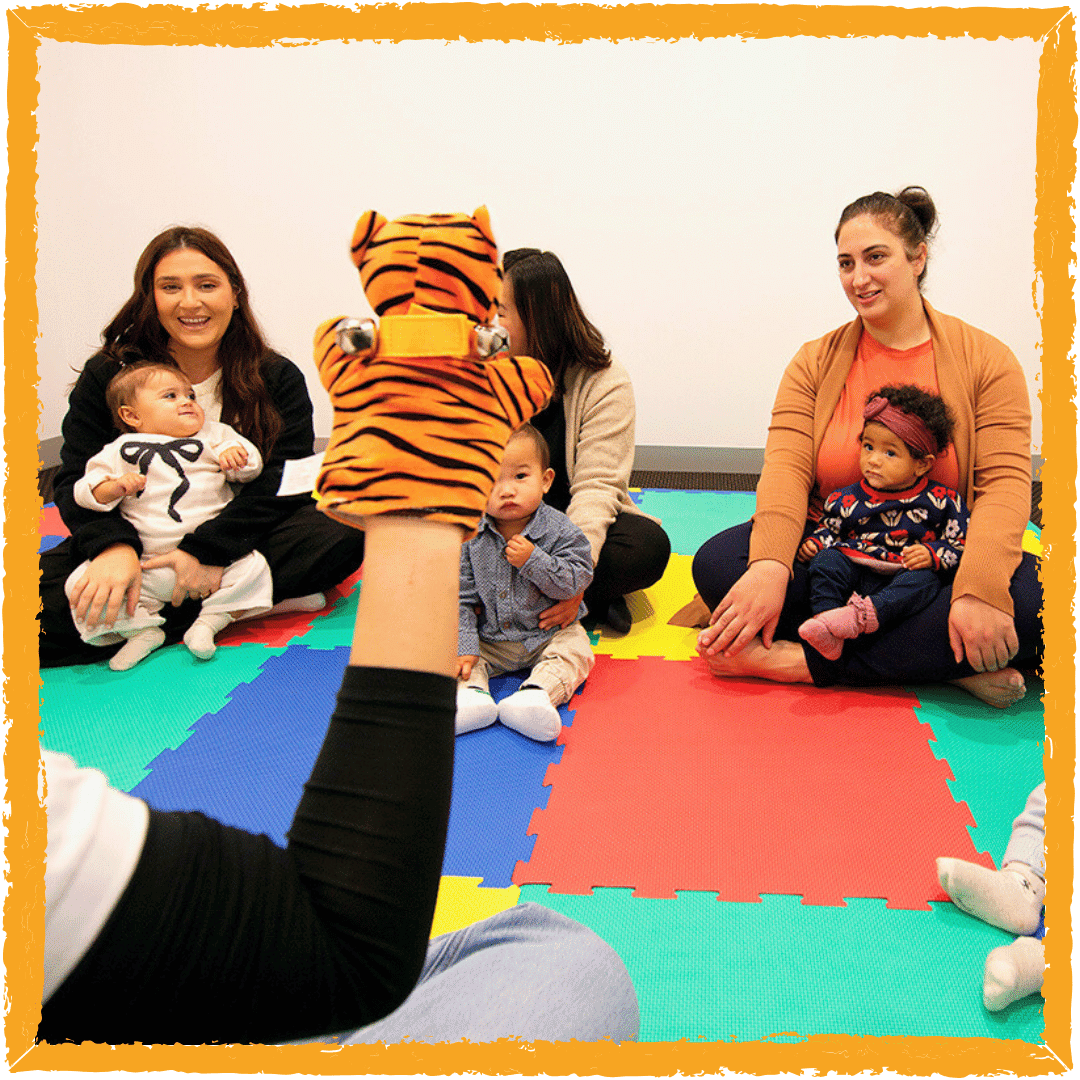
This stage is also when many families choose to begin Shichida Australia baby classes. In class, you and your baby participate together in gentle, age-appropriate activities that support sensory awareness, attention, bonding, and early learning – all while respecting your baby’s natural development.
Book a baby trial class today! Classes start from 6 months old.
FAQs: Are Bumbos Bad for Babies?
Yes, when used correctly on the floor, with close supervision, and for short periods of time.
Usually between 3 and 6 months, once a baby has strong and steady head control.
They support a sitting position but do not teach sitting. Floor play remains essential for learning this skill.
The main risks include falls from elevated surfaces and posture issues if the seat is used too often or for too long.
Short sessions are best, ideally around 10–15 minutes at a time.
Both are safe when used correctly and with supervision. Neither should replace regular floor time.
Floor mats, tummy time, supportive props, and development-focused programmes that encourage natural movement.
Overuse can contribute to poor posture, especially if floor play is limited. Balanced use helps reduce this risk.
A tight fit, visible discomfort, or attempts to climb out are clear signs it is time to stop using it.
Is this conversation helpful so far?