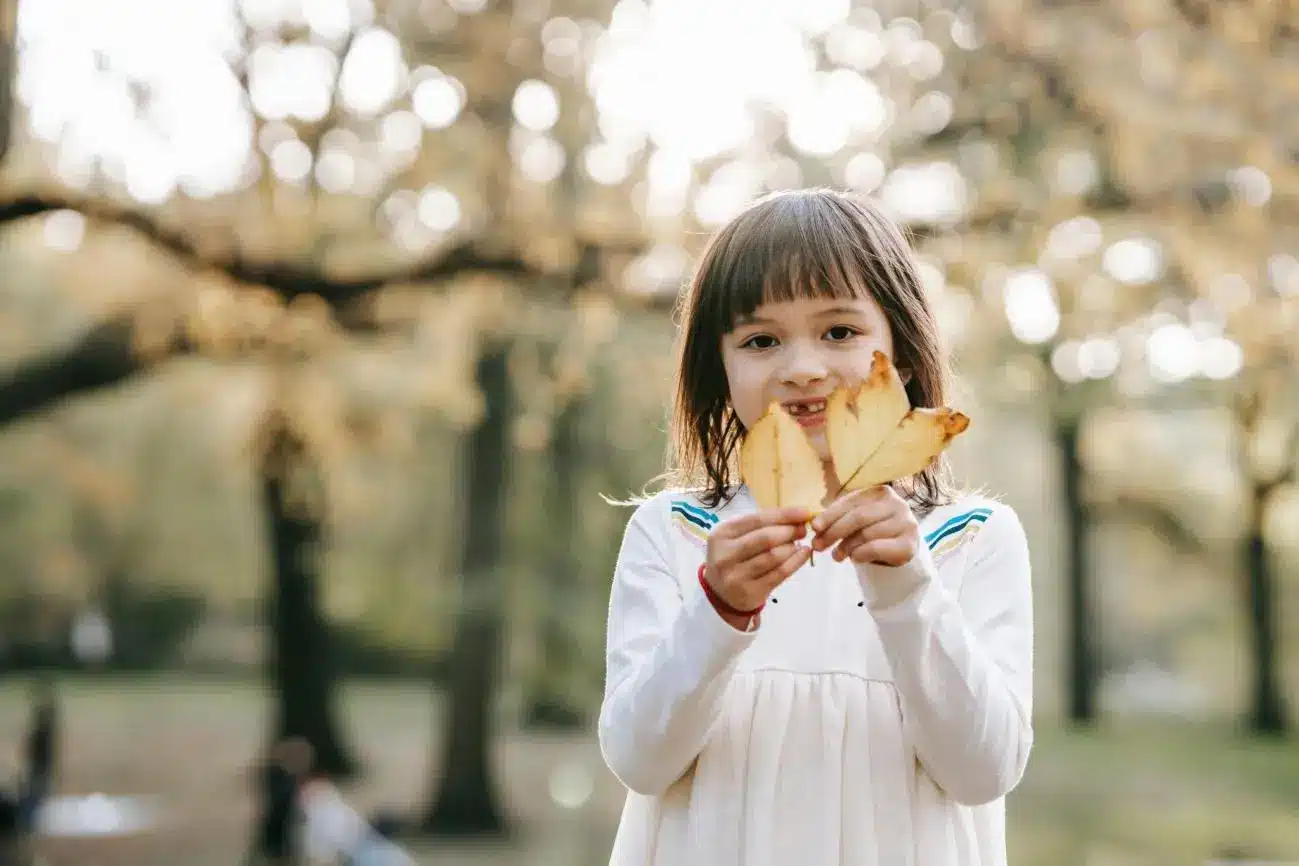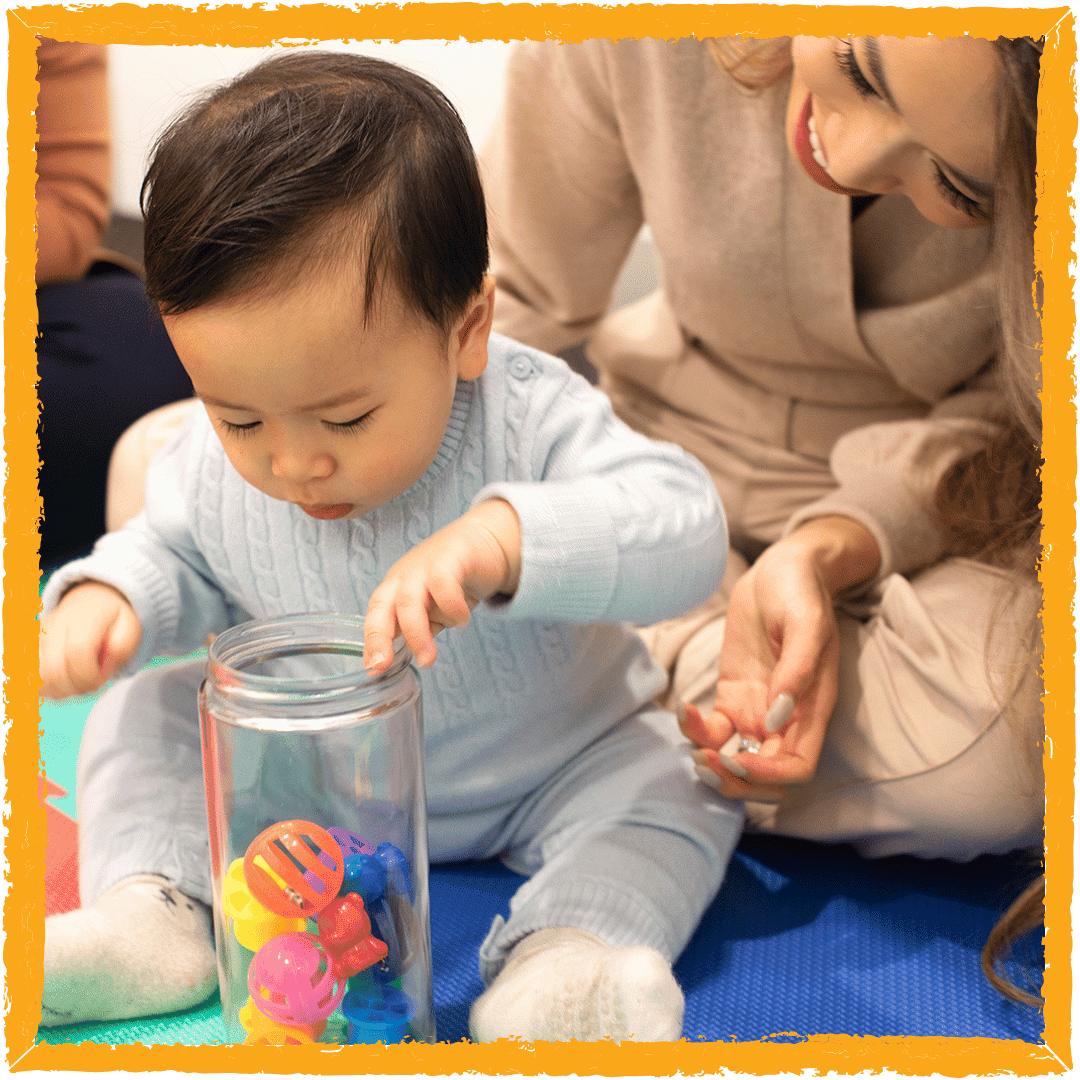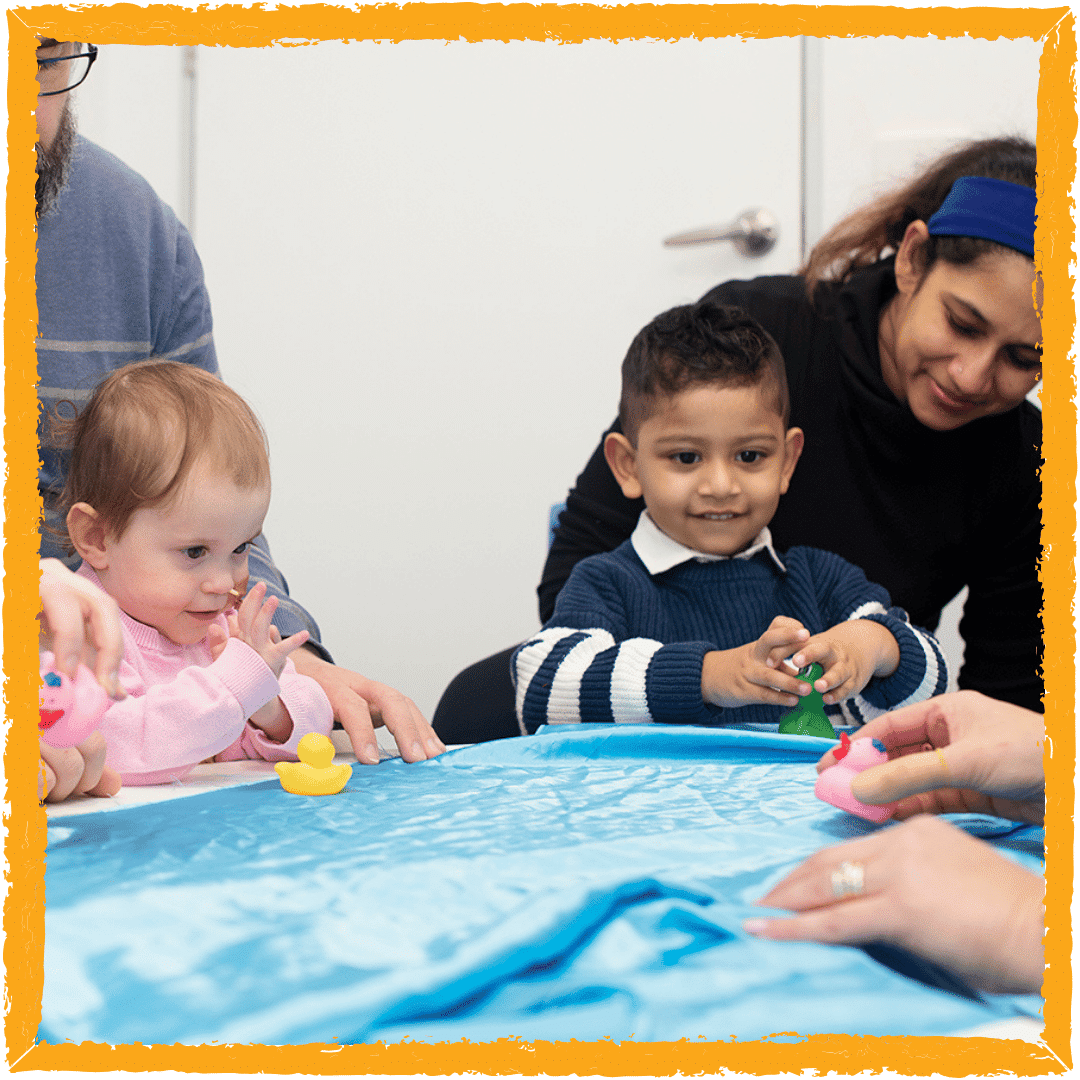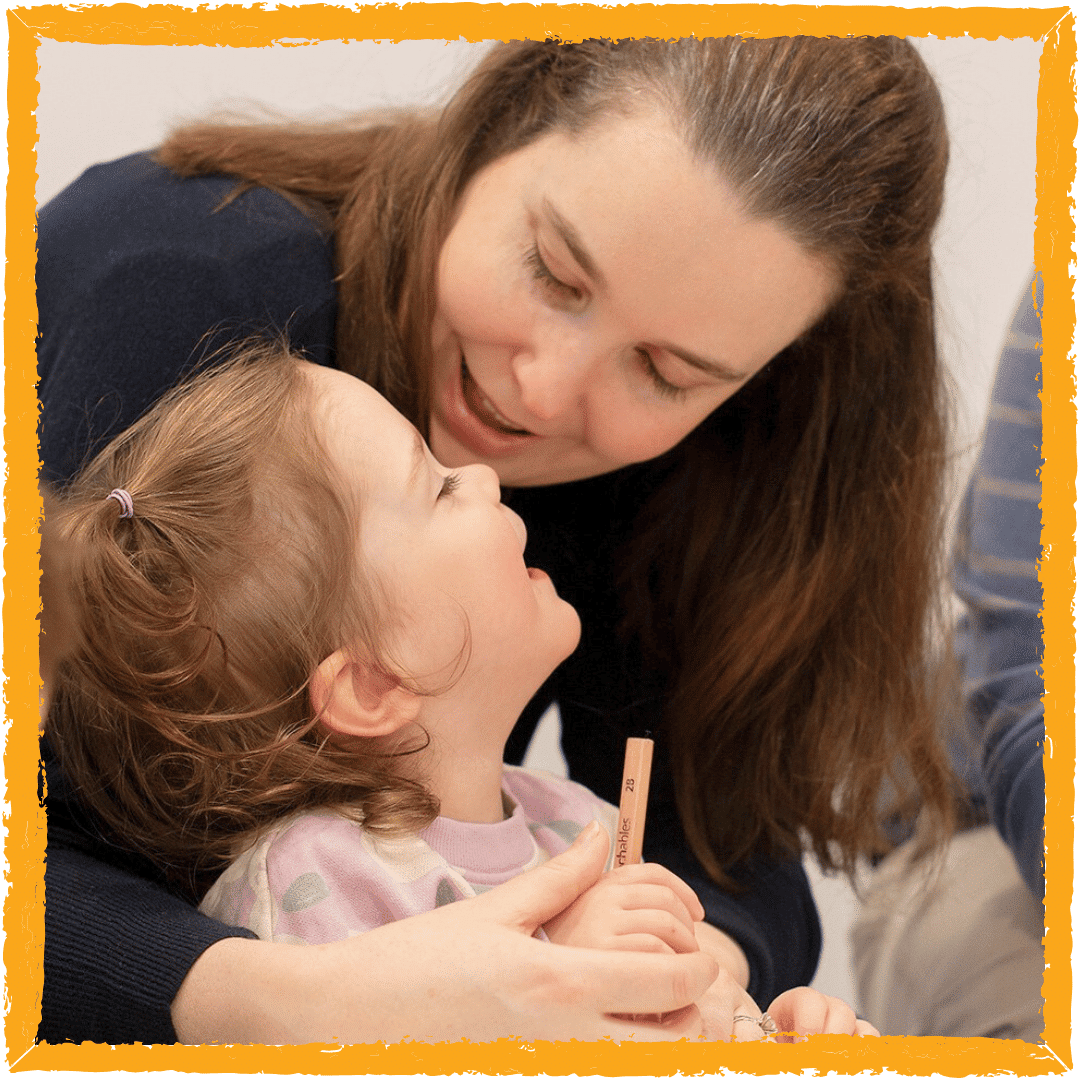
Photo from Pexels: Building resilience in children starts with everyday moments, when parents offer calm support and allow children to work through small challenges.
Building Resilience in Children: Practical Strategies
Key Points
- Resilience is a skill children learn over time – Children develop resilience through everyday experiences, supportive relationships, and repeated opportunities to cope with small challenges.
- Emotional resilience supports confidence and wellbeing – Strong resilience helps children manage emotions, recover from setbacks, and approach new situations with confidence.
- Secure relationships are the foundation of resilience – Warm, responsive caregiving gives children the emotional safety they need to take risks, try again, and believe they can cope.
- Everyday interactions and play build resilience naturally – Daily routines, play, problem-solving, and reflection all support resilience development in children.
- Resilience develops differently at each age and stage – Toddlers, preschoolers, and school-aged children show resilience in different ways, and progress is gradual and individual.
As a parent or caregiver, you want your child to feel confident, emotionally secure, and able to cope when life does not go to plan. This is where building resilience in children becomes so important. Resilience is not something children are simply born with or without. It is a learnable strength that grows through everyday experiences and gentle guidance from you.
When children develop resilience, they are better able to manage big feelings, handle frustration, build friendships, and approach learning with confidence. From toddlers learning to wait their turn to school-aged children coping with mistakes, resilience development in kids supports emotional regulation, social skills, and early learning in powerful ways.
Sensory play can help nurture resilience and development. Download a free sensory play guide here.
What Is Resilience in Children?
Resilience in children refers to their ability to cope with challenges, recover from setbacks, and adapt to change. It is not about being tough, unemotional, or pushing through at all costs. Instead, it is about adaptive coping, emotional strength, and problem-solving skills that help children navigate everyday life.
For young children, resilience develops gradually. It grows through safe relationships, supportive caregiving, and repeated opportunities to try, fail, and try again. When your child learns that feelings are manageable and problems can be solved with support, they begin to trust themselves and the world around them.
Resilience is deeply connected to social-emotional development. It helps children recognise emotions, seek help when needed, and believe that challenges are temporary rather than overwhelming.
Core Elements of Resilience
Children’s emotional resilience is made up of several key elements. These include self-awareness, a sense of agency, optimism, emotional regulation, and social connection. For a preschooler, this might look like recognising they feel upset, asking for help, calming their body, and trying again. These skills build slowly and strengthen with practice.
Resilience Across Developmental Stages
In toddlers, resilience often shows through persistence and curiosity after small frustrations. Preschoolers begin to use words for feelings and simple coping strategies. Early school-age children start problem-solving independently, managing disappointment, and adapting to new routines. Each stage brings new opportunities for growth.
Why Resilience Matters for Children
Resilience plays a vital role in your child’s emotional well-being, learning, and relationships. Children with strong coping skills are better equipped to manage stress, form healthy friendships, and approach challenges with confidence.
In early learning environments, resilience supports attention, motivation, and persistence. When children are not overwhelmed by mistakes or change, they are more willing to engage, explore, and learn. Over time, these skills form the foundation for lifelong mental health and adaptability.
Emotional Wellbeing and Regulation
Resilience helps children understand and manage their emotions. They learn how to calm themselves, express feelings safely, and recover from stress. This emotional regulation supports confidence and reduces anxiety over time.
Handling Everyday Challenges
From sharing toys to losing a game or trying new foods, everyday challenges offer resilience-building moments. With guidance, children learn that disappointment is manageable and problems can be worked through step by step.

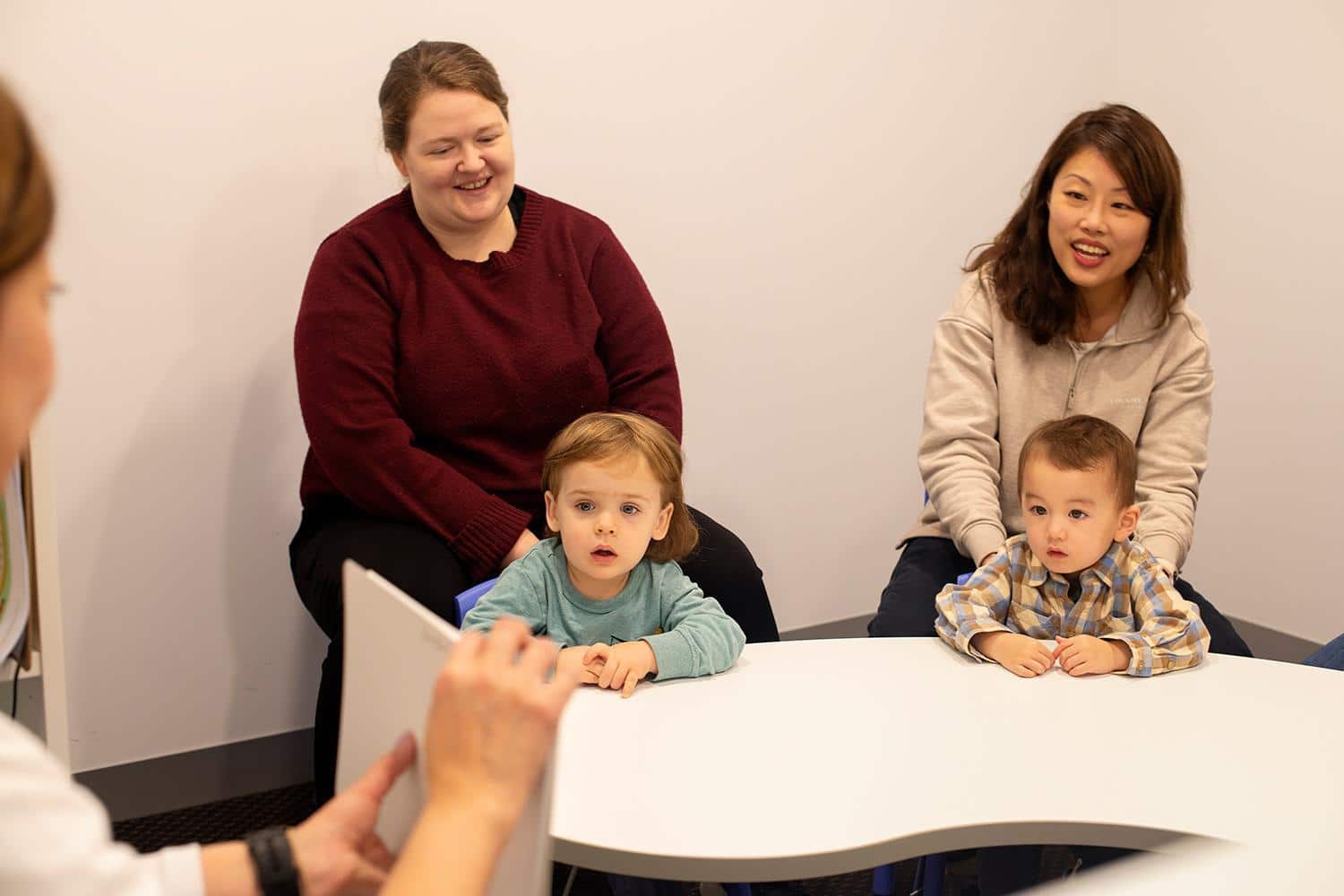
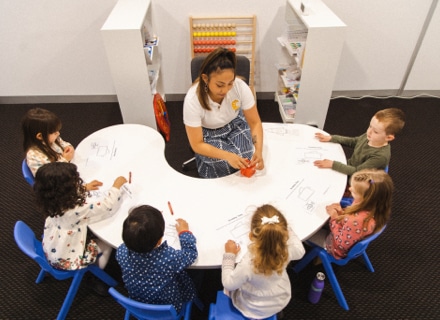
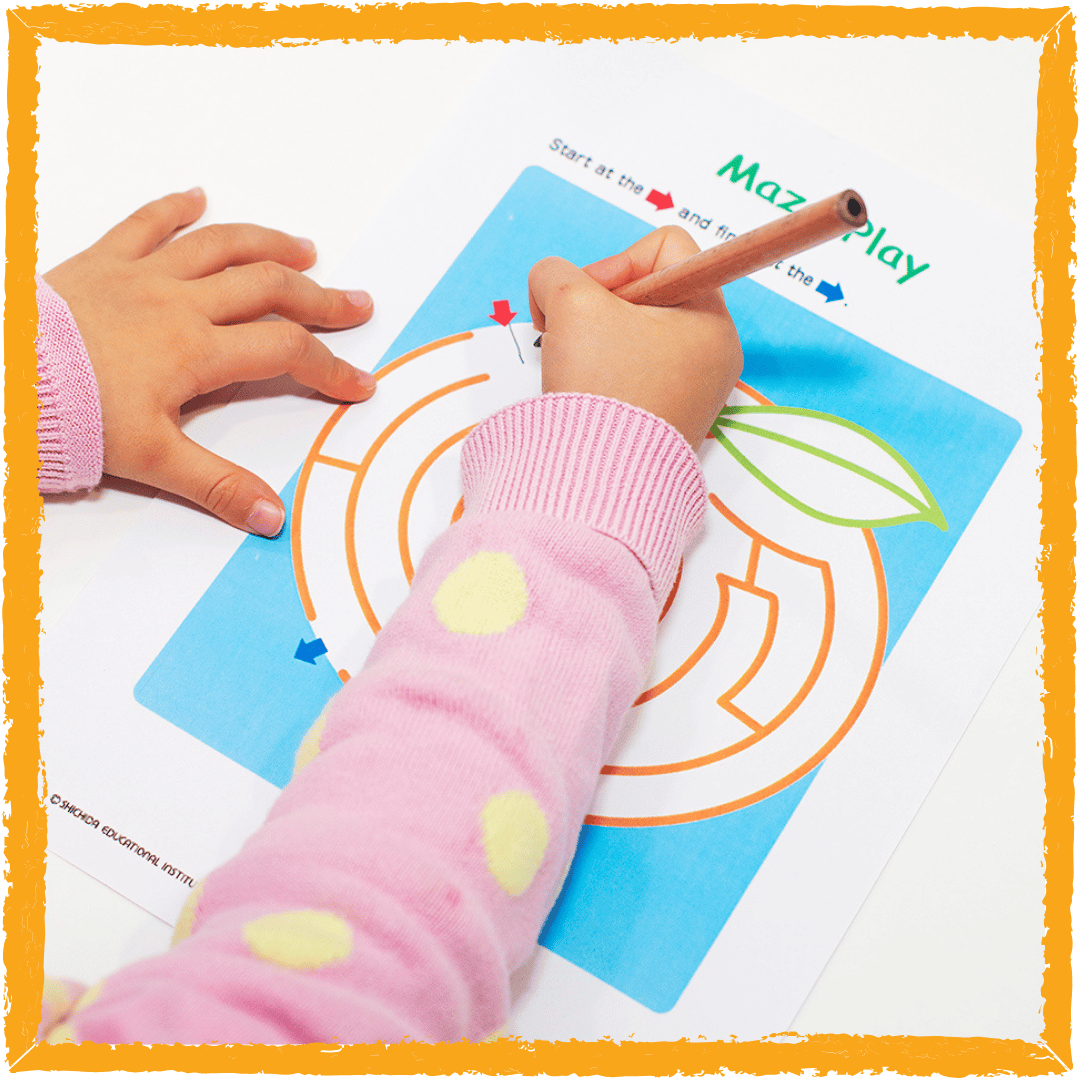
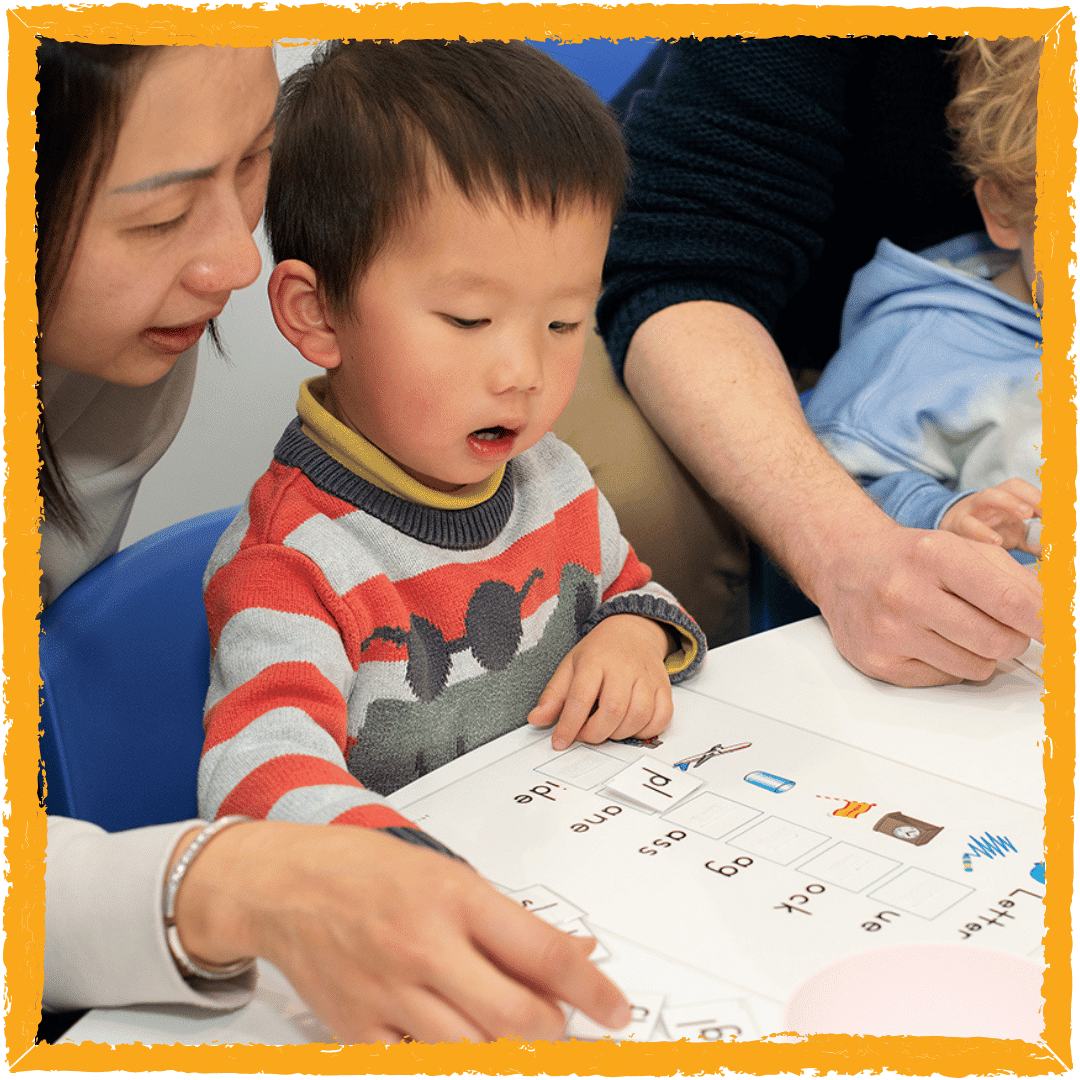
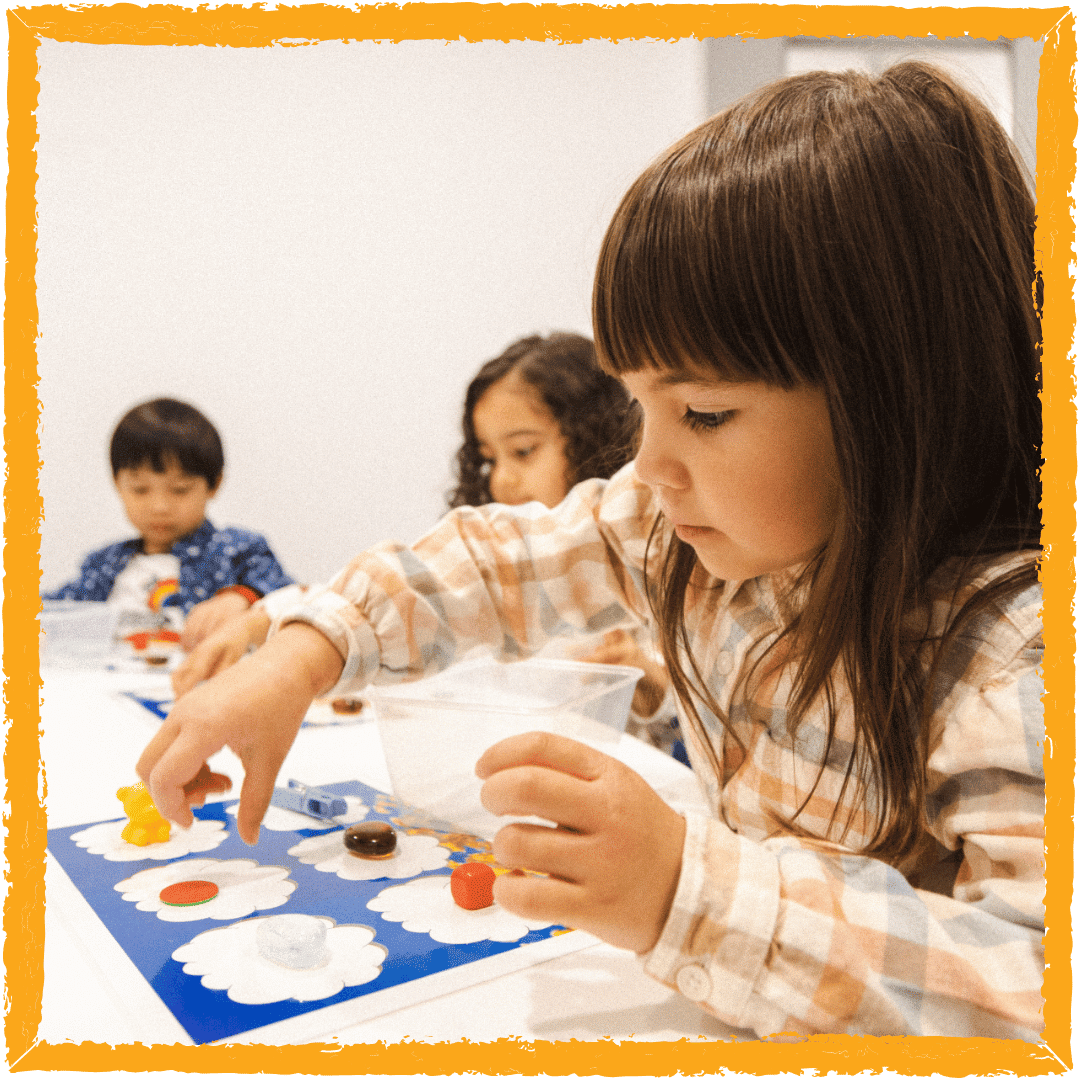
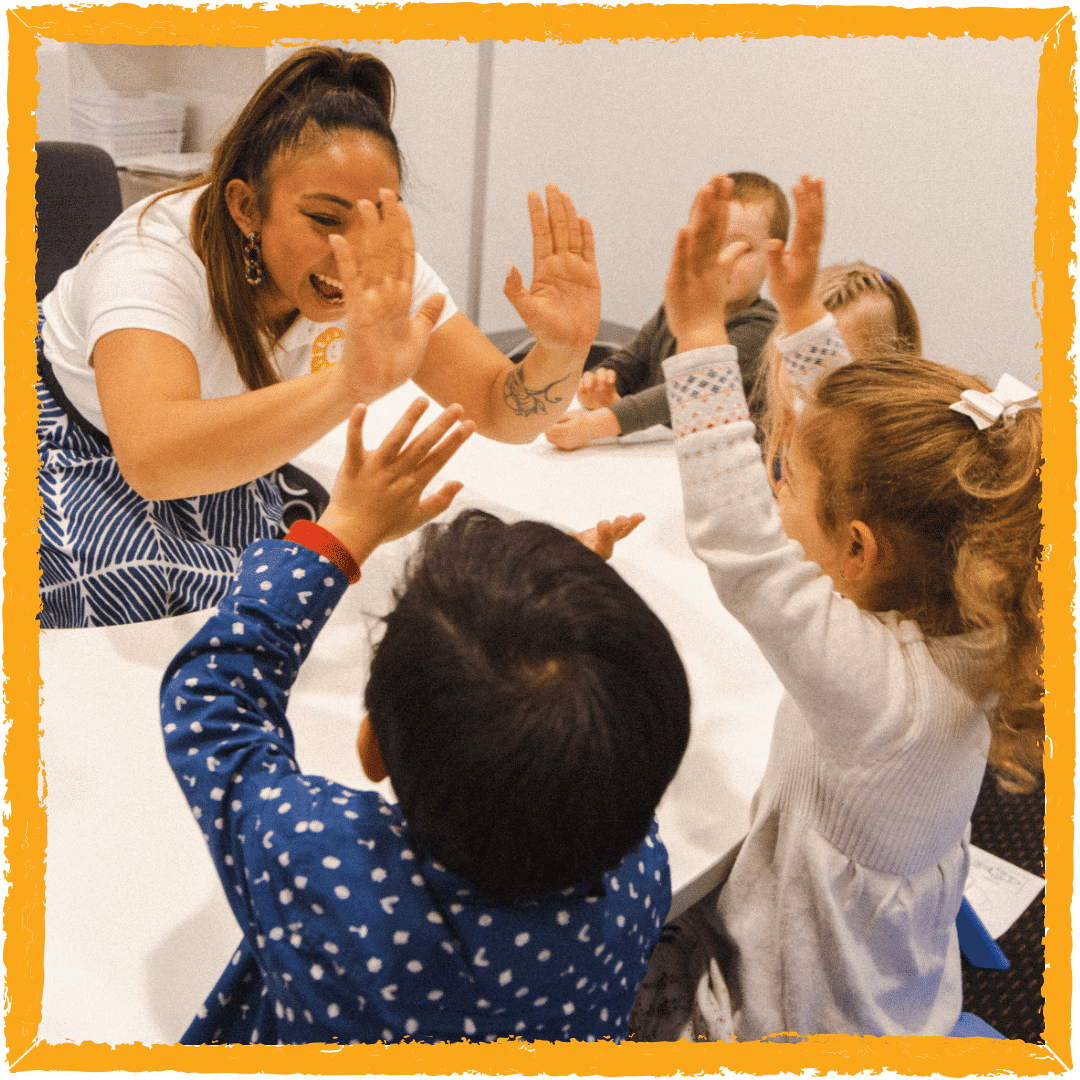
Photo from Shichida Australia: Resilience can be improved through game-play! Preschoolers playing a game during a Shichida class that is designed to improve both resilience and intuition.
How Resilience Develops in Early Childhood
Resilience development in kids is shaped by both temperament and experience. Some children are naturally cautious, while others are more adventurous. Neither approach is right or wrong. What matters most is how adults respond and support adaptive coping.
Secure attachments provide the emotional safety children need to explore and take healthy risks. Encouragement, predictable routines, and positive reinforcement all help children build confidence and coping skills.
Biological and Environmental Influences
Genetics and temperament influence how children respond to stress, but environment plays a powerful role. Supportive caregiving, consistent boundaries, and calm responses help children learn emotional balance and flexibility.
Relationships as a Foundation
Parents, caregivers, siblings, and peers all contribute to resilience. When children see adults modelling calm problem-solving and emotional honesty, they learn how to cope through observation and connection.
Parent Strategies to Foster Resilience

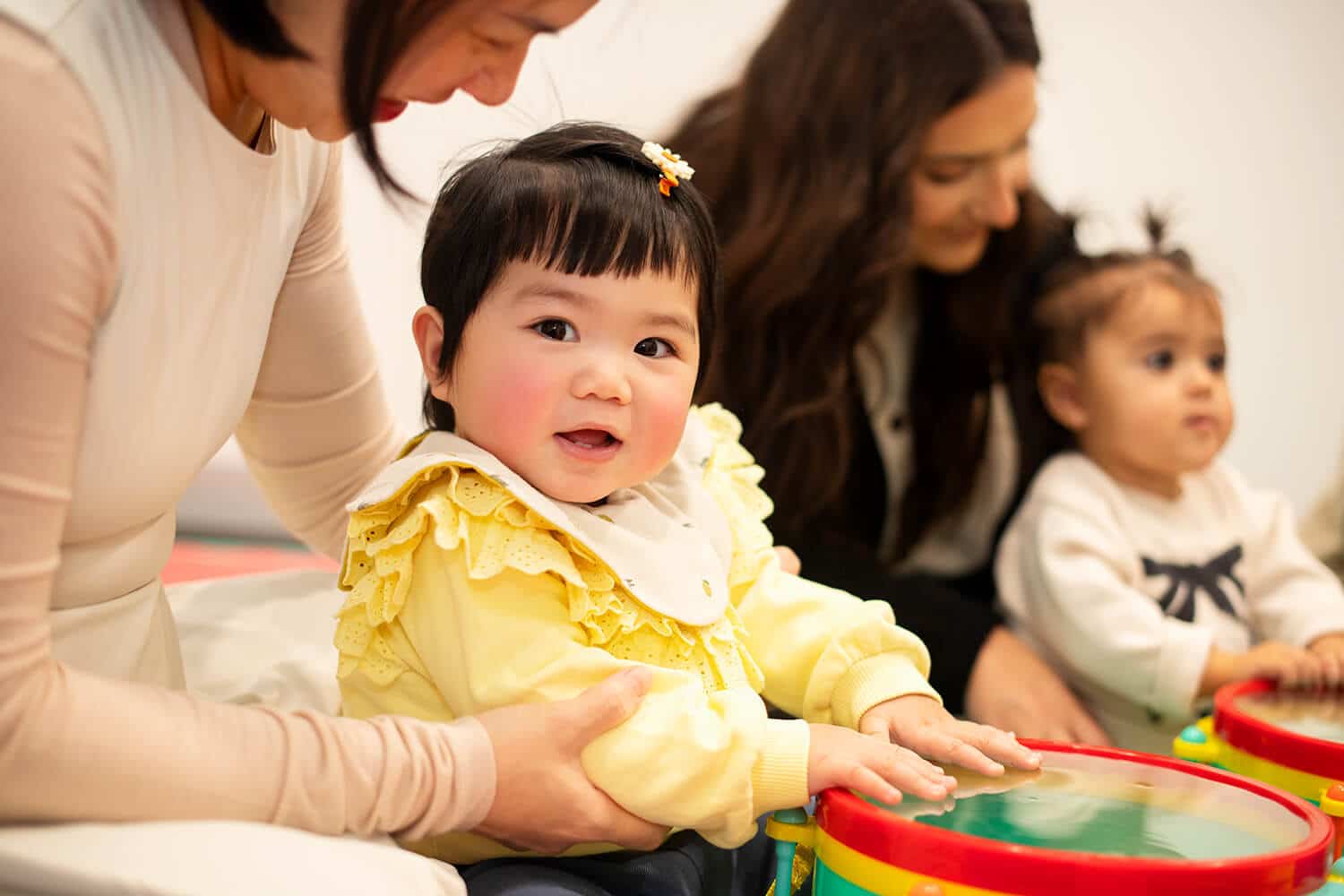
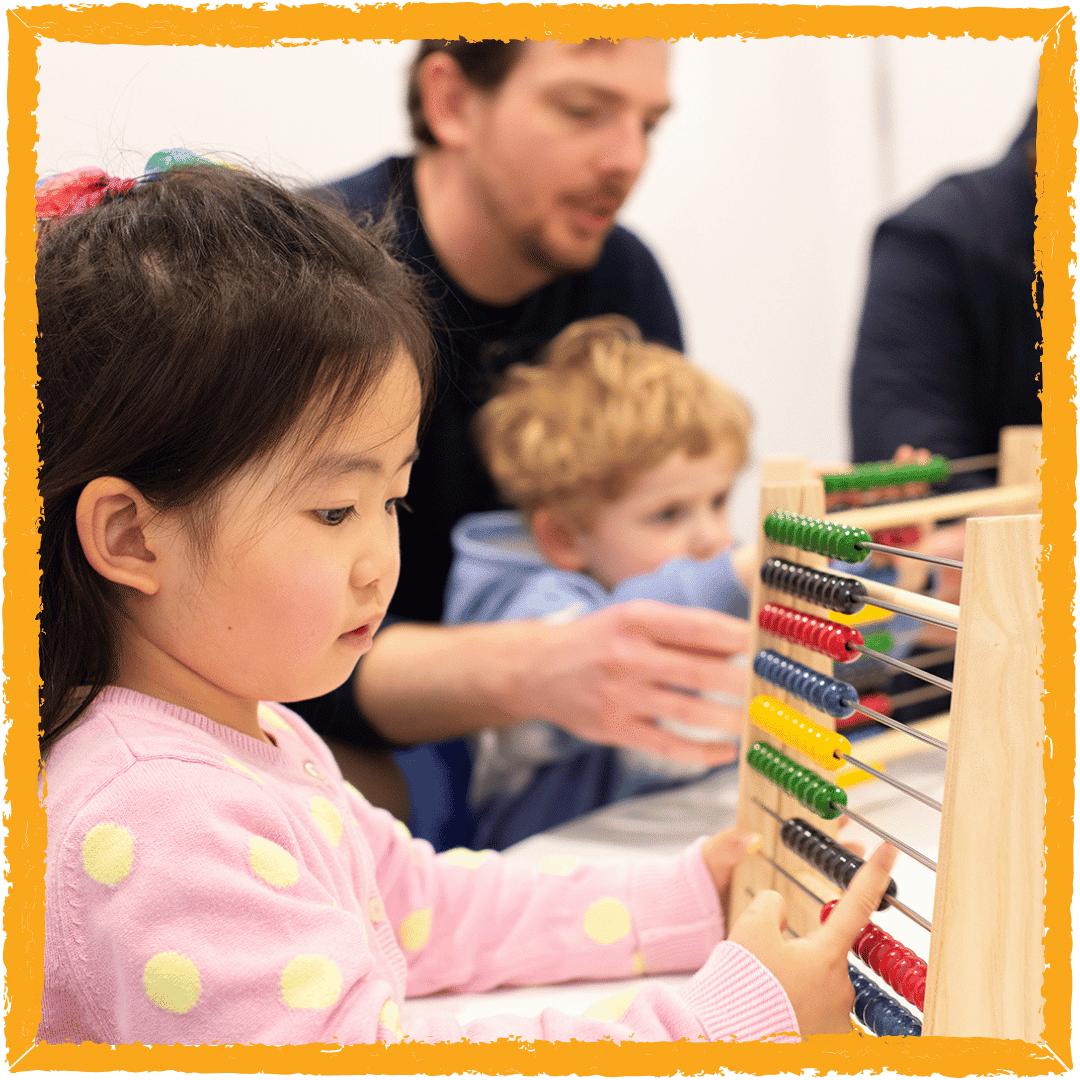
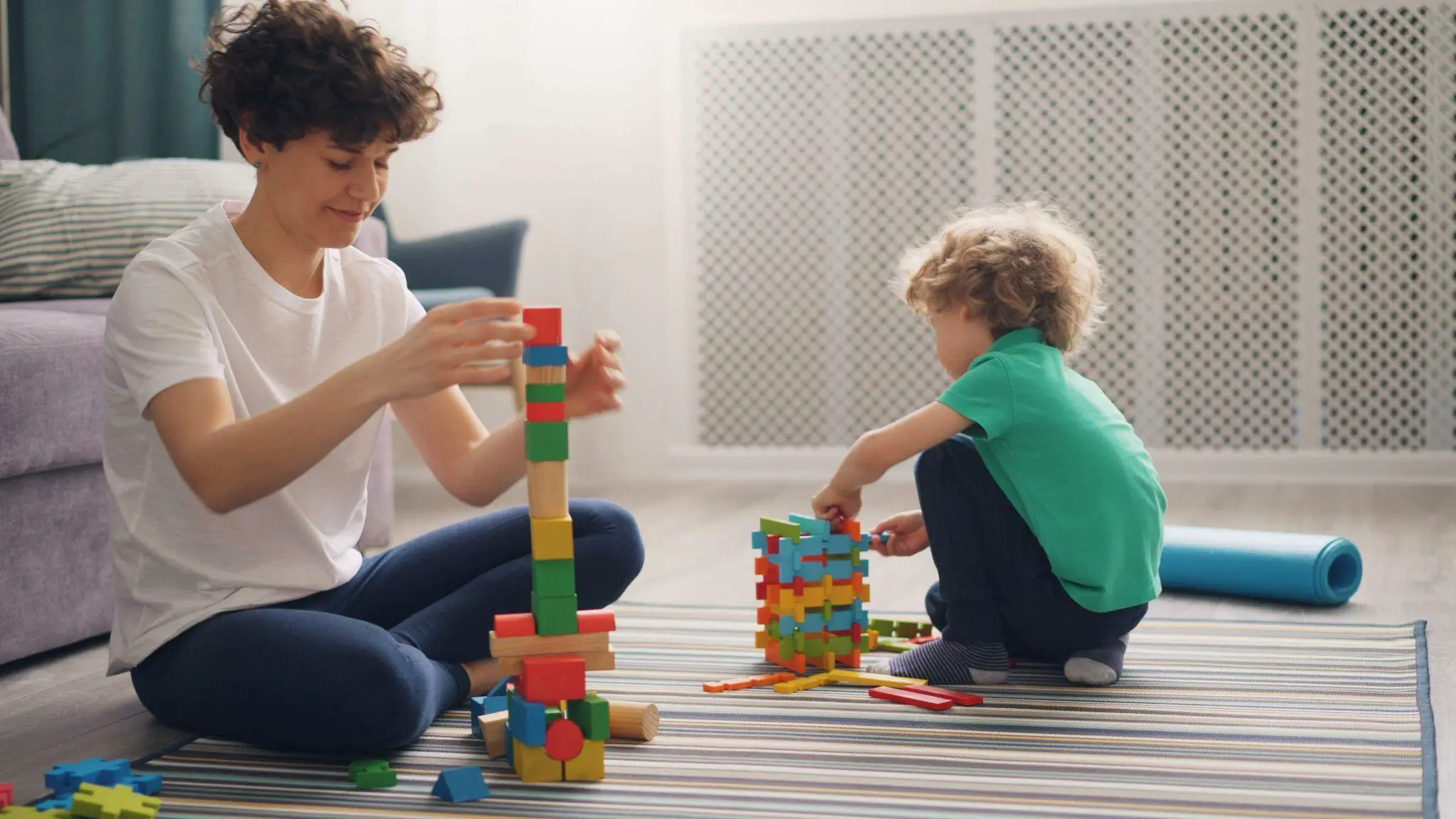
Photo from Pexels: Through play, children practise coping skills, emotional regulation, and problem-solving, key elements in building resilience in children.
As a parent, you play a central role in promoting resilience in early childhood. Everyday interactions are powerful opportunities to support emotional strength and confidence.
Encourage Emotional Expression
Help your child identify and name their feelings. Simple phrases like “You look frustrated” or “It is okay to feel sad” teach emotional awareness. Encourage safe expression through words, play, or drawing.
Support Problem-Solving and Decision-Making
Instead of fixing problems immediately, guide your child through solutions. Ask questions such as “What could we try next?” or “How might that work?” This builds confidence and independent thinking.
Build Confidence Through Responsibility
Offer small responsibilities like tidying toys, choosing clothes, or helping prepare meals. These tasks help children feel capable and trusted, strengthening their sense of agency.
Model Coping and Calm Behaviour
Children learn resilience by watching you. When you manage frustration calmly or talk through your own coping strategies, you provide powerful parenting resilience support.
Everyday Activities to Strengthen Resilience

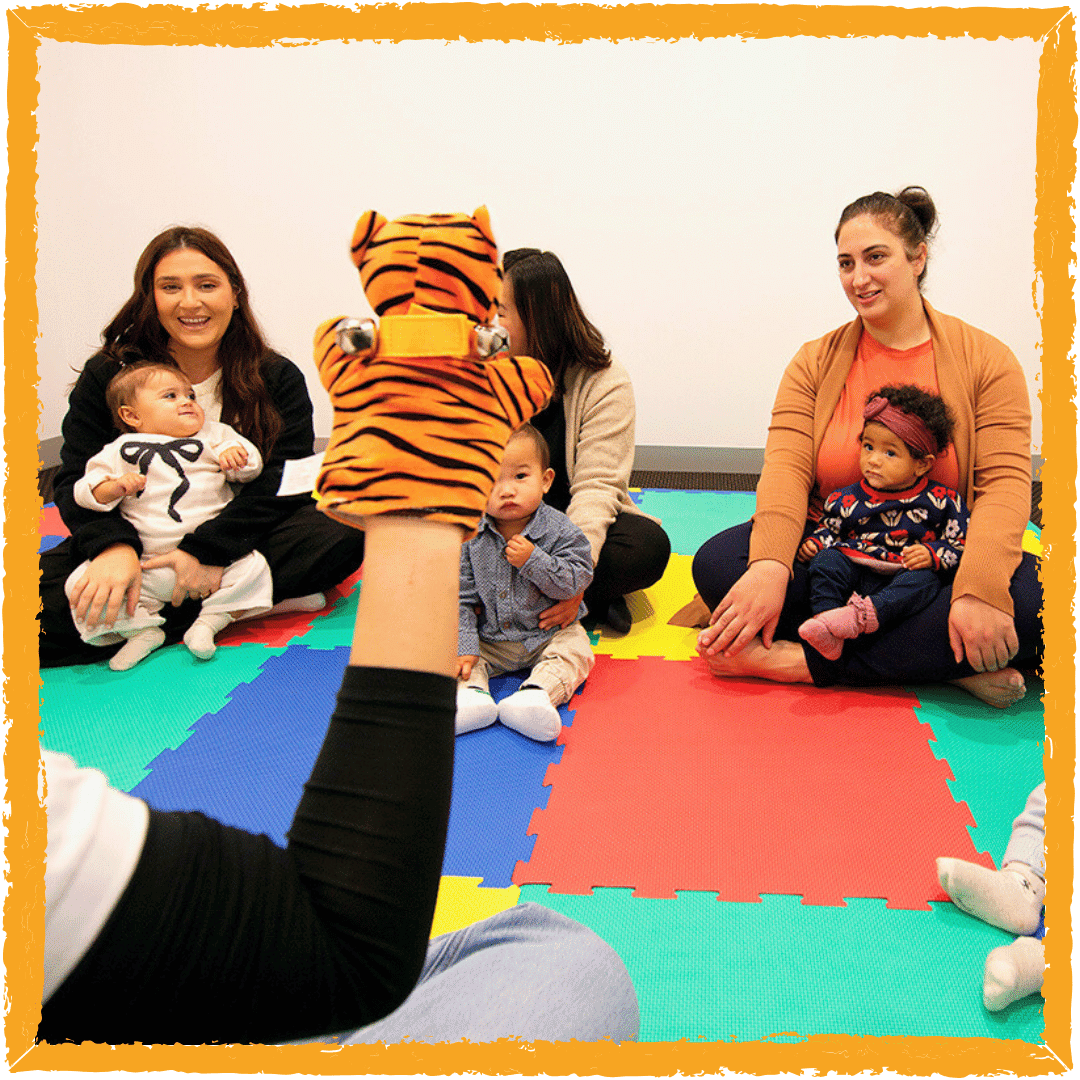
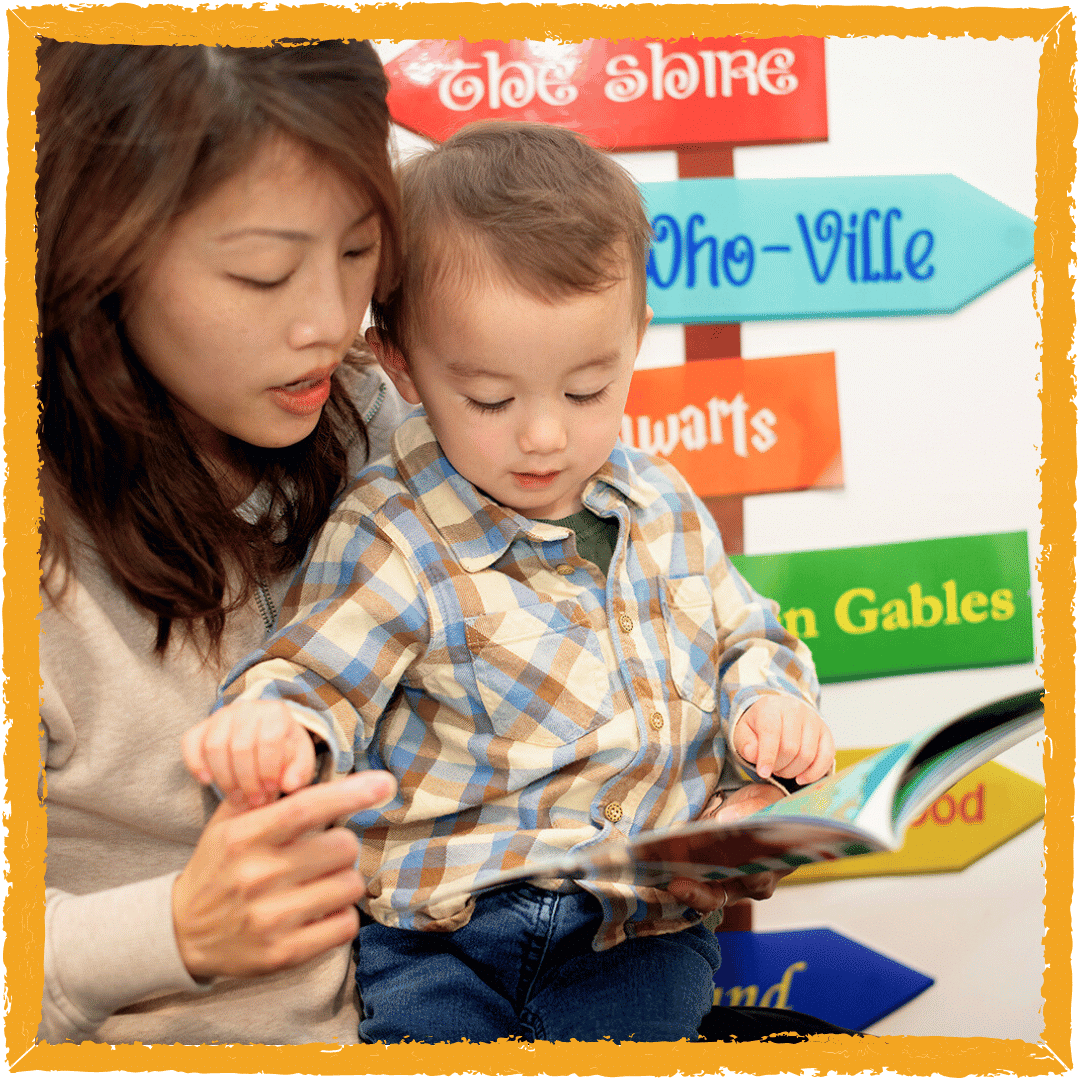
Photo from Pexels: Building resilience in children is a gradual journey, shaped by strong relationships, daily experiences, and supportive parenting.
Storytelling and Reflection
Stories help children explore emotions and challenges safely. Talk about how characters feel, what went wrong, and how problems were solved. Reflection builds understanding and empathy.
Play and Peer Interaction
Cooperative games, role-play, and group play encourage flexibility, sharing, and problem-solving. These resilience activities support social-emotional development naturally.
Nature, Movement, and Routines
Outdoor play builds confidence and risk assessment. Physical movement supports emotional regulation. Predictable routines create a sense of safety and stability that strengthens resilience.
Challenges and Considerations in Building Resilience
Many parents worry about getting the balance right. Overprotection can limit opportunities for growth, while too much pressure can overwhelm children. The goal is supportive guidance, not perfection.
Inconsistent boundaries, stress, or fear of failure can also affect resilience. Gentle, consistent responses help children feel secure as they learn.
Supporting Children Who Struggle to Bounce Back
If your child becomes easily overwhelmed, withdrawn, or anxious, start by slowing things down. Offer reassurance, break challenges into smaller steps, and celebrate effort rather than outcomes.
Balancing Support and Independence
Allow children to try things independently while staying emotionally available. Small, guided challenges help children build confidence without feeling abandoned.
When to Seek Professional Guidance
Sometimes, resilience challenges may go beyond everyday ups and downs. If your child struggles persistently with emotional regulation, anxiety, or coping with change, professional guidance can help.
Educators, counsellors, and child psychologists can support children who find it difficult to manage stress or setbacks. Early support strengthens coping skills and emotional well-being, benefiting the whole family.
Shichida – Enrichment Classes That Develop Resilience

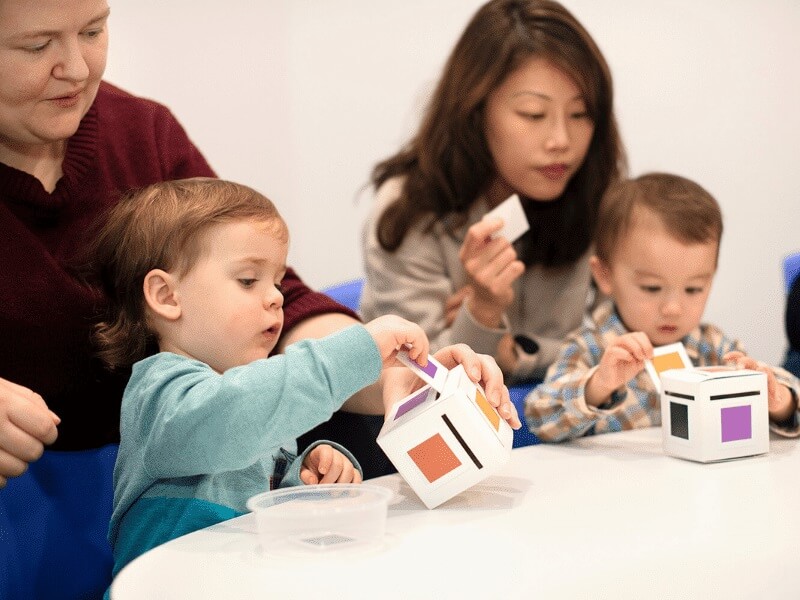
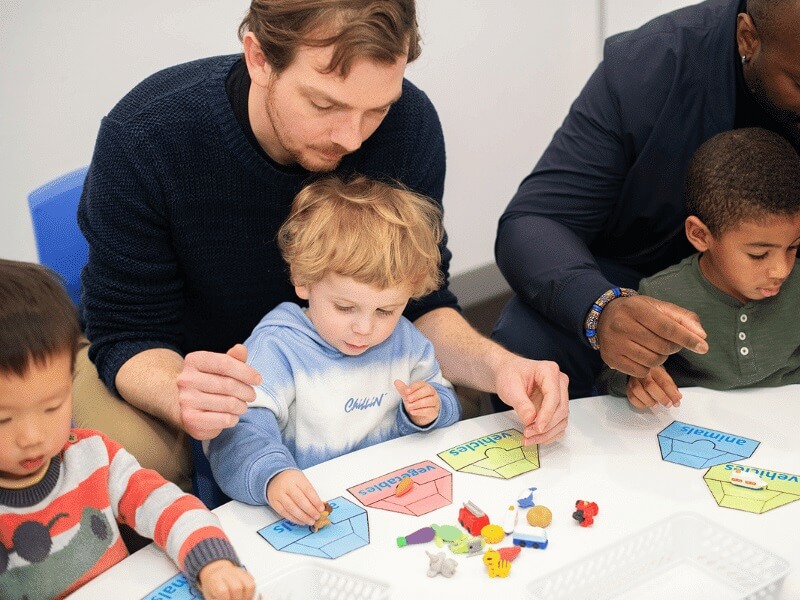
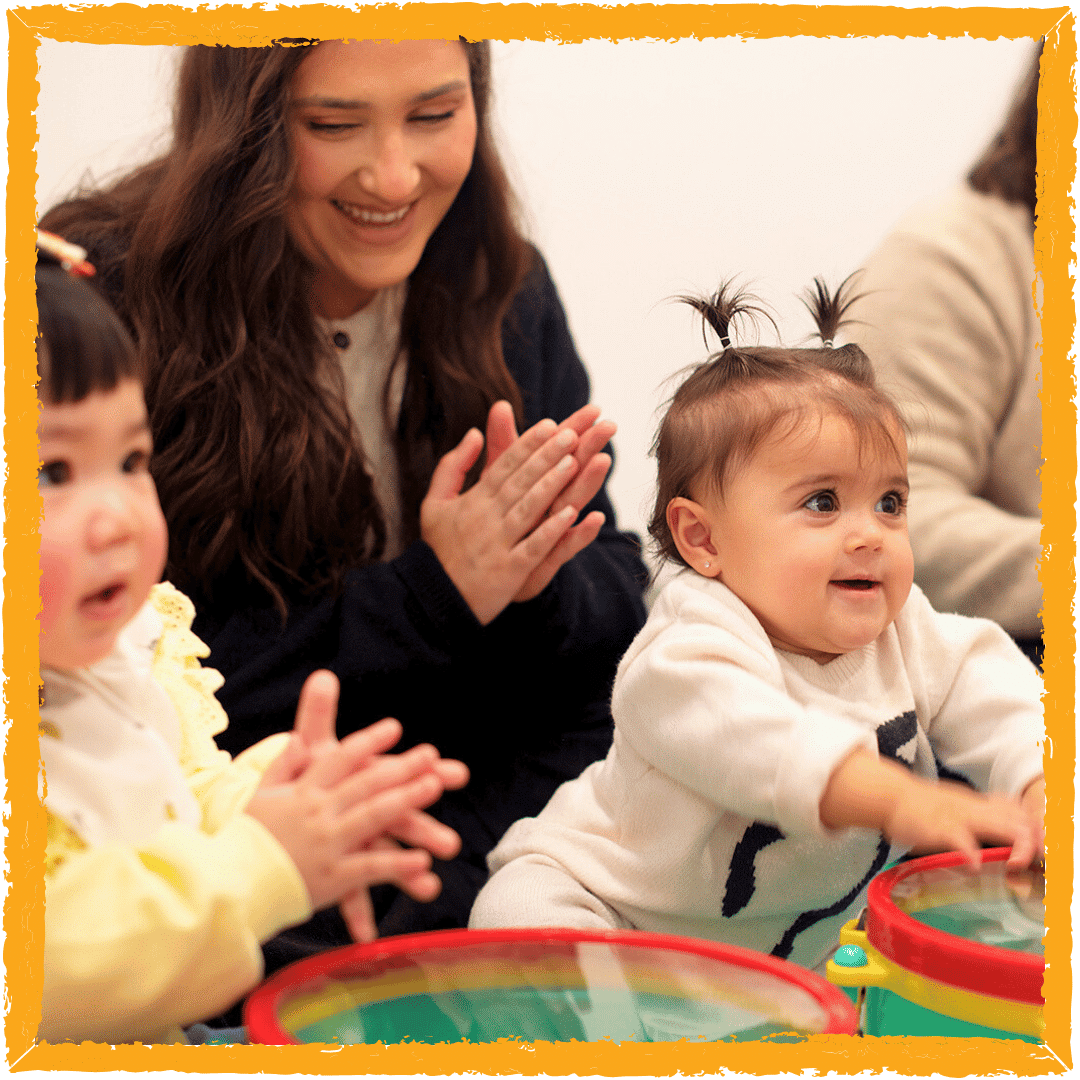
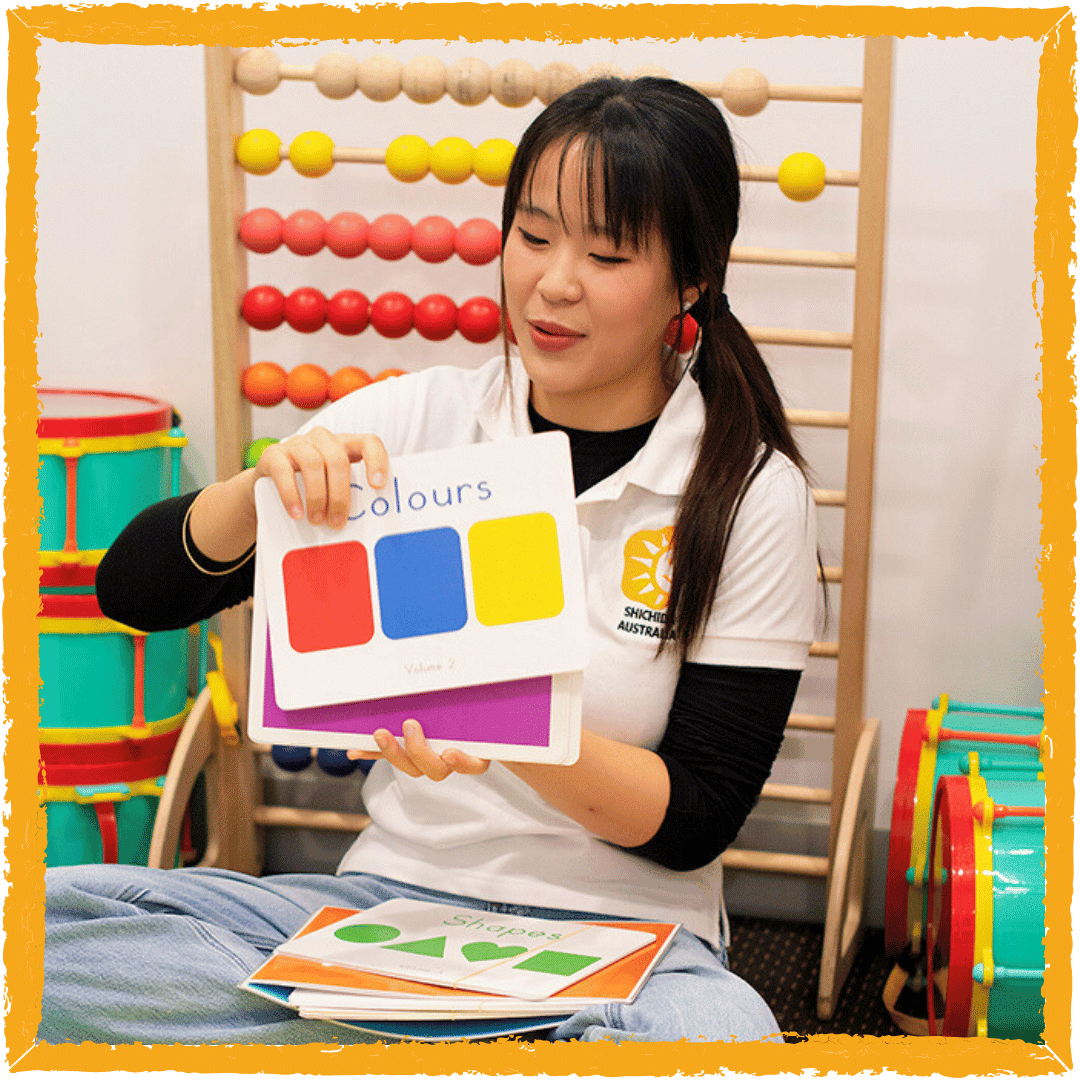
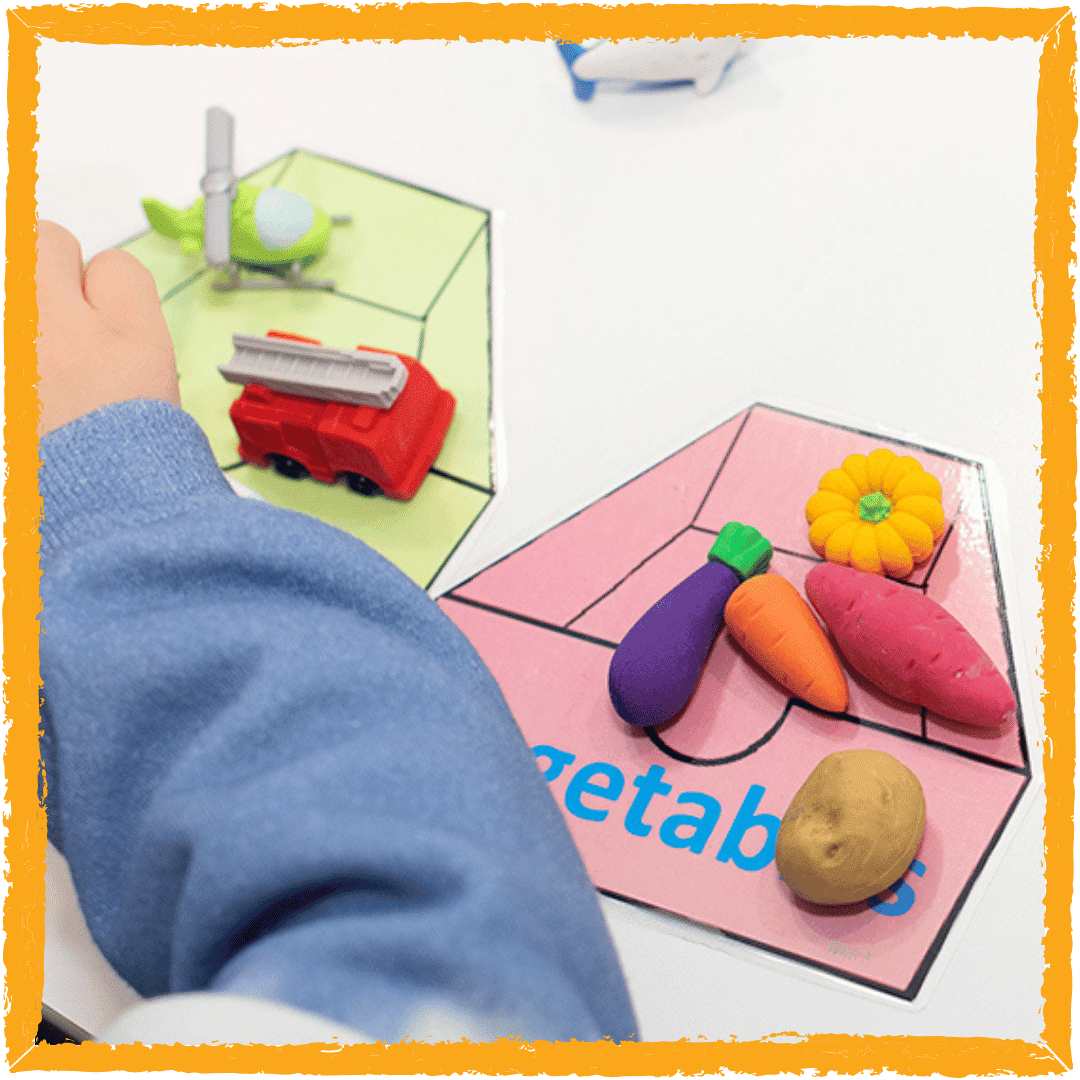
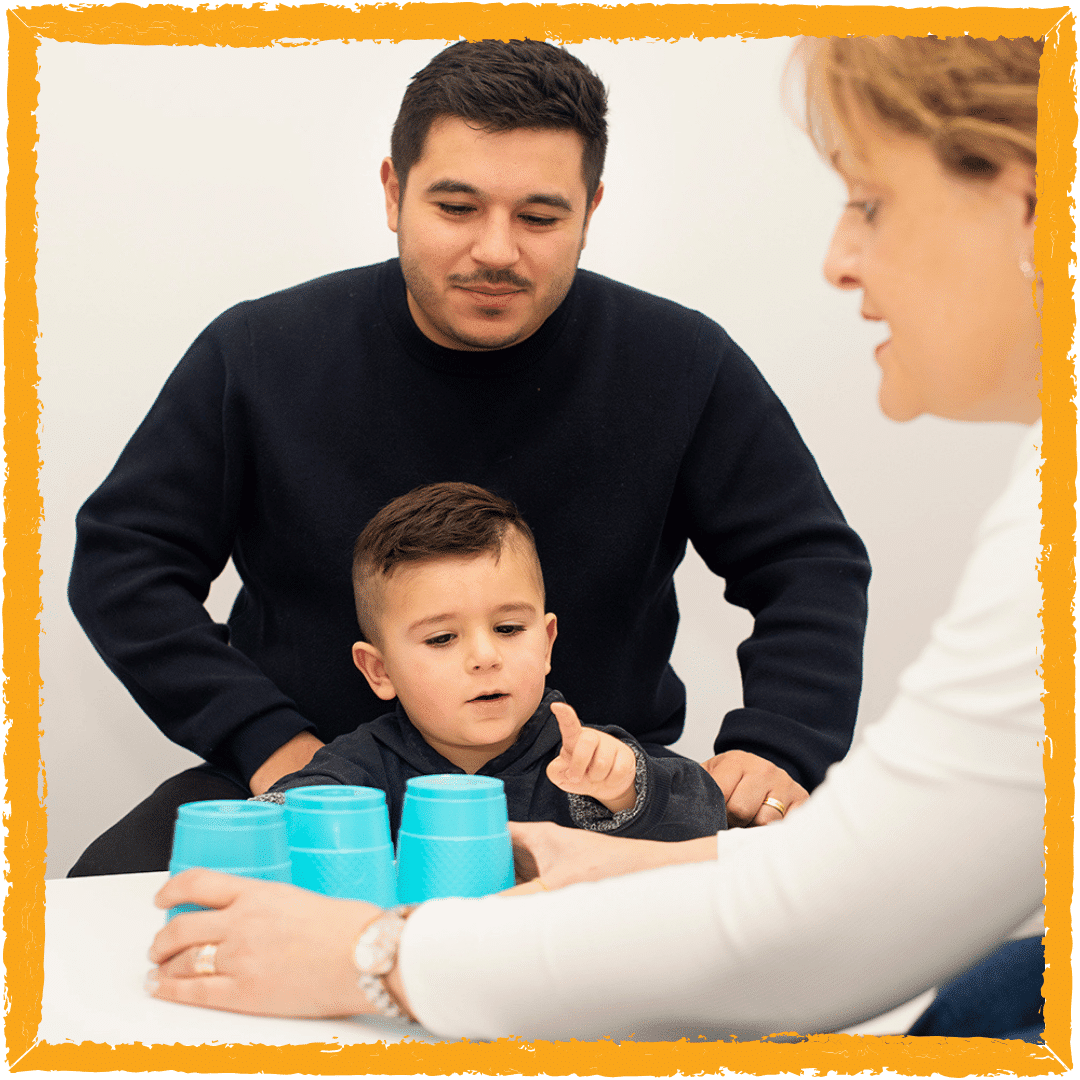
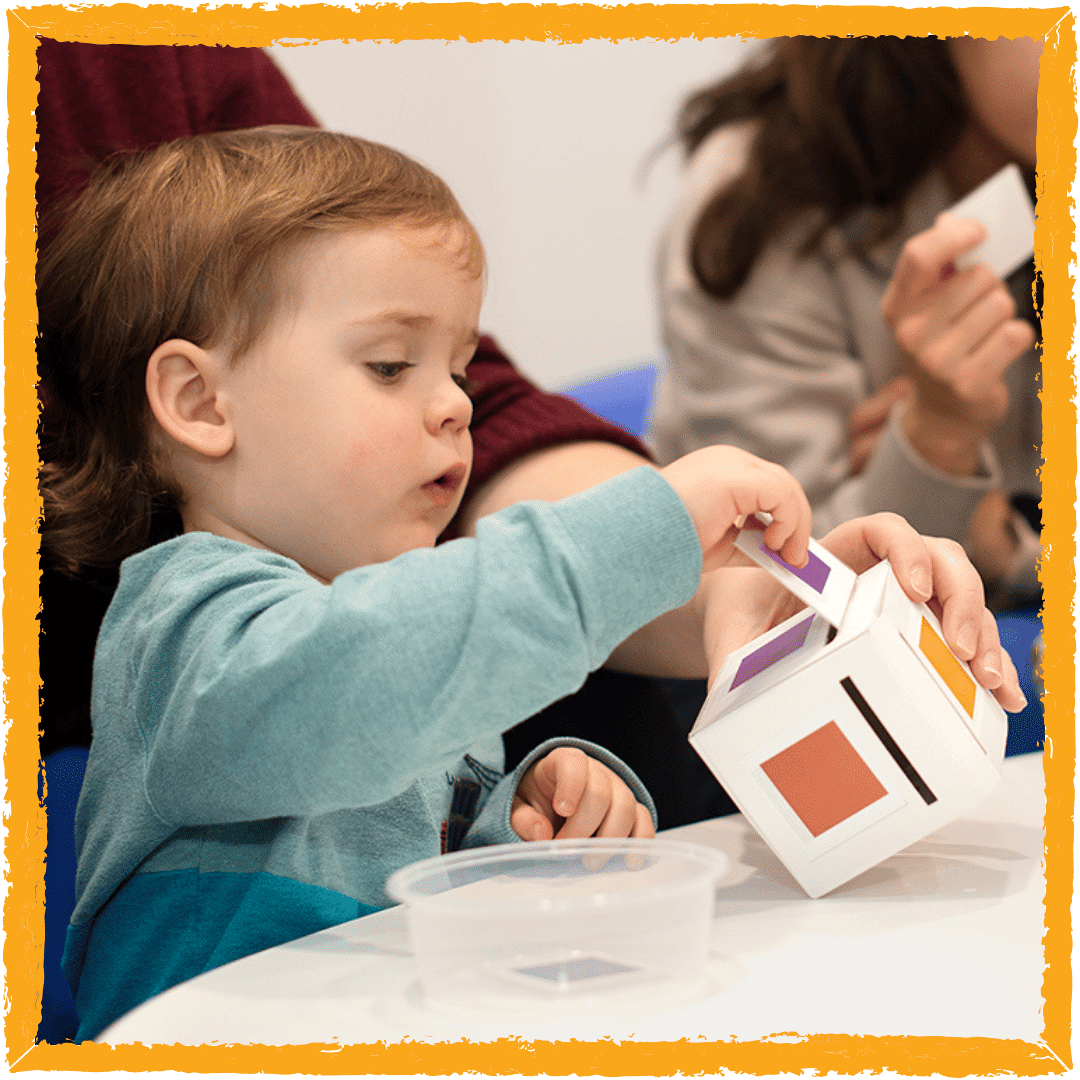
Photo from Shichida Australia: Intuition games at Shichida are great for developing resilience! Teachers show kids that ‘sometimes we are right, sometimes we are wrong – and that is OK – next week we can try again!’ This repeated gentle exposure to taking decision-making risks in front of other children has fantastic outcomes – helping build confidence over the long term as well.
If you would like guided support in nurturing resilience, confidence, and emotional balance, Shichida Australia’s early learning enrichment program is designed to support your child’s whole development from the earliest years.
Through play-based learning, strong relationships, and age-appropriate challenges, children are gently guided to build coping skills and self-belief. Shichida classes also support parents with practical strategies you can use at home every day.
Book a trial class with Shichida Australia to experience how a nurturing learning environment can help your child grow resilient, capable, and confident.
FAQs: Building Resilience in Children
Resilience in children is the ability to cope with challenges, manage emotions, and adapt to change with support from trusted adults. It helps children recover from setbacks and keep trying when things feel difficult.
Shichida Australia supports resilience by providing a structured, nurturing learning environment where children practise focus, persistence, emotional regulation, and problem-solving through age-appropriate activities and play.
Shichida activities are designed to be achievable yet challenging. Children are encouraged to try, adjust, and persist, helping them build confidence and coping skills in a supportive setting.
Resilience supports emotional well-being, confidence, social skills, and learning. Children with strong resilience are better able to handle stress, manage disappointment, and engage positively with new experiences.
Resilience development begins in early childhood and continues throughout life. Even babies and toddlers build early resilience through secure relationships, predictable routines, and responsive caregiving.
Resilience is not fixed or purely innate. While temperament plays a role, resilience can be strengthened through experience, guidance, and supportive parenting strategies.
Parents can support resilience by:
- Talking about and validating emotions
- Encouraging problem-solving rather than fixing everything
- Modelling calm coping strategies
- Offering age-appropriate responsibilities
- Maintaining consistent routines
- Playing turn taking-games and teaching kids to win or lose with grace
Simple resilience-building activities include storytelling and reflection, cooperative play, role-play, outdoor play, and guided challenges that encourage persistence and flexibility.
Resilience helps children stay motivated, manage frustration, and recover from mistakes. This supports attention, persistence, and confidence in learning environments.
If a child shows ongoing difficulty with emotional regulation, anxiety, or coping with change that affects daily life or learning, seeking support from an educator, counsellor, or child psychologist can help strengthen coping skills.