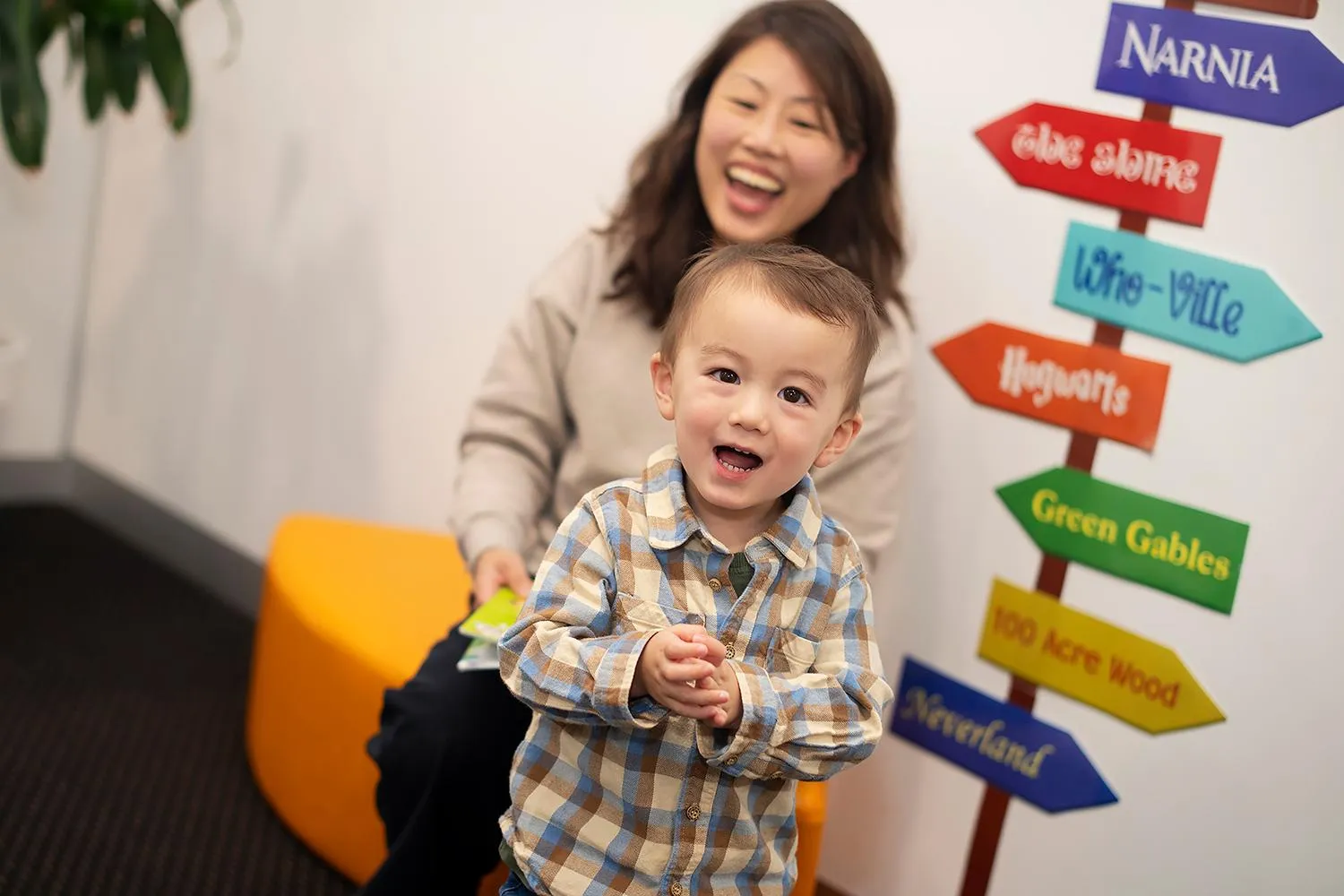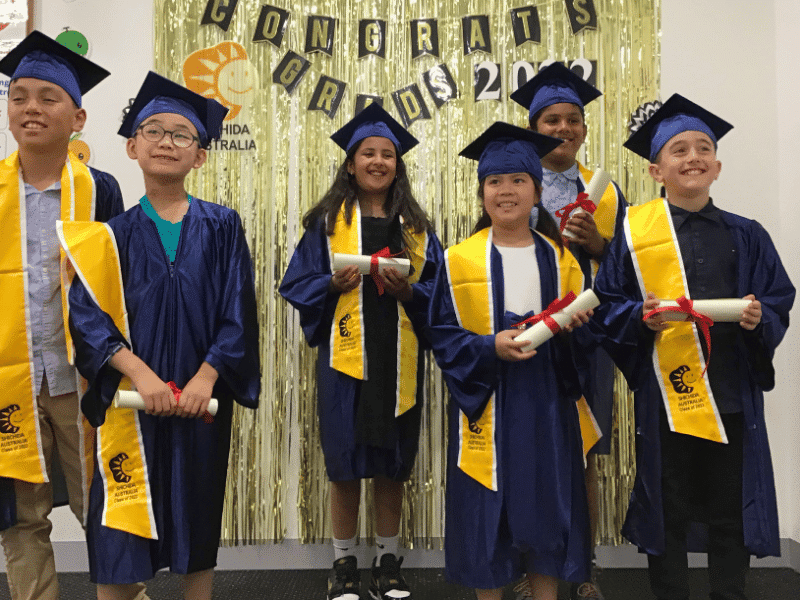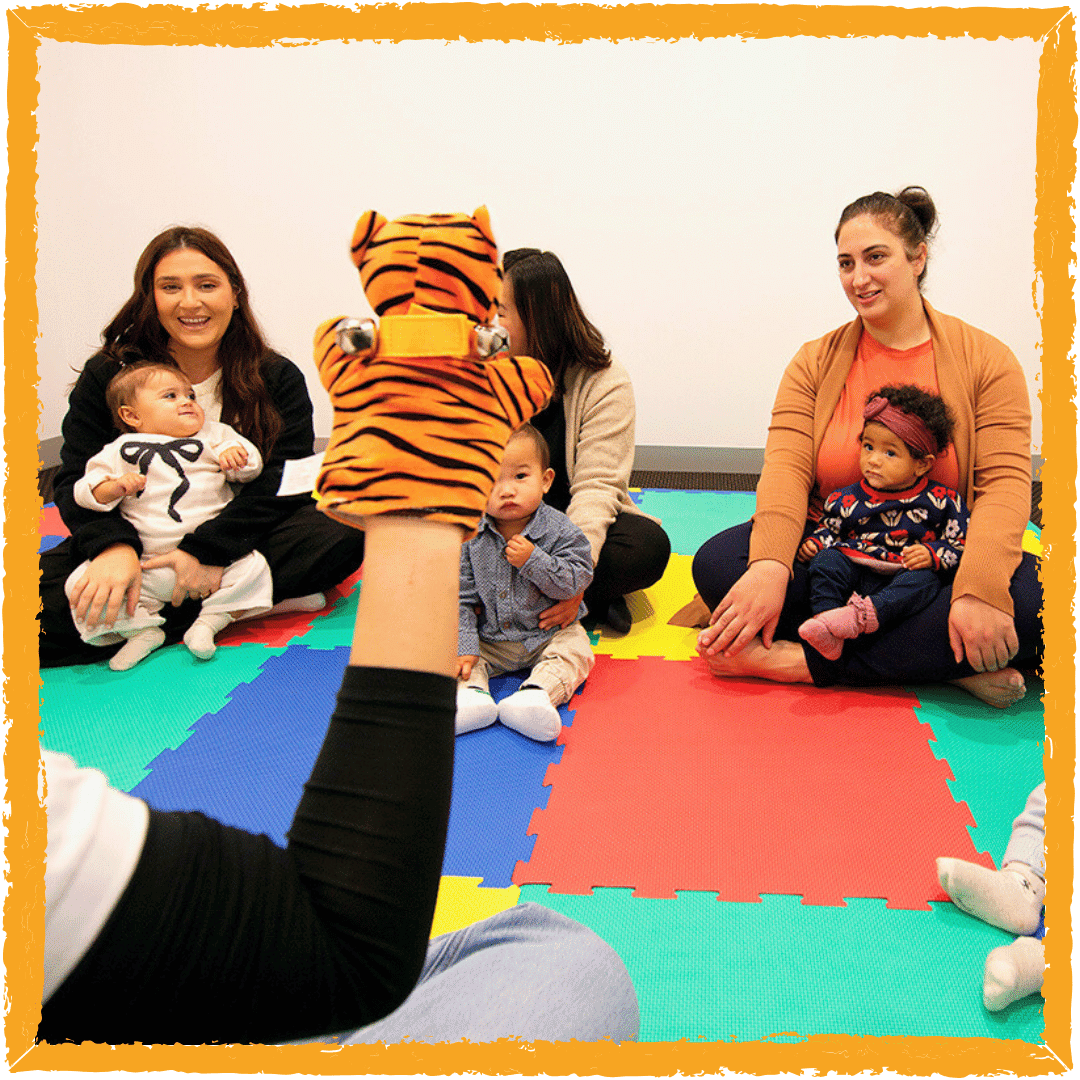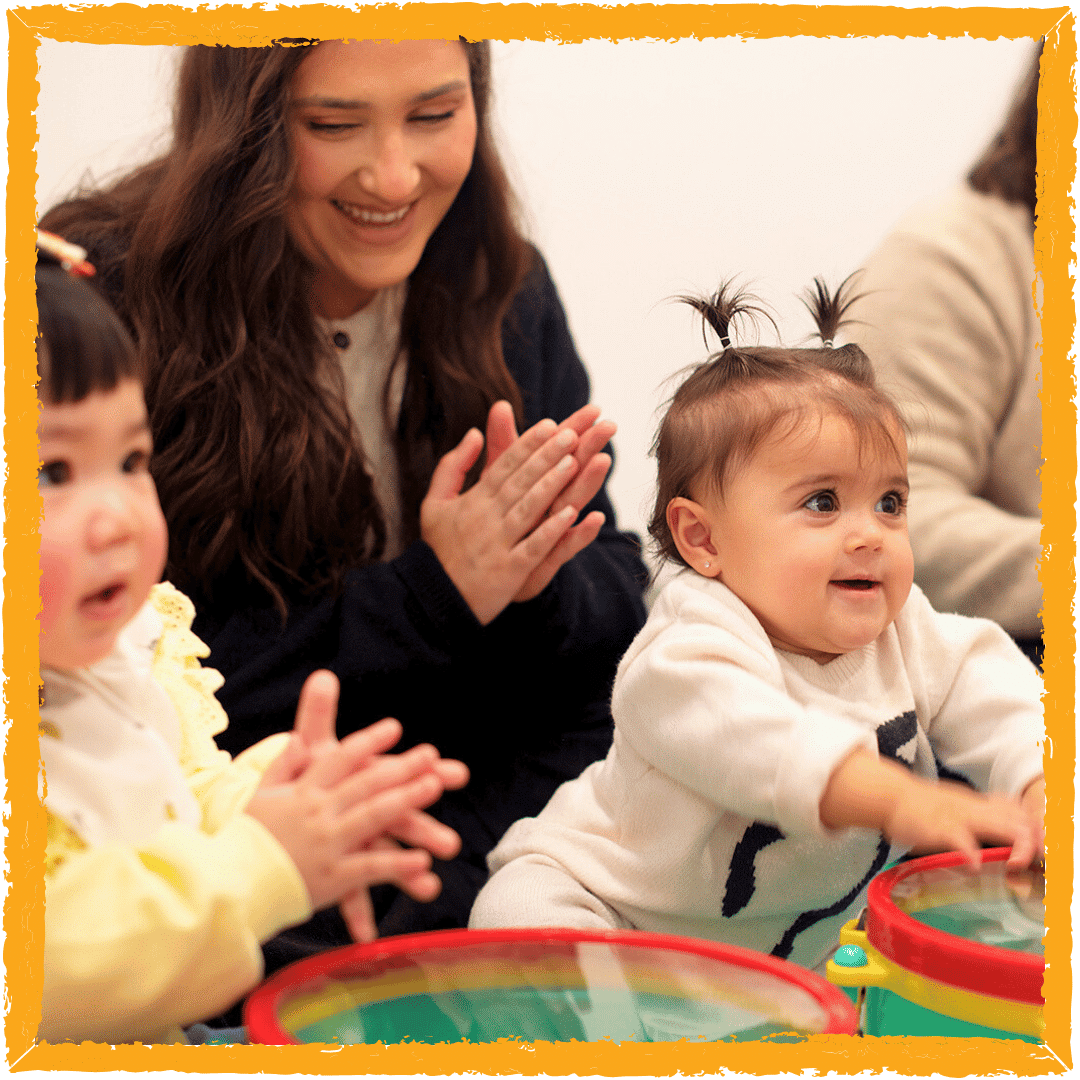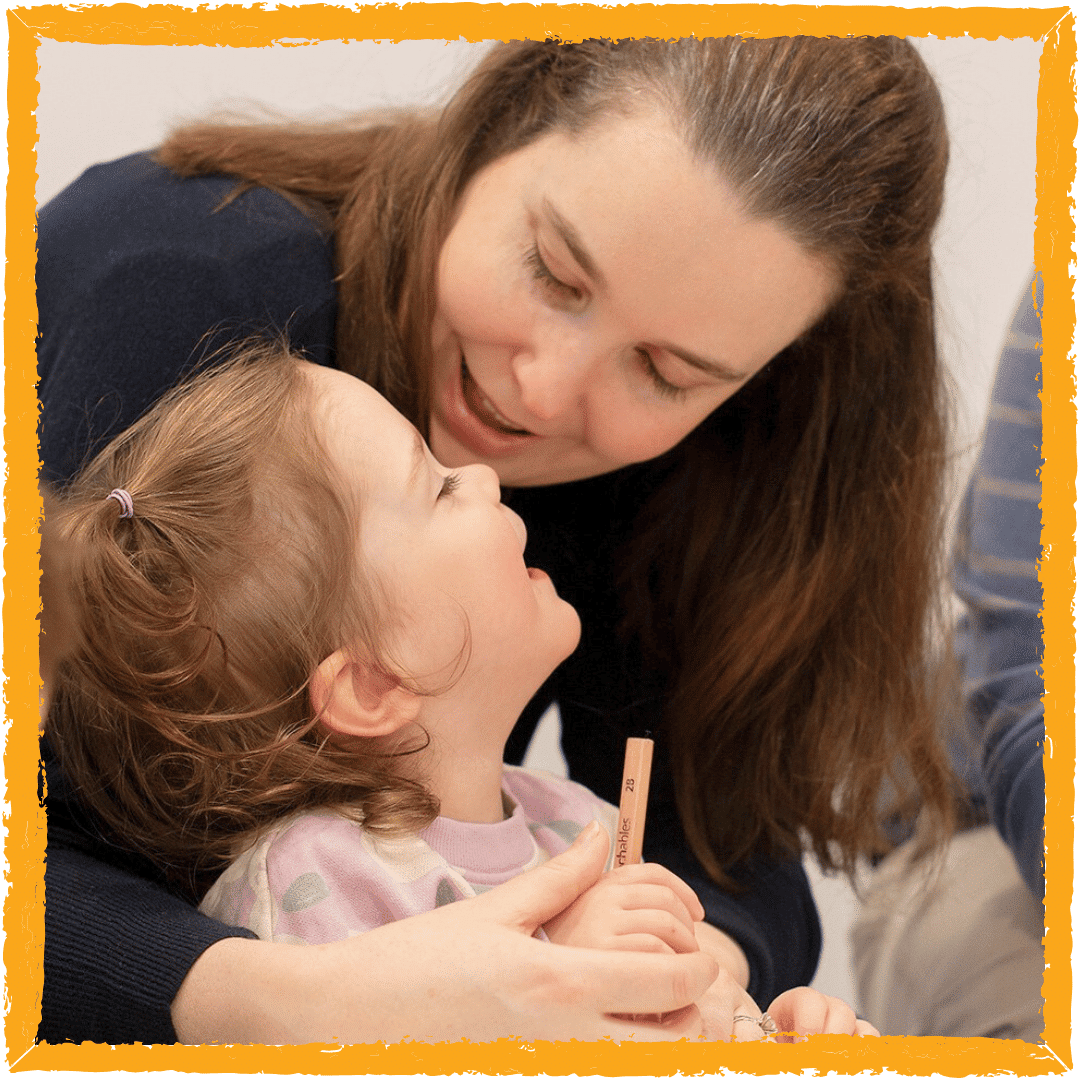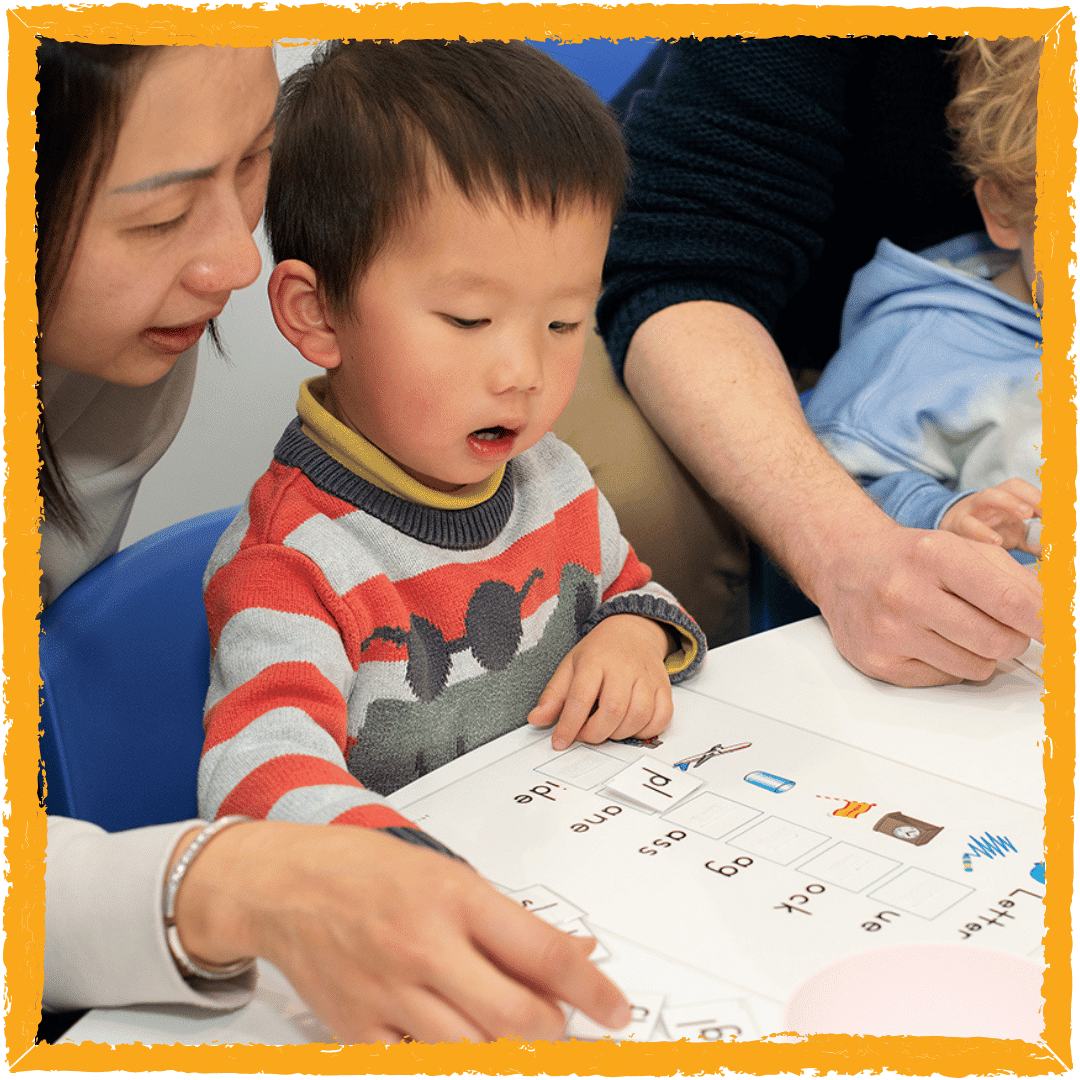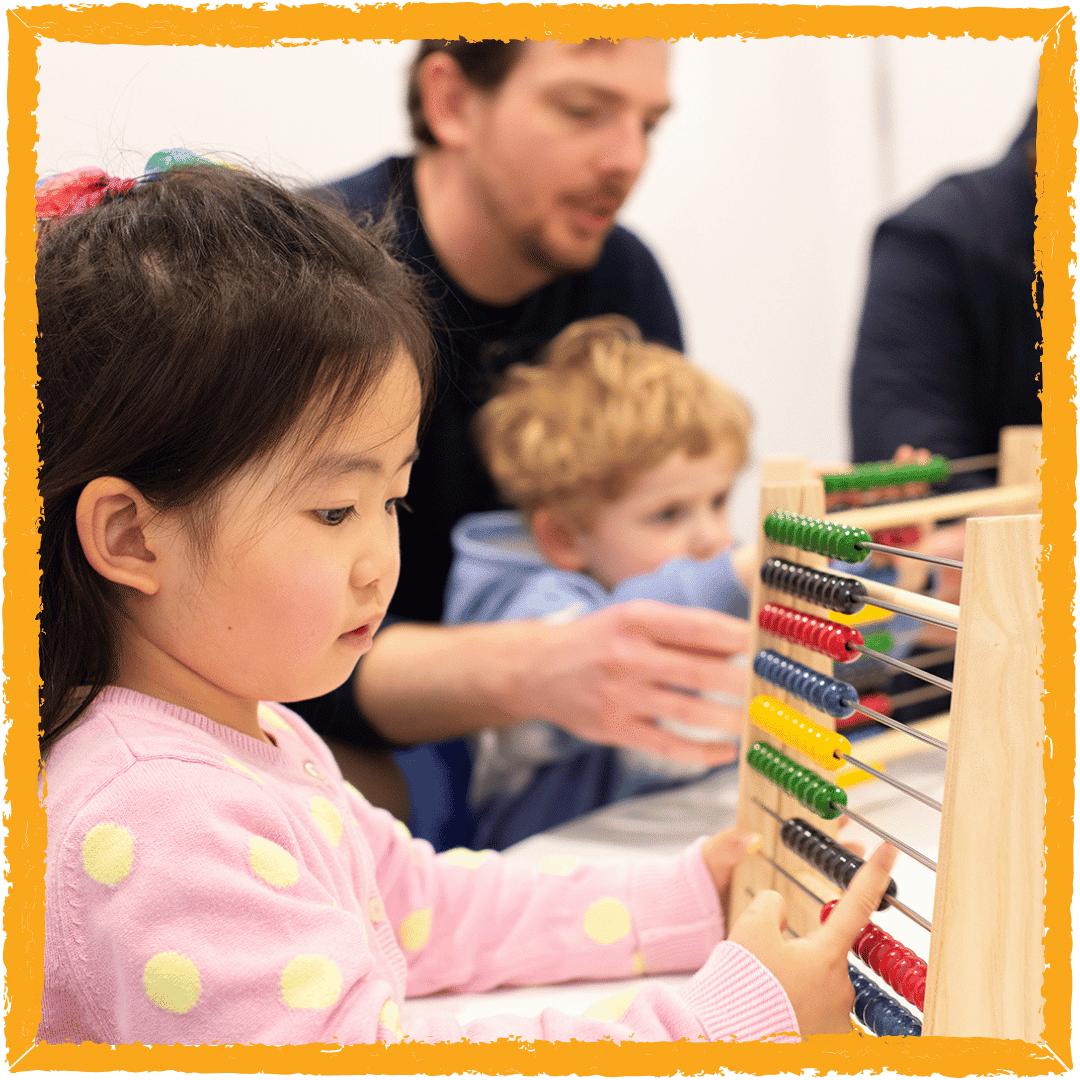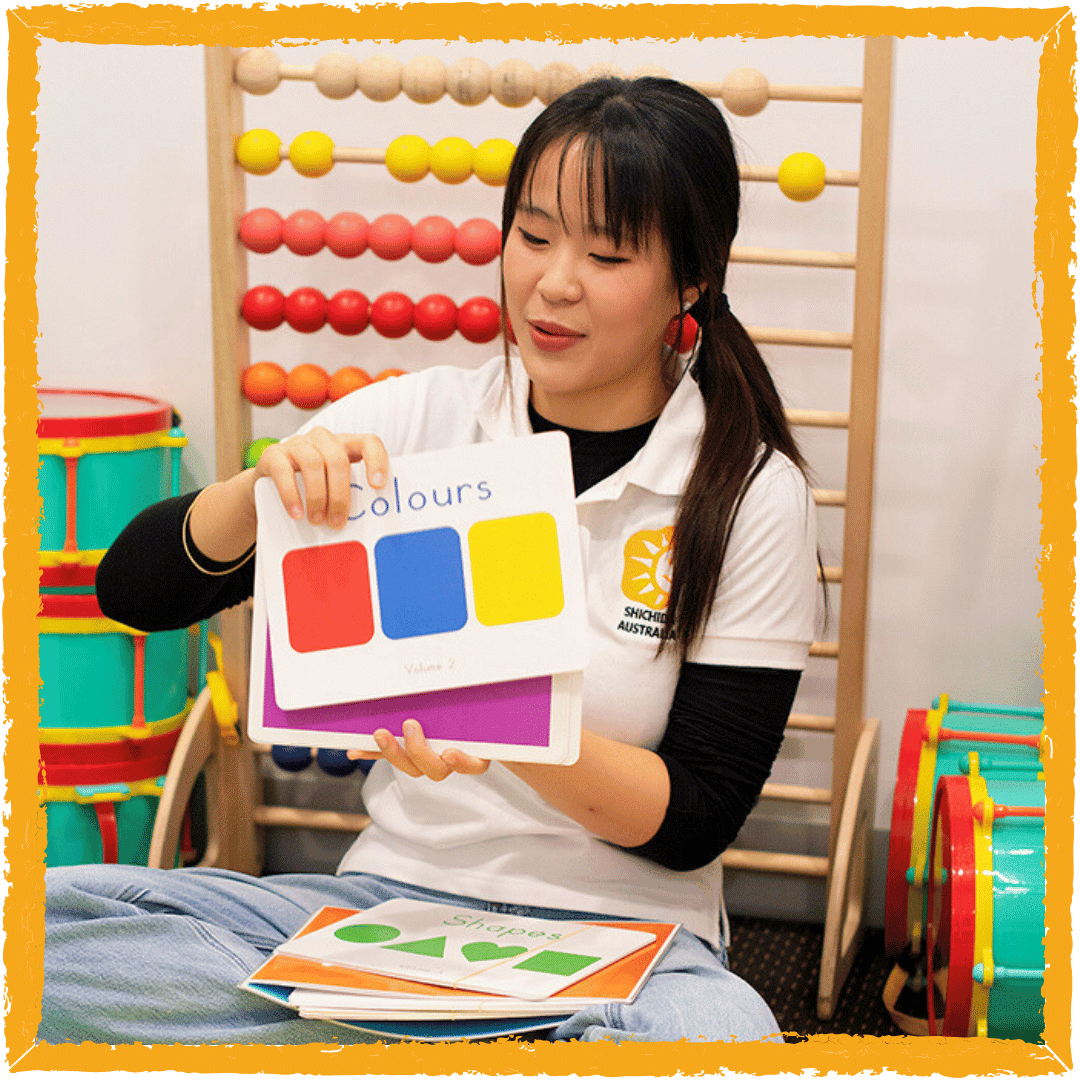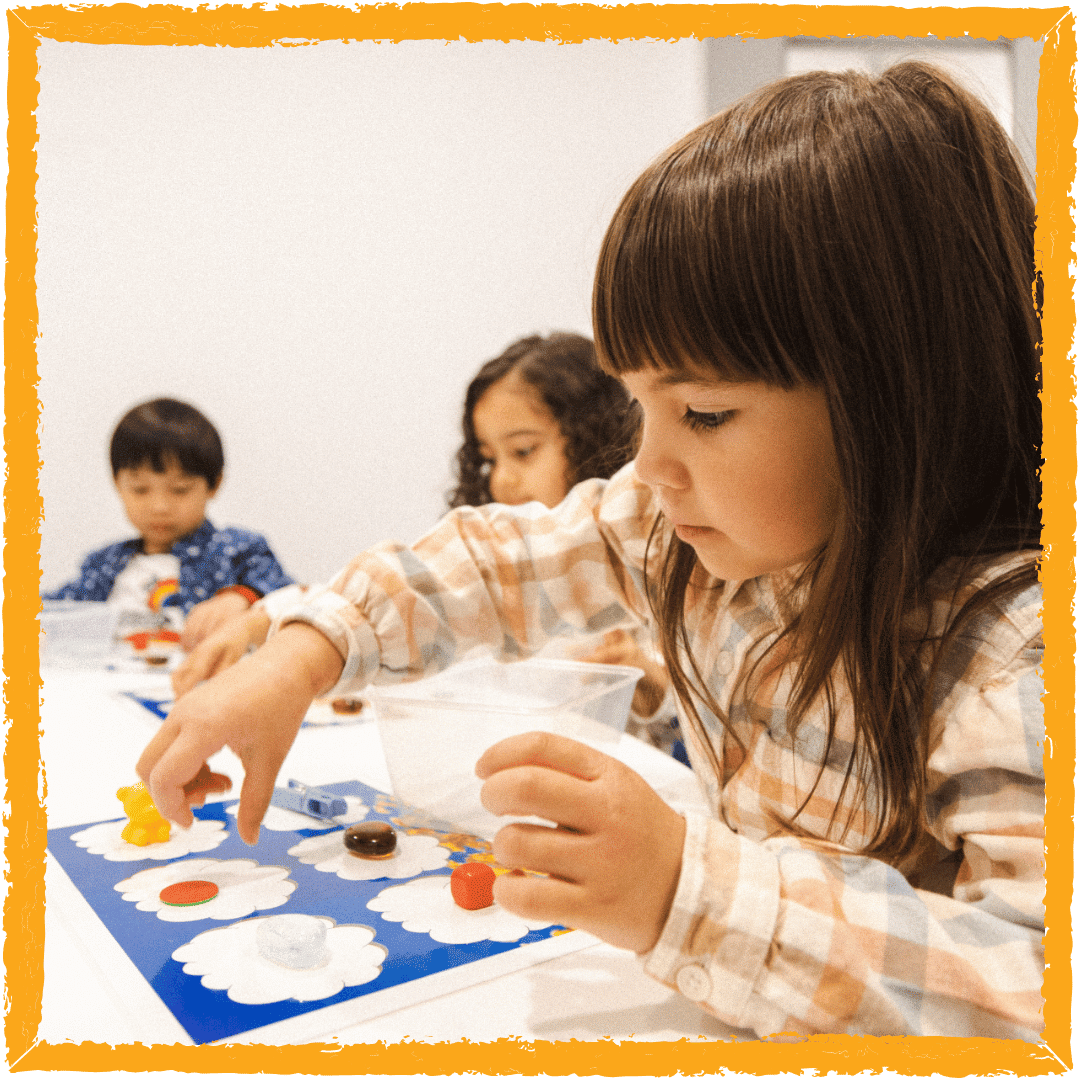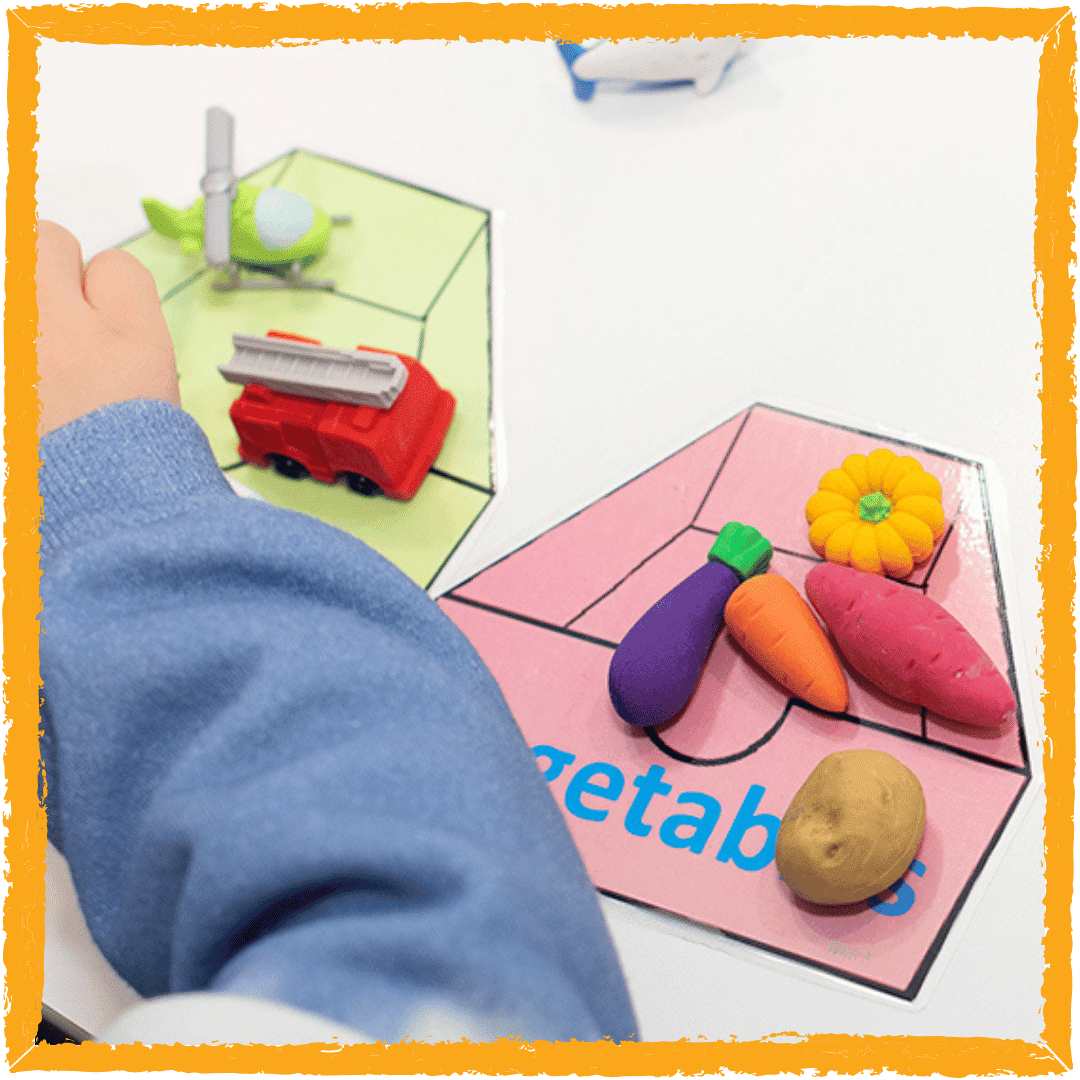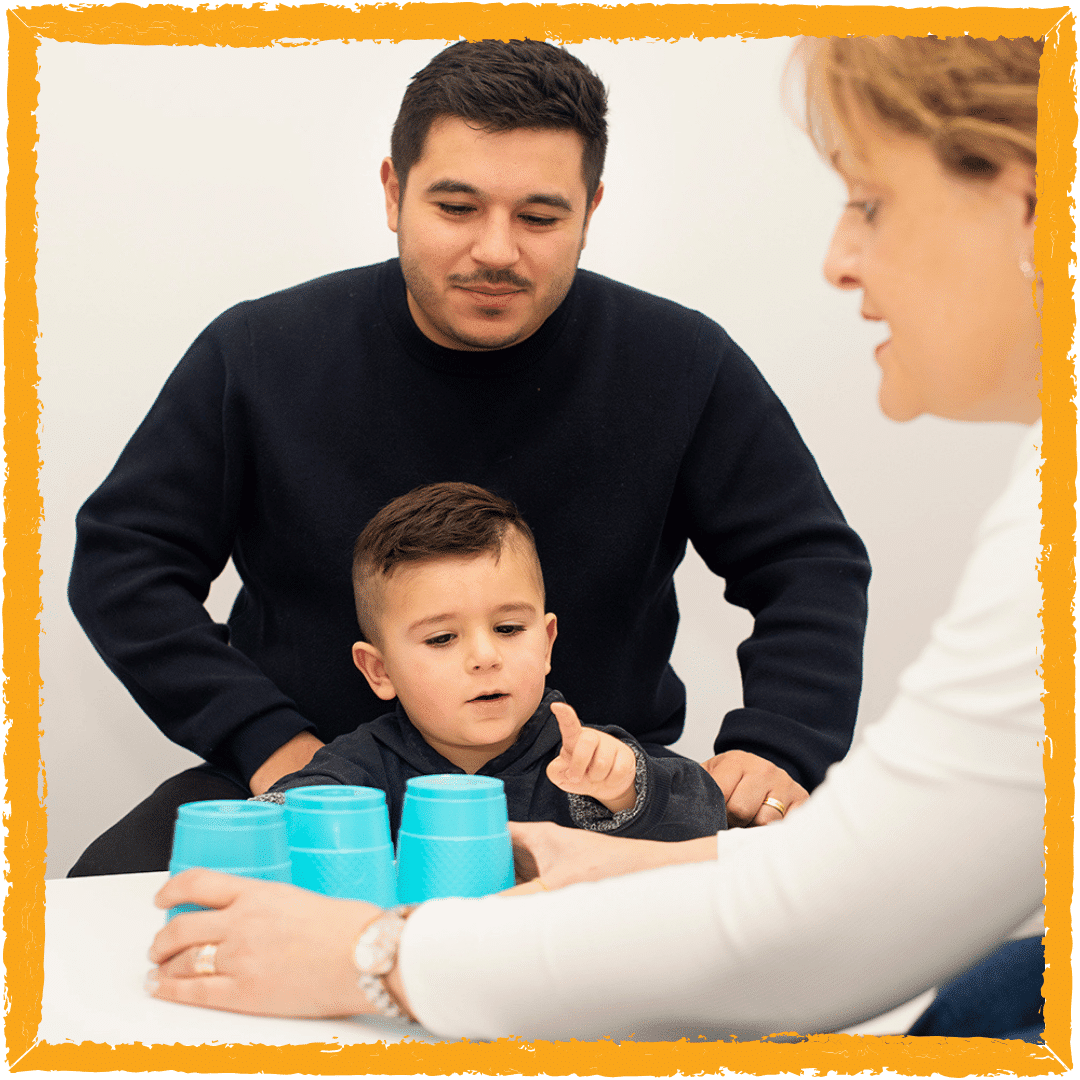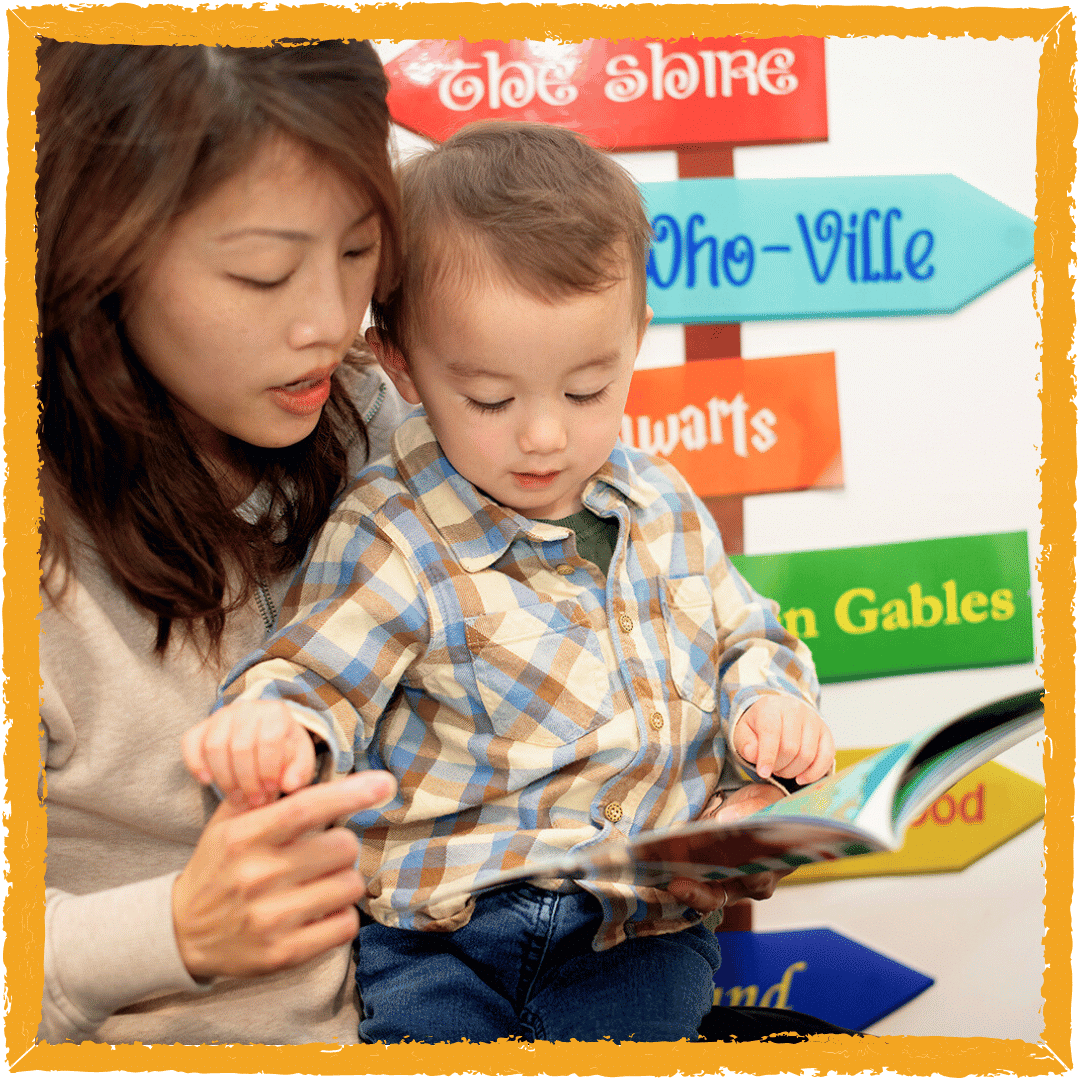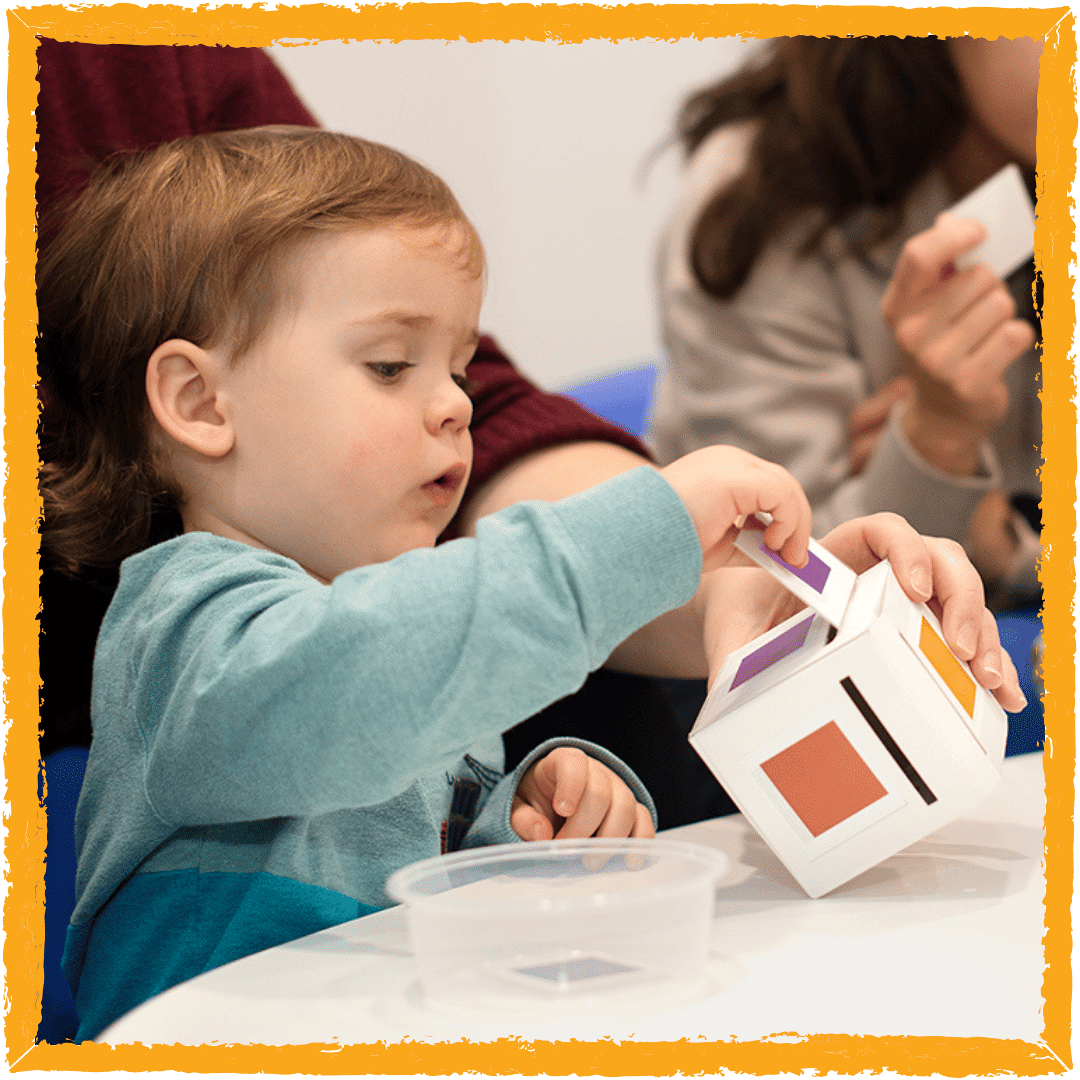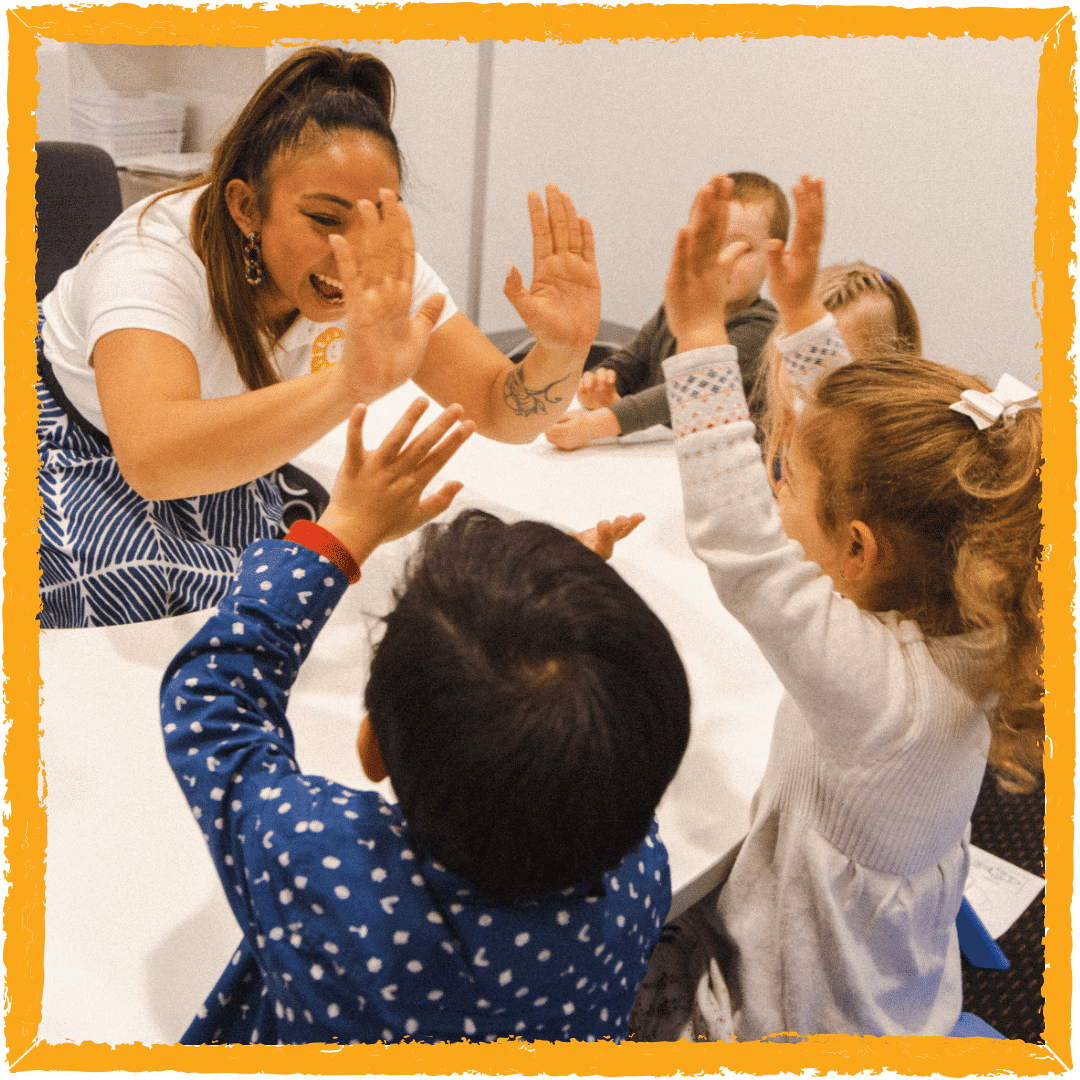
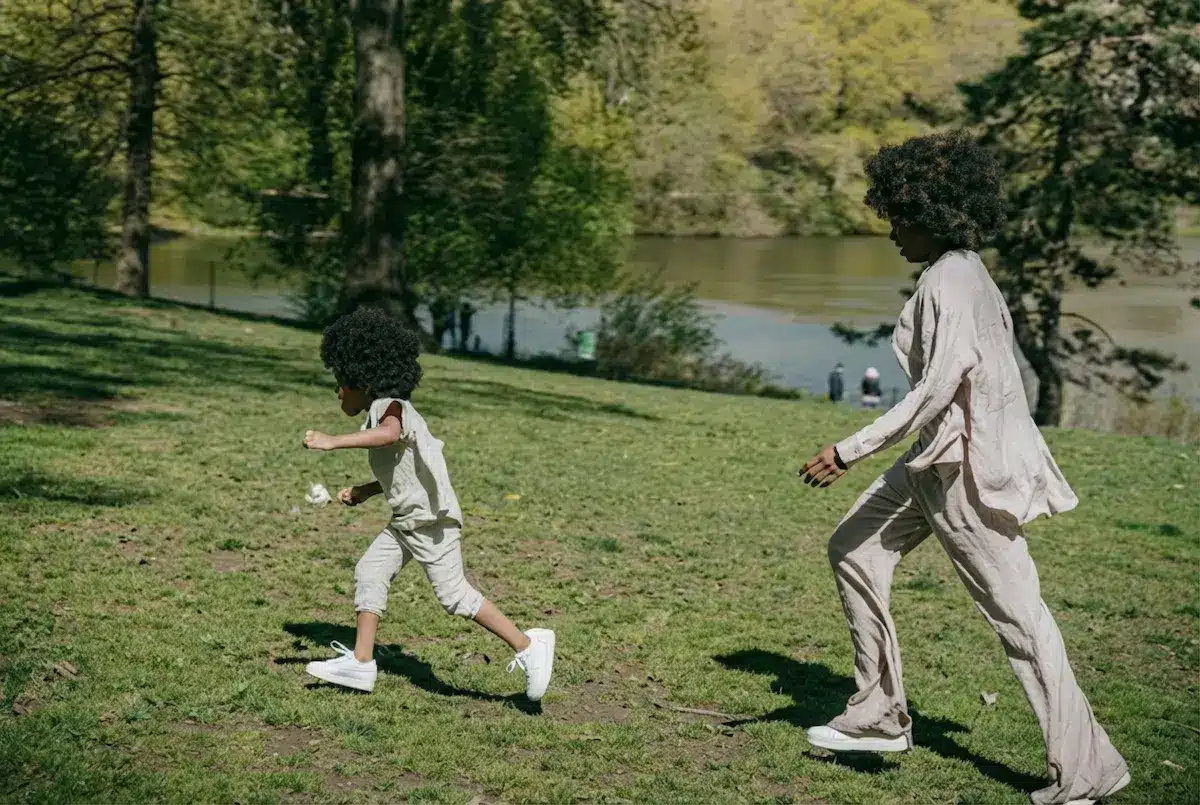
Photo from Pexels: Parent and child enjoying active play activities outside home, simple movement moments that build strength, joy, and confidence.
Active Play Activities for Kids: Fun Ideas and Benefits
Key Takeaways
- Movement builds strength, confidence and emotional balance
- Every bit of activity counts, indoors or outdoors
- Parents shape attitudes toward movement through example
- Small, consistent steps lead to big developmental gains
- Active play lays the groundwork for lifelong health and happiness
Every parent wants their child to grow up strong, confident and happy.
Yet with the pace of the modern world, movement can easily fall by the wayside. The good news is that helping children stay active does not need to be complicated. It can be as simple to incorporate active play into your daily routine.
Active play is the kind of movement children naturally love: spontaneous, creative and full of fun. Whether it is running through the garden, dancing to favourite songs or turning cushions into a mountain, these moments go far beyond exercise! They build strength, imagination, confidence and lasting habits for lifelong wellbeing.
What Is Active Play?
Active play means movement that is fun, engaging and often child-led. It is about getting the body moving. It can happen anywhere, on a playground, in a living room or in the back garden, and it always includes movement with purpose and joy.
The Simcoe Muskoka District Health Unit describes active play as vital for physical literacy, which means having the confidence, motivation and skills to move in different ways. Like reading and writing, this kind of literacy grows with experience and shapes how children approach activity for life.
When a child jumps, runs or balances for the sheer pleasure of movement, they are developing far more than muscles. They are building curiosity, self-confidence and learning their limits when it comes to movement.
Definitions and Types of Active Play
| Type of Play | Description | Examples |
|---|---|---|
| Structured | Guided by adults with light rules or goals | Tag, treasure hunts, family yoga |
| Unstructured | Child-led and imaginative | Pretend play, building dens, exploring outdoors |
| Indoor | Movement within limited space | Dancing, balloon volleyball, obstacle paths |
| Outdoor | Play in open or natural spaces | Climbing, cycling, hide and seek |
| Guided | Lightly directed by adults | Relay races, mini sports sessions |
| Free Play | Completely spontaneous | Running, jumping, exploring |
Why Focus on Active Play (Not Just Exercise)?
Exercise can sound structured or demanding, but active play feels accessible, inclusive and fun. It does not rely on equipment or skill. According to Playworld, this kind of play invites every child to take part, no matter their background or ability.
The benefits extend far beyond fitness. Active play fuels creativity, independence and resilience. A child figuring out how to jump further is also learning persistence and self-trust. That mix of freedom and challenge is where the best learning happens.
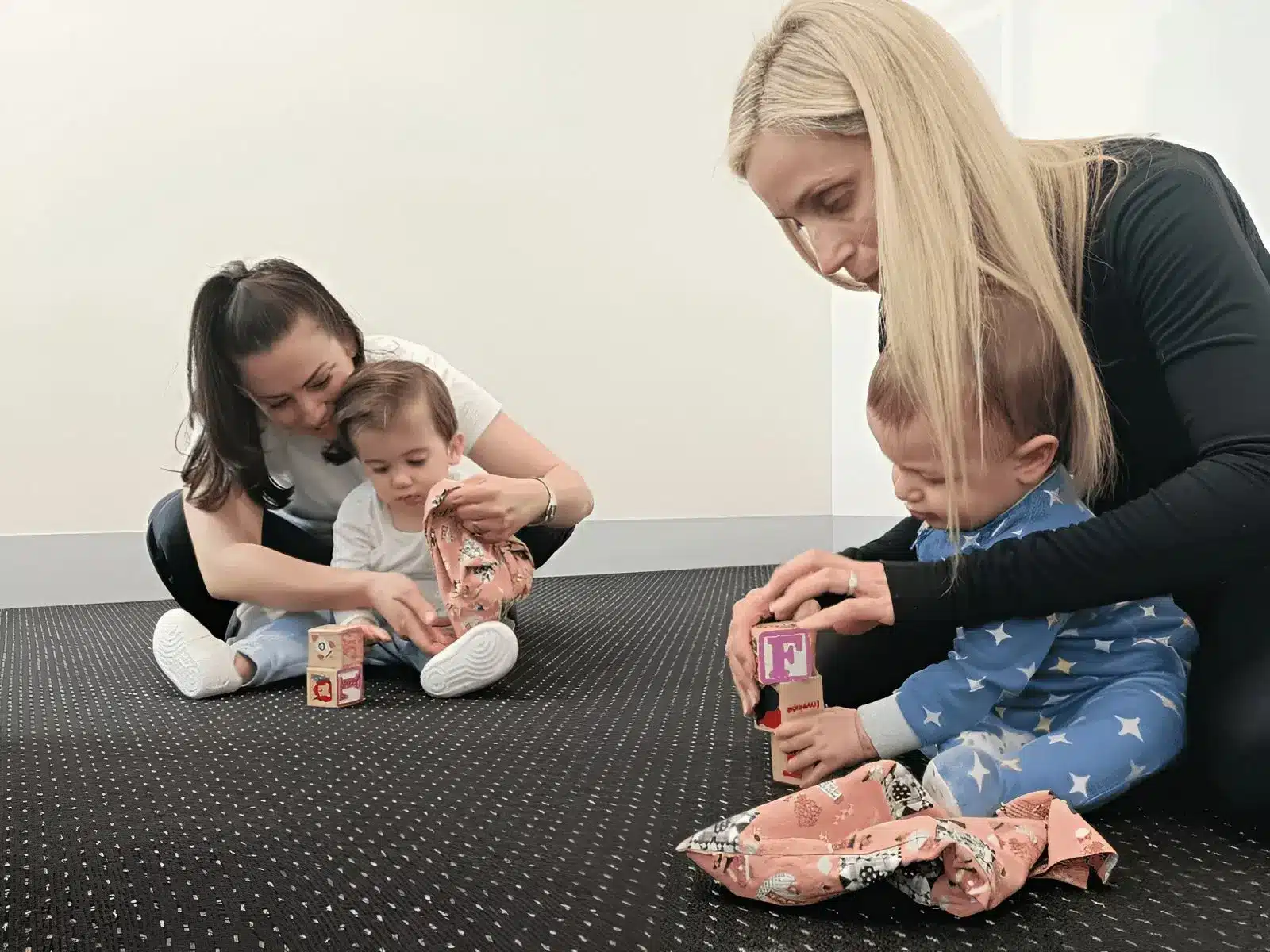
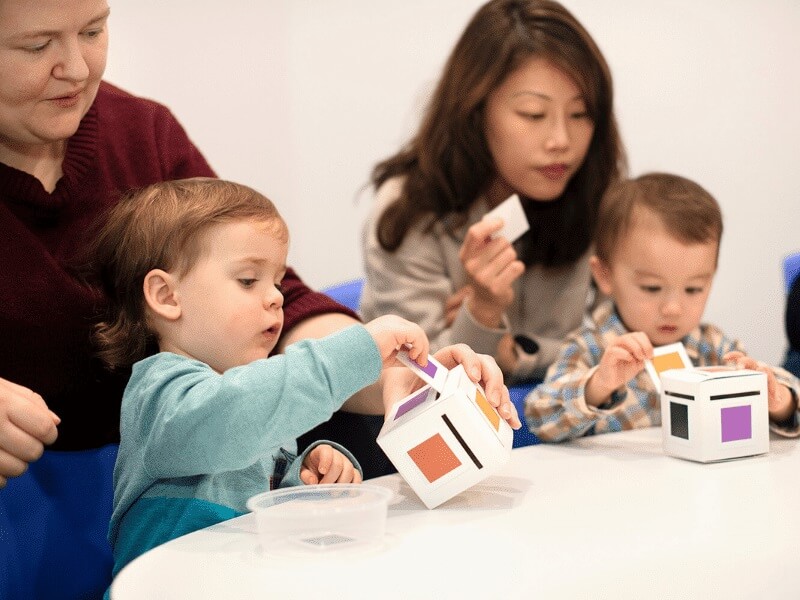
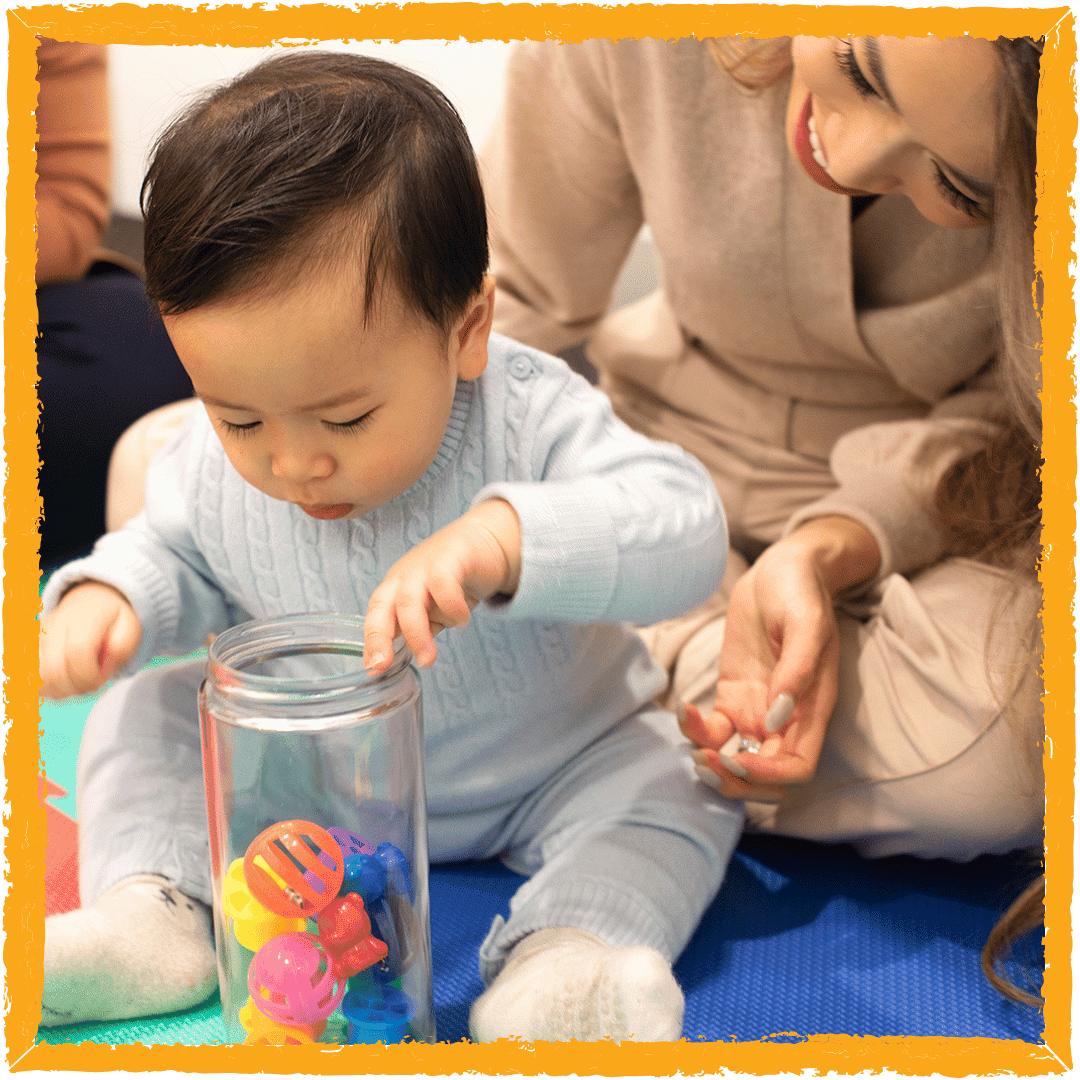
Image by Shichida Australia: babies stacking blocks during a Shichida class – babies learn about cause and effect and develop spatial awareness.
The Benefits of Active Play
Physical and Motor Skill Development
Active play builds coordination, balance and strength naturally. The NHS recommends at least 60 minutes of daily physical activity for children aged 5 to 18, and free play contributes meaningfully to that goal. Throwing, climbing, dancing or crawling through tunnels all help develop muscles and endurance. These skills later support writing, sports and general confidence in movement.
Cognitive and Academic Benefits
Movement strengthens the brain as much as the body. Physical activity increases oxygen flow, helping with memory, focus and problem-solving. Early learning experts, including The Warrior Factory Buffalo, highlight how playful movement encourages critical thinking and creativity. When children invent new games or adapt rules, they are practising flexible thinking, which supports academic success.
Emotional and Social Benefits
Active play teaches children how to handle emotions and connect with others. The Simcoe Muskoka Health Unit notes that movement-based play helps with emotional regulation, reducing stress and promoting calm. Group play builds teamwork, empathy and cooperation.
Laying Foundations for Lifelong Health
Active play nurtures habits that last well into adulthood. Research from NHS Physical Activity Guidelines shows that early activity lowers the risk of obesity, anxiety and heart disease later in life. Children who learn to move for enjoyment tend to keep moving as they grow.
For an extra layer of developmental learning, read Benefits of Sensory Play, which pairs beautifully with active movement.
Age-Appropriate Active Play Ideas by Development Stage
Every stage of childhood offers different ways to explore movement. Here is a guide to age-based ideas.
| Age Group | Activity Ideas | Why It Helps |
|---|---|---|
| Toddlers & Preschoolers (Ages 1-4) | Chase bubbles, dance, roll balls, crawl under chairs, build cushion forts | Improves coordination, balance and parent-child connection through praise and imitation |
| Early School Age (Ages 5-8) | Hopscotch, mini relay races, balloon tennis, scavenger hunts | Enhances focus, stamina and teamwork even in small indoor spaces |
| Older Children (Ages 9-12+) | Bike rides, obstacle courses, nature walks, backyard challenges | Builds endurance, independence and creativity while reducing screen reliance |
Tip: Read the printable list of 50 fun activities by age for simple, ready-to-go inspiration.
Quick and Easy Active Play Ideas for Kids
Here are some simple, fun movement moments you can add anytime during the day:
1. Bubble Chase
Blow bubbles and let your child run, jump or stretch to pop them. Great for balance and coordination.
2. Balloon Volleyball
Keep a balloon off the ground using hands, elbows or even a paper plate as a paddle.
3. Animal Walks
Crawl like a bear, hop like a frog or waddle like a penguin. Builds strength and imagination.
4. Cushion Stepping Stones
Lay cushions across the floor and create a safe “pathway” to walk, jump or crawl across.
5. Dance Breaks
Put on a favourite song and have a two-minute dance party between daily tasks.
6. Treasure Hunt
Hide small items around a room or garden for your child to search for. Adds movement and problem-solving.
7. Follow the Leader
Take turns leading movements – stomping, twirling, tiptoeing or marching.
8. Hallway Races
Short, fast runs between two points indoors. Great for releasing energy when space is tight.
9. Scarf Toss and Catch
Use lightweight scarves, tissues or ribbons to throw and catch. Builds hand-eye coordination.
10. Obstacle Path
Use chairs, tunnels, boxes or cushions to crawl under, around or over. Perfect for indoor days.
Indoor vs Outdoor Active Play: Making the Most of Both
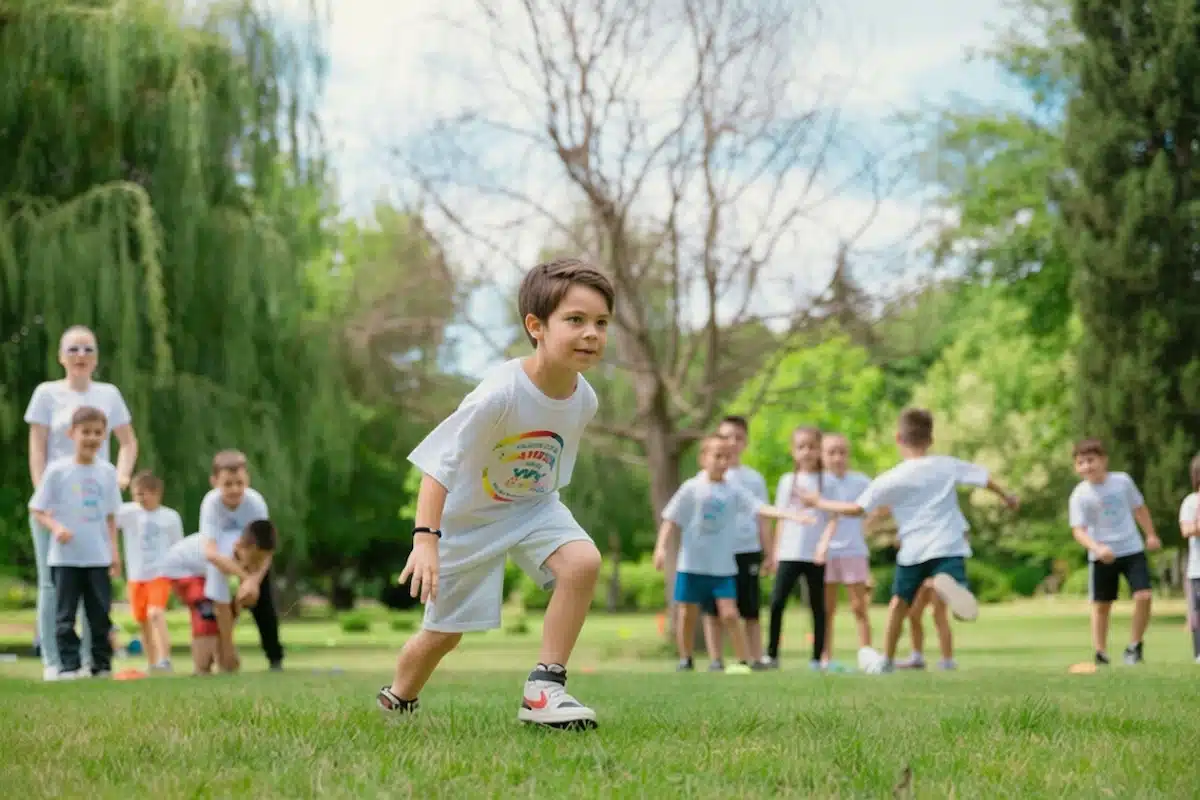
Photo from Pexels: Outdoor active play activities for kids help develop coordination, teamwork, and a love for movement.
Indoor Active Play
Indoor play is ideal when the weather turns cold or space is limited. Use hallways, furniture-safe areas or everyday items like scarves and cushions. Activities such as dancing, balloon games or yoga stretches get children moving while keeping things safe and simple.
Short bursts of movement throughout the day can boost mood and focus. A five-minute dance break or stretching session can turn even the smallest living room into a mini gym.
Outdoor Active Play
Outdoor play brings sensory richness such as fresh air, sunlight and open space. Climbing trees, cycling or running barefoot on grass offers natural challenges that strengthen coordination and balance. Child development experts also highlight the value of beneficial risk-taking, such as balancing or testing limits safely. It helps children build awareness, problem-solving and resilience.
How Parents Can Encourage and Facilitate Active Play
Model the Behaviour and Join In
Children mirror what they see. When parents move enthusiastically, whether jumping, dancing or skipping, children follow with excitement. Joining in turns movement into bonding time, making activity feel natural and shared.
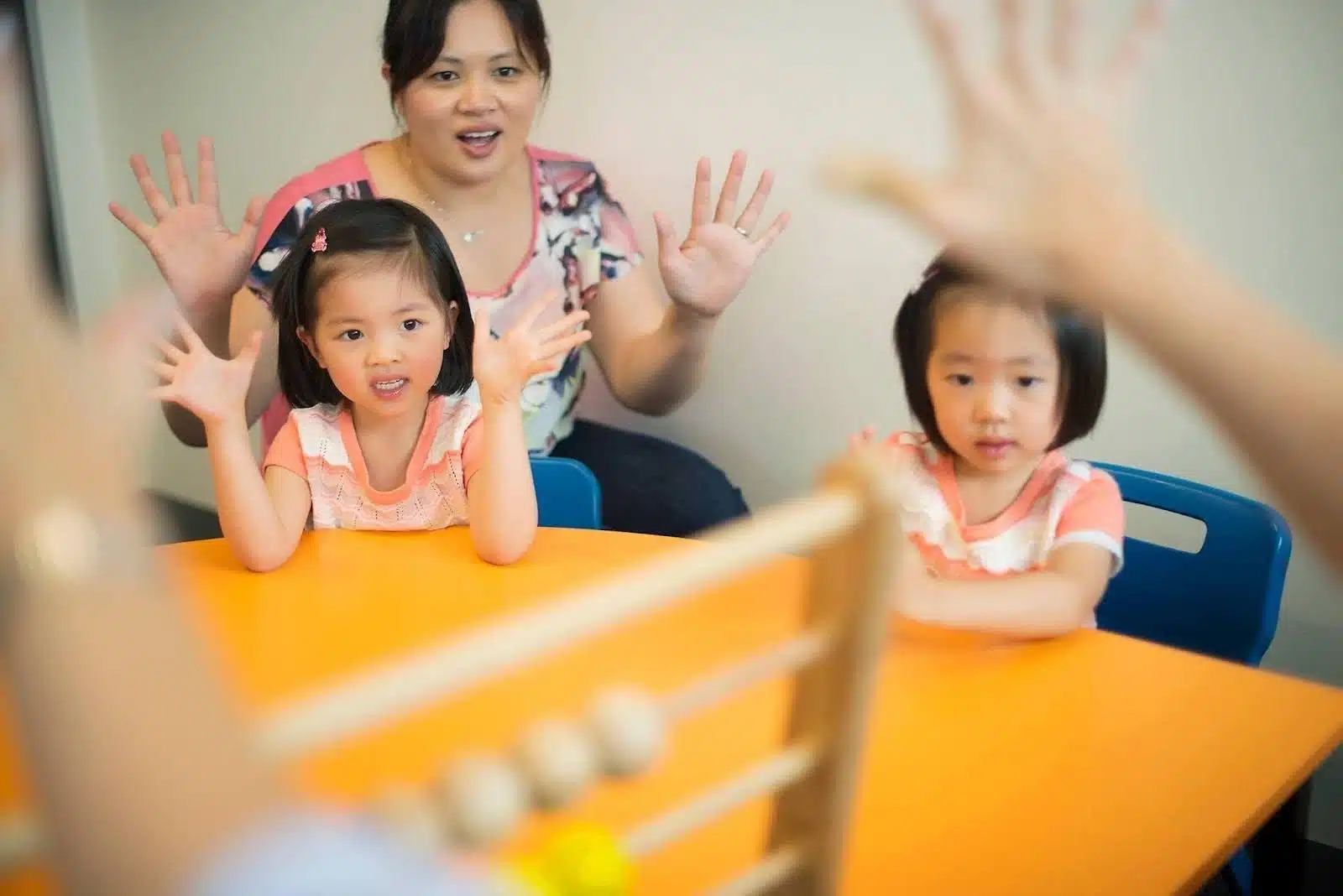
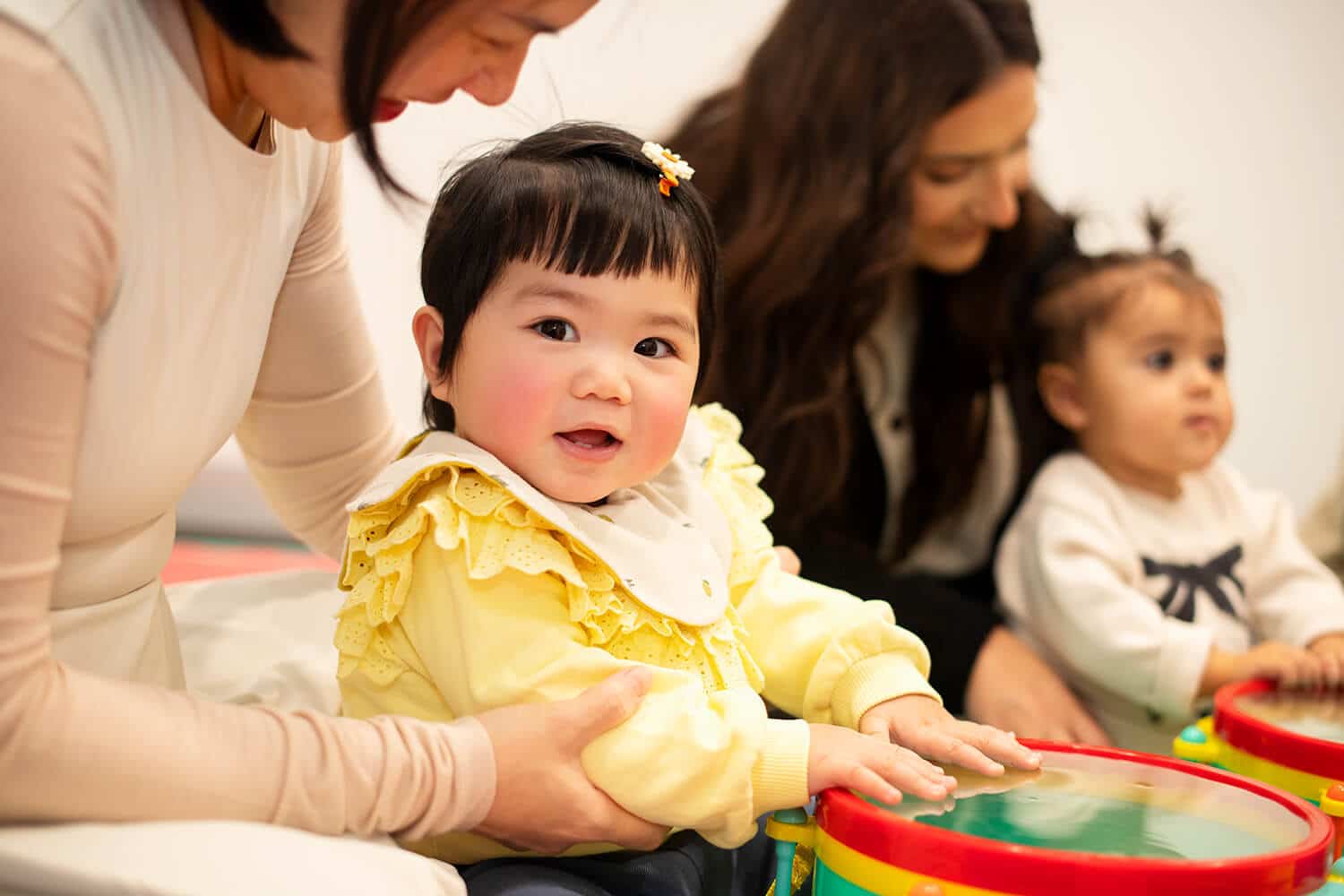
Image by Shichida Australia: a mum and her girls singing along to a popular Shichida song – songs, musical instruments and rhythm play are a crucial part of active play for kids.
Create a Safe, Supportive Environment
A safe setting gives children freedom to explore. Remove hazards, check for sharp corners and use soft or stable surfaces. Keep a few simple safety habits in mind.
Quick Safety Checklist:
- Clear cluttered spaces before active play
- Use non-slip mats on hard floors
- Encourage suitable footwear for running or climbing
- Keep water nearby and monitor for fatigue
Allow some safe risk-taking, such as balancing or testing limits, to help children learn confidence and judgment.
Overcoming Common Barriers
Time, space and weather can make active play challenging, but small adjustments can make a big difference.
- Limited time: Add 10-minute bursts of movement between daily tasks
- Small spaces: Use hallways or furniture-free areas
- Bad weather: Keep a rainy day activity box ready
- Low motivation: Turn chores into races or challenges
Consistency matters more than duration. Frequent, fun activity keeps energy and motivation high.
Safety, Equipment and Practical Considerations
Choosing Equipment and Keeping Costs Low
Active play does not require expensive gear. Everyday items work perfectly. Cushions can become stepping stones, cardboard boxes can transform into tunnels and laundry baskets can double as goals. Creativity matters more than cost!
Safety Checklist for Active Play
- Supervise near water or roads
- Teach children to check their surroundings before running or jumping
- Wear helmets for cycling or scootering
- Keep hydration close
- Allow rest breaks when needed
When to Seek Extra Support
If a child avoids movement or struggles with coordination, consider structured programmes that develop physical literacy through gentle guidance.
Summary
Active play is more than movement. It is a gateway to learning, imagination and connection.
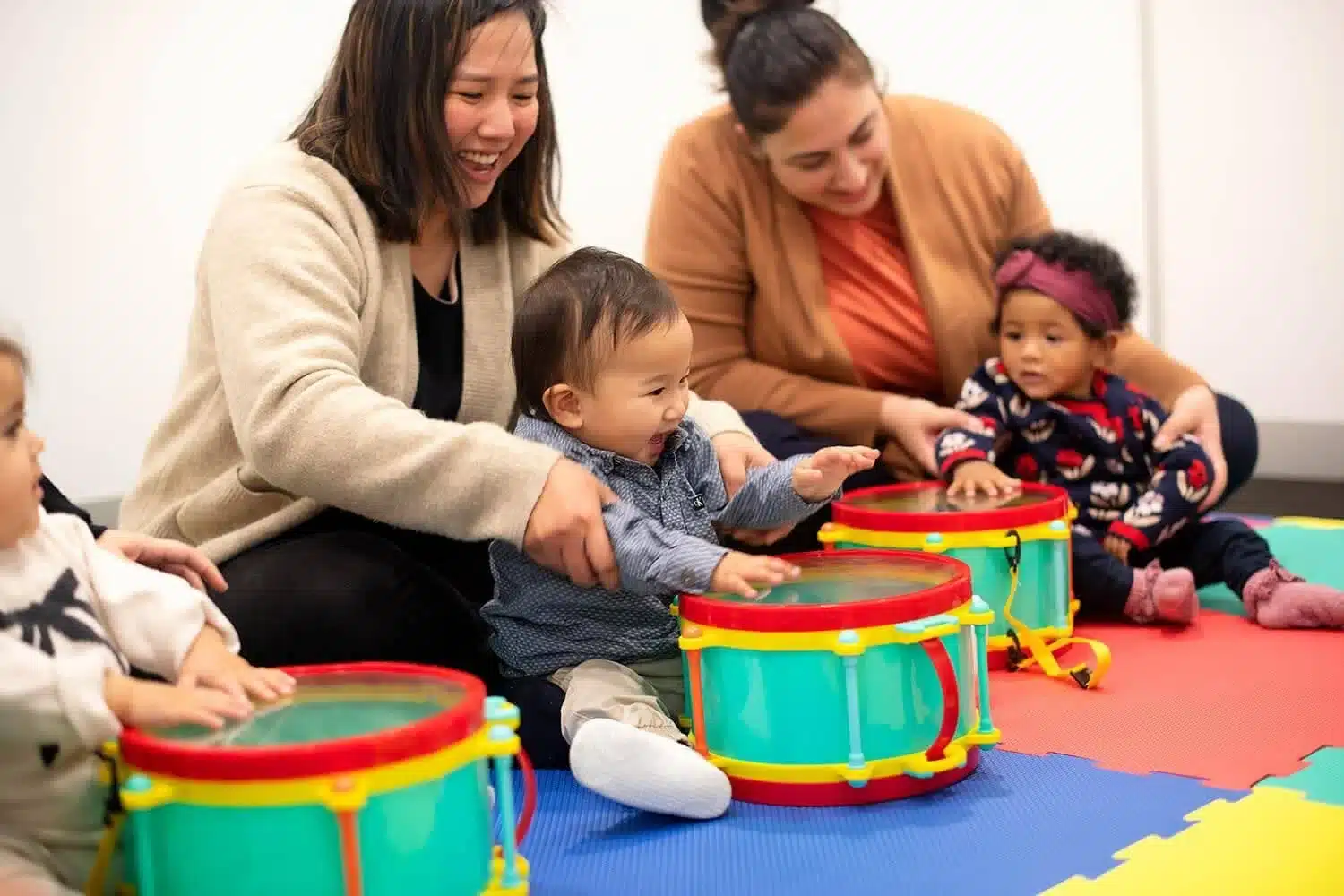
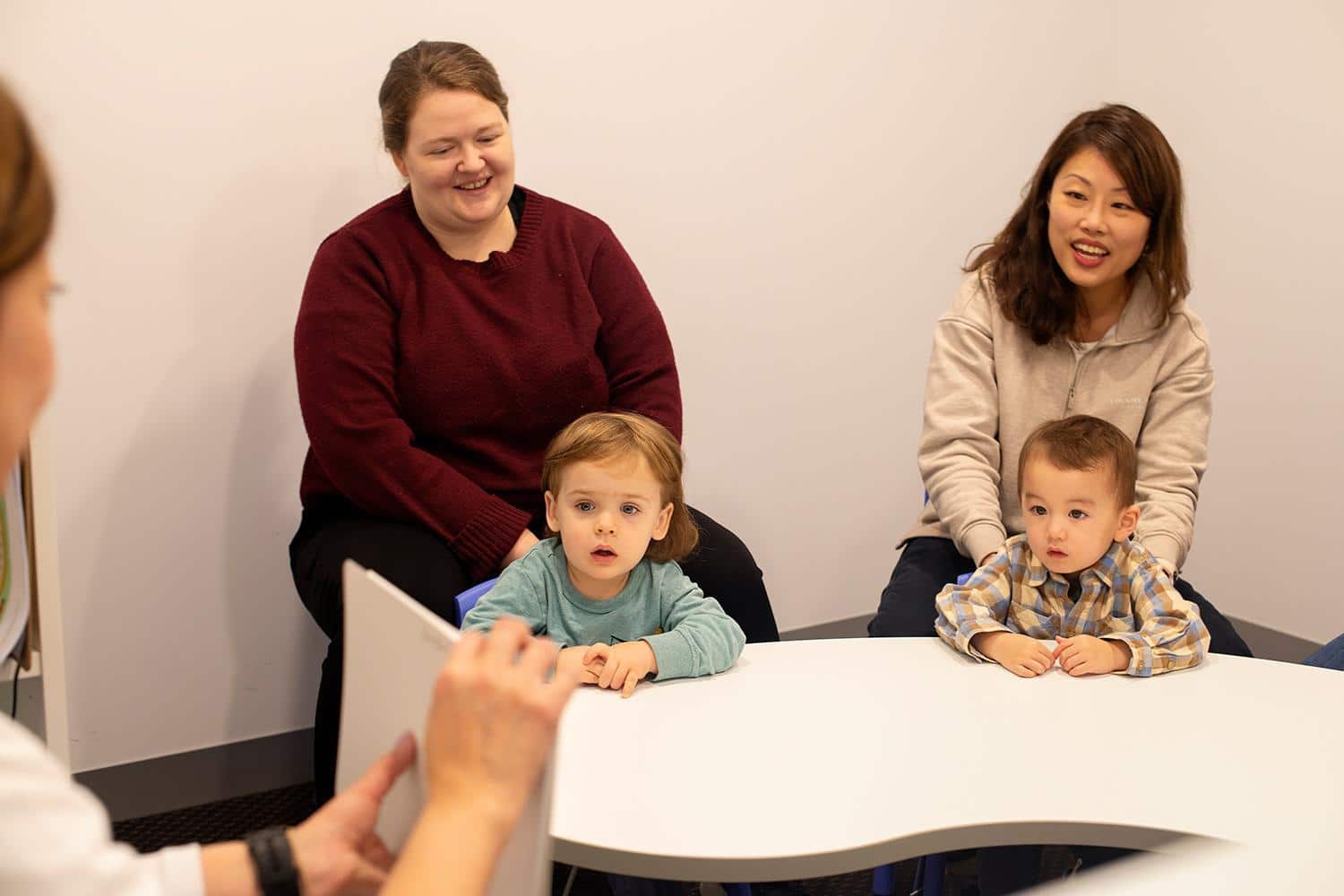
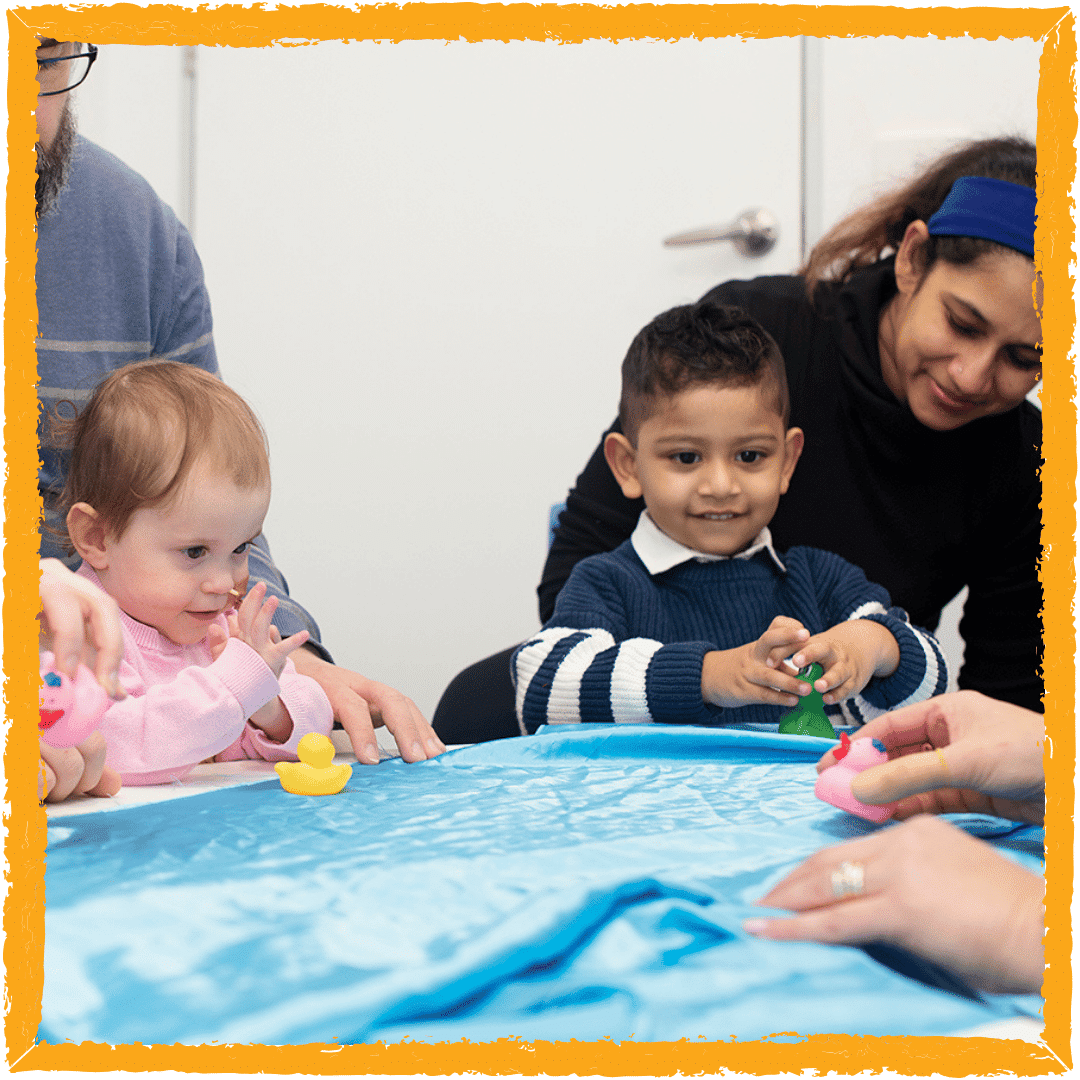
Image by Shichida Australia: Babies playing with musical instruments during a Shichida class – activities are play-based, and parents are guided on how to develop their children’s abilities at home – these strategies can be used indoors and outdoors!
Shichida Australia embraces this philosophy by blending hands-on, play-based sensory learning and brain training to create experiences that inspire curiosity and focus.
Give your child the chance to thrive through fun, meaningful play. Book a trial class today and discover how active hands-on learning can unlock hidden potential!
Frequently Asked Questions (FAQ): Active Play Activities for Kids
Any fun movement-based activity, from dancing to climbing or pretending to be animals, qualifies as active play.
Under-fives should be active for at least three hours across the day. Older children need a minimum of 60 minutes of moderate to vigorous activity.
Yes, for general fitness and development. Active play builds the skills and confidence that later support participation in organised sports.
Focus on short, safe activities such as yoga, stretching or balloon games. Hallway races or cushion stepping stones work beautifully.
Make it playful and social. Join in, add music or use favourite toys to spark enthusiasm.
Set clear boundaries, check the area and stay close enough to supervise. Teach children to assess risks as part of learning independence.