Shichida vs Kumon: Which Early Learning Program is Best?
Key Points: Shichida vs Kumon
- Shichida focuses on early childhood education and whole-child development, while Kumon focuses on academic mastery in maths and reading.
- Shichida is suitable from infancy, supporting memory, attention, emotional confidence and early thinking skills. Kumon is better suited to preschoolers and older children who are ready for worksheet-based learning.
- Parental involvement is different: Shichida requires active parent participation in class, while Kumon requires supervision at home.
- Learning style differs: Shichida uses short, play-based and sensory activities; Kumon relies on repetition and structured worksheets.
- Many families use both at different stages, starting with Shichida early, then adding Kumon later for academic reinforcement.
If you are reading this, you are probably already thinking seriously about your child’s education. You might be feeling the pressure right now to choose the right early learning program, especially now that more families in your circle are enrolling their children in structured classes earlier than ever.
But with so many kids education programs available today, how do you know which one truly fits your child? Shichida and Kumon are two of the most recognised names in early learning programs, yet they are very different in approach, goals, and teaching style. This article offers clarity so you can make an informed decision that suits your child’s needs, personality, and stage of development.
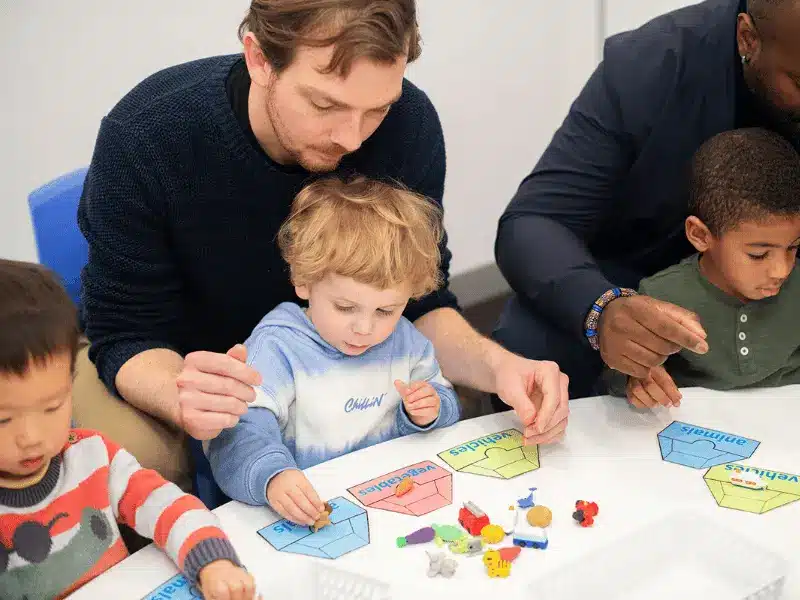
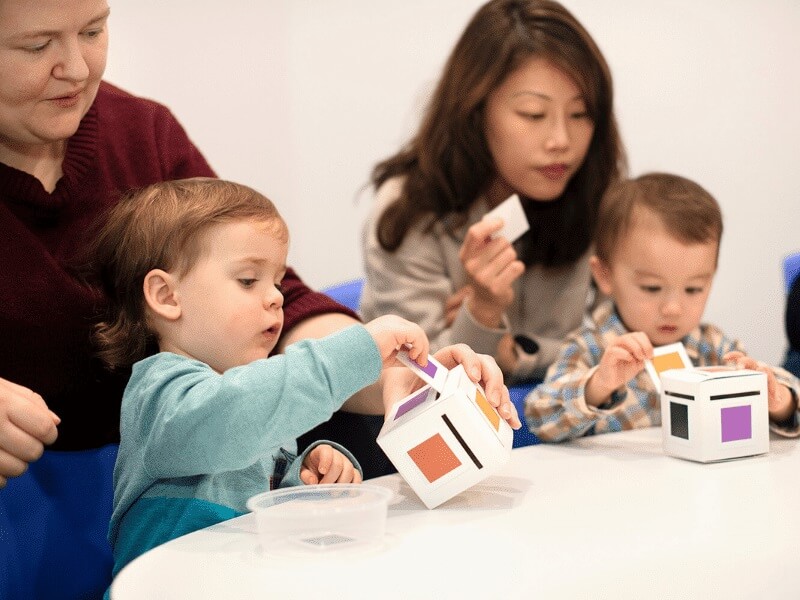
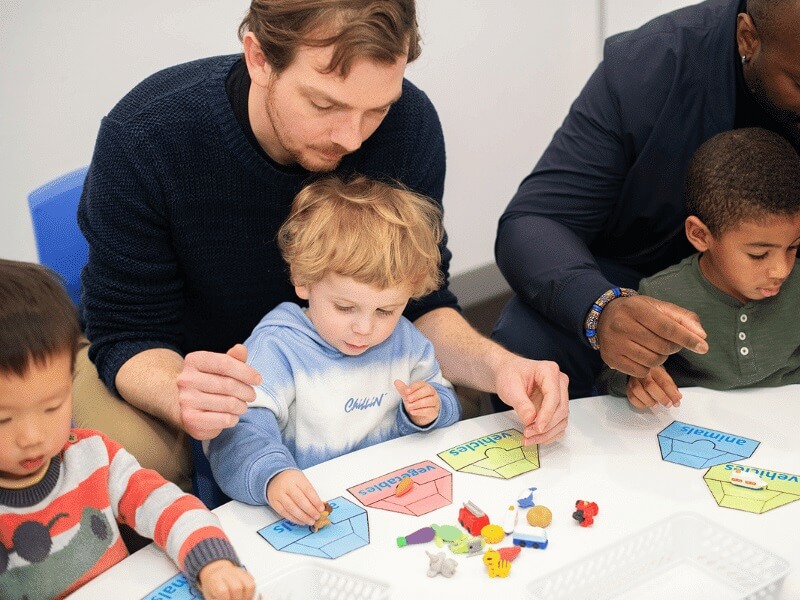
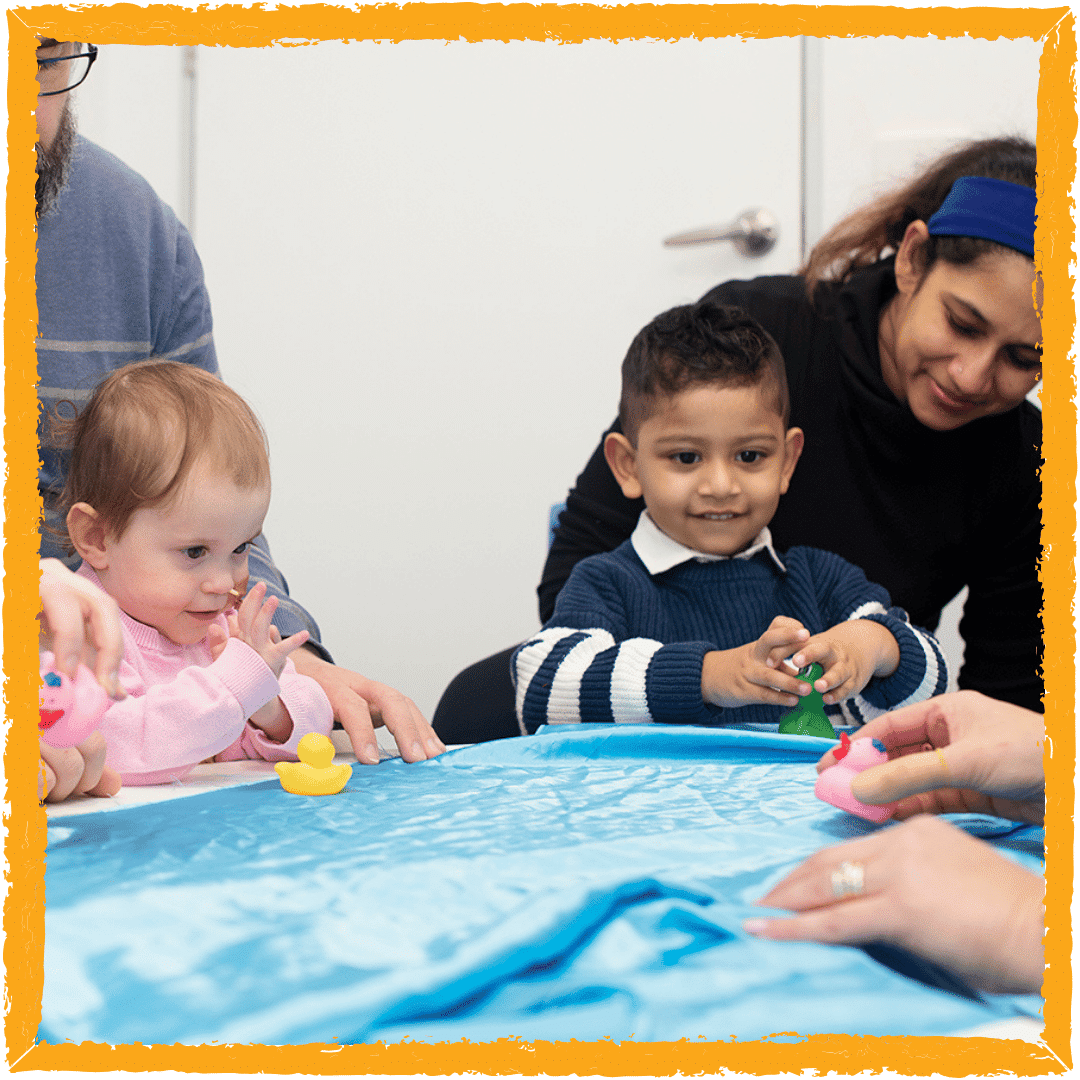
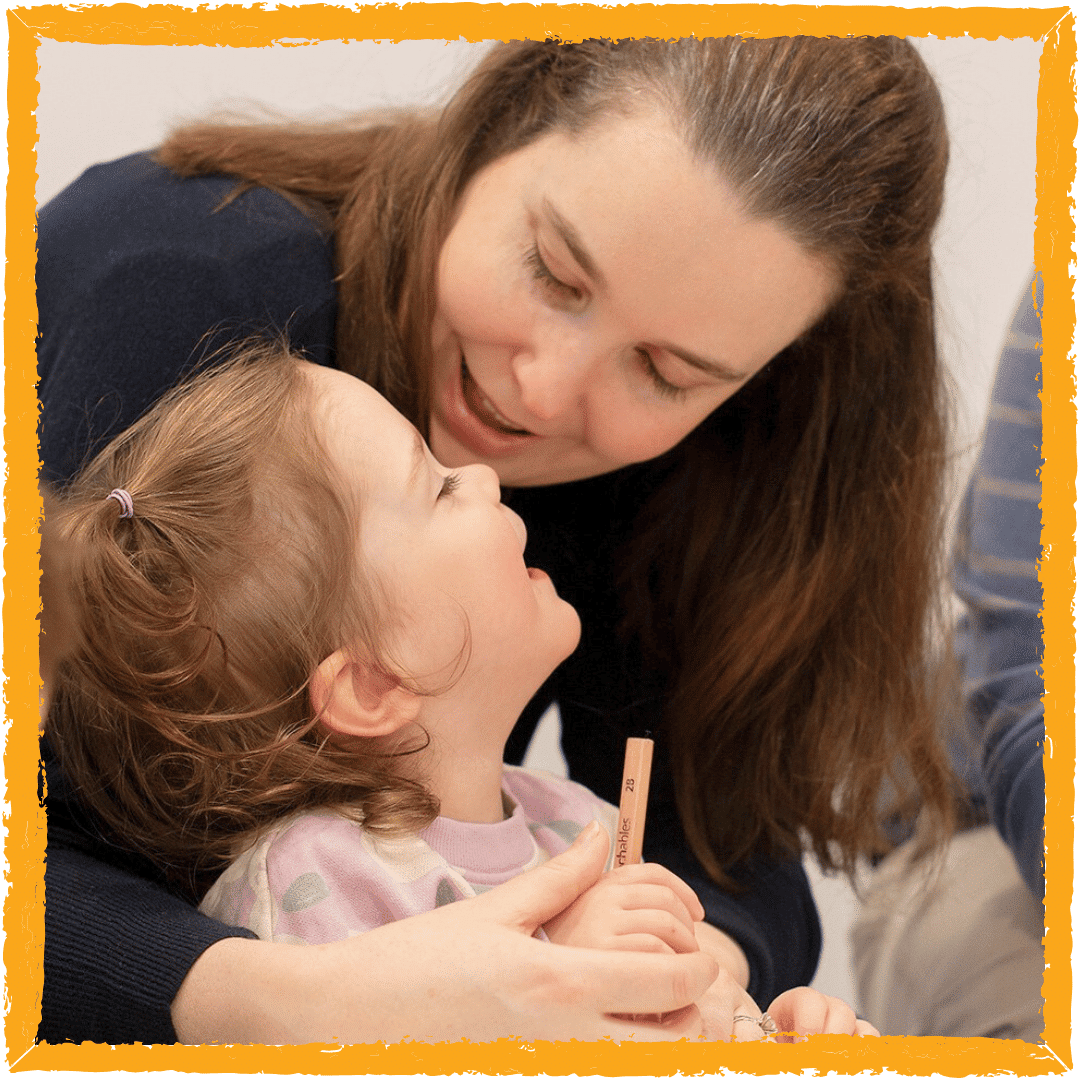
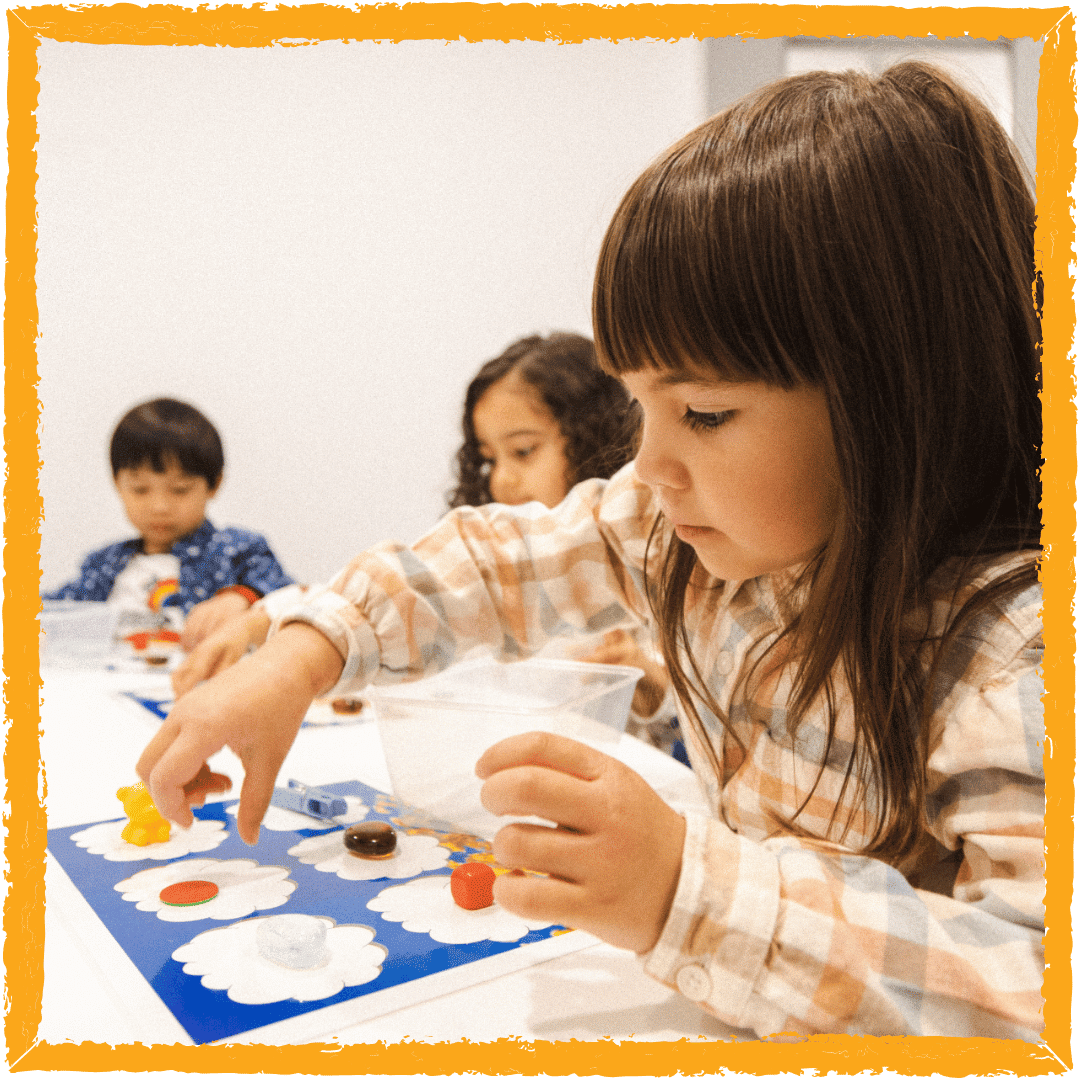
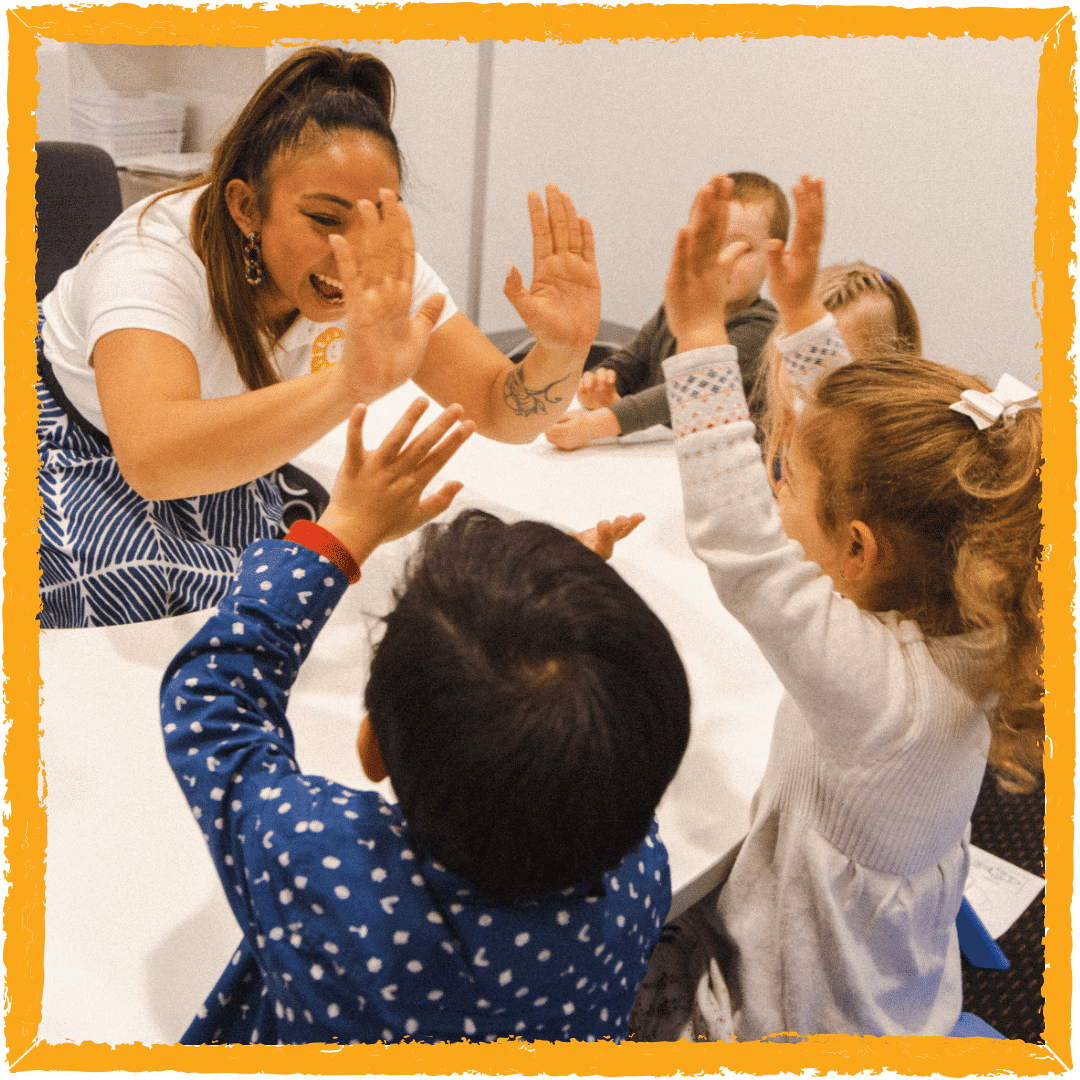
Photo from Shichida Australia: A hands-on learning moment where young children build focus, problem-solving skills and confidence through guided, play-based activities with parent support.
Overview of Shichida
Shichida is a well-known global early learning programme designed to nurture the whole brain.
Created in Japan more than 60 years ago by Professor Makoto Shichida, it focuses on early childhood education that strengthens cognitive skills, emotional development, and foundational learning habits. The Shichida Method is rooted in right-brain training, which involves early exposure to sensory input, memory activities, visualisation, and rapid learning techniques.
The philosophy is simple. Children learn best when both IQ nd EQ are developed together. Shichida encourages parent and child bonding, emotional connection, and positive reinforcement to support a child’s confidence and ability to absorb information.
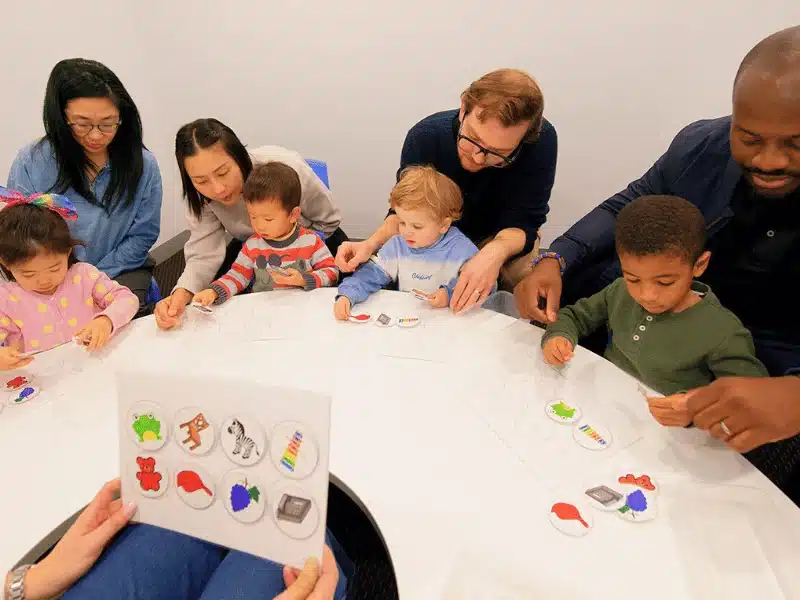
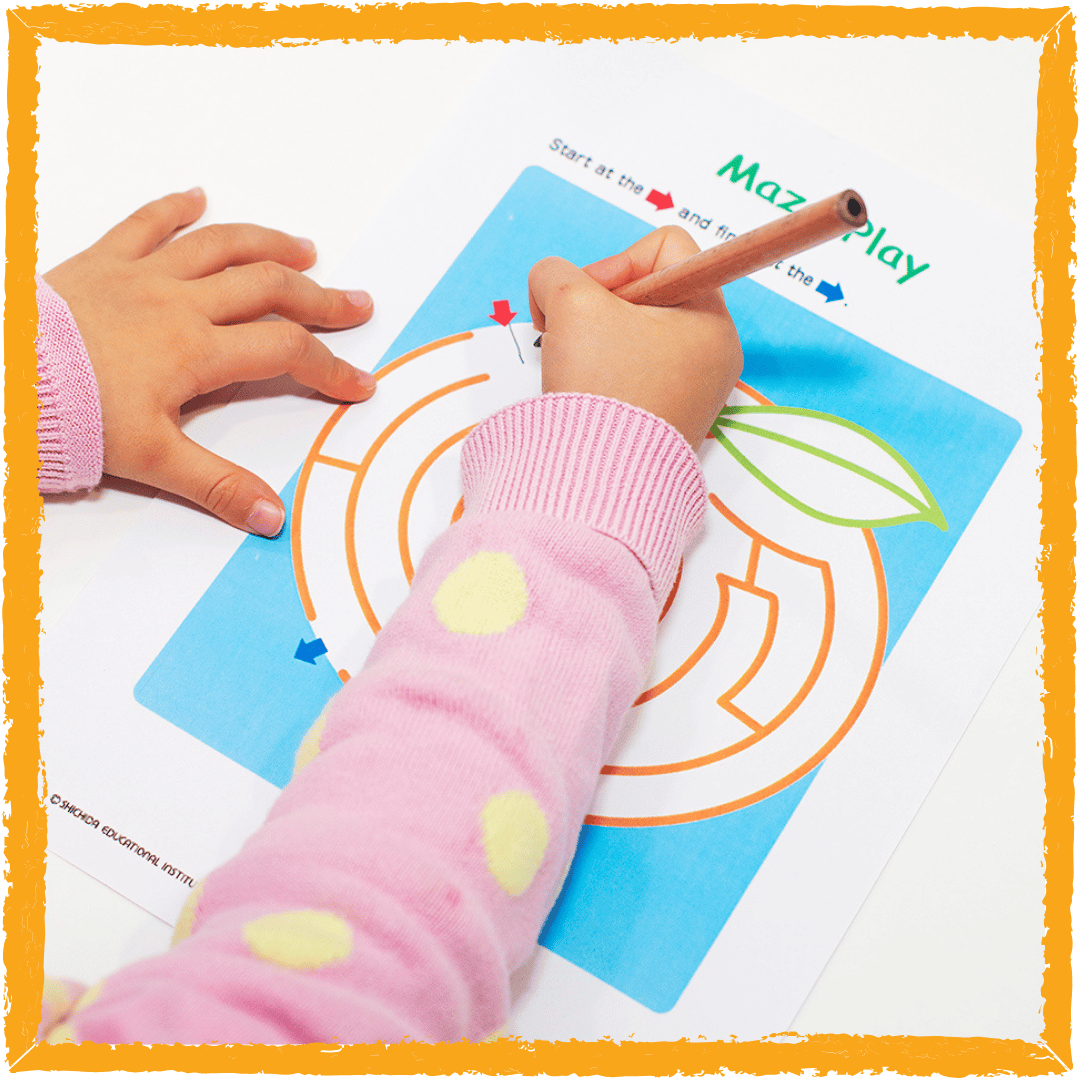
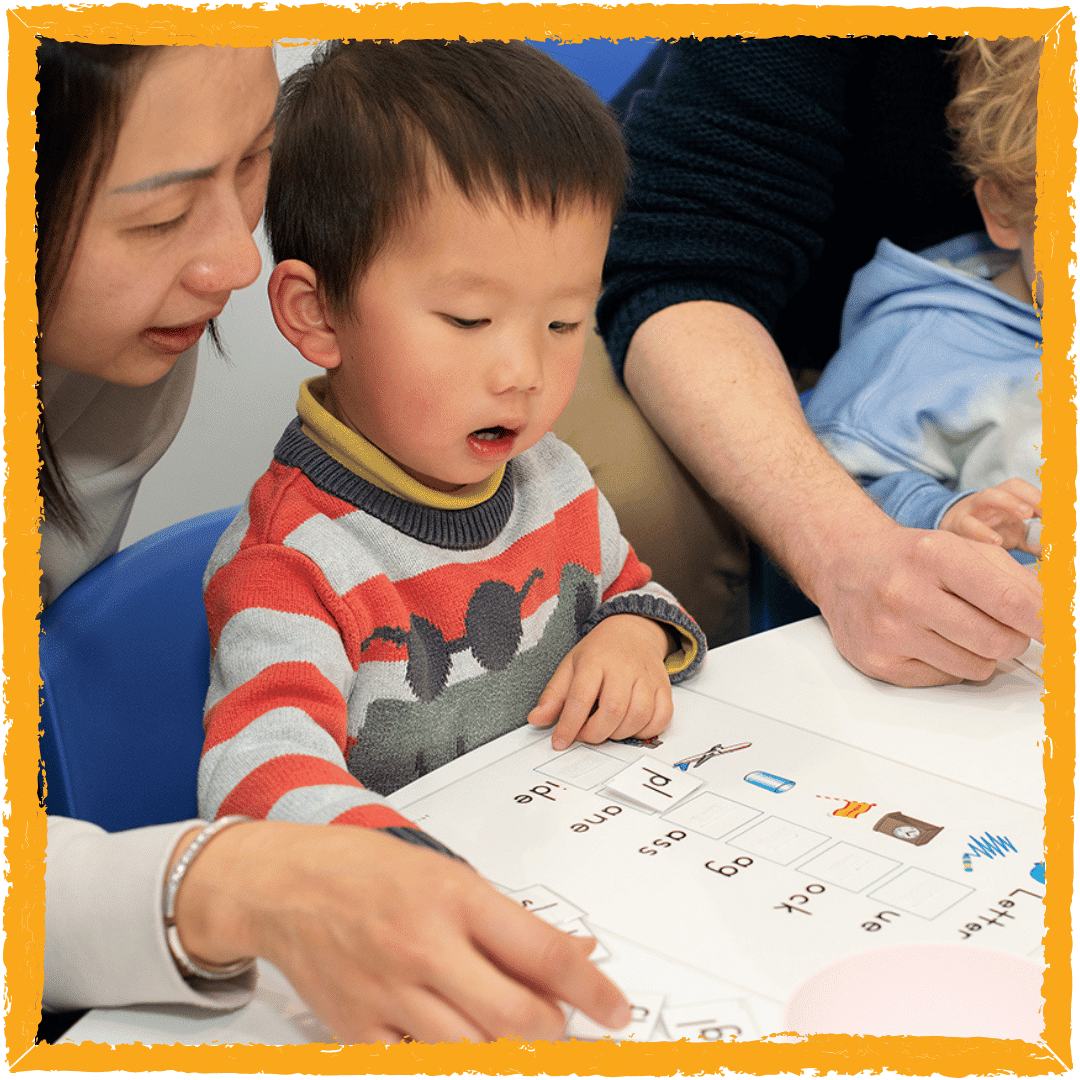
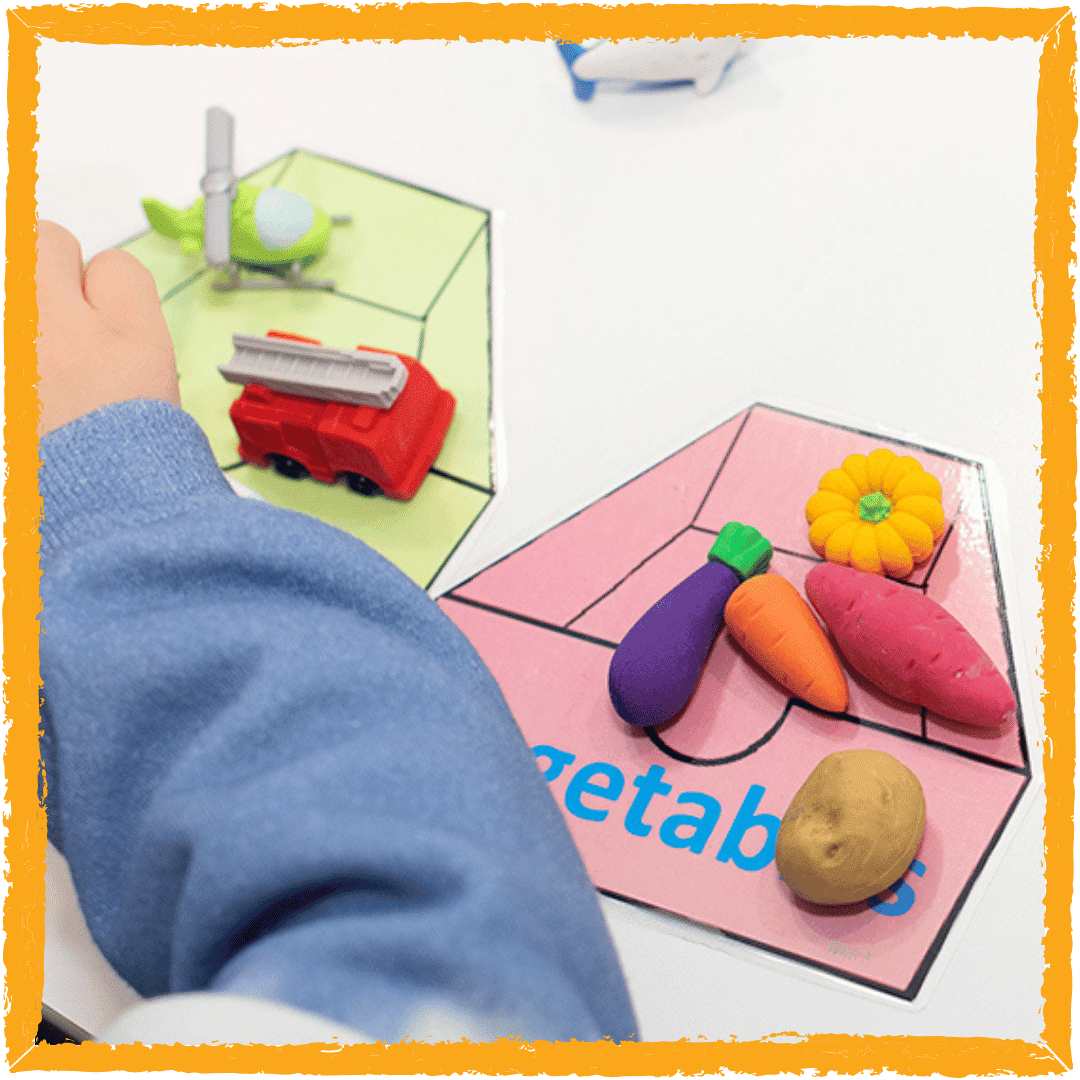
Photo from Shichida Australia: Parents and preschoolers playing a fun memory game together during a Shichida class.
Shichida Teaching Method
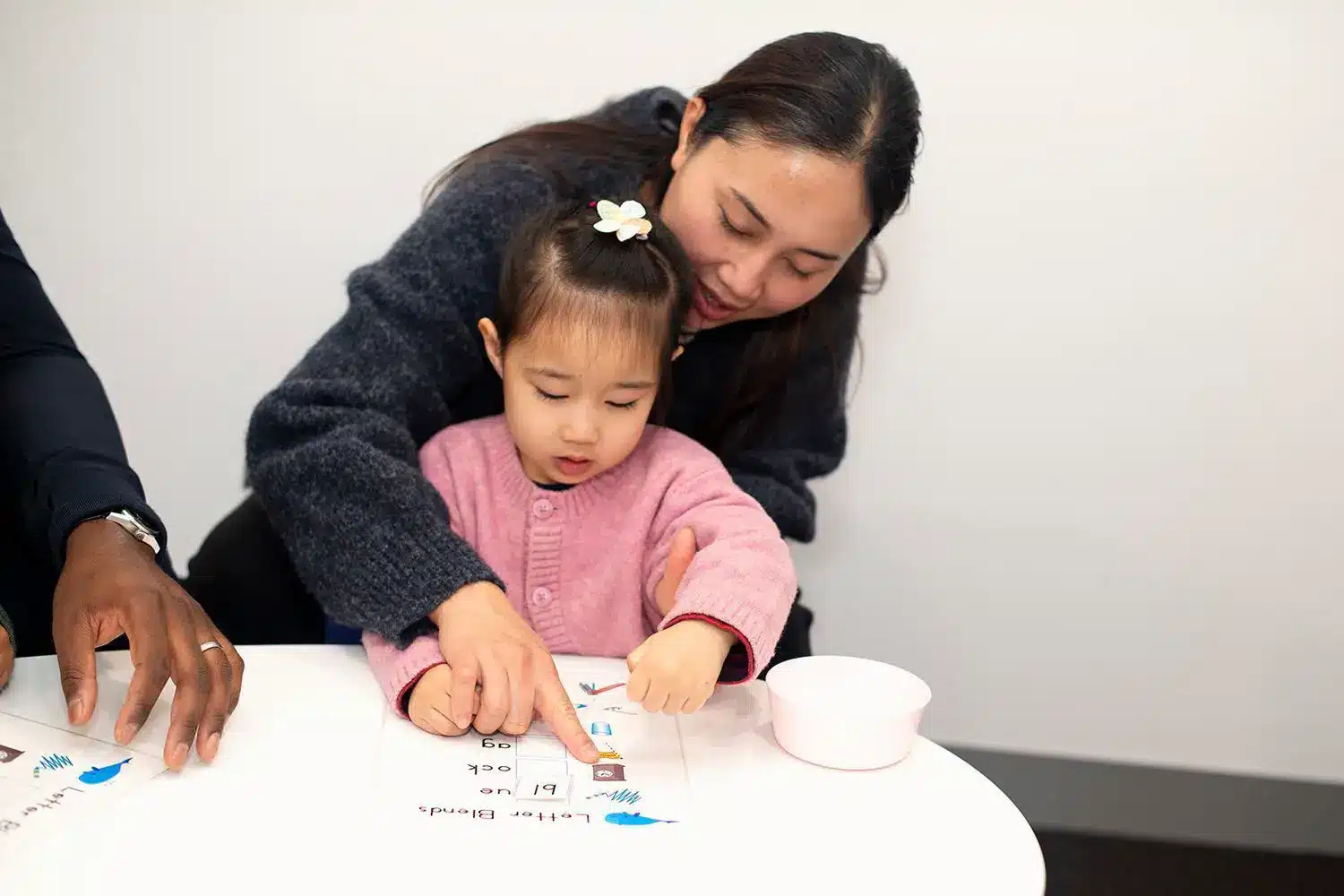
If you step into a Shichida classroom, you will notice the structured flow of activities. Lessons use flashcards, image recall, linking memory exercises, and sensory play to build focus, memory, and creativity. There are guided parent-child activities that promote bonding and communication between you and your child.
Typical activities include:
- High-speed flashcards to train visual memory
- Picture linking games to improve concentration
- Auditory memory exercises
- Guided imagery to support creativity and emotional development
At home, parents are encouraged to continue simple reinforcement activities such as storytelling, memory games, or revisiting lesson concepts and activities to build consistency.
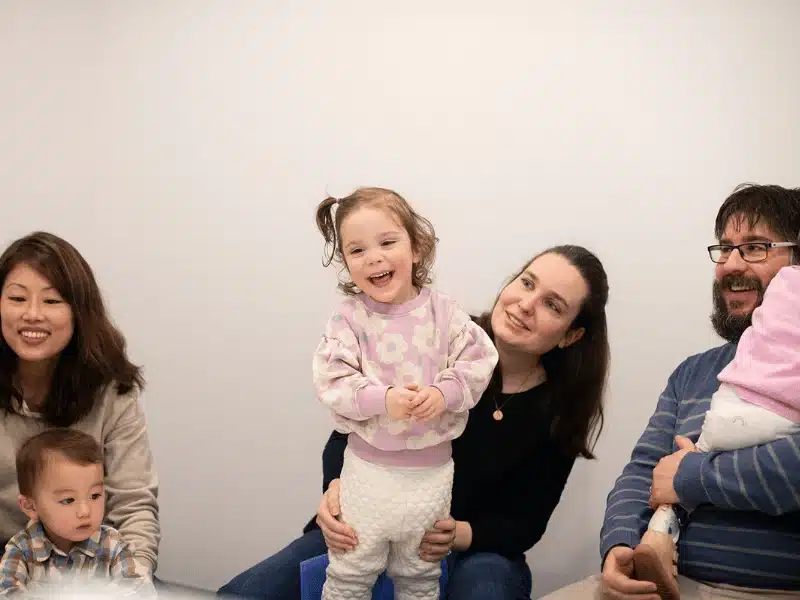
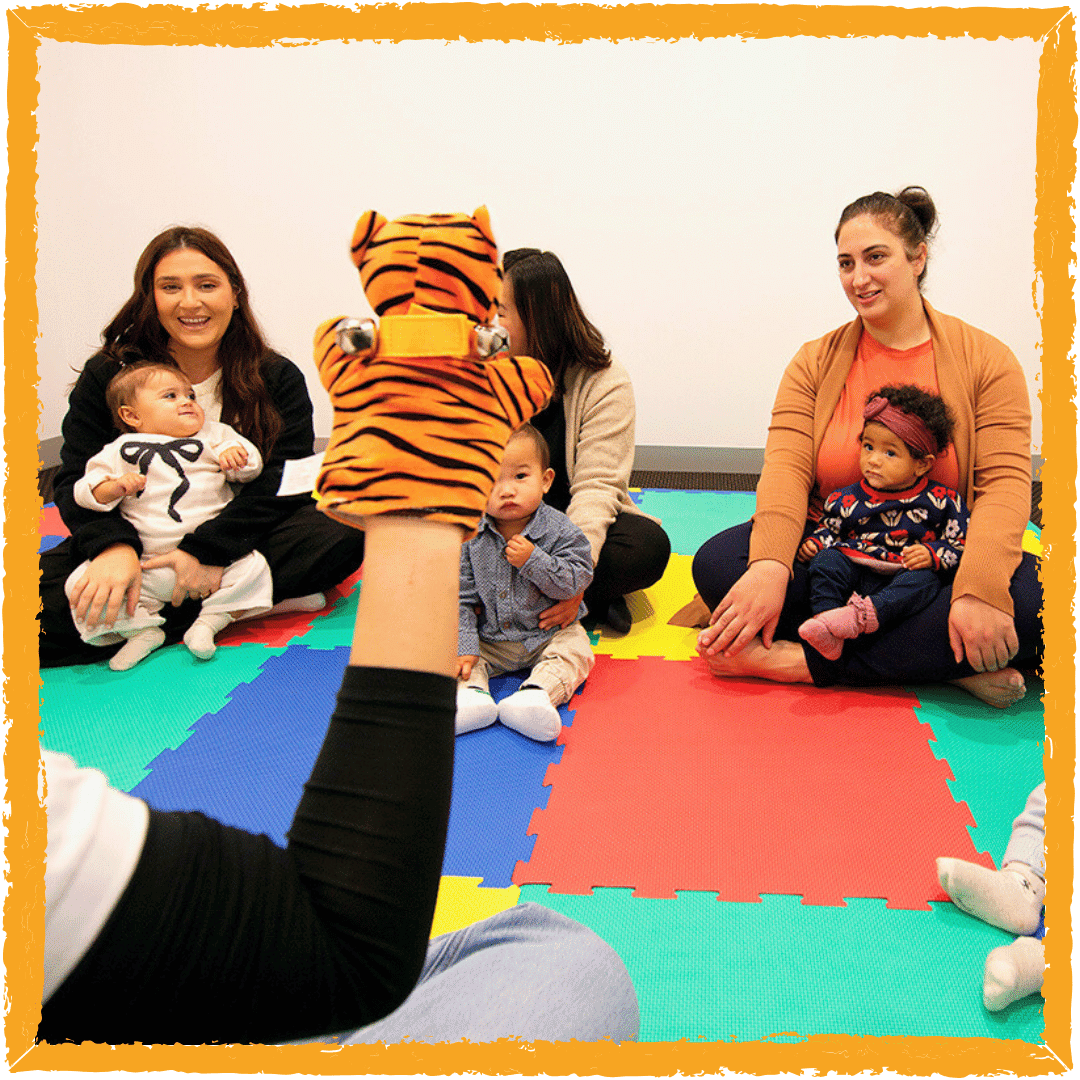
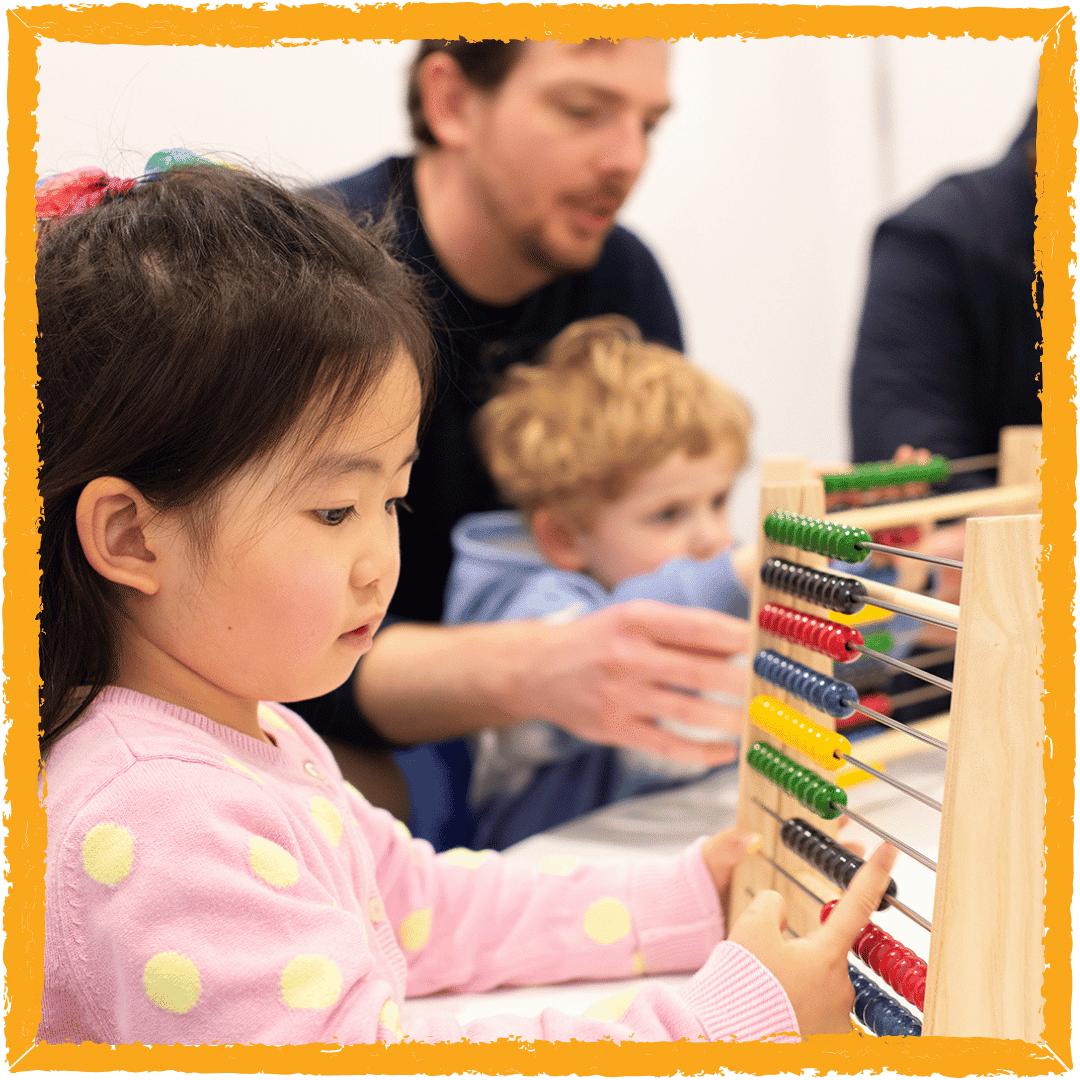
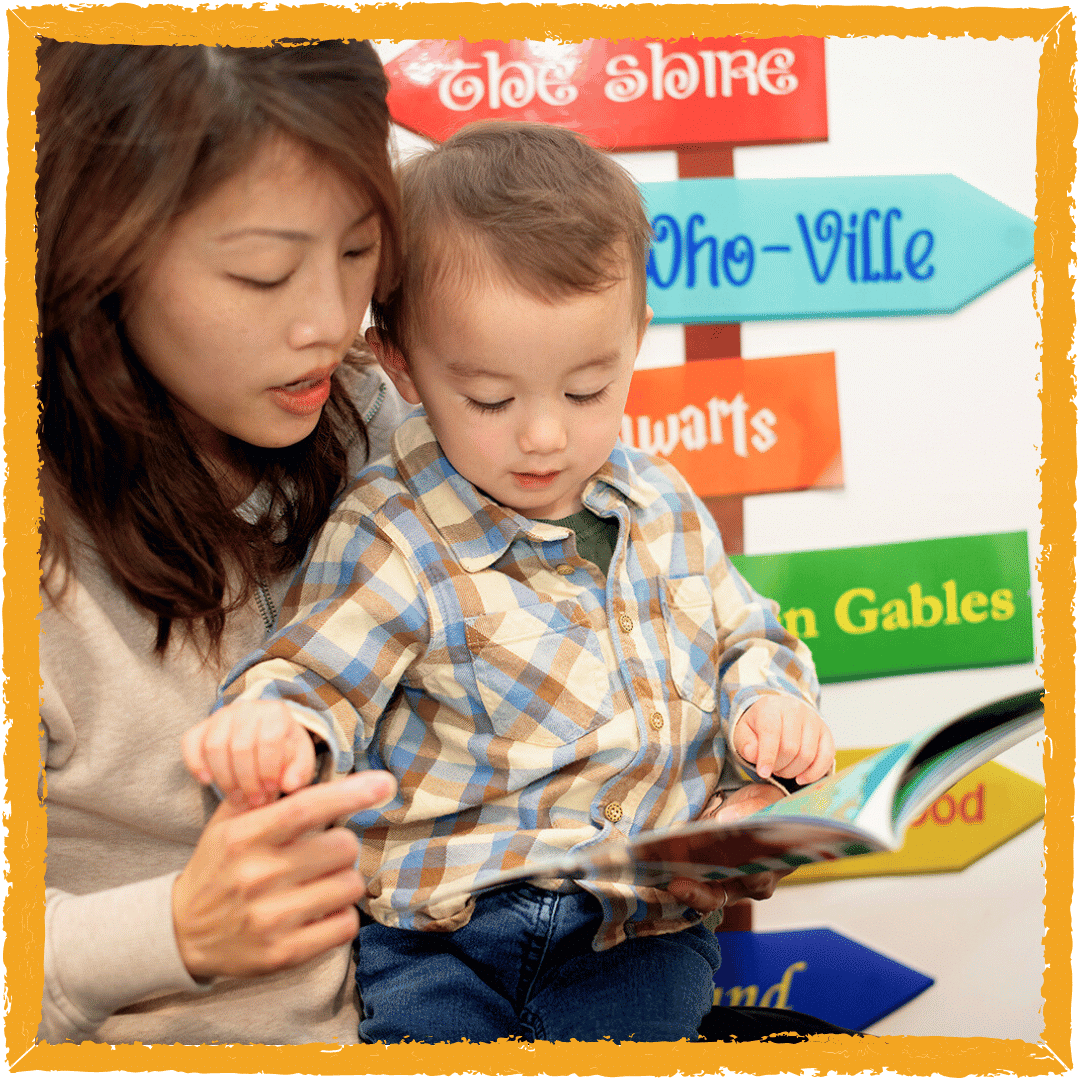
Photo from Shichida Australia: Parents and toddlers spending quality time together during a Shichida class, where they play educational games and activities together.
Benefits of Shichida
Many parents report meaningful improvements in their child’s attention span, confidence, and emotional understanding. The Shichida method aims to grow both cognitive and emotional intelligence. Children often show better memory retention, stronger problem-solving, improved creativity, and a more positive attitude towards learning.
The learning program also strengthens parent-child relationships because parents take part in every lesson.
“My kid has made great progress with classroom confidence, numbers and memory work. The teachers are fantastic and have great patience. Sometimes when we cannot make the scheduled class but make-ups are allowed.” – James C (2025.11.28)
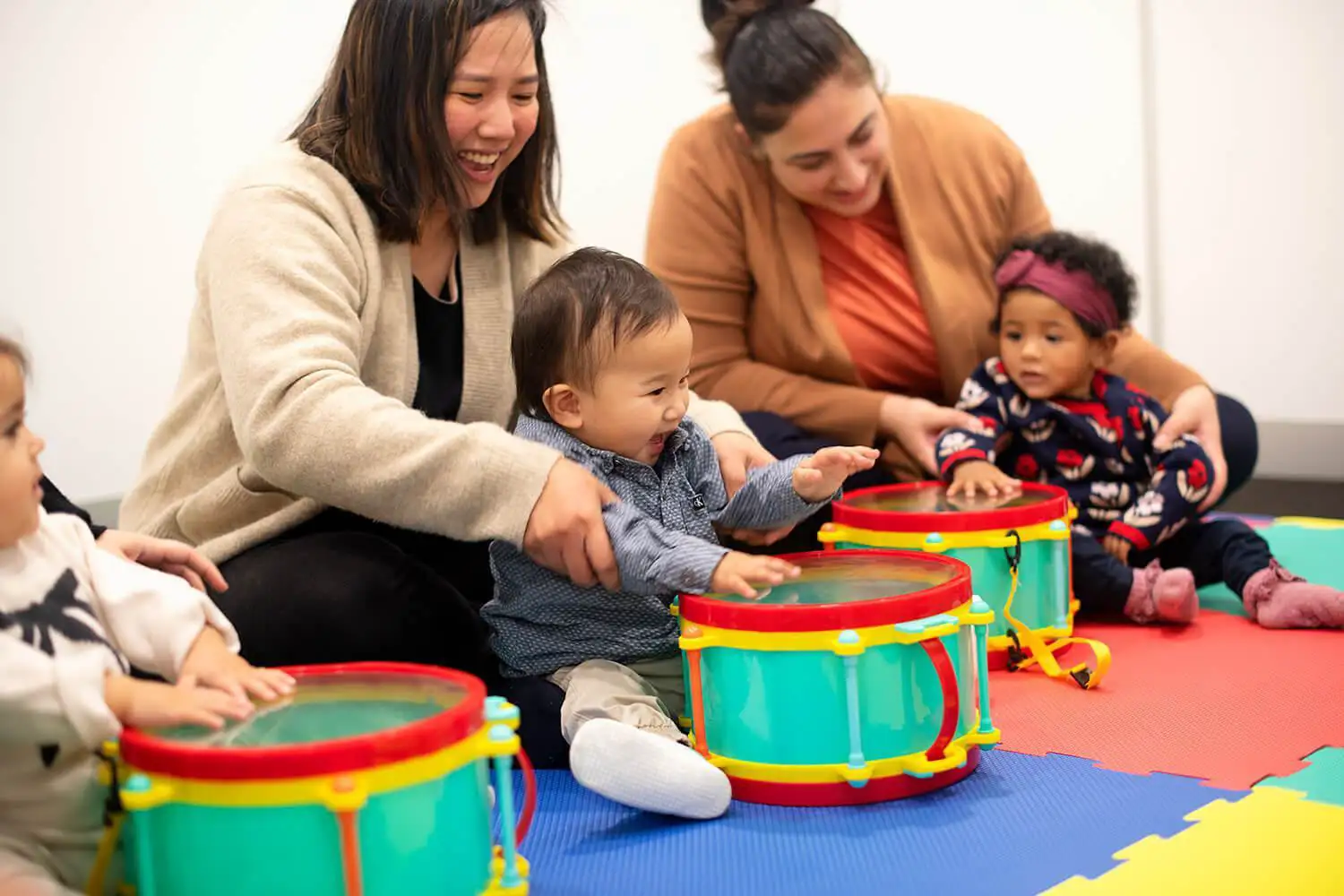
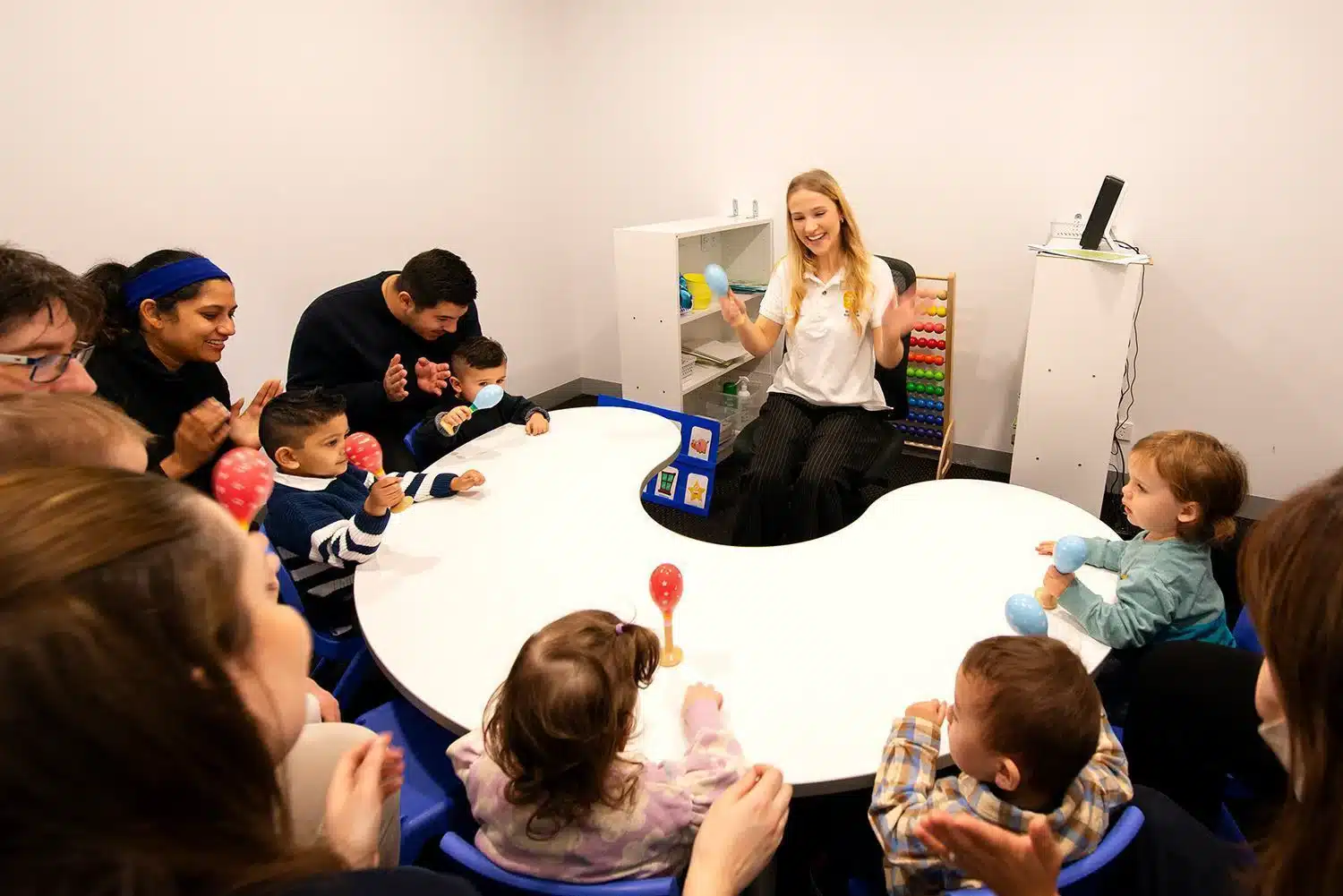
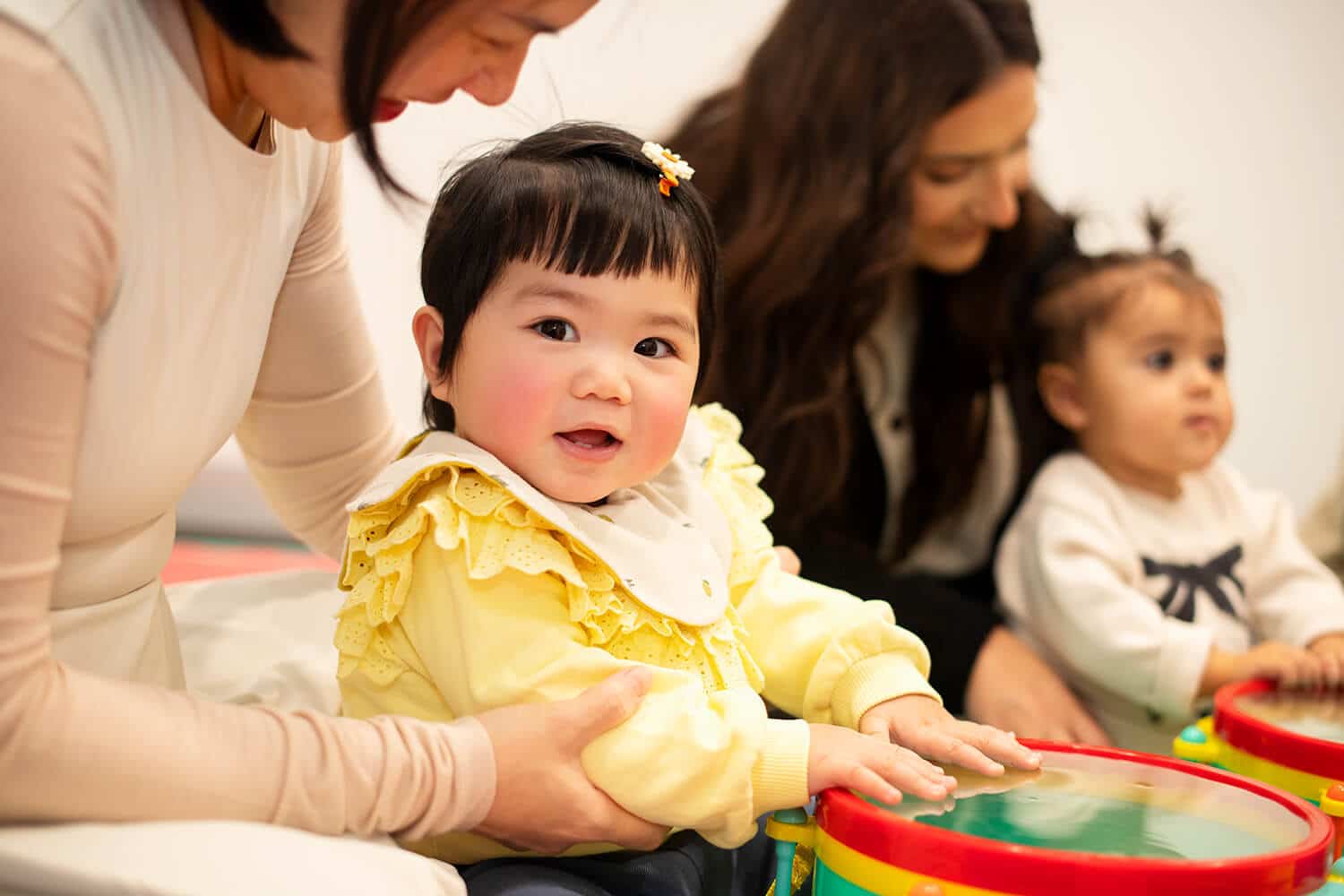
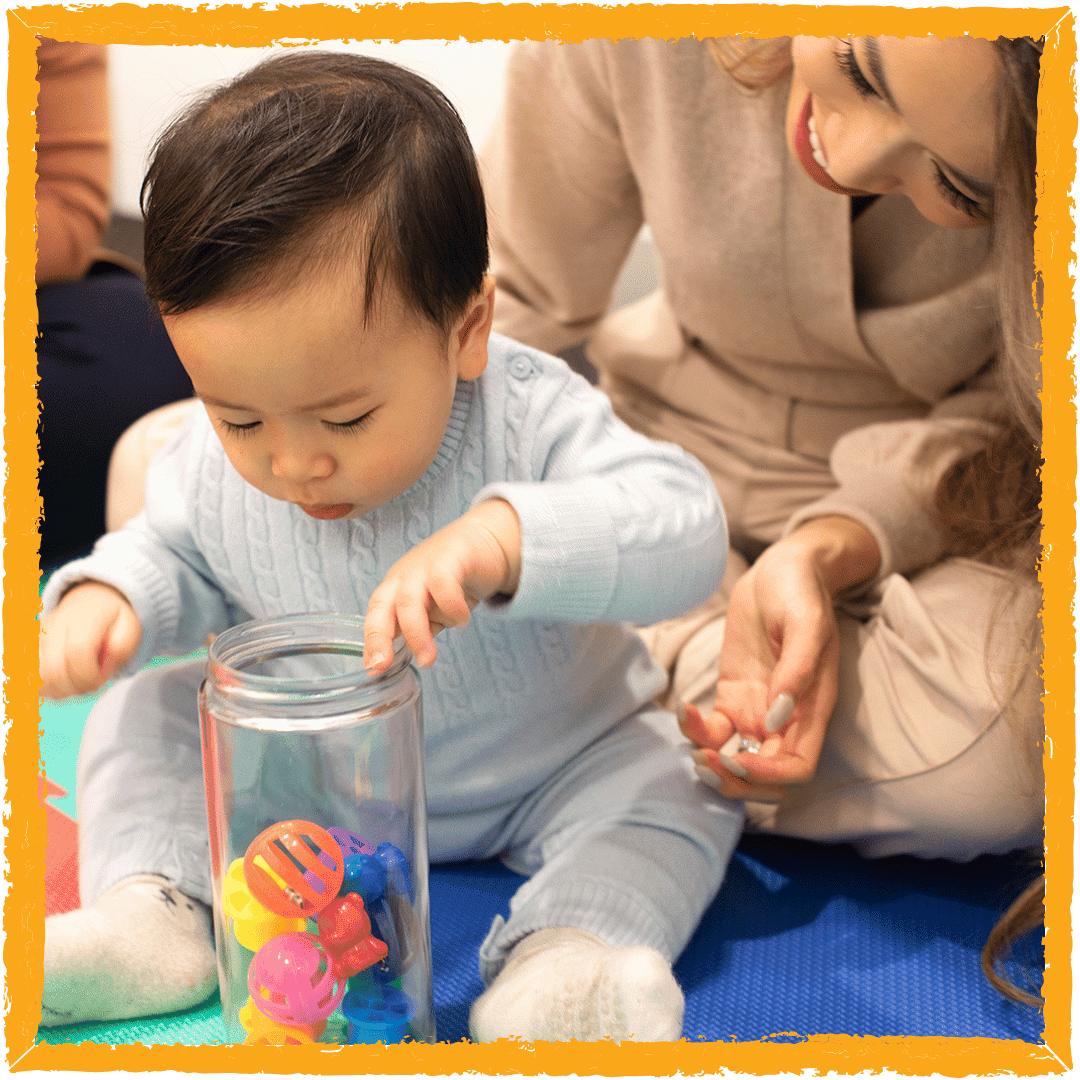
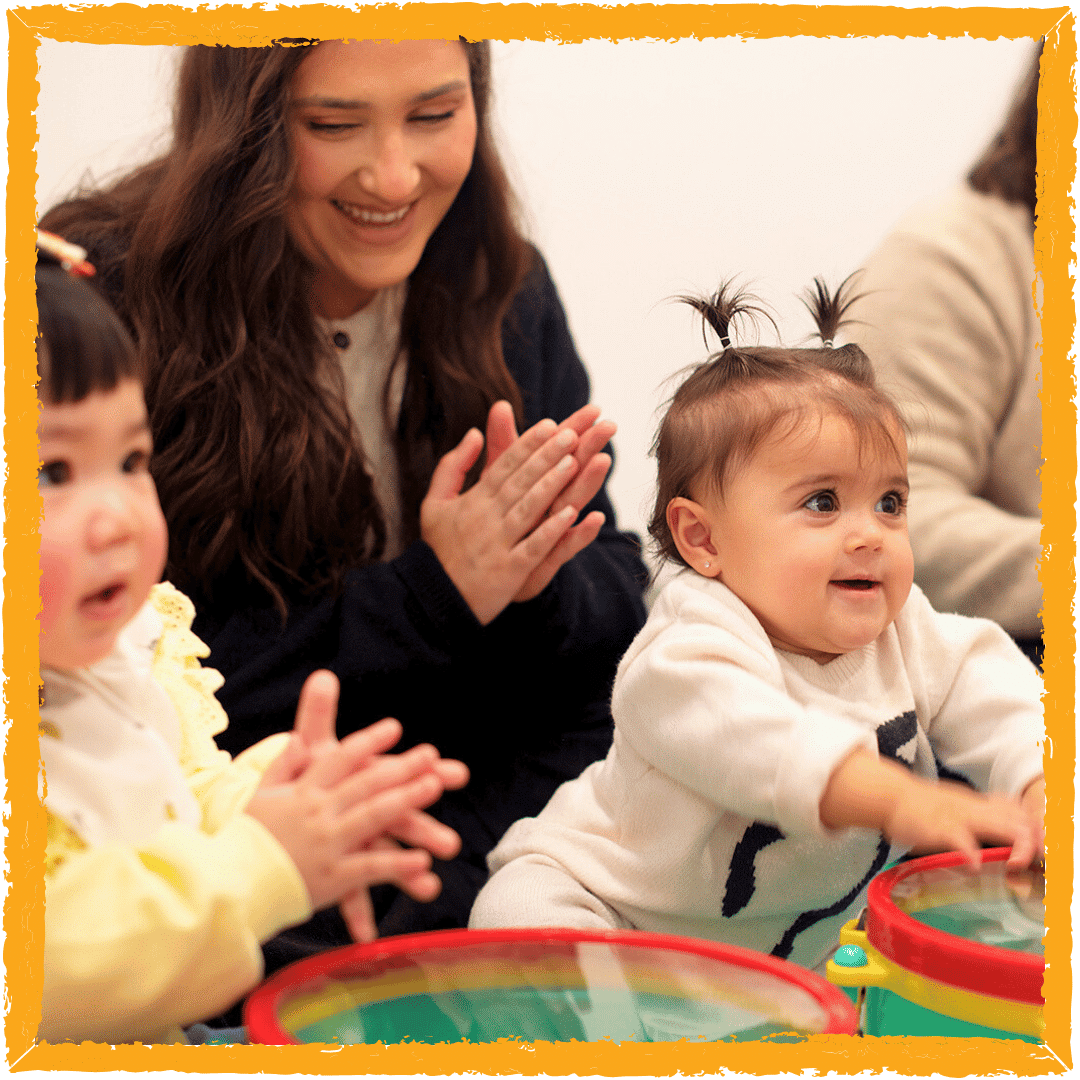
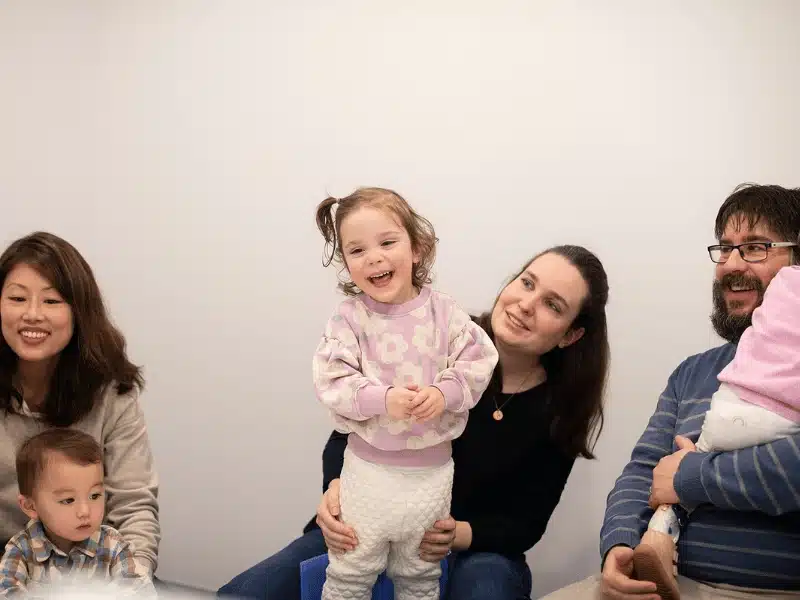
Photo from Shichida Australia: Parents and babies taking part in musical play, during a Shichida baby class.
Shichida Program Structure and Duration
Shichida classes run once a week for 50 minutes. The early learning program is divided into age-based levels that begin as early as six months old and continue up to the early primary years. The last point of entry is enrolment before age 5, which enrolled children continuing up to age 9.
Parents play an active role in every class and are encouraged to practise at home between sessions. This reinforces skills, builds routine, and helps children connect what they learn in class to everyday life.
Overview of Kumon

Photo from Wikipedia: Students studying at a typical Kumon Centre.
Kumon is an established academic program for children. Founded in Japan by Toru Kumon, the method focuses on developing strong maths and reading skills through daily worksheet practice, repetition, and incremental progress.
The philosophy behind Kumon is based on self-learning. Children move through levels at their own pace, gradually building independence, discipline, and a strong academic foundation.
Kumon Teaching Method
Kumon uses worksheets to guide children from simple to advanced concepts in both the math program for kids and the reading program for kids. Each worksheet reinforces skills through repetition and self-correction.
Children:
- Complete worksheets independently
- Practise daily to strengthen mastery
- Learn to check and correct their own work
- Progress to more challenging levels only when ready
Benefits of Kumon
Parents often see measurable improvements in academic skills. Kumon strengthens maths ability, reading fluency, comprehension, and problem-solving. Children develop self-discipline, resilience, and a strong ability to work independently.
Teachers and parents appreciate the structure because it provides clear academic milestones and consistent daily practice habits.
Kumon Program Structure and Duration
Kumon students usually attend the centre once or twice a week for short sessions. The rest of the work is done at home daily for about 20 to 30 minutes. Levels range from beginner preschool concepts to advanced academic tasks.
Parents play a supervisory role, making sure worksheets are done each day and supporting their child’s home practice.
Key Differences Between Shichida and Kumon
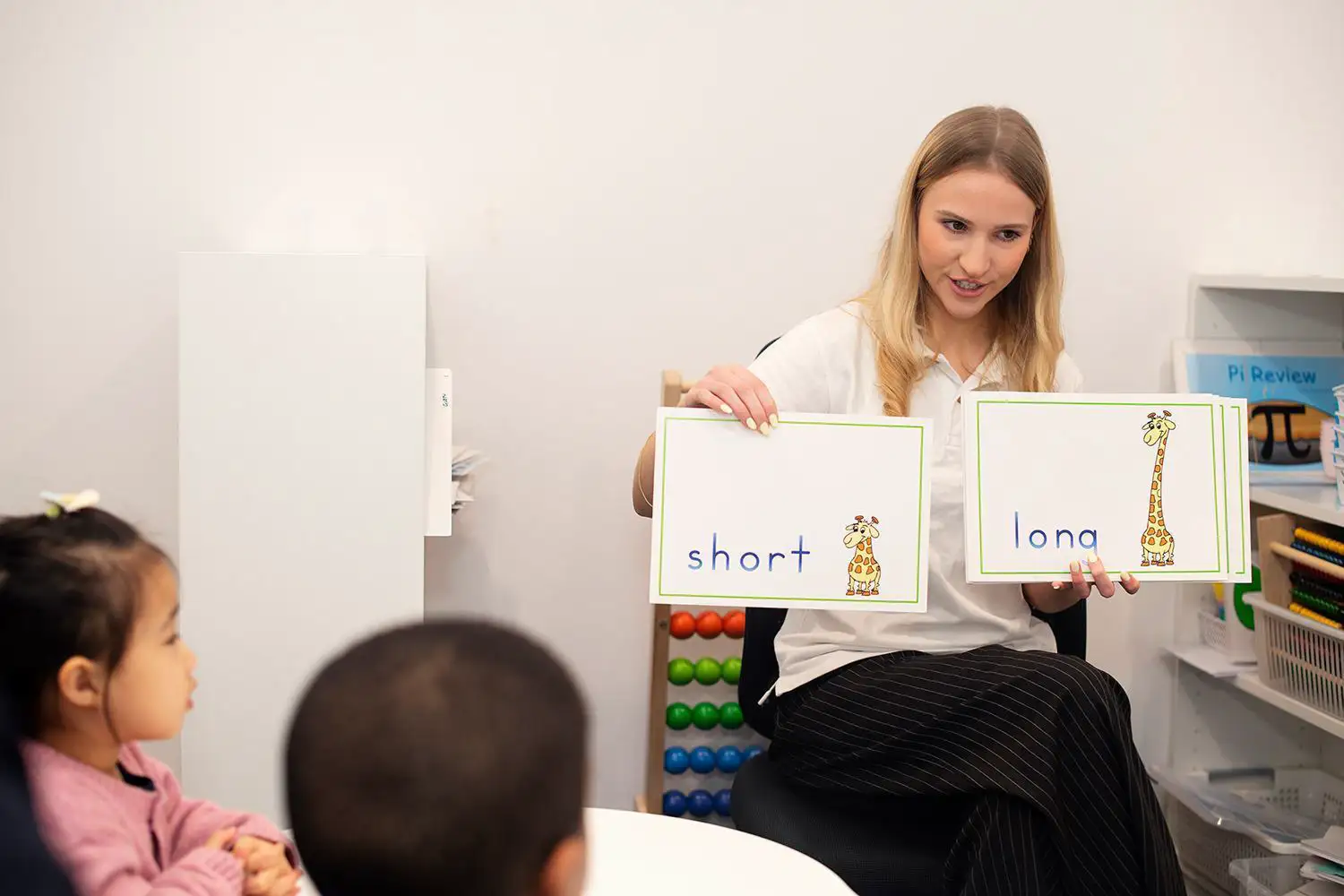
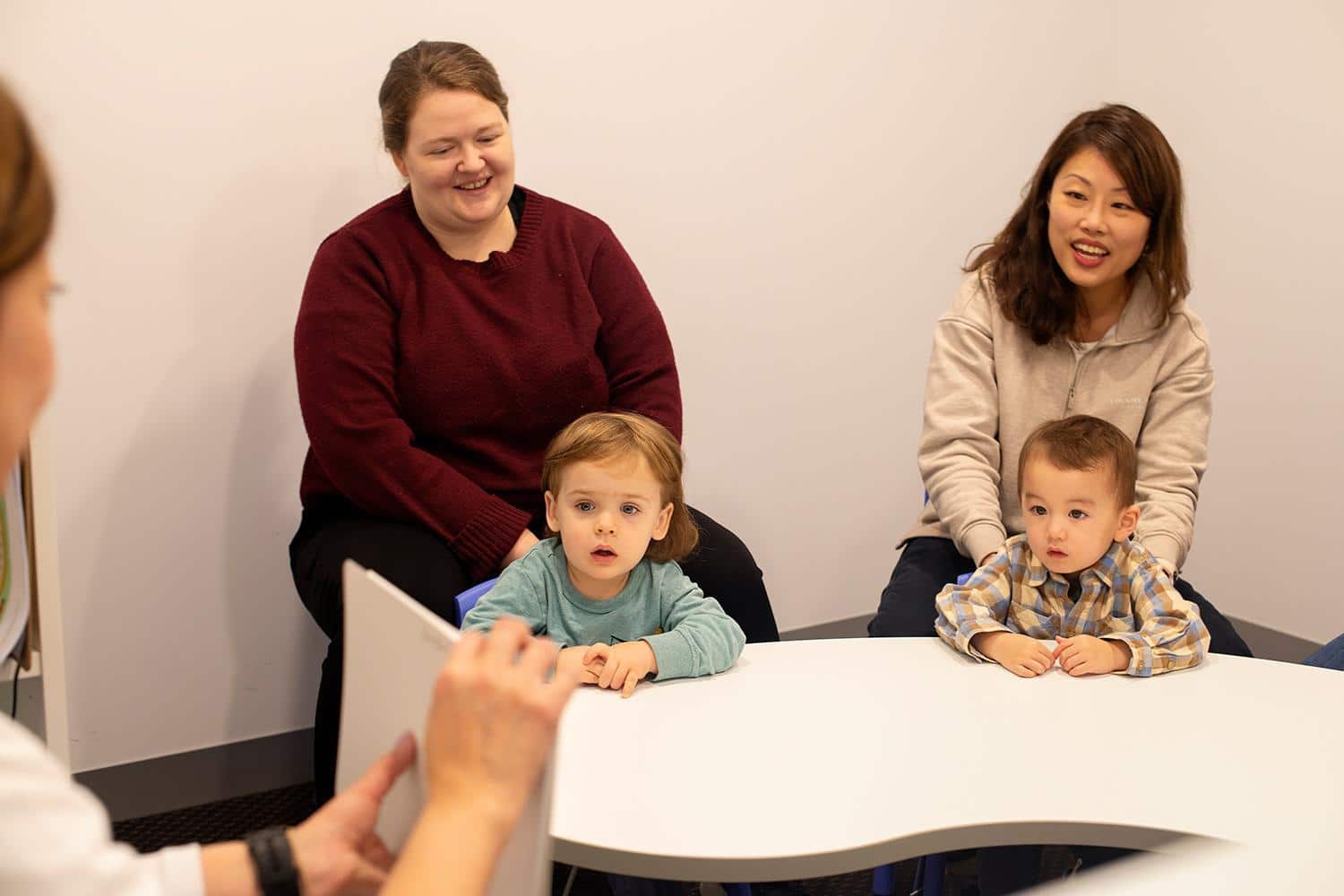
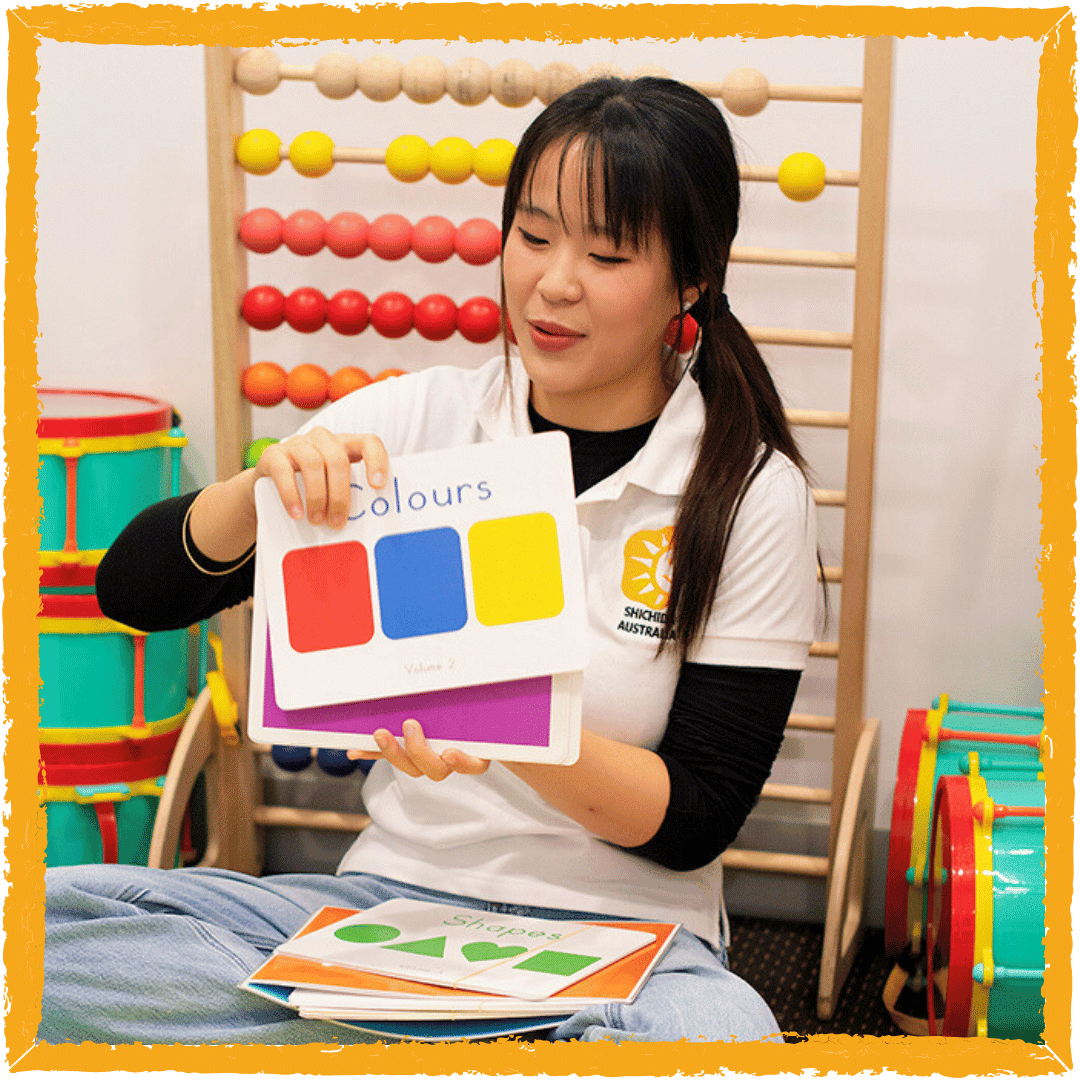
Photo from Shichida Australia: A Shichida teacher using flashcards to reinforce key-concepts with an emphasis on whole-brain learning; a key difference in the Shichida vs Kumon comparison
While both are respected early learning programs, Shichida and Kumon differ in purpose and learning methodology.
Age Appropriateness
If your child is under three, Shichida is more age-appropriate because it focuses on foundational cognitive and emotional skills.
Once your child reaches preschool or early primary school, both Shichida and Kumon are good options – Shichida for whole-brain development and learning, and Kumon for more specific academic mastery in specifically Math or English.
Skill Development Focus
Shichida nurtures cognitive skills, emotional development, imagination, creativity, memory, math and early reading (including speed reading) and early social skills. Kumon builds strong academic skills, particularly in maths and reading, and strengthens independence and discipline.
Parental Involvement
Shichida is hands-on and requires you to participate directly. Kumon asks you to supervise but not to participate in the learning tasks.
Cost and Accessibility
Costs vary by location, but Shichida is generally more premium because of its smaller class sizes and specialist teachers. Kumon tends to be more affordable and more widely available because of its worksheet-based system.

Which Program is Right for Your Child?
You may want to consider Shichida if:
- Your child is very young and you want to build strong foundational cognitive and emotional skills
- You value bonding time and want to be directly involved
- You prefer a holistic early learning programme
- You are looking for enrichment and early skill developmont
You may prefer Kumon if:
- Your child is ready for structured academic practice
- You want stronger maths or reading outcomes base
- Your child thrives on routine, repetition, and independent work
- You are looking for worksheet-based learning
Some parents choose to start with Shichida in the early years, then move into Kumon once their child has graduated from the Shichida program at age 9. It is also possible to do both, as long as the workload is manageable and your child enjoys the process.
Conclusion
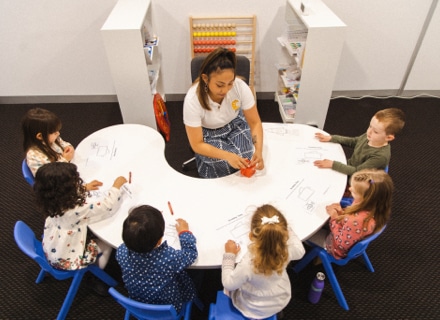
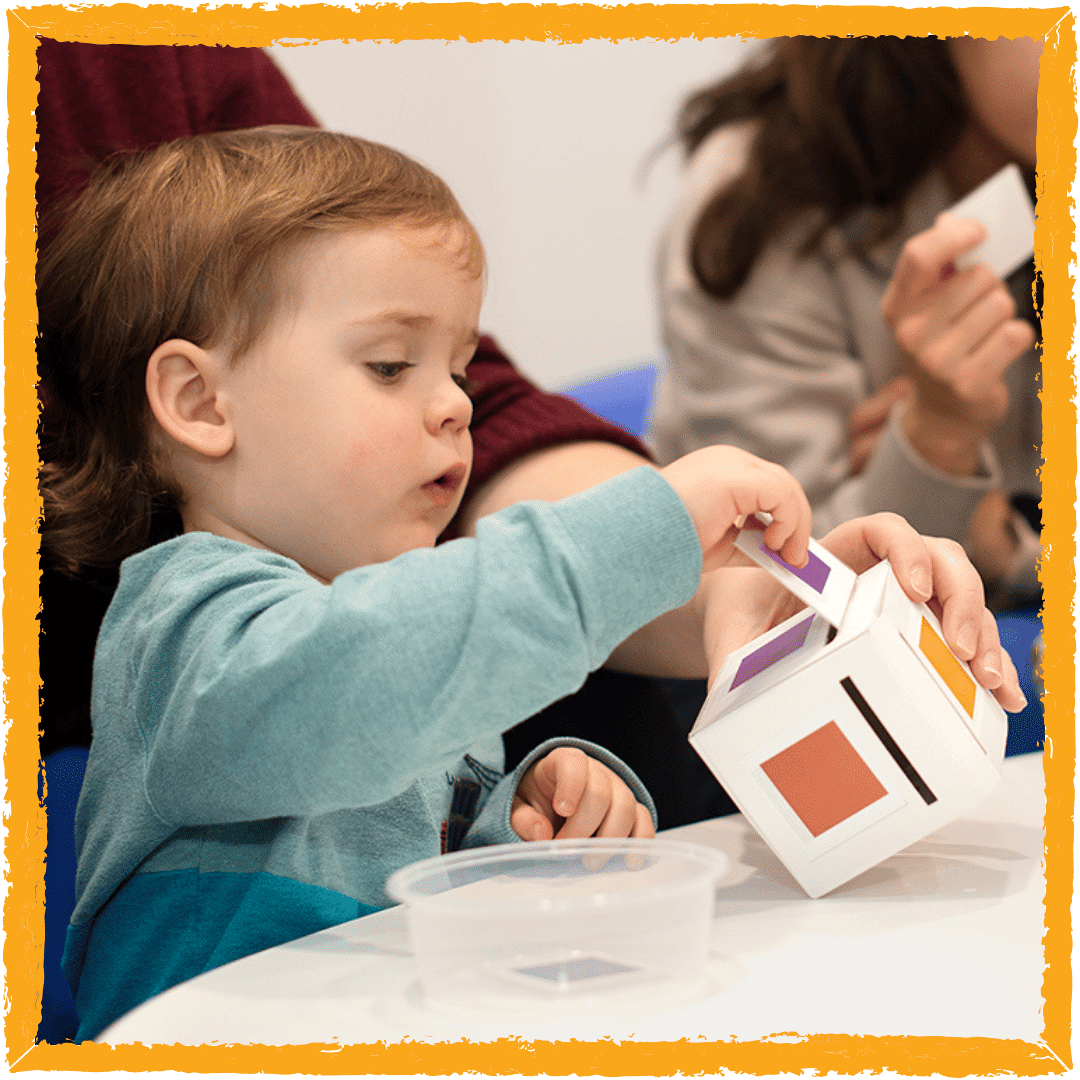
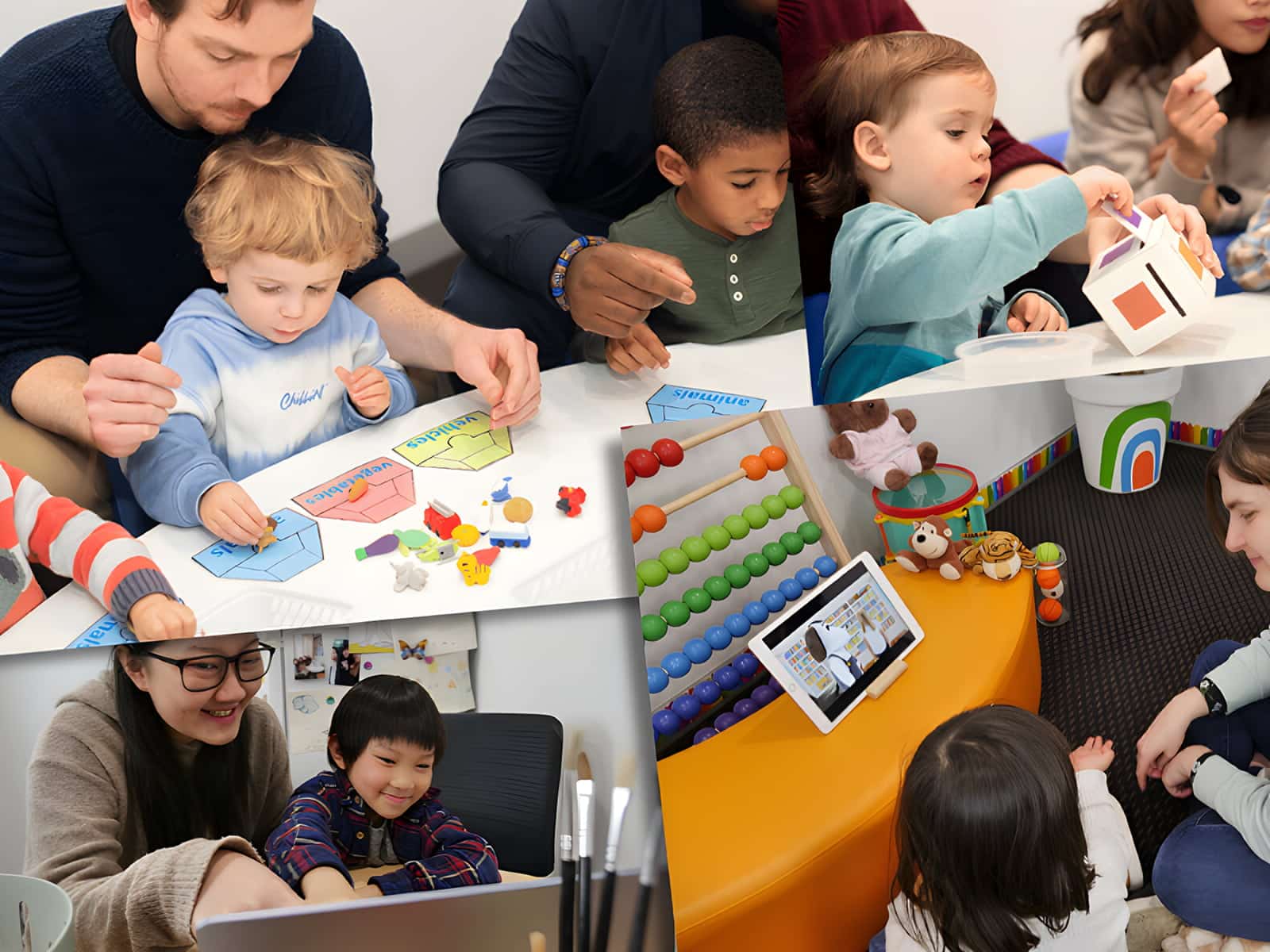
Photo from Shichida Australia: Children and parents engaged in sensory and cognitive exercises inside a Shichida class, reflecting the hands-on style often contrasted in Shichida vs Kumon programmes
Choosing an early learning program can feel overwhelming, but it becomes clearer when you understand what each program offers. Shichida focuses on holistic child development, strengthening both IQ and EQ, while Kumon builds academic mastery and self learning habits. Both can benefit your child in different ways, depending on age, personality, and your family goals.
If you are interested in supporting your child’s early development through a balanced and nurturing approach, consider exploring a Shichida centre near you. Book a trial class today!
FAQ: Shichida vs Kumon
The main difference between Shichida and Kumon lies in their approach to learning. Shichida focuses on whole-child development, building memory, attention, emotional confidence and early thinking skills, while Kumon focuses on academic mastery through maths and reading worksheets and structured repetition.
Children can start Shichida from as early as six months old. The program is designed specifically for early childhood, supporting brain development, emotional security and foundational learning habits during the most critical growth years.
Yes, Kumon is suitable for preschoolers, with many centres accepting children from around age three. It works best for children who are ready for structured, worksheet-based learning and can practise independently with daily repetition.
Parental involvement differs significantly. Shichida requires parents to actively participate in every class alongside their child, strengthening bonding and communication. Kumon requires parents to supervise daily worksheet practice at home rather than participate directly in lessons.
Shichida is better suited for emotional and social development because it integrates parent-child bonding, positive reinforcement, empathy-building activities and guided interaction into every lesson. Kumon focuses primarily on academic skills rather than emotional learning.
Kumon’s reading program is designed for systematic literacy development, making progress easier to measure over time. Shichida supports early reading foundations through memory, visual processing and speed-reading techniques, especially in the early years.
Yes. Shichida places a strong emphasis on memory training, attention control and visual processing using techniques such as flashcards, linking memory exercises and sensory-based learning. Many parents report noticeable improvements in focus and recall.
Shichida builds early number sense, mental maths foundations and logical thinking through play-based activities. Kumon focuses on step-by-step maths mastery through worksheets and daily practice. The better choice depends on your child’s age, learning style and readiness.
Costs vary by location, but Shichida is generally more premium due to smaller class sizes, specialist teachers and parent-inclusive lessons. Kumon is typically more affordable and widely available because of its more simplified worksheet-based structure and larger class sizes.
Yes, many families choose to do both at different stages. A common approach is starting with Shichida in the early years to build strong cognitive and emotional foundations, then adding Kumon later for academic reinforcement once the child is ready.
Shichida is more suitable for children under three because it is designed around early brain development, short attention spans and emotional connection. Kumon is usually better suited to older or school-aged children.
Parents commonly report improvements in memory, attention span, confidence, emotional awareness and a positive attitude towards learning. While outcomes are developmental rather than test-based, many families notice benefits that extend beyond the classroom.
If your child is very young and you value holistic development, bonding and early brain stimulation, Shichida may be the better fit. If your child is ready for independent learning and you’re seeking structured maths or reading practice, Kumon may be more suitable. Your child’s age, personality and learning preferences are key factors.
Compare Shichida With Other Popular Learning Methods
You may also want to explore how Shichida compares with other popular learning approaches such as Montessori or Glenn Doman.
Shichida vs Kumon: Which Early Learning Program is Best?
Early Childhood Development Methods: Shichida vs Montessori

Early Childhood Development Methods: Shichida vs Heguru
Shichida vs Reggio Emilia: Understanding the Differences
Shichida Classes vs SHICHIDA at Home: Which Is Best?
Sydney Shichida vs Preschool: Which Is Best for Your Child?

Shichida vs Kinder: Navigate Early Learning in Melbourne