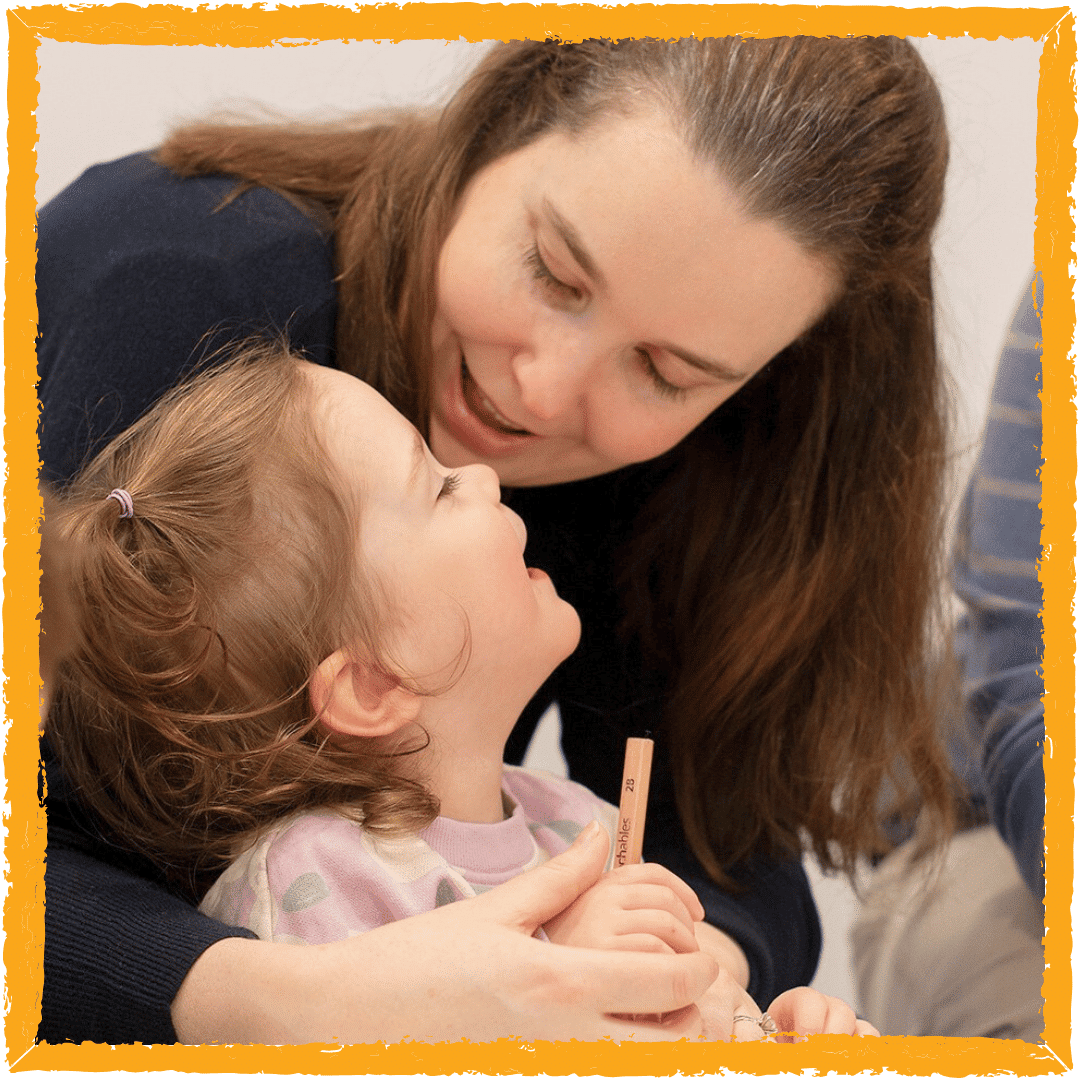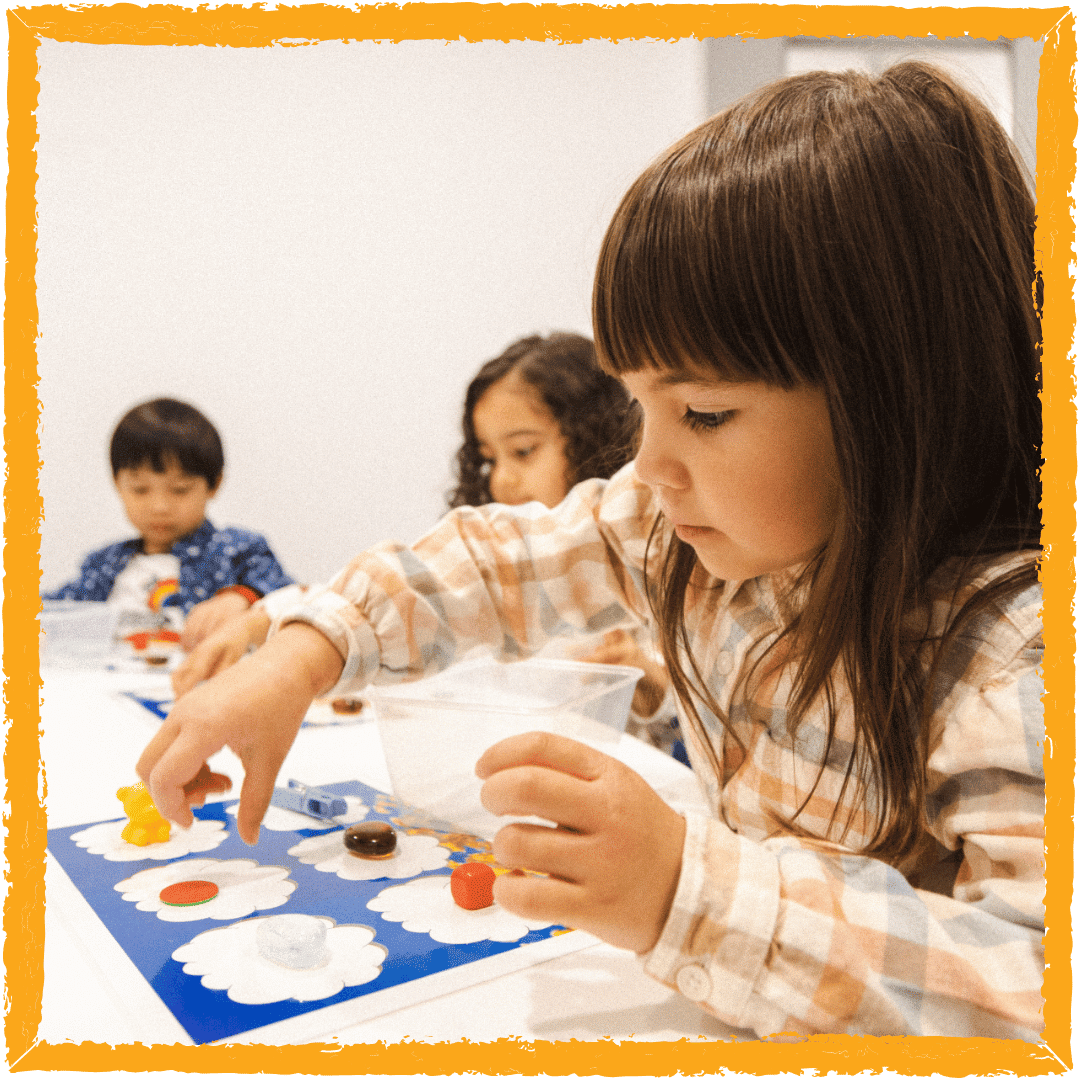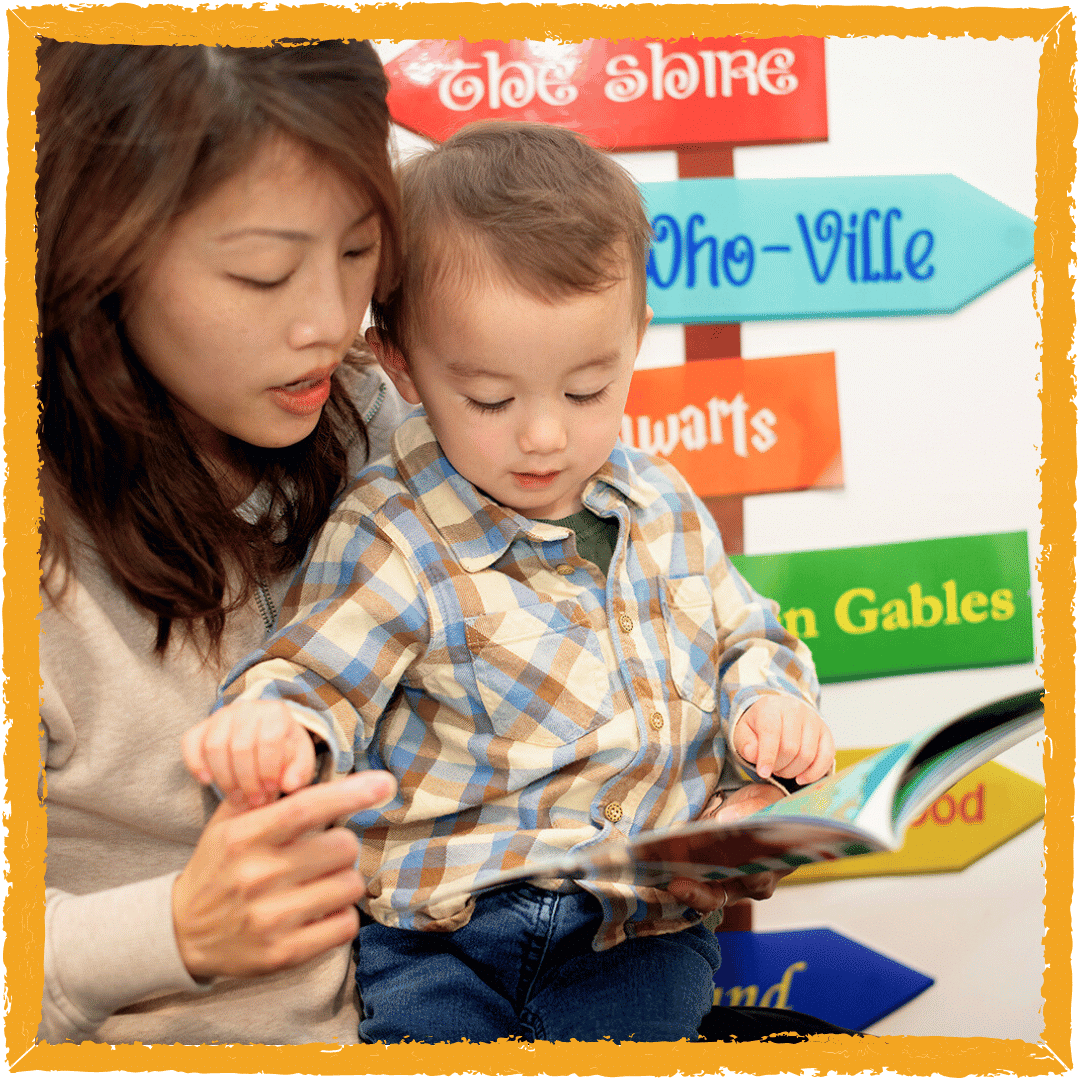
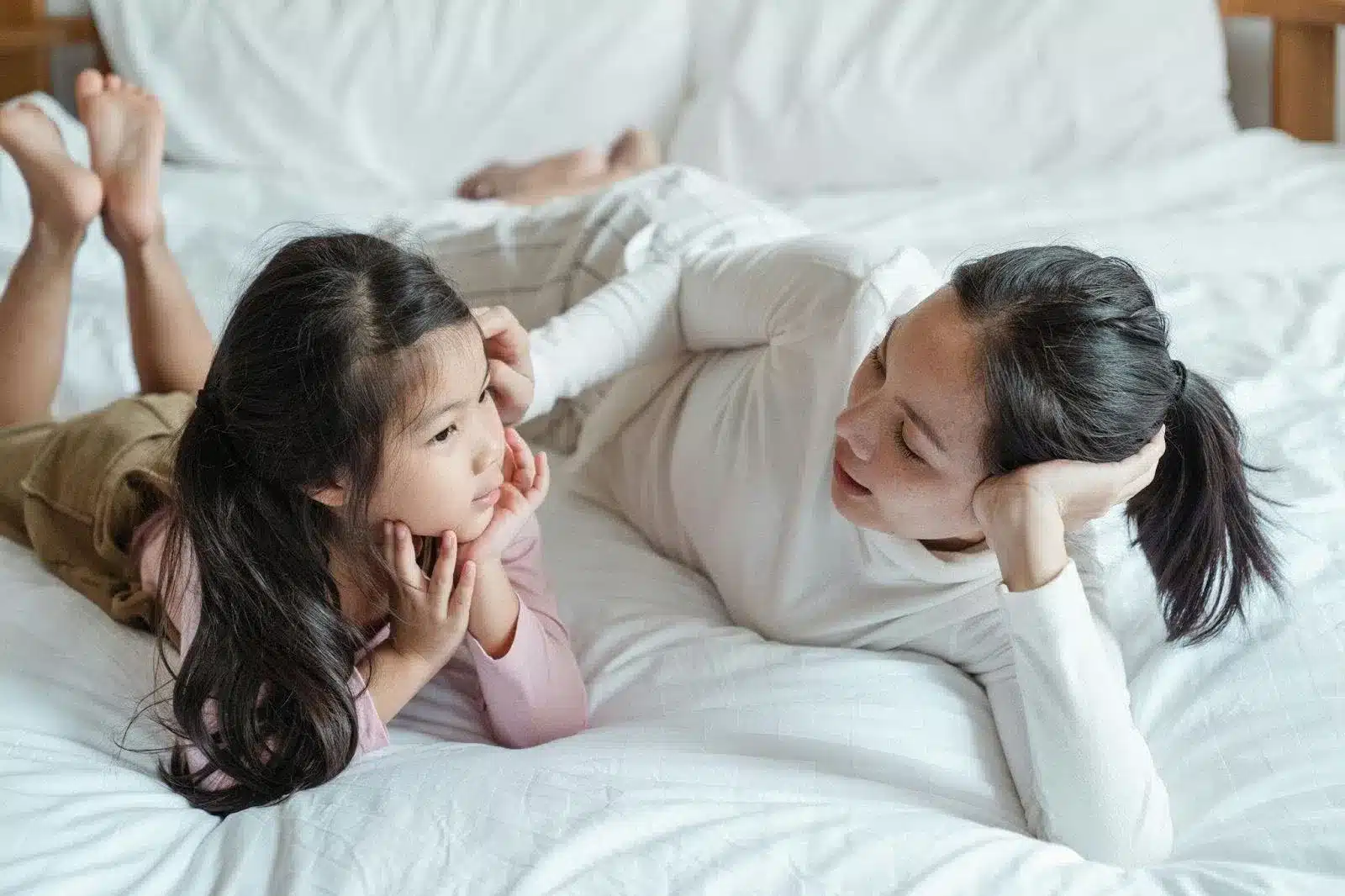
Photo from Pexels: A mom guiding her daughter through calm visualisation exercises for kids, using imagination to build focus, confidence, and emotional balance.
Visualisation Exercises for Kids: A Parent’s Guide
Key Takeaways
- Visualisation helps children build emotional regulation, focus, confidence, and creativity.
- Guided imagery exercises vary by age and temperament – there’s no one routine that suits every child.
- Short, consistent practice works best. Five minutes a day is enough for most children.
- Visualisation is a supportive parenting tool, not a replacement for professional therapy.
- Imagination is a lifelong emotional skill, and early visualisation exercises help strengthen it.
- The Shichida Method uses calm, sensory-based visualisation to support right-brain development.
Ever wished your child could calm their busy mind before bed or feel braver before a big day? Visualisation for kids, also known as guided imagery, is a gentle and effective way to help children relax, focus, and build confidence from the inside out. It gives them tools to manage emotions, settle their bodies, and picture positive outcomes – skills that support them long after childhood.
In this guide, you’ll learn what visualisation is, why it works so well for children, and how to use it in everyday life, from bedtime routines to school challenges and big milestones.
Inspired by the Shichida Method, these child-friendly techniques nurture imagination, emotional balance, and early right-brain development through calm, sensory-rich experiences that feel natural and enjoyable.
What Is Visualisation (Guided Imagery) and Why It Works for Kids
Definition and Core Principles
Visualisation, or guided imagery for children, is a mental exercise where your child imagines different scenes. It could be picturing a calm beach, floating on a cloud, or imagining success before a challenge.
Through this process, children learn to use imagination intentionally turning it into a tool for calm, confidence, and focus. In the Shichida Method, visualisation supports memory, emotional intelligence, and creative thinking by activating both sides of the brain.
Neuroscience and Psychological Benefits
Research from child mental health experts, including the Children’s Health of Orange County (CHOC), shows that mental imagery triggers the same brain areas involved in real experiences. When children imagine something calming or empowering, their bodies respond as if it’s actually happening – heart rate slows, breathing deepens, and stress hormones decrease.
That’s why visualisation exercises for kids are often used in schools, therapy, and even sports training. It helps children build emotional resilience, focus, and positive self-talk naturally.
Why Children Respond So Well
Children are naturally imaginative. While adults may find it hard to visualise clearly, children often see vivid images in their minds without effort. This makes them especially responsive to imagery-based learning.
Unlike talk-based strategies, visualisation doesn’t rely heavily on reasoning. It speaks to the senses and emotions, which makes it accessible for younger children who might struggle to express their feelings verbally.
Key Benefits of Visualisation for Kids
Emotional Regulation: Reducing Anxiety and Stress
Many children face big feelings from school nerves to bedtime worries. Visualisation provides a safe, creative way to release tension.
Try guiding your child through a “Magic Balloon” exercise: ask them to imagine placing their worries inside a balloon and letting it float away into the sky.
This calming practice teaches emotional control while giving them a visual tool they can recall whenever they feel anxious.
Focus and Cognitive Support
Kids visualisation techniques can also improve focus and attention. Imagining a single image, like a glowing candle or a floating bubble, strengthens concentration and mindfulness.
These focus exercises for children support classroom learning, reading comprehension, and problem-solving, helping children stay calm and centred even during challenging tasks.
Creativity and Self-Confidence
Visualisation encourages children to think freely and explore ideas beyond reality. By picturing success like scoring a goal, giving a presentation, or making new friends, children strengthen their belief in themselves.
In Shichida education, this type of imagery is part of right-brain training, helping children visualise positive outcomes before they happen, building both confidence and motivation.
Physical and Performance Benefits
Athletes have long used sports visualisation for children and adults alike to improve performance. When your child imagines running smoothly or performing a dance routine perfectly, their brain builds the same neural pathways as real practice.
It’s equally useful before bedtime. Bedtime visualisation for kids, such as imagining floating on a cloud or riding a “Peace Train,” helps the body prepare for rest and reduces nighttime anxiety.

Age-Wise Visualisation Exercises: From Preschool to Early Teens
Ages 3-5: Simple, Playful Imagery
At this stage, imagination and play are naturally strong. Use story-like guided imagery with a calm voice.
Try:
- Magic Balloon: “Imagine holding a balloon. What colour is it? Take a deep breath and blow your worries inside. Now, watch it float away.”
- Safe Place Cloud: “You’re sitting on a soft, fluffy cloud that takes you anywhere you feel happy, maybe the park or grandma’s house.”
Ages 6-9: Guided and Structured Visualisations
Children in this range can follow longer stories and start identifying emotions.
Try:
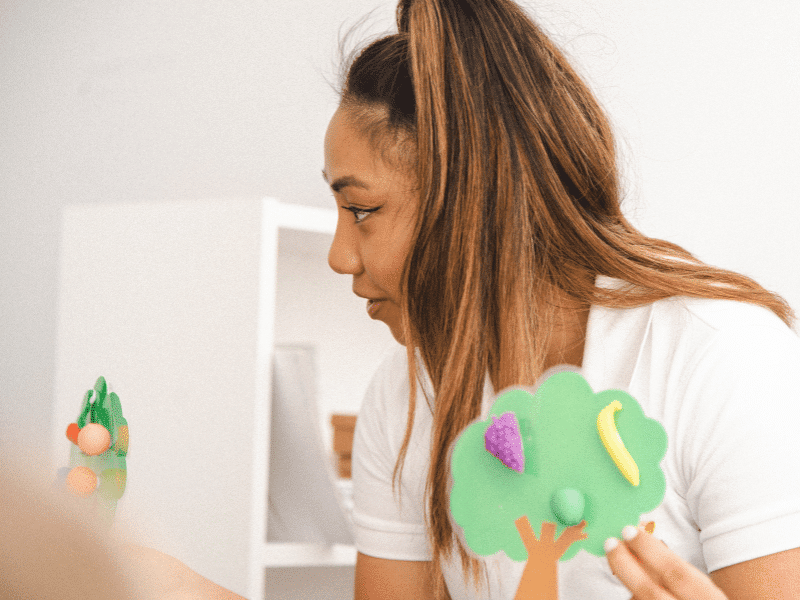
- The Worry Tree: Imagine hanging each worry on a tree branch, then walking away feeling lighter.
- Calm Forest Walk: Picture walking through a peaceful forest, listening to birds and feeling the cool breeze.
These relaxation exercises for kids teach emotional awareness while keeping the experience fun and imaginative.
Ages 10-13: Goal-Oriented and Self-Guided Visualisations
Older children can use visualisation for confidence and focus.
Try:
- Future Success Replay: Ask them to imagine a future event like an exam or performance going smoothly and successfully.
- Mountain of Calm: Picture climbing a mountain where each step represents letting go of tension, reaching the top feeling strong and peaceful.
These techniques build independence and growth mindset during pre-teen years.
Step-by-Step: How to Lead a Visualisation Session
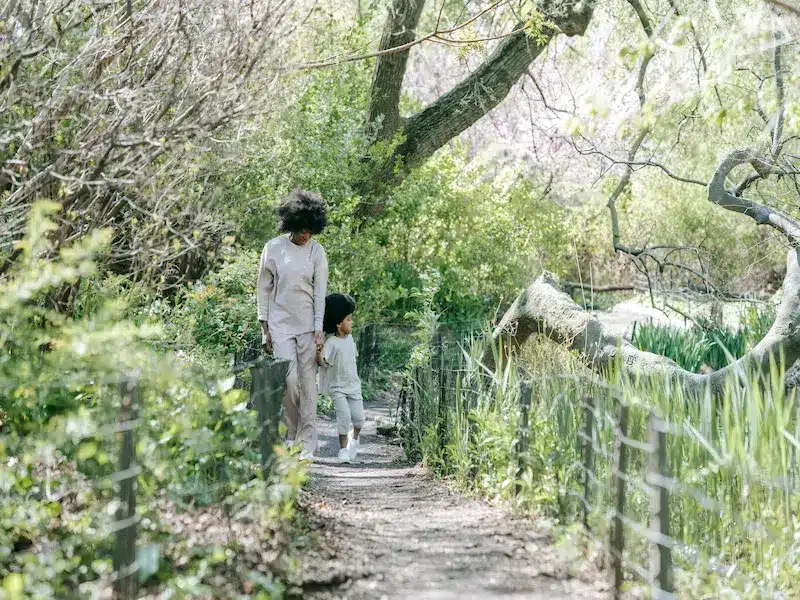
Photo from Pexels: A mother and child walking through nature – a peaceful moment they can later turn into a visualisation together. Children often relax and focus more easily when they imagine a place they’ve already explored with someone they love.
Setting the Scene
Find a quiet spot where your child feels comfortable, their bedroom, a playroom, or even the garden. Soft lighting, gentle music, or a favourite blanket can help them relax.
The Session Structure
- Breathe – Begin with slow, deep breaths, with eyes closed.
- Introduce the Imagery – Describe the setting in gentle detail.
- Engage the Senses – Ask what they see, hear, smell, or feel.
- Visualise – Guide them through the experience slowly.
- Return – Count down gently and bring awareness back to the present.
Follow-Up Reflection
Afterwards, ask questions like:
- “What did you imagine?”
- “How did your body feel?”
- “What part made you feel calm or happy?”
Reflection deepens emotional understanding and strengthens connection.
Tips for Parents: Making Visualisation a Habit
Start Small and Stay Consistent
Begin with 3-5 minute sessions. Over time, your child will naturally want longer moments of calm.
Tailor to Interests
If your child loves space, try “floating among the stars.” For animal lovers, imagine “riding on a friendly dolphin.” The key is personal connection.
Real-Life Use
Use visualisation before tests, bedtime, or moments of stress. Encourage your child to use these mental images when they need comfort or motivation.
Troubleshooting
If your child gets distracted or fidgets, don’t worry. Keep sessions light and pressure-free. Offer visuals they enjoy and let them take the lead when ready.
Safety, Myths and Ethical Considerations
Is It a Substitute for Therapy?
Visualisation supports emotional health but isn’t a replacement for professional help. If anxiety or stress persists, consult a child psychologist or counsellor.
Common Myths
Some parents think imagery is just daydreaming. In fact, mental imagery for children is an evidence-based tool used in education and sports psychology.
Boundaries and Monitoring
Always check your child’s comfort level. Keep the tone positive and avoid introducing imagery that might cause fear or confusion.
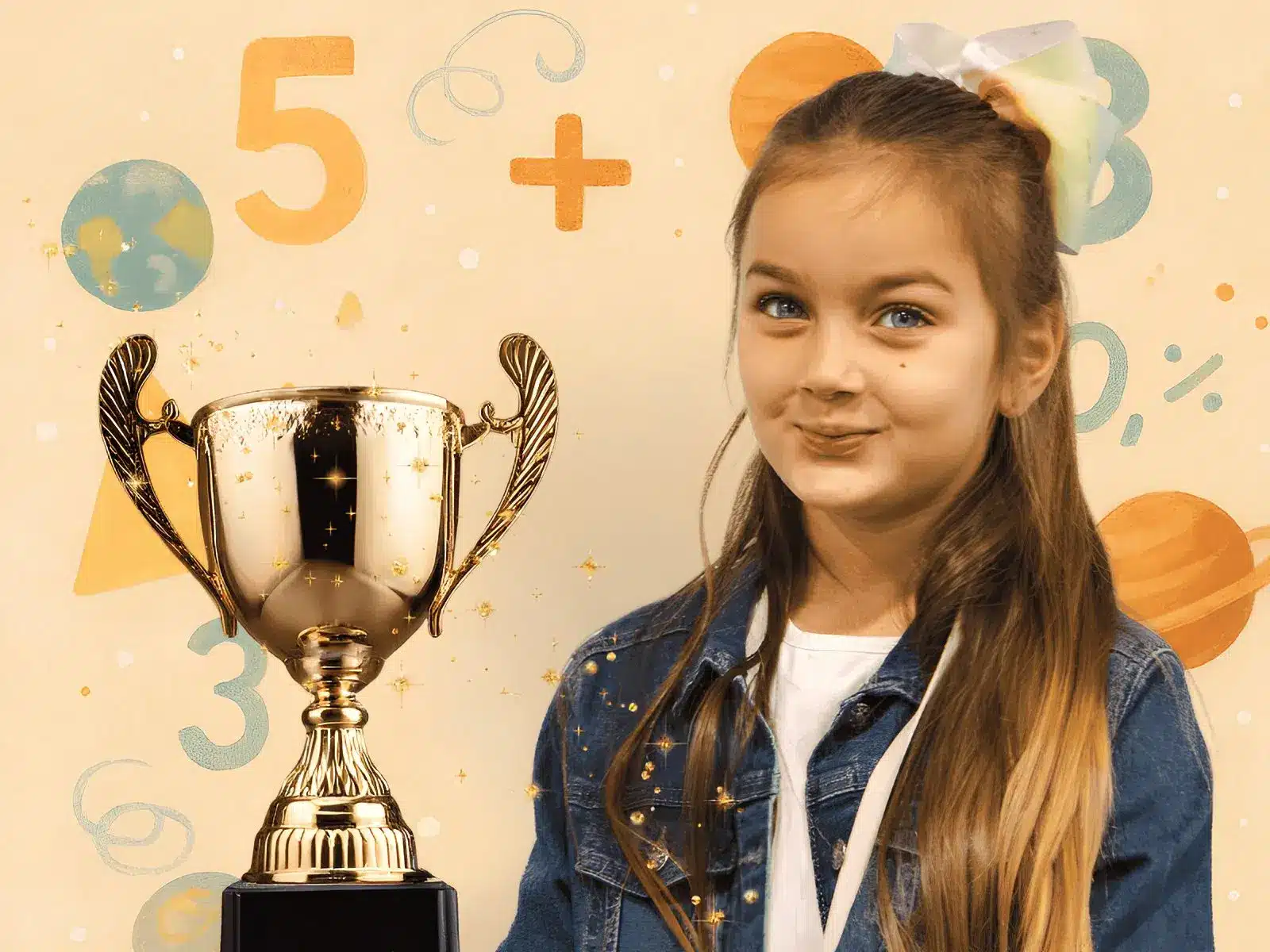
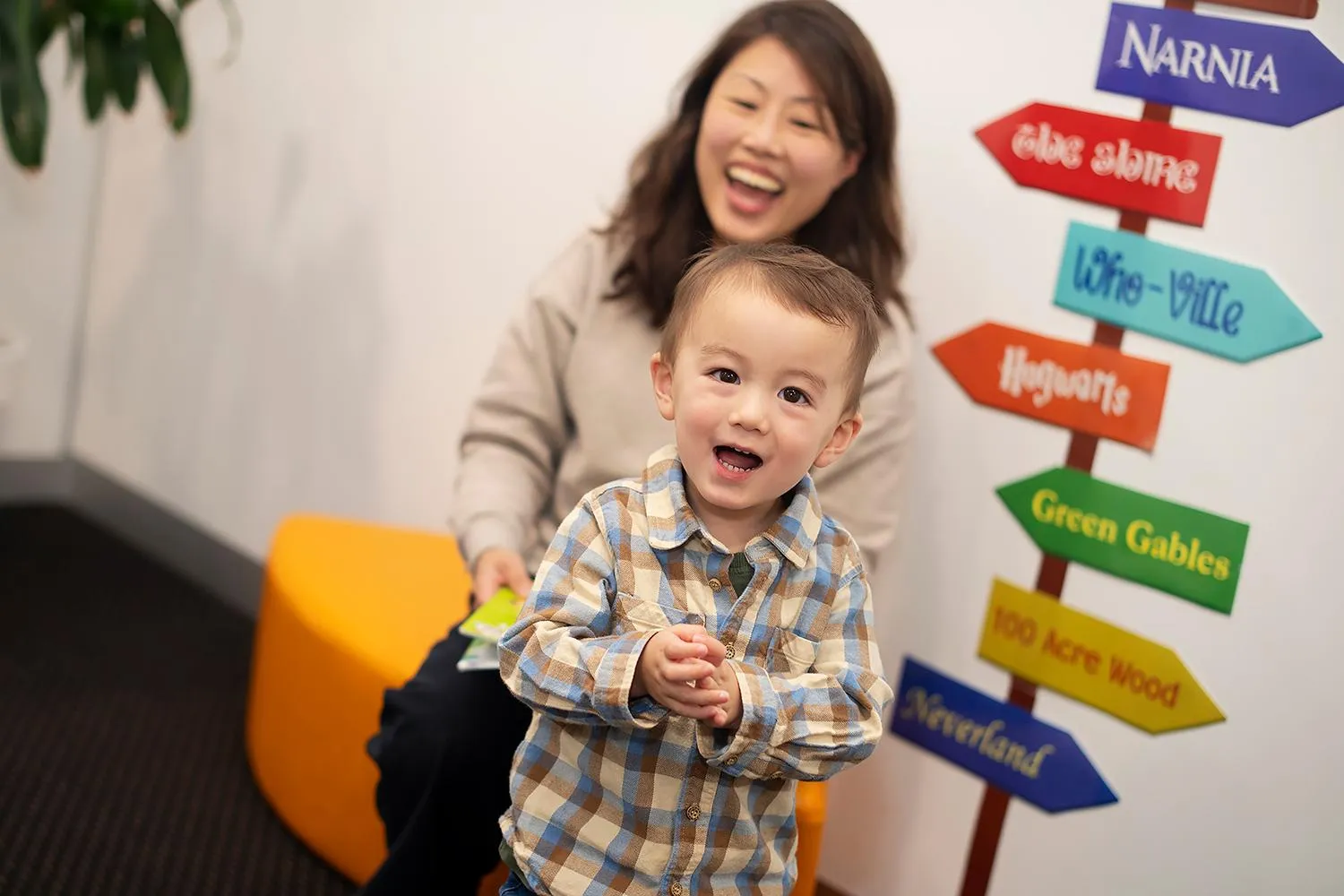
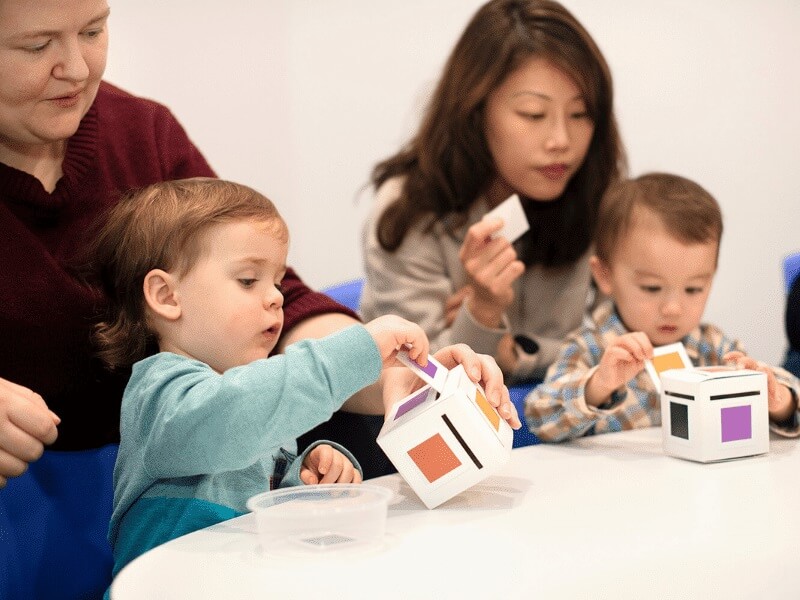
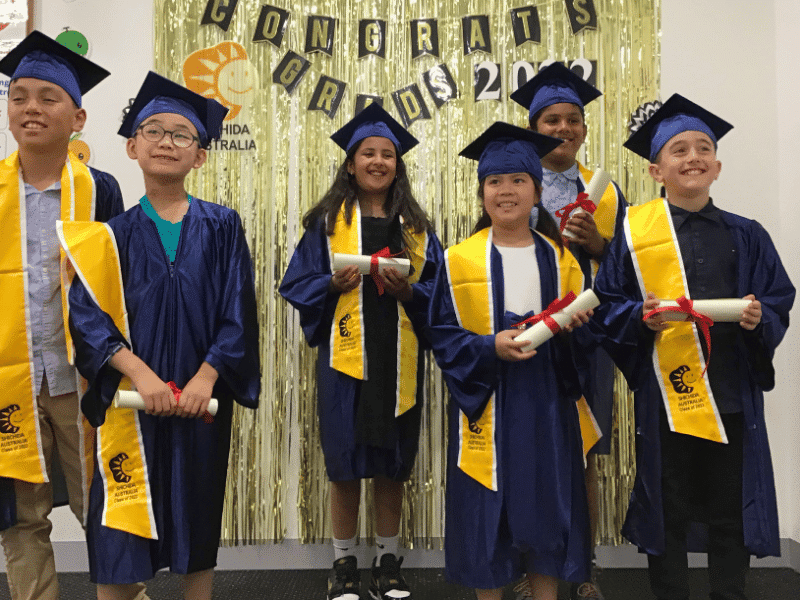
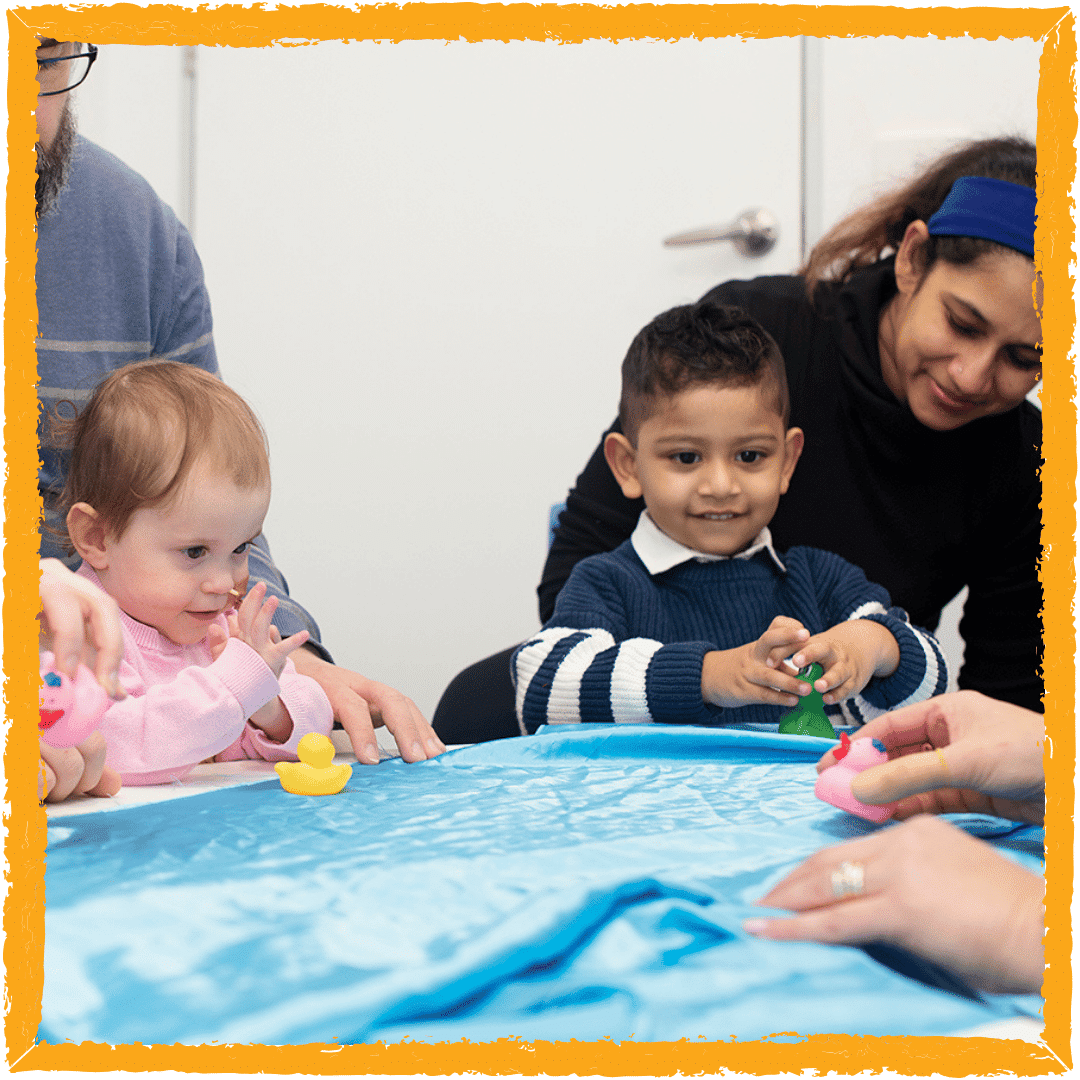
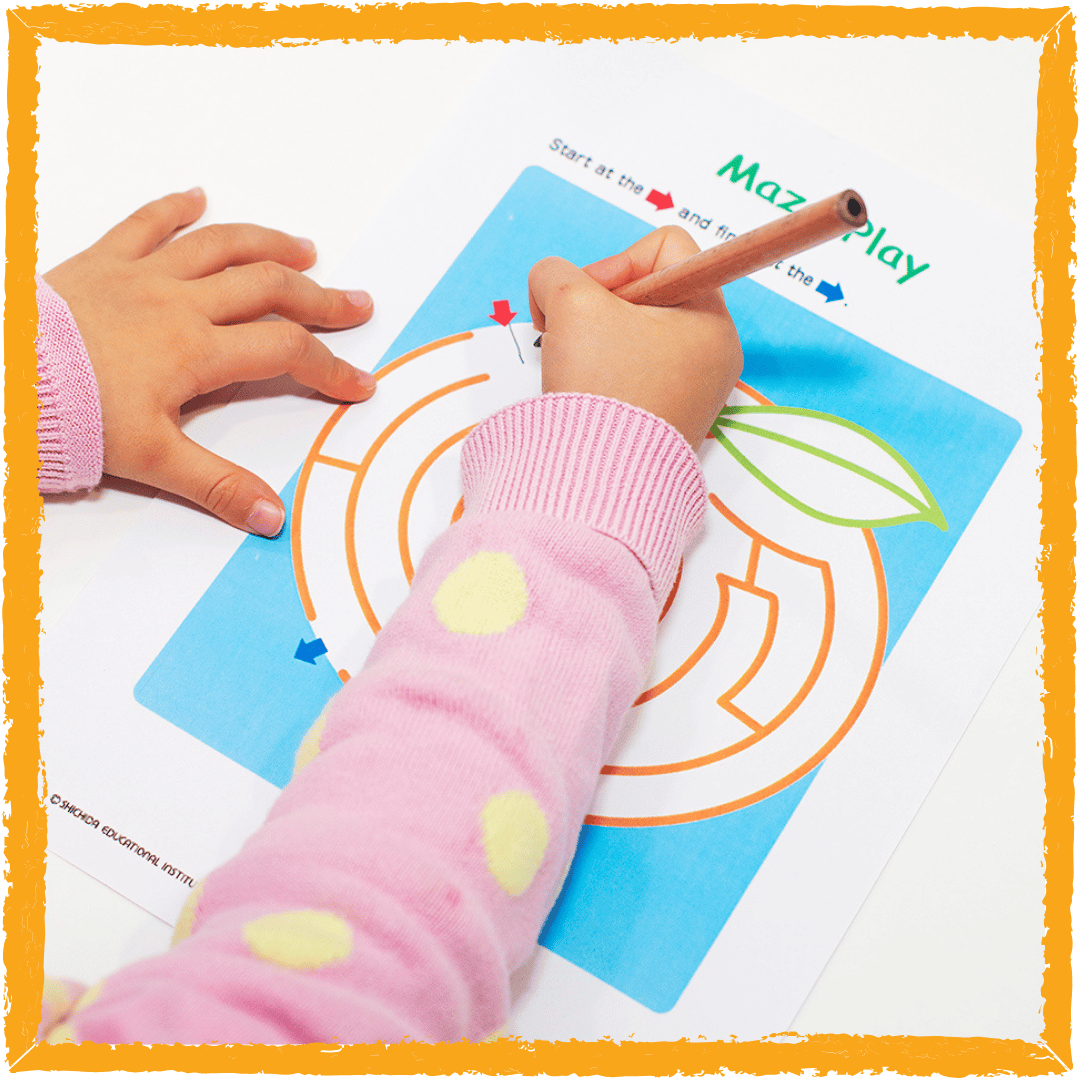
Image by Shichida Australia: Visualising success helps children feel confident and capable. Just like athletes imagine winning, kids can use guided imagery to picture themselves achieving their goals.
Quick Reference: 5 Popular Visualisation Exercises for Kids
- The Worry Tree – Hang each worry on a branch and walk away free.
- Magic Balloon Breathing – Fill a balloon with your worries and let it float.
- Mountain of Calm – Climb higher with each breath until you feel at peace.
- Future Winning Replay – Picture a big success before it happens.
- Bedtime Peace Train – Ride a slow train through peaceful scenes before sleep.
Measuring Progress and When to Expect Results
What Changes to Expect
Look for signs like fewer meltdowns, better sleep, improved focus, or a more positive attitude.
When to Expect Results
Short-term calm often happens after just one session. Deeper changes like confidence or emotional resilience, grow over weeks of consistent practice.
When to Seek Support
If your child’s anxiety or sleep issues persist, visualisation can remain a helpful support alongside professional guidance.
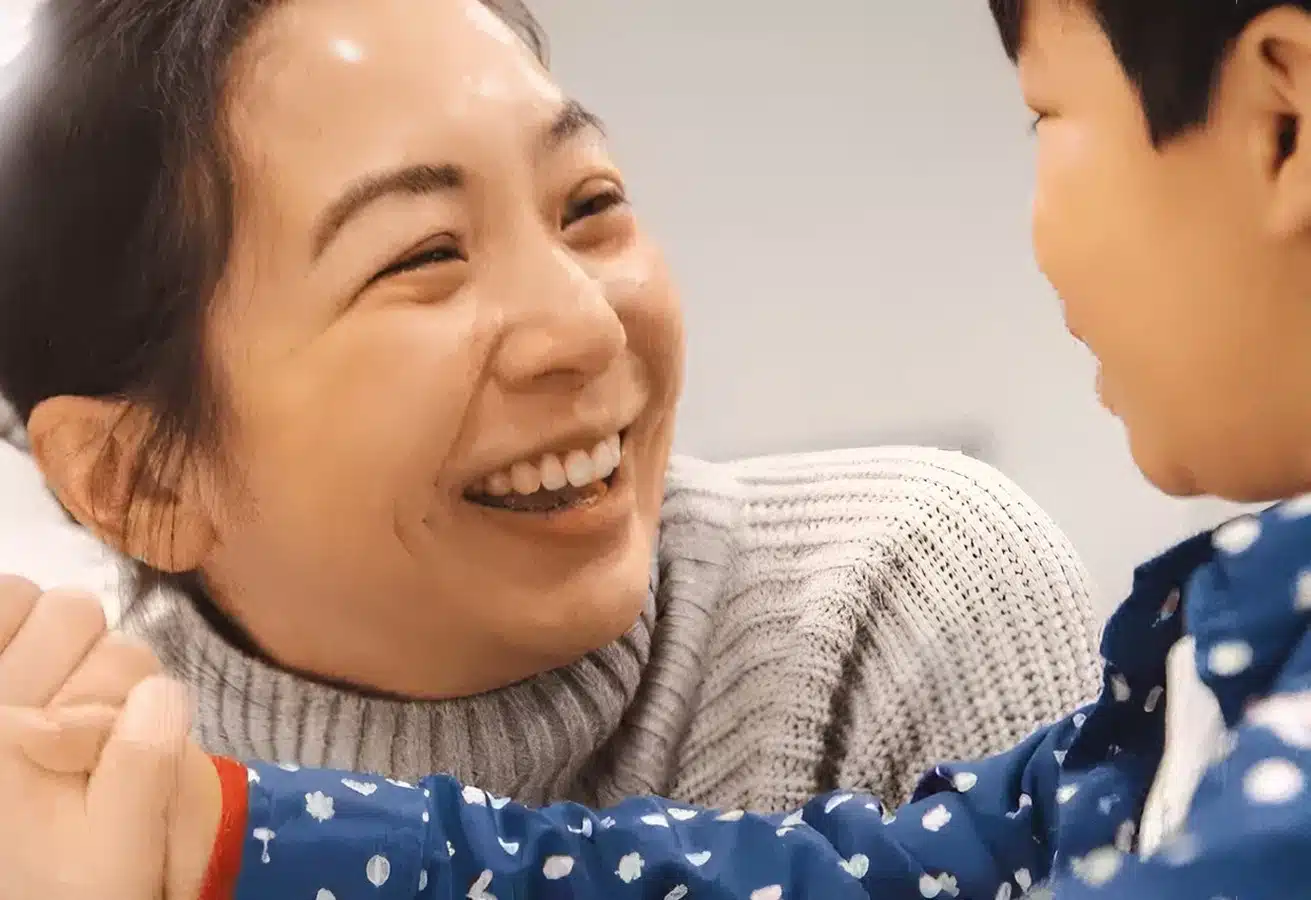
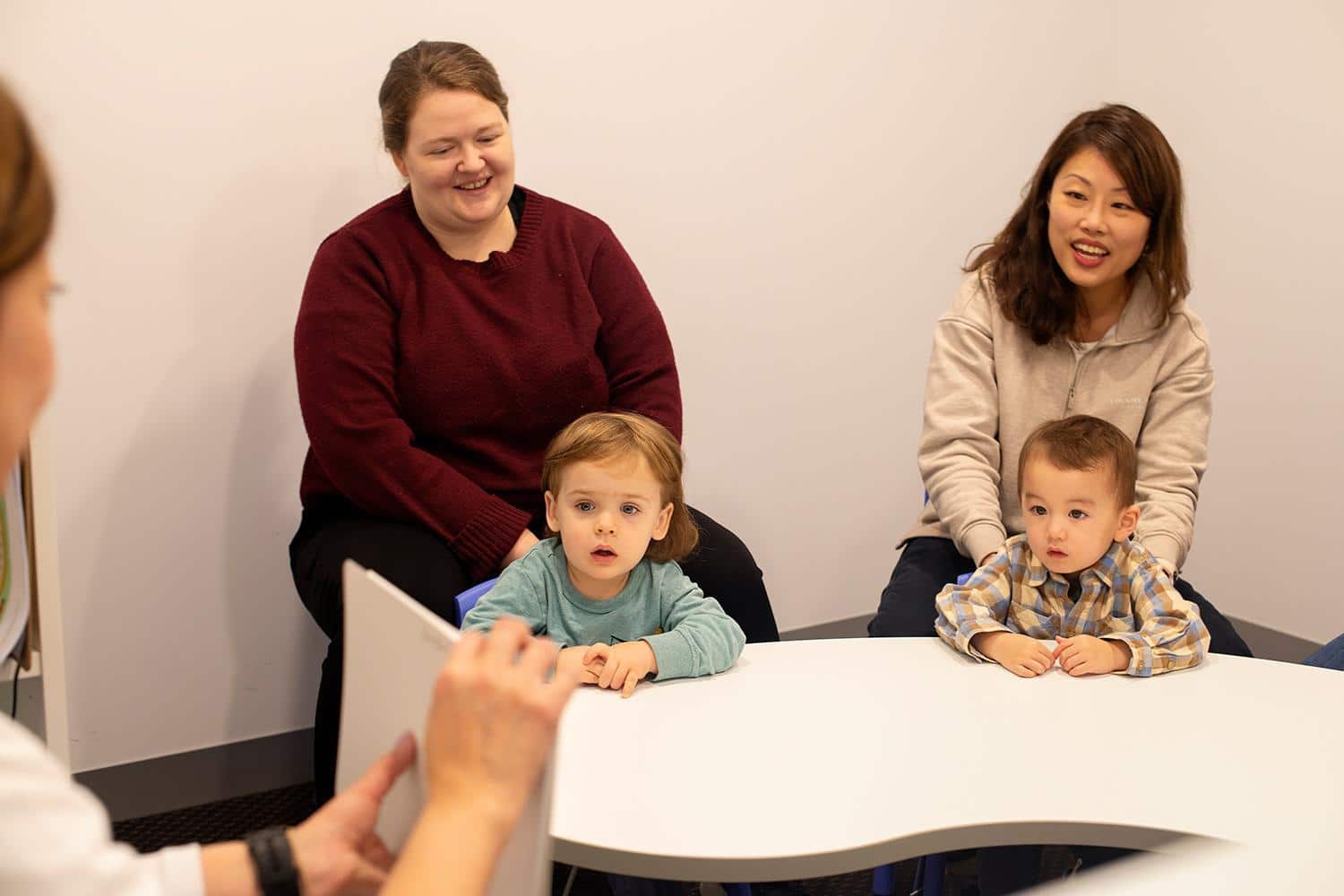
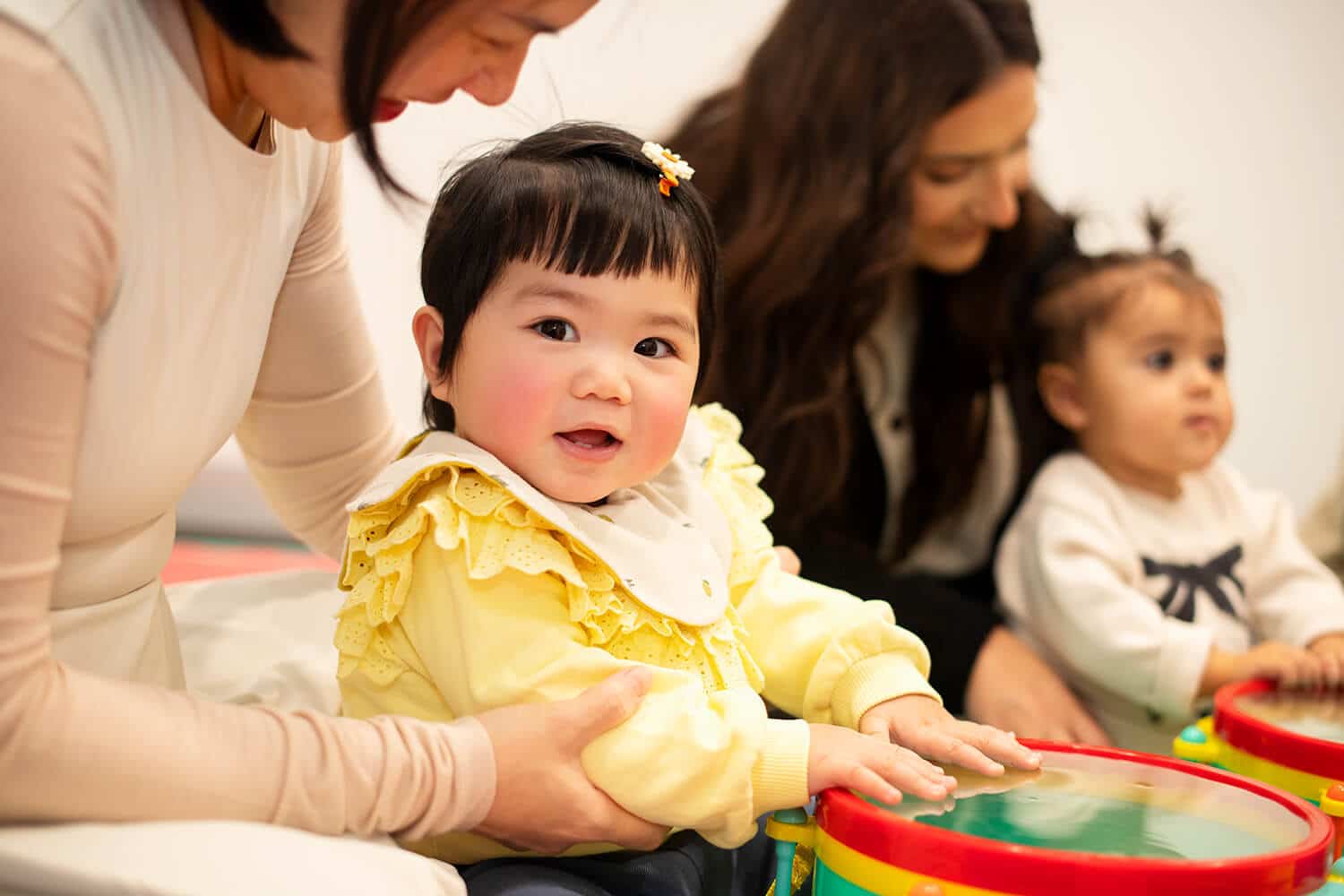
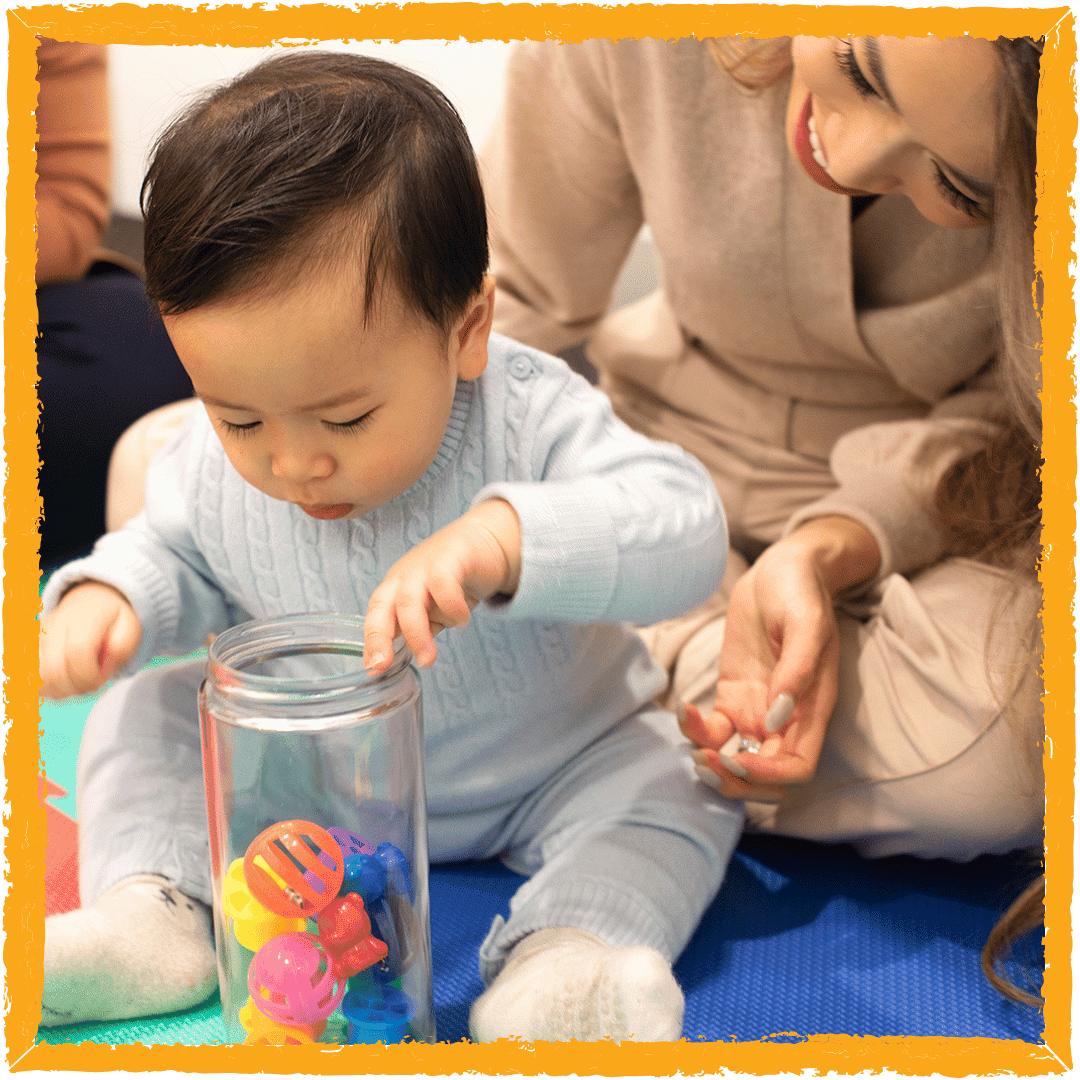
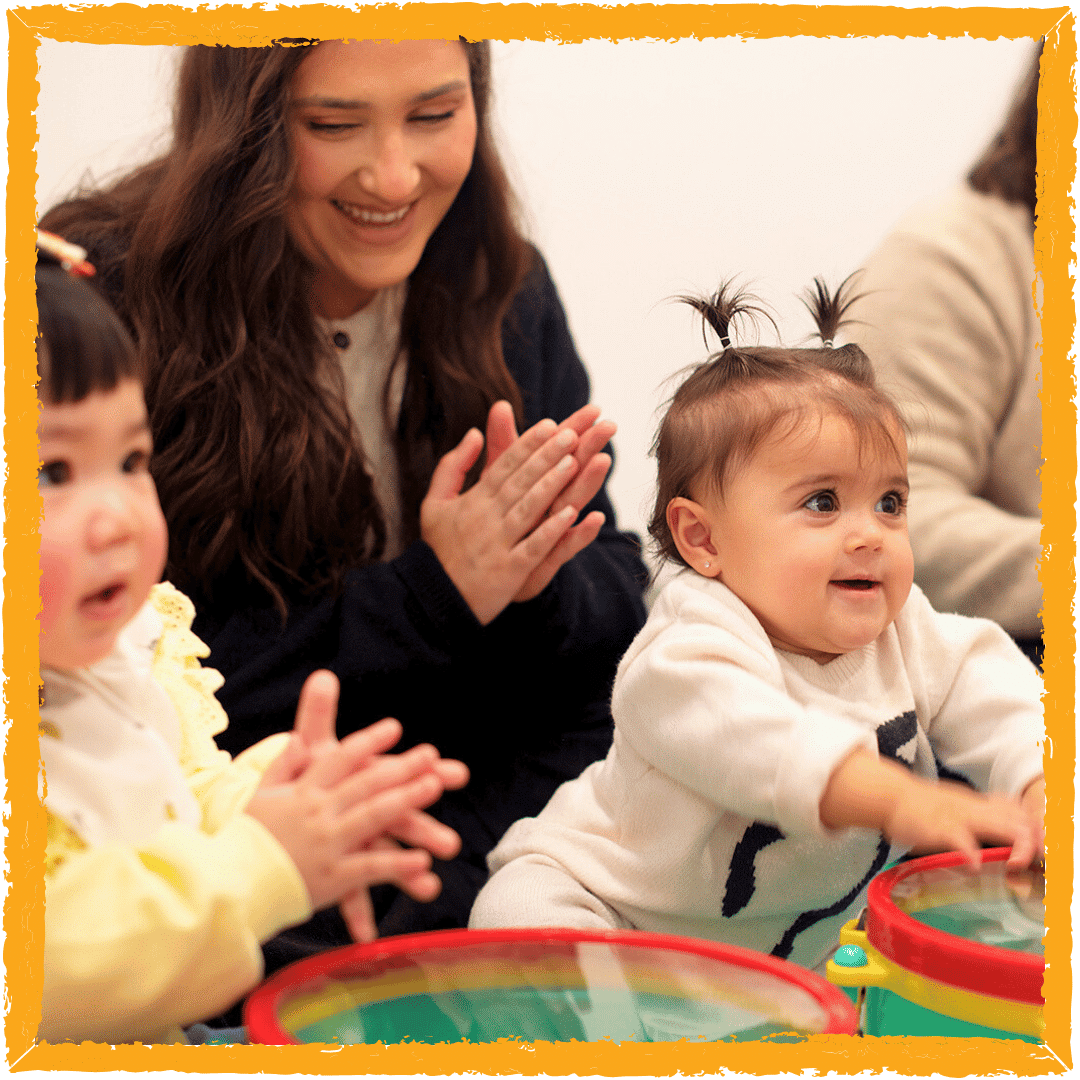
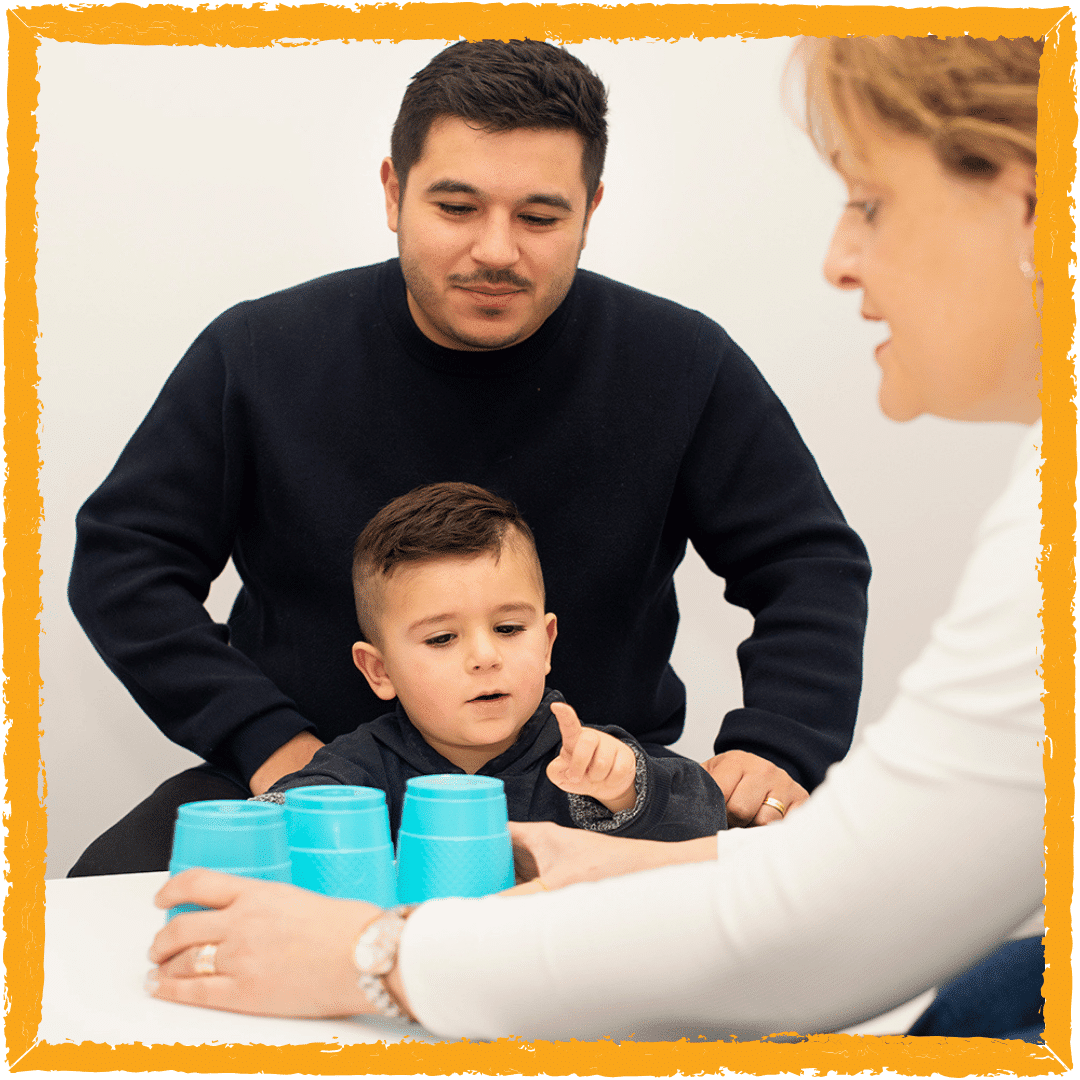
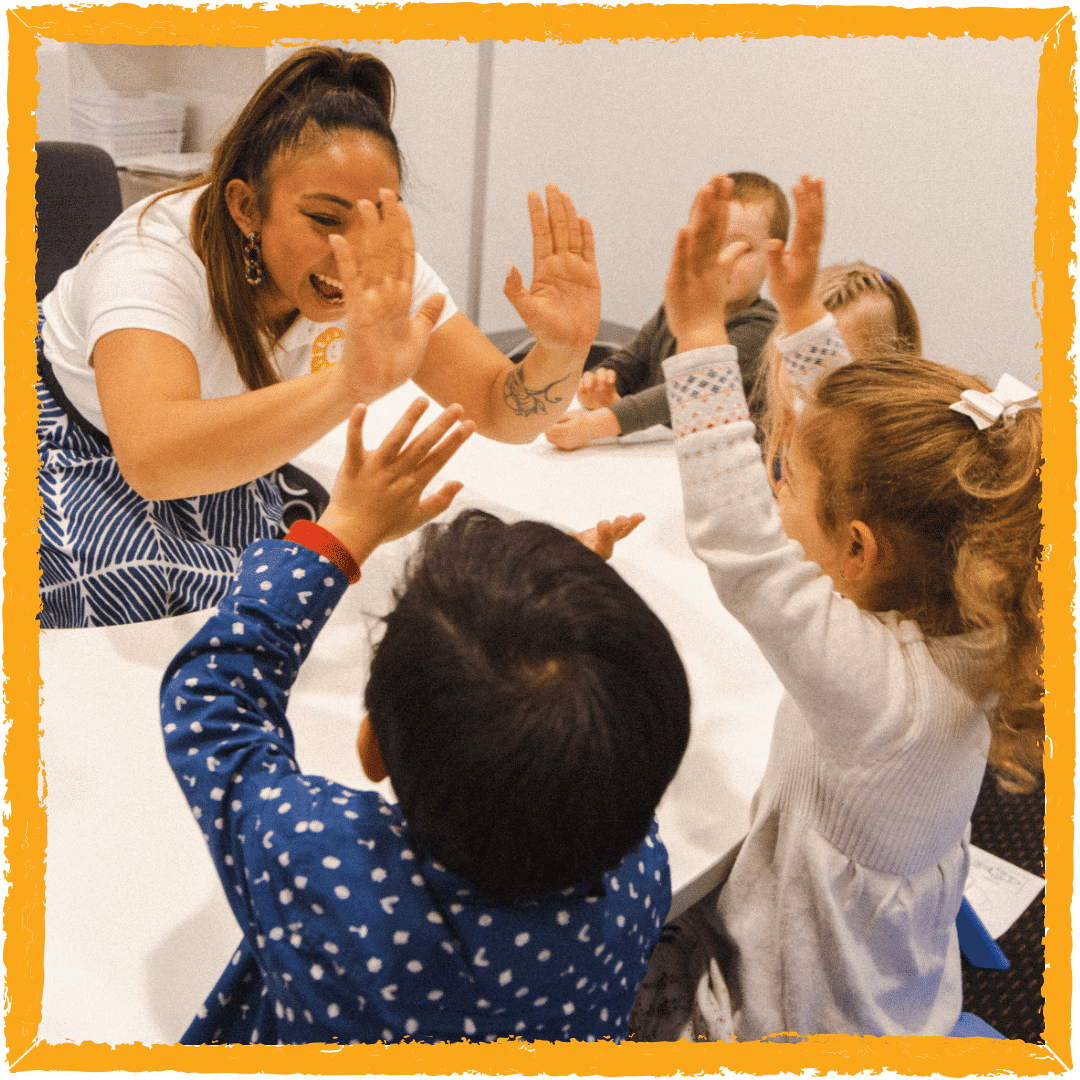
Image by Shichida Australia: A proud moment in class – a parent celebrating their child’s effort and growth. These little wins build confidence that lasts.
Conclusion
Visualisation is more than imagination! It’s a lifelong skill that nurtures calm, creativity, and confidence. As part of the Shichida Method, these gentle exercises strengthen emotional intelligence and right-brain learning in ways that feel natural and joyful.
Start small, stay consistent, and celebrate every moment your child learns to find peace within themselves.
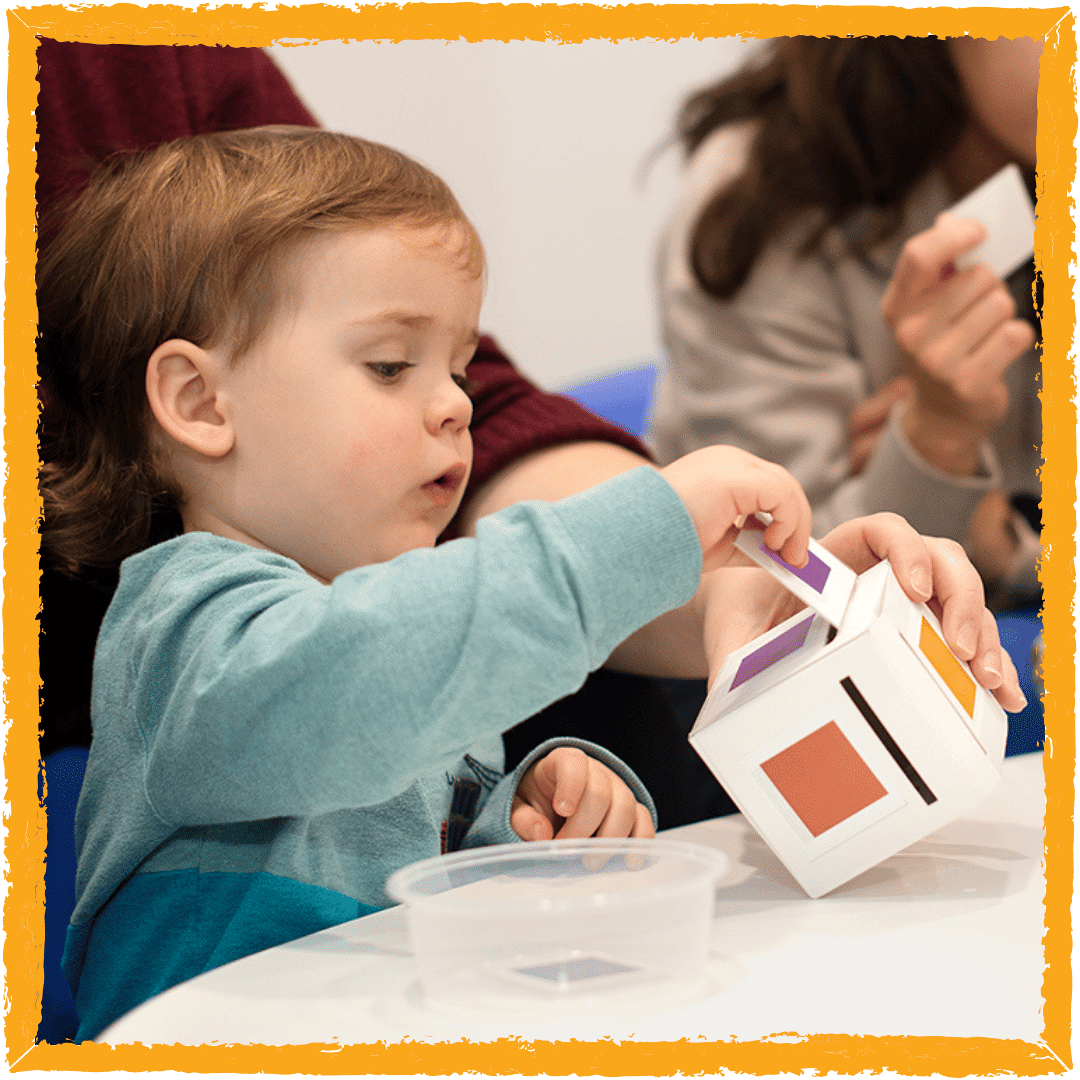
Ready to help your child experience the calm and confidence that visualisation can bring? Explore Shichida classes to discover how guided imagery and right-brain learning come together to support your child’s emotional and cognitive growth. Book a trial class today!
FAQ: Visualisation Exercises for Kids
Start with 3–5 minutes and extend gradually as your child becomes more comfortable. Short, regular practice works best for most children.
You can begin as early as age three. For younger children, keep it simple, short, and story-based so it feels natural and playful.
Yes. Calming imagery can reduce tension, lower heart rate, and help children manage stressful moments in a gentle, child-friendly way.
Either is fine. Guided imagery scripts for kids provide structure, but many parents enjoy creating their own stories based on familiar places, routines, or happy memories.
Absolutely. Some children “feel” the scene rather than seeing images sharply. Visualisation still works because it activates calm, focus, and emotional regulation in different ways.
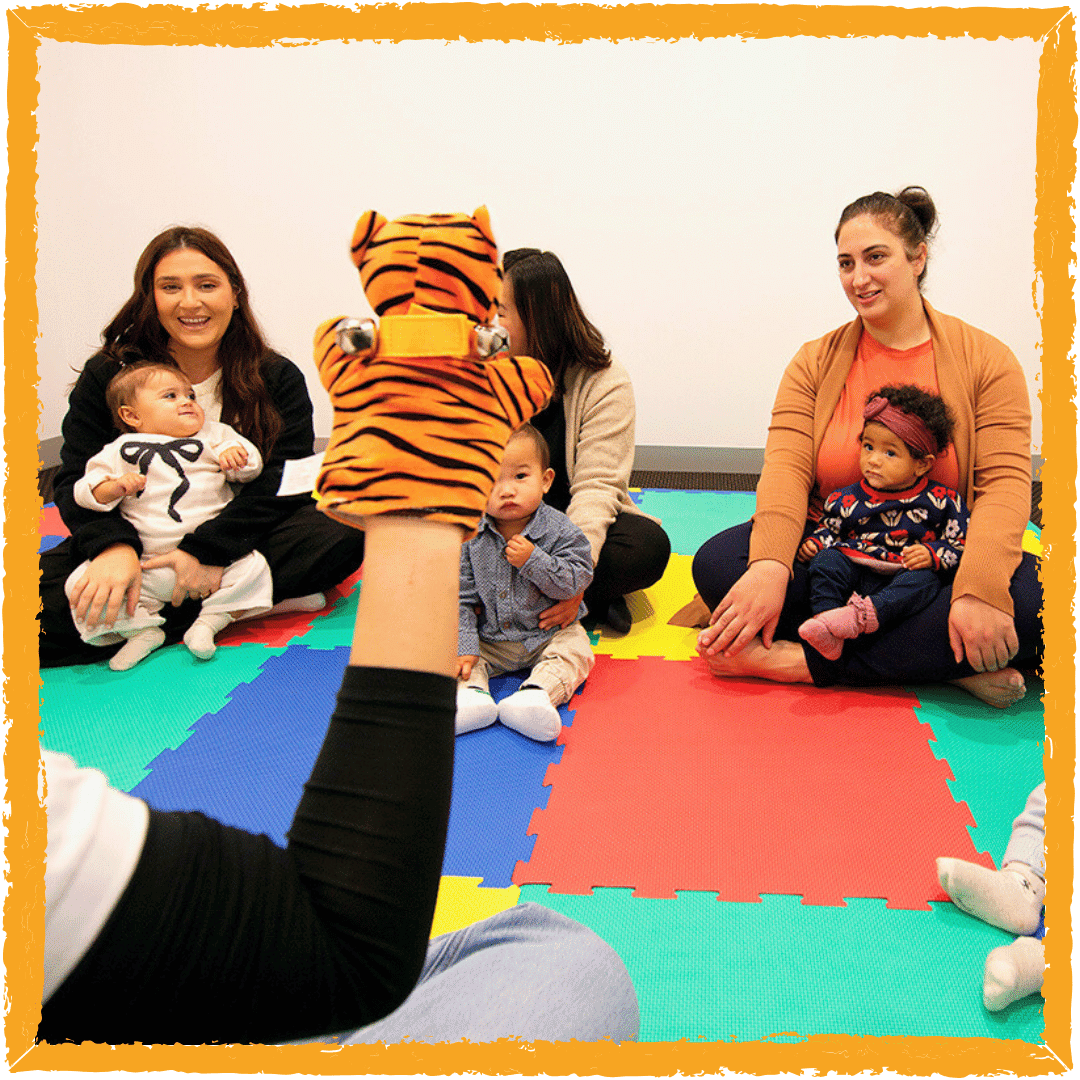
Yes. Shichida Australia introduces visualisation exercises, deep belly breathing, and gentle guided imagery as part of every class. These routines help children develop calm focus, confidence, and emotional balance from a young age.