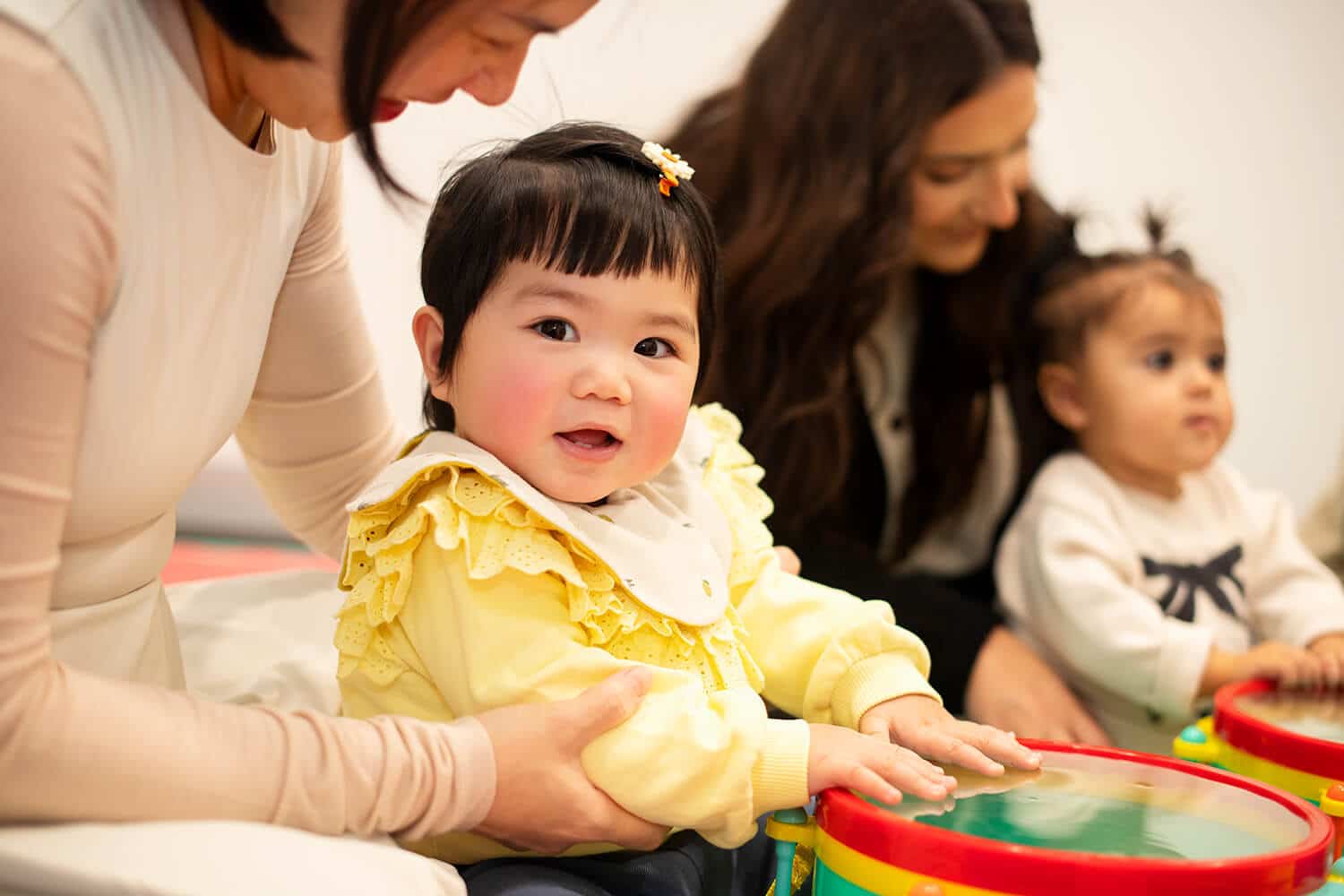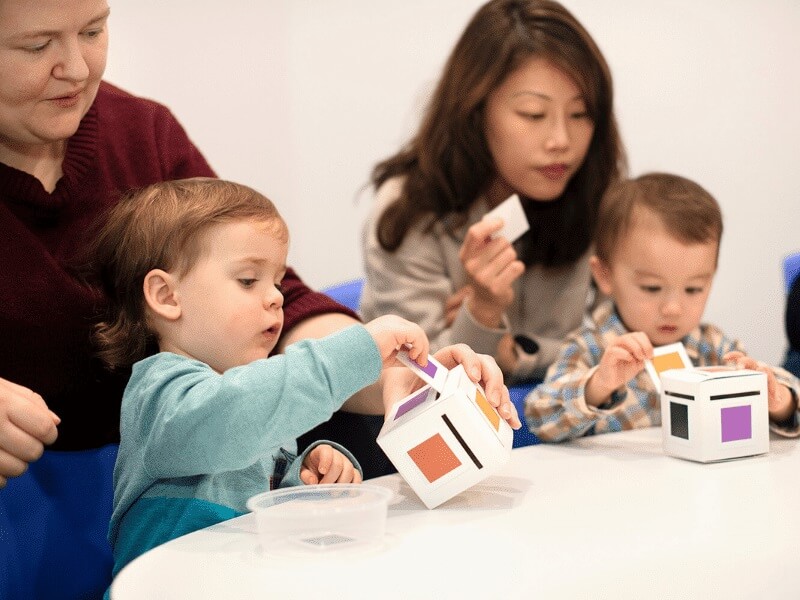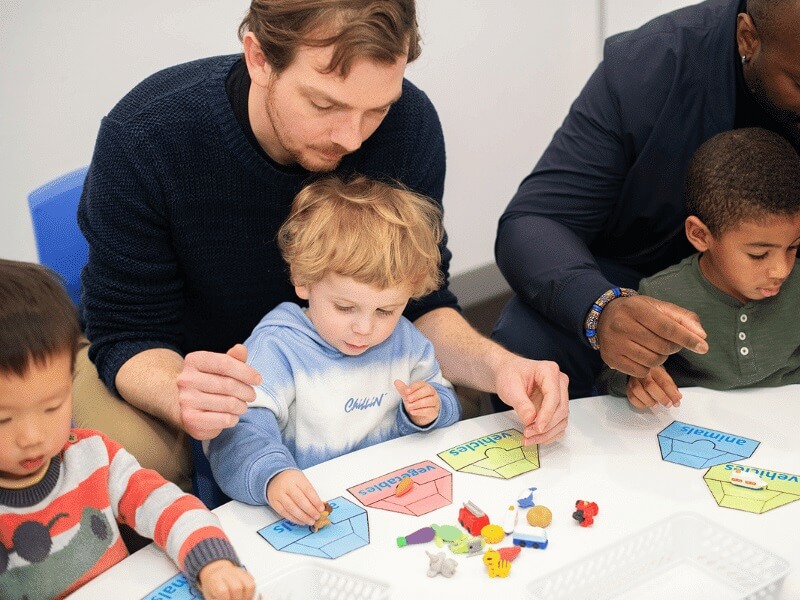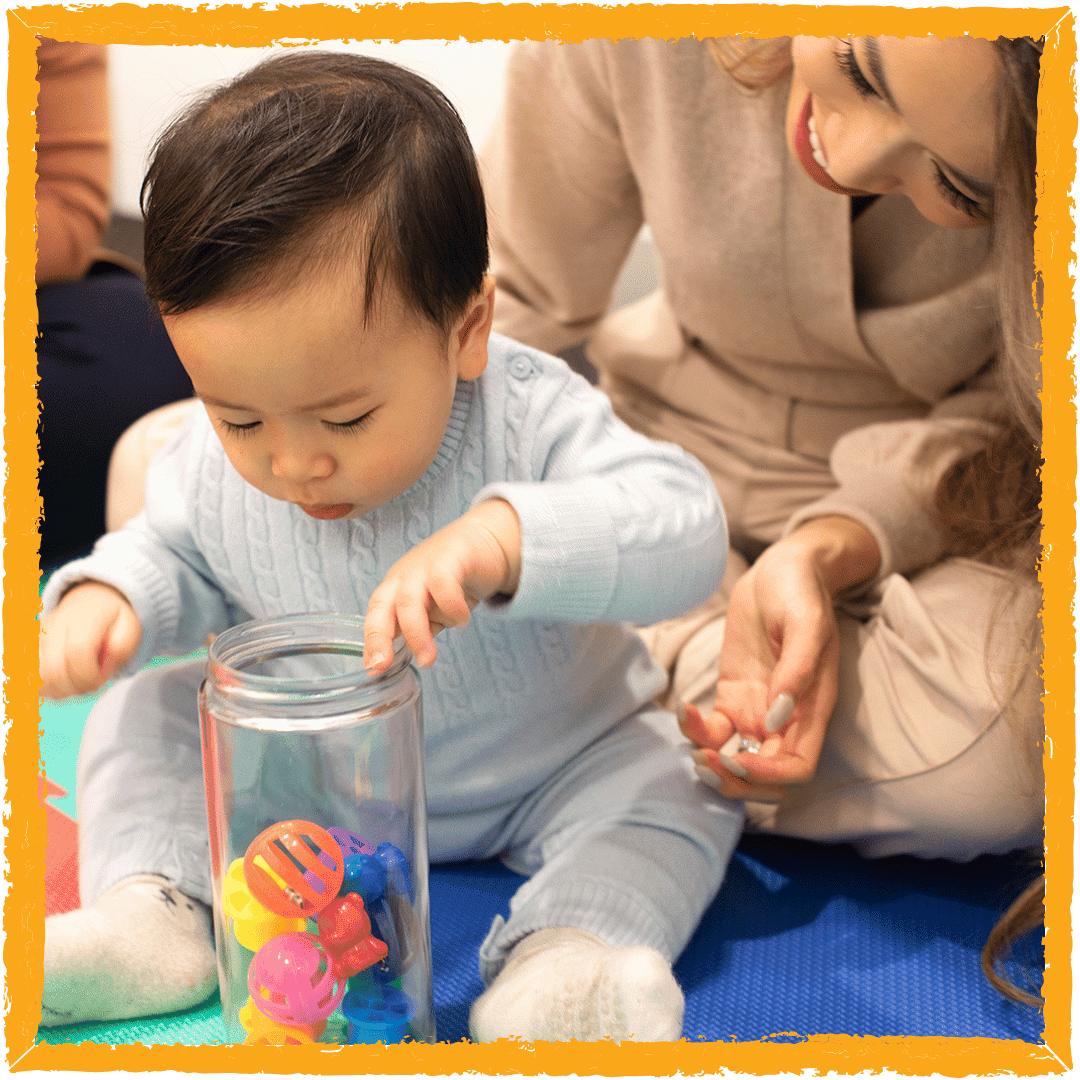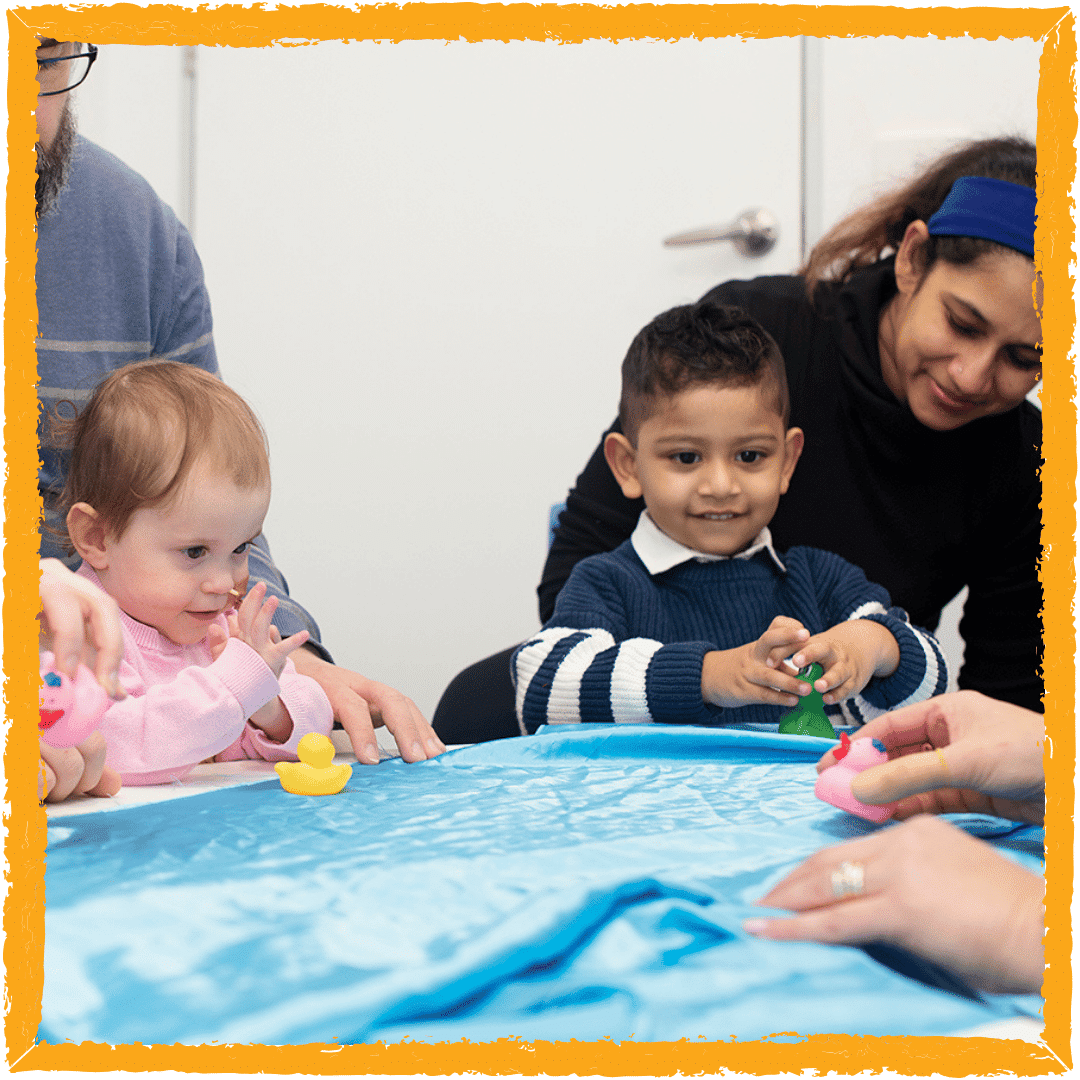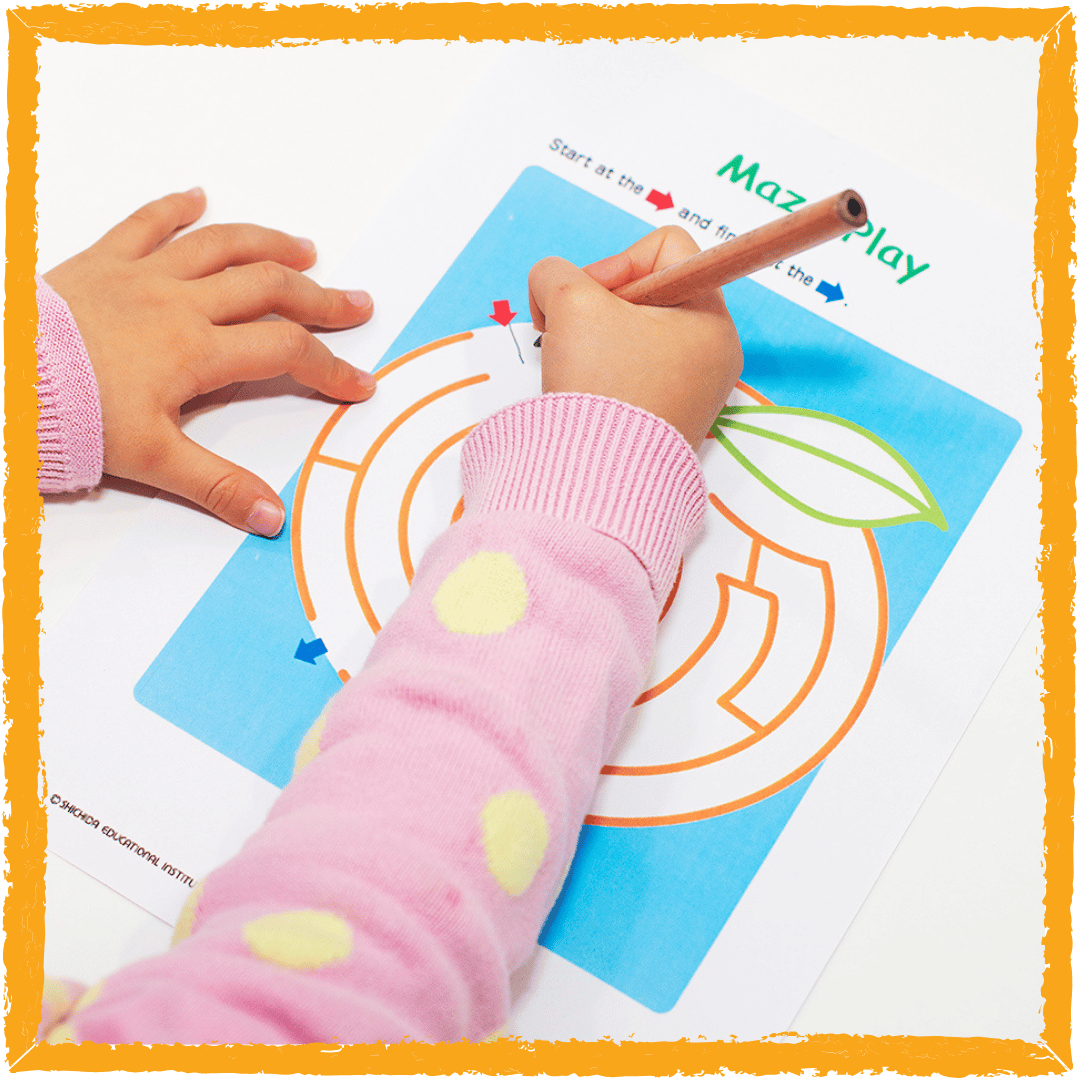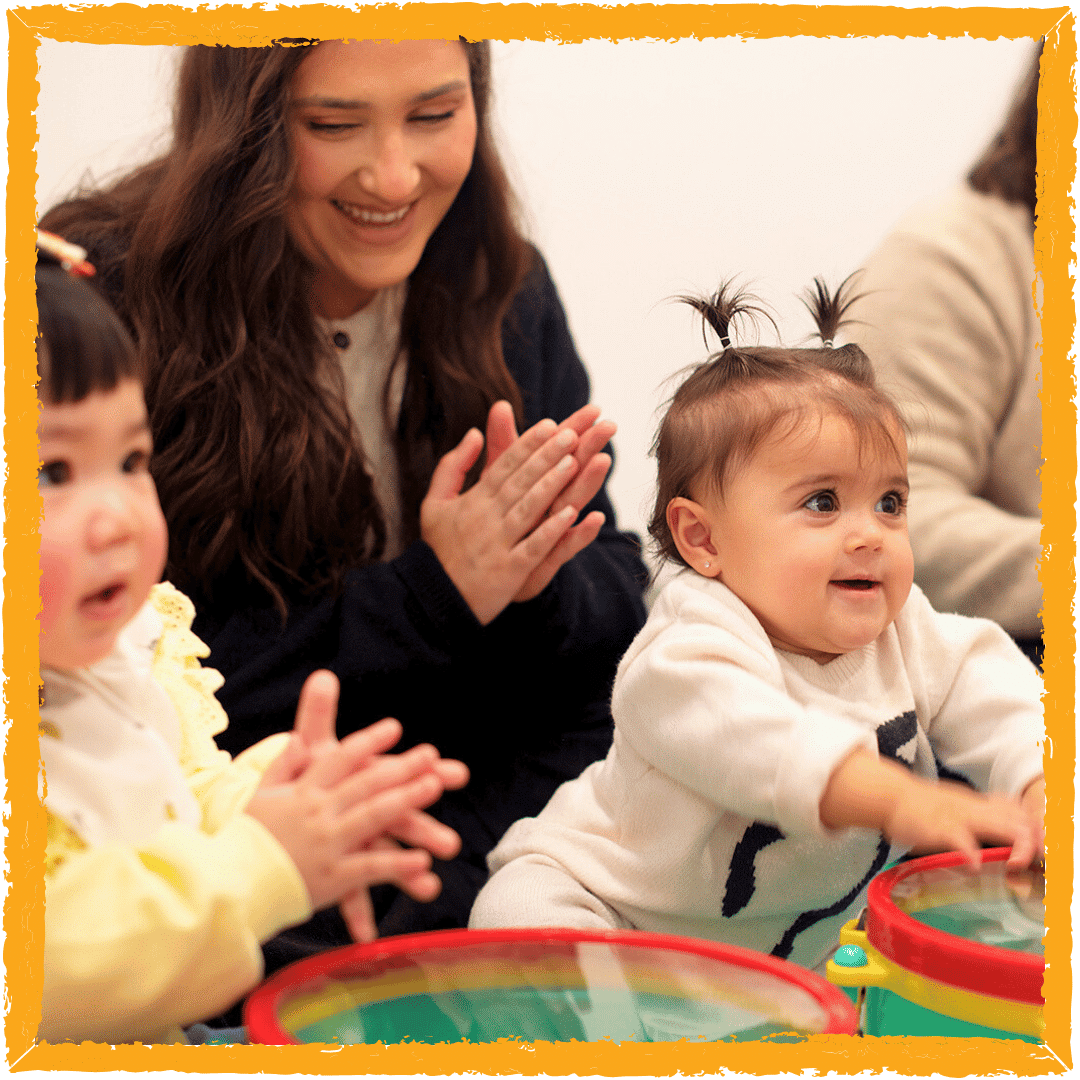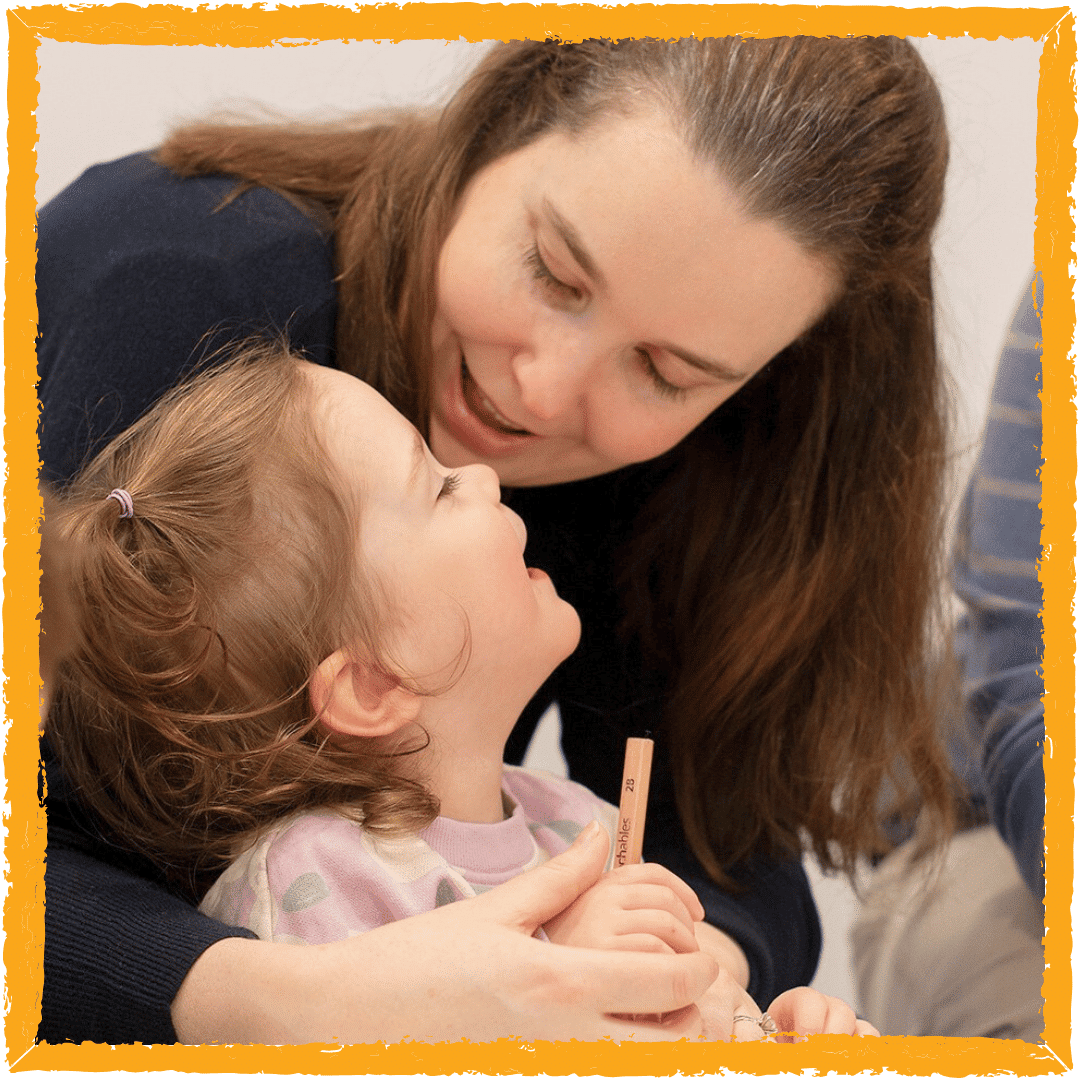

Photo from Pexels: A parent responding to their baby’s cues, the heart of responsive parenting begins with simple, loving attention.
Responsive Parenting: A Strong Connection with Your Child
Key Points
- Responsive parenting means tuning in, noticing your child’s cues, and responding appropriately.
- It helps build emotional security, trust, and a strong parent–child relationship.
- Research shows that responsive parenting supports emotional regulation, brain development, and learning.
- You don’t need to be perfect – consistency and genuine connection matter most.
- Looking after yourself helps you stay calm, patient, and emotionally available for your child.
Every parent wants to raise a confident, kind, and emotionally secure child. Yet with so much advice about what makes a “good parent,” it can be hard to know what really matters most.
The truth is, one of the most powerful things you can do for your child’s development is surprisingly simple – respond. Not perfectly or instantly every time, but with care, sensitivity, and presence.
Responsive parenting means noticing your child’s cues, understanding what they need, and responding in ways that help them feel seen and safe. Over time, these small moments of connection create a strong emotional foundation that supports healthy development for life.

Enhance your responsive parenting toolkit with simple sensory play ideas that build connection, calm, and early brain development – download the free guide.
What is Responsive Parenting?
At its heart, responsive parenting is about being attuned to your child – recognising their signals, interpreting what they might mean, and responding in a sensitive and supportive way. It’s not about always having the perfect answer, but about being emotionally available and willing to adjust to your child’s needs.
Unlike authoritarian parenting, which focuses on obedience, or permissive parenting, which avoids setting limits, responsive parenting balances warmth with guidance. It’s grounded in attachment theory, which shows that children thrive when they feel safe and secure in their relationships.
Modern neuroscience supports this too – positive early interactions shape healthy brain development and support emotional regulation.
Responsive parenting is sometimes called sensitive parenting or attachment-based parenting. Whatever the label, the goal is the same: your child learns trust, confidence, and empathy through your consistent, loving responses.
Key Components of Responsive Parenting
Being a responsive parent involves four simple but powerful steps:
- Notice cues: Observe your child’s signals – their cries, gestures, tone, or expressions.
- Interpret meaning: Ask yourself, “What might they be trying to tell me?”
- Respond promptly: Meet their need for comfort, help, or independence.
- Adapt over time: As children grow, their cues change from cries to words, from tantrums to silence.
For example, responding gently to your baby’s cry, calmly supporting a toddler’s tantrum, or listening to a school-aged child’s worries all help strengthen your connection.
How It Differs from “Good Parenting”
Many parents strive to be “good parents,” but responsive parenting focuses less on being perfect and more on being present. It’s not about strict routines or always having the right answer – it’s about timing, sensitivity, and emotional connection.
Why Responsive Parenting Matters: Research and Long-Term Benefits
Decades of research show that responsive parenting benefits every area of a child’s development. Studies from institutions like Harvard University, the World Health Organization (WHO), and Zero to Three highlight that children who experience consistent responsiveness from their parents develop stronger emotional regulation, social skills, and brain development.
Responsive interactions – sometimes called serve and return – are like an emotional rally. When a baby coos and you smile or talk back, you’re helping to build neural connections that shape communication, memory, and emotional control.
This kind of parenting doesn’t just make children happier; it lays the foundation for lifelong resilience and wellbeing.
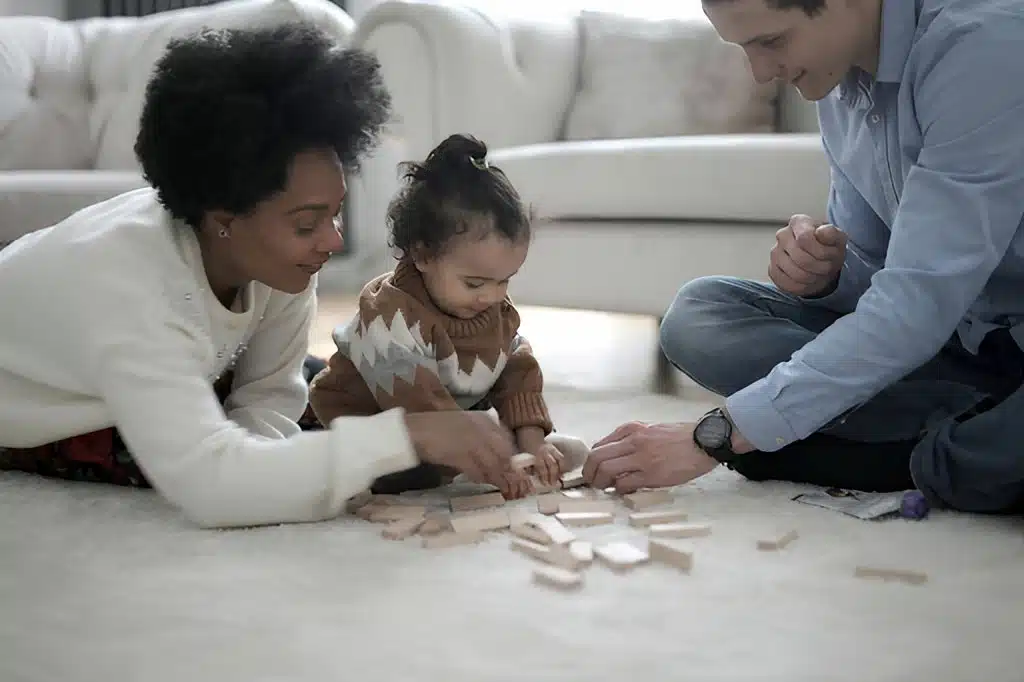
Photo from Pexels: Everyday playtime offers countless moments to tune in and respond, strengthening the parent-child bond through connection and joy.
Emotional and Social Development
When you respond to your child’s distress with calm reassurance, they learn that feelings are safe and manageable. Over time, this builds trust, empathy, and social competence. Whether it’s soothing a crying infant or listening patiently to a school-age child’s frustrations, your responsiveness helps them understand that relationships are a safe place to turn to.
These everyday moments of connection strengthen the parent–child bond, creating a deep sense of security that becomes the foundation for your child’s confidence and emotional wellbeing throughout life.
Cognitive, Language, and School Readiness
Responsive interactions literally grow the brain. When you talk, sing, or play in back-and-forth exchanges, you’re engaging in serve and return, the process Harvard’s Centre on the Developing Child identifies as essential for cognitive growth. These exchanges strengthen attention, memory, and language skills, preparing your child for school and lifelong learning.
Physical Health and Stress Regulation
Children raised with responsive caregiving show lower stress levels and better physical regulation. Research links responsiveness to balanced cortisol levels and improved immune function. Simply put, a child who feels secure is less likely to live in “fight or flight” mode, which benefits both body and mind.
How to Practise Responsive Parenting in Real Life
You don’t need to overhaul your parenting to be responsive. Start by slowing down, observing, and responding to your child’s signals with empathy and curiosity. Small, consistent gestures, making eye contact, validating feelings, or pausing to listen, all make a difference.
Remember, how to practise responsive parenting isn’t about getting it right every time. It’s about showing your child that their emotions matter and that you’re there for them, even when things get messy.
Infancy (0–12 months)
In the first year, babies communicate through crying, cooing, and movement. Responding promptly builds parent-child attunement, that beautiful synchrony where you read and mirror each other’s cues. Gently rocking, talking softly, or matching facial expressions helps your baby feel secure and understood.
Toddler and Preschool Years (1–5 years)
Toddlers are discovering big feelings but lack the words to express them. Use calm emotional coaching: “You seem upset that your tower fell.” Offer comfort and teach coping skills. Support independence by giving choices (“Would you like the blue cup or the red one?”), balancing freedom with reassurance.
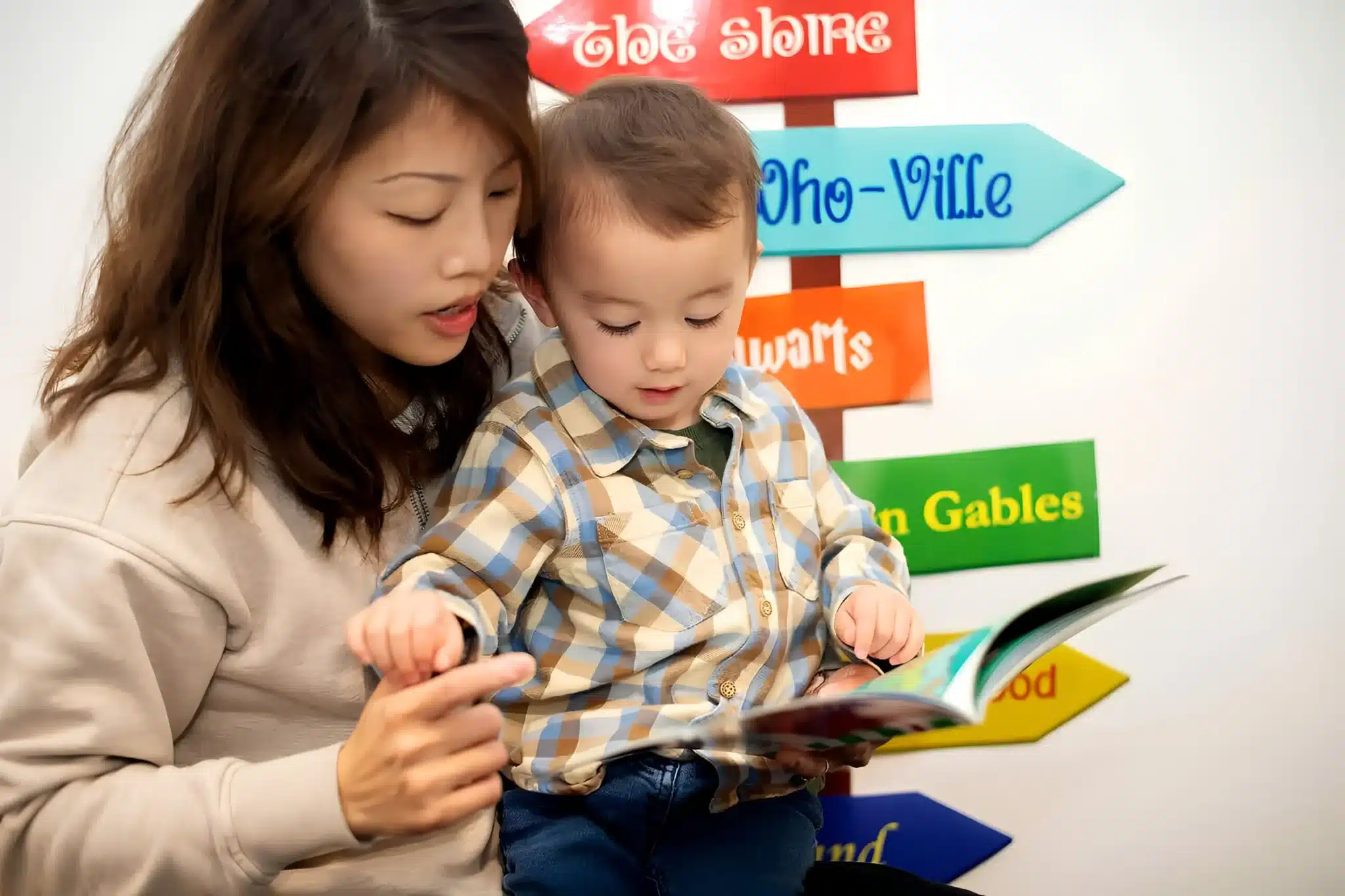
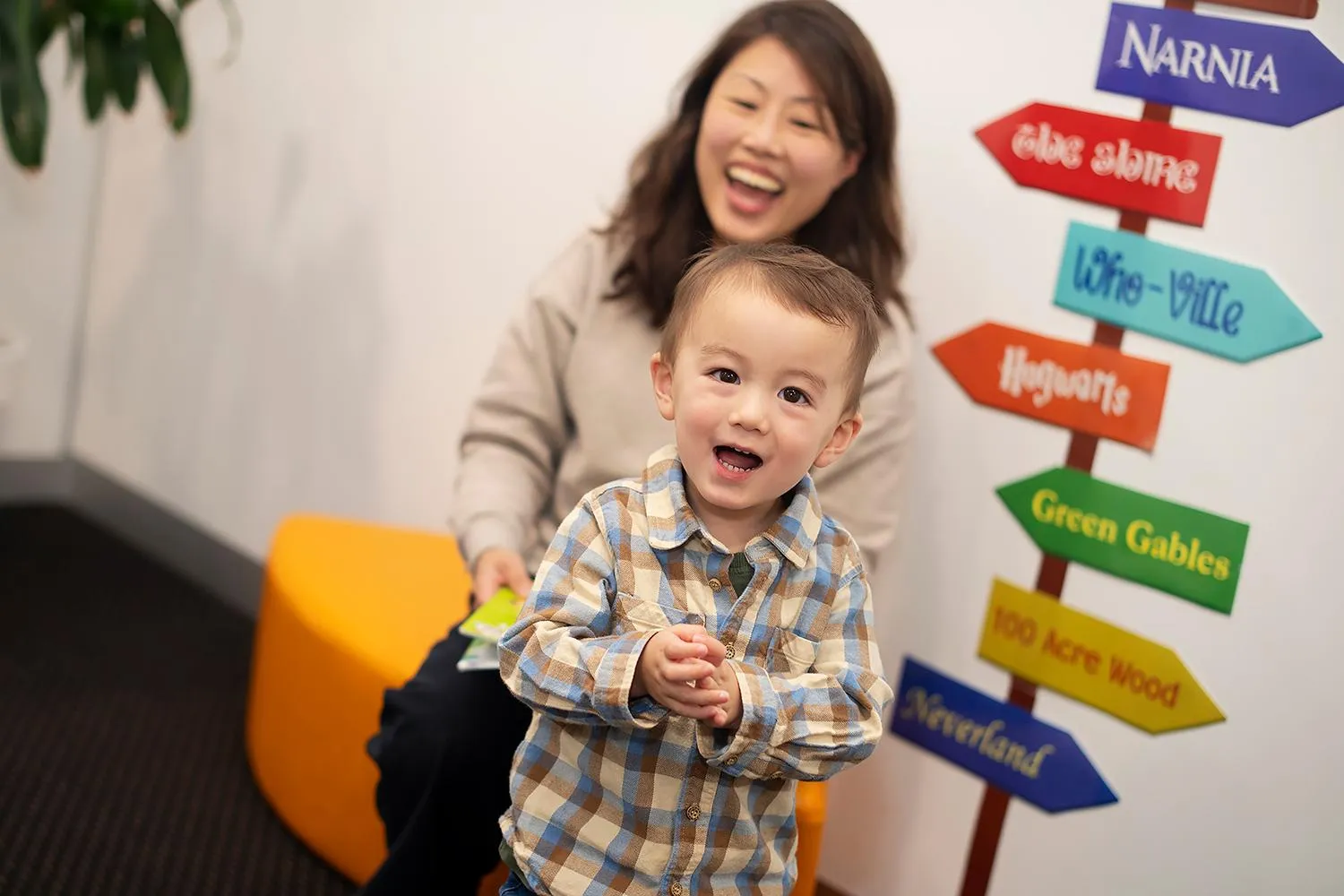
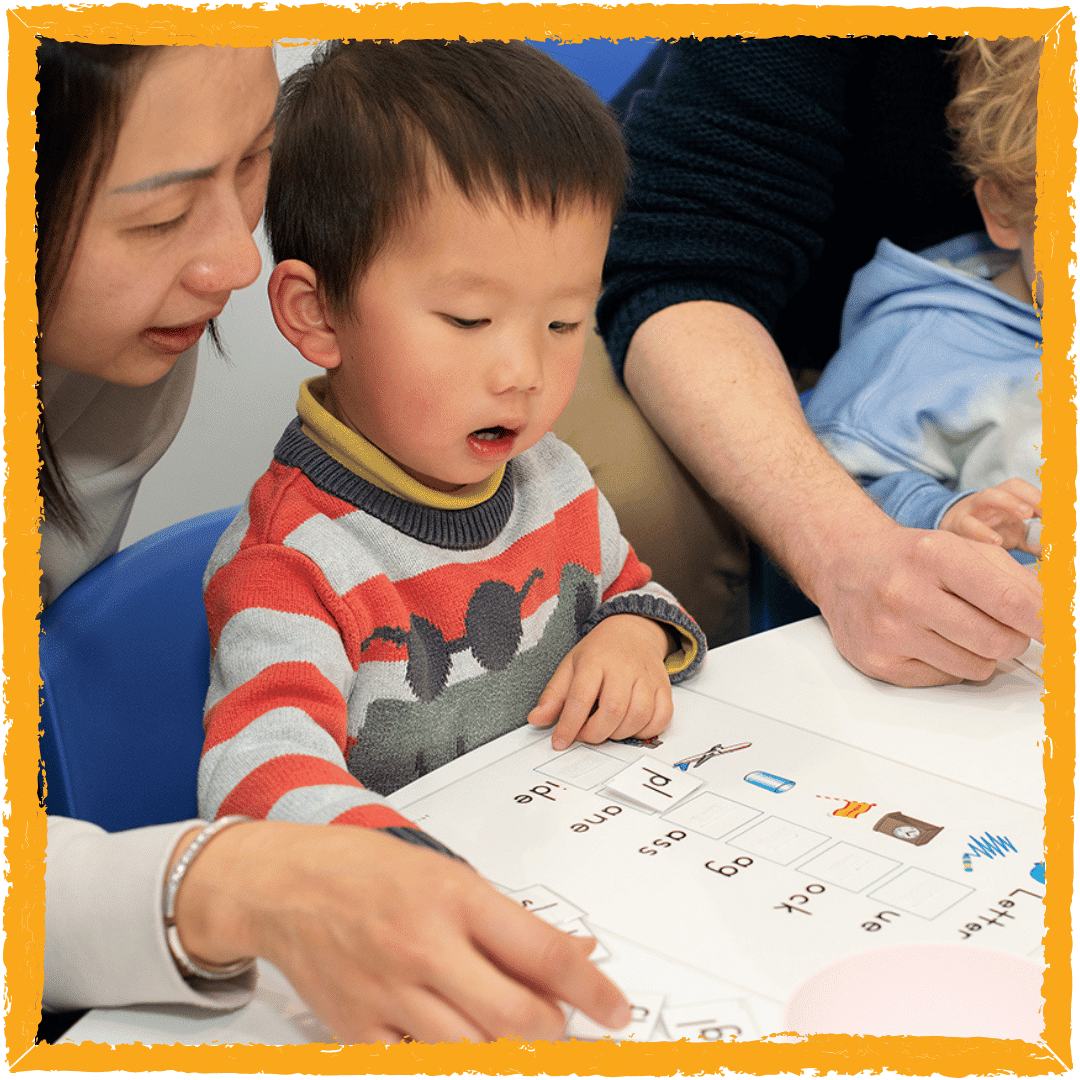
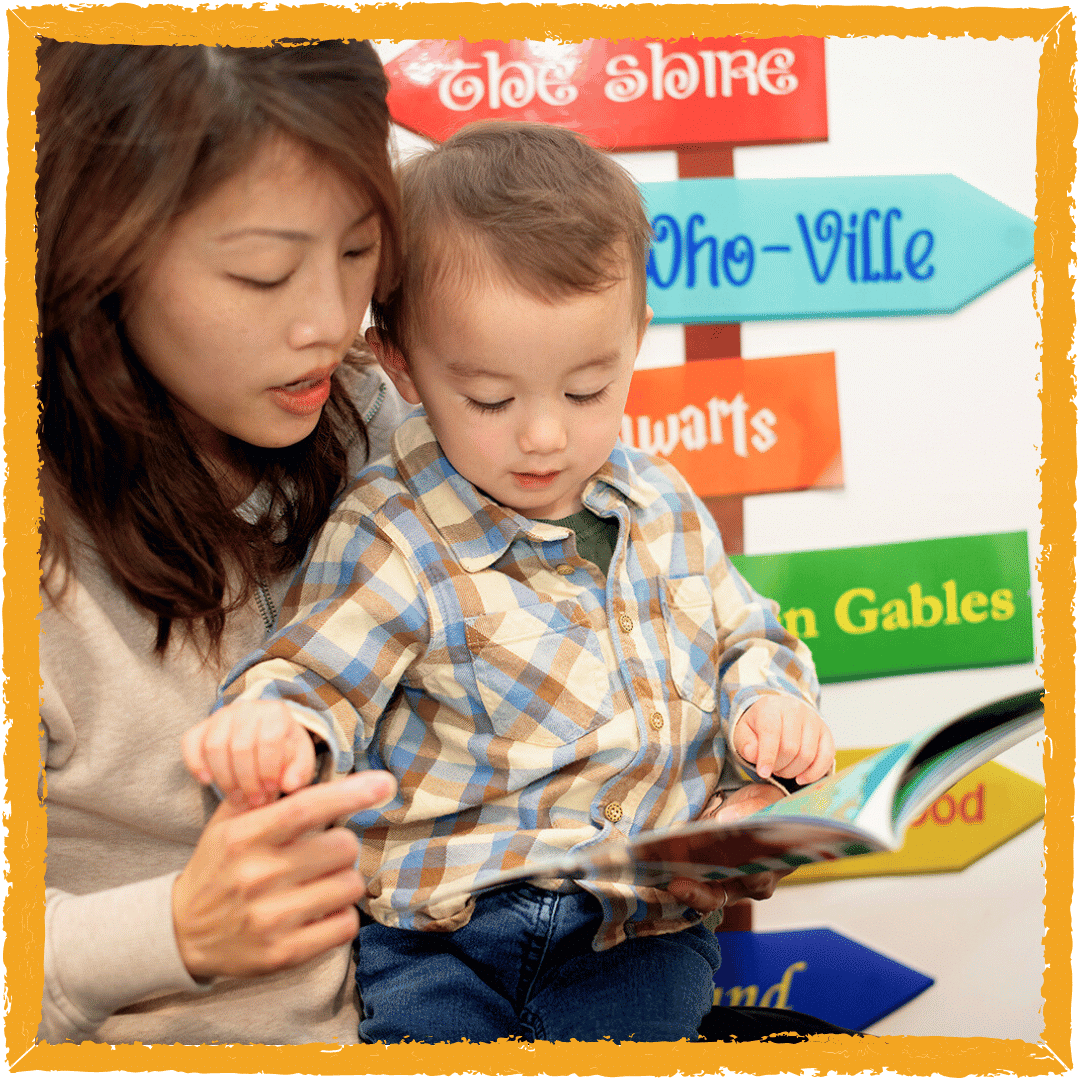
Image by Shichida Australia: A mum and her toddler spending time together at a Shichida centre, reading while waiting for their class to start!
School-Age Children (5-12 years)
At this stage, responsiveness means recognising subtler signs, changes in tone, mood, or body language. Ask open questions like, “You’ve been quiet today, is something on your mind?” Listen without judgement and respect their growing need for privacy while keeping communication open.
Everyday Habits That Strengthen Responsiveness
Simple routines help maintain emotional connection:
- Put devices aside during meals.
- Share stories or highlights at bedtime.
- Practise reflective listening, repeat what your child says to show you understand.
- Spend short, focused moments together each day.
Parent Self-Care and Emotional Regulation
You can’t pour from an empty cup. Your emotional regulation directly influences how well you can respond. Prioritise rest, mindfulness, and self-compassion. When you notice frustration building, pause and breathe before reacting. Modelling emotional awareness teaches your child that feelings can be managed with care.
Common Challenges and How to Overcome Them
No parent can be responsive all the time. Work stress, mental load, or exhaustion can make it hard to stay patient. That’s normal. The goal isn’t perfection but awareness and repair, reconnecting after a moment of disconnection.
Here’s how to navigate common barriers with empathy and practical strategies.
Managing Time and Busy Family Life
Even in hectic schedules, look for micro-moments of connection – a morning hug, a short chat in the car, or sharing a bedtime story. Consistency in these small rituals builds emotional security more than grand gestures ever could.
Child Temperament and Sensitivity
Some children are naturally more sensitive or reactive. Predictable routines and calm responses help them feel safe. Acknowledge their emotions rather than trying to fix them: “I can see this is hard for you.” Over time, this helps them learn to soothe themselves.
Parental Stress or Difficult Upbringing
If you grew up with limited emotional support, responsive parenting may feel unfamiliar. That’s okay. You can still learn. Seek guidance from parenting coaches or support groups, and remember: repair matters more than perfection. Each attempt to reconnect builds trust.
Consistency over Perfection
Psychologist Donald Winnicott introduced the idea of the “good enough” parent – one who tries, fails, and repairs. Children don’t need flawless parents; they need attuned ones. Saying, “I’m sorry I got cross earlier” teaches accountability and empathy more powerfully than never making mistakes.
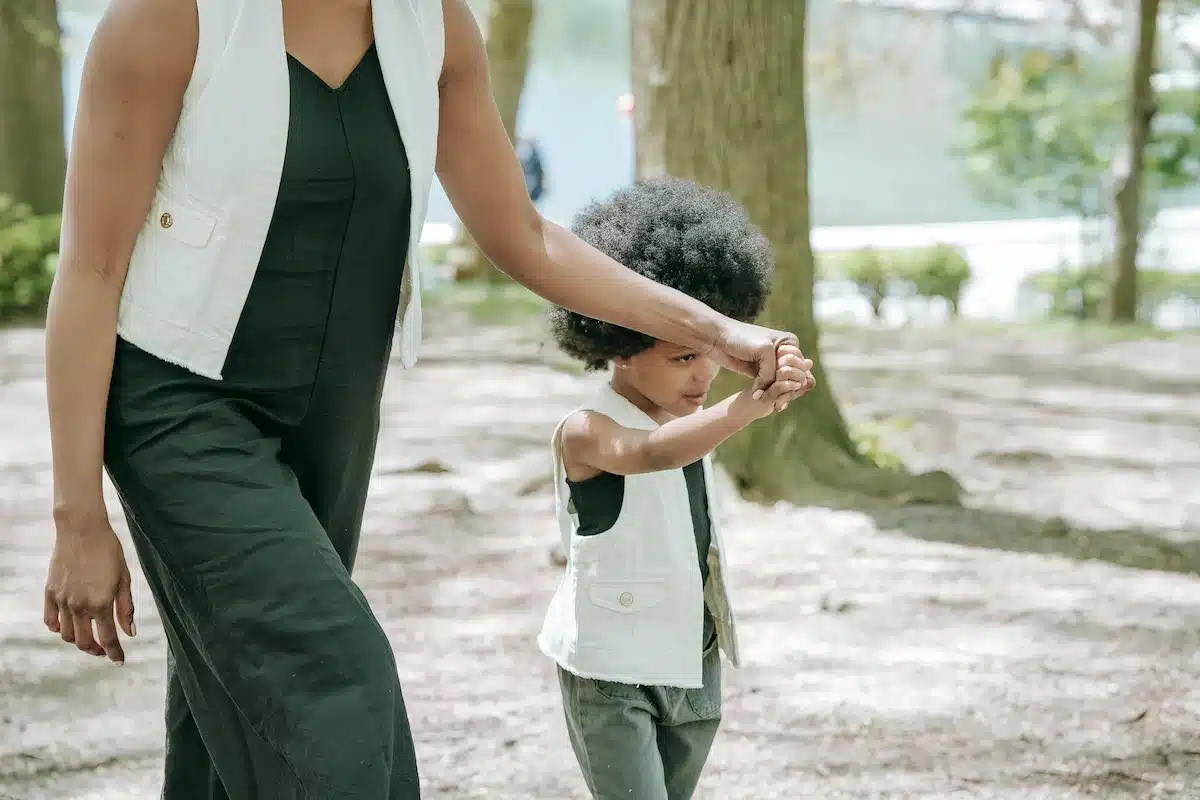
Photo from Pexels: Responsive parenting builds lifelong trust, helping children grow into resilient, confident, and emotionally secure individuals.
Measuring Progress: Signs of Success and When to Seek Support
You’ll know responsive parenting is taking root when your home feels calmer, communication flows more easily, and your child shows growing independence and empathy. Progress may be gradual but deeply rewarding.
Still, if you feel stuck or overwhelmed, professional support can make a difference. Parenting is a skill and like all skills, it can be learned with the right guidance.
Signs Responsive Parenting is Working
- Your child seeks comfort when upset.
- Conflicts resolved more smoothly.
- There’s more laughter and less tension.
- Your child shows empathy toward others.
- You feel more confident and connected as a parent.
When to Seek Extra Help
If your child struggles with persistent anxiety, withdrawal, or aggression, or you find yourself feeling constantly drained or disconnected, it may help to speak with a child psychologist, parenting coach, or family counsellor. Seeking support is a sign of strength, not failure.
Long-Term Mindset: Building Resilience and Independence
Responsive parenting plants the seeds for resilience. Children who grow up feeling secure become self-regulated teens who can manage challenges and relationships with confidence. Over time, your responsiveness helps them internalise safety, they carry your calm inside them, even when you’re not there.

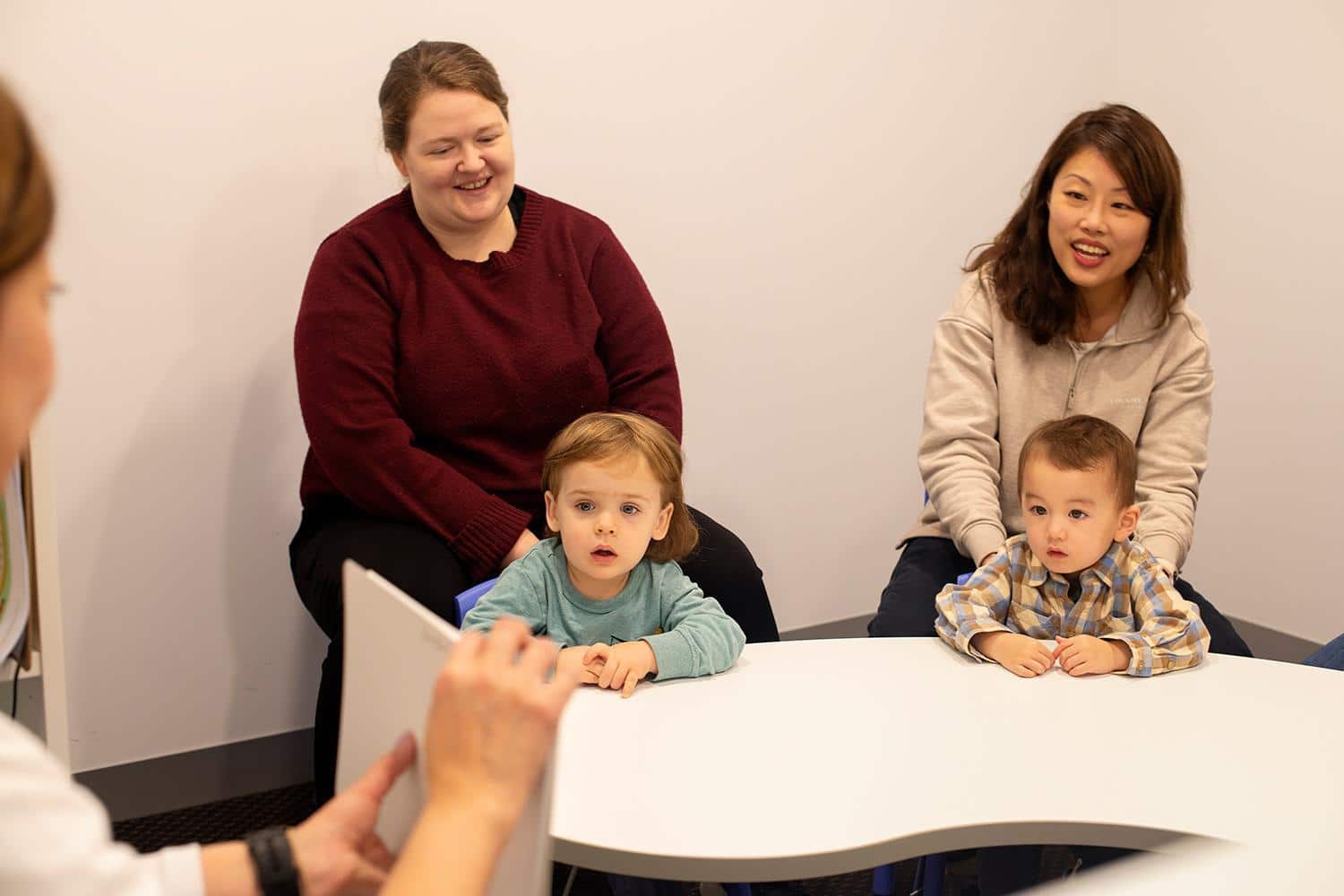
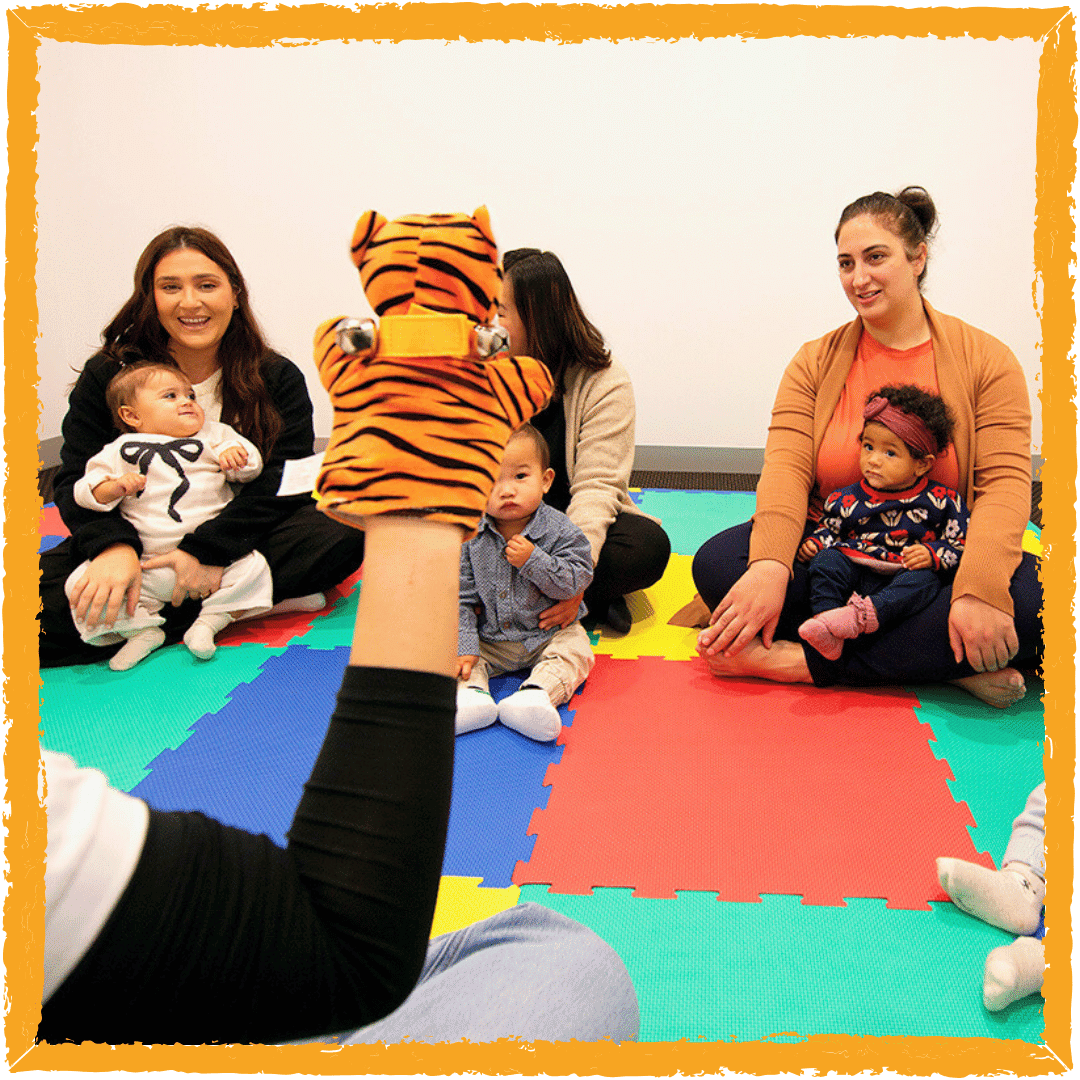
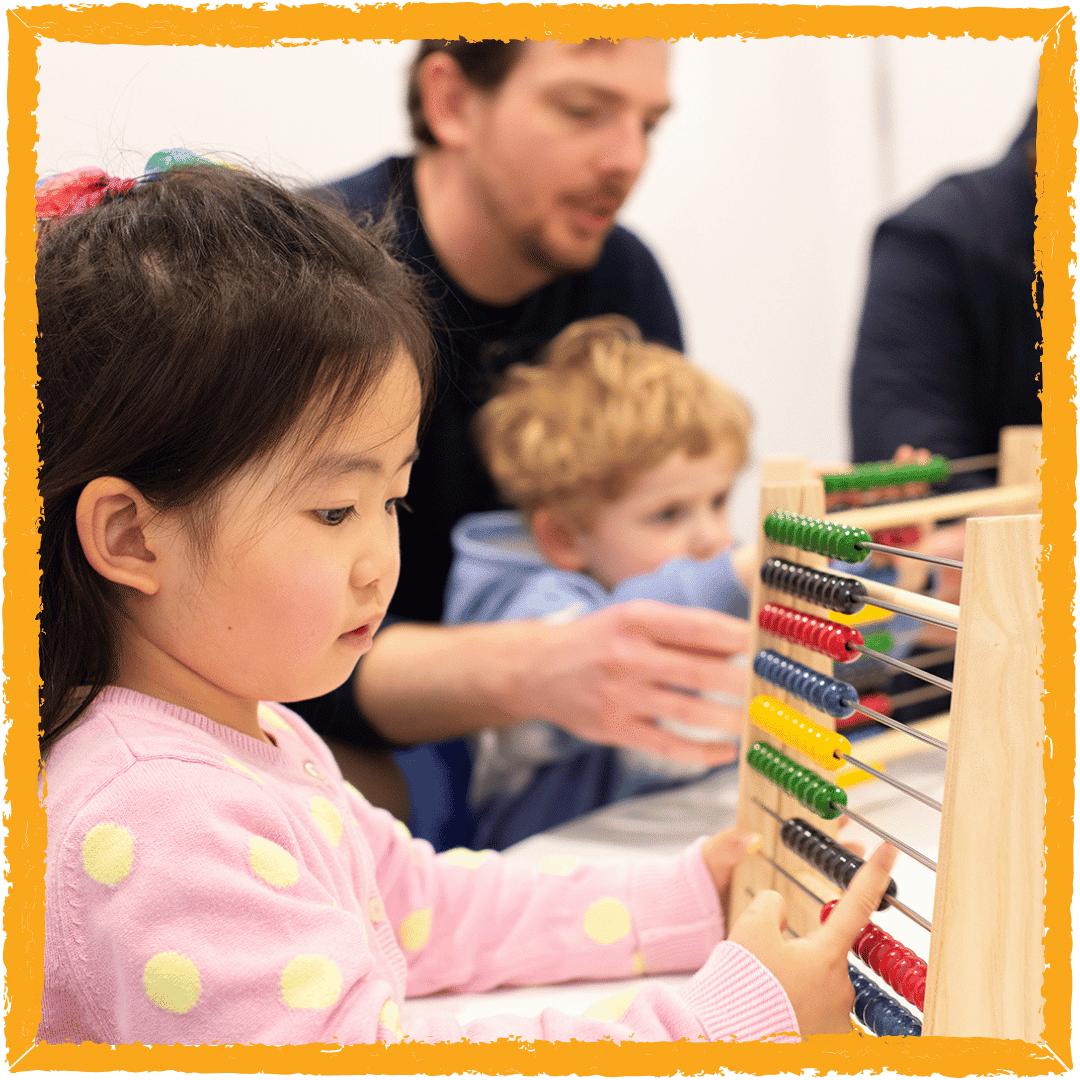
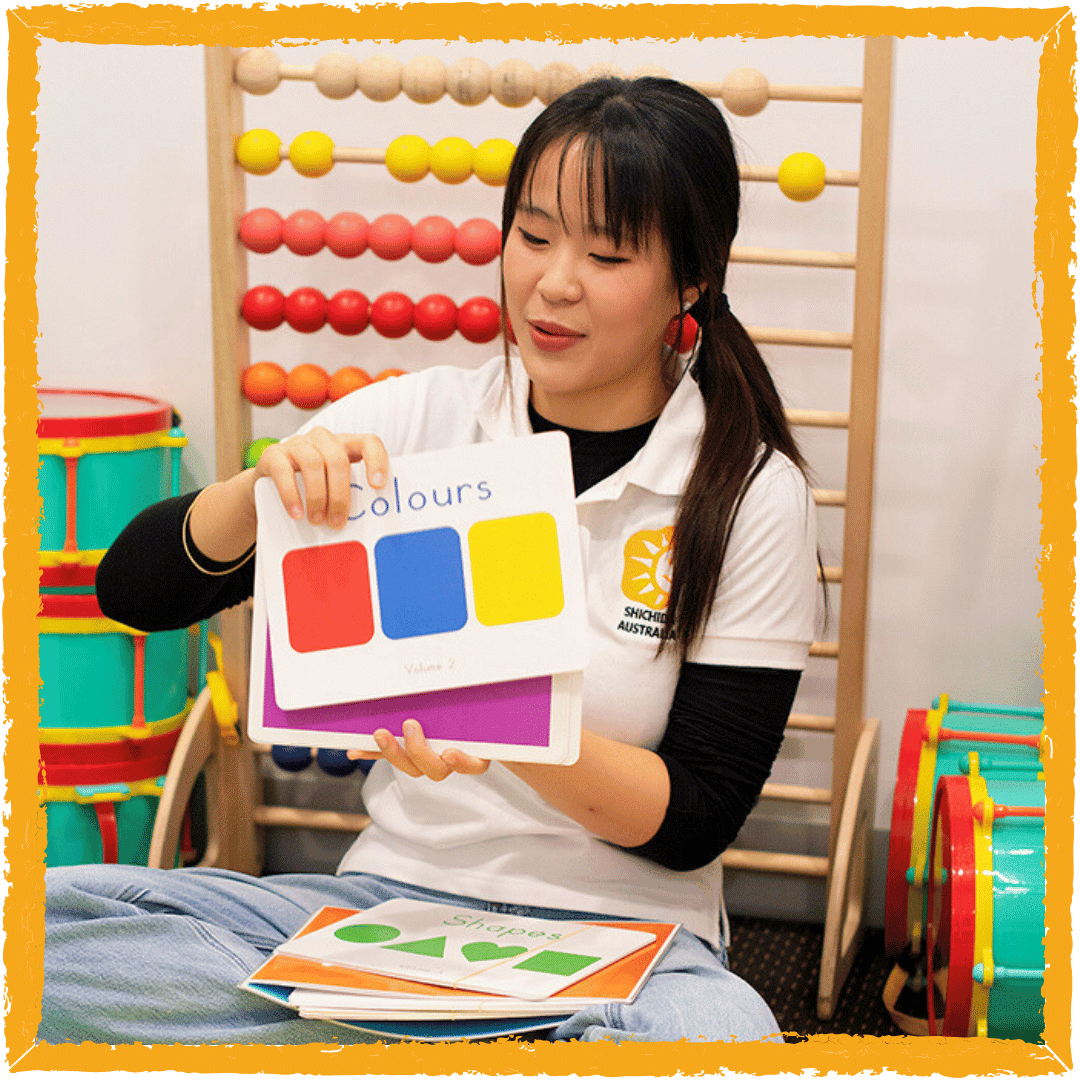
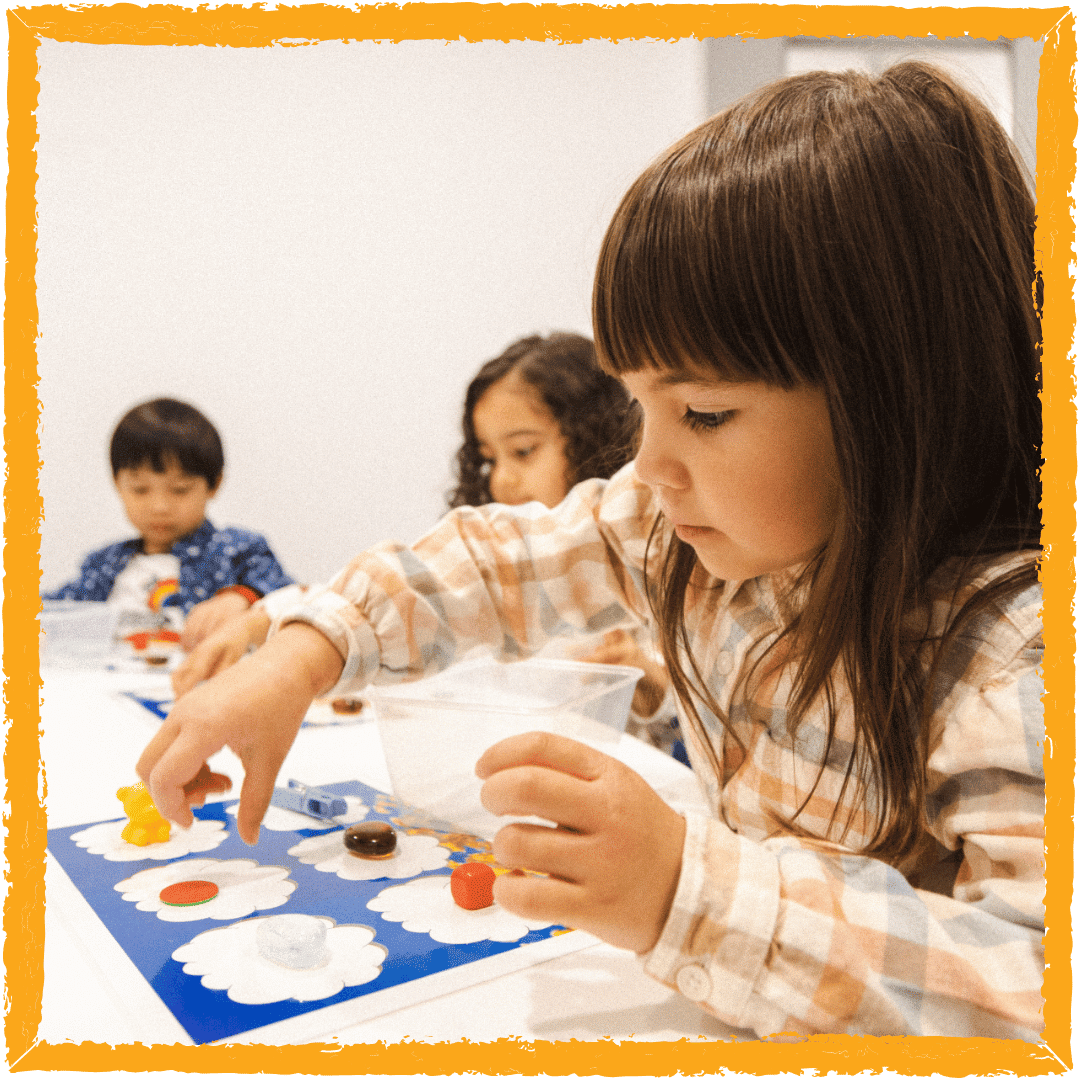
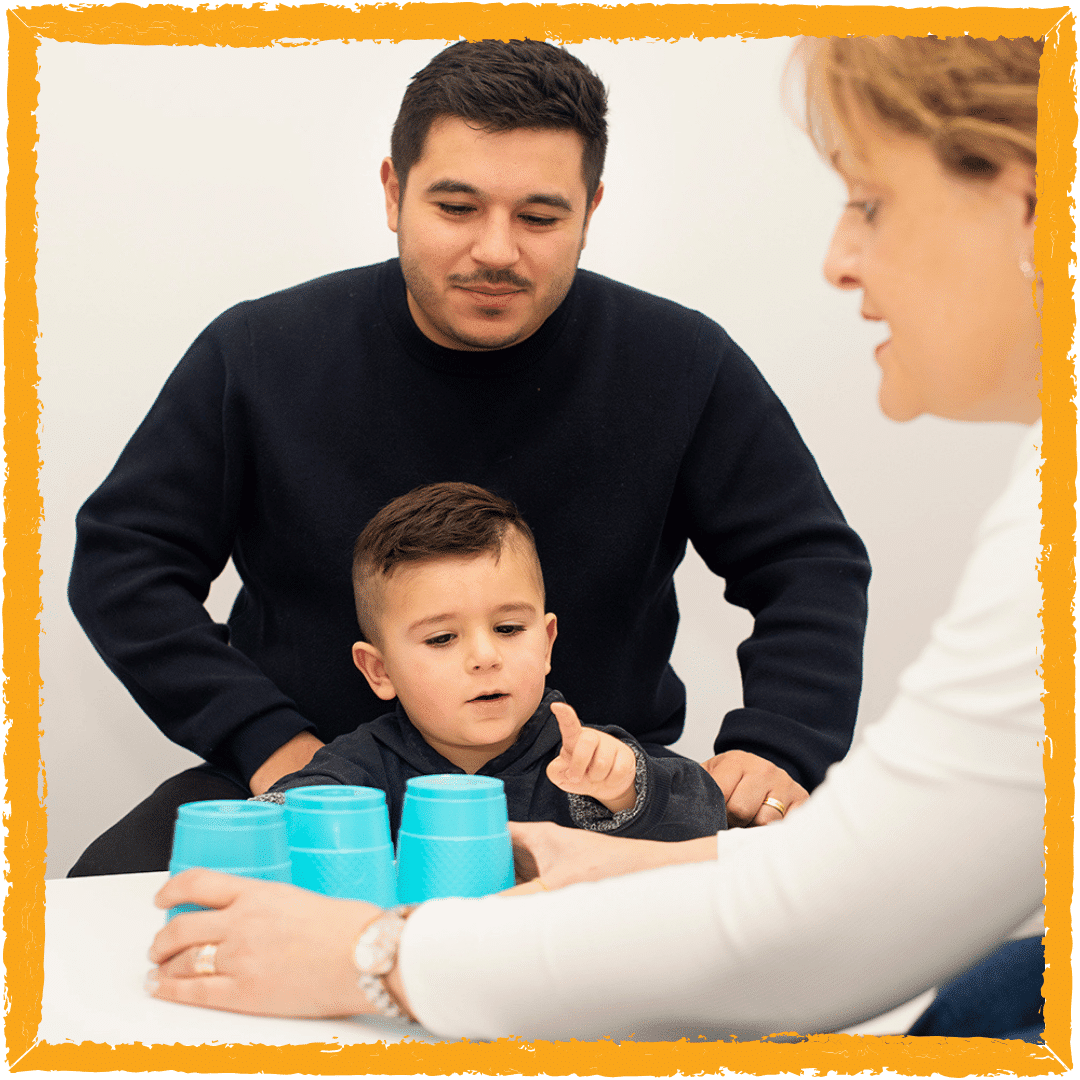
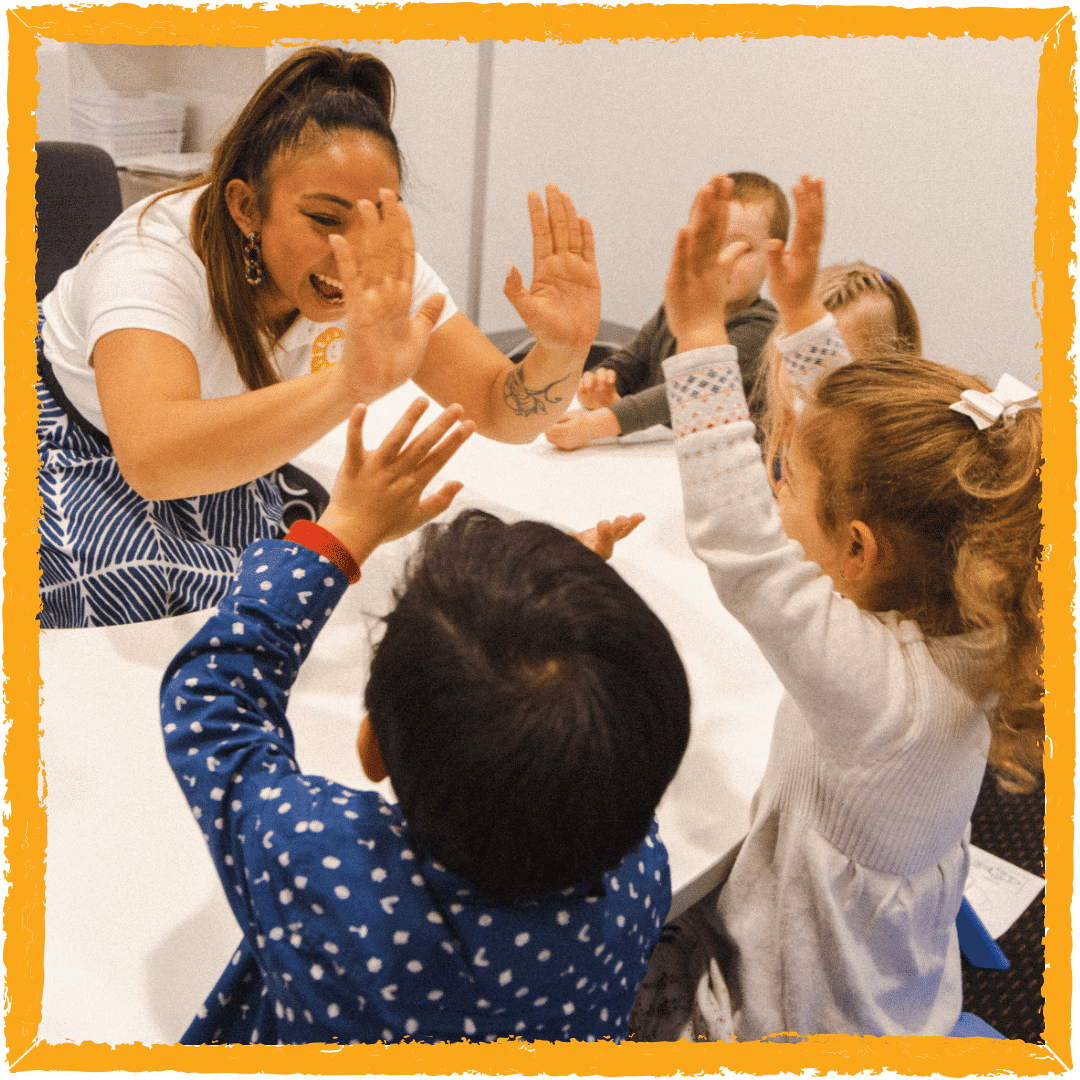
Image by Shichida Australia: Parents and children having fun while learning together in a Shichida class.
Ready to strengthen your connection with your child and support their growth in every way? At Shichida Australia, each class is built on the same principles as responsive parenting, tuning in, nurturing emotional intelligence, and helping children thrive through meaningful interaction and play. Discover how small, responsive moments can unlock your child’s full potential.
Book a trial class today and experience the Shichida Method in action!
FAQ: Responsive Parenting
Noticing your child’s signals, responding thoughtfully, and offering warmth and guidance from comforting tears to celebrating small wins.
Absolutely. Limits create safety. You can be firm yet kind, “I understand you’re upset, but it’s time to stop now.”
Never. Responsiveness works at any age. It may take time to rebuild trust, but consistent effort always matters.
Take care of yourself first. Short breaks, deep breaths, and realistic expectations help you stay calm and present.
Yes. Awareness is the first step. Reflect, seek support, and practise daily connection.
You’ll notice more warmth, cooperation, and emotional openness in your relationship, clear signs your connection is growing.
Yes. The Shichida Method is a unique early learning program that helps parents strengthen the parent–child bond through guided, one-on-one interaction. Each class encourages parents to tune in to their child’s cues, respond with warmth, and participate in engaging activities that nurture emotional security, focus, and communication.
By learning together in a supportive environment, parents gain new ideas for how to connect meaningfully at home – building the same trust and responsiveness that form the heart of responsive parenting.