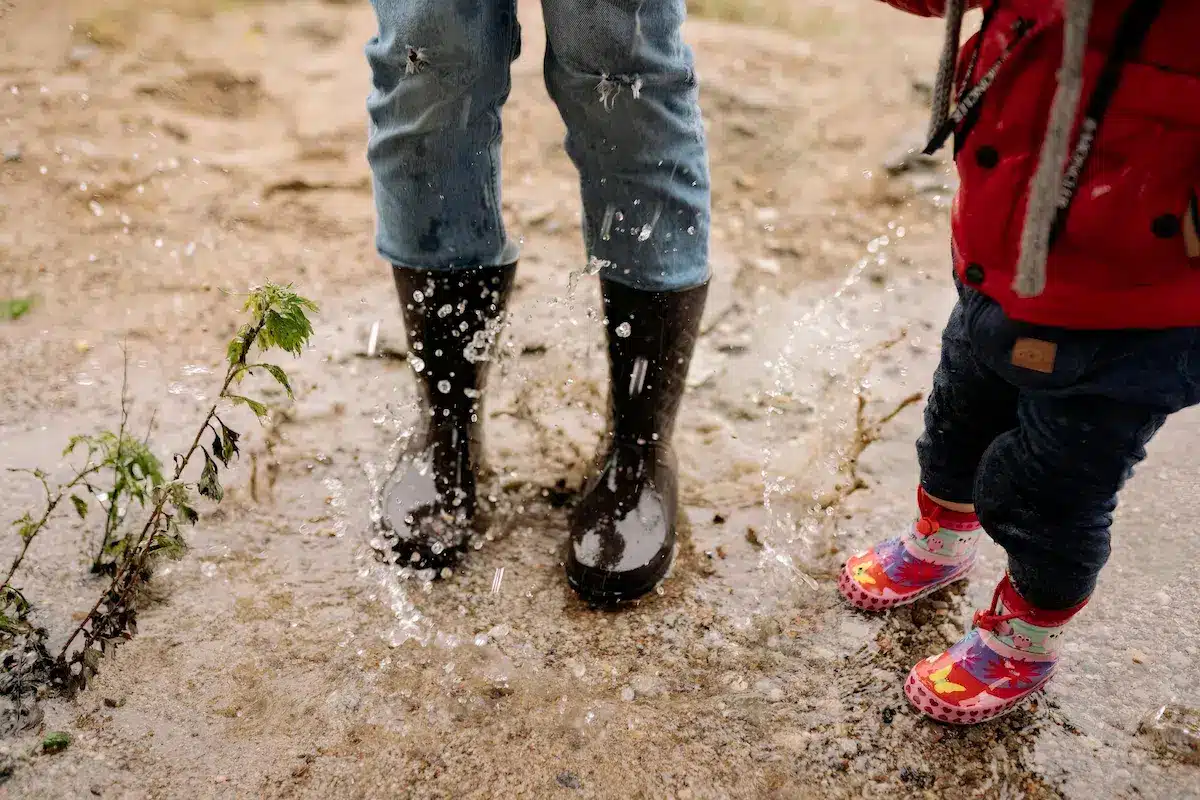
Photo from Pexels: Toddler puddle play, a joyful sensory experience in early childhood that builds coordination and curiosity.
Sensory Experience in Early Childhood: Age-Based Activities
Key Points
- Start sensory play from birth. Even simple experiences – like feeling a soft blanket or hearing gentle music – help babies understand the world and form early brain connections.
- Offer variety. A mix of sights, sounds, textures, and movements strengthens neural pathways, boosts creativity, and builds problem-solving skills.
- Support emotional regulation. Sensory play, such as water play or playdough, can calm children, reduce anxiety, and teach them to manage big feelings.
- Build early learning foundations. Everyday sensory experiences can introduce literacy and numeracy concepts – like sorting, counting, and describing what they see or feel.
- Keep it safe and simple. Always check for choking hazards, use taste-safe materials for young children, and create easy-to-clean play setups.
Picture your baby crinkling wrapping paper, your toddler splashing in a puddle, or your preschooler running their fingers through sand. These moments aren’t just play – they’re powerful sensory experiences that shape how children learn about the world.
Through sight, sound, touch, taste, smell, and movement, children process information and build the foundations for thinking, language, and emotional growth.
It’s easy to confuse sensory experiences with sensory play. A sensory experience might be hearing birds sing or feeling the wind, while sensory play is a hands-on activity you set up – like a rice bin or water table – to guide learning through exploration.
This guide explains what sensory experiences are, why they matter, and how to create safe, engaging activities at home or outdoors.
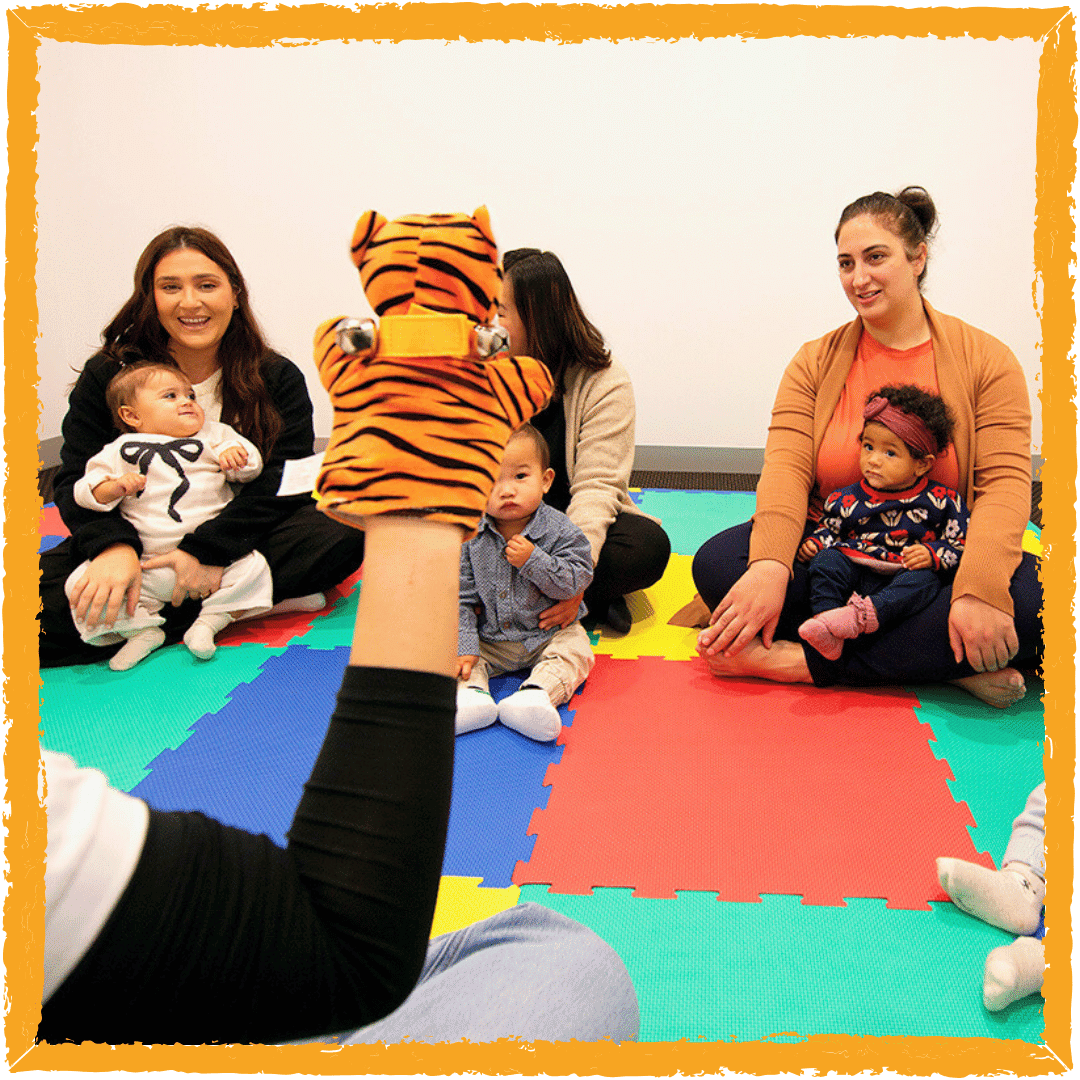
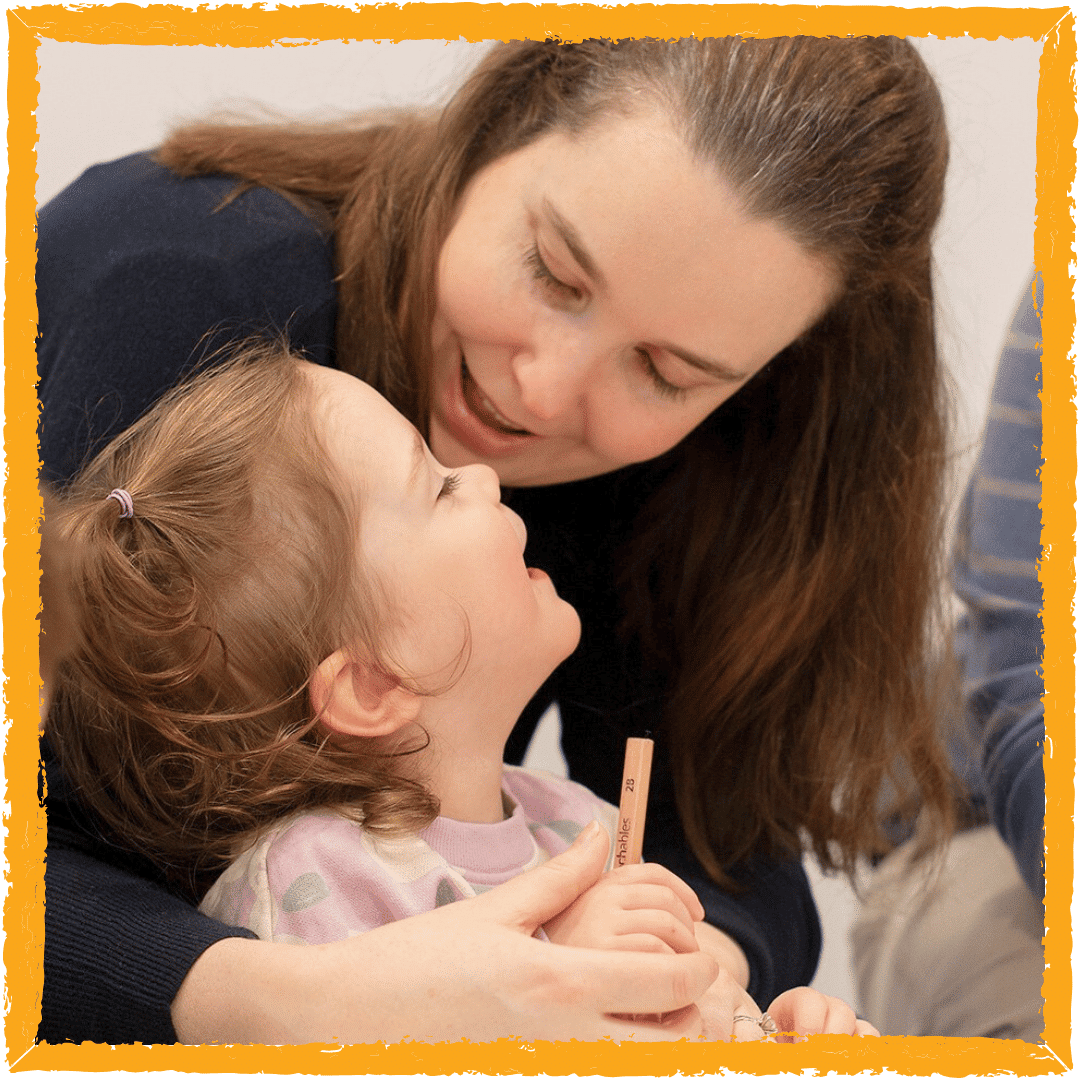
If you’re looking for great ideas, try a Shichida class where sensory learning and hands-on-experiences are weaved into early education, helping children strengthen memory, creativity, and emotional awareness through play.
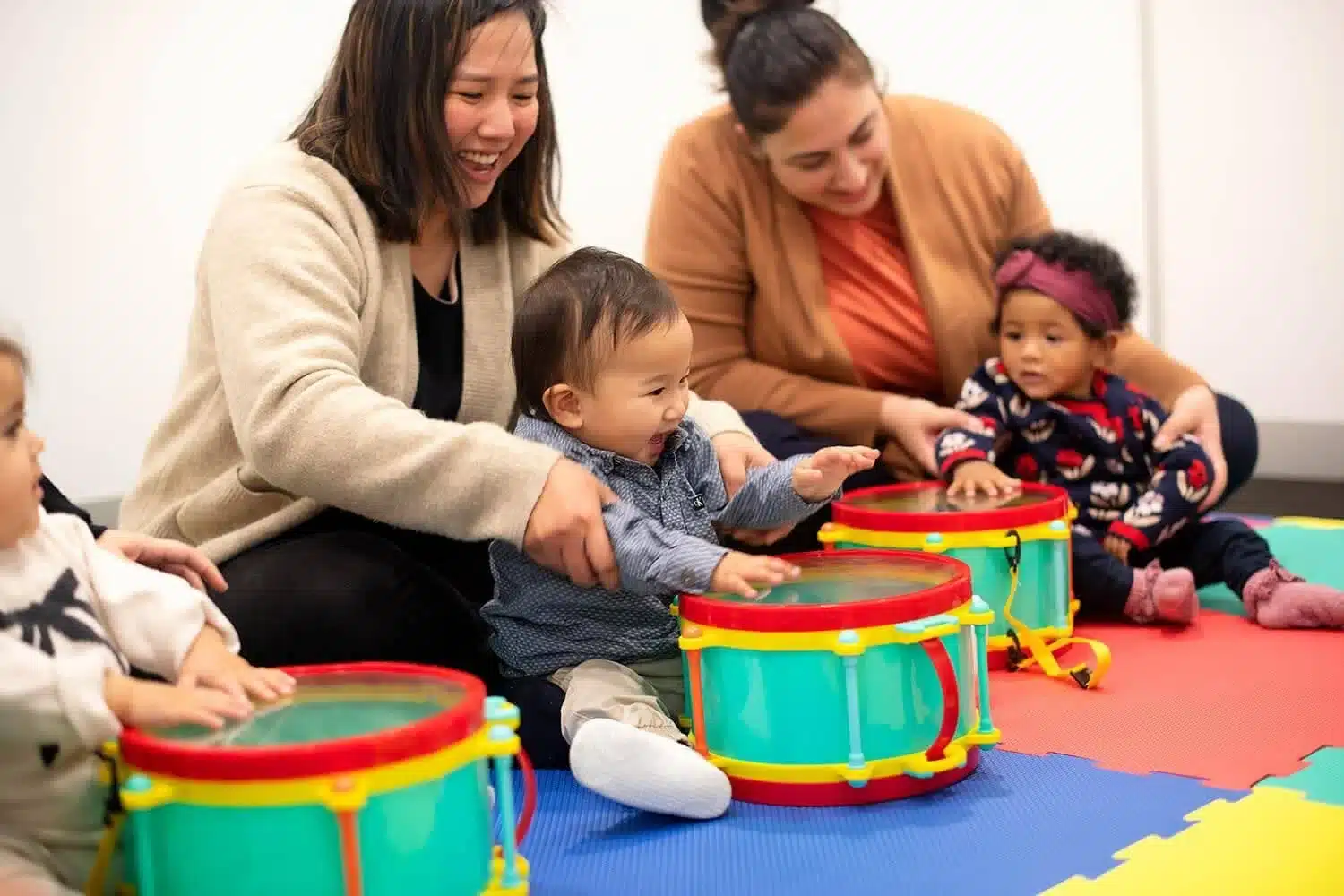
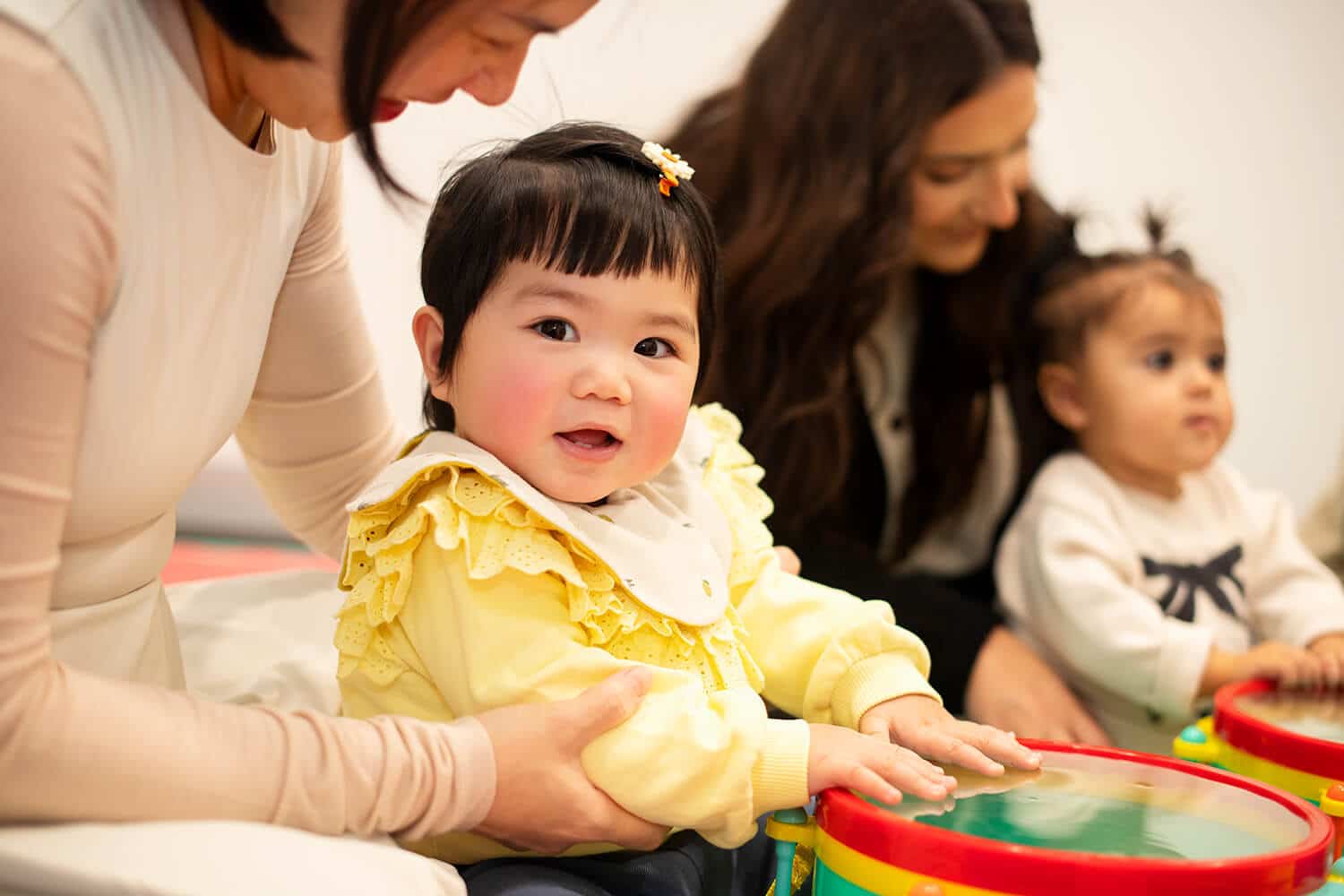
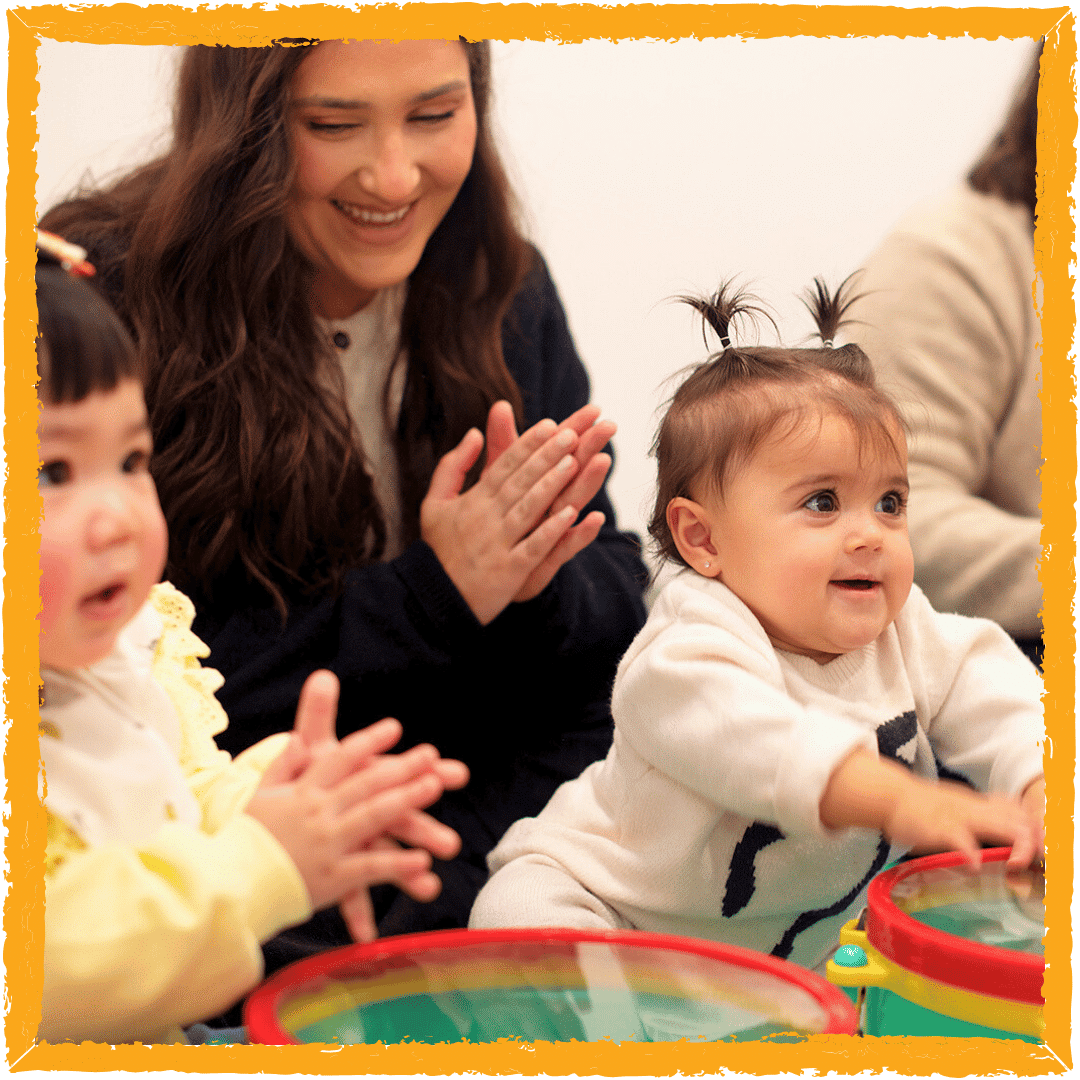
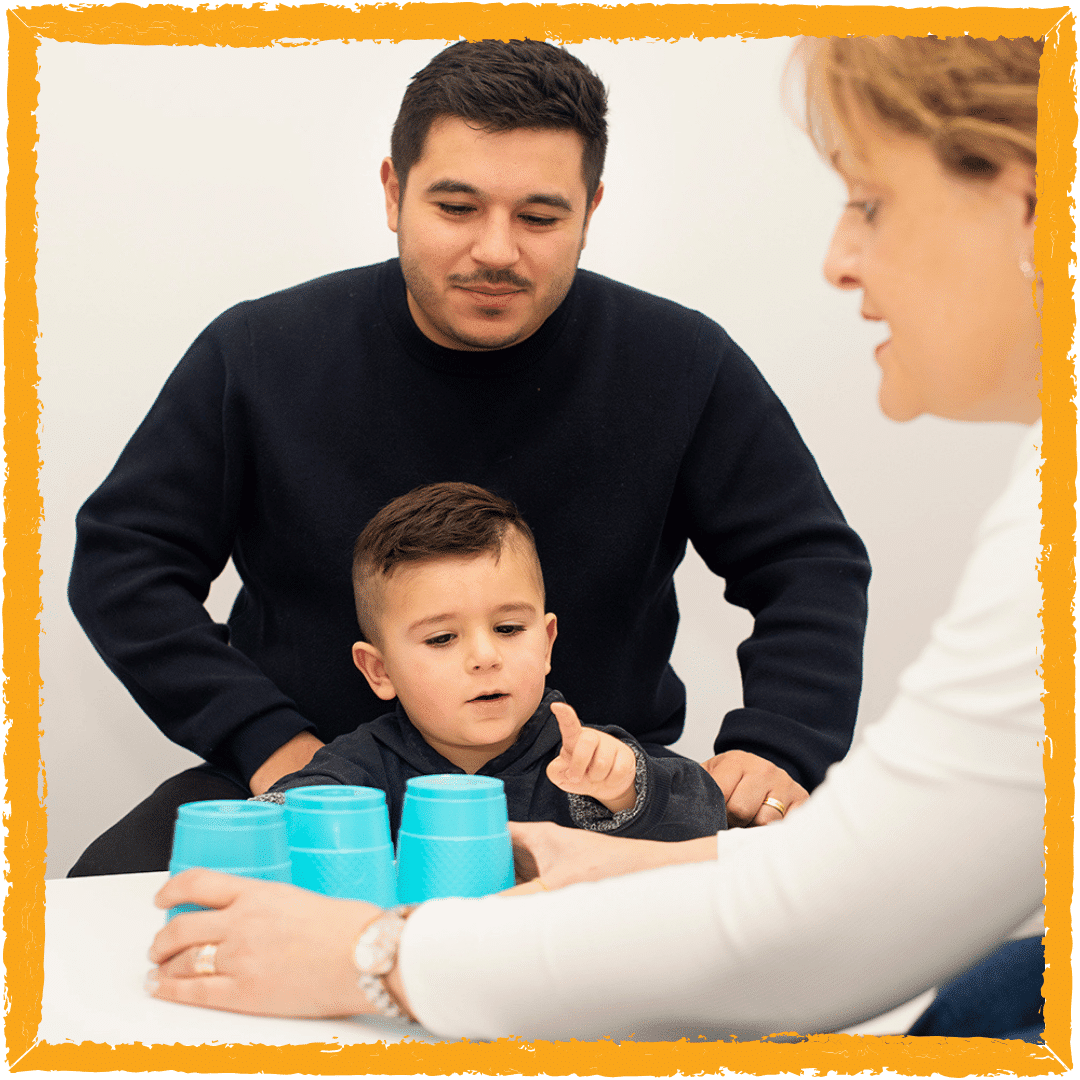
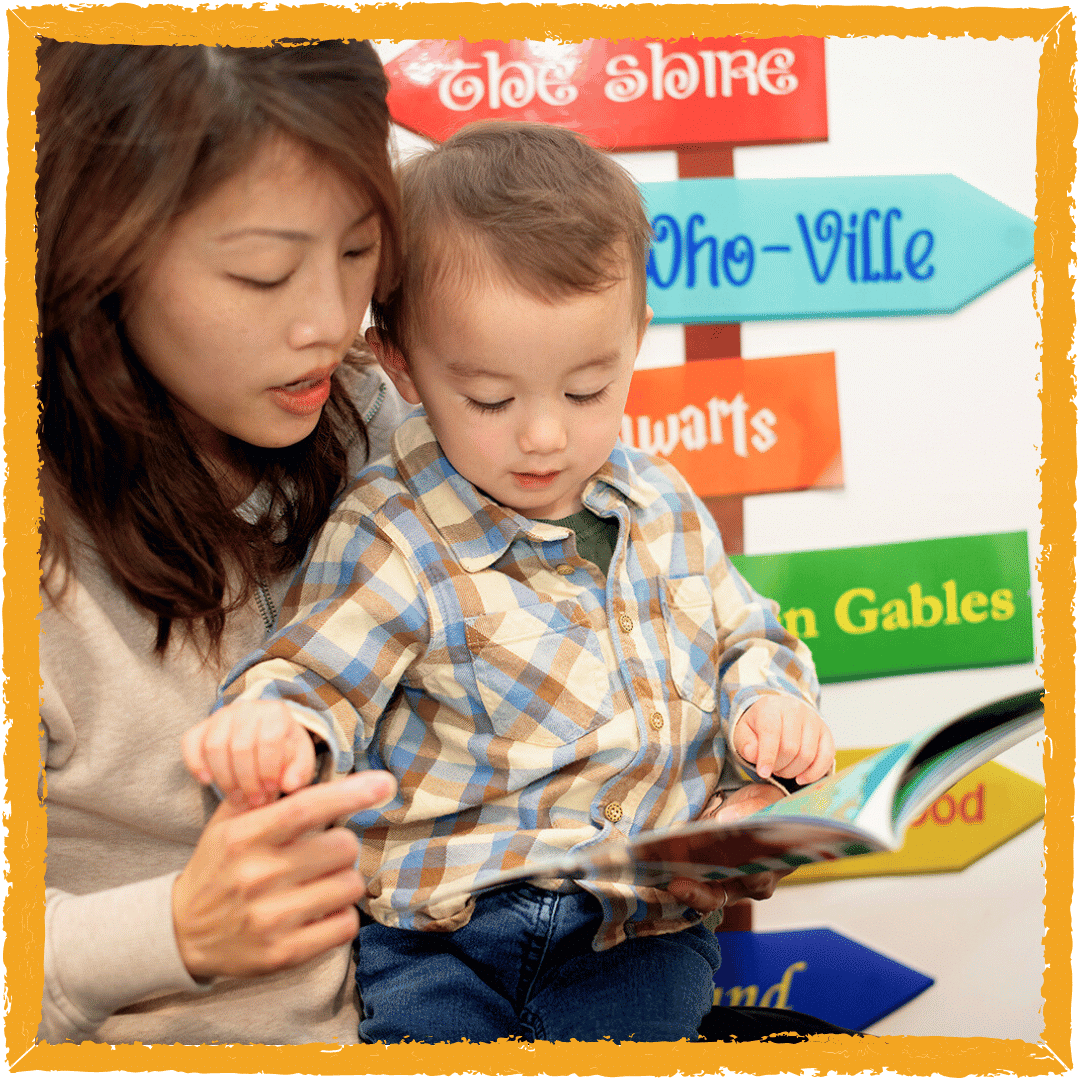
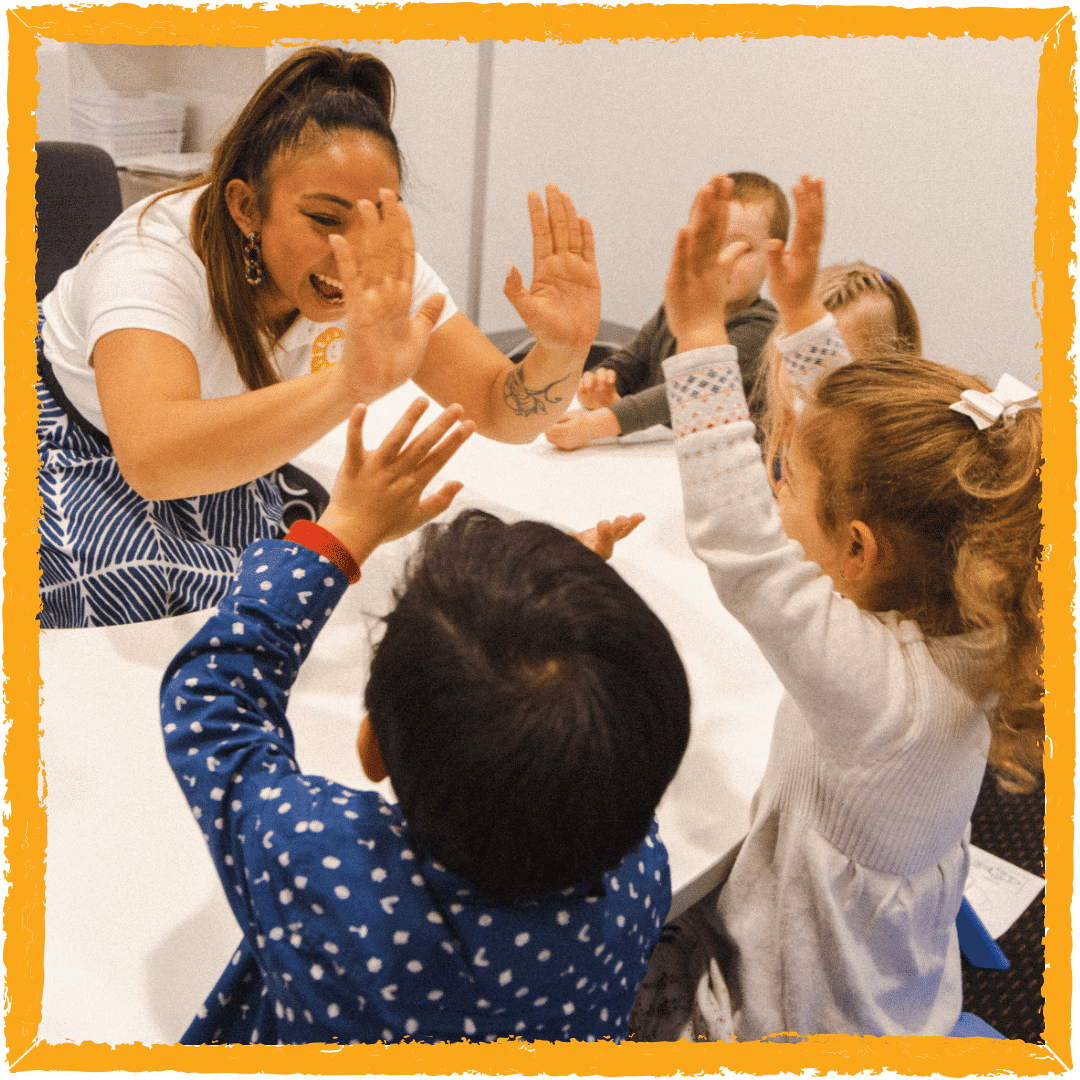
Photo by Shichida Australia: Babies drumming along to nursery rhymes – a hands-on sensory experience that combines rhythm, music, and sensory play.
What is a Sensory Experience?
A sensory experience in early childhood is any activity or situation that engages a child’s senses. When your baby touches a soft blanket, when your toddler smells flowers in the garden, or when your preschooler tastes something new, they’re not just noticing sensations, they’re learning.
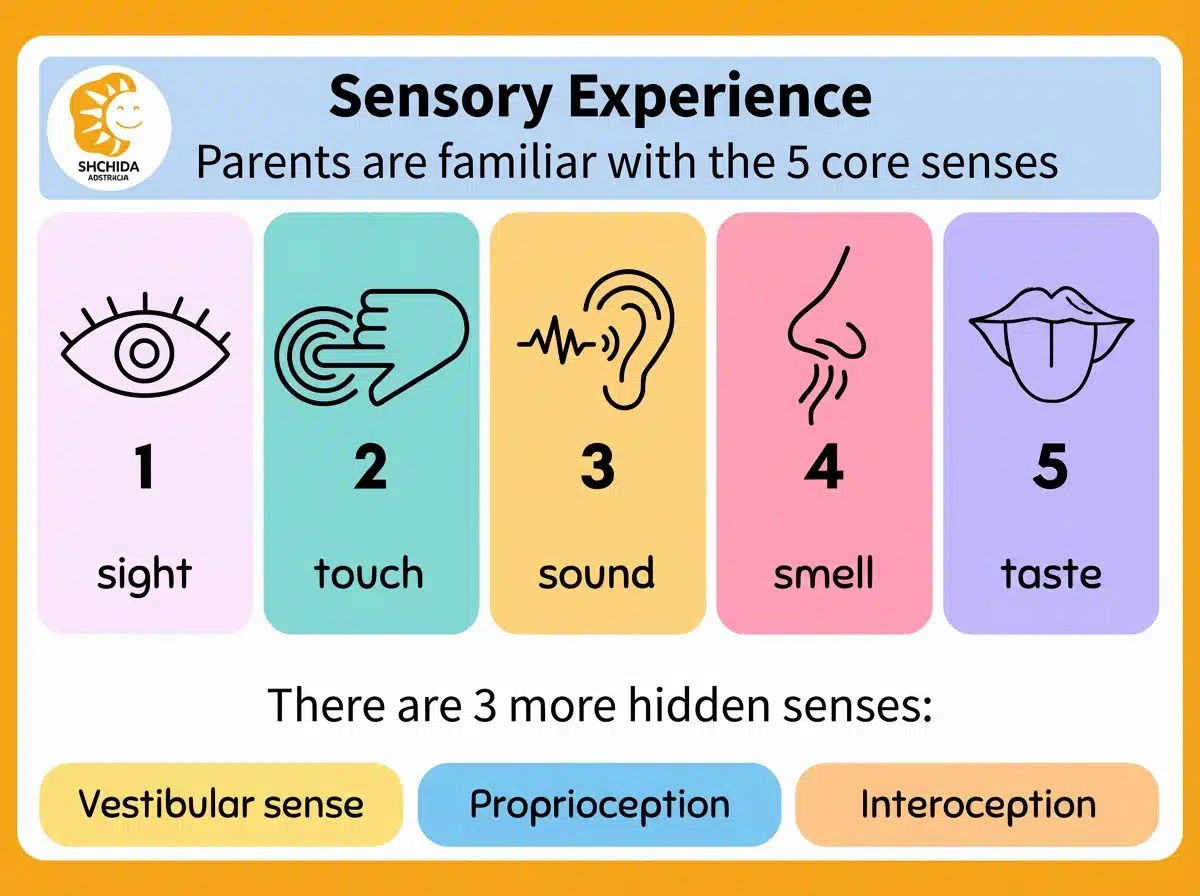
Parents are familiar with the five core senses:
- Sight – noticing shapes, colours, and contrasts
- Sound – listening to voices, instruments, or natural sounds
- Touch – exploring textures like smooth, rough, bumpy, or sticky
- Taste – discovering sweet, salty, sour, or bitter flavours
- Smell – recognising scents from food, flowers, or the environment
But sensory development goes beyond these five. Experts identify three more hidden senses that are just as important:
- Vestibular sense – balance and movement, developed through spinning, swinging, or running
- Proprioception – awareness of body position, developed by climbing, pushing, pulling, or lifting
- Interoception – internal sensations such as hunger, thirst, or needing the toilet
Why Sensory Experiences Matter for Child Development
You may wonder, why are sensory experiences important? The answer is simple, they are the building blocks of brain development, emotional regulation, and social interaction.
Building Brain Connections and Memory
Every time your child experiences something new, their brain fires neurons to create pathways. The more varied and repeated the experiences, the stronger these connections become. A toddler playing with sand is not only enjoying the texture but also learning about volume, cause and effect, and even early physics.
These activities nurture memory and cognitive growth.
Supporting Emotional Regulation & Calming Anxiety
Sensory activities for children can have a calming effect. The feel of soft fabrics, the rhythm of rocking, or the repetitive motion of water play can help children manage stress and anxiety. For children with big emotions, sensory activities provide an outlet to self-soothe and build resilience.
Encouraging Social Skills & Language Development
When children share sensory bins, take turns pouring water, or describe textures, they practise communication and cooperation. Describing sensations (“It feels squishy,” “This smells sweet”) also builds vocabulary and encourages expressive language.
Benefits of Sensory Experiences at Home and in Early Learning Settings
Parents often ask about the benefits of sensory experience. The truth is, they extend far beyond playtime.
Fine & Gross Motor Skills
Simple actions like squeezing sponges, threading beads, or digging in sand help children strengthen both fine and gross motor skills. Fine motor development supports writing and self-care tasks like buttoning clothes, while gross motor activities improve balance, strength, and coordination.
Creative Thinking & Problem-Solving
Sensory play sparks imagination. A cardboard box becomes a cave, sand becomes treasure, and leaves become cooking ingredients. These activities encourage children to think creatively, test ideas, and solve problems.
Early Literacy & Numeracy Readiness
Sensory activities prepare children for reading and maths without worksheets or pressure. Writing letters in shaving foam, clapping rhythms, or counting shells all build the groundwork for literacy and numeracy.
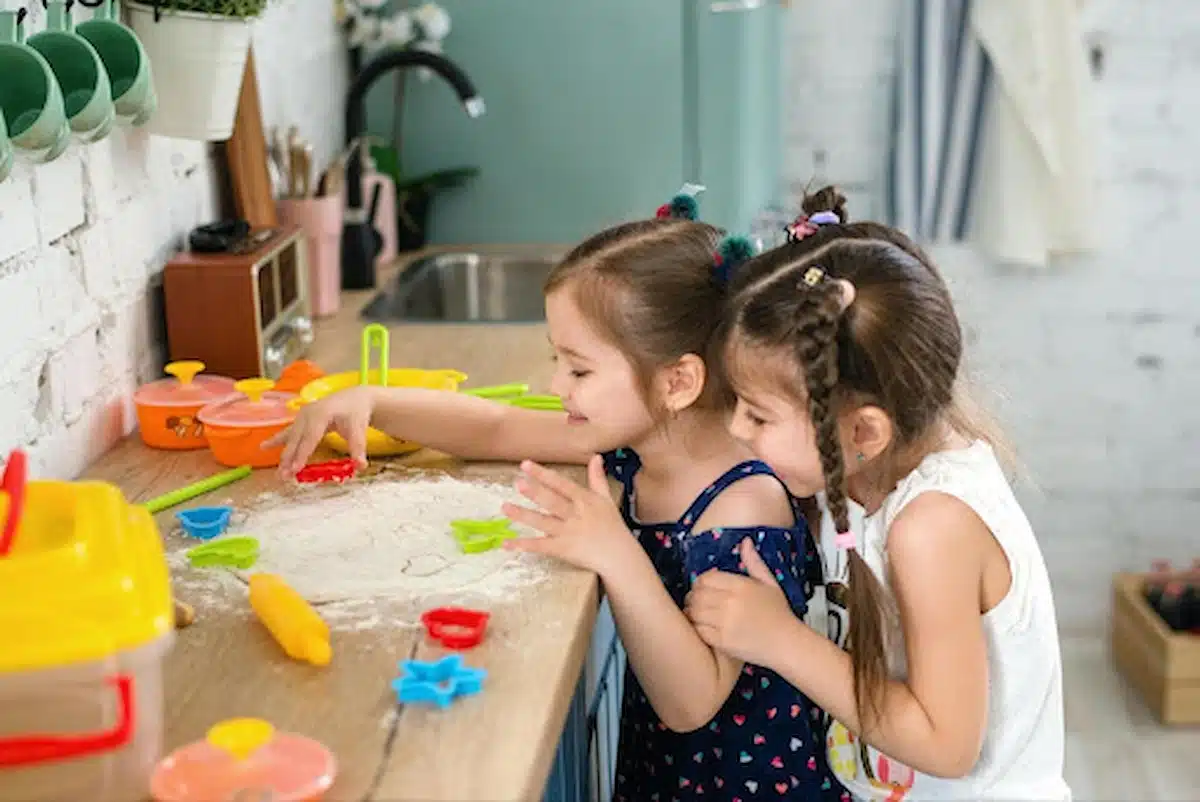
Photo from Pexels: Kids playing with flour enjoy a messy sensory experience in early childhood, enhancing touch, creativity, and fine motor skills.
Practical Sensory Experience Activities
Every child develops at their own pace, but here are age-appropriate sensory activities for children you can try:
Infants (0-12 months)
- Tummy time on textured mats
- Exploring fabrics (velvet, cotton, silk)
- Listening to rattles or gentle music
- Playing peekaboo with scarves
- Watching bubbles float and pop
- Stacking soft blocks
Toddlers (1-3 years)
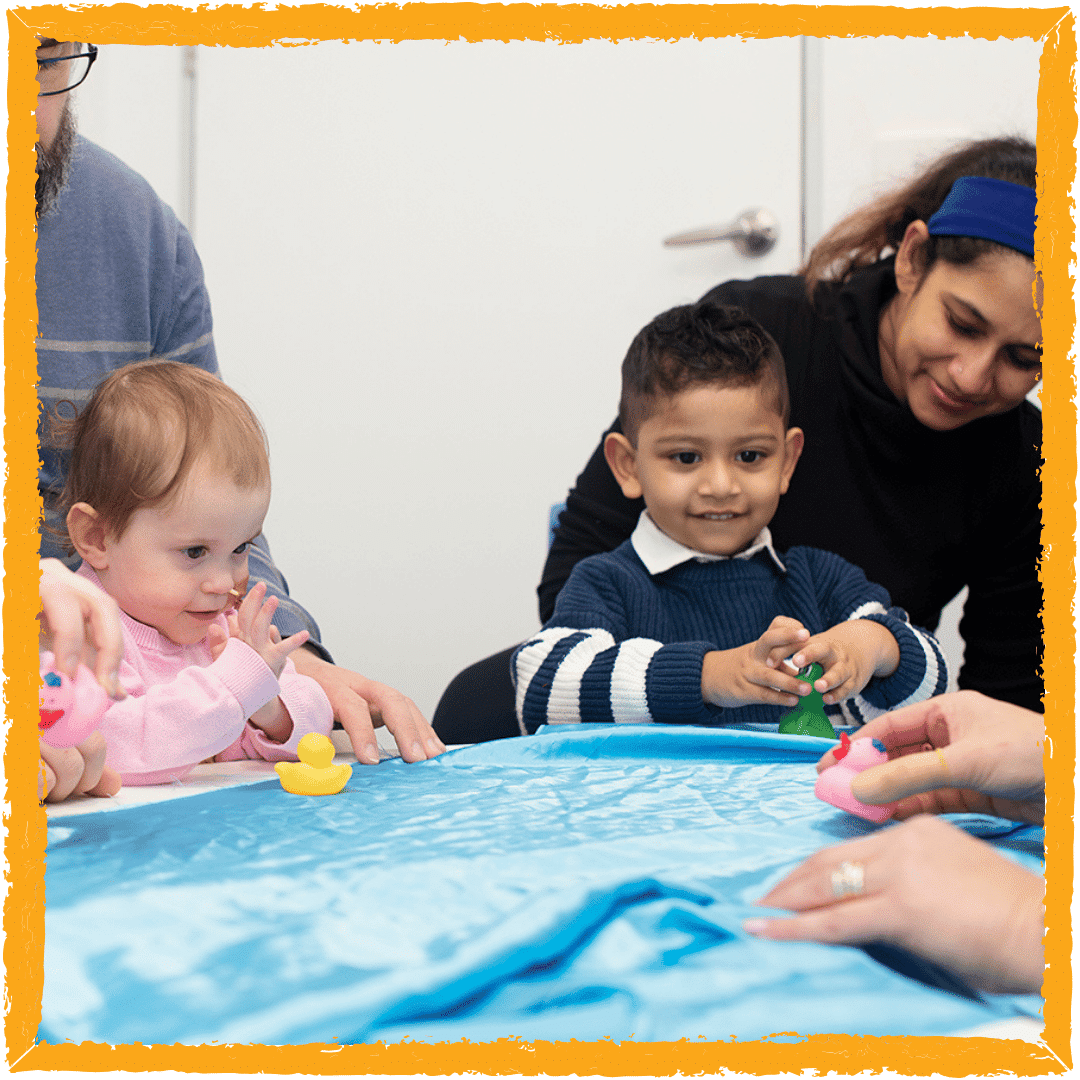
- Water pouring with cups and jugs
- Edible sensory bins (pasta, cereal, jelly)
- Finger painting with non-toxic paints
- Exploring playdough and clay
- Nature baskets with leaves, pinecones, and stones
- Stringing beads
Preschoolers (3-5 years)
- Collecting natural objects on a walk
- Building with kinetic sand
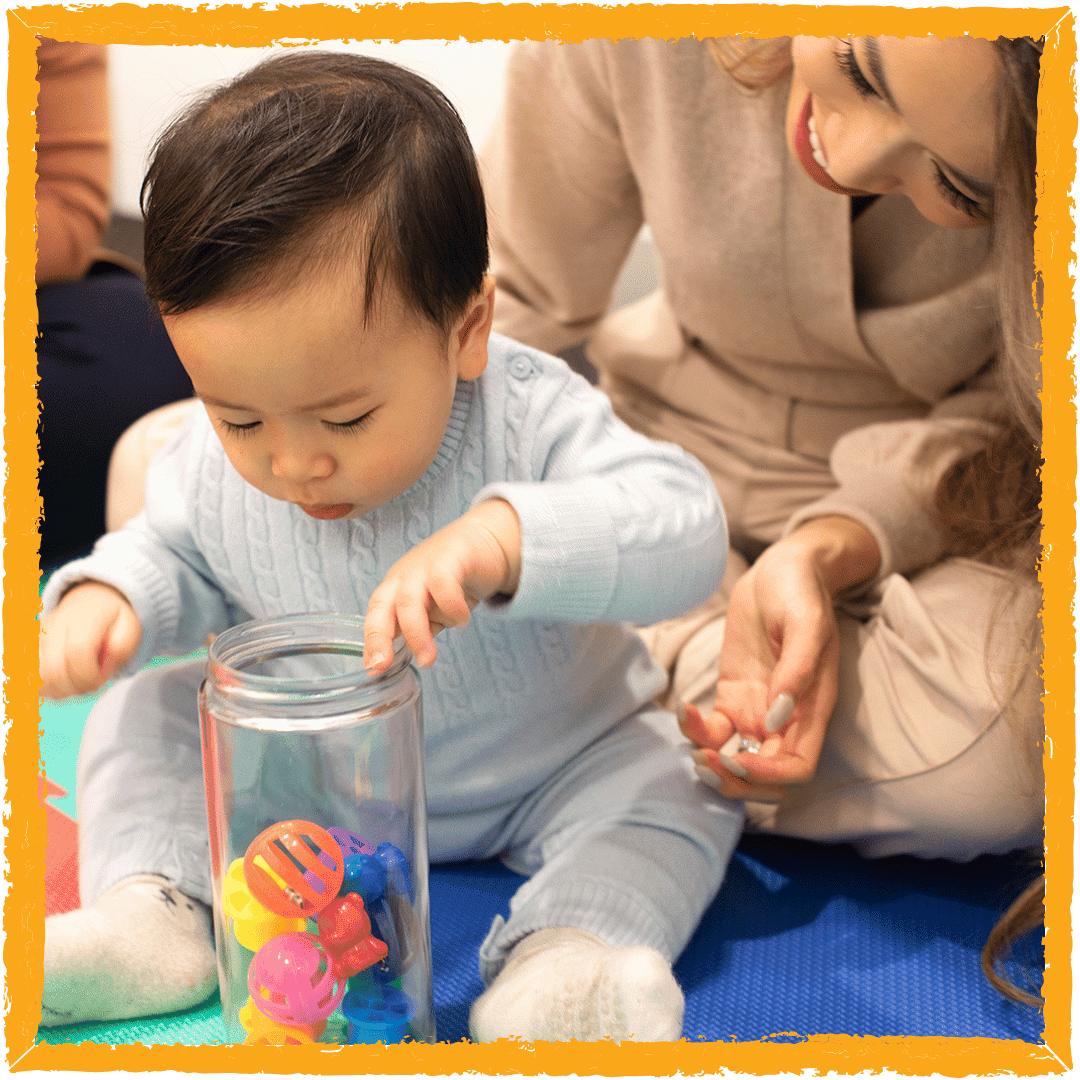
- Making sound jars with rice, beans, or bells
- Mixing food colouring into water
- Sorting objects by texture, shape, or colour
- Building large block towers
Tip: Start with short sessions of 10–15 minutes, and gradually extend them as your child’s interest grows.
Creating Safe and Supportive Sensory Environments
Safety is vital when setting up sensory play. Here are key things to consider:
- Allergies: Check ingredients carefully. Avoid nuts or strong scents if your child is sensitive.
- Choking hazards: Avoid small items for children under three. Use larger objects like chunky beads or soft blocks.
- Mess management: Place messy play on trays or outside to make clean-up easier.
Indoor sensory ideas
Musical instruments, fabric baskets, playdough, textured puzzles, blocks, stringing and sorting activities
Outdoor sensory ideas
Water play in the garden, digging in soil, sand pits, chalk drawing on the sidewalk
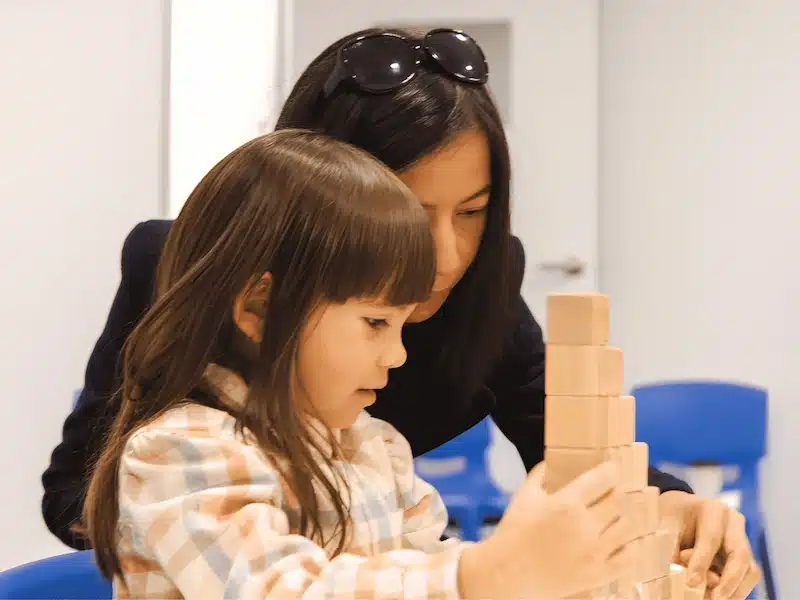
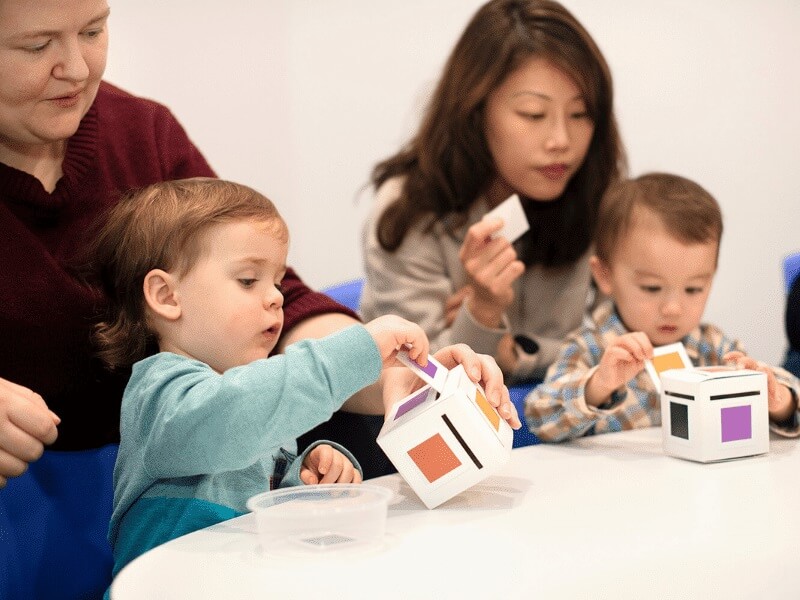
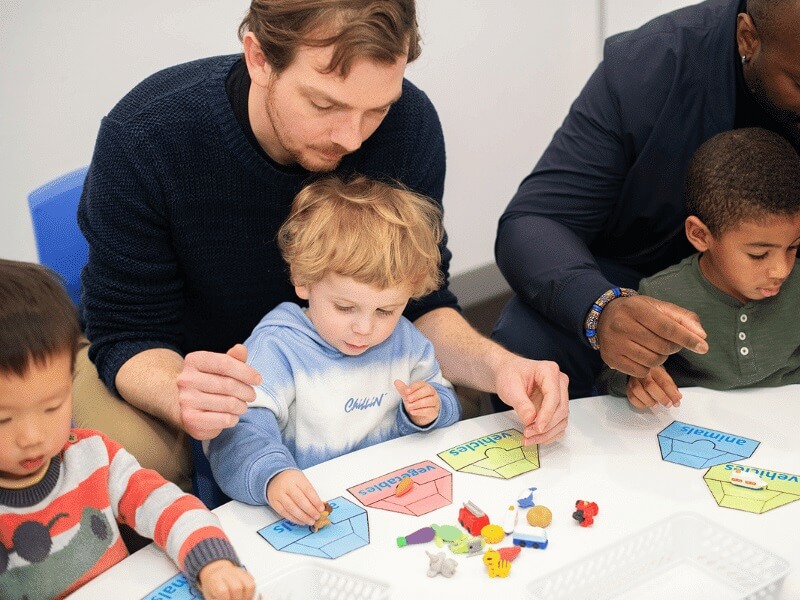
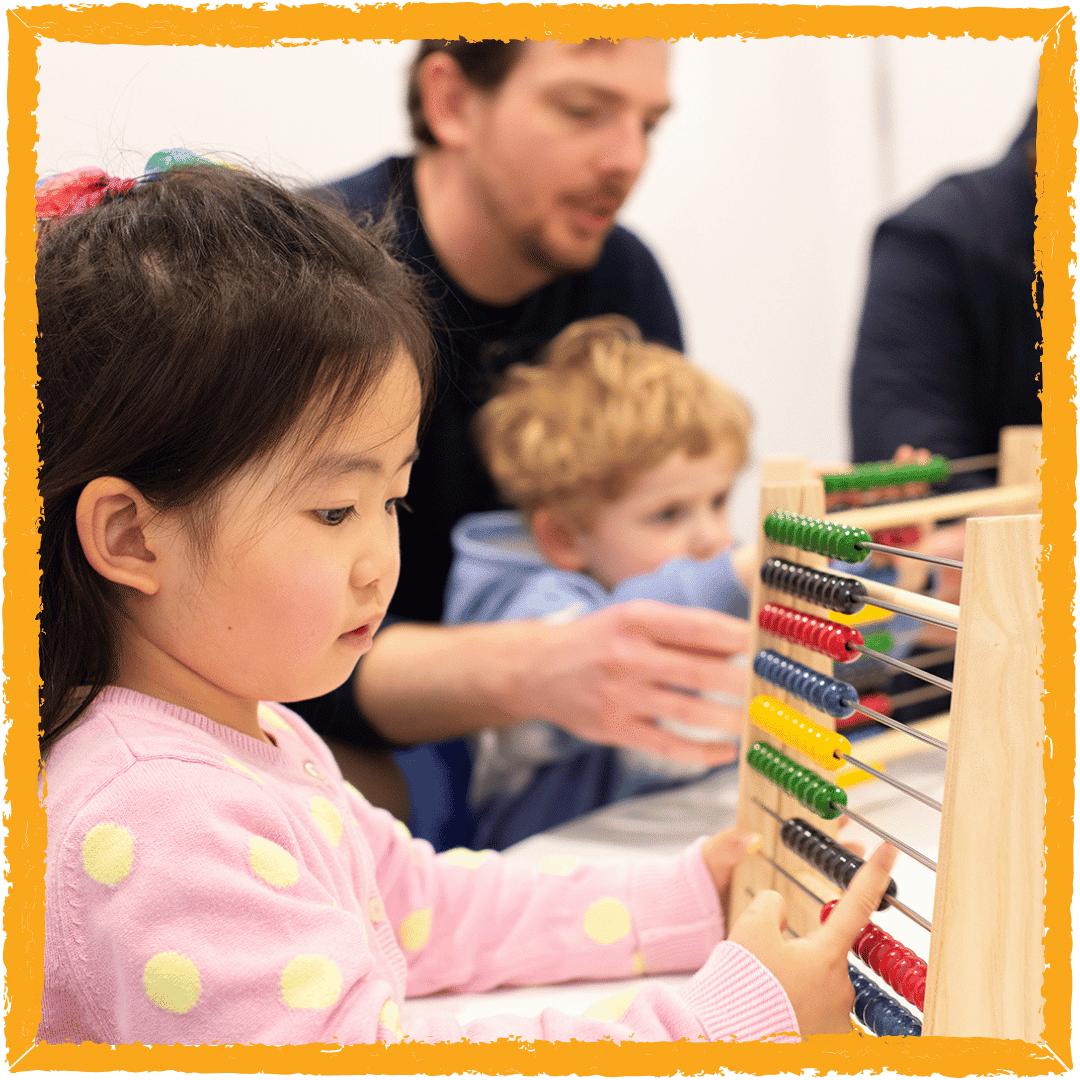
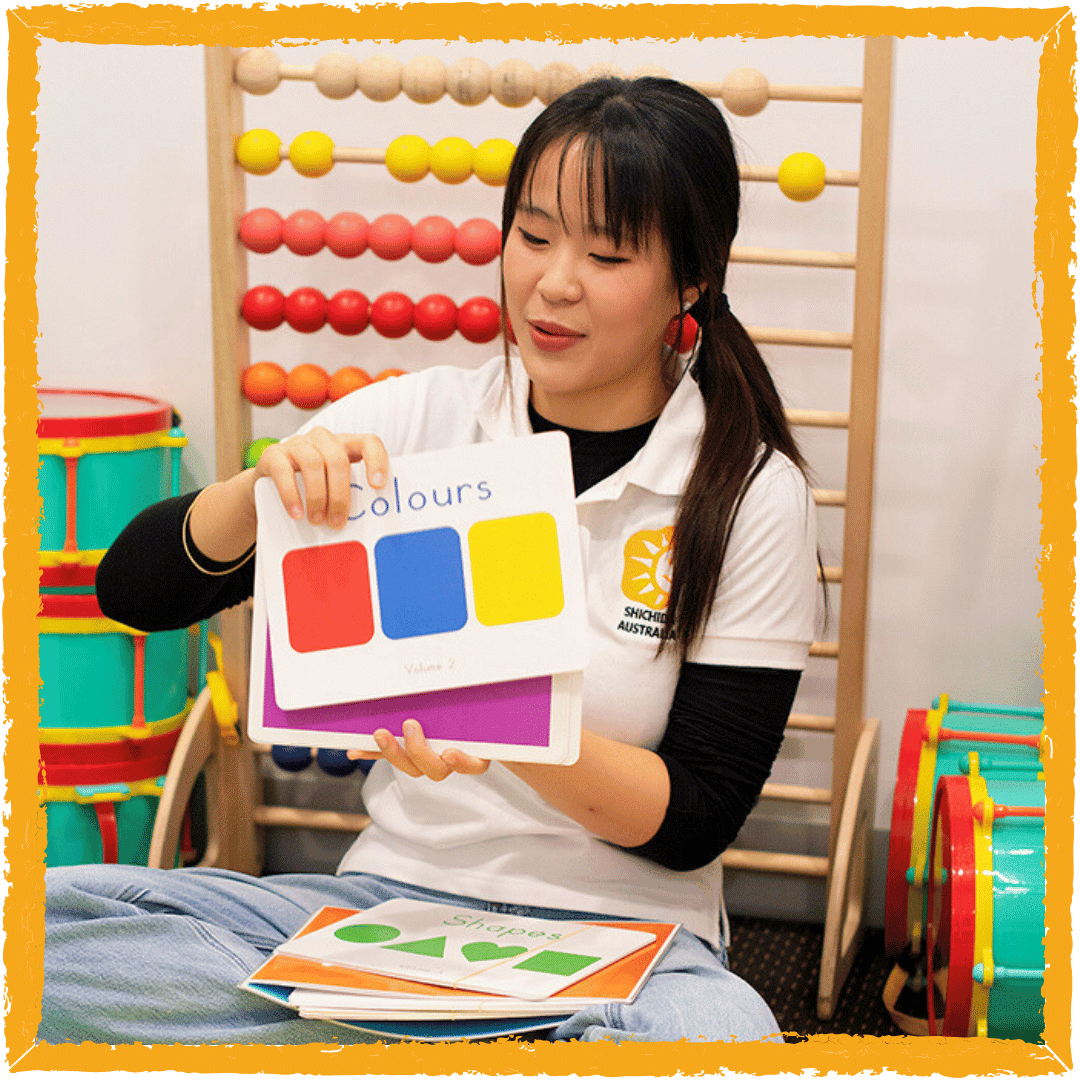
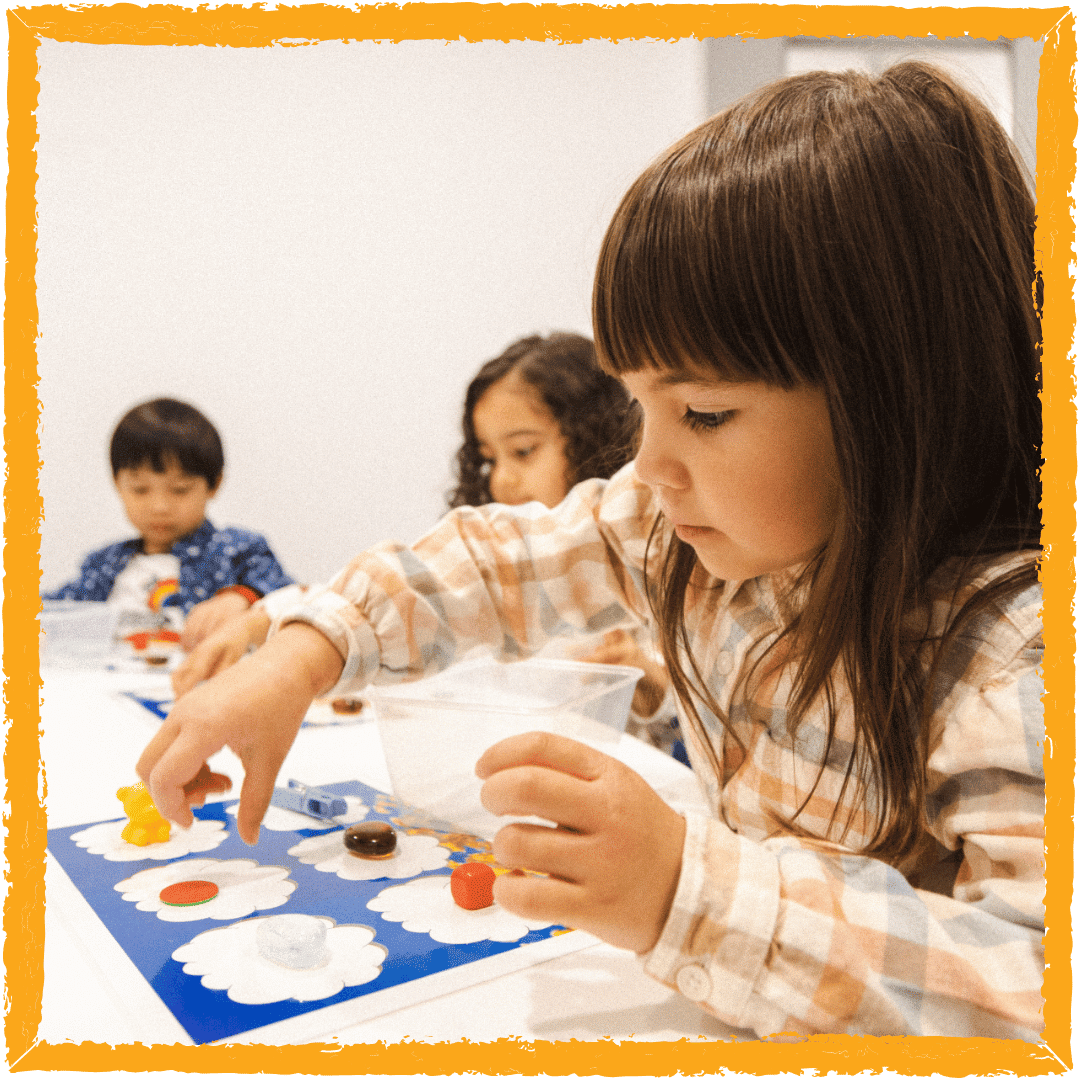
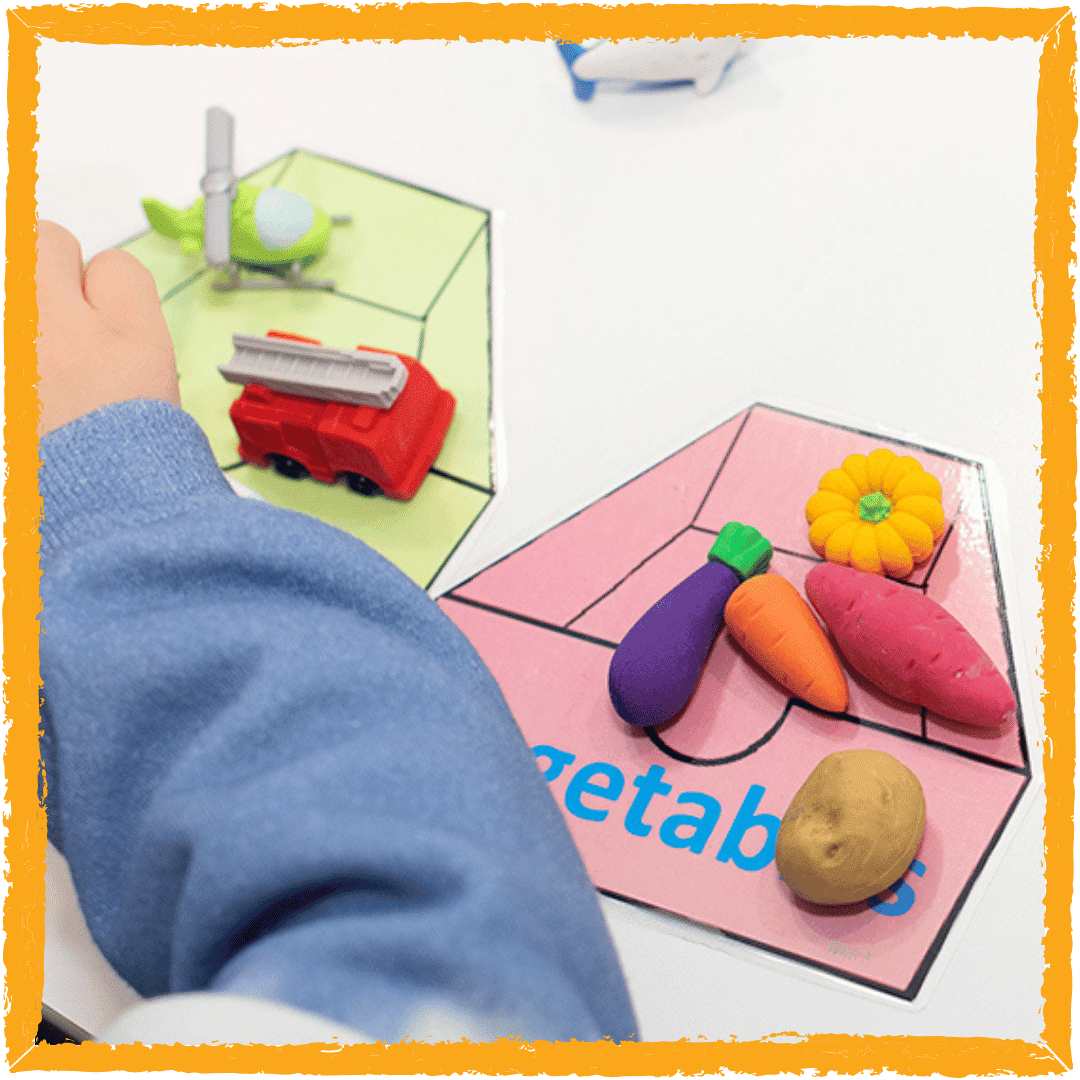
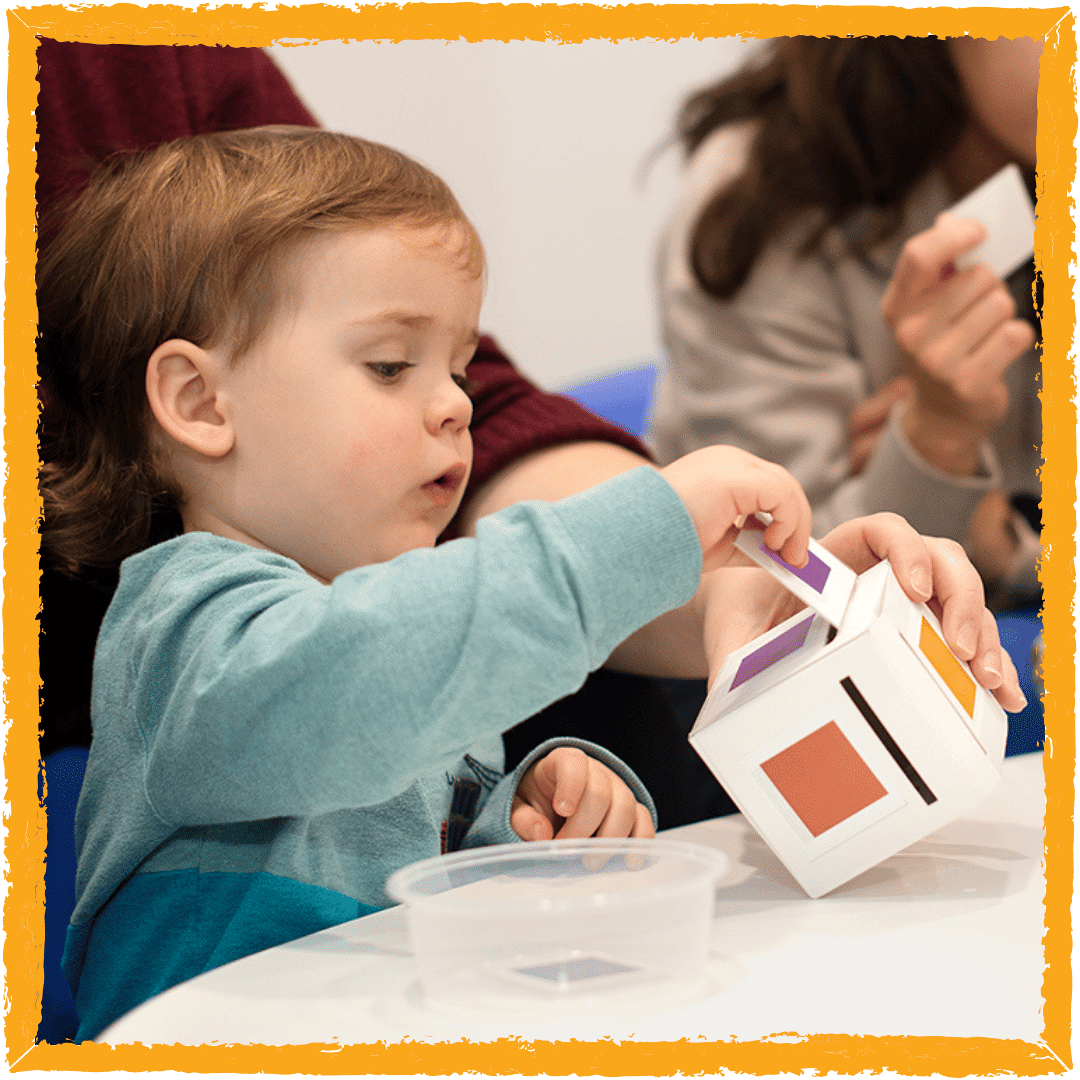
Photo by Shichida Australia: Many parents think sensory play has to be messy or involve nature, but it doesn’t. It can be any hands-on activity that lets your child explore touch, sound, and texture – from tapping drums to building with blocks.
Linking Sensory Experiences to Early Learning Curricula
Parents often ask, “How do sensory experiences help brain development?” The answer lies in how they prepare children for structured learning.
- Scooping and pouring develop early maths concepts like measurement, volume, and comparison.
- Tracing letters in sand supports pre-writing and literacy through tactile exploration.
- Listening games sharpen auditory processing skills that are essential for phonics and language development.
- Hands-on games teach cause and effect and help children connect ideas through trial and discovery.
- Music and rhythm activities strengthen memory, focus, and pattern recognition – key foundations for both numeracy and literacy.
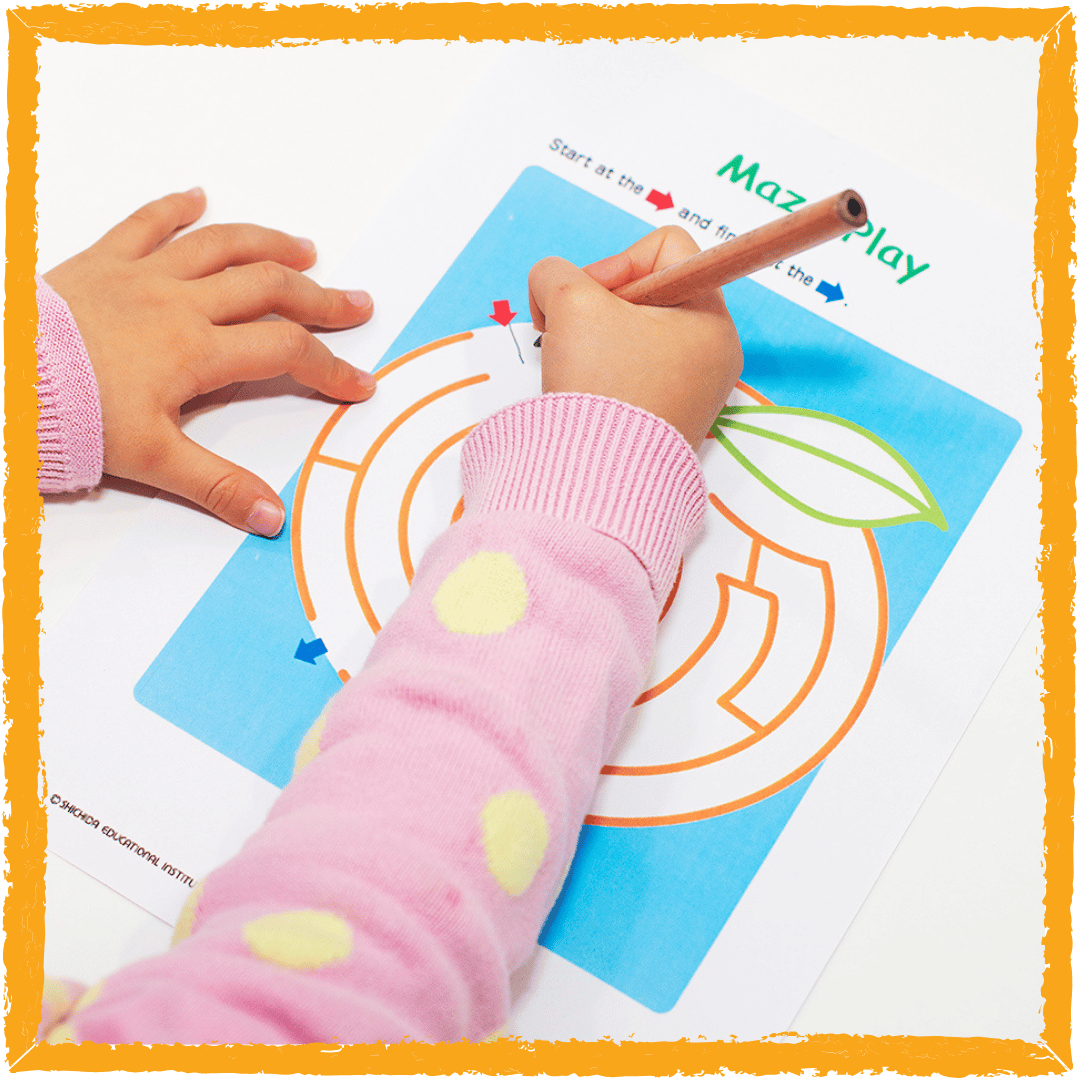
- Maze play builds spatial awareness, logical thinking, and perseverance as children plan and adjust their movements to reach the goal.
The Shichida Method connects sensory learning with whole-brain education. By engaging multiple senses, children strengthen memory, imagination, and problem-solving abilities – skills that benefit them not just at school, but throughout life.
Overcoming Challenges with Sensory Experiences
Even though the benefits are clear, some parents hesitate to introduce sensory play. Here’s how to manage the most common obstacles:
Mess & Space Constraints
If mess worries you, try resealable bags filled with gel or rice, or keep sensory bins outside. Place a plastic mat or tray underneath activities to make clean-up quicker.
Supporting Sensory Sensitivities
Some children dislike sticky textures or loud noises. Start with less intense activities, like exploring with a spoon instead of fingers, or listening to gentle sounds before louder ones.
Helping Reluctant Children Engage
If your child resists, join in yourself. Describe what you’re feeling and show genuine enjoyment – your enthusiasm is often the best encouragement.
Observation is also a good place to start. Watch what your child naturally gravitates toward – textures, sounds, or movements – and use those interests as a starting point for sensory play.
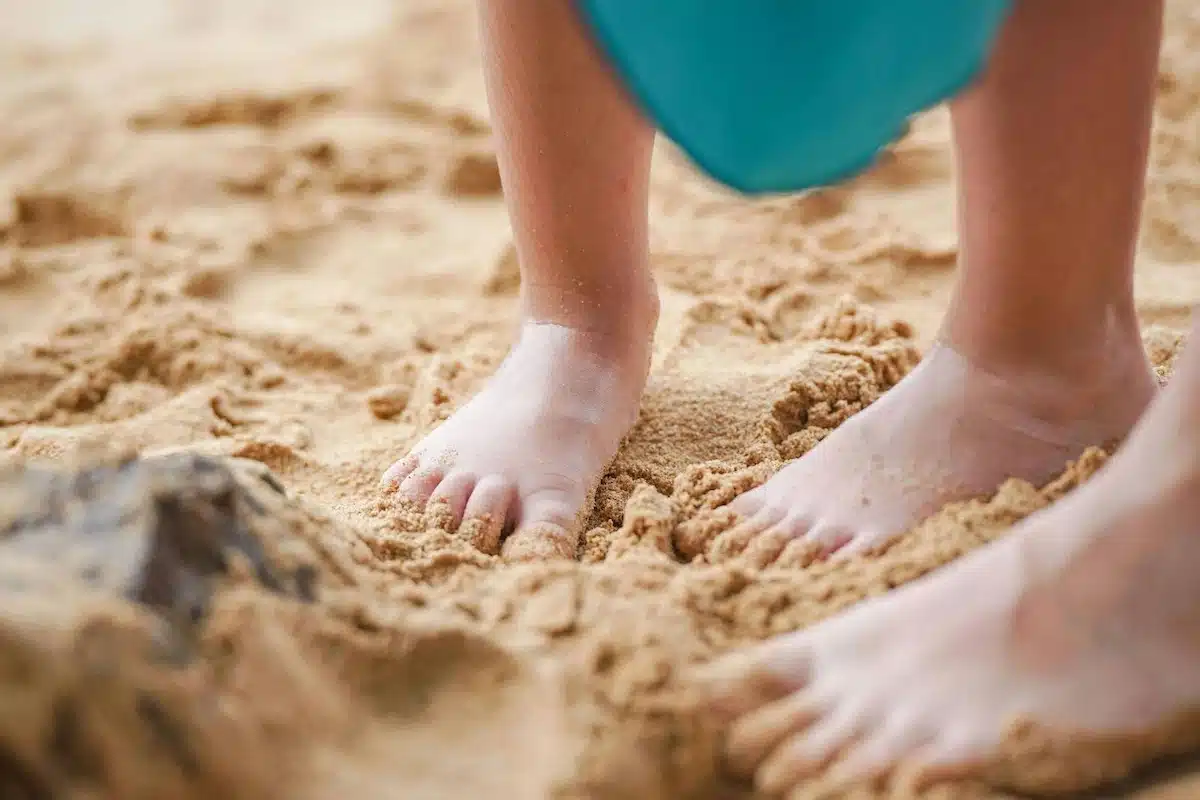
Photo from Pexels: Helping reluctant children engage in play can spark curiosity, parent involvement often turns hesitation into a joyful sensory experience in early childhood.
Conclusion: Nurturing Growth Through Sensory Experience
A sensory experience in early childhood is much more than playtime. It supports brain development, builds emotional resilience, strengthens social skills, and prepares children for literacy and numeracy.
The best part? It can be super simple! A spoon, some water, a handful of leaves, or a walk outdoors can lead to learning.
The key is to make it safe, engaging, and consistent. Daily sensory moments, whether structured or spontaneous will help your child grow in confidence, creativity, and curiosity.
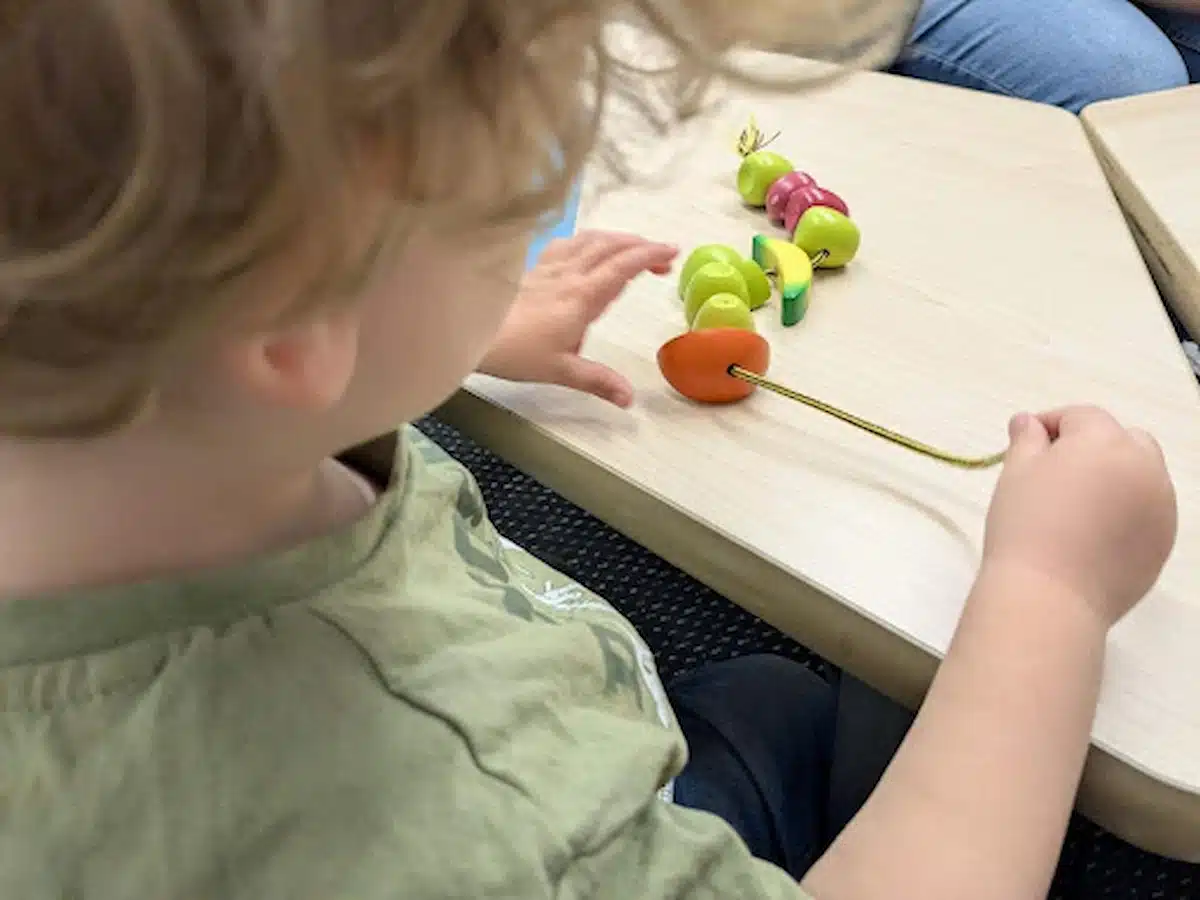
Photo by Shichida Australia: A toddler threading large beads – a classic sensory play activity that builds fine motor skills, focus, and hand–eye coordination. Just one of around 20 to 25 engaging activities in each early learning class.
Want to see sensory learning in action?
Book a trial class with Shichida and experience how structured hands-on and sensory activities can spark your child’s growth!
FAQ: Sensory Experience in Early Childhood
It’s any activity that engages your child’s senses – touch, taste, smell, sight, hearing, balance, or body awareness to explore and learn.
They strengthen neural pathways, boost memory, and support problem-solving by allowing children to process information through their senses.
Sensory experiences for toddlers include water play, finger painting, edible sensory bins, and exploring textures like sand, mud, or leaves. Sensory play isn’t just messy or outdoor play – threading beads, stacking blocks, and playing musical instruments are also great ways to engage touch, sound, and movement.
Yes. Repetitive, soothing activities like kneading playdough or listening to calming sounds can help children regulate emotions and feel secure.
From birth. Infants benefit from textures, sounds, and gentle movement, while toddlers and preschoolers thrive on more structured sensory play.
Choose age-appropriate materials, supervise closely, and consider safety factors like allergies and choking hazards. Use trays, resealable bags, or outdoor spaces for easier clean-up.
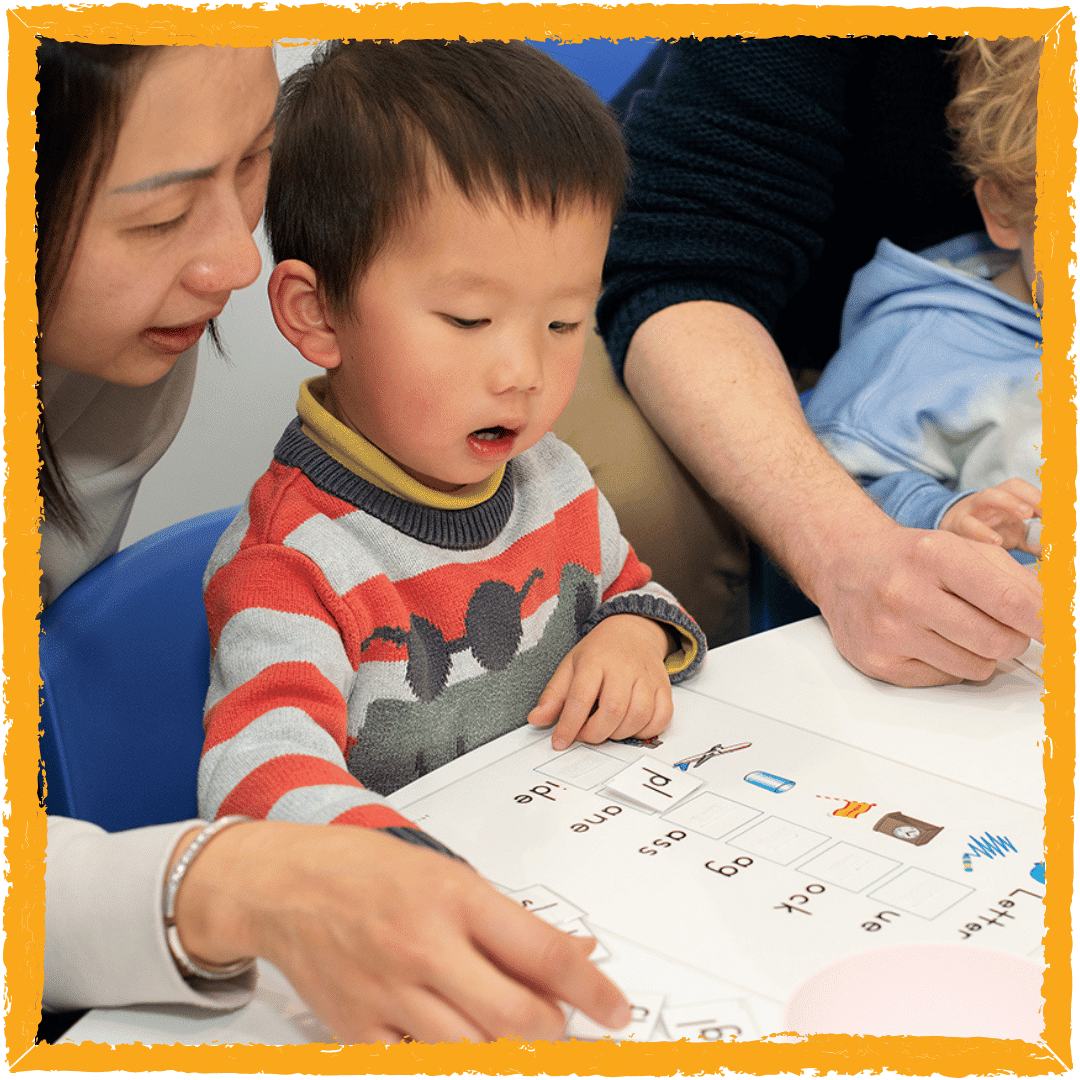
Shichida Australia offers sensory-based, hands-on early learning classes for children aged 6 months to 5 years. Activities include music, threading, puzzles, flashcards, memory games and more – all designed to stimulate the senses and support whole-brain development.