
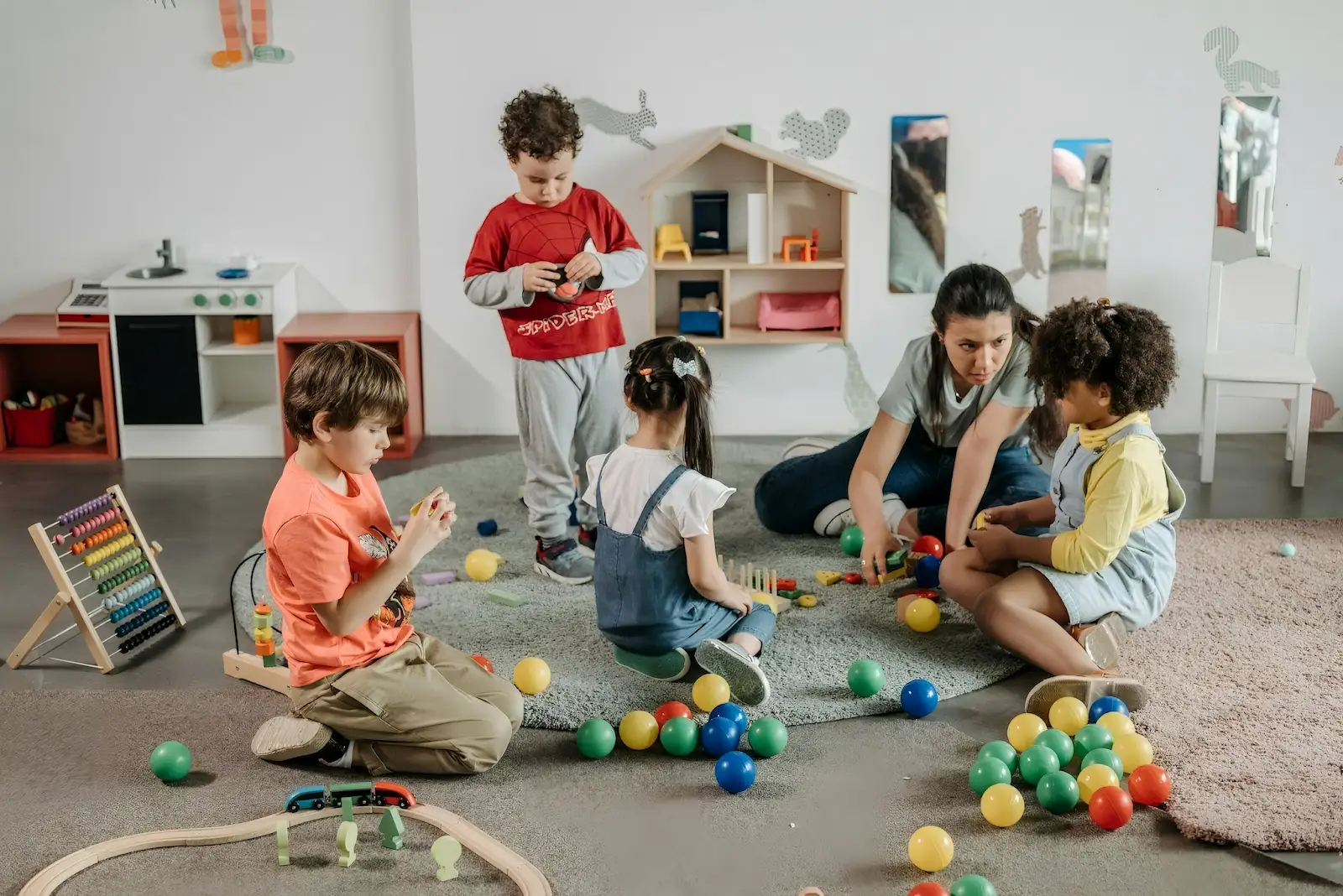
Understanding the Early Years Learning Framework (EYLF)
Key Points
- EYLF is Australia’s national guide for quality early learning for children from birth to five years.
- It’s built on the principles of Belonging, Being, and Becoming – the core of early childhood development.
- Educators use EYLF to plan play-based learning experiences and partner closely with families.
- It focuses on five outcomes: identity, connection, wellbeing, learning, and communication.
- EYLF Version 2.0 adds new priorities such as sustainability, wellbeing, and digital literacy.
What Is the Early Years Learning Framework?
If your child attends childcare, preschool, or family day care in Australia, you’ve probably heard the term Early Years Learning Framework (EYLF). But what exactly does it mean for your child?
The EYLF is Australia’s national guide for quality early childhood education. It outlines what young children should learn, how they learn best, and how educators can support their development from birth to age five.
Introduced in 2009 and refreshed as EYLF Version 2.0 (2022–23), this framework ensures that no matter where your child learns – in a long day care centre, kindergarten, or family day care – they receive the same high-quality, play-based education that nurtures every aspect of their growth.
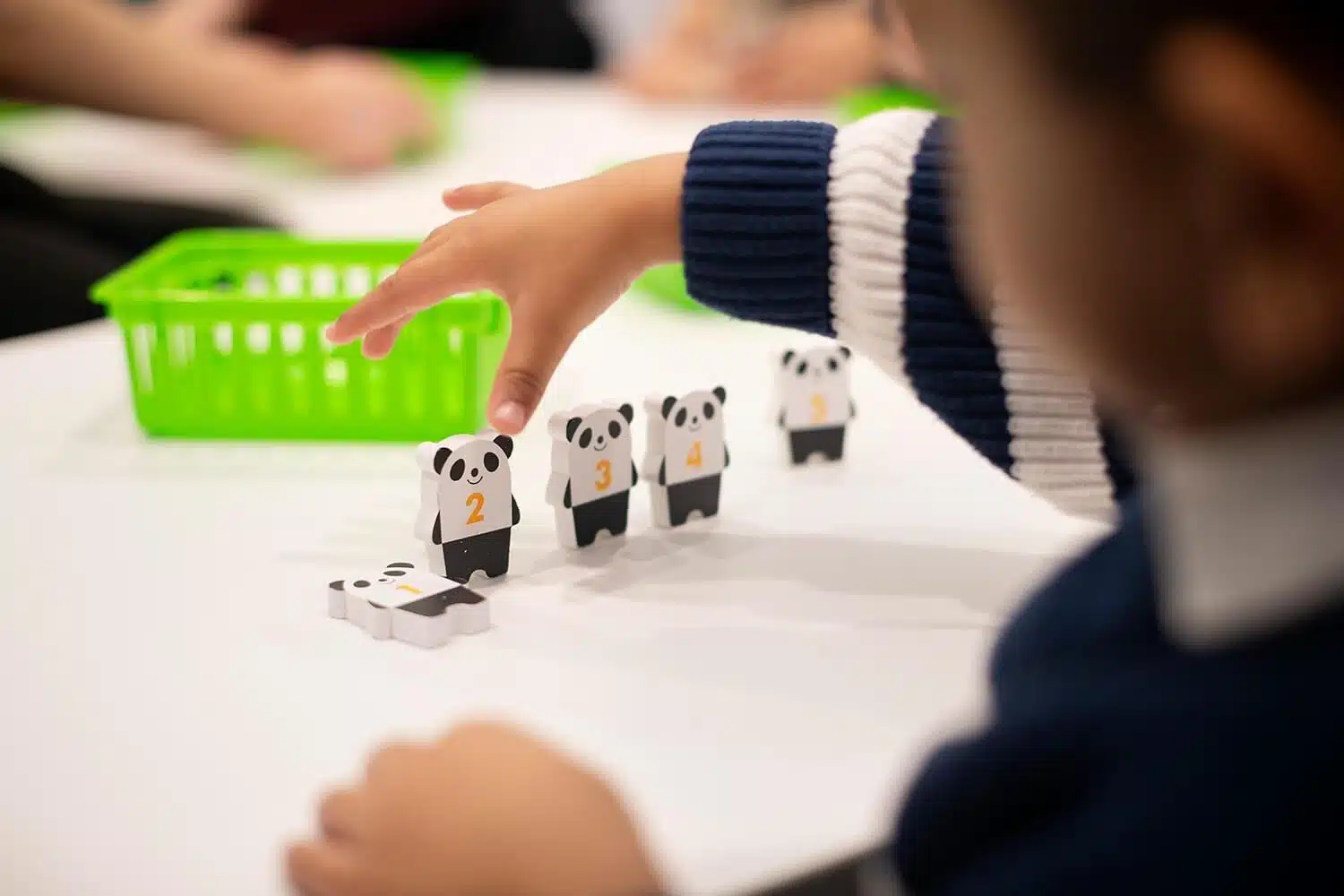
Photo by Shichida Australia: A preschooler lines up numbered pandas in order, practising fine motor control, number sense, sequencing, spatial awareness, and early critical thinking skills.
Historical background and development
The EYLF was first developed by the Department of Education and ACECQA (Australian Children’s Education and Care Quality Authority) as part of the National Quality Framework (NQF). Its goal was to raise the standard of early childhood education and create a shared understanding of how young children learn.
In 2022, the framework was updated to EYLF V2.0 to reflect modern approaches such as the importance of sustainability, digital literacy, and Aboriginal and Torres Strait Islander perspectives.
You can view the complete EYLF V2.0 document on the Department of Education’s website if you’d like to explore it yourself.
Purpose and goals of EYLF
At its heart, EYLF is about giving every child the best start in life. It aims to:
- Ensure consistency and quality across all early learning settings.
- Support children’s learning and wellbeing through play-based approaches.
- Strengthen partnerships between families and educators.
- Prepare children for lifelong learning and smooth transitions to school.
Who uses EYLF and in what settings
Educators use EYLF every day to guide how they plan, observe, and assess learning experiences. You’ll often see its influence in your child’s learning portfolio or progress notes, where educators link your child’s activities to the EYLF outcomes.
As a parent, understanding EYLF helps you see what’s really happening beneath the surface of your child’s play. It allows you to partner with educators more effectively and celebrate how your child is growing in all areas of development.
Core Structure of the EYLF
The EYLF is built on four key parts: Vision, Principles, Practices, and Learning Outcomes.
Vision – Belonging, Being & Becoming
These three words describe the heart of early childhood learning:
- Belonging – Children flourish when they feel safe, loved, and part of a community.
- Being – Childhood is about enjoying the moment, exploring, and learning through play.
- Becoming – Every day, children are growing, learning, and shaping who they will become.
It’s a reminder that early childhood isn’t just preparation for school, it’s a precious, important stage of life all on its own.
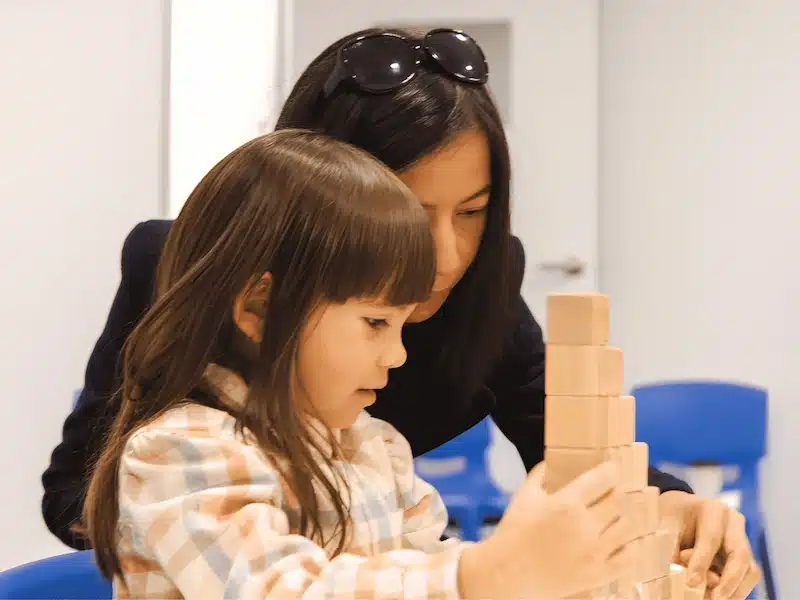
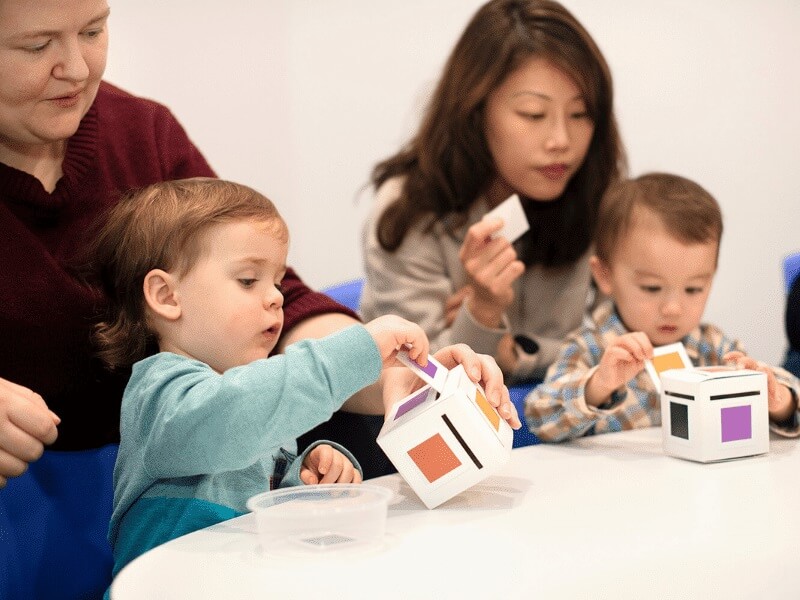
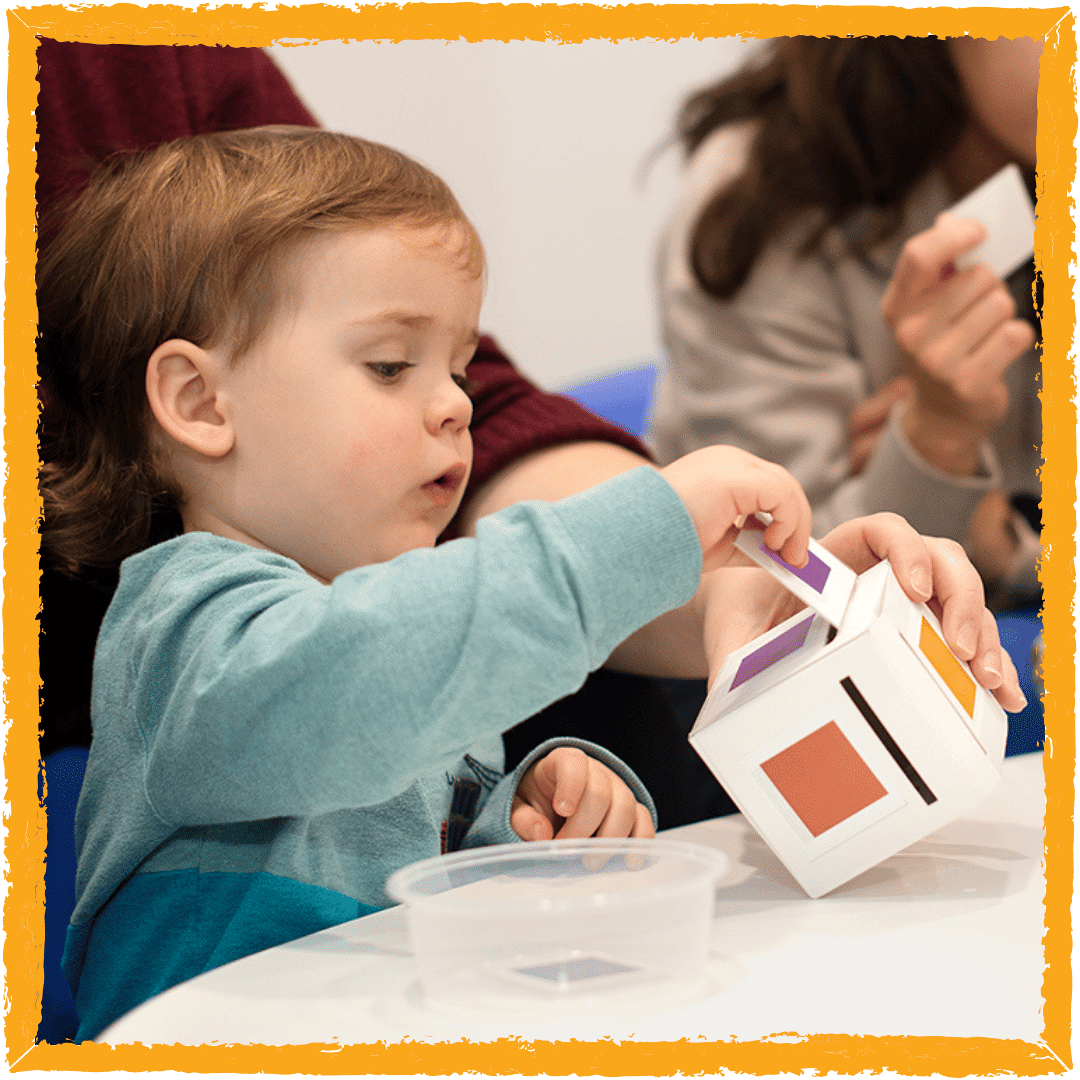
Photo by Shichida Australia: A preschooler plays a block challenge game alongside their parent, building focus, spatial reasoning, problem-solving, and early critical thinking through teamwork and play.
Principles – The values guiding educators
The EYLF is built on six guiding principles that shape how educators work with your child:
- Secure, respectful relationships – Strong connections create confident learners.
- Partnerships with families – You are your child’s first teacher.
- High expectations and equity – Every child has the potential to succeed.
- Respect for diversity – Different cultures and backgrounds are respected.
- Sustainability and wellbeing – Caring for ourselves, others, and the planet matters.
- Critical reflection – Educators constantly reflect on and improve their practice.
These principles remind educators to see your child as a capable, curious learner, full of potential and unique strengths.
Practices – How educators bring the principles to life
You’ll see EYLF in action through:
- Play-based learning, where curiosity leads the way.
- Intentional teaching, where educators gently guide learning through conversation and activity.
- Cultural inclusion, ensuring every child feels represented.
- Ongoing observation and planning, so experiences match your child’s interests and abilities.
- Smooth transitions, helping your child adjust confidently between home, early learning, and school.
Learning Outcomes – What children are expected to develop
The EYLF outlines five learning outcomes that educators support through play and everyday interactions:
- Children have a strong sense of identity
When your child builds a tower or shares a story about their family, they’re learning who they are and building confidence. - Children are connected with and contribute to their world
Helping a friend, recycling, or caring for a garden teaches empathy and belonging. - Children have a strong sense of well-being
Climbing, dancing, and balancing build physical skills and emotional resilience. - Children are confident and involved learners
Exploring with blocks or experimenting with paint fosters creativity and problem-solving. - Children are effective communicators
Singing, storytelling, and conversation strengthen language, listening, and self-expression.
What Changed in EYLF Version 2.0
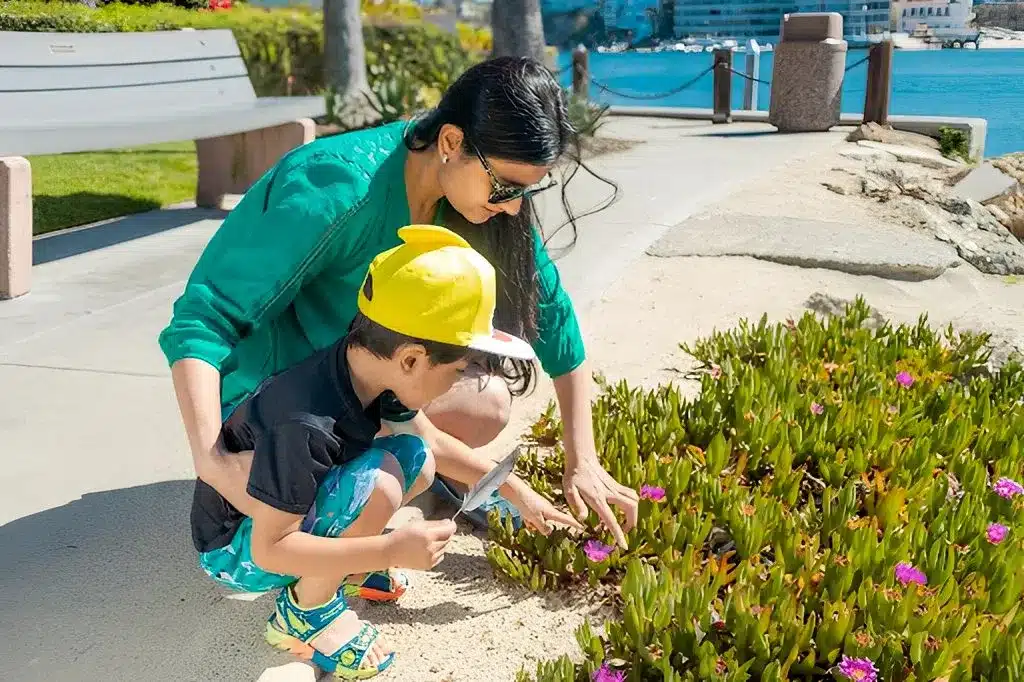
Photo from Pexels: Children learning to care for plants and the environment, a hands-on way the early years learning framework supports respect for nature and responsibility in everyday life.
Updated focus areas
The revised EYLF V2.0 introduces fresh priorities that reflect today’s world:
- Sustainability – Encouraging children to care for nature in everyday routines.
- Digital technology – Helping children use devices purposefully and creatively.
- Aboriginal and Torres Strait Islander perspectives – Embedding respect for First Nations cultures and knowledge.
- Wellbeing – Recognising emotional health as key to learning.
New expectations for educators
Educators are now encouraged to:
- Use assessment for learning to plan meaningful next steps.
- Ensure continuity across learning settings.
- Engage in reflective practice to strengthen quality and inclusion.
What this means for your child
You may notice your child spending more time outdoors, using technology in creative ways, or learning about caring for the country. These changes make sure early education keeps pace with a changing world while still focusing on what children need most: play, connection, and discovery.
Tip: Technology can be used in constructive ways! Digital platforms that are child-safe are a great way to introduce your child to healthy screen time use.
How EYLF Benefits Children
Supporting whole-child development
EYLF nurtures every aspect of your child’s growth – physical, social, emotional, and cognitive. When your child pretends to run a shop, they’re not just playing; they’re learning to count, negotiate, and solve problems.
Building school readiness and lifelong learning skills
EYLF helps children build curiosity, persistence, and adaptability, the skills that make them ready not only for school but for life. They learn how to try, fail, and try again, building resilience and a love of learning.
Promoting belonging and inclusion
One of EYLF’s greatest strengths is how it celebrates each child’s individuality. Whether your child is bilingual, neurodiverse, or from a culturally diverse background, the framework ensures they feel seen, valued, and included.
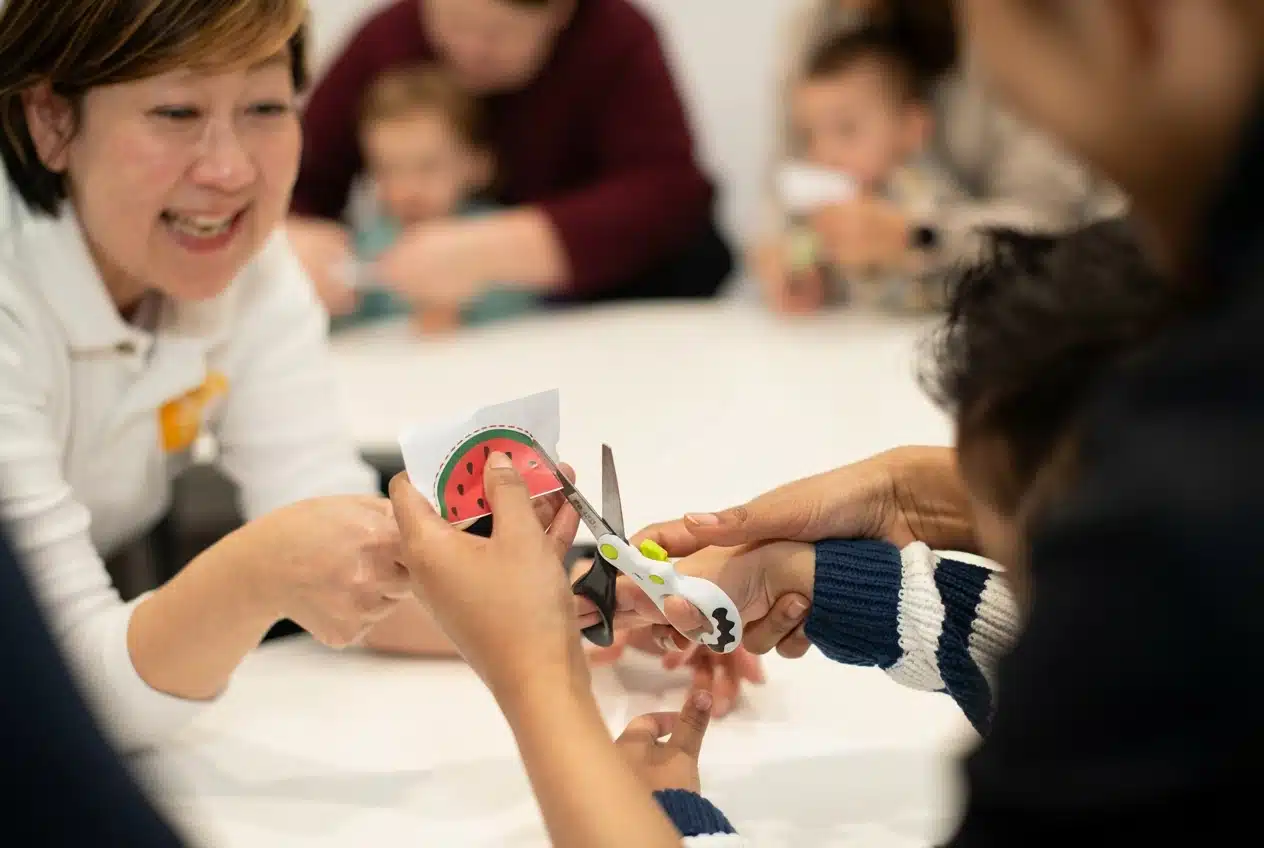
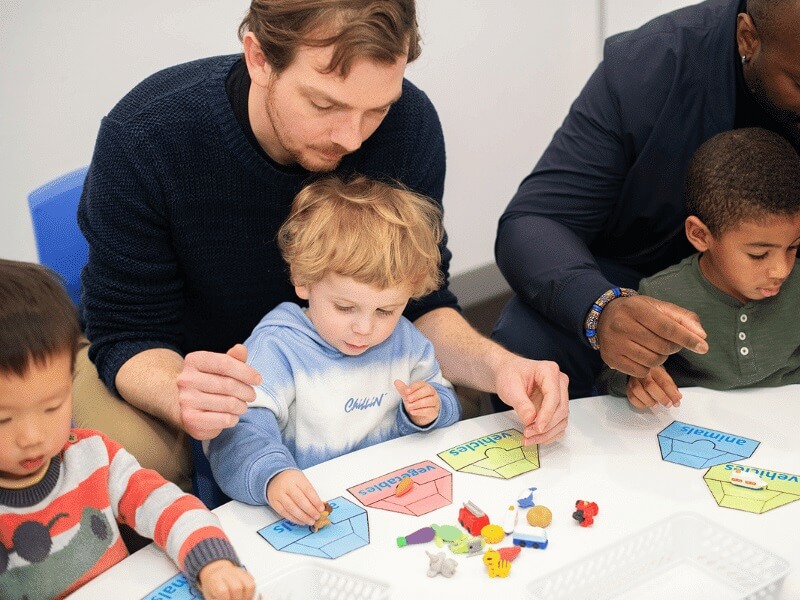
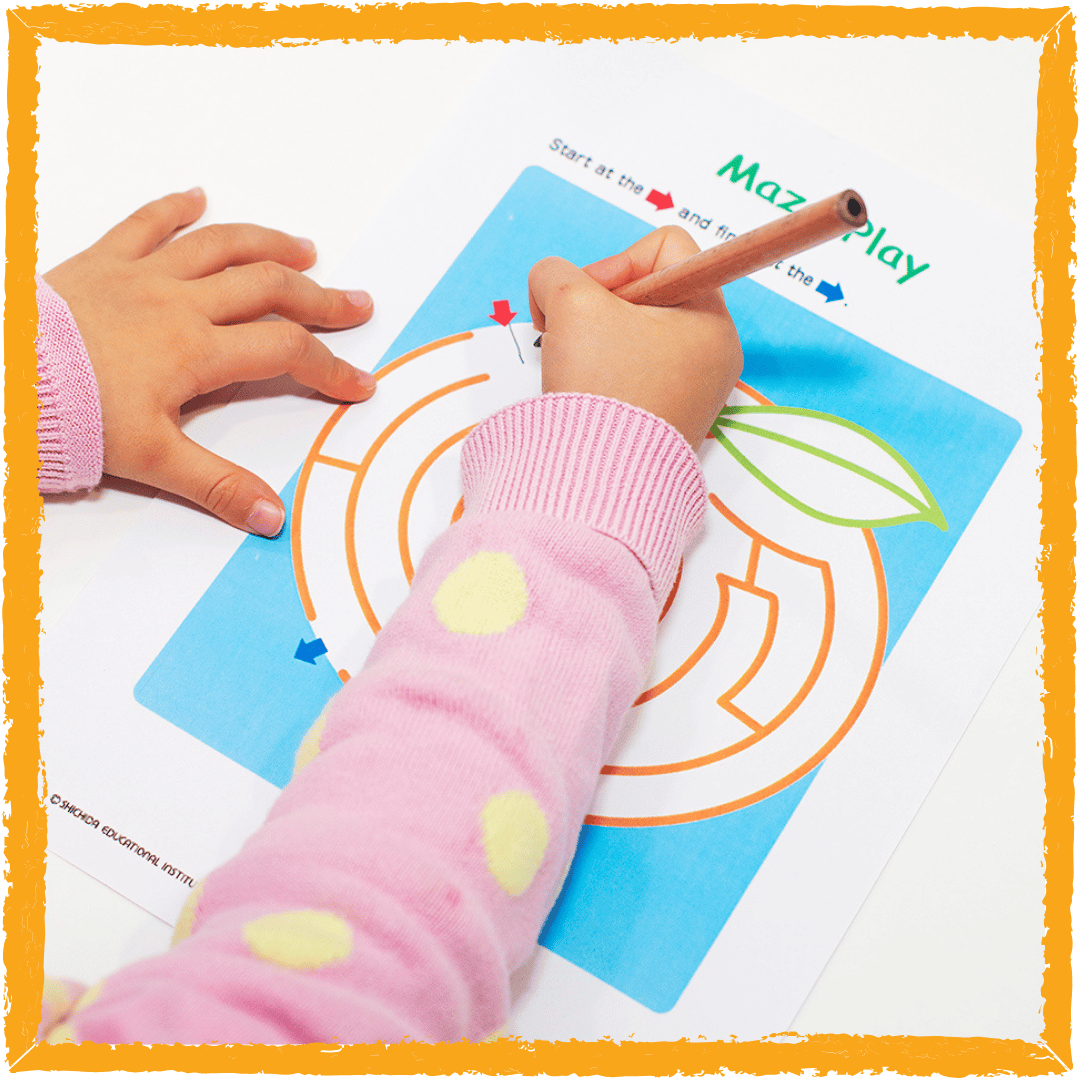
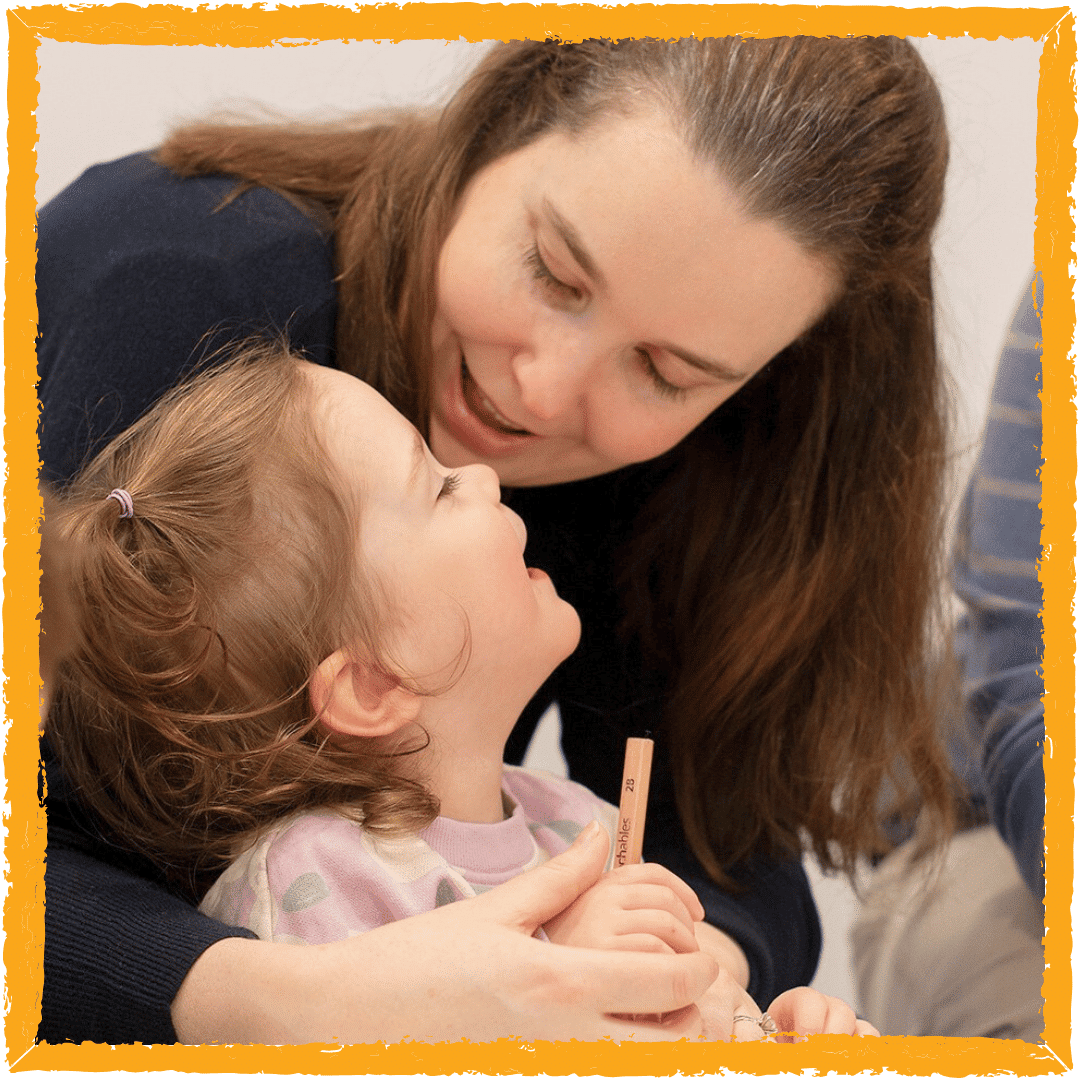
Photo by Shichida Australia: A Shichida instructor guides a preschooler while cutting a rounded shape with safety scissors. Children learn alongside their parents in Shichida classes.
Sensory play is at the heart of the EYLF. Get your free guide and nurture learning through touch, movement and exploration.
What Parents Should Know and Ask
Helpful questions to ask your child’s educator
Next time you chat with your child’s teacher or carer, you might ask:
- How does EYLF guide what happens each day?
What learning outcomes is my child working towards? - How do you include our family’s culture or interests?
- How do you support their transition to school?
- What can we do at home to build on this learning?
Supporting EYLF at home
- Cooking together builds maths and teamwork.
- Reading stories expands language and imagination.
- Nature walks encourage curiosity and care for the environment.
- Drawing and building support creativity and fine motor skills.
- Celebrating family traditions helps your child feel proud of their identity.
Challenges, Debates, and Critiques
Implementation challenges
EYLF sets a national standard, but how it’s applied can differ from one centre to another. Some have more resources, training, or experienced staff, which can affect consistency. Educators also juggle many tasks – planning, documentation, and engaging with children. When you see your child’s teacher taking notes or photos, that’s part of EYLF’s process to make learning intentional and meaningful.
Cultural and contextual adaptation
EYLF V2.0 puts stronger focus on Aboriginal and Torres Strait Islander perspectives and celebrates cultural diversity. You might see this through stories, outdoor play, or learning about Country and community traditions.
Standardisation vs flexibility
Some parents worry EYLF might make early learning too structured. In truth, it’s designed to support creativity, not limit it. The framework gives educators a common guide, but children still lead their own learning through play and curiosity.
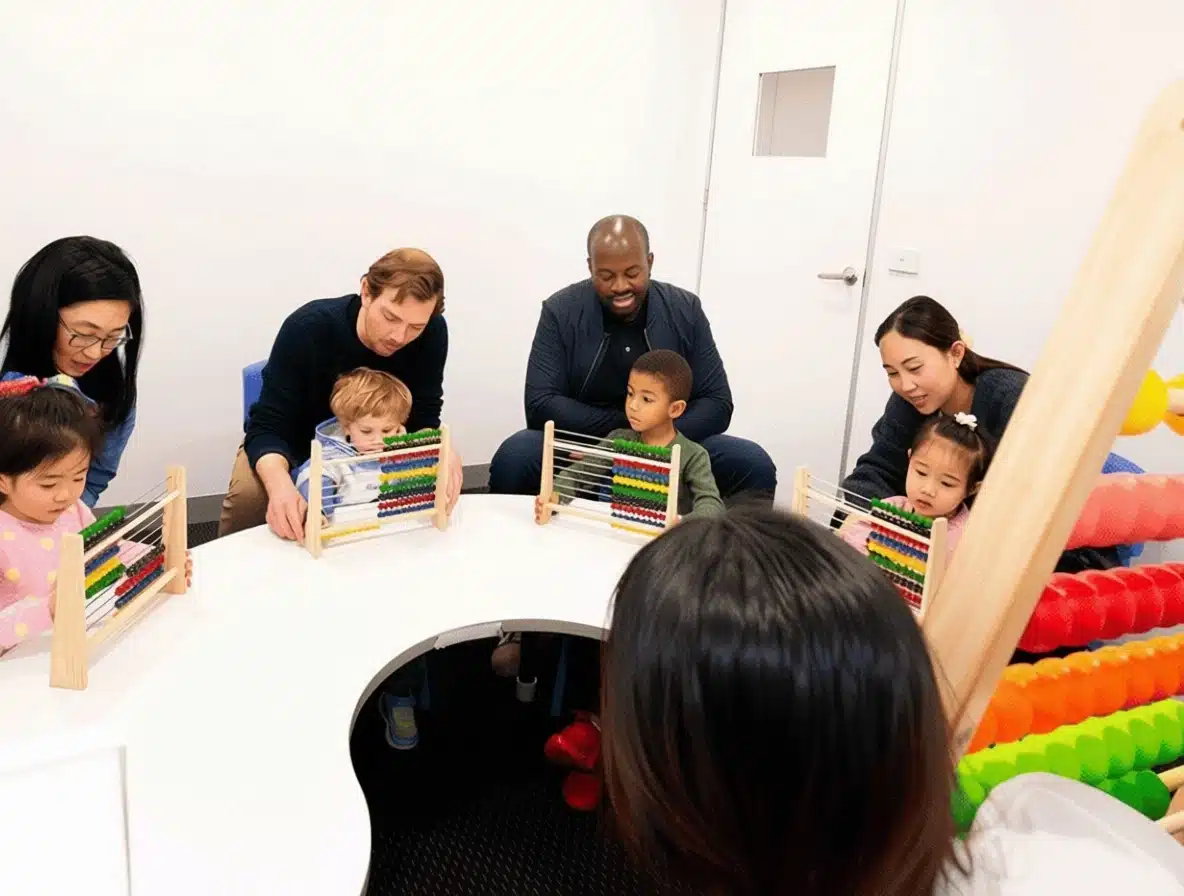
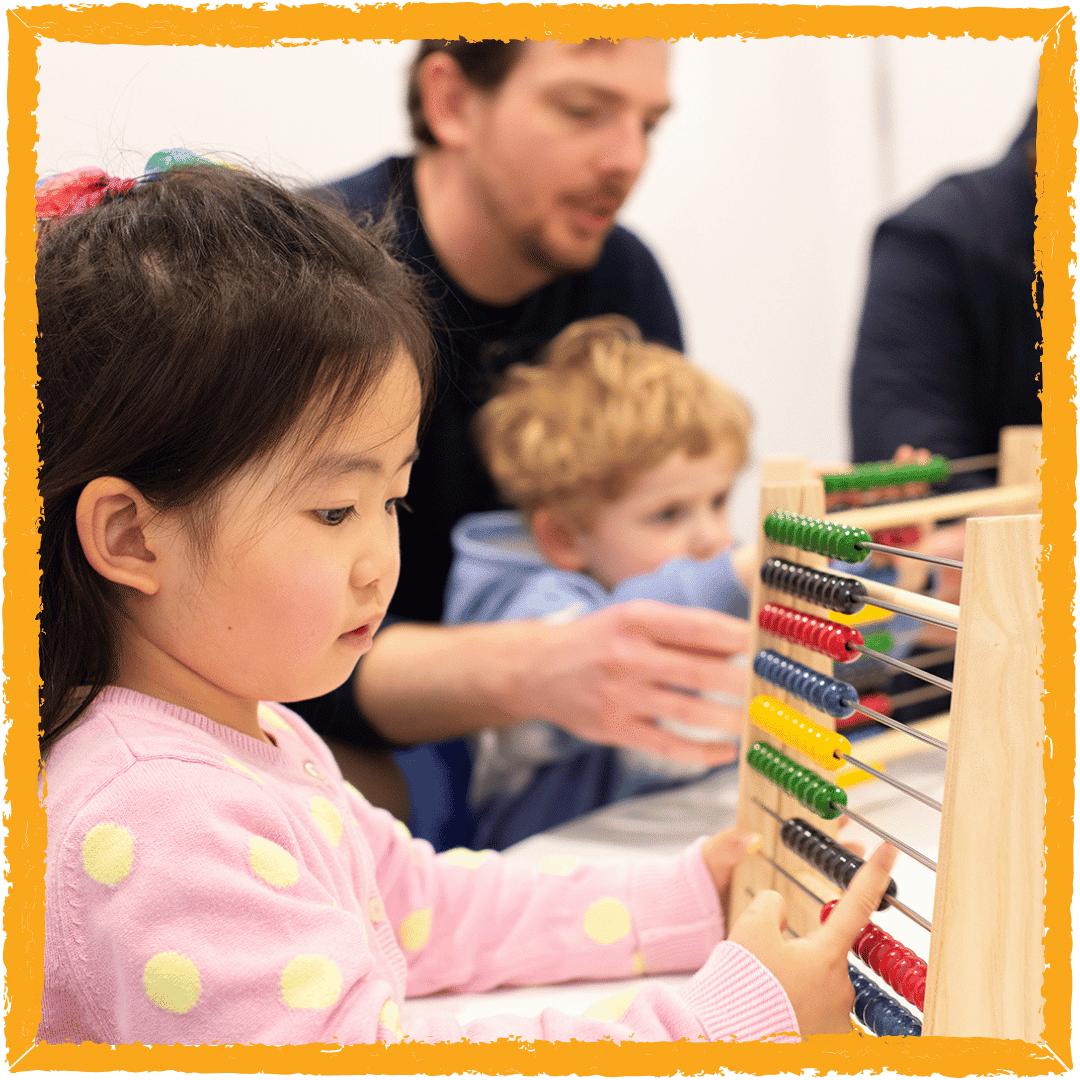
Photo by Shichida Australia: Parents and children practise abacus counting together, strengthening number sense, focus, memory, and logical thinking through hands-on learning.
Case Examples and Parent Stories
Understanding EYLF in theory is one thing, but seeing it in practice helps bring it to life. Here are examples that show what it looks like day to day in early learning settings.
Early Learning Centre Example – Bringing EYLF to Life
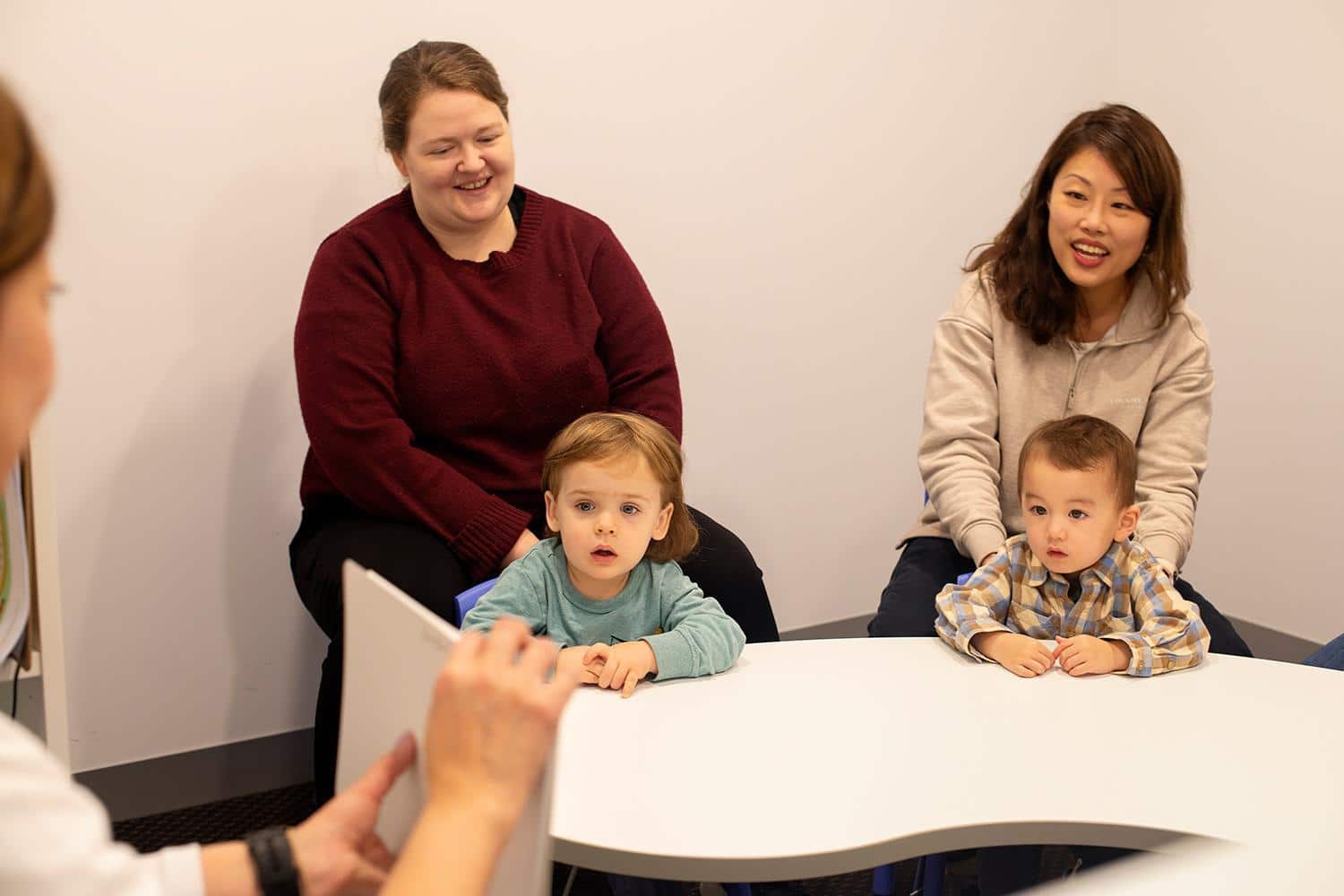
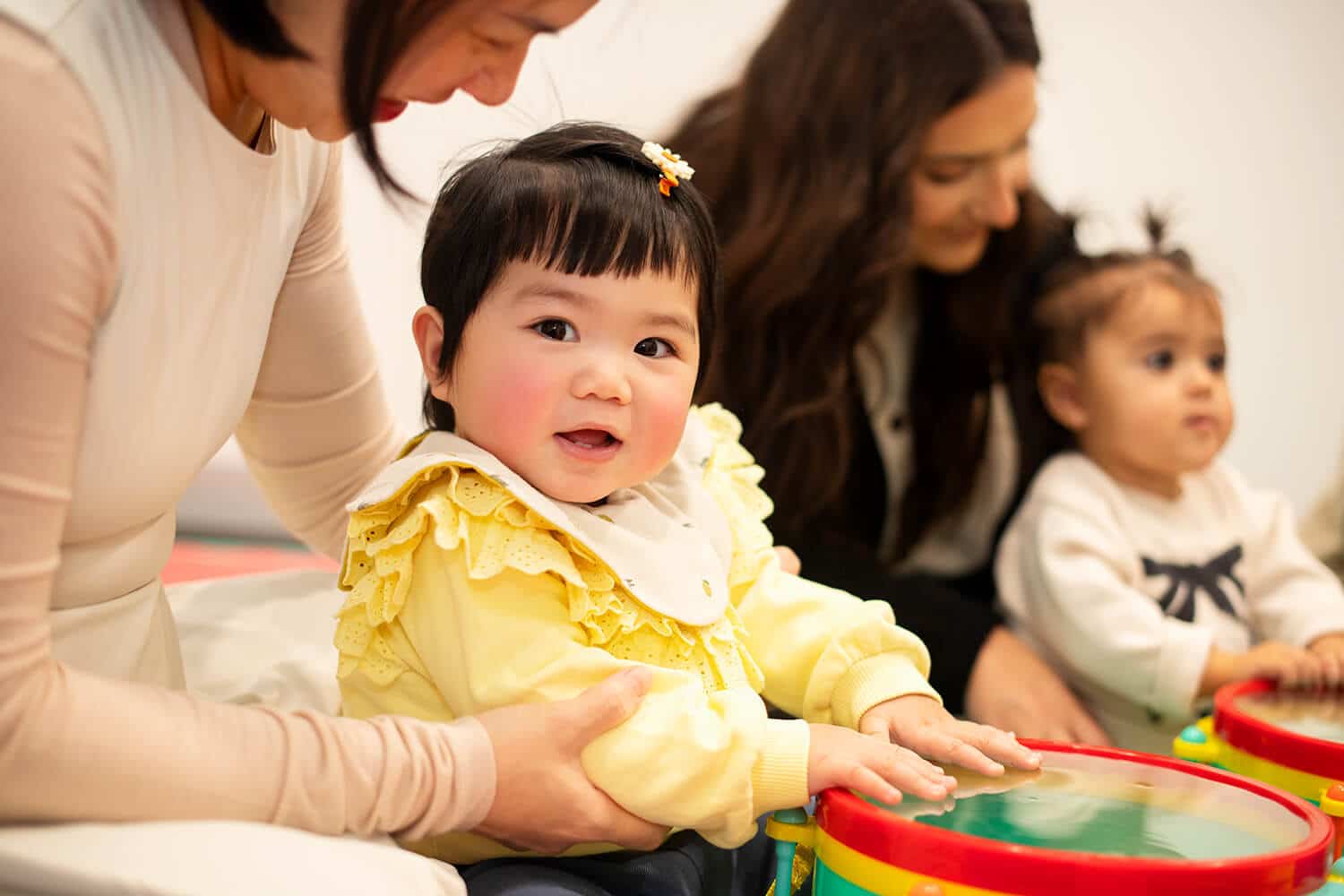
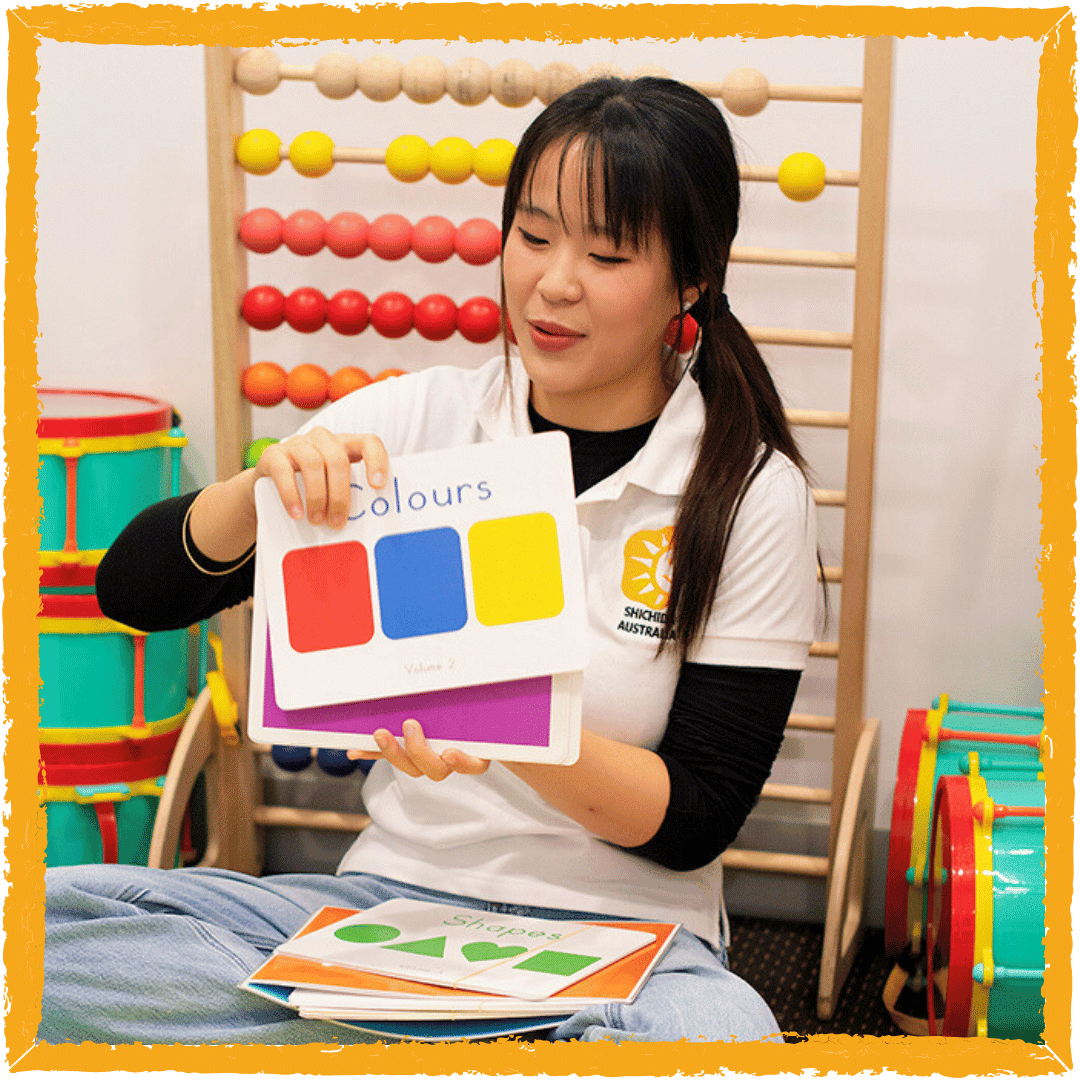
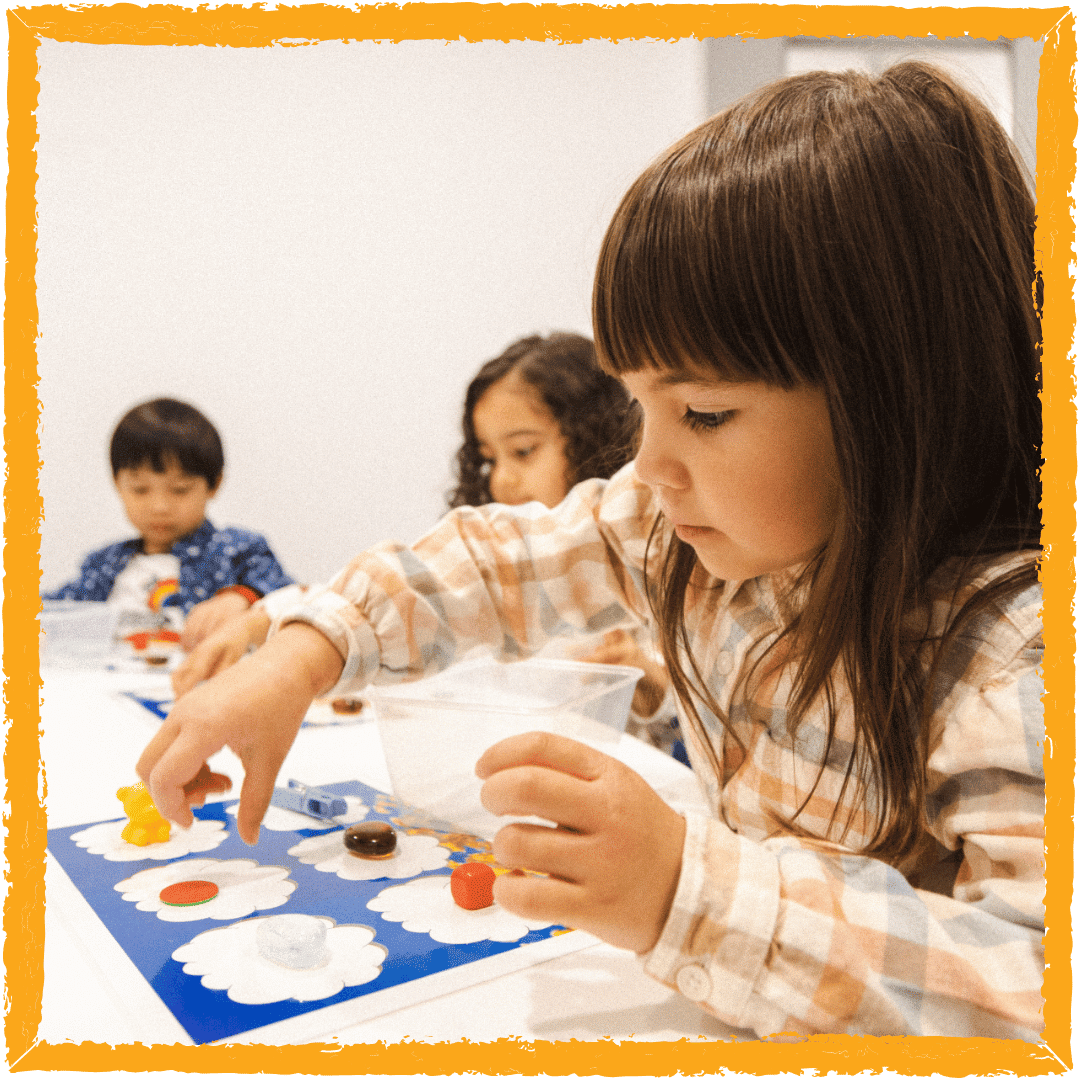
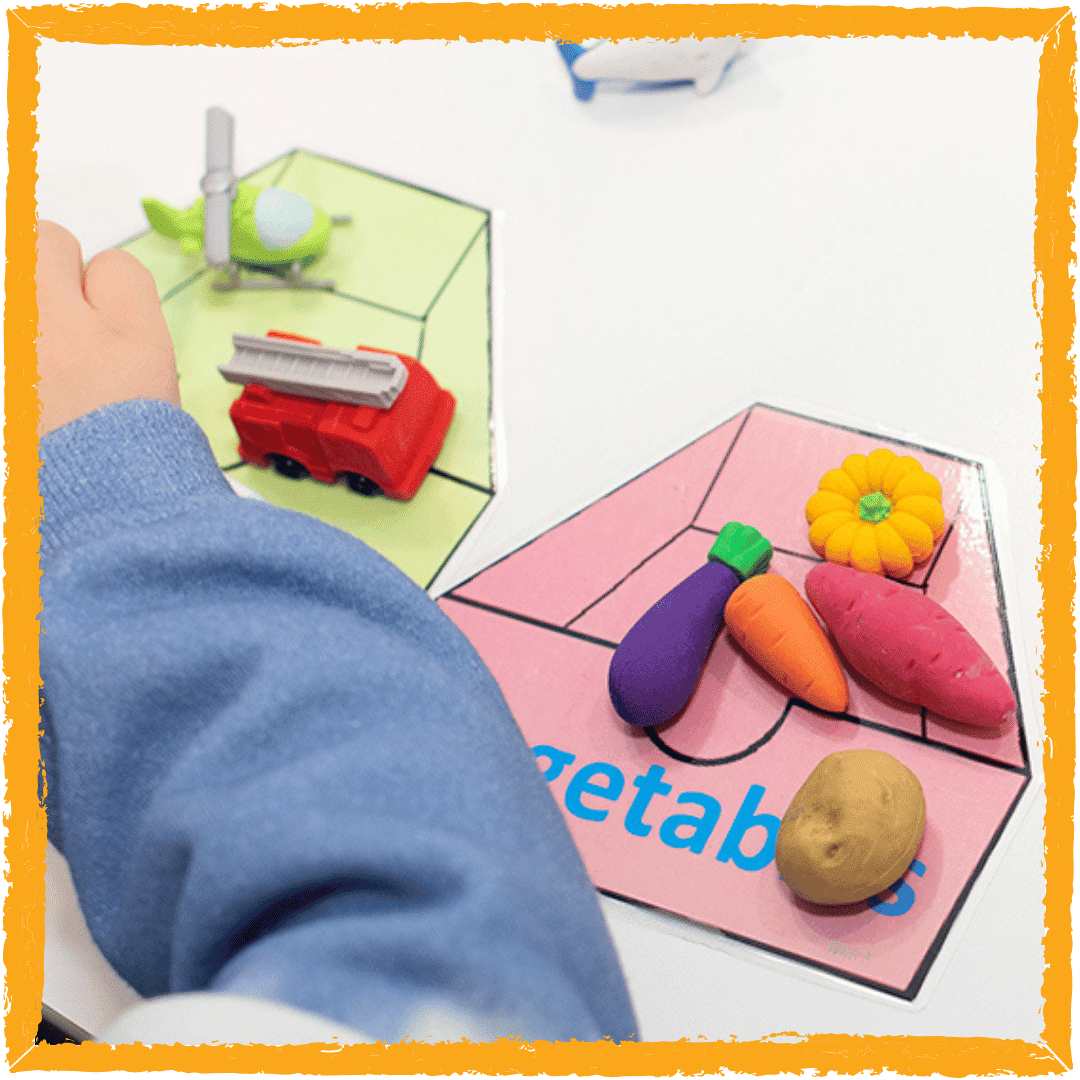
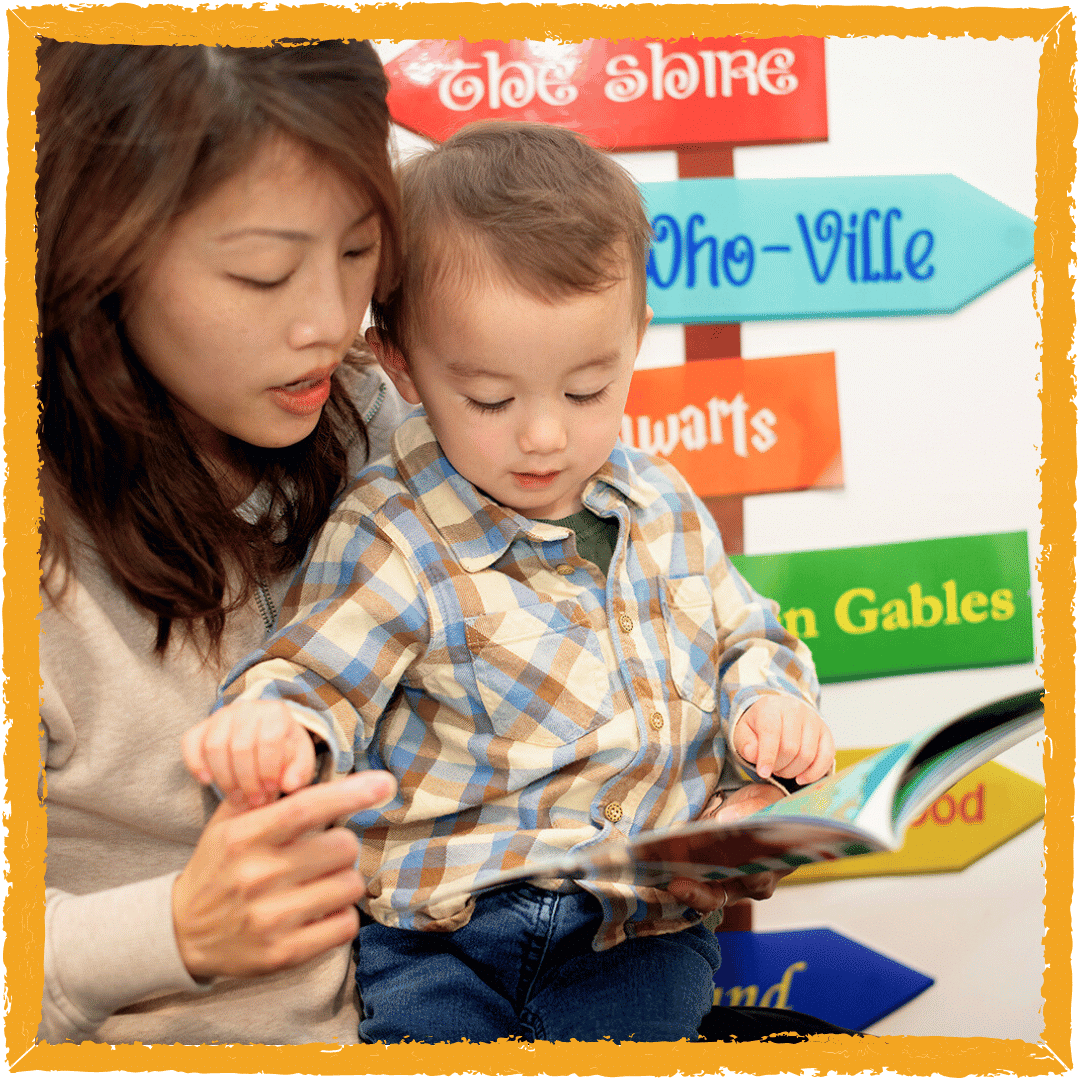
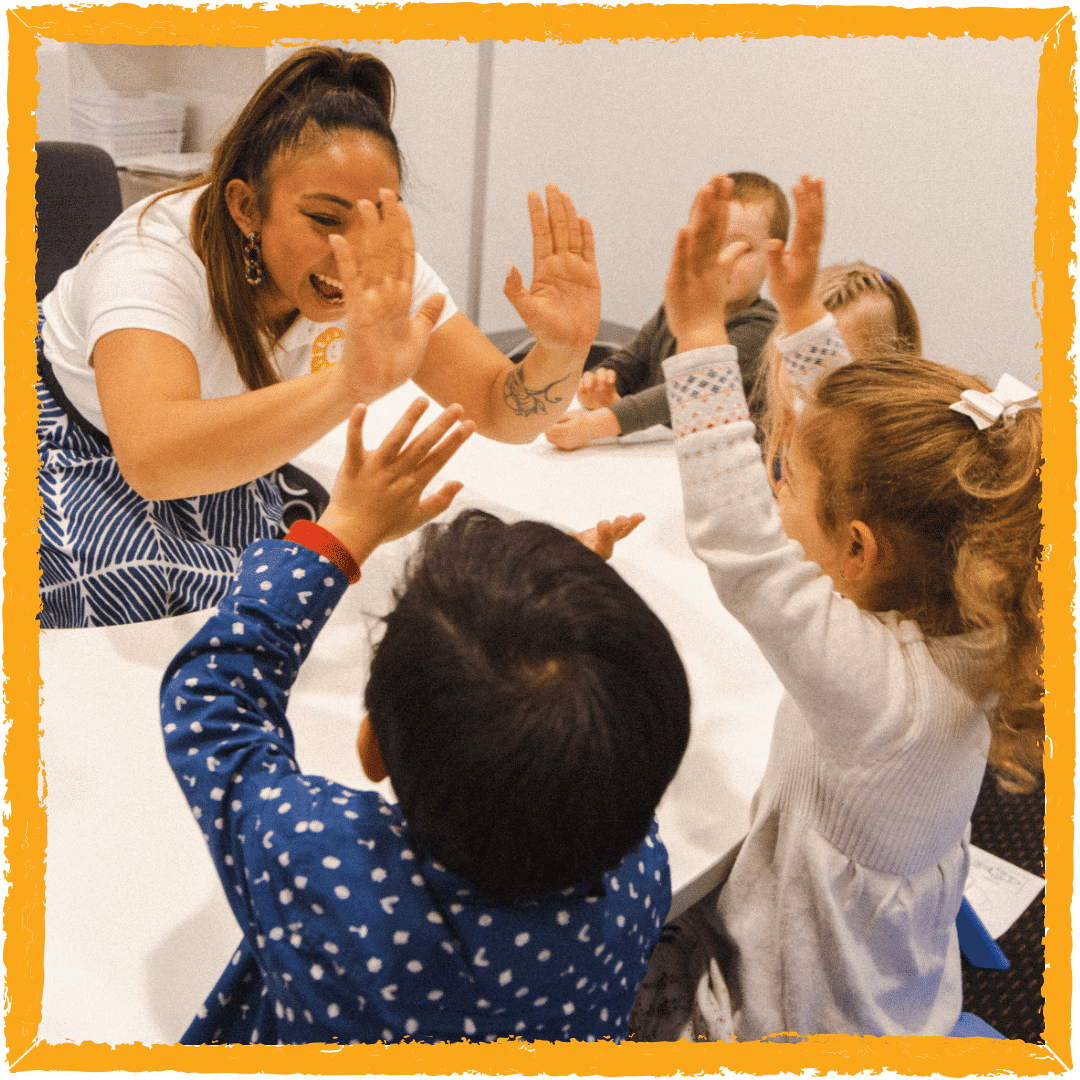
At Shichida Australia, the EYLF’s vision is brought to life through its unique balance of structure and play. Each session integrates activities that nurture the whole child, not just academically, but emotionally, socially, and creatively.
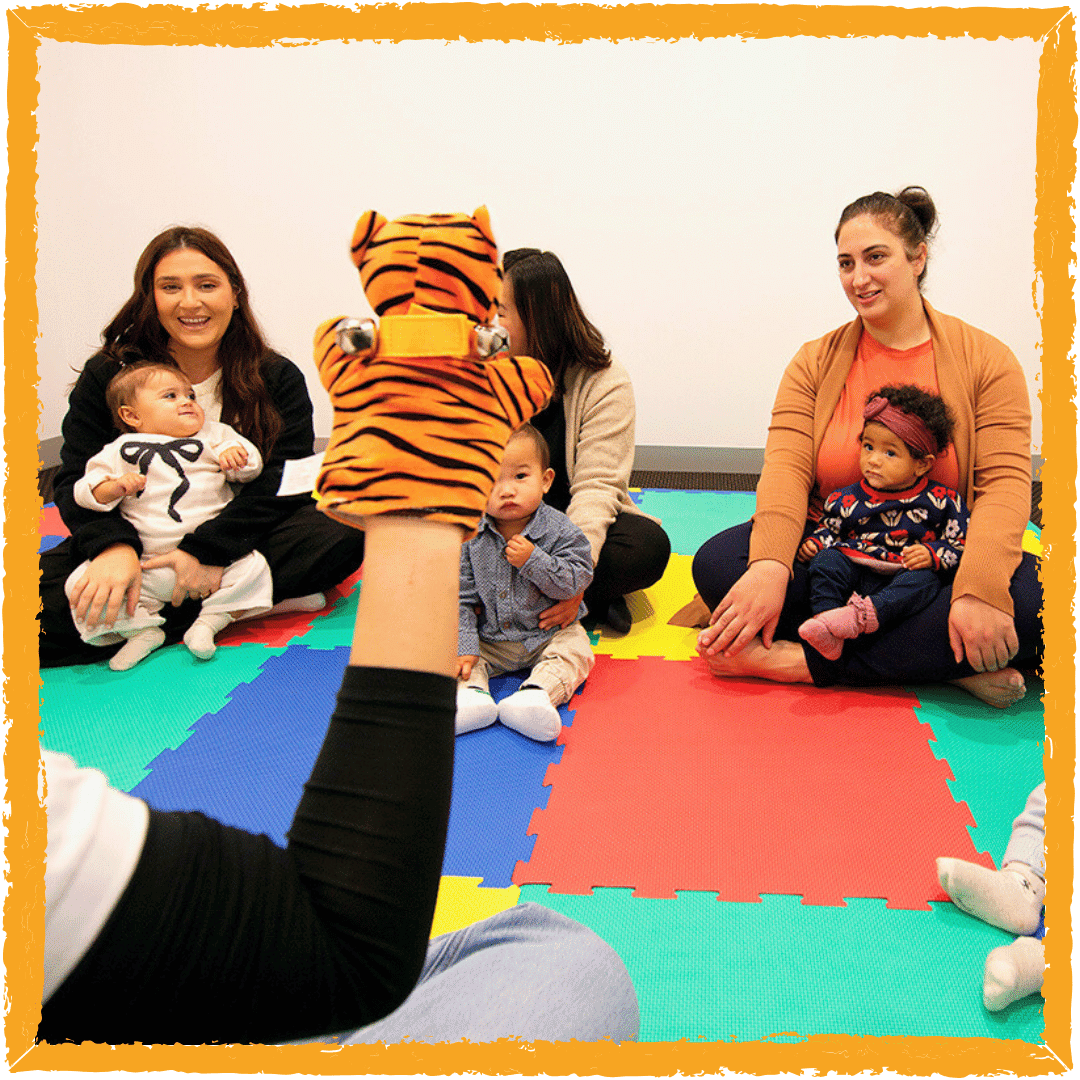
This type of play-based and sensory-rich learning connects directly to the EYLF outcomes.
By combining EYLF principles with the Shichida Method’s right-brain learning approach, educators help children strengthen both creativity and logical thinking, giving them a strong foundation for later learning.
Parent Perspective – Partnering with Educators
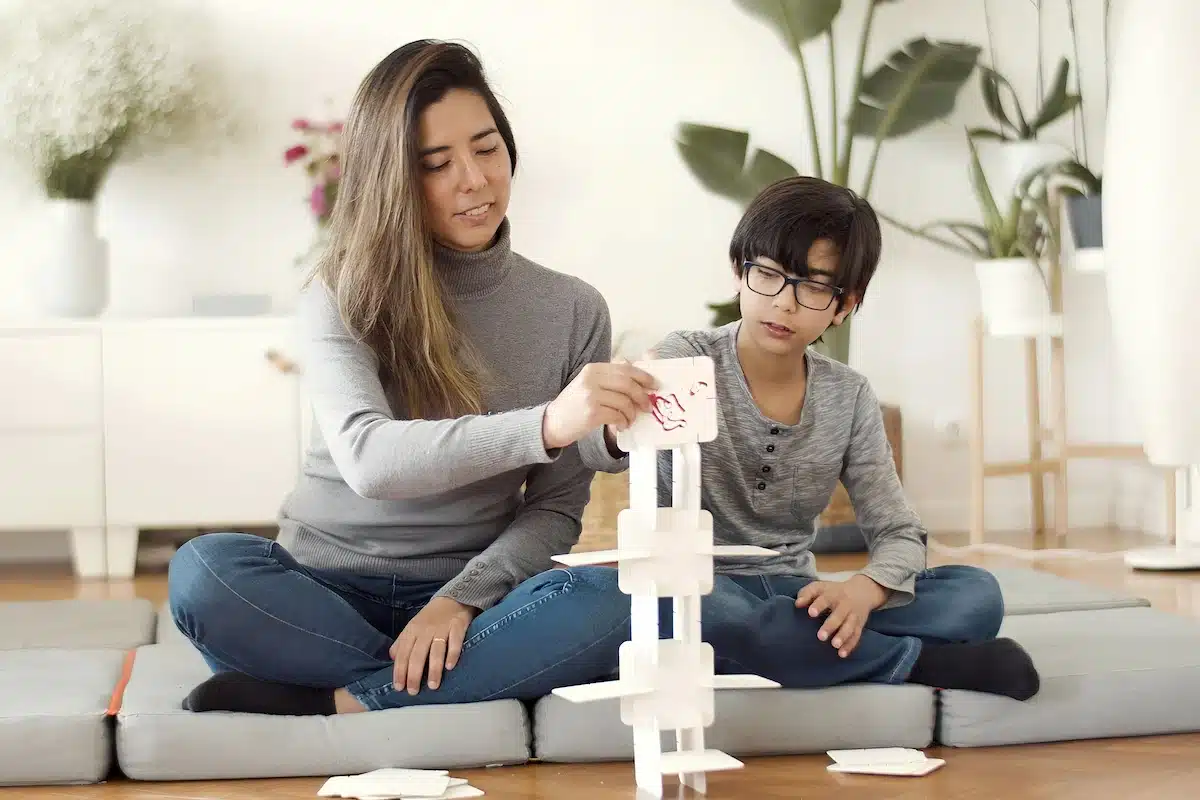
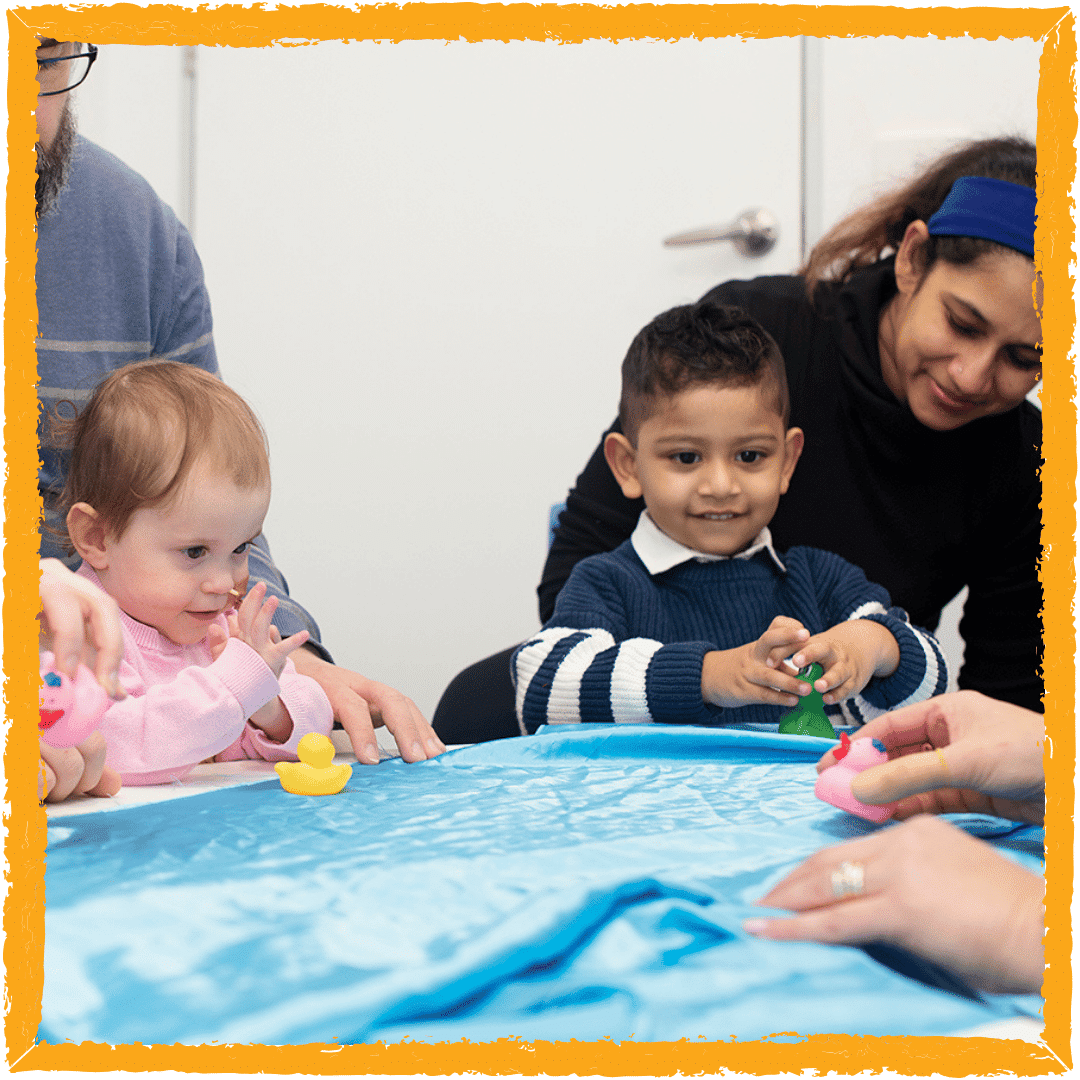
Photo from Pexels: Families and educators working together to guide children’s learning, a key principle of the early years learning framework that values collaboration between families and early learning centres.
Many parents discover that understanding how their child learns transforms the way they see early education. In Shichida Australia’s parent stories, one mum shared how the program helped her whole family become part of her child’s learning journey:
“The Shichida method is amazing for the developing child’s brain. Both parents and grandparents understood the methods, were supportive of the things they were taught weekly, and followed through the learning at home.” — Parent testimonial, Shichida Australia
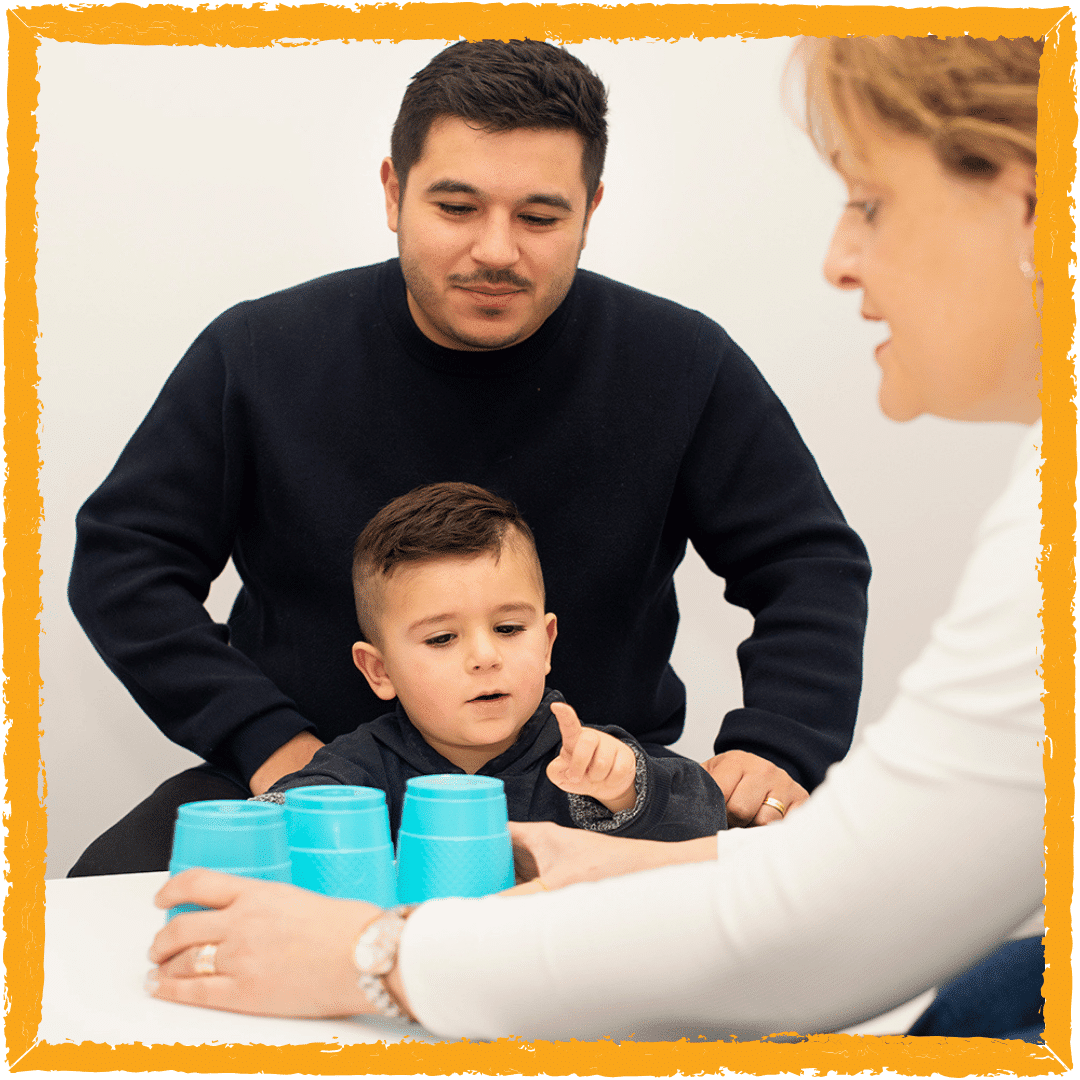
This story beautifully reflects the EYLF’s emphasis on family partnerships. When parents understand the ‘why’ behind each activity whether it’s memory training, creative play, or early literacy they can extend that learning naturally at home.
At Shichida, educators share insights and simple activities families can practise between sessions, reinforcing skills like focus, emotional regulation, and curiosity. This approach mirrors EYLF’s belief that learning continues beyond the classroom and thrives when parents and teachers work together.
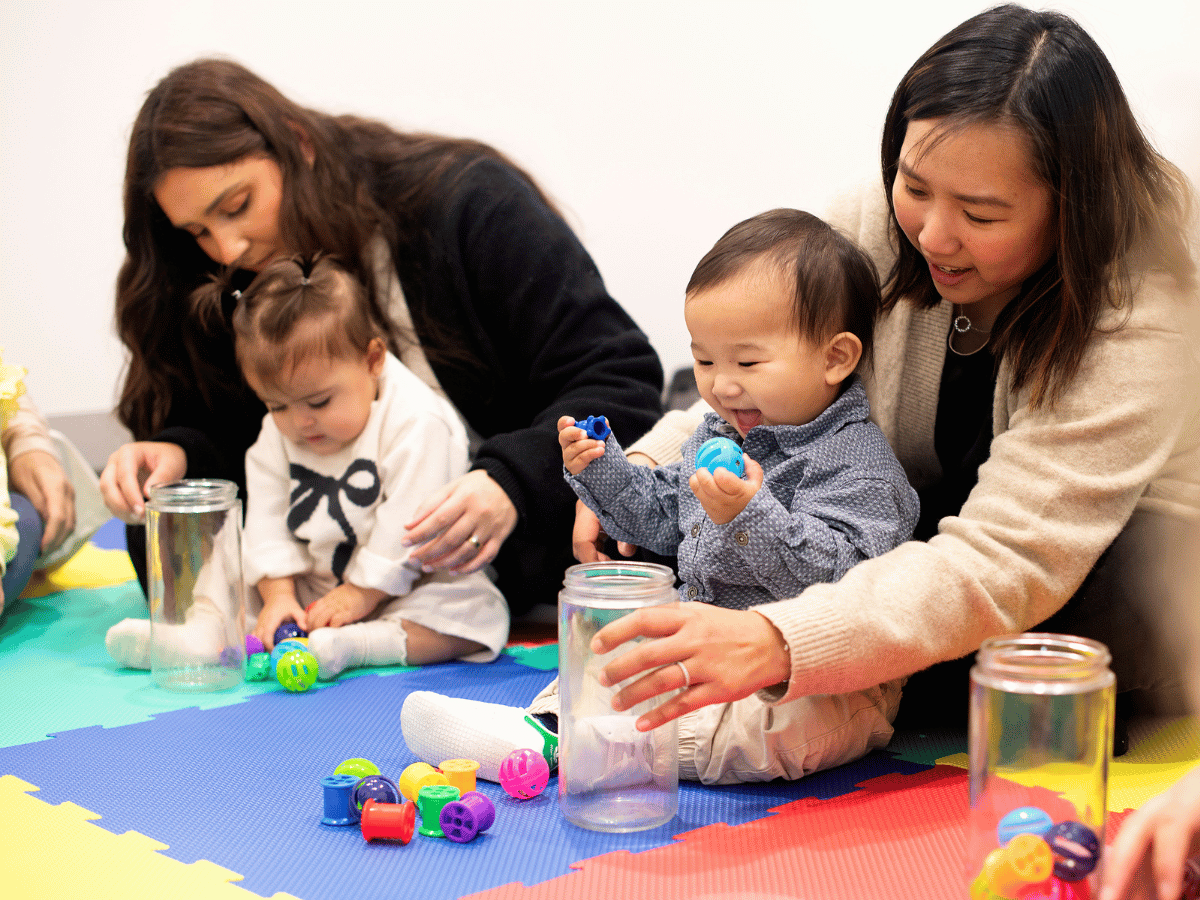
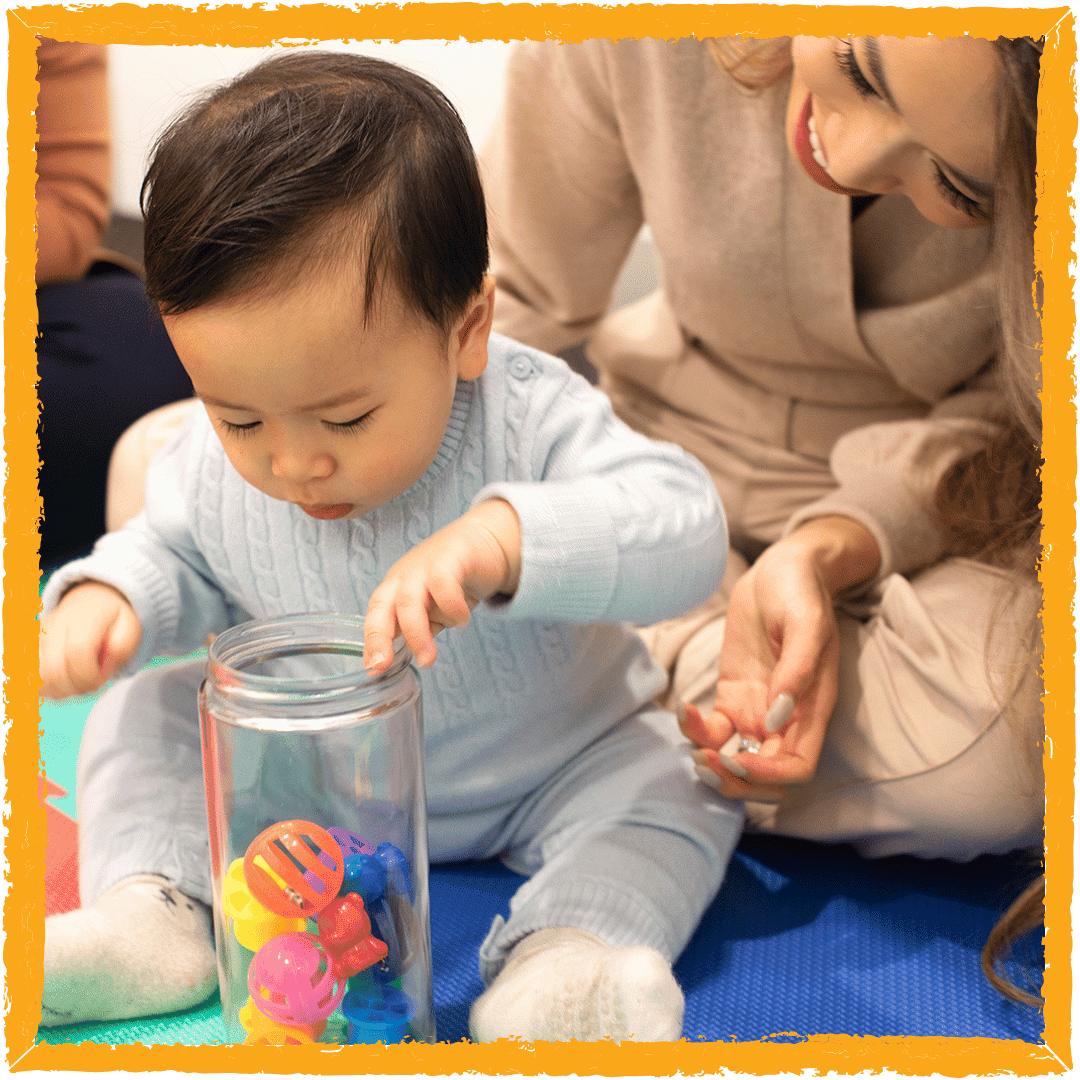
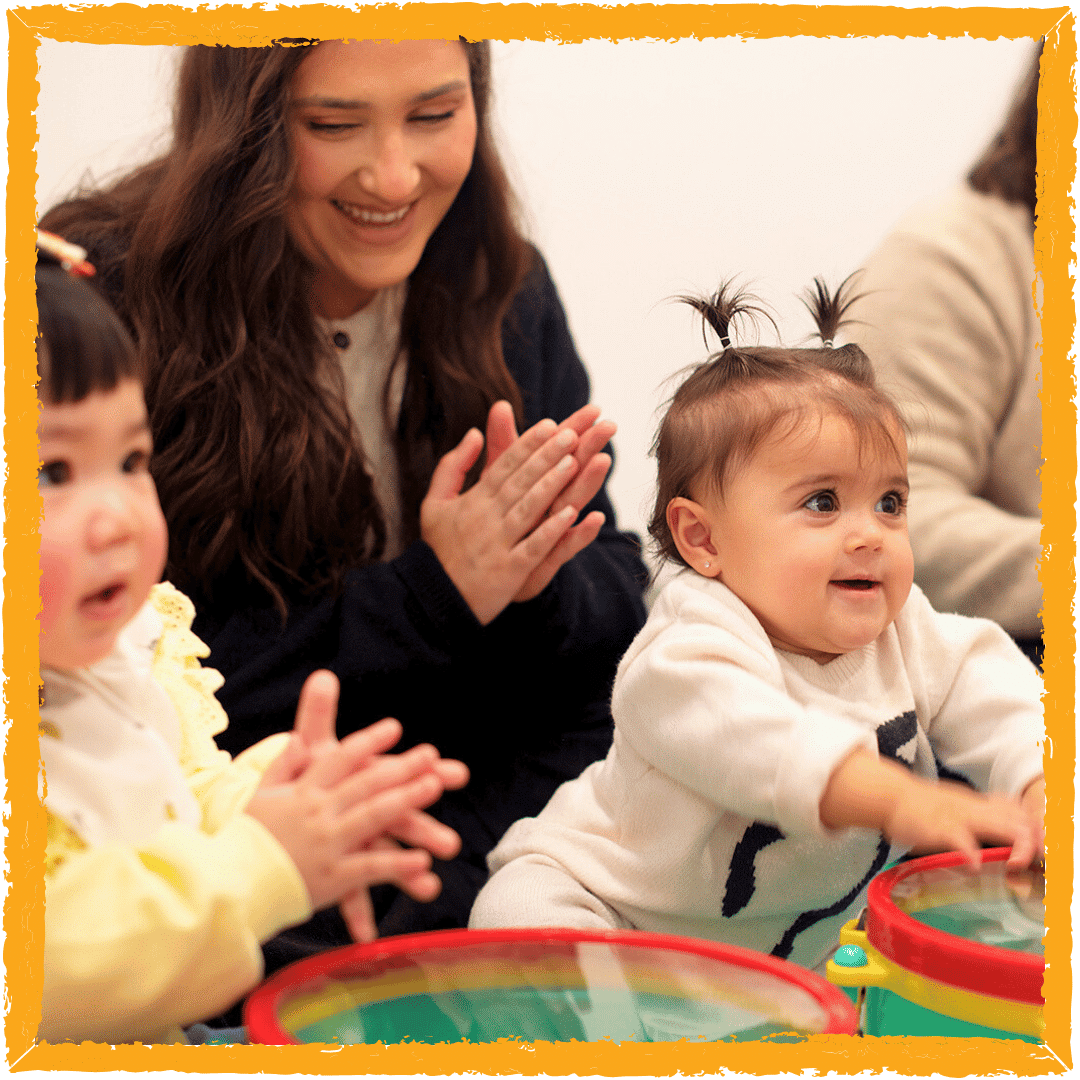
Photo by Shichida Australia: Parents and babies playing a grab-and-drop activity together.
Summary and Takeaway for Parents
The Early Years Learning Framework gives every child in Australia a fair start – built on belonging, being, and becoming. It reminds us that play, curiosity, and relationships are the foundation of learning.
As a parent, you play a vital role. Every story, walk, or game played together helps your child grow through everyday experiences.
To see how you can build early skills through fun, brain-boosting games, book a Shichida trial class. Our whole-brain approach encourages learning through play and shows you simple ways to keep the momentum going at home.
Further Resources & References
Here are trusted sources where you can read more or download the full EYLF V2.0 framework:
FAQ: Early Years Learning Framework
EYLF supports learning from birth to five years, including children in childcare, family day care, and preschool.
You can mirror EYLF principles through play, storytelling, cooking, outdoor exploration, and conversation, anything that encourages curiosity, creativity, and connection.
They describe what your child is developing:
- Identity and confidence
- Connection and contribution to their world
- Wellbeing
- Curiosity and engagement in learning
- Communication and self-expression
It values every child’s background, encouraging educators to include family languages, traditions, and cultural perspectives in learning.
EYLF builds the foundation for resilience, cooperation, problem-solving, and emotional regulation, skills that help children transition smoothly into school.
Absolutely. Everyday play like building, storytelling, cooking, or exploring outdoors reflects EYLF values. Each moment of positive engagement at home supports your child’s learning journey.























)