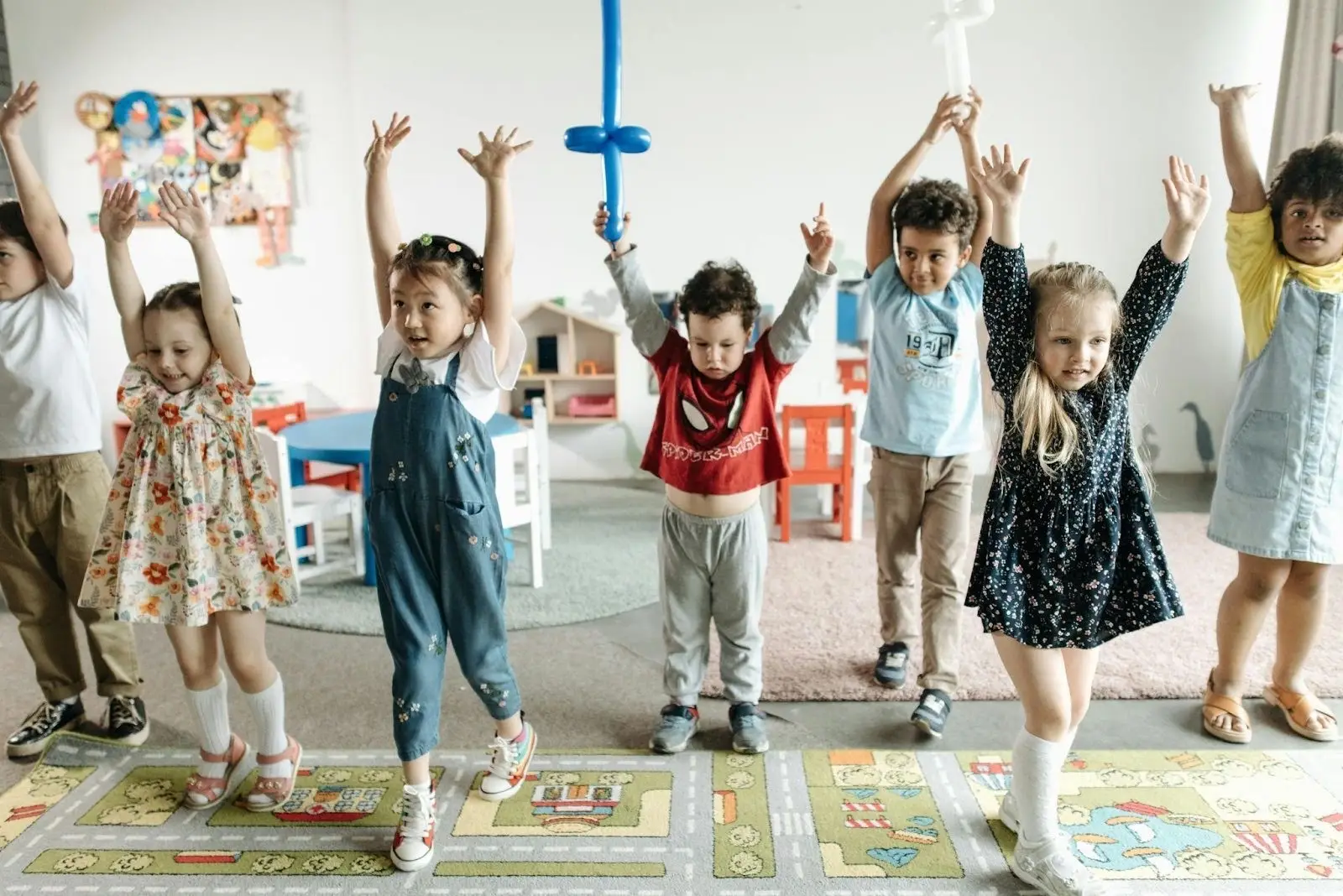
Fun Activities for Kindergarteners: Creative Play Ideas
Key Points:
- Turn everyday tasks like cooking or sorting toys into opportunities for counting, problem-solving, and storytelling.
- Balance indoor and outdoor play for creativity, movement, and exploration.
- Encourage sensory and STEM play with simple experiments or building challenges.
- Support independent play with safe spaces and open-ended toys.
- Balance guided learning with free play for imagination and growth.
Starting kindergarten is a milestone for your child and for you!
This stage of development is full of curiosity, energy and rapid learning. Yet it can sometimes feel like a challenge to balance fun activities for kindergarteners with experiences that also support learning.
You might find yourself wondering: How do I keep my child entertained without screens? How do I make play meaningful?
The answer lies in learning through play. When your child takes part in hands-on, playful experiences, they are building the foundations for lifelong learning. With the right mix of activities, your child can grow socially, emotionally, and academically.
Shichida Australia is recognised worldwide for supporting children’s holistic development through play and structured learning methods. If you are looking for practical ideas, this guide will help you get started.
Why Fun Activities Matter in Early Childhood Learning
Play is your child’s natural language. Through play, they explore, experiment, and make sense of the world. The benefits of early childhood activities reach into every area of their growth.
Cognitive Benefits of Play
When your child solves a puzzle, builds with blocks, or acts out a story, they are strengthening memory, creativity, and problem-solving.
Research shows that educational activities for kindergarteners, such as storytelling or simple STEM projects, help children concentrate better and develop their natural curiosity.
Social & Emotional Growth
Play teaches life skills. When your child plays preschool and kindergarten games, they learn to share, take turns, and cope with frustration. Activities like puppet shows or role-playing help them express emotions and build self-confidence.
Physical Development
From running and climbing to painting and cutting, hands-on learning activities boost both gross and fine motor skills. Activities such as outdoor play or kindergarten crafts also prepare your child for writing, sports, and self-care.
Indoor Fun Activities for Kindergarteners
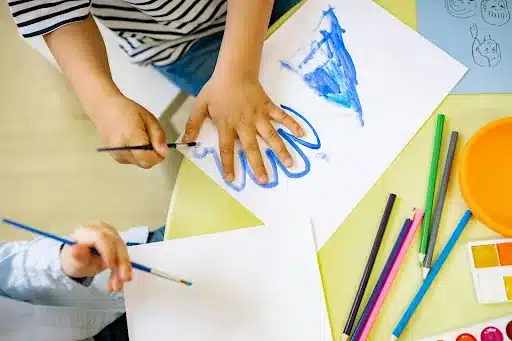
Photo from Pexels: Creative indoor crafts are one of the best activities for kindergarteners to enjoy learning at home.
There will be days when going outside isn’t an option. On rainy afternoons or when you are short on time, these indoor activities for kindergarteners can keep your child happy and engaged.
Creative Arts & Crafts
Set up a small art station with crayons, paper, and paints. Encourage your child to make collages from old magazines, play with clay, or create seasonal crafts. These activities nurture imagination and patience while improving focus.
Storytelling & Puppet Shows
Bring stories to life by using sock puppets or making simple paper bag puppets. Invite your child to create characters and invent stories. This builds language skills and sparks creativity, especially if siblings join in.
Educational Board & Card Games
Games such as dominoes, memory cards, or beginner spelling boards are ideal for family evenings. They make learning spelling, counting, and strategy fun and stress-free.
Weekly Classes
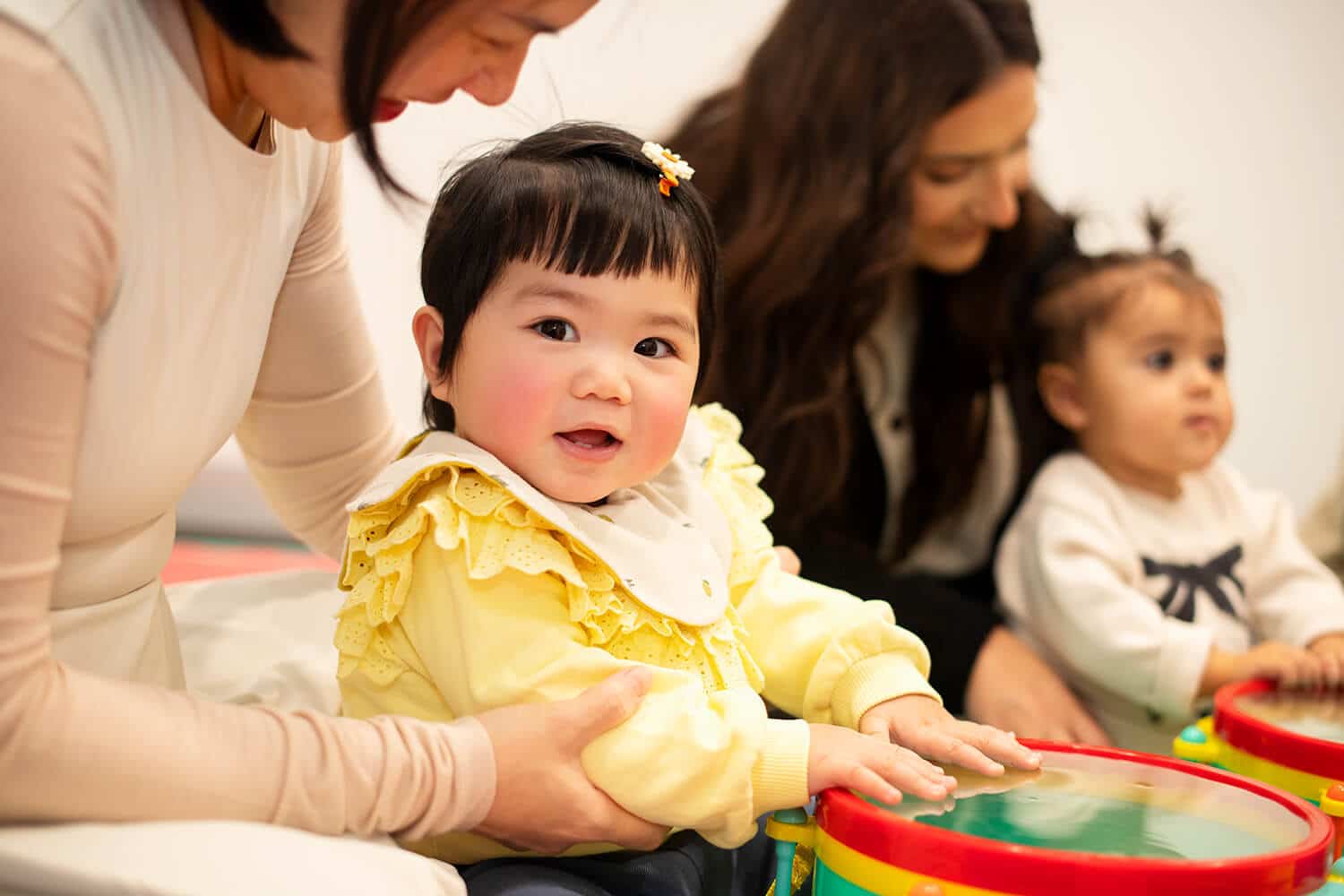
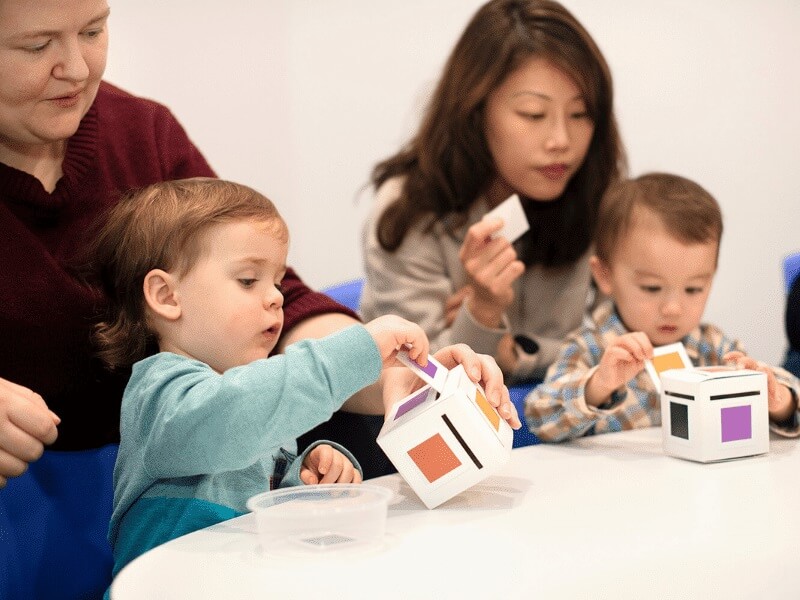
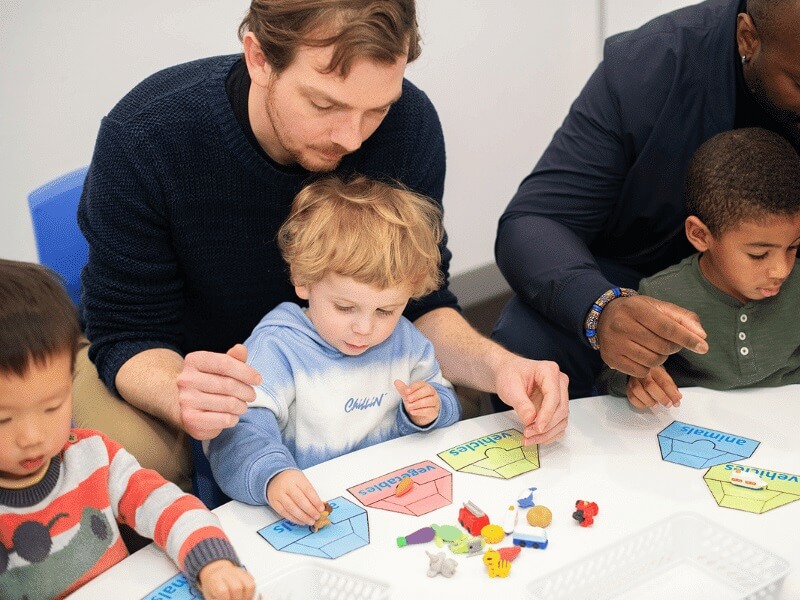
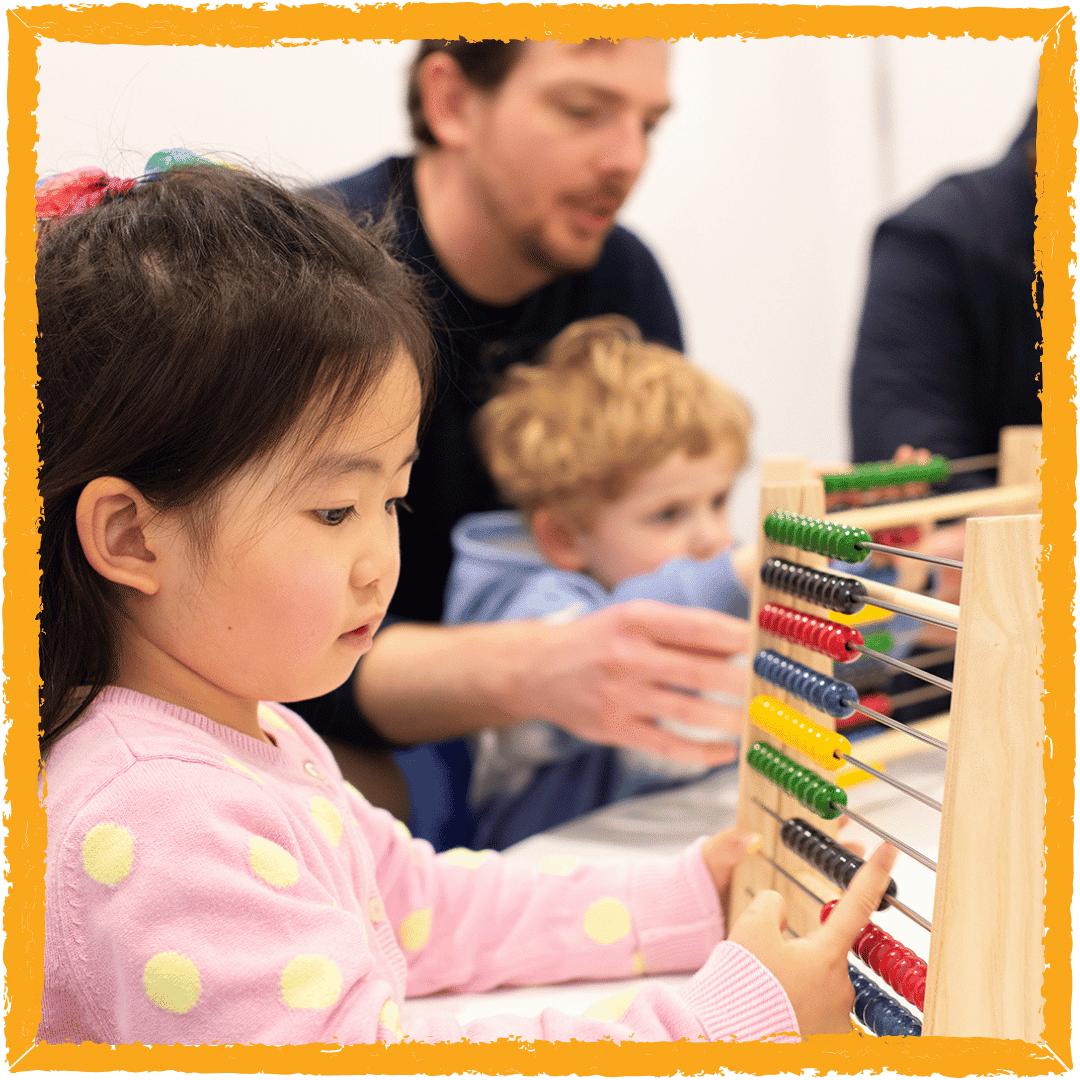
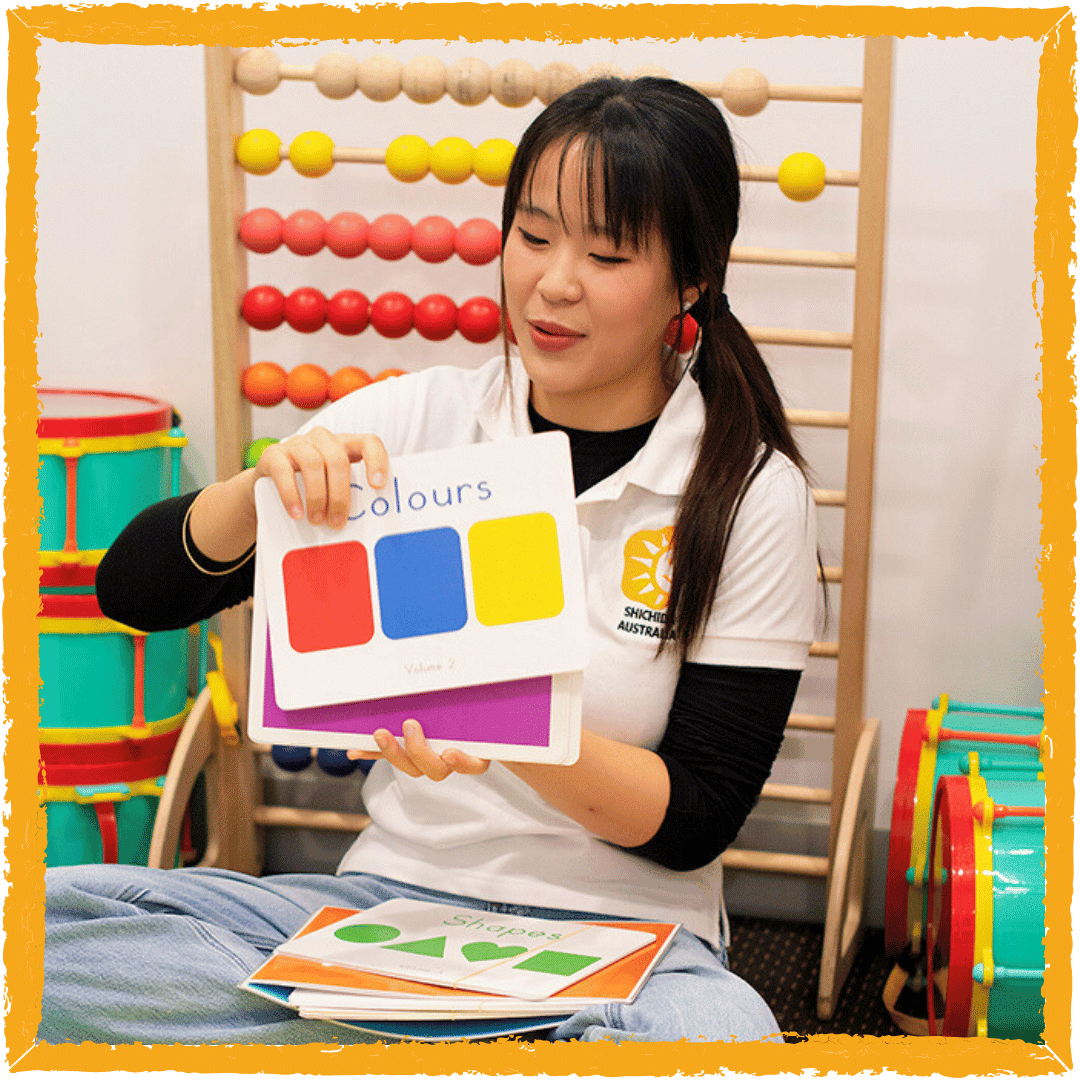
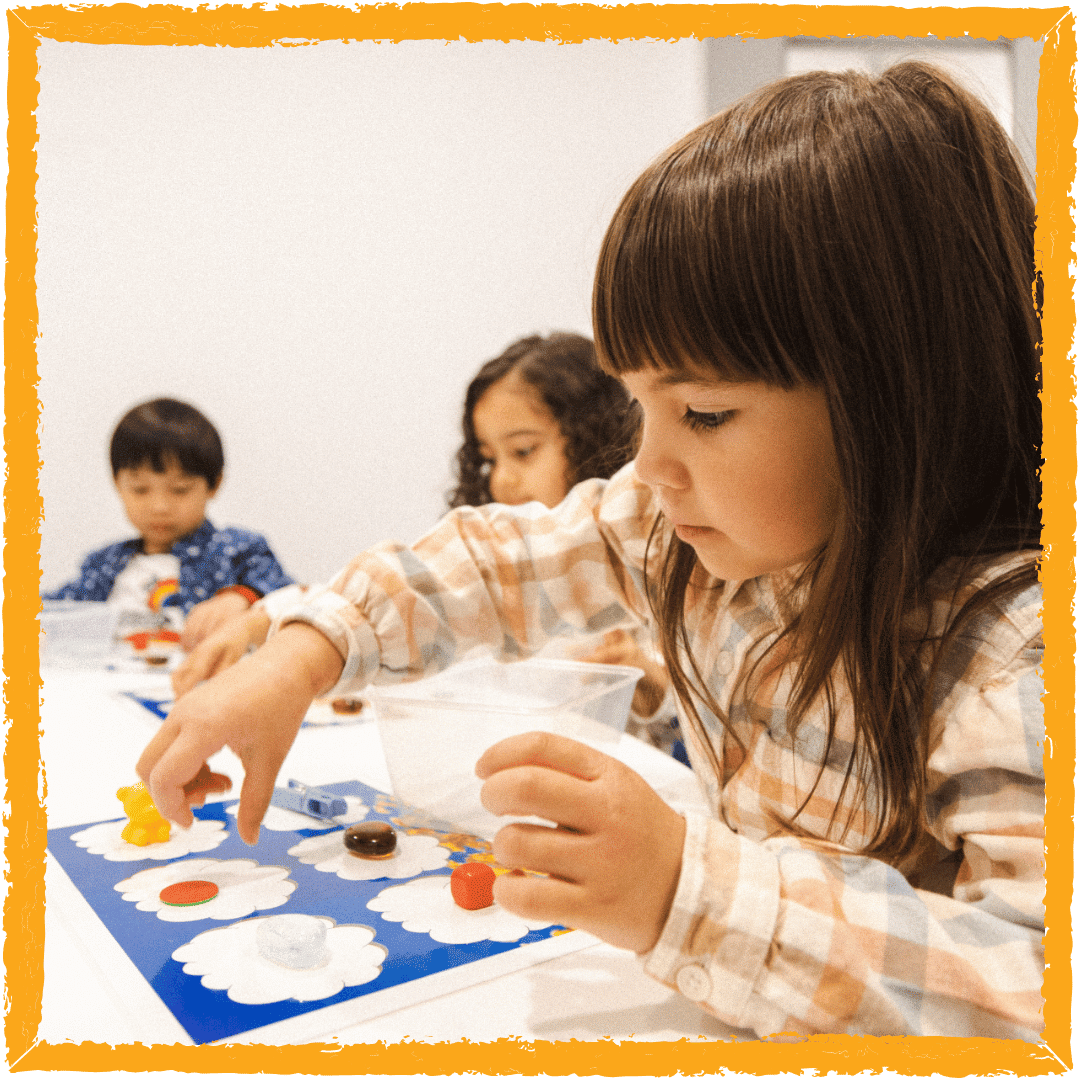
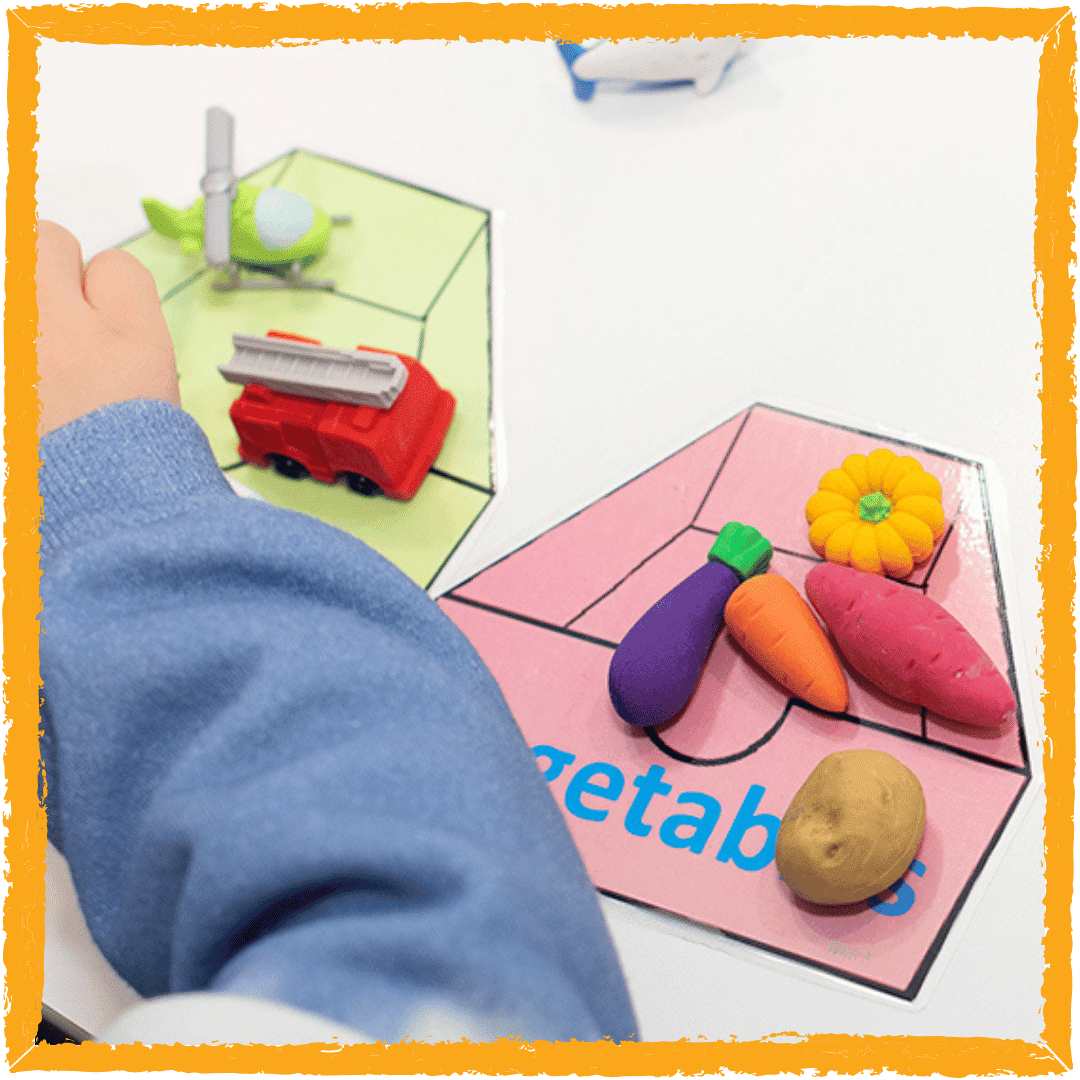
Consider joining classes that specialise in helping kindergarteners learn new skills through fun, hands-on activities. Programs like Shichida Australia use songs, memory games, and sensory play to strengthen focus, confidence, and early literacy and numeracy – all while children are having fun.
Outdoor Fun Activities for Kindergarteners
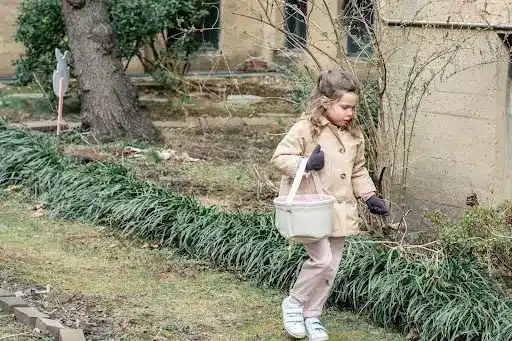
Photo from Pexels: A nature scavenger hunt is an exciting activity idea for kindergarteners to explore the outdoors.
Children flourish outdoors, where they can move freely and explore the natural world. These outdoor activities for kindergarteners are simple ways to encourage teamwork and curiosity.
Nature Scavenger Hunts
Create a checklist of items such as feathers, stones, or leaves. As your child searches, they practise observation skills and develop curiosity about nature.
Backyard Sports & Relay Games
Organise sack races, ball games, or obstacle courses in your garden. These games develop coordination, fitness, and teamwork. Household items often work just as well as sports equipment.
Gardening with Kids
Invite your child to plant seeds, water plants, and watch them grow. Gardening teaches patience and responsibility while also being a great introduction to STEM activities for kids. Your child can see first-hand how sunlight, soil, and water work together.
Sensory Activities
Children learn best when all their senses are engaged. This sensory play for kids guide offers ideas to help them explore, experiment, and discover.
DIY Sensory Bins
Fill a container with rice, pasta, or water beads. Add scoops, funnels, and small toys to encourage imaginative play. Sensory bins are calming and excellent for developing fine motor skills.
Simple Science Experiments
A baking soda volcano or sink-and-float activity is a safe way to introduce science concepts. These playful experiments encourage curiosity and help your child understand cause and effect.
Building Challenges
Provide LEGO, wooden blocks, or recycled cardboard. Challenge your child to build towers, bridges, or houses. These activities develop problem-solving, creativity, and perseverance.
Seasonal & Holiday-Themed Activities
Every season brings fresh opportunities to play and learn. Keeping seasonal activities for kids in mind makes learning feel fun and relevant.
Summer Water Play
Sprinklers, water balloons, or even a tub of water with cups can keep your child cool in summer. Water play is a brilliant sensory experience that also builds coordination.
Winter Indoor Adventures
If it’s too cold to go outside, make pretend snow with cotton balls or shredded paper. Indoor camping with blankets, pillows, and torches is another way to spark imagination.
Holiday Crafting
Seasonal celebrations provide the perfect excuse for crafts. Easter egg decorating, Halloween costumes, or Christmas cards keep little hands busy while developing fine motor skills.
Tips for Making Activities More Educational
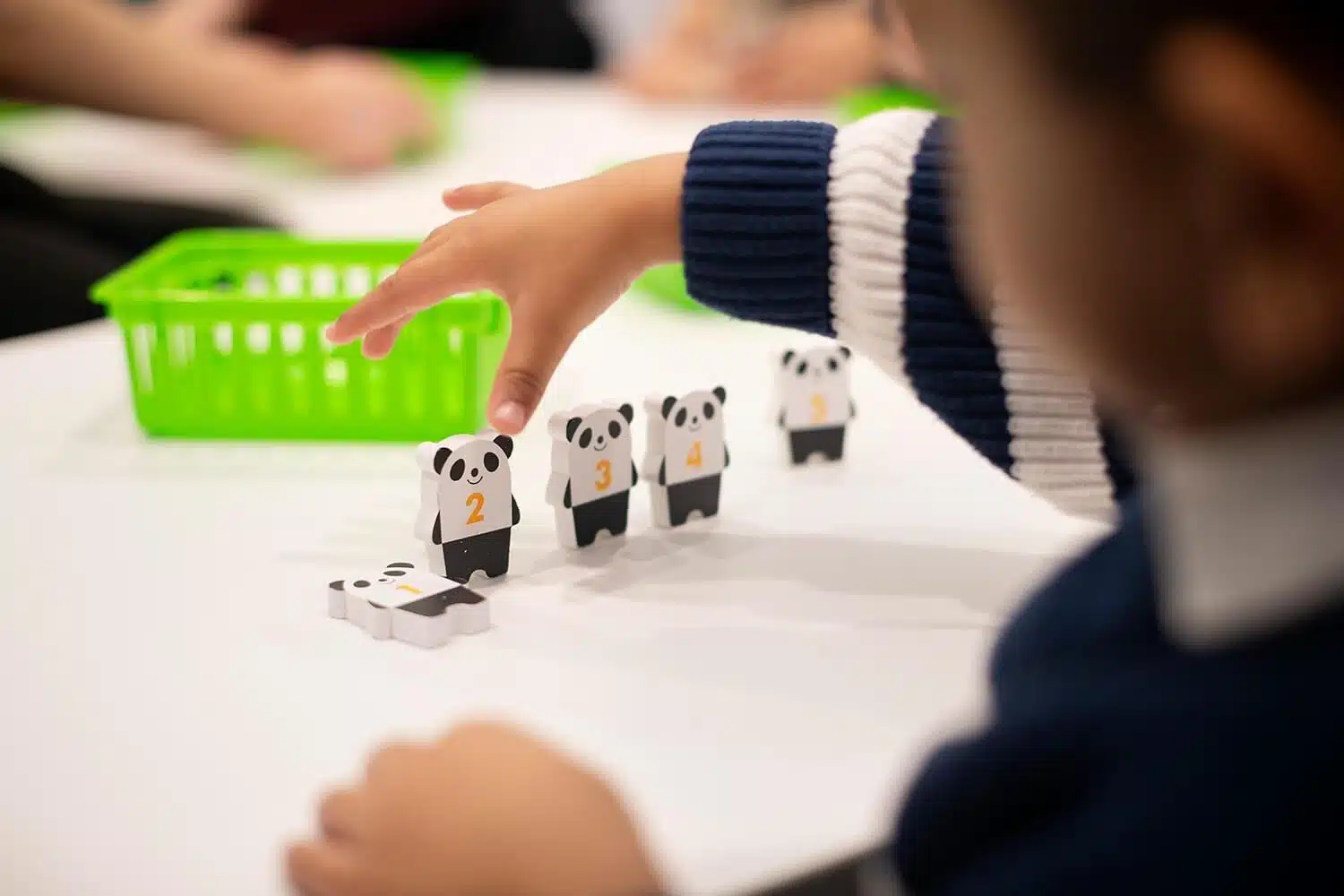
Photo by Shichida Australia: A young child lines up numbered pandas, practising counting, sequencing, number reading, and fine motor skills.
Turning play into learning doesn’t have to feel like hard work. Here are some simple strategies:
- Show your child a love of learning by example. Practise guided play by joining in and playing together! Children love spending purposeful, quality time with their parents or guardians.
- Add counting to everyday activities, such as counting toys. “How many toy cars are on the table?”
- Encourage letter recognition by labelling toy bins or helping your child write their name.
- Ask open-ended questions like “What do you think will happen if…?” to encourage critical thinking.
Encouraging Independent Play
Independent play helps your child build confidence and problem-solving skills. Set up a safe corner at home with blocks, dolls, or art supplies. Start by playing together, followed by a short period of independent play, then gradually extend the time as your child gains confidence.
Balancing Structure & Free Play
Your child benefits from both structured and unstructured play. Too much structure may limit creativity, while too much freedom can lead to restlessness. Aim for a balance that includes educational activities for kindergarteners along with open-ended playtime.
Conclusion
Play is the foundation of your child’s learning journey. By blending indoor play, outdoor exploration, sensory activities, STEM challenges, and seasonal fun, you give your child the tools to grow cognitively, socially, and physically.
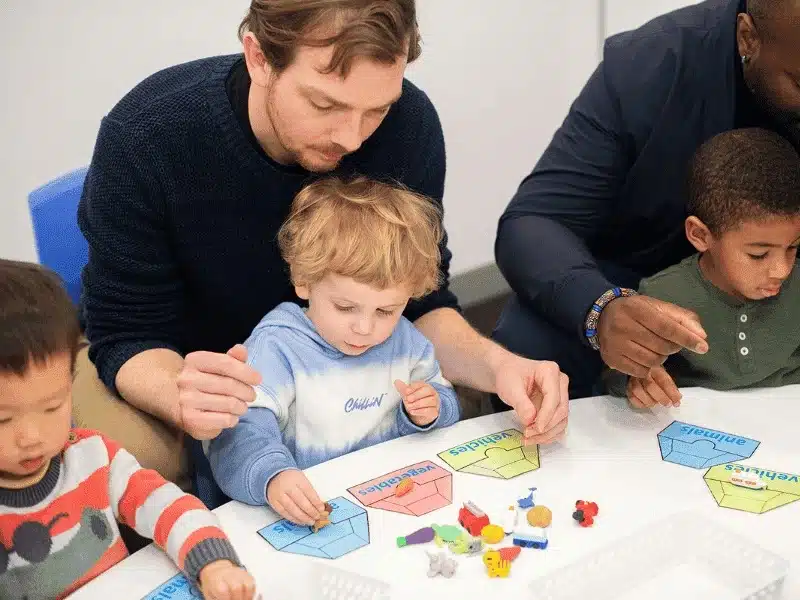
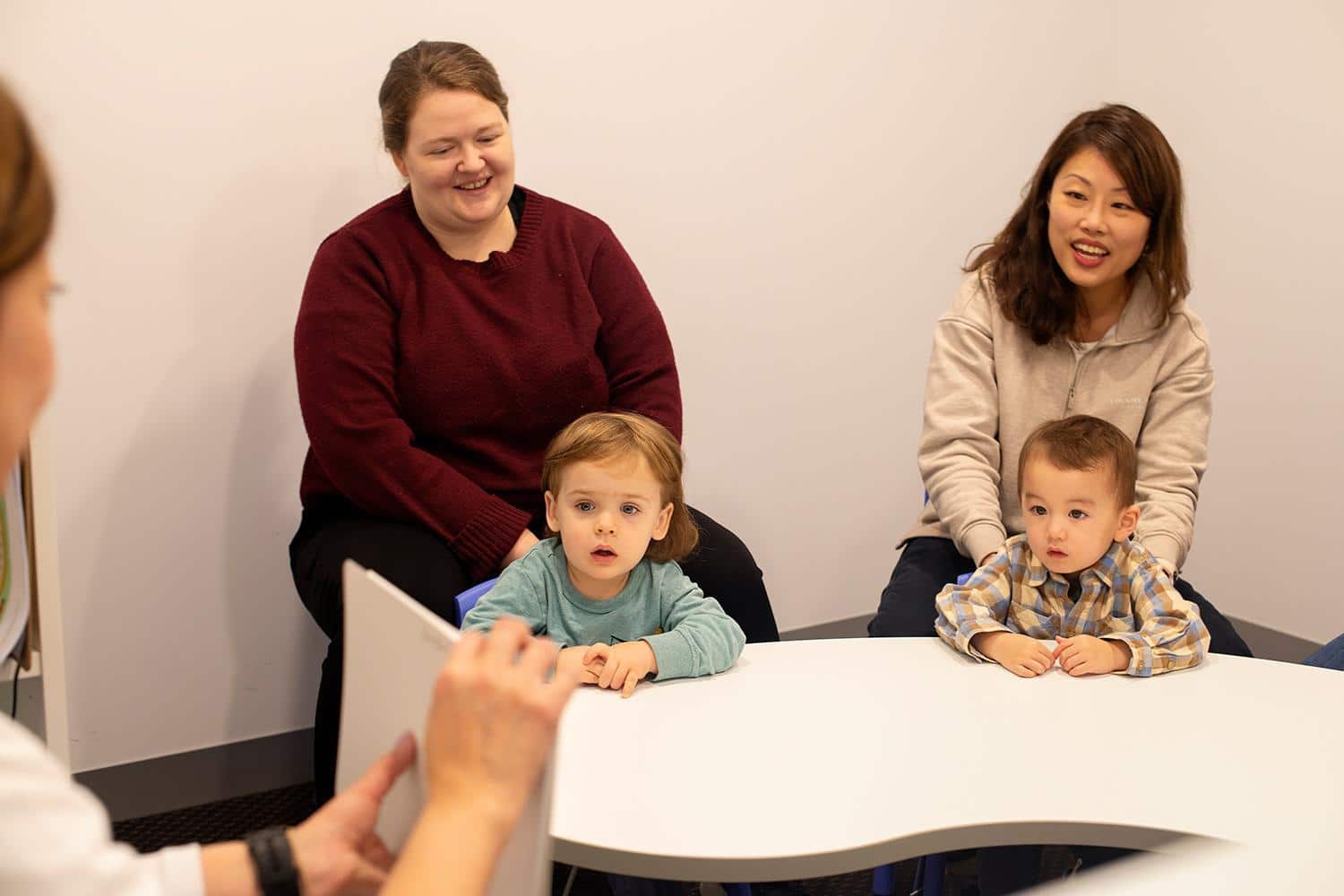
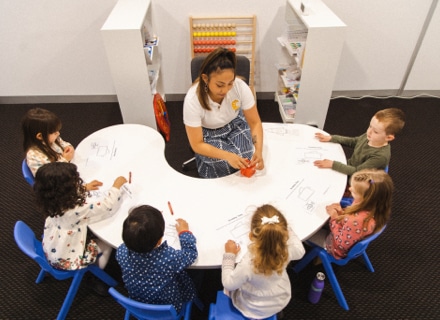
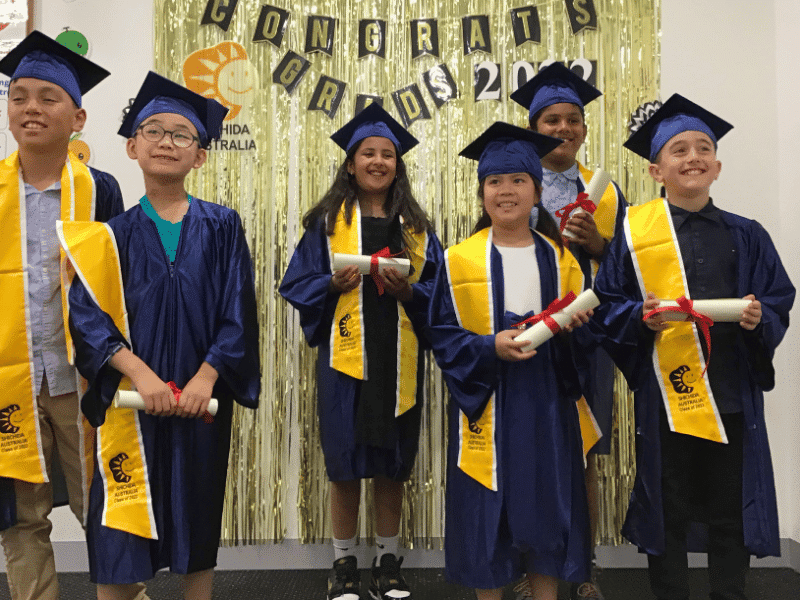
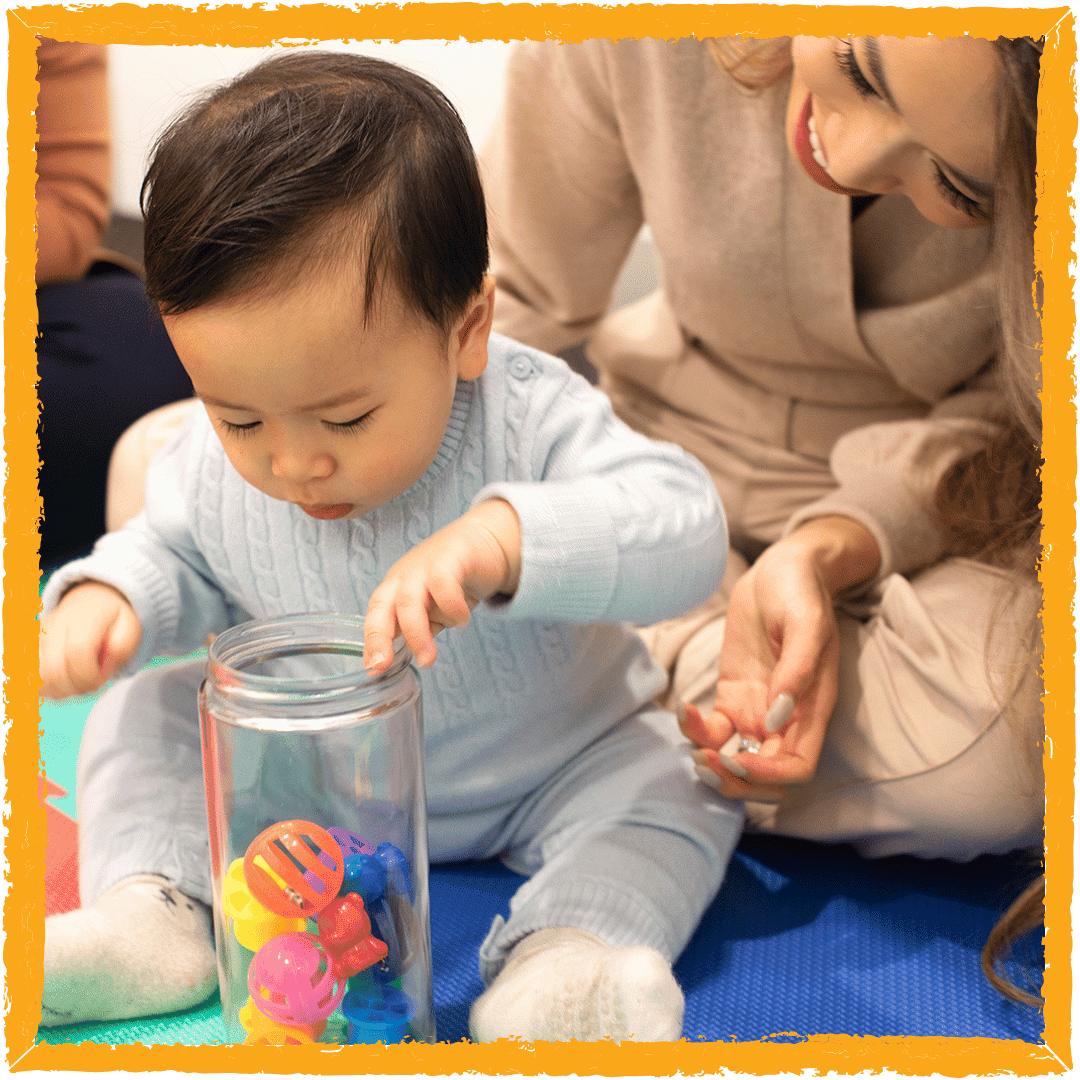
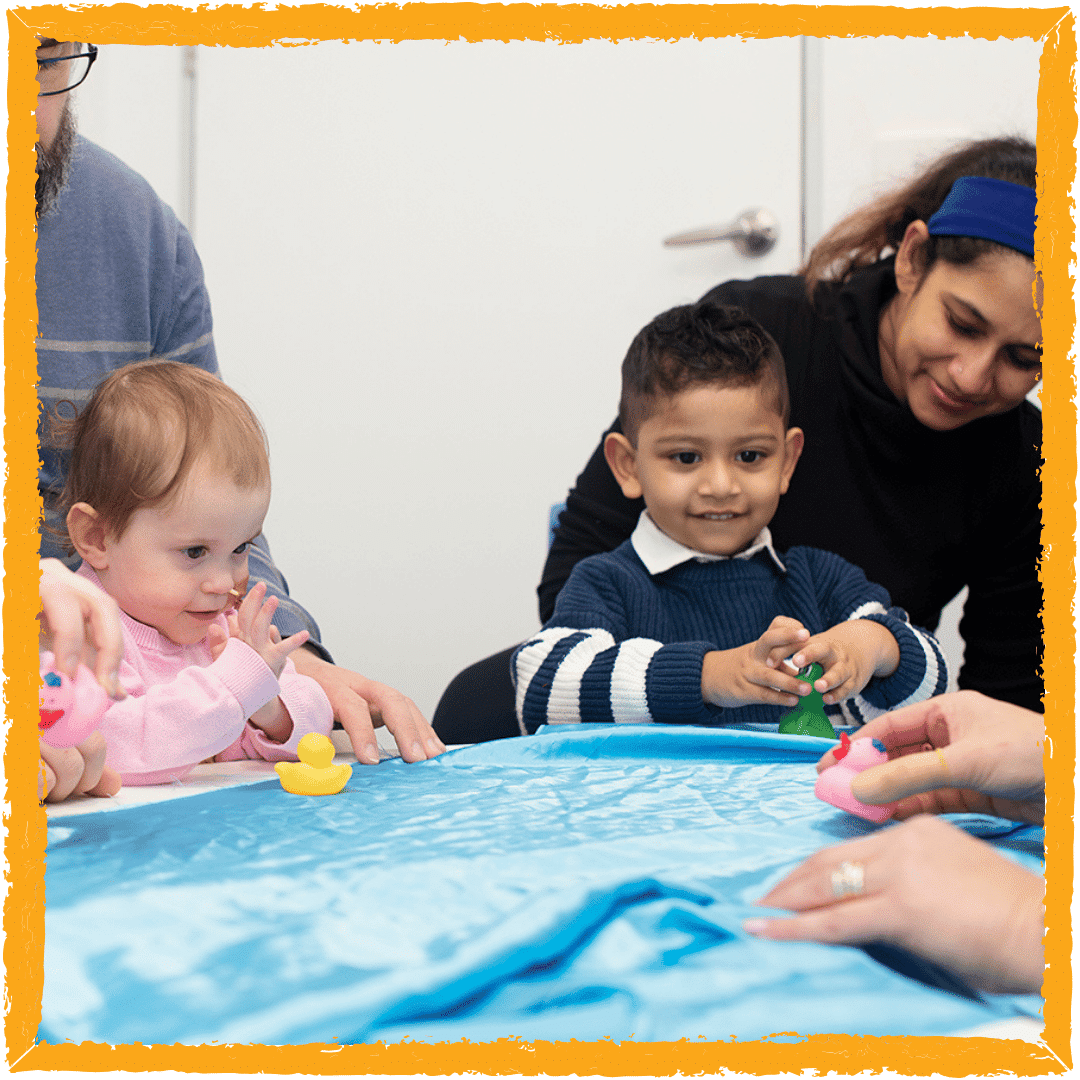
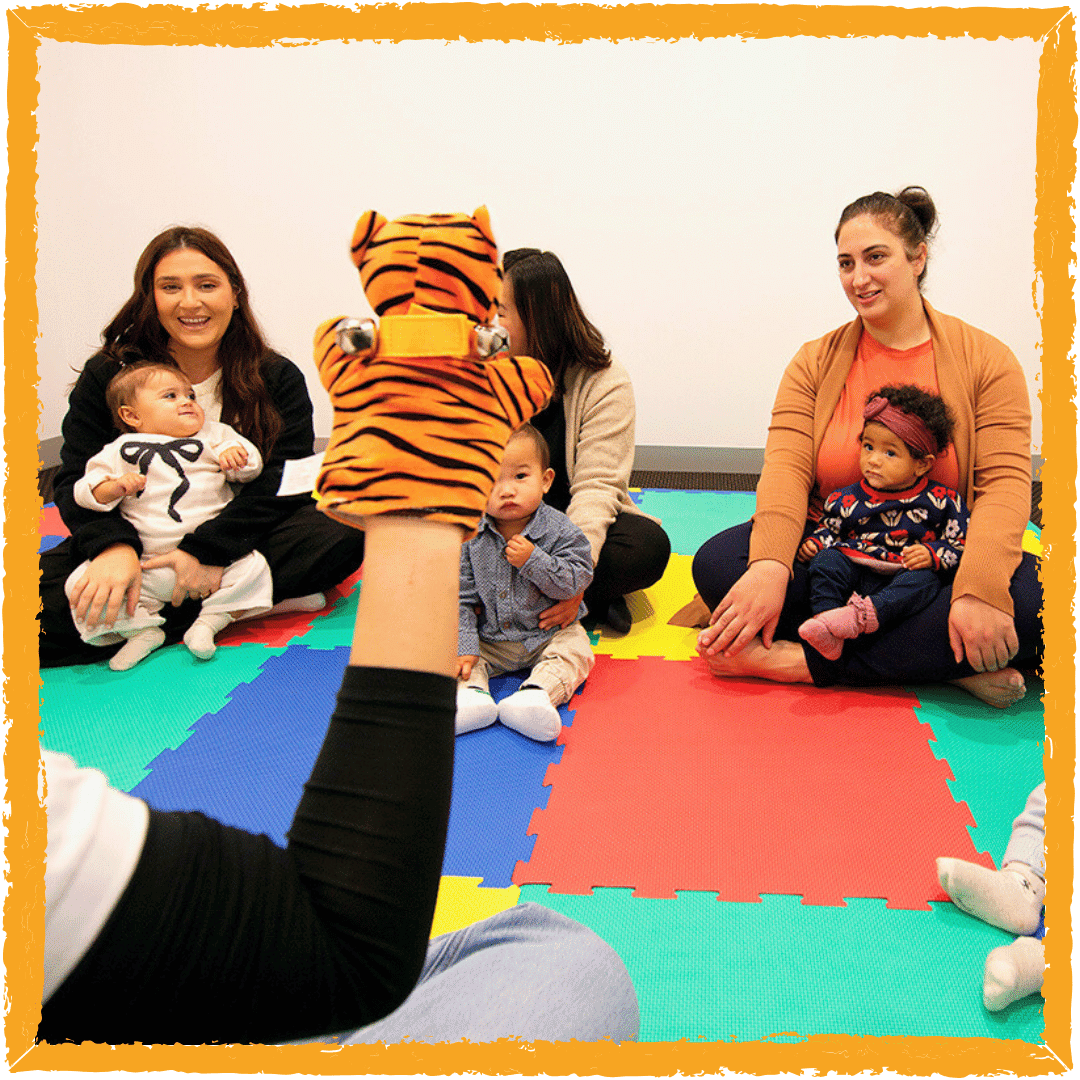
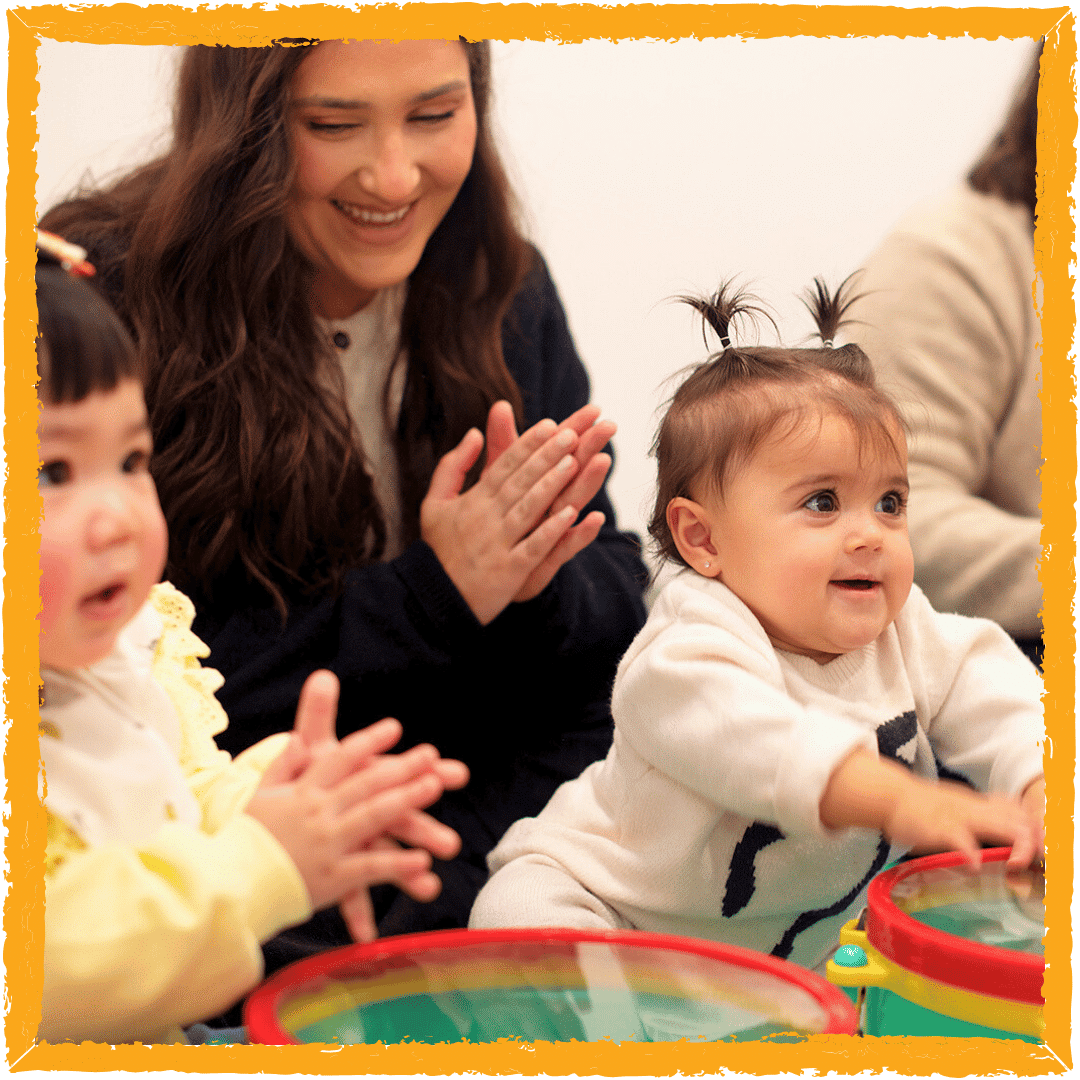
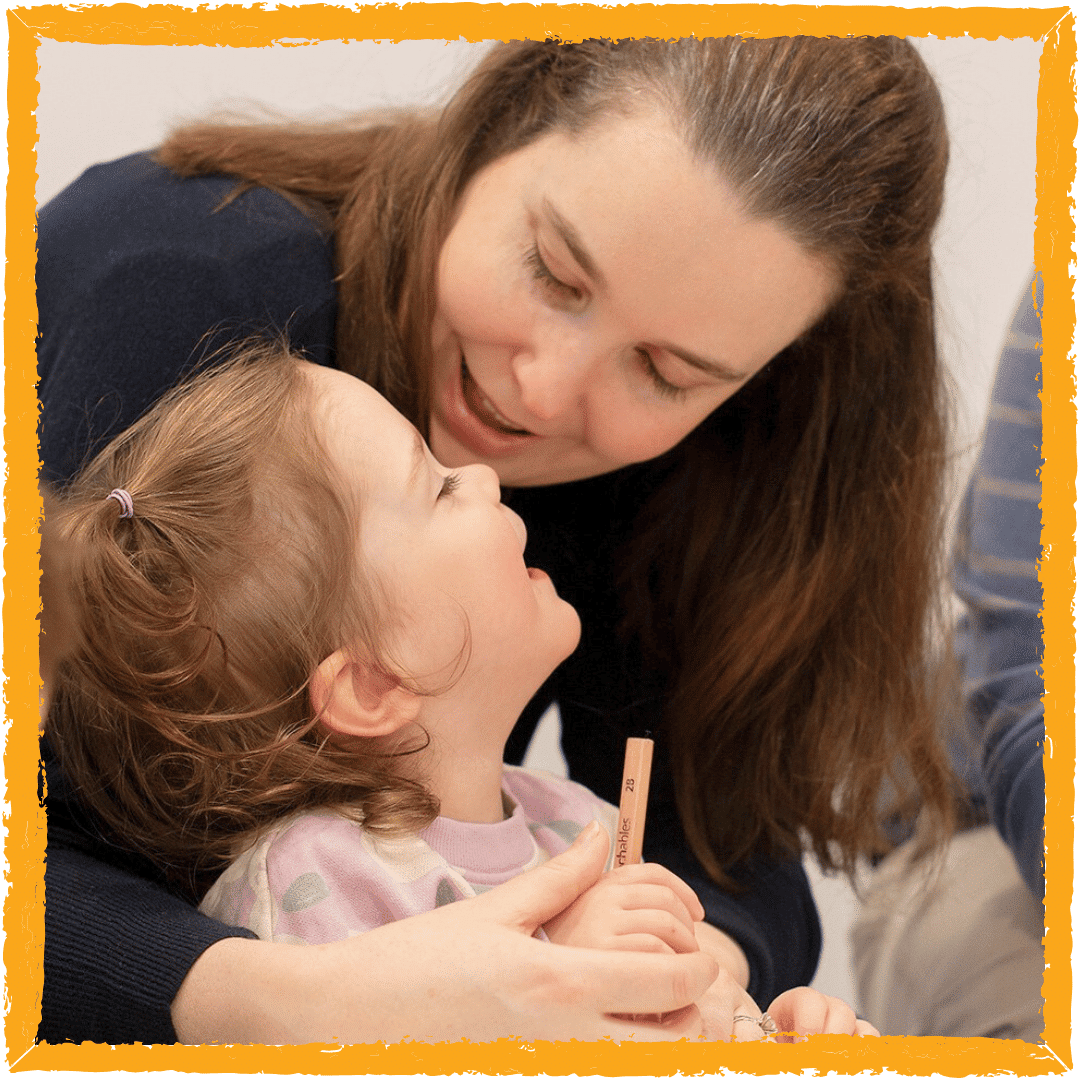
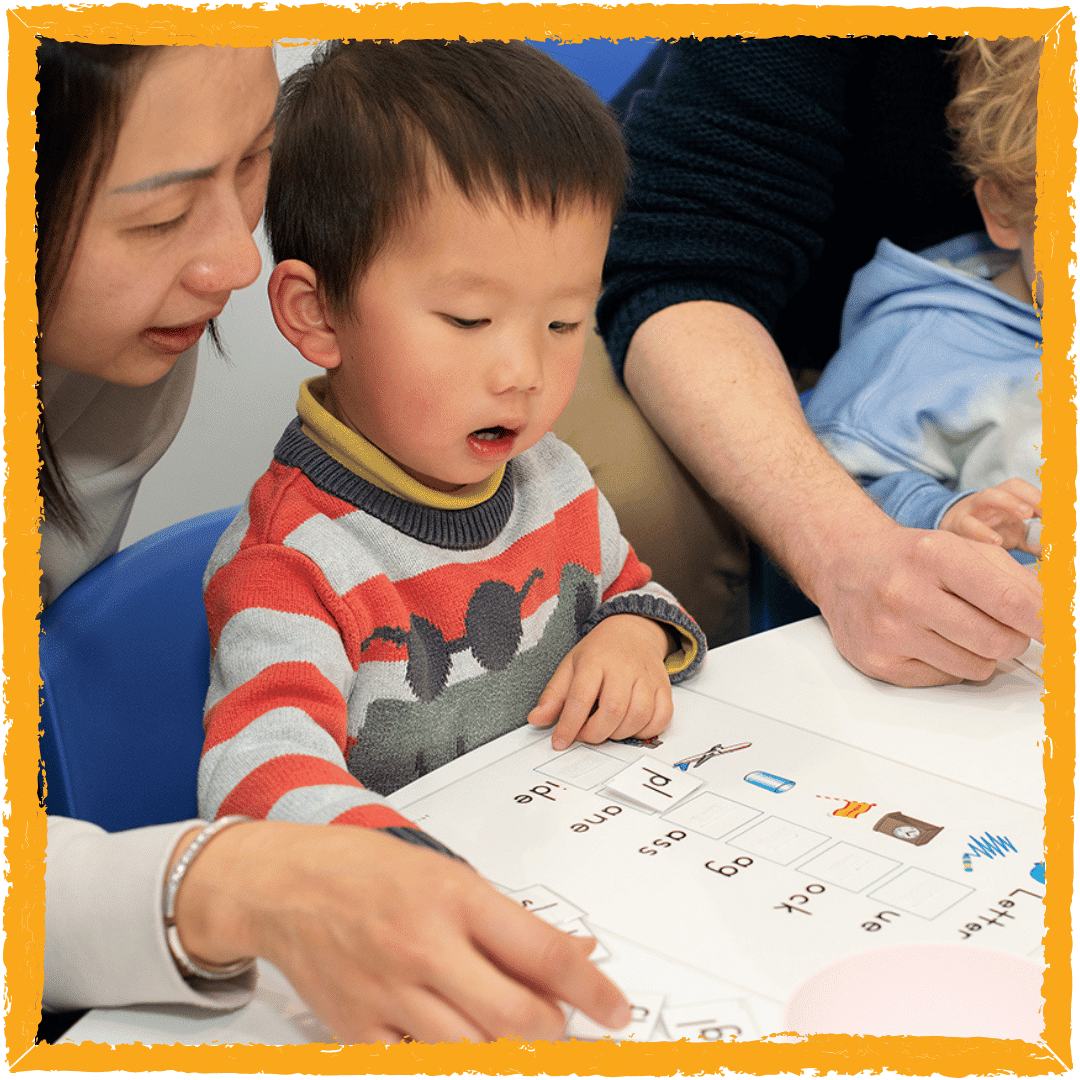
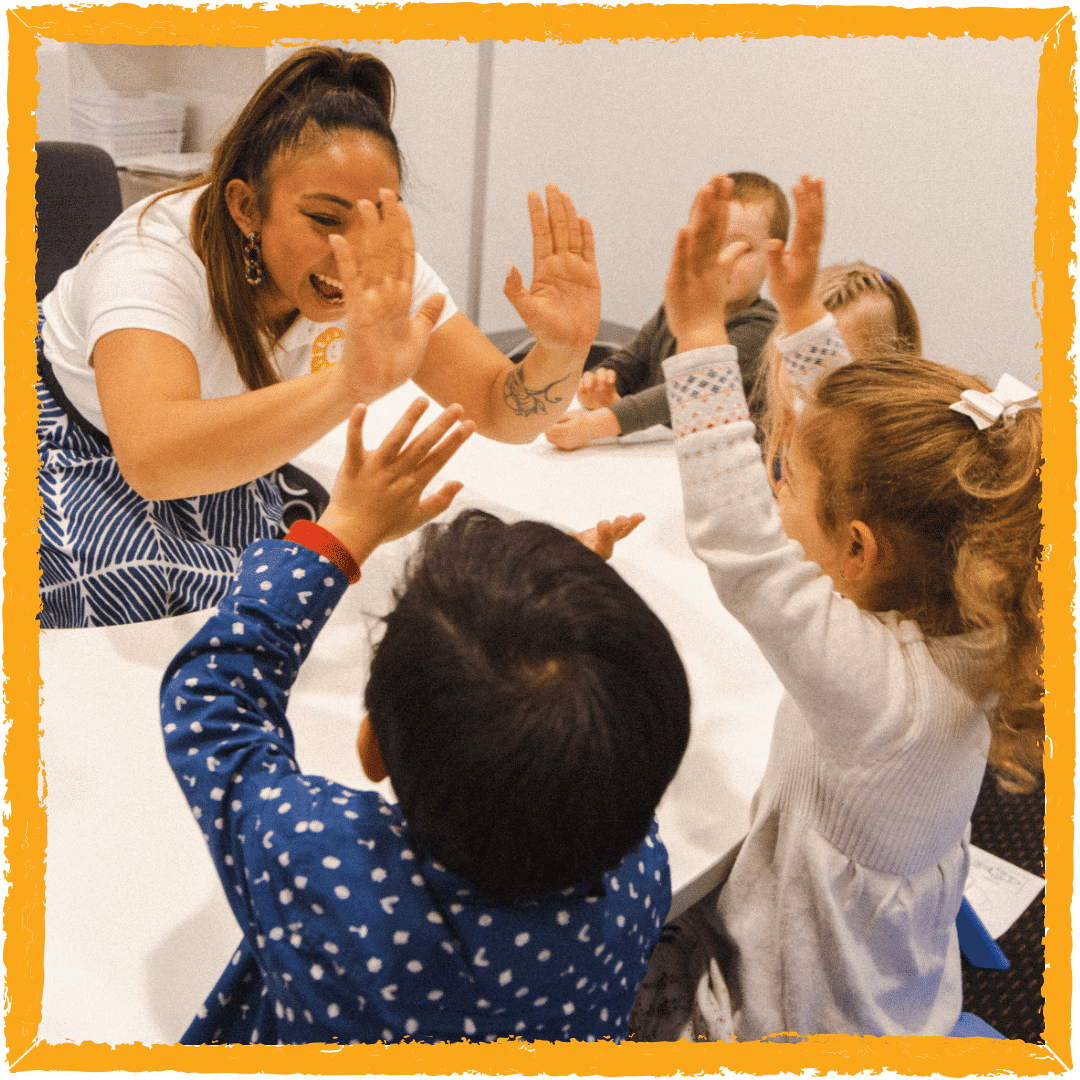
Photo by Shichida Australia: Our weekly Kinder classes are a lot of fun! Children complete 20-25 activities per class, alongside their parents.
Shichida offers trusted resources and proven learning methods for ages 6 months to 5 years old, to help parents enrich their child’s early years.
Explore more early learning ideas and see how the Shichida Method can support your child’s growth. Book a trial class now!
FAQ's: Fun activities for kindergarteners
Arts and crafts, puppet shows, and educational board games work well.
They build memory, creativity, social skills, and motor skills in an enjoyable way.
Relay races, scavenger hunts, and simple ball games are fun and safe.
Mix play with learning, count blocks, label drawings, or act out stories together.
Clay modelling, rice bins, and water play are safe and beneficial.
Yes. Simple science experiments and building challenges are ideal introductions to STEM.
A few structured play sessions (this could include reading to your child) each week, balanced with free-play, works best.
Nature walks, recycled crafts, and games like hide-and-seek cost little but offer big benefits.
Yes, Shichida Australia offers fun classes for kids aged 6 months to 5 years old in Melbourne and Sydney.