5 Benefits of Sensory Play for Early Childhood Development
Key Points
- Encourage brain growth by offering sensory play that builds problem-solving, memory, and early maths skills.
- Boost your child’s communication by using textures, sounds, and descriptive play to expand vocabulary.
- Strengthen motor skills through hands-on activities like pouring, pinching, digging, and balancing.
- Support emotional growth by guiding children to share, self-regulate, and build confidence during play.
I bet your toddler loves squeezing playdough, pouring water between cups, or running their hands through rice. What might look like messy fun is actually helping them build brain power, focus, and confidence.
This is what we call sensory play. Through touch, sound, sight, smell, and even taste, children explore the world while building essential skills that prepare them for school and life.
In this article, you’ll discover the five key benefits of sensory play for early childhood development, along with practical ideas you can use at home.
What Is Sensory Play and Why It Matters
Defining Sensory Play
Sensory play involves activities that stimulate a child’s senses, sense of touch, taste, smell, sight, hearing, balance, and movement.
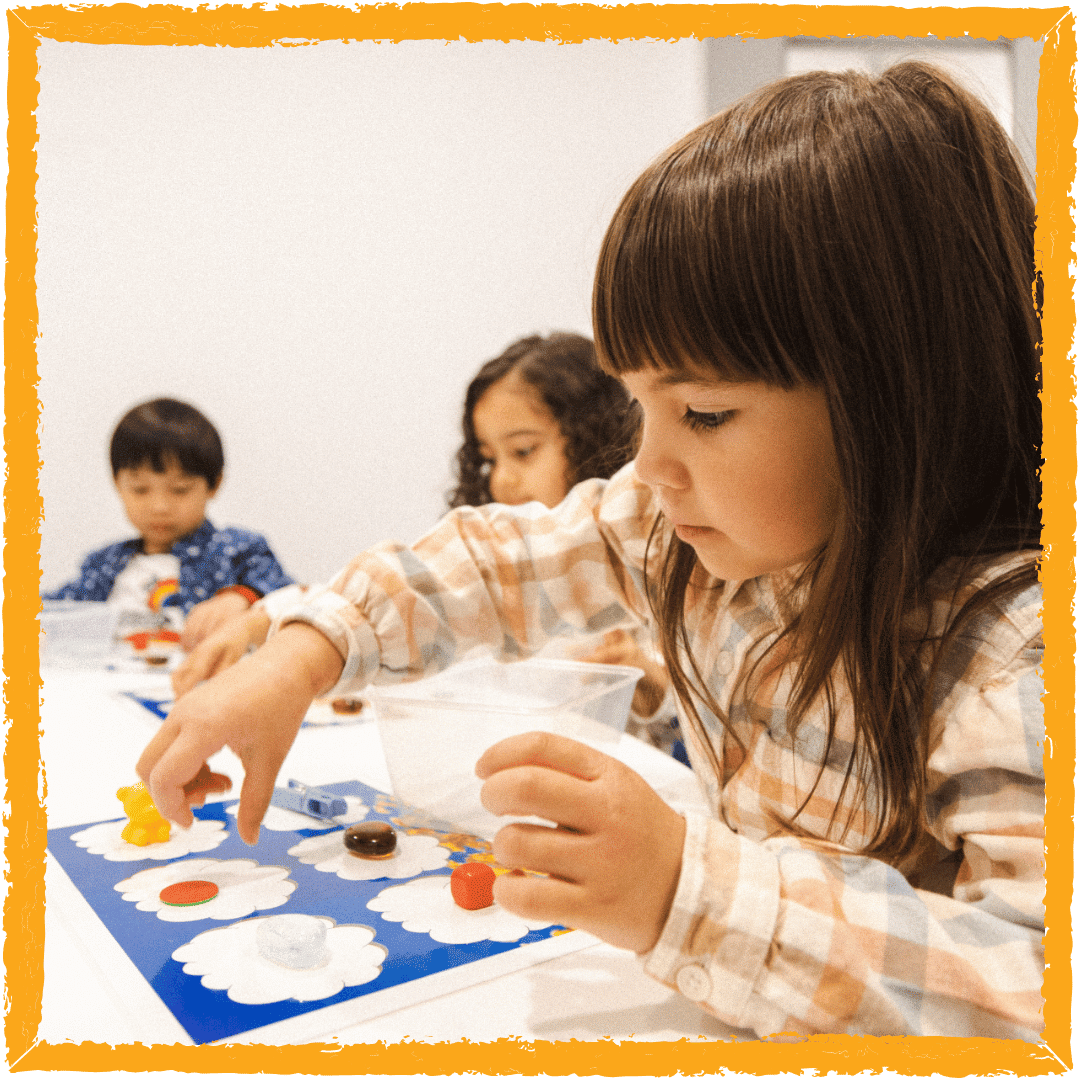
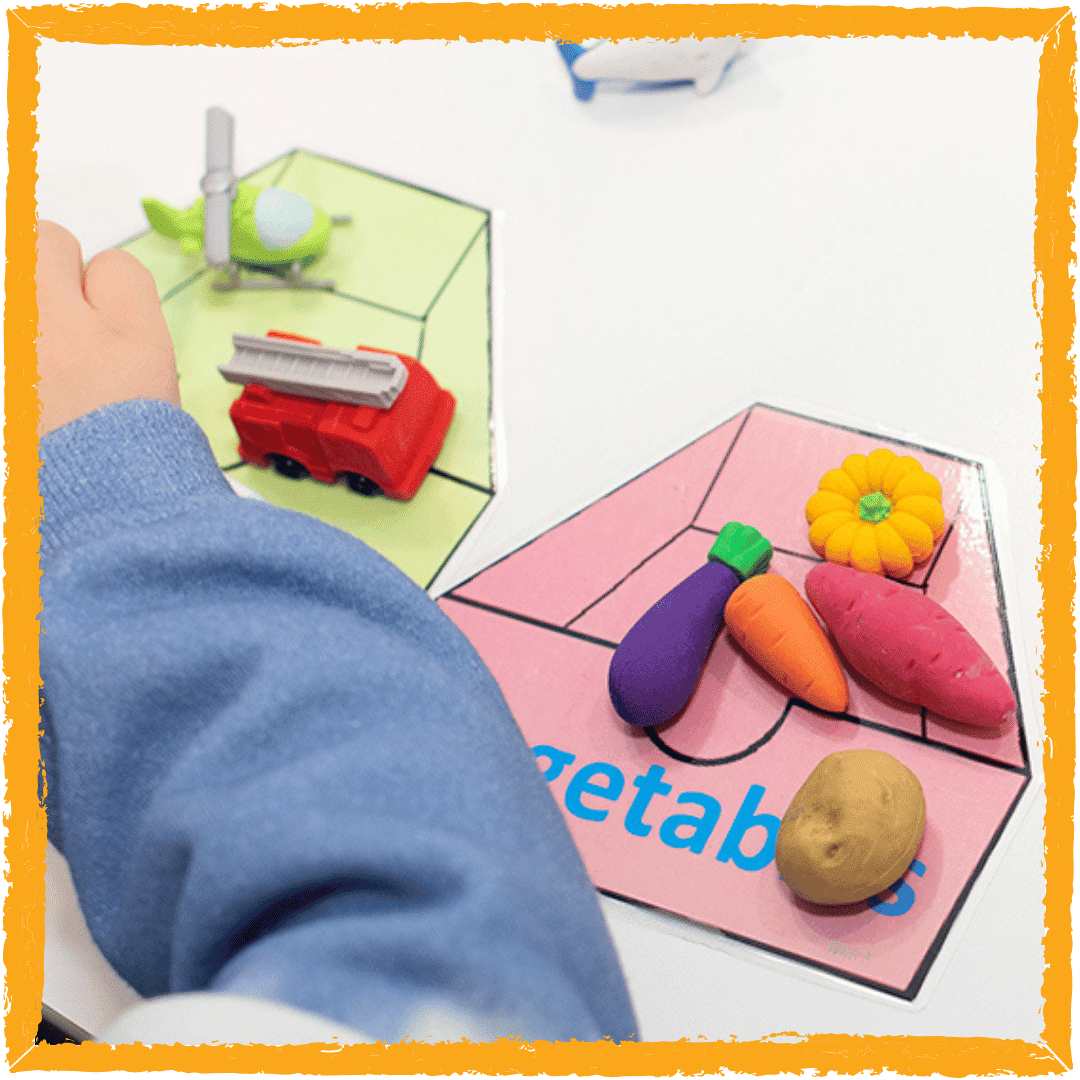
Everyday examples include digging in sand, splashing in water, squishing playdough, or exploring textured toys. It can be as simple as letting your child sort pasta shapes or listen to calming sounds.
The Science Behind Sensory Play
Neuroscience research shows that when children engage in sensory play, their brains form strong neural connections. These experiences help lay the foundation for problem-solving, emotional regulation, and language development.
Sensory input literally wires the brain for learning, making it one of the most effective early childhood activities. Sensory-rich experiences are key to supporting child brain development and lifelong learning.
The 5 Key Benefits of Sensory Play
Benefit 1 – Cognitive Growth and Brain Development
Sensory play strengthens memory, focus, and problem-solving skills. When children experiment with different textures or explore how materials move, they are learning about cause and effect, early maths, and scientific thinking.
Example: Give your child containers of different sizes and let them pour water from one to another. They’ll start to understand concepts like volume and measurement while practising concentration.
Benefit 2 – Language and Communication Skills
Describing textures, colours, and actions during sensory play expands vocabulary and storytelling ability. This type of play also supports children who are developing speech by encouraging them to express what they feel and see.
Example: Ask your child to describe what they feel while playing in a rice bin. Words like “smooth,” “rough,” or “tickly” help build descriptive language.
Benefit 3 – Motor Skills Development
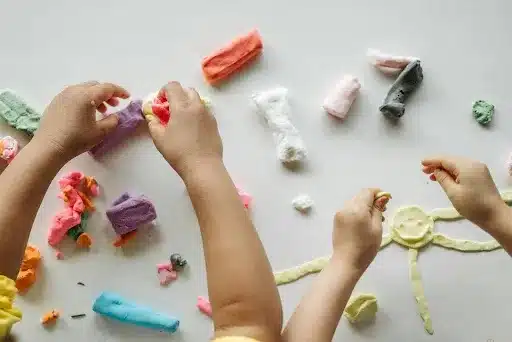
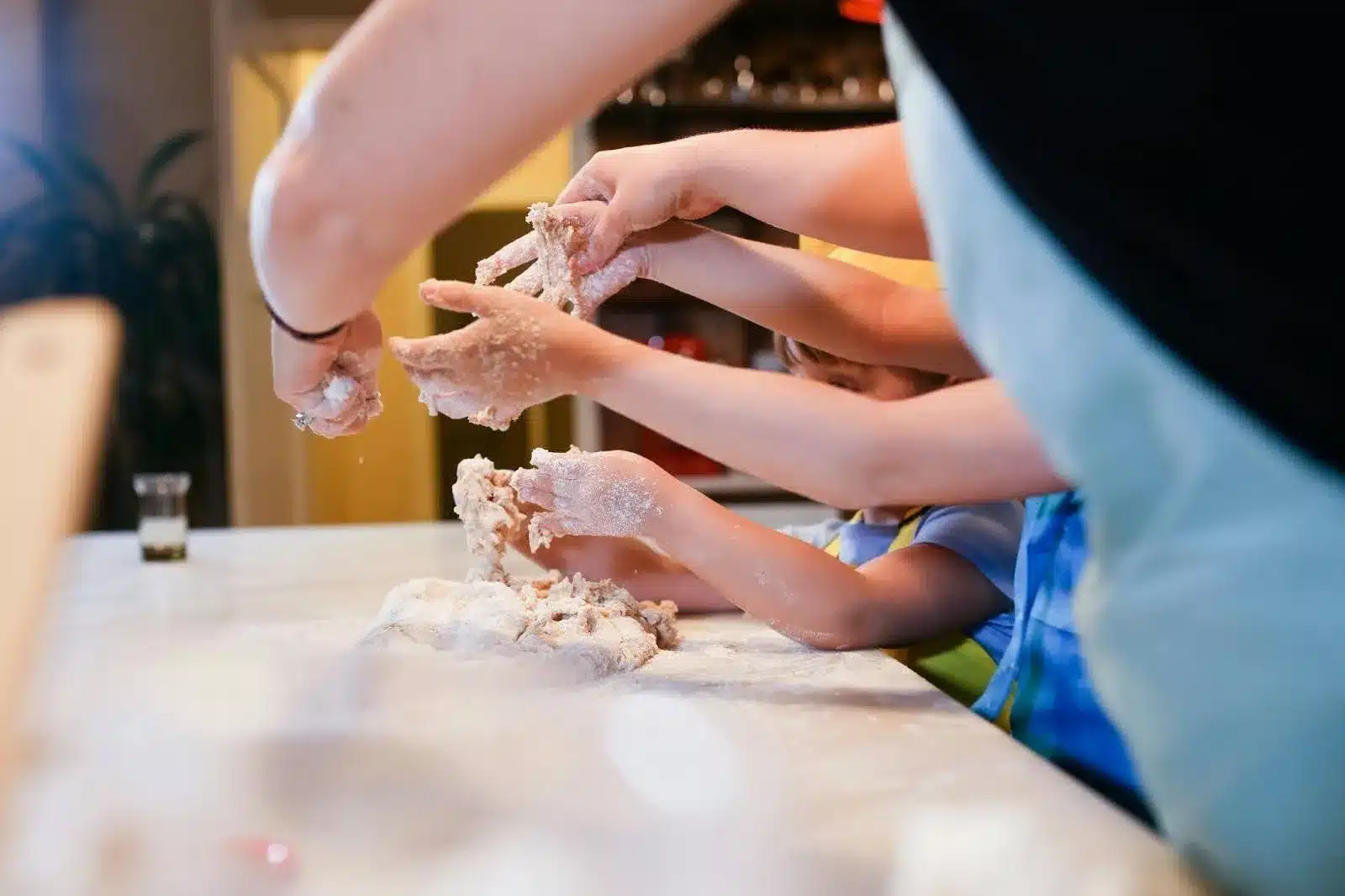
Photo from Pexels: Kids shaping playdough, highlighting the benefits of sensory play for learning and creativity.
Sensory play develops both fine motor skills (pinching, grasping, threading) and gross motor skills (digging, balancing, climbing). These skills are vital for everyday activities like writing, cutting, and self-care.
Example: Provide playdough tools for pinching and rolling, or let children dig in the garden. Both strengthen coordination and dexterity.
Benefit 4 – Social and Emotional Growth
Sensory activities give children a safe outlet for emotions. They can calm frustration through kneading clay or find joy in splashing water. Group sensory play also encourages sharing, turn-taking, and collaboration.
Example: A shared sensory bin with multiple scoops and toys teaches cooperation while offering chances to practise self-regulation.
Benefit 5 – Creativity and Imagination
Because sensory play is open-ended, it sparks imagination and innovative thinking. Children learn to experiment, create, and design solutions.
Example: A basket of natural materials such as sticks, leaves, and stones can turn into a magical world of castles and creatures in your child’s imagination.
Practical Sensory Play Ideas Parents Can Try
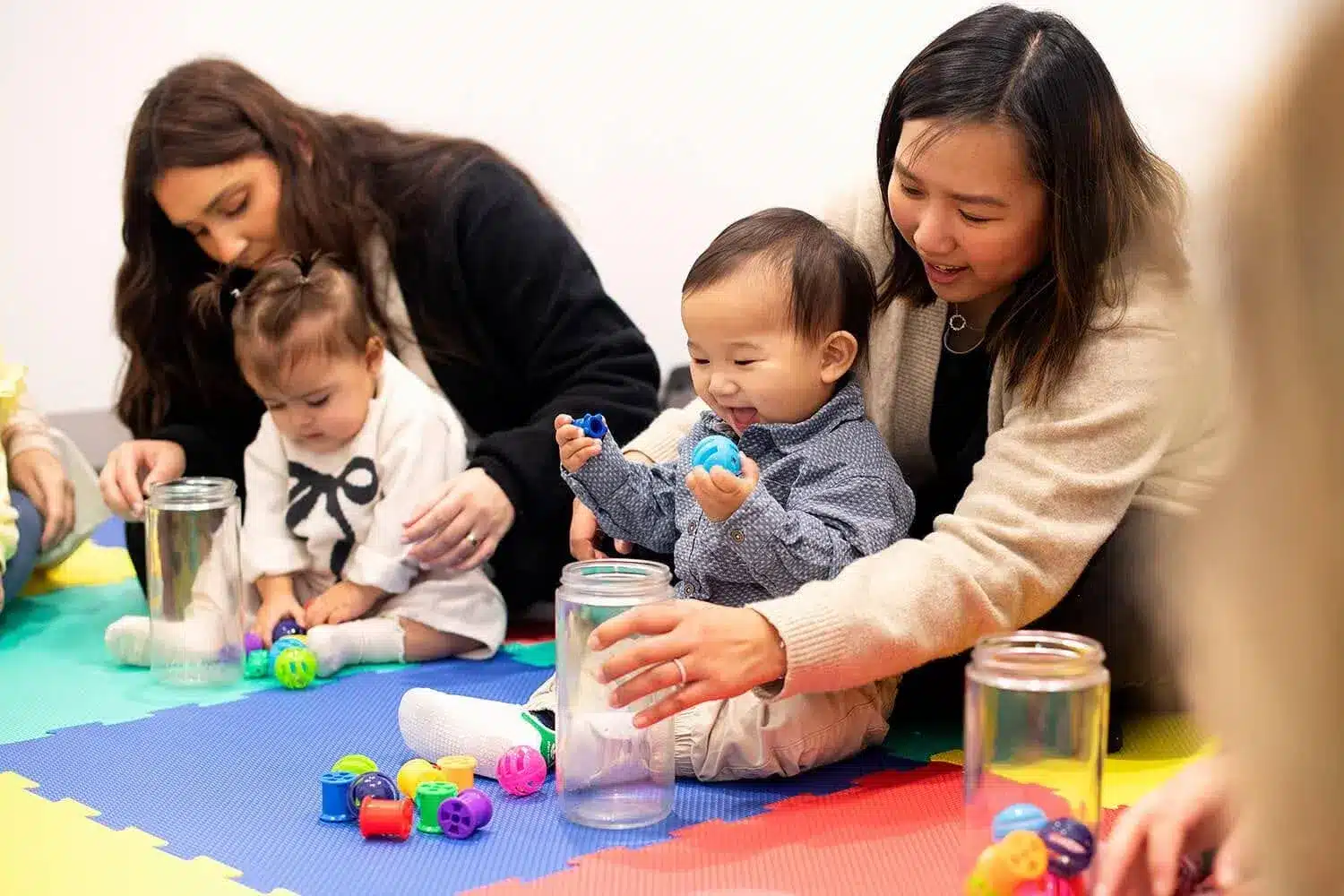
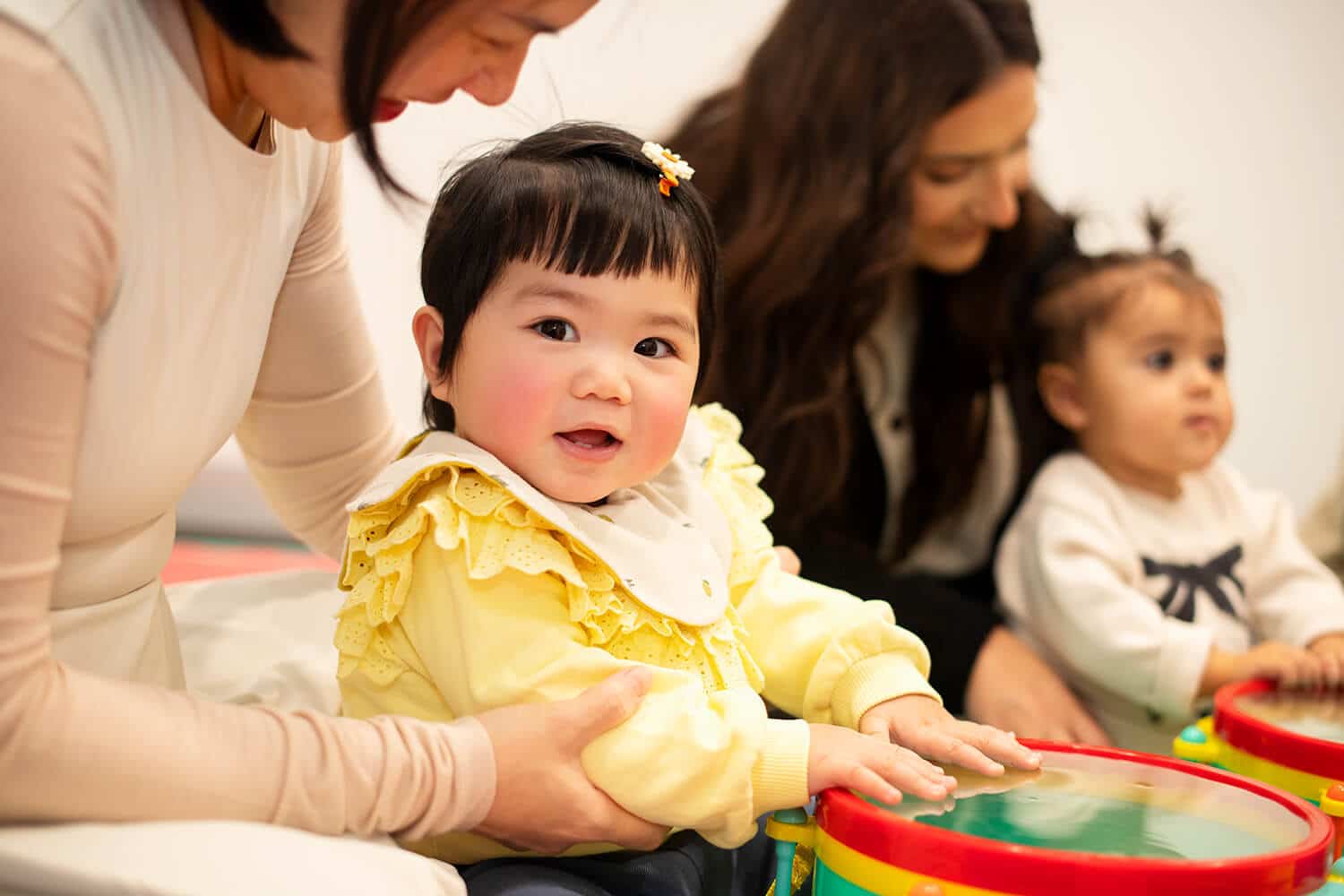
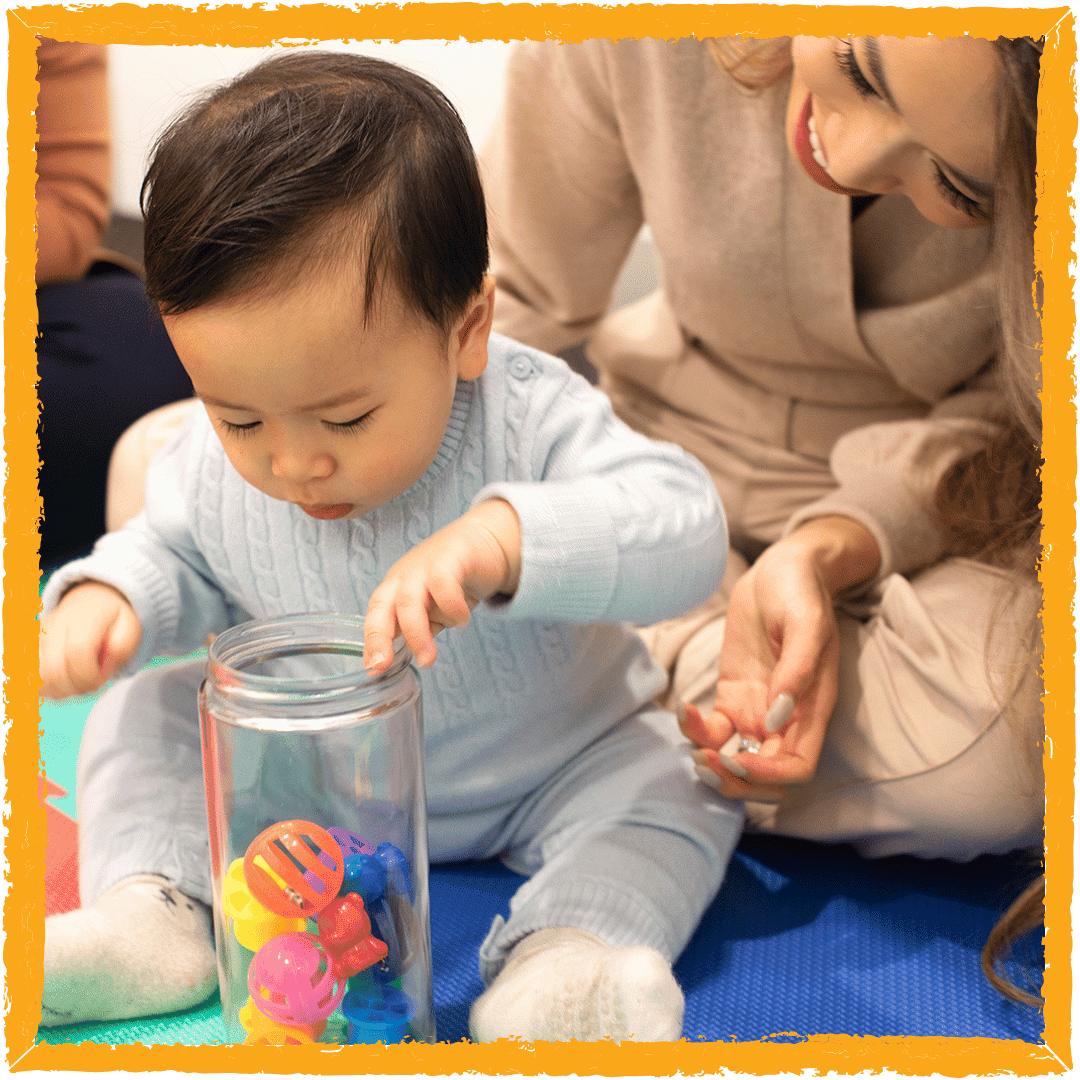
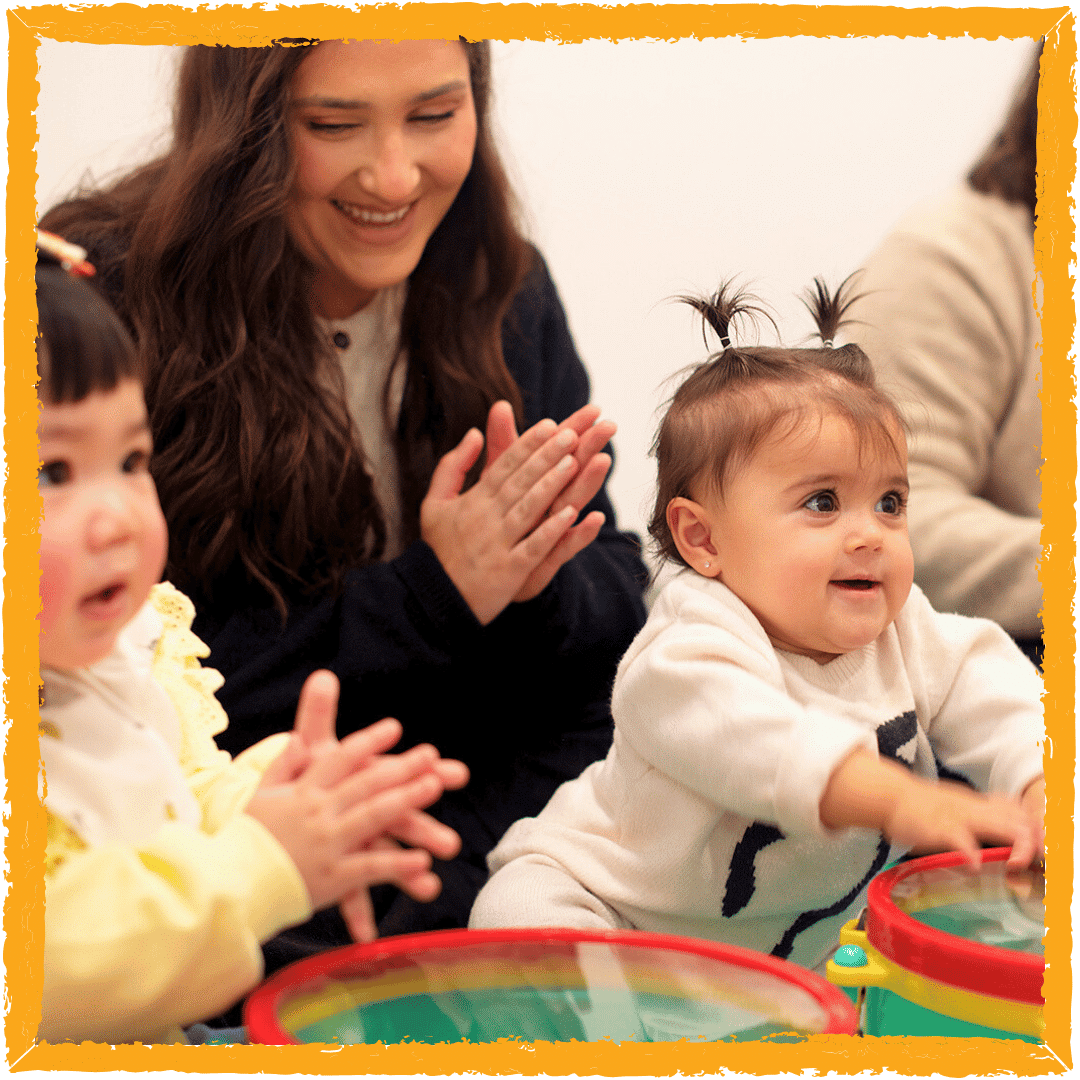
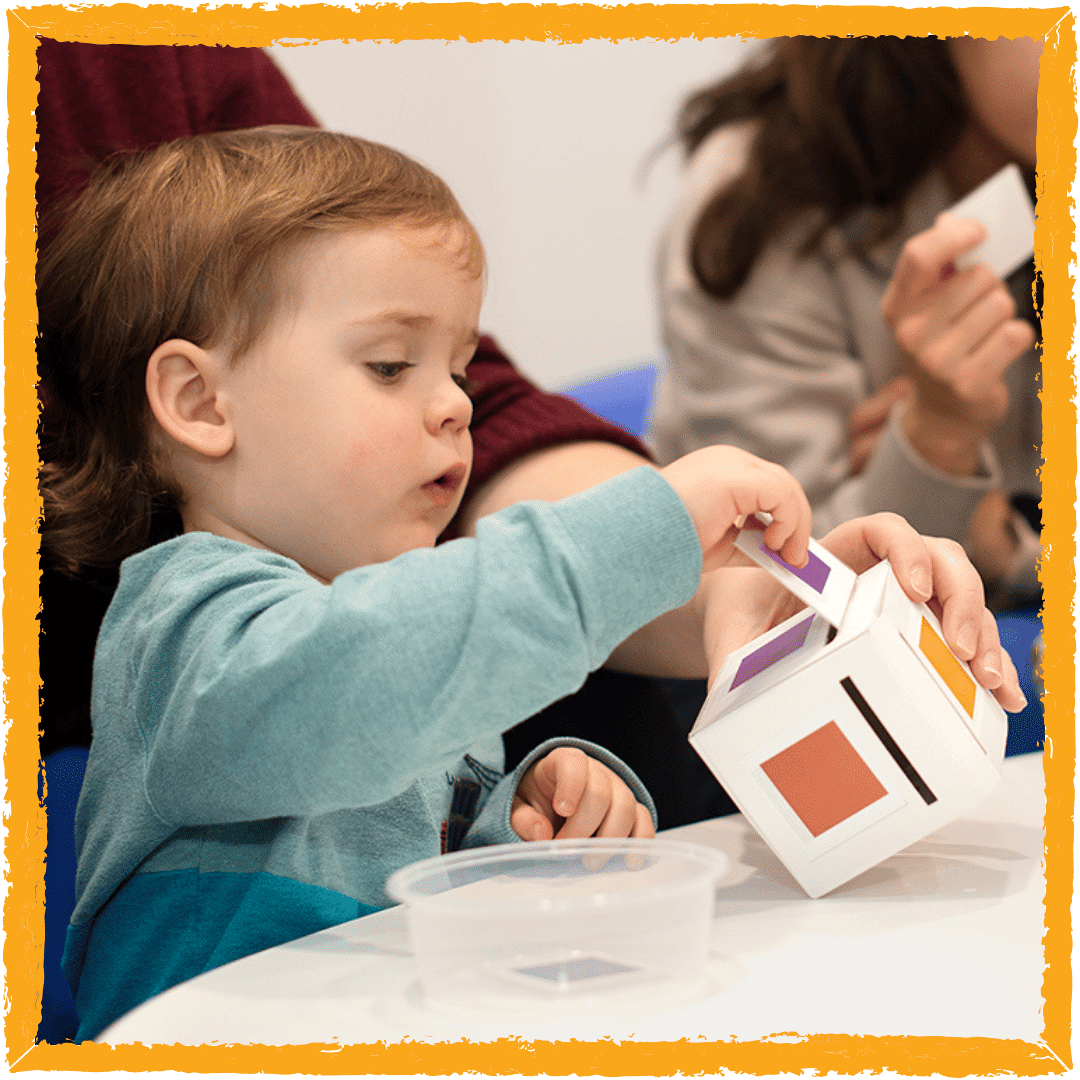
Photo by Shichida Australia: Sensory play doesn’t always mean messy play! It involves touch, sound, texture, colour, and movement. Here, babies are playing a grab-and-drop game in a Shichida baby class.
Indoor Sensory Activities
- Playdough creations – Encourage rolling, cutting, and building shapes.
- Sensory bottles – Fill clear bottles with glitter, beads, or rice for a calming visual tool.
- Textured crafts – Use materials like cotton balls, fabric, and sandpaper to create sensory collages.
Tip for parents: Keep a washable mat under play areas to make clean-up stress-free. Always supervise young children, especially if small items are involved.
At Shichida, we have compiled a few sensory play ideas for you to try at home:
Outdoor Sensory Activities
- Gardening – Digging soil, planting seeds, and watering plants offer rich sensory input.
- Water play – Use buckets, cups, and sponges for endless pouring and splashing fun.
- Sandpits – Great for scooping, building, and imaginative play.
- Nature scavenger hunts – Ask children to find items that are smooth, rough, or colourful, linking sensory play with outdoor exploration.
Outdoor sensory play engages the whole body and connects children with nature, which research shows improves wellbeing and resilience.
How Sensory Play Prepares Children for School
Sensory play isn’t just fun, it lays the groundwork for preschool readiness. Activities that involve sorting, pouring, or building introduce early maths and science concepts. Storytelling during sensory play enhances literacy skills, while group play develops focus, resilience, and confidence. These skills help children adapt more easily to structured classroom learning.
Tips for Parents to Maximise Sensory Play Benefits
Safety Considerations
- Always choose age-appropriate materials.
- Avoid small parts for babies and toddlers (choking hazards).
- Supervise water play carefully.
Creating a Sensory-Friendly Environment
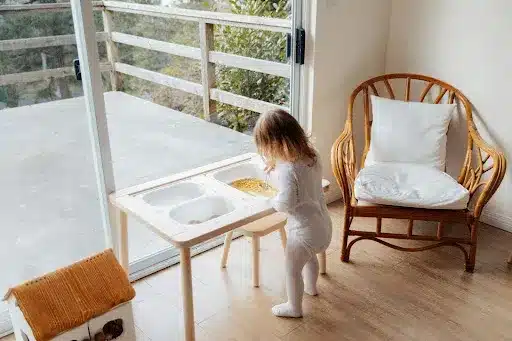
Photo from Pexels: Set up a sensory play corner, you will soon see the benefits of sensory play by encouraging curiosity and learning.
- Designate a “sensory play corner” with baskets for toys and materials.
- Store items in clear boxes for easy rotation.
- Balance free play with gentle guided play to encourage creativity without overwhelming your child.
Conclusion – Nurturing Growth Through Sensory Play
Sensory play builds your child’s cognitive, language, motor, emotional, and creative growth while preparing them for future learning. With simple activities, you can nurture your child’s development at home every day.
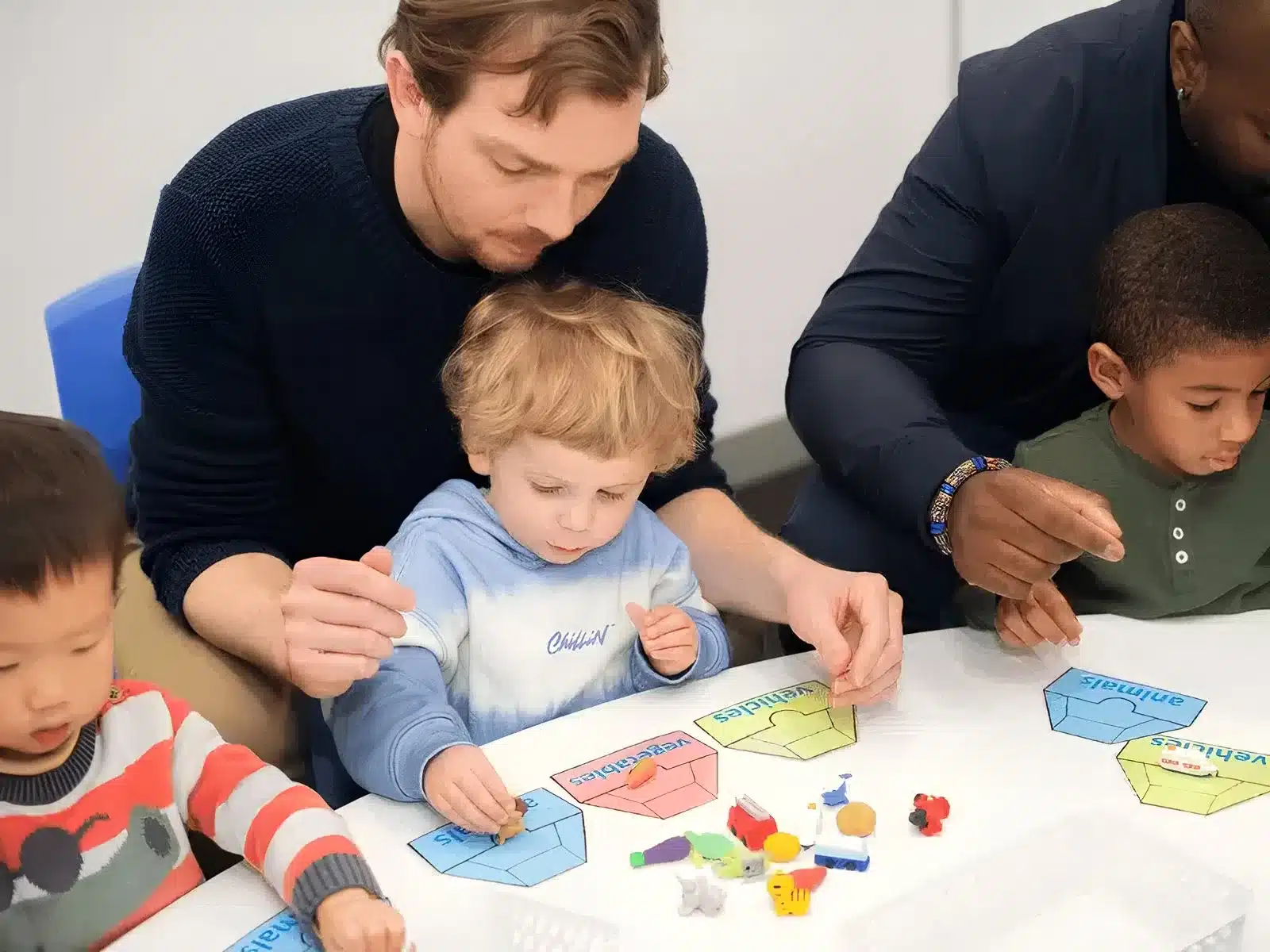
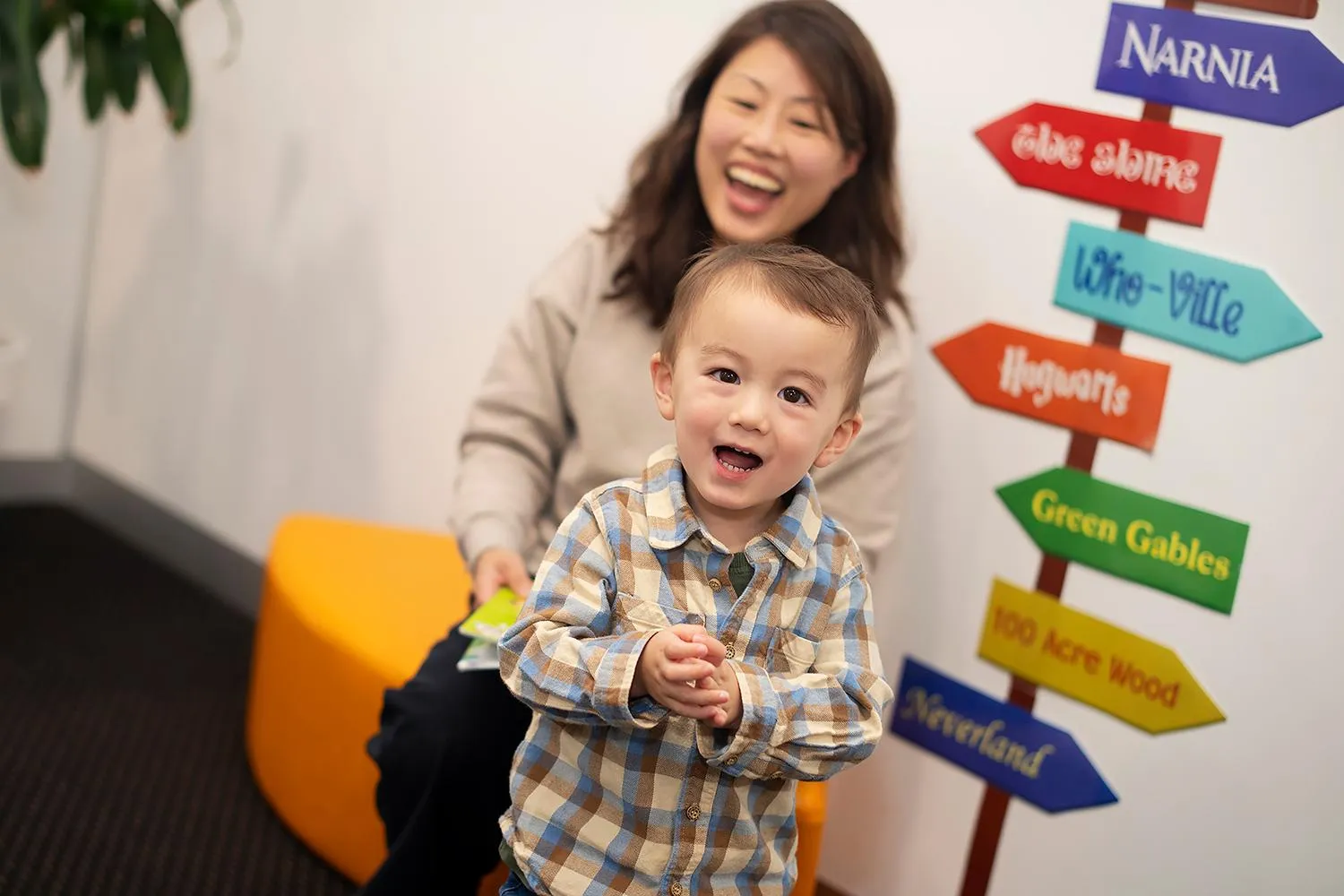
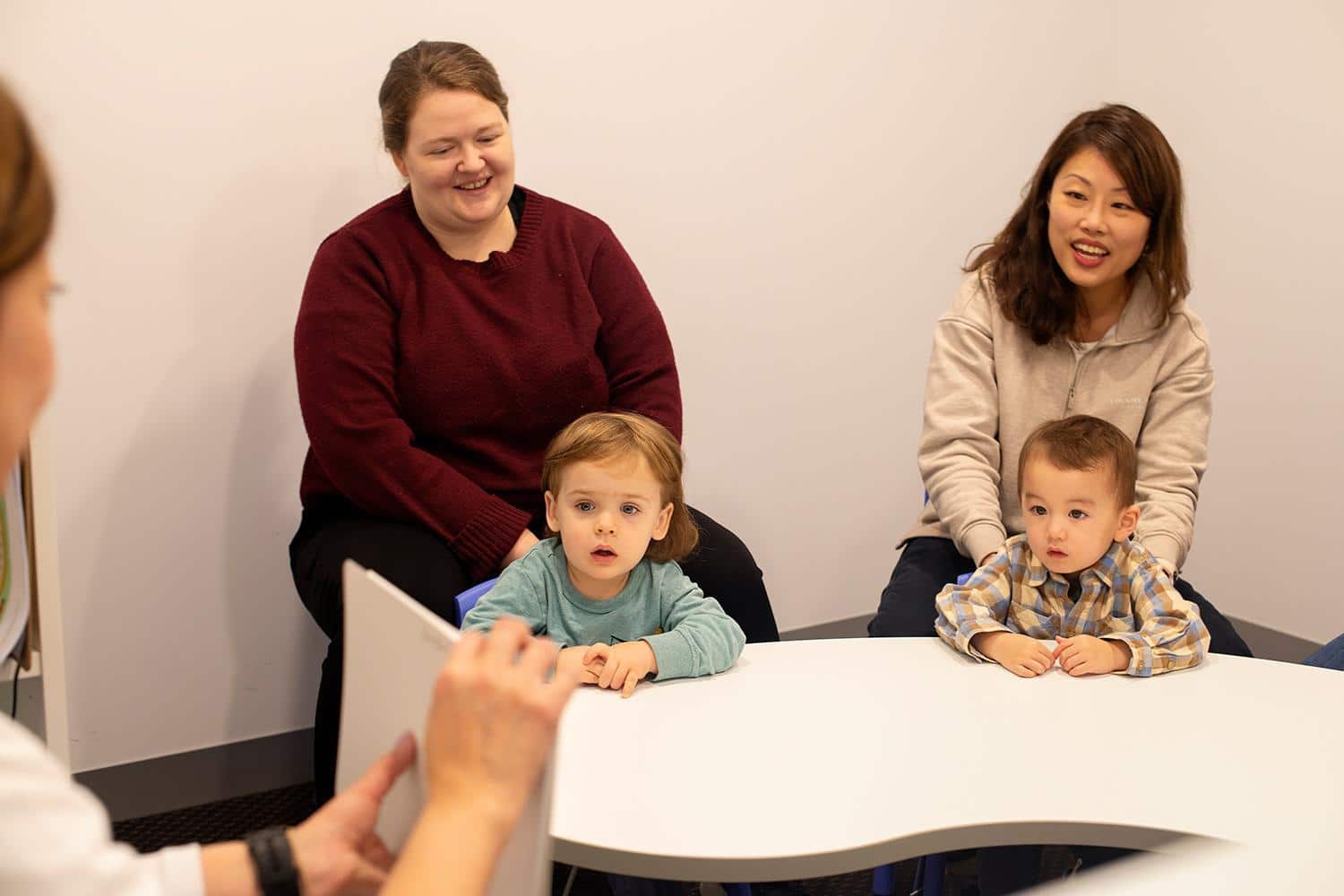
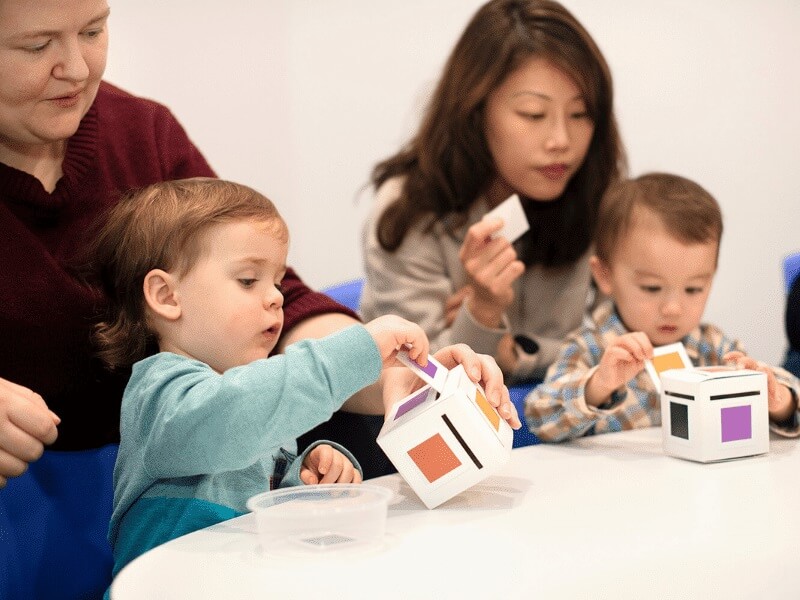
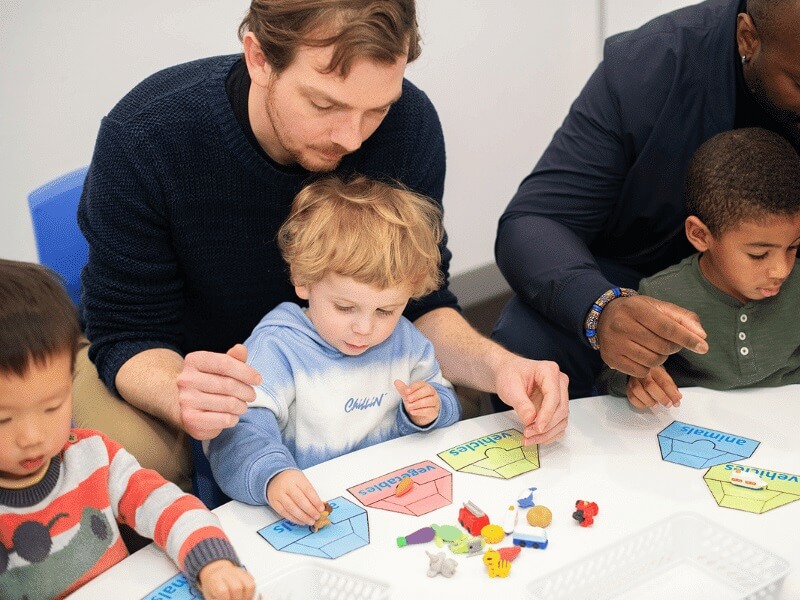
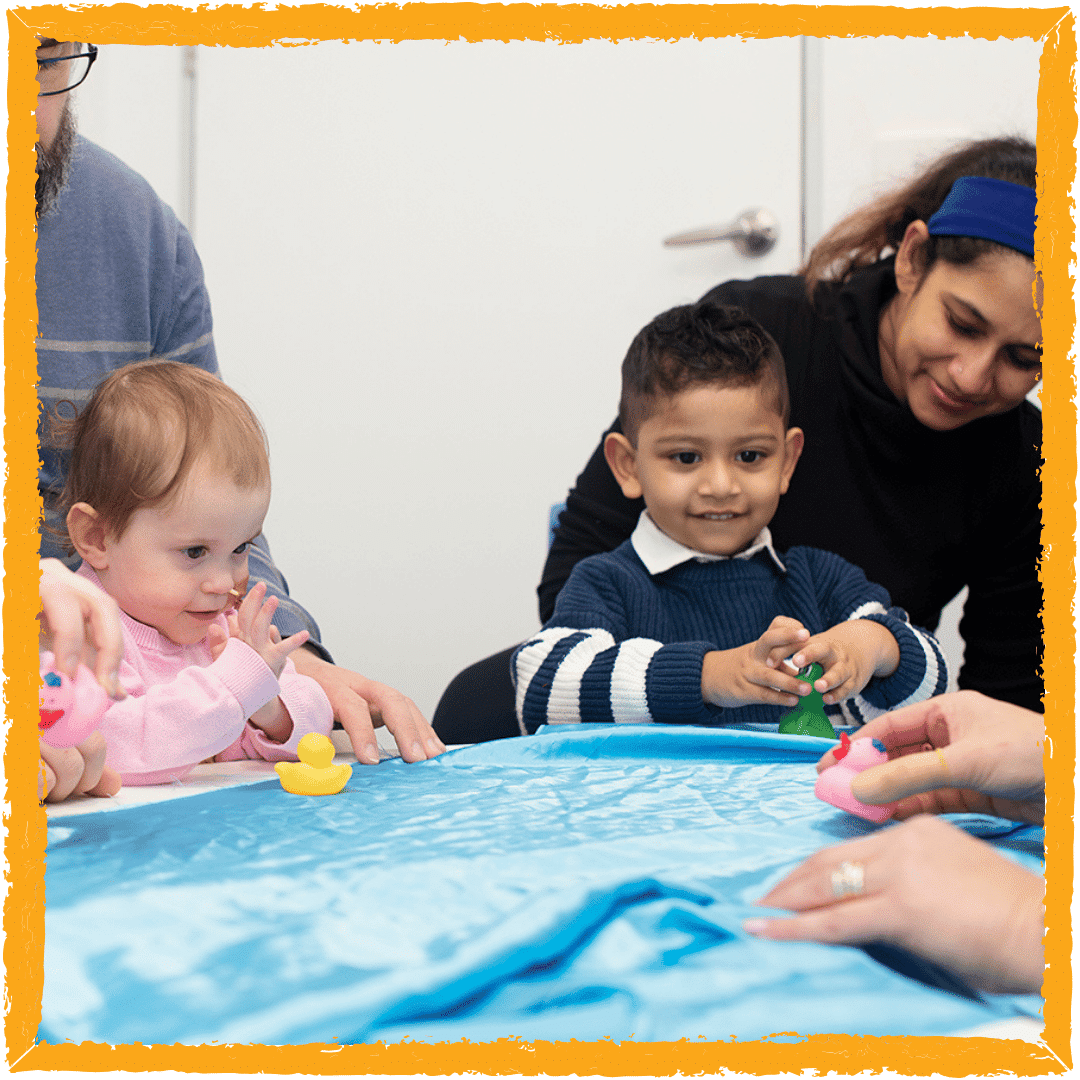
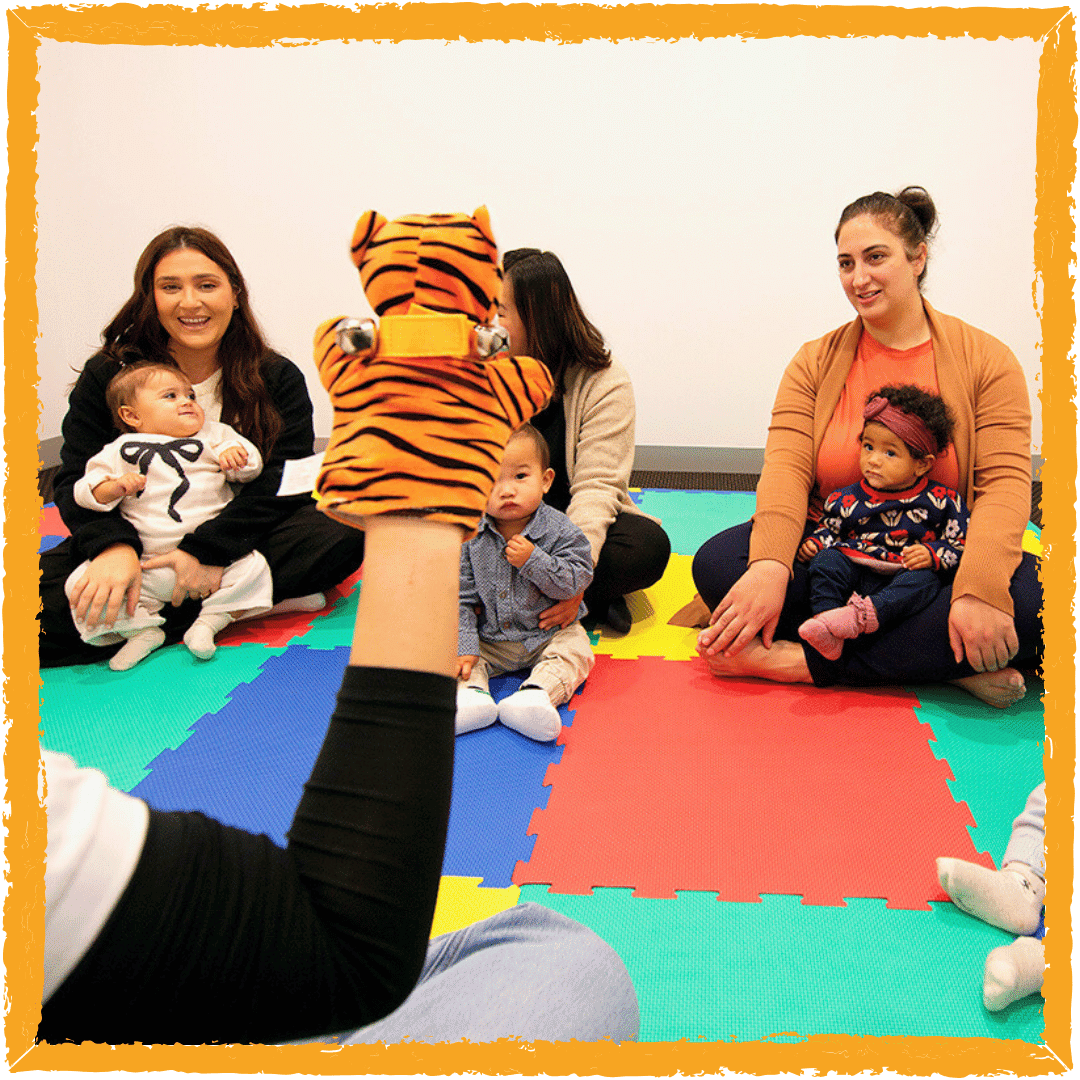
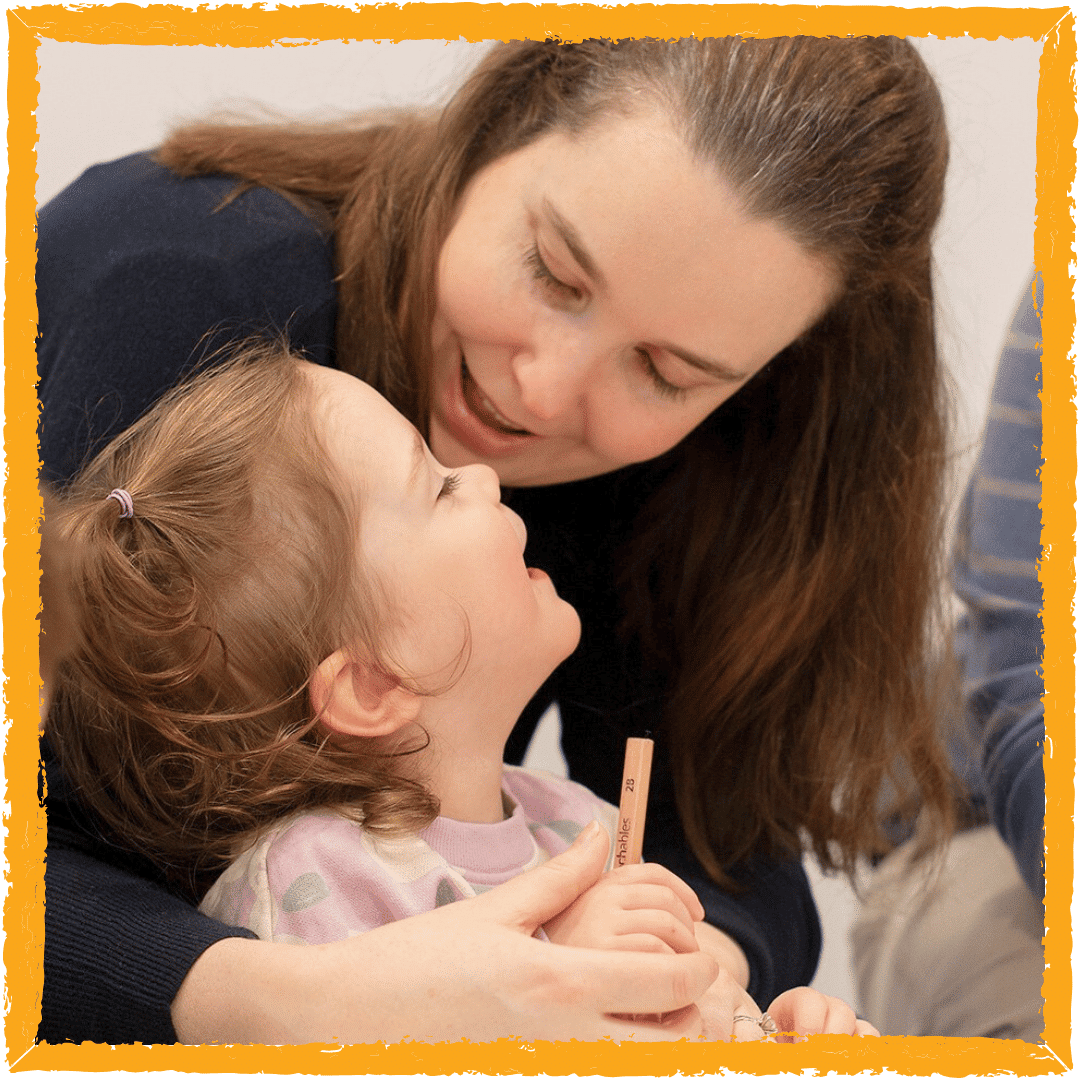
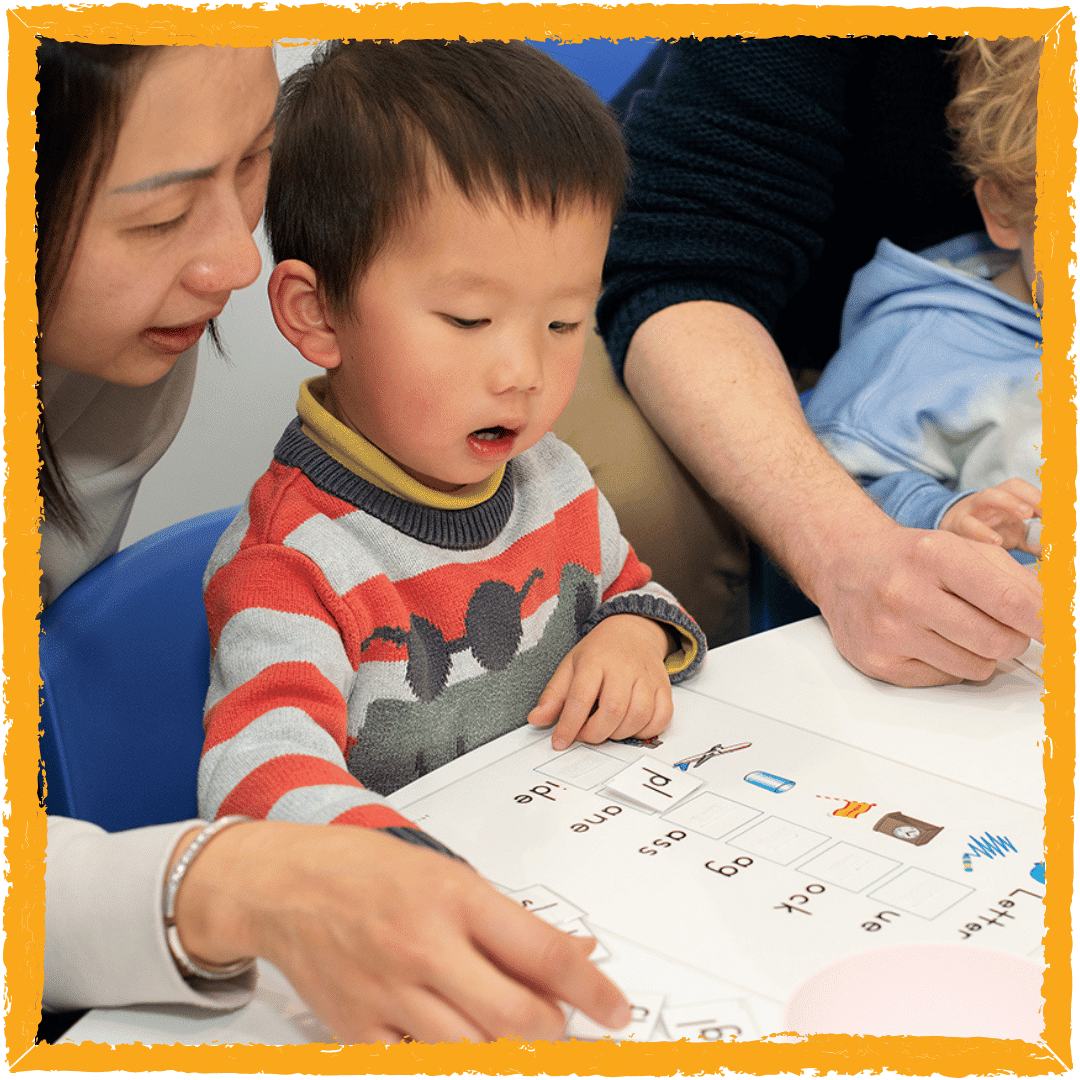
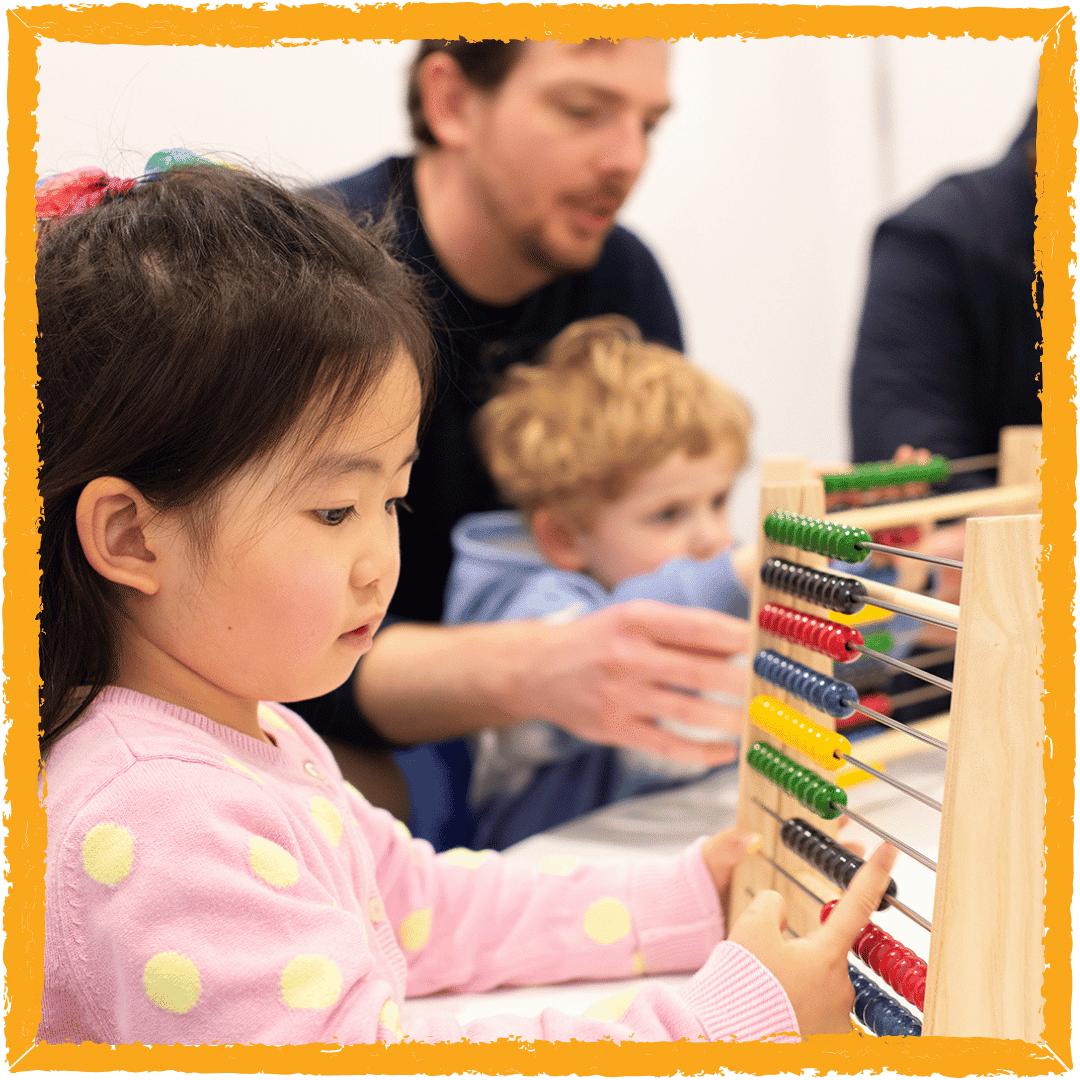
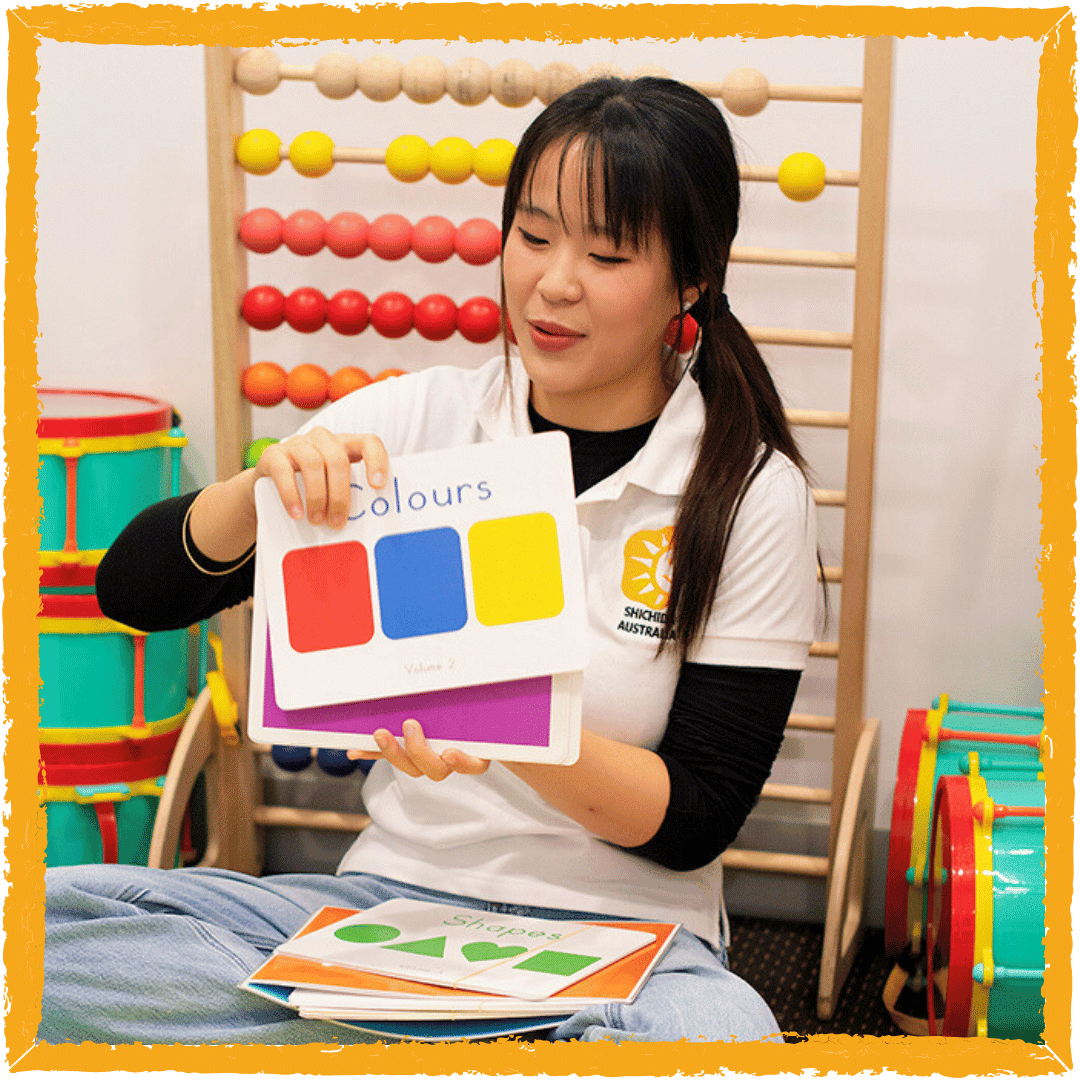
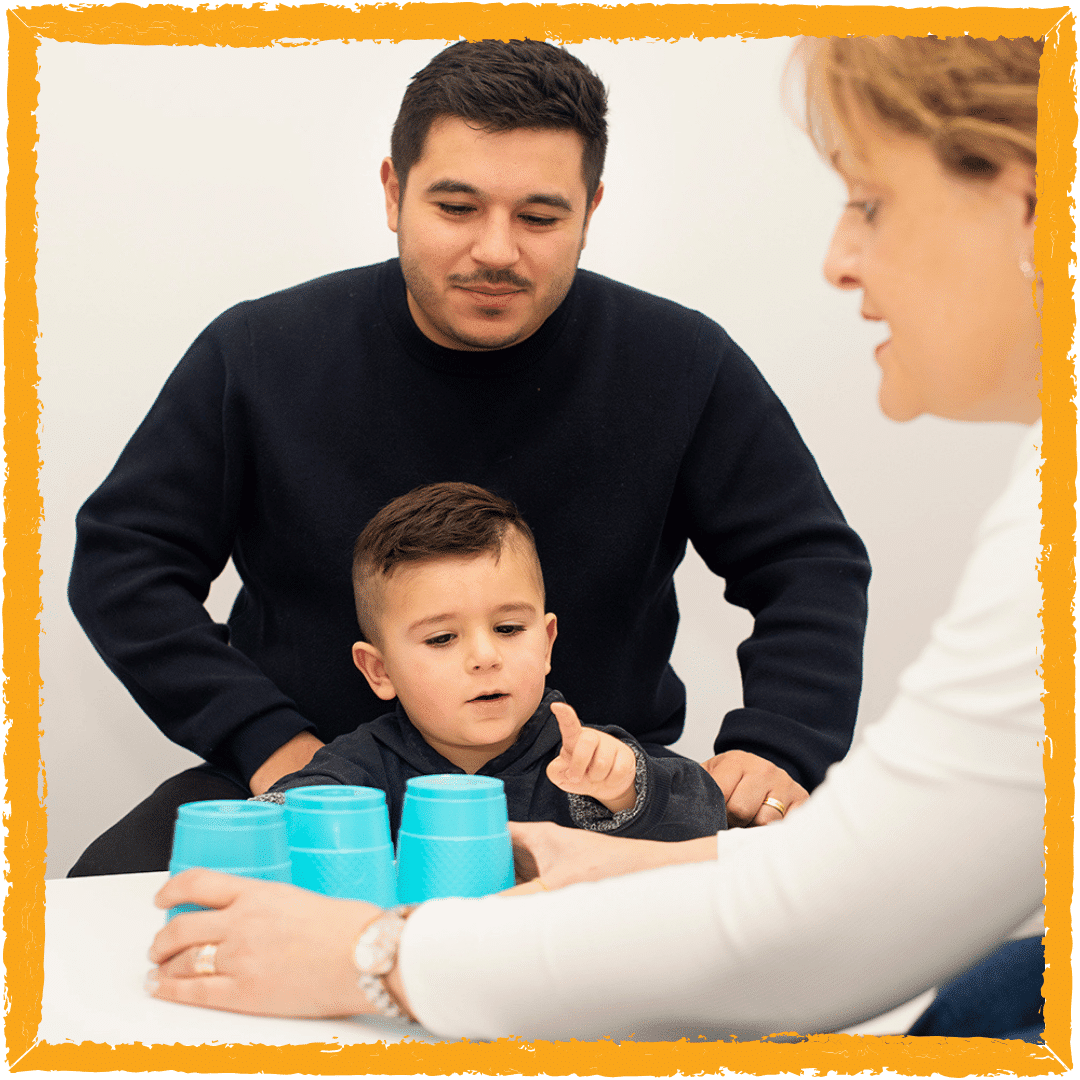
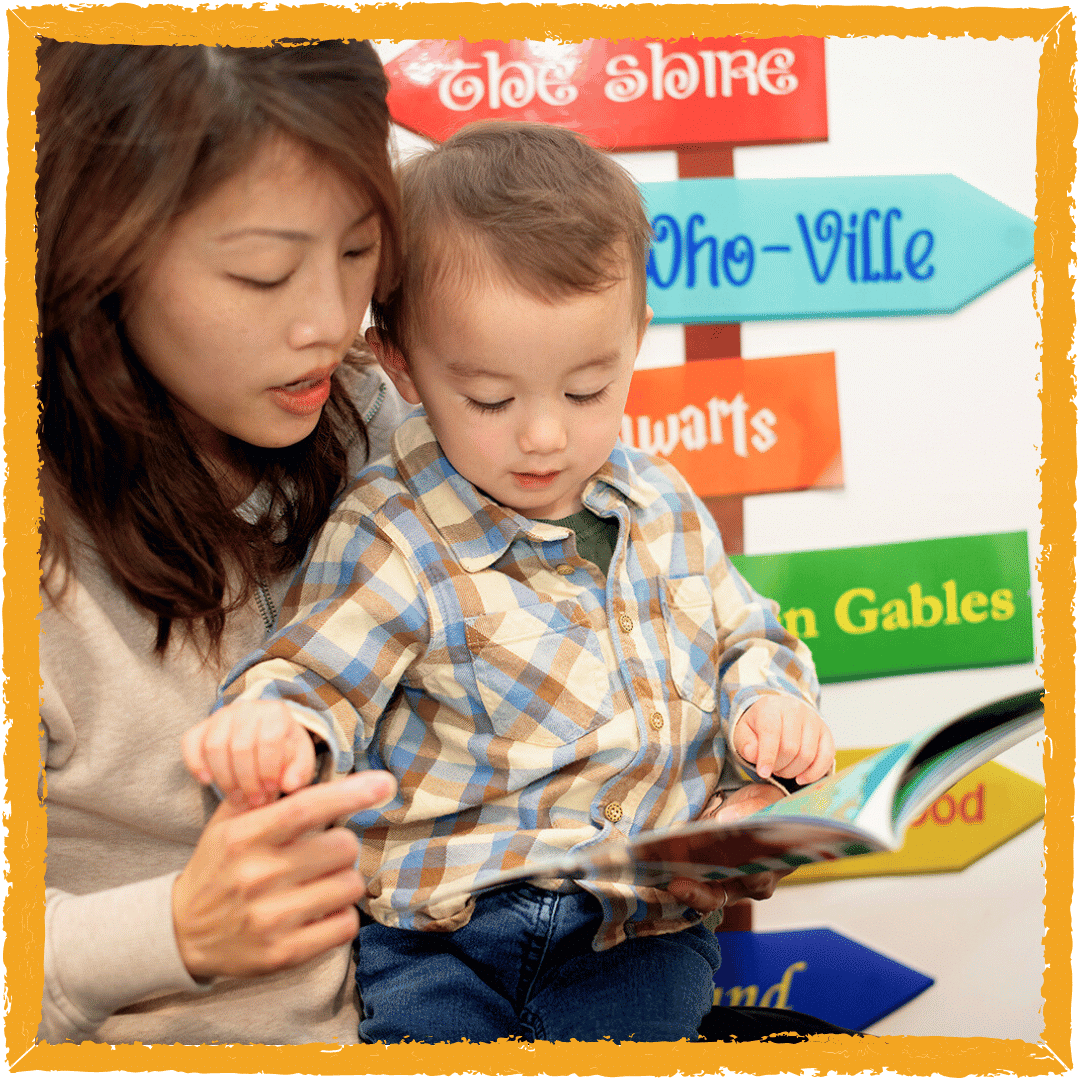
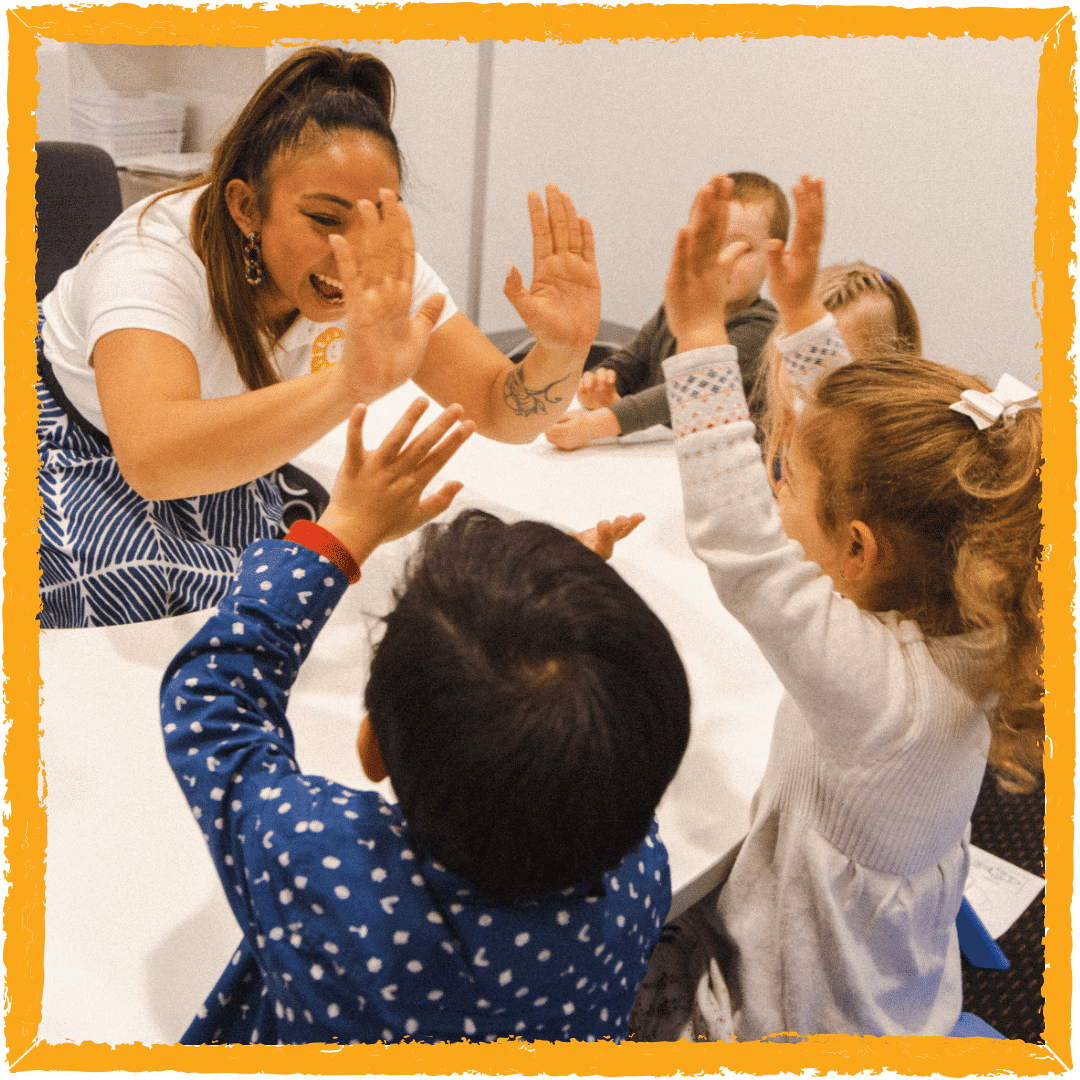
Photo by Shichida Australia: Sensory and play-based enrichment activities are enjoyed by young children, alongside their parents.
Sensory play is just the beginning of witnessing your child’s full potential. At Shichida Australia, we nurture brain development, creativity, and lifelong learning through our proven early childhood programs.
See the difference for yourself and give your child a strong foundation for future success. Book a trial class today and experience the Shichida Method in action!
FAQ's: Benefits of sensory play
You can begin sensory play from infancy with safe activities like water play, textured fabrics, or rattles.
Yes. Describing textures, actions, and objects helps children expand vocabulary and practice expressive language.
Sensory play can help children regulate their sensory needs, emotions, improve focus, and engage in learning through alternative pathways.
Yes, if supervised and age-appropriate. Use edible materials for younger children to reduce risks.
Research suggests sensory activities support concentration by engaging multiple areas of the brain.
Rice bins, water play, pasta sorting, and DIY sensory bottles are low-cost and effective.
No. Older children benefit too, particularly through creative and imaginative sensory activities.