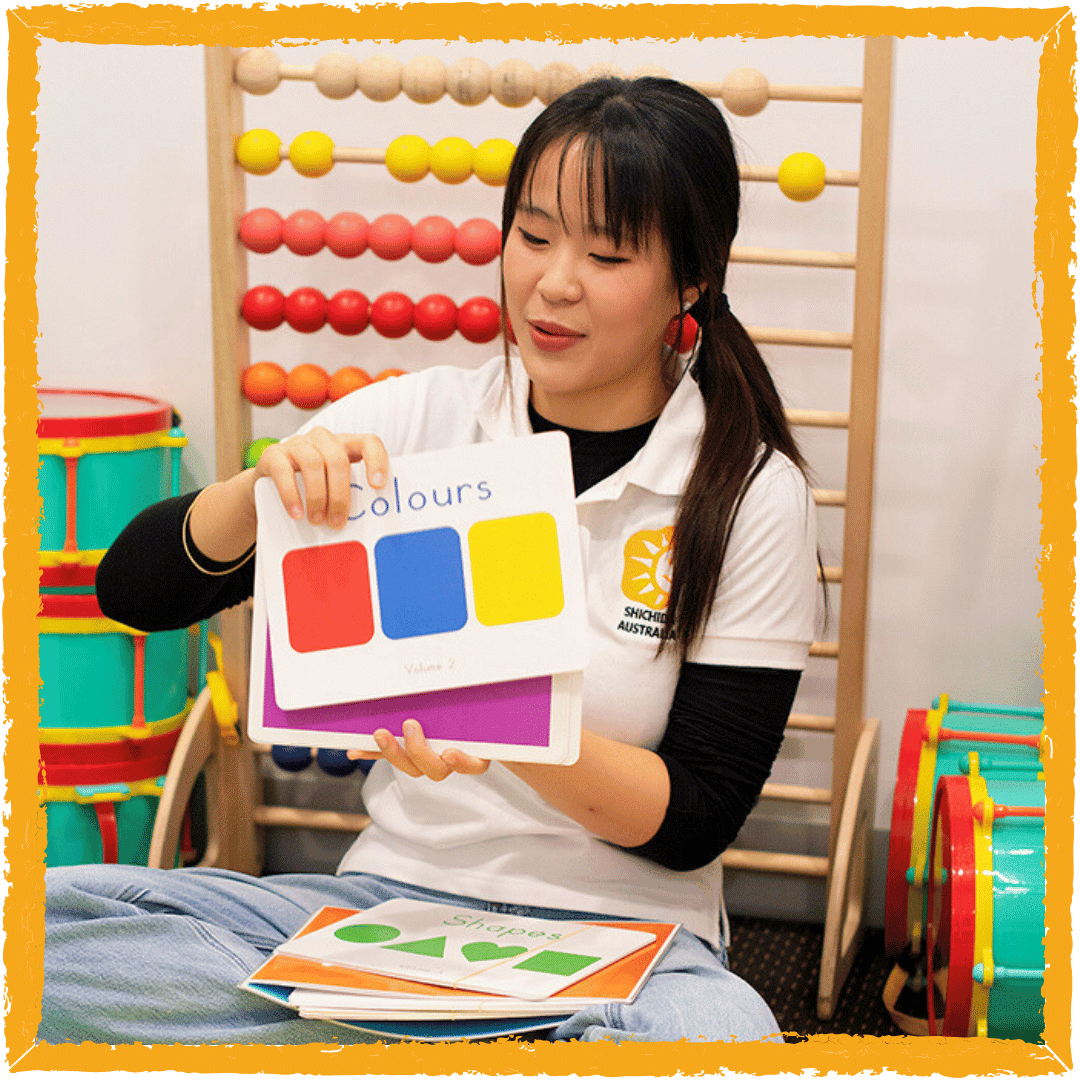
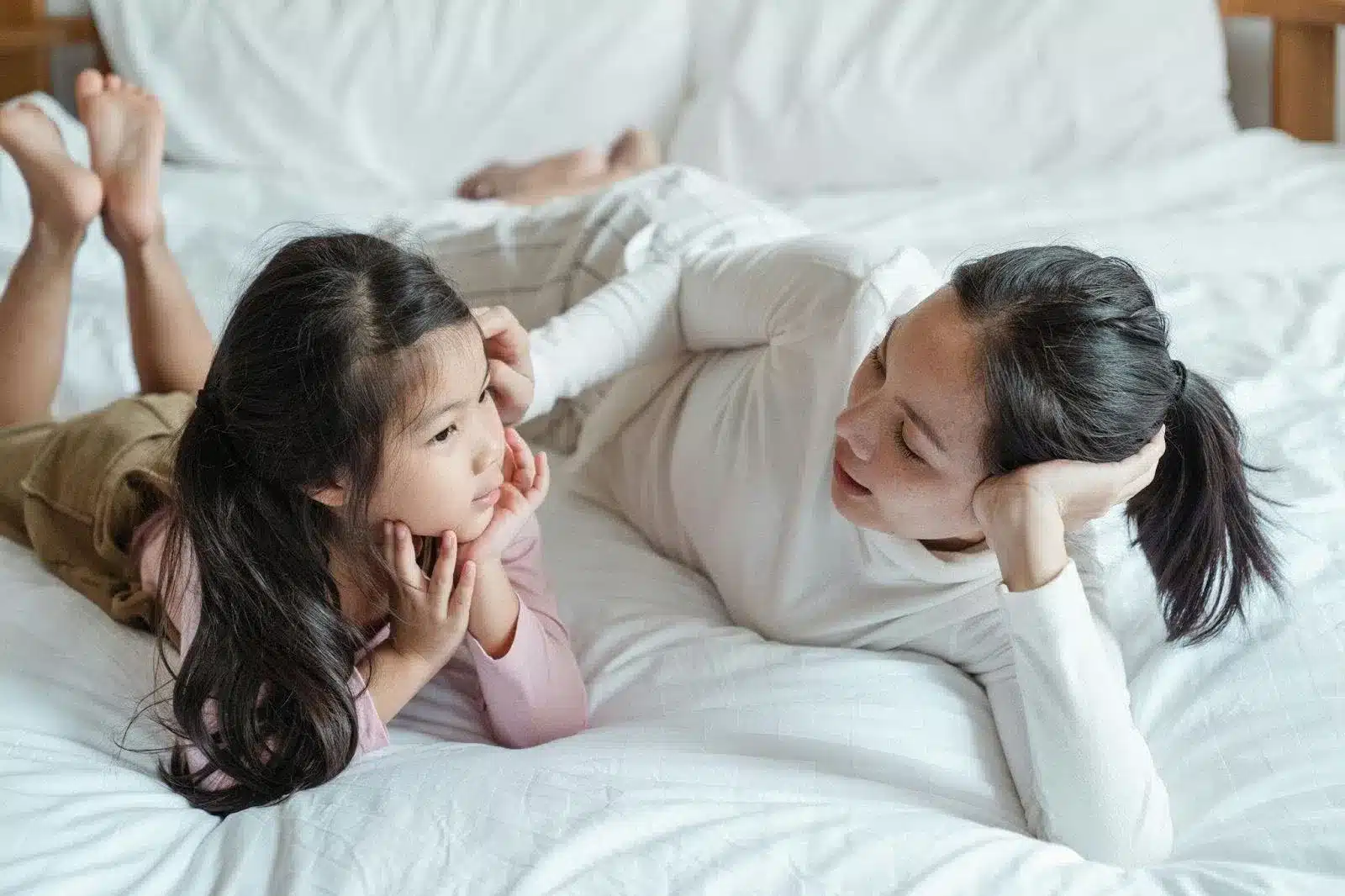
Photo from Pexels: A mom asking her child thoughtful critical thinking questions for kids to spark curiosity and learning
Critical Thinking Questions for Kids by Age – Encourage Deep Thinking
Key Points
- Open-ended questions build reasoning, curiosity, and empathy.
- Daily conversations are perfect for developing critical thinking.
- Asking “why” and “what if” encourages deeper reflection.
- Parents play a key role by modelling curiosity and active listening.
- Regular questioning builds confidence, creativity, and independence.
Helping your child become an independent thinker starts with both conversation and experience. Critical thinking develops not only through games and structured activities but also through the way we talk, listen, and share ideas with children.
While Shichida’s engaging games strengthen memory, logic, and problem-solving, communication helps children express their thoughts, consider different viewpoints, and reflect on their choices. Together, these approaches give children a well-rounded foundation for confident, thoughtful decision-making.
This guide shares age-appropriate critical thinking questions for kids that parents can use at home to turn simple conversations into learning moments.
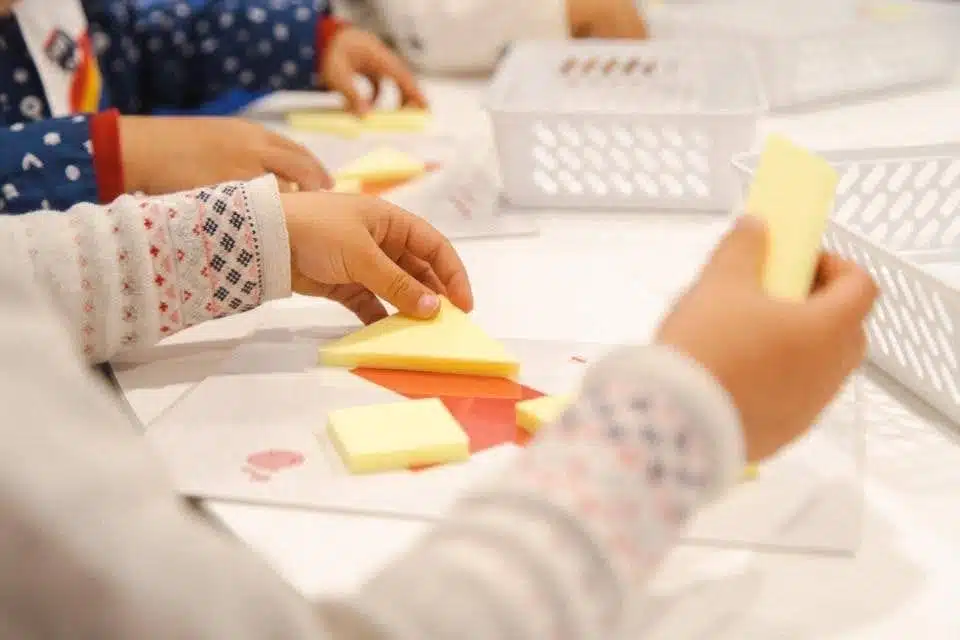
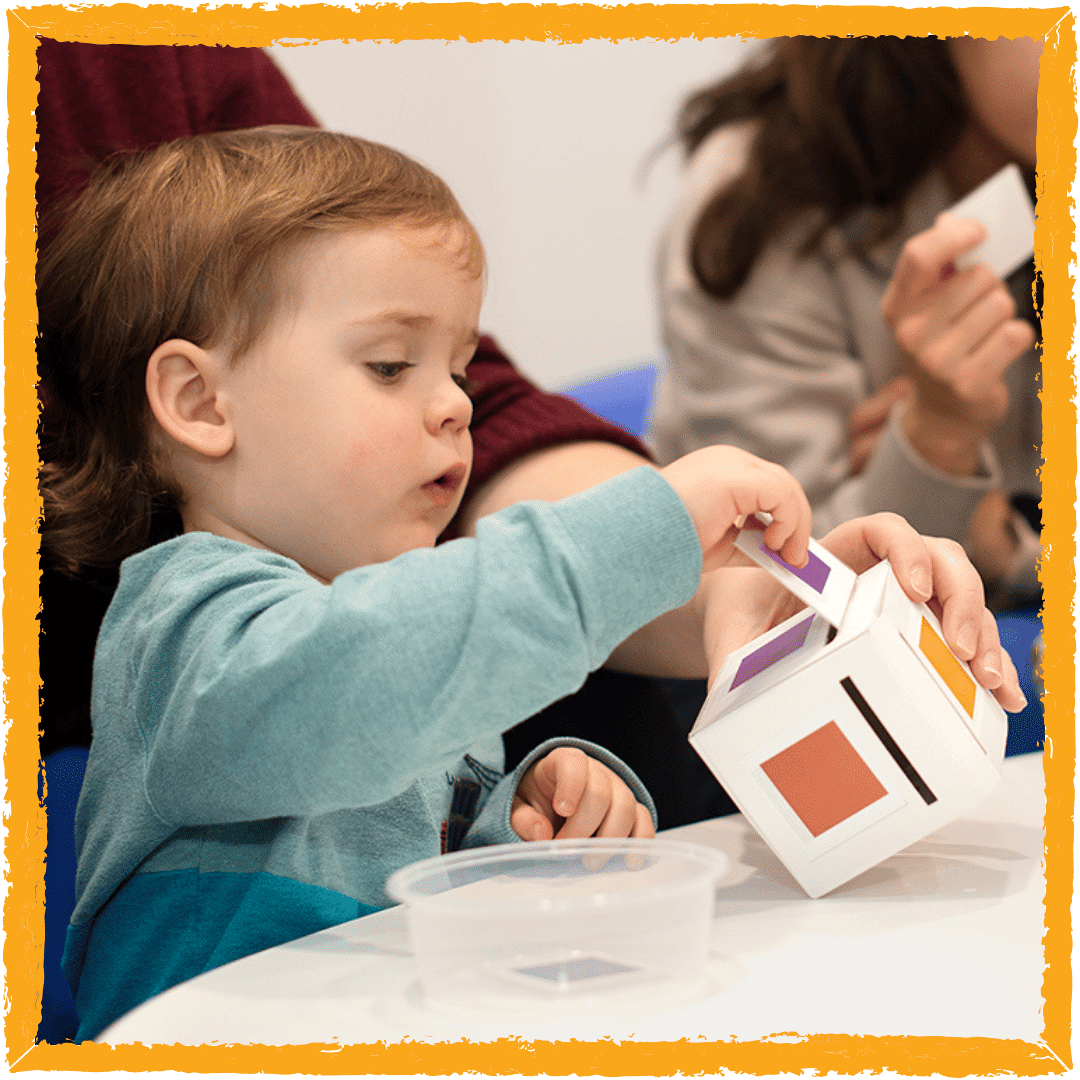
Photo by Shichida Australia: While critical thinking games and activities like tangram puzzles are invaluable early learning experiences, conversation and communication go a long way too!
Why Critical Thinking Questions Help Kids Learn?
Children are naturally curious. They ask “why,” “how,” and “what if” every day – and each question is an opportunity to strengthen their thinking skills. When parents respond with thoughtful questions instead of quick answers, children learn to analyse, reason, and draw their own conclusions.
Asking critical thinking questions:
- Encourages deeper thought
- Builds empathy and perspective
- Improves problem-solving
- Supports emotional and cognitive growth
- Turns everyday moments into learning
Every question helps your child think a little deeper – and that’s where real learning begins.
How to Practise Critical Thinking Through Everyday Conversations
Simple activities like building blocks or reading bedtime stories can become learning opportunities when you use thoughtful questioning techniques. How you talk with your child shapes how they think, reason, and express themselves.
Here’s how to start:
- Ask open-ended questions: Avoid yes/no answers and invite explanations.
- Give your child time to think: Silence shows respect and encourages reflection.
- Encourage follow-up questions: Let curiosity guide the conversation.
- Adapt questions to age and interests: Keep them relevant and engaging.
- Keep your tone curious and supportive: Show genuine interest in their ideas.
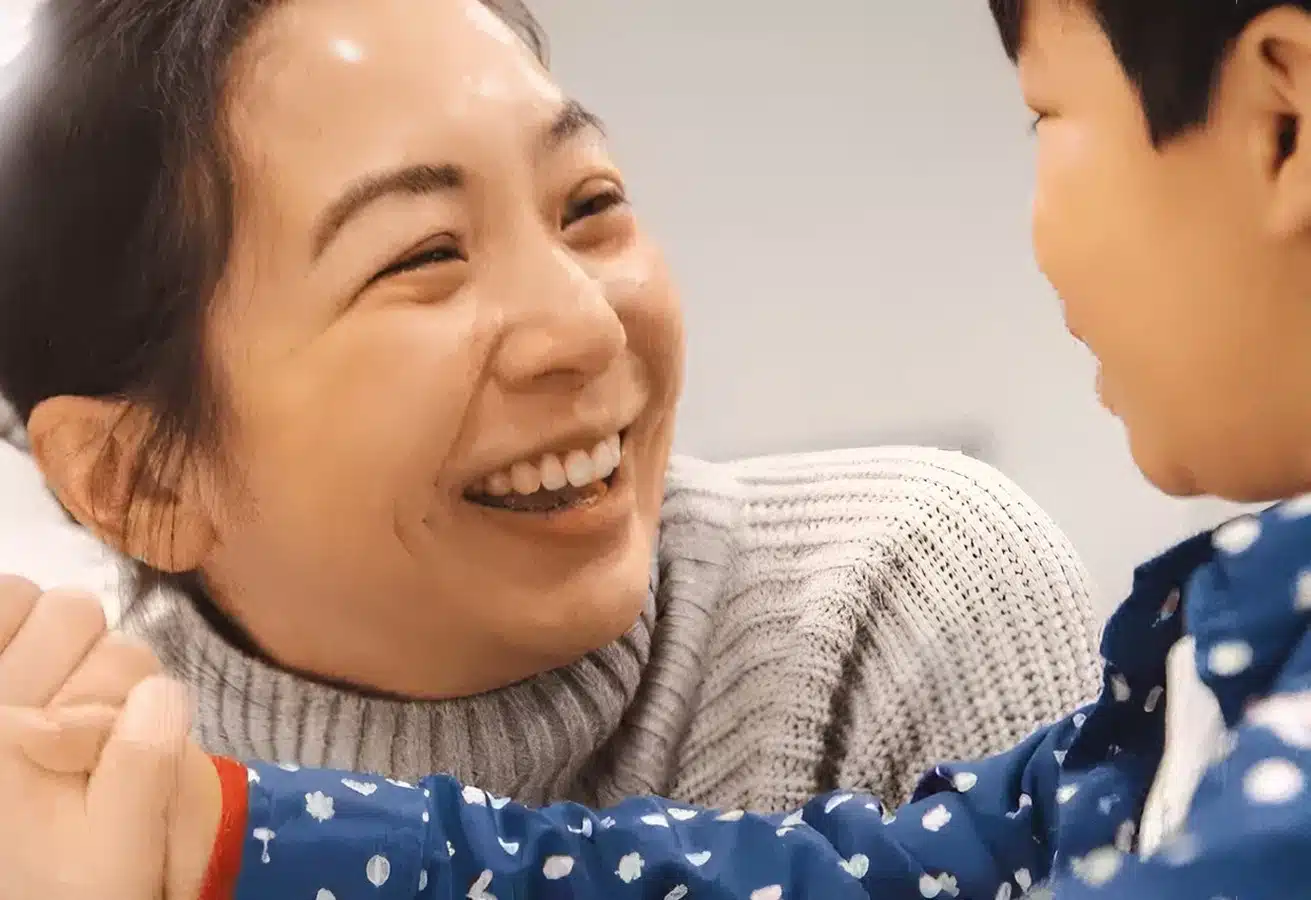
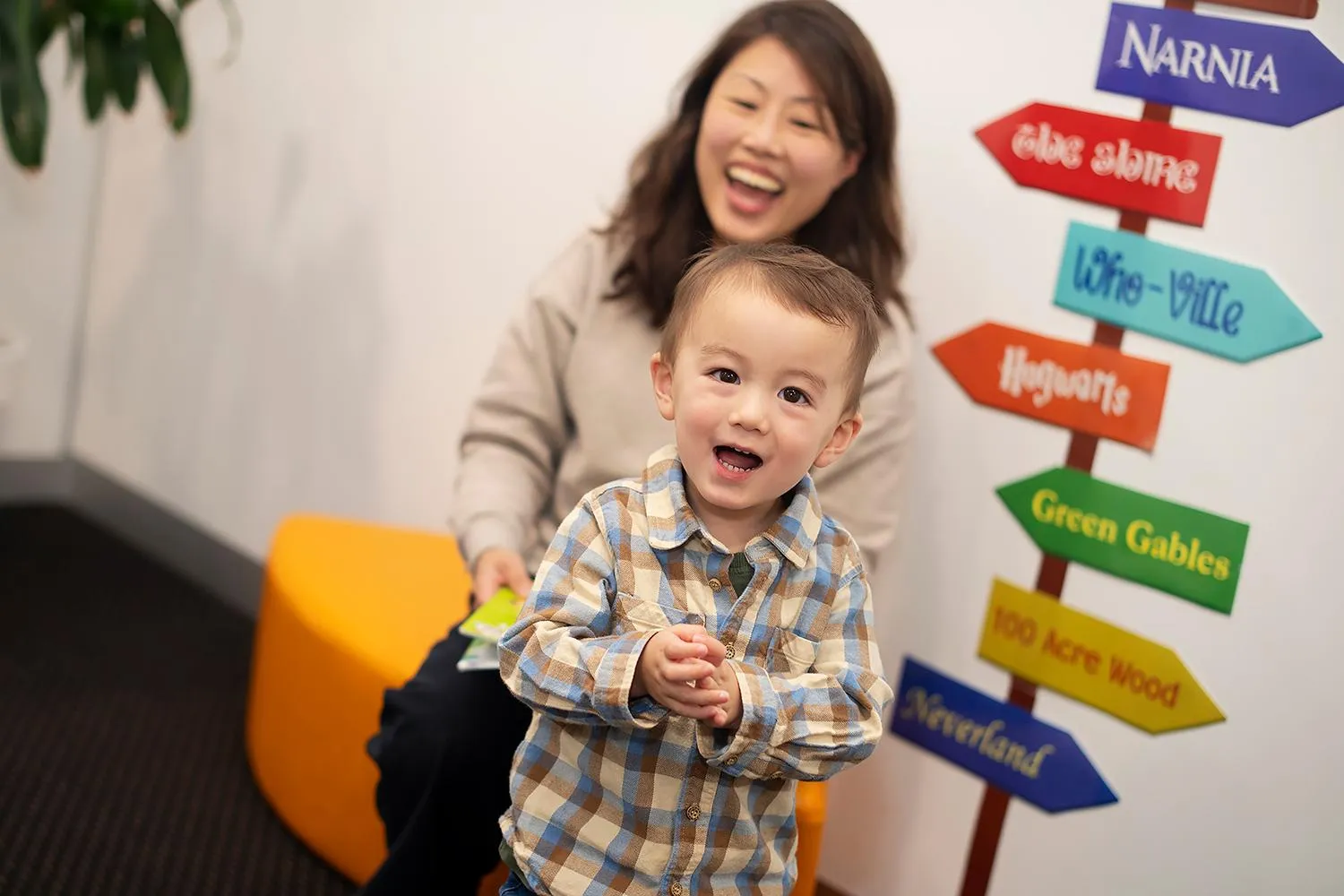
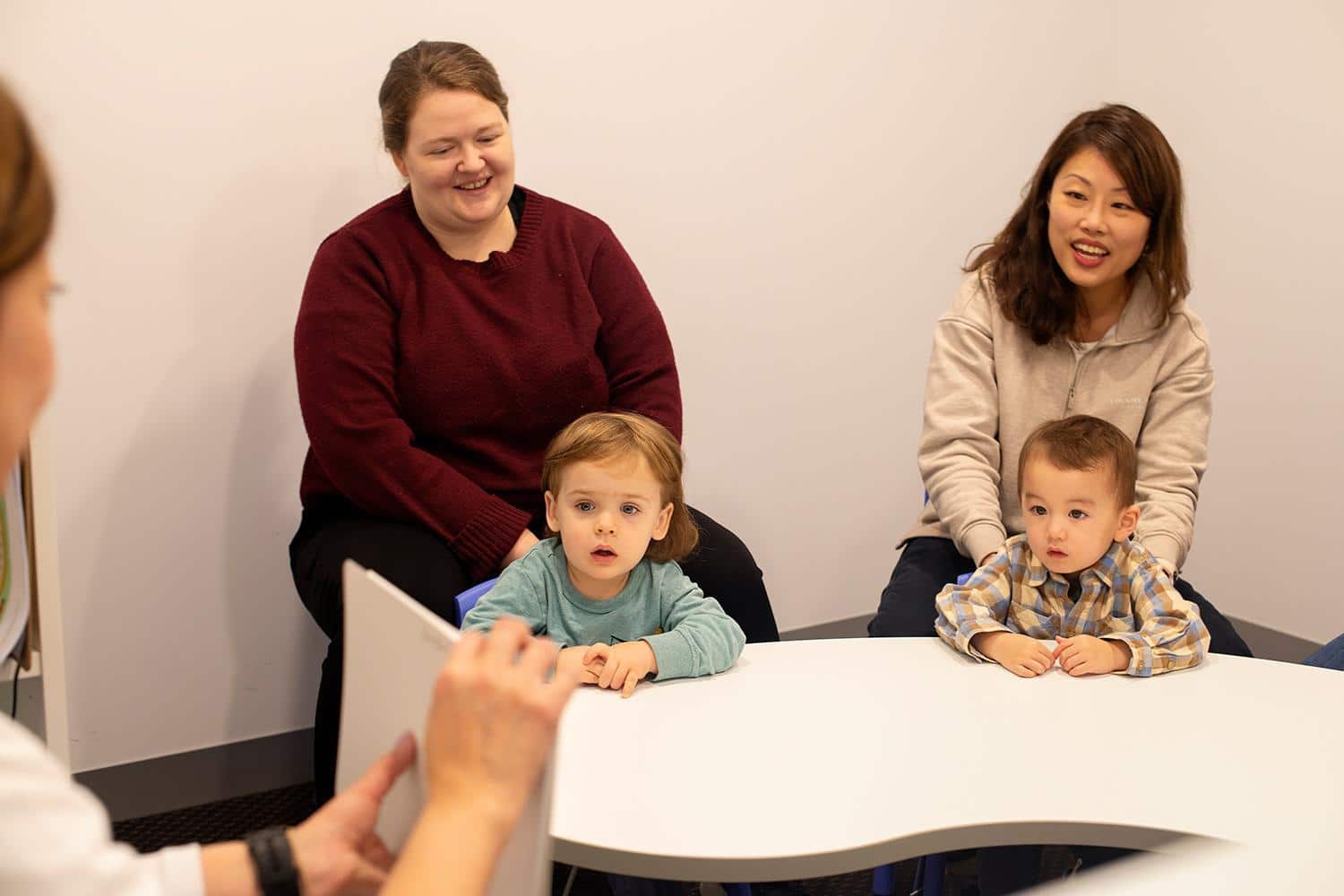
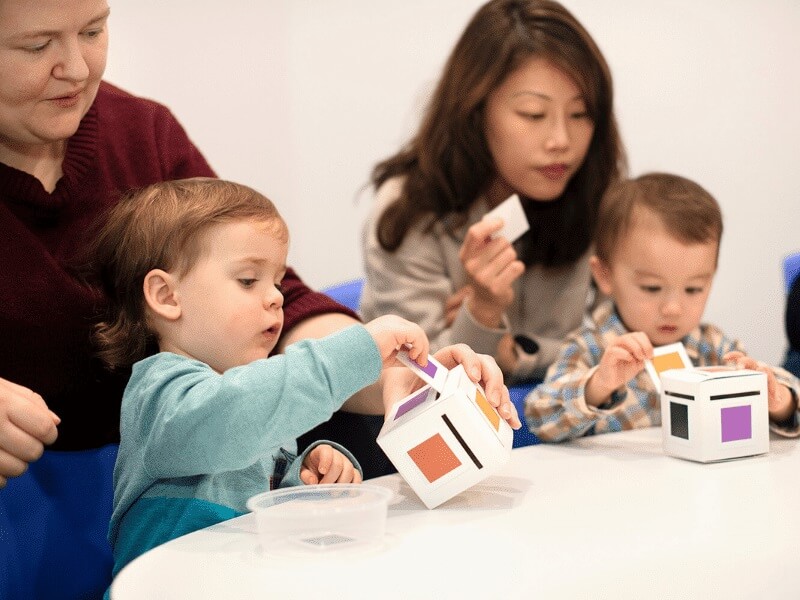
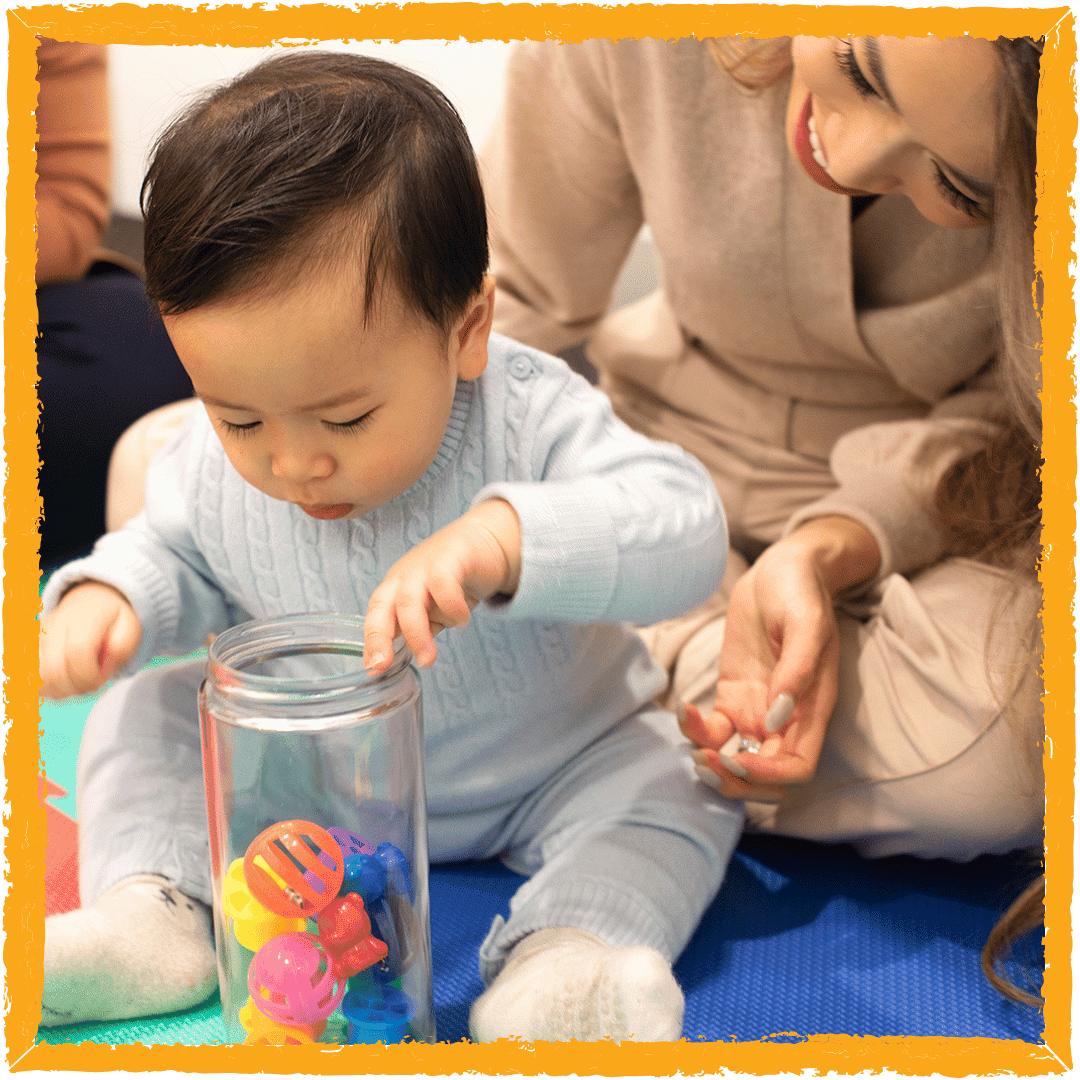
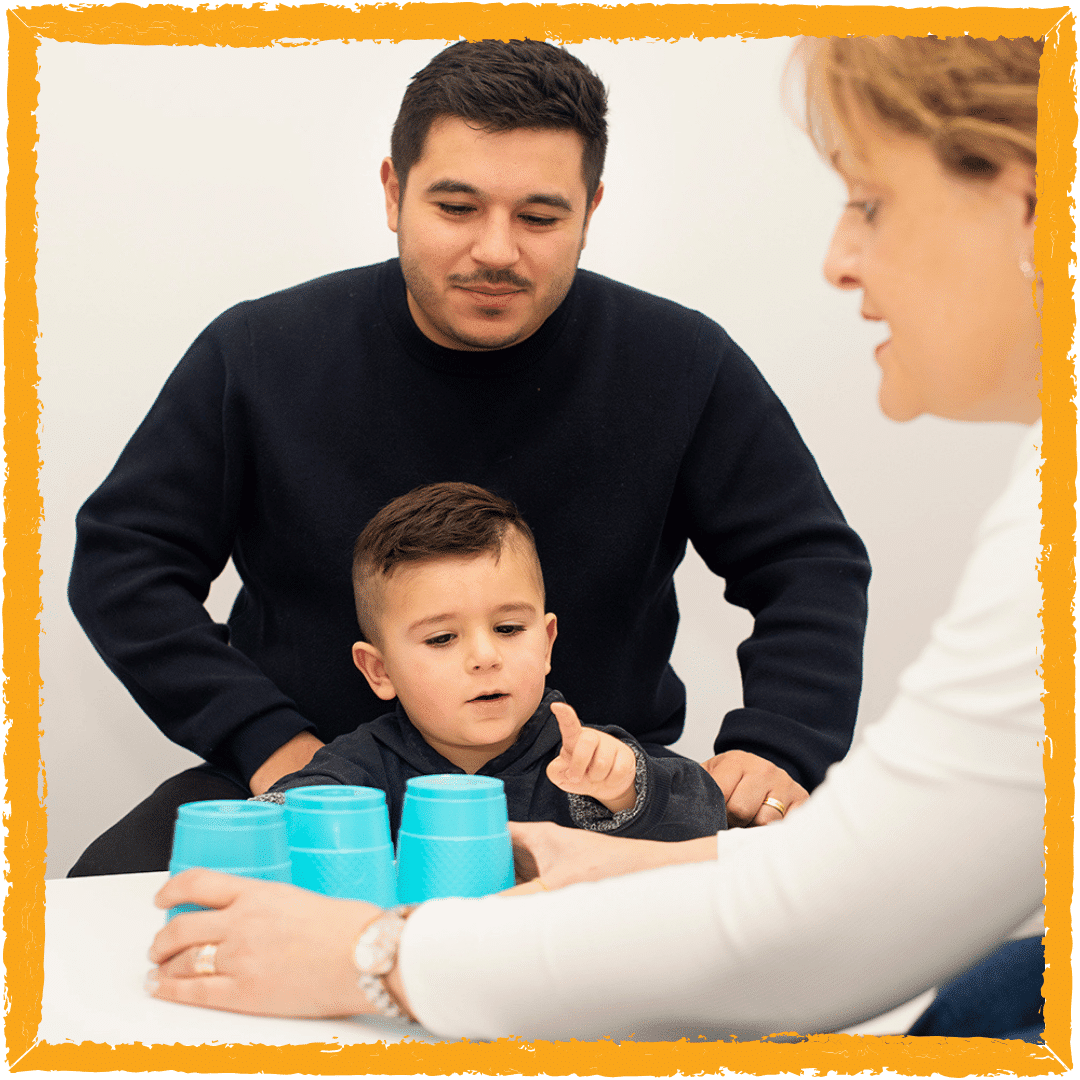
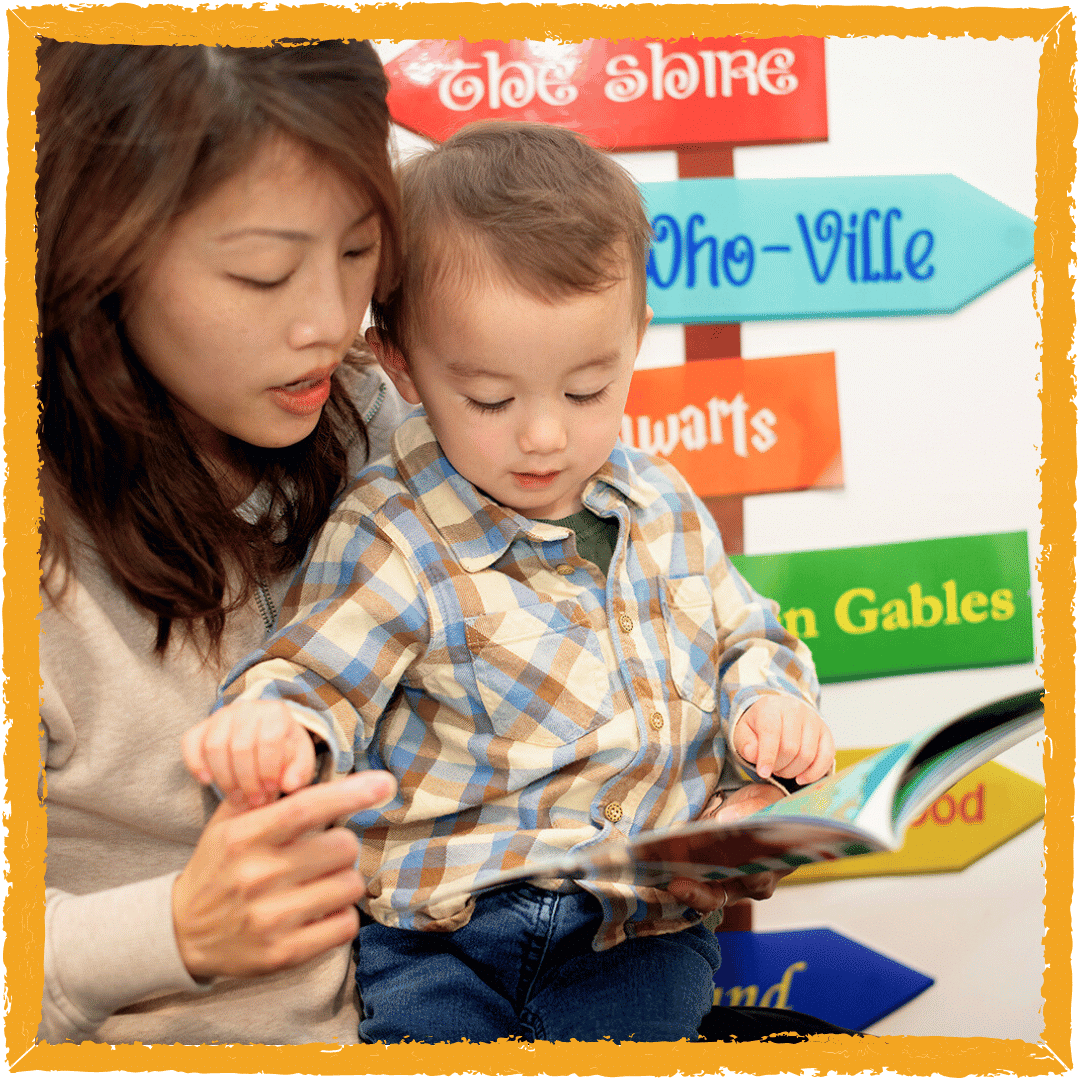
Photo by Shichida Australia: A mum and her young son enjoy a Shichida class together. Spending purposeful time like this strengthens the parent–child bond and encourages open communication.
Critical Thinking Questions for Toddlers (Ages 2–3)
Developing curiosity and cause-and-effect understanding through play.
Toddlers are natural explorers. Simple questions during play can help them connect actions and results.
These short prompts nurture early reasoning skills and language development:
- What do you think will happen next?
- What happens if you turn it upside down?
- Can you find another way to do it?
- Why did you choose that one?
- What sound does this make when you drop it?
- How can we make it move faster or slower?
Critical Thinking Questions for Preschoolers (Ages 4–5)
Encouraging imagination, empathy, and early reasoning.
Preschoolers love to invent stories and explore “what ifs.” These prompts encourage Socratic questioning for kids, helping them see multiple perspectives and develop emotional understanding:
- Why do you think that happened?
- What would you do if you were in the story?
- How could we fix this?
- What do you think that person is feeling?
- What else could we try?
- What would happen if it rained every day?
- What could we use this (object) for besides its usual purpose?
Critical Thinking Questions for Early Primary Kids (Ages 6–8)
Teaching kids to reason and evaluate ideas.
At this stage, children start linking cause and effect and recognising fairness (a sense of social justice). These higher-order thinking questions guide children to explain their reasoning clearly and logically.
- What might happen if we changed the ending?
- Can you think of another way to solve the problem?
- Why do you agree or disagree with that?
- What is the most important part?
- How is this different from what you expected?
- What do you think the character learned from that?
- If you were the teacher, how would you explain it?
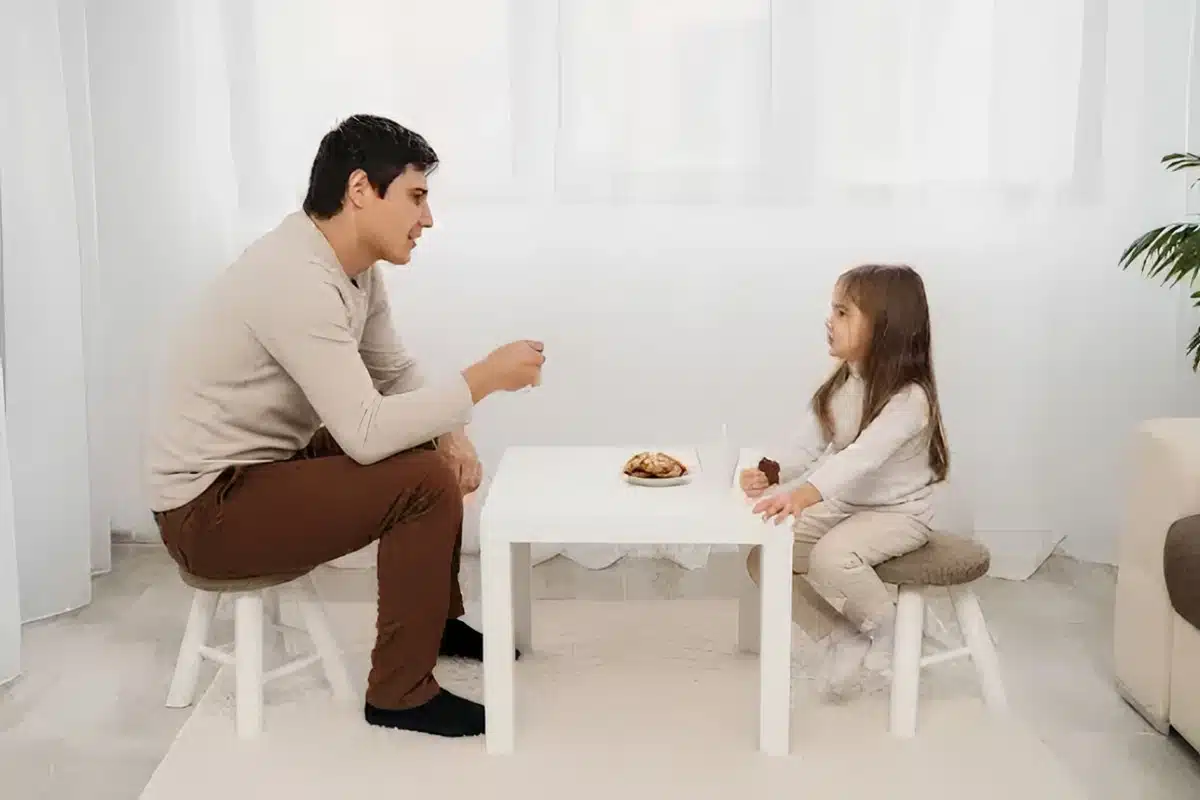
Photo from Freepik: A dad chats with his young daughter – everyday conversations like these help children practise reasoning, language, and early critical thinking skills.
Critical Thinking Questions for Older Kids (Ages 9–10)
Developing reflection, logic, and independent thought.
Older children can evaluate ideas, weigh fairness, and express opinions. These questions help children reason through complex problems and develop confidence in their own judgment. It also builds independence and emotional intelligence, qualities that prepare them for real-world challenges.
- What would you do differently next time?
- What makes something fair or unfair?
- How would you explain this to a younger child?
- What are the pros and cons of this idea?
- What questions do you still have?
- How could you test whether this idea would work?
- What could you learn from someone who disagrees with you?
Moral and Emotional Development: When Does a Sense of Social Justice Begin?
A sense of fairness starts early. By age two, children notice when things feel “not fair,” usually about themselves — the first step toward empathy.
Between four and seven, they begin to see fairness from others’ perspectives and show concern when someone is left out or treated unfairly.
By the primary years, roughly seven to ten, children start recognising fairness on a larger scale — caring about community, the environment, or helping others. This growing awareness forms the foundation of social justice and moral reasoning.
Conversation Starters for Everyday Critical Thinking
Fun and engaging ways to practise reasoning every day.
Critical thinking doesn’t have to be formal. Try these during car rides or dinner:
- If you could change one rule at school, what would it be and why?
- What would happen if animals could talk?
- If you made a new holiday, what would people celebrate?
- What invention would you create to help people?
- What would you do if you were invisible for a day?
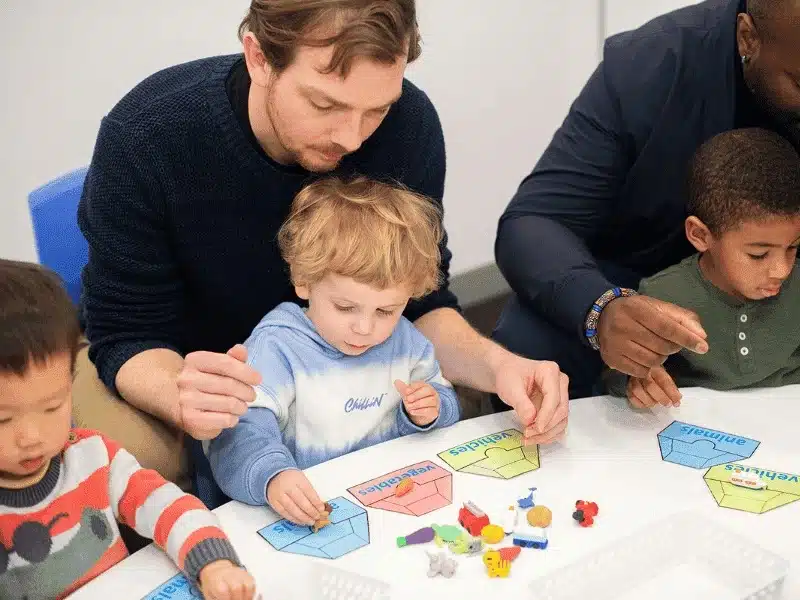
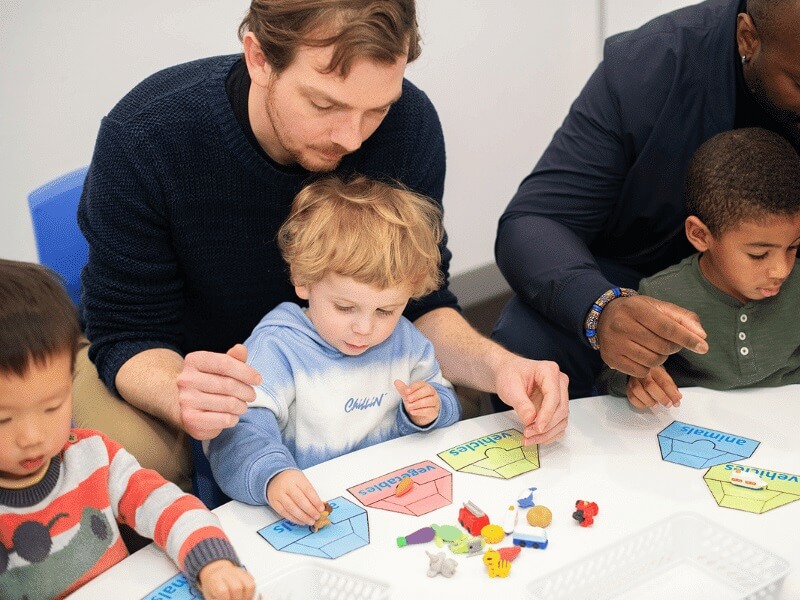
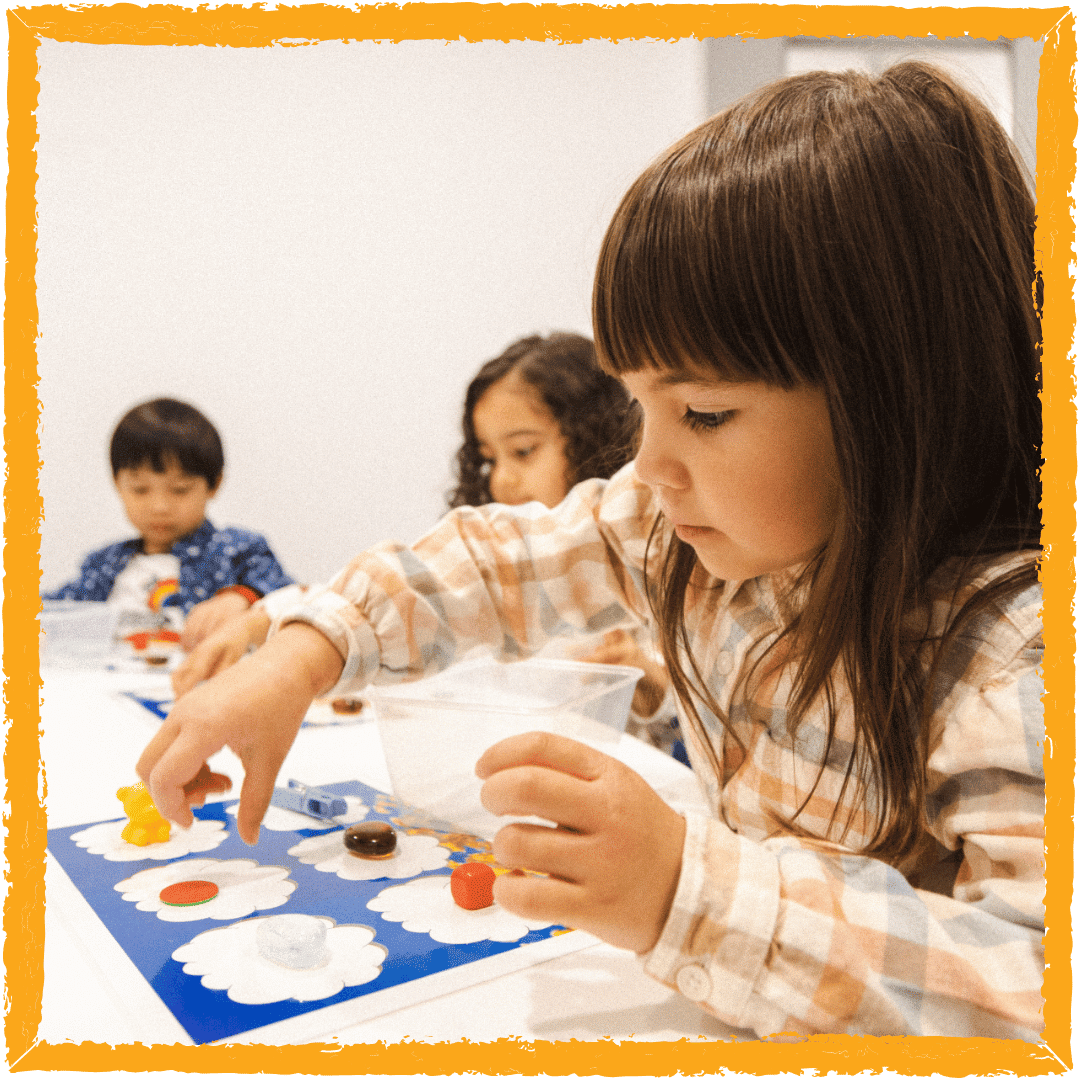
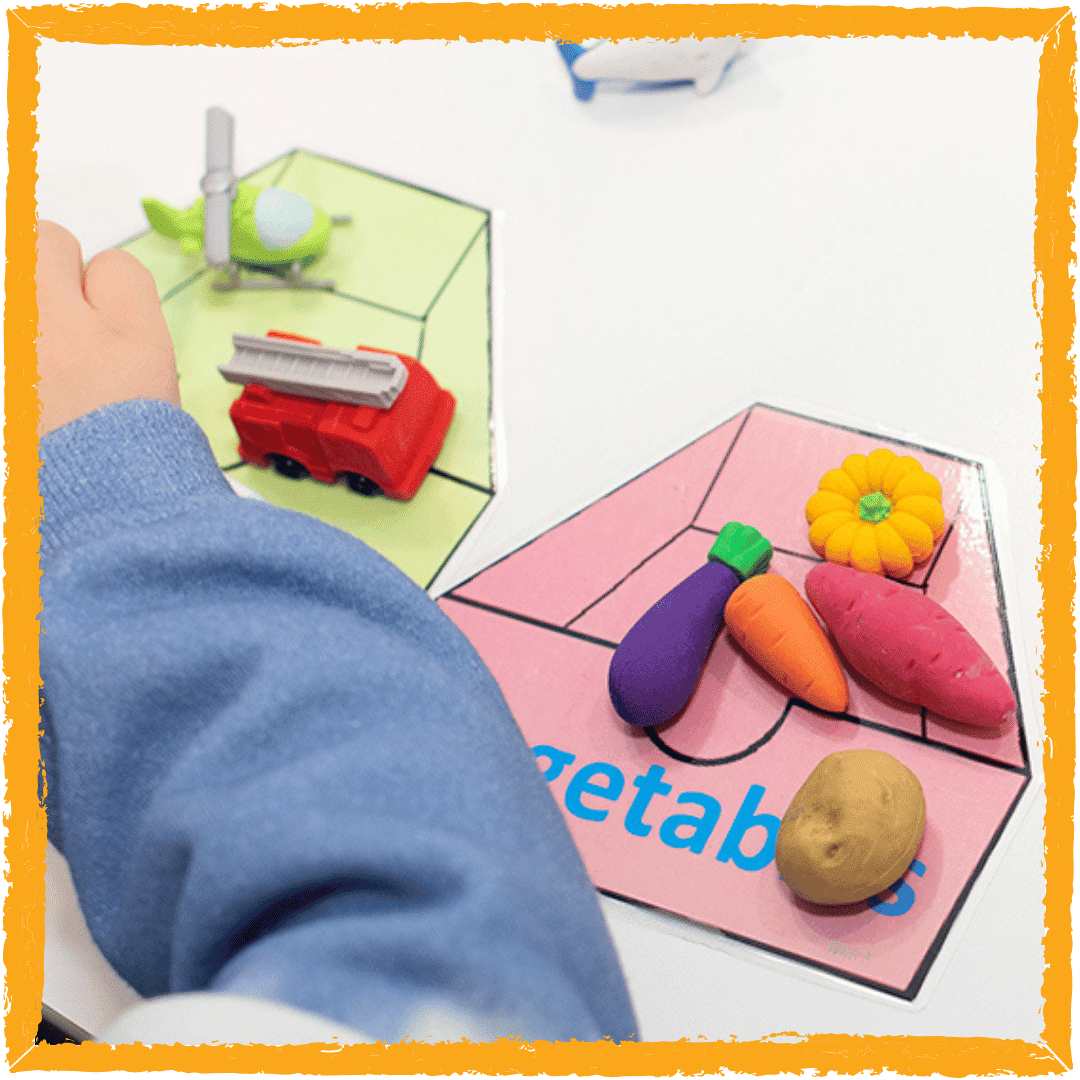
Photo by Shichida Australia: Young children play a category sorting game alongside their parents. As they sort objects, parents prompt thinking with questions like, “What is this?”, “Where does it belong?”, and “Which one is your favourite – why do you like that one best?”
How Shichida Australia Encourages Critical Thinking
At Shichida Australia, critical thinking is woven into every stage of learning! The Shichida Method develops not only strong memory skills but also curiosity, creativity, and independent thought — the core ingredients of lifelong learning.
Here’s how the program builds independent thinkers:
- Right-brain activities: Visualisation, linking memory, and image-based learning games and activities strengthen imagination, logic, and flexible thinking.
- Parent involvement: Parents learn simple ways to guide reasoning and reflection at home through play and discussion.
- Supportive environment: Children are encouraged to explore ideas, experiment, and express opinions — learning to reason confidently and respectfully.
“Shichida brings a new style of thinking and encourages a love of learning. It provided me with a solid foundation for primary school and allowed me to easily grasp new concepts and ideas. Even 12 years later, I still remember going to Shichida being the highlight of my week…” Natalie, 16 y/o student (Shichida Graduate) shichida.com.au
Learn more about the Shichida critical thinking games and how they help children grow confident, curious, and creative. You can also check out free resources here.
Conclusion
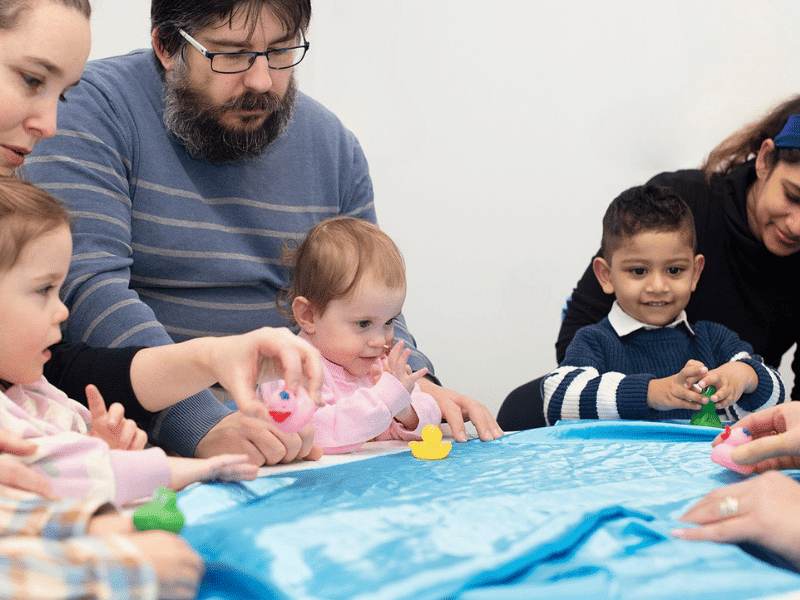
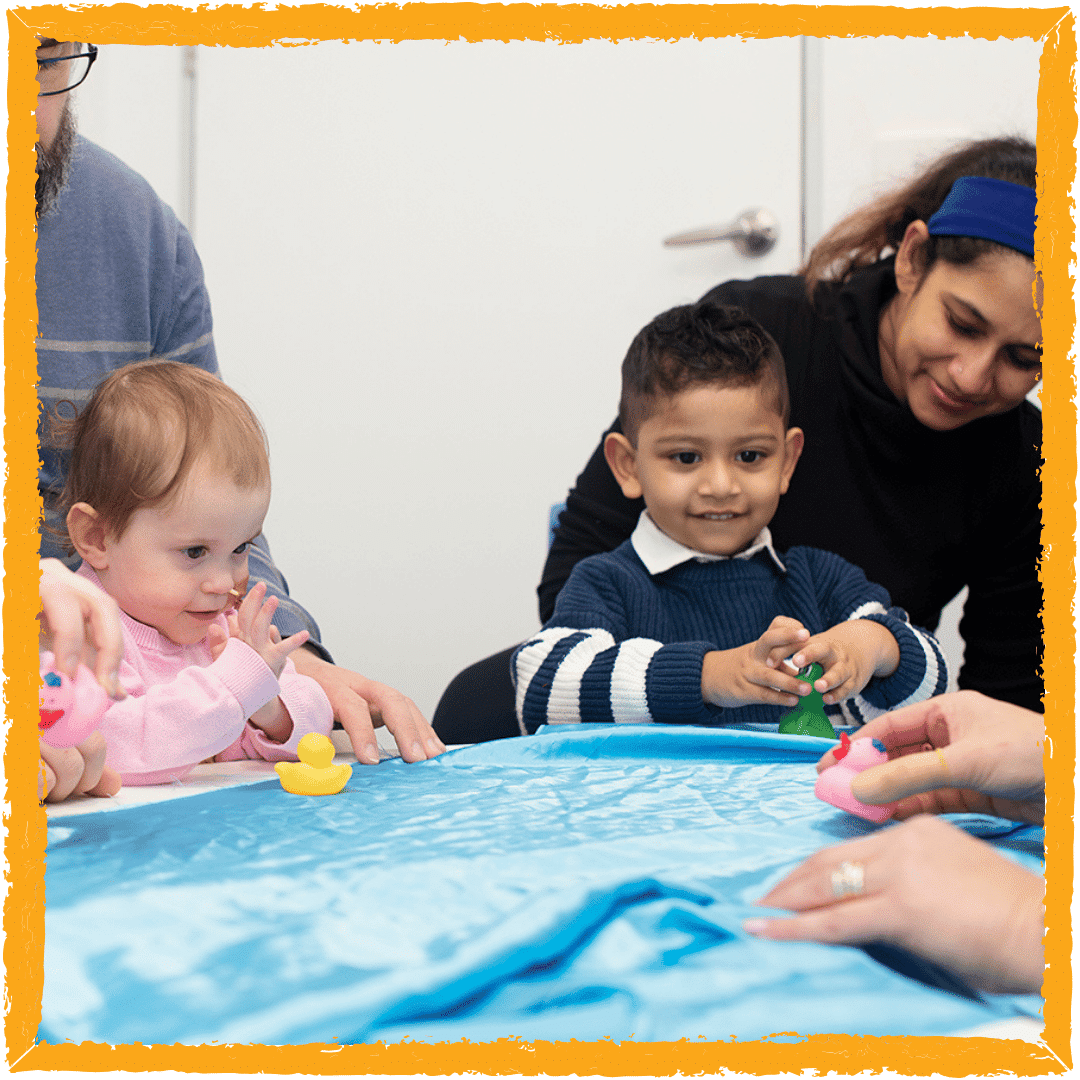
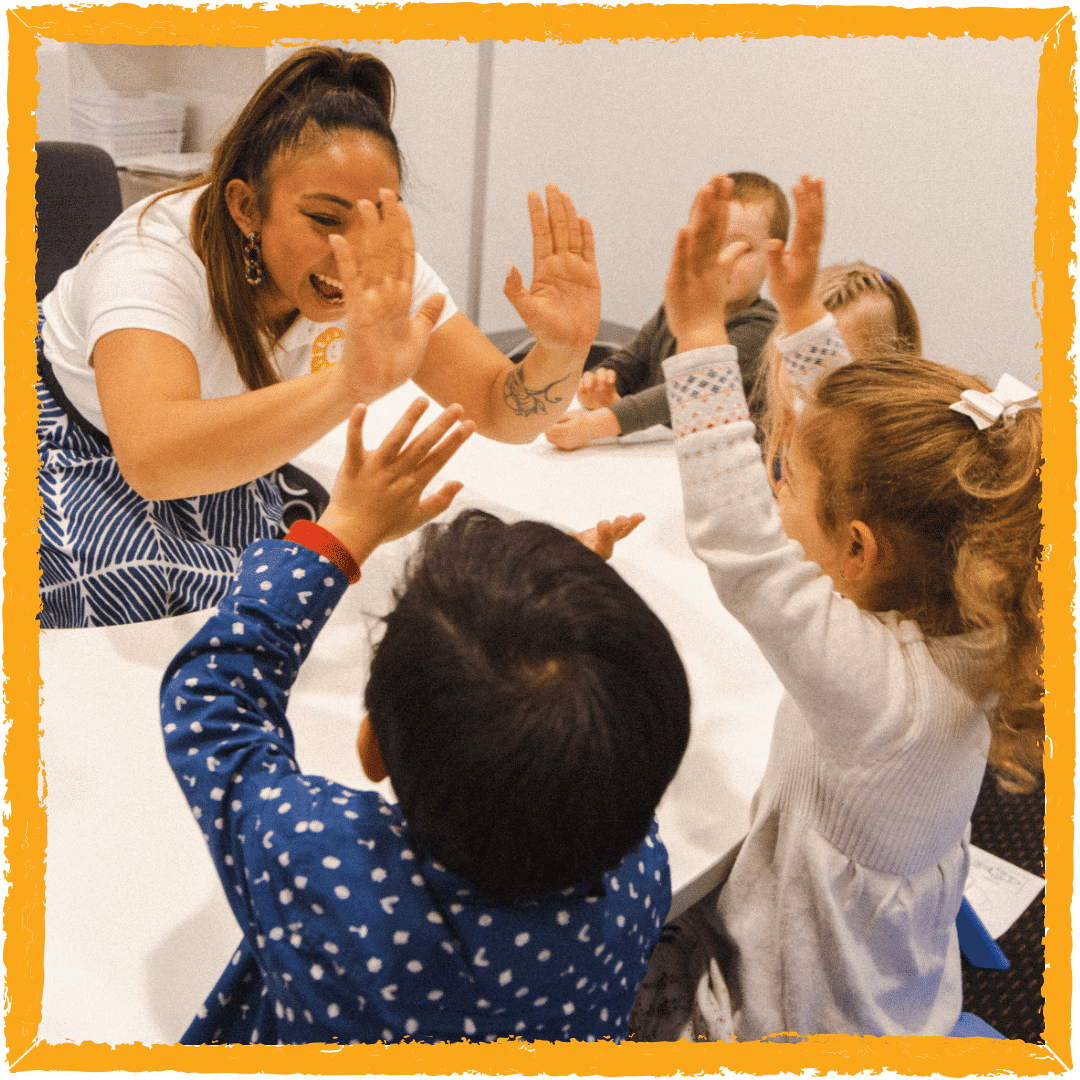
Photo by Shichida Australia: Toddlers play an imaginative pretend game with ducks on a lake. Activities like this are perfect for starting simple conversations and exploring new concepts through both play and communication.
Critical thinking grows through conversation, curiosity, and shared experiences. By encouraging reflection, you’re helping your child become a confident, creative thinker ready for life’s challenges.
Discover how Shichida Australia nurtures critical thinking from the earliest years through engaging, research-based programmes.
⭐ Book a trial class at your nearest Shichida Centre today!
FAQ's: Critical Thinking Questions for Kids
Good questions encourage curiosity, reasoning, and reflection. Ask open-ended ones such as “Why do you think that happened?”, “How could we change this?”, or “What might happen next?”. These questions help children explain their ideas, think logically, and explore possibilities – key foundations of higher-order thinking.
Use simple, playful games and questions that spark imagination and empathy. Try asking, “What do you think that person is feeling?” or “What else could we use this for?”. Through storytelling and role-play, preschoolers learn to reason, predict outcomes, and recognise that there can be more than one right answer.
You can start as early as toddlerhood. Even cause-and-effect questions like “What happens if you turn it upside down?” help toddlers practise reasoning. As children grow, introduce more complex “why,” “how,” and “what if” questions to strengthen logical thinking and communication.
Model curiosity. Ask “why,” “how,” and “what if,” and give your child time to think before responding. When they answer, follow up with “What makes you think that?” or “Could there be another way?” to help them expand their reasoning and connect ideas.
Critical thinking helps children analyse information, solve problems independently, and communicate clearly. It also nurtures empathy, emotional intelligence, and decision-making – essential skills for lifelong learning and social awareness.
Turn daily routines into learning opportunities. Discuss story endings, explore “what if” scenarios, or talk about fairness and feelings. Every open-ended question helps your child practise reasoning, communication, and reflection.
Yes. Even toddlers can develop early reasoning through cause-and-effect play. Ask simple prompts like “What happens if you push it?” or “Why did you choose that one?” to nurture curiosity and problem-solving from a young age.
The Shichida Method combines guided questioning, right-brain training, and parent involvement to strengthen curiosity, imagination, and logical thinking. Each class builds independence, empathy, and confidence – helping children think creatively and reason clearly in any situation.