Colour Recognition for Babies: A Smart Start!
Key Takeaways:
- Colour learning builds the brain. Recognising and remembering colours strengthens neural pathways linked to memory, attention, and problem-solving.
- It’s more than naming colours. Babies learn to compare, categorise, and think critically – important skills for future reading and maths.
- Sensory play matters. Hands-on, multi-sensory activities like touching, seeing, and singing about colours make learning meaningful and lasting.
- Memory and focus grow together. Repeated exposure to colours through songs, flashcards, and play helps babies develop strong recall and concentration.
- Early learning creates confidence. Understanding and naming colours gives babies a sense of achievement, sparking curiosity and motivation to learn more.
- Shichida makes it joyful. Every baby class uses colour to connect fun with brain development, helping little ones learn through laughter, rhythm, and play.
At Shichida Australia, we make learning colours a joyful and meaningful experience. In our baby classes, colour recognition isn’t just about knowing red from blue – it’s about building the foundations for memory, focus, and critical thinking.
Through hands-on play, sensory exploration, and catchy songs, babies begin to notice differences, patterns, and relationships – key early steps in developing visual discrimination and brain organisation.
Colour Recognition for Babies
How do babies learn colours?
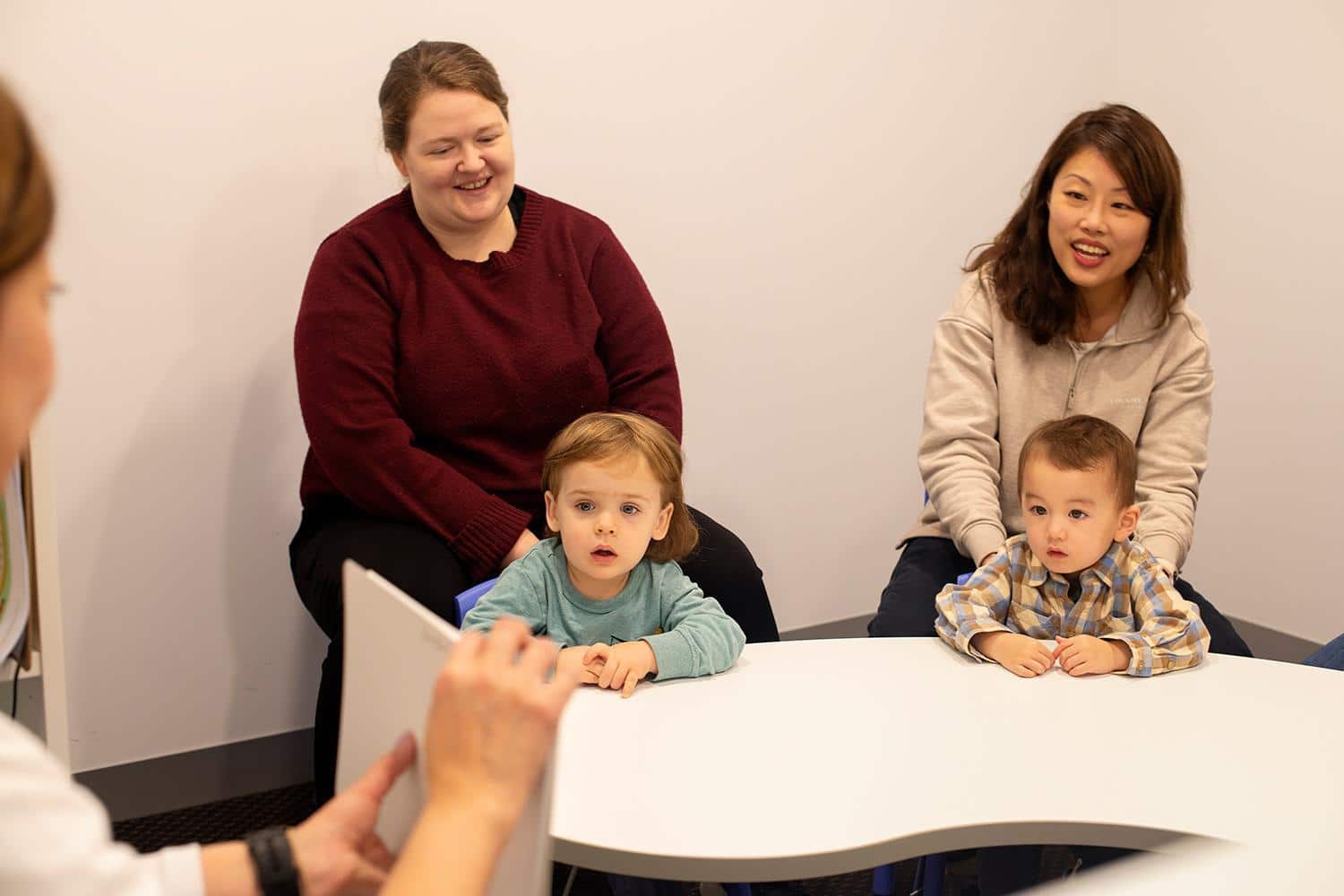
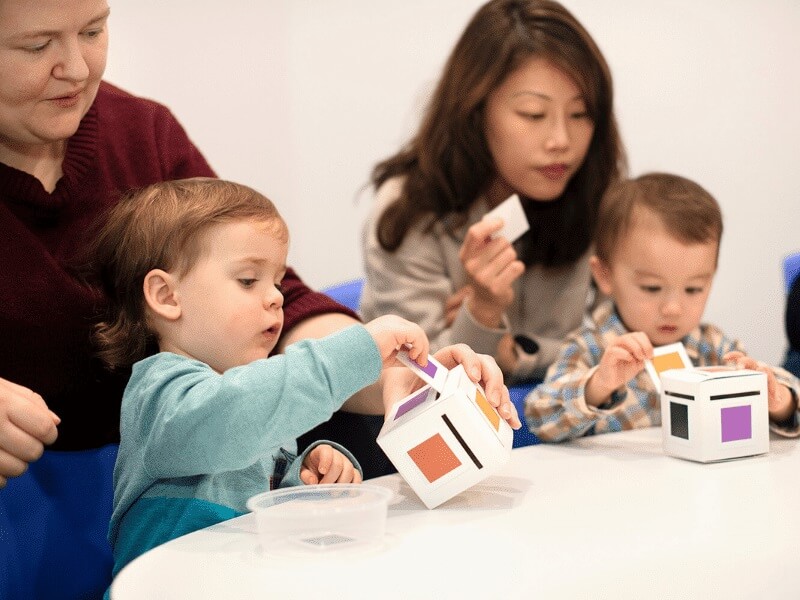
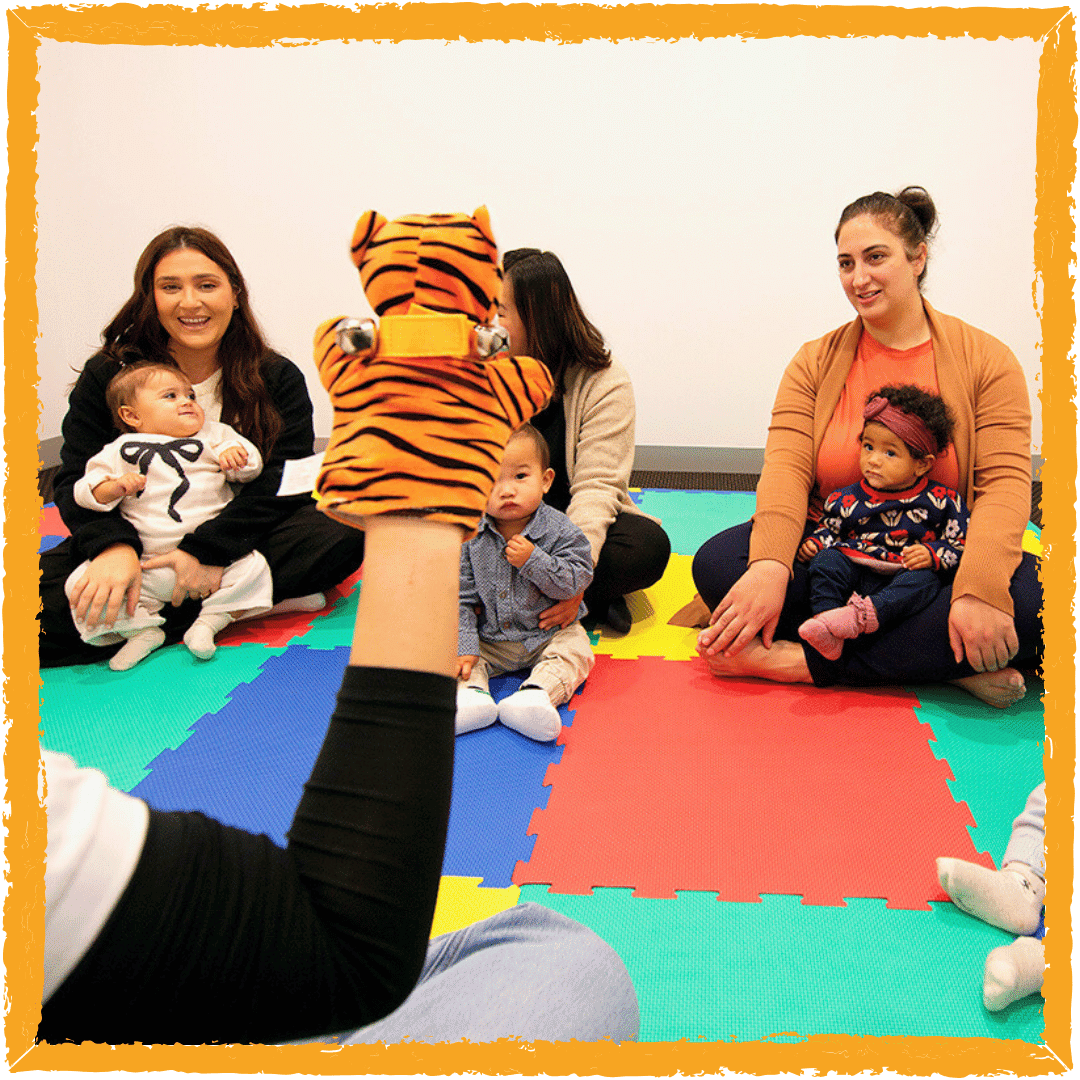
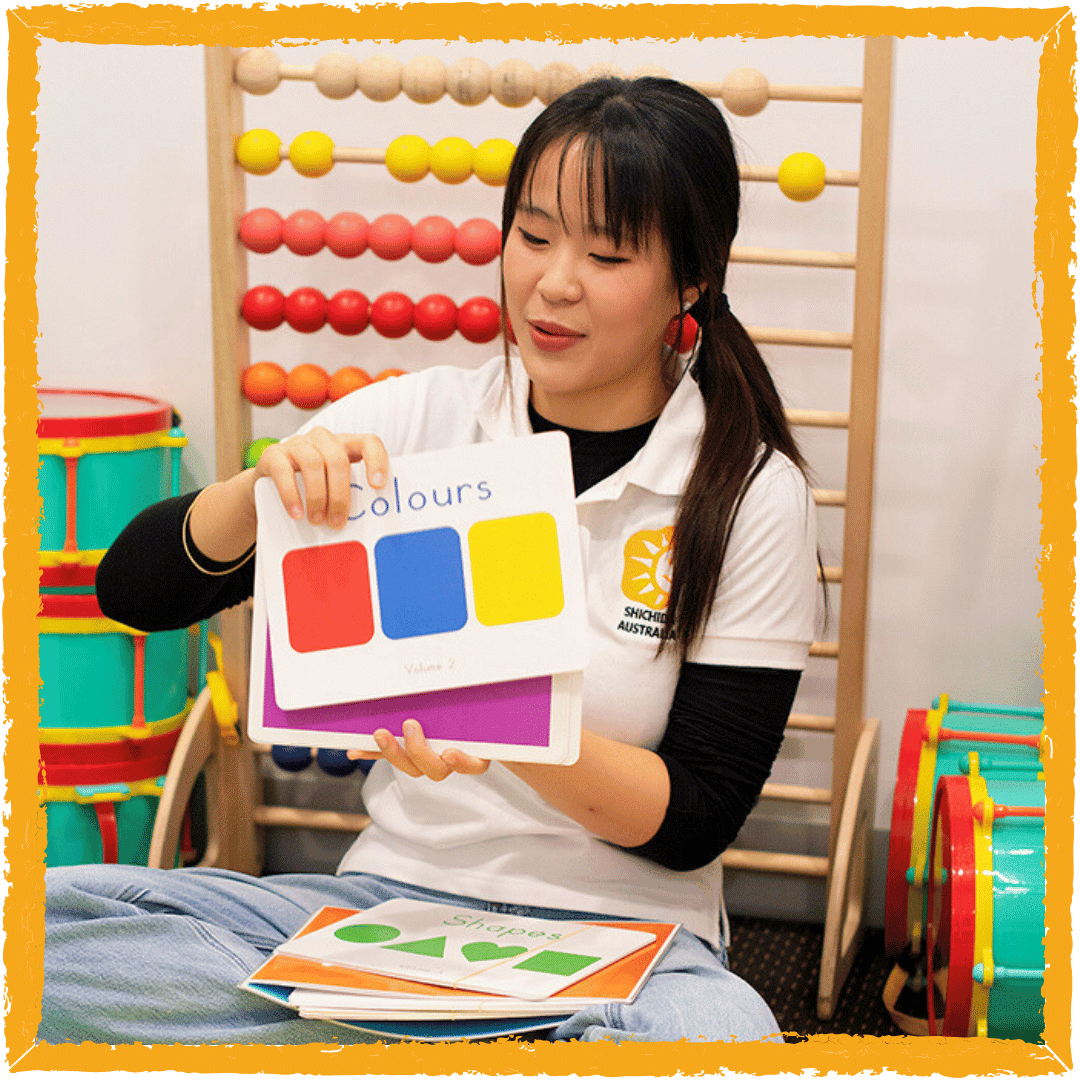
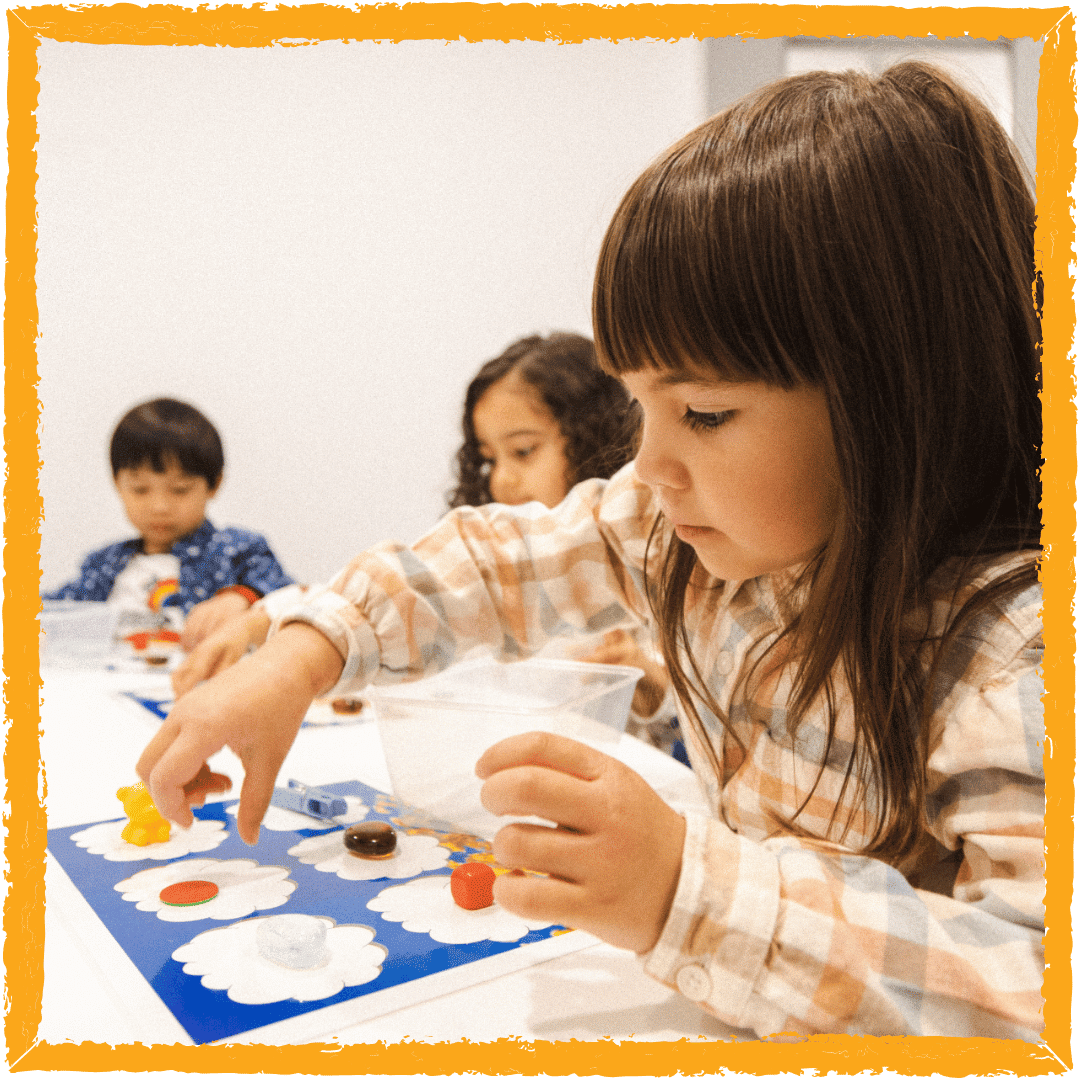
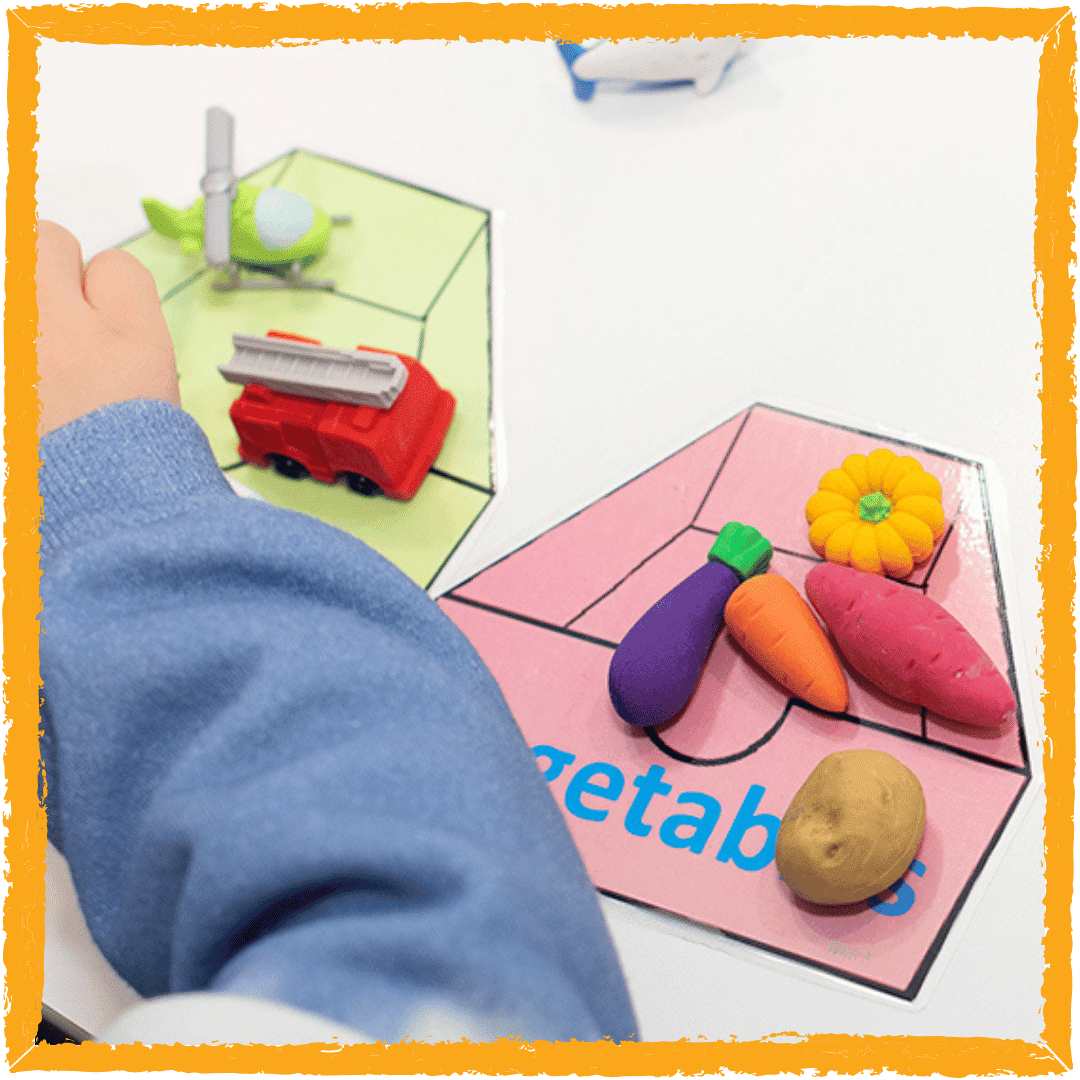
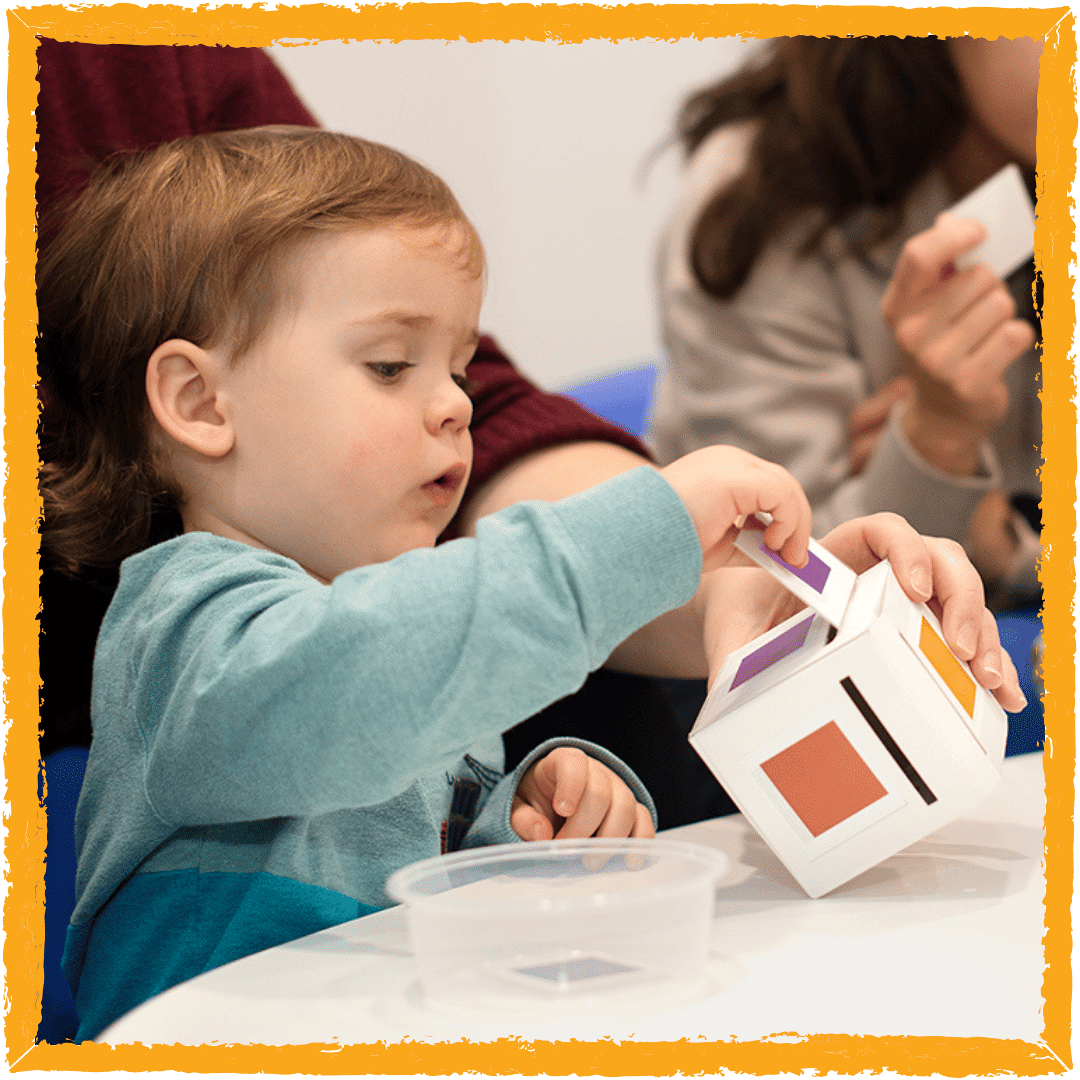
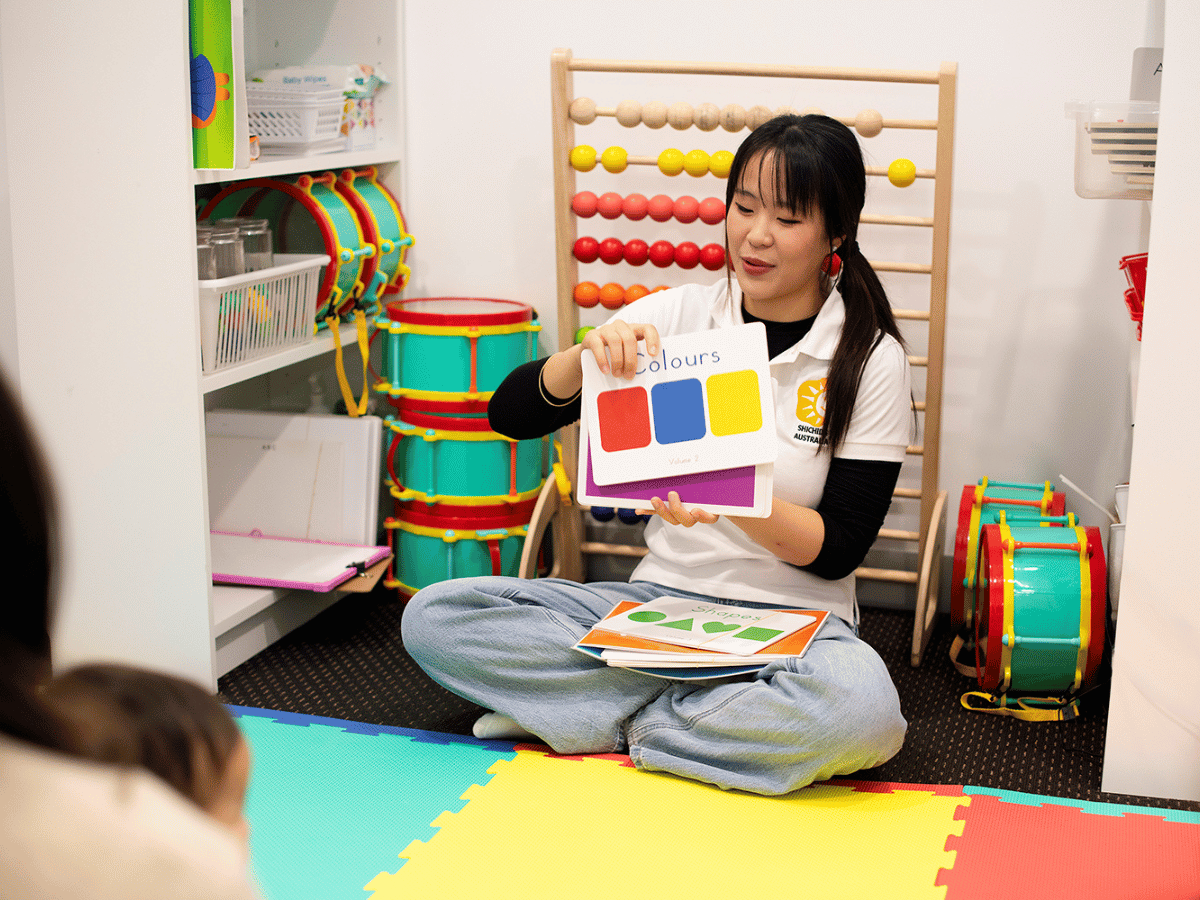
Babies are naturally drawn to bright, contrasting colours. During Shichida classes, we use colourful flashcards, songs, and playful activities that engage the senses and encourage attention and curiosity.
By seeing, touching, and hearing the names of the colours, babies begin forming neural connections that help them remember and categorise what they see. These experiences strengthen both the right and left hemispheres of the brain, supporting a balanced foundation for learning.

The Power of Colour Recognition in Brain Development
Colour recognition may seem simple, but it plays a crucial role in early cognitive development. When babies observe, match, and recall colours, they are:
- Strengthening memory: Recalling and matching colours trains the brain to store and retrieve information efficiently.
- Sharpening focus and attention: Identifying different hues improves concentration and visual tracking.
- Developing critical thinking: Recognising differences and similarities builds comparison and categorisation skills – vital for logic and problem-solving later in life.
- Enhancing language skills: As babies hear colour names and associate them with objects, they expand their vocabulary and communication abilities.
A Sensory Approach to Learning
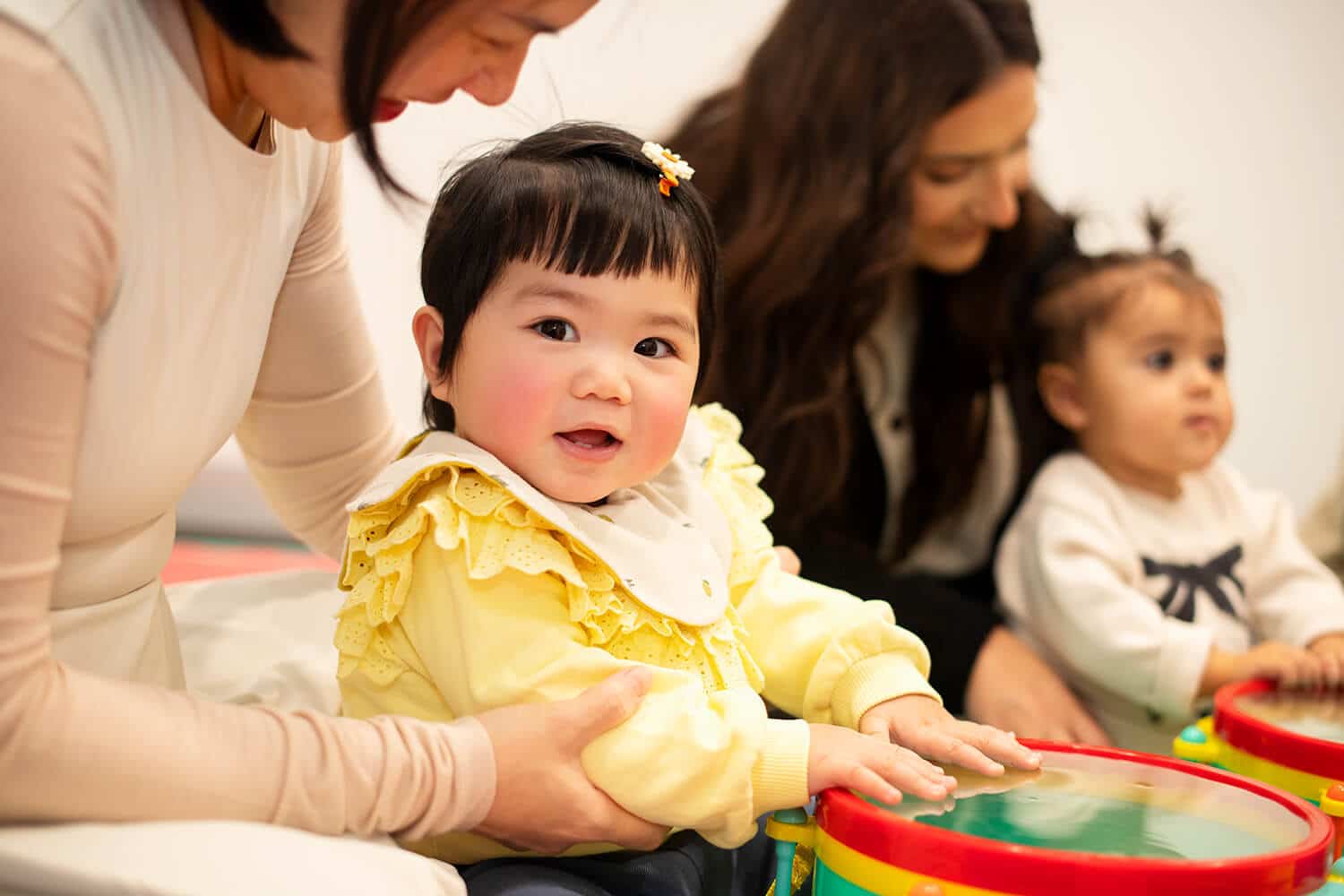
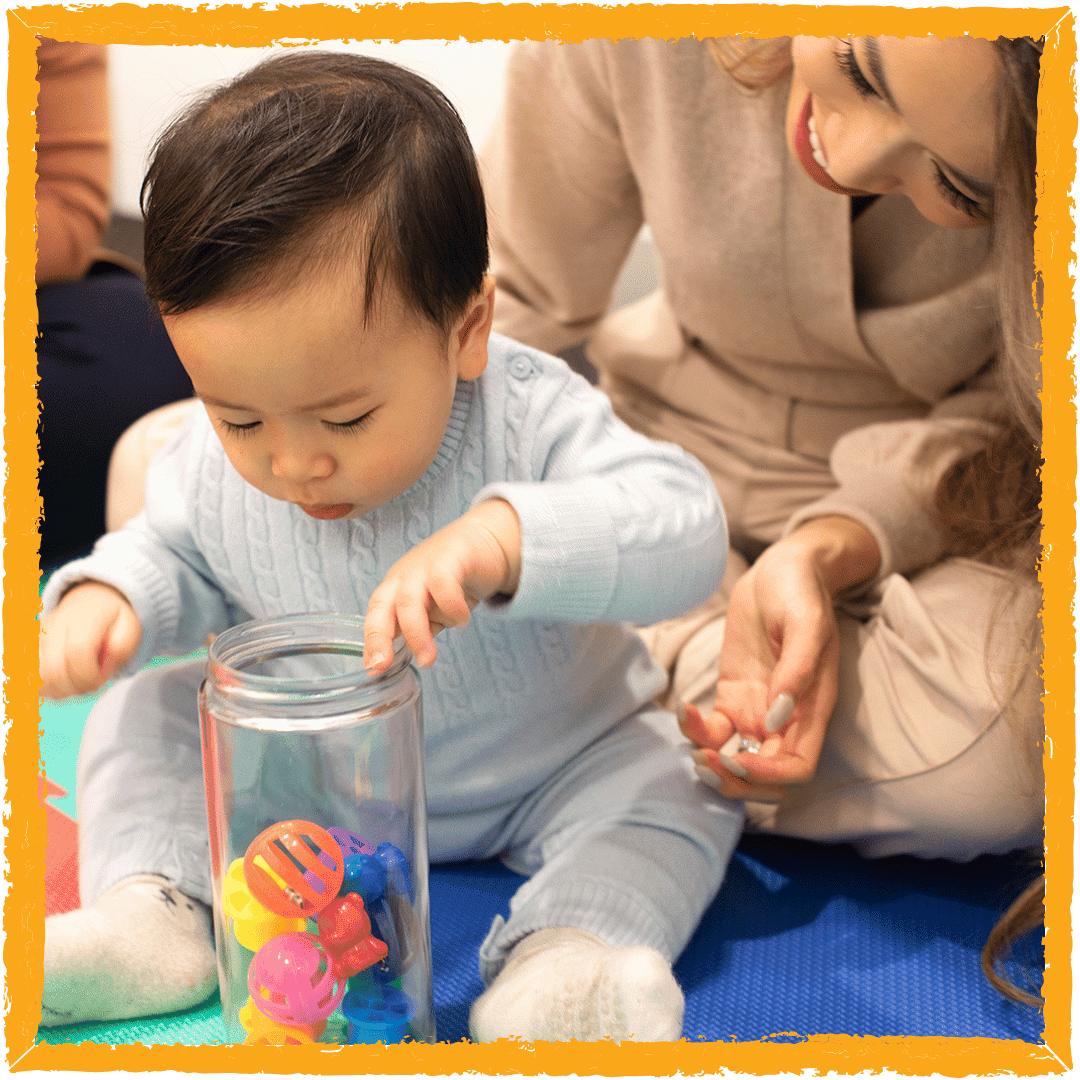
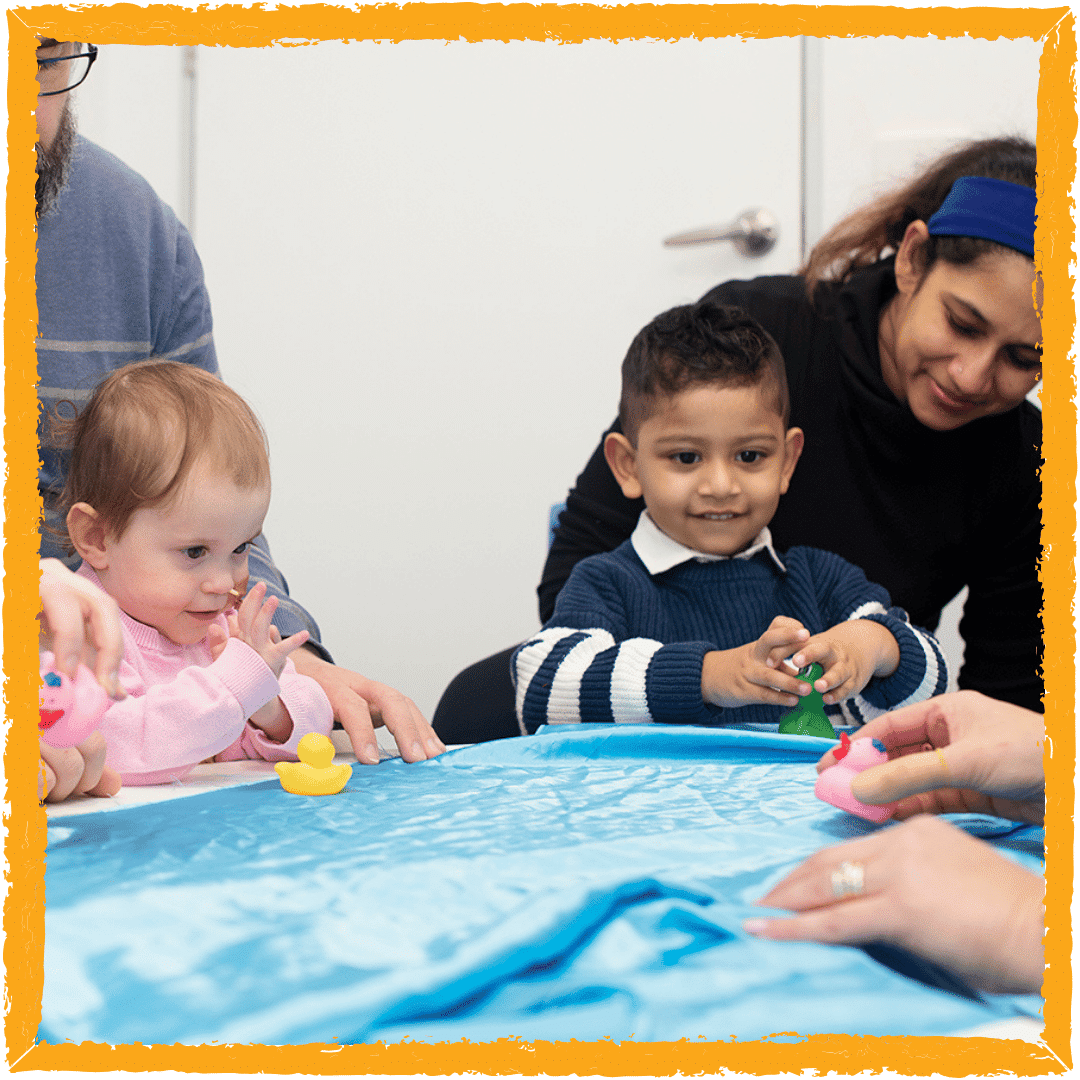
Shichida’s play-based learning ensures that babies experience colour through sight, touch, and sound. From sensory bins filled with colourful textures to soft toys and water play, each activity stimulates curiosity and reinforces neural pathways related to observation and recognition.
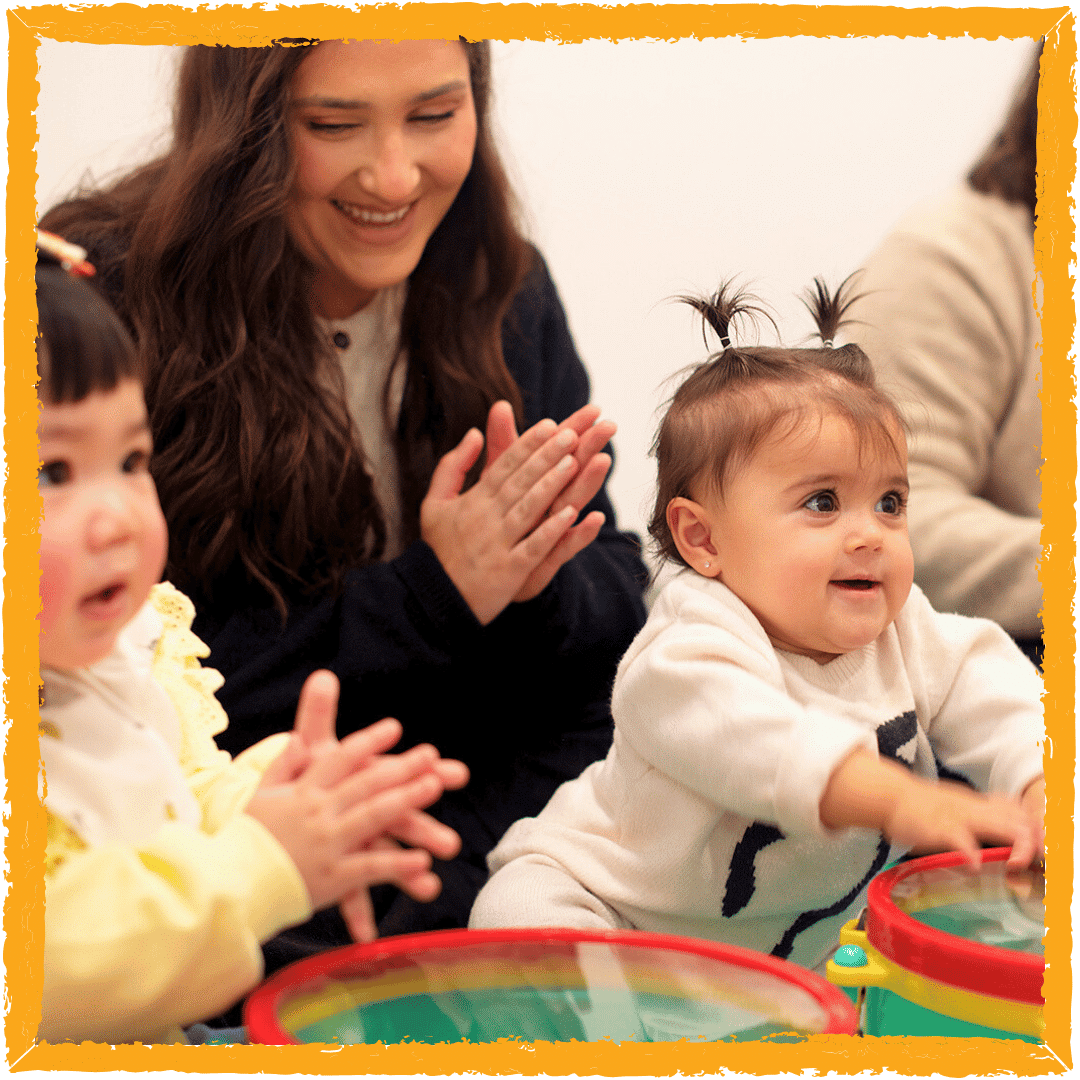
Our unique use of music and rhythm helps babies remember colours more easily — linking emotion and sound with visual learning for long-term retention.
Building the Foundations for Future Learning
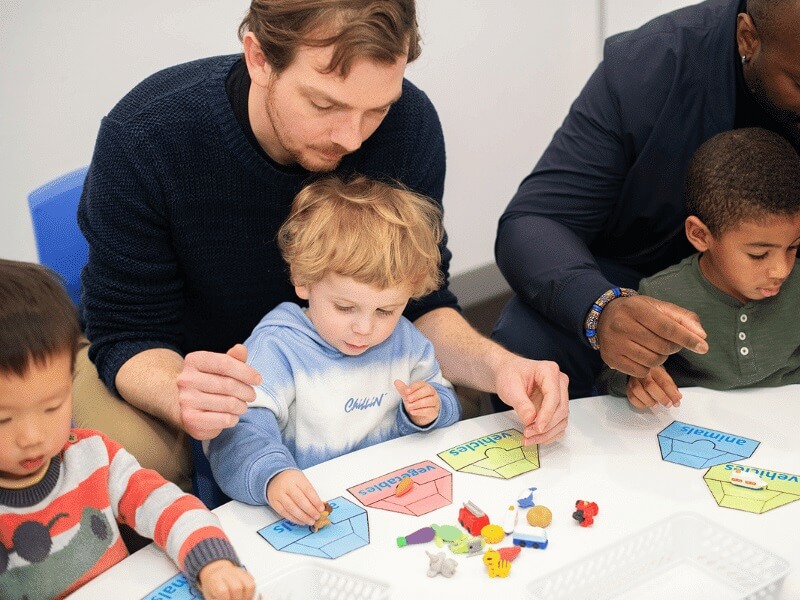
Colour recognition lays the groundwork for reading, maths, and scientific thinking. When a child can group, compare, and recall colours, they are developing the same mental processes used later for sorting numbers, identifying patterns, and recognising words.
By introducing colours early, babies strengthen the connections between visual memory and analytical reasoning, giving them a confident start on their learning journey.
Why Choose Shichida for Early Colour Learning?
At Shichida Australia, we go beyond teaching colours — we nurture the whole brain. Every song, game, and flashcard set is carefully designed to make learning both enjoyable and intellectually enriching.

Parents are encouraged to continue simple colour activities at home, reinforcing class experiences and creating fun opportunities for bonding and learning together.
Try a Shichida baby class today and see how simple, joyful activities can light up your baby’s mind!
Frequently Asked Questions: Colour Recognition for Babies
Most babies begin to notice and distinguish colours between 6 and 12 months of age. During this time, their visual perception sharpens, and they start recognising bright, contrasting hues. The Shichida baby classes gently introduce colours through fun, sensory-based experiences that match each stage of a baby’s development.
Colour recognition is an early milestone that helps babies develop visual discrimination, memory, and language skills. Recognising and naming colours also strengthens the brain’s ability to categorise and compare, which later supports reading, maths, and problem-solving abilities.
Every time a baby identifies, matches, or remembers a colour, the brain forms new neural connections. This strengthens both short- and long-term memory and activates areas responsible for critical thinking, observation, and pattern recognition – essential foundations for future academic learning.
Babies learn through play, songs, flashcards, and sensory materials. These activities stimulate multiple senses at once – sight, touch, and hearing – to make learning memorable and enjoyable. Using repetition and rhythm also helps babies retain information more effectively.
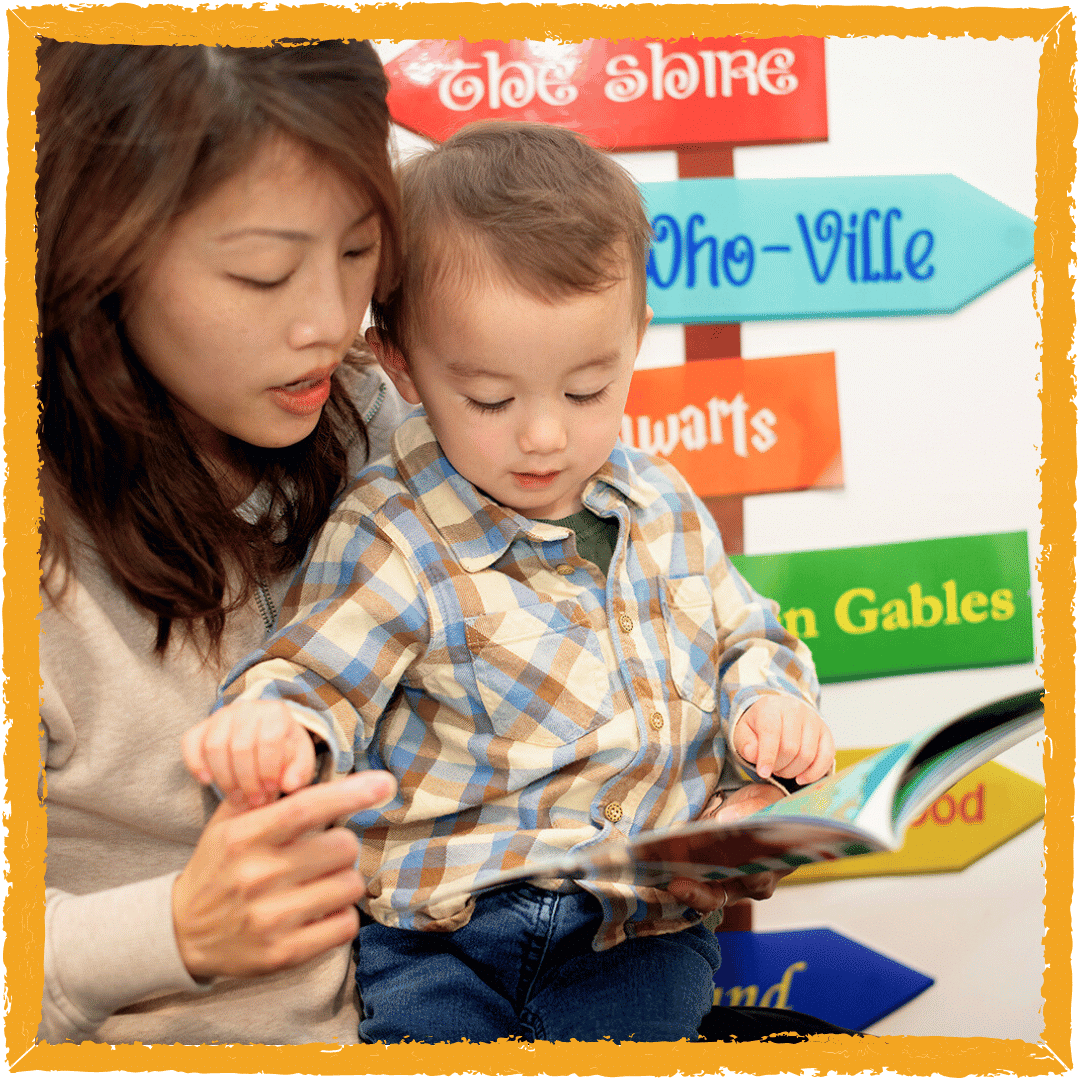
Parents can continue the fun by naming colours in everyday routines – like when dressing their baby, playing with toys, or looking at picture books. Consistent exposure helps reinforce what babies learn in class and encourages communication through shared experiences.
Shichida’s whole-brain learning method connects emotion, creativity, and intellect. Colour recognition activities aren’t just about naming colours – they’re designed to build focus, memory, and early problem-solving skills, helping babies grow into confident, curious learners.