Baby Music – Rhythm and Song for Infants and Toddlers
Key Takeaways
- Music stimulates whole-brain development. Rhythm, melody, and movement activate both sides of the brain, strengthening memory, coordination, and emotional awareness.
- Babies learn through sound and repetition. Singing and rhythmic play help babies recognise patterns and develop listening, focus, and early communication skills.
- Instrument play builds coordination and timing. Using maracas, tambourines, and drums teaches babies and toddlers to practise rhythm and beat while improving fine and gross motor control.
- Songs support language growth. Repetition and rhyme expand vocabulary, improve pronunciation, and help children understand the flow of language.
- Baby music enhances memory and sequencing. Remembering lyrics, beats, and actions strengthens recall and critical thinking skills.
- Joyful learning strengthens connection. Singing, moving, and playing instruments together create positive emotions that reinforce learning and parent–child bonding.
Music, Song & Rhythm: The Sound of Early Learning
From nursery rhymes, lullabies and baby music, to lively songs with actions – music and rhythm play a vital role in a child’s brain development. At Shichida Australia, we use song, rhythm, and movement to help babies and toddlers strengthen their memory, listening, and communication skills – all while having fun.
Through familiar Shichida songs, musical instruments, and rhythmic play, parents and children connect, bond, and build the foundations for lifelong learning together.
Music, Song & Rhythm for Babies
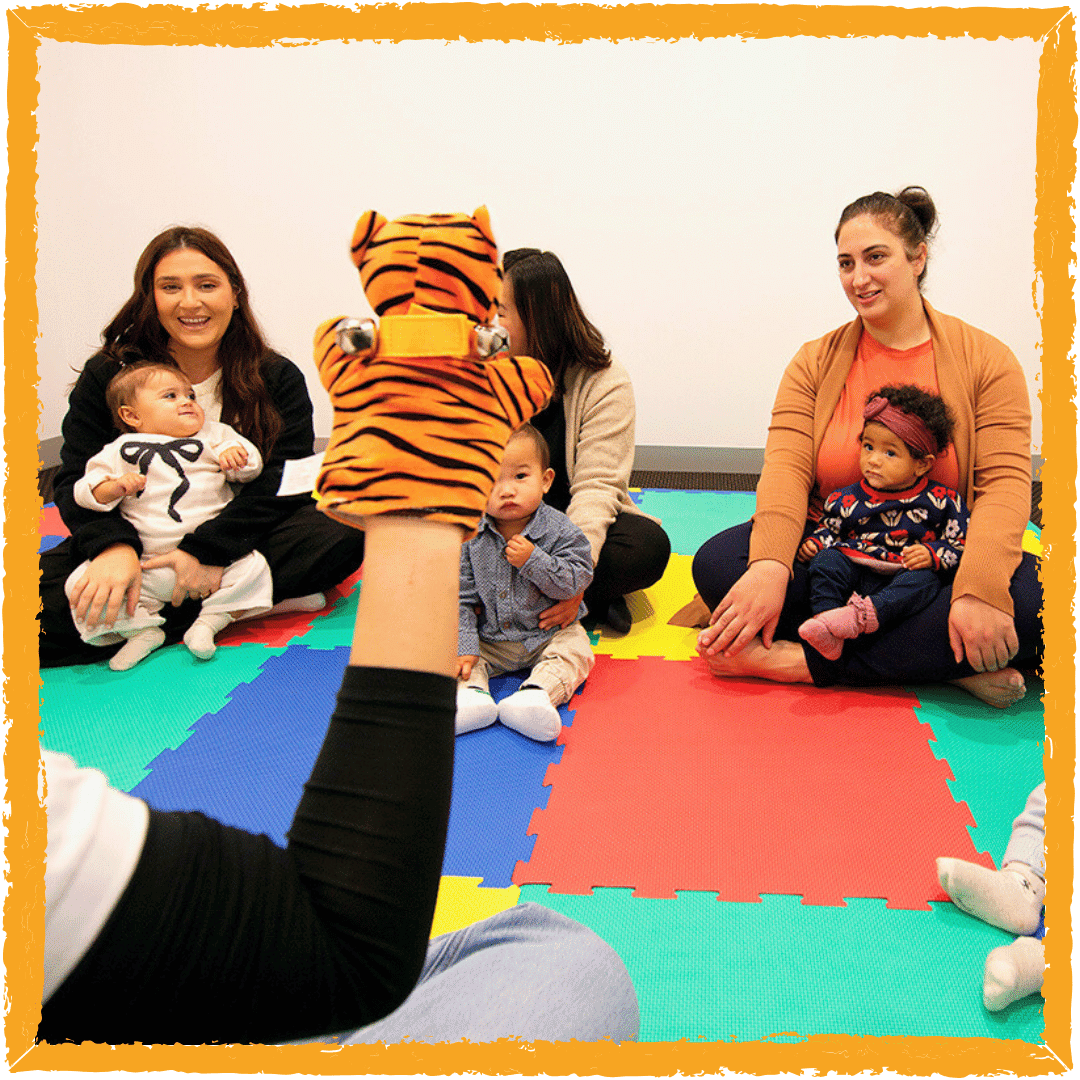
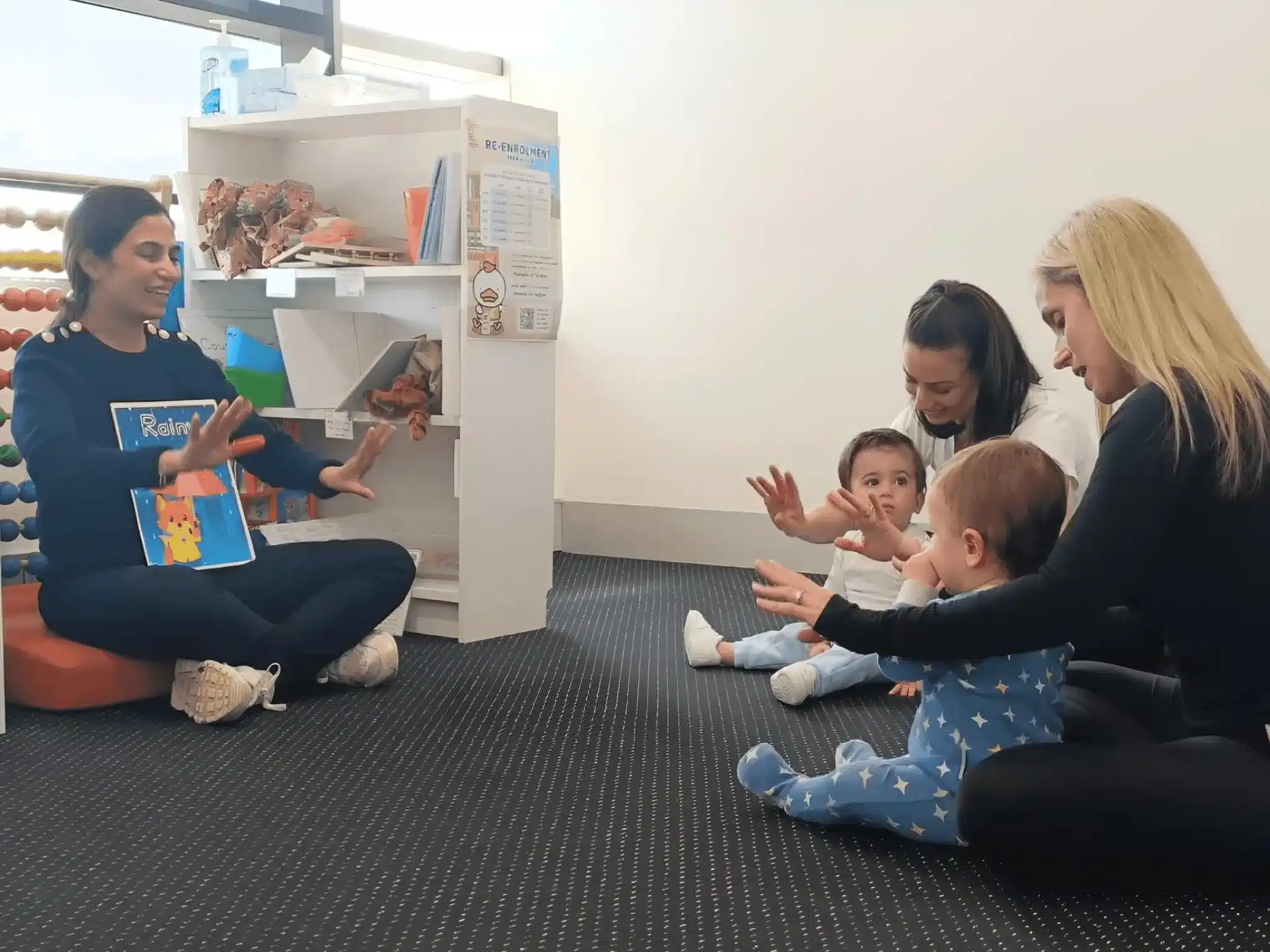
From their very first class, babies respond instinctively to melody and beat. Through Shichida songs, rhythmic play, and musical instruments, babies begin recognising patterns, sounds, and the flow of language.
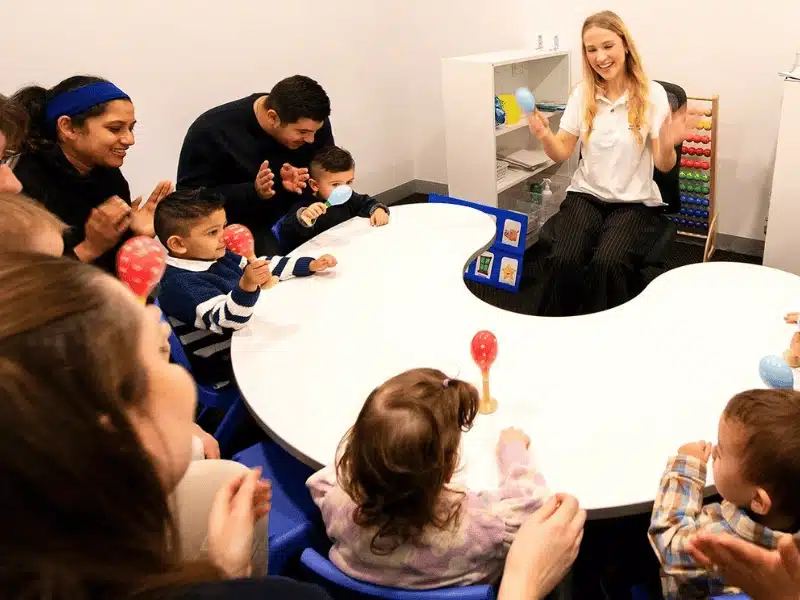
Clapping, tapping, and gentle shaking of instruments like maracas and bells help babies sense rhythm and develop coordination. These early experiences activate both hemispheres of the brain, building listening, motor, and communication skills.
Repetition through rhythm strengthens short- and long-term memory, while the emotional bond created through shared singing builds confidence and security – essential ingredients for early development.
Rhythm and Song for Toddlers
As toddlers grow, their love for music becomes a powerful learning tool. In every Shichida class, music is paired with movement, sequencing, and rhythm instruments such as tambourines, drums, and castanets. These playful tools help children practise rhythm and beat while refining coordination and focus.
Singing Shichida songs helps toddlers:
- Strengthen language and vocabulary through rhyme and repetition.
- Improve memory recall by learning lyrics, patterns, and instrument rhythms.
- Enhance focus and timing through beat-matching and rhythmic play.
- Develop social-emotional intelligence through shared music-making and cooperation.
Through rhythm and movement, toddlers learn to anticipate patterns – a skill that later supports reading, counting, and logical reasoning.
The Science Behind Music and the Brain
Music stimulates multiple areas of the brain at once – auditory, motor, and emotional – making it one of the most effective tools for early development. Research shows that rhythmic play enhances timing, sequencing, and memory, all essential for literacy and numeracy.
By combining sound, rhythm, and movement, Shichida’s music-based learning helps children create lasting neural connections that strengthen communication, focus, and creativity.
Why Music Matters at Shichida
At Shichida, music isn’t just an activity – it’s a foundation for whole-brain learning. Every song, rhythm, and instrument activity is designed to spark joy, coordination, and comprehension.
Parents are encouraged to continue singing and playing simple rhythm games at home, reinforcing classroom learning and nurturing emotional connection.
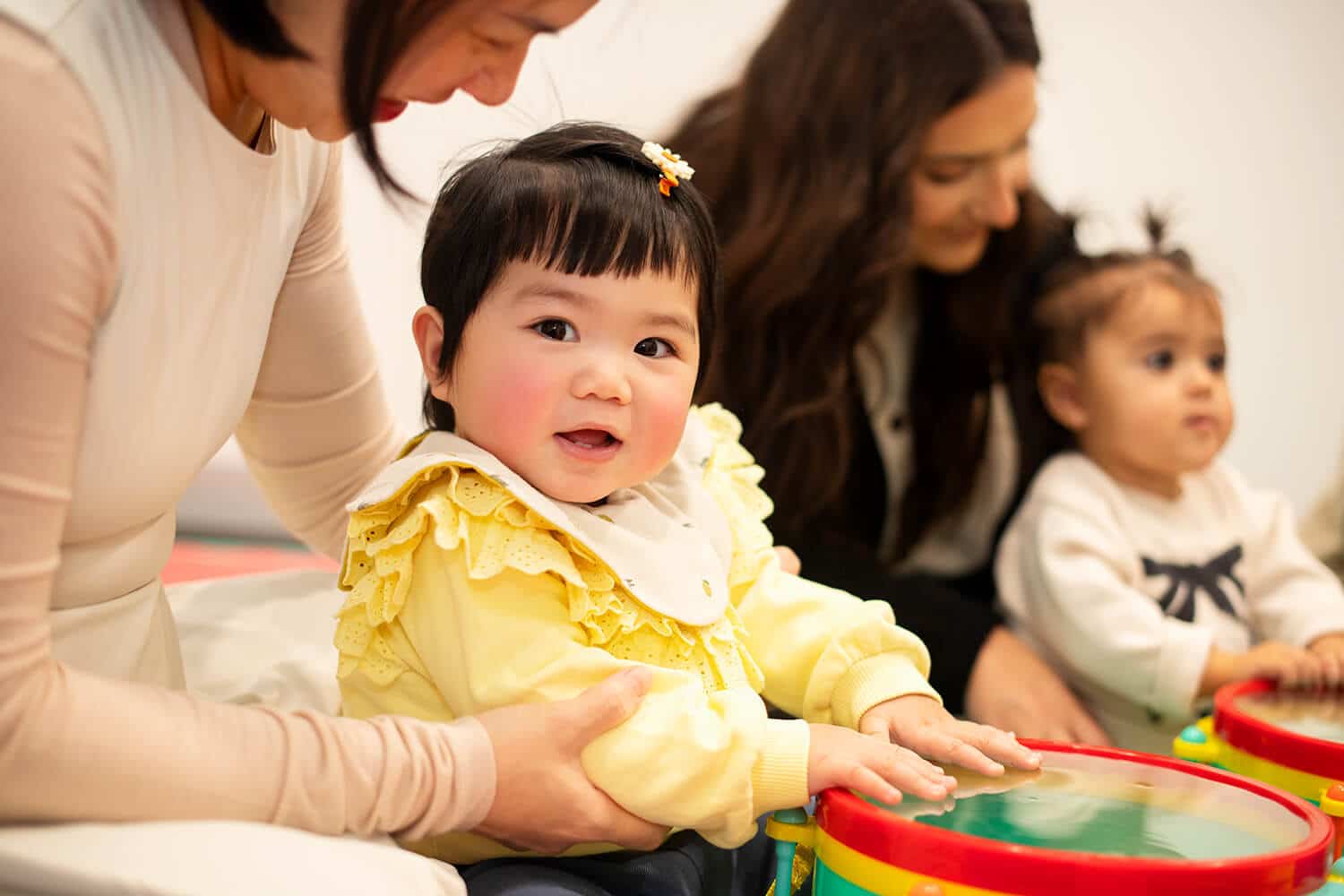
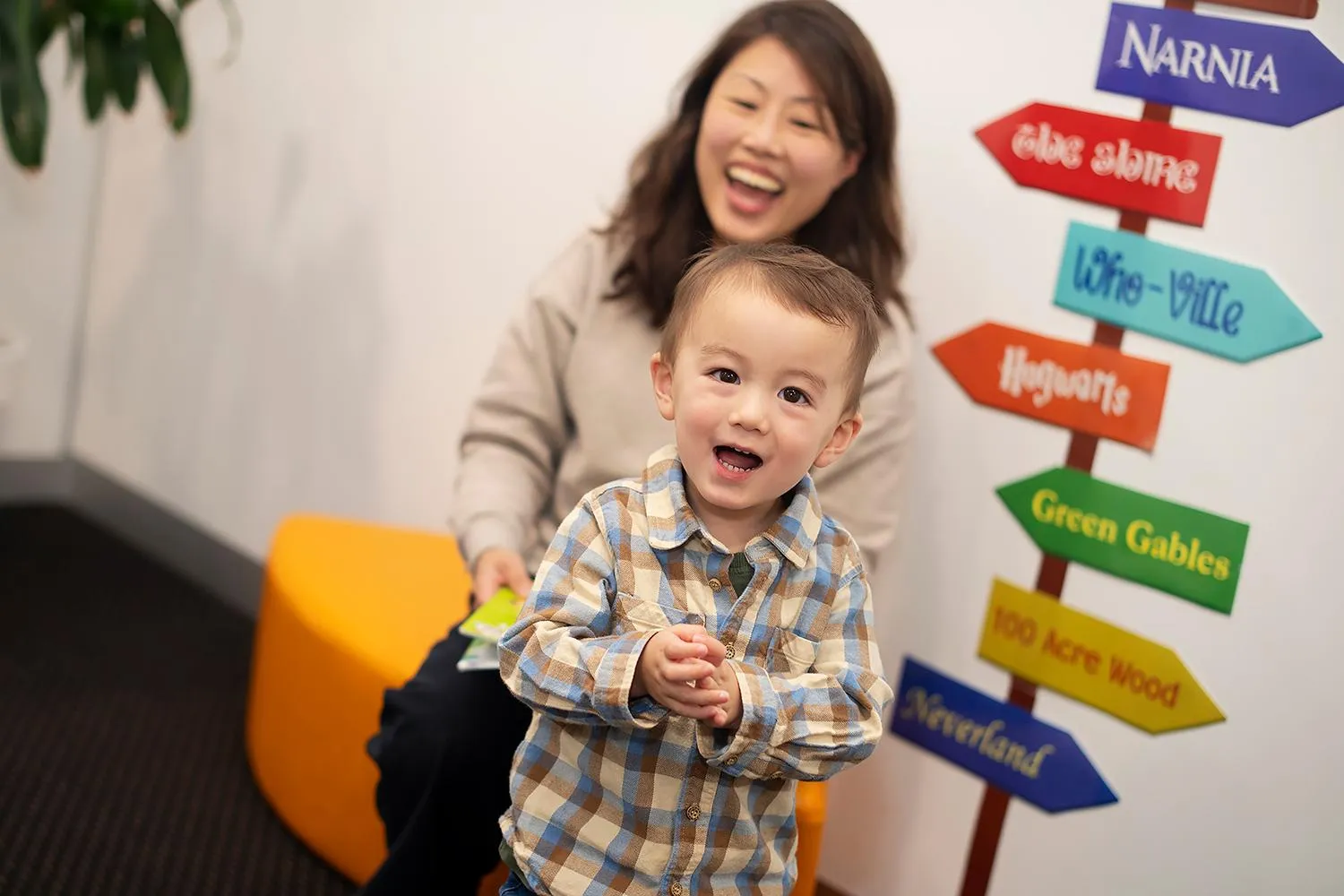
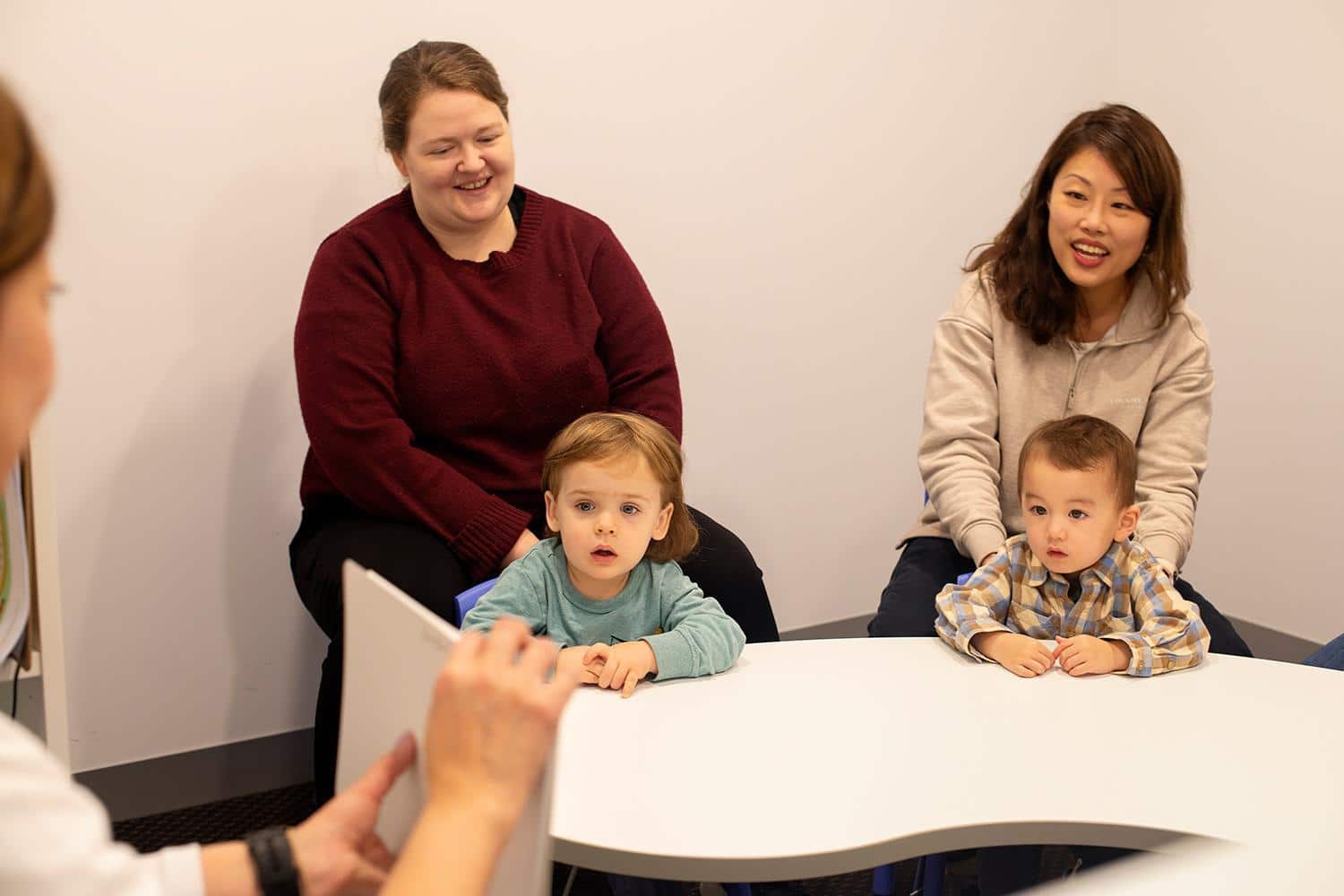
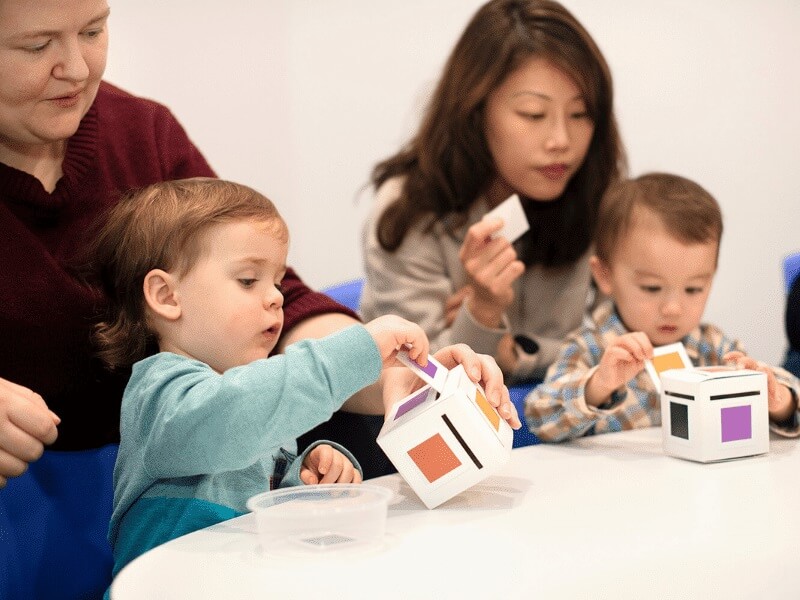
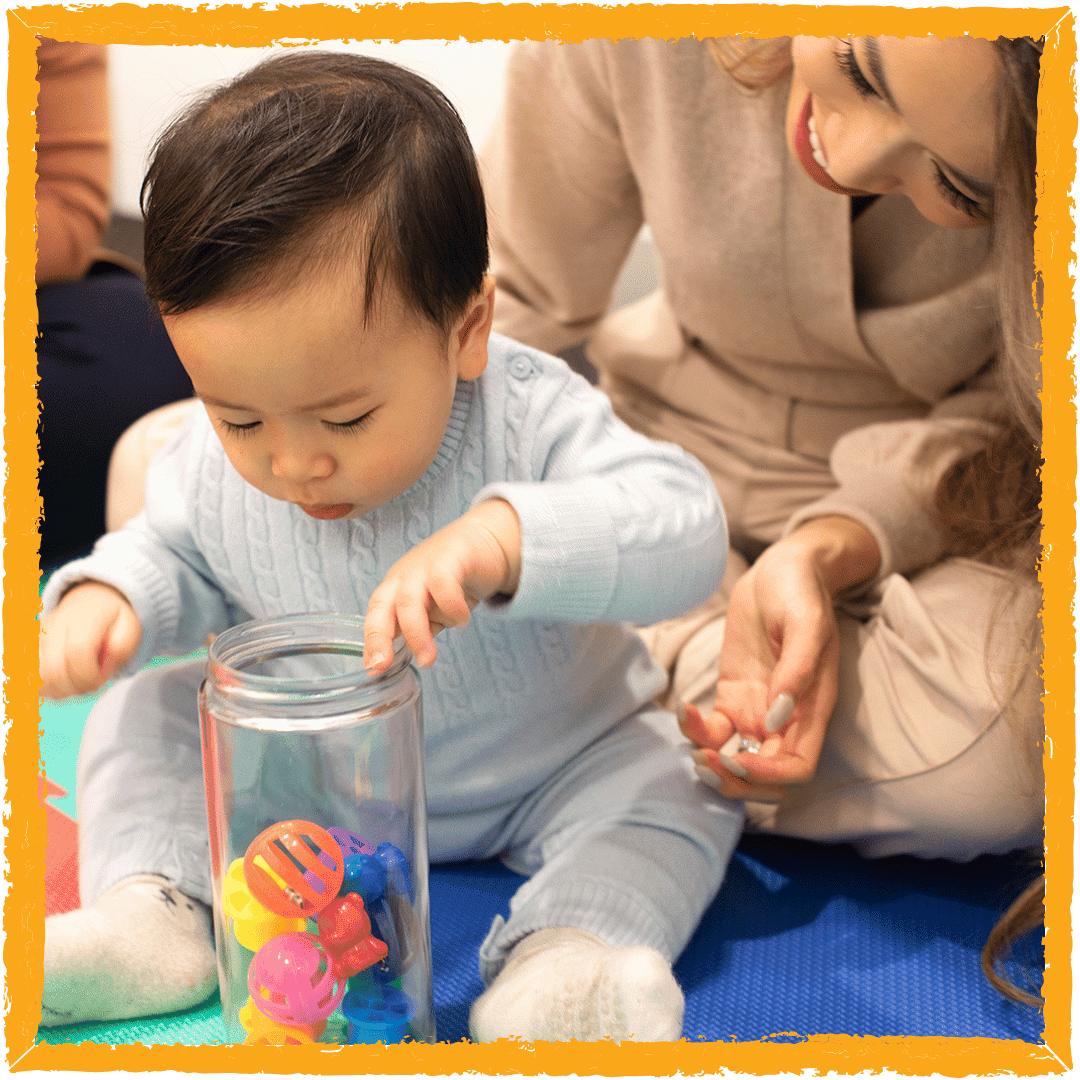
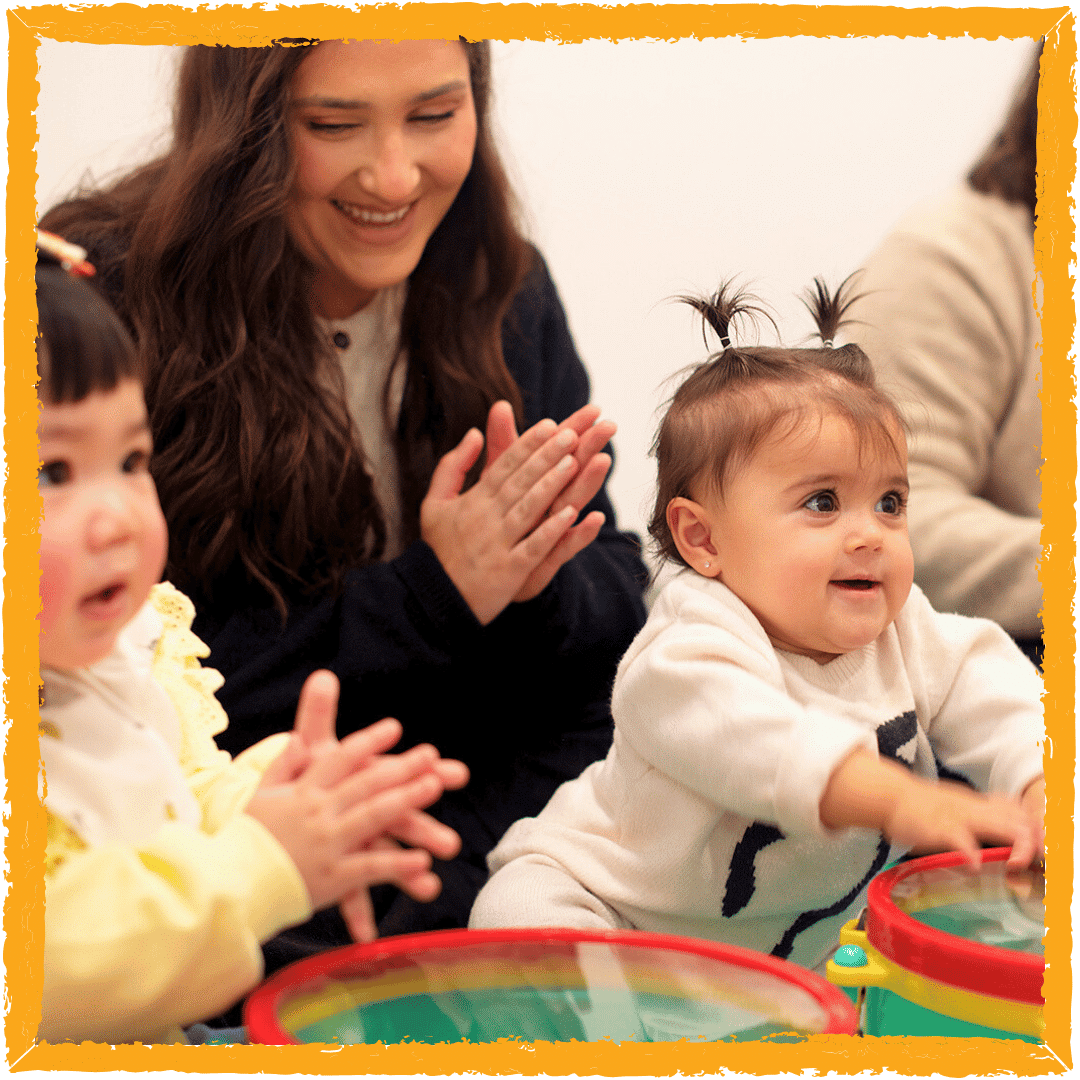
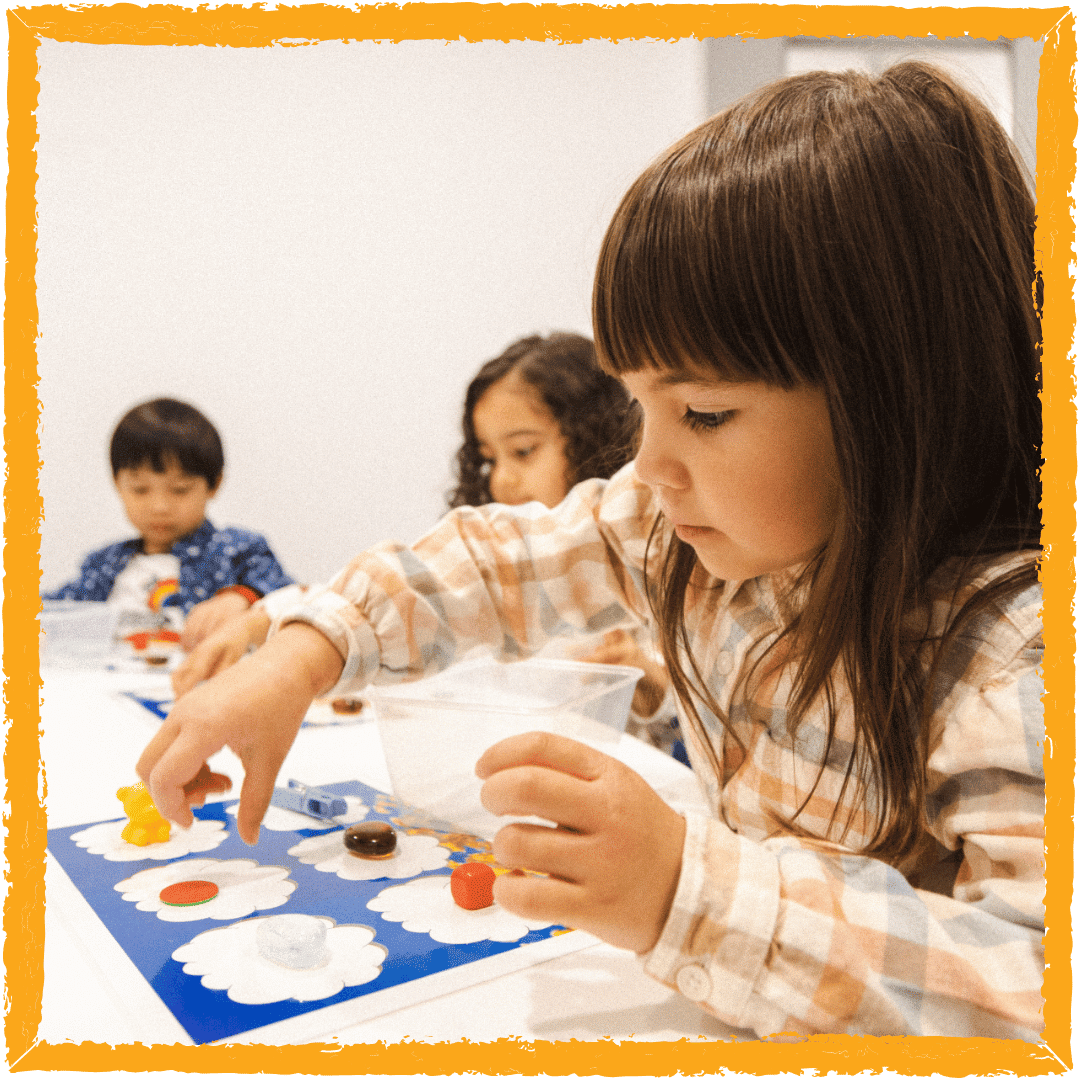
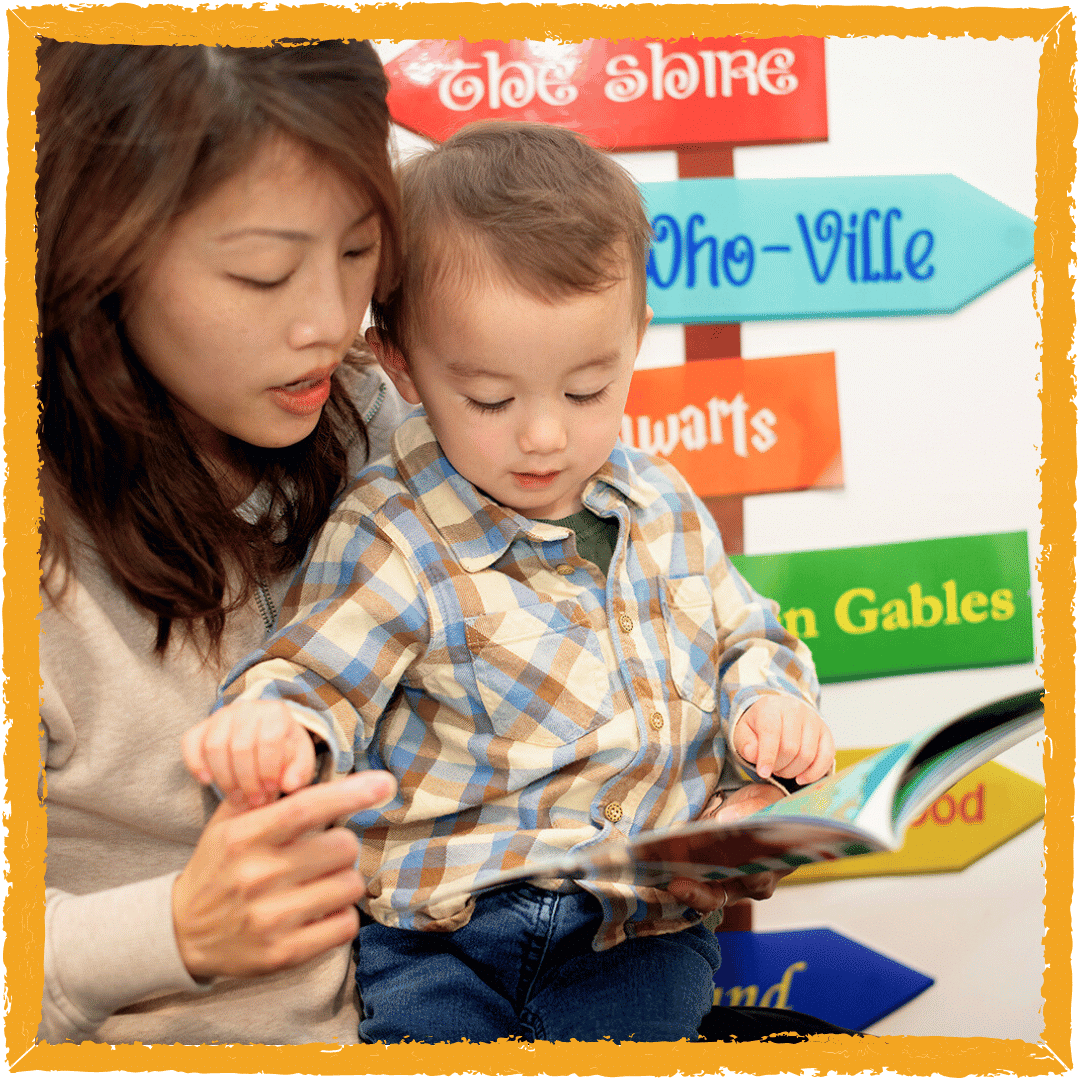
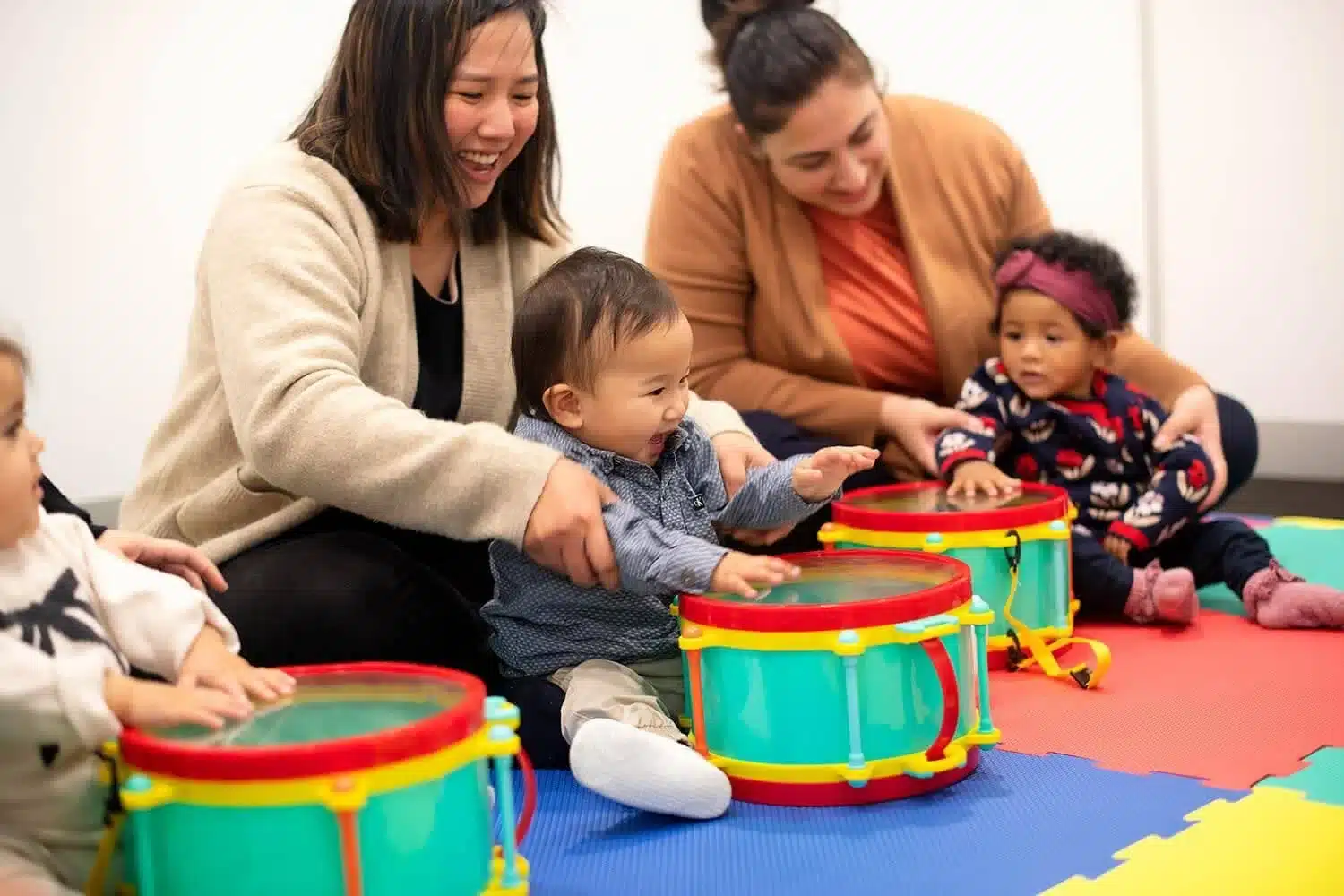
Image by Shichida Australia: Music play is always fun! Babies and toddlers love banging drums, clapping hands, humming, and singing along – and parents love it too!
Give Your Child the Gift of Music and Learning
See how music, rhythm, and joyful connection shape your child’s early development.
Join a Shichida class and experience the power of song-based learning with instruments, movement, and play.
FAQ's: Baby Music - Rhythm and Song for Infants & Toddlers
Music stimulates multiple areas of the brain at once – improving memory, coordination, and emotional development. Singing, moving, and playing instruments together build strong neural pathways that support future learning in language, reading, and even maths.
Children play with a variety of rhythm instruments over time, such as maracas, tambourines, drums, and bells. These activities help them practise rhythm and beat, develop fine and gross motor skills, and improve listening and timing.
Music combines sound, movement, and emotion – activating both hemispheres of the brain. This strengthens skills such as focus, sequencing, auditory processing, and memory, laying a foundation for critical thinking and problem-solving.
Absolutely. Babies recognise rhythm and melody long before they can speak. Listening to and participating in songs builds early communication, listening, and imitation skills, helping babies understand the flow and tone of language.
Rhythm teaches children to anticipate and follow patterns, improving their attention span and concentration. These same sequencing skills later support reading fluency and mathematical understanding.
Parents can reinforce what their child learns in class by singing Shichida songs, clapping along to music, or playing simple rhythm games with household items. Regular repetition helps strengthen memory, coordination, and parent–child connection.
Shichida’s unique method combines music with whole-brain learning. Songs, rhythm, and instrument play are carefully designed to support emotional connection, cognitive development, and communication – all within a joyful, interactive environment.