Early Writing Development: From Scribbles to Spelling
Key Points
- Every scribble your child makes is a step towards writing.
- Focus on meaning before mechanics – ideas come first, neatness later.
- Encourage exploration through play, conversation, and storytelling.
- Celebrate progress, not perfection.
- Each child’s writing journey is beautifully unique.
Understanding Early Writing – Foundations & Why It Matters
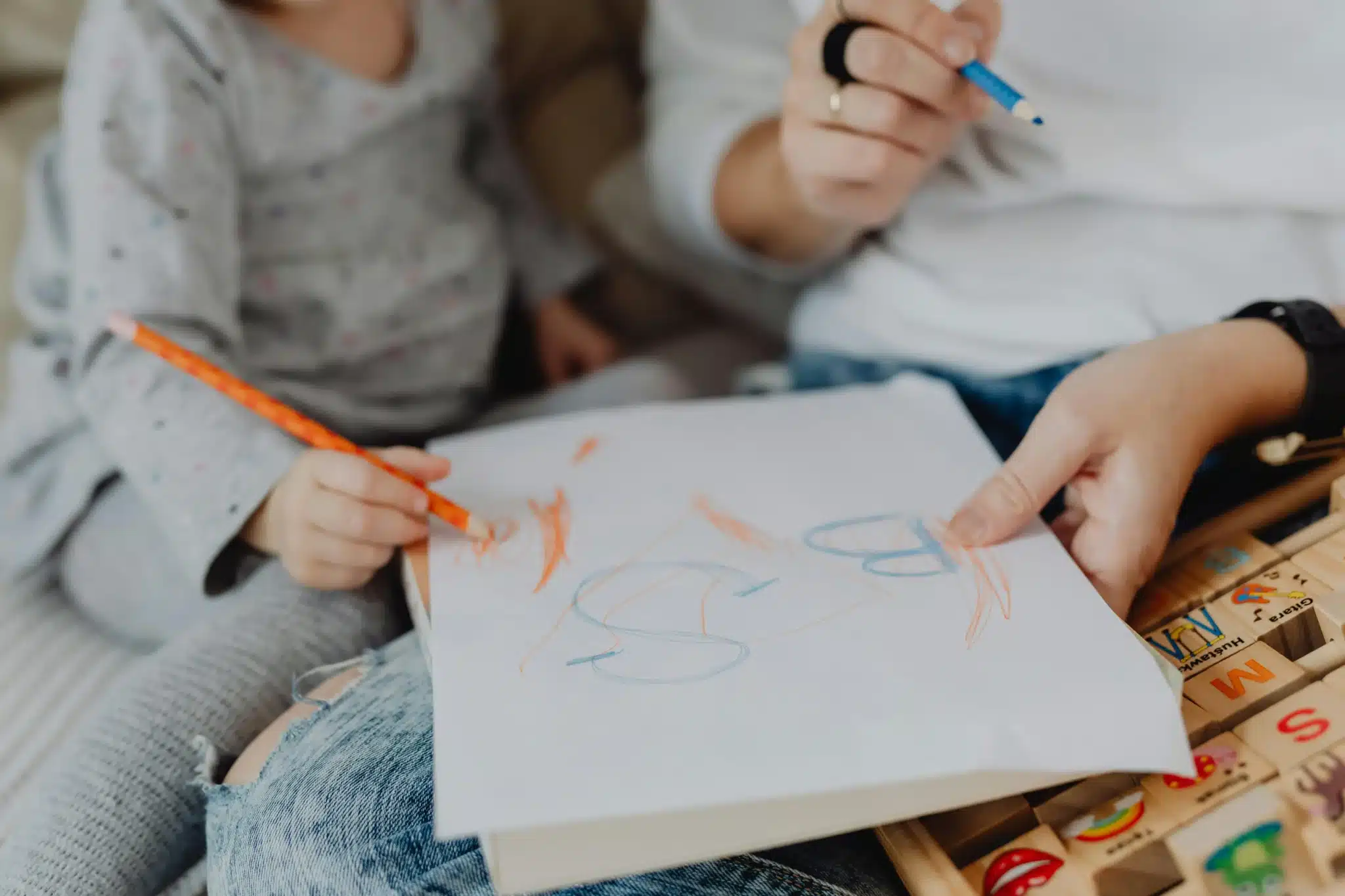
What may look like random scribbles to you is actually the start of something wonderful – your child discovering that scribbles can represent ideas.
Early or emergent writing happens long before neat letters appear. It’s a mix of language, thinking, movement, and self-expression. When your child scribbles, they’re practising the early steps of writing, even if they don’t realise it yet.
What Is Emergent Writing?
Emergent writing is the early stage of learning to write, when children first try to express their thoughts through marks, drawings, or shapes that resemble letters. Unlike adult-style writing, which follows rules for spelling and structure, emergent writing is experimental and symbolic.
You might notice your child making scribbles, wavy lines, or letter-like forms, all meaningful steps toward understanding that writing communicates ideas. When you respond positively, you reinforce that their marks have purpose and value.
Why Early Writing Matters for Language & Literacy
Writing and talking develop hand in hand. When your child draws, scribbles, or pretends to write, they’re learning that spoken words can be represented by written symbols, a key connection between oral language and literacy.
Encourage your child to describe what they’ve written or drawn. Ask questions like, “Can you tell me about your picture?” or “What does your note say?” These conversations strengthen vocabulary, storytelling skills, and phonological awareness, all essential foundations for reading and spelling later on.
The Role of the Home Environment
Your home is the perfect place to support writing. Everyday routines can become writing opportunities:
- Label toy boxes together
- Write shopping lists
- Leave simple notes for each other
- Encourage drawing to strengthen hand muscles in preparation for writing
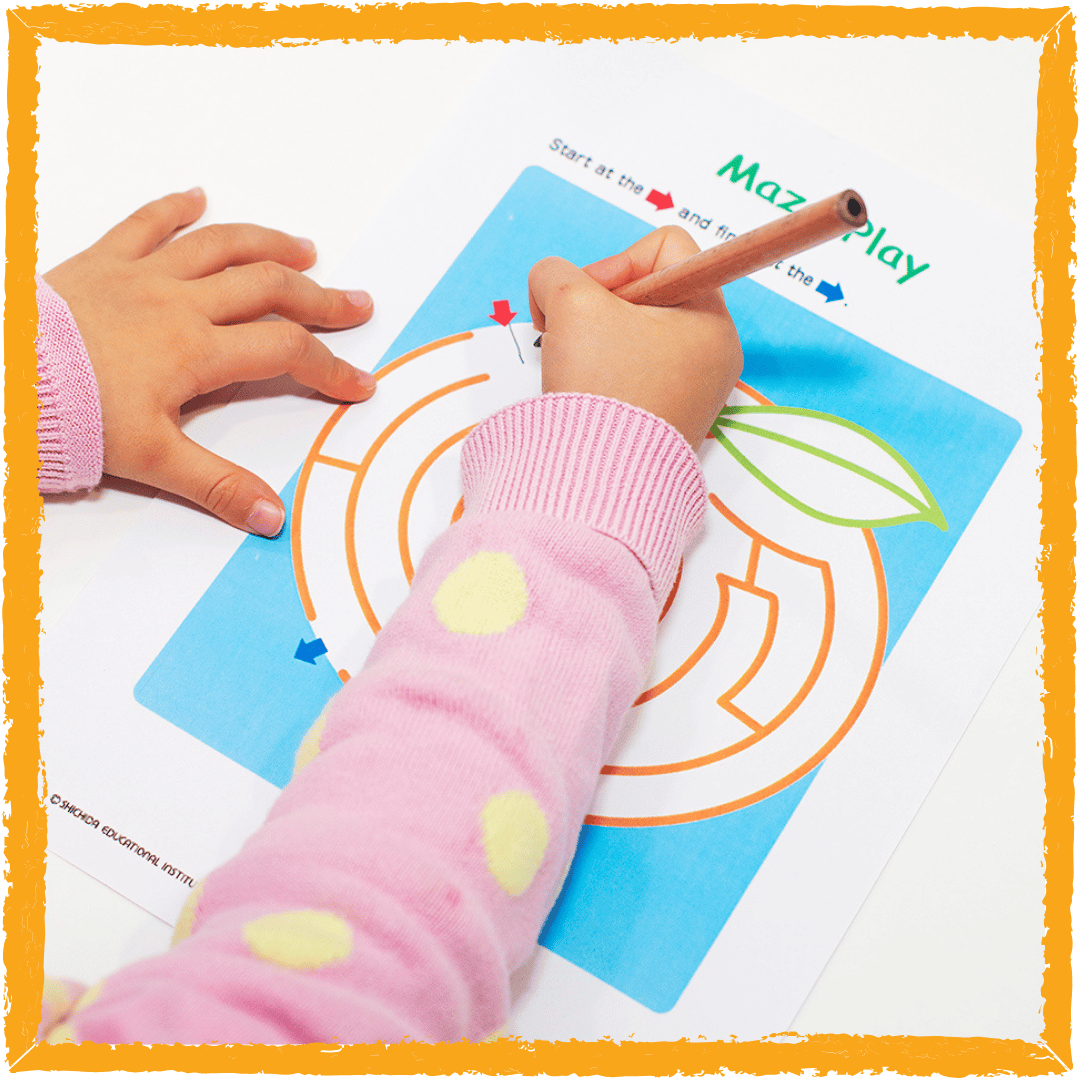
- Complete mazes – these encourage a healthy pencil grip
Set up a small writing corner with crayons, paper, and envelopes. Keep it accessible so your child can explore freely. What matters most is the message they receive: “Writing is fun, and my ideas matter.”
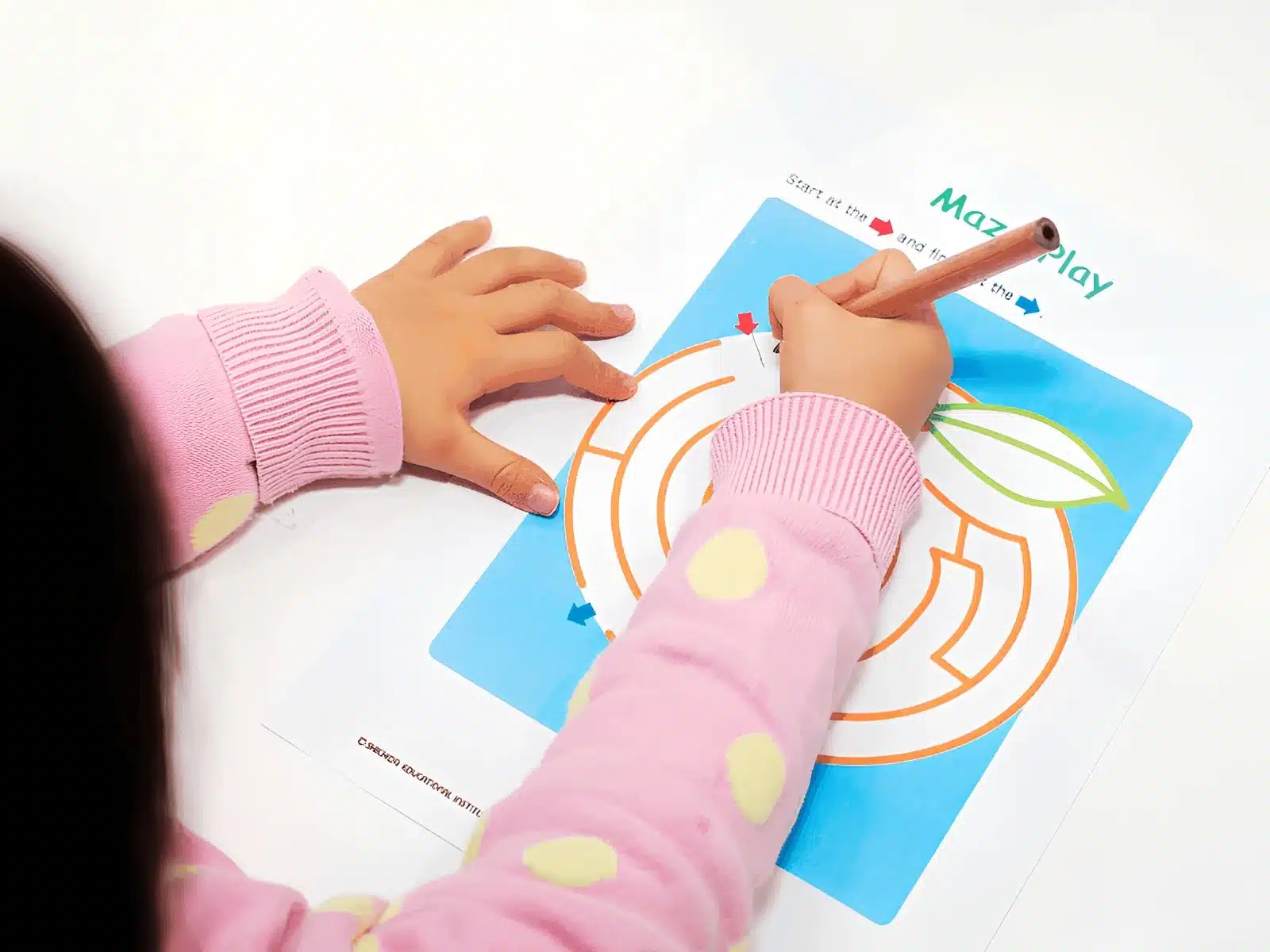
Image by Shichida Australia: Completing mazes offers a lot of developmental benefits for children, and helps pave the way for literacy development.
The Stages of Early Writing Development
Every child develops writing skills at their own pace. These stages are a general guide—don’t worry if your child moves through them differently. What’s most important is progress, not perfection.
Scribbling / Pre-Phonemic Stage (Ages 1-3)
Those swirls and lines are more than just play. They help your child build hand control and coordination. Encourage finger painting and drawing.
Letter-Like Forms Stage (Ages 2-4)
You’ll start seeing shapes that look like letters. Your child might “write” from left to right, copying what adults do. Celebrate their efforts—they’re beginning to understand that writing has direction and meaning.
Random Letters Stage (Ages 3-5)
Now you might see real letters scattered across the page, often from their name. Even if it doesn’t spell real words yet, your child is linking print with communication. That’s a big step forward.
Invented / Transitional Spelling Stage (Ages 4-6)
Your child starts matching sounds to letters, writing “B” for “ball” or “KT” for “cat.” This “invented spelling” shows real understanding of phonics. Don’t correct every mistake. Instead, praise their effort: “I love how you heard the /k/ sound in ‘cat’!”
Conventional Writing Stage (Ages 5-7)
You’ll see familiar words, sentences, and clear ideas. Writing now becomes a true form of communication. Keep supporting your child through stories, reading, and plenty of opportunities to write about what they love.
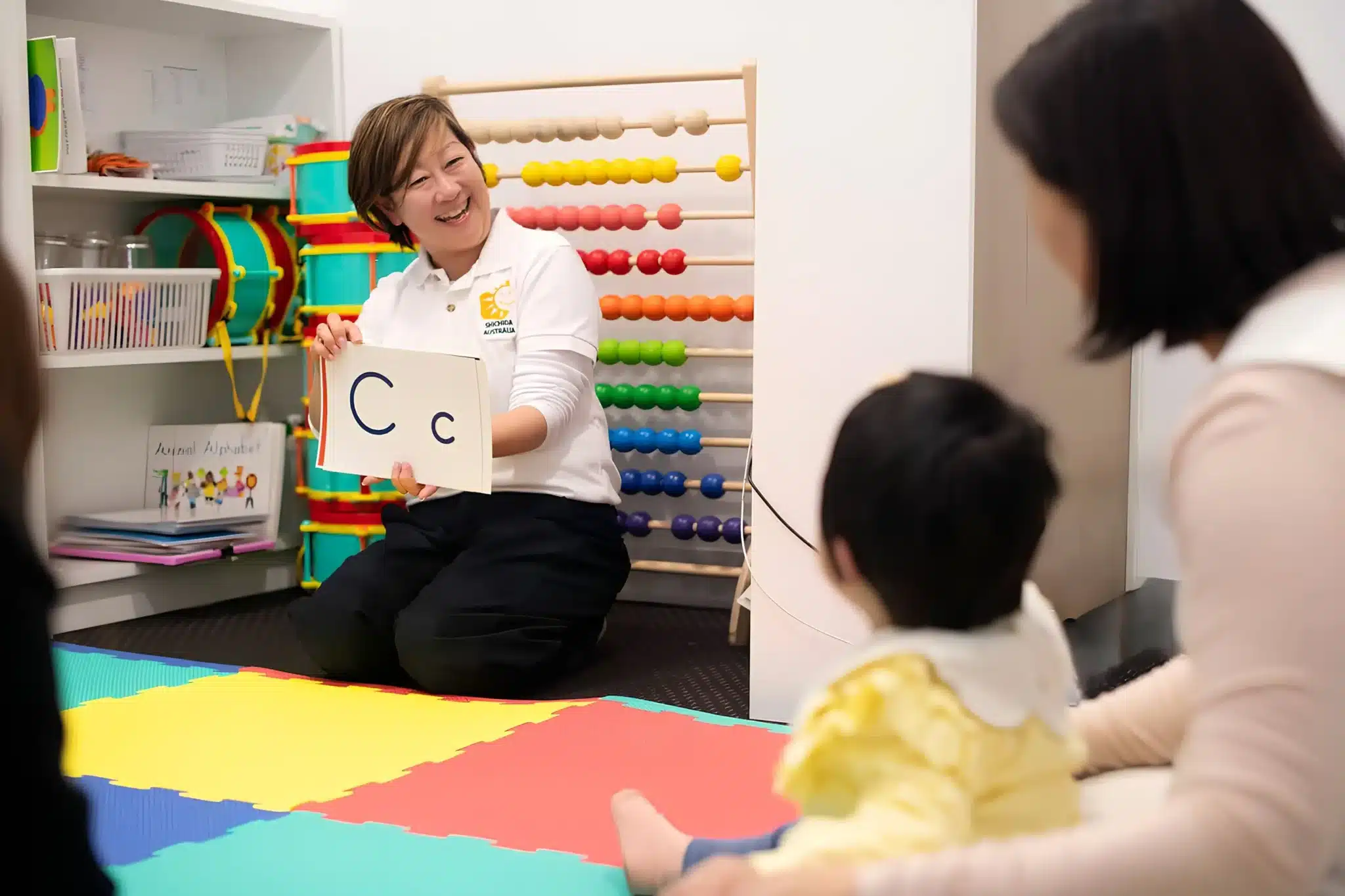
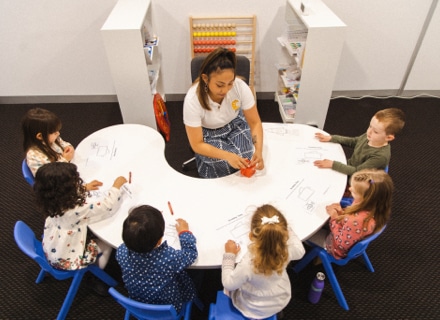
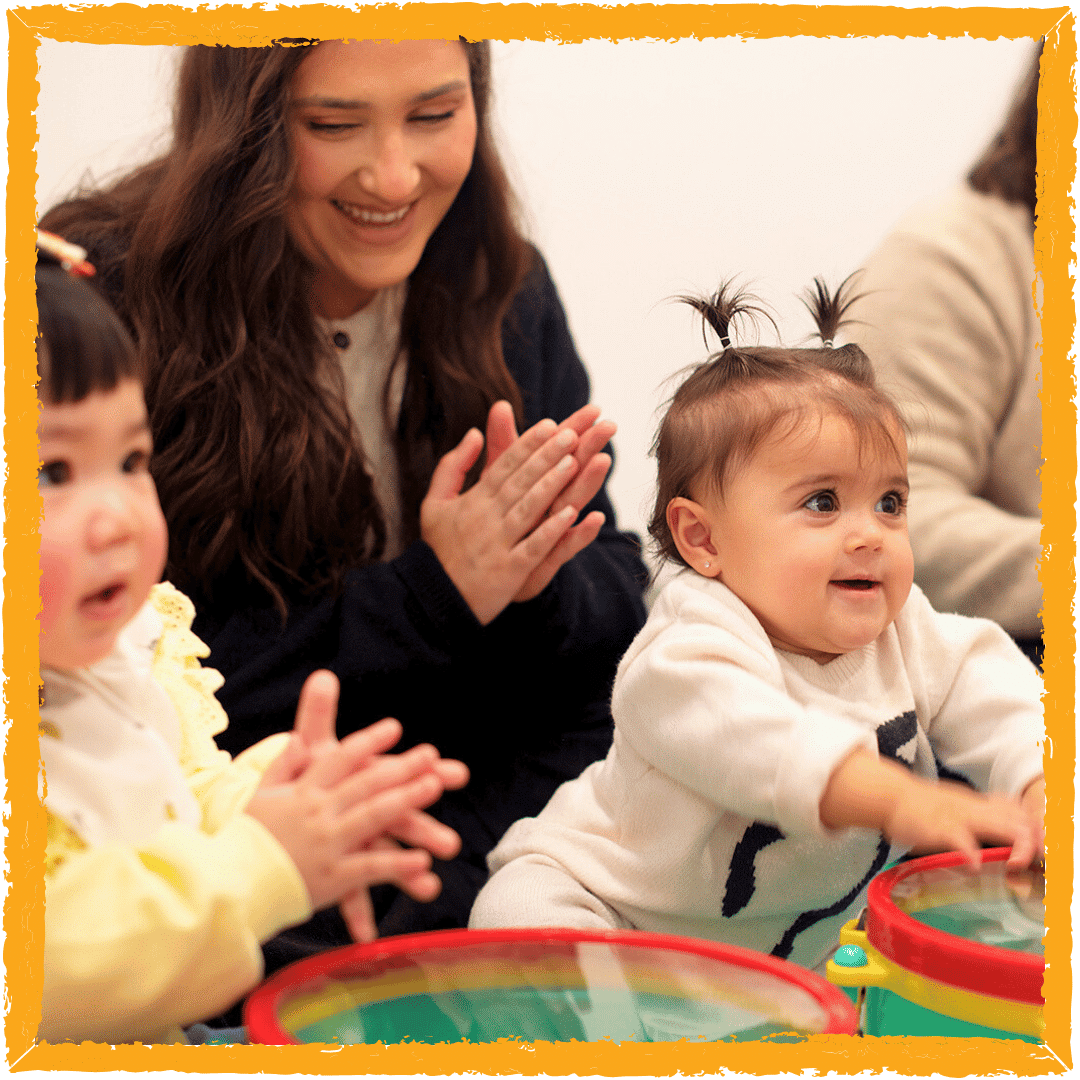
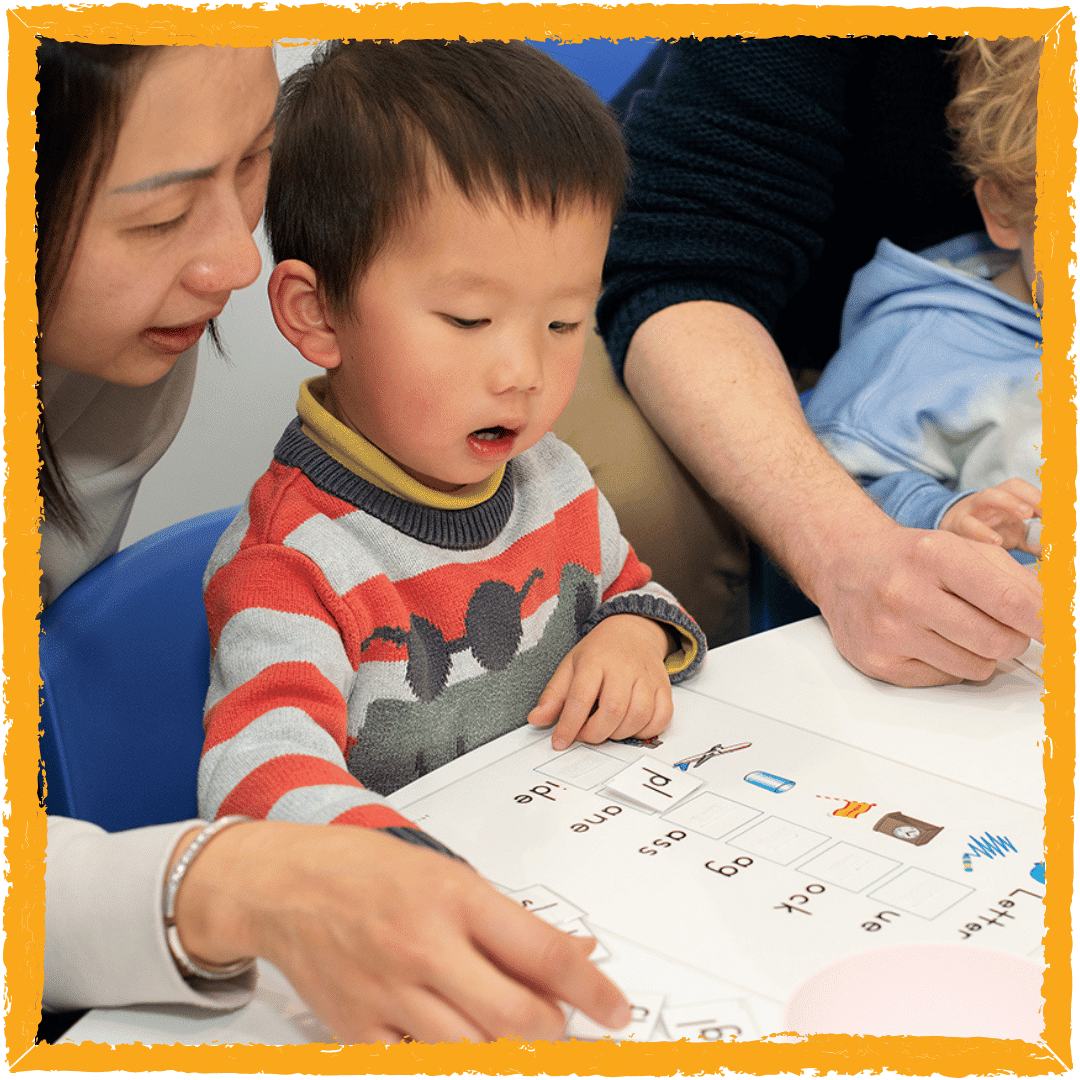
Image by Shichida Australia: During the early developmental years, Shichida introduces children to phonics, helping them build strong foundations in reading and writing from an early age.
Key Cognitive, Linguistic & Motor Components
Writing depends on several connected skills. You can help your child strengthen these through simple, playful activities.
Phonological Awareness & Sound-Letter Mapping
Before children can spell, they need to hear the sounds in words.
Try this: Ask, “Can you find something that starts with the sound ‘m’?” or clap for each syllable in their name.
Alphabet Knowledge & Letter Recognition
Children don’t memorise letters overnight; they learn through repetition and fun exposure.
At home: Sing alphabet songs, read letter books, or play with magnetic letters on the fridge.
Fine Motor Control & Pencil Grip
Strong fingers and hands make writing easier.
Encourage play: Squeeze sponges, use tweezers to pick up pom-poms, build with blocks, or thread beads.
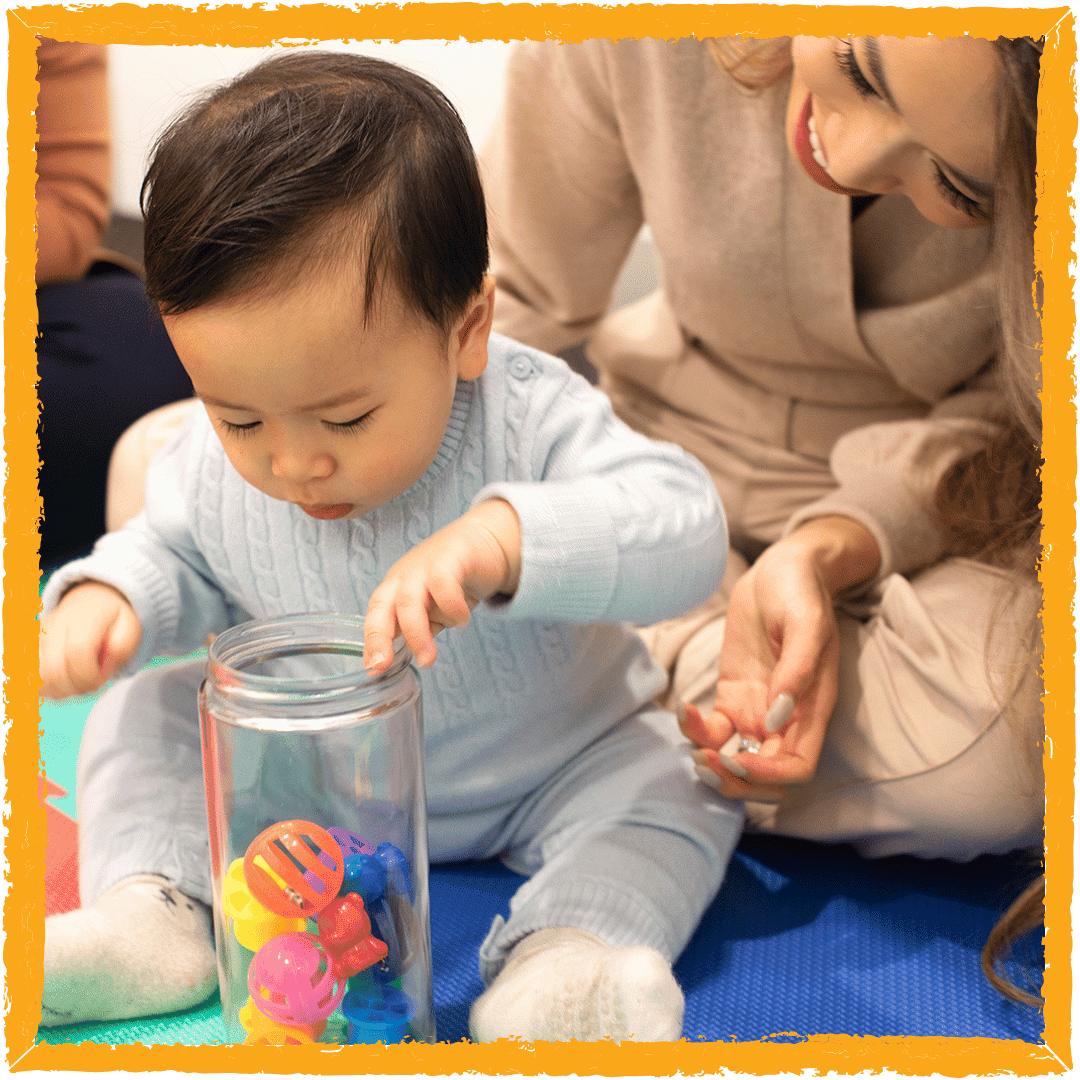
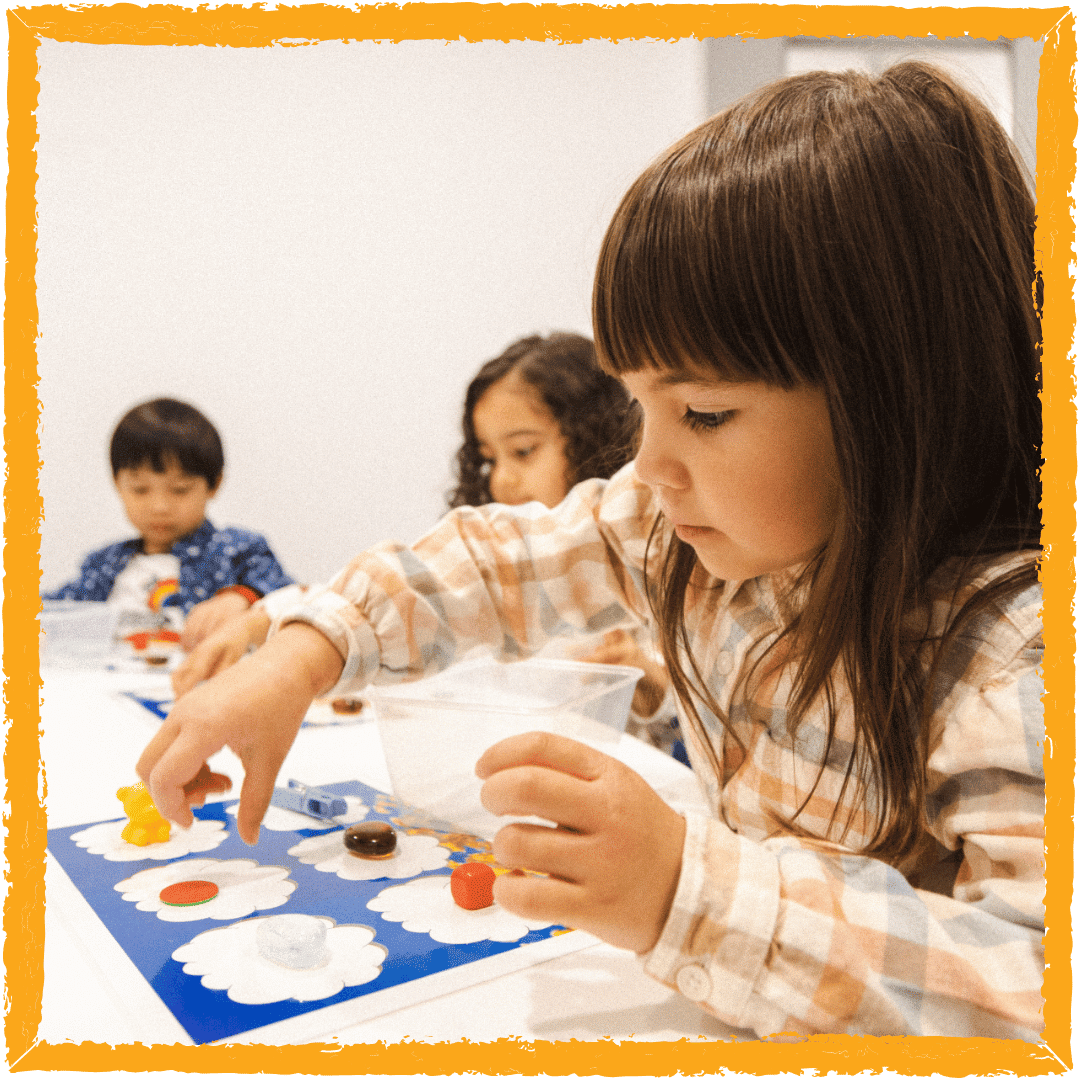
At Shichida, sensory activities like these build fine motor skills long before formal writing begins.
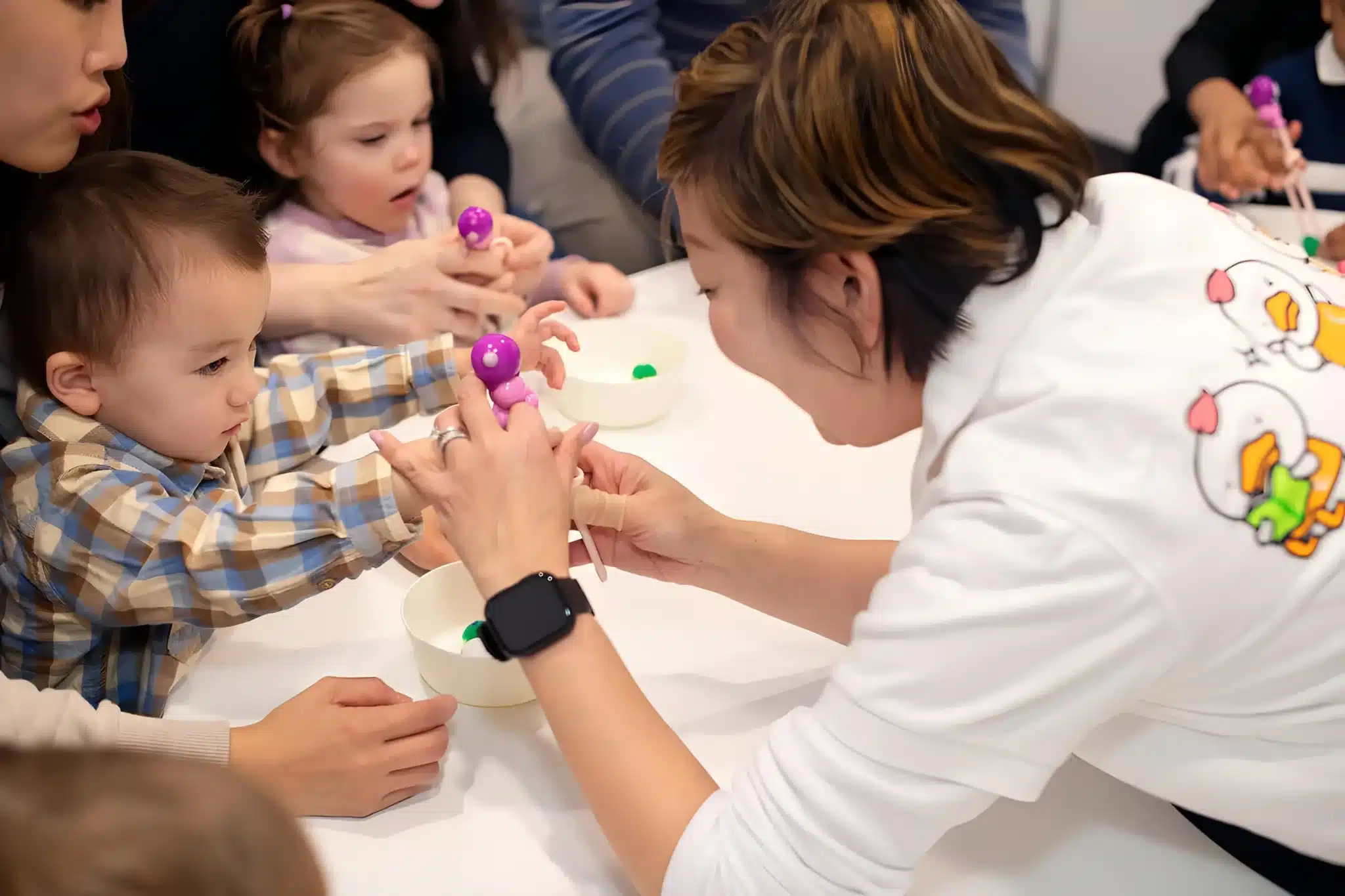
Image by Shichida Australia: Toddlers practise using chopsticks to transfer toys – a fun fine motor activity that strengthens hand muscles and builds the foundation for a confident pencil grip.
Memory, Attention & Focus
Writing involves remembering ideas and staying on task. Memory games, sequencing stories, and puzzles are great ways to strengthen attention in a fun, pressure-free way.
How Parents Can Support Writing Development at Home
You don’t need fancy materials to help your child write. Simple, everyday moments are often the most powerful.

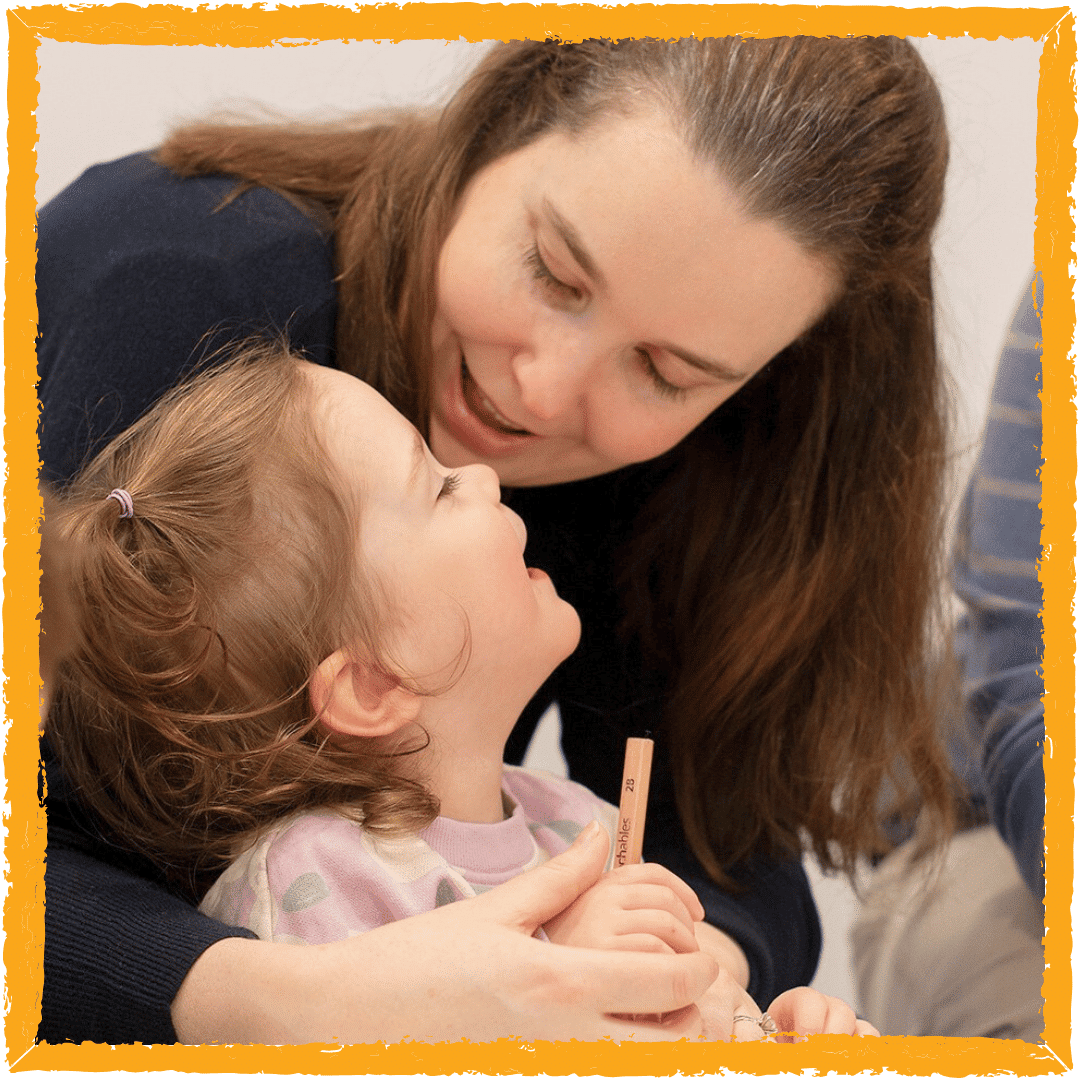
Photo from Pexels: Parents play a vital role in supporting early writing development by encouraging letter play, drawing, and name writing at home.
Create a Writing Zone
Set up a small area with notebooks, pencils, markers, and paper. Add stickers or alphabet cards for inspiration. Let your child choose when and what to write — ownership builds confidence.
Write Together
Children learn best by watching you. Write birthday cards, grocery lists, or thank-you notes and let them “add” their name or drawings. Say out loud what you’re doing so they understand why writing matters.
Invite Writing Through Play
Use writing naturally in your child’s pretend play.
- Write “tickets” for a pretend bus ride.
- Create menus for a play café.
- Make signs for a toy shop.
These playful prompts turn writing into something exciting and purposeful.
Make It Multisensory
Writing doesn’t always need a pencil. Try tracing letters in sand, shaping them with clay, or painting them on the patio with water.
At Shichida, multisensory learning helps children connect sound, movement, and memory in a joyful way.
Celebrate Invented Spelling
When your child writes “LUV” for “love,” it’s a wonderful step forward. This shows they’re linking sounds with letters. Respond with encouragement, not correction. Positivity keeps motivation high.
Common Misconceptions & Challenges
“My Child Isn’t Writing Yet, Is That Bad?”
Not at all. Some children focus more on drawing or talking first. Others may not show much interest until later. Keep offering opportunities, but don’t pressure them. Readiness grows naturally.
Avoid Pushing Tracing Too Early
Tracing letters has its place, but not before your child is ready. Too much tracing can lead to frustration or tense pencil grip. Focus on free drawing and large movements first to build control and confidence.
When to Be Concerned
If your child avoids mark-making completely by around age four, or struggles to grasp tools, speak to your educator or paediatrician for advice. But remember, most variation is perfectly normal.
Summary
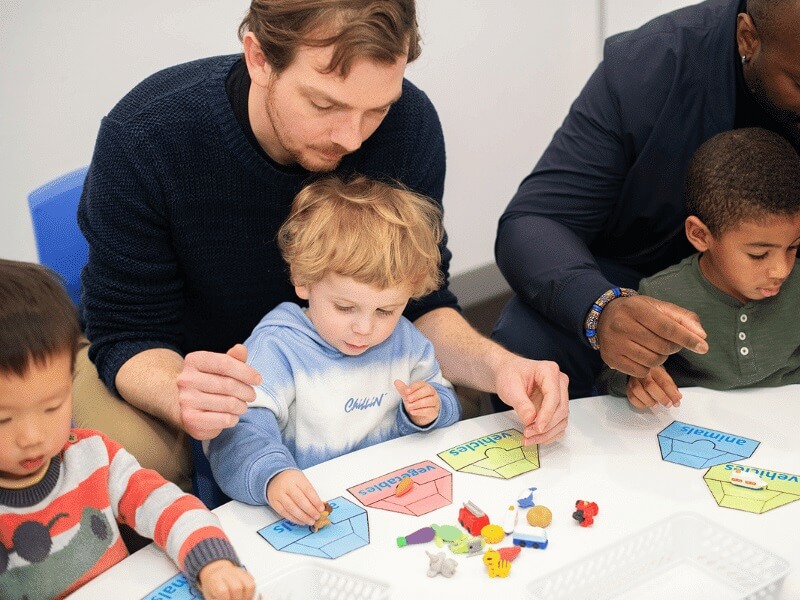
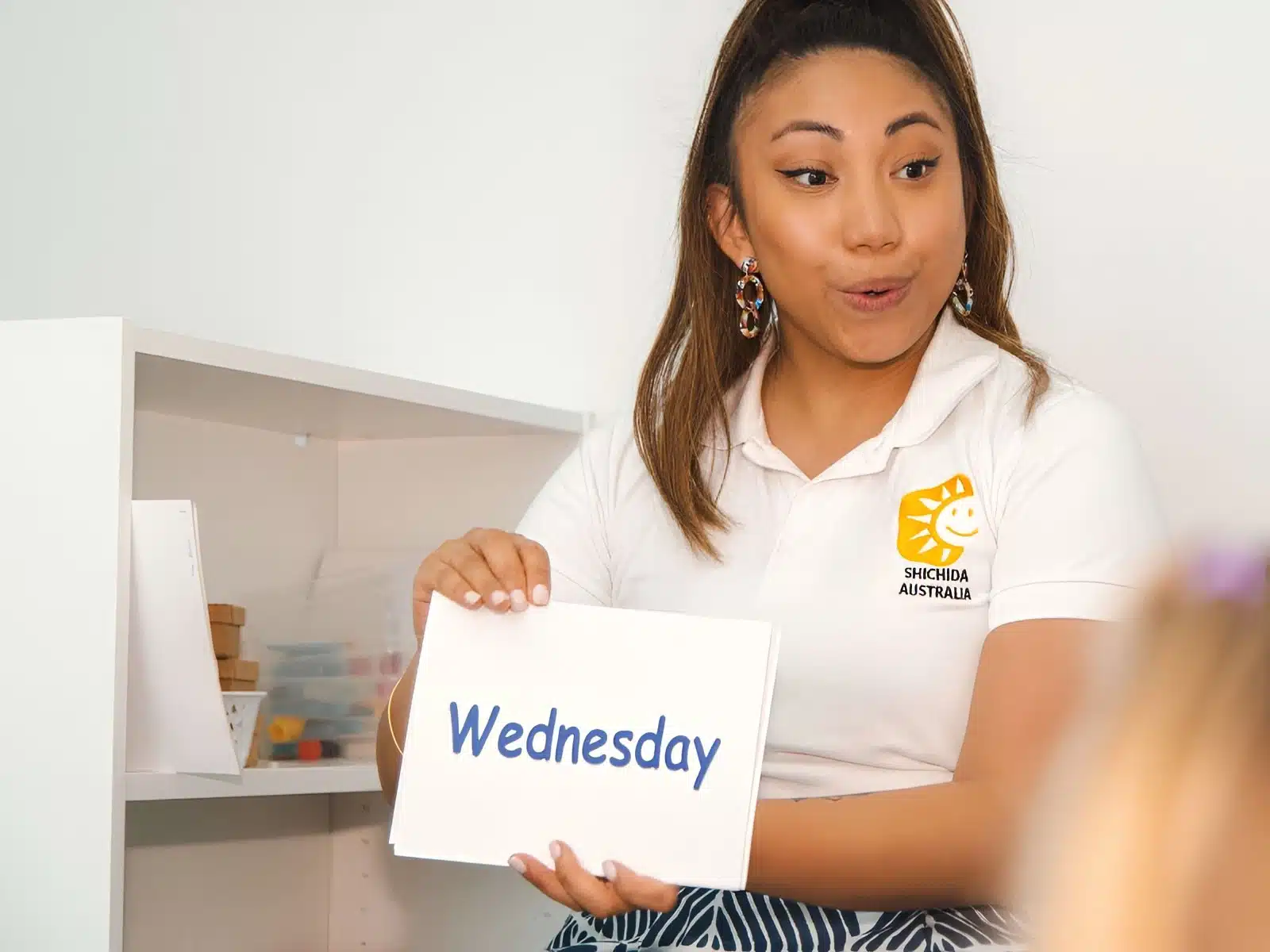
At Shichida, early writing is nurtured through rich sensory experiences, storytelling, observation, flashcards, mazes, and phonics play. These activities help children build fine motor skills, phonics awareness, and a love of language that lasts a lifetime.
Discover how the Shichida program can support your child’s language and writing journey. Book a trial class today and see how joyful literacy development can be!
FAQ's: Philosophy of Early Years Education
Most toddlers start scribbling between 12 and 24 months. Those early marks are the start of hand control and expression.
Yes, it’s the first sign that your child knows marks can represent ideas.
Many start experimenting with letters around ages three to five, often beginning with the letters in their name.
Definitely. Writing “KT” for “cat” shows that your child understands how sounds link to letters.
Letter reversals are common up to around age seven. Show correct letter shapes gently and provide visual reminders, but avoid pressure. It sorts itself out with time and practice.
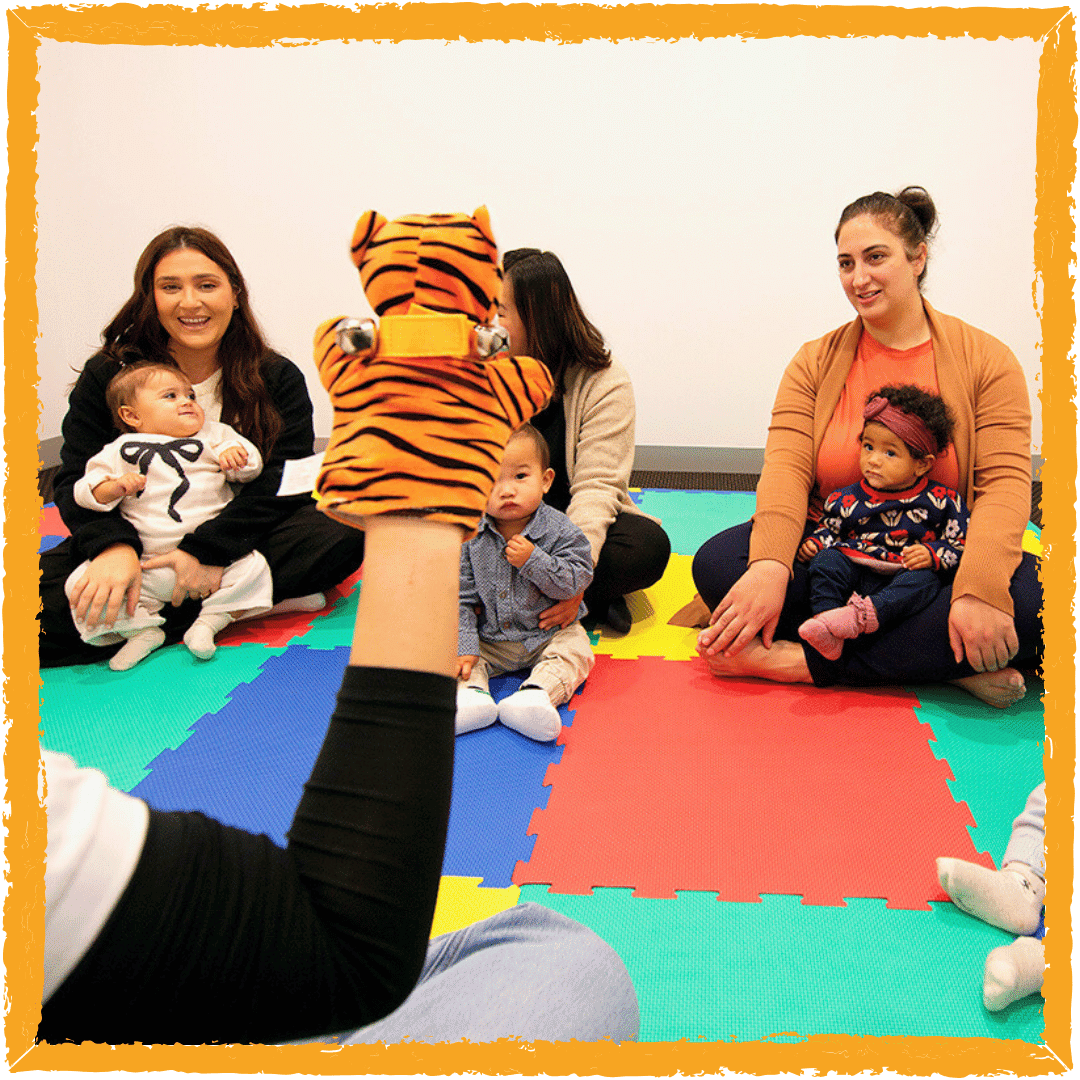
Yes – Shichida Australia offers classes for babies, toddlers and preschoolers, exploring literacy, numeracy, fine motor skills and memory development through fun games and activities.