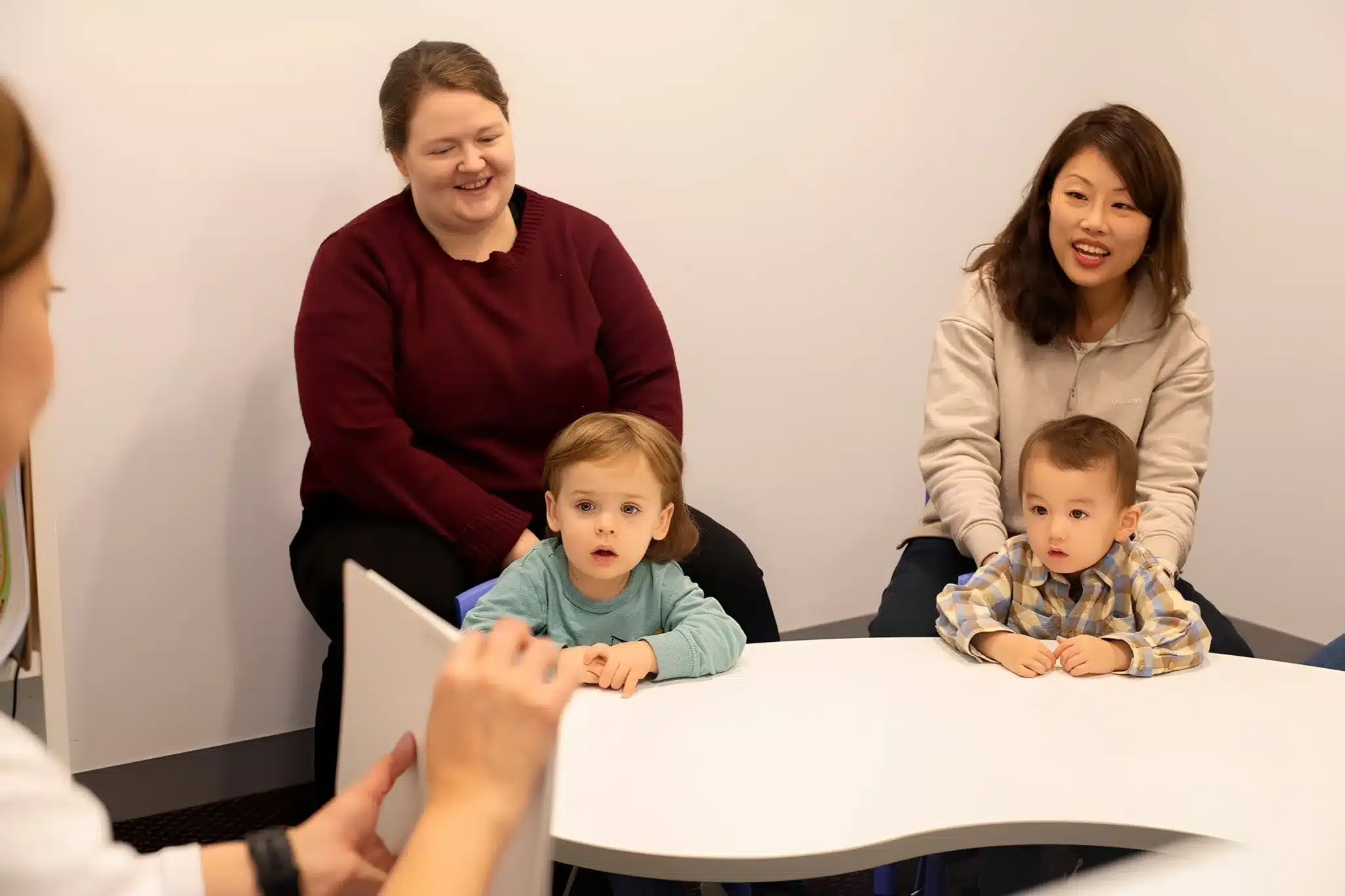
What Are Shichida Method Dot Flashcards?
Key Points
- Use Shichida Method dot flashcards to build your child’s intuitive number sense instead of relying on rote counting.
- Incorporate right-brain learning activities by encouraging memory, visualisation, and problem-solving during practice.
- Keep flashcard sessions short, playful, and stress-free.
- Introduce dot flashcards early, start around ages 1–2, and adapt activities as your child grows.
- Stay consistent with practice, whether at home or in a structured Shichida class, to reinforce learning.
With so many early learning tools available – alphabet charts, counting games, educational toys – it’s natural to feel overwhelmed as a parent. One resource that stands out is the Shichida Method dot flashcards. Unlike traditional number cards, these feature carefully arranged ‘dots’ designed to strengthen your child’s right-brain development. These maths-based flashcards help children build number sense by visualising quantities, rather than just counting.
In this guide, we’ll explain what dot flashcards are, how they work, and why they can be a powerful part of your child’s Shichida maths learning journey.
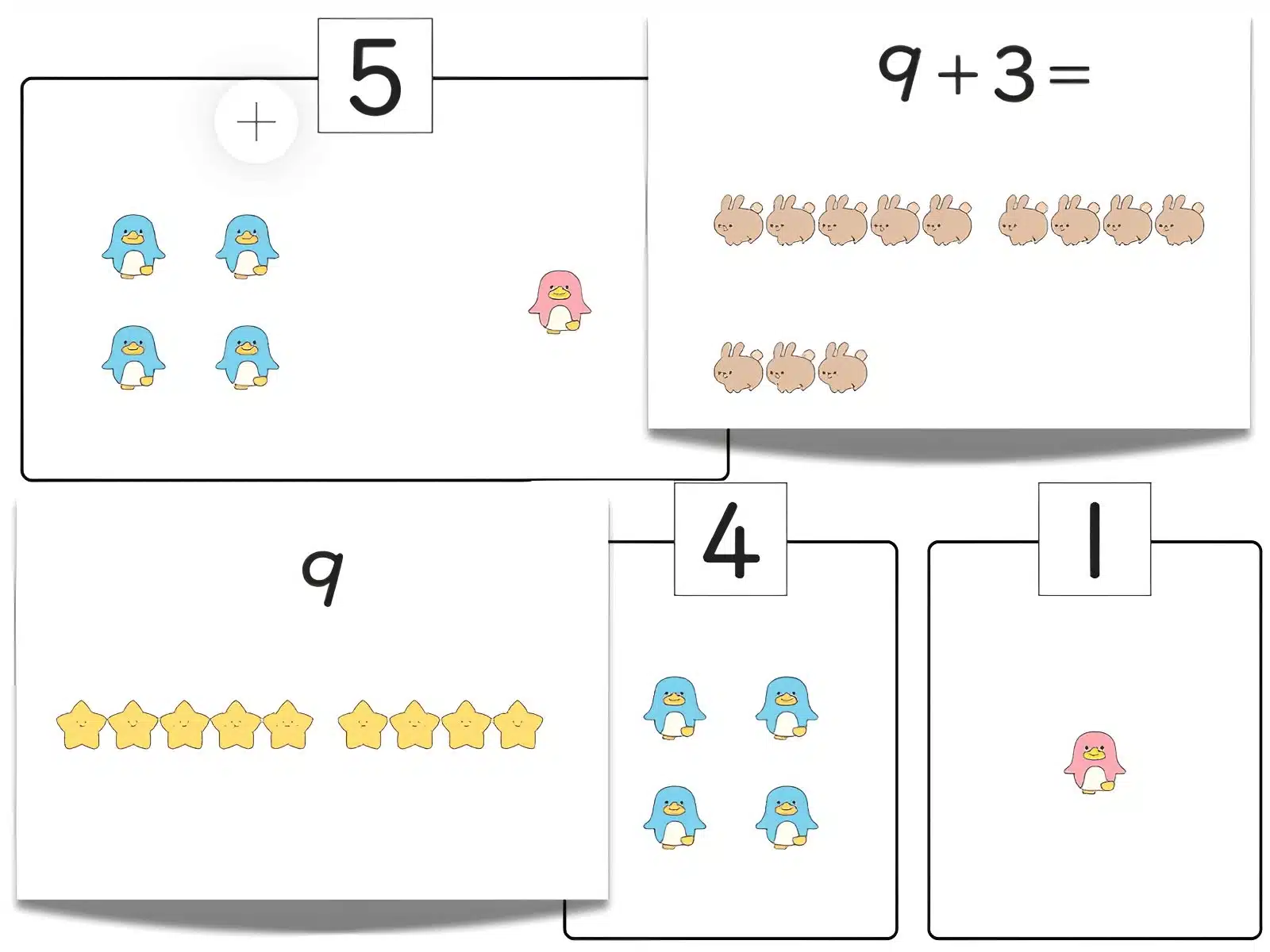
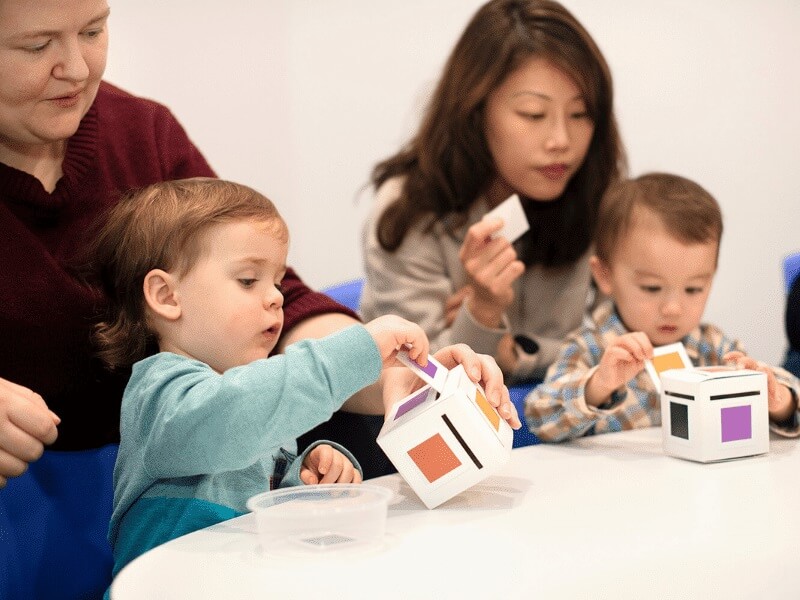
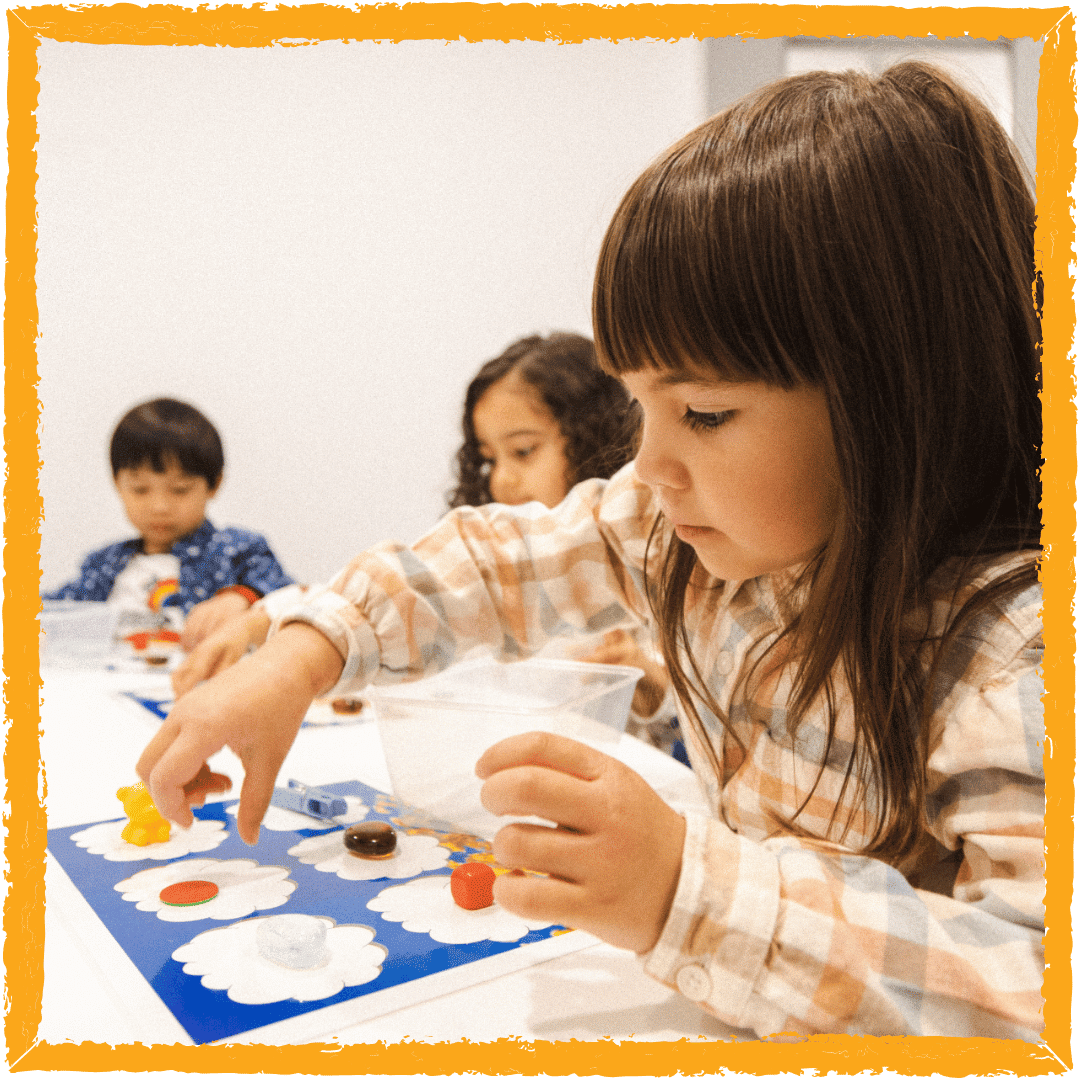
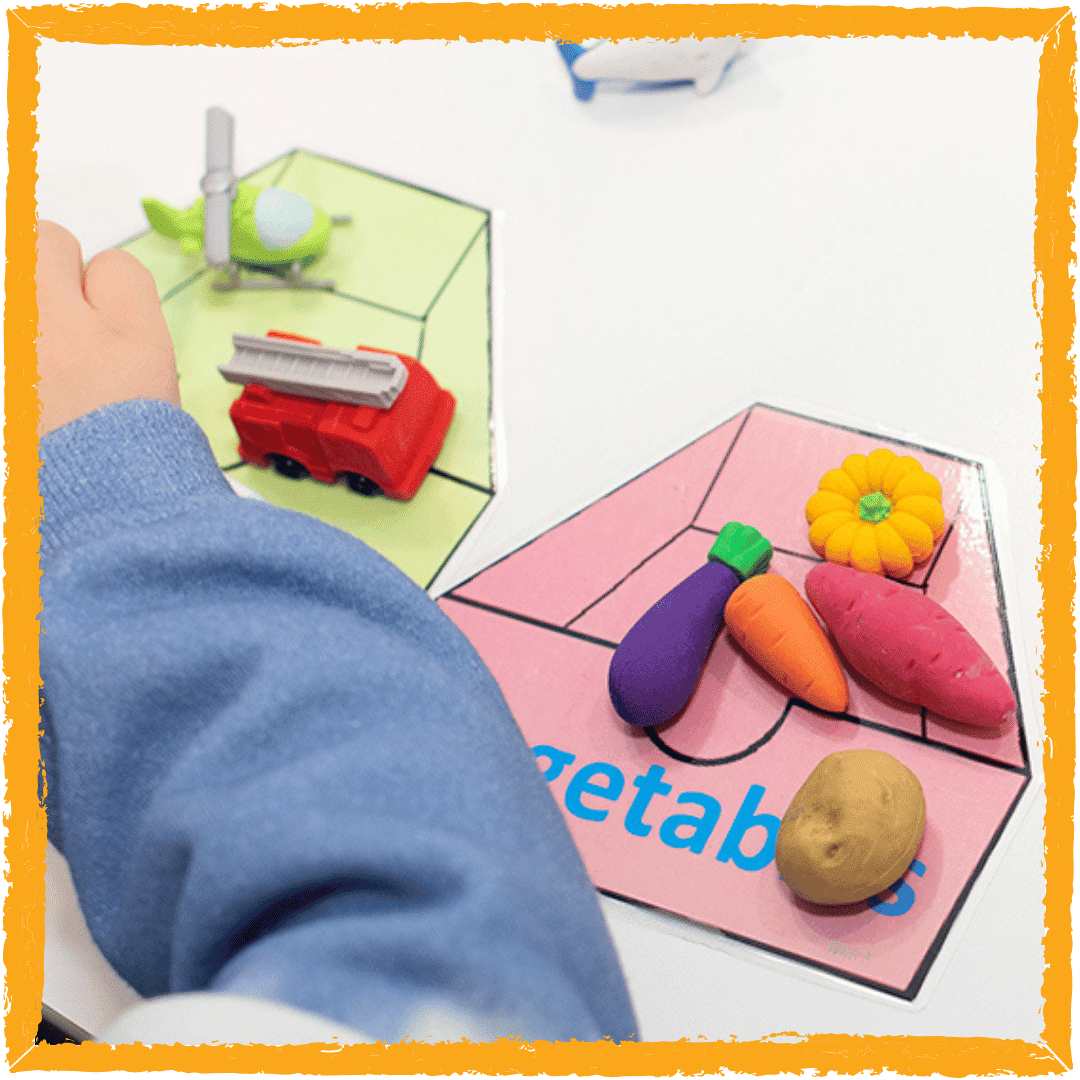
Photo by Shichida Australia: To keep Shichida Method dot flashcards engaging, we often use simple, cute images instead of only traditional dots. You can shop for Shichida Method Dot flashcards here.
The Philosophy Behind the Shichida Method
The Shichida Method is built on decades of research into early brain development. It recognises that the first six years of life are a golden period when children’s brains are most receptive to absorbing information effortlessly.
Unlike rote memorisation, which depends on constant repetition, the Shichida approach focuses on right-brain learning activities. These activities nurture your child’s ability to recognise patterns, visualise concepts, and form intuitive connections.
The aim isn’t to push children into learning earlier than necessary, but to create a strong foundation that makes learning feel natural, joyful, and lifelong.
What Are Dot Flashcards?
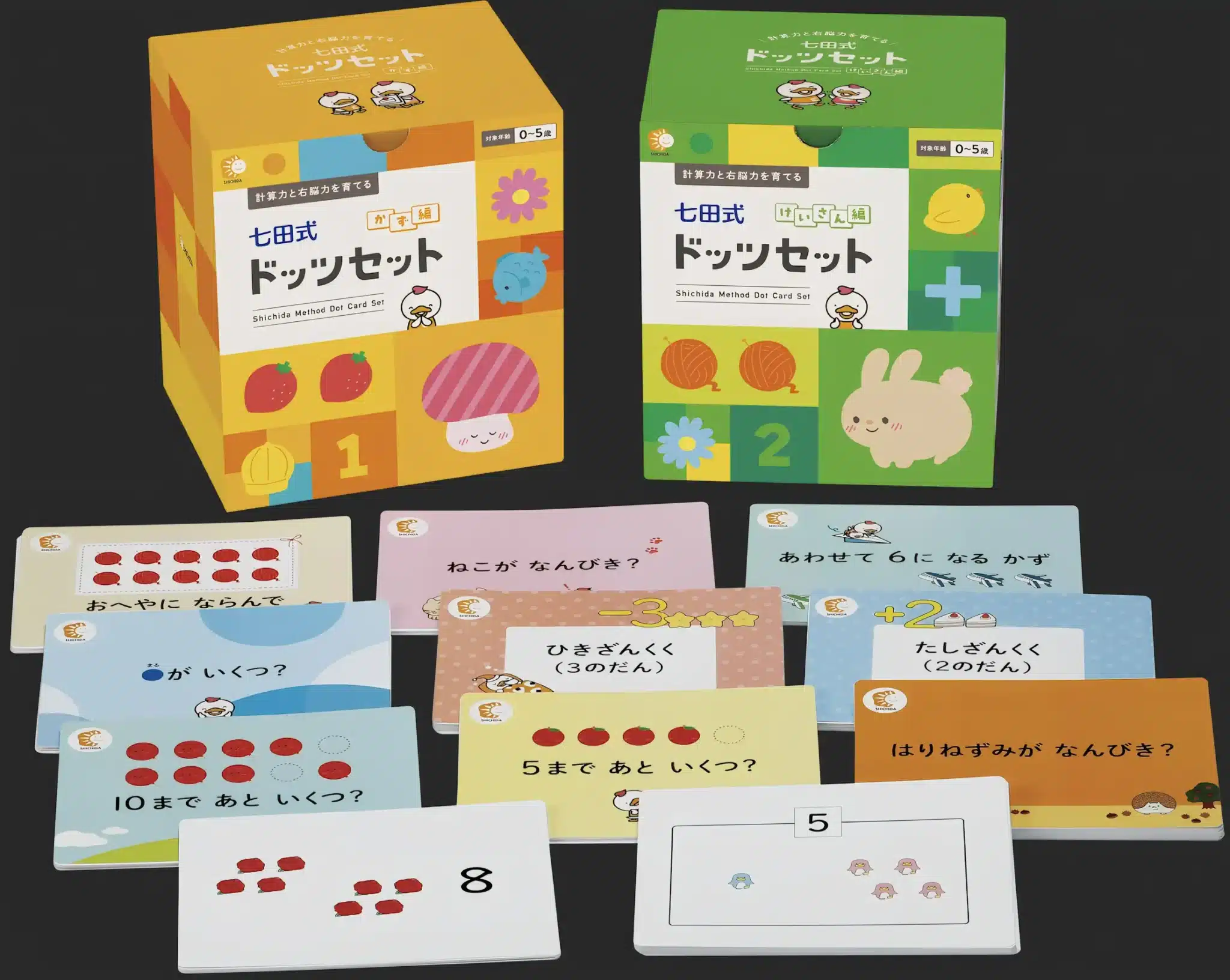
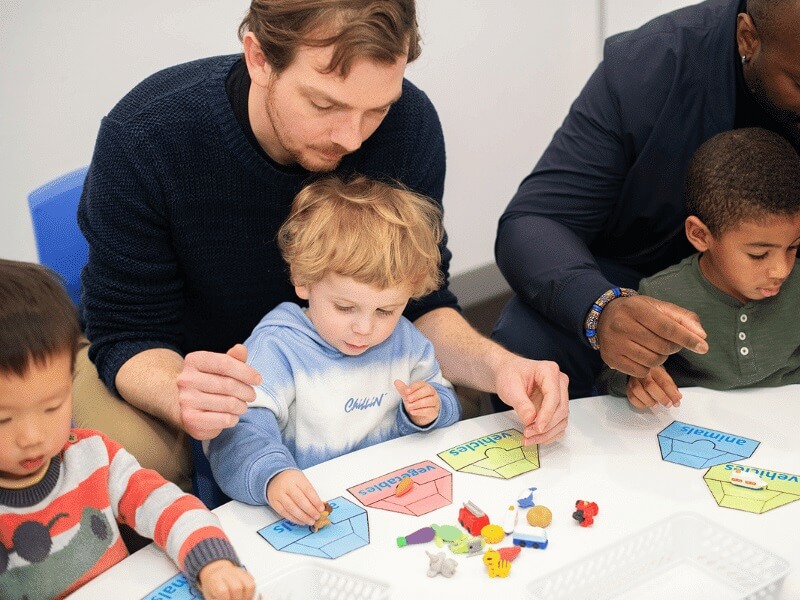
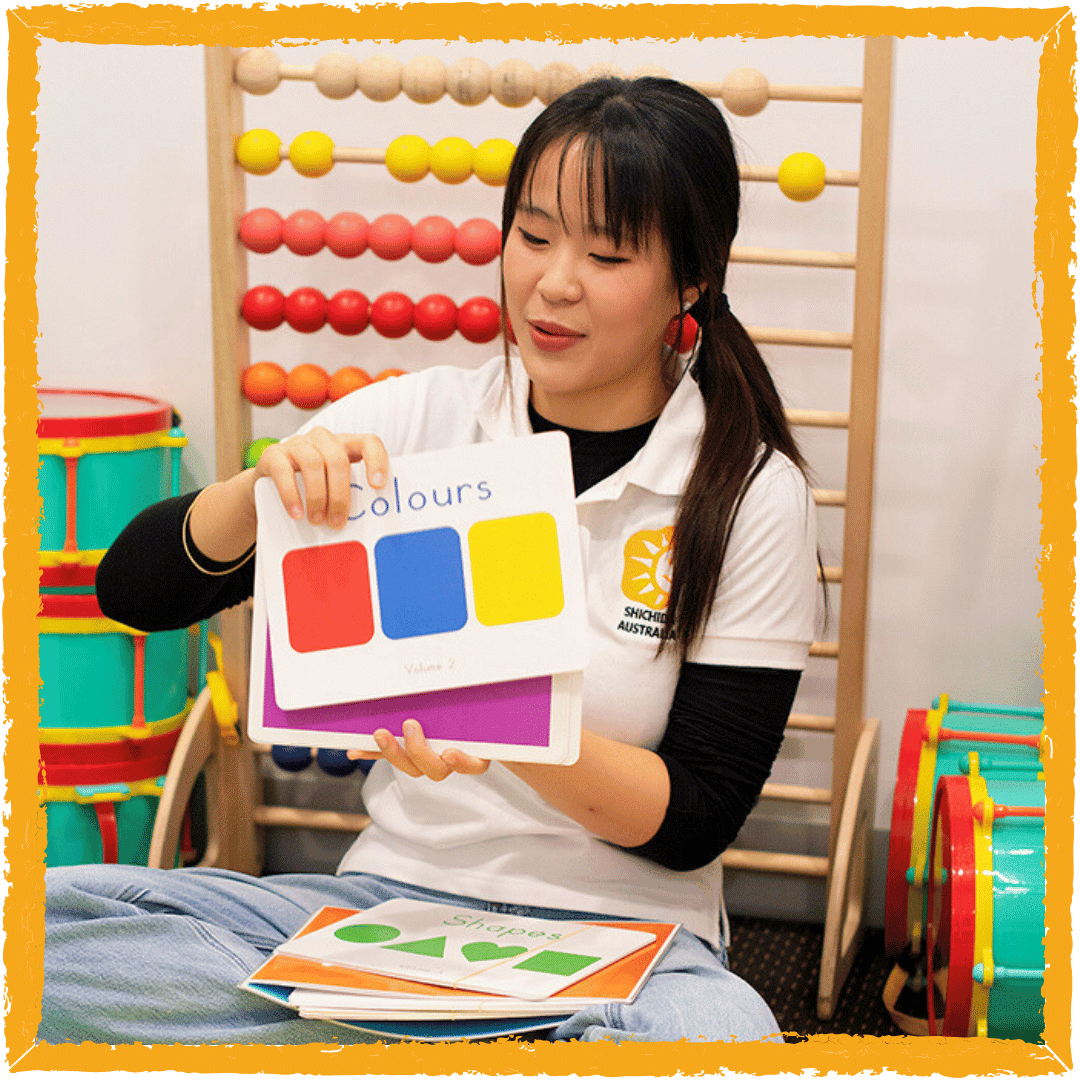
Photo from Shichida Website: Shichida Method dot flashcards are designed to strengthen early number sense and support early right-brain development.
At first glance, dot flashcards might look like simple cards with different dot patterns. But for your child, they serve a much bigger purpose. Instead of memorising symbols like “3” or “7,” the dot card method helps your little one understand numbers as real quantities.
When your toddler sees a card with seven dots, they don’t need to count one by one – they can recognise the group instantly. This skill, called subitising, is an important step in building a strong toddler number sense.
By showing numbers visually, Shichida Method dot flashcards train your child’s brain to see maths as natural and intuitive, rather than just a set of rules to memorise.
How Dot Flashcards Work in Early Learning
So how does this approach fit into your child’s learning journey?
When children use dot flashcards, they learn to see numbers as a whole. Instead of processing quantity step by step, their brain captures the entire image at once. Over time, this builds a strong foundation for:
- Mental maths – solving problems quickly without relying on fingers.
- Memory – strengthening visual and spatial recall.
- Confidence – understanding numbers naturally, without the pressure of symbols.
Traditional number flashcards mainly teach recognition of symbols (for example, “3” means three). While that has value, it doesn’t always create the deeper understanding of quantity that the dot card method provides. This is why Shichida Method dot flashcards are such a valuable part of early math activities for toddlers.
Benefits of Dot Flashcards for Children
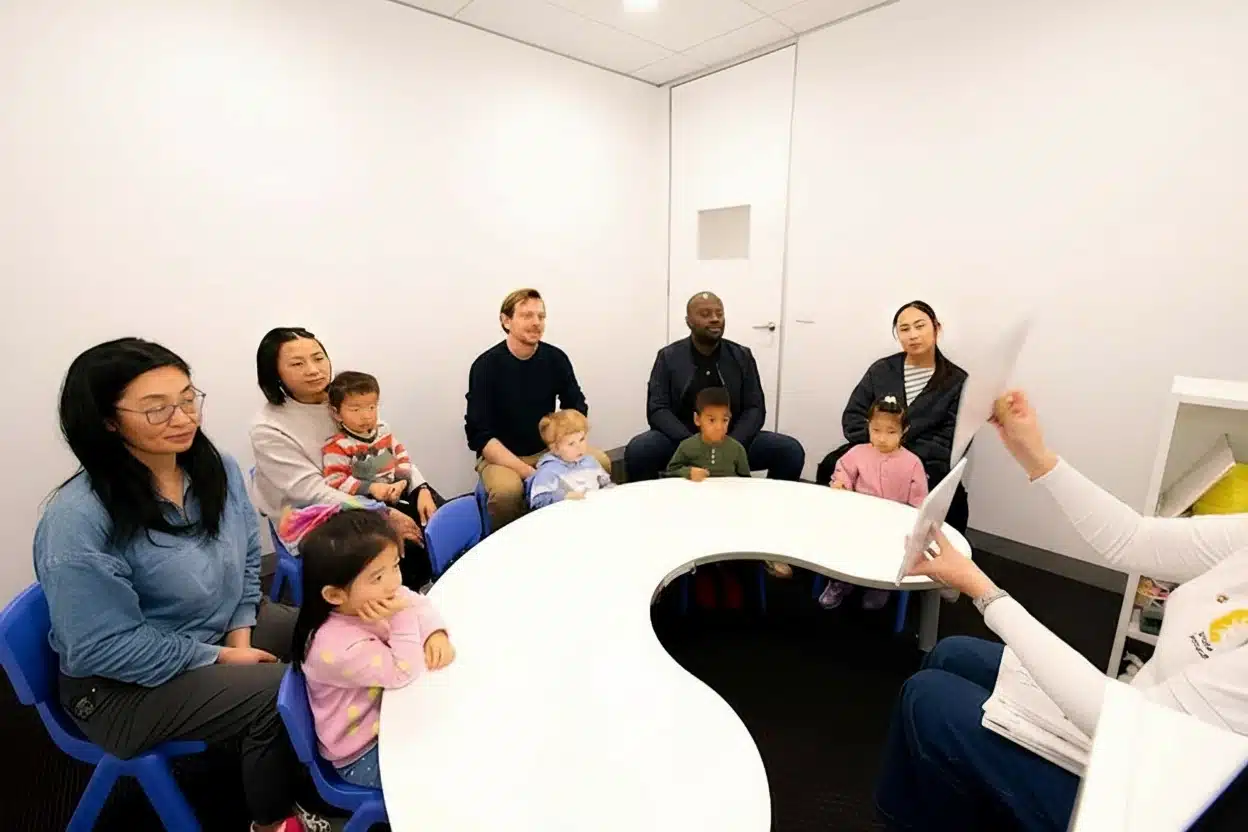
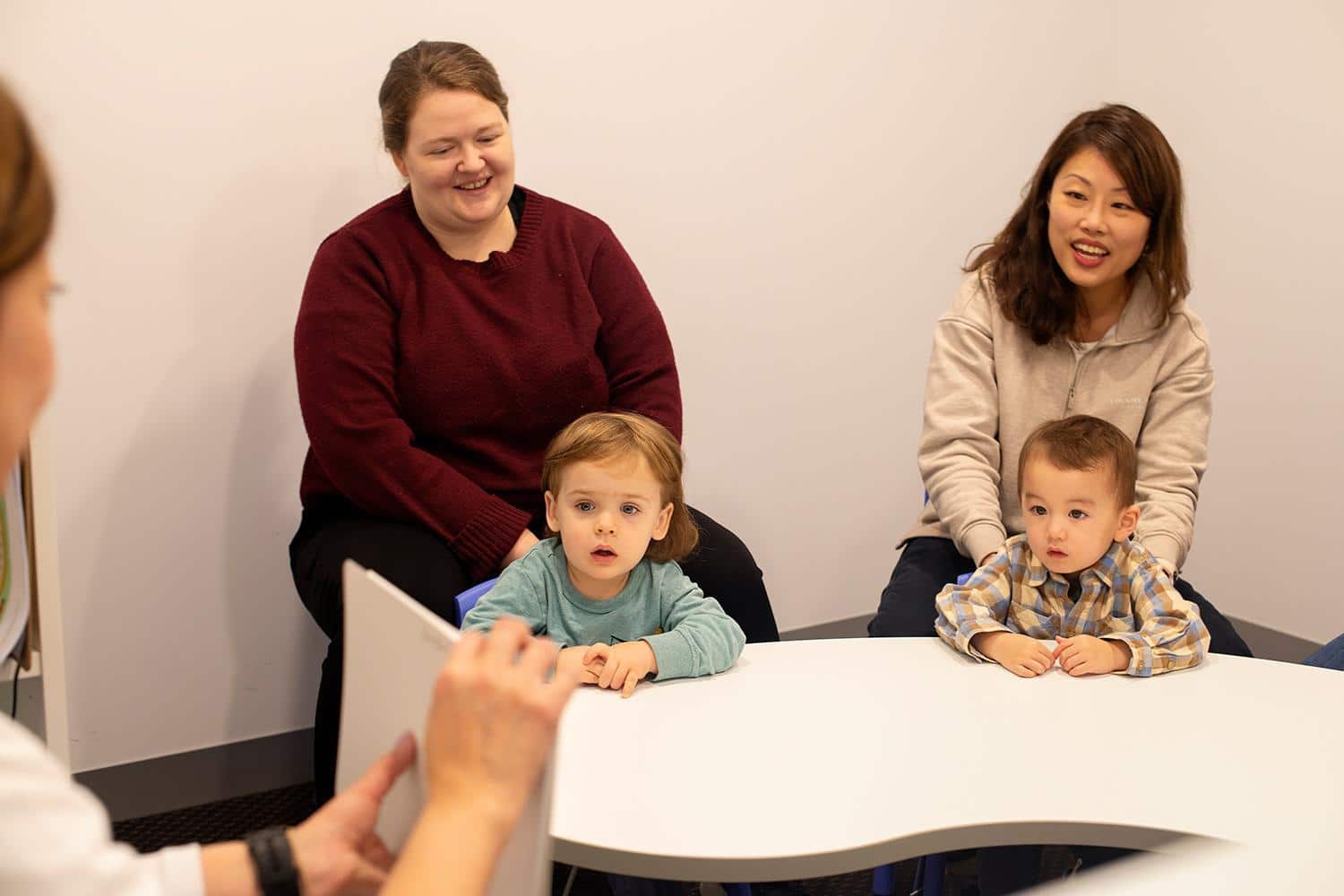
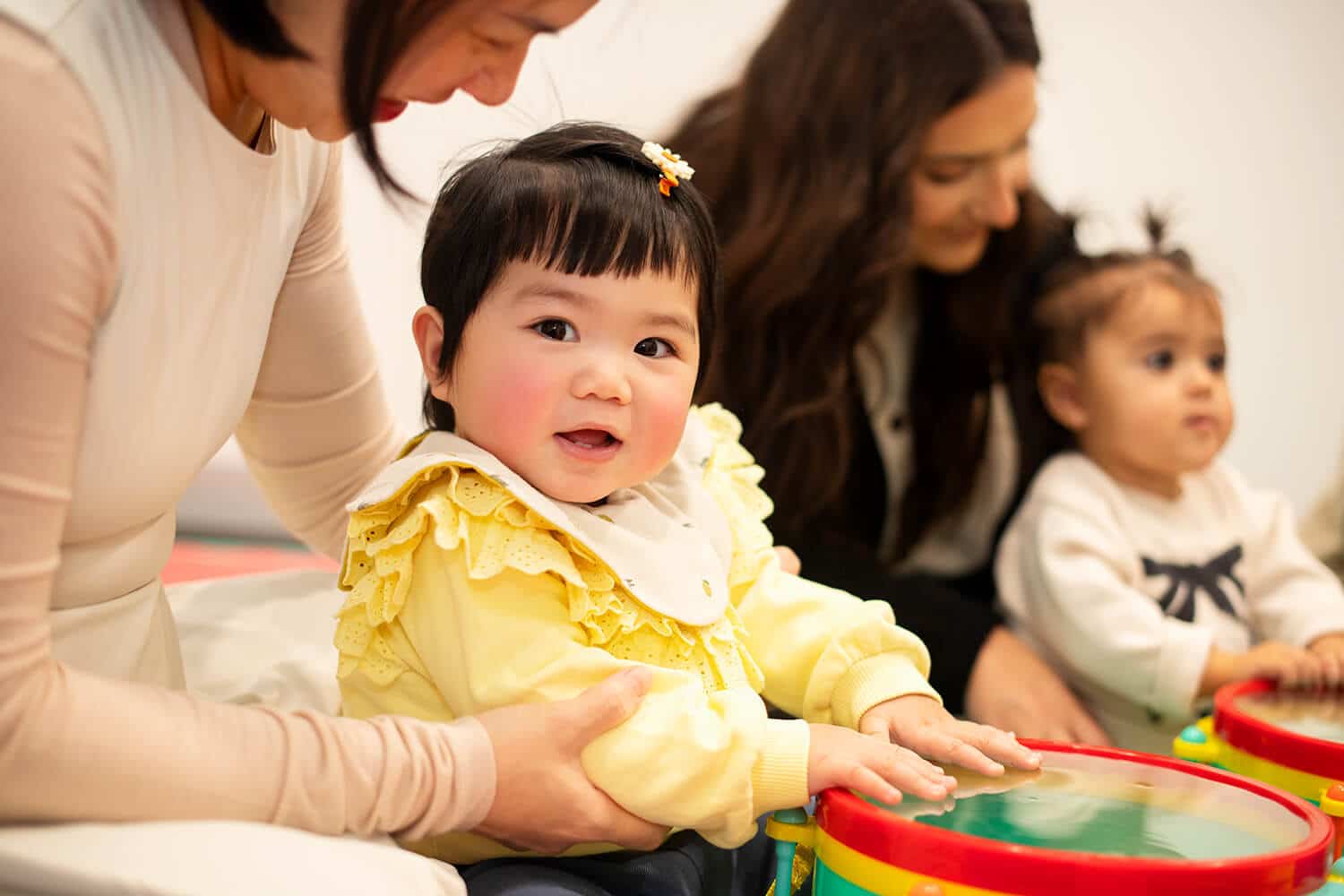
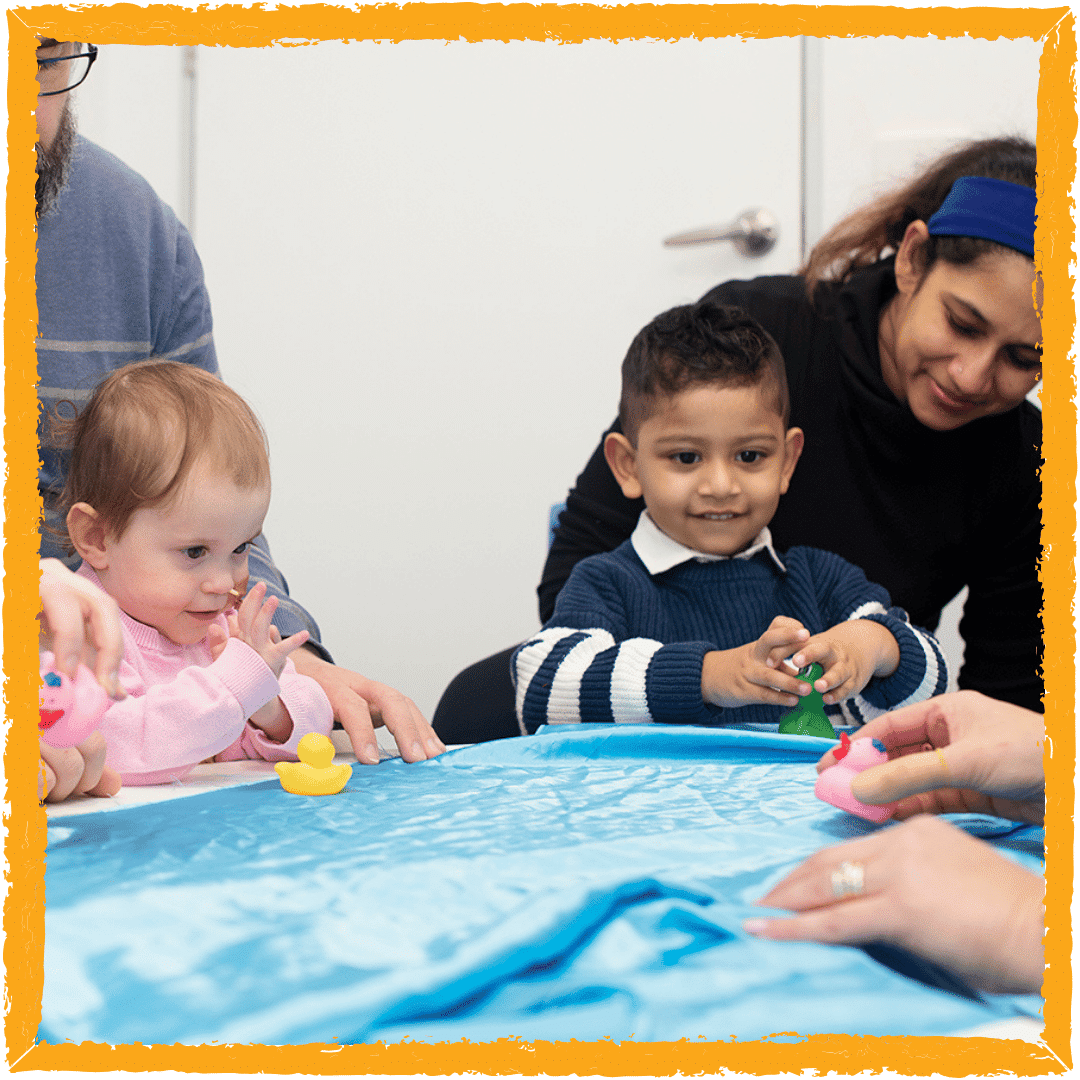
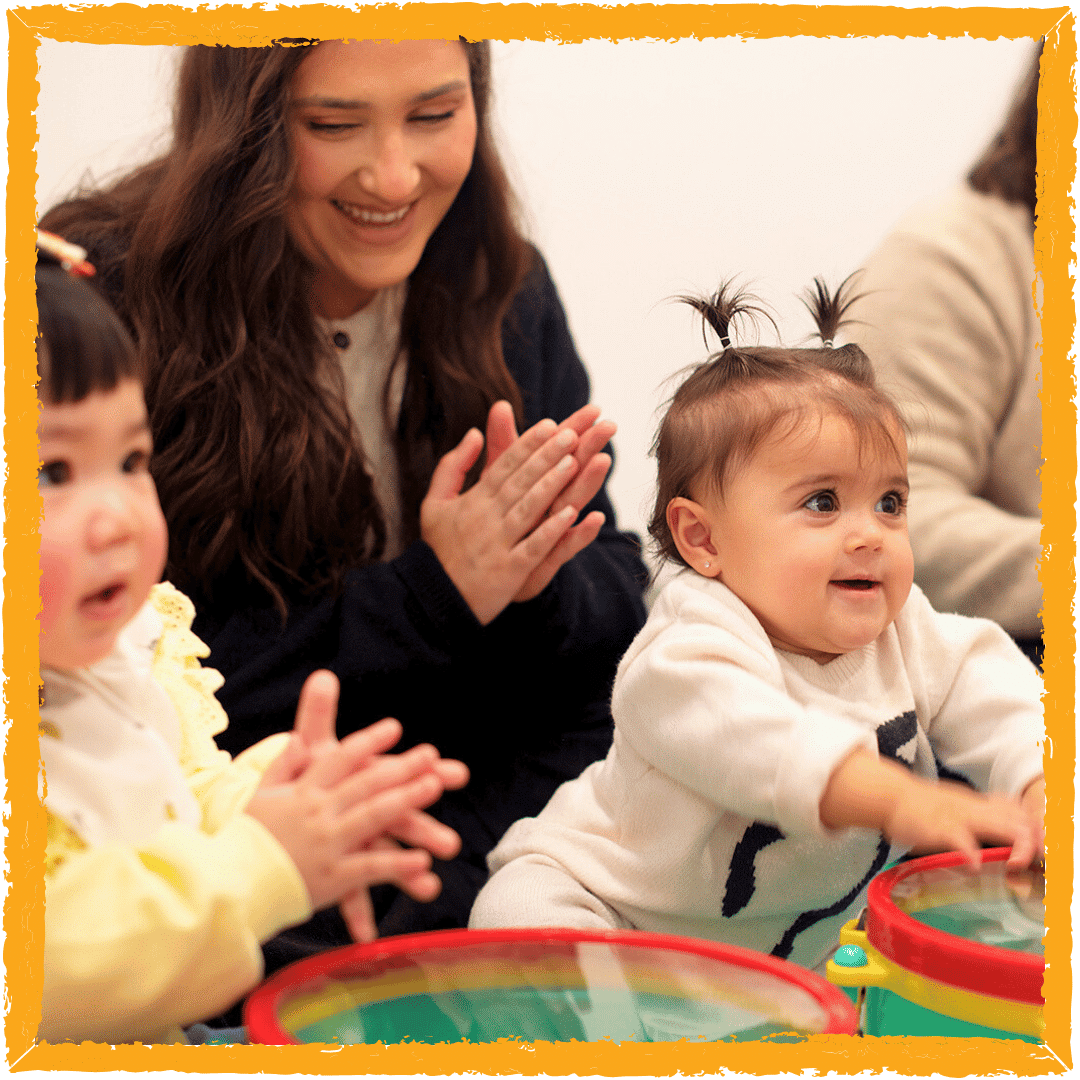
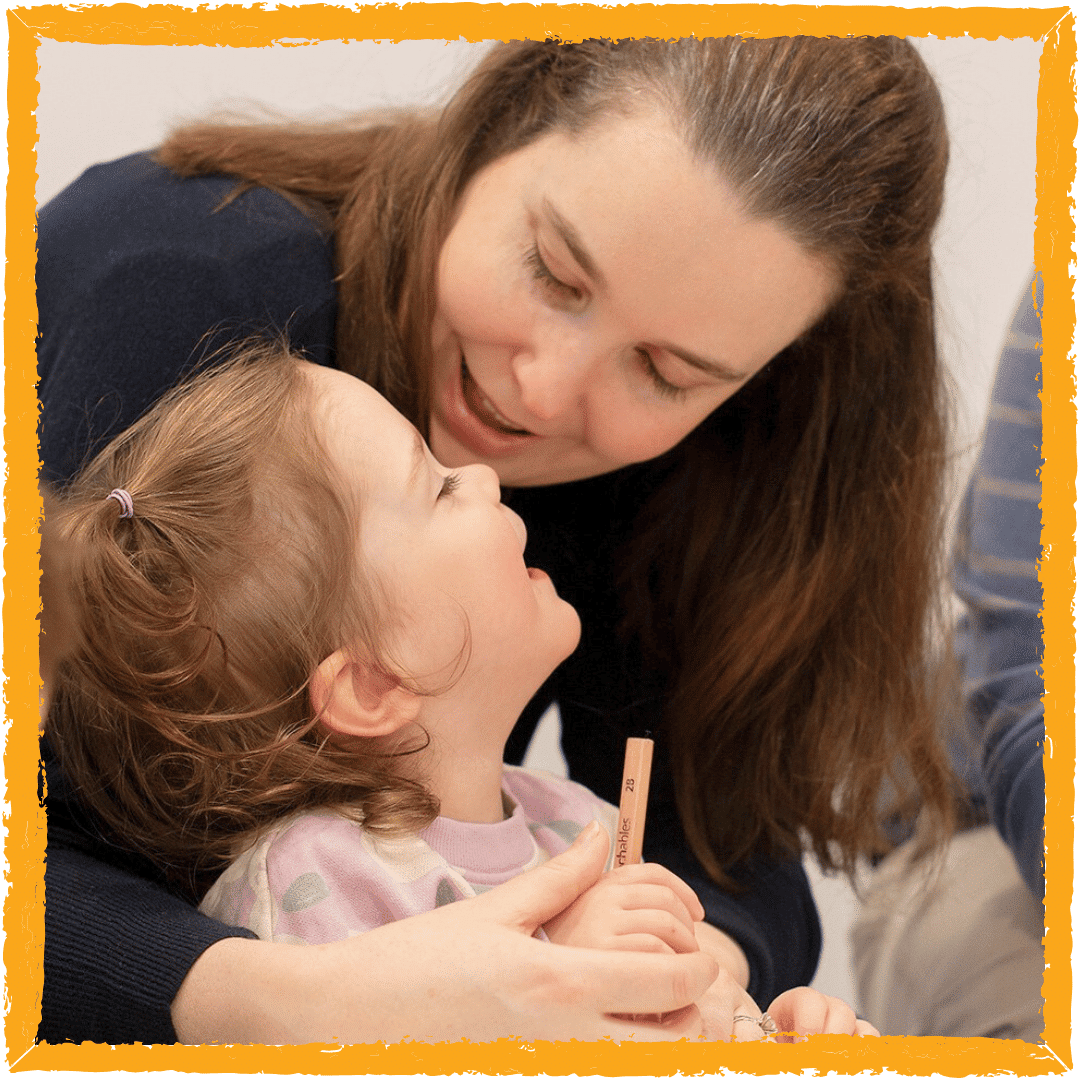
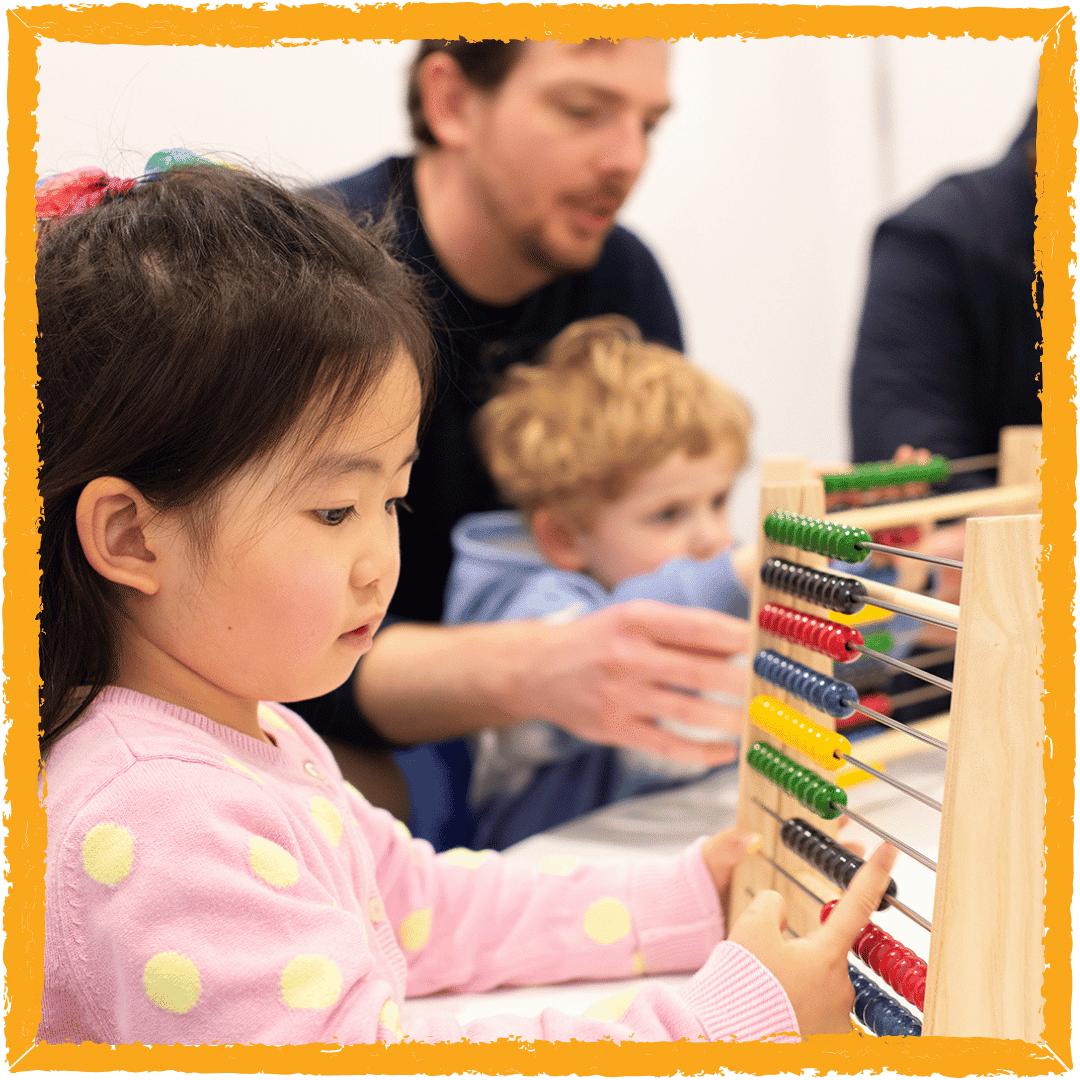
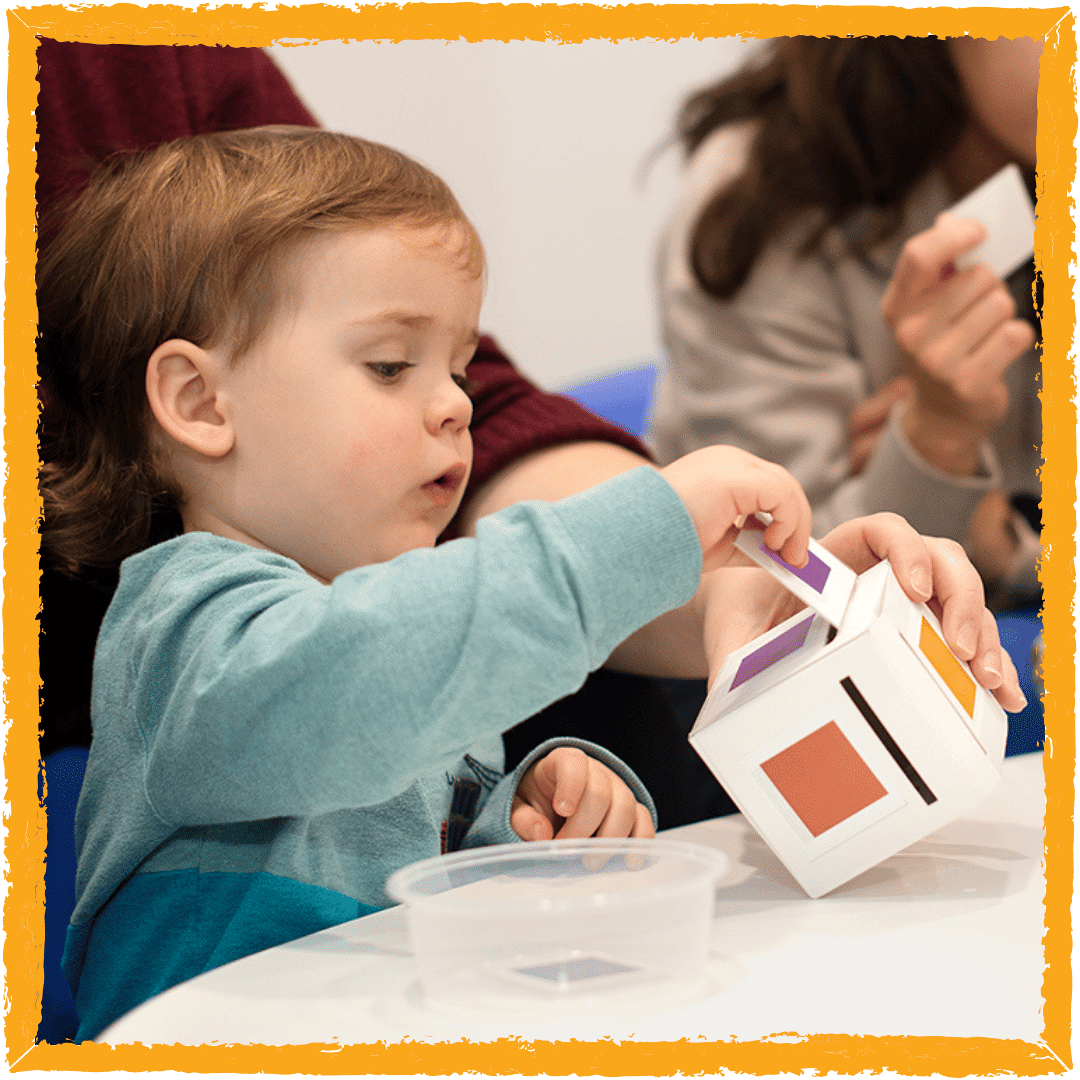
Photo from Shichida: Parents participating in their child’s learning with Shichida Method dot flashcards, turning early maths into a joyful shared experience.
So, what makes these cards so effective? Here are some of the key benefits:
- Strengthens right-brain processing – Dot flashcards activate the part of the brain responsible for visualisation, creativity, and pattern recognition.
- Enhances number intuition – Children learn to understand “how many” without counting, giving them a natural advantage in problem-solving.
- Encourages faster recall – The brain remembers images more quickly than symbols, helping children process maths tasks with ease.
- Makes learning fun – Short, playful sessions ensure children connect numbers with enjoyment rather than pressure.
Quick tip for parents: When using flashcards at home, keep sessions short. Young children learn best when activities are brief, positive, and consistent.
When and How to Use Dot Flashcards
If you’re wondering when to start, dot flashcards can be introduced as early as 1-2 years old. At this stage, your toddler’s brain is highly receptive to visual learning.
Here’s how to make the most of Dot Flashcards at home:
- Keep it short and sweet – A few minutes per session is enough.
- Make it playful – Present the cards with energy and encouragement.
- Avoid pressure – Children should never feel tested. The aim is to spark curiosity, not anxiety.
- Stay consistent – Regular, gentle practice has the greatest impact!
These small steps can lay the foundation for a lifelong comfort with numbers and problem-solving.
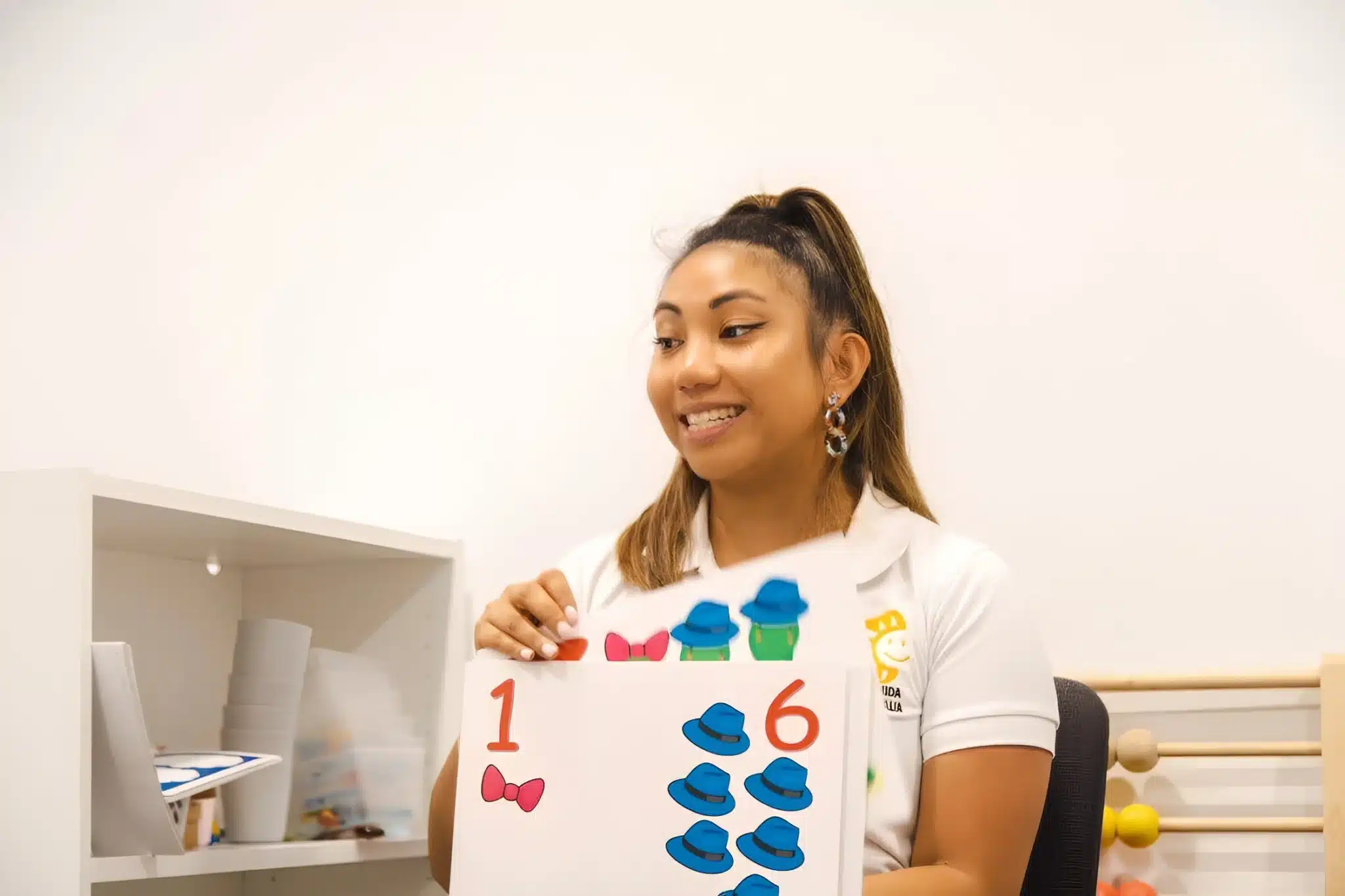
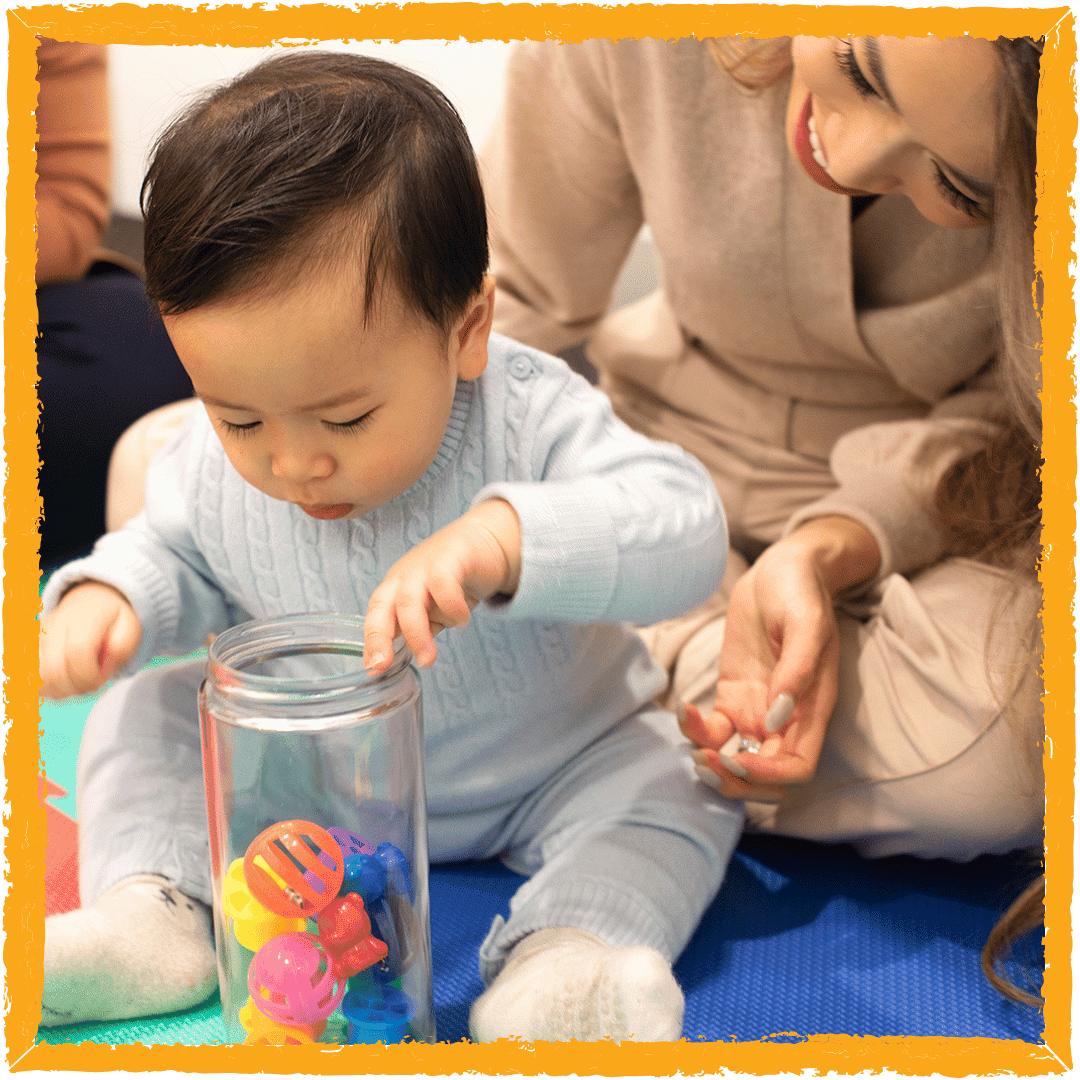
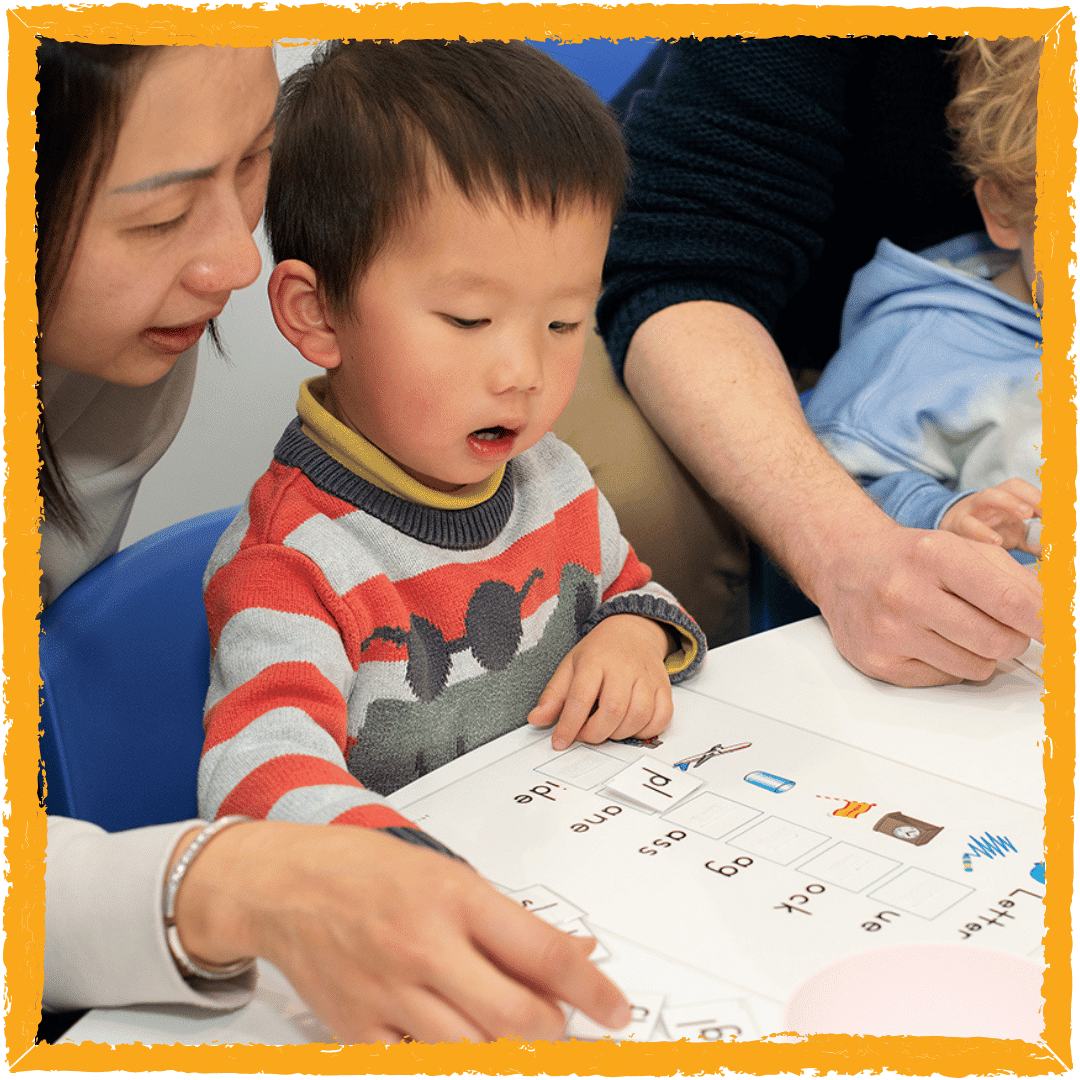
Photo by Shichida Australia: Dot cards help children recognise numbers at a glance, without counting. At first, the dots are shown alongside numbers, building a clear connection. Over time, children start to see dot patterns on their own and can intuitively estimate larger quantities.
Experience the Shichida Method Firsthand
Learning about dot flashcards is one thing. Watching your child experience them in a guided setting is another! At Shichida Australia, you can see how these tools, combined with other right-brain activities, nurture your child’s development in a holistic way.
FAQ's: Shichida Method Dot Flashcards
No. They complement traditional number learning by giving children a deeper, intuitive sense of quantity. Later, when they see numerals, they’ll already understand what the numbers mean.
Absolutely. Many families use Shichida flashcards at home, and you can find dot flashcard sets through official Shichida resources. The key is to follow the approach, short, fun, and pressure-free.
Not at all. While they’re designed to build number sense, the process also strengthens memory, concentration, and visual processing skills. These benefits spill over into reading, problem-solving, and everyday learning.
There’s no strict cut-off. As children grow, dot cards naturally blend with more advanced maths activities. Most parents gradually move into addition, subtraction, and memory games using the same method.
That’s perfectly normal. The Shichida Method stresses that learning should be joyful. If your child loses interest, pause and reintroduce the activity later. Forcing it can create unnecessary stress.
Yes. While they are most effective in the toddler and preschool years, older children can still benefit from dot cards as a way to sharpen memory, speed, and number sense.