
Best Sensory Toys for Babies, Infants & Toddlers (Expert Guide by Age)
Key Points
- Parents should choose age-appropriate sensory toys for babies by picking options that are safe, non-toxic, and suitable for their baby’s stage.
- It is best to engage multiple senses by offering toys that combine sight, touch, sound, and even smell for richer learning experiences.
- Always keep play short but consistent, since a few minutes daily is more effective than long, overwhelming sessions.
- Parents should follow their baby’s lead, allowing curiosity to guide play while avoiding force or overstimulation.
- Families can incorporate Shichida principles at home by using toys as part of right-brain learning, with an emphasis on fun, bonding, and intuitive development.
Sensory play isn’t limited to messy or “dirty” activities like finger painting, water tables, or slime. While those are great examples, sensory play actually covers any activity that stimulates one or more of a child’s senses – sight, sound, touch, taste, smell, balance (vestibular), and body awareness (proprioception).
Choosing the right toys can feel overwhelming – what’s fun, what’s safe, and what really helps your baby’s development? By selecting toys that match your child’s age and stage, you’re giving them opportunities to practise essential skills through play.
This guide will make toy selection easier, showing you why sensory play matters, which toys are best for newborns, infants, and toddlers, and how to choose safe, age-appropriate options that nurture curiosity and healthy development.

Why Sensory Toys Are Important
Sensory toys for babies are stepping stones for growth. Even just 10 minutes of sensory play daily supports healthy brain wiring and sets your child up for long-term success.
Here’s why they matter:
Stimulate the Senses
Babies learn first through sight, sound, and touch. Each time your child shakes a rattle, touches a textured teether, or gazes at a high-contrast card, they’re strengthening connections in the brain. These early experiences are vital for learning to process information and respond to the world with confidence.
Promote Cognitive Development
Have you ever noticed your baby repeating the same action, like dropping a toy or banging blocks together? This is their way of exploring cause and effect. Sensory toys for infants nurture this natural curiosity. They encourage problem-solving, build memory, and help your child focus for longer periods, all through play.
Enhance Motor Skills
From the early days of clutching a rattle to the challenge of stacking blocks, toddler sensory toys help refine both gross and fine motor skills. Over time, these small movements prepare your child for everyday tasks like feeding themselves, holding crayons, and eventually writing.
Best Sensory Toys for Newborns & Babies (0-6 months)
During the newborn stage, babies are adjusting to life outside the womb. Their vision is still blurry, and their movements are unsteady. The best sensory toys for newborns are simple, safe, and provide gentle stimulation.
Tactile
Textured Teething Rings – Even before teething begins, babies love mouthing objects to explore. Teething rings provide safe oral stimulation and later help soothe sore gums. Always choose BPA-free, non-toxic materials for peace of mind.
Visual
Black and White High-Contrast Cards – Since newborns can’t see subtle colours yet, bold patterns are easier for them to focus on. These cards strengthen early visual development and keep your baby engaged during tummy time.
Auditory
Soft Rattles – Lightweight rattles are perfect for tiny hands to practise gripping while offering gentle sounds. This helps develop early hand–eye coordination and introduces cause-and-effect play.
Best Sensory Toys for Infants and Babies (6-12 months)
By six months, babies are often rolling, sitting, or beginning to crawl. Their curiosity is growing, and they love exploring everything within reach. The best sensory toys for infants at this stage should be safe for mouthing, durable, and varied enough to capture attention.
Activity Mats with Textures and Sounds
Encourage rolling and reaching with mirrors, crinkly fabrics, and colourful designs. These mats turn floor play into an adventure while strengthening coordination and core muscles.
Sensory Balls
Perfect for grasping and chasing, textured balls with ridges or bumps invite babies to squeeze, roll, and eventually crawl after them, boosting both fine and gross motor development
Interactive Soft Books
Introduce curiosity and early literacy through fabric books with flaps, squeakers, and textured pages. Babies practise grasping, turning pages, and exploring surprises that support focus and memory.
Fine Motor Skills Benefits
At this stage, toys help infants practise reaching, pinching, and transferring objects between hands. They also encourage crawling and rolling, which strengthen larger muscle groups needed for mobility.
Parent Tip: Rotate toys every few days to keep play fresh and engaging without overwhelming your baby.
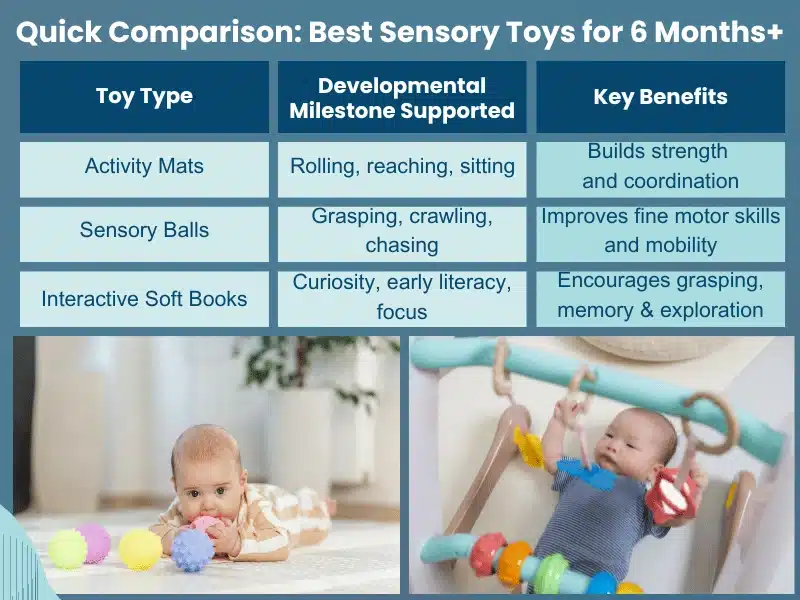
Quick Comparison: Best sensory toys for 6 months+ and key benefits
Best Sensory Toys for Toddlers (1-3 years)
Toddlers are curious little explorers on the move. Their play becomes more imaginative and purposeful, and the right toddler sensory toys help refine motor skills, problem-solving, and creativity.
Shape Sorters and Stackers
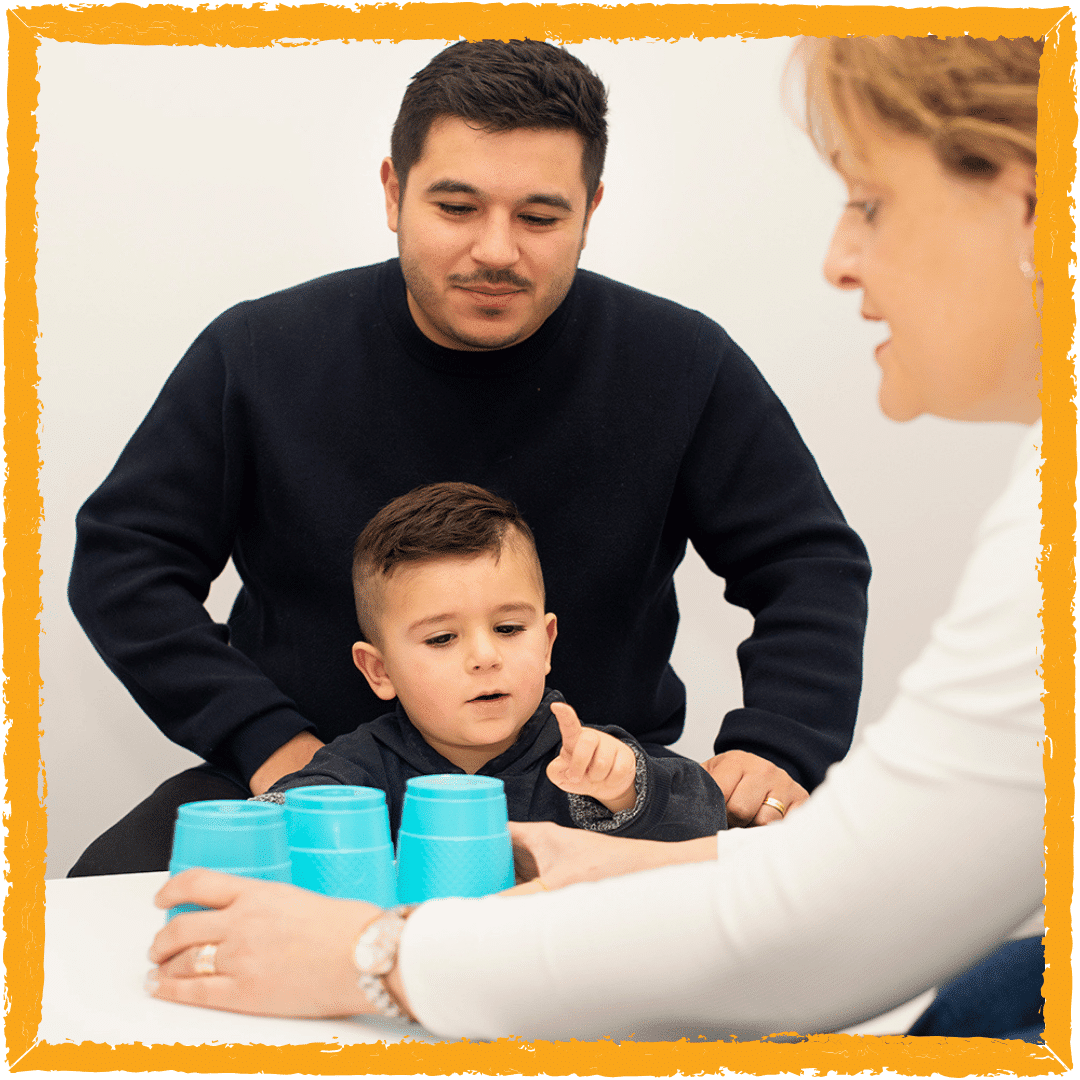
Encourage thinking through play as toddlers match shapes or stack rings or cups. These activities strengthen dexterity while teaching problem-solving, planning, and persistence.
Musical Instruments (Xylophones, Drums, Shakers)
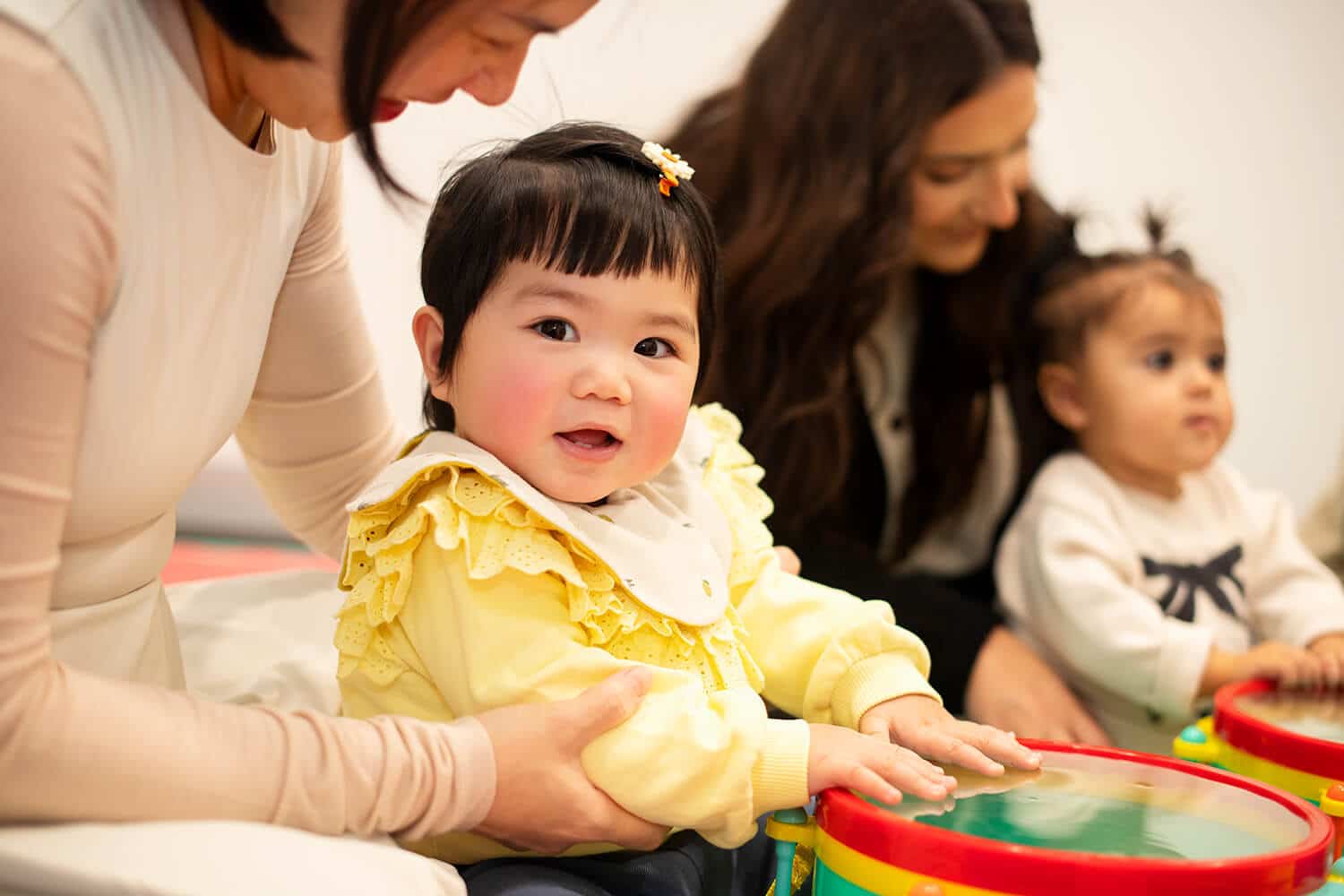
Introduce rhythm and focus through musical play. By banging a drum or tapping a xylophone, toddlers learn about beat, listening, and coordination, all while expressing themselves creatively.
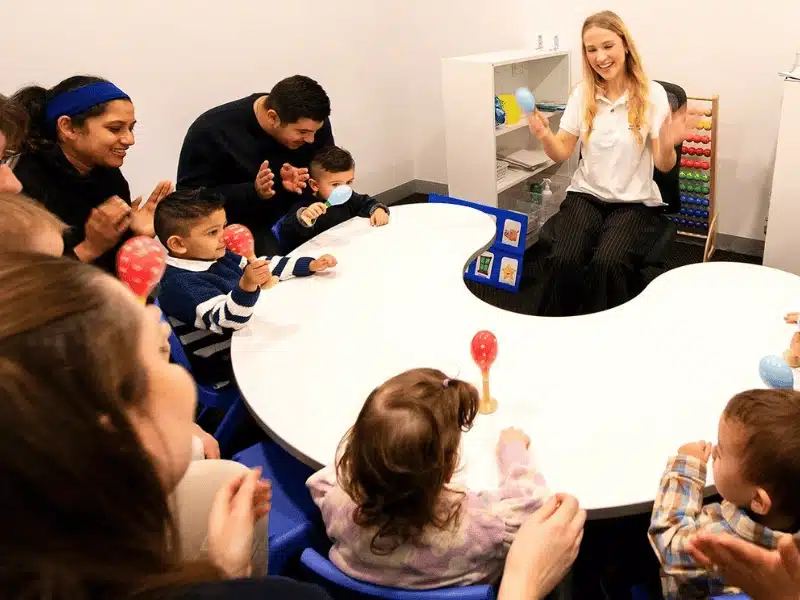
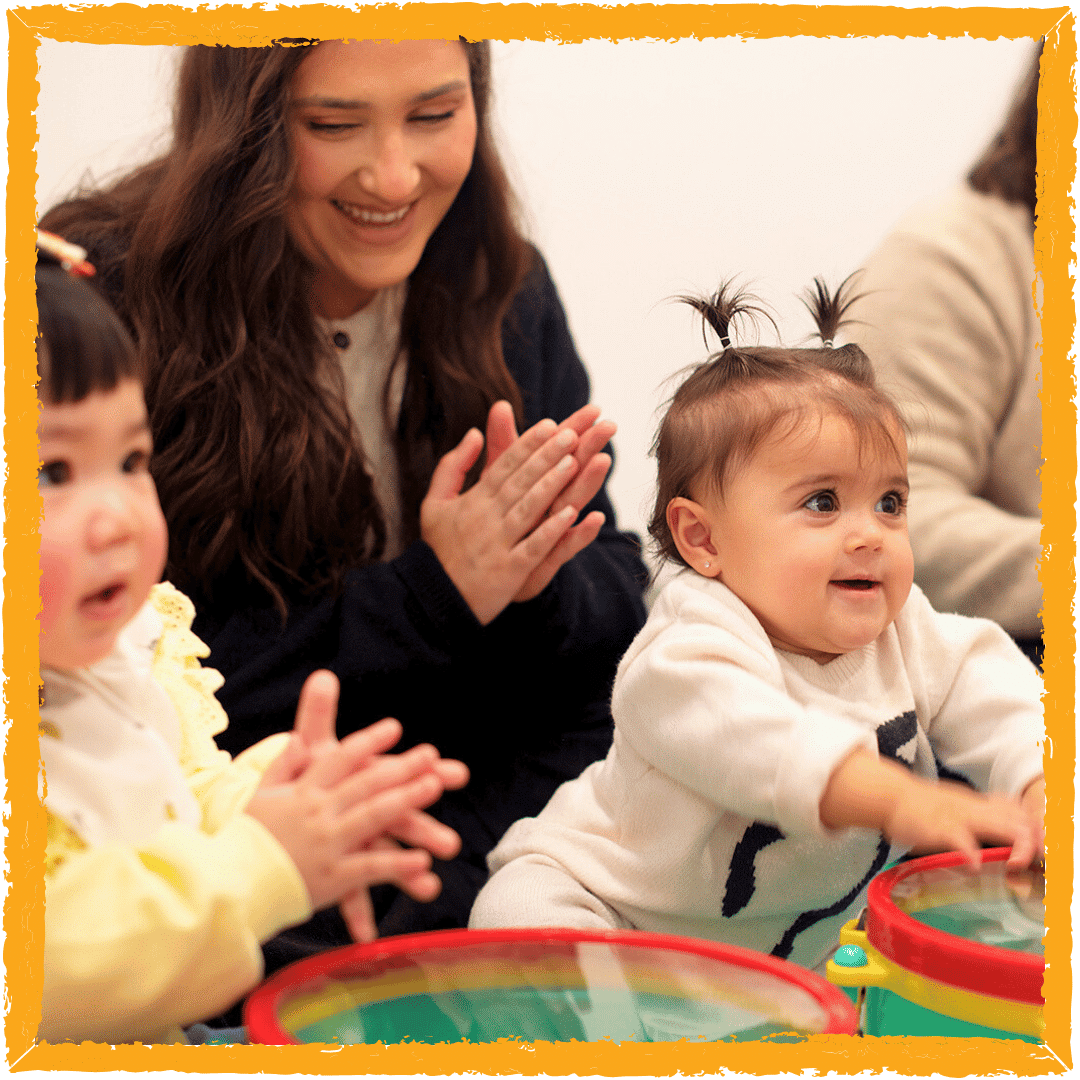
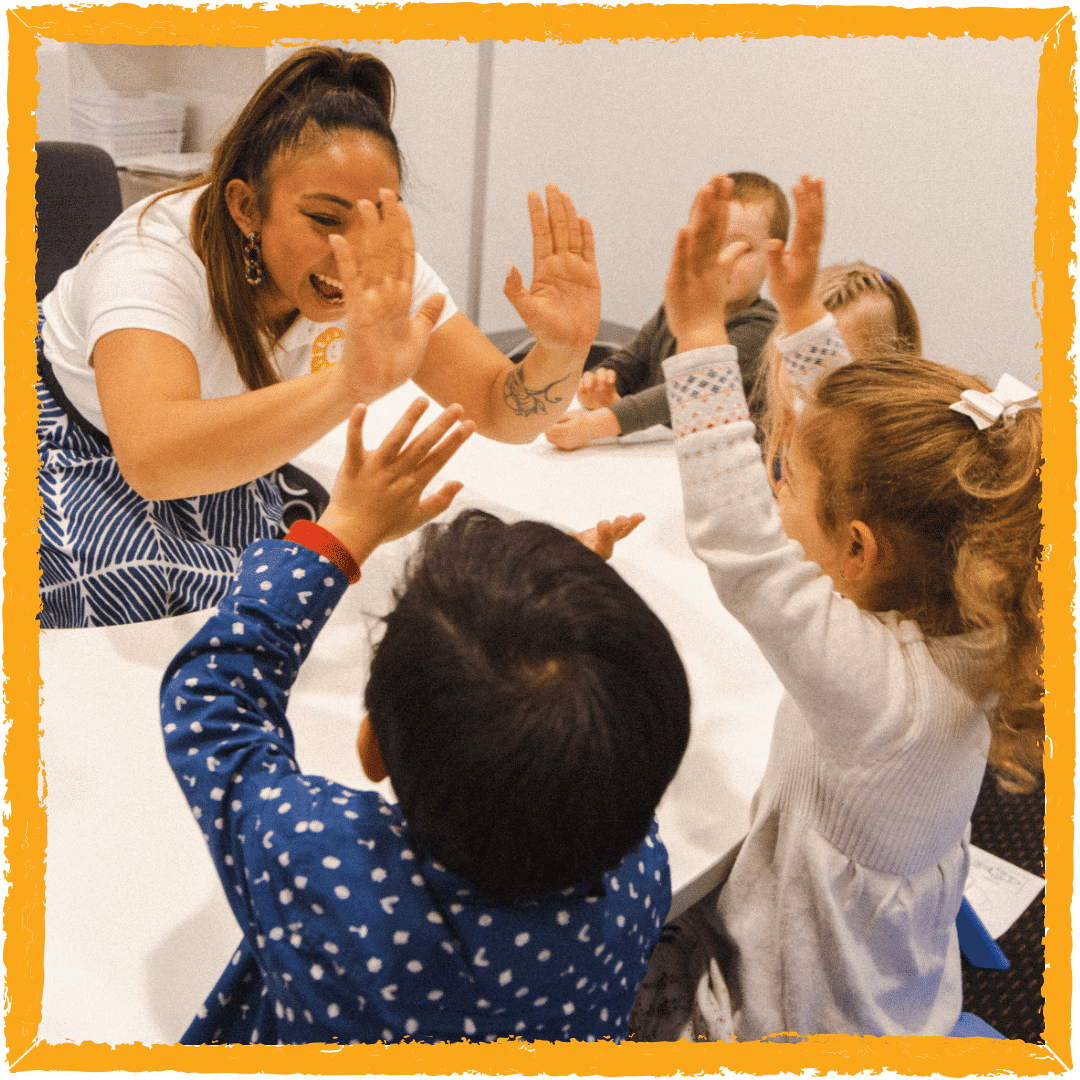
Image by Shichida Australia: Toddlers shaking instruments to the beat of a song – just one of 20 -25 developmental games played in a toddler class at Shichida.
Textured Building Blocks
Bring creativity into hands-on learning with blocks that have raised surfaces or mixed textures. These toys encourage building, imaginative play, and even cooperative play with siblings or friends.
Fine Motor Skills Benefits
Each of these toys builds hand strength and coordination while supporting bigger developmental leaps like self-feeding, drawing, and eventually writing. The crossover between fun and learning keeps toddlers engaged and progressing.
Top 3 Parent Favourites for Toddlers Summary
1 . Shape Sorters – Best for problem-solving and dexterity
2. Musical Instruments – Great for rhythm, focus, and creative expression
3. Textured Blocks – Ideal for building, imagination, and cooperative play
Parent Tip: Mix active play (musical instruments) with quiet play (blocks, sorters) to balance energy levels and keep your toddler happily engaged.
How to Choose the Right Sensory Toys for Your Child
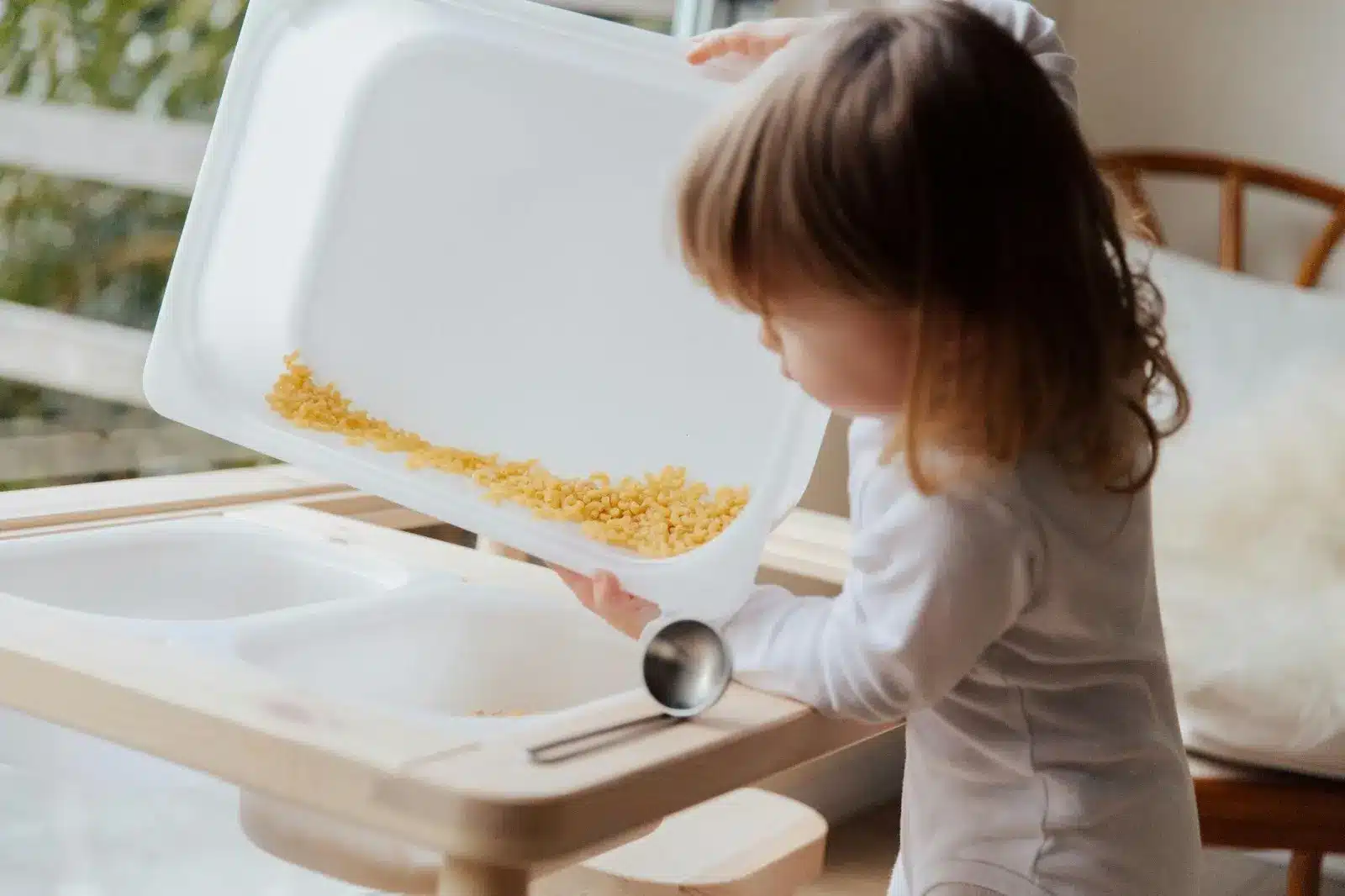
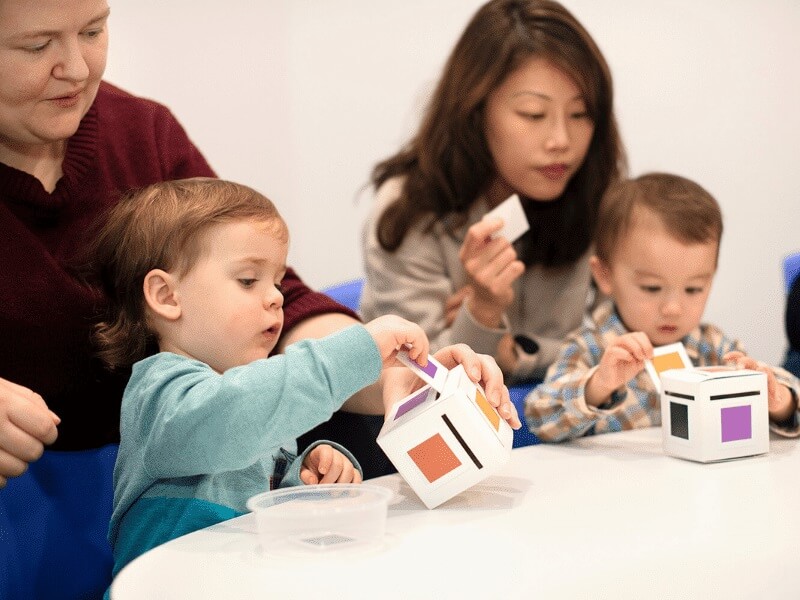
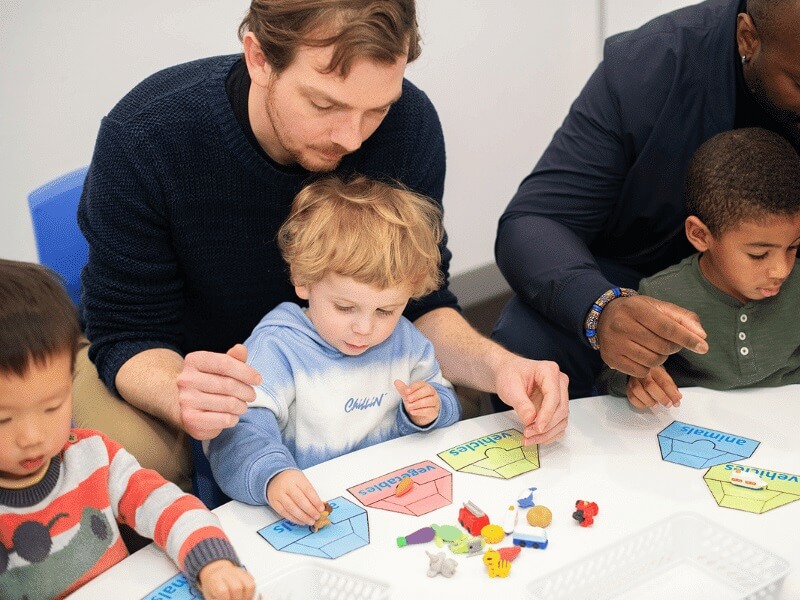
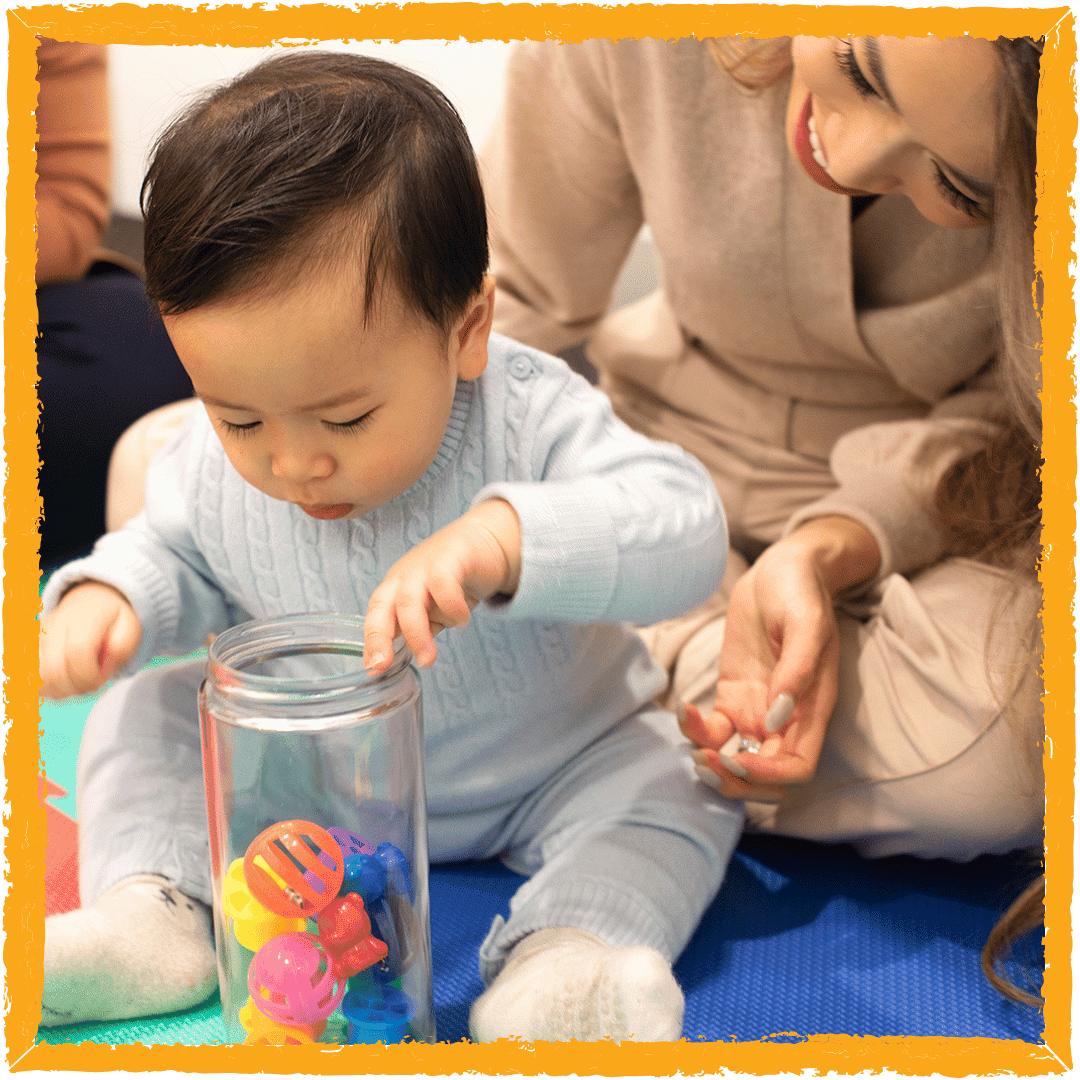
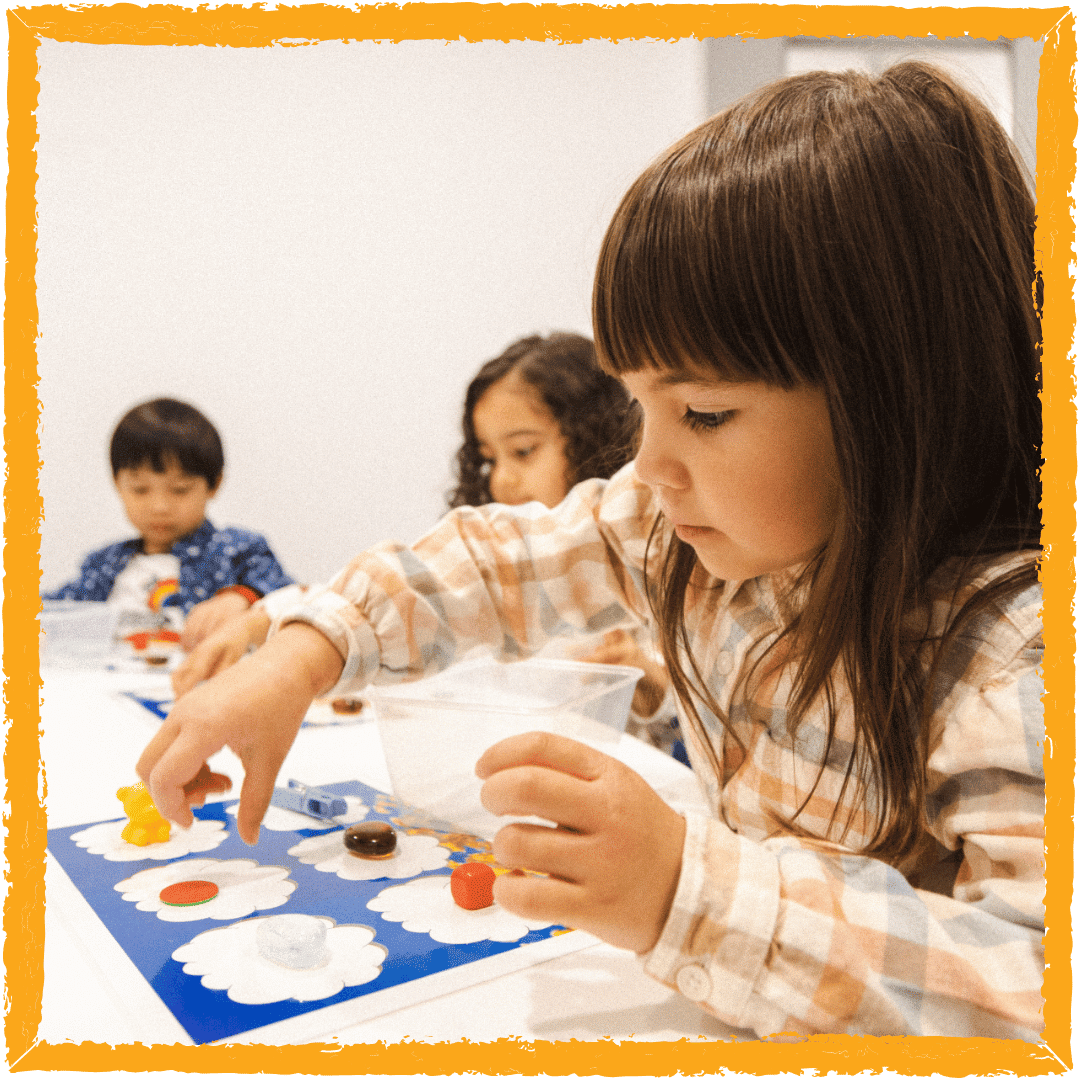
Photo from Pexels: Enjoying hands-on play with baby sensory toys that encourage touch, coordination, and creativity.
Step-by-Step Checklist – Choosing Baby Sensory Toys
1.Match by age
- Newborns (0-3 months): simple, soft items that give gentle stimulation
- Infants (4-12 months): toys that invite movement and exploration
- Toddlers (12-36 months): toys that challenge thinking and motor skills
2. Check safety
- Choose BPA-free, non-toxic, washable materials.
- Avoid small, detachable parts, sharp edges, loose stitching or poor finishes that could become choking hazards.
- Follow manufacturer age labels and check for recalls.
- Inspect toys regularly and remove anything broken or worn.
3. Confirm developmental benefit
- Pick toys that stimulate at least one sense and practise a skill (for example, textured balls – grasping and crawling; shape sorter – problem-solving).
- Prefer multi-sensory toys (sight, sound, touch) to support brain growth and attention.
- Ask yourself: “Which milestone does this toy help my child practise?”
4. Plan how to use them
- Limit play to 1-2 toys at a time to avoid overstimulation and help your child focus.
- Rotate toys every few days to keep play fresh and encourage new skills.
- Supervise mouthing and new activities until they’re clearly safe.
Mistakes to avoid
- Offering too many toys at once, which fragments attention.
- Choosing toys because they look “educational” without checking the actual skill they support.
- Ignoring age labels or choking-risk warnings.
- Buying toys that can’t be cleaned, or failing to clean them regularly.
- Leaving damaged toys in circulation instead of repairing or discarding them.
Parent Tip: Even 10 minutes of focused sensory play each day supports healthy brain wiring and early skill-building.
Conclusion
The right sensory toys for babies, infants, and toddlers are amazing tools for brain growth.
From a newborn discovering the gentle shake of a rattle to a toddler proudly stacking blocks, every sensory experience helps shape how your child learns, explores, and builds confidence.
Sensory play goes beyond entertainment. It strengthens brain connections, encourages curiosity, and lays the foundation for skills that last a lifetime.
Ready to enrich your child’s play with purposeful learning?
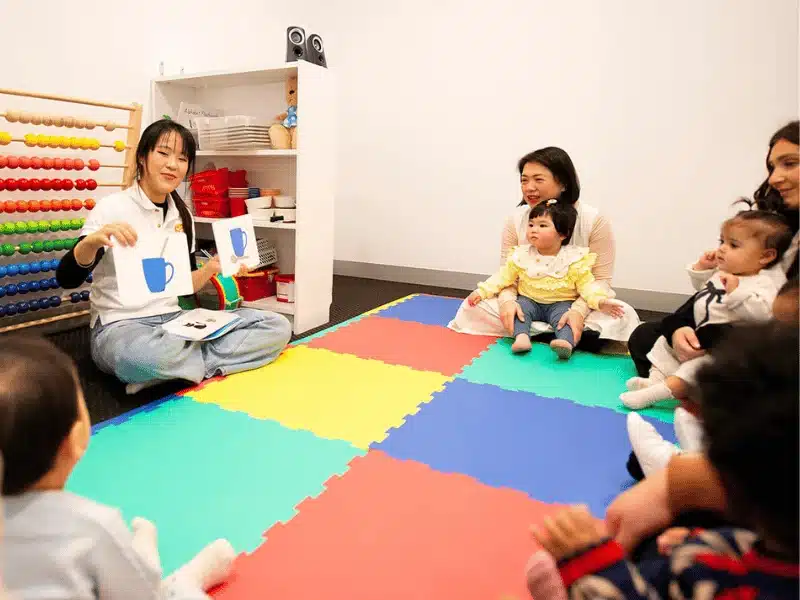
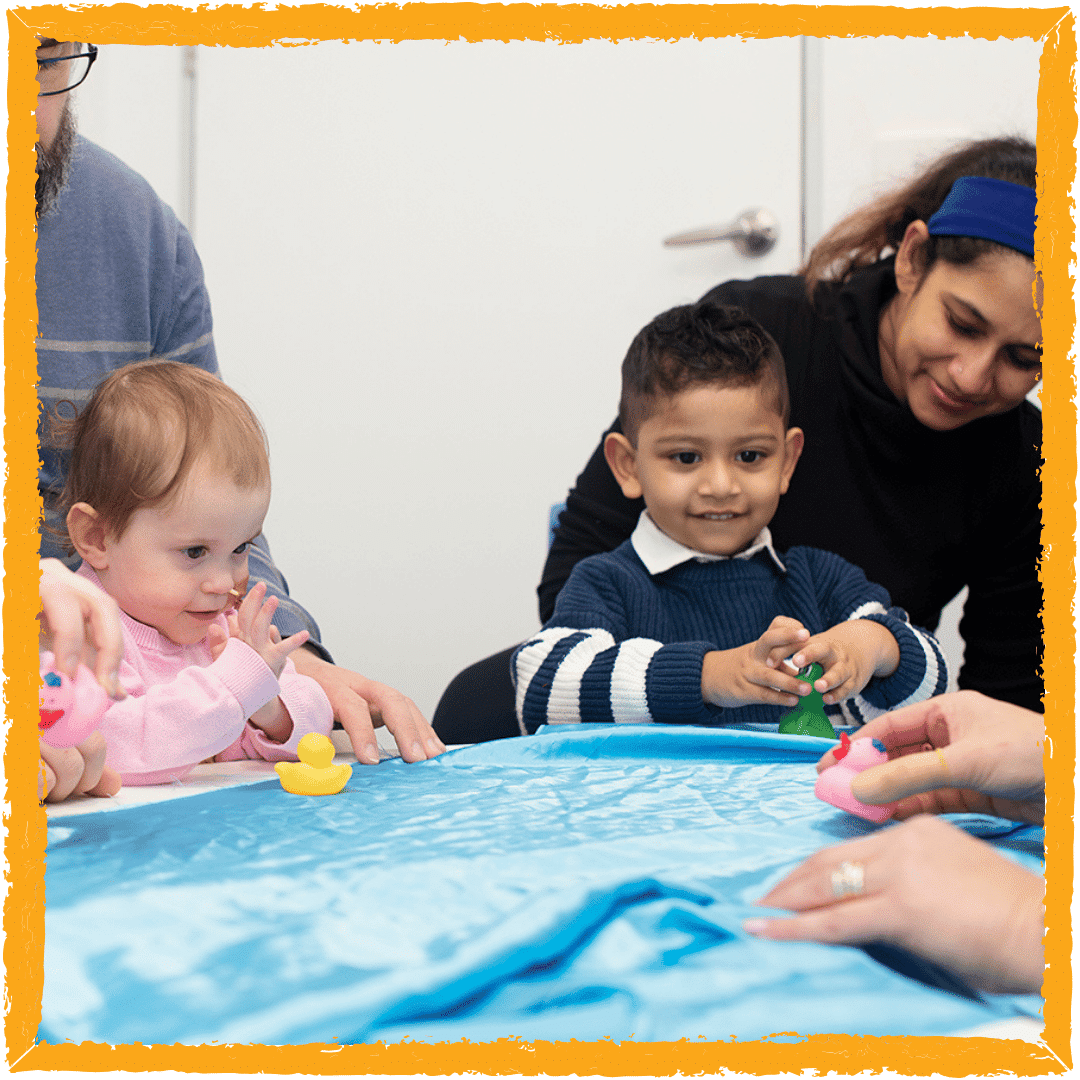
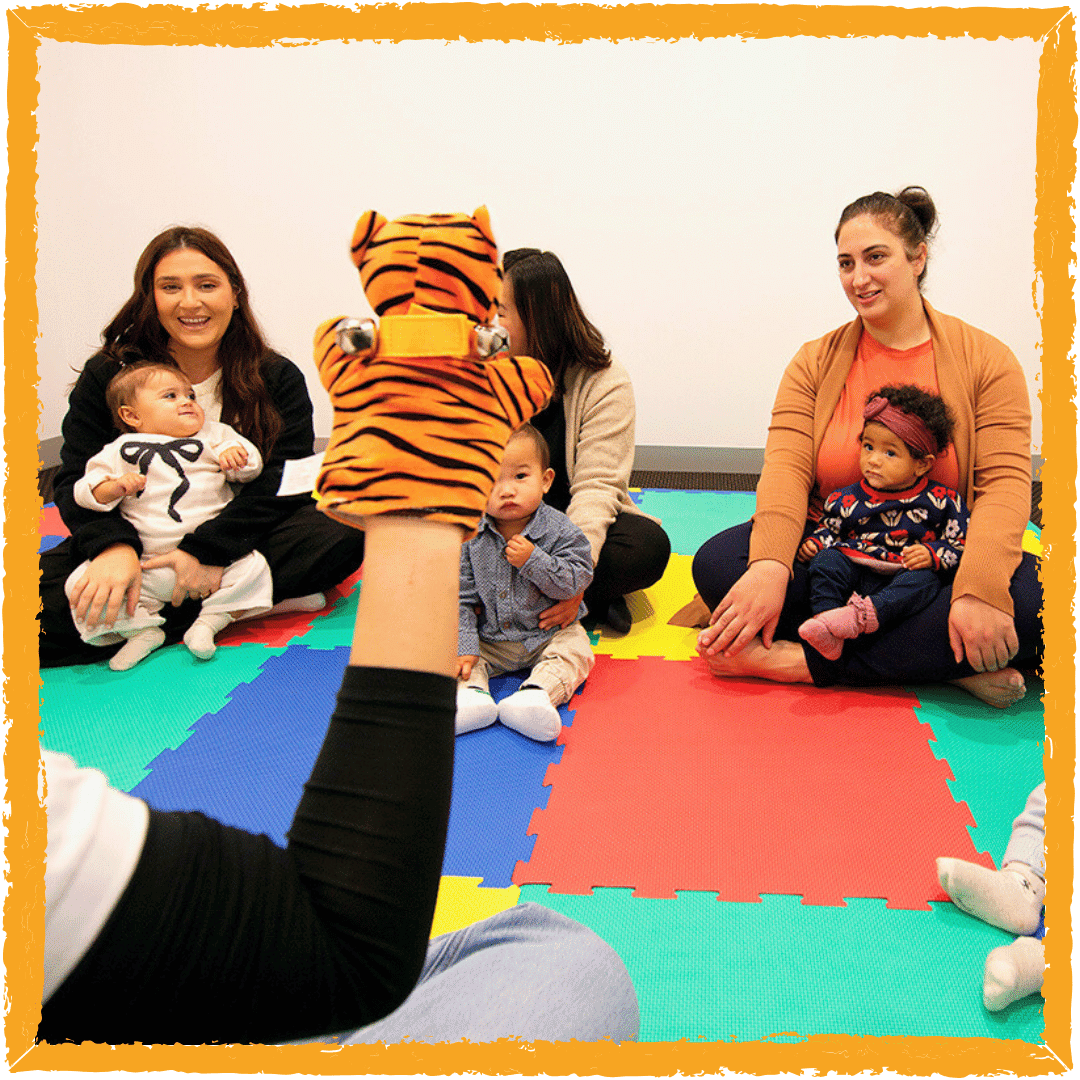
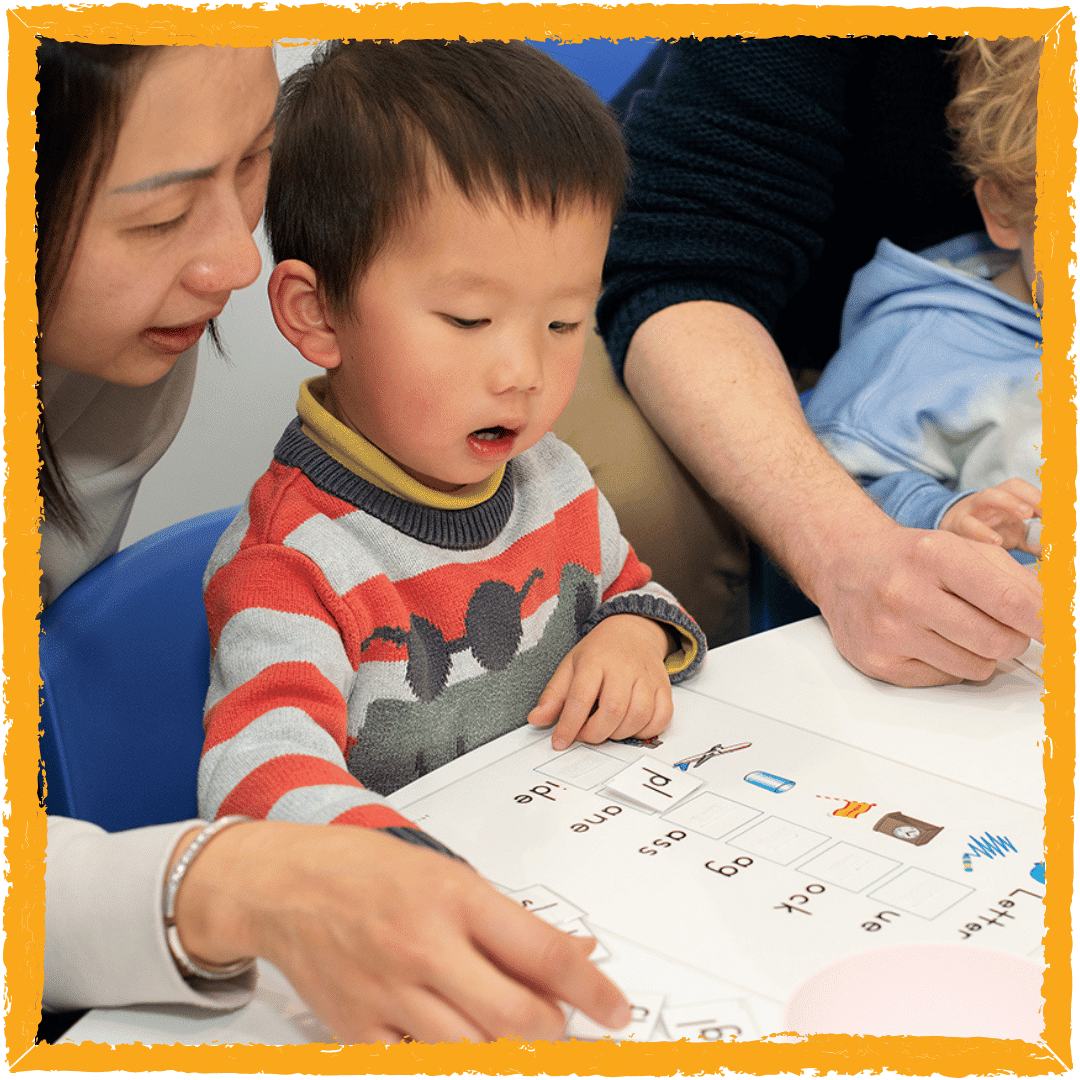
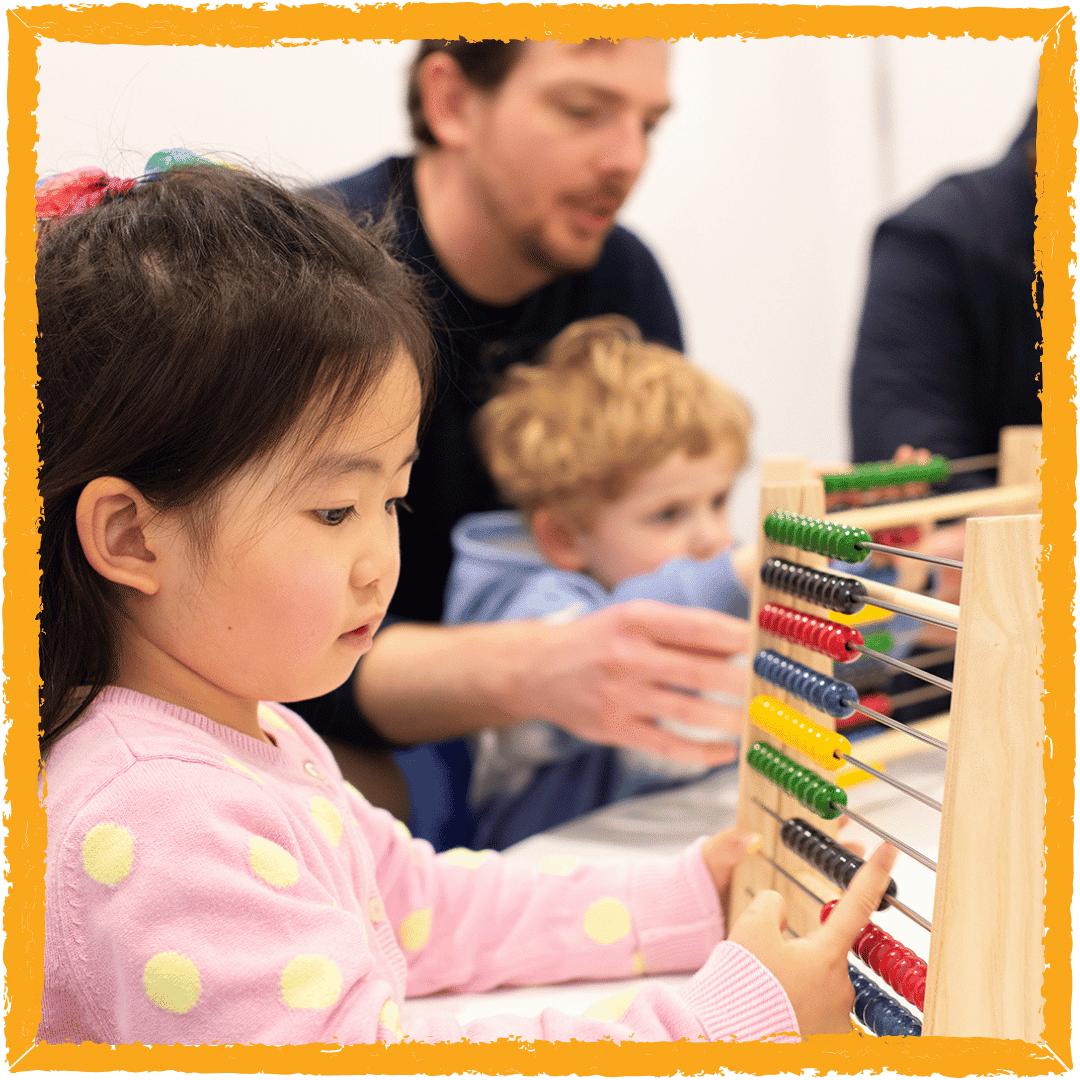
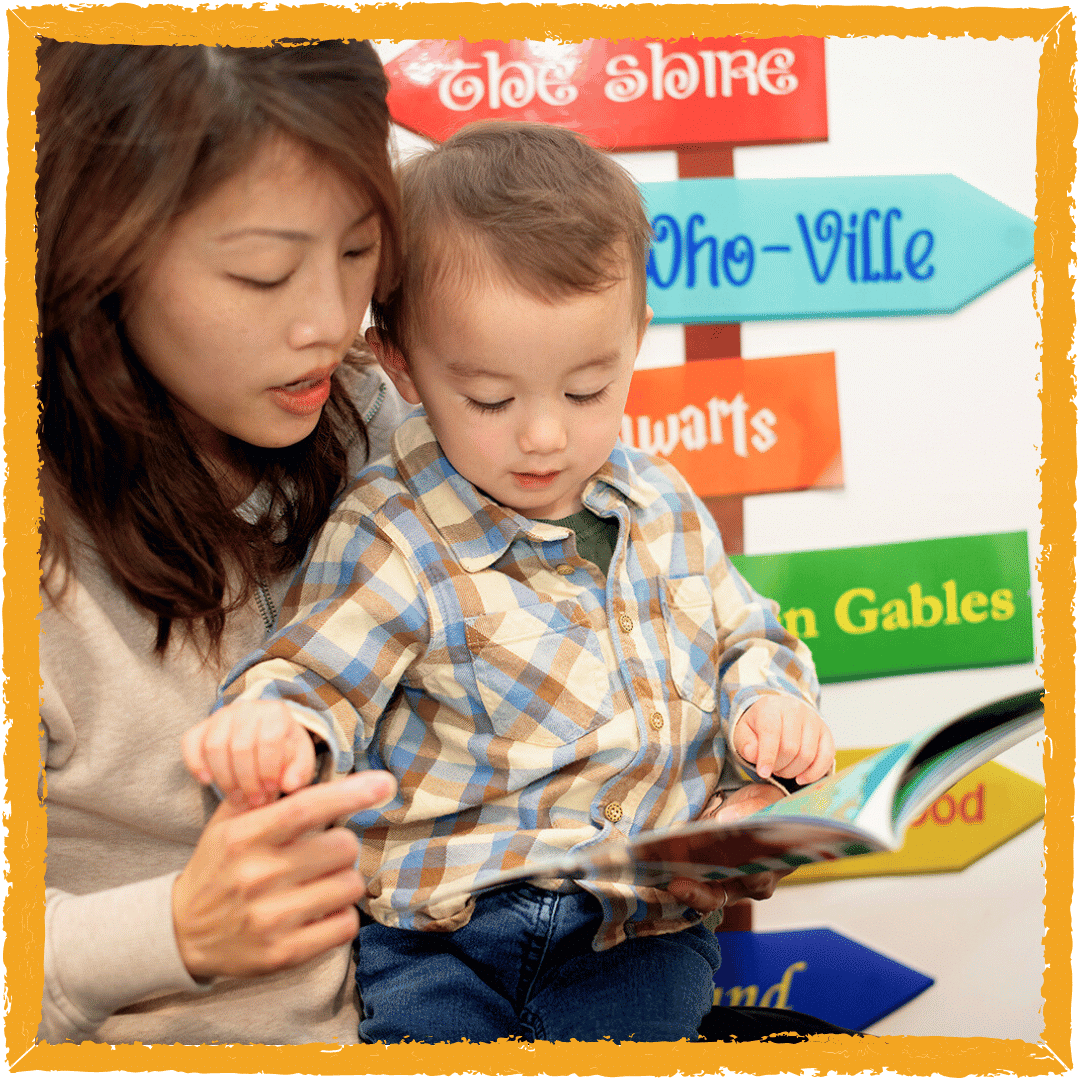
Image by Shichida Australia: Babies and parents enjoying a Shichida baby class together.
- Shop Shichida-Approved Toys for safe, developmental play at home
- Discover Our Sensory Programs for Infants & Toddlers to see sensory play in action
- Book a Trial Class today and experience how Shichida can transform learning for your child
FAQs: Baby Sensory Toys
Newborns benefit most from simple, gentle toys such as soft rattles, textured teething rings, and black-and-white high-contrast cards. These support early vision, sound awareness, and grasping.
Sensory play strengthens connections in the brain by engaging sight, sound, touch, and movement. These early experiences build the foundation for future skills like focus, problem-solving, and communication.
Toys like stacking rings, shape sorters, textured balls, and building blocks encourage grasping, pinching, and coordination. These movements prepare children for everyday tasks such as feeding themselves and holding crayons.
While not every toy needs to be labelled “sensory,” these toys are specially designed to nurture curiosity, encourage safe exploration, and support healthy development. They’re a helpful way to provide structured learning through play.
Versatile toys such as soft blocks, play gyms, and musical instruments can adapt as children develop. They start as simple exploration tools for babies and later become building or imaginative play toys for toddlers.
Less is more. A small rotation of 3-5 toys is usually enough. Limiting play to 1-2 toys at a time helps avoid overstimulation and allows your child to focus on exploring each toy fully.






























)