Foundation Skills in Early Childhood: A Parent’s Guide
Key Points:
- Foundation skills are the core building blocks of learning.
- Early development boosts confidence and school readiness.
- Play and routines nurture these skills naturally.
- Strong foundations support future success and resilience.
- Parents and communities share a key role in growth.
As a parent, you may often find yourself asking, “Am I preparing my child well enough for school?” or “What if my child is behind?” These are natural worries, especially in the toddler and preschool years when children are learning and changing so quickly.
The good news is that supporting your child’s development doesn’t have to be overwhelming. By focusing on foundation skills in early childhood, you can give them the confidence, readiness, and joy that come from strong early learning experiences.
Whether it’s singing a rhyme, counting steps as you climb the stairs together, or encouraging your child to share toys with a friend, every small moment adds up. These simple experiences lay the groundwork for school readiness, lifelong learning, and the self-belief children need to thrive.
At Shichida Australia, we know how important it is for learning to feel natural and engaging, not stressful! That’s why we place so much emphasis on building foundation skills through playful, hands-on experiences.
What Are Foundation Skills?
Simply put, foundation skills are the building blocks of learning. They are the essential abilities children develop in their earliest years, helping them grow into confident and capable learners.
Foundation skills are a blend of core academic, social, and practical capabilities. While adults may strengthen these skills later in education or work, for children they begin at home, long before formal schooling starts.
Foundation skills include:
- Literacy and communication: speaking, listening, early reading, and writing.
- Numeracy: counting, recognising numbers, and understanding patterns.
- Motor skills: both fine (holding a pencil, cutting with scissors) and gross (running, climbing).
- Social and emotional skills: sharing, resilience, empathy, and self-regulation.
The aim isn’t to push academics too early. Instead, it’s about creating a playful and supportive foundation that prepares children for school while letting them enjoy the process of discovery and learning.
Core Academic Foundations (Literacy, Numeracy, Communication)
Core academic skills may sound formal, but in the early years they are woven into everyday life. Reading a bedtime story together builds literacy. Counting apples at the supermarket builds
numeracy. Singing along to nursery rhymes strengthens both rhythm and vocabulary. These moments do not feel like lessons, yet they are some of the most powerful ways to prepare your child for school!
Social and Emotional Foundations
Academic foundations are only one part of the picture. Children also need the ability to share, cooperate, regulate emotions, and show resilience. These social and emotional skills are sometimes called “learning readiness skills” because they allow children to thrive in structured environments. When your child learns to wait patiently for a turn or expresses their feelings with words instead of frustration, they are developing abilities that will benefit them throughout life.
Why Foundation Skills Matter in Early Childhood

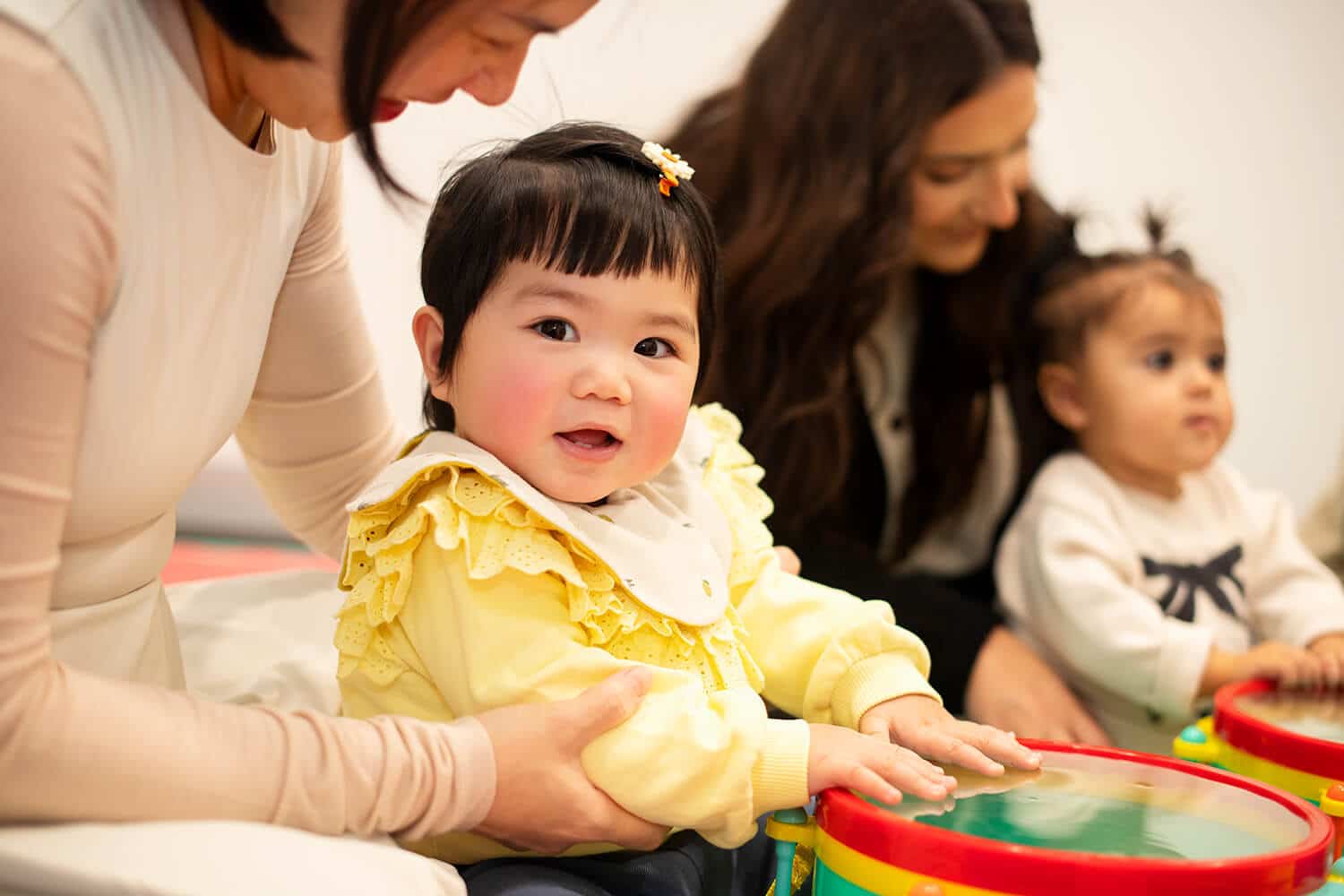
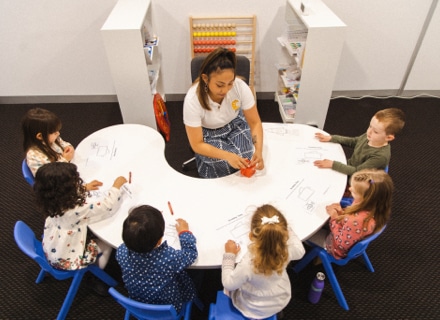
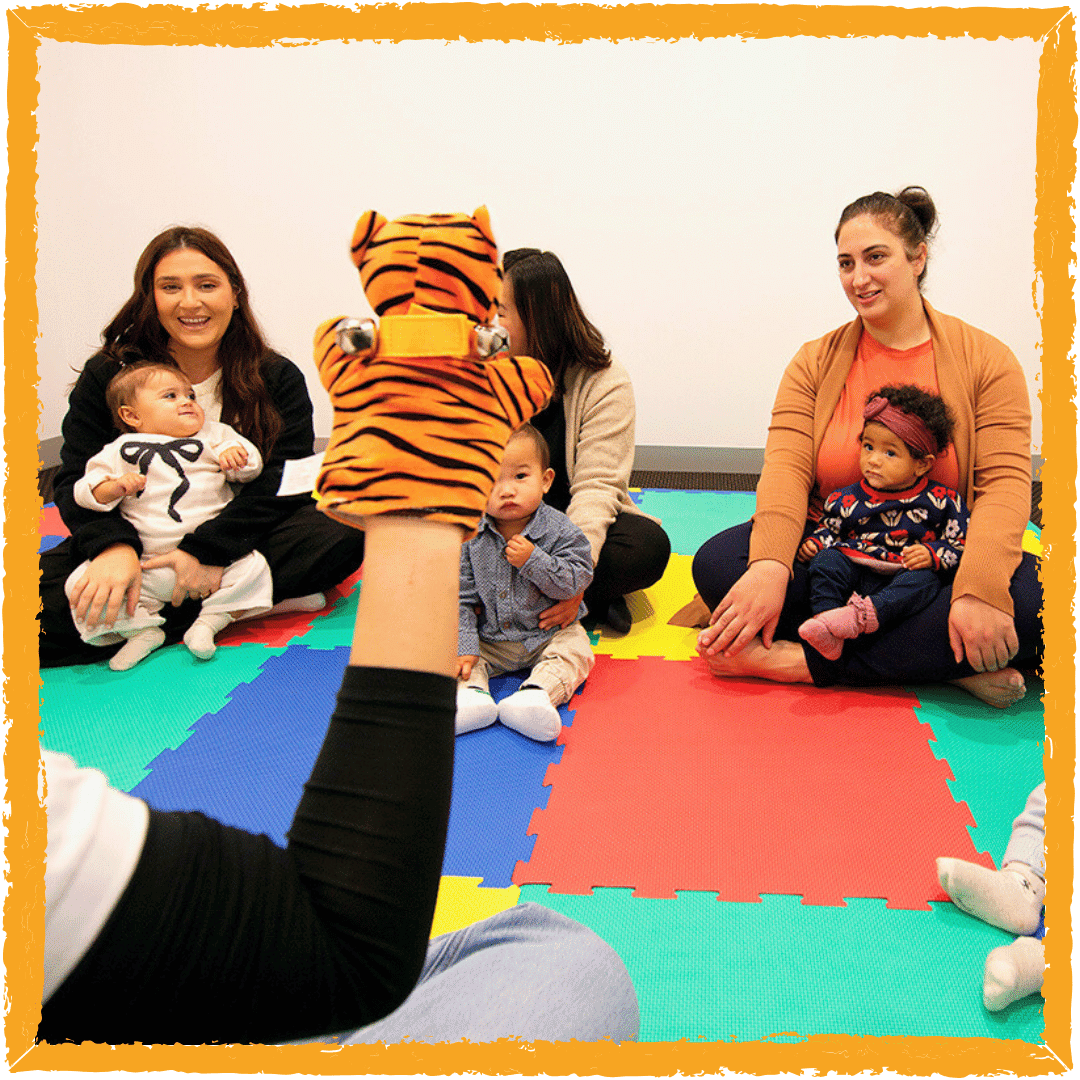
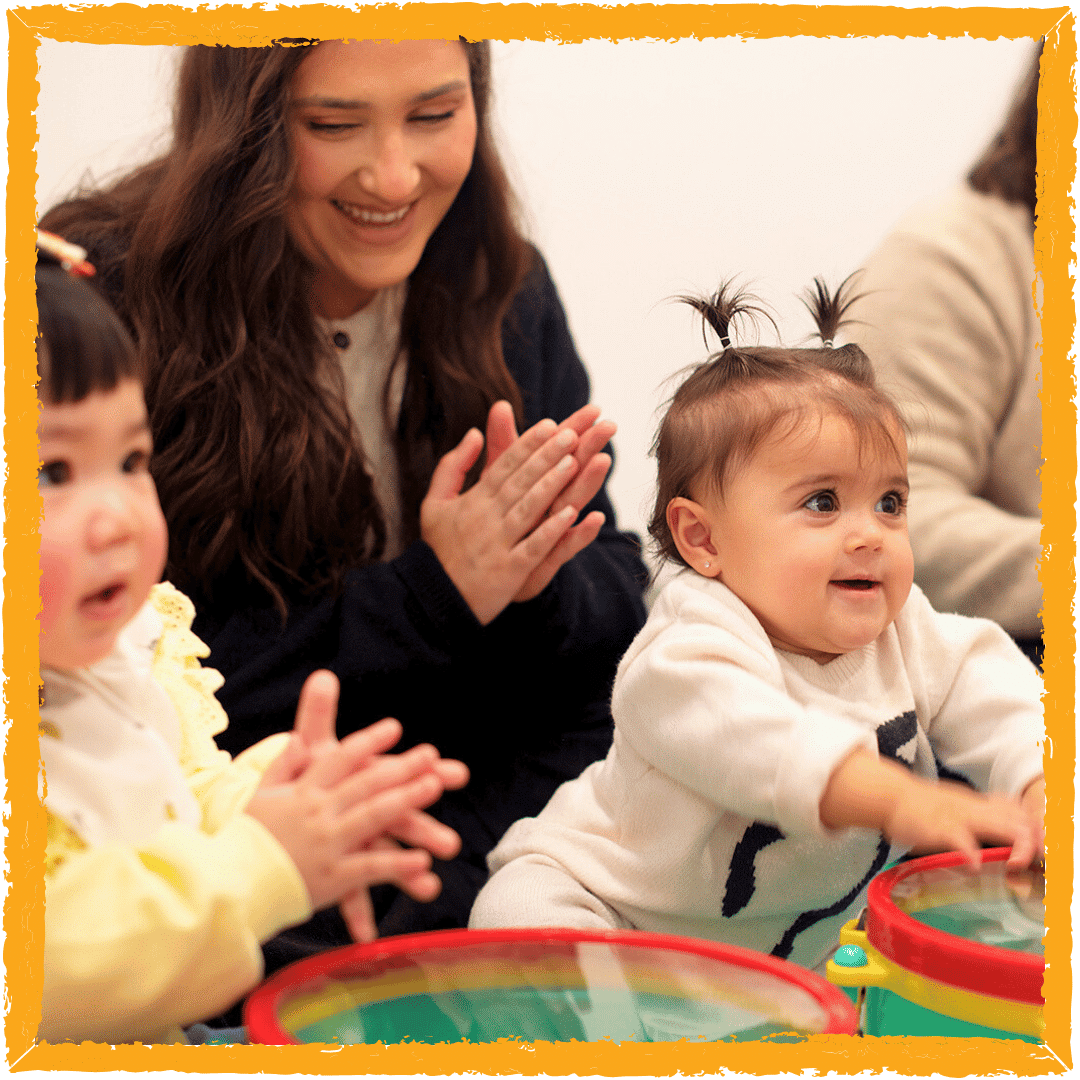
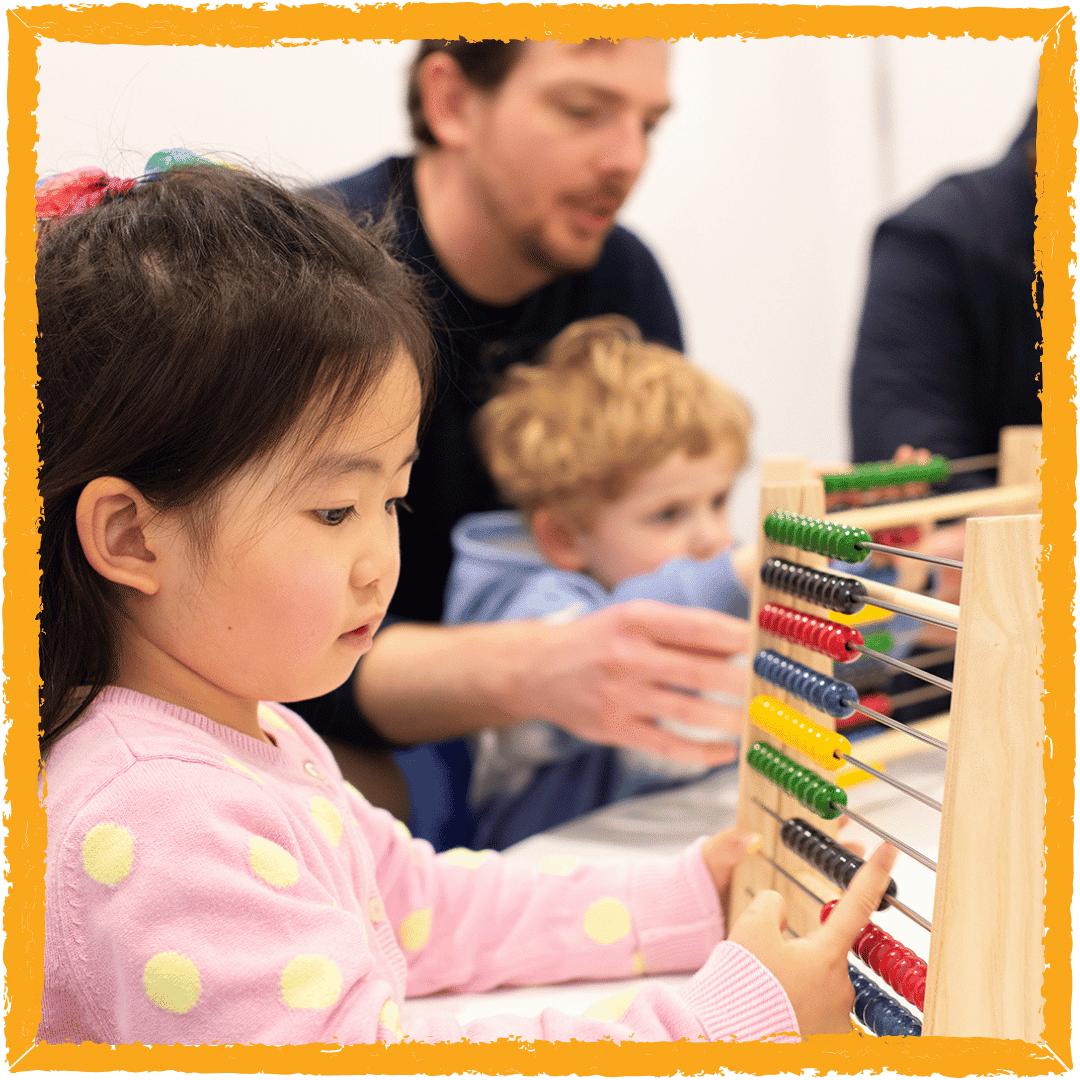
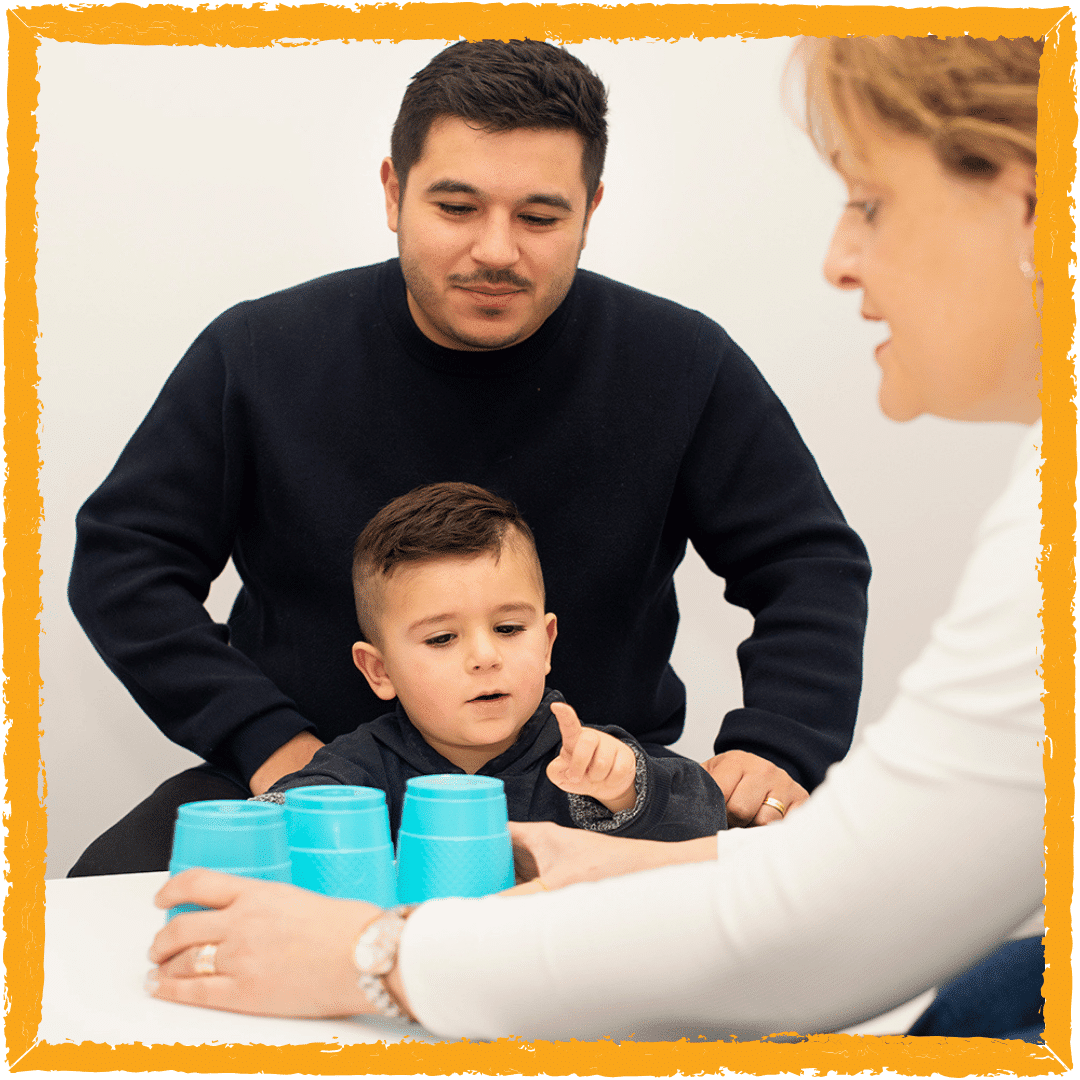
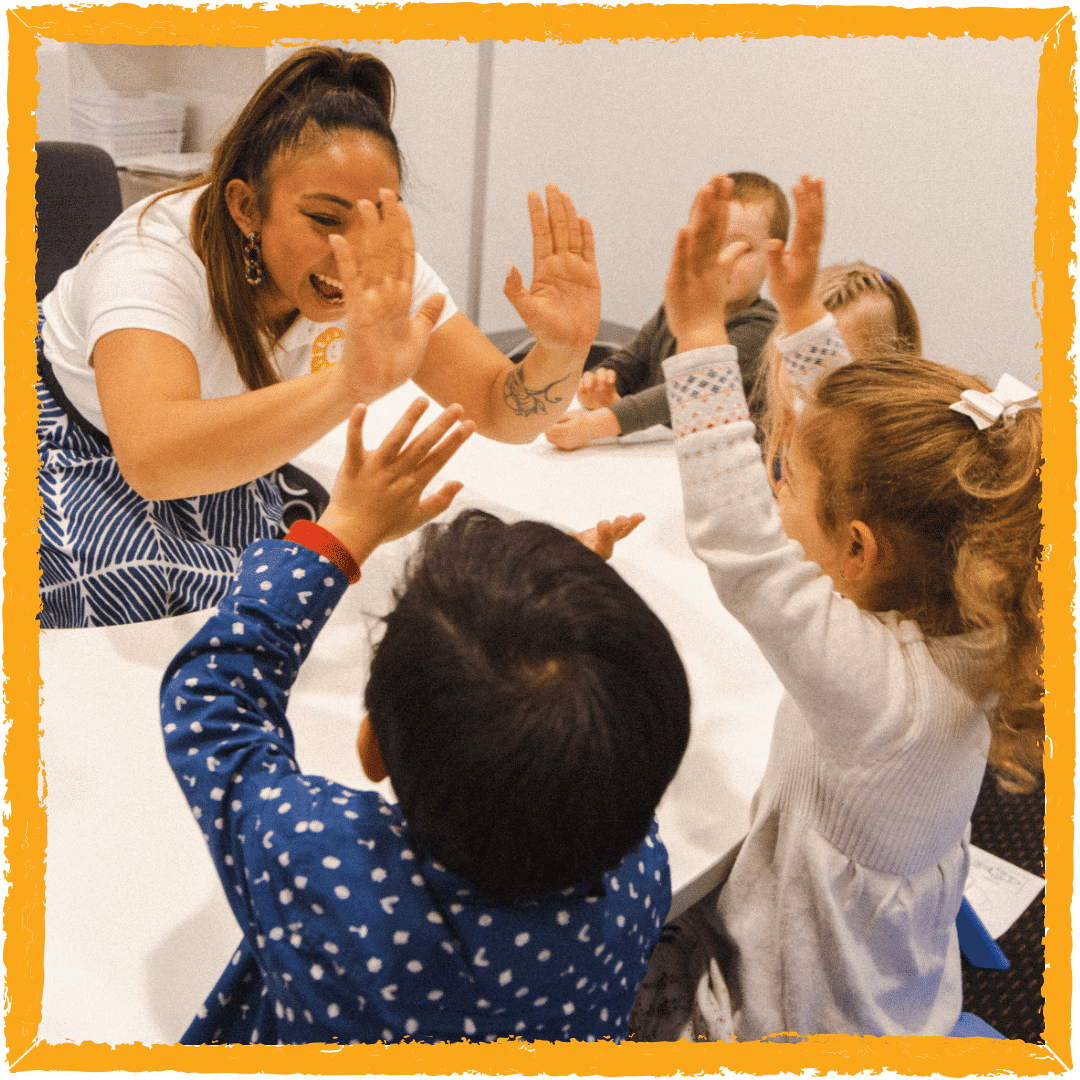
Photo from Shichida Australia: young children learning early numeracy skills through songs and play during a Shichida class.
The first years of life set the stage for everything that follows! Children who develop strong early learning skills often experience smoother transitions into school, greater curiosity about the world, and stronger academic outcomes.
The Harvard Center on the Developing Child explains that a child’s brain develops more rapidly in the first five years than at any other stage of life. This is called the Golden Period of Development. It means that the experiences your child has now will influence the pathways for future learning, behaviour, and health.
Connection to Brain Development
By age five, your child’s brain is around 90 per cent of its adult size. These early years are a time of intense brain wiring, where experiences literally shape how the brain functions. Sensory activities, songs, puzzles, and imaginative play all stimulate neural connections. The more varied and positive these experiences, the stronger the foundation for later, more complex learning.
Impact on School Readiness
When children begin school with well-developed foundation skills, they are better able to adapt to routines, follow instructions, and participate with confidence. It is not about knowing how to read or add numbers before school, but rather about entering the classroom ready to engage. Confidence, curiosity, and adaptability are what make the transition smoother.
Types of Foundation Skills Every Child Needs
Every child benefits from a broad mix of skills. Here are the most important areas for parents to focus on in the toddler and preschool years.
Literacy and Language Skills
Language and literacy begin long before a child learns to read. They start with listening, responding, and communicating through sounds, gestures, and eventually words.
Parent tips:
- Read aloud to your child daily. Even ten minutes makes a difference.
- Sing songs, chants, and rhymes together to build rhythm and vocabulary.
- Play simple word games like naming objects in the room.
- Encourage your child to tell stories in their own words, no matter how simple.
Numeracy Skills
Children can learn early math concepts through play and everyday experiences.
Parent tips:
Involve your child in cooking, letting them measure ingredients.
- Count everyday objects like cars, blocks, or fruit.
- Go on a shape hunt in the house or outdoors.
- Sort toys into categories such as colour, size, or type.
Fine and Gross Motor Skills
Motor skills allow children to participate fully in learning and play.
Parent tips:
- Offer crayons, pencils, and scissors to practise fine motor control.
- Encourage play with blocks, puzzles, and threading beads.
- Provide opportunities for running, climbing, riding bikes, and ball games.
- Create fun obstacle courses in the garden or living room.
Social Interaction Skills
Children thrive when they learn to relate to others. Social skills build empathy, cooperation, and problem-solving abilities.
Parent tips:
- Encourage turn-taking in games.
- Role-play situations like sharing or asking for help.
- Talk about feelings openly: “How do you think she felt when that happened?”
- Arrange playdates or group activities.
How Parents Can Support Foundation Skills at Home

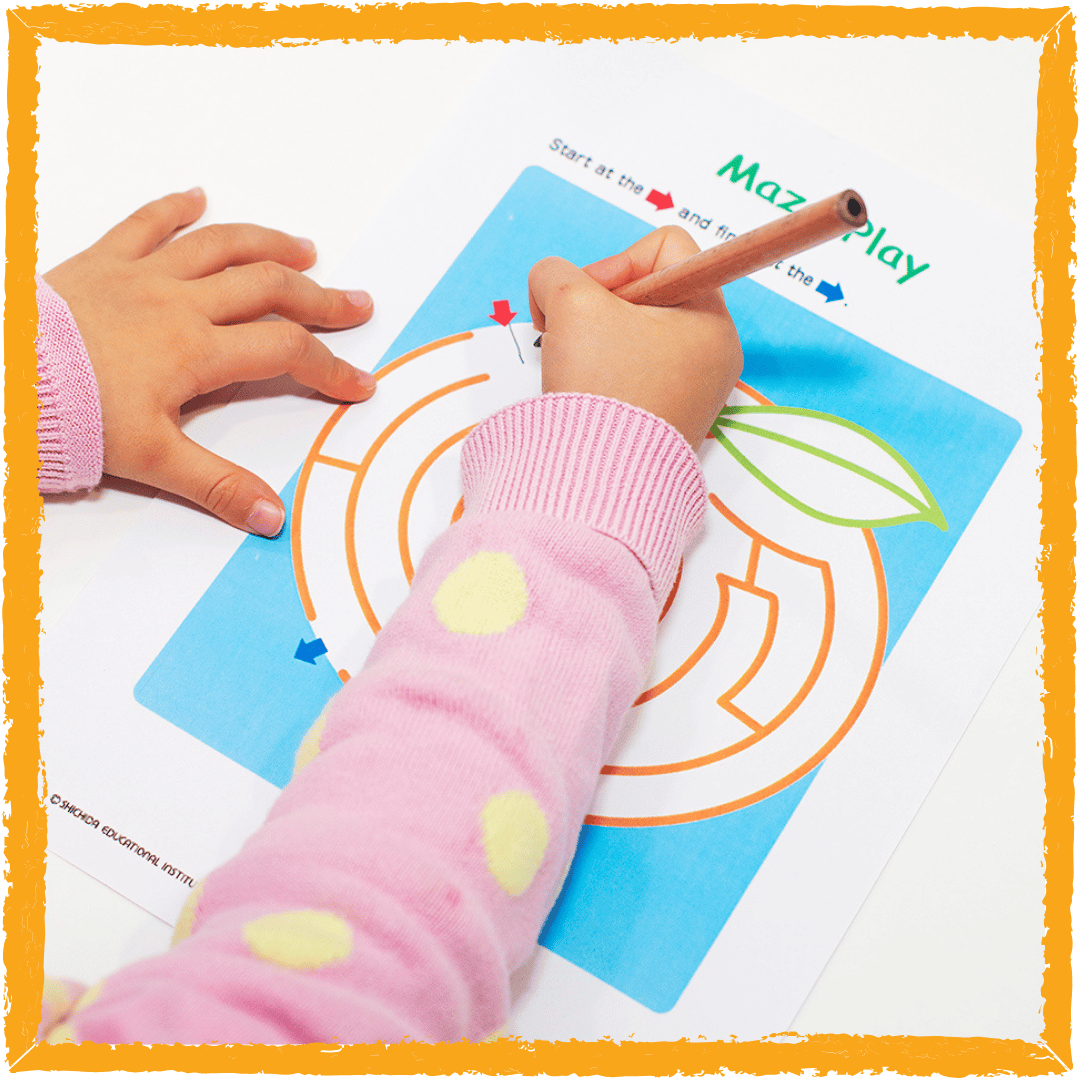
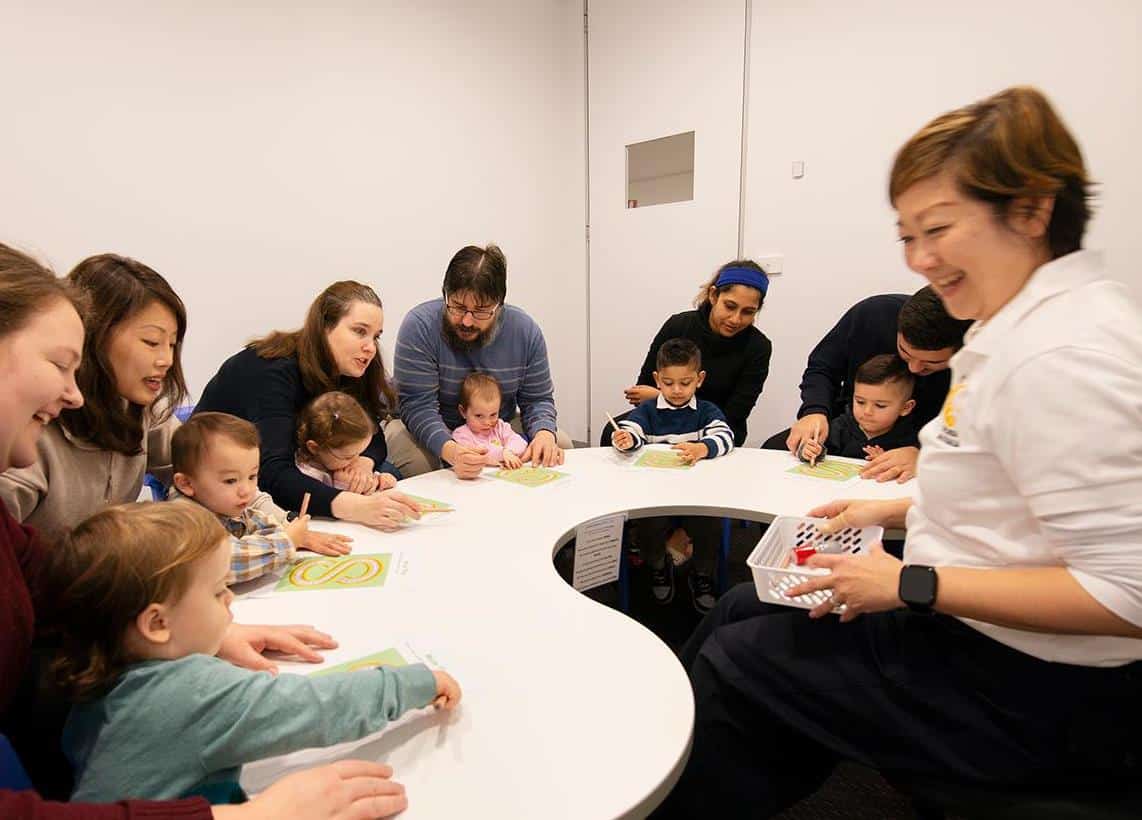
Photo by SHICHIDA at Home: Kids love to cut, paste and create! Try guided, age-appropriate workbooks for kids that encourage cutting, tracing and problem solving!
The best learning opportunities come from everyday routines, family interactions, and playful learning.
Everyday Activities That Build Skills
- Write shopping lists together and let your child “read” or tick them off.
- Invite your child to help with household chores, such as sorting laundry or setting the table.
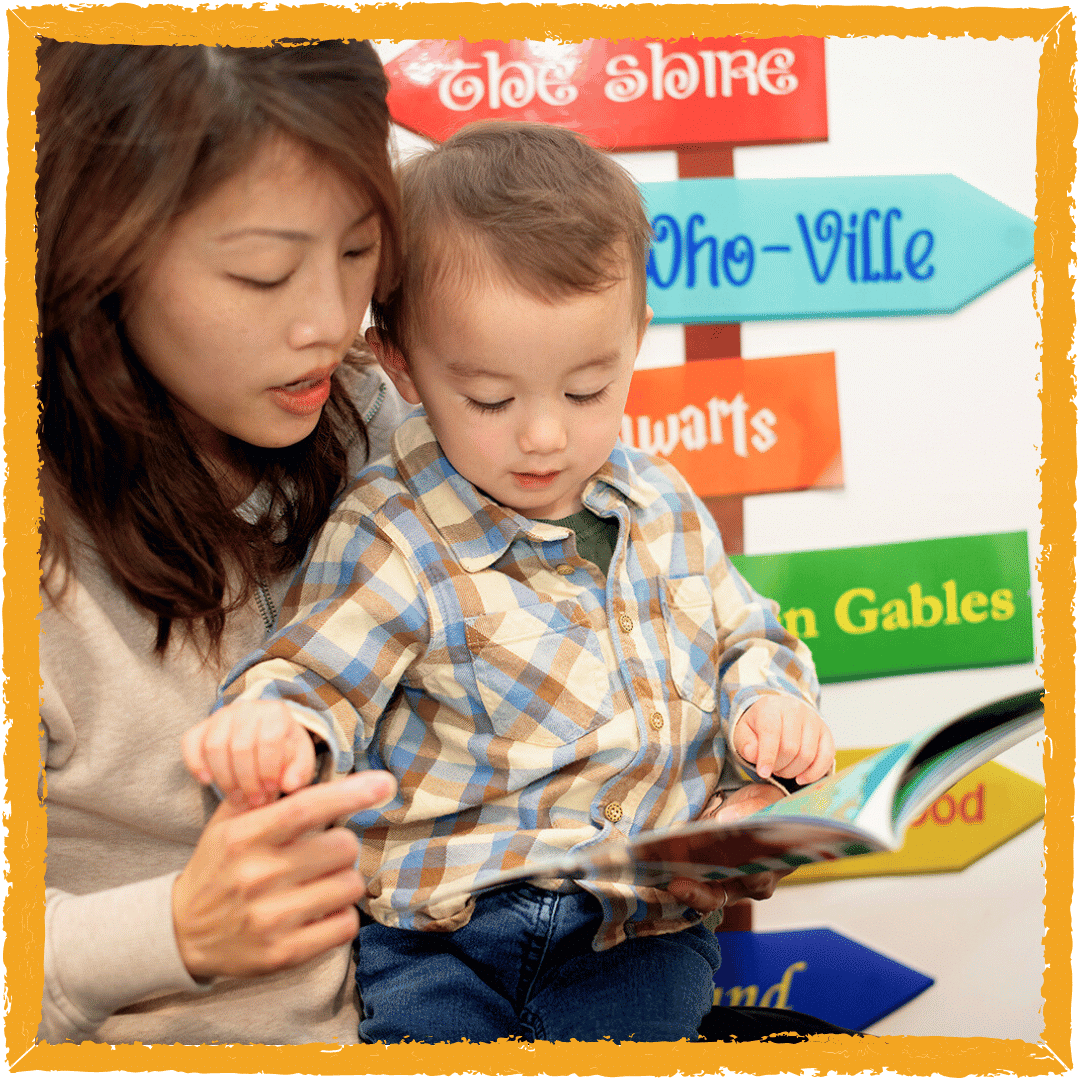
- Share bedtime stories and ask open-ended questions.
- Explore nature by collecting leaves, counting stones, or describing animals.
Explore Shichida’s toddler classes designed to strengthen foundation skills through fun and structured activities.
Play-Based Learning Approaches
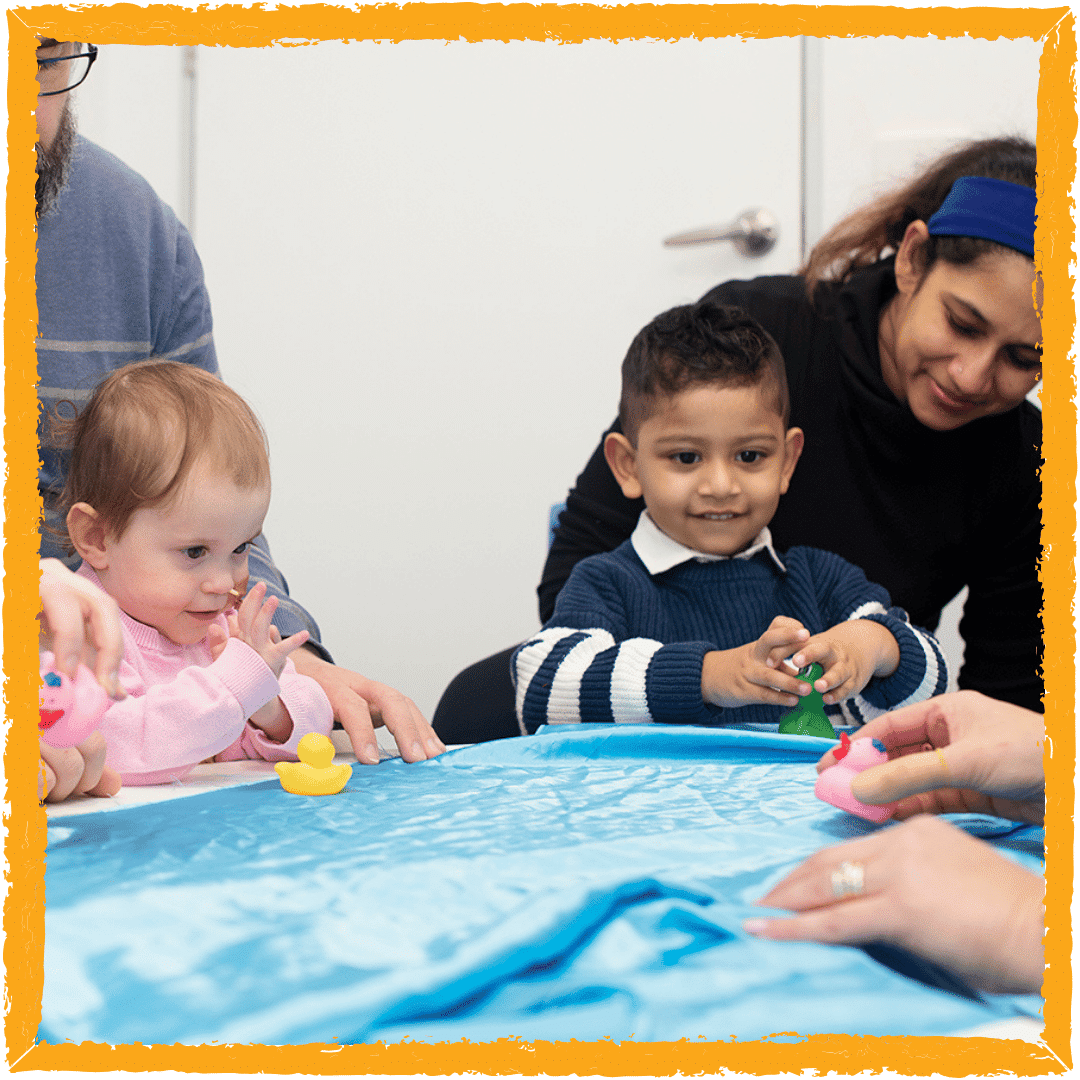
Play is not a break from learning. Play is learning! Through play, children experiment, solve problems, and use imagination.
Examples of play-based learning:
- Building with blocks teaches balance, planning, and persistence.
- Pretend play develops storytelling, cooperation, and empathy.
- Outdoor exploration encourages curiosity, observation, and problem-solving.
Play-based learning gives children resilience and adaptability, skills they will use long after they leave school.
Creating a Learning-Friendly Environment
Your home environment sets the tone for how your child sees learning.
Ideas to try:
- Create a reading corner with books and cushions. Provide a small table for puzzles, art, or games.
- Offer sensory play trays with sand, water, or rice.
- Keep paper, crayons, and markers available for creative expression.
The Role of Early Childhood Education Programs
While parents provide the first lessons in life, early education programmes add structure, socialisation, and consistency.
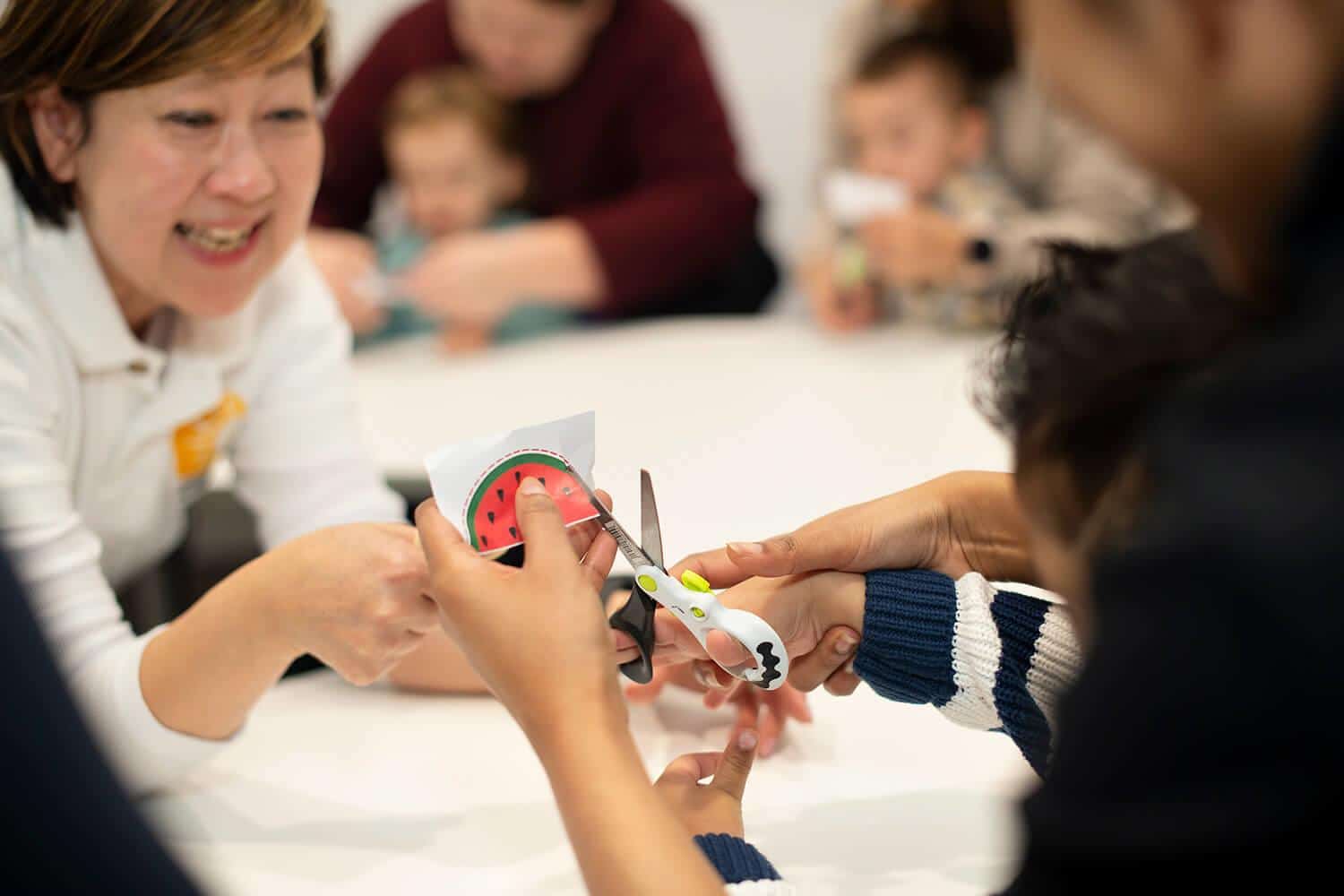
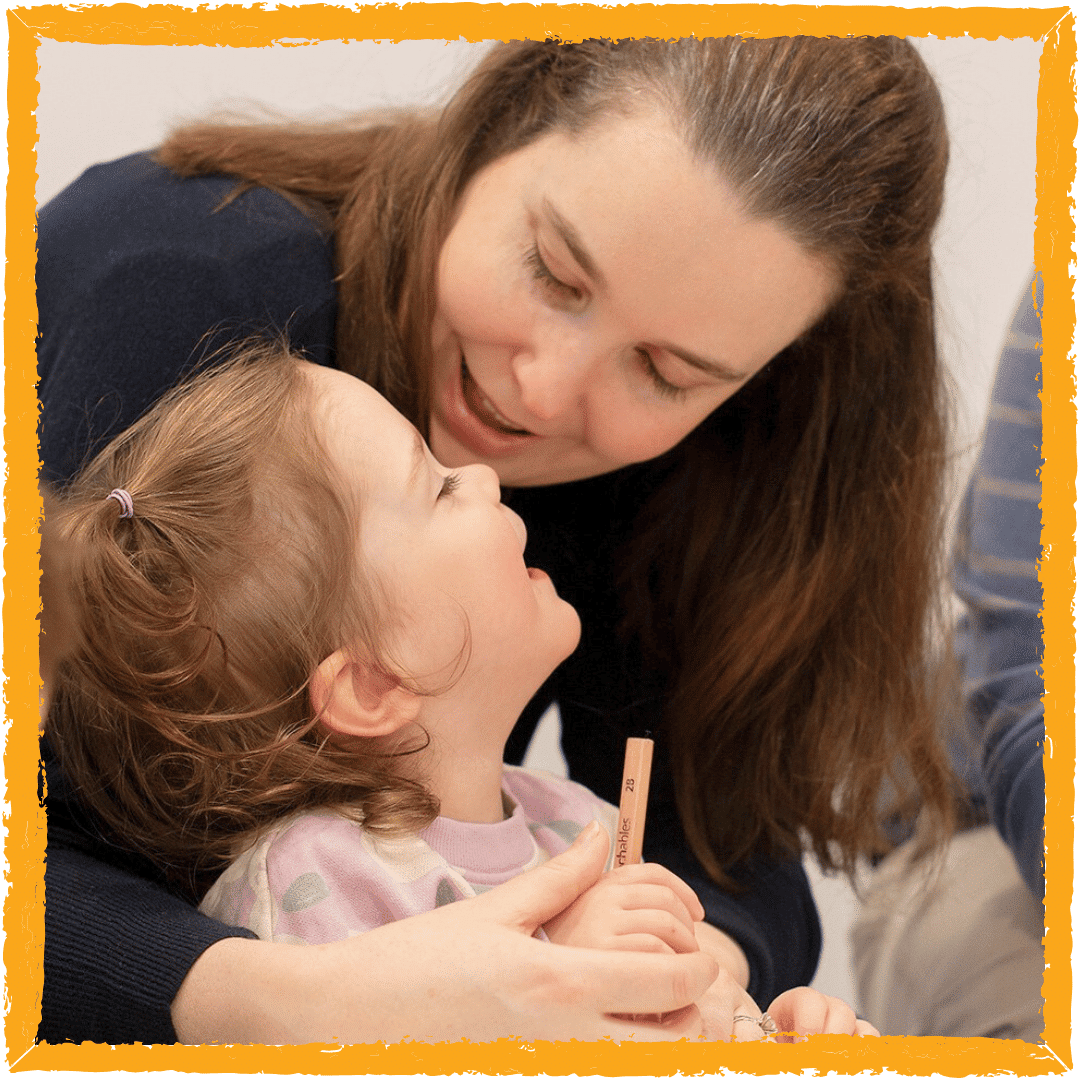
Photo from Shichida Australia: A certified Shichida instructor guides a toddler on how to cut a curved shape, during a fun Shichida class.
Structured Learning in Early Learning Programs
Preschools and preschool programs introduce routines, group learning, and a balance of literacy and numeracy activities. This prepares children for the expectations of formal schooling. Importantly, these experiences build confidence in a safe environment where mistakes are part of learning.
Importance of Sensory and Experiential Learning
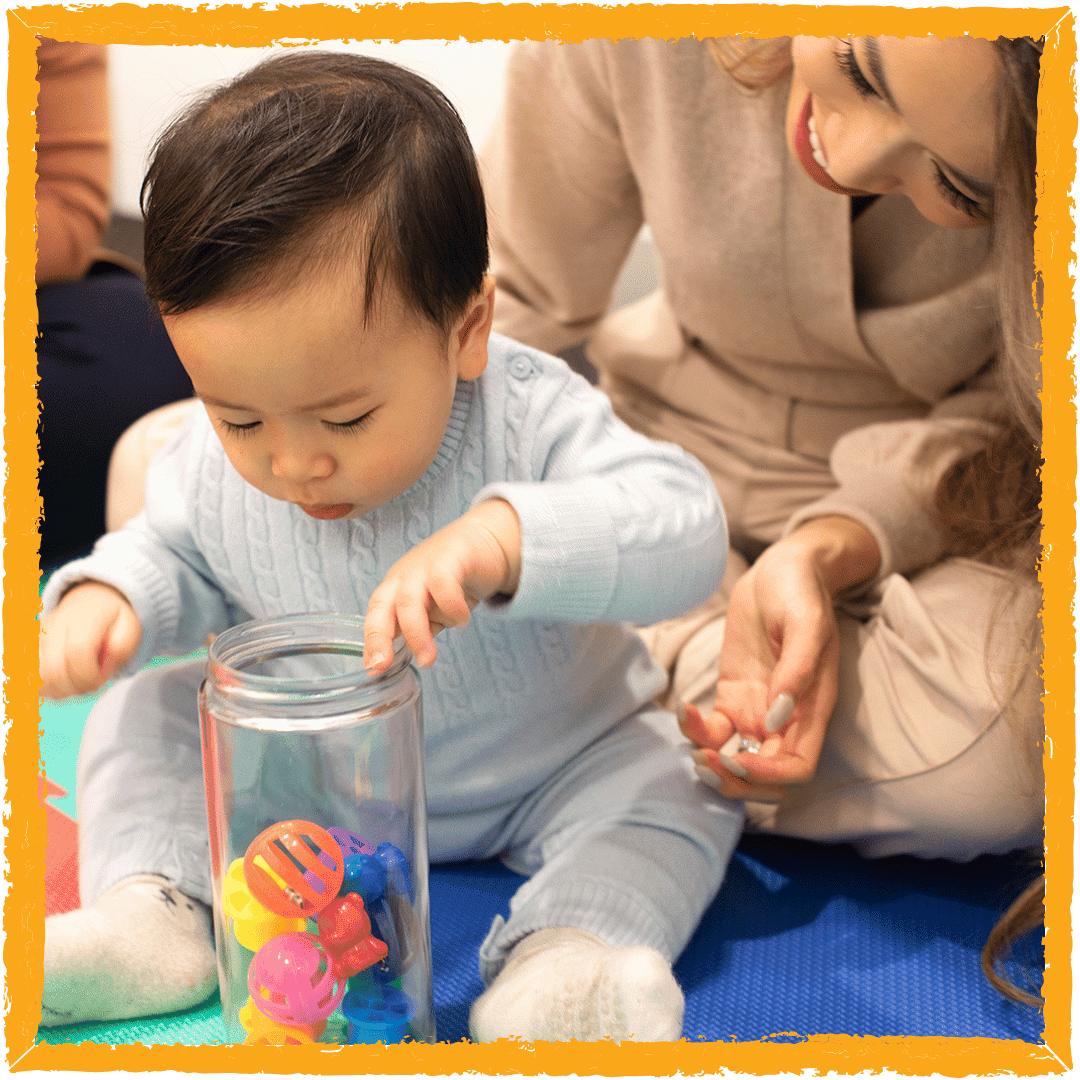
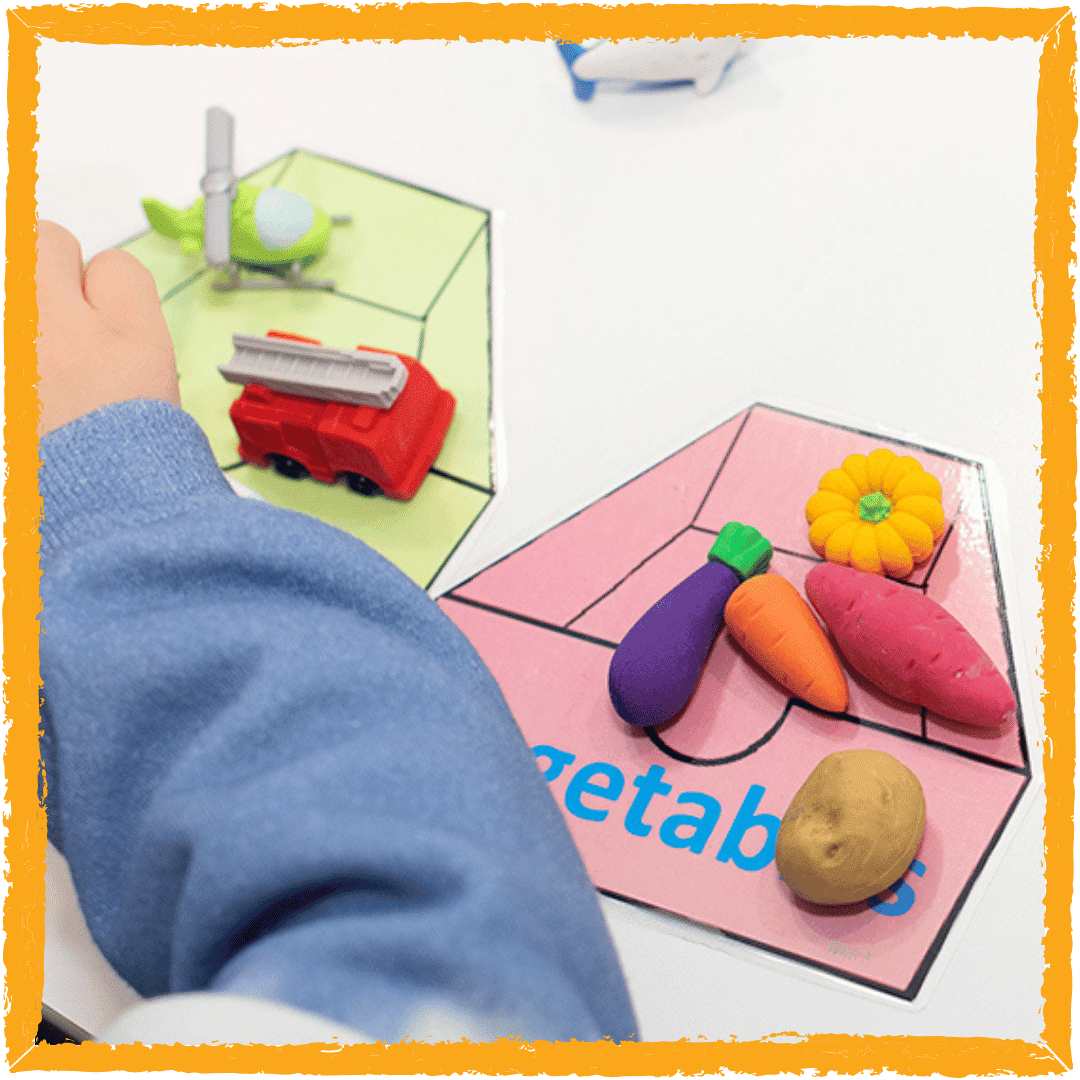
At Shichida, we emphasise sensory play as a foundation for all learning! By engaging the senses, children absorb information more deeply. For example, touching and moving objects while counting, helps children understand numbers in a tangible way. Sensory-rich activities not only strengthen memory but also make learning enjoyable.
Challenges Parents May Face
Every parent encounters challenges when supporting their child’s development. You are not alone in facing them, and solutions are often simpler than you think.
Overcoming Screen Time Dependence
Screens are part of modern family life, but overuse can reduce opportunities for active play and learning.
Tips for balance:
- Set clear daily limits.
- Choose purely interactive and educational content when using screens.
- Encourage outdoor and creative play as alternatives.
Addressing Learning Differences Early
Some children may need extra support in areas such as speech, motor development, or social skills. Early intervention is key. If you have concerns, speak to your GP, early childhood teacher, or a specialist. The earlier support begins, the greater the chance of positive outcomes.
Looking Ahead: How Foundation Skills Evolve as Children Grow
Foundation skills are not confined to preschool years. They continue to grow and adapt as children enter school and beyond.
From Play to Academic Readiness
The storytelling and rhymes of early childhood evolve into reading comprehension. Counting toys turns into solving math problems. Group play develops into teamwork skills for projects and sports. The foundations built now create smoother transitions into formal academic tasks.
Lifelong Benefits of Strong Foundations
Children with strong foundation skills show resilience, adaptability, and confidence. These qualities influence not only academic achievement but also relationships, problem-solving, and workplace readiness in adulthood. Investing in these skills now pays dividends for a lifetime.
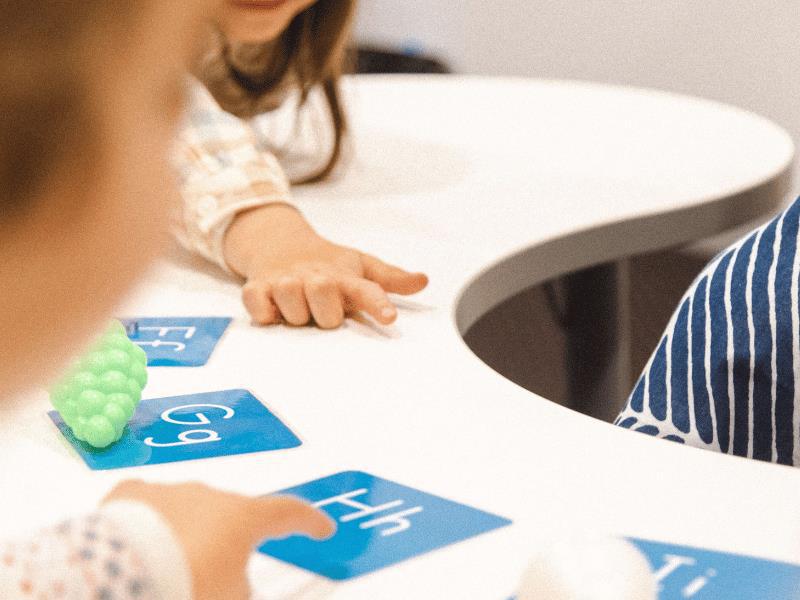
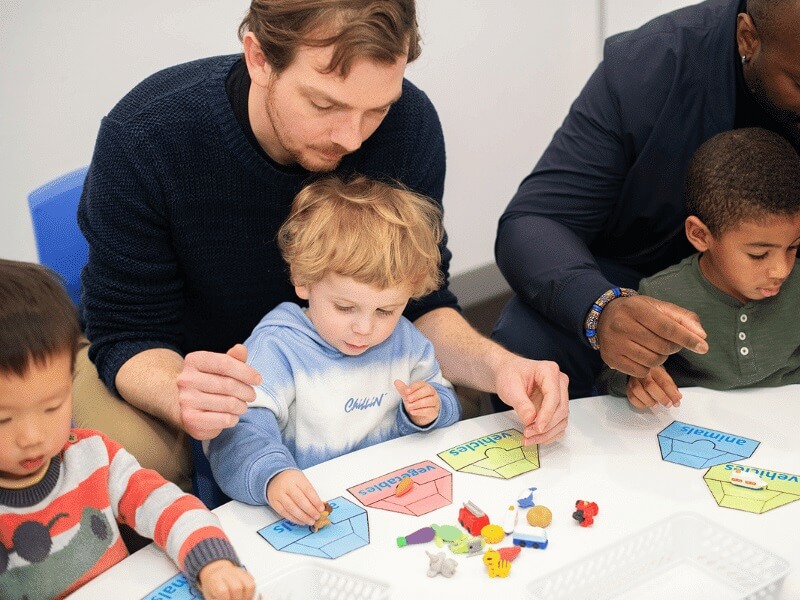
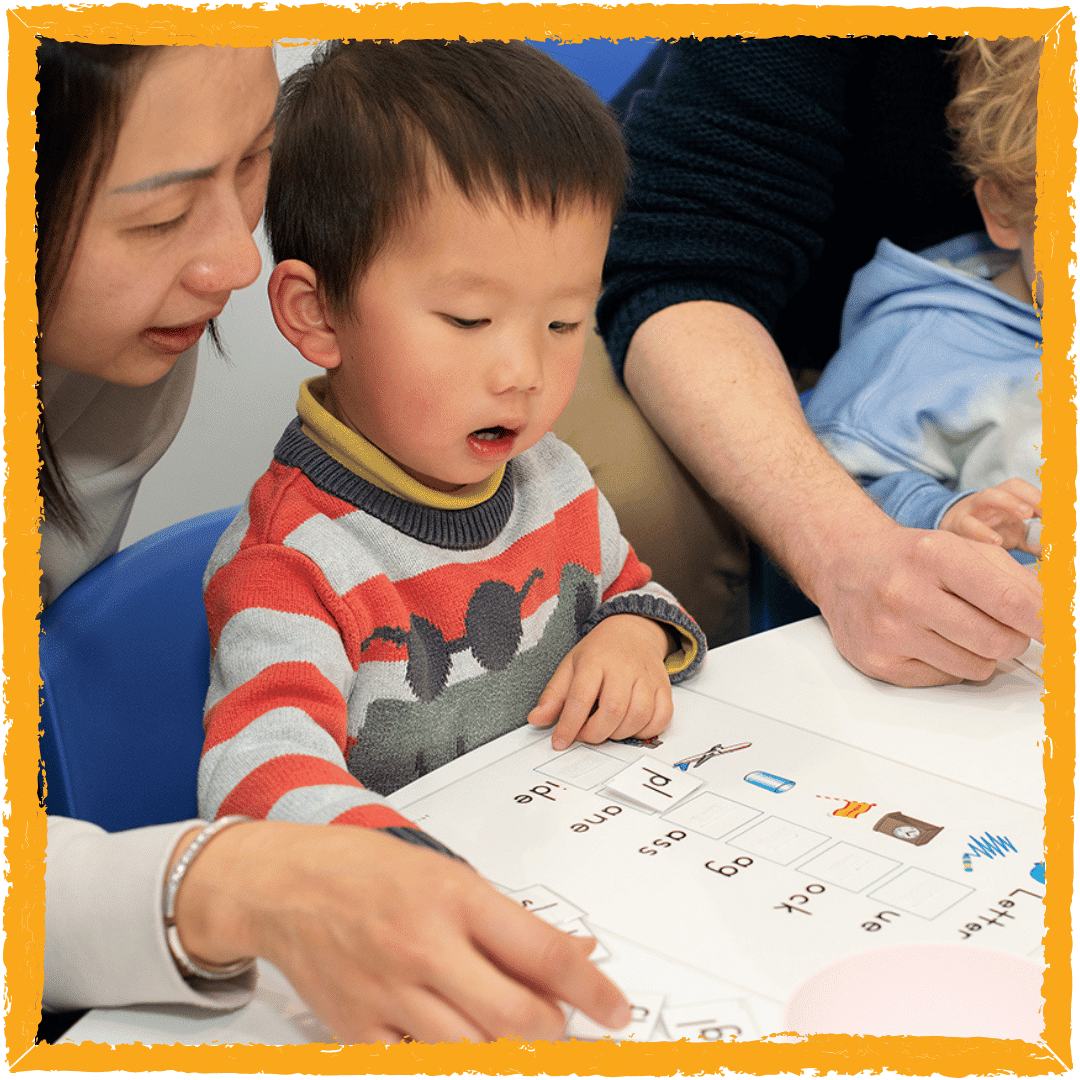
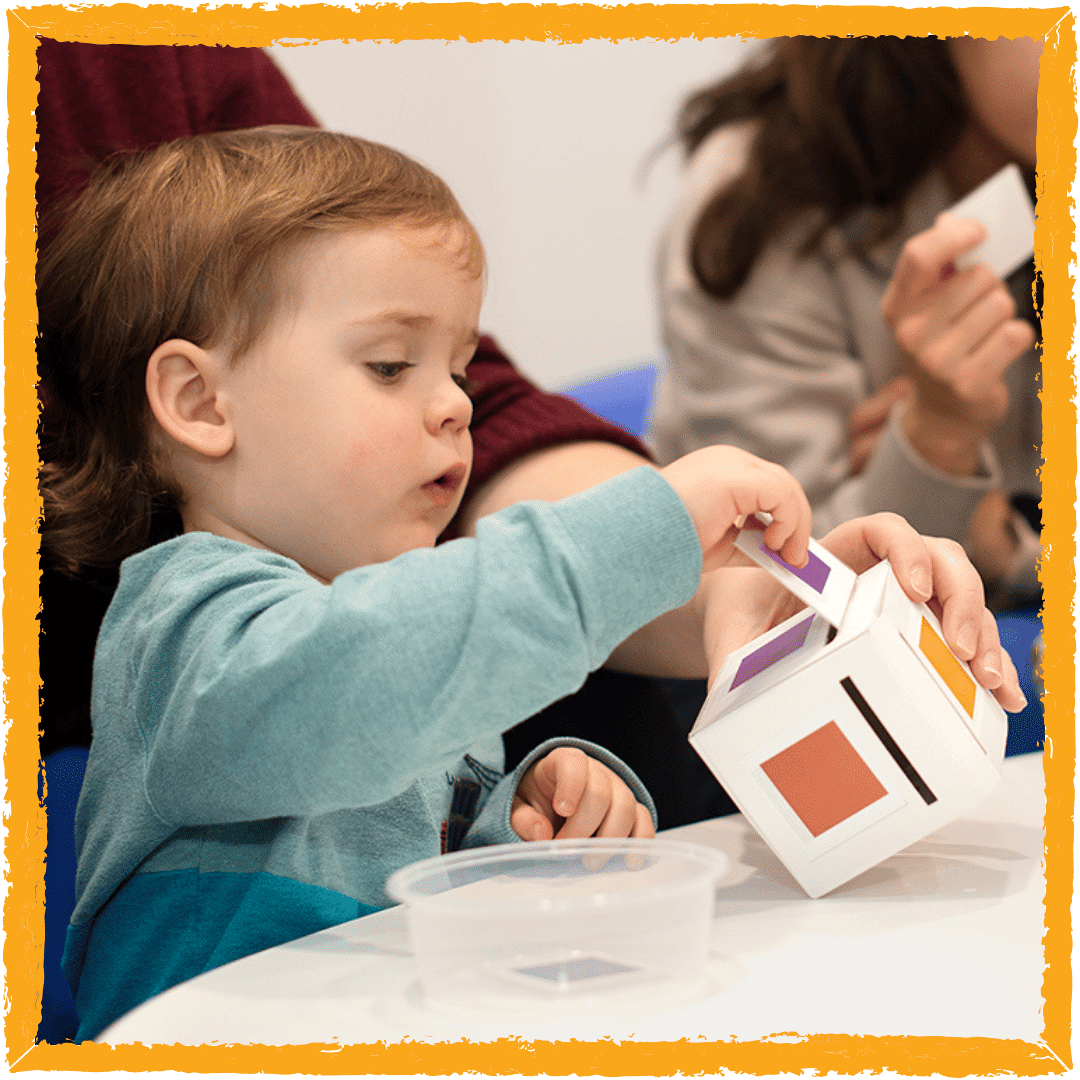
Photo by Shichida Australia: Children playing a phonics game during a fun Shichida class.
Start building your child’s foundation skills today with Shichida’s proven early learning program. Explore classes designed to nurture literacy, numeracy, social, and motor skills in a joyful and supportive way. Book a trial class today!
FAQs: Foundation skills
They are the essential building blocks of learning, including literacy, numeracy, motor, social, and emotional skills.
They help children feel confident, adapt to routines, and engage positively with learning.
Read daily, sing rhymes, and encourage your child to tell stories.
Baking, sorting toys by colour or shape, matching games, and counting everyday objects.
They encourage empathy, resilience, cooperation, and self-regulation.
Yes, excessive screen time can reduce active play and learning opportunities.
They provide structure, routines, and group learning experiences.
Watch for delays in speech, motor skills, or social interaction and seek early advice from a professional.
Basic communication, following instructions, simple counting, and early social play.
No. Academic skills are part of foundation skills, but they also include motor, social, and emotional abilities.
Through structured, sensory-rich, play-based activities that nurture literacy, numeracy, creativity, and emotional growth.