
Asynchronous Development in Children: A Parent’s Guide
Key Points:
- Asynchronous development is normal and not a disorder.
- Children may show advanced skills in one area but delays in another.
- Early support can help balance emotional and intellectual growth.
- Parents and teachers play a key role in guiding children through this stage.
- With patience and nurturing, many children gradually grow into balance.
Parenting is full of surprises. One day, your four-year-old might wow you with words well beyond their years, and the next, they’re in tears because their sandwich was cut the “wrong” way! If you’ve ever wondered why your child can read chapter books but still struggles to share toys at playgroup, you may be seeing something called asynchronous development.
The good news? Uneven growth is completely normal. It’s a natural part of how children learn and mature. Knowing this can take a weight off your shoulders and help you respond with more patience. It also means you can give your child the right mix of support, encouragement, and gentle guidance.
In this guide, we’ll unpack what asynchronous development means, how to recognise it, and most importantly, how you can support your child’s journey towards balance – in both learning and life.
What is Asynchronous Development?
Put simply, asynchronous development means a child’s skills don’t all grow at the same pace. Instead of moving steadily across intellectual, emotional, physical, and social milestones, some areas may race ahead while others take more time to catch up.
Many parents first hear this term when raising gifted children. A child might display advanced intellectual abilities but still struggle with self-control or emotional regulation. But asynchronous development isn’t limited to giftedness – it’s something that can show up in many children.
For example, your toddler may speak in full sentences yet find motor tasks like climbing stairs challenging. Or your preschooler might breeze through puzzles but feel anxious in group play. These uneven patterns of growth are all part of the picture.
According to SENG (Supporting Emotional Needs of the Gifted), children with asynchronous growth often experience the world in “out-of-sync” ways. This doesn’t make them abnormal – it simply means their brains and bodies are developing at different paces.
Key Characteristics Parents May Notice
Parents are often the first to notice uneven growth. For example:
- Advanced language but delayed self-regulation: Using big words one moment, having a big meltdown the next.
- Emotional sensitivity with strong problem-solving skills: Solving puzzles with ease but falling apart over a broken crayon.
- Physical vs intellectual mismatches: Knowing exactly how something works but not yet able to make their hands do it.
These contrasts can be confusing, but they’re a normal part of growth. Children don’t develop in perfect sync, and your role is to guide them through it with patience and empathy.
Early Signs Parents Can Spot
Every child is different, but some early clues can help you understand uneven growth:
- Intellectual vs emotional growth: Reading or counting ahead of age, but crying easily when routines change.
- Advanced language and thinking skills: Speaking in full sentences, showing curiosity about abstract ideas, or asking surprisingly “big” questions.
- Social and emotional challenges: Finding it hard to make friends, preferring older or younger playmates, or having outbursts in structured settings.
These patterns often show up at playgroups, family gatherings, or preschool, where differences between children are easier to notice. They aren’t problems – they’re signals that can guide you in supporting your child’s unique journey.

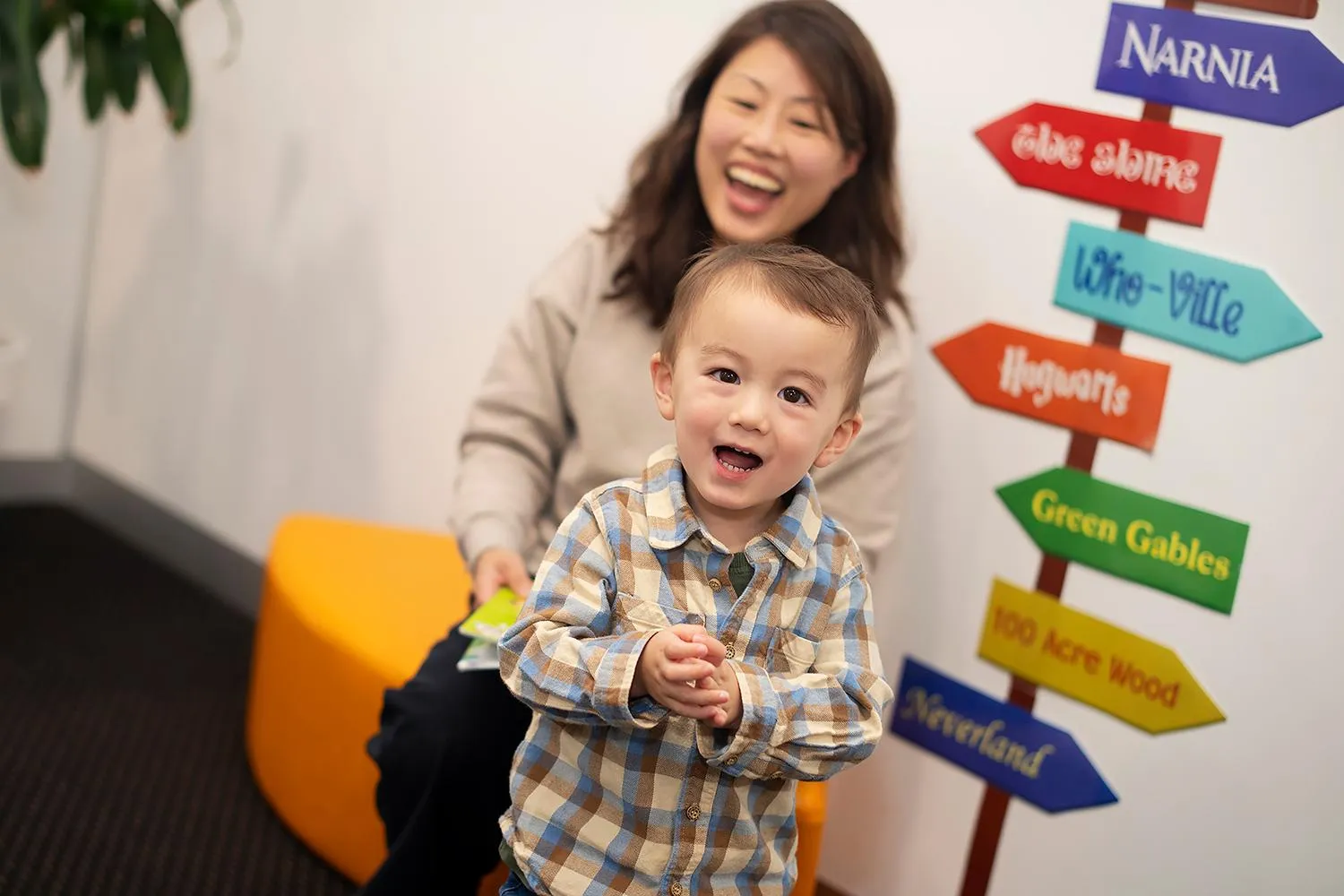
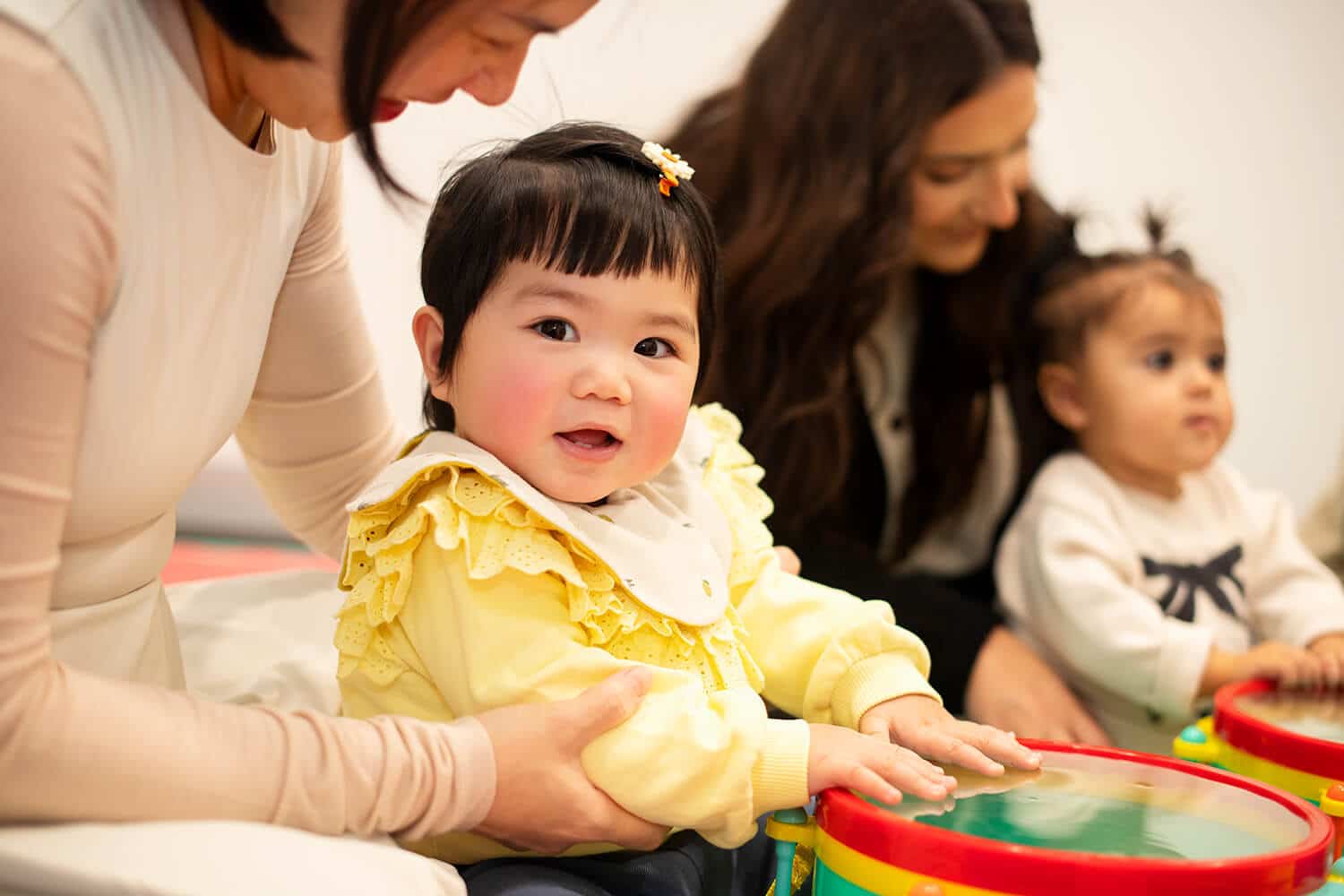
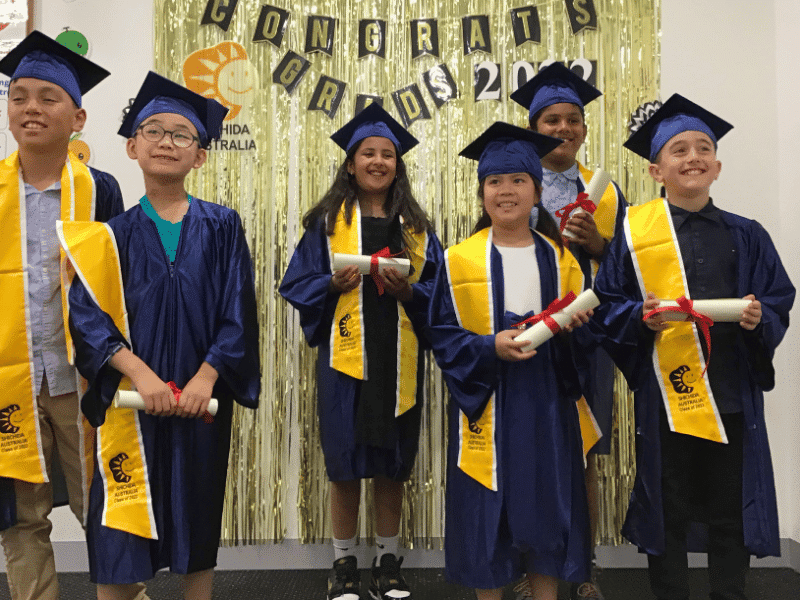
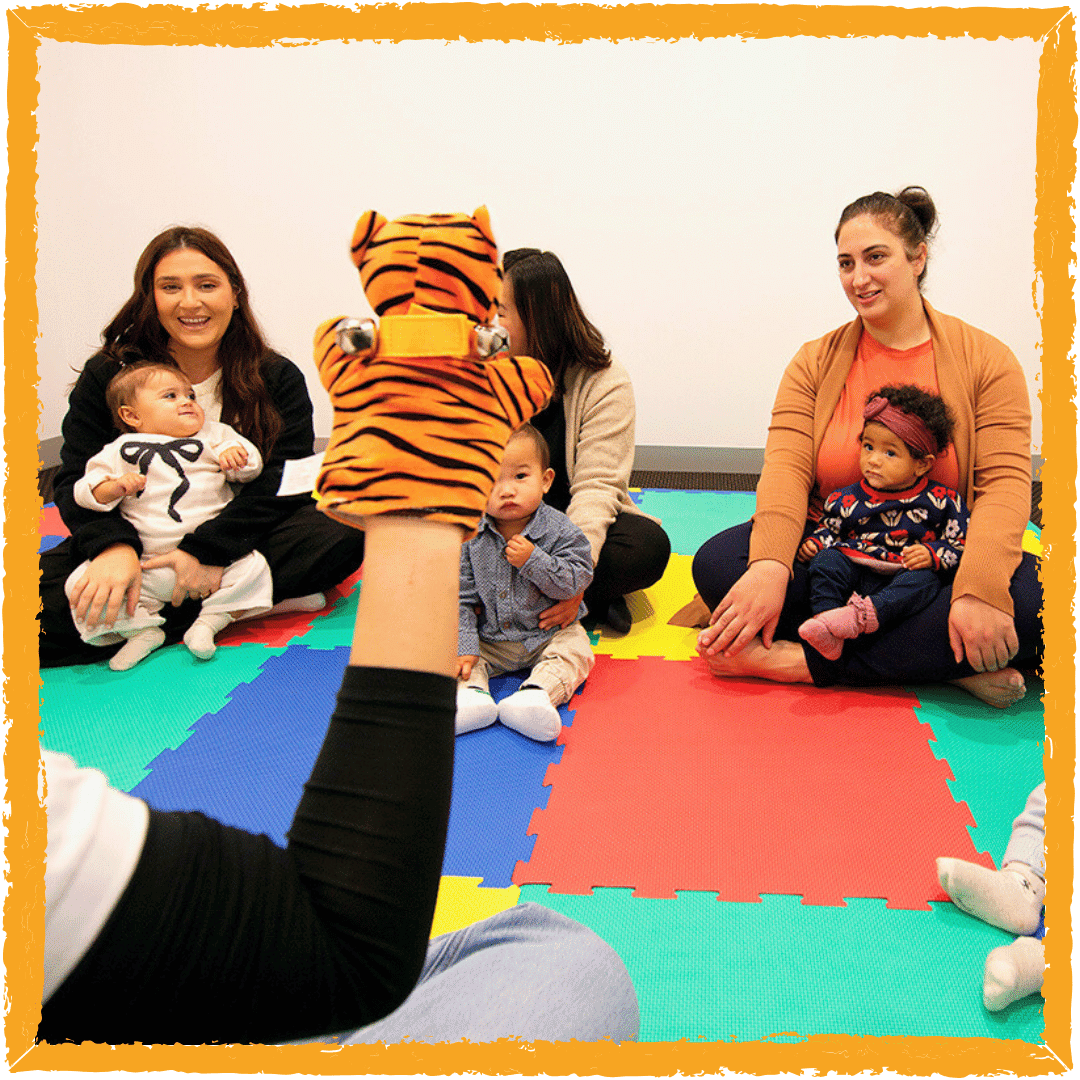
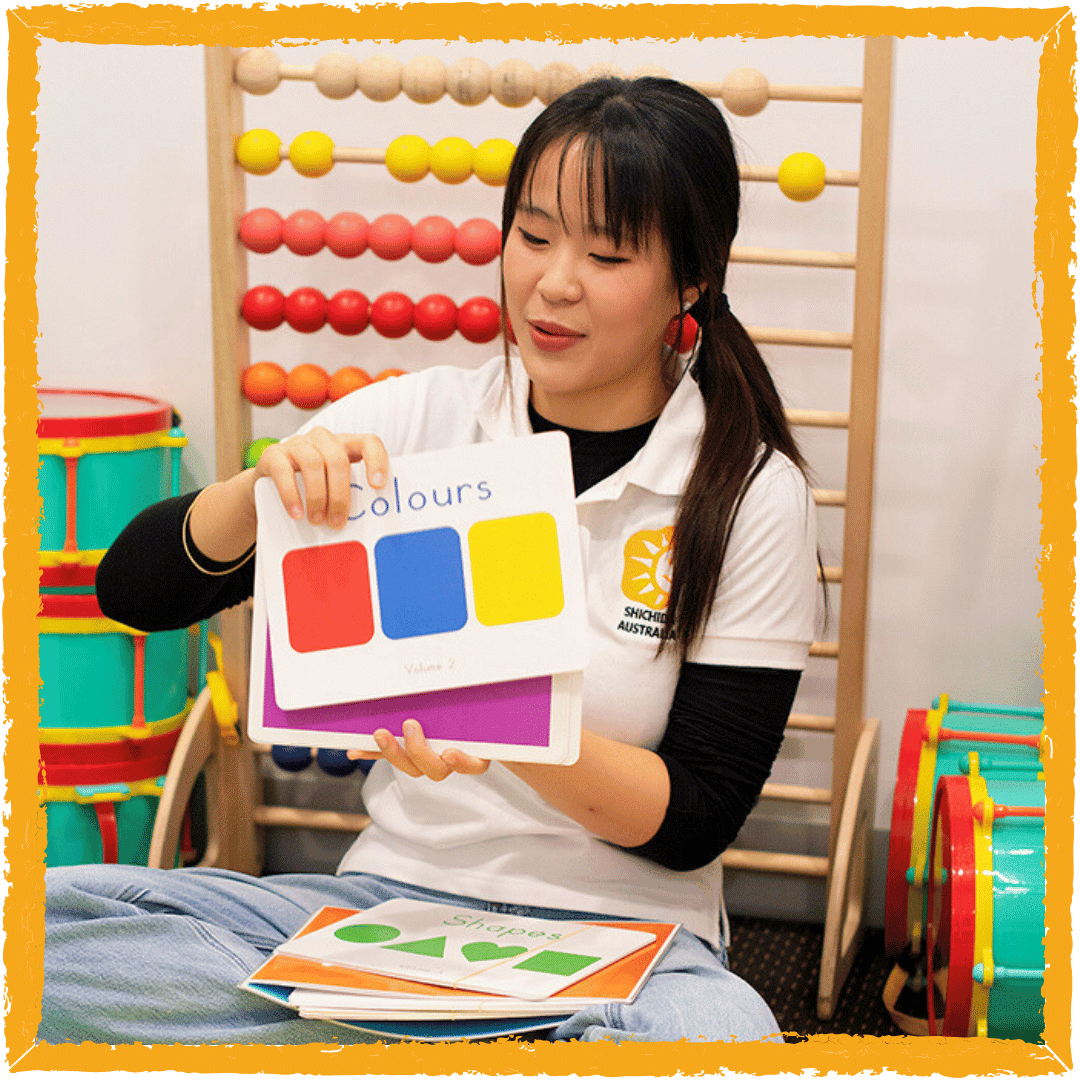
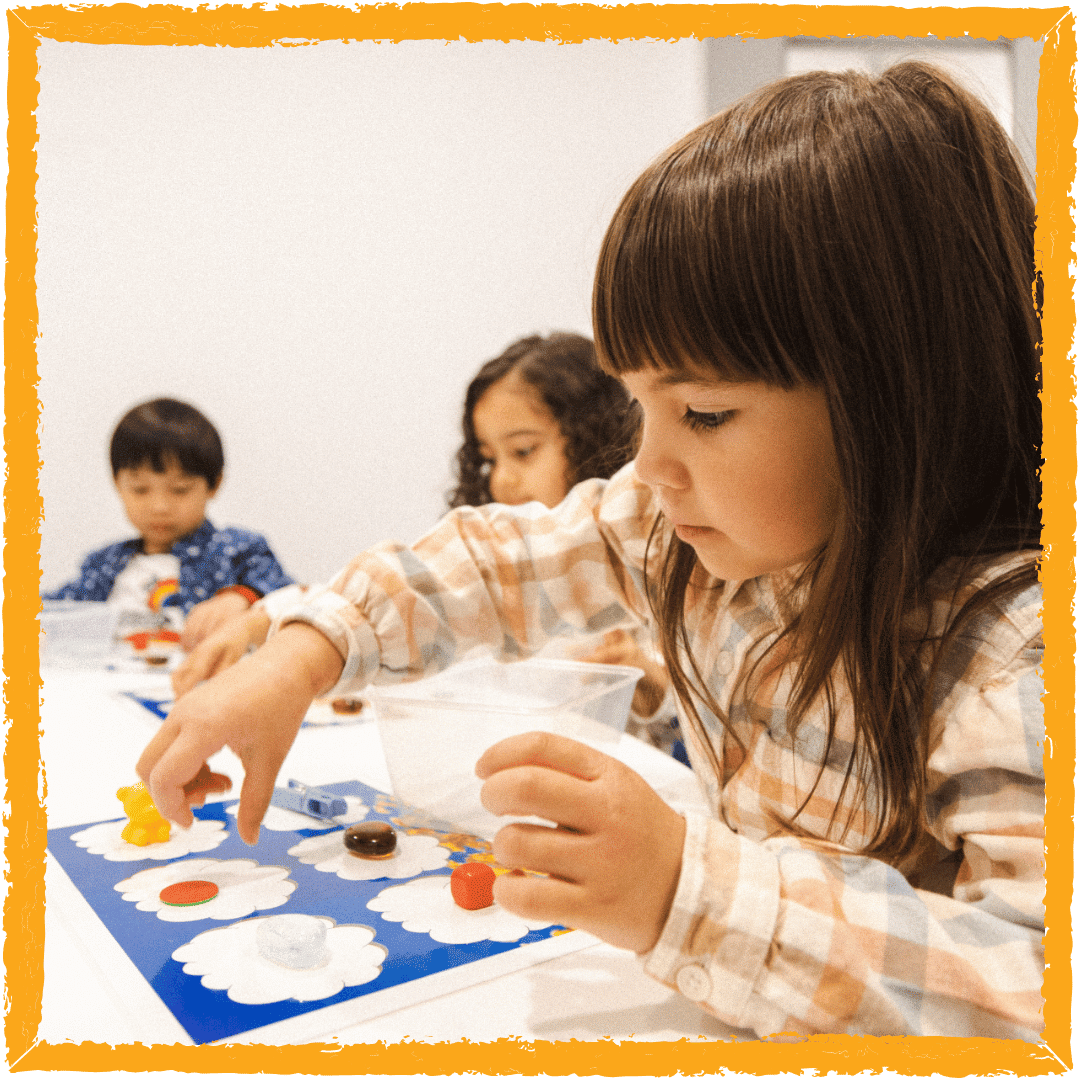
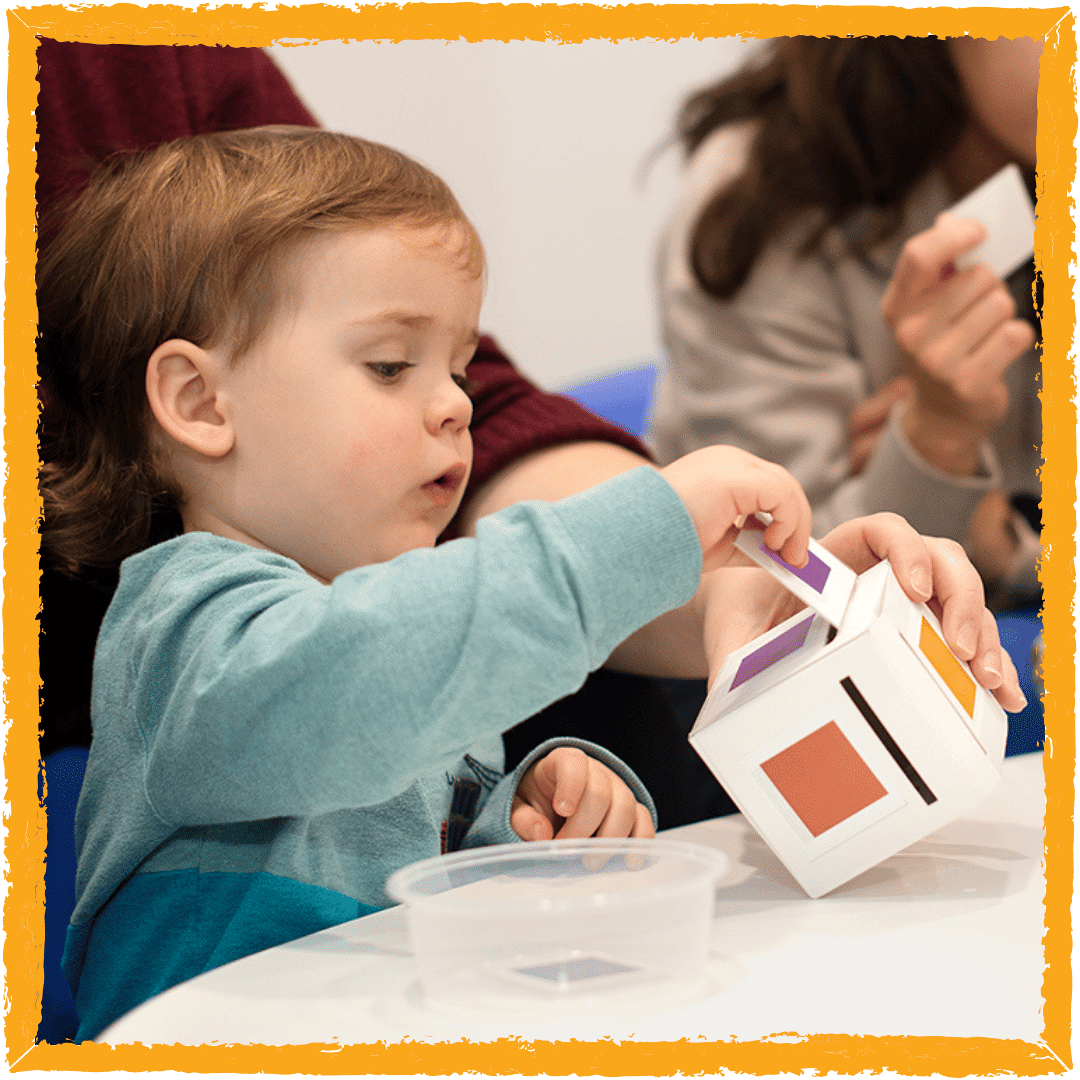
Photo by Shichida Australia: Kids waiting for their fun Shichida class to start, where they will play games that aim to develop both IQ and EQ, for optimised, balanced development.
Why Does Asynchronous Development Happen?
Understanding why growth unfolds unevenly can ease worry and replace it with curiosity.
Brain and cognitive development
Children’s brains don’t grow in a straight line. Some neural pathways strengthen earlier than others, which can make intellectual skills appear before emotional regulation has caught up. As the Davidson Academy explains, gifted children in particular may show rapid advances in reasoning but slower progress in self-management.
Environmental influences
A child’s surroundings also play a big role. A home filled with books may boost intellectual growth, while fewer social play opportunities can slow social skills. Stress or frequent changes in routine can also affect emotional maturity.
How It Affects Early Learning
When growth differences are visible, they often show up most clearly in learning settings.
Strengths in Academics and Curiosity
Children with uneven development often display advanced curiosity – asking “why” endlessly or showing deep focus on specific interests.

Photo from Pexels: Curious child constantly asking “big” questions, may show signs of asynchronous development.
Struggles in Structured Classrooms
At the same time, they may feel out of place in structured classrooms. A child might grasp academic concepts quickly but find it difficult to sit still, follow routines, or handle transitions.
Why Individualised Learning Matters
Individualised approaches help children thrive without forcing them into a one-size-fits-all mould.
At Shichida, our early learning programs, for ages 6 months to 5 years, are designed with this balance in mind – building intellectual skills while supporting emotional and social growth. Explore our unique classes here.
How Parents Can Support Their Child
Supporting a child with asynchronous growth means recognising both their strengths and their vulnerabilities. Here are some practical strategies you can start today:
Supporting Emotional Growth
- Encourage play-based activities that build self-regulation (like turn-taking games).
- Use feelings vocabulary books and daily “emotion check-ins.”
- Praise resilience, highlight when they try again after setbacks.
Balancing Intellectual Stimulation
- Offer age-appropriate puzzles and storytelling activities.
- Incorporate sensory play to nurture whole-brain learning approaches.
- Use curiosity-led projects like gardening or cooking to build patience alongside knowledge.
Building Social Skills
- Arrange small, guided playdates to avoid overwhelm.
- Role-play tricky social scenarios such as sharing or introducing oneself.
- Encourage group activities in safe, supportive environments like early learning classes or activities for kids.
The Role of Educators & Early Learning Programs
Educators play a crucial role in recognising and adapting to developmental differences in preschoolers. Programs like the Shichida Method use a whole-brain approach, ensuring that children’s emotional, intellectual, and social growth are nurtured together
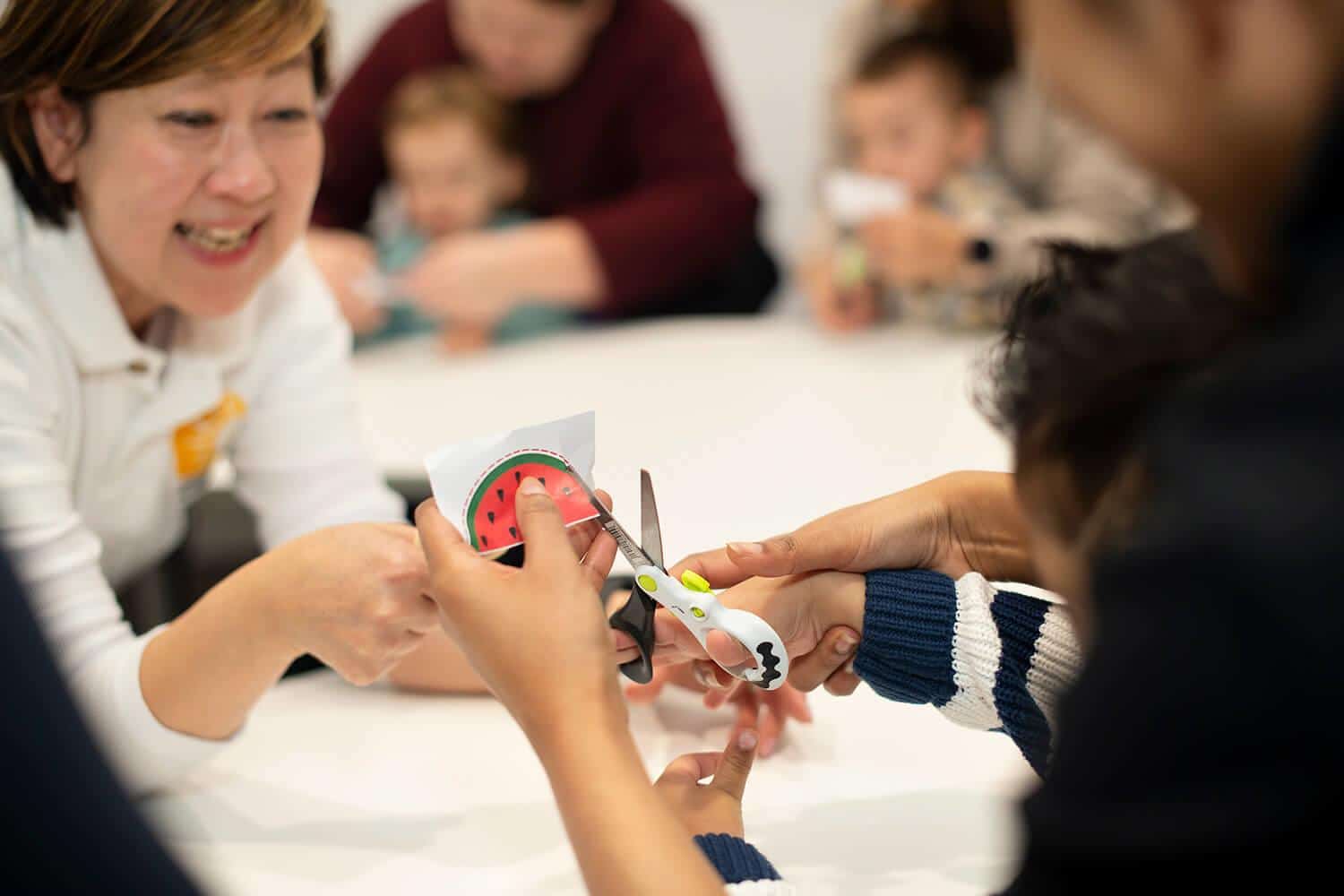
Photo from Shichida Australia: A certified Shichida Method instructor guiding a toddler through a scissor-cutting activity, helping them learn to cut a curved shape smoothly.
Myths & Misunderstandings
Misunderstandings about asynchronous growth are common. Two common ones include:
- “Gifted = socially mature.” In reality, giftedness often comes with heightened emotional sensitivity, not advanced social skills.
- “It’s a disorder or problem.” Asynchronous development is not a diagnosis, it’s a description of uneven growth patterns.
When to Seek Professional Guidance
Most uneven growth patterns are natural, but there are times when professional guidance is helpful.
- Seek advice if your child shows extreme distress in social settings, avoids interaction entirely, or their behaviours cause daily disruption.
- Consult a paediatrician or child psychologist if you’re unsure whether your child’s growth differences are within the expected range.
Long-Term Outlook: Growing Into Balance
Uneven development in the early years can be challenging, but it often grows into strengths like creativity, resilience, and empathy.
Every child develops at their own pace. Asynchronous development doesn’t mean unhealthy – it means unique. With patience and guidance, parents can help their children build both emotional and intellectual balance!

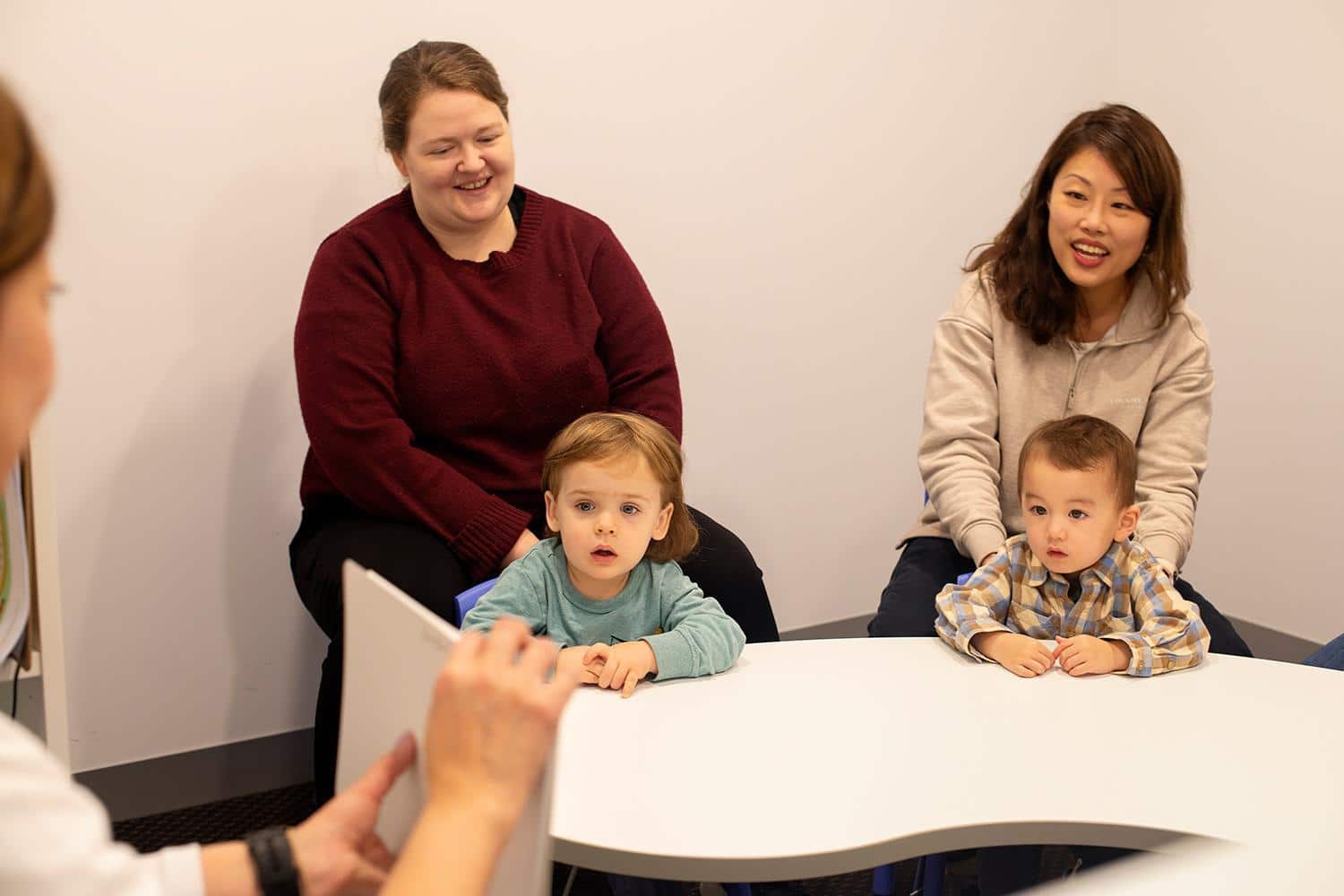
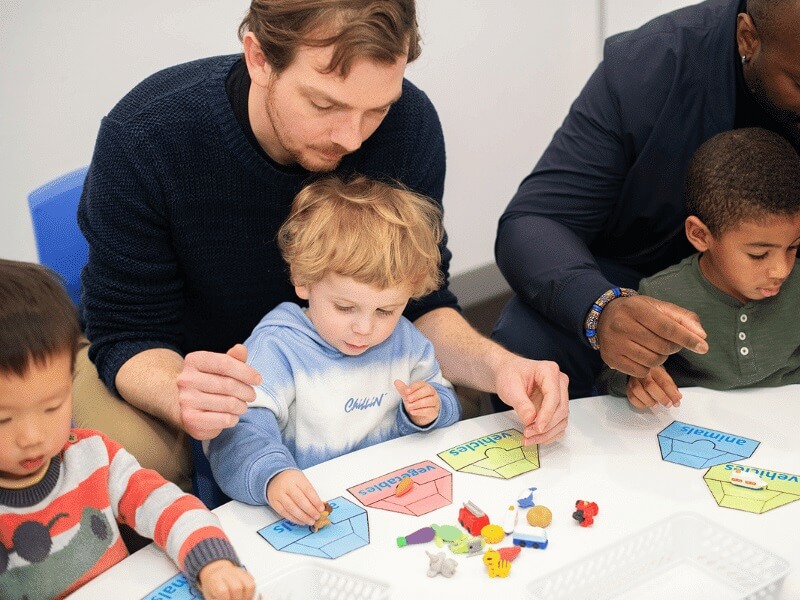
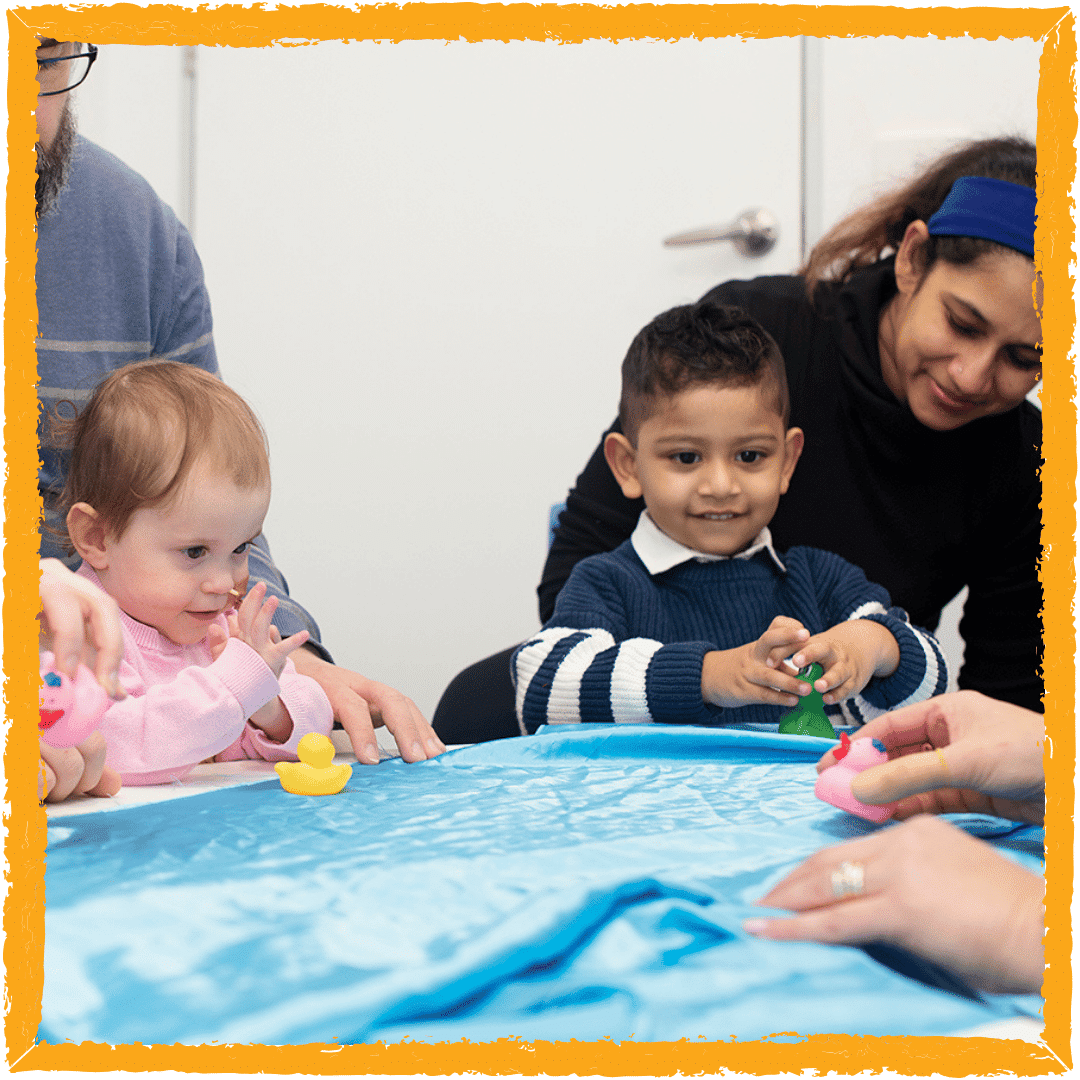
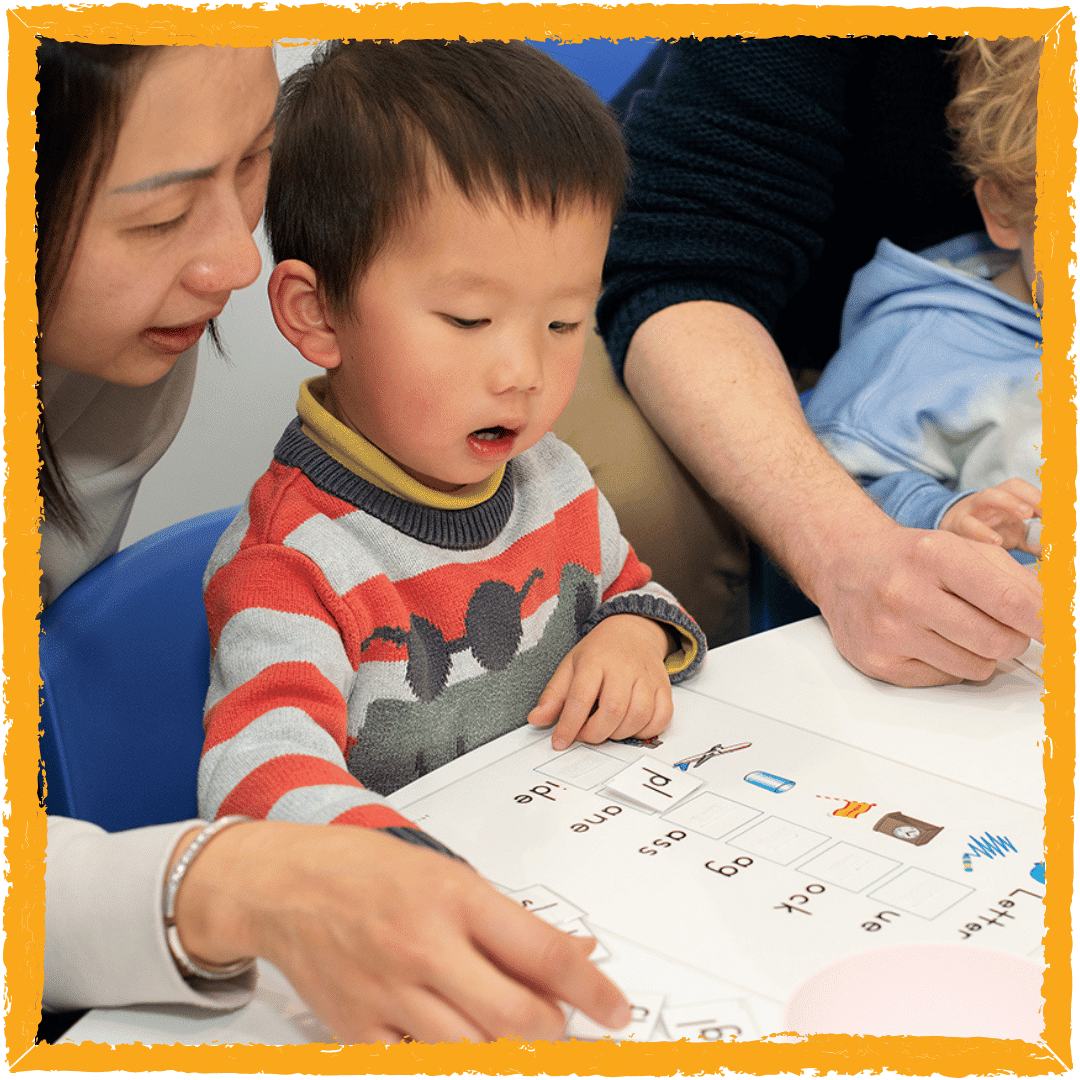
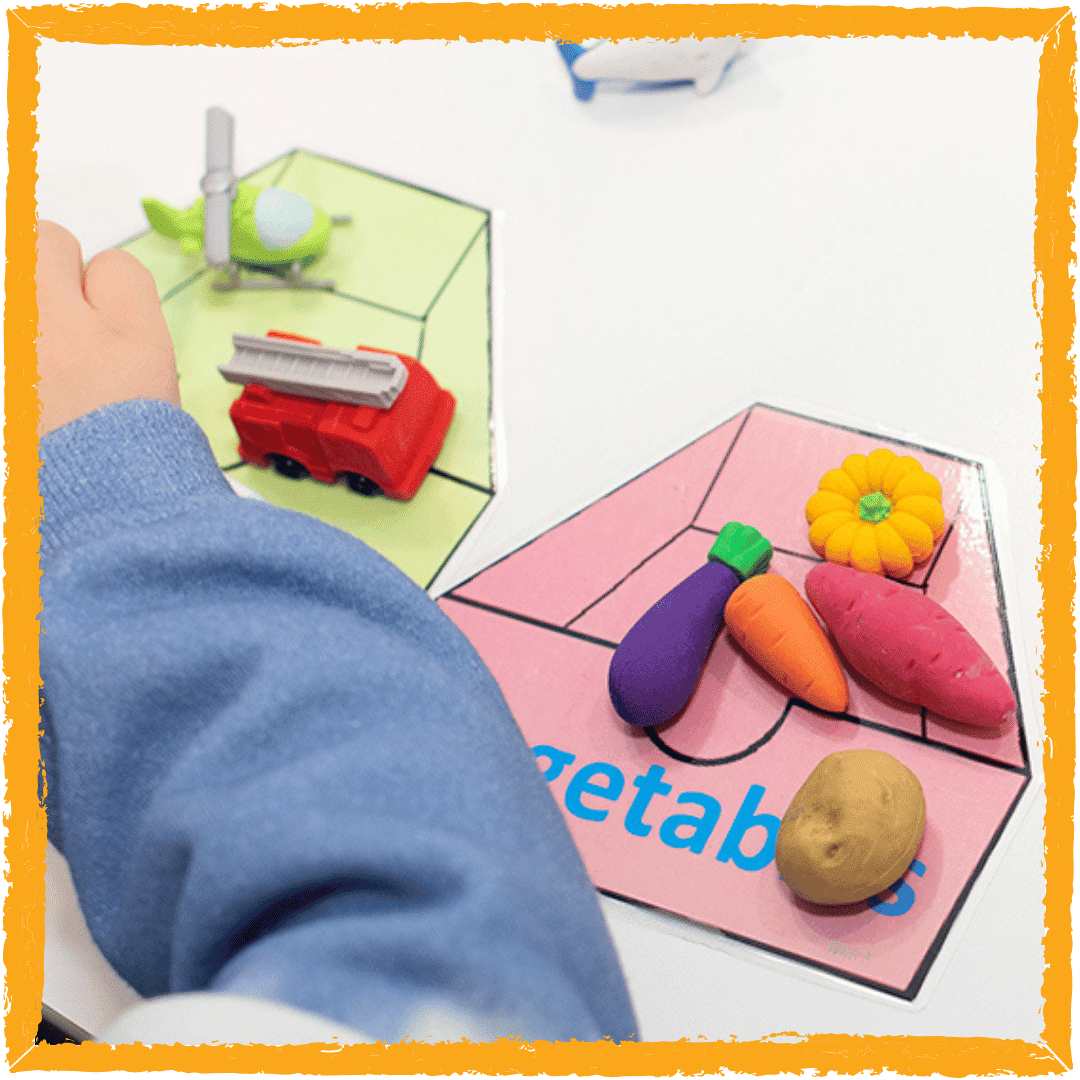
Photo by Shichida Australia: Parents and toddlers playing a category-sorting game during a Shichida class.
At Shichida Australia, our early learning programs nurture the whole child – supporting their strengths while guiding the areas that need more time to develop.
Book a trial class today and see how Shichida can support your child’s journey to thrive at every stage of development!
FAQs: Asynchronous Development in Children
It means uneven development across different growth areas such as intellectual, emotional, physical, or social skills.
Look for advanced skills in some areas paired with noticeable delays in others.
Not always. Many gifted children show asynchronous development, but it can also occur in children with typical abilities.
Yes, children may find it harder to relate to same-age peers if their emotional or social maturity develops at a different pace.
Not necessarily. Most children have uneven milestones. Worry only if it causes significant daily challenges.
Sensory play, role-play, storytelling, and guided puzzles can help balance intellectual and emotional growth.
If uneven development leads to persistent distress or affects daily life.
By offering differentiated instruction, emotional support, and whole-brain learning approaches.