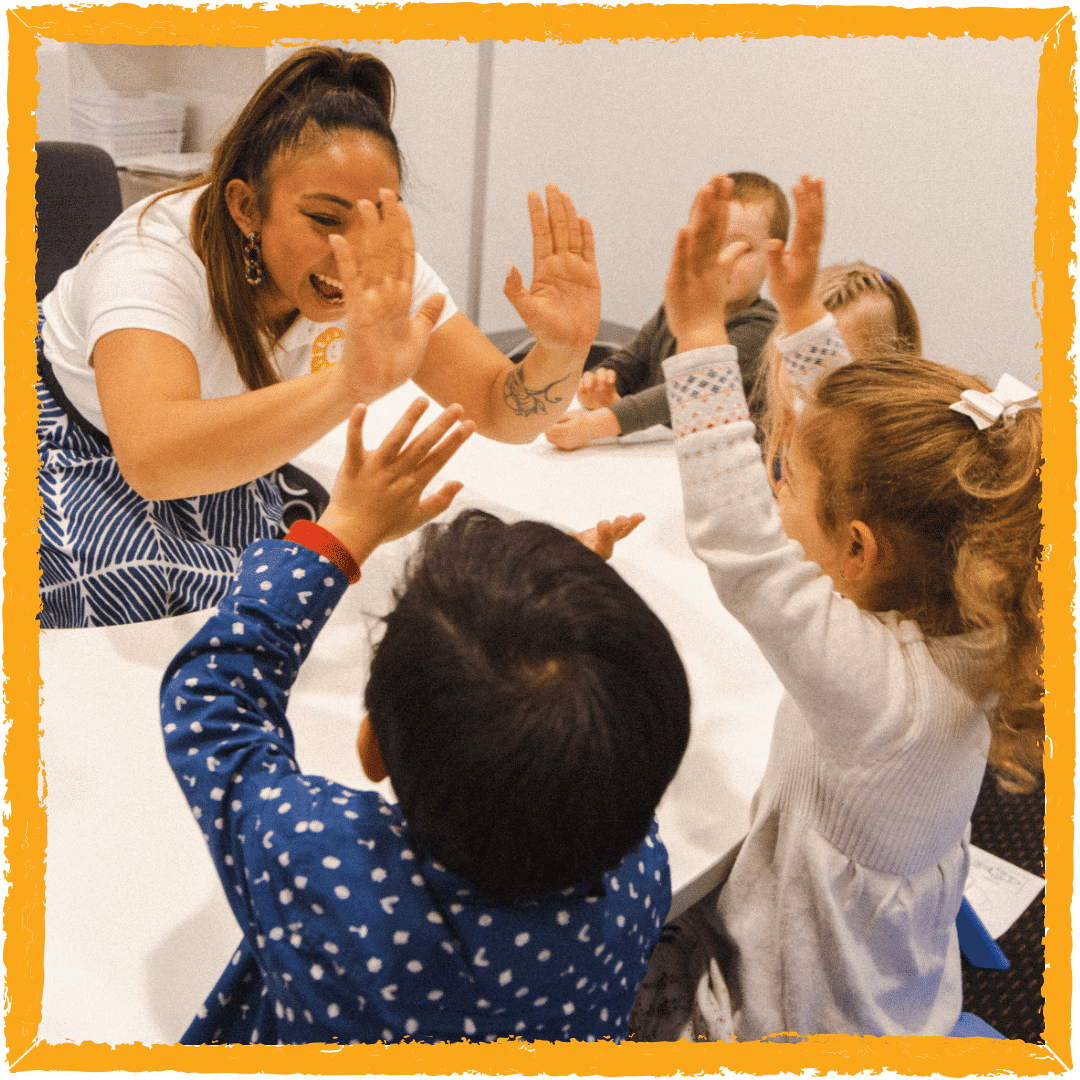
Enrichment Programs for Young Kids: How to Choose the Best One
Key Points
- Enrichment programs support children’s overall growth beyond academics.
- They offer diverse types such as arts, sports, STEM, and language.
- These programs build confidence, problem-solving, and school readiness.
- Choosing the right program depends on your child’s needs and interests.
- Enrichment opportunities are available in both schools and communities.
As a parent, you are your child’s first teacher – and the preschool years are a perfect time to broaden their learning journey! Beyond daily routines, enrichment programs give children opportunities to grow in areas like creativity, social skills, and problem-solving.
This article will guide you through what enrichment programs are, the types available, and how to choose the ones that best match your child’s needs and interests during these important early years.
What Are Enrichment Programs?
Enrichment programs are specially designed activities that give children engaging learning opportunities beyond traditional education. Their main goal is to expose children to a variety of experiences that support both cognitive and social growth.
Unlike standard academics, which focus mainly on reading, writing, and numbers, enrichment takes a more holistic approach. By nurturing creativity, problem-solving, emotional growth, and social development, these programs allow children to explore their interests and discover new talents.
Key Features of Enrichment Programs
Enrichment programs in the early years help build the foundation for confidence, curiosity, and lifelong learning. Here are some common types for preschool-aged children:
- Early academic enrichment: Activities that develop early literacy, numeracy, and problem-solving in playful, age-appropriate ways.
- Sports and movement programs: Games and activities that develop coordination, balance, and teamwork through active play.
- Arts programs: Music, dance, drama, and visual arts that inspire creativity and give children new ways to express their emotions.
- Science and discovery programs: Hands-on activities that encourage children to explore, experiment, and think logically while having fun.
- Language programs: Storytelling, songs, and games that build vocabulary, communication, and a love for words.
Why They’re Different from Standard Classes
Early childhood enrichment is designed to help children grow beyond the basics. Instead of focusing only on early academics, enrichment nurtures the whole child – their curiosity, creativity, emotions, and social skills.
Where standard classes often follow a set structure, enrichment programs are more flexible and playful. They encourage preschoolers to explore, ask questions, and build real-world skills that go beyond worksheets.

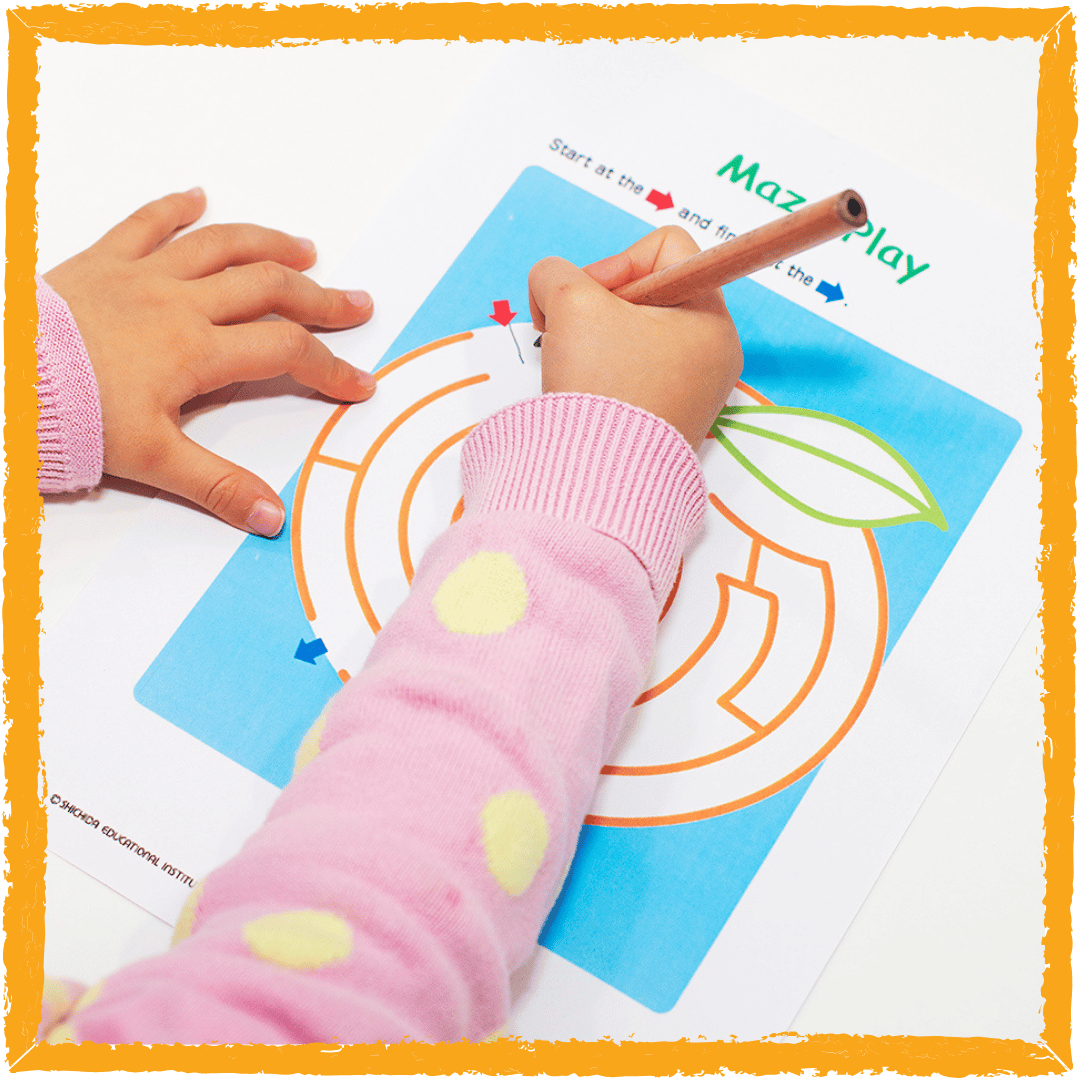
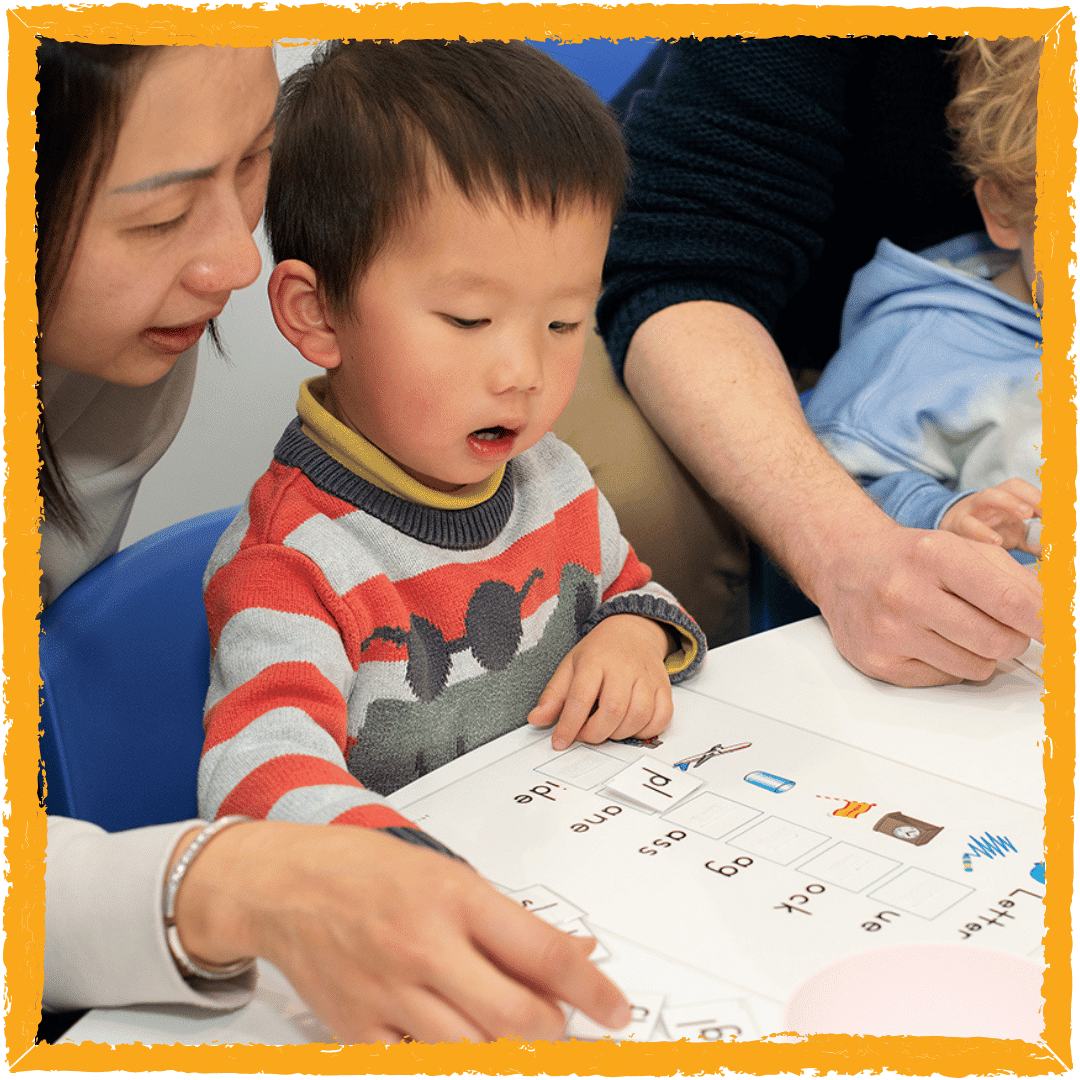
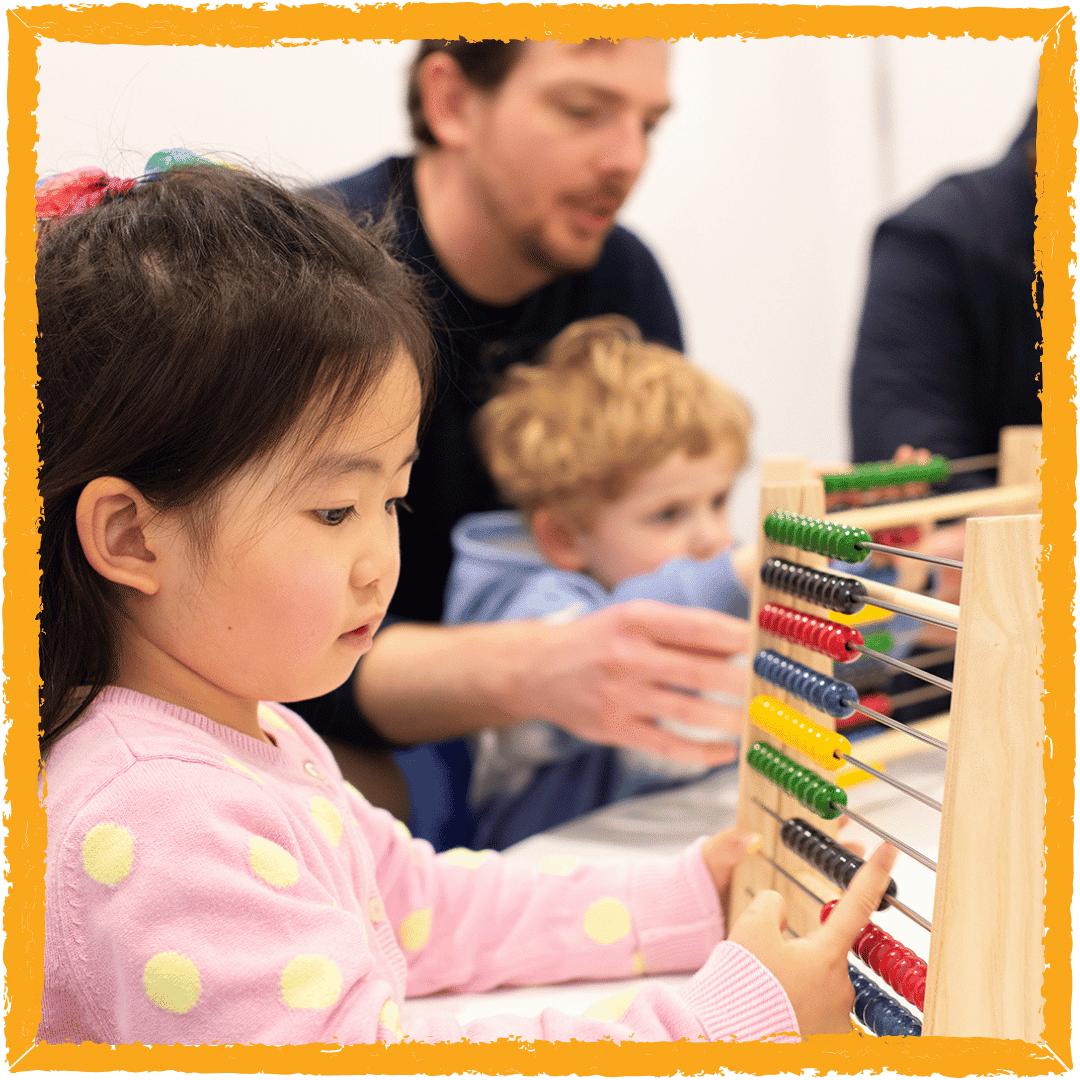
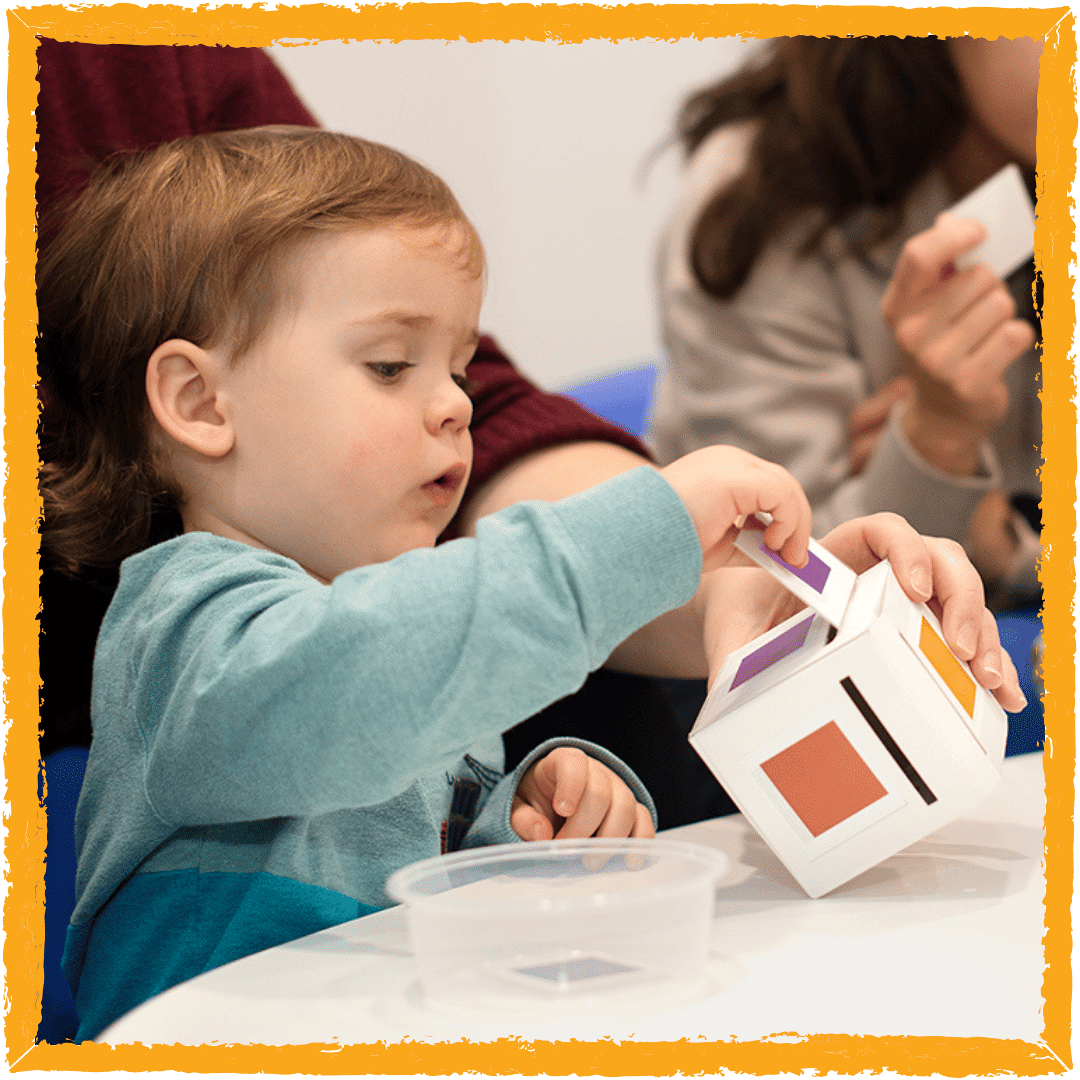
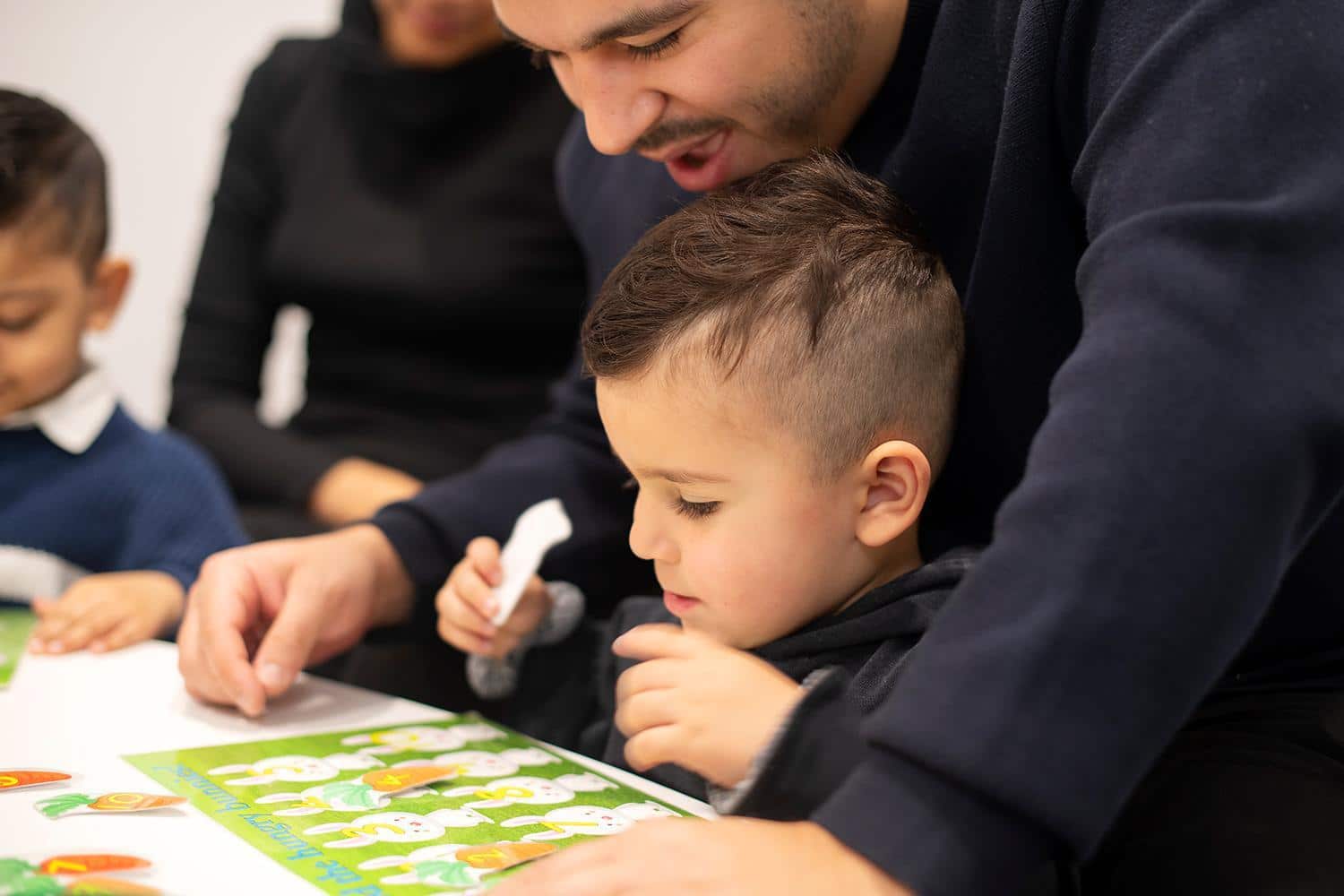
Photo by Shichida Australia: A toddler playing a numeracy game during a Shichida early enrichment class.
The Benefits of Enrichment Programs for Young Children
Enrichment activities for babies, toddlers and preschoolers aren’t just a way to fill time. They nourish development and strengthen key areas of growth that set the stage for both school and life.
Cognitive Development and Learning Skills
Problem-solving is at the heart of learning. Simple activities like puzzles and building blocks help toddlers practise critical thinking, creativity, and resilience. Developing these skills early prepares children to adapt to new situations and come up with solutions – abilities that matter just as much in daily life as they do in school.
Emotional and Social Confidence
Learning how to manage emotions and practise self-control is a vital part of well-being. Children who can regulate their feelings are better equipped to handle challenges, while those who know
how to connect with peers build confidence in group settings. Activities such as team games or circle time discussions strengthen cooperation, communication, and positive relationships.
Creative and Imagination
Every child has an imagination waiting to be expressed. Activities like art, music, and storytelling give toddlers healthy ways to explore emotions, share ideas, and think outside the box. More than just drawing or colouring, these experiences allow children to discover talents and express themselves in meaningful ways.
Preparing for School and Beyond
Perhaps one of the biggest benefits of early learning enrichment is how it prepares children for the wider world. Beyond academics, these experiences build confidence, friendships, and problem-solving skills that last well beyond the preschool years. They help children approach both challenges and opportunities with curiosity and resilience.
Types of Enrichment Programs for Early Childhood
Enrichment activities for babies, toddlers and preschoolers come in many forms, each designed to nurture different aspects of development. A balanced mix gives children opportunities to grow cognitively, socially, emotionally, and physically.
Early Academic Enrichment
These activities encourage curiosity in early literacy, numeracy, and problem-solving – always through play. Examples include picture books, phonics games, alphabet puzzles, counting songs, and hands-on science experiments like exploring magnets or building with blocks.

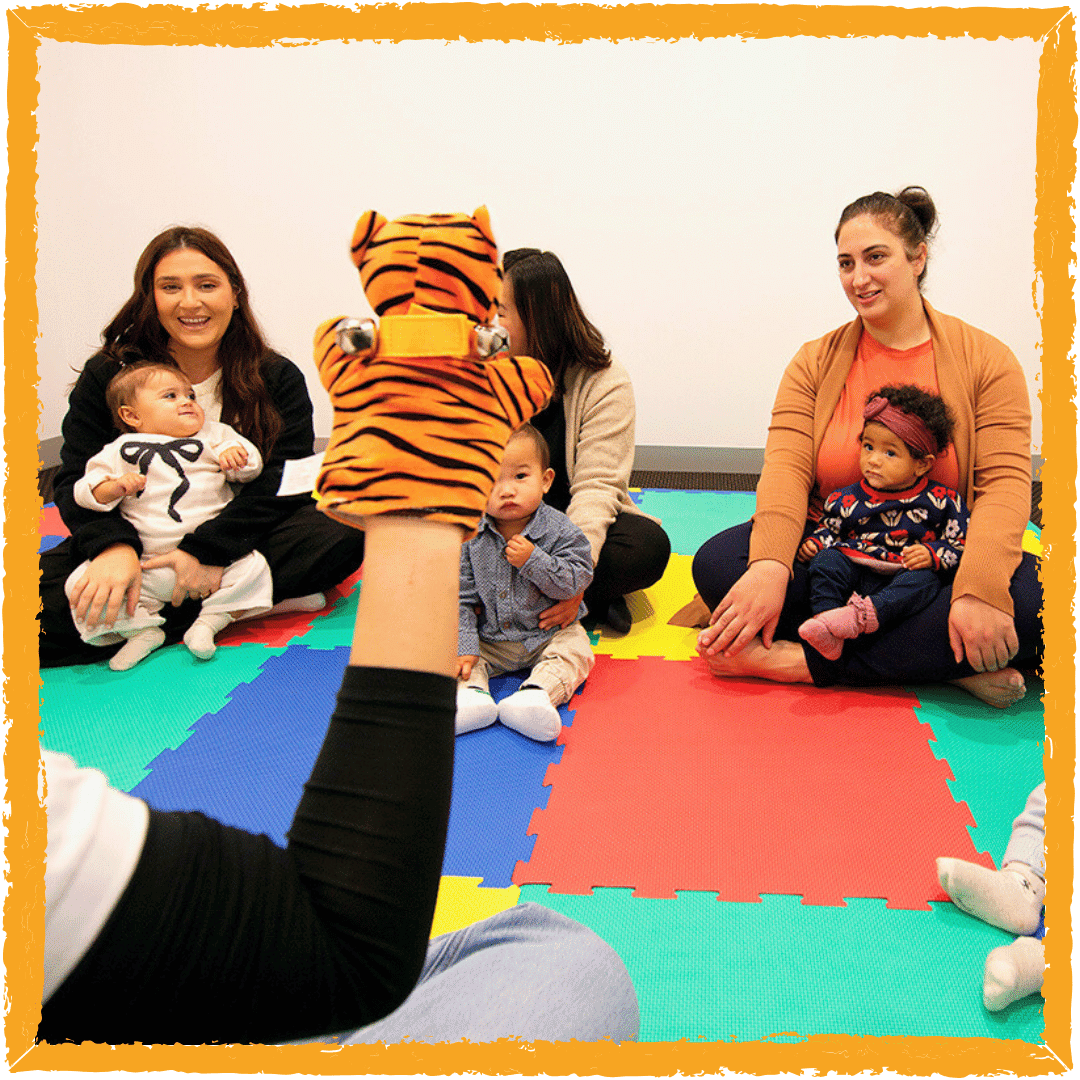
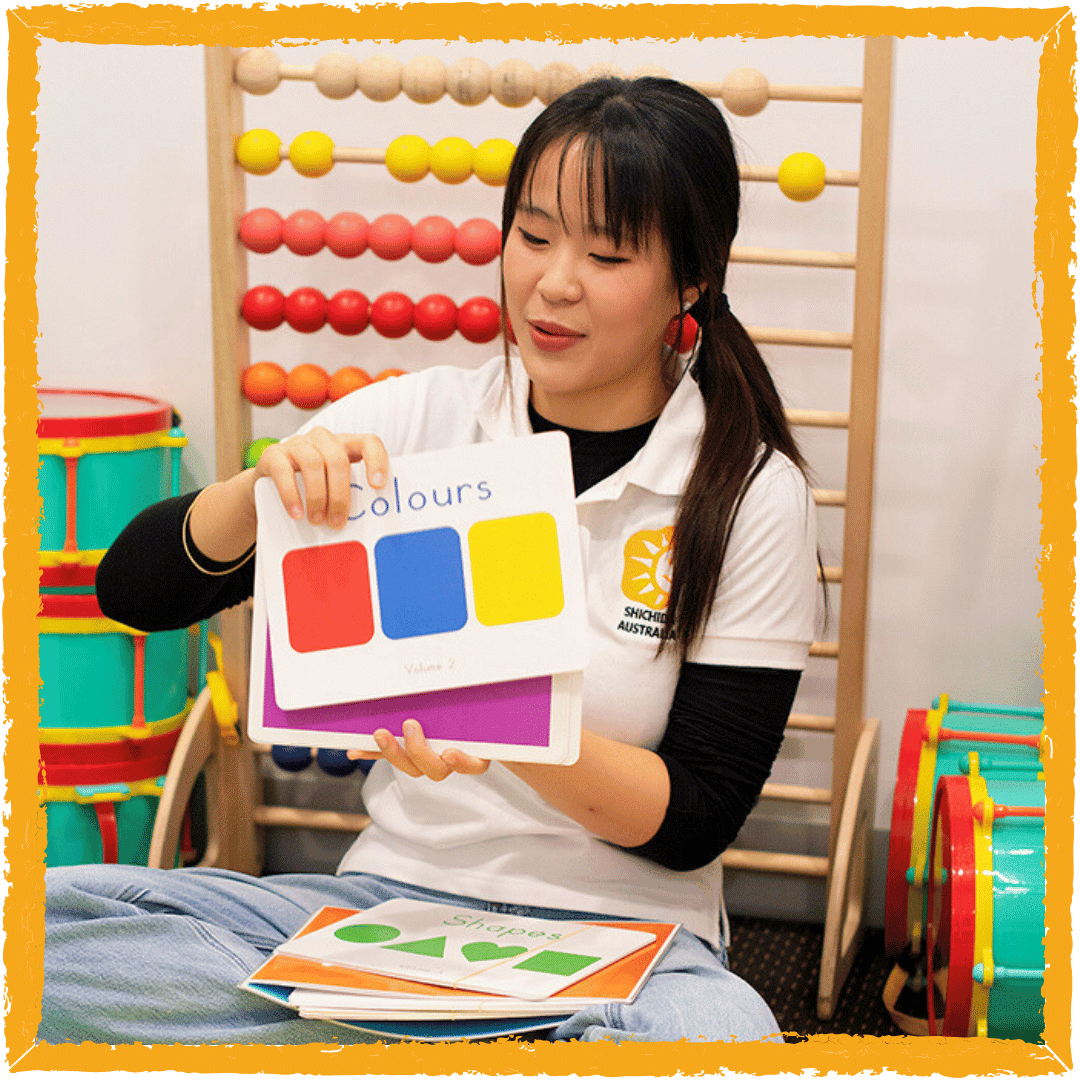
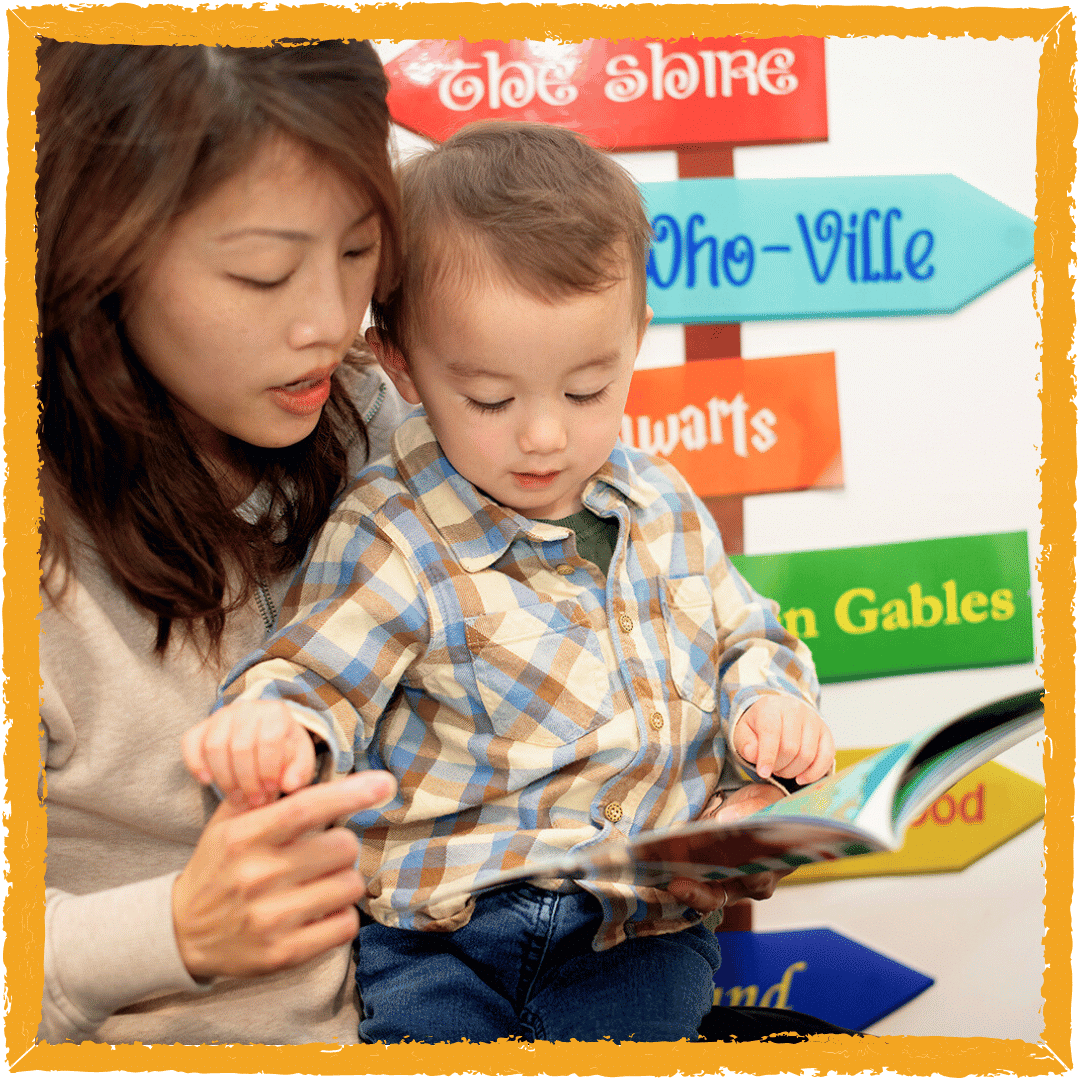
Photo by Shichida Australia: A certified instructor showing babies phonics flashcards, paired with catchy songs.
Creative and Arts-Based Enrichment
Art, music, dance, and drama encourage imagination and give children healthy outlets for self-expression. Activities like painting, singing, clapping to rhythms, or role-playing characters help build fine motor skills, coordination, and communication while boosting confidence.
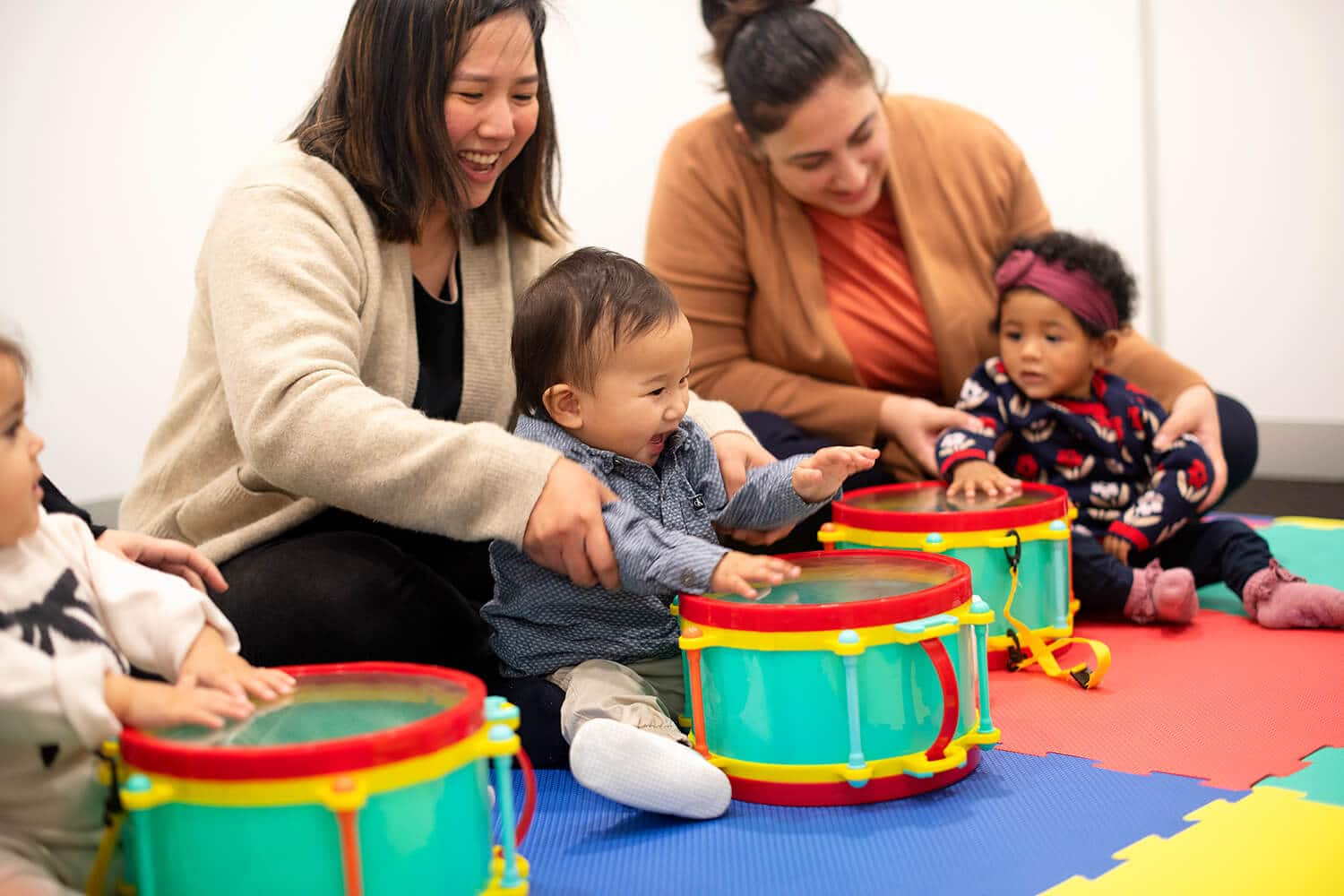
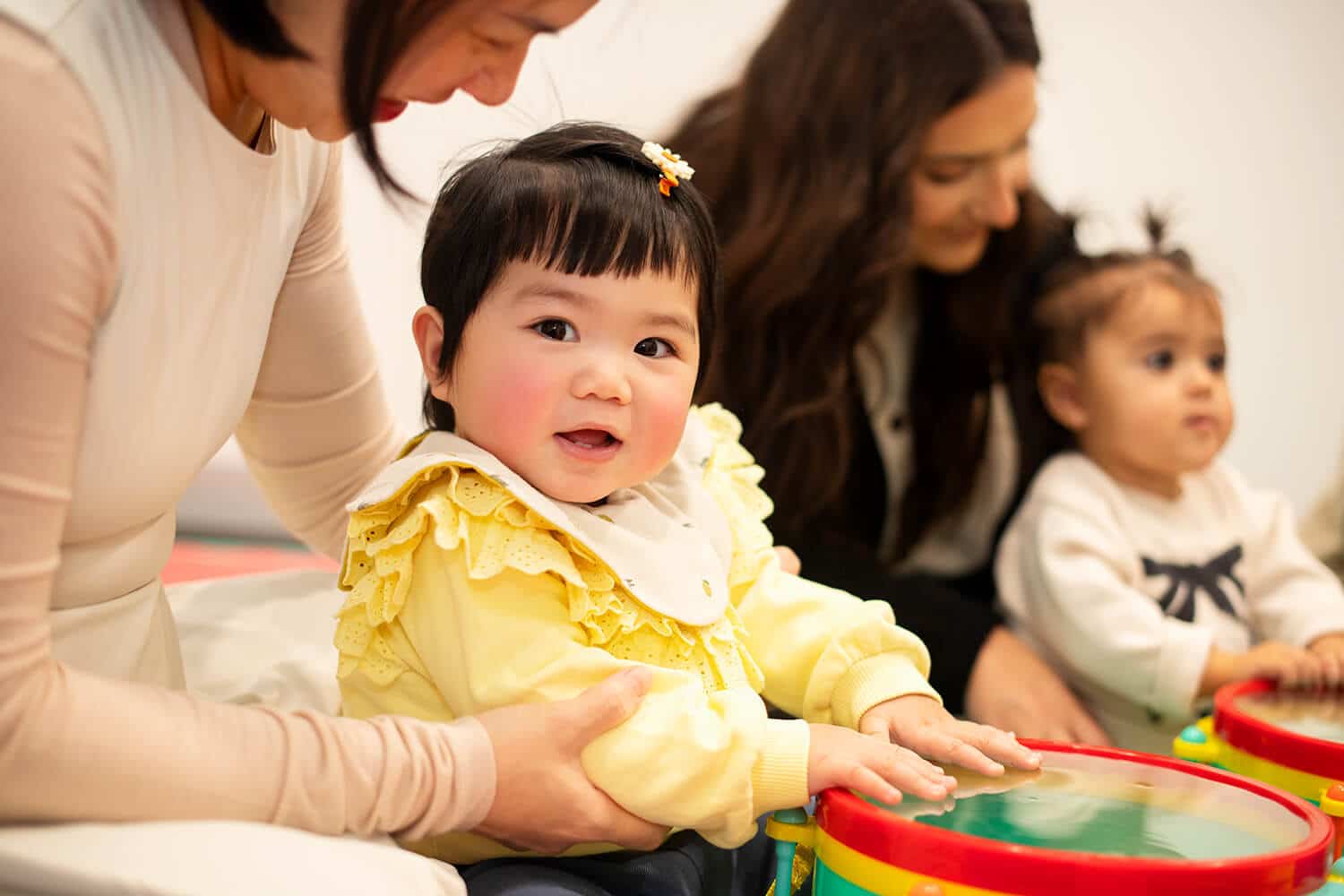
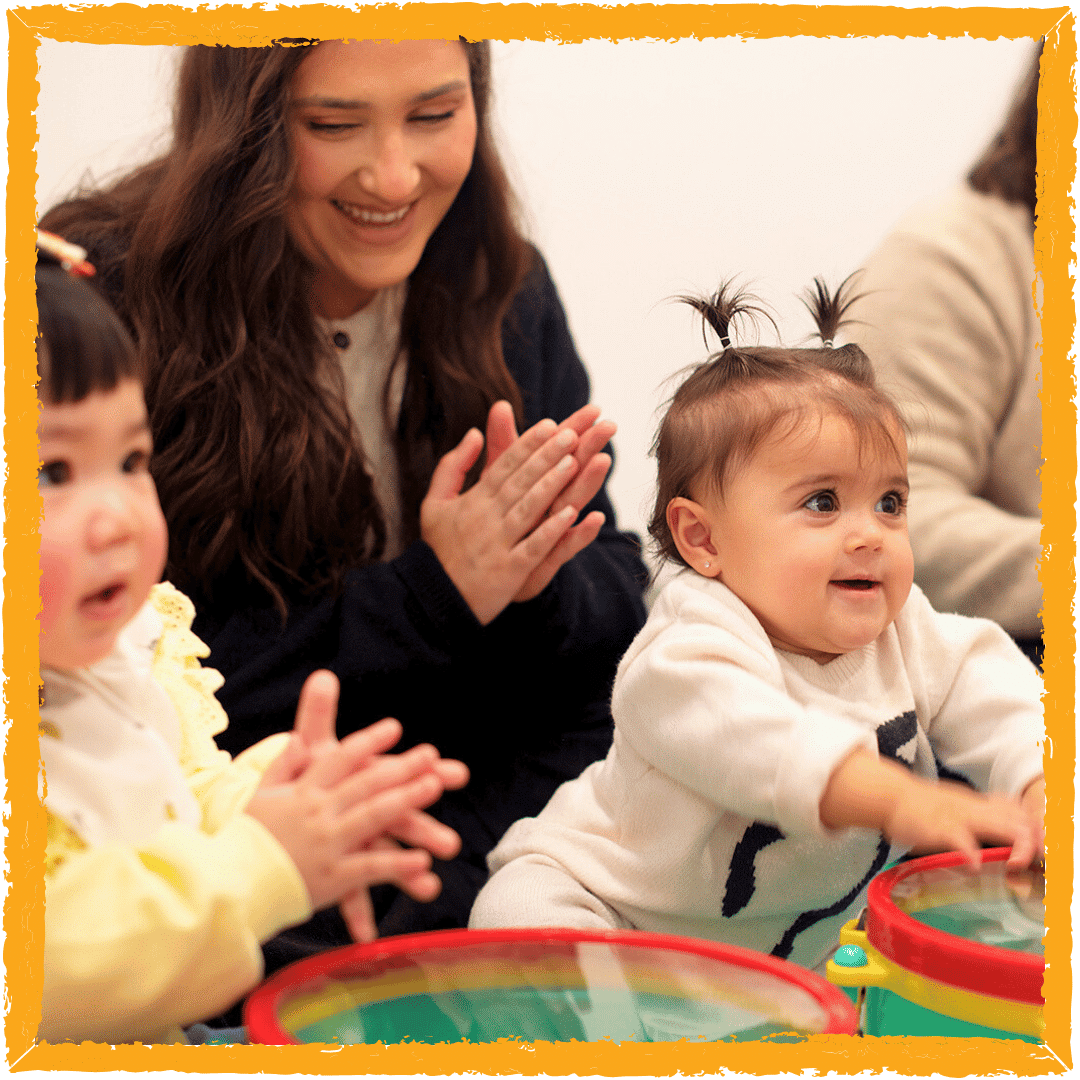
Photo by Shichida Australia: Babies playing with musical instruments during a Shichida early enrichment baby class.
Sensory and Play-Based Enrichment
Sensory play lets children explore the world through touch, sound, smell, and movement. Activities such as nature play, sensory bins with sand or leaves, or simple sound-making tubes help develop problem-solving, focus, and social skills – all while being fun and engaging.
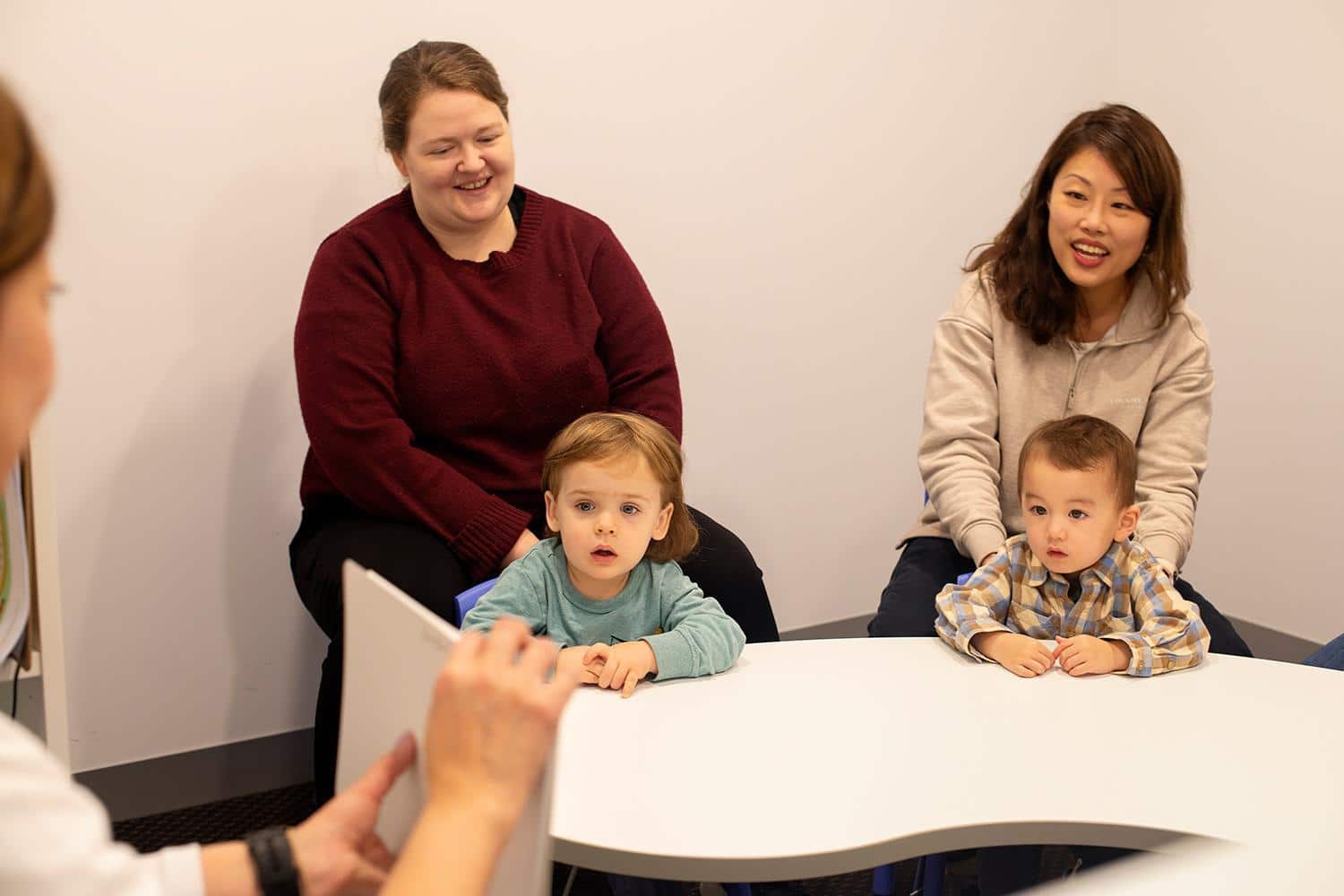
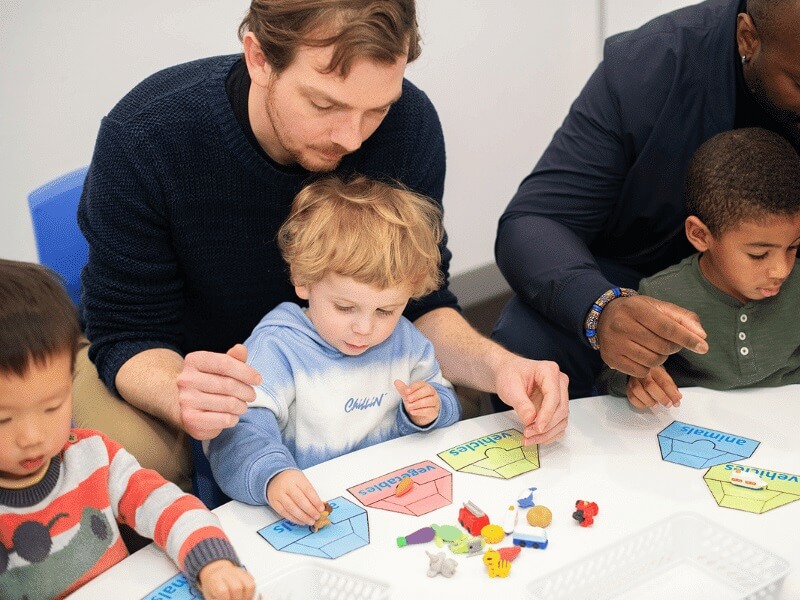
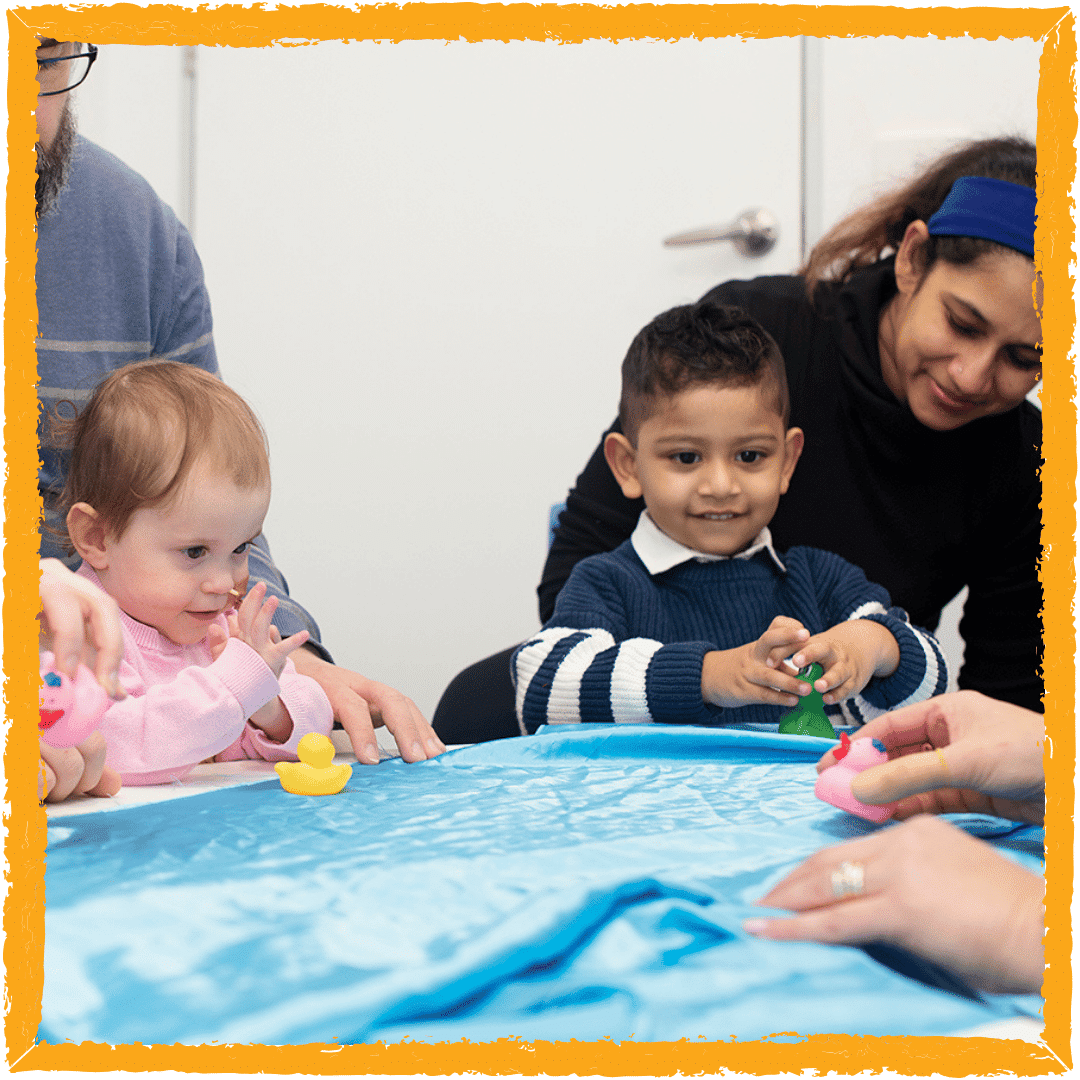
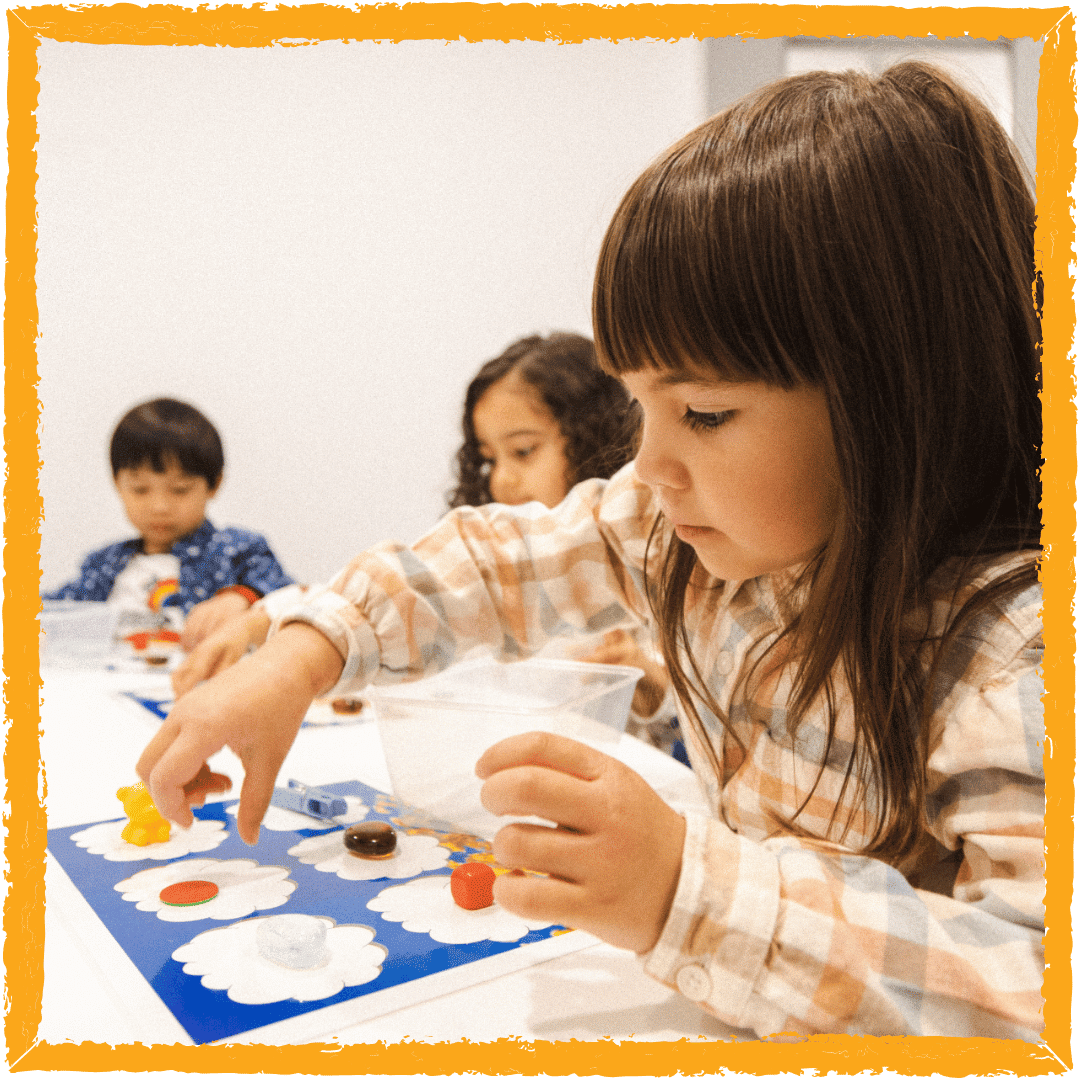
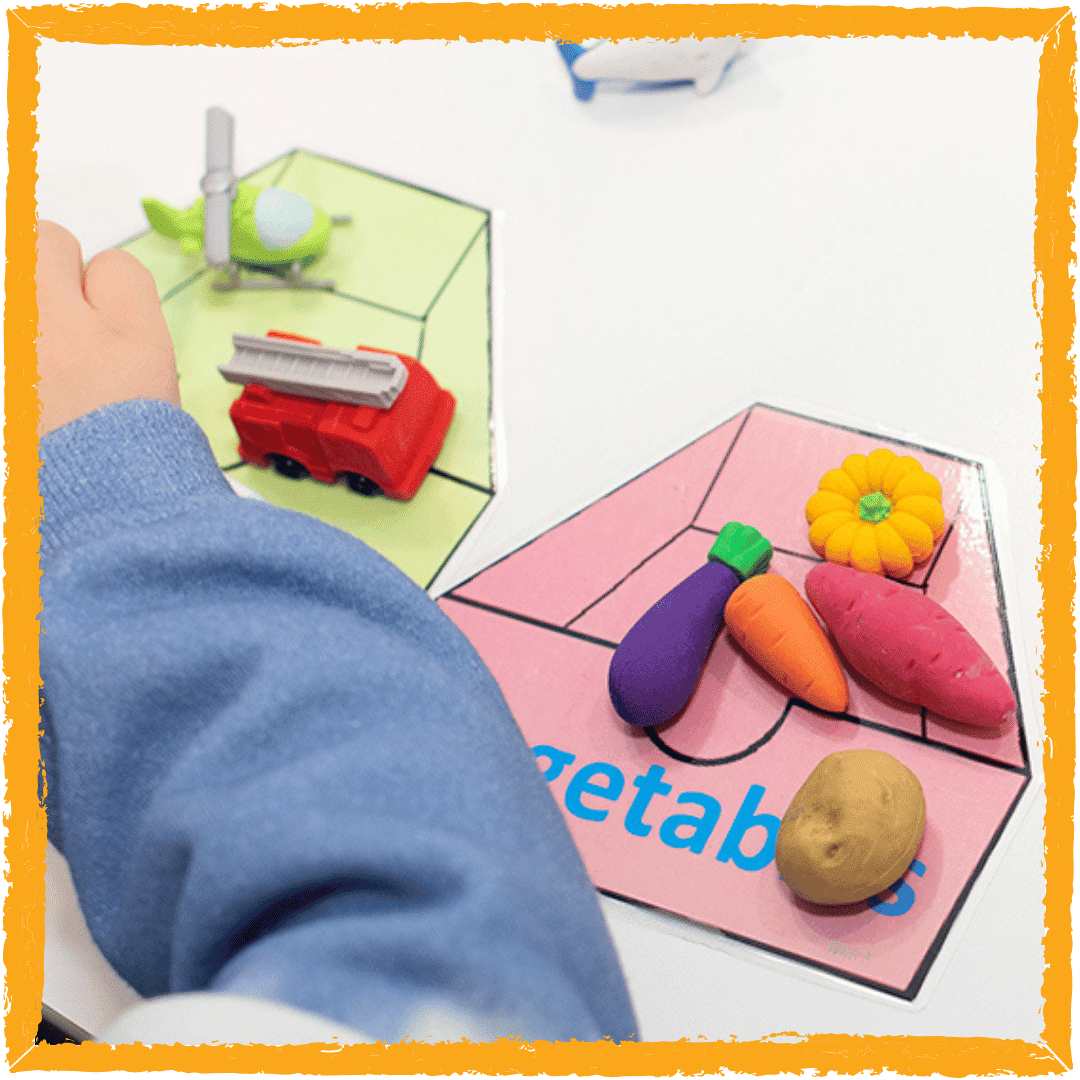
Photo by Shichida Australia: Parents playing a category-sorting game with their preschoolers during a Shichida early enrichment class.
Social and Emotional Development Programs
Preschool years are crucial for building emotional awareness and positive relationships. Group games, role-play, and team-based activities like scavenger hunts help children practise empathy, teamwork, and confidence in safe, playful settings.
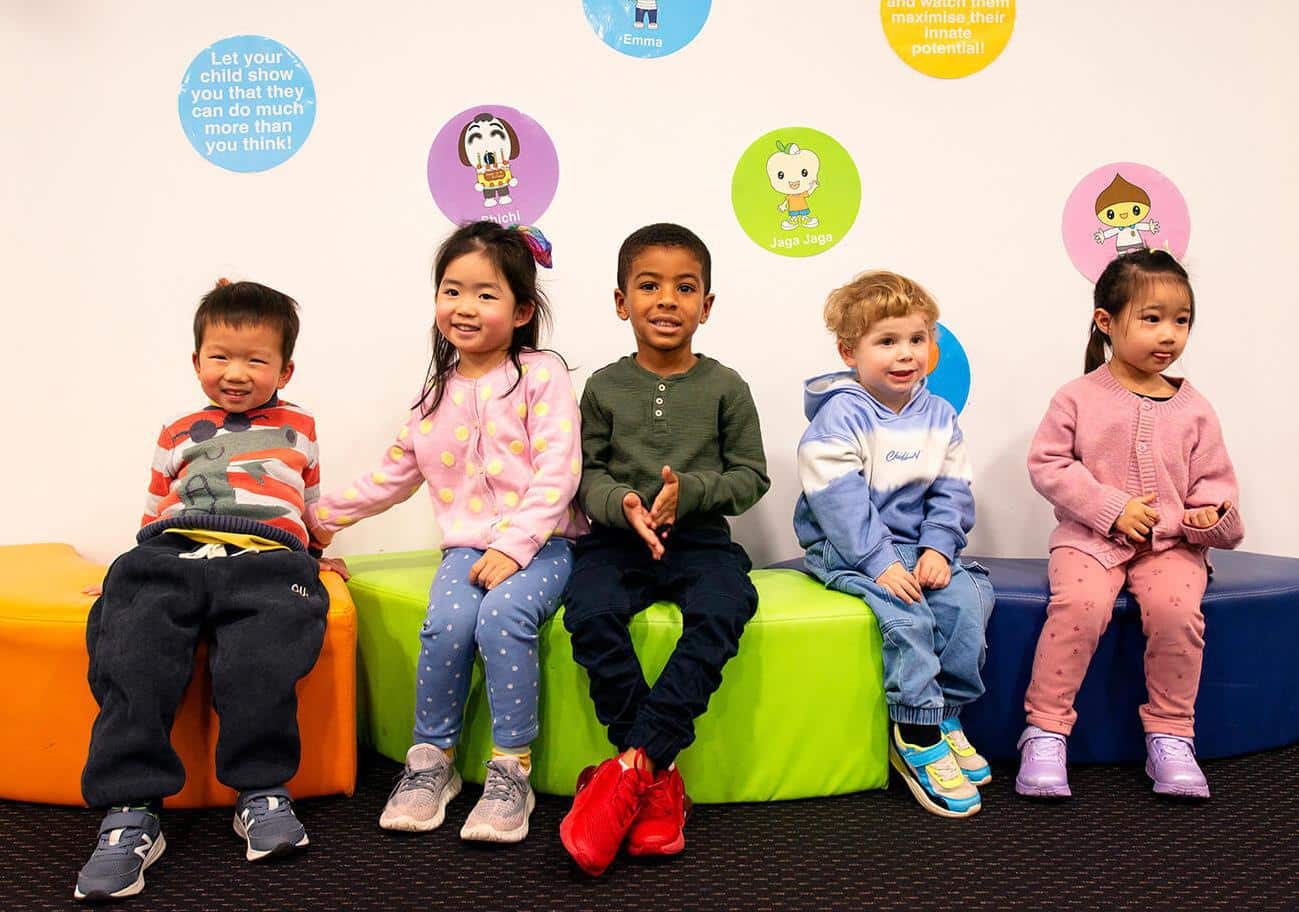
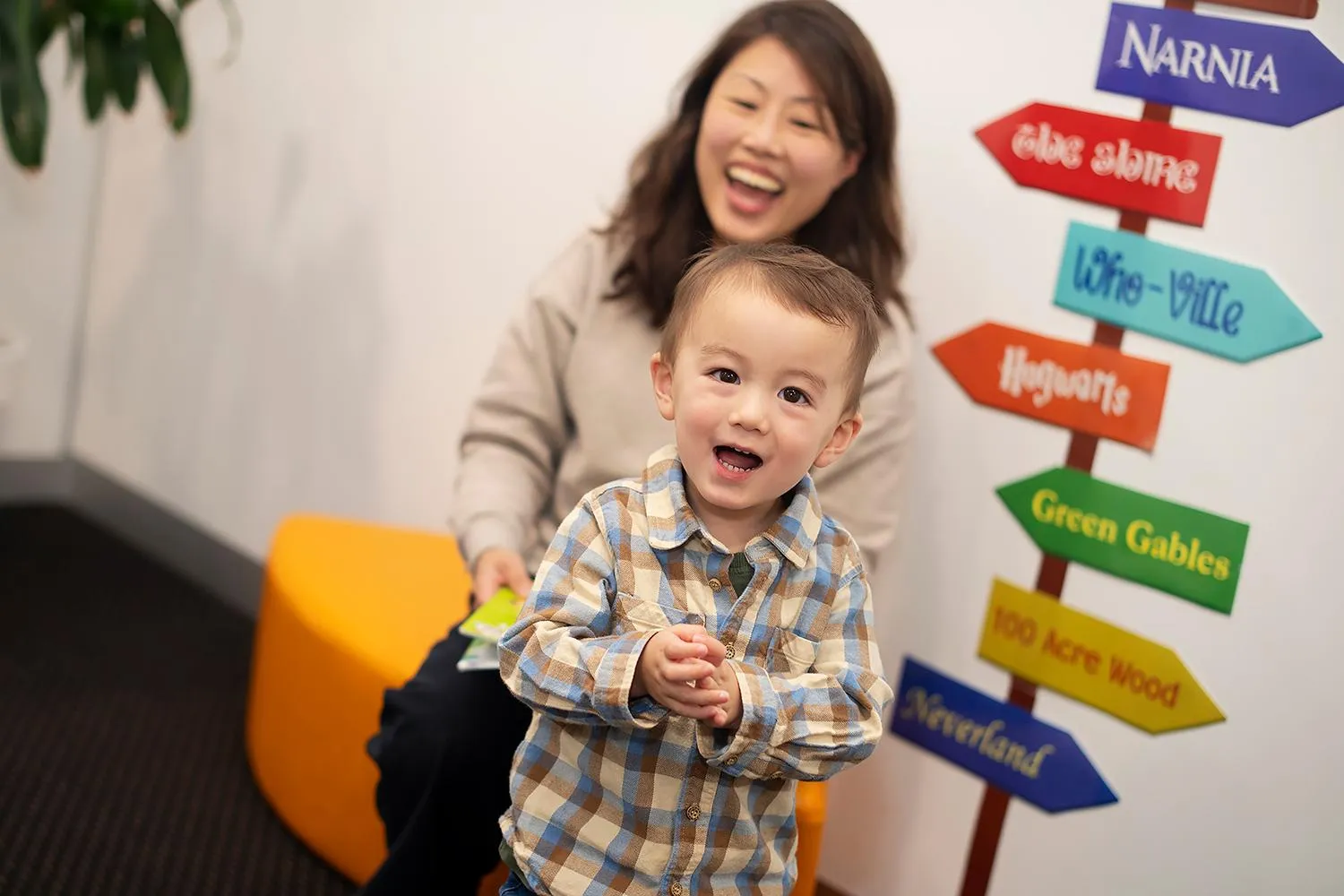
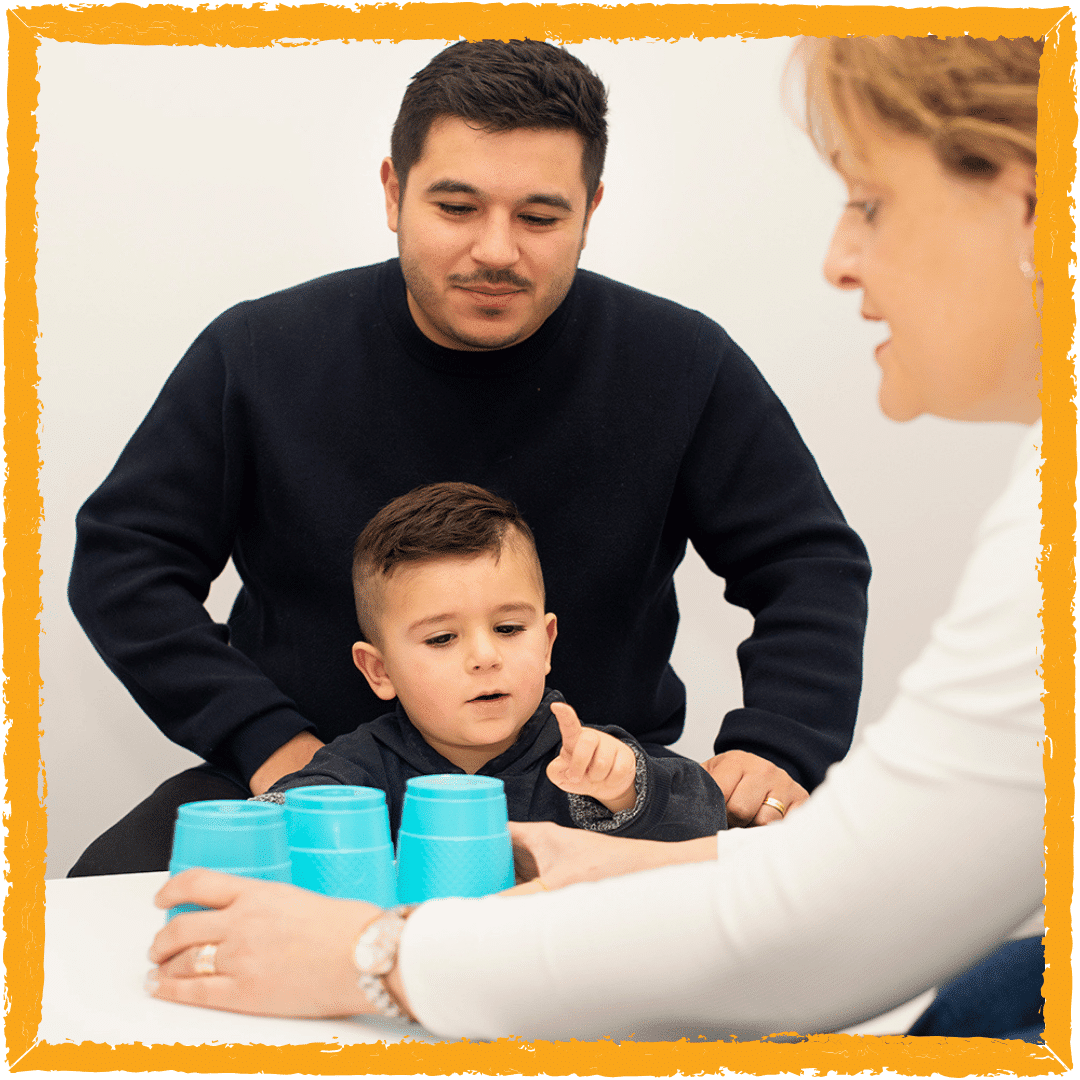
Photo by Shichida Australia: Preschoolers waiting for their fun enrichment class to start!
Holistic and Multi-Disciplinary Programs
Some programs integrate all of the above into one whole-child approach. The Shichida Method, for example, develops intellectual, social, and emotional skills through playful, hands-on activities designed for early learners. Montessori is another well-known approach that focuses on independence and self-paced exploration.
How to Choose the Right Enrichment Program
With so many preschool enrichment options available, it’s easy to feel overwhelmed. The good news is that choosing the right program doesn’t have to be complicated. Here are four key things to consider:
Assessing Your Child’s Interests and Needs
Start by observing what excites your child. Do they love music, drawing, or storytelling? Creative and arts-based activities may be a good fit. Do they need support with communication or making friends? Social and emotional development programs might help. Choosing based on your child’s interests makes learning feel natural and enjoyable.
Evaluating Program Quality
Not all programs are the same. Look for passionate educators and activities that engage children in multiple ways. As Diane Smiley, Youth Services & Programming Coordinator at the Public Library of Cincinnati & Hamilton County, explains, parents should choose programs that “allow children to use all of their senses and incorporate multiple learning styles.” Quality programs are led by instructors who know how to nurture both strengths and challenges.
Considering Practical Factors
The best program won’t help if it doesn’t fit your family’s schedule or budget. Choose options that work realistically with your time and lifestyle so your child can benefit consistently.
Aligning with Parenting Goals & Values

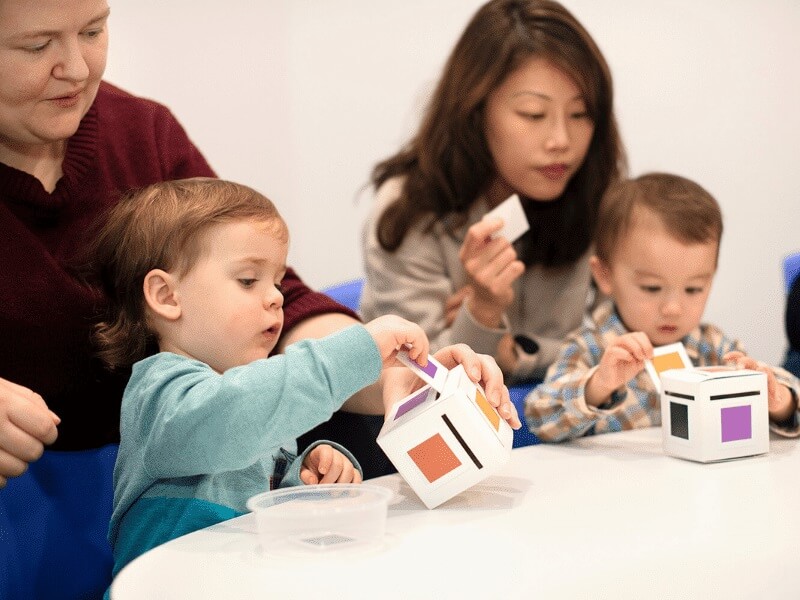
Photo from Shichida: Toddlers exploring hands-on learning in the Shichida enrichment program.
As highlighted in the Shichida Method, parents play a crucial role in their child’s learning journey. Think about what matters most to you. If you value academic foundations but also want to raise a creative and mindful child, look for a program that balances both. Consistency between your parenting values and the program’s approach gives your child a stronger foundation for lifelong learning.
Enrichment Programs in Schools and Communities
When exploring enrichment opportunities for your child, you’re not limited to schools. Community spaces, cultural institutions, and local programs also play a big role in supporting early learning.
School-Based Enrichment Initiatives
Some preschools and early learning centres offer enrichment activities that go beyond routine lessons. These may include STEM workshops, art projects, or social skill–building activities that connect classroom concepts with real-world applications. Programs like these give children opportunities to practise creativity, adaptability, collaboration, and communication. However, availability varies – not all schools or centres include these options.
Community and Cultural Institutions
Many communities offer accessible enrichment through local centres, libraries, museums, art galleries, or workshops. These spaces provide young children with chances to explore, create, and connect with others in a less formal setting. While the quality and professionalism can differ, they often offer variety and flexibility for families.
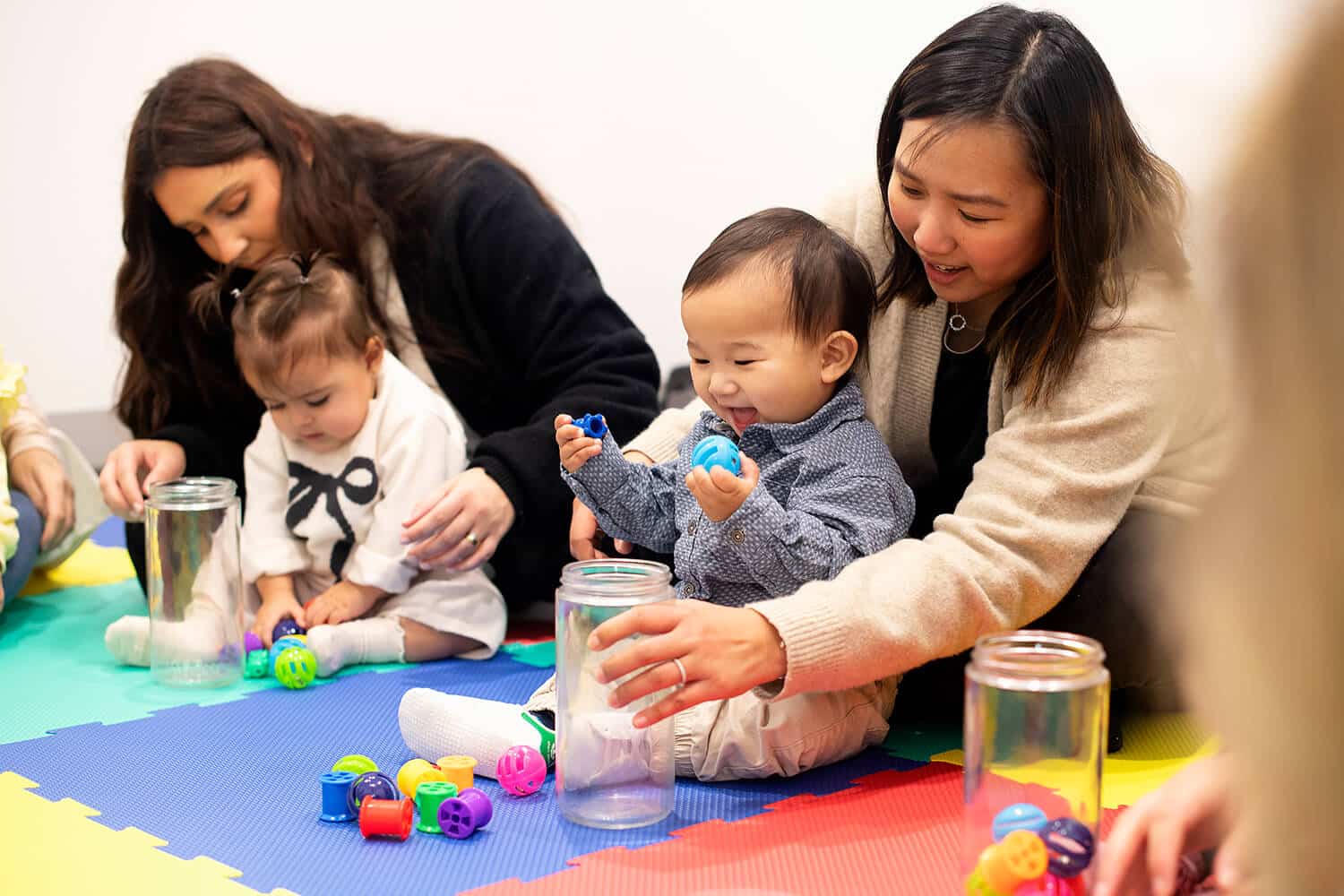
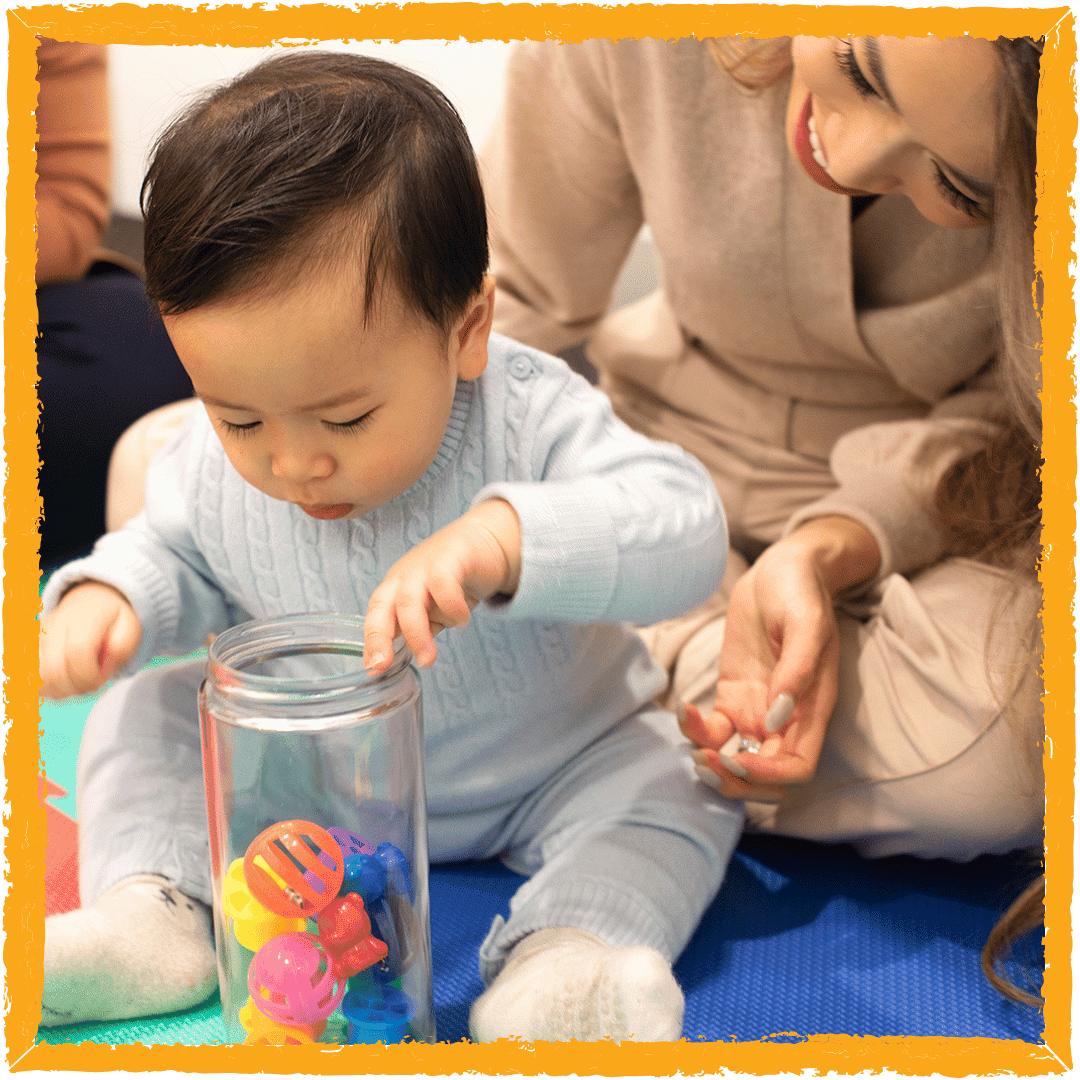
Photo by Shichida Australia: Babies practising grasp-and-release skills during a Shichida baby class.
Give your child the chance to explore creativity, confidence, and essential life skills with the Shichida Method. Our holistic approach blends academics, arts, and emotional growth to nurture well-rounded learners. Every class is designed to develop curiosity and make learning enjoyable.
Book a trial class today and see how Shichida can support your child’s development!
FAQs: Enrichment Programs
Enrichment programs are specially designed activities that give children engaging learning experiences beyond routine academics. They can include art, music, STEM activities, language, movement, and play-based learning – all aimed at supporting whole-child growth.
There’s no strict age, but babies, toddlers and preschoolers can benefit greatly. The earlier they are exposed to playful, structured learning, the more natural it feels as part of their development.
Enrichment programs focus on deeper learning and skill development, often blending intellectual, social, and emotional growth. Extracurricular activities are usually more recreational and may sit outside of a child’s main learning routine.
Yes. Quality enrichment builds core skills such as creativity, problem-solving, communication, and resilience. These foundations benefit children well beyond their early years.
Look for progress in everyday life. Are they more confident in playgroups, managing emotions better, or showing curiosity in new activities? Small, steady changes are signs of growth.
Yes! They support skills children need for school, such as collaboration, communication, early literacy and numeracy, critical thinking, and confidence.
For toddlers, programs that involve sensory play, music, movement, storytelling, and simple social games are ideal. These lay the groundwork for later learning while keeping things fun and age-appropriate.
It depends on the program and your child’s needs. Once or twice a week is often enough for babies, toddlers and preschoolers, as consistency matters more than intensity.
By offering a mix of activities – from hands-on experiments to music and storytelling – enrichment programs cater to different ways children learn. This flexibility helps every child feel engaged and capable.
They can be, especially when guided by parents. Short, interactive, and age-appropriate sessions work well. But for very young children, hands-on, face-to-face experiences often have the biggest impact.