How to Help Kids Improve Their Fine Motor Skills
Key Points:
- Academic Achievement: A 2024 study found a 47% correlation between fine motorskills and math ability and a 37% correlation with reading ability.
- Independence: Research shows that improving a child’s ability to handle everyday tasks like using cutlery and dressing themselves directly boosts their self-confidence.
- Play-based Activities: Shichida Australia uses a holistic approach with hands-on activities to naturally develop a child’s fine motor skills.
From threading beads to zipping up a jacket, kids use their fine motor skills every day. These small hand movements play a big role in your child’s school readiness, confidence, and independence. If you’ve ever wondered how to help kids with fine motor skills, this guide is here to get you started, with simple, everyday activities you can do at home together.
What Are Fine Motor Skills?
Fine motor skills are the precise, small movements of the hands and fingers. Here’s what they are and why they’re essential for a child’s learning and independence.
- Fine vs. Gross Motor: Unlike gross motor skills, which use large muscles for activities like running and jumping, fine motor skills are the small, coordinated movements of the hands and wrists.
- Daily Tasks: These skills are at work in countless daily tasks, from holding a pencil and using utensils to zipping a jacket or cutting with scissors.
- Brain-Hand Connection: The development of these skills involves a powerful brain-to-muscle connection known as hand-eye coordination, which is vital for all future learning.
To support your child’s learning and set them up for a lifetime of success, explore our Complete Developmental Guide to Fine Motor Skills for Kids
Why Fine Motor Skills Matter in Early Childhood
It’s easy to see why fine motor skills matter for daily tasks. But their impact on your child’s early childhood motor development goes far beyond what you might think.
Foundation for Learning and Writing
Fine motor skills build the hand strength and dexterity necessary for classroom success, from holding a pencil to turning pages in a book. A 2024 study suggests a strong link between fine motor skills and academic achievement. The research found a 47% correlation with math ability and a 37% correlation with reading ability, showing that practicing small movements with their hands helps children prepare for learning.
Promotes Independence
Mastering fine motor skills is a key step towards independence. According to research on Activities of Daily Living (ADLs), improving a child’s ability to handle everyday tasks like using cutlery and dressing themselves is a direct way to boost their self-confidence and capability.
Brain–Hand Coordination for Children
Fine motor skills create a powerful link between the hands and the brain, enhancing neural pathways that support memory, focus, and sequencing. This is particularly evident in bimanual coordination, where a 2025 study found that as children age, their ability to perform independent, simultaneous movements with both hands improves significantly.
5 Parent Tips to Support Fine Motor Skills at Home

Photo from Shutterstock: A busy board offers a fun, hands-on example of how to help kids with fine motor skills – encouraging problem-solving, coordination, and independence through play.
Parents can often feel overwhelmed by the idea of helping their children learn. But
supporting fine motor skills is as easy as using things you already have at home.
- Self-feeding: Let children self-feed with fingers or small utensils. This practice builds hand strength and hand-eye coordination.
- Dressing: Encourage dressing themselves with zips, buttons, and Velcro. These movements help to refine pincer grasp and using both hands together.
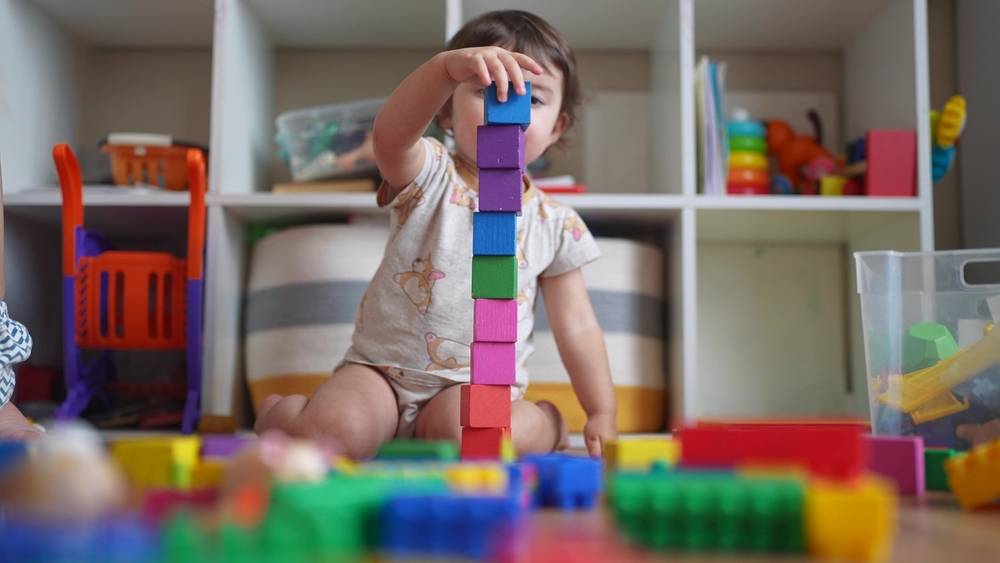
- Play activities: Use pegboards, building blocks, or threading activities. These are excellent for developing fine motor control and dexterity.
- Art: Introduce art through finger painting, scribbling, and cutting shapes. This helps to improve pencil grasp and hand strength for future writing.
- Kitchen tasks: Promote kitchen tasks like stirring, pouring, and scooping ingredients. These tasks help develop hand coordination for children.
Remember to focus on play-based learning. Children develop fine motor skills best when they’re having fun!
Fun Exercises to Improve Fine Motor Skills
Here are some fun fine motor skill activities for kids, broken down by age, to help them learn and develop.
Babies (0 to 1)
- Tummy Time: Place your baby on their tummy to help build shoulder strength, which is a foundation for future fine motor skills.
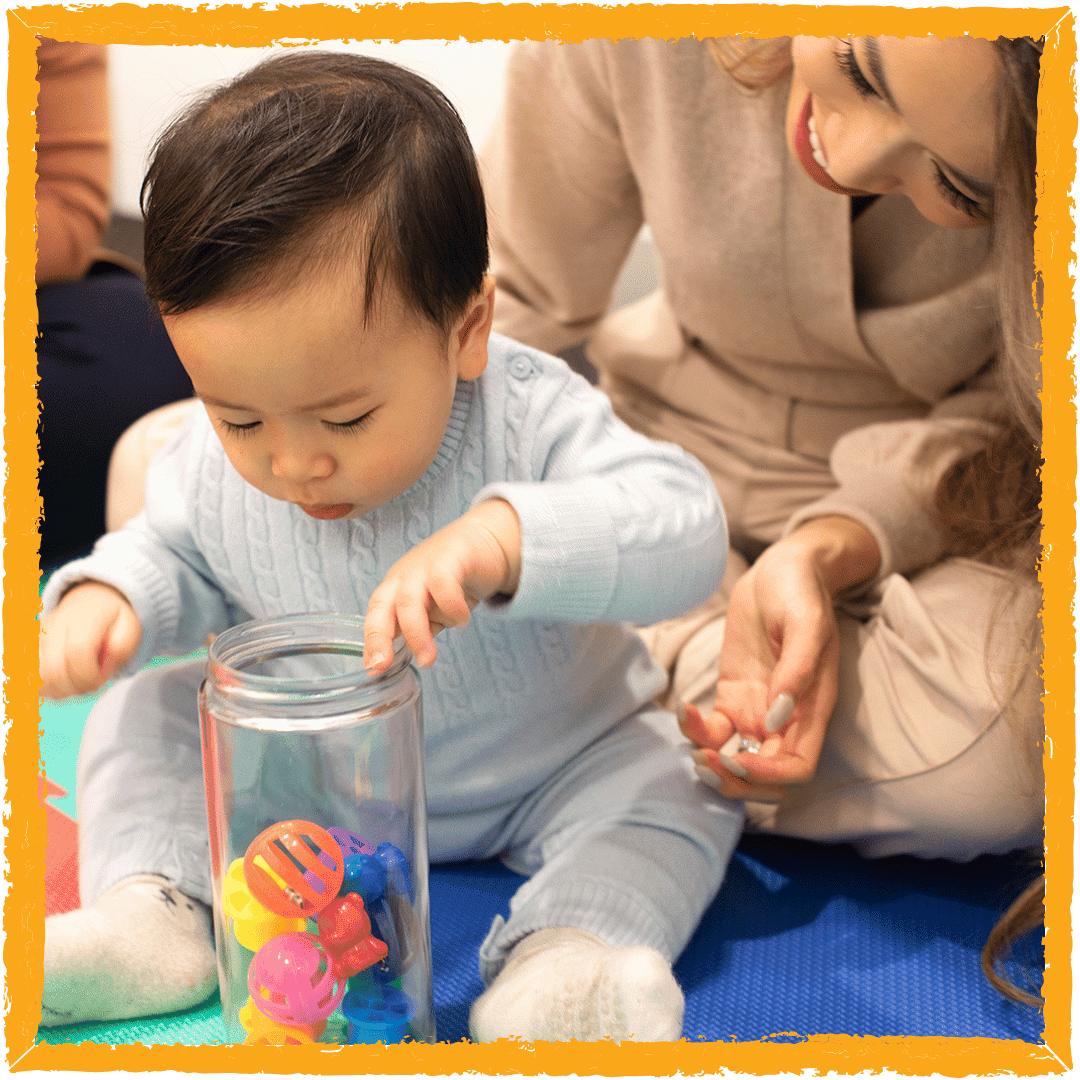
- Reaching and Grasping: Gently offer toys for your baby to reach for and grasp, encouraging them to work on finger and hand control.
Toddlers (1 to 3)
- Shape Sorters & Blocks: These activities help them practice precision and coordination.
- Finger Foods & Puzzles: Using fingers to pick up small pieces of food or solve simple puzzles helps develop the pincer grasp and problem-solving skills.
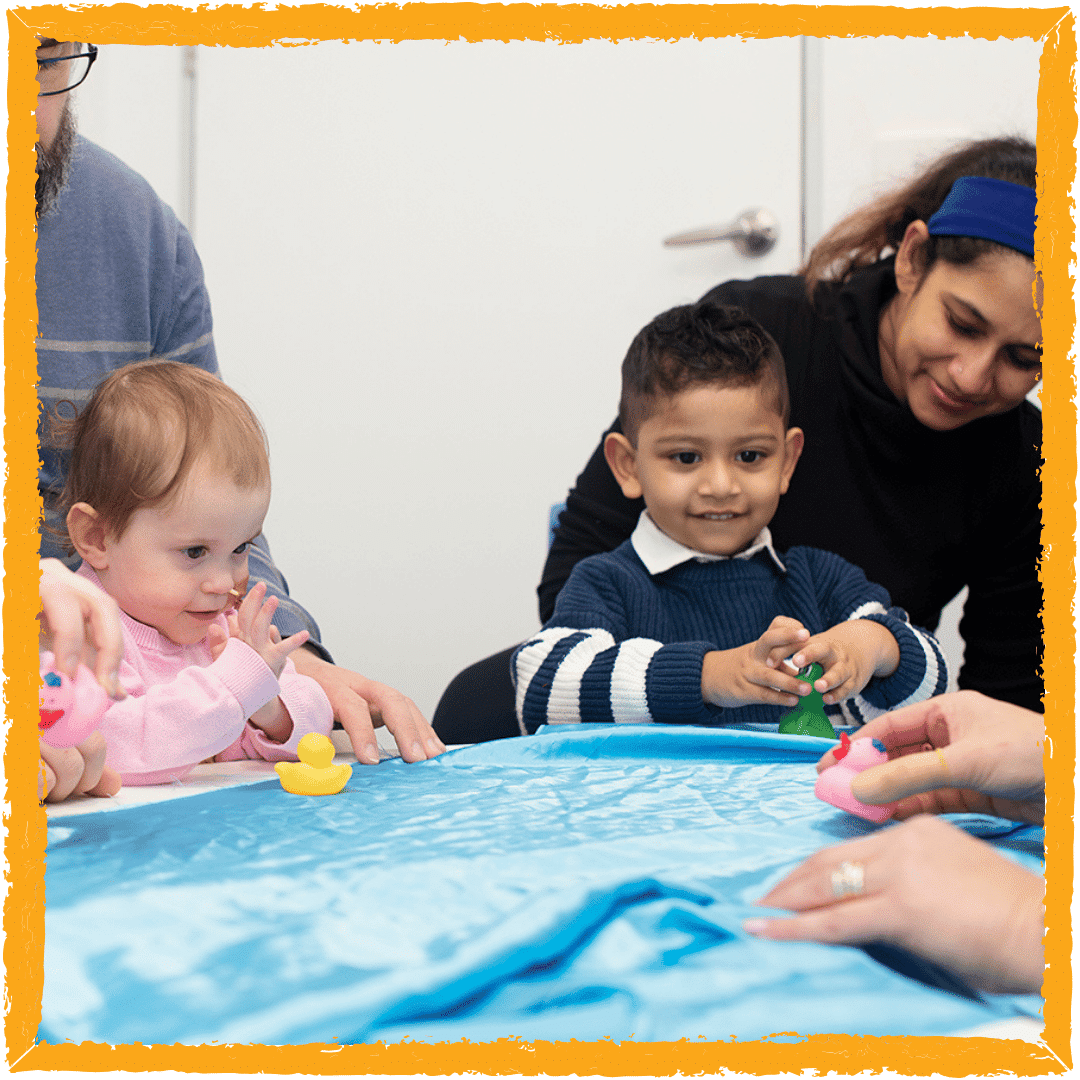
- Water Play: Let them pour water from one cup to another to practice control and bilateral coordination.
Preschoolers (3 to 5)
- Drawing & Tracing: These are great for practicing pencil grasp and building the hand strength needed for writing.
- Sorting Games: Use child-safe tweezers or tongs to pick up and sort small items like pom-poms or beads, which refines their fine motor control.
- Playdough: Pinching, rolling, and squeezing playdough is a fun way to strengthen hand and finger muscles.

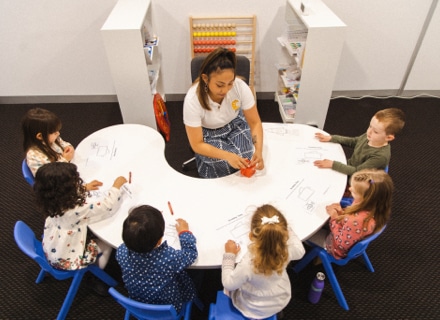
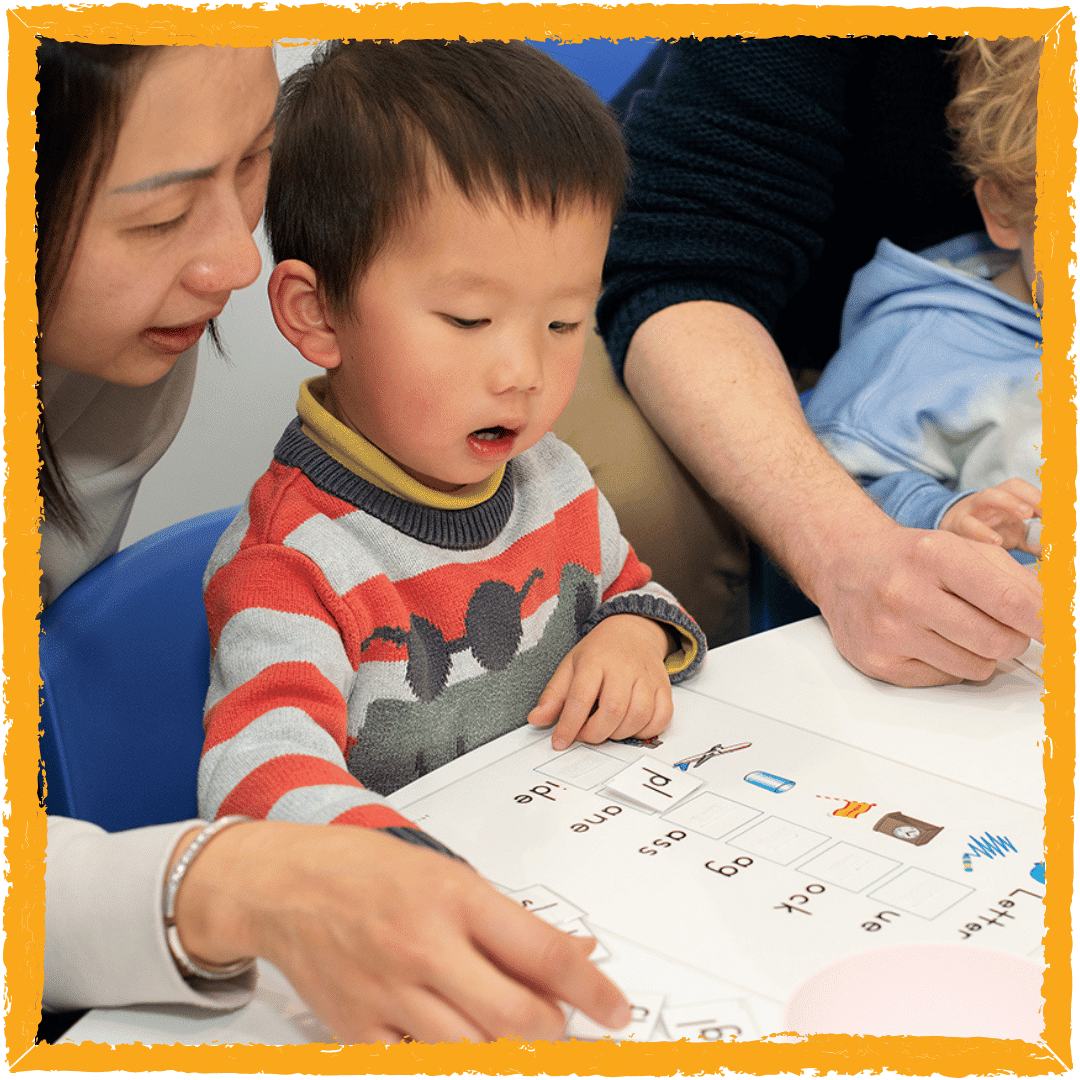
Photo from Shichida Australia: Preschoolers practising cutting rounded shapes with guidance from a Shichida instructor. Each class includes 20–25 activities designed to build memory, fine motor skills, language, maths, and more!
How Shichida Supports Fine Motor Development
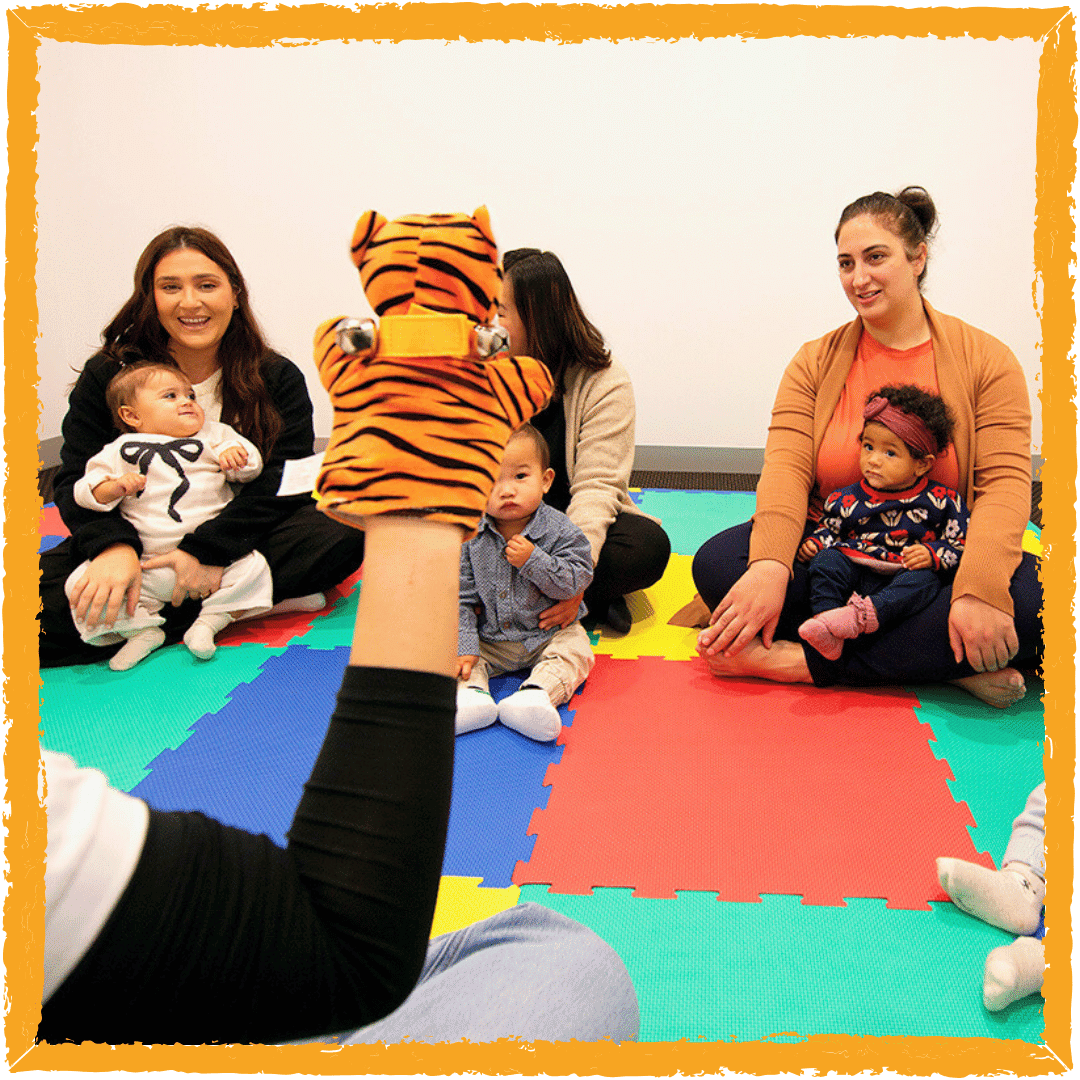
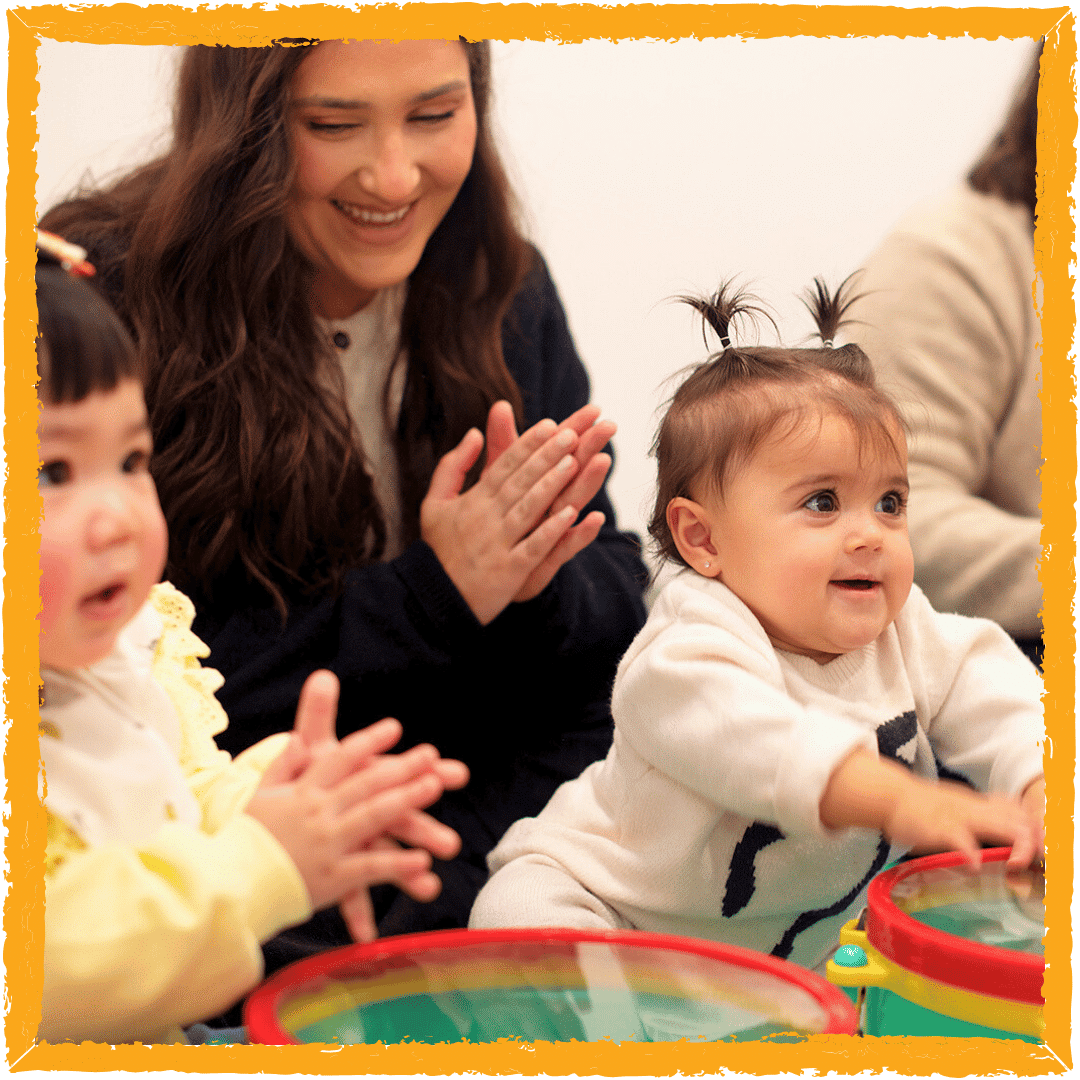
Shichida Australia supports early childhood motor development through a variety of engaging, play-based programs. Our holistic approach ensures that fine motor skills are nurtured in a way that benefits your child’s entire development.
- Hands-on Activities: Children engage in playful activities like using chopsticks and paper folding to build the hand strength needed for writing and self-feeding.
- Tactile and Sensory Play: We use materials like rice and textured blocks to enhance a child’s tactile sense, which is closely linked to fine motor control.
- Holistic Integration: Fine motor development is integrated into a broader curriculum that stimulates both brain hemispheres, boosting cognitive skills like memory and concentration.
- Personalised Guidance: We give parents and educators the tools and guidance to create a supportive environment where children can confidently master new skills.
When to Seek Extra Support
Don’t be discouraged if your child struggles with fine motor skills. It’s a very common developmental stage, and with a little support, every child can improve.
- Signs to watch for: If your child avoids tasks that require hand use, has a poor pencil grip, or seems clumsy with things like buttons and zippers, it might be a sign they need a little extra practice.
- Who to consult: If you’re concerned, it’s always a good idea to speak with your child’s educator, a paediatrician, or a paediatric occupational therapist for a professional assessment.
- How structured programs can help: Programs like Shichida can complement professional guidance by providing a nurturing environment for your child to engage in fun, hands-on activities that build confidence and skills.
Why Small Movements Lead to Big Milestones
Understanding how to help kids with fine motor skills is about much more than small movements. Think of them as the stepping stones to a child’s learning, confidence, and independence.
How to Help Kids with Fine Motor Skills? With Shichida!
With the right support, every child can naturally develop these abilities through simple, everyday play and routines. Book a trial class today and discover how Shichida’s holistic, research-based programs can help your child develop fine motor skills and much more.

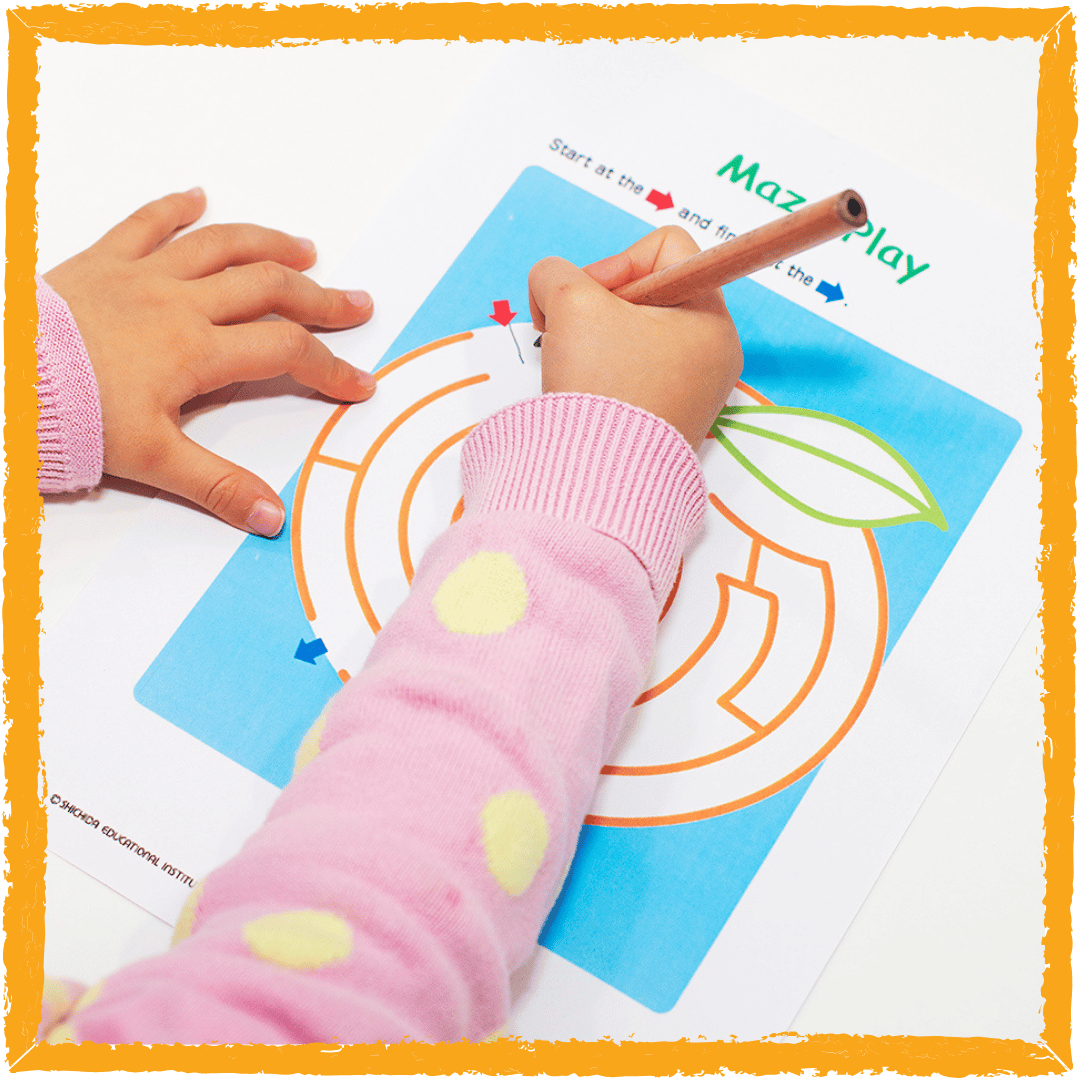
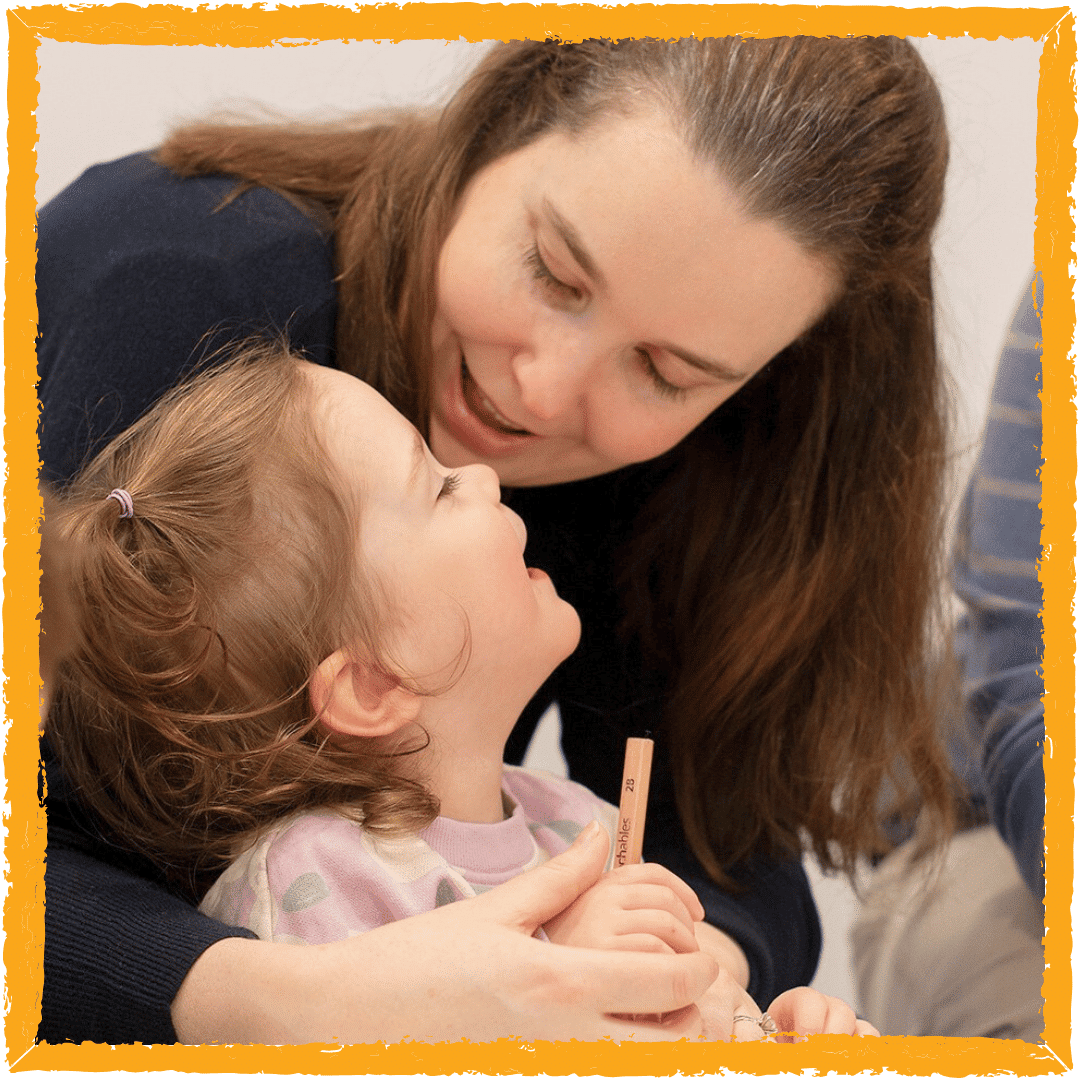
Photo from Shichida Australia: Developing fine motor skills starts with small, purposeful movements. At Shichida Australia, children strengthen their pencil grip and hand control through fun maze activities that prepare them for confident writing.